
Your Plate Might Be Sending You More Messages Than You Think
The food you eat should leave you feeling energized, satisfied, and ready to tackle the day. If your current diet regularly leaves you tired, uncomfortable, or struggling with new symptoms, your body may be trying to tell you something. While many of these signs can have causes unrelated to diet, paying attention to consistent changes can help you decide whether it's time to take a closer look at what you're eating. Here are 20 signs your body isn't a big fan of how you're feeding it.

1. You Feel Tired All the Time
Constant fatigue isn't always about getting too little sleep. A diet that's low in key nutrients like iron, protein, healthy fats, or certain vitamins may leave your body without the fuel it needs. Eating plenty of highly processed foods while skipping balanced meals can also contribute to energy crashes.

2. You're Always Hungry
Feeling hungry shortly after eating may mean your meals aren't keeping you satisfied. Diets that rely heavily on refined carbohydrates but lack protein, fiber, and healthy fats can cause blood sugar to rise and fall quickly. That cycle often leaves you reaching for another snack sooner than expected.

3. Your Digestion Feels Off
Frequent bloating, gas, constipation, or diarrhea can sometimes point toward foods that don't agree with your digestive system. Too little fiber, not enough fluids, or certain food intolerances may all play a role. It's normal to experience occasional digestive discomfort, but persistent symptoms deserve attention.

4. Your Skin Has Changed
Your skin can sometimes reflect what's happening inside your body. While breakouts and irritation have many possible causes, diets high in added sugars or lacking important nutrients may contribute for some people. Hydration also plays a role in maintaining healthy-looking skin.
 Barbara Krysztofiak on Unsplash
5. Your Hair Seems Thinner
Hair needs a steady supply of protein, vitamins, and minerals to grow normally. Restrictive diets or poor overall nutrition can sometimes contribute to increased shedding or slower growth. While food isn't the only possible explanation, it's one factor worth considering.

6. Your Nails Break Easily
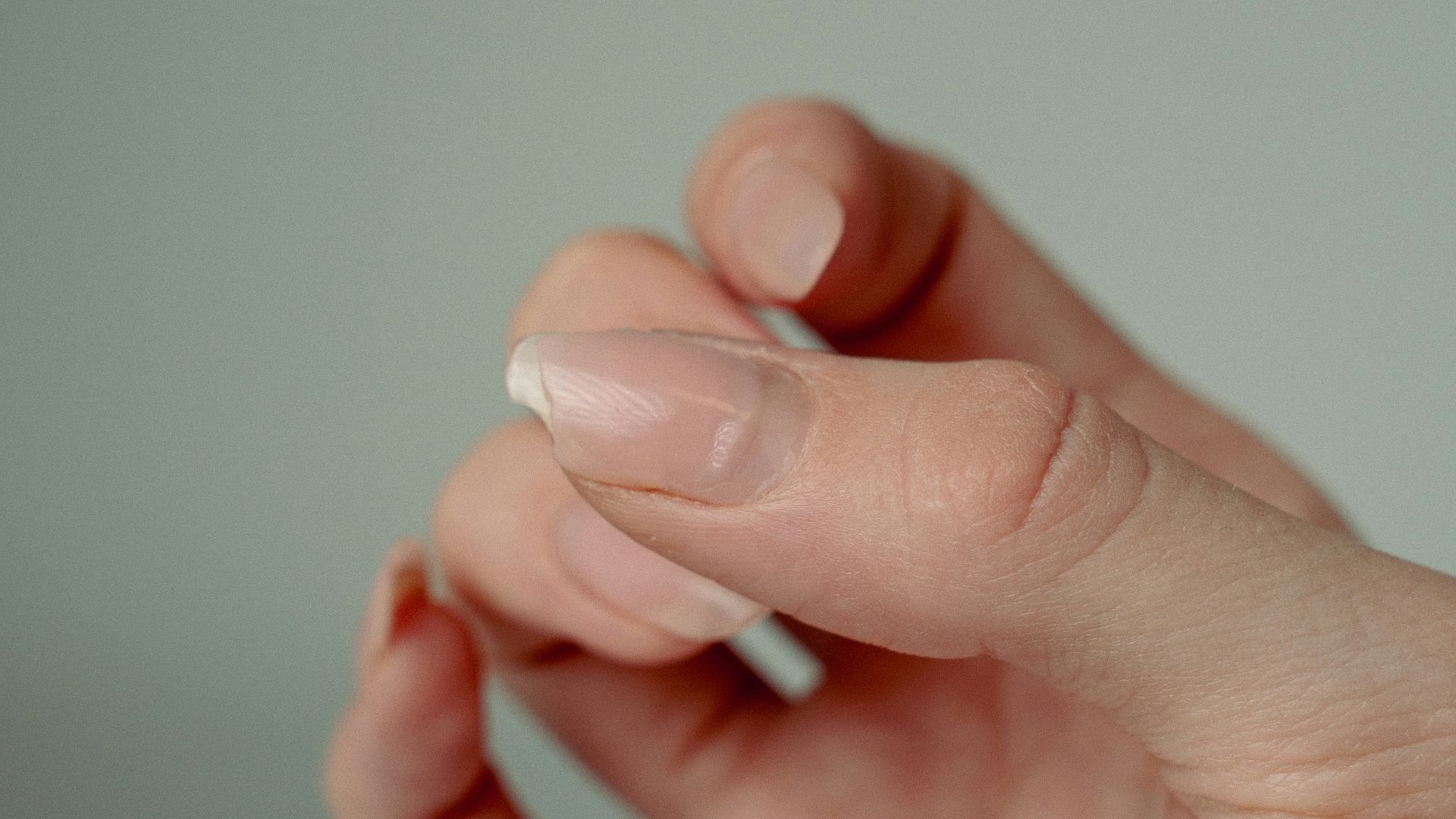
Healthy nails depend on more than regular manicures. Brittle, splitting nails may sometimes be linked to nutritional gaps, especially if your overall diet lacks variety. Protein, iron, biotin, and other nutrients all help support nail health. If your nails suddenly become much weaker than usual, it could be worth reviewing your eating habits.
7. You Get Sick More Often
Your immune system relies on a wide range of nutrients to function properly. A diet that's low in fruits, vegetables, whole grains, and protein may make it harder for your body to stay at its best. No food can prevent every illness, but long-term poor nutrition may affect immune health.

8. You Struggle to Concentrate
Brain fog can have many causes, including stress, poor sleep, and certain medical conditions. However, regularly skipping meals or relying on foods that cause rapid blood sugar swings may also affect concentration. Your brain needs a steady supply of energy throughout the day. Balanced meals often support more consistent mental focus.

9. You Experience Frequent Sugar Cravings
Strong cravings for sweets may develop when meals aren't satisfying enough. If you're eating too little protein or fiber, your body may keep asking for quick sources of energy. Highly processed foods can also encourage a cycle of craving more sugary snacks. Adding more filling foods may help reduce those urges over time.

10. Your Mood Feels More Unstable
Food doesn't determine your mood on its own, but nutrition does play a role in overall brain health. Skipping meals or eating a diet low in nutrient-rich foods may leave some people feeling more irritable or emotionally drained. Stable energy levels often support more stable moods as well.

11. You Constantly Feel Bloated After Meals
Occasional bloating is normal, especially after large meals. If nearly everything you eat leaves you feeling uncomfortable, though, your digestive system may be reacting to certain foods or eating patterns. Food intolerances, excess sodium, or low fiber intake can all contribute.

12. You Wake Up Feeling Hungry Every Morning
Waking up hungry isn't automatically a bad thing, but extreme hunger every morning may suggest your evening meals aren't keeping you satisfied. It could also mean your overall calorie intake isn't matching your body's needs. Meals that include protein, healthy fats, and fiber often provide longer-lasting fullness.

13. You Don't Recover Well After Exercise
Your body needs carbohydrates to replenish energy and protein to help repair muscle after physical activity. If workouts leave you exhausted for days, your diet may not be providing enough recovery fuel. Supporting your body after exercise is just as important as the workout itself.

14. You Feel Dizzy Between Meals
Feeling lightheaded before your next meal may happen when blood sugar drops too low or when meals are spaced too far apart. Eating very little throughout the day can make these episodes more likely. Other medical conditions can also cause dizziness, so it shouldn't be ignored.

15. You Depend on Caffeine to Function
Many people enjoy coffee, and moderate caffeine intake can absolutely fit into a healthy lifestyle. The concern comes when caffeine is masking ongoing fatigue caused by poor nutrition or inconsistent meals. If multiple cups are the only thing keeping you awake, your diet may deserve a closer look.
16. Your Bathroom Habits Have Changed
Changes in bowel habits can sometimes reflect changes in your diet. Too little fiber, inadequate hydration, or suddenly eating very differently can all affect digestion. While occasional changes happen to everyone, ongoing problems shouldn't be dismissed.

17. You Feel Weak More Often
If everyday activities suddenly feel harder than they used to, your body may not be getting enough fuel. Very restrictive diets can reduce energy and make even simple tasks feel more demanding. Adequate calories and balanced nutrition help support normal strength throughout the day.

18. You Rarely Feel Satisfied After Eating
Finishing a meal should usually leave you feeling comfortably full, not like you're already searching the pantry. Meals that lack protein, healthy fats, or fiber often don't provide lasting satisfaction. Constantly chasing fullness can make healthy eating much harder to maintain.

19. Your Weight Is Changing Without Meaning To
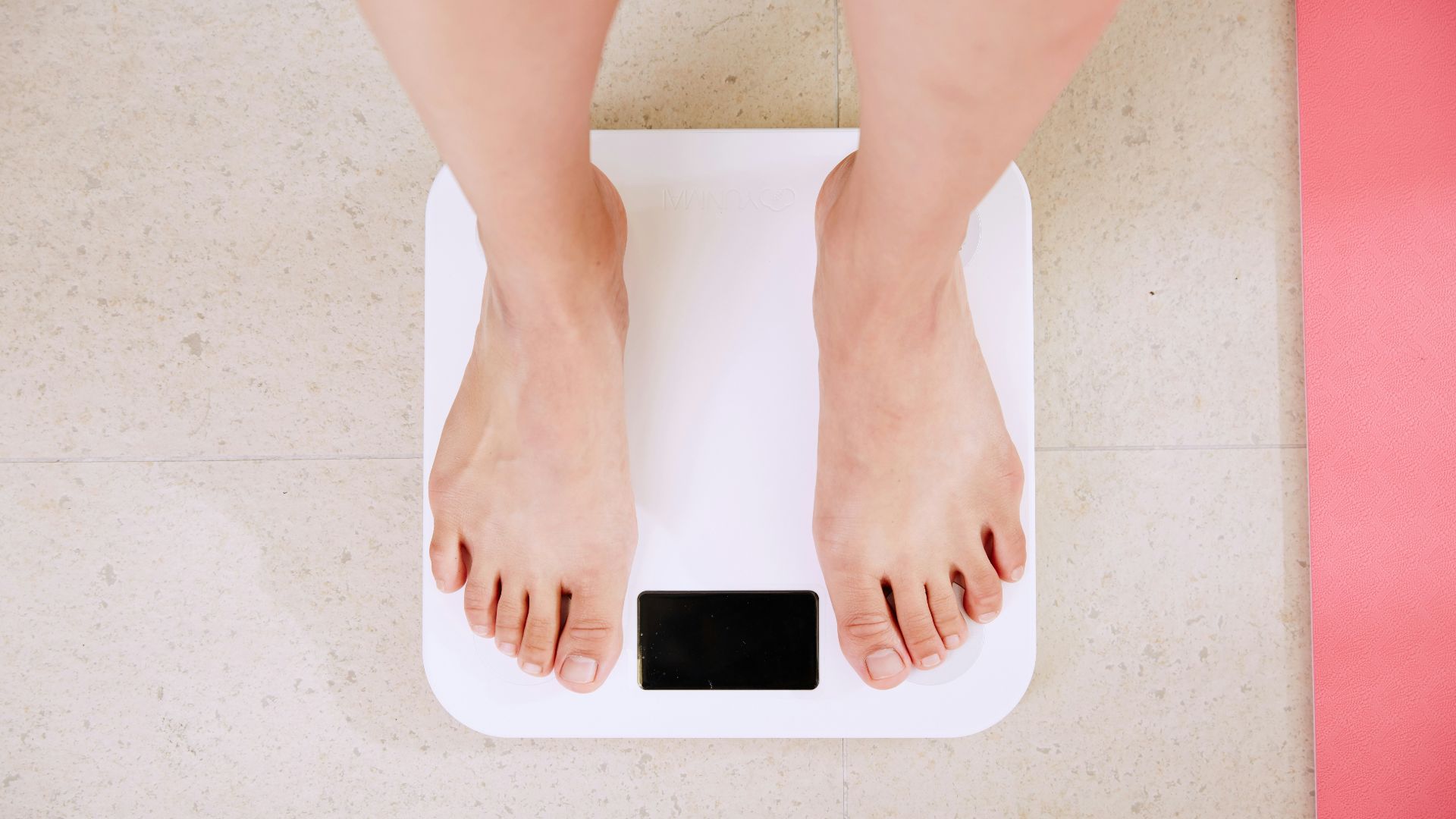
Unexpected weight gain or weight loss can sometimes be connected to your diet, although many health conditions can also affect body weight. If your eating habits have changed recently, they may be contributing to what you're seeing on the scale. It's helpful to pay attention to gradual trends rather than daily fluctuations.
20. You Just Don't Feel Your Best
Sometimes the biggest sign isn't dramatic at all. You may simply notice that you have less energy, poorer digestion, lower motivation, or fewer good days than you used to. Your body often gives subtle signals before larger problems develop. Listening to those messages and making gradual, sustainable improvements to your diet can help you feel healthier over time.

KEEP ON READING



20 Ways to Deal With Your Sweet Tooth

20 Low-Impact Exercise Ideas For People Over 50