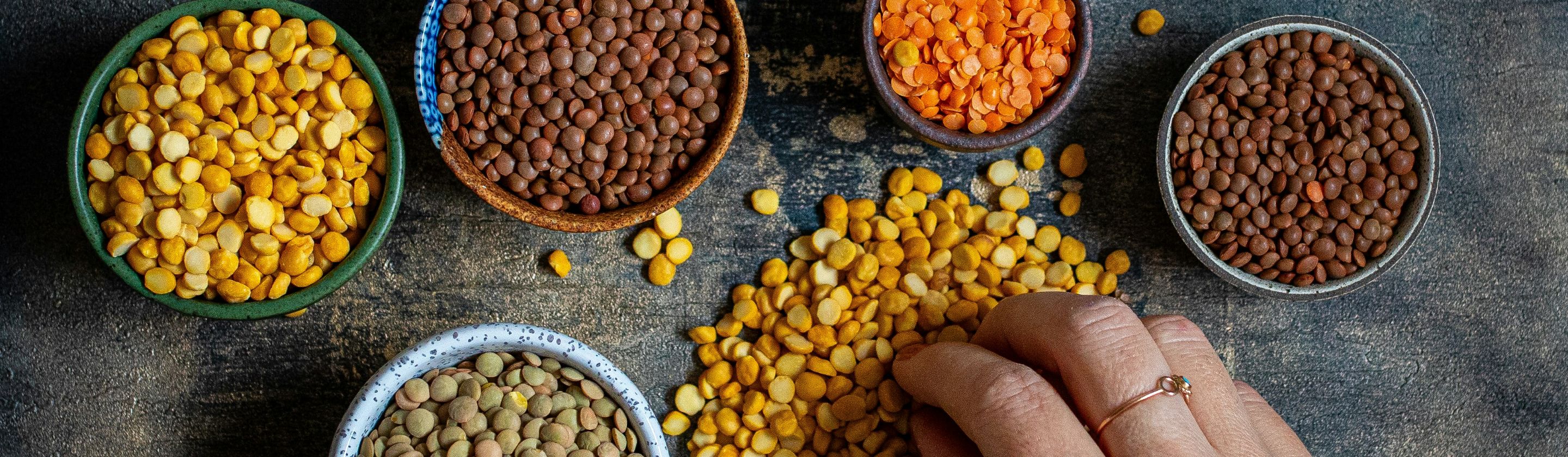
Nutritious Eating Isn’t Just For The Rich
Eating well doesn't require filling your cart with expensive specialty products or following a complicated diet. Plenty of affordable foods provide protein, carbohydrates, healthy fats, fiber, vitamins, and minerals while remaining easy to find at an ordinary grocery store. In many cases, the most useful ingredients are humble staples that have been around for generations.
1. Oats
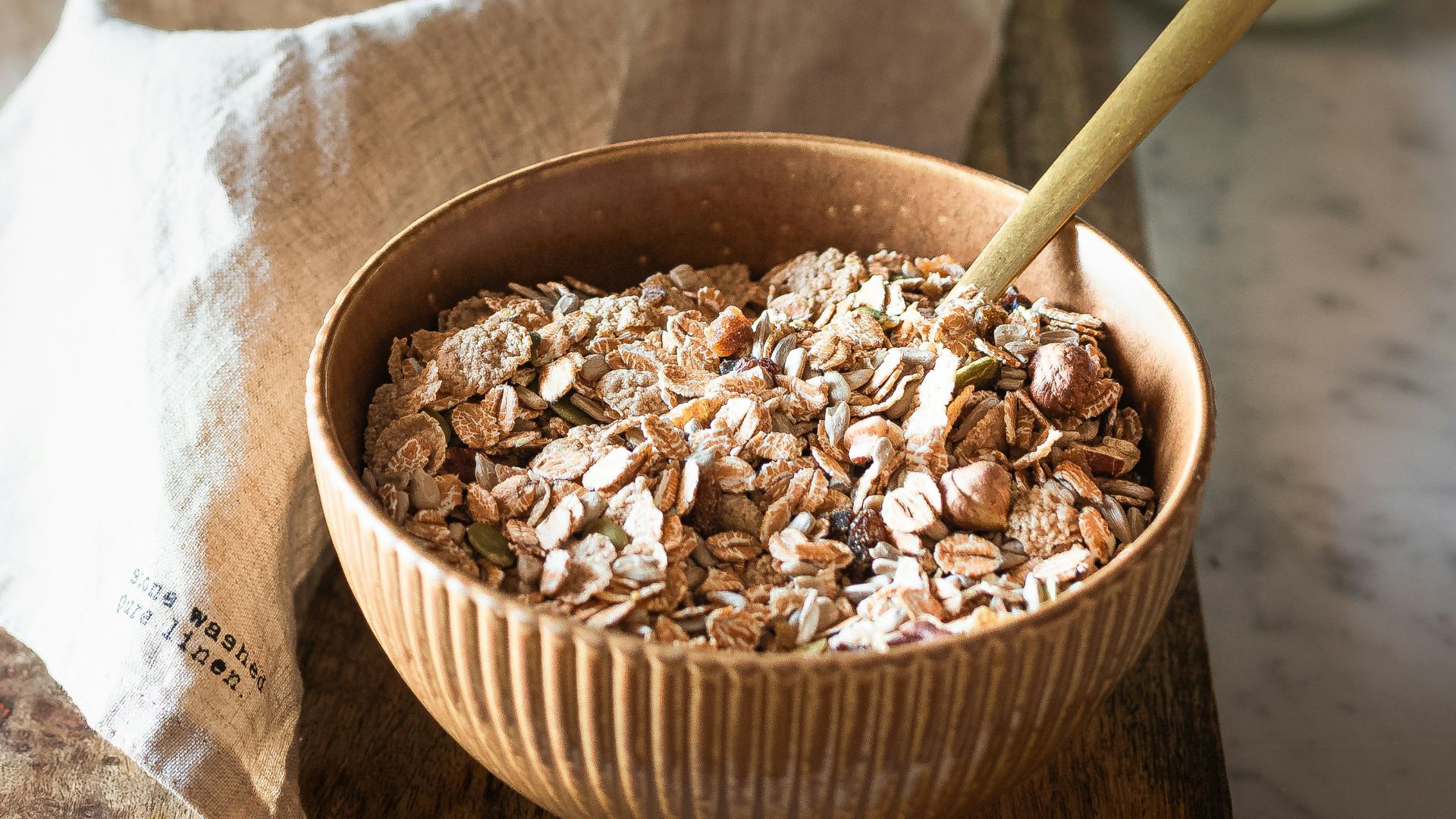
Buy a container of old-fashioned oats, and you’ll have dozens of breakfasts at your fingertips. Oats are full of carbs and fiber, and you can jazz them up with all kinds of extras: fruit, peanut butter, cinnamon, yogurt, etc. Oats also last a long time in the pantry, making them convenient.
 micheile henderson on Unsplash
2. Eggs
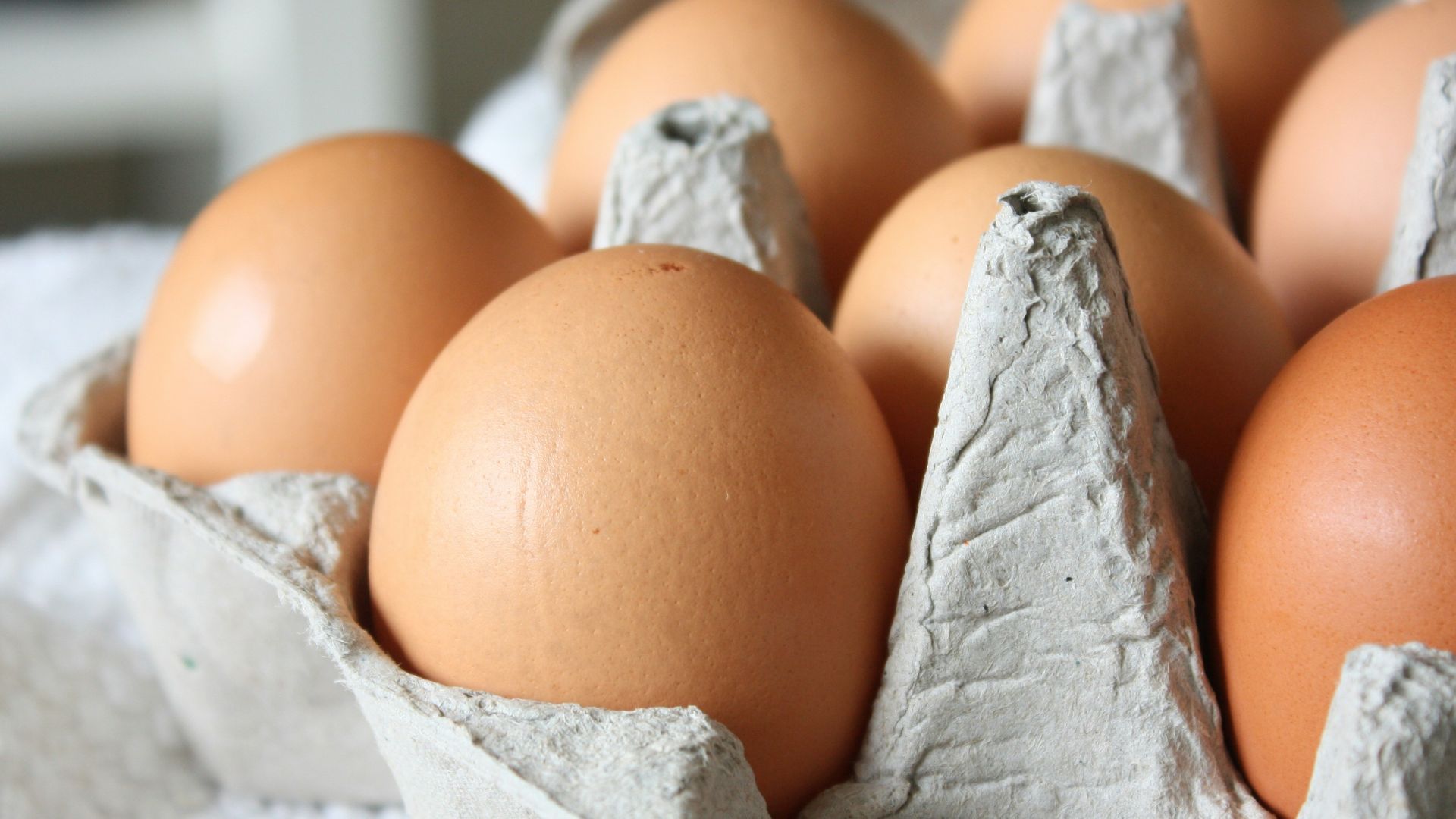
If you’re looking for something that’s useful at breakfast, lunch, or dinner, eggs are an incredibly convenient choice. Eggs are a source of protein and many vitamins and minerals, and there are nearly endless ways to make them. Stir them into a tortilla scramble, toss some in fried rice, or serve them next to toast and veggies.
3. Lentils
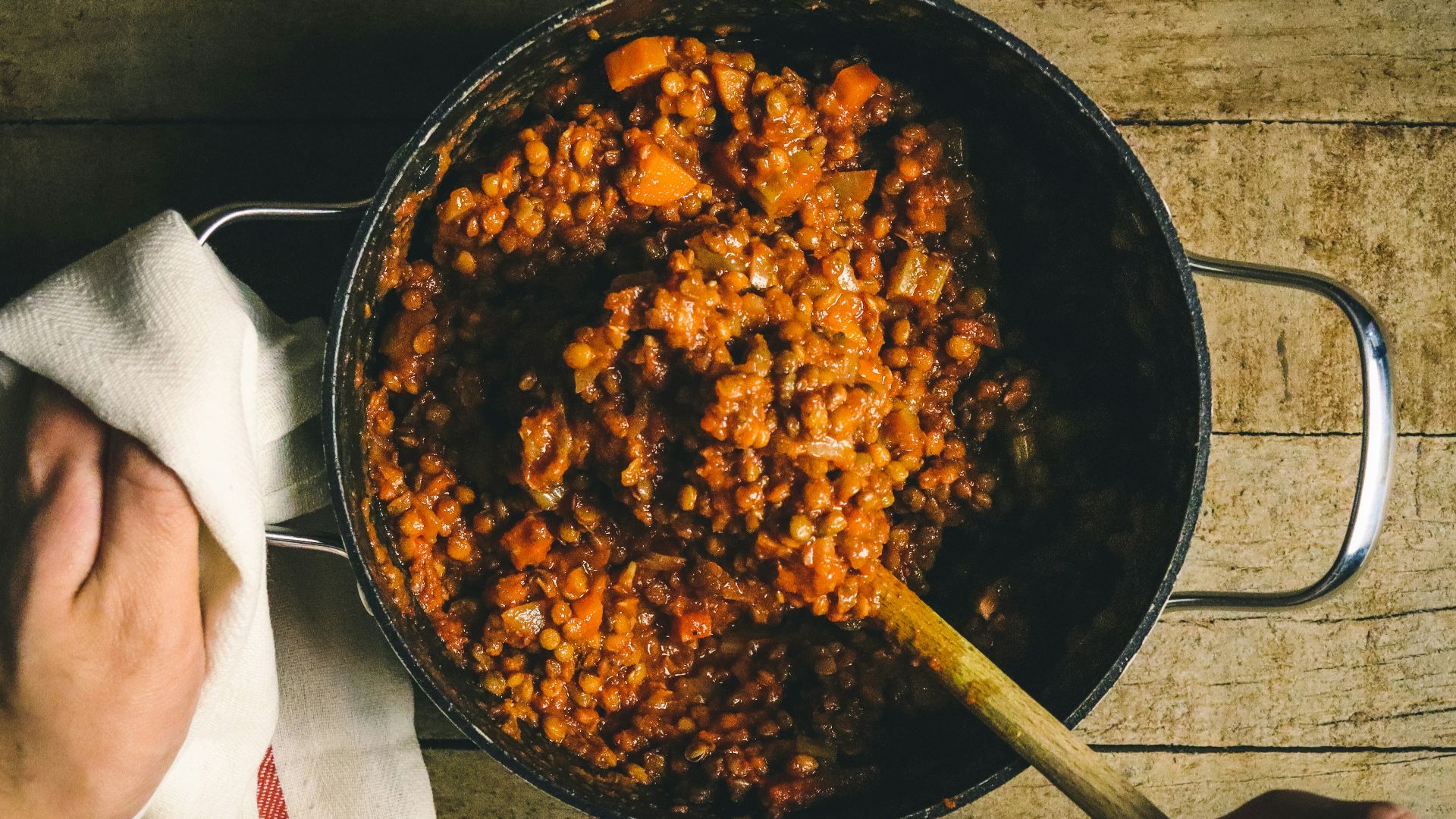
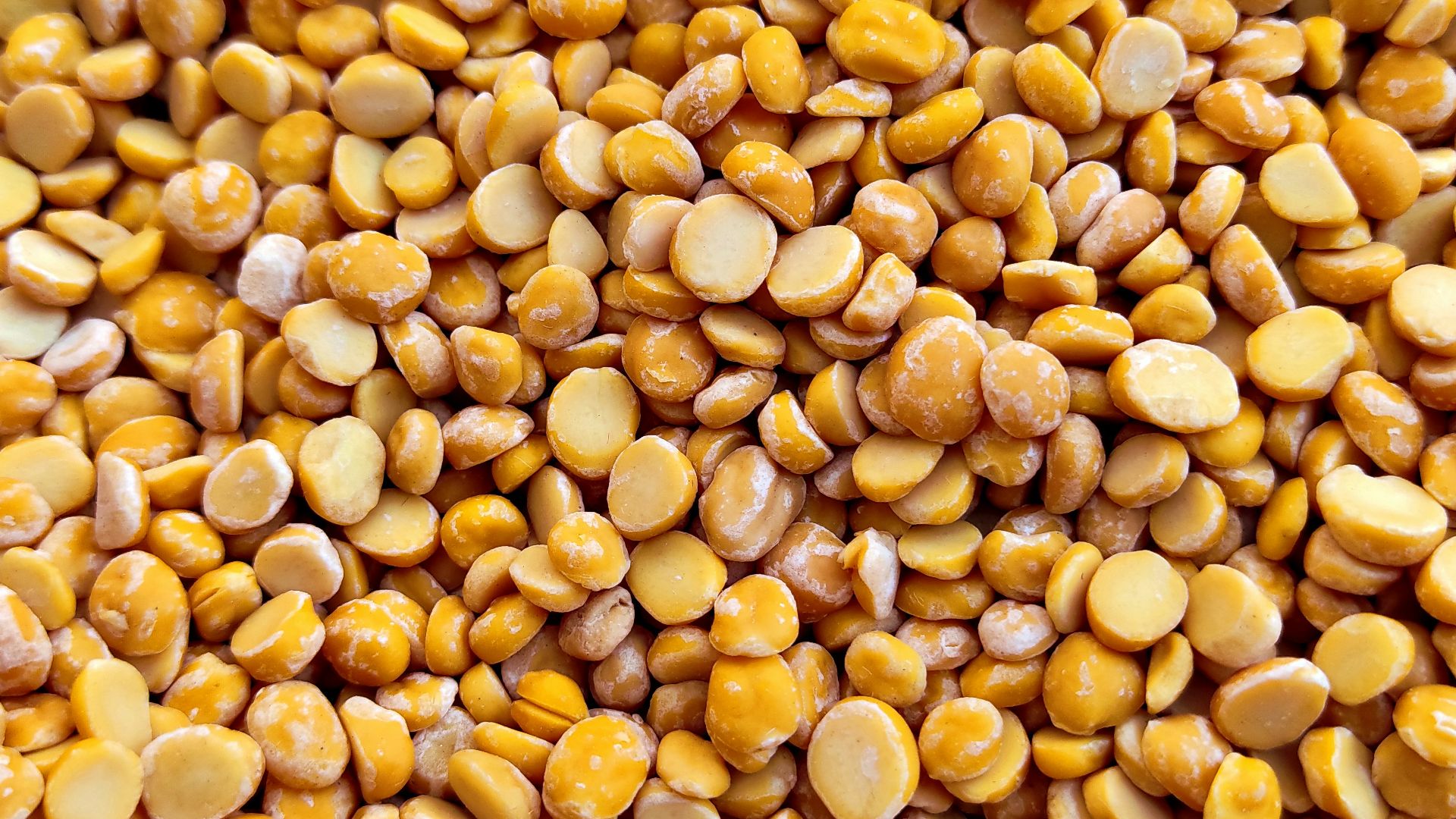
Grab a bag of lentils for an inexpensive source of filling nutrients. They’re high in plant-based protein and fiber, and they taste great in soups, curries, salads, and stews. Lentils are also a good way to stretch one pot of food into several different meals.
4. Canned Beans
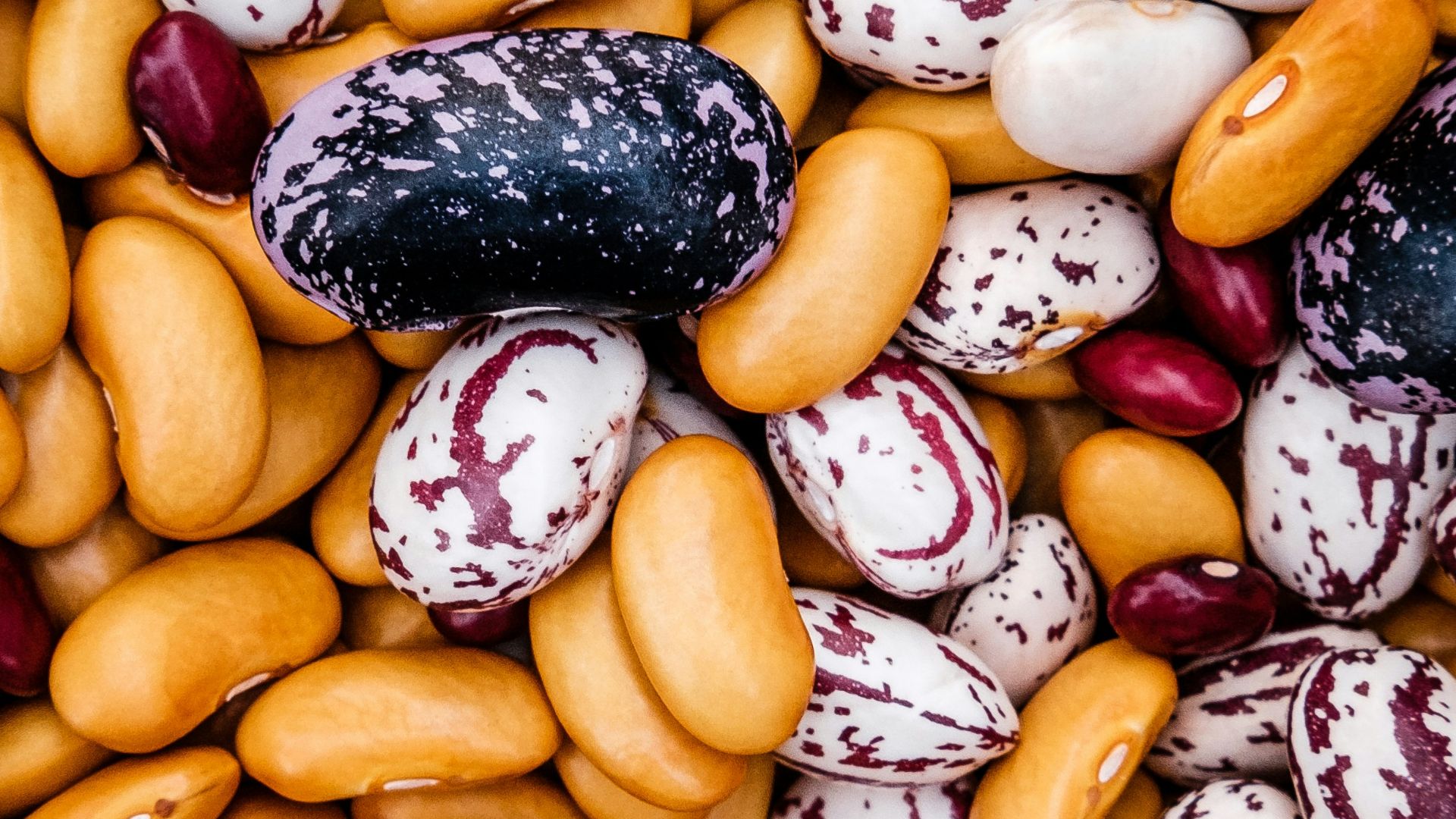
Black beans, kidney beans, chickpeas, and other canned varieties are inexpensive sources of protein and fiber. They're already cooked, so they can be added directly to tacos, rice bowls, soups, or salads. Keeping a few cans around means you can make a satisfying meal even when the refrigerator is looking unusually empty.
5. Potatoes
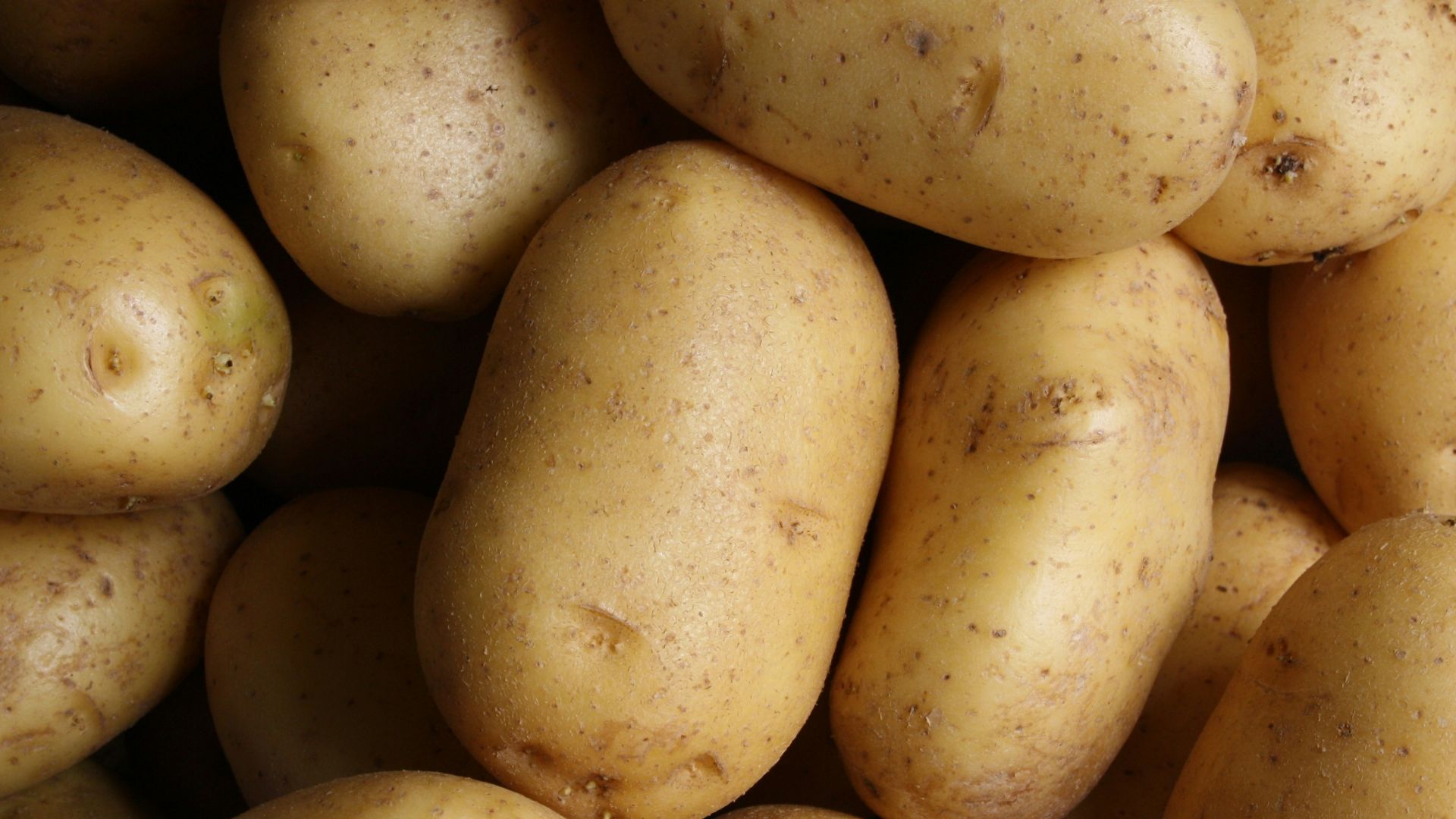
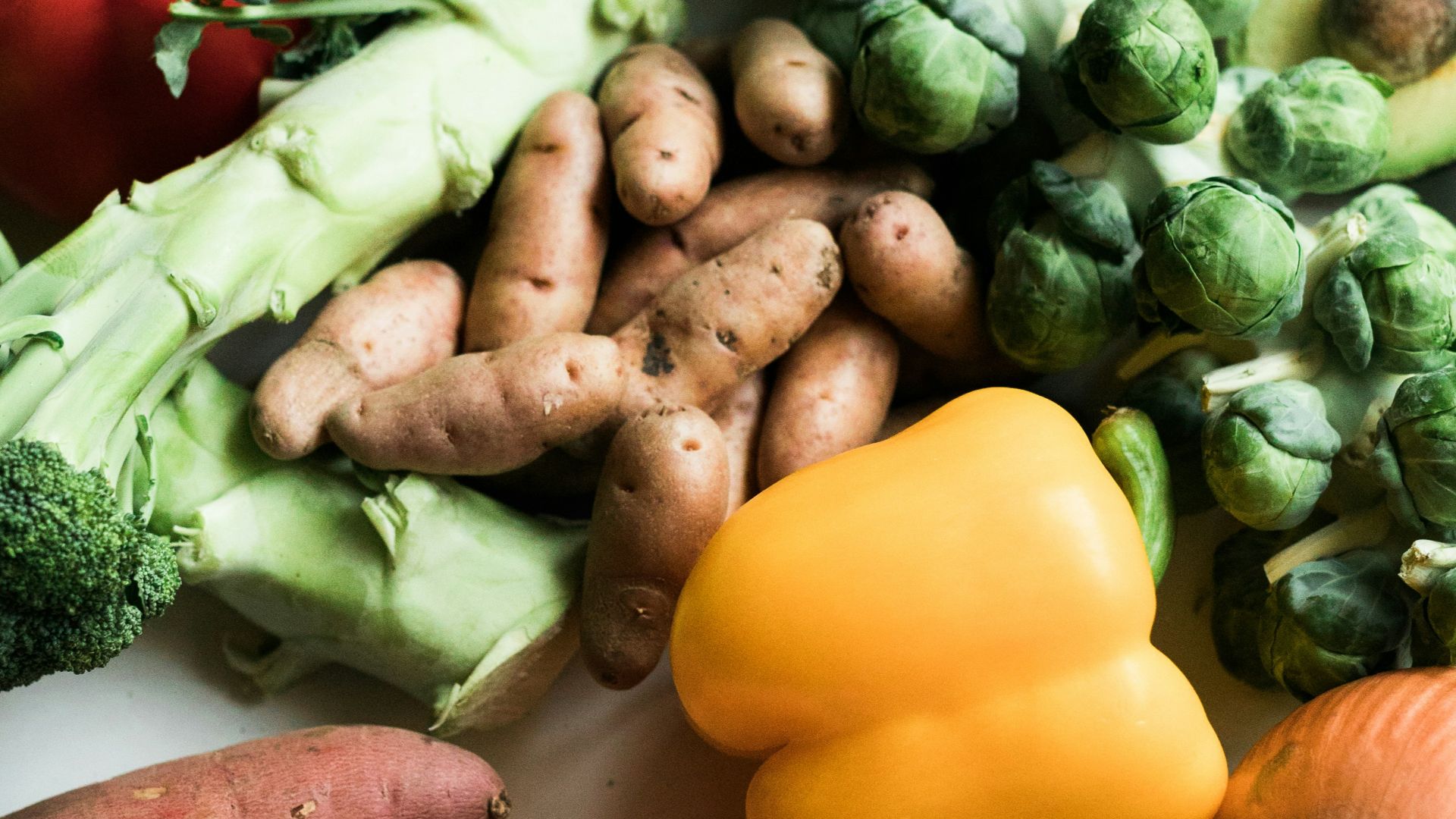
Nutritious? Sure. Tasty? Absolutely. Potatoes are versatile enough to be included on any list of pantry staples. They can be added to soups, salads, breakfast skillets, and so much more.
6. Peanut Butter
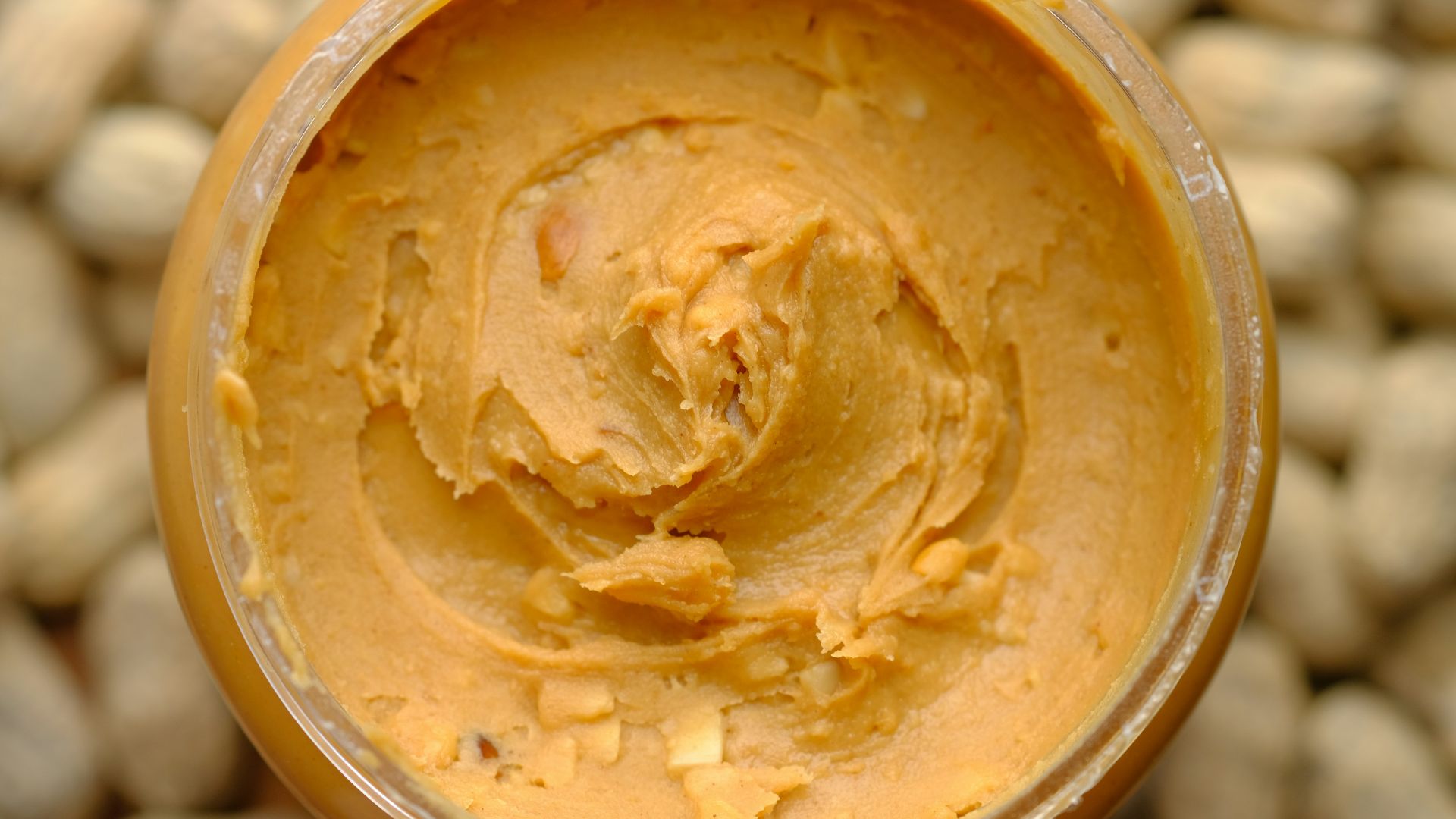
Skip the fancy nut butter and opt for a simple jar of peanut butter. Peanut butter can add protein, fat, and calories to inexpensive meals while packing tons of flavor. Spread it on toast, mix it into oatmeal, or have it with fruit as a snack.
7. Brown Rice
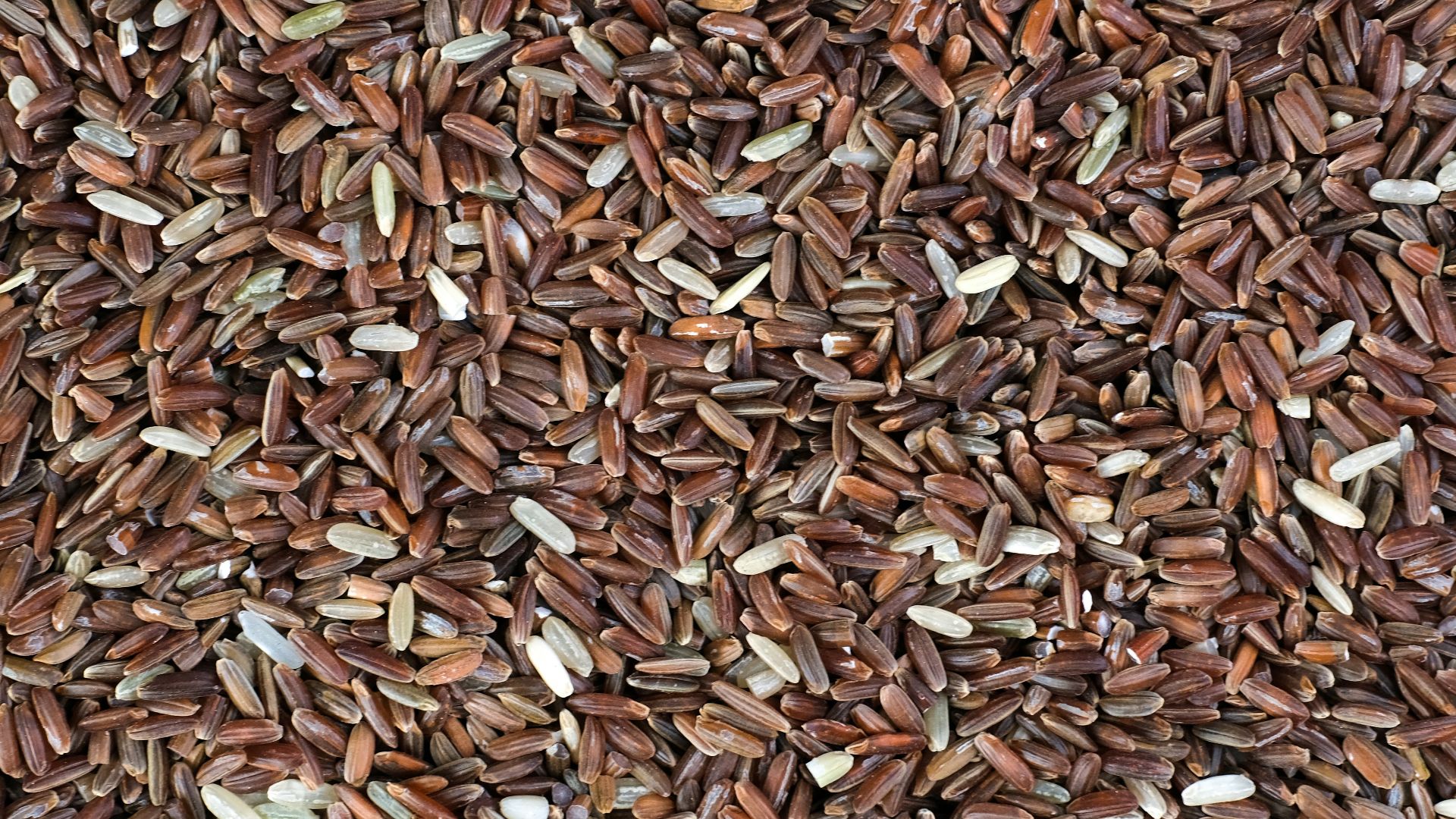
Whole-grain brown rice is cheap and can be paired with just about anything. Serve rice with beans and veggies, make a rice stir-fry, or eat it with eggs and some other protein source. Buying in bulk can also help rice be one of the most affordable things in your pantry.
8. Frozen Vegetables
Frozen veggies are unsung heroes. Simple to prepare and just as nutritious as their fresh counterparts, frozen vegetables will last you a long time. Throw some in your pasta, soups, rice, or eggs.
9. Canned Tuna
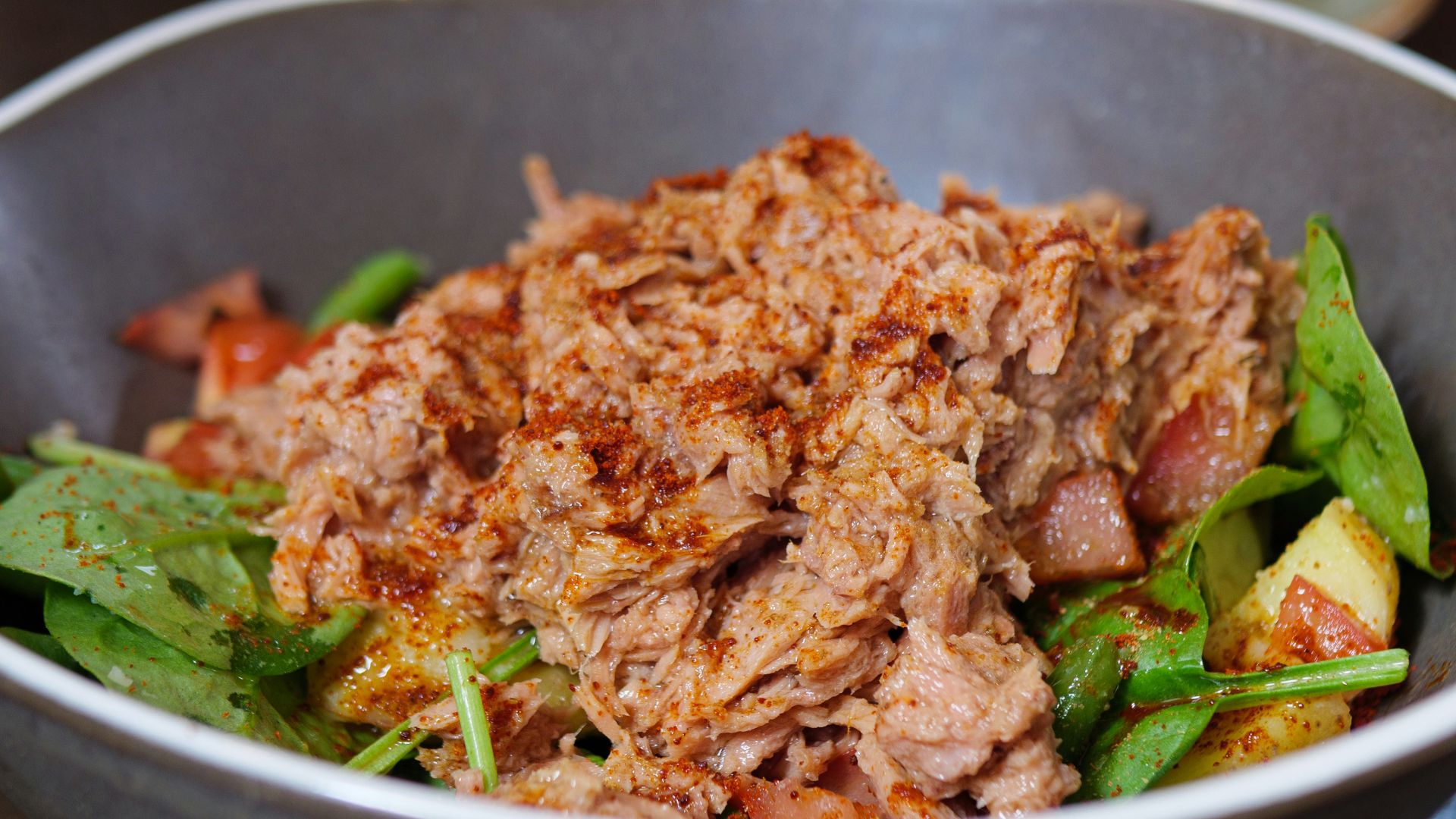
Another easy protein to keep stocked in your cabinets. Canned tuna can be mixed with pasta, used in a sandwich, or combined with beans and veggies to make a simple salad. Because it doesn’t need to be refrigerated before you open it, you can keep canned tuna in your pantry for emergencies.
 Grooveland Designs on Unsplash
10. Bananas
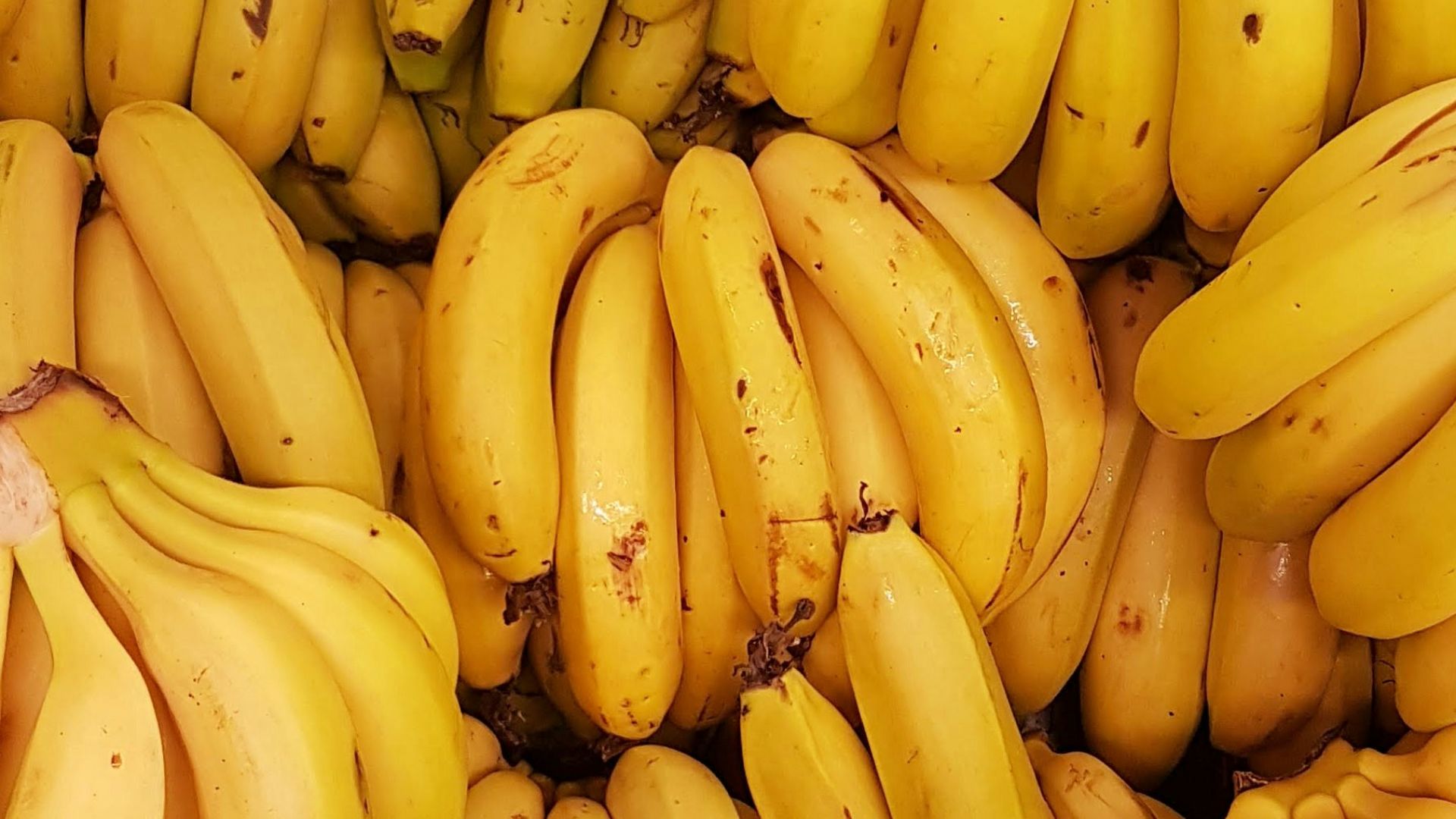
They’re normally cheap, readily available, and require no prep. Eat bananas on their own as a quick carb- and potassium-filled snack, or add them to your oatmeal, yogurt, cereal, or smoothies. Once they start getting too spotted to eat, freeze them for future smoothies or baked goods.
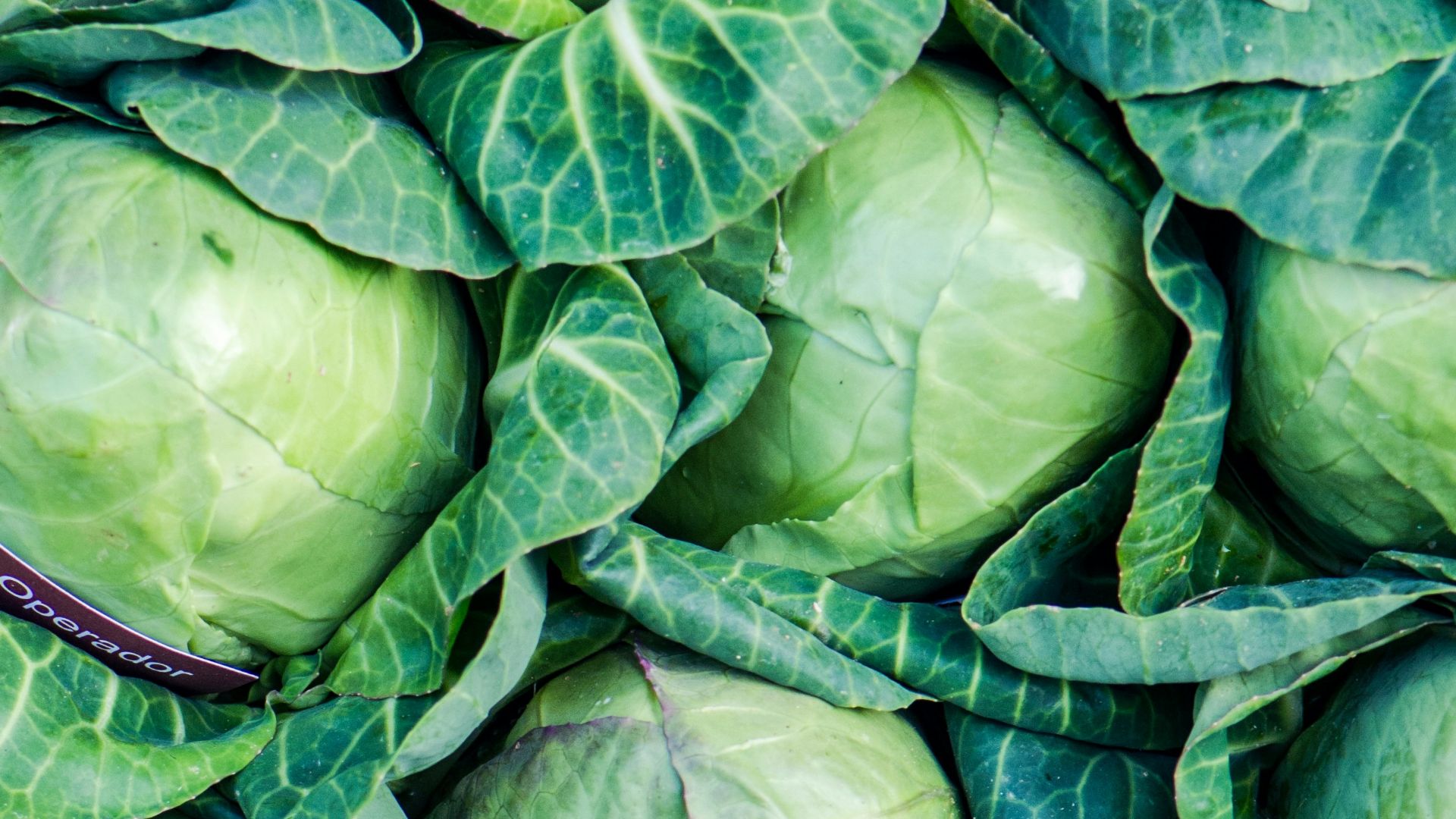
11. Cabbage
One head of cabbage is much more useful than you would think. Great raw in slaws or salads, cabbage can also be sautéed, added to soups, or used in stir-fries. Like many veggies, cabbage lasts a long time in your fridge before it goes bad.
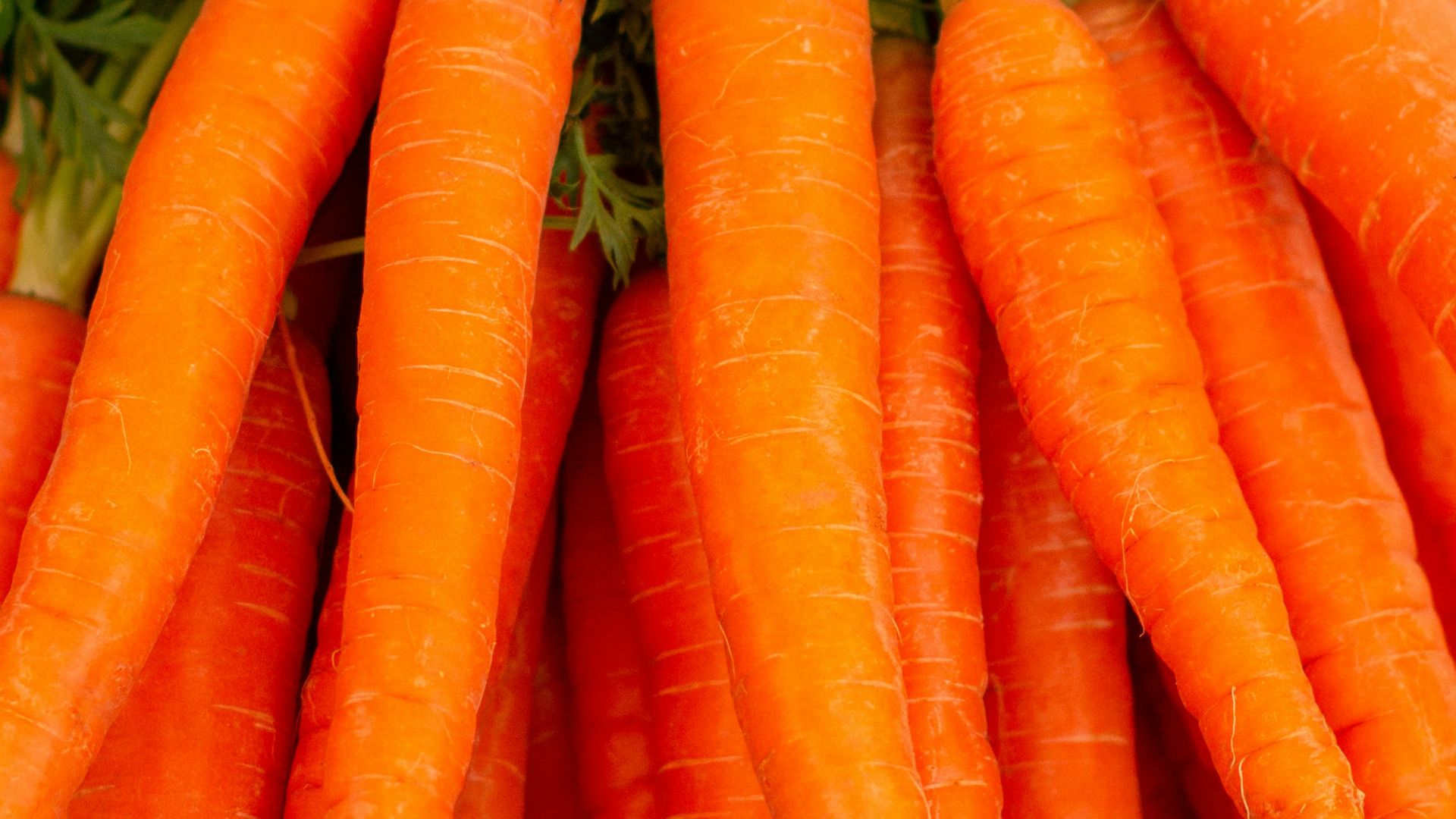
12. Carrots
Another versatile veggie that can be eaten raw or cooked in a variety of ways. Carrots offer fiber and many vitamins, and their natural sweetness can be used in both savory meals and desserts. Perfect for snacking, adding to soups, roasting veggies, or tossing into your lunch.
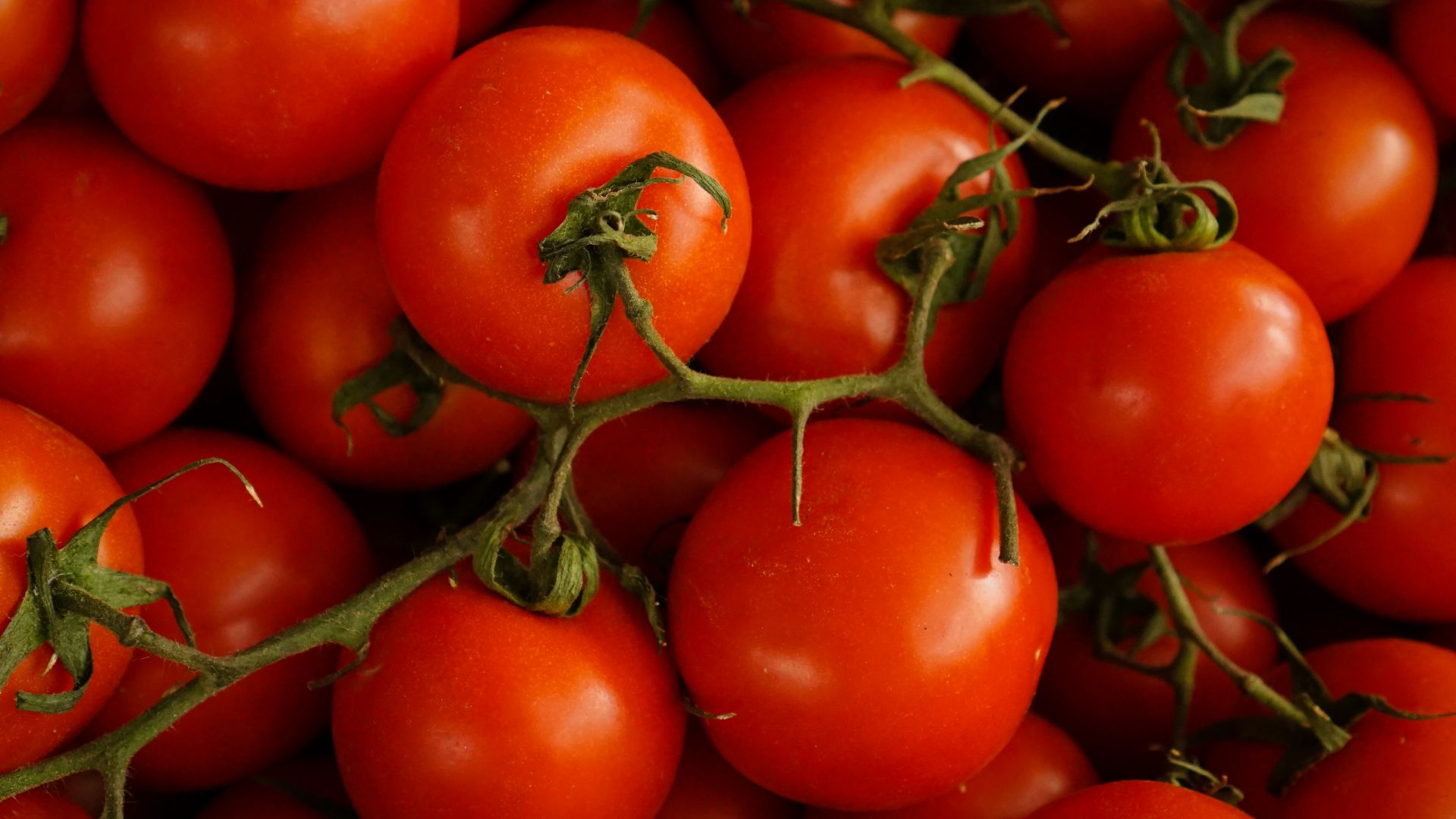
13. Canned Tomatoes
Canned tomatoes can be used to make pasta sauce, chili, vegetable soup, you name it. Tomatoes add valuable nutrients to your diet while lending acidity and flavor to cheap meals. Keep your pantry stocked with a couple of cans for when you need to add some zest to a dish.
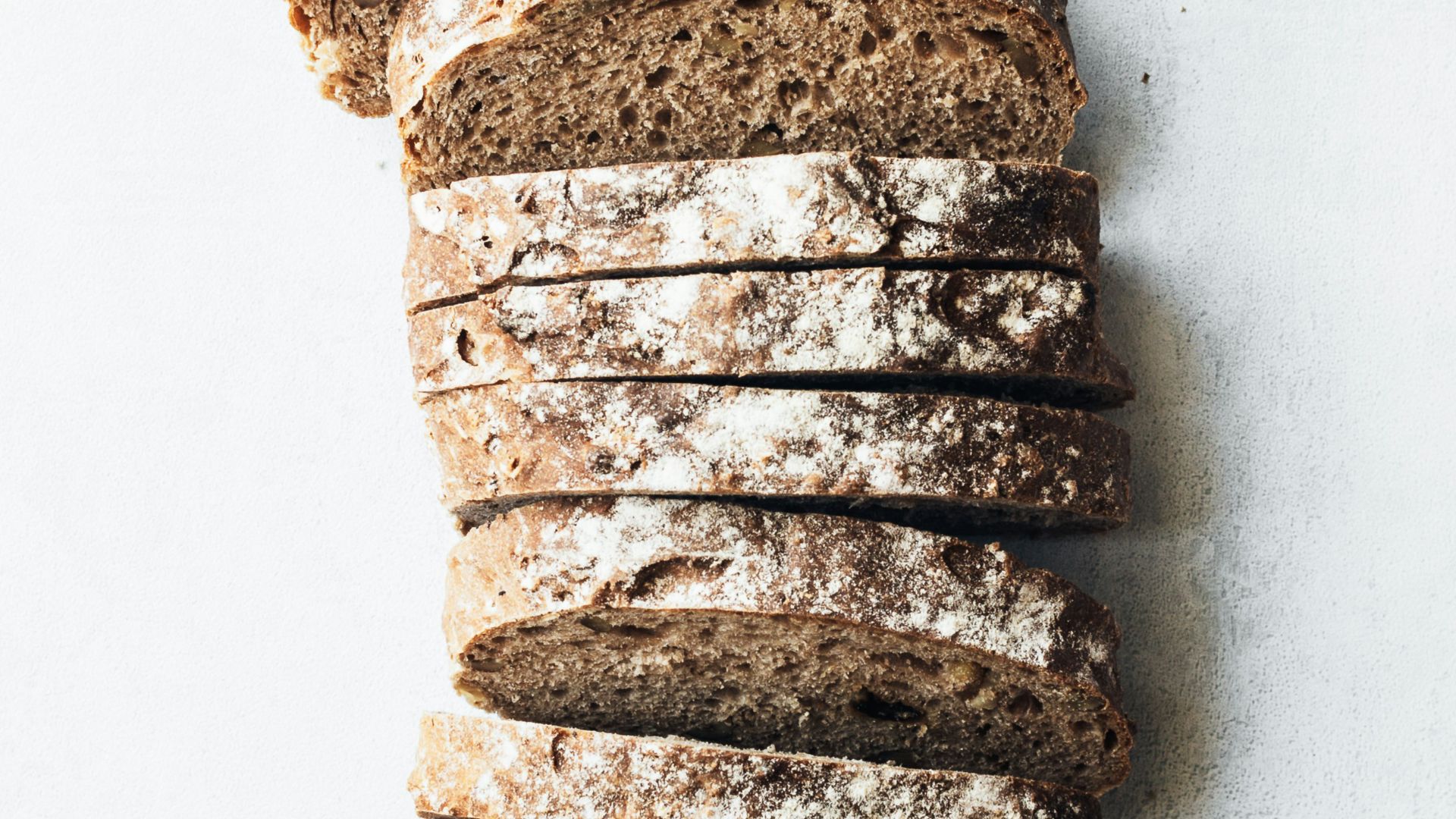
14. Whole-Grain Bread
A loaf of whole-grain bread can contribute carbohydrates and fiber while serving as the base for countless quick meals. Add eggs, peanut butter, beans, cheese, tuna, or vegetables depending on what you have available. Toasting it can also make an ordinary sandwich or breakfast feel considerably more satisfying.
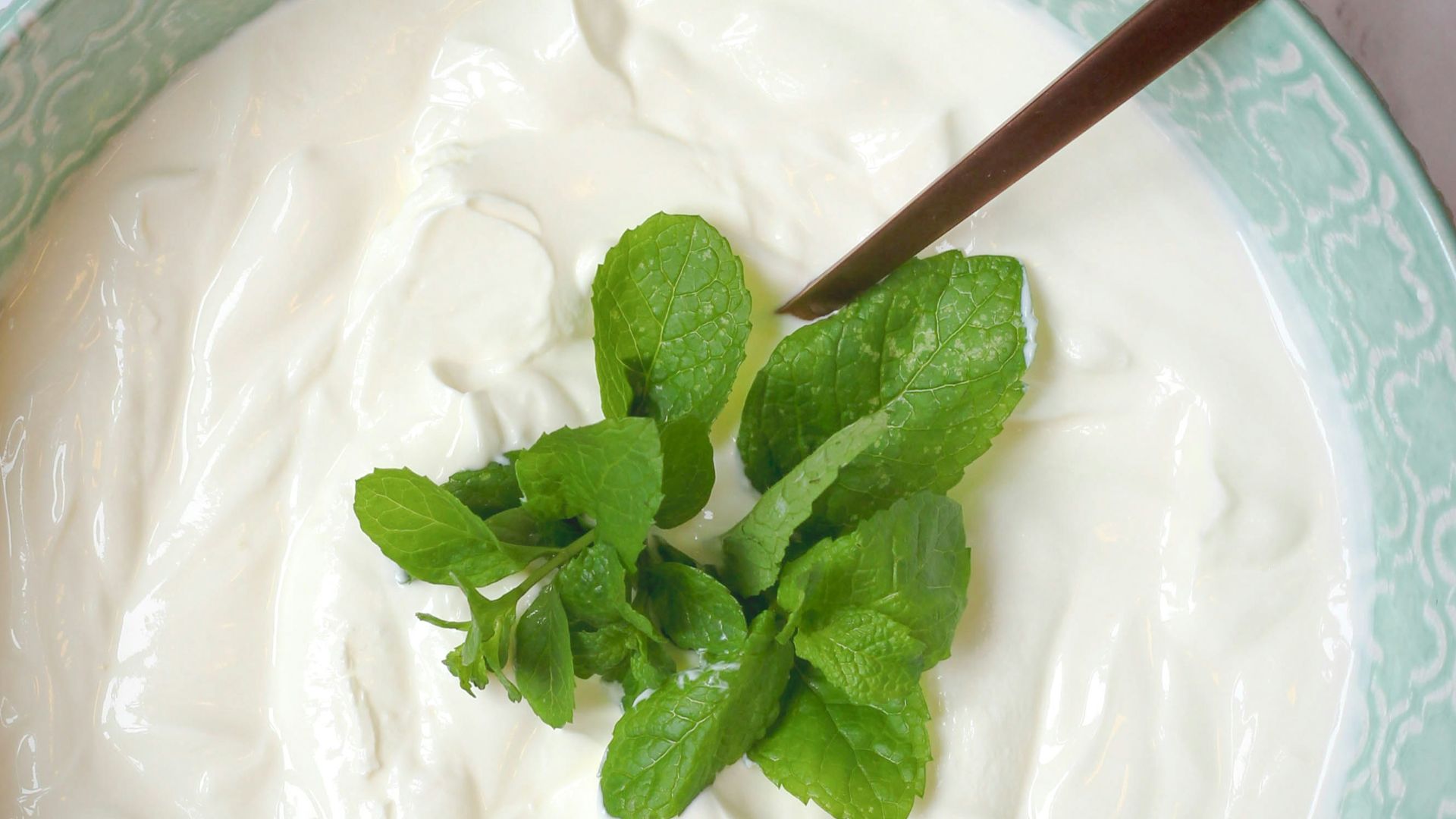
15. Plain Yogurt
Yogurt is great for breakfast, snacks, salad dressings, or as part of a savory dish. Eat it for the protein and calcium content, or add fruit, oats, and nuts to make it sweeter. Yogurt can also replace some of your higher-cost ingredients in dips and sauces.
 micheile henderson on Unsplash
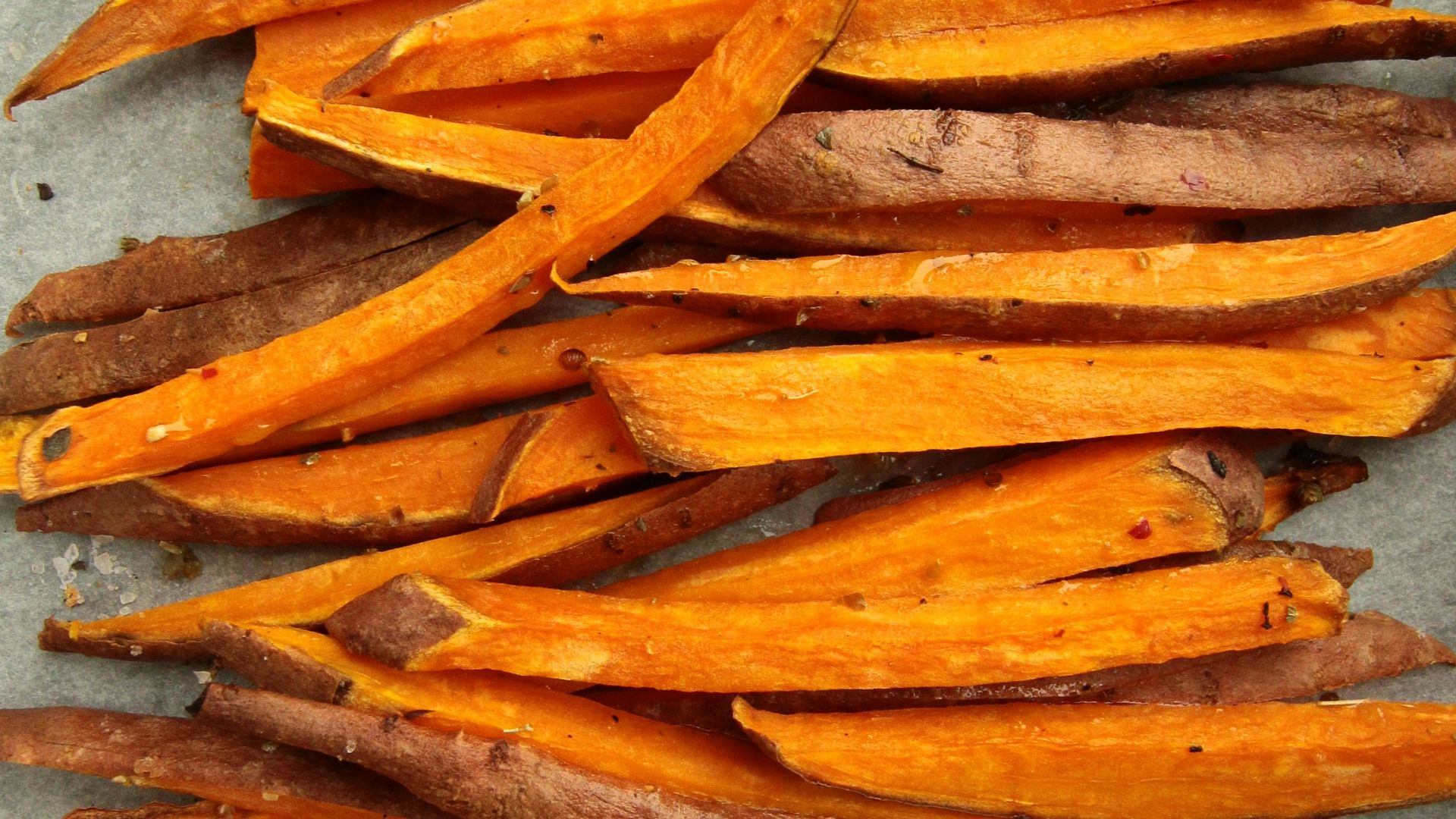
16. Sweet Potatoes
Sweet potatoes are versatile and full of vitamins, but they also contain tons of carbohydrates. Roast them with some budget-friendly seasonings, add them to soup, or load them up with beans and veggies. Sweet potatoes can be cooked ahead of time, which is nice when you’re short on time.
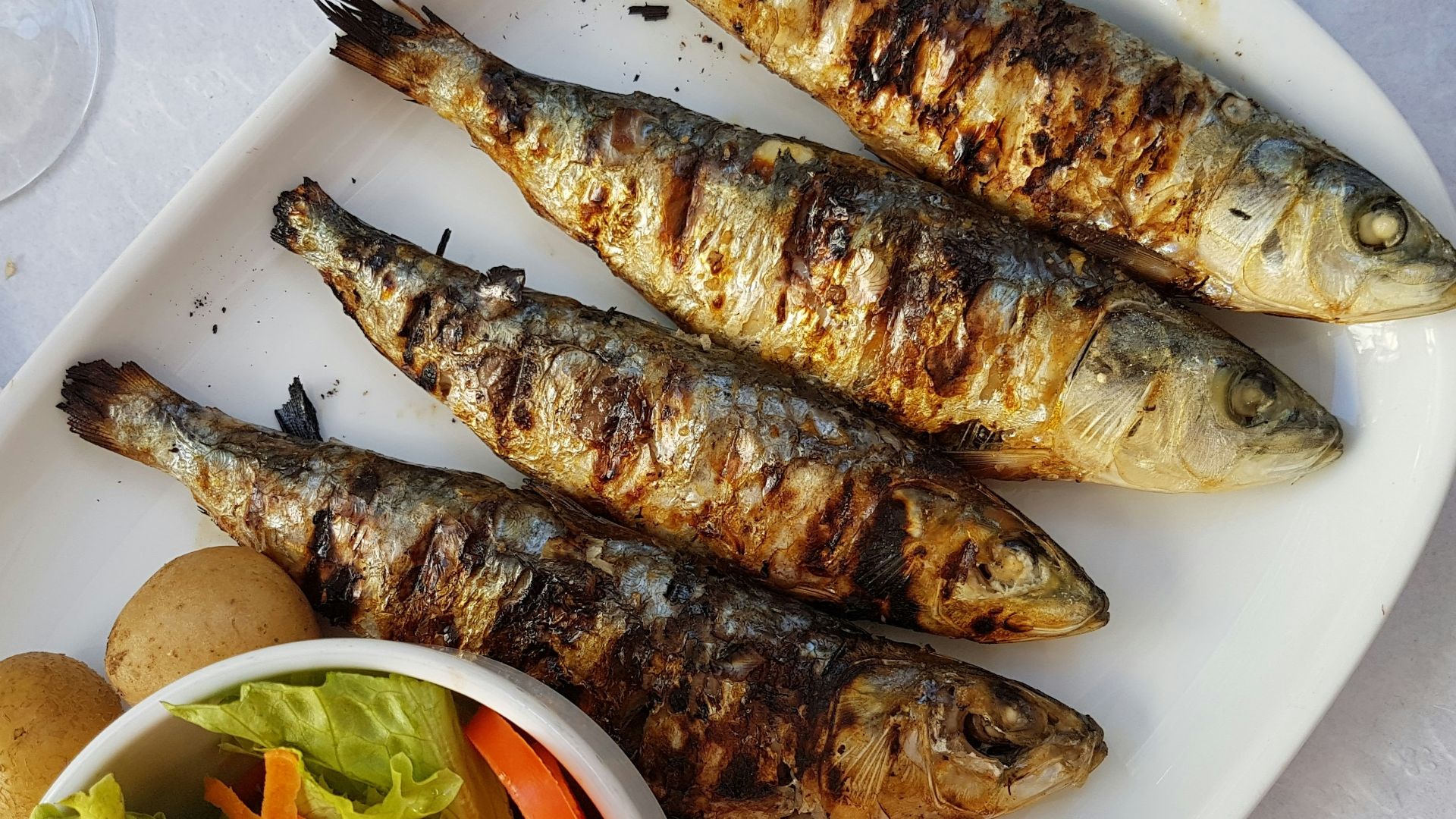
17. Sardines
Not everyone’s favorite food aisle option, but sardines are another inexpensive protein source. Toast them with some veggies, toss them into pasta, or add them to a simple grain bowl with vegetables on the side. If trying sardines for the first time, add some lemon juice, tomatoes, or a sauce to help mask the flavor.
18. Popcorn
Plain popcorn kernels are an inexpensive whole-grain snack you can make at home with minimal effort and time. Jazz them up with spices, nutritional yeast, cinnamon, or even just a little salt. Popcorn kernels have a pretty good shelf life, so keep them around for when you get hungry.

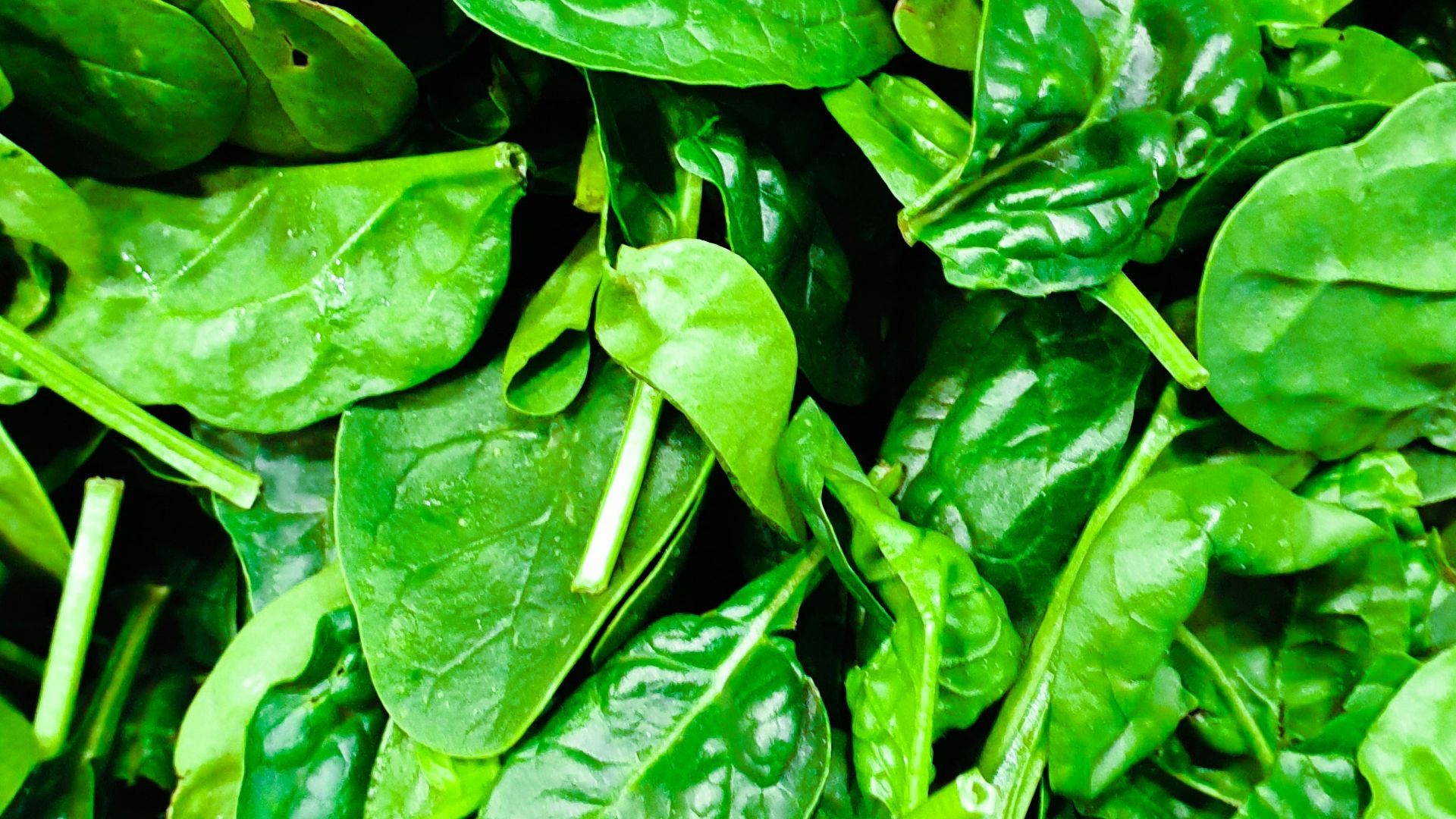
19. Spinach
Spinach can be pricey if you purchase the fresh kind. However, frozen spinach is typically inexpensive and works in a number of recipes. Toss it in with eggs, pasta, soups, rice dishes, or sauces.
 Shutter Sphere Collective on Unsplash
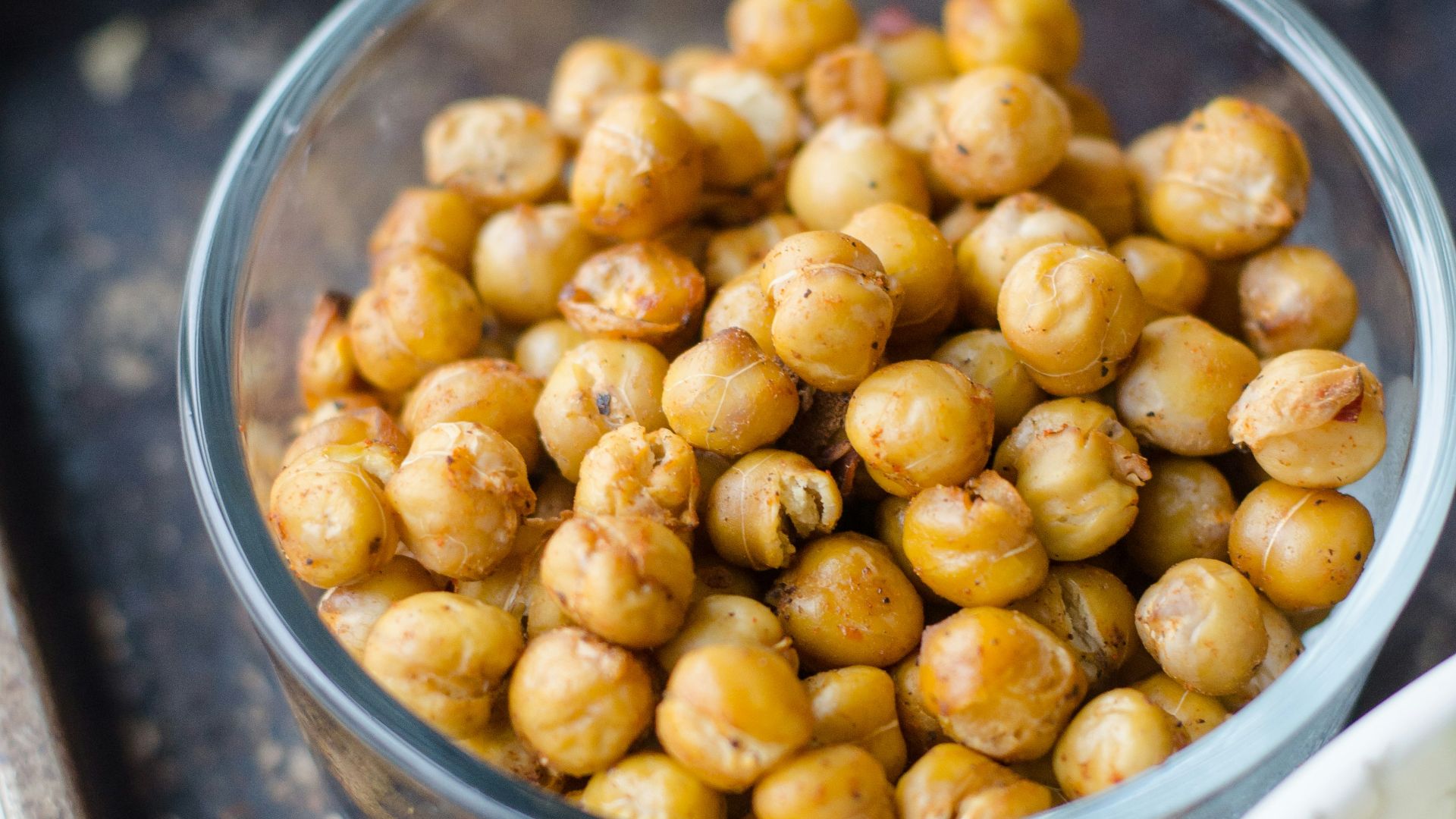
20. Chickpeas
Who doesn’t love chickpeas? Whether in hummus form or cooked into curries and salads, chickpeas are a fantastic source of fiber and protein. They’re also inexpensive, so don’t be afraid to buy the larger containers.
KEEP ON READING


20 Things Your Body Is Secretly Doing Right Now