

When Science Settles Centuries-Old Debates
History is filled with mysterious deaths, disputed family connections, forgotten burial sites, and questionable accounts that have left researchers searching for answers. Fortunately, modern DNA analysis has made it possible to investigate many of these mysteries using evidence that wasn't available to earlier generations of historians. While genetic testing can't settle every historical argument, it has confirmed some remarkable theories and provided compelling evidence supporting others, occasionally revealing that seemingly unbelievable stories contained more truth than anyone expected.
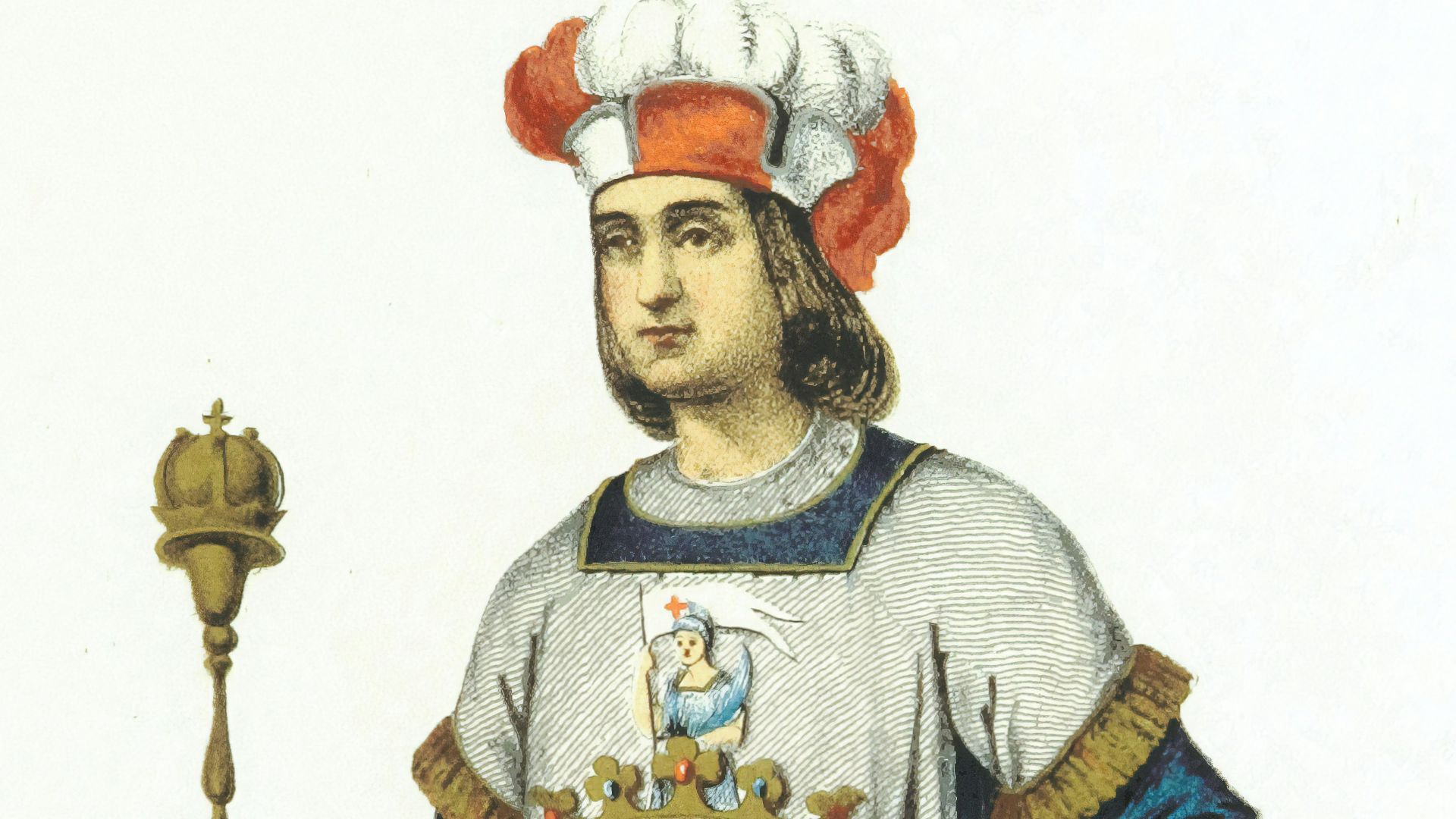
1. King Richard III's Forgotten Burial Site
The location of his burial site was unknown until 2012, when human remains were identified as likely to be those of the English king. Further testing involved comparing the DNA of the remains with that of Richard III's maternal-line relatives. The results, together with other findings, led to the identification of the body as that of Richard III.
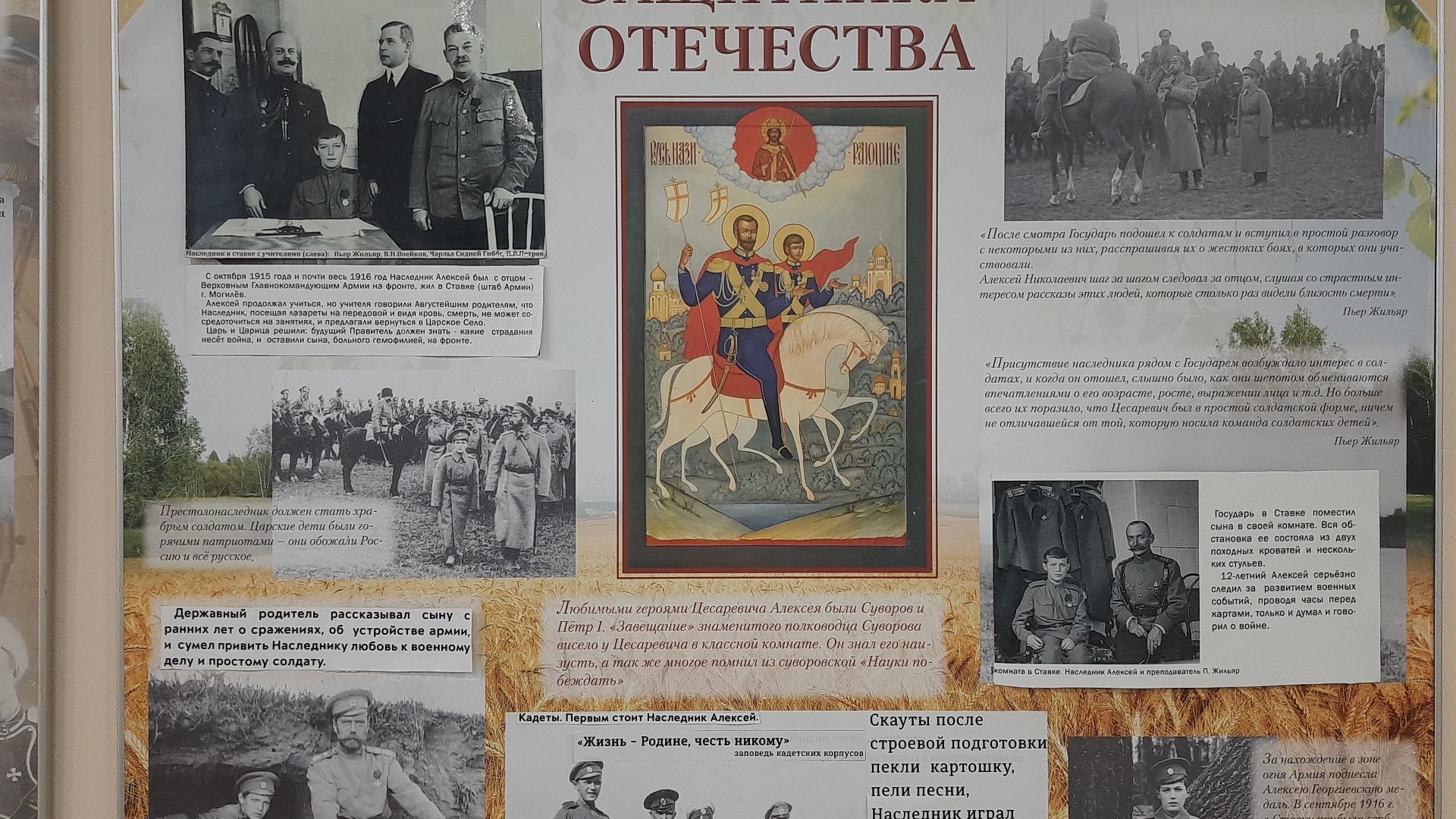
2. The Fate of the Romanov Family
Many people believed that one or more members of the Russian royal family might have been spared when the family was massacred in 1918. Human remains were later found in two locations and shown, following DNA analysis, to be those of Czar Nicholas II, his wife, and all five children. The findings finally provided scientific evidence against the numerous stories of surviving Romanov children.
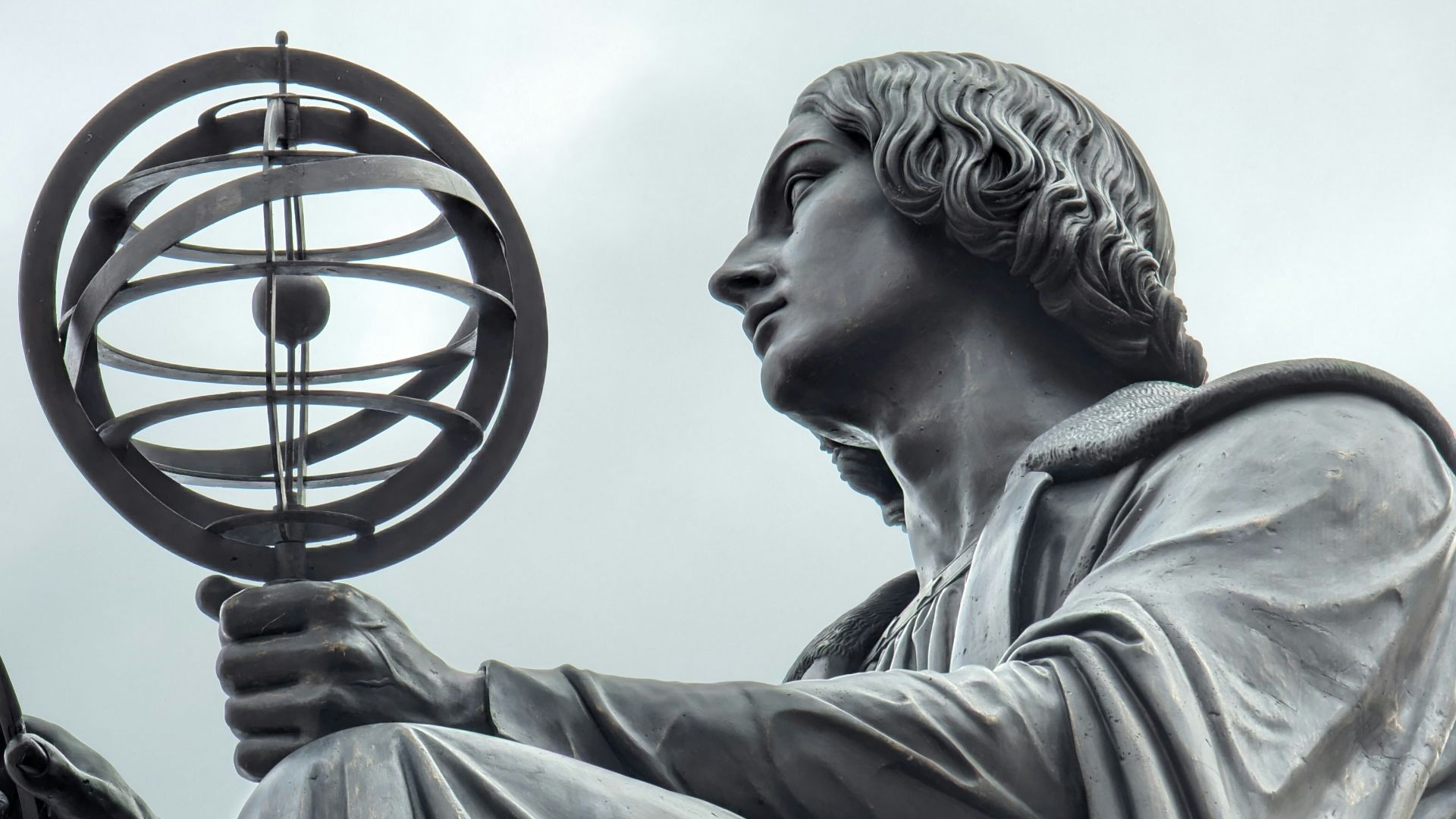
3. The Final Resting Place of Nicolaus Copernicus
For many years, no one knew exactly where within the cathedral at Frombork, Poland, the great astronomer Copernicus lay buried. A number of candidates were put forward, and DNA obtained from suspected remains was compared with samples from several strands of hair found in a book formerly in his possession. The matching genetic profiles provided compelling evidence that archaeologists had located the famous astronomer's grave.
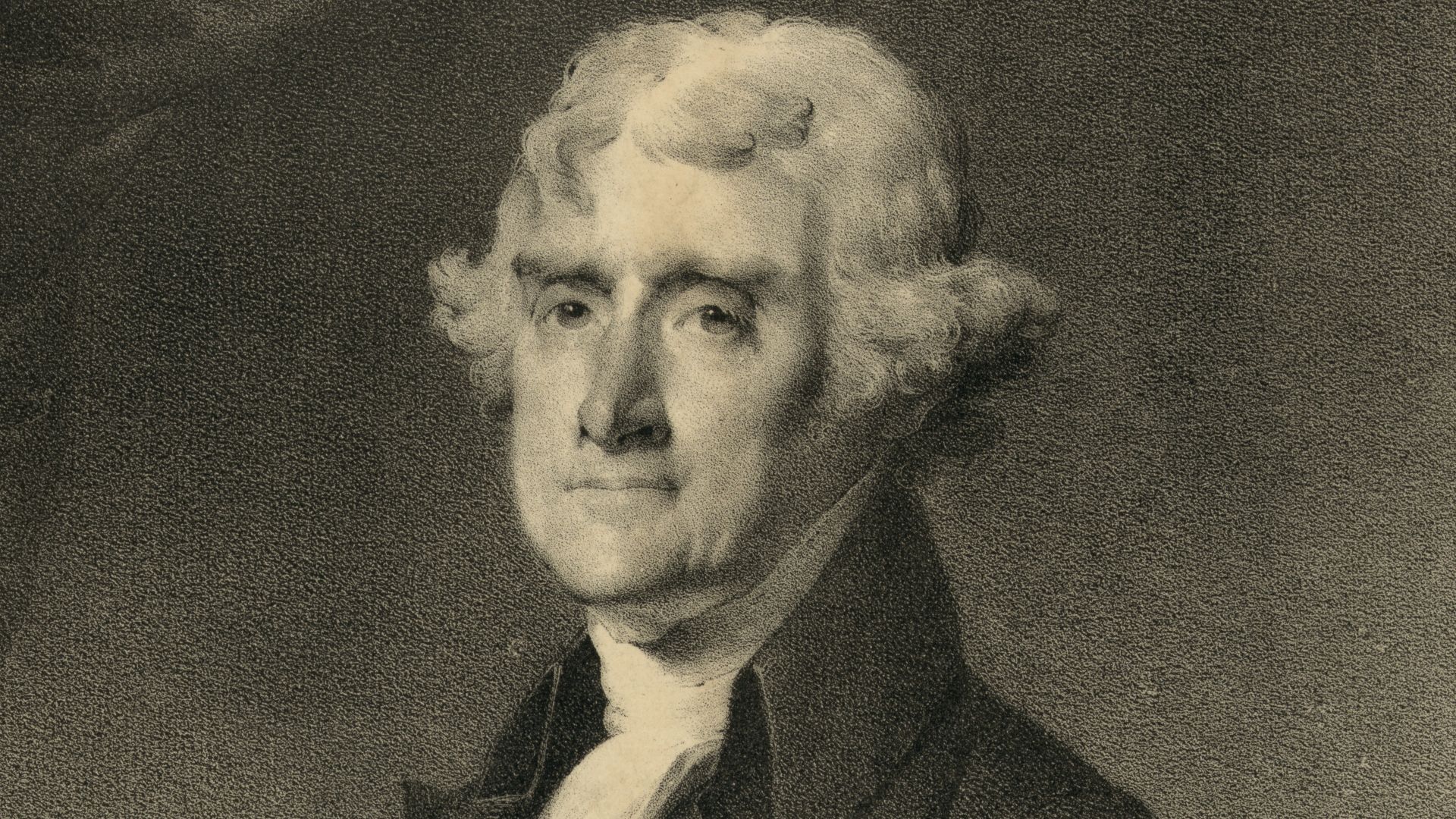
4. Thomas Jefferson's Connection to Sally Hemings
Rumors to this effect existed even during Thomas Jefferson's presidency. Testing in 1998 showed a genetic connection along the male line between members of the Jefferson family and a descendant of one of Hemings' sons, Eston. Combined with historical documents and family oral histories, the results strongly supported Jefferson's paternity.
 Library of Congress on Unsplash
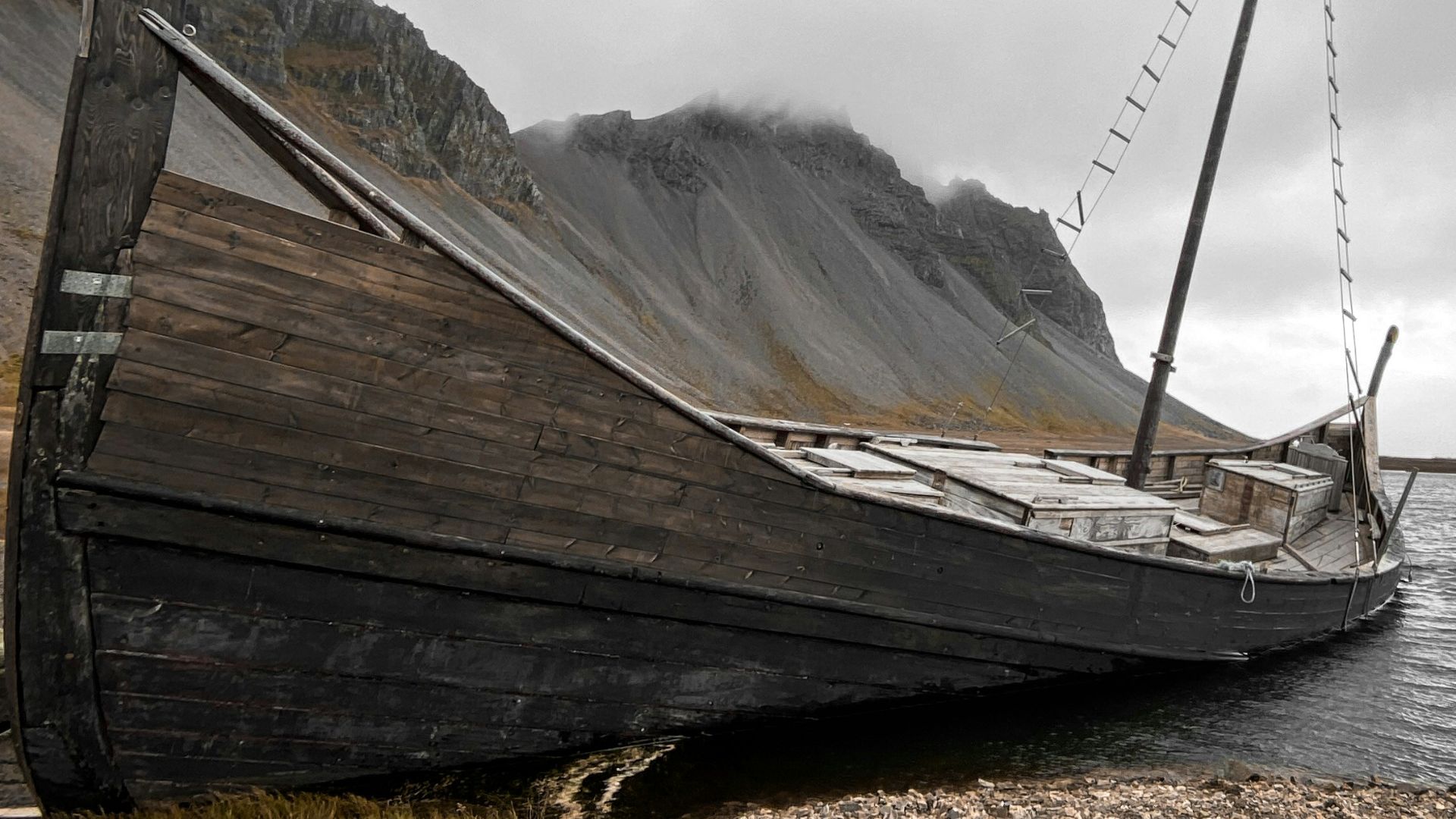
5. The Existence of Female Viking Warriors
Tales of these warriors may have been dismissed as just myths. However, in 2017, it was shown, on the basis of genetic testing, that an individual interred with warrior regalia in a very significant grave at Birka, Sweden, was a woman. Although DNA can't establish her precise military duties, the discovery challenged longstanding assumptions about Viking society.
6. Ancient Contact Between Polynesia and the Americas
It has been difficult to know if any such contact took place prior to the arrival of Europeans. In 2020, a paper appeared describing genetic evidence of such intermingling, apparently dating to about 1200 AD. It's a remarkable indication of what ancient seafarers accomplished without the assistance of modern navigational technology.

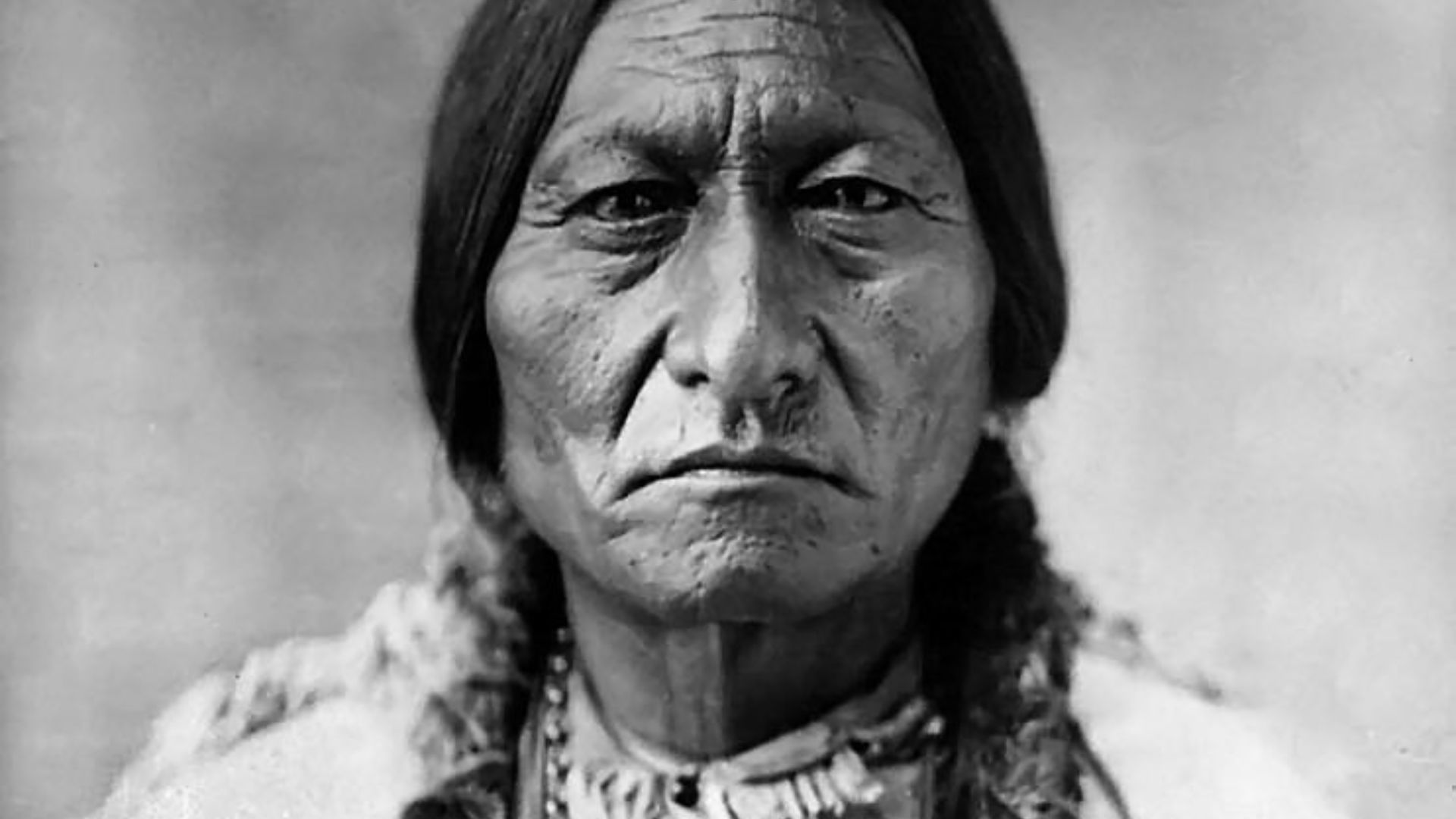
7. Sitting Bull's Living Descendants
Ernie LaPointe and his family claimed descent from Sitting Bull, with LaPointe identifying himself as his great-grandson. It was eventually possible to obtain sufficient DNA from a small sample of hair attributed to Sitting Bull. The findings, published in 2021, confirmed the relationship that LaPointe's family history had already documented.
 David Francis Barry on Wikimedia
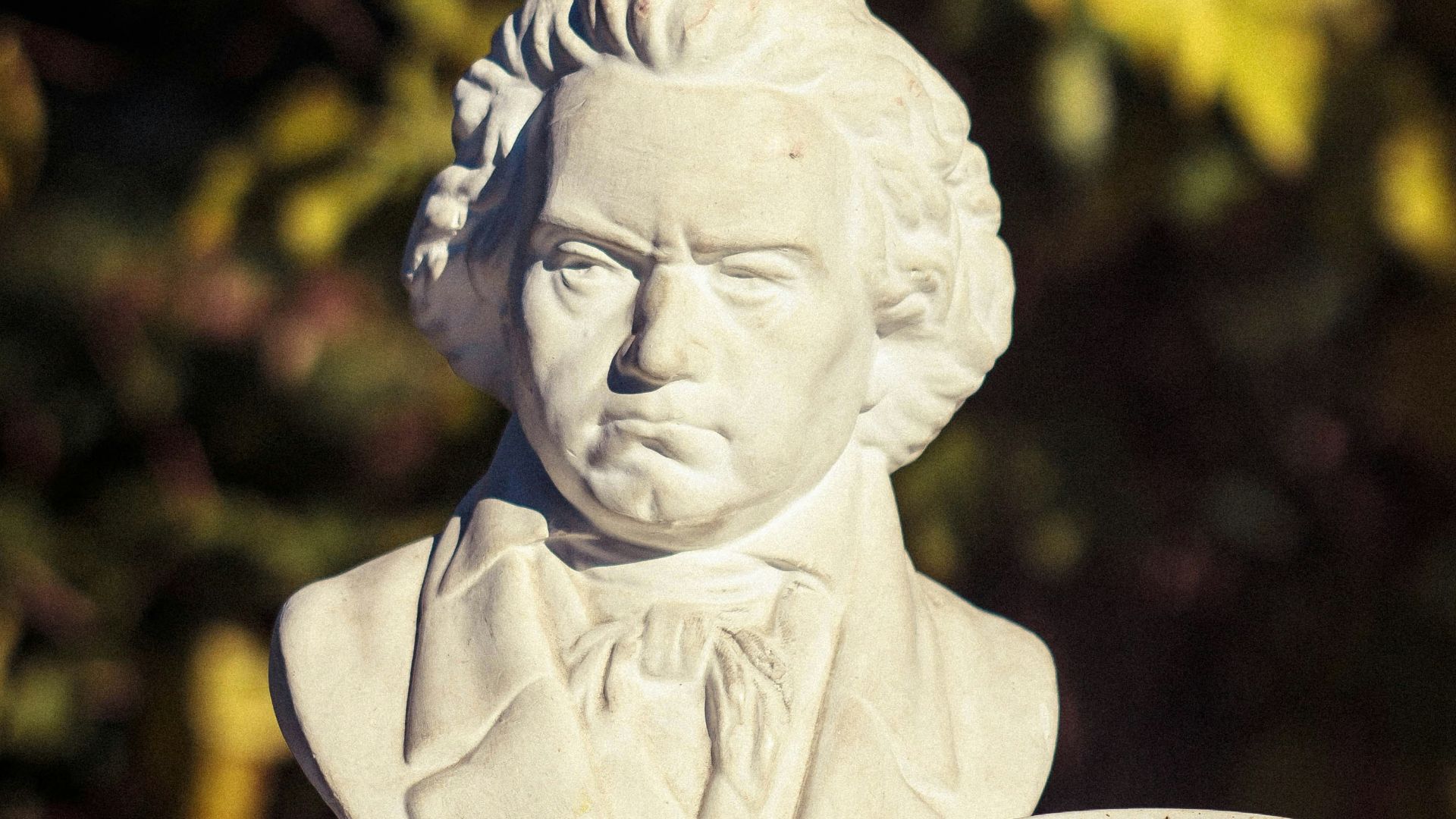
8. Beethoven's Serious Liver Problems
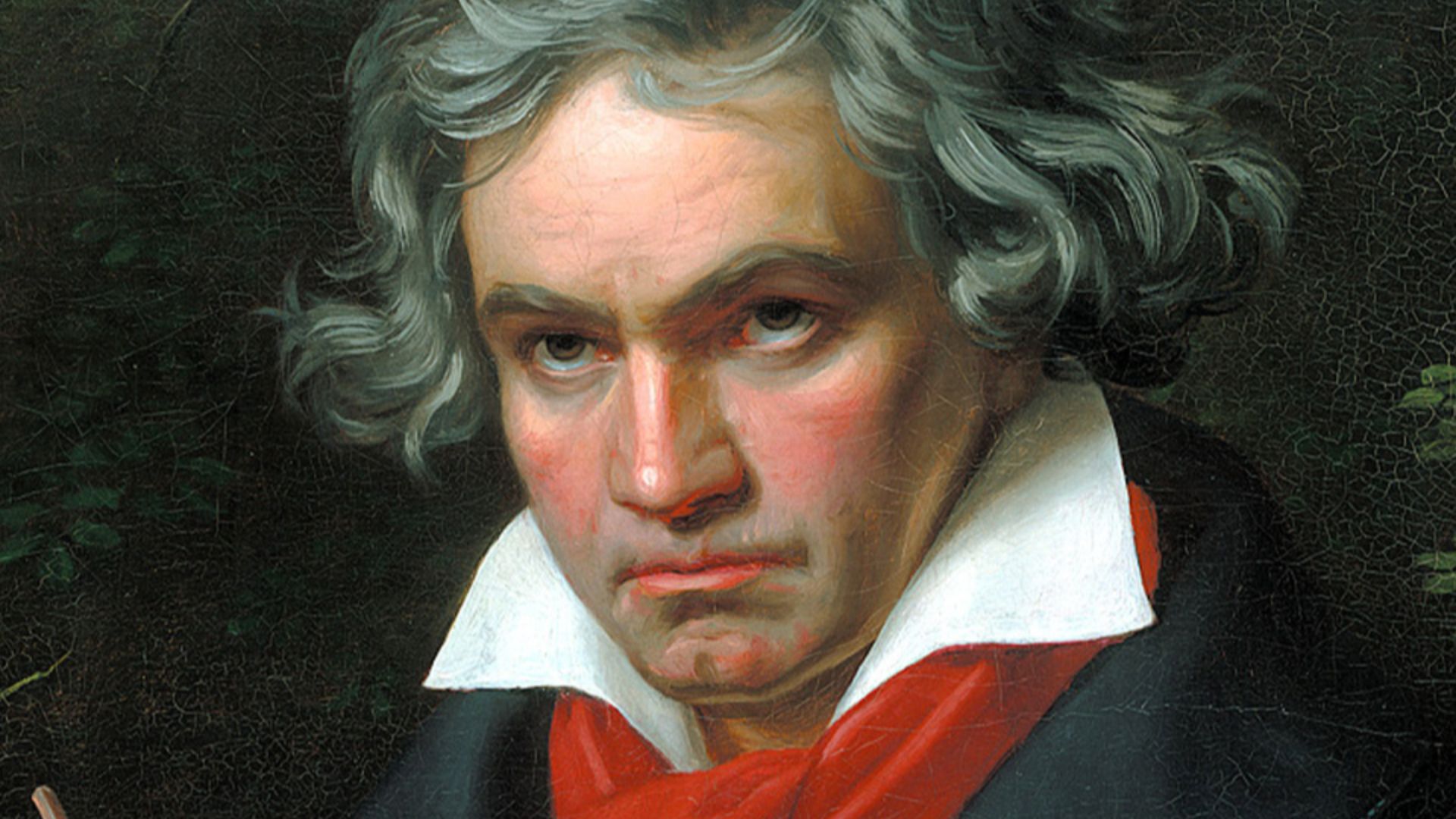
Medical historians had suspected that liver disease played a significant role in Ludwig van Beethoven's declining health. Genetic analysis of authenticated locks of his hair revealed an inherited predisposition to liver disease and evidence of a hepatitis B infection. Unfortunately, the same investigation couldn't determine exactly what caused the composer's famous hearing loss.
9. The Foreign Origins of the Philistines
There were various references and other indications that the Philistines may have originated elsewhere. Accordingly, a paper published in 2019 showed a European-related genetic component in people living in the area of Ashkelon in the early Iron Age. This component diminished significantly in subsequent periods, presumably as a result of intermarriage with local populations.
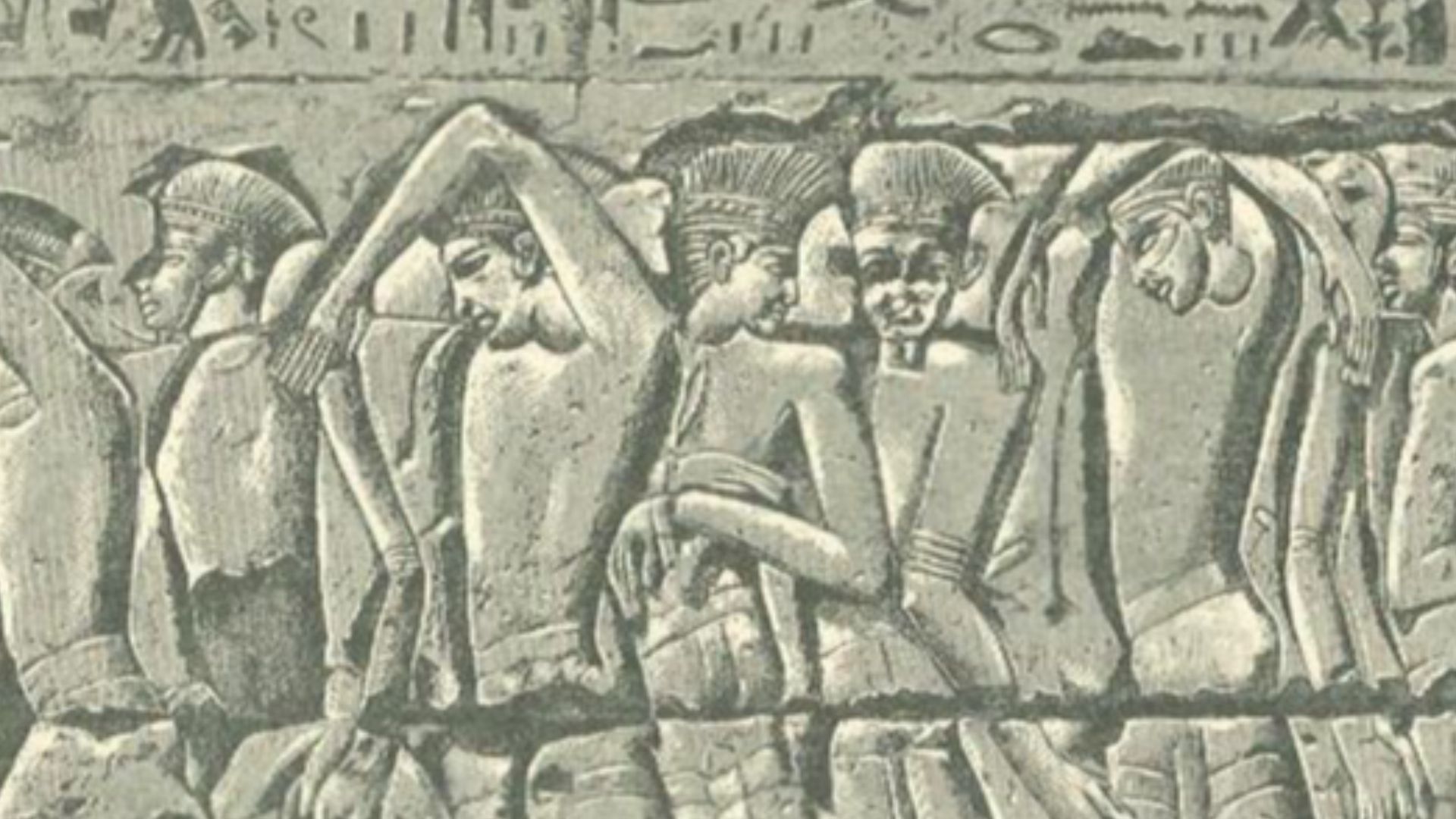 Drawn by Faucher-Gudin, from a photograph by Insinger. on Wikimedia
10. The Death of France's Missing Young King
After the events of the French Revolution, there were widespread rumors that Louis XVII had escaped and continued living, presumably under an assumed name. A preserved heart, believed to be his, was available for study. Its mitochondrial DNA matched that of his maternal relatives, supporting the historical account of his death in prison in 1795.
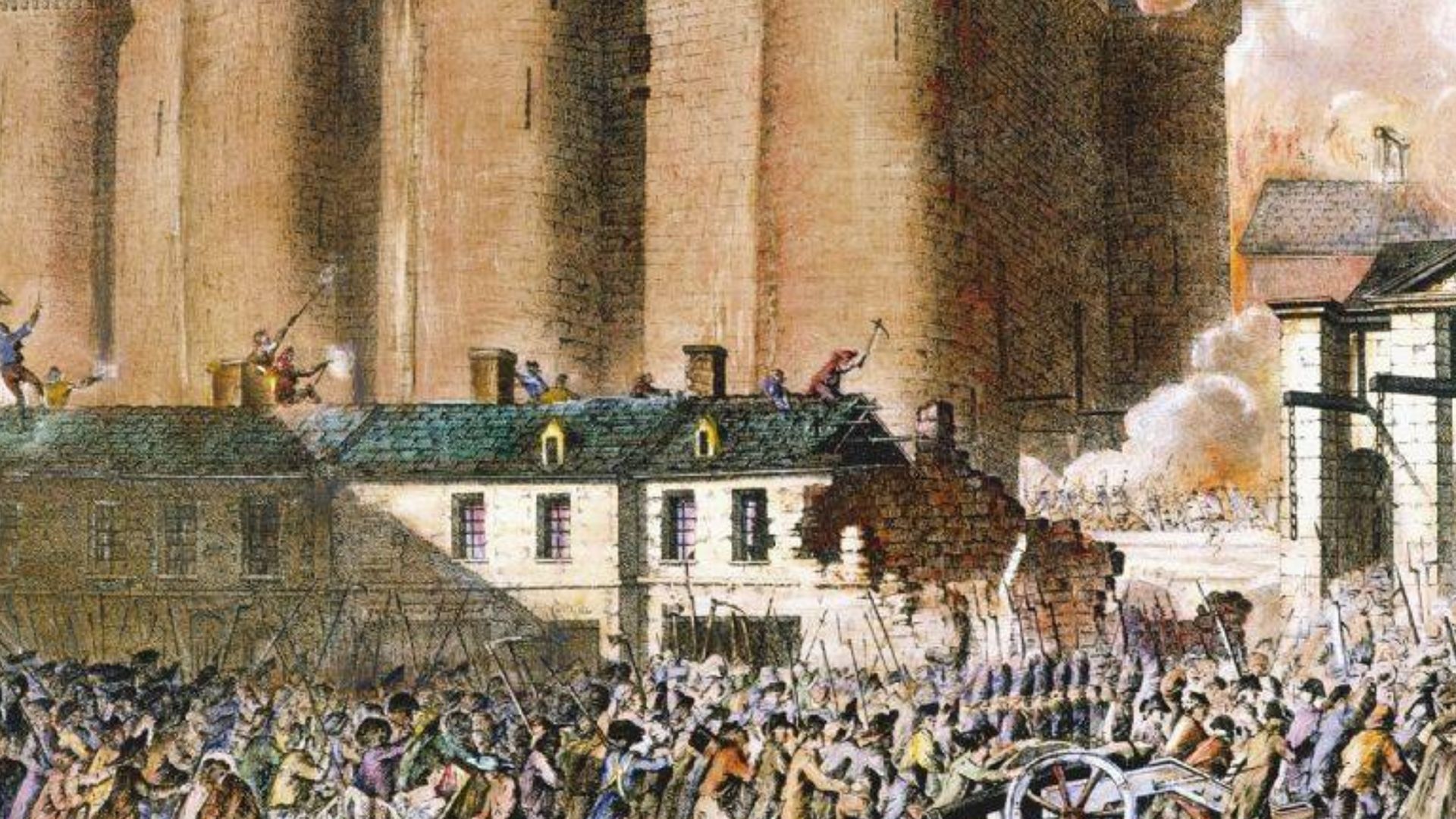 Unknown authorUnknown author on Wikimedia
11. Early Humans Had Children With Neanderthals
For some time, there was debate as to whether there could have been any such offspring. It's now possible to read the whole genome or large parts of the genomes of many different people. Genetic analysis has established that a significant percentage of people, particularly those with European and Asian ancestry, have some degree of Neanderthal contribution to their DNA.
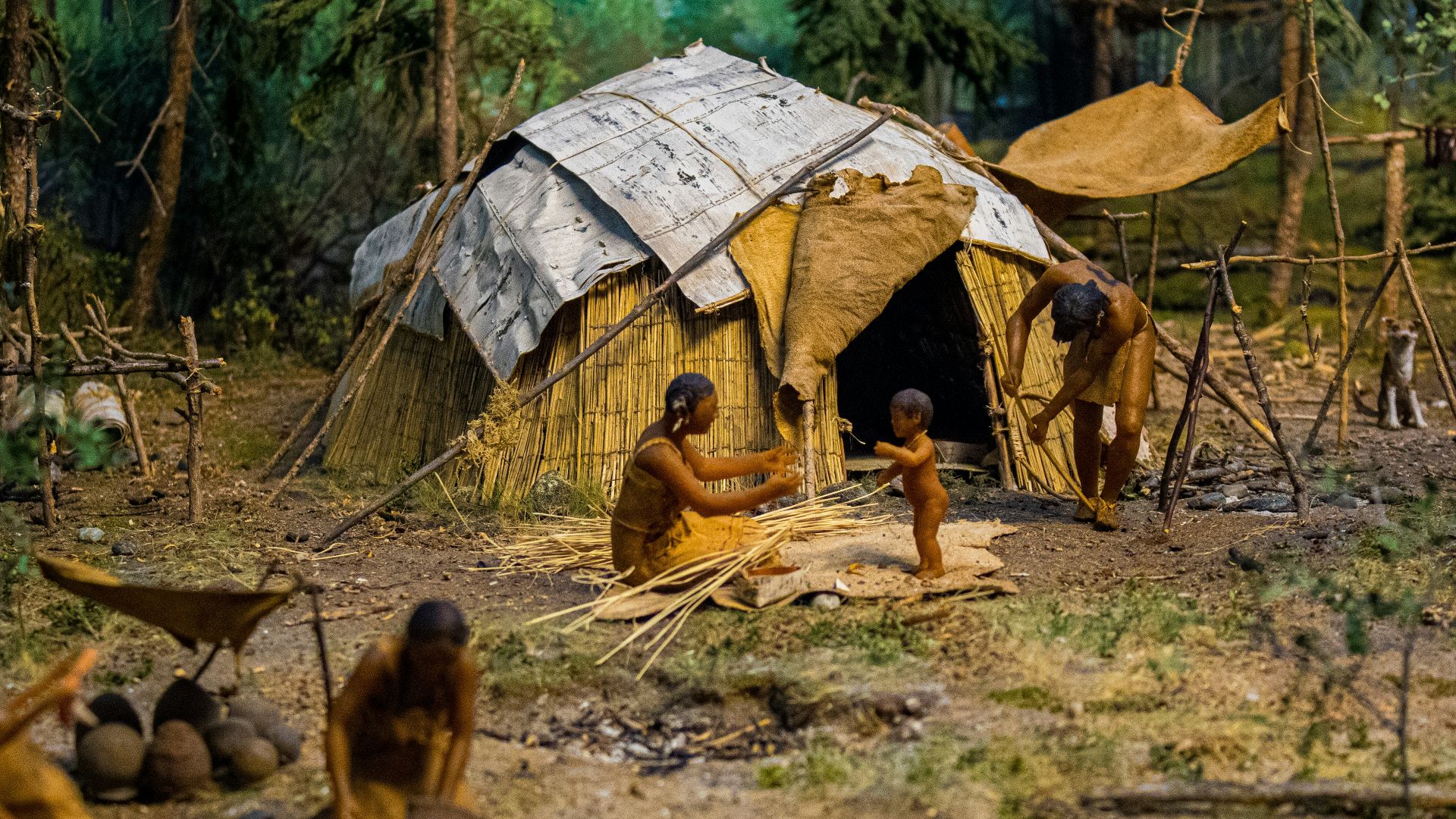
12. The Lost Sailors of the Franklin Expedition
Clearly, there would be great difficulty identifying any individuals from the lost expedition of the 1840s. Over time, it's been possible to obtain suitable DNA samples for comparison with those of potential living relatives. A paper published in 2021 announced the first positive identification of an individual from the expedition, John Gregory.
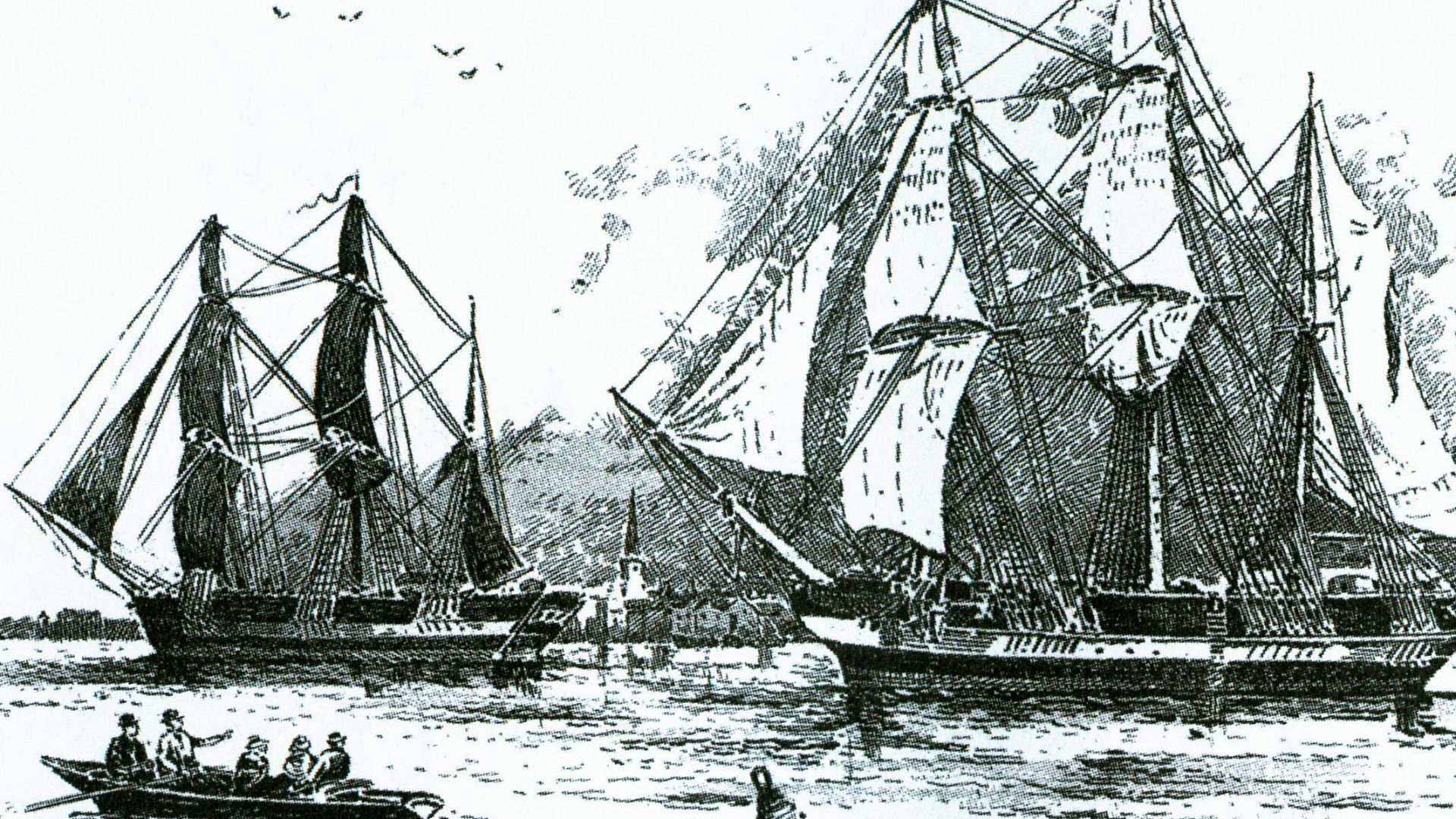 Unknown authorUnknown author on Wikimedia
13. Queen Victoria's Mysterious Royal Disease
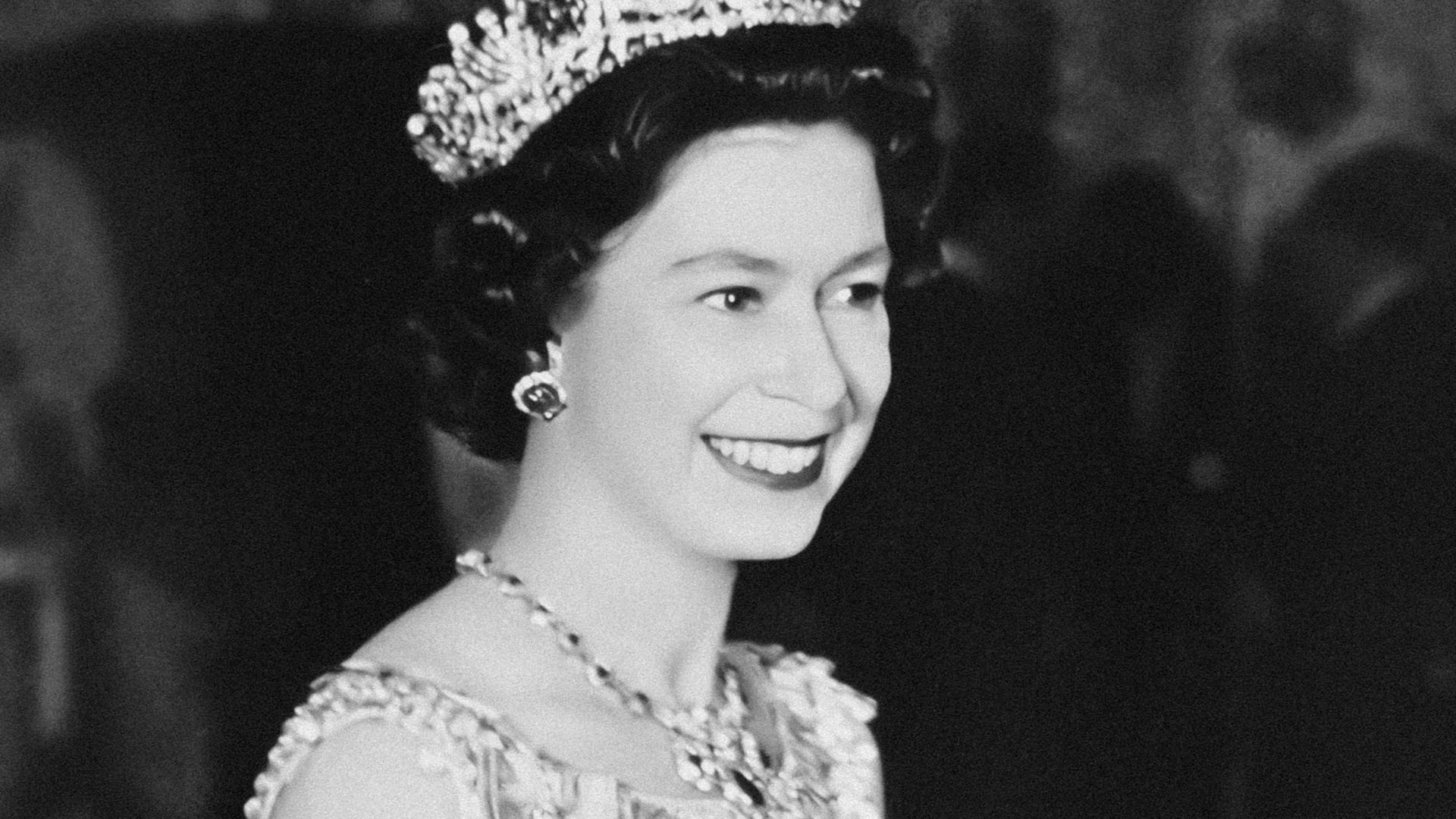
A number of Queen Victoria's descendants were afflicted with hemorrhagic conditions. It seemed probable that this was hemophilia, but which type was unclear. In 2009, researchers analyzing DNA from Romanov family members identified a mutation associated with hemophilia B, finally clarifying the nature of the inherited condition.
 Museums of History New South Wales on Unsplash
14. Greenland's Prosperous Ivory Trade
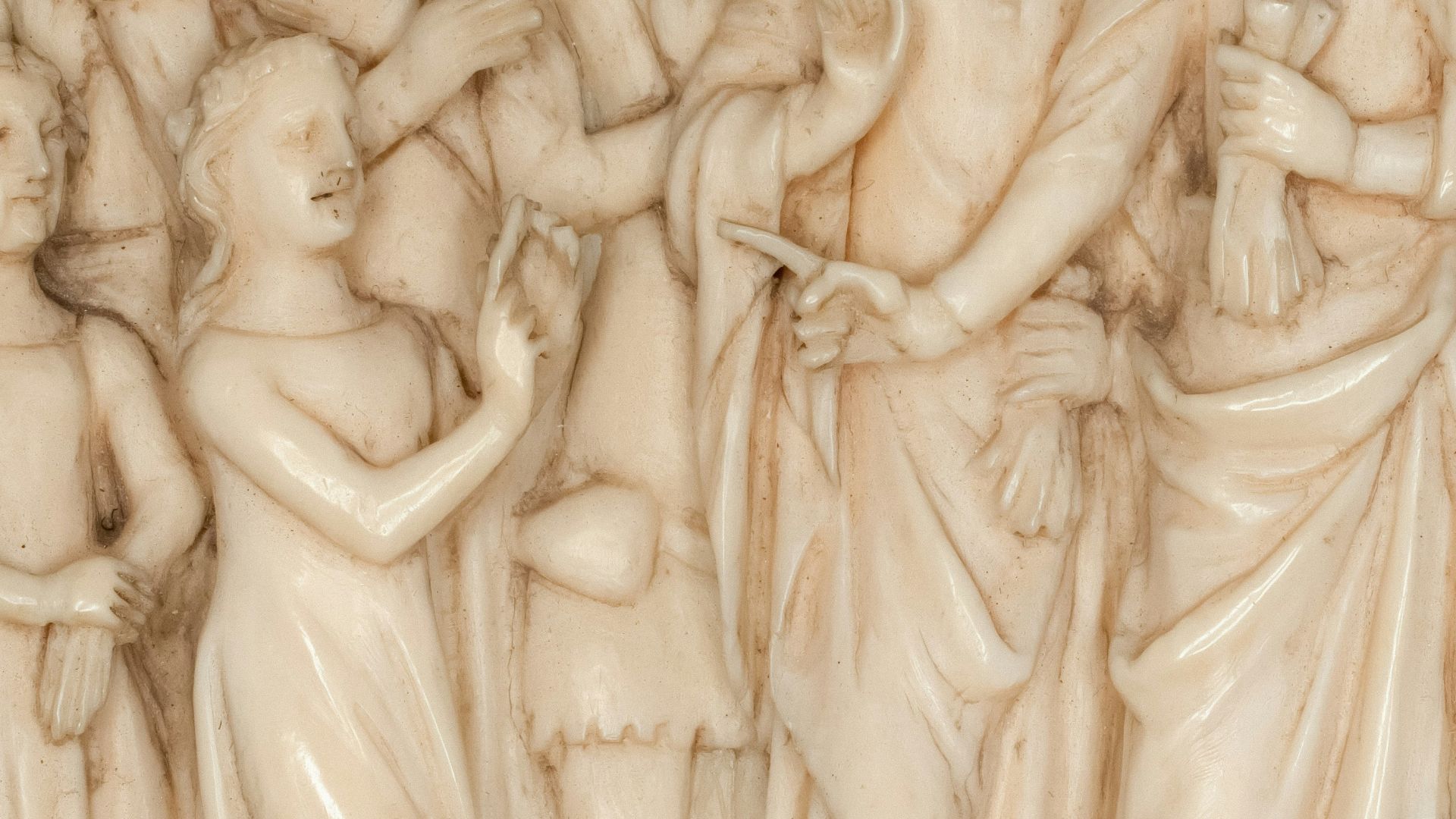
It seemed very likely that walrus ivory was an important export from these outlying settlements. Genetic analysis of historical walrus ivory samples from European sites provided evidence of major exports of this product from Greenland at the time. This discovery helped explain how such geographically remote communities participated in an extensive international trading network.
 Art Institute of Chicago on Unsplash
15. The Early Arrival of Horses on the Great Plains
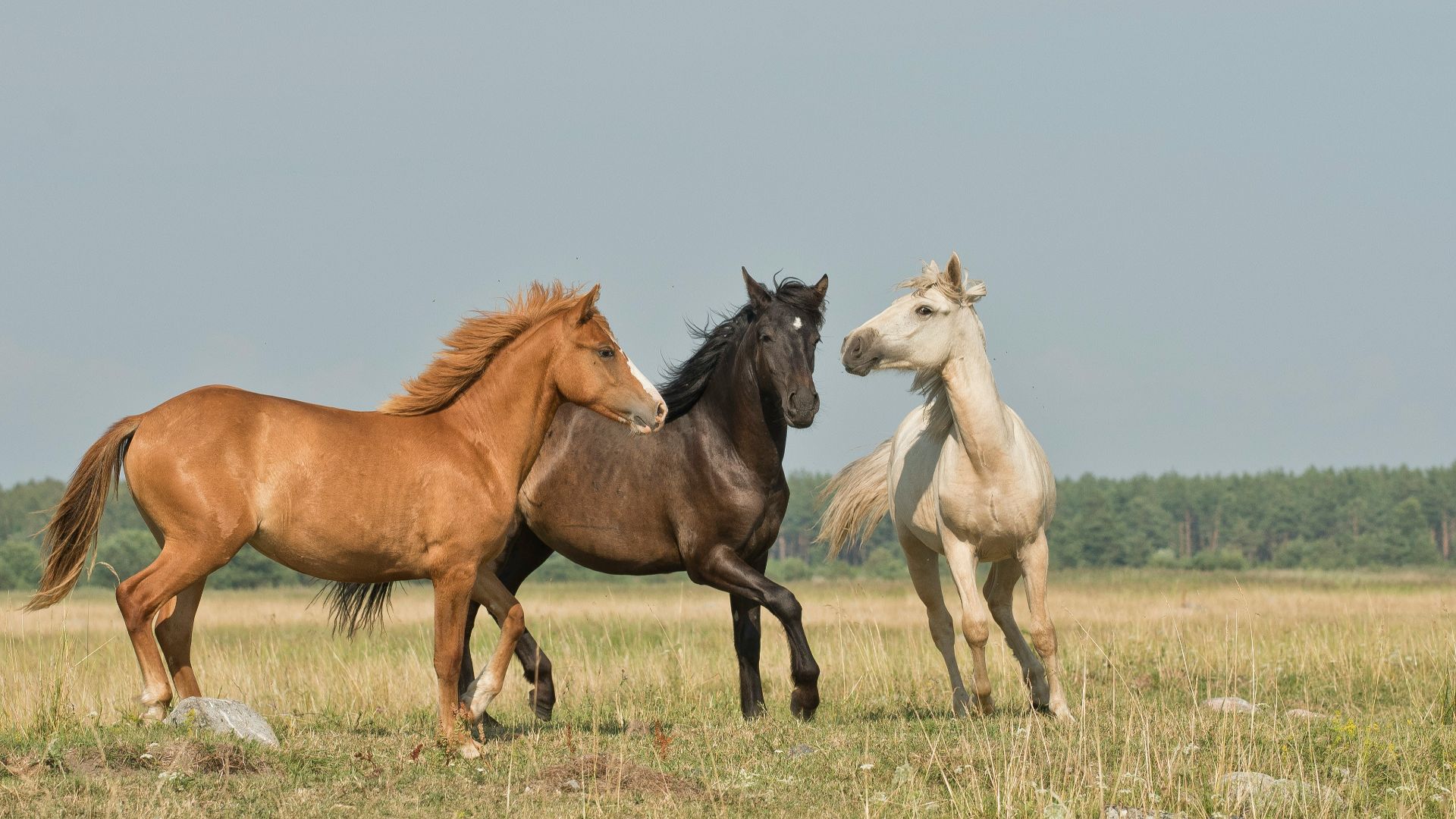
There are traditions among Indigenous peoples that this happened considerably earlier than was traditionally assumed. A study of various finds and associated DNA suggested that horses were present during the first 50 years of the 1600s. This was well before many reports by others, including Europeans visiting the area.
16. The Authenticity of Jesse James's Grave
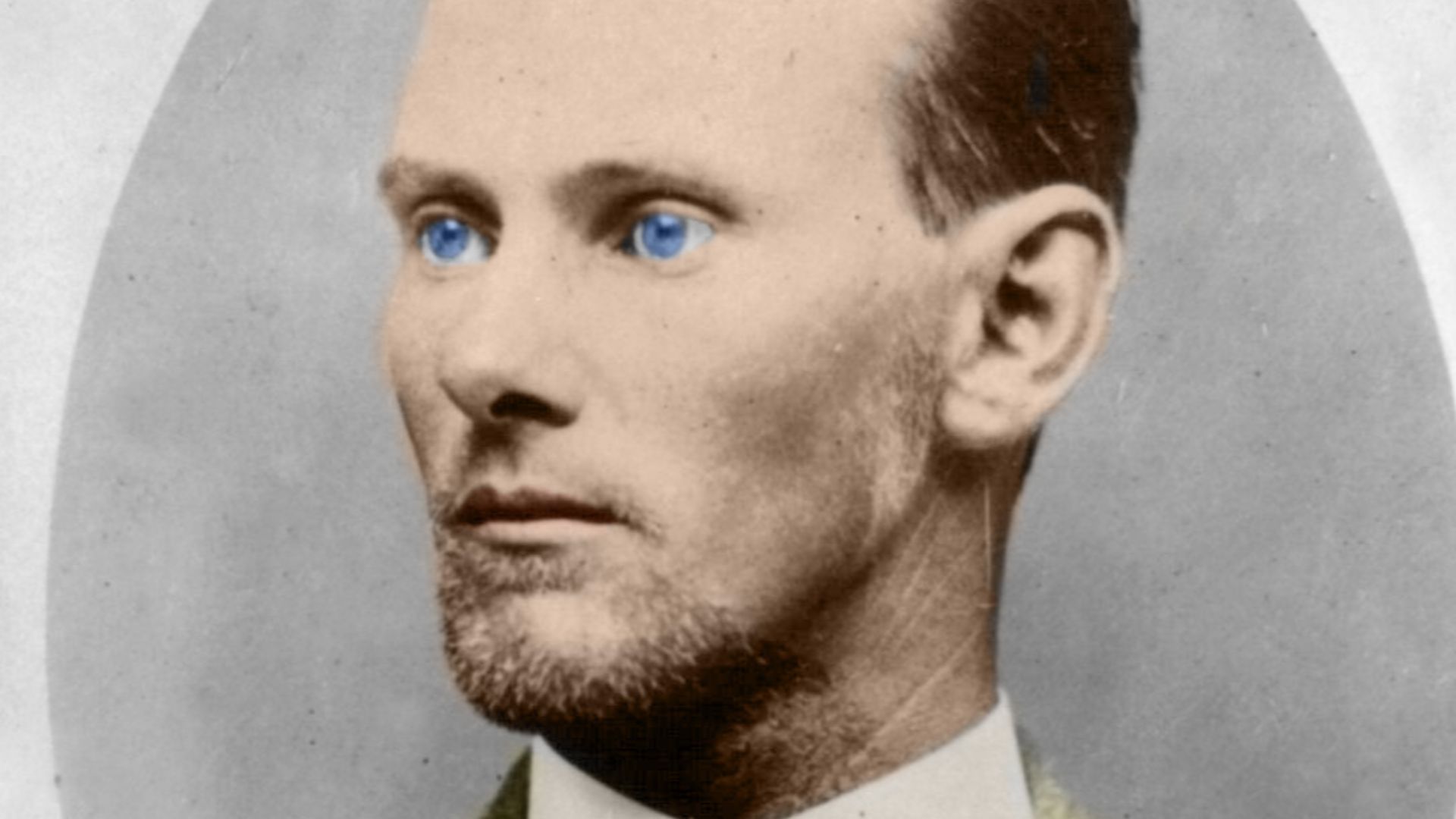
Stories claiming that American outlaw Jesse James secretly survived his reported death in 1882 persisted for generations. Investigators exhumed his presumed remains in 1995 and compared genetic samples with those of his maternal relatives. The matching DNA sequences provided strong evidence that the famous outlaw was indeed buried under his own name.
17. The Survival of Ancient Canaanite Populations
Questions remained regarding what happened to the Canaanites and the populations of their cities, which appear to have been quite extensive. Some skeletons dating back to the Bronze Age were available to provide DNA, which was compared with that of many modern inhabitants of Lebanon. The high level of similarity showed that substantial genetic ancestry from the original population had survived.
18. The Ancestral Origins of Modern Greeks
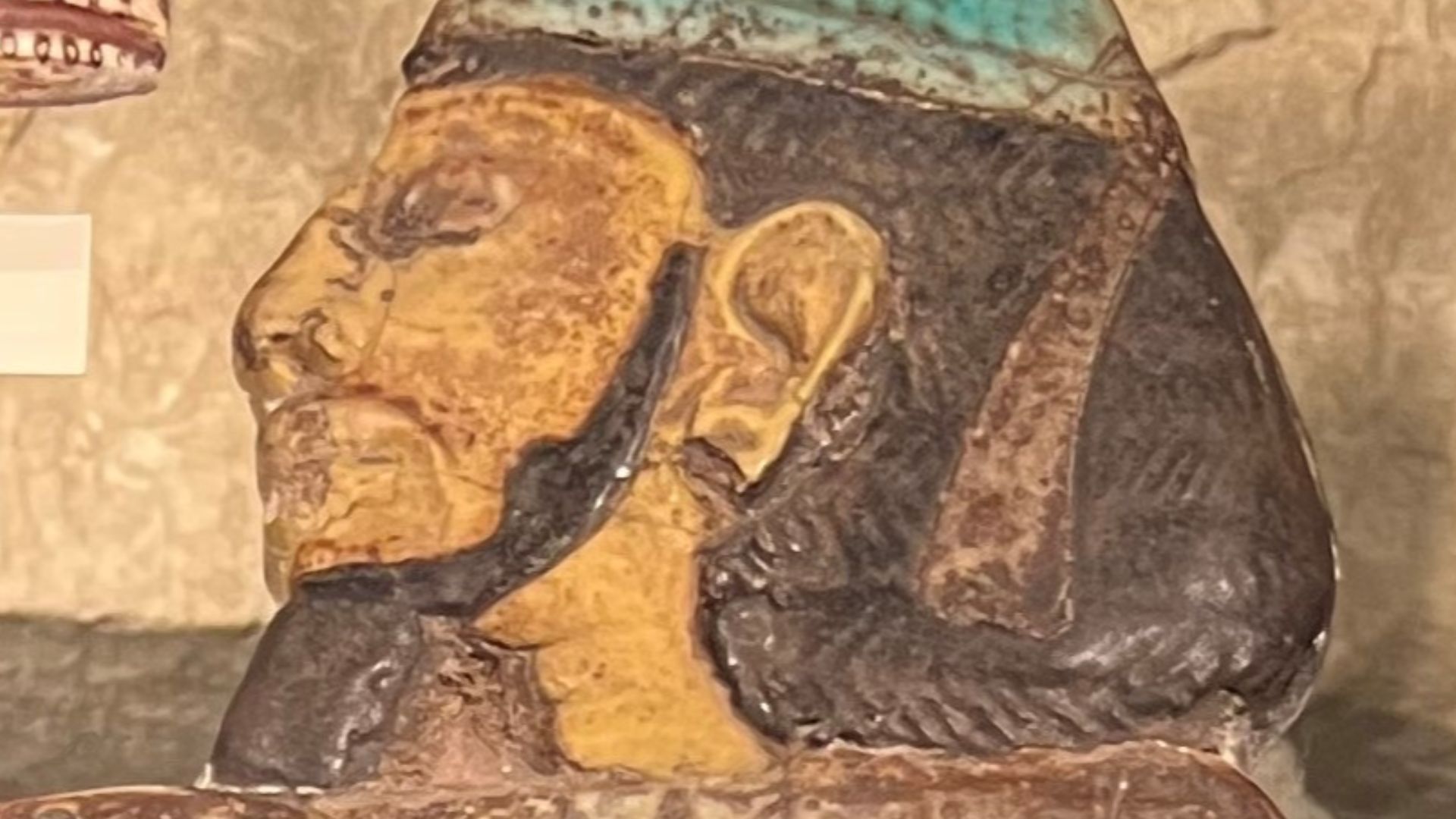
Ancient Greek literature celebrated the Mycenaean civilization, but its genetic relationship to modern Greeks remained a matter of debate. Researchers studying Bronze Age remains discovered substantial similarities between Mycenaean DNA and that of present-day Greek populations. Although subsequent migrations introduced additional ancestry, the findings supported longstanding ideas about population continuity in the region.

19. Secret Paternity in Beethoven's Family
When the appropriate genetic comparisons were made with living members of the Beethoven family along the direct paternal line, a discrepancy became apparent. There must have been at least one instance in which the presumed father wasn't the biological father. Unfortunately, no conclusion could be drawn as to which generation this occurred in, but it remains an interesting possibility for further study.
 Joseph Karl Stieler on Wikimedia
20. Norse Explorers Ventured Surprisingly Far North
It seems reasonable to suppose that Norse explorers would travel extensively to obtain desirable resources. Some historical samples of walrus products were examined genetically, revealing that they came from areas much farther north, in the High Arctic. The discovery expanded researchers' understanding of medieval Norse exploration and supported theories regarding encounters with Indigenous Arctic communities.
KEEP ON READING


20 Gut-Friendly Fermented Foods For Everyday Meals

20 Unhealthy Obsessions People Have

20 Ways Perimenopause Changes Fitness and Appetite