

Expenses Nobody Warned You About
Retirement isn’t a decision to make lightly, and most people don’t even think about it before they’ve crunched the numbers. But now that you've accounted for groceries, household bills, and even the occasional vacation, how much thought have you given to the smaller stuff that comes with retirement? Though you can’t prepare for every fork in the road, we’ve gathered 20 health expenses that can catch new retirees by surprise.

1. Prescription Changes
You may have budgeted for the medications you've taken for years, but don’t just assume you’ll be on the same dose forever. A new diagnosis could require additional medication or a more expensive alternative to something you're already taking. The reality is that even seemingly inexpensive meds can make a noticeable difference when you're filling them every month.

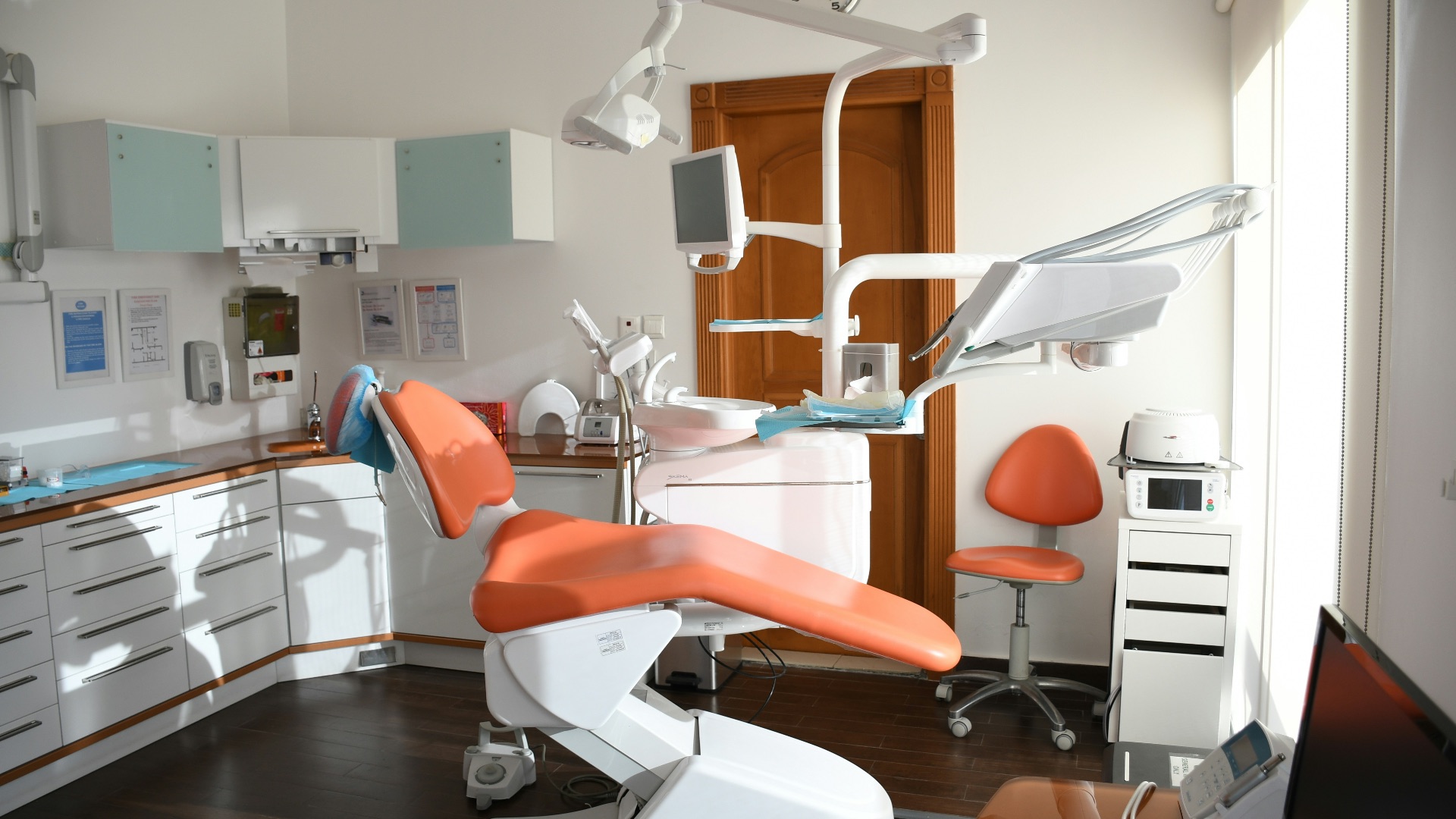
2. Dental Repairs
Routine cleanings are one thing, but our teeth age right along with us, and our golden years can come with replacing an old crown or repairing a cracked tooth. Dental work you had done decades ago may eventually need attention, too, and the associated costs aren't always predictable.
3. Updating Your Eyeglasses
We’d love it if our eyes stayed the same into retirement, but those trusty reading glasses you've had for years probably won’t be sufficient forever. Changes in your vision could mean purchasing progressive lenses, prescription sunglasses, or an entirely new pair of everyday glasses. That’s not even the last of it; you also have the examination, frames, and lenses to worry about.

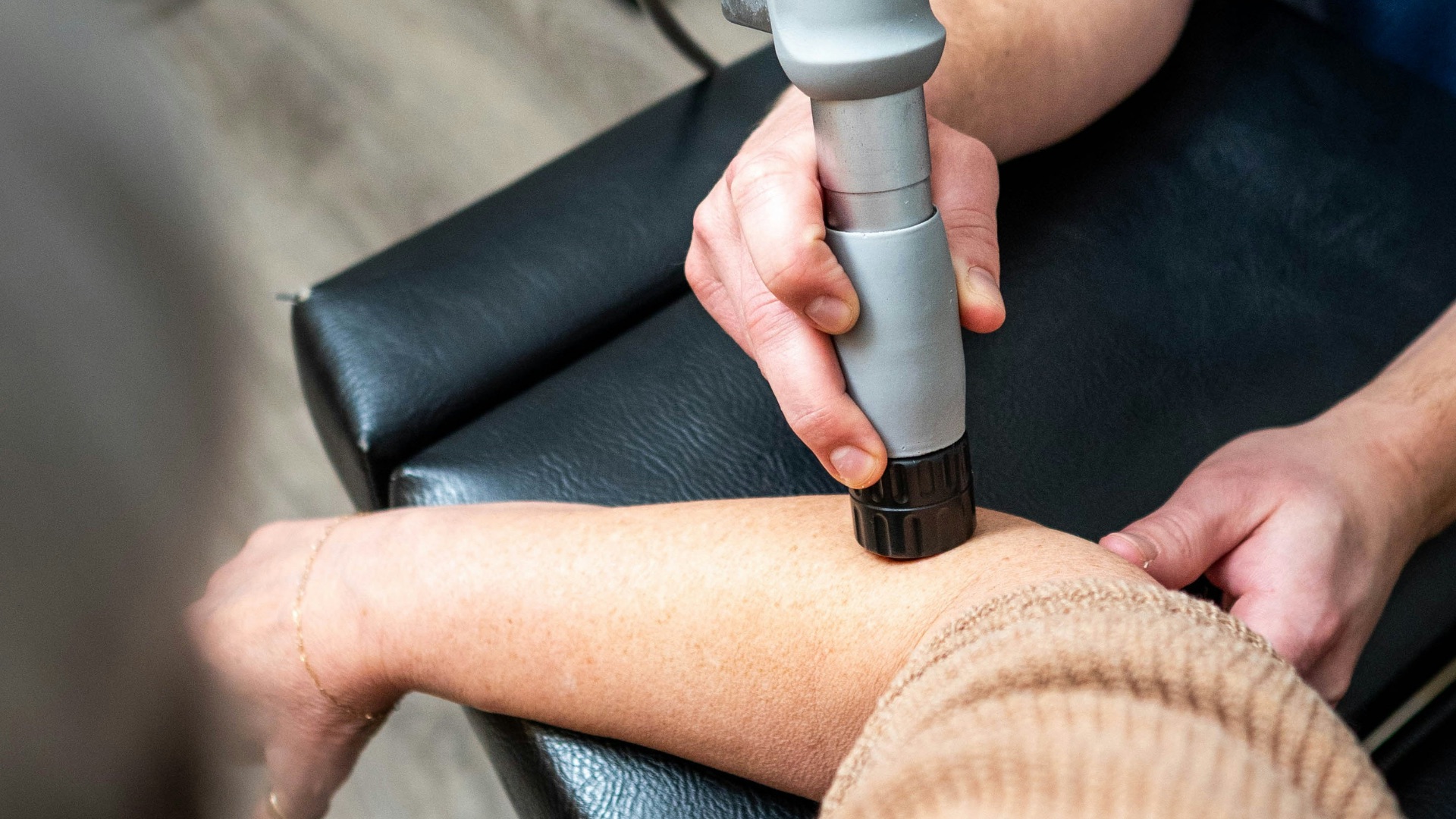
4. Physical Therapy Sessions
Retirement finally gives you time to address that troublesome shoulder or persistent knee pain you've been ignoring. But just how long have you been sweeping it under the rug? The reality is that the longer you leave something, the worse it can be down the line. Some treatments may even require purchasing equipment to continue exercises at home.
5. Replacing Medical Equipment
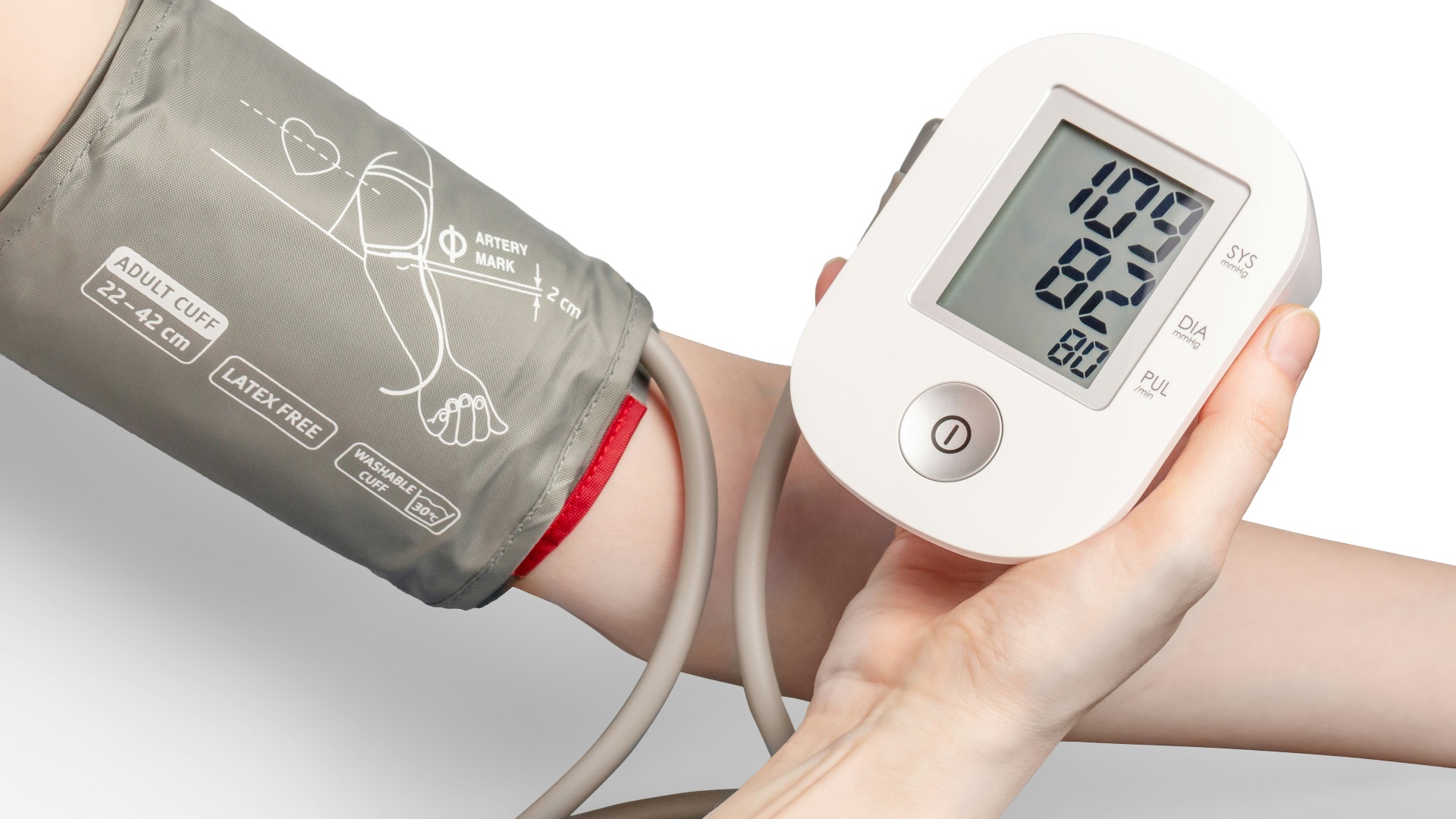
Though it may seem like it, buying a blood pressure monitor isn't necessarily a one-time expense. Equipment can malfunction, get damaged, or no longer meet your needs as your life changes. Next thing you know, you’re shelling out money for new equipment.
6. Traveling to Appointments
Not everyone has the luxury of living five minutes away from their doctor. If you don’t drive anymore (or even if you do), travel costs can rack up pretty quickly. We’re talking gas, parking, tolls, or even overnight accommodations. For those who don’t drive, cabs are more expensive than you’d think.
7. Specialized Footwear
The inexpensive sneakers you've always purchased might not provide enough support if you develop certain foot or joint problems. Anyone who’s needed inserts or special shoes knows how pricey they can be! Worse still, considering that shoes eventually wear out, this can become a recurring expense rather than the odd splurge.

8. Over-the-Counter Remedies
It's easy to underestimate how much you spend on products that don't require a prescription. But don’t kid yourself—just because they’re from a pharmacy doesn’t mean they’re cheap. Artificial tears, allergy tablets, antacids, and topical pain relievers can all become regular additions to your shopping list.
 National Cancer Institute on Unsplash
9. Medical Monitoring Supplies
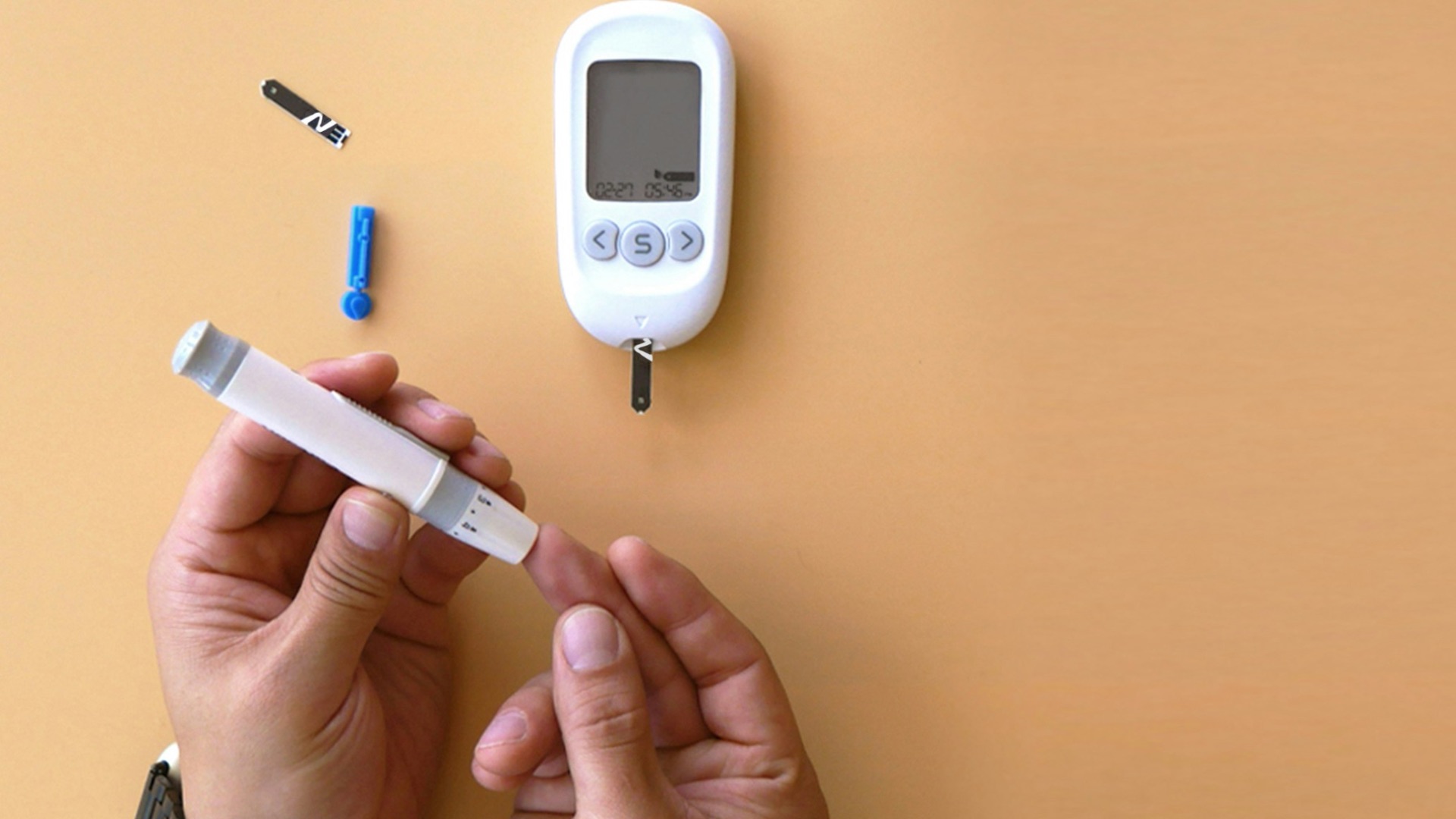
Managing certain conditions at home comes with its own expenses. Someone living with diabetes, for instance, may need to purchase glucose testing strips, lancets, or replacement sensors, depending on their coverage. Whatever the case, they’re all ongoing costs.
10. Bathroom Safety Modifications
A slippery bathtub is no joke, especially as you age, and there’s no shame in installing support bars or even chairs if you need to. However, those installations or even replacing a difficult-to-access bathtub may be hard on your wallet. Depending on the modifications involved, you could also find yourself paying out of pocket for the installation itself.

11. Therapeutic Dietary Changes
Being advised to follow a special diet doesn't always mean your existing budget will cover it. You never know what life will throw at you, and based on an incoming diagnosis, you could be looking at a whole new shopping list. Sure, affordable options exist, but adjusting your habits takes time and money.

12. Hearing Aid Maintenance
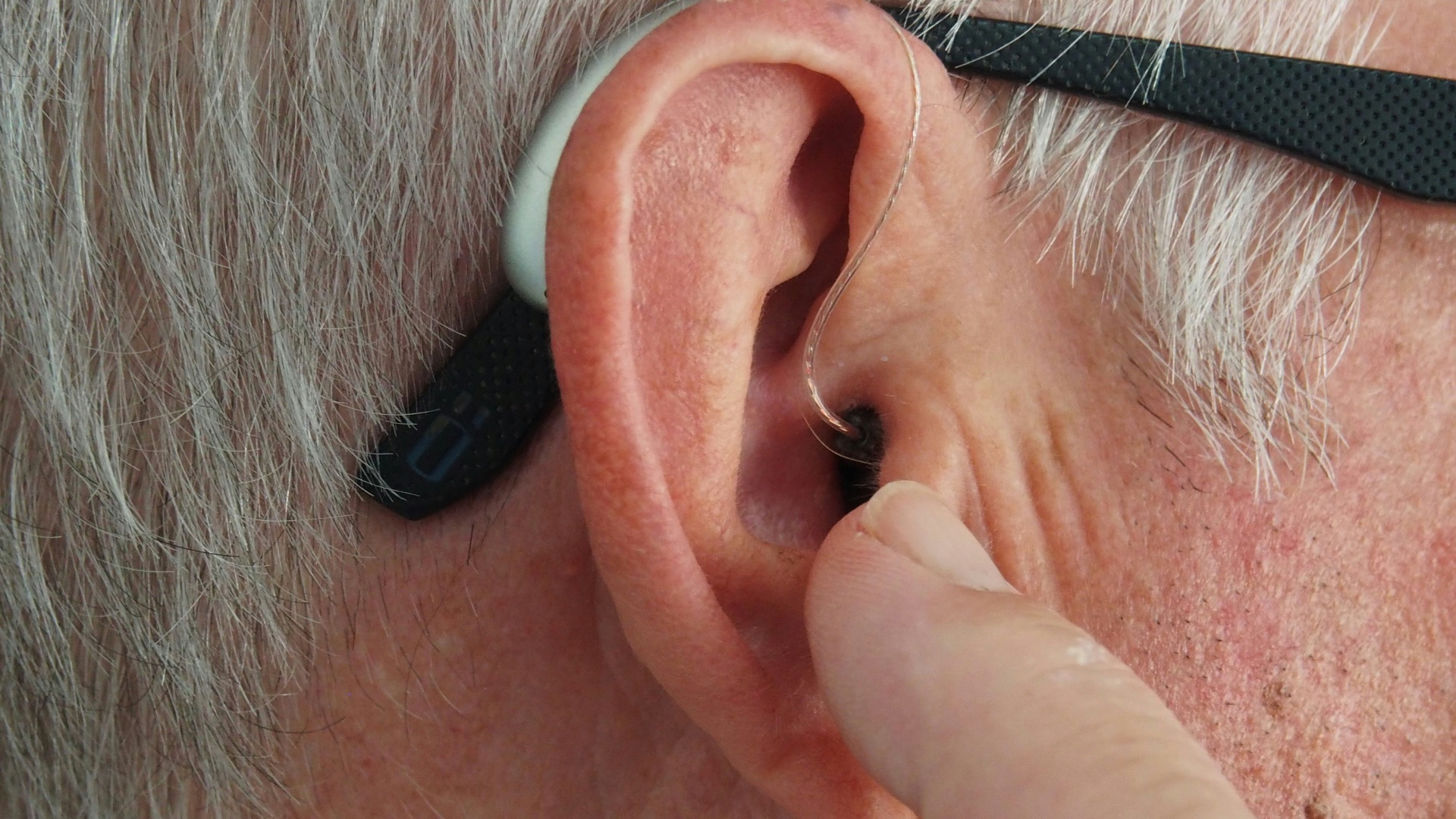
The initial price of hearing aids is hair-raising enough, but maintaining them comes with its own costs. Don’t forget that you’re also on the hook for replacement batteries, wax guards, specialized cleaning supplies, and repairs. Depending on your device, even replacing a damaged component could leave you with a huge bill.
13. Neglected Health Concerns
Between raising kids and managing a career, you might've spent years postponing nonurgent appointments. But as we mentioned, that stuff catches up to you! Addressing longstanding concerns within your first year of retirement could prove more expensive than you'd anticipated.

14. Counseling
We love to assume that retirement is easy-peasy, but leaving the workforce can actually bring unexpected emotional challenges. Working through those feelings with a counselor may be beneficial, but appointments aren't always fully covered. Depending on your specialist, those sessions could easily be over $100 a pop.

15. Temporary Help
Recovering from an injury can make even the most basic chores way more difficult. You may need to hire someone to clean your home, prepare meals, or take care of the laundry until you're better. As you can imagine, that can come at a hefty cost.

16. Sleep Apnea Supplies
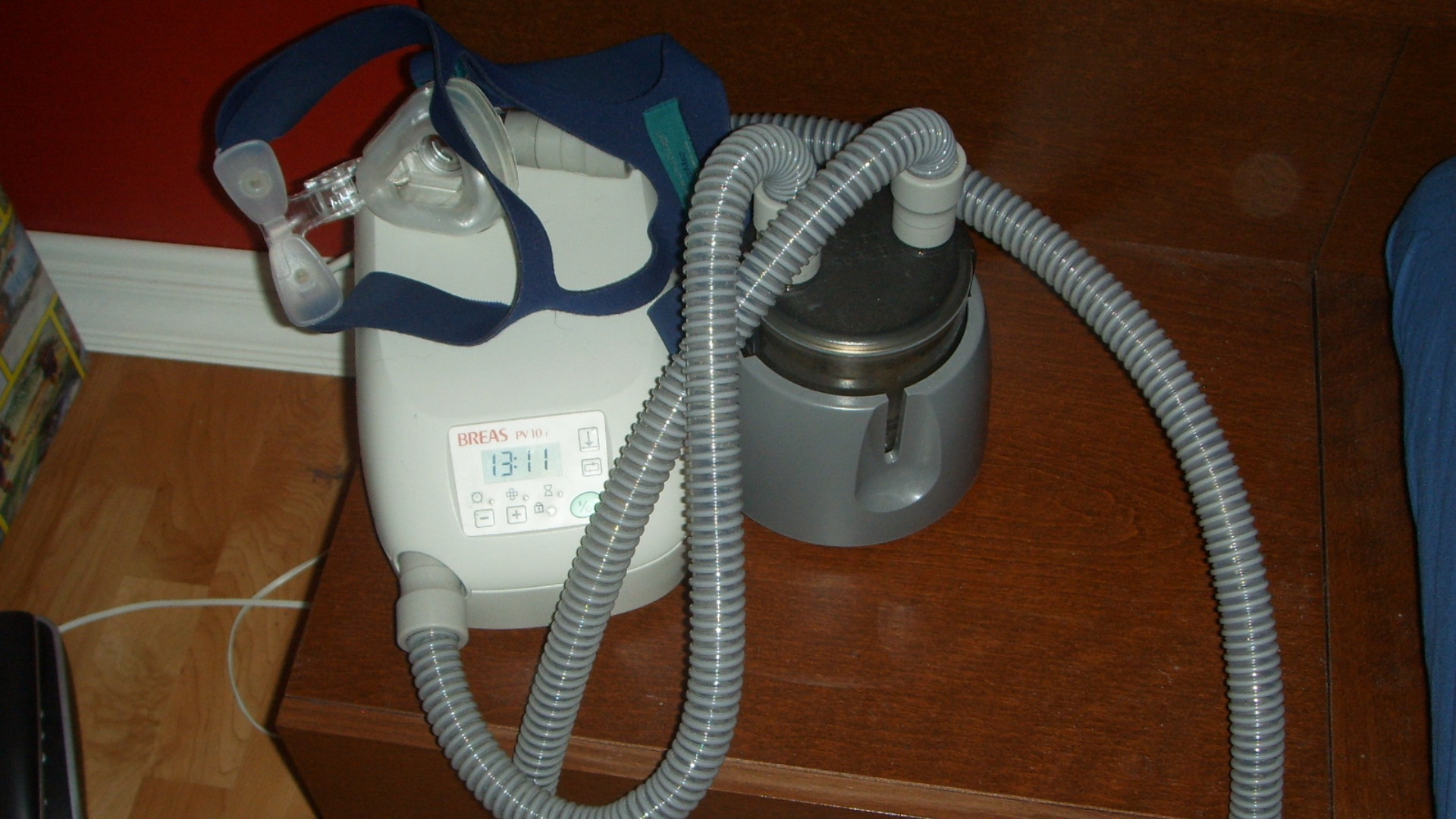
Much like hearing aids, CPAP machines also have associated expenses beyond the device itself. Masks, tubing, cushions, and filters require periodic replacement, too. How much you'll spend will obviously depend on your coverage, but it's worth thinking about now so you’re not caught off guard.
17. Incontinence Products
Nobody just opens up about bladder problems, much less think about how much they'll cost to manage. But those little leaks do have dollar signs attached. Protective underwear, absorbent pads, and waterproof mattress covers can become necessary purchases for some retirees.

18. Travel Health Expenses
Planning to explore the world? Well, depending on where you go, it’s not as simple as buying plane tickets. You might also need travel vaccinations, additional medical insurance, or a consultation with a travel health specialist before boarding. Existing medical conditions can further complicate arrangements, too.
 Katarzyna Grabowska on Unsplash
19. Losing Workplace Wellness Perks
Some employees took full advantage of discounted gym memberships, subsidized fitness classes, or access to workplace wellness facilities—as they should! But once you retire, maintaining those activities could mean paying for that stuff out of pocket. Senior discounts may help, but not every service you once enjoyed has an equally affordable replacement.
 Centre for Ageing Better on Unsplash
20. Medical Alert Services
Living independently becomes a little more reassuring when you have a reliable way to contact someone during an emergency. That is, if you’re willing to pay for the privilege. Personal medical alert devices can be a life-or-death savior; however, beyond purchasing the device, certain services require monthly monitoring fees or additional charges.

KEEP ON READING


20 Things Your Body Is Secretly Doing Right Now