A Sweet Secret
It’s easy to assume that anything plucked from a tree is a free pass for your diet, but nature actually packs quite a punch when it comes to sugar. While these fruits are loaded with vitamins and antioxidants, they also contain high levels of fructose that can send your glucose levels on a surprising ride. With that in mind, here are 20 fruits that contribute more to your sugar intake than you realize.
1. Tropical Mangoes
Sure, biting into a ripe mango is tasty, but did you know that they’re one of the highest-sugar fruits at the grocery store? Just one mango can contain up to 45 grams of sugar. That’s insane if you’re attempting to maintain stable insulin levels.
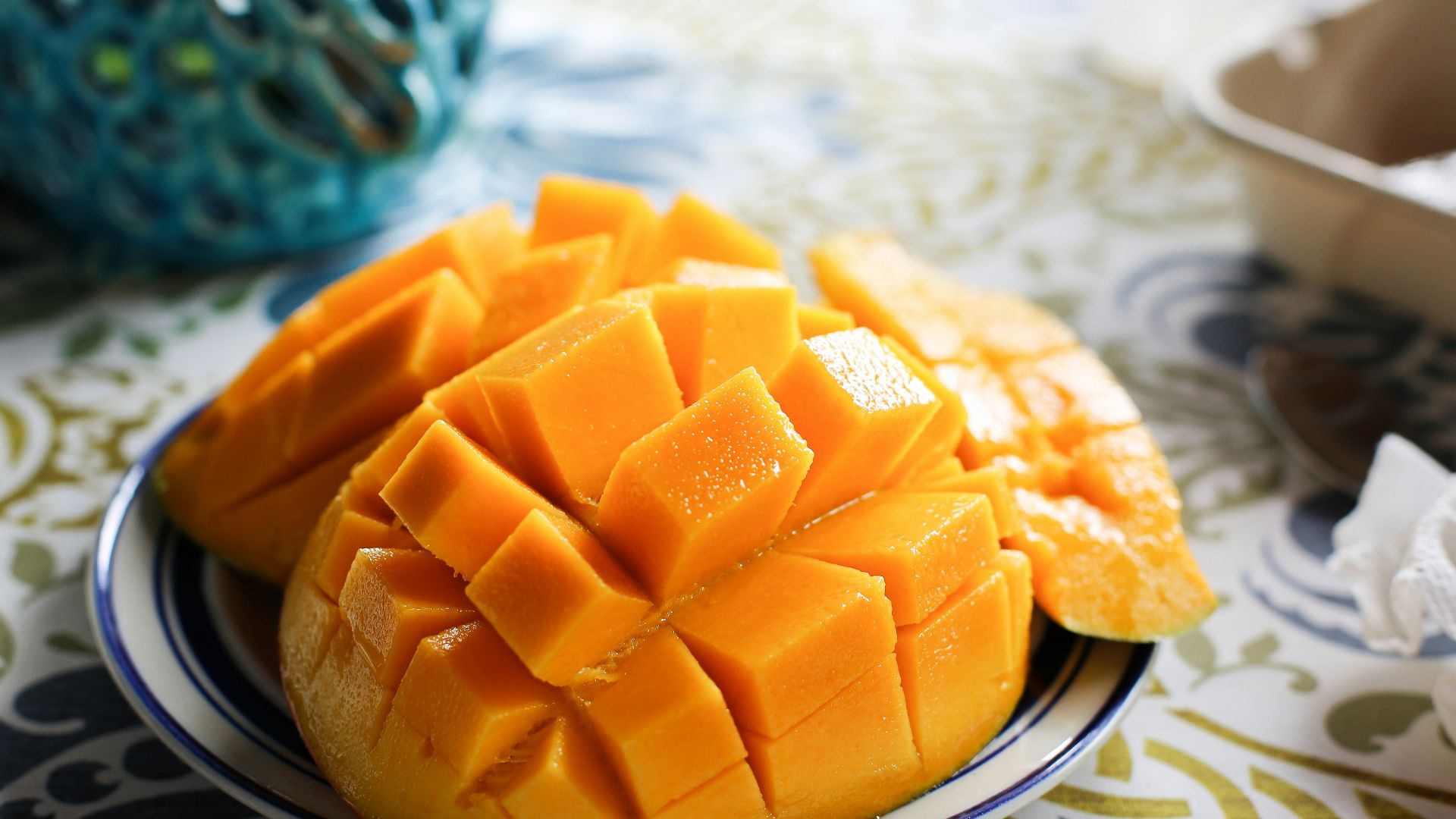 Desirae Hayes-Vitor on Unsplash
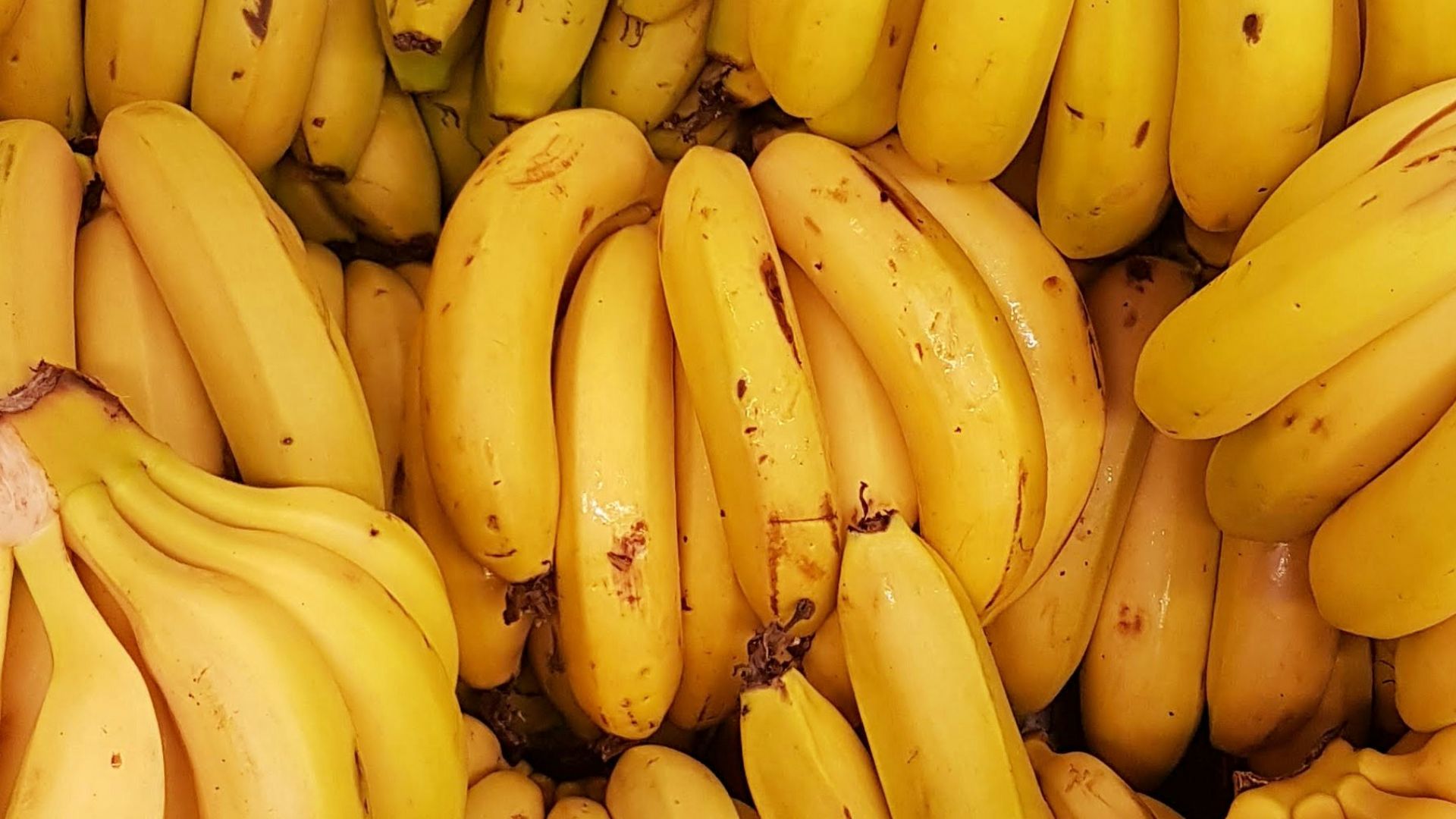
2. Overripe Bananas
If you’re going to eat bananas, stick with the greener ones. As bananas ripen, they convert most of their resistant starch into simple carbs. After eating a very mushy banana, you’ll feel a severe energy crash because your body quickly digests that glucose.
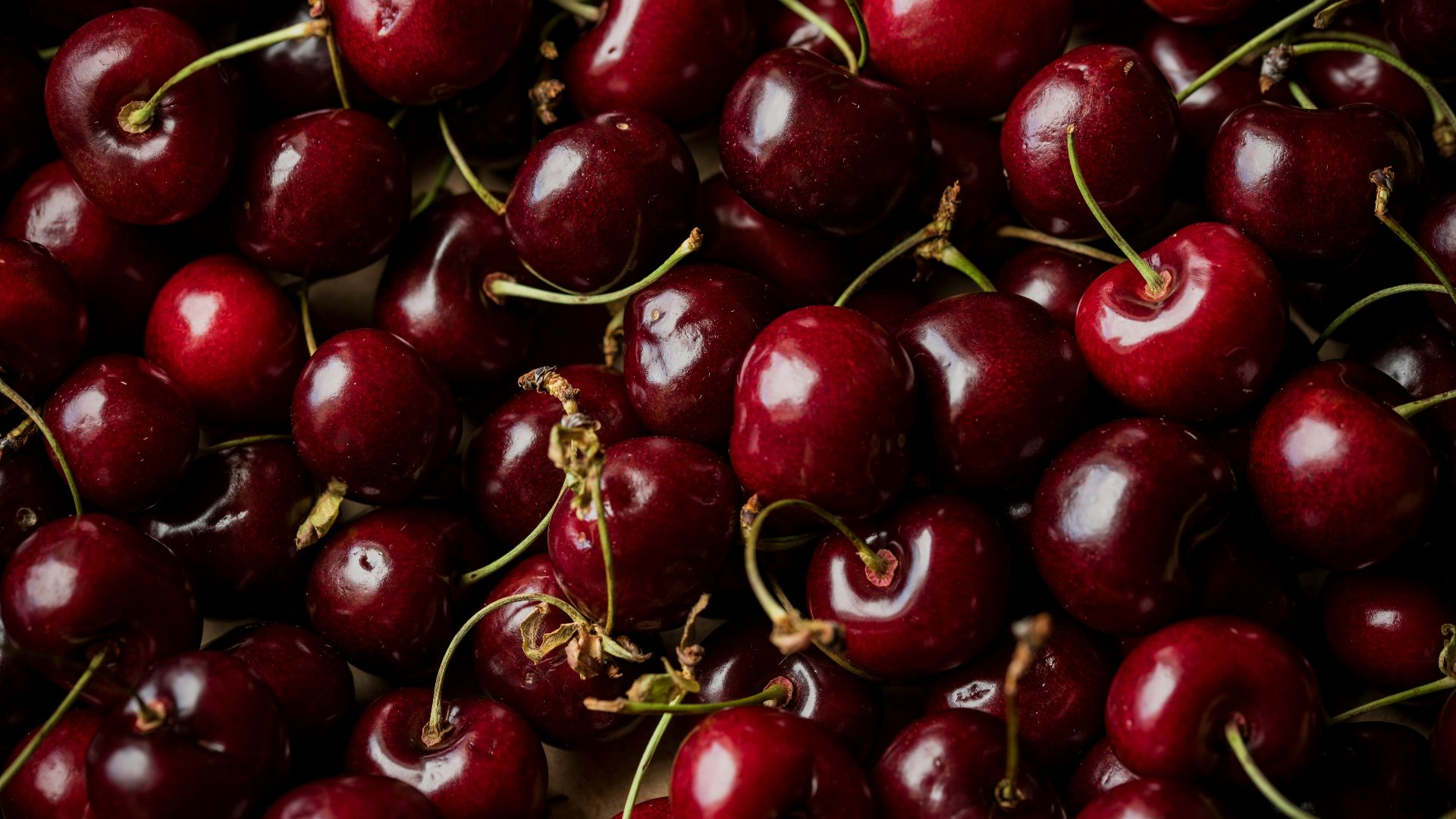
3. Sweet Cherries
They taste like candy, which is exactly the problem. You can easily mindlessly eat a whole bowl of cherries without thinking twice. Just one small bowl has around 18 grams of sugar.
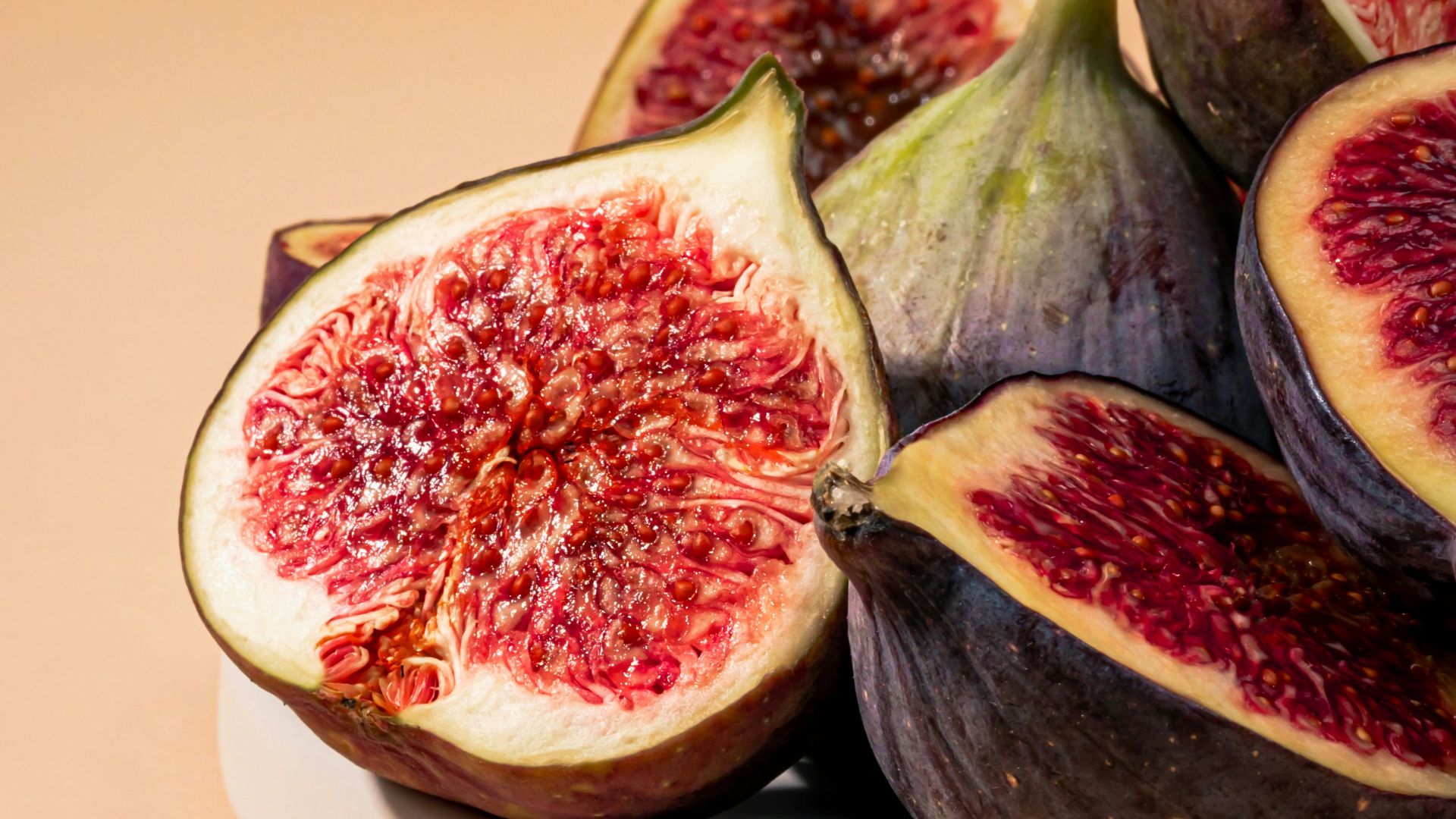
4. Fresh Figs
Figs are delicious. However, if you eat too many at once, you’ll be swallowing a lot of sugar. One medium fig can contain over 7 grams of sugar!
5. Thompson Grapes
You might think of grapes as a hydrating snack, but they’re essentially tiny balloons filled with sugar water and very little fiber. Because they lack the bulk of other fruits, there’s hardly any fiber to fill you up either, so it’s easy to eat thirty grapes without realizing it.
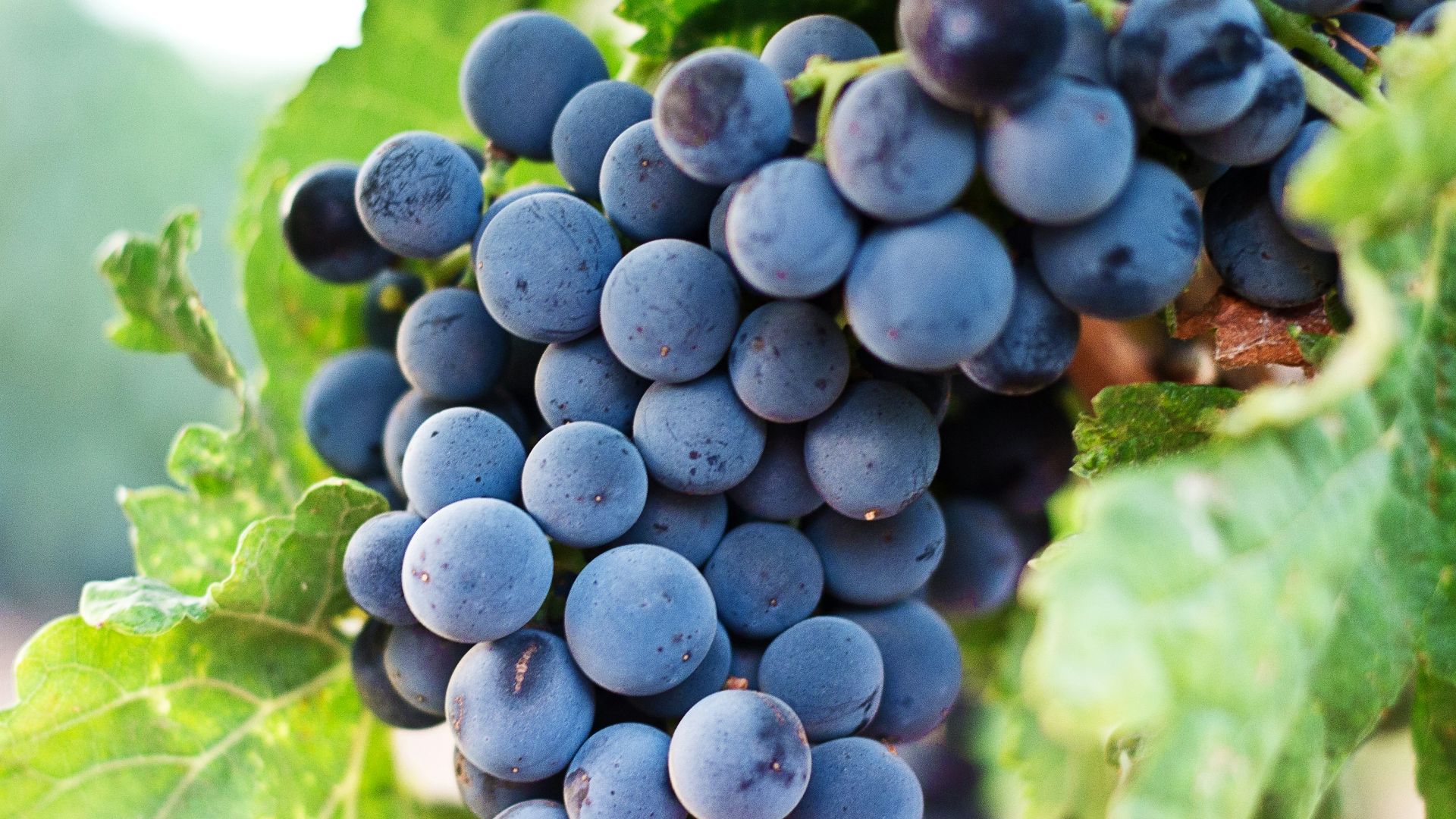 Nacho Domínguez Argenta on Unsplash
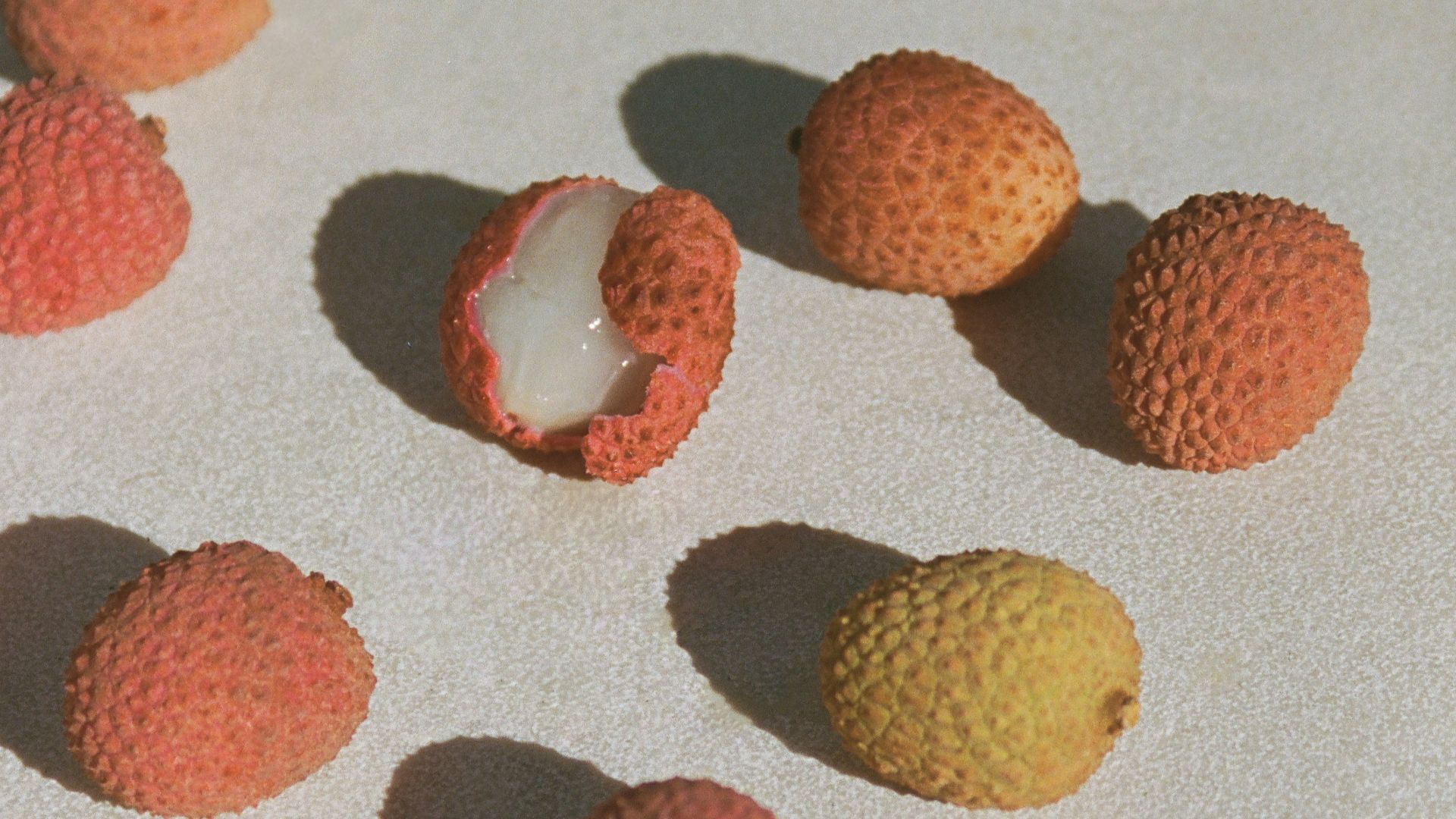
6. Lychees
Lychees taste amazing, but they’re also very high in sugar. One small handful contains nearly 30 grams of sugar. Be aware of your serving size if you want to munch on some throughout the day.
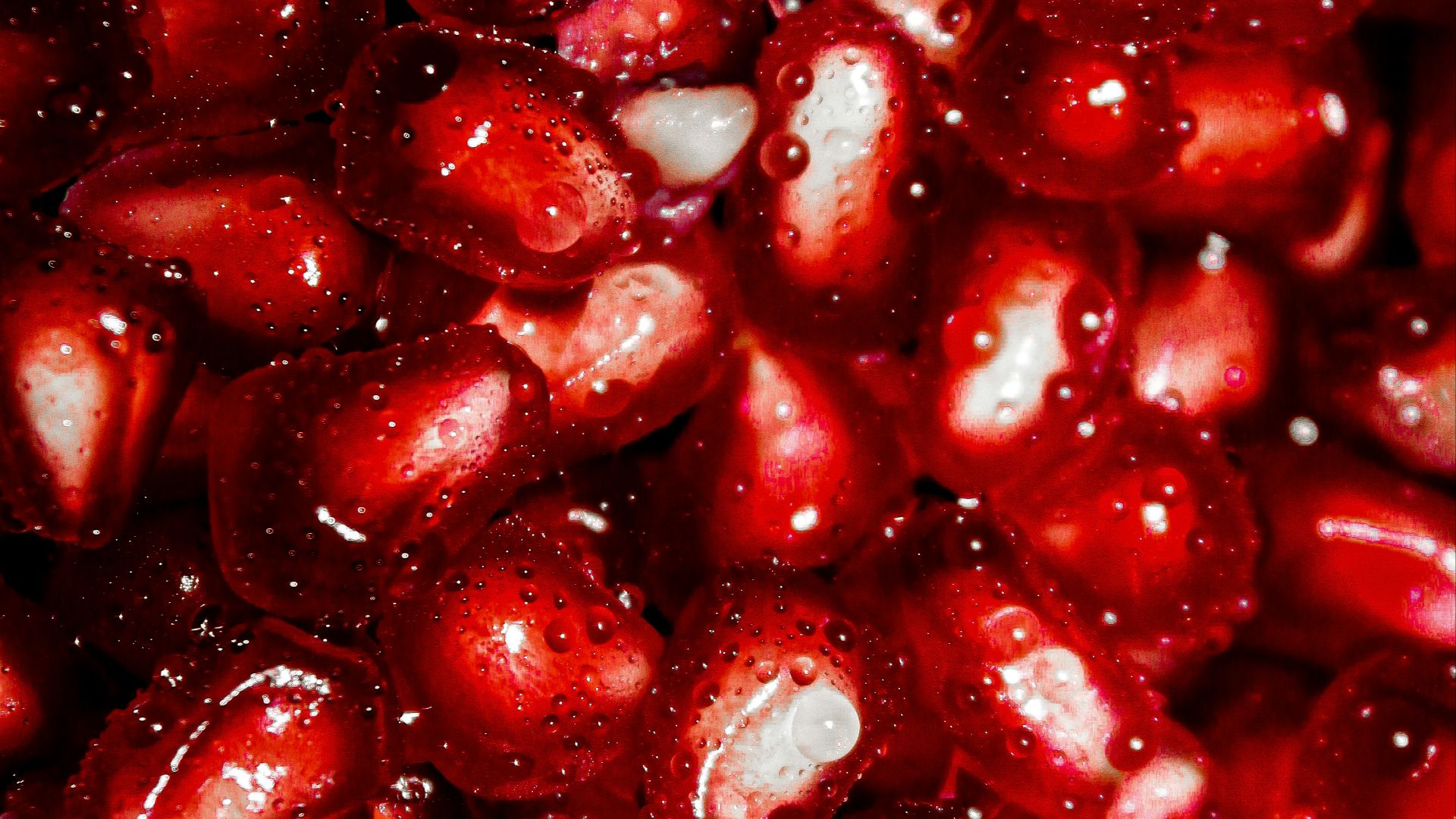
7. Pomegranate Seeds
Pomegranate arils are loaded with antioxidants, but that doesn’t mean they’re sugar-free. Half a cup of these seeds packs in around 12 grams of sugar. Just because it’s a healthier sweet doesn’t mean you can eat the entire thing.
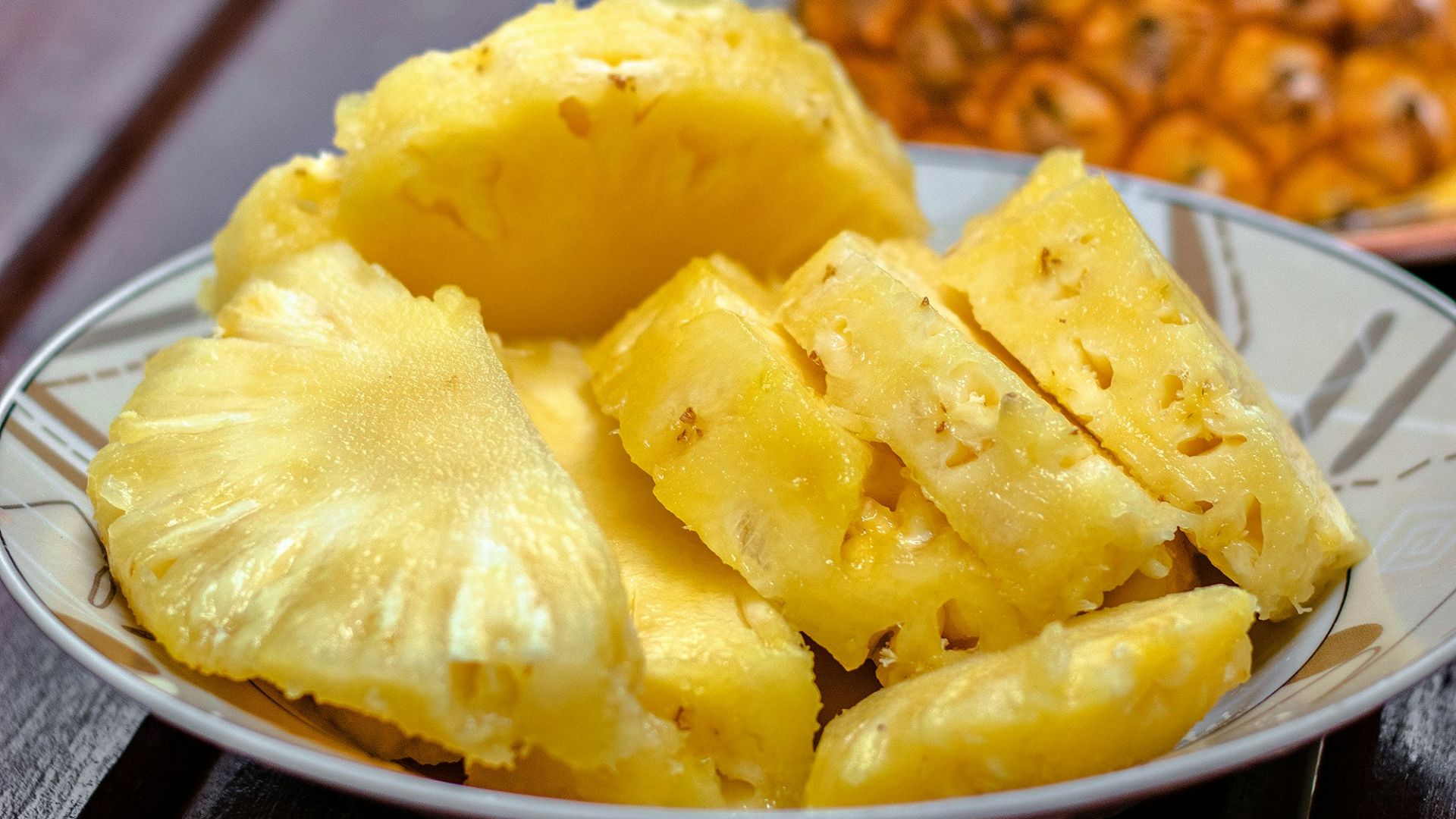
8. Pineapple Chunks
Pineapple is the ultimate tropical treat, but it sits fairly high on the glycemic index compared to berries or citrus. The sweetness is intense because the fruit is loaded with fast-acting sugars that hit your bloodstream rather quickly. If you're going to indulge, try pairing it with some Greek yogurt.
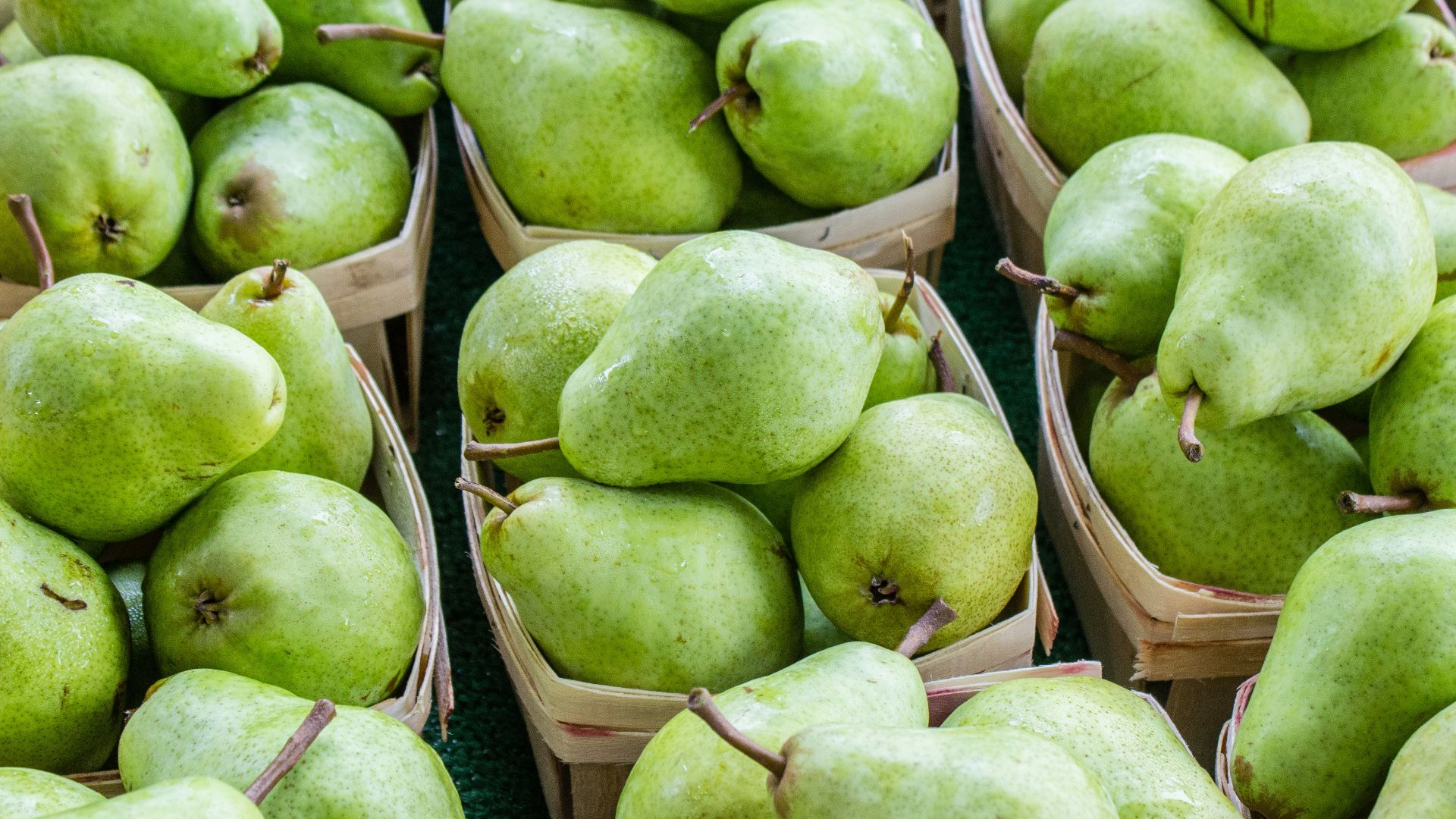
9. Sweet Pears
Make sure your pear is not too ripe. When they’re at that peak level of juicy goodness, their sugar content is highest. Eat a firmer pear instead, like a Bosc or Anjou.
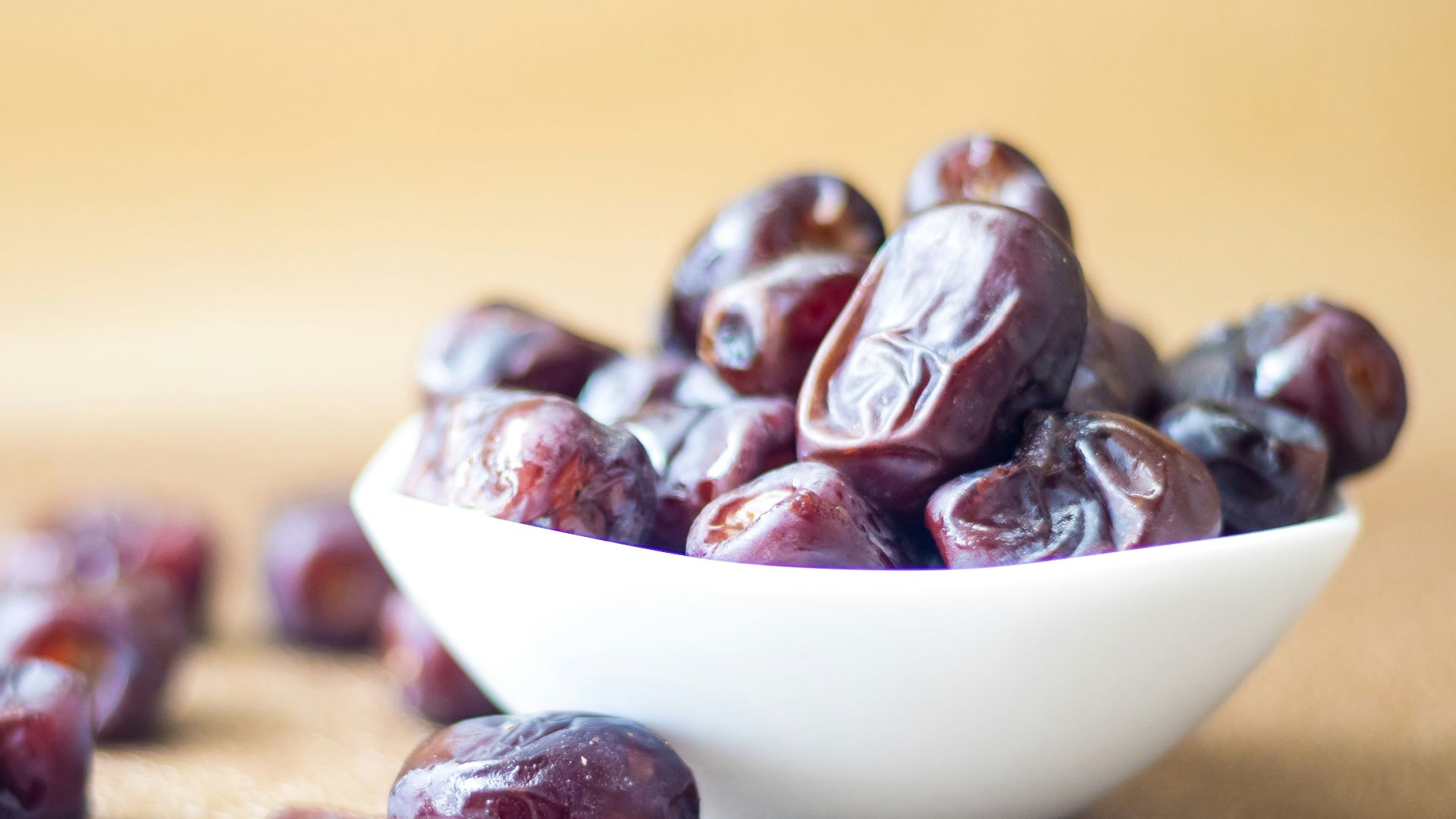
10. Dried Dates
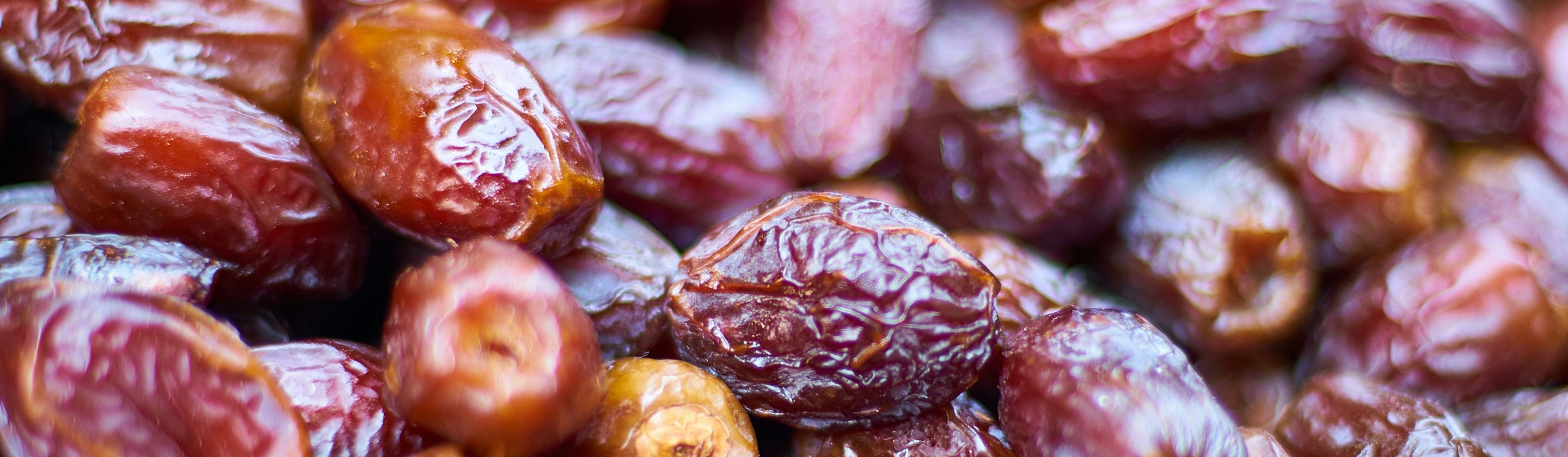
Dates are meant to be eaten in small doses because of how concentrated they are. The sugar is extracted when the water evaporates, so two dates can have as much sugar as one orange. Swap them for regular candy if you’re going to eat them.
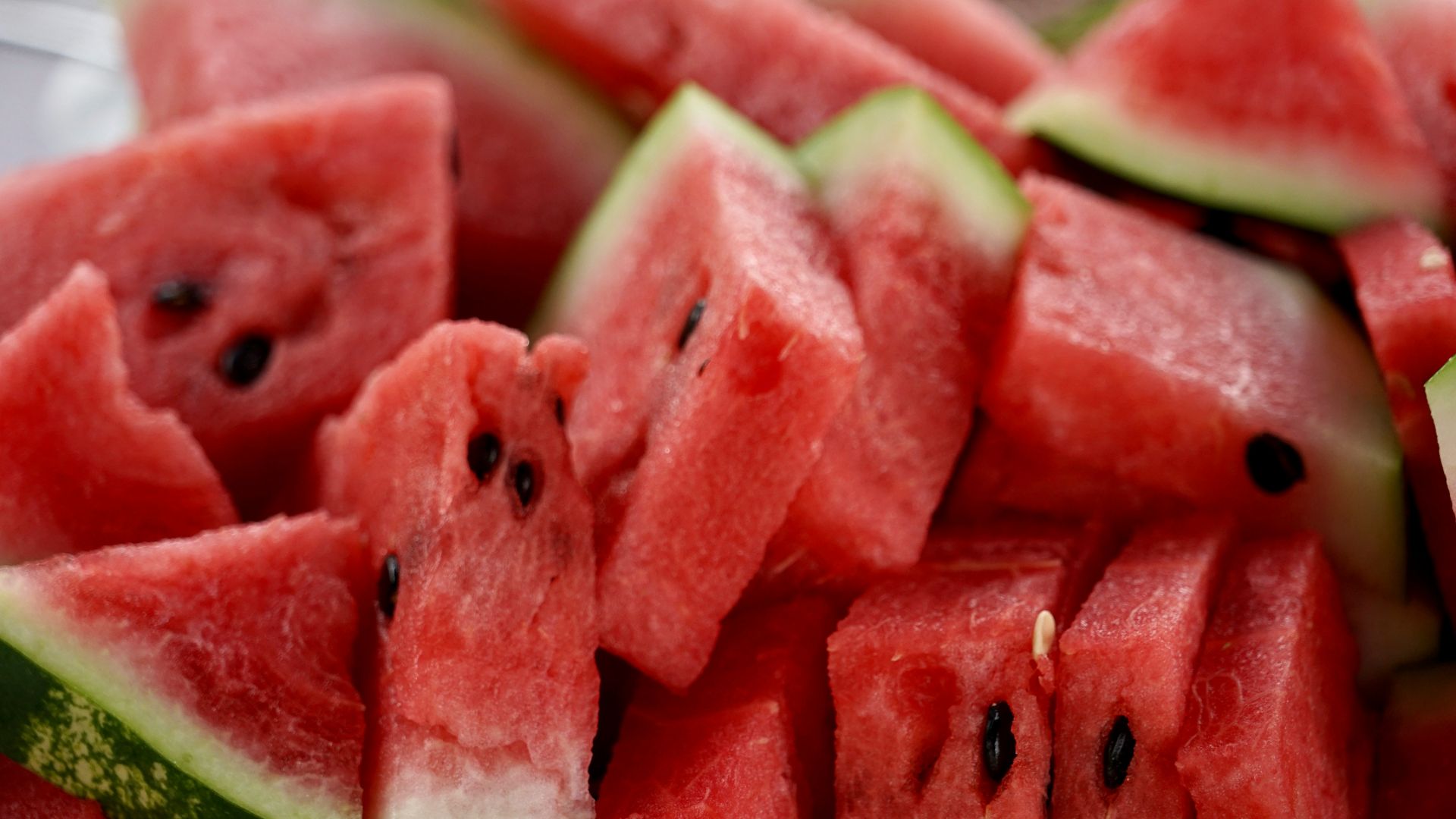
11. Watermelon
Juices are wonderful and refreshing, but watermelon is actually over 90% water. The minimal amount of solids that remain is almost entirely made of sugar. Watermelon has a high glycemic index, meaning it gets into your bloodstream faster than many fruits you may be used to eating.
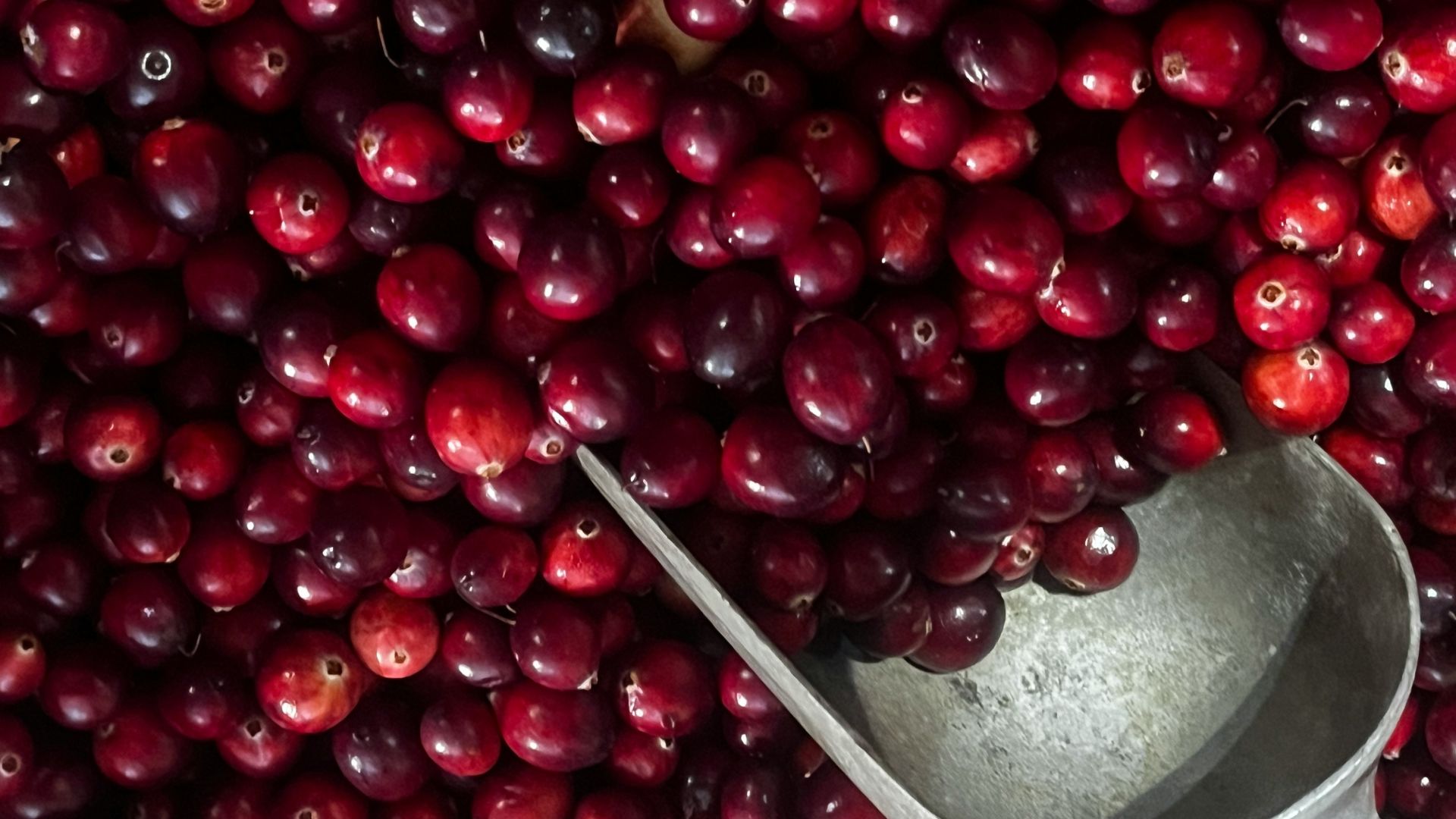
12. Dried Cranberries
Few people realize that these sour little snacks are nearly always packed full of added sugar to make them palatable. Even the “natural” versions you find are still exceptionally high in fructose. Dehydrated fruit becomes much more concentrated than its fresh counterpart.
 Jeannette de Beauvoir on Unsplash
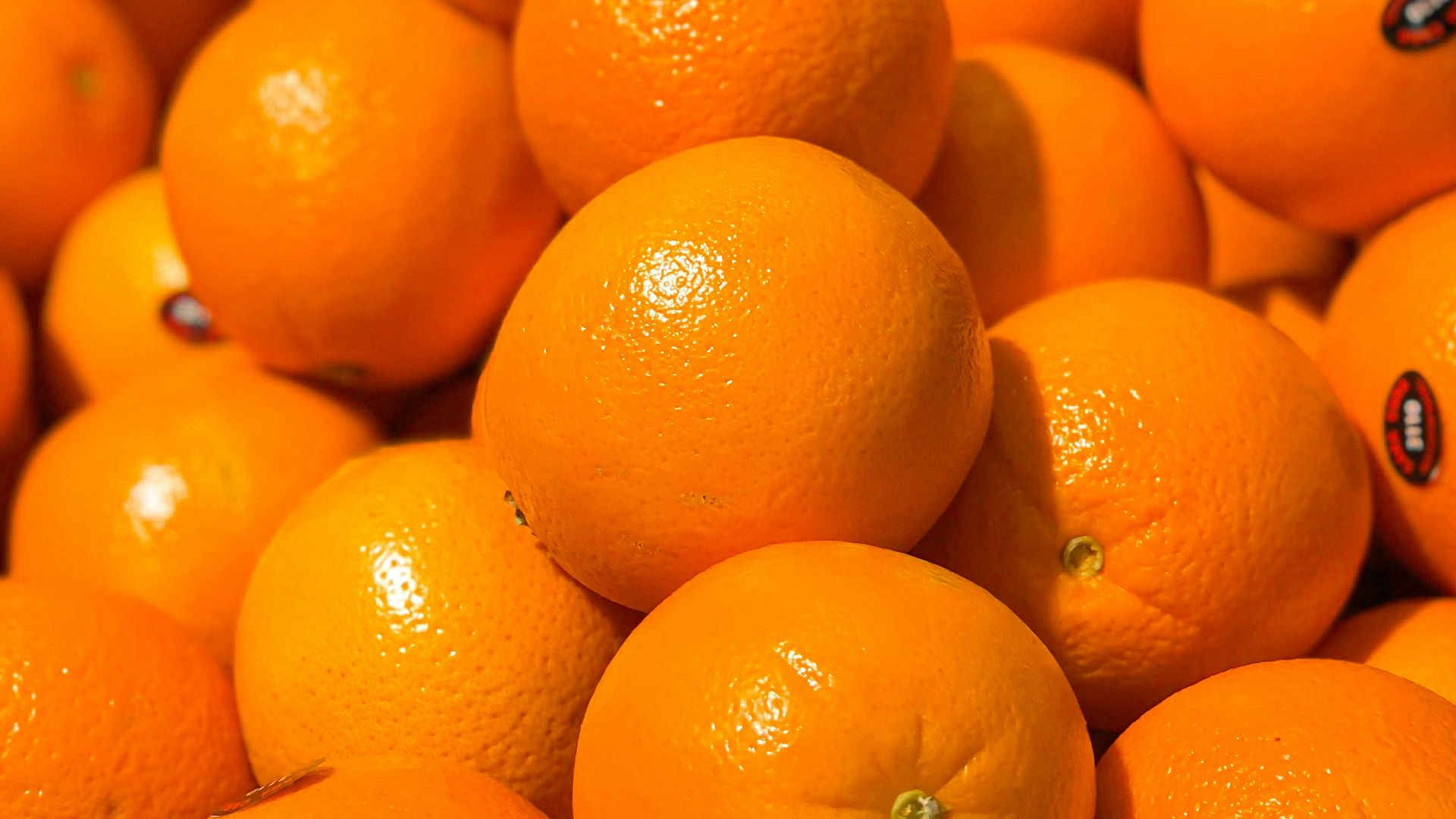
13. Oranges
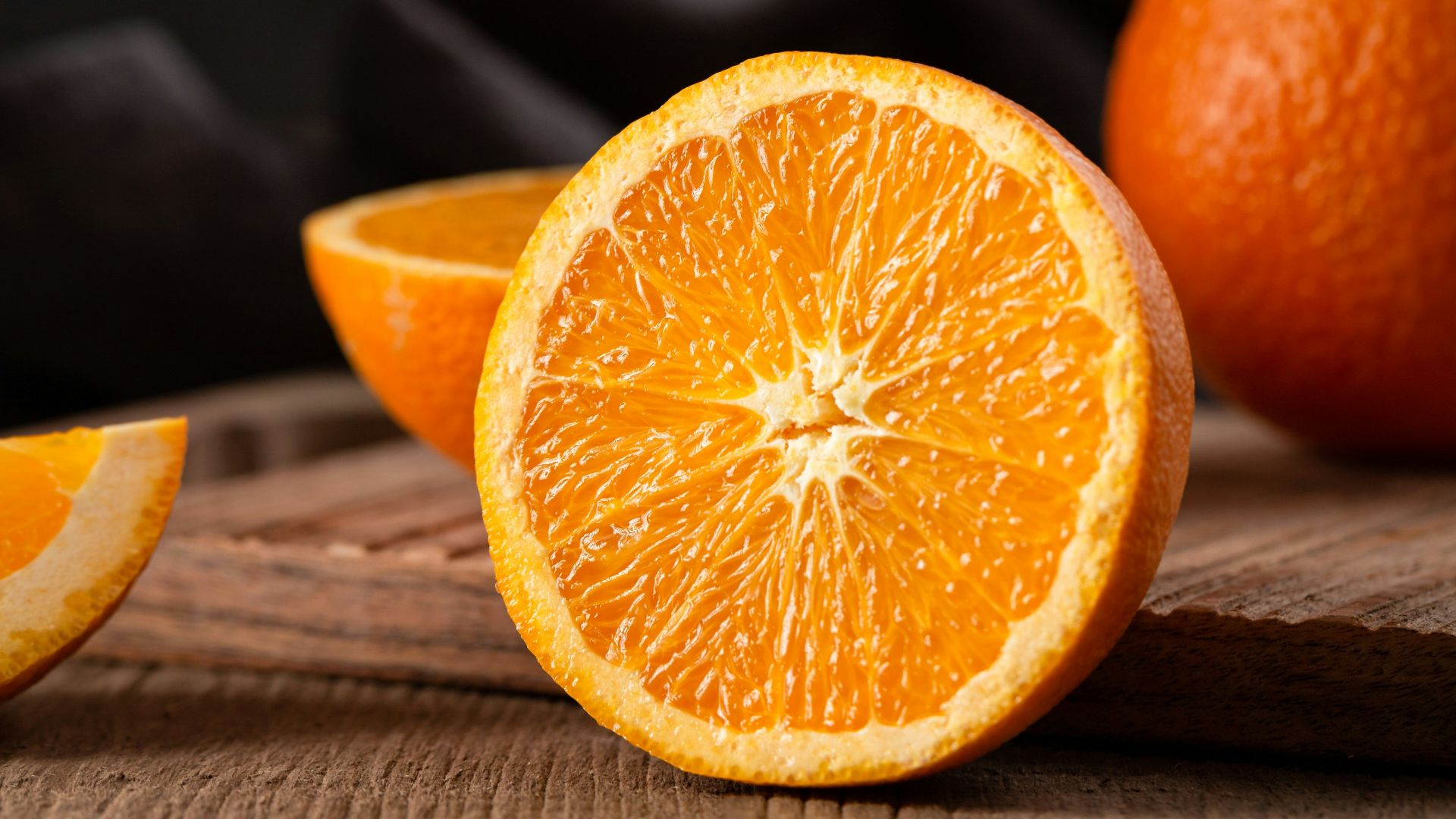
Oranges have decent amounts of fiber to fill you up, but even they can be too sugary for some people. You’re better off eating the whole thing rather than peeling 4 or 5 at once. Juicing them is out of the question since you won’t get any fiber that way either.
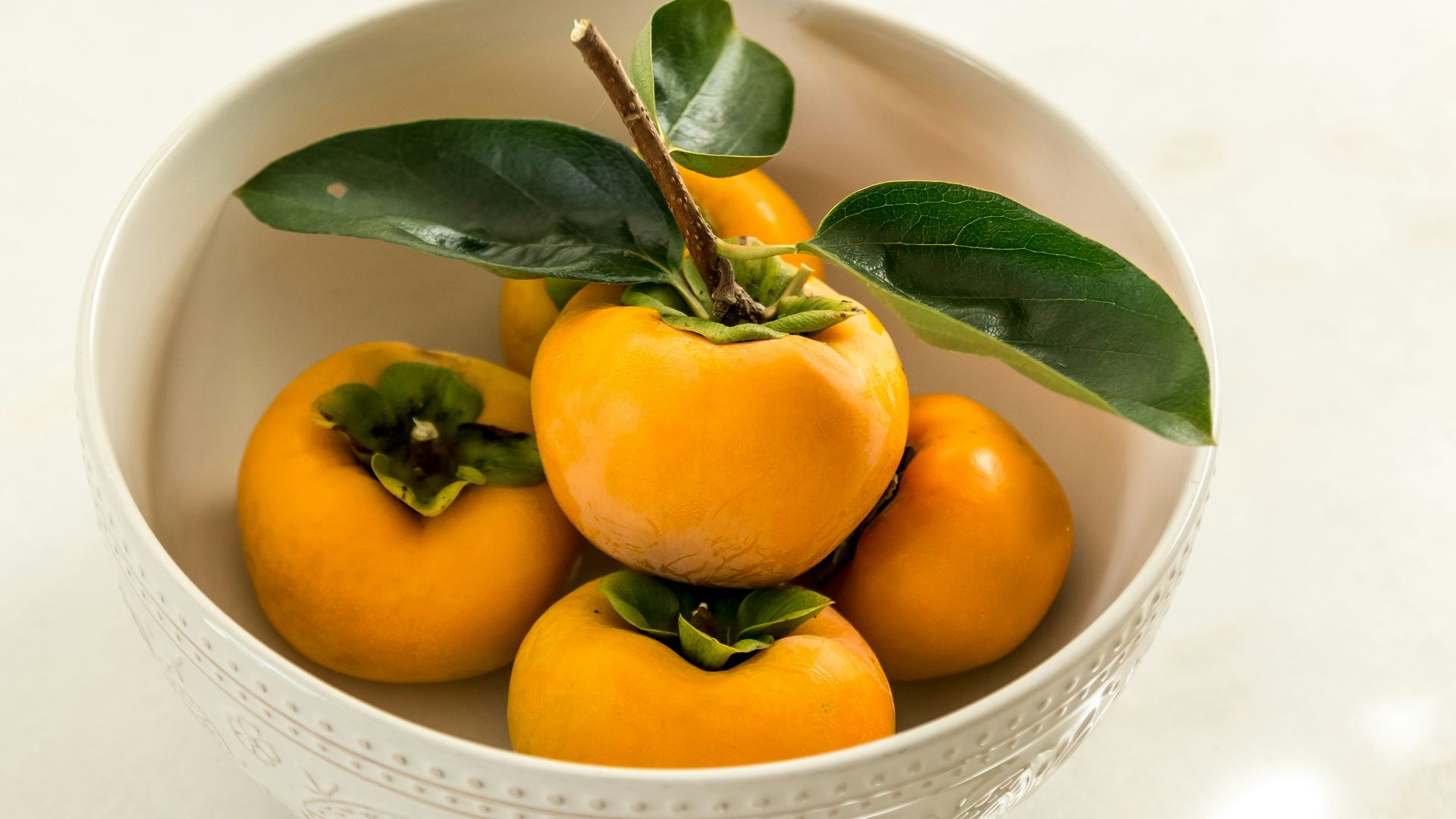
14. Persimmons
Sweet like honey, persimmons are delicious but available for only a few months out of the year. Despite being somewhat fibrous, a single persimmon can contain over 20 grams of sugar. Be prepared to split one with another fruit lover, since they’re tasty but large.
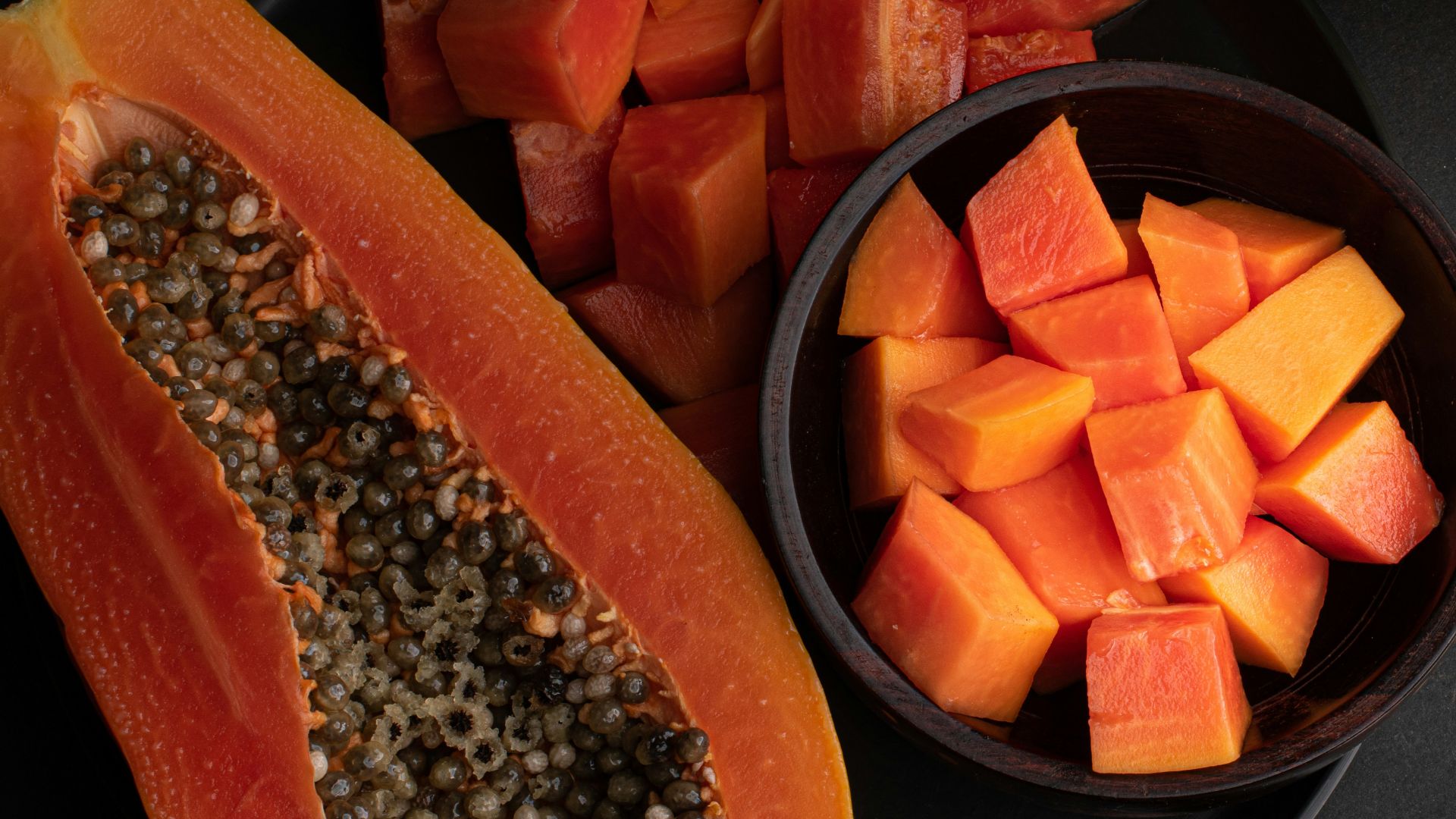
15. Papaya
Papayas are wonderful for digestion, but they also fall into the category of sweeter tropical fruits that can raise your blood sugar. While they aren't as sugary as mangoes, the lack of significant fiber in the flesh means the sugar enters your system quite fast. Adding a squeeze of lime juice can help balance the flavor.
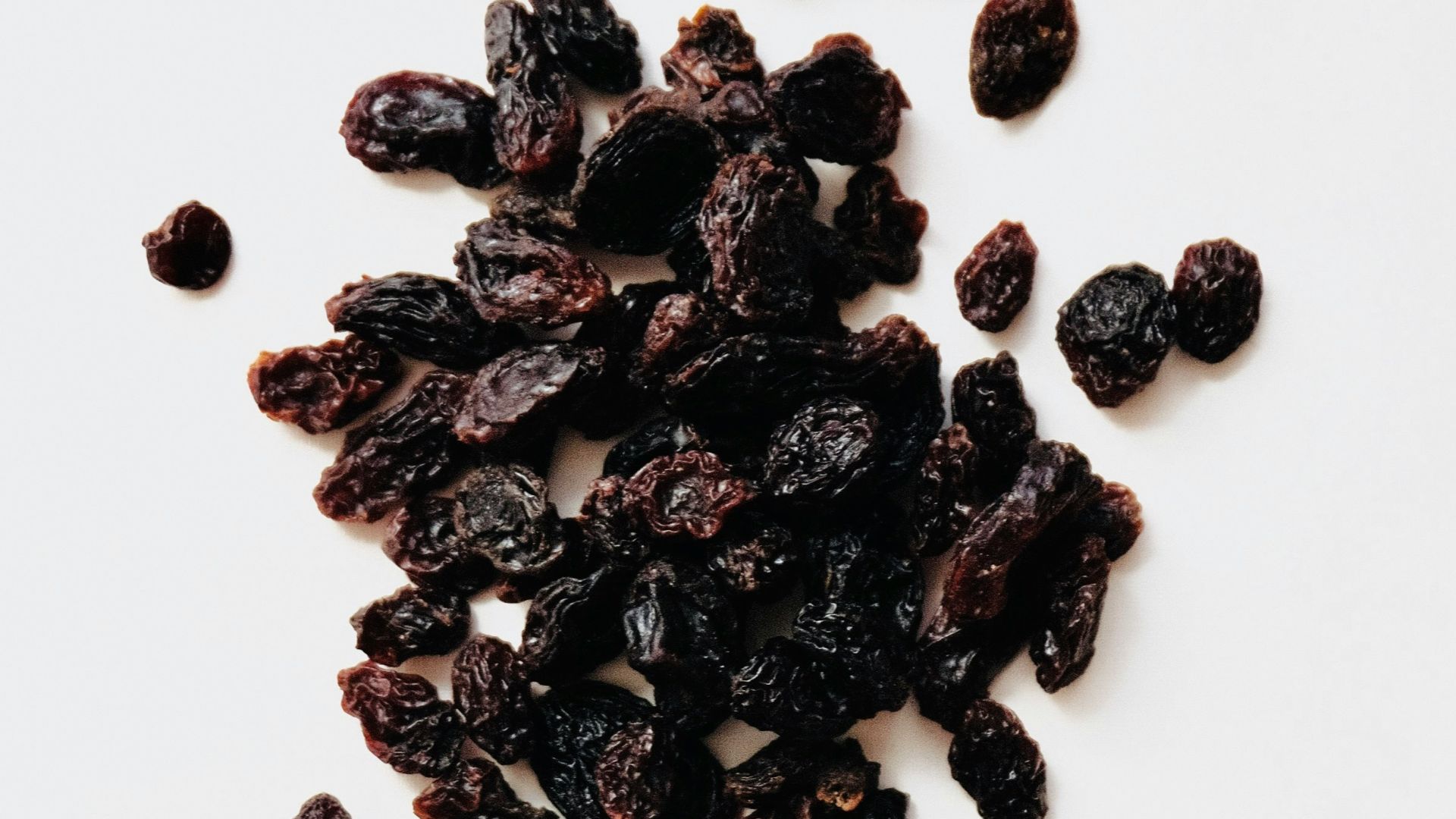
16. Sultanas or Raisins
Easy to eat by the handful, these dried grapes pack a powerful sugary punch. Since they’re dehydrated, you’re getting concentrated amounts of everything into each little bite. Moderation might not be enough when it comes to raisins.
17. Kiwifruit
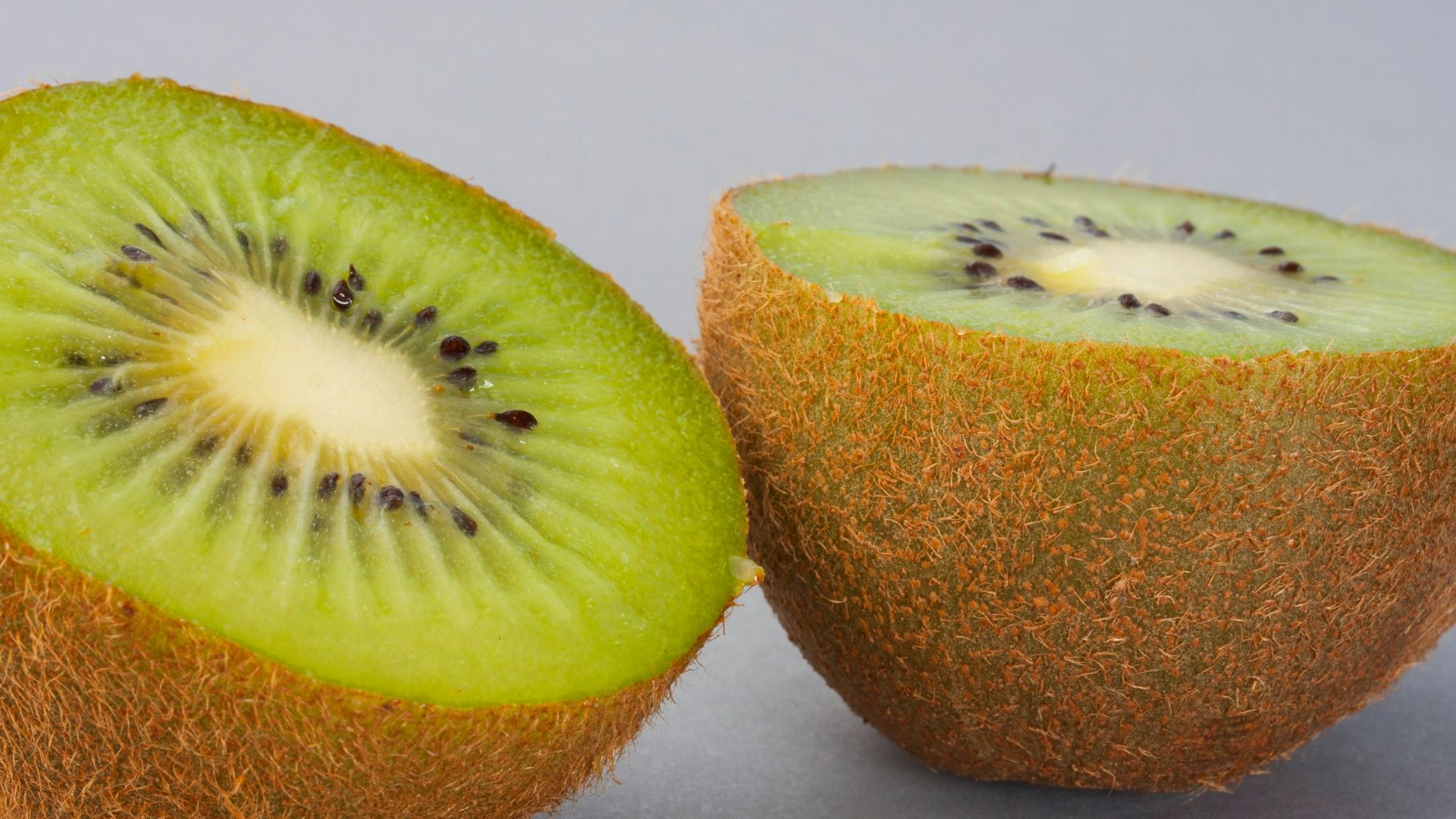
Just because kiwis are prickly on the outside doesn’t mean they don’t taste sweet. Bursting with Vitamin C and green deliciousness, kiwis can sneak up on you if they’re very ripe. Eat them soon after you bring them home so you can enjoy them before they turn too soft.
18. Apricots
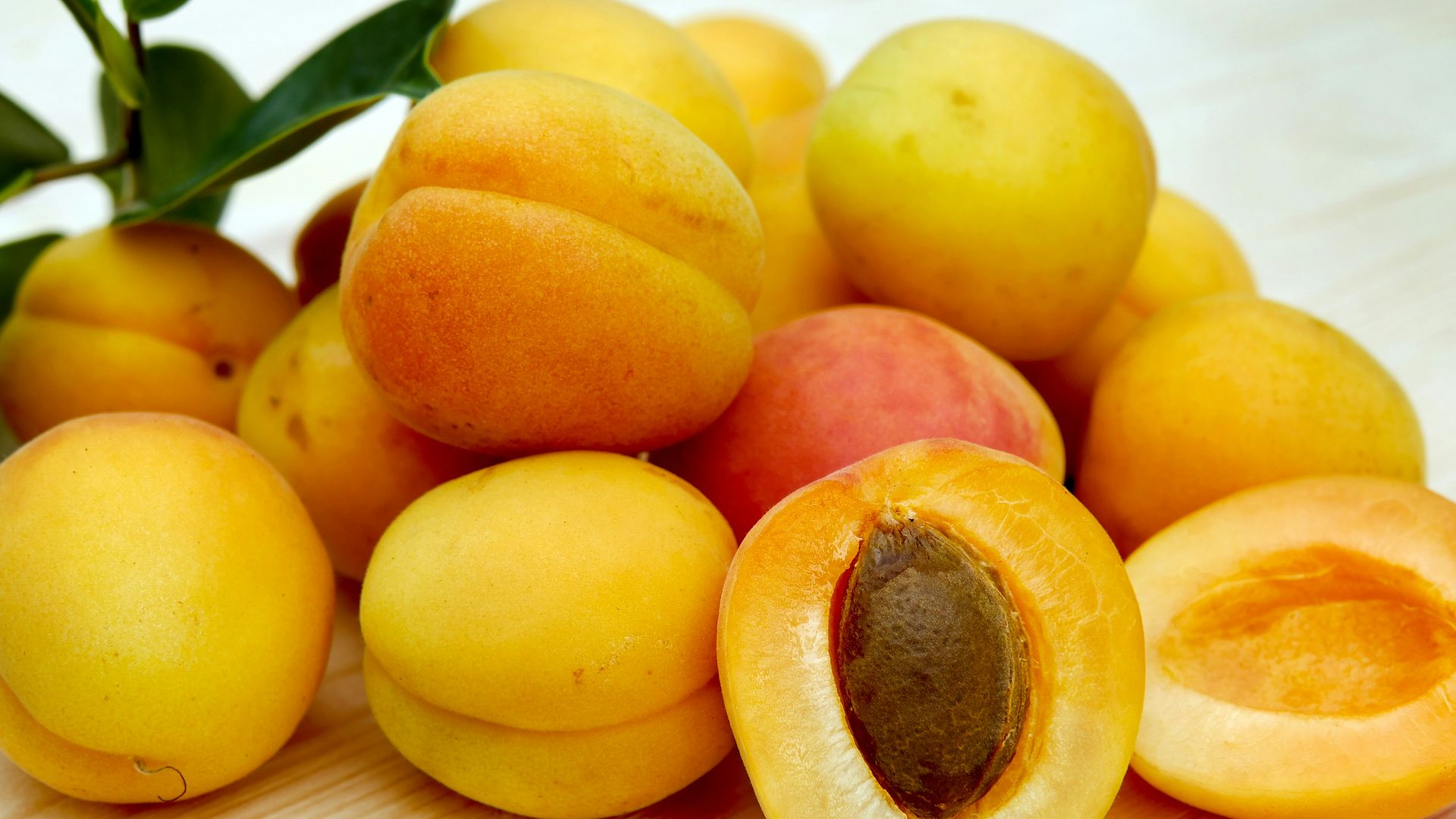
Fresh and sweet or dried and sugary, apricots can be a snack either way. However, most people don’t eat whole apricots. Instead, they grab a box of dried halves, and before they know it, they’ve had too many.
19. Tangerines
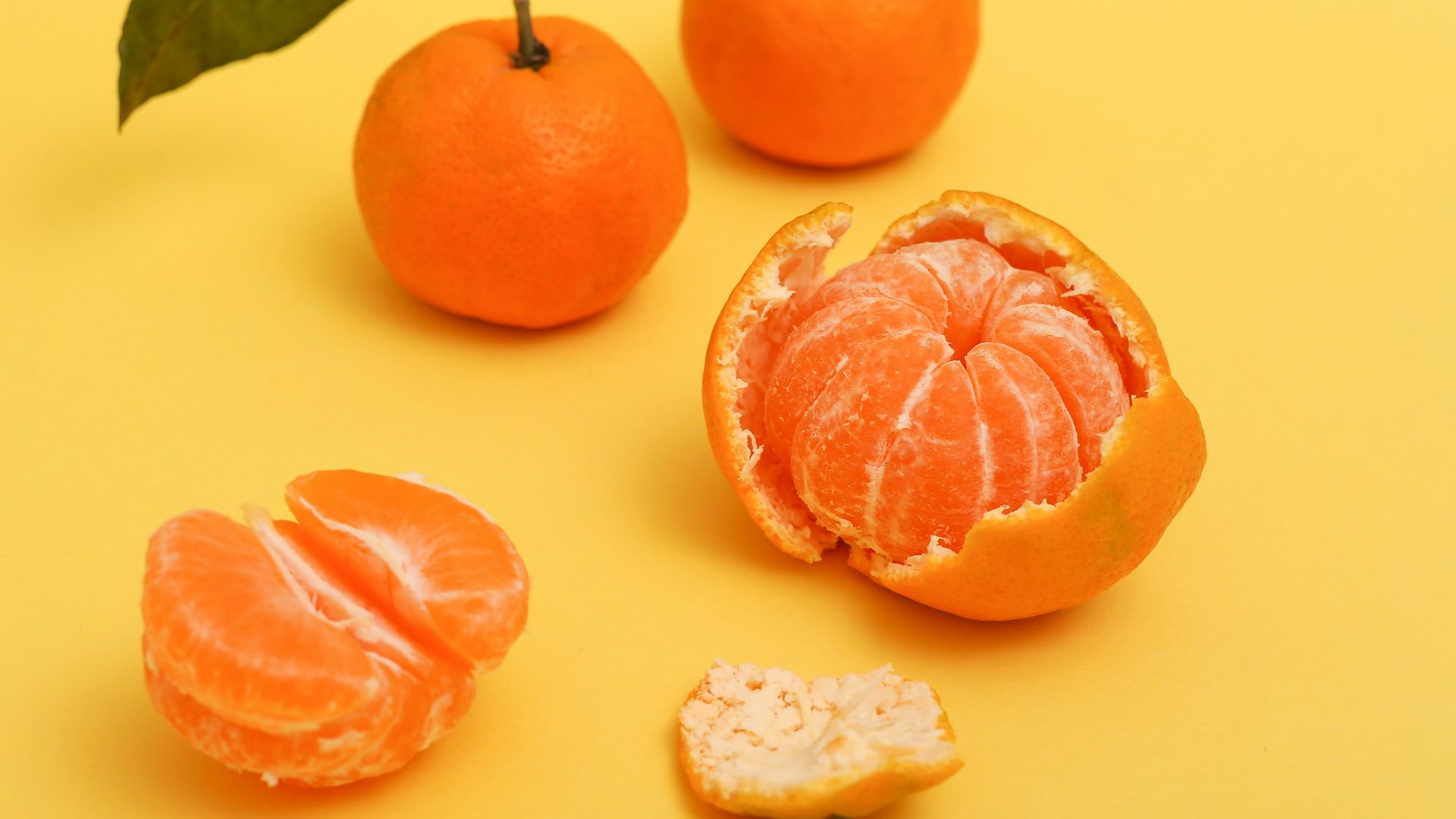
These small citrus fruits are often called "nature's candy" for a reason, and it isn't just because of their size. They are significantly sweeter than grapefruit or lemons, and it’s very easy to eat three or four in one sitting. You should try to limit yourself to one or two to keep your sugar intake within a reasonable range.
20. Passion Fruit
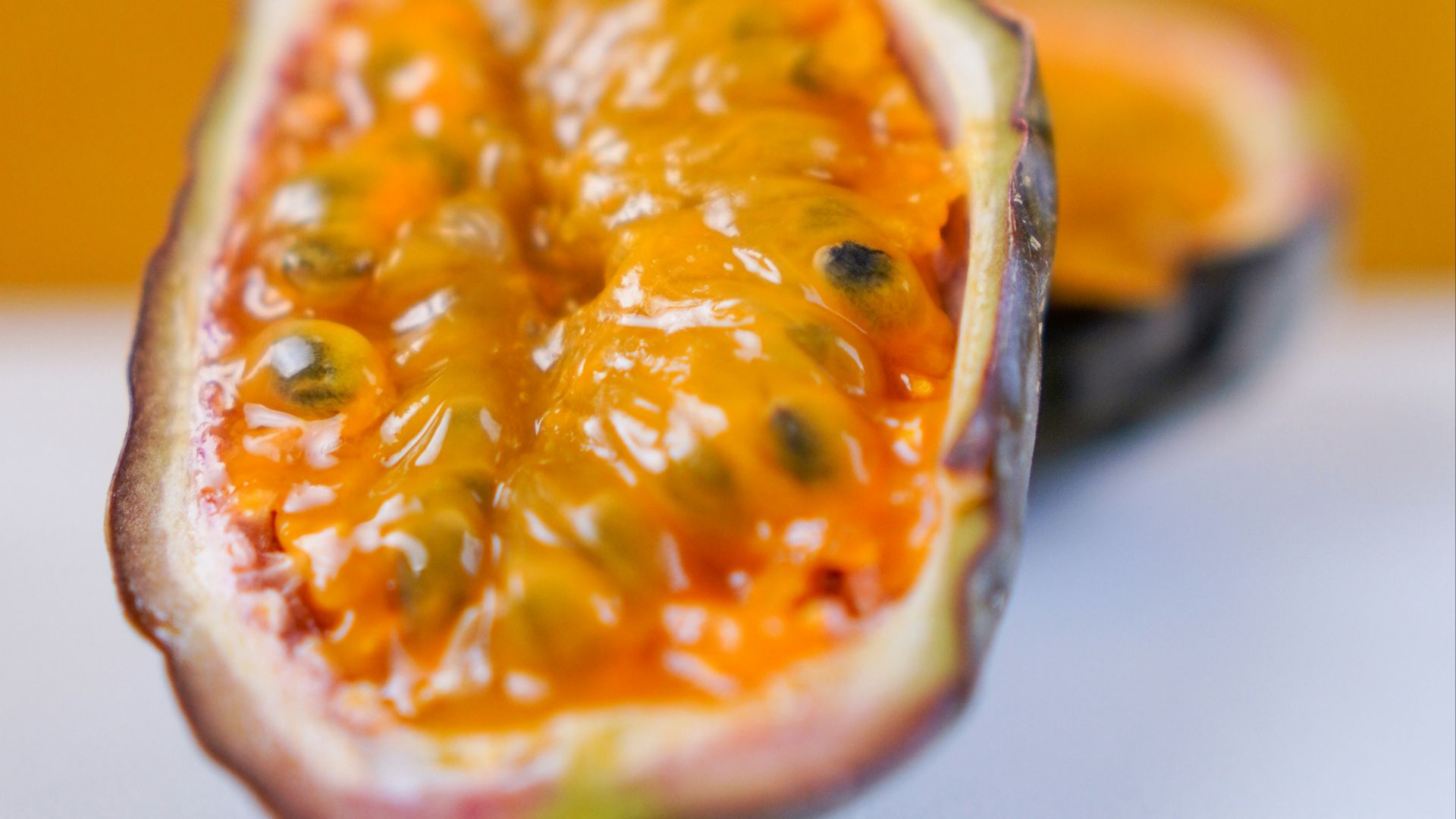
Made into a syrup or spread into its own pouch, passion fruit can be hard to measure. A little bit of passion fruit goes a long way because of how sweet it is. Use it to enhance the flavor of smoothies or other desserts.