What You Eat Could Be Affecting Your Medicine
Most people are aware that medications can interact with each other, but you might be surprised to learn that certain foods can have an effect, too. What you eat can sometimes change how your body absorbs medication, make side effects worse, or stop treatments from working as well as they should. Even healthy foods like spinach, yogurt, and grapefruit can create unexpected problems when paired with certain prescriptions. Here are 20 foods that are known to interfere with certain meds.
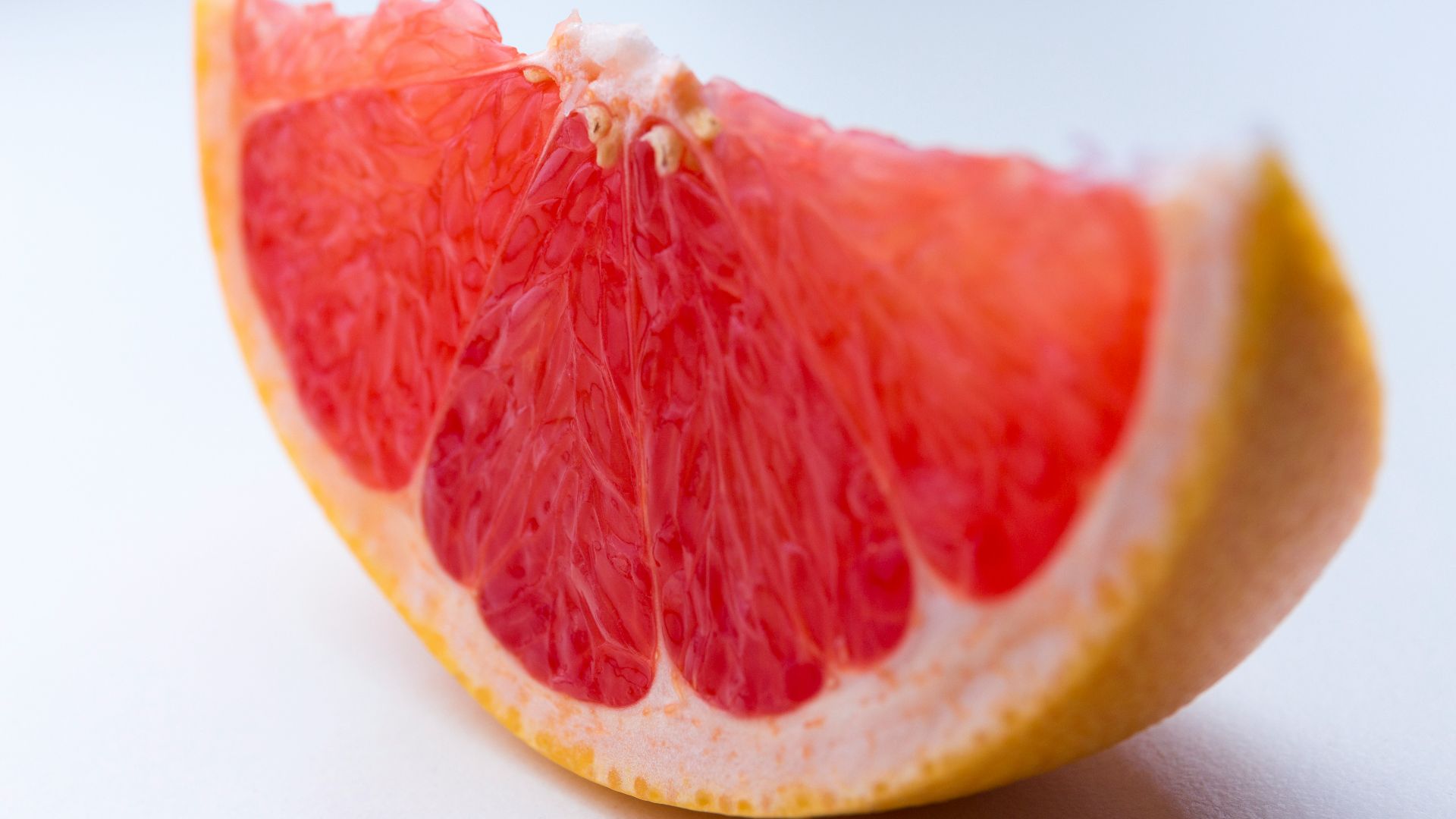
1. Grapefruit
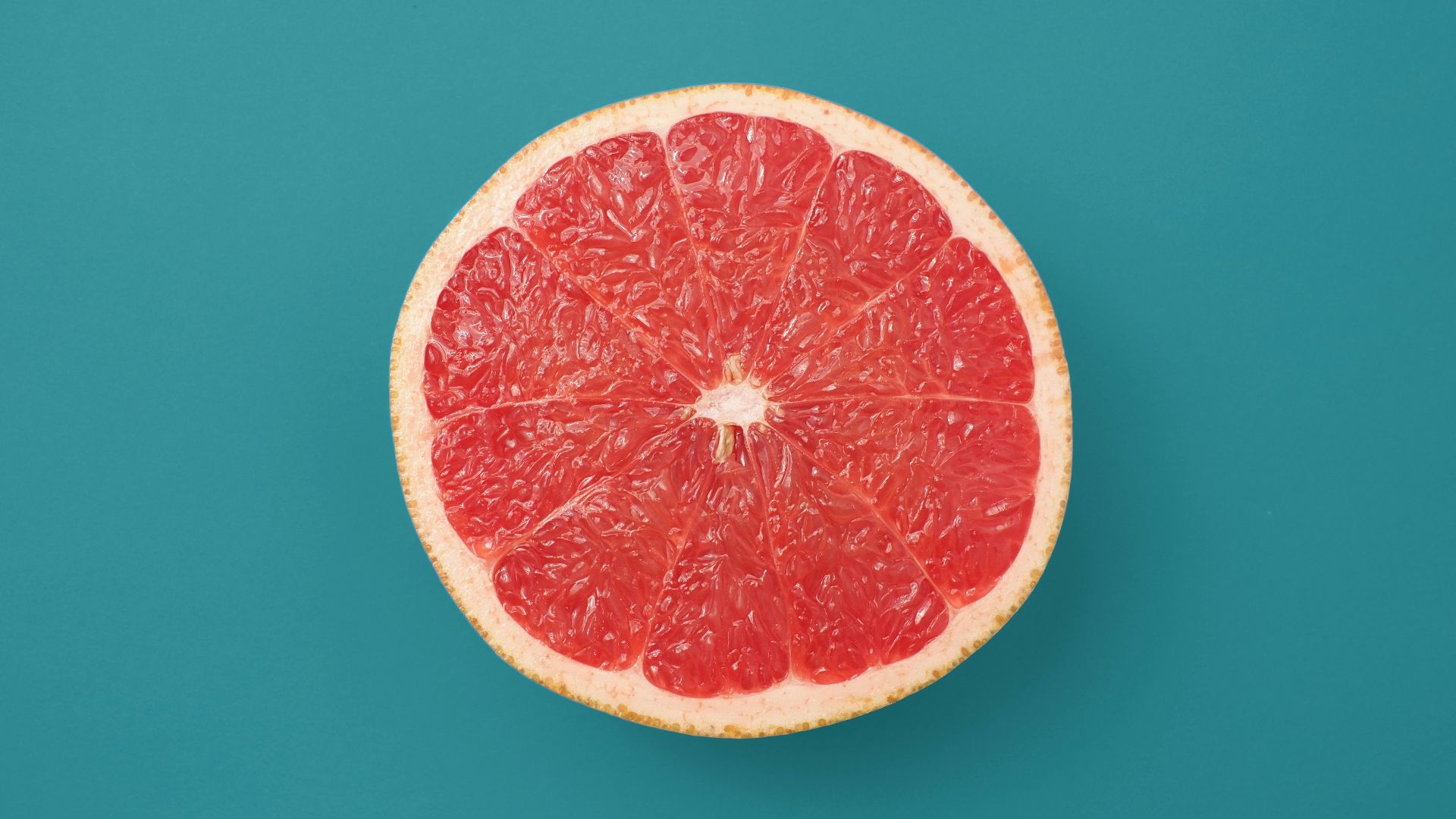
Grapefruit is one of the best-known foods for interfering with medications, especially certain cholesterol-lowering statins and blood pressure drugs. Natural compounds in the fruit can prevent your intestines from breaking down some medications properly, causing higher amounts to enter your bloodstream. If your prescription includes a grapefruit warning, simply eating the fruit at a different time of day might not be enough to avoid the interaction.
2. Spinach
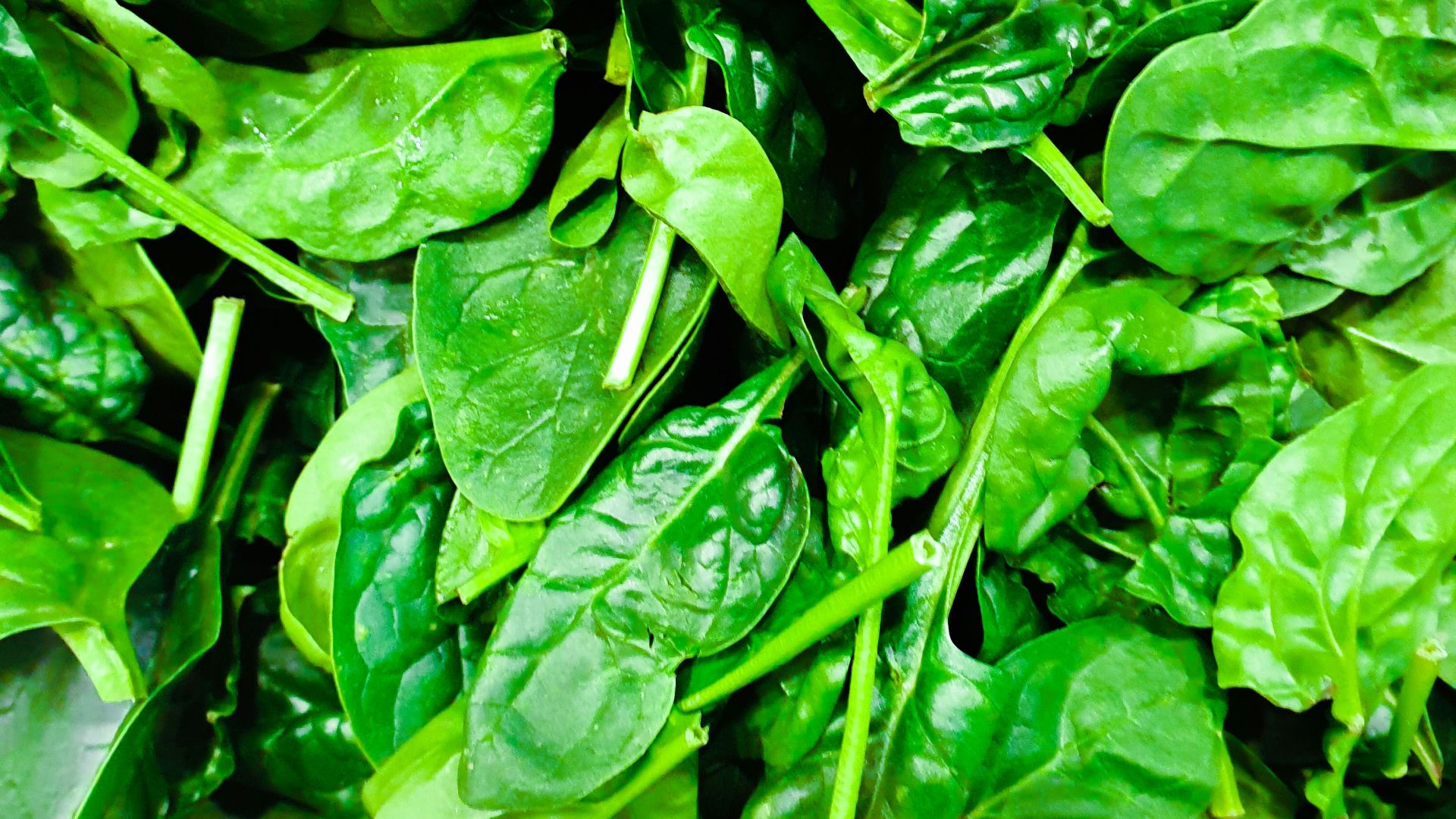
Spinach is loaded with nutrients, but its high vitamin K content can affect the way the blood thinner warfarin works. Since vitamin K helps your blood clot, suddenly eating a lot more spinach than usual could make the medication less effective. The good news is that you don't necessarily have to give up your favorite spinach salad, as keeping your intake consistent is generally what matters most.
 Shutter Sphere Collective on Unsplash
3. Aged Cheese
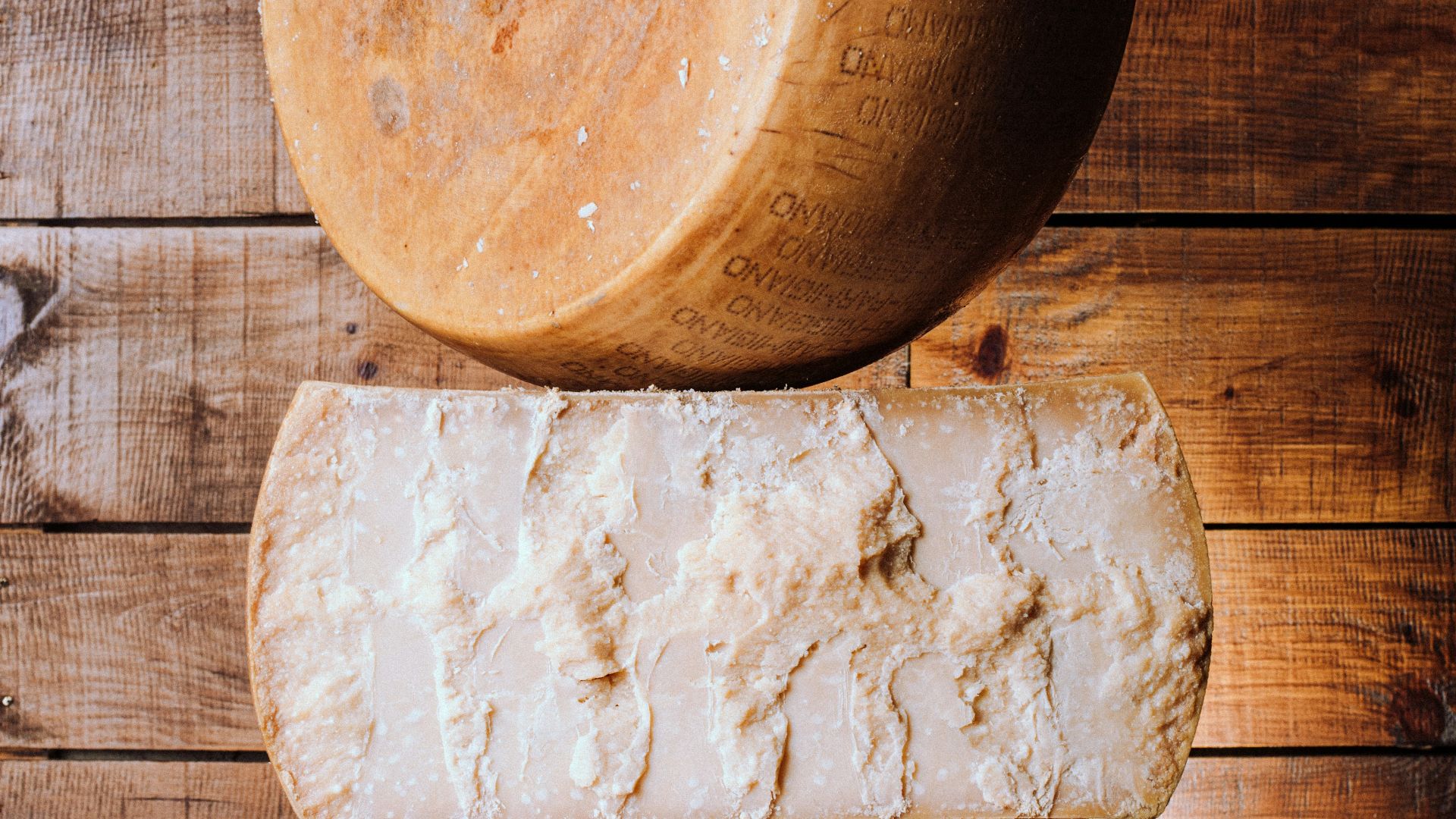
You might want to reconsider that aged cheddar or Parmesan if you're taking certain antidepressants called monoamine oxidase inhibitors (MAOIs). These cheeses can contain high levels of tyramine, a substance that may cause a dangerous spike in blood pressure when combined with these medications. Certain antibiotics, including linezolid, also come with warnings about consuming large quantities of tyramine-rich foods.
4. Milk
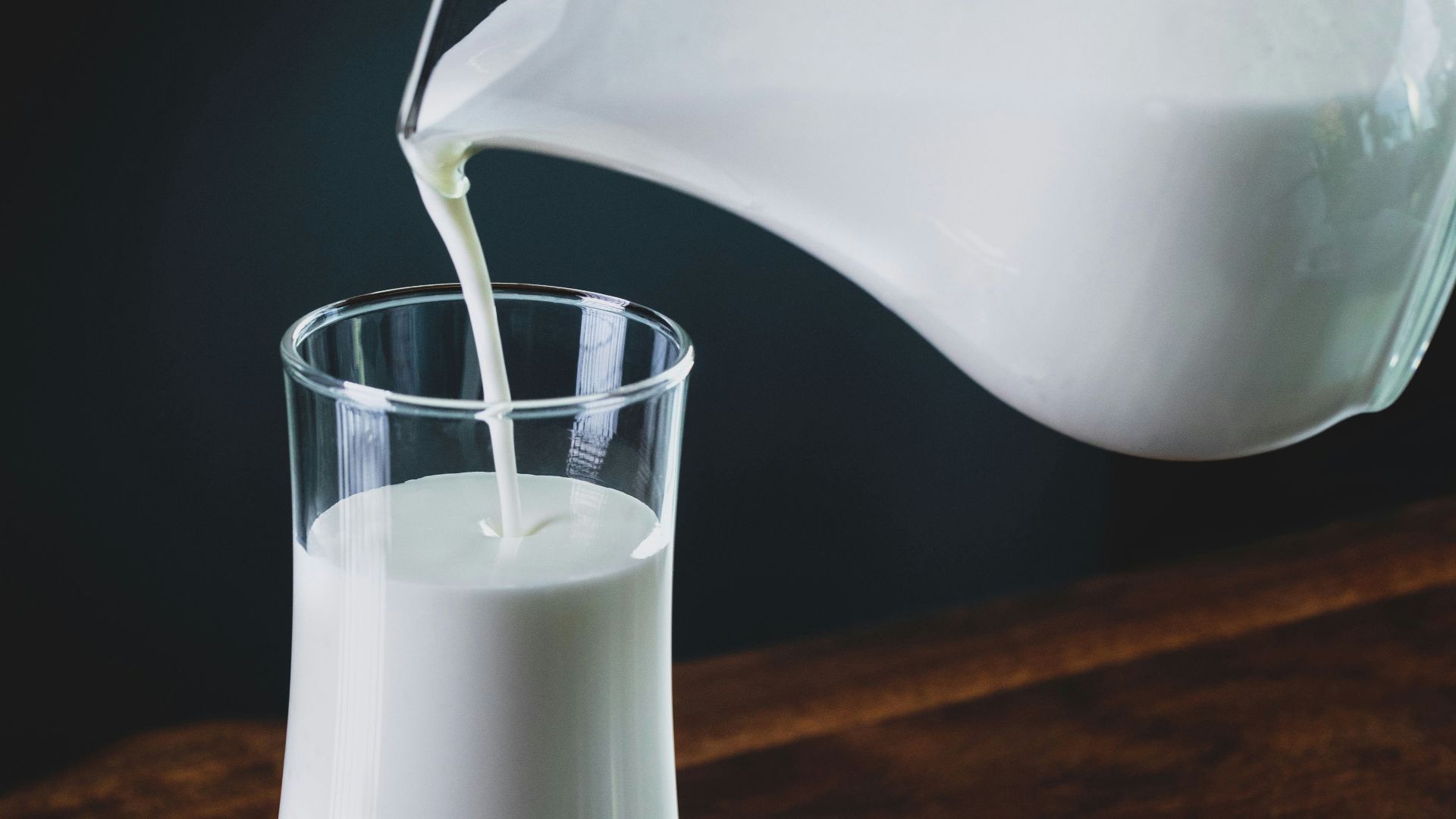
Drinking a glass of milk with your morning medication might seem perfectly harmless, but calcium can interfere with how your body absorbs certain antibiotics. Drugs like ciprofloxacin can bind to calcium, meaning less of the medication gets absorbed than intended. Since the instructions vary depending on the antibiotic, it's a good idea to check whether dairy products need to be consumed separately from your medication.
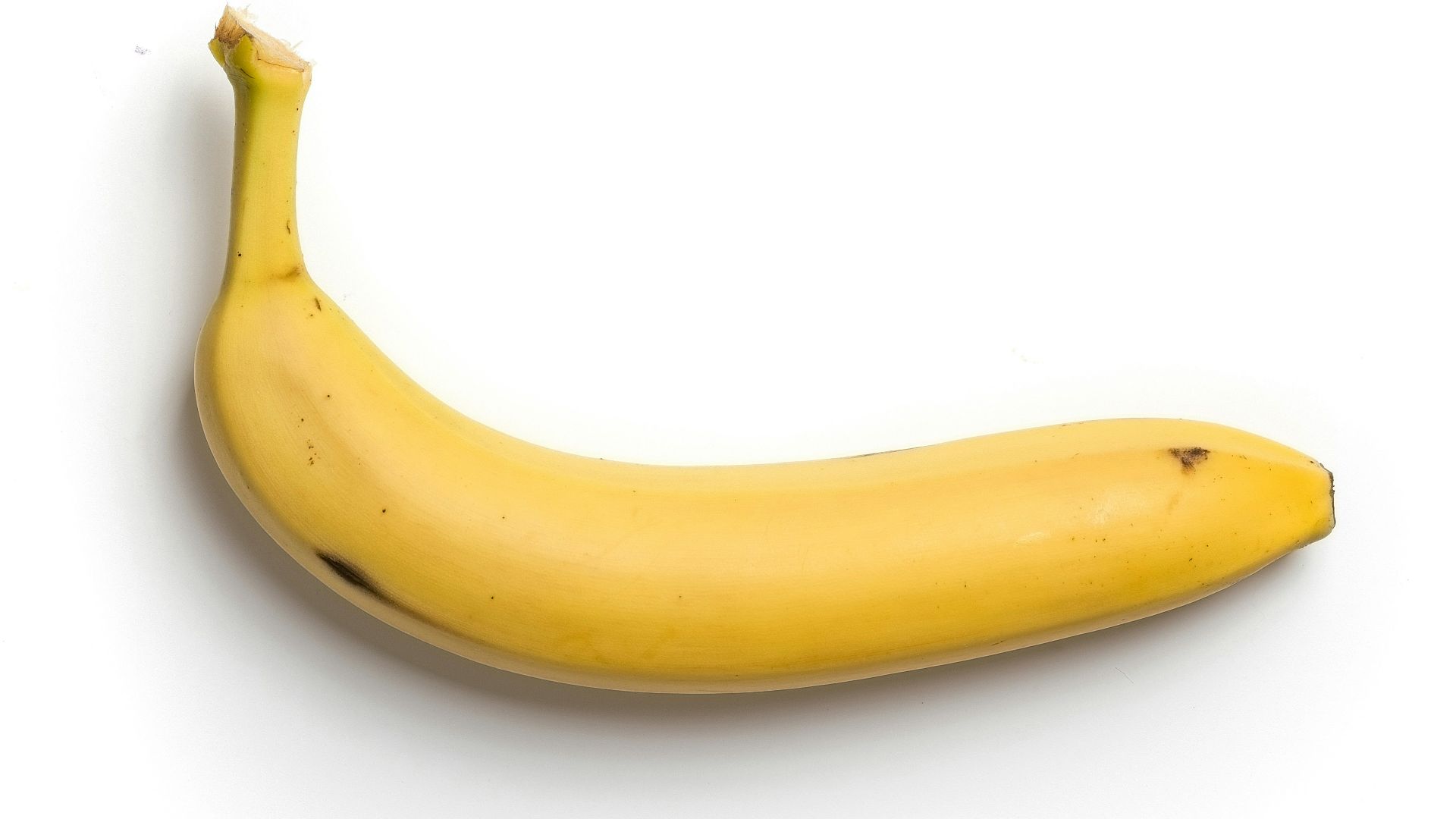
5. Bananas
Bananas are famous for being a good source of potassium, although getting too much of this mineral can sometimes be a concern. Certain medications, including potassium-sparing diuretics like spironolactone, can already increase potassium levels in your blood, potentially leading to complications if those levels become too high. Eating a banana occasionally isn't necessarily a problem, but your doctor may suggest watching your potassium intake based on your prescription and kidney health.
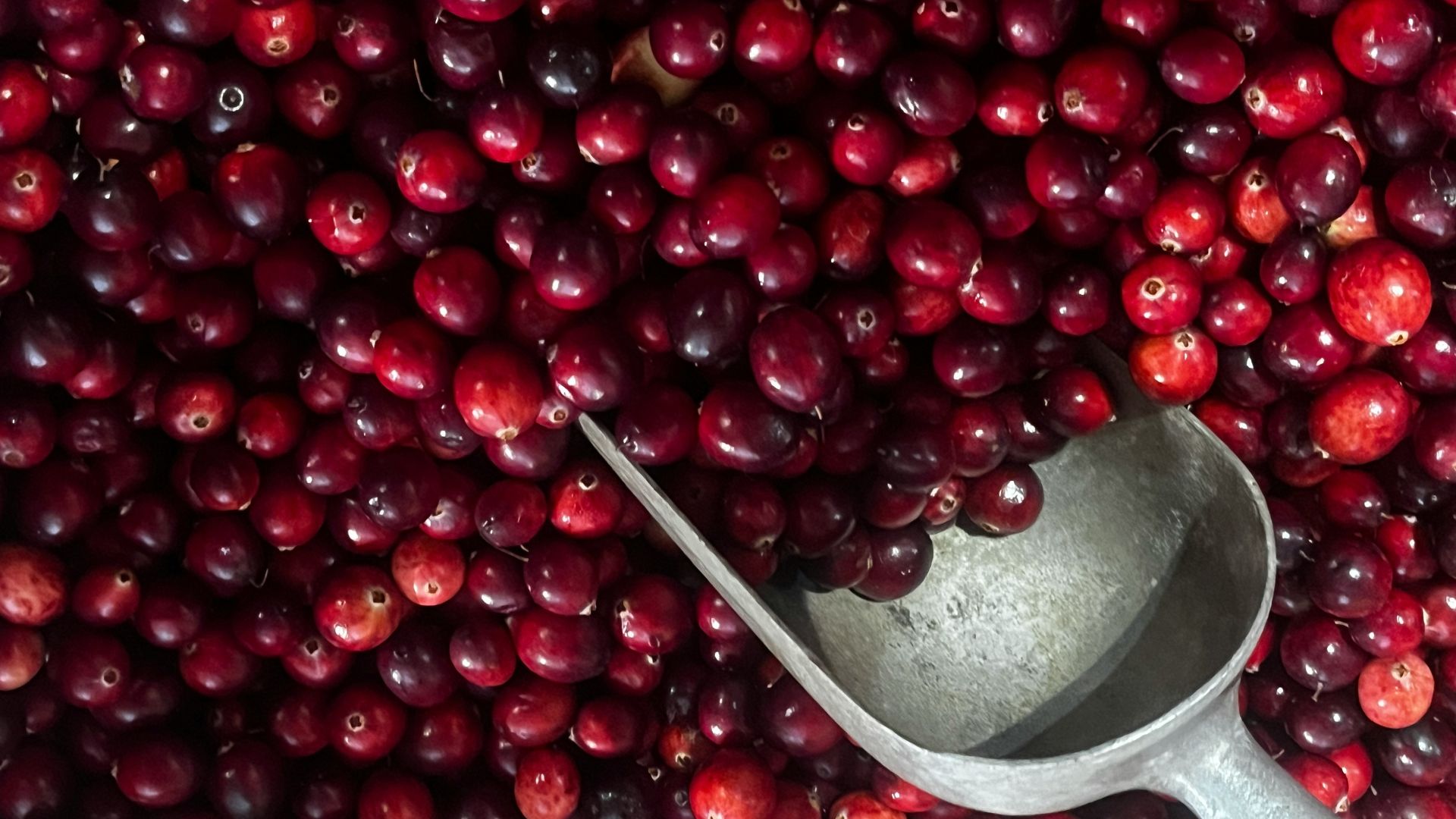
6. Cranberries
Cranberries are often associated with urinary tract health, but they may cause issues for people who take warfarin. Cranberry juice and concentrated cranberry supplements could potentially strengthen the medication's blood-thinning effects, increasing the possibility of bleeding. Because the interaction isn't entirely understood, some medical guidance recommends avoiding cranberry products while taking warfarin rather than trying to determine a safe amount yourself.
 Jeannette de Beauvoir on Unsplash
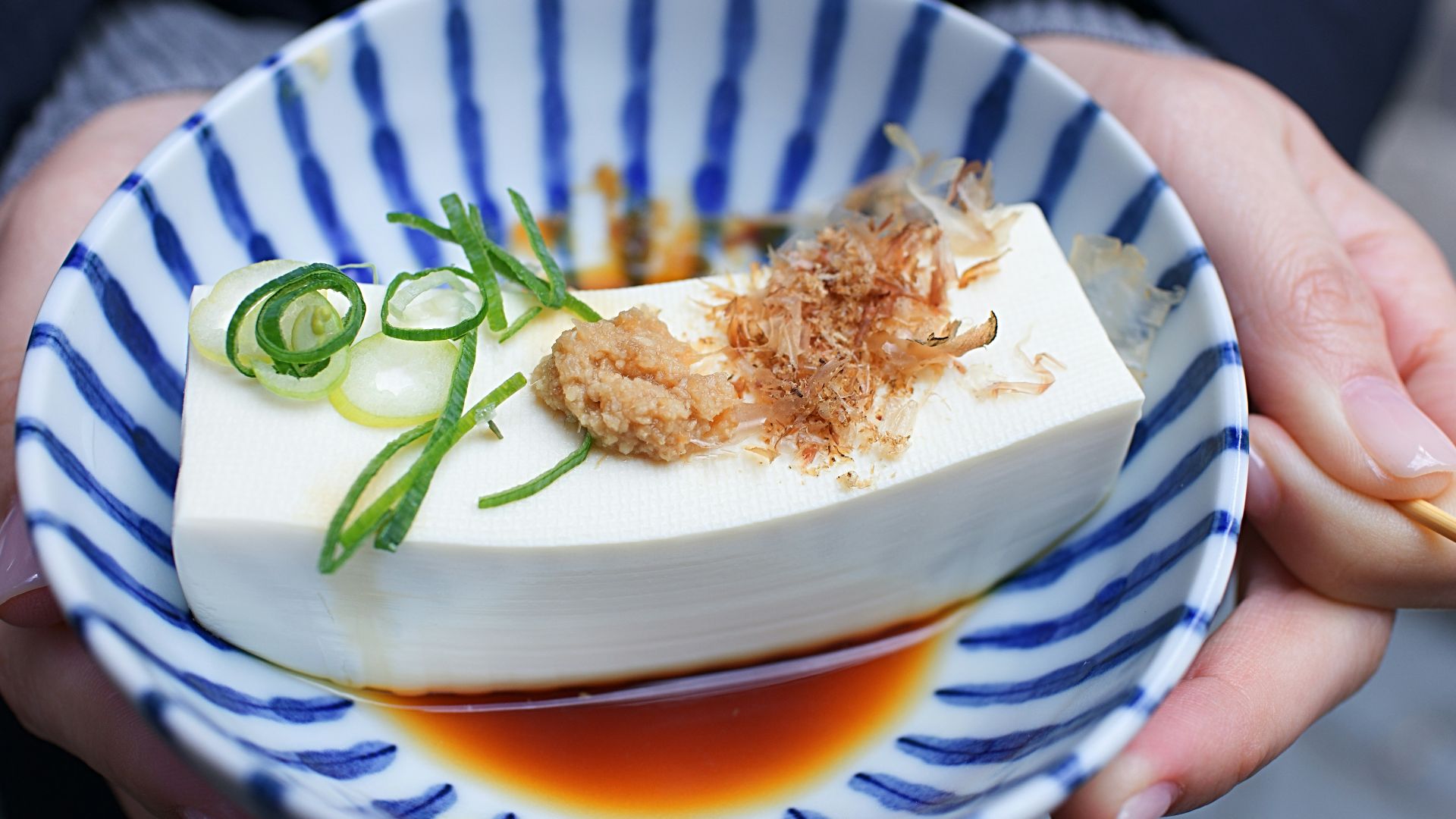
7. Soybeans
Soybeans and soy-based products can interfere with how effectively your body absorbs levothyroxine, a common treatment for an underactive thyroid. Having soy in your regular diet doesn't automatically mean your medication will stop working, although significant changes in how much you consume could affect your treatment. Your doctor might just suggest taking your thyroid medication separately from soy-containing meals.
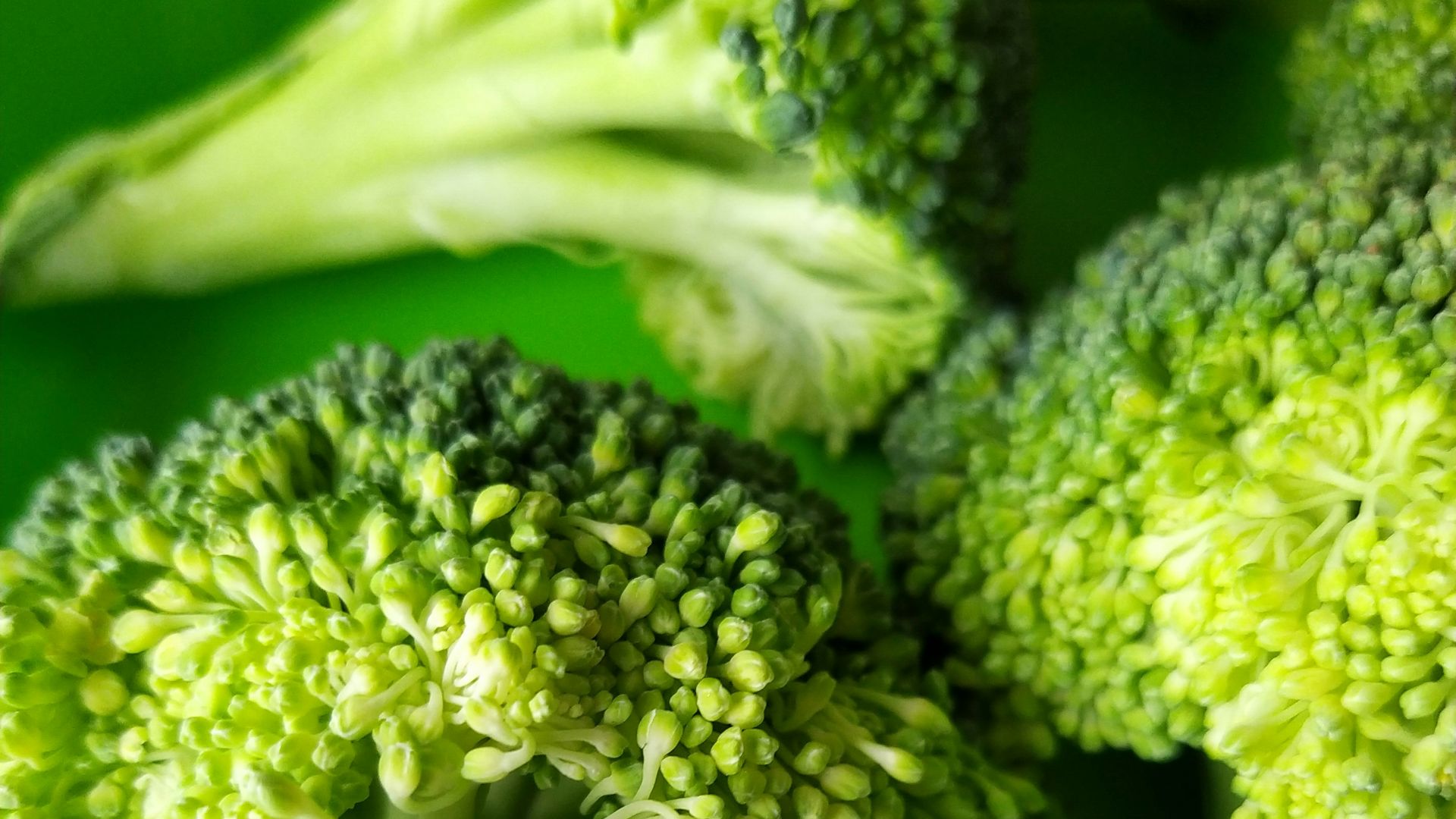
8. Broccoli
Broccoli is another healthy vegetable that deserves some attention if you're taking warfarin, thanks to its vitamin K content. Suddenly eating much more broccoli than you're accustomed to may affect your blood-clotting measurements, particularly if your medication dosage was determined when you had different eating habits. Fortunately, there's usually no reason to cut broccoli out completely, since maintaining a relatively consistent intake is the more important consideration.
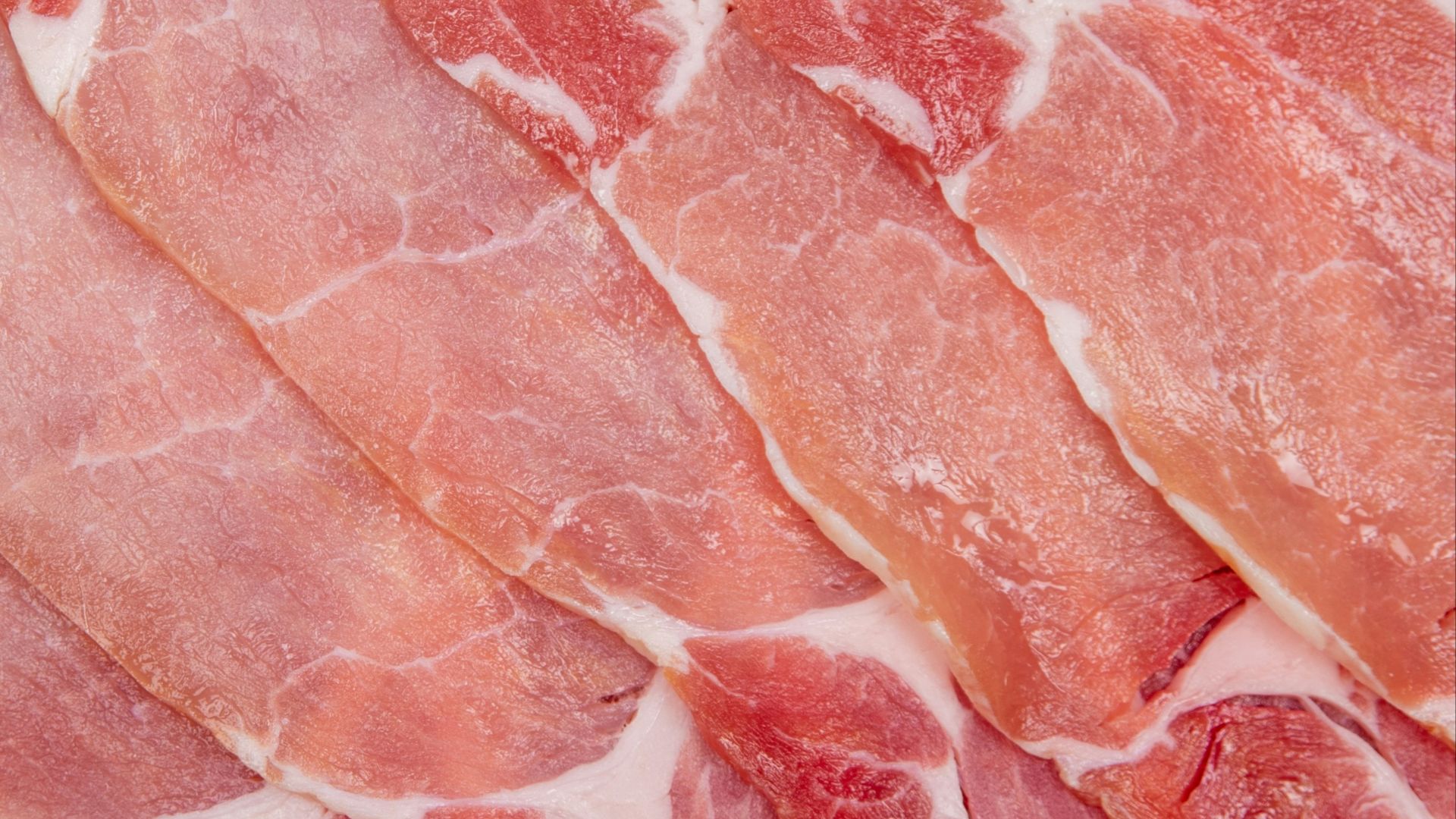
9. Cured Meats
Foods like salami, pepperoni, and certain fermented meats can contain tyramine, which may cause complications for people taking MAOI antidepressants. Consuming excessive amounts of this substance while using these medications can lead to a dangerous rise in blood pressure, sometimes causing an intense headache as well. Tyramine levels differ depending on how meats are prepared and stored, making it especially important to follow the dietary restrictions that come with your prescription.
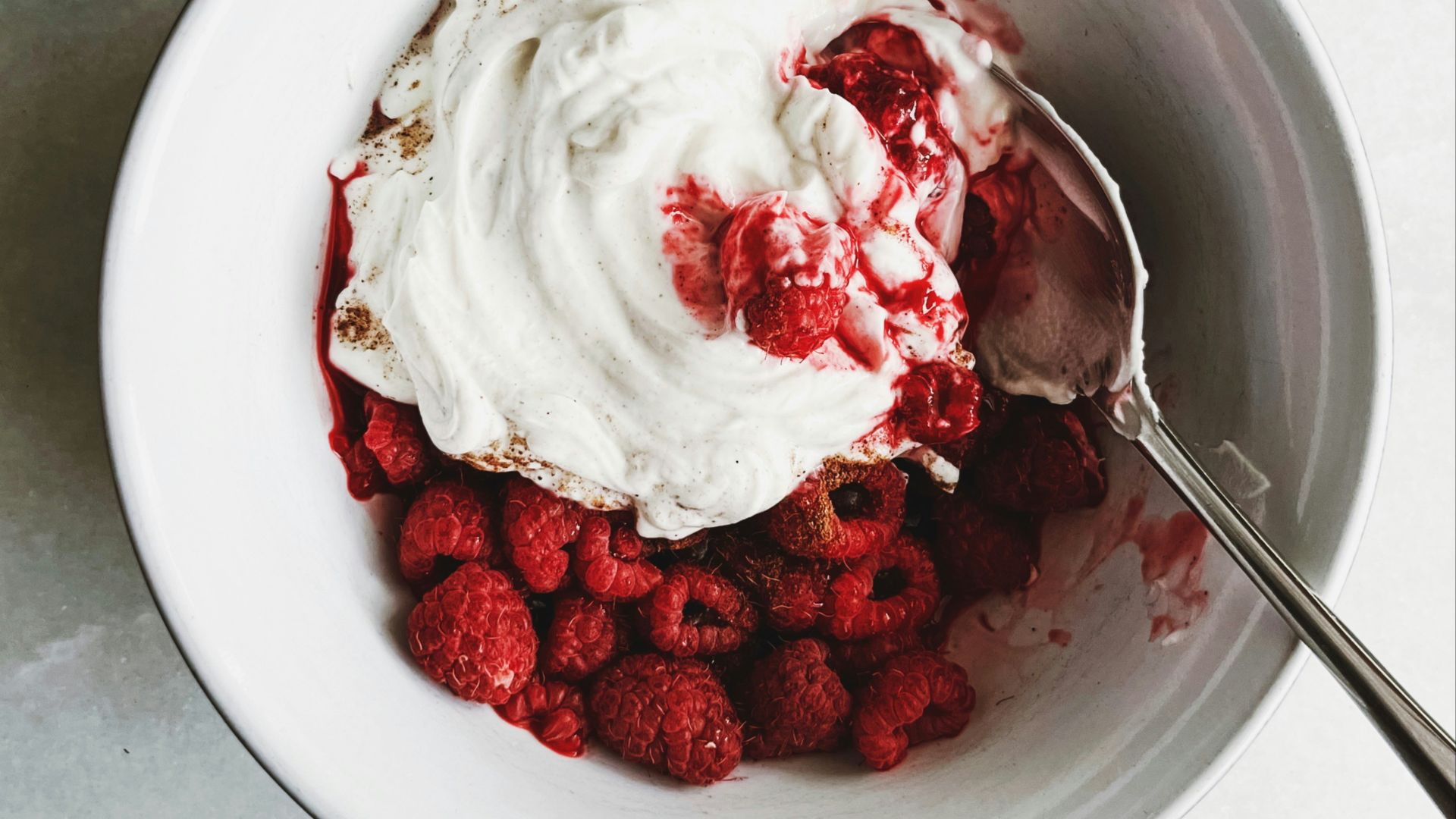
10. Yogurt
Yogurt is often praised for its digestive benefits, but its calcium content can make certain antibiotics harder for your body to absorb. Ciprofloxacin, for instance, may not be absorbed as effectively if you take it with yogurt on its own. That said, not every antibiotic reacts this way, and many can be taken with dairy products without any significant problems.
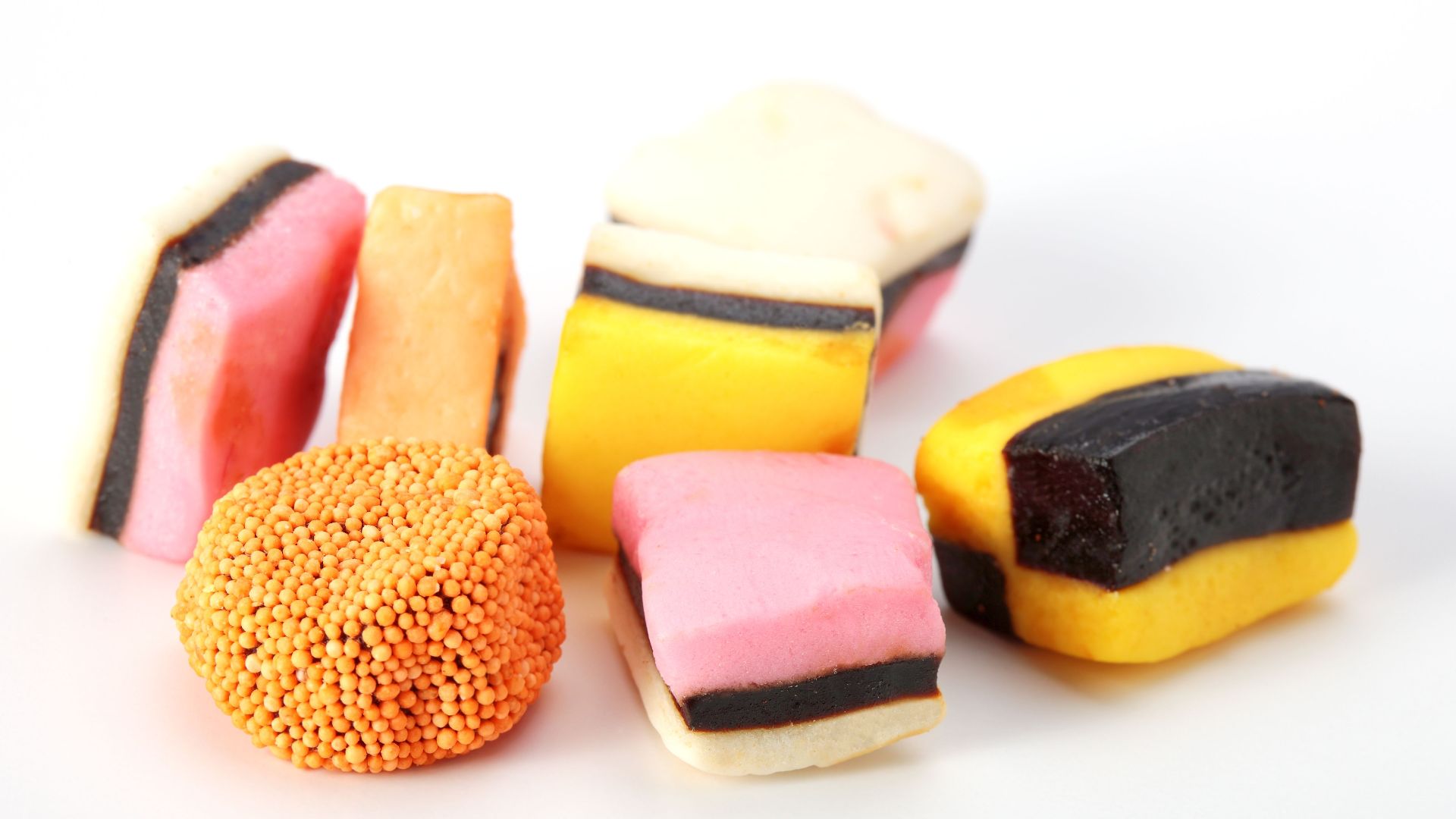
11. Black Licorice
If you enjoy real black licorice, it's worth knowing that it contains a compound called glycyrrhizin, which can lower potassium levels and increase blood pressure when consumed in large amounts. These effects can be particularly risky for anyone taking medications like digoxin or certain diuretics that also affect potassium balance. Interestingly, some black candies don't contain real licorice at all, so reading the ingredient list can help you figure out which products require extra caution.
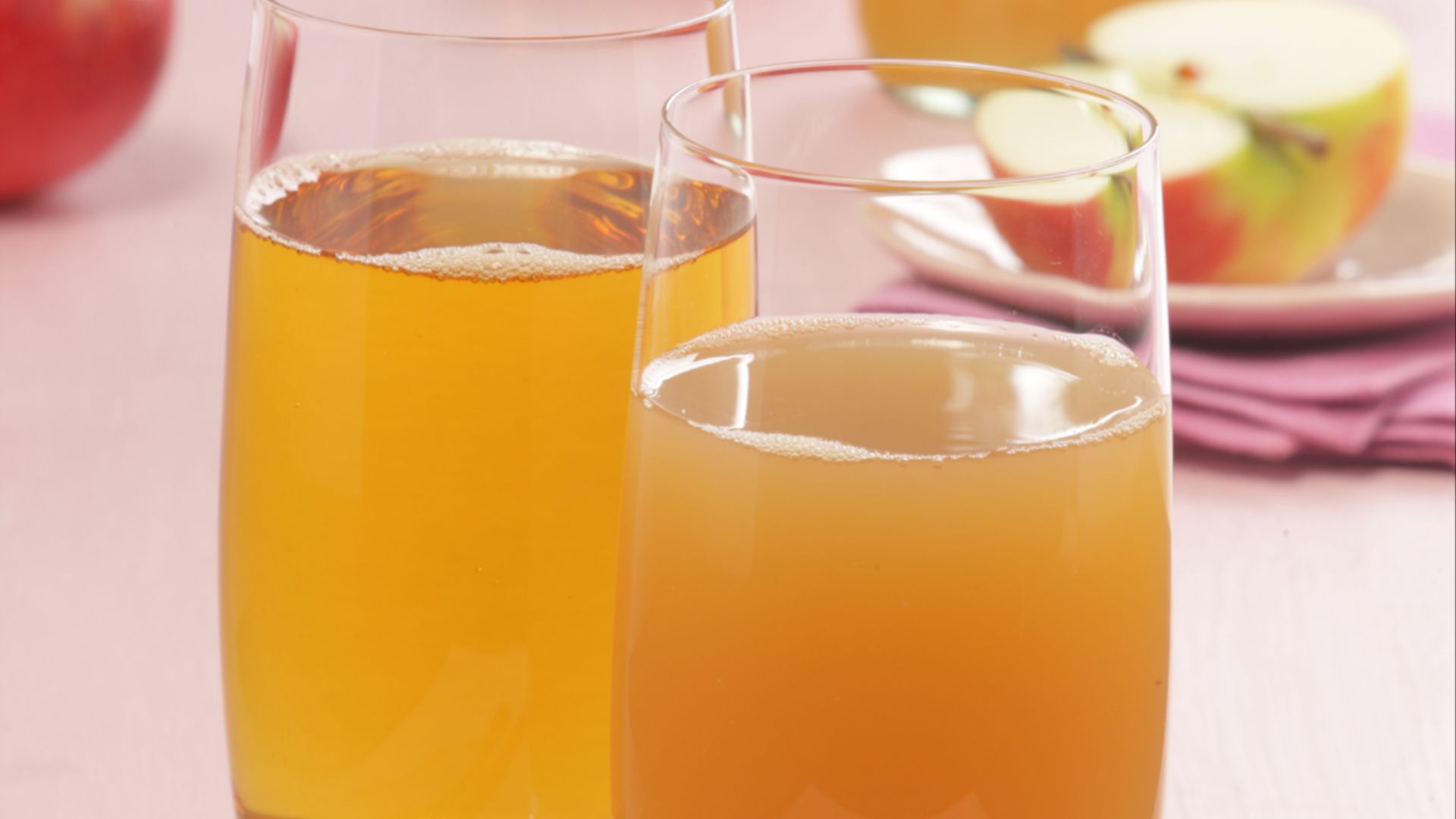
12. Apple Juice
Apple juice probably isn't the first thing that comes to mind when you think about medication interactions, but it can affect certain prescriptions. For example, compounds in the juice can interfere with the proteins responsible for helping your body absorb fexofenadine, a common allergy medication. Taking this drug with apple juice instead of water could mean less medication reaches your bloodstream, potentially leaving you with less relief from allergy symptoms.
 Verband der deutschen Fruchtsaftindustrie e.V. on Wikimedia
13. Coffee
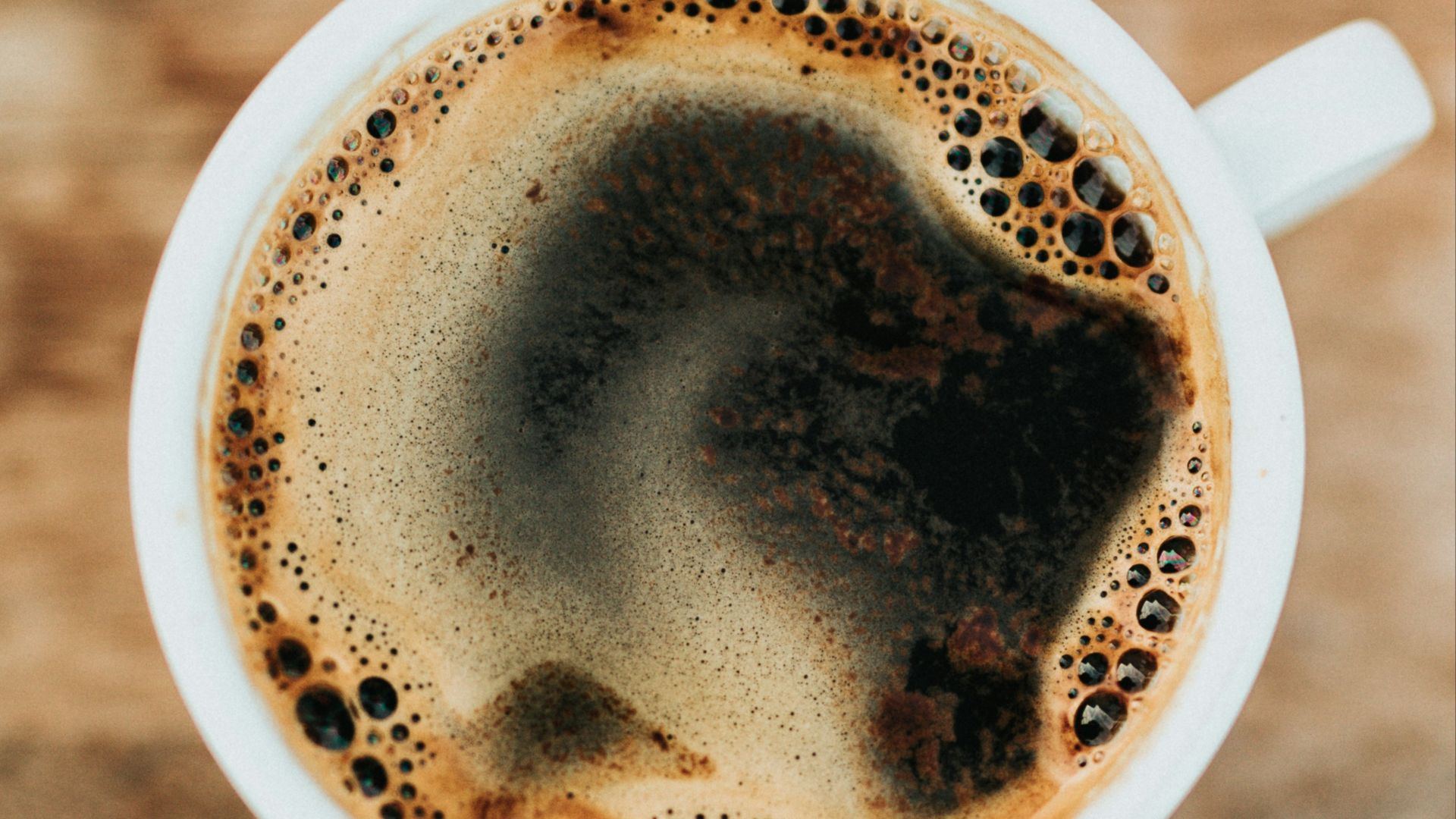
Your daily cup of coffee can affect certain medications in ways that go beyond giving you an energy boost. Having coffee too soon after taking levothyroxine may reduce the amount of thyroid medication your body absorbs, while antibiotics such as ciprofloxacin can make caffeine's stimulating effects feel stronger. Depending on what you're taking, changing your coffee routine or cutting back on caffeine might help you avoid these unwanted effects.
14. Natto
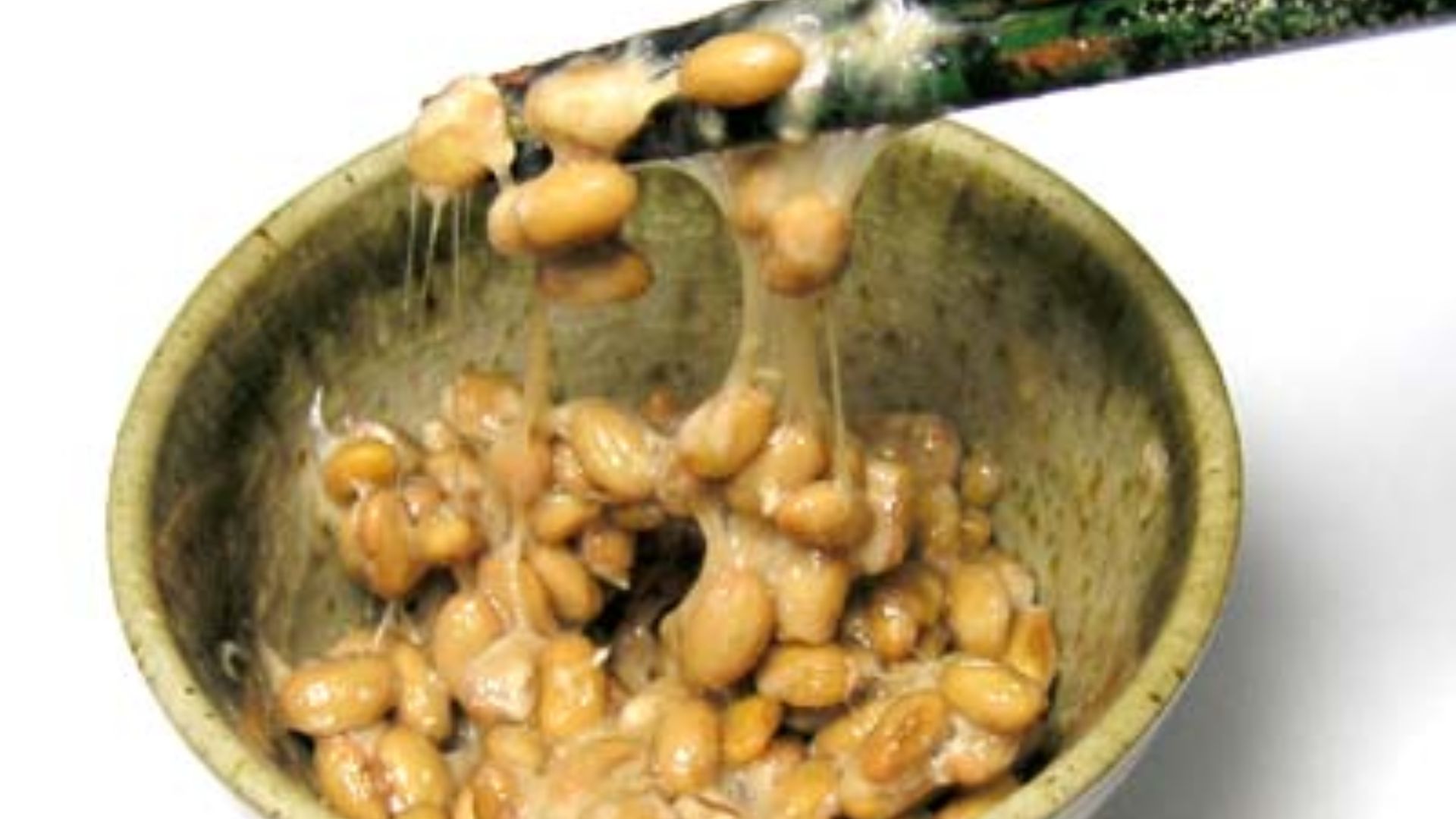
Natto is a traditional Japanese dish made from fermented soybeans, and it's particularly rich in vitamin K. This makes it something to watch if you're taking warfarin, since major changes in vitamin K consumption can interfere with the medication's ability to prevent blood clots. Given just how much vitamin K natto can contain, it's best to speak with your healthcare provider before making it a regular part of your diet.
15. Orange Juice
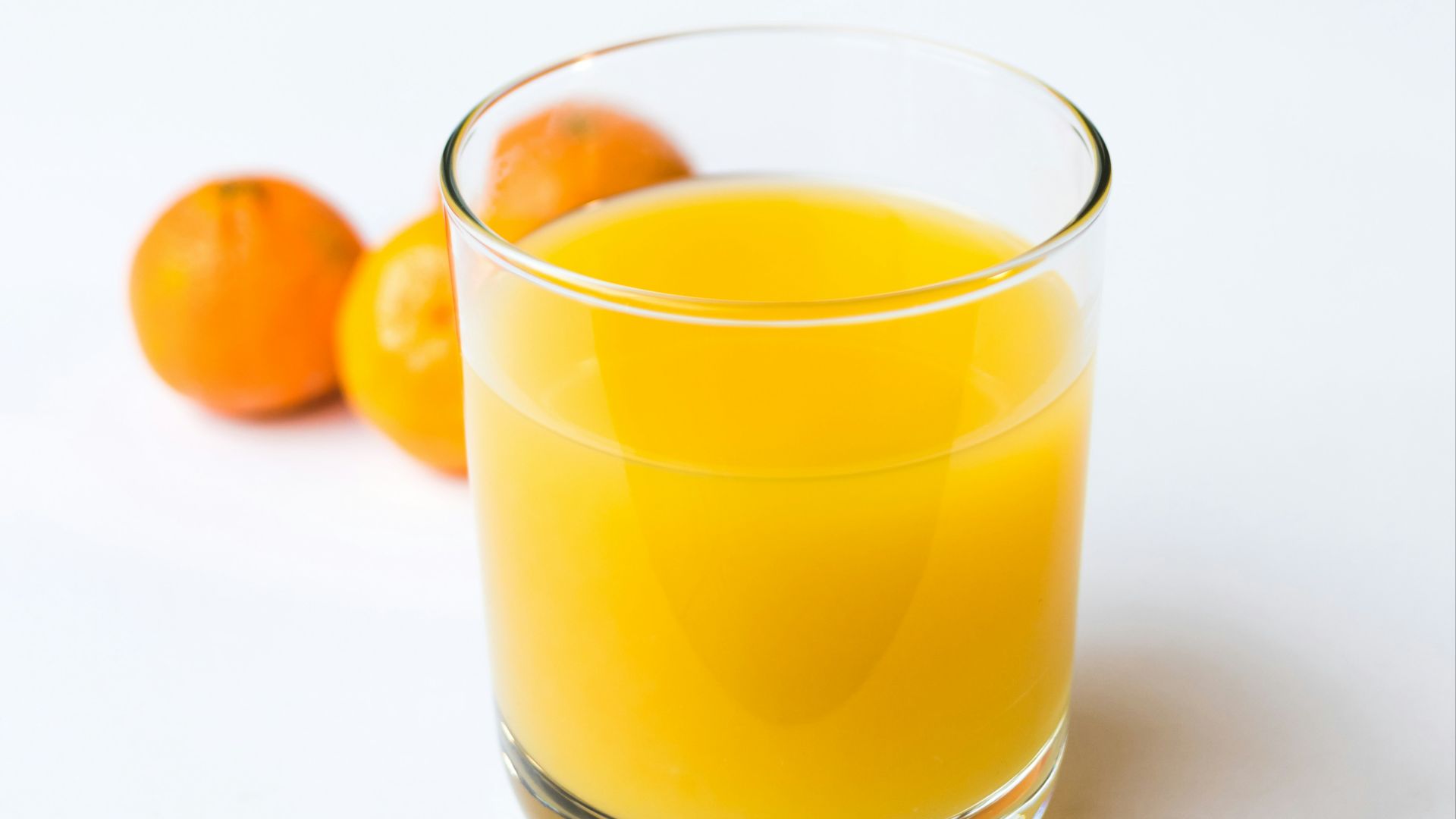
Regular orange juice doesn't have the same enzyme-related effects as grapefruit, although it can still interfere with how certain medications work. Drinking it alongside fexofenadine, for example, may reduce the amount of medication your body absorbs, making allergy treatment less effective. You'll also want to pay attention to calcium-fortified orange juice, as the added calcium can interfere with the absorption of some antibiotics.
16. Sauerkraut
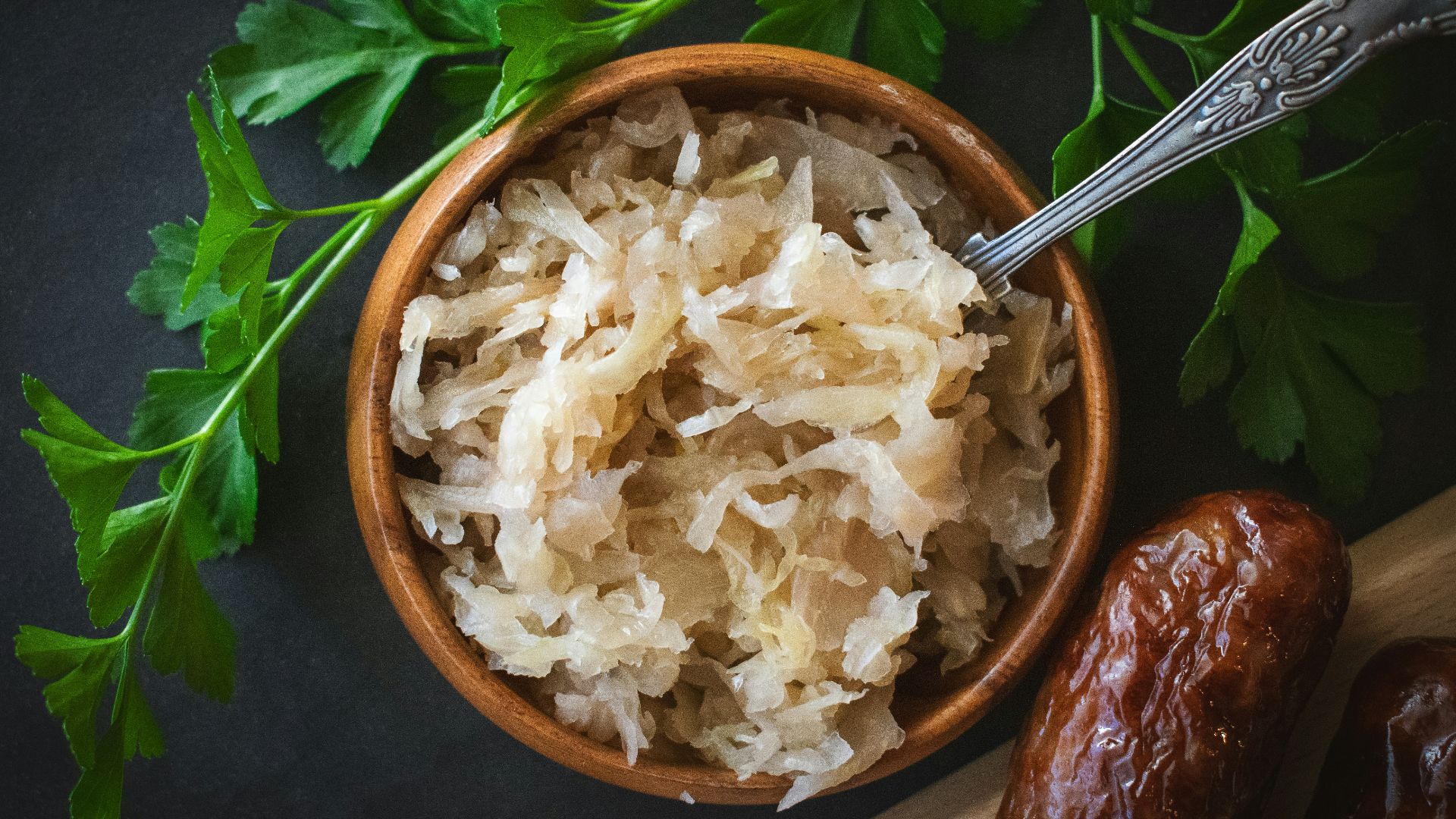
Sauerkraut might be a tasty addition to your meal, but this fermented food can also contain tyramine, which doesn't mix well with certain medications. People taking MAOI antidepressants or the antibiotic linezolid may need to avoid or limit tyramine-rich foods because of the risk of dangerously high blood pressure. Since the amount of tyramine can vary considerably between products, following your pharmacist's recommendations is safer than assuming every serving is the same.
17. Bran Cereal
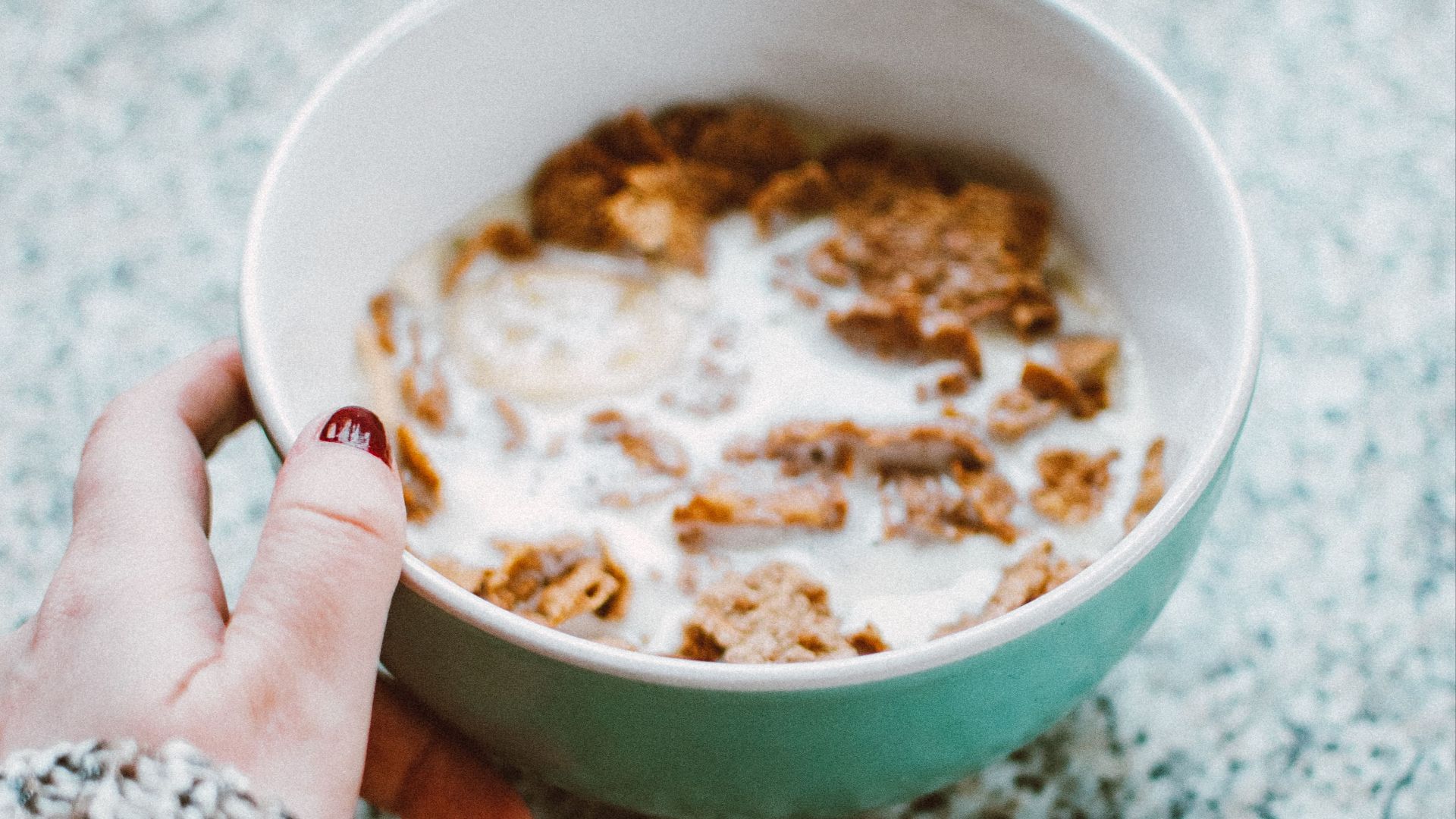
High-fiber cereals are a popular breakfast choice for supporting digestive health, but they can sometimes interfere with medication absorption. Wheat bran, in particular, may reduce how effectively your body absorbs levothyroxine when the two are consumed too close together. You can usually continue enjoying your usual fiber-rich breakfast, provided you take your thyroid medication according to the recommended timing instructions.
18. Avocados
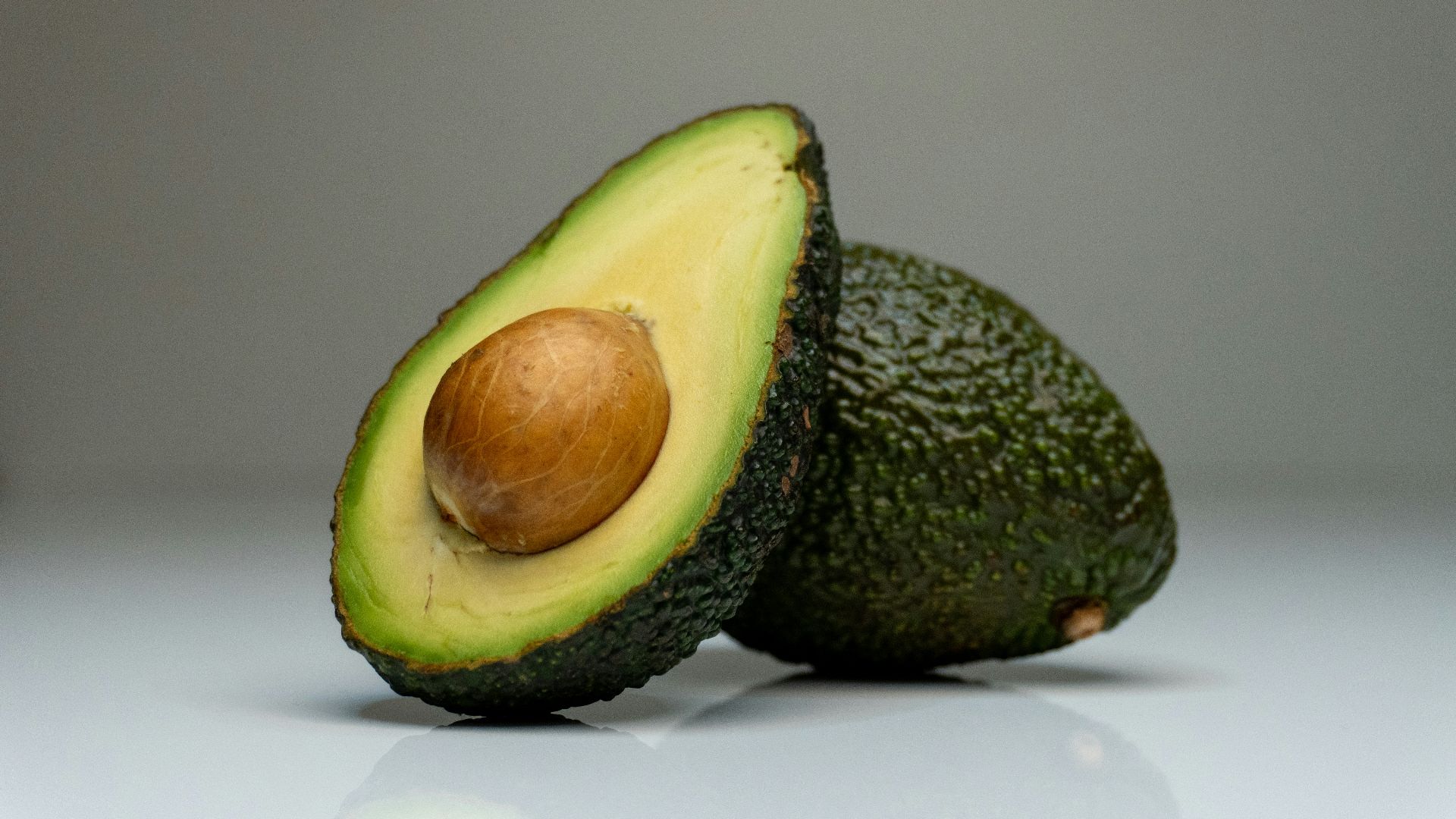
Avocados offer plenty of nutritional benefits, including a healthy amount of potassium, but that mineral can be a concern for people taking certain medications. Spironolactone, for instance, reduces the amount of potassium your kidneys remove from your body, so eating large quantities of potassium-rich foods could contribute to excessively high levels. There's no need to automatically stop eating avocado toast, but discussing your typical portions with your doctor is a good idea if you've been advised to limit potassium.
19. Pomegranate Juice
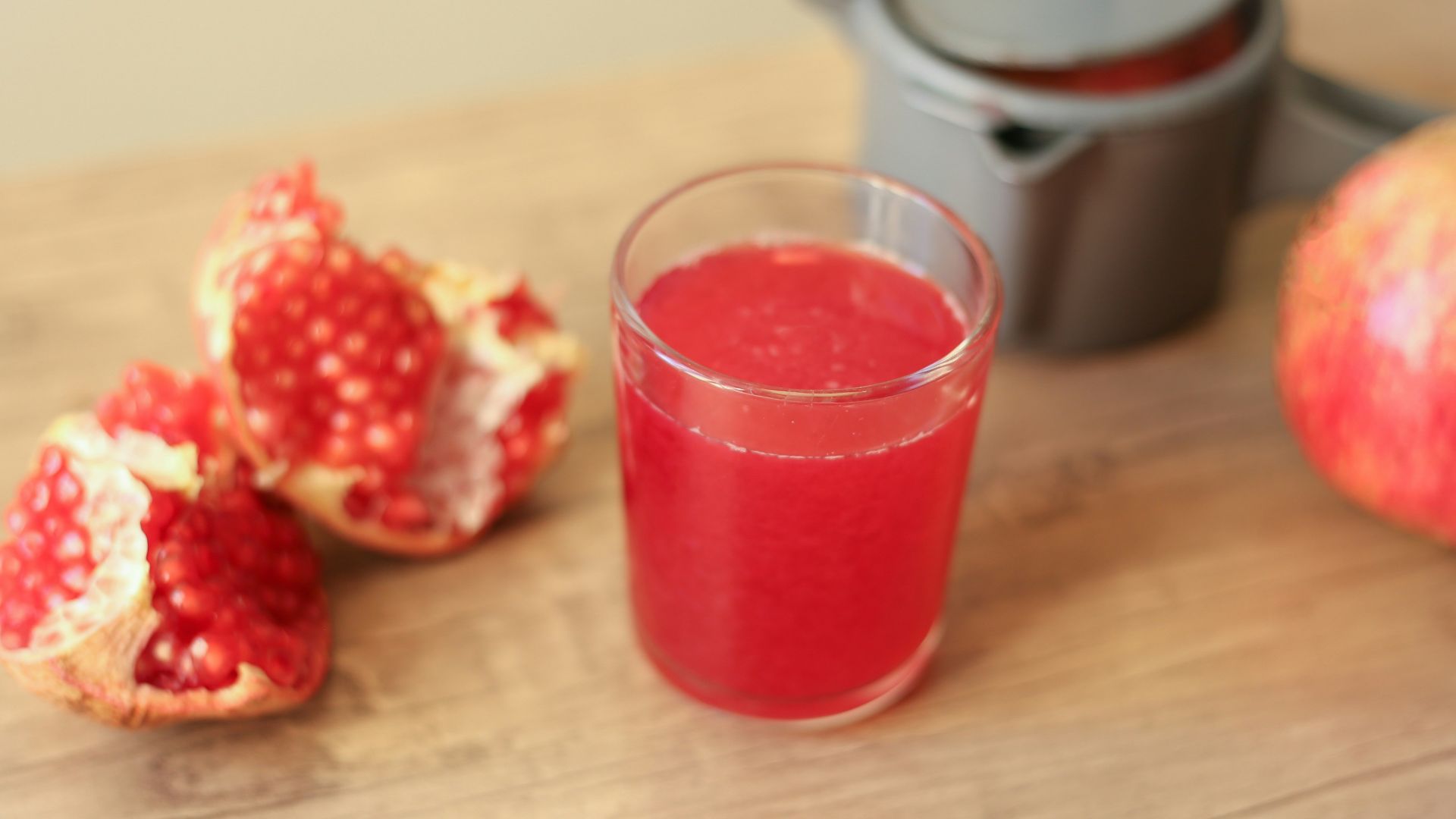
Pomegranate juice is often considered a healthy beverage, but it may not be the best choice for everyone taking warfarin. Some medical guidance suggests avoiding it because of concerns that it could change how the medication is processed, potentially increasing its blood-thinning effects and the risk of bleeding. Research on this particular interaction remains limited, so checking with your pharmacist before regularly drinking pomegranate juice is a sensible precaution.
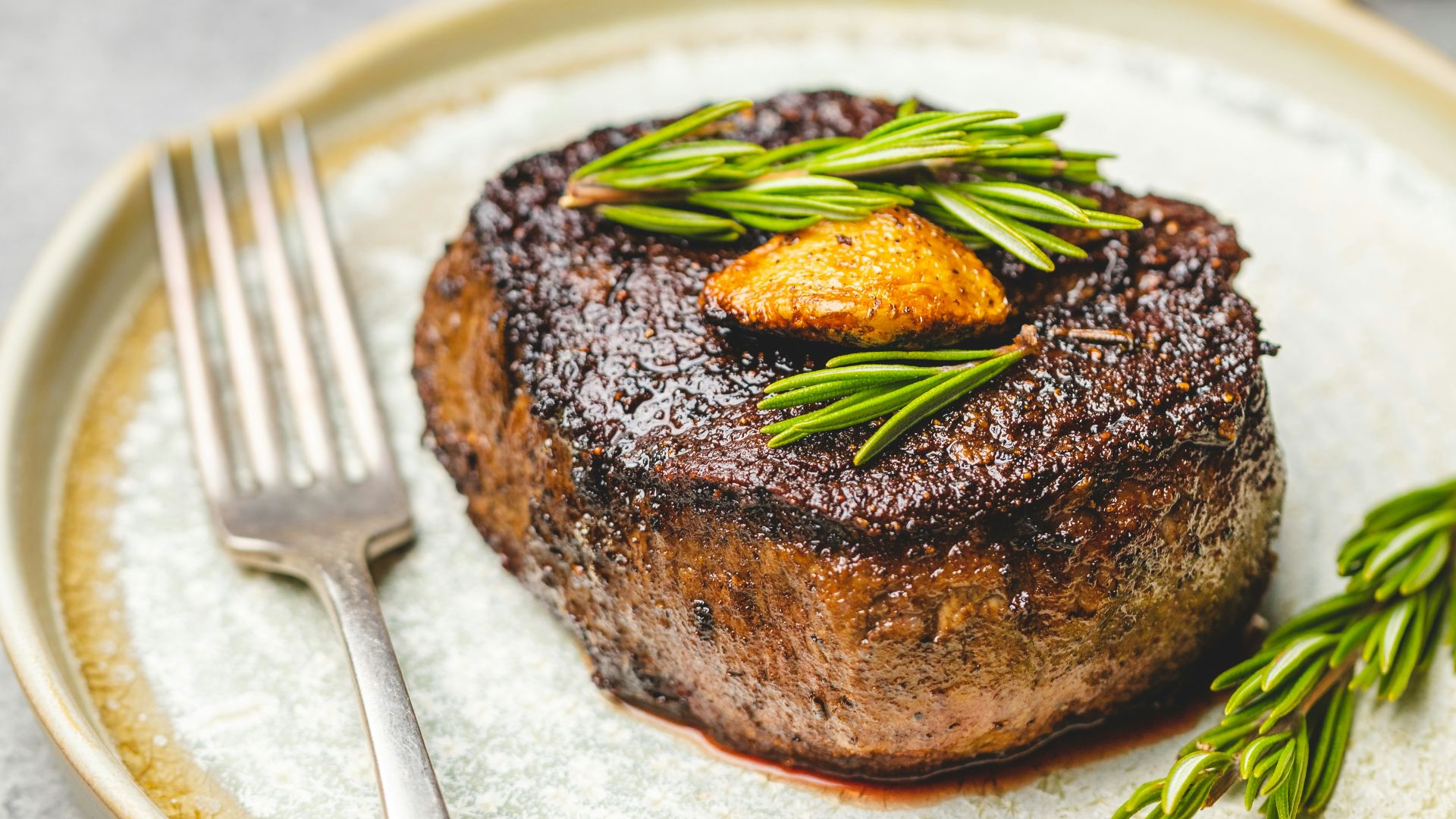
20. Steak
Enjoying a steak dinner could sometimes influence how well levodopa, a medication commonly prescribed for Parkinson's disease, manages symptoms. That's because amino acids from protein-rich foods can compete with levodopa for transport into the brain, potentially making the treatment less effective for some people. You certainly shouldn't eliminate protein from your diet, but your healthcare team may recommend adjusting when you eat it or spreading your protein intake differently throughout the day.