Your Body Needs More
Electrolytes help your body more than you likely realize. They manage fluid balance, muscle movement, nerve signals, and normal heart rhythm, and that means running low can make everyday symptoms more dramatic. Today, we’re here to break down a few signs that your body is practically begging for more, and how you can easily sneak more into your routine.
1. Your Muscles Keep Cramping
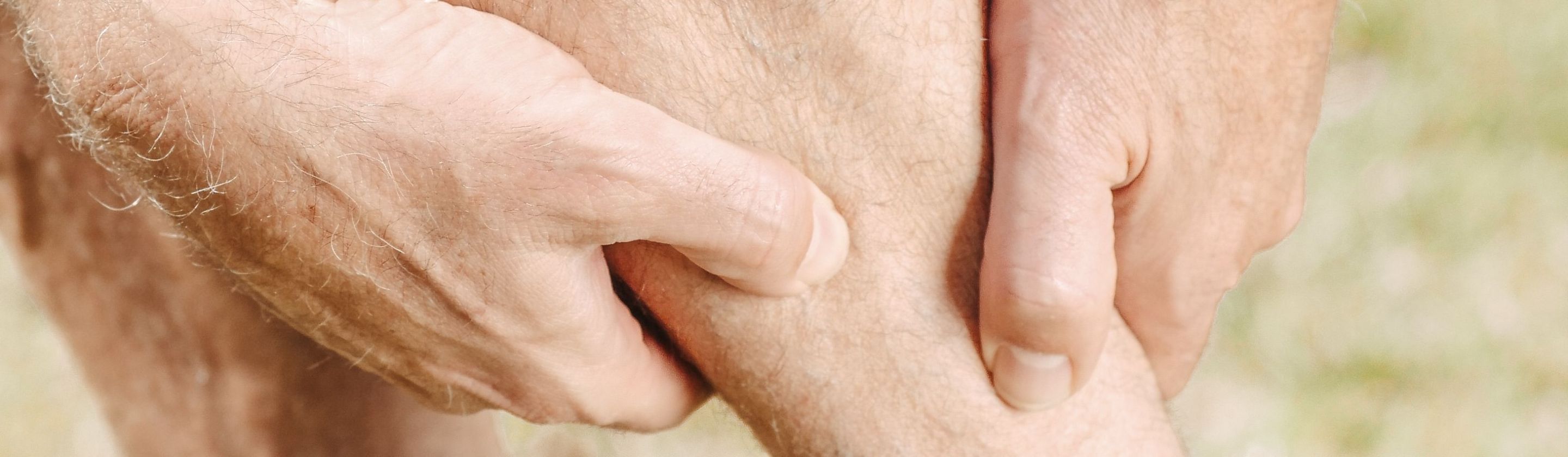
We hate to break it to you, but a random calf cramp at night may not be random at all. Low levels of minerals like potassium, sodium, calcium, or magnesium can make muscles tighten when they’re supposed to relax. You may notice it most after a long walk, a hot day outside, or a workout.

2. You Feel Tired Even After Resting
Electrolyte loss can actually leave you oddly drained, even when you haven’t done anything exhausting. That feeling can show up at any time, too, like after yard work, a long commute, or a stomach bug. When your body doesn’t have enough minerals to support fluid balance, your energy can flatten before the day’s over.

3. Your Headache Won’t Back Off
A stubborn headache can sometimes come from dehydration and electrolyte loss working as a team. It usually happens after heavy sweating, skipping meals, or spending hours in warm weather without getting in your fluids.

4. You’re Dizzy When You Stand
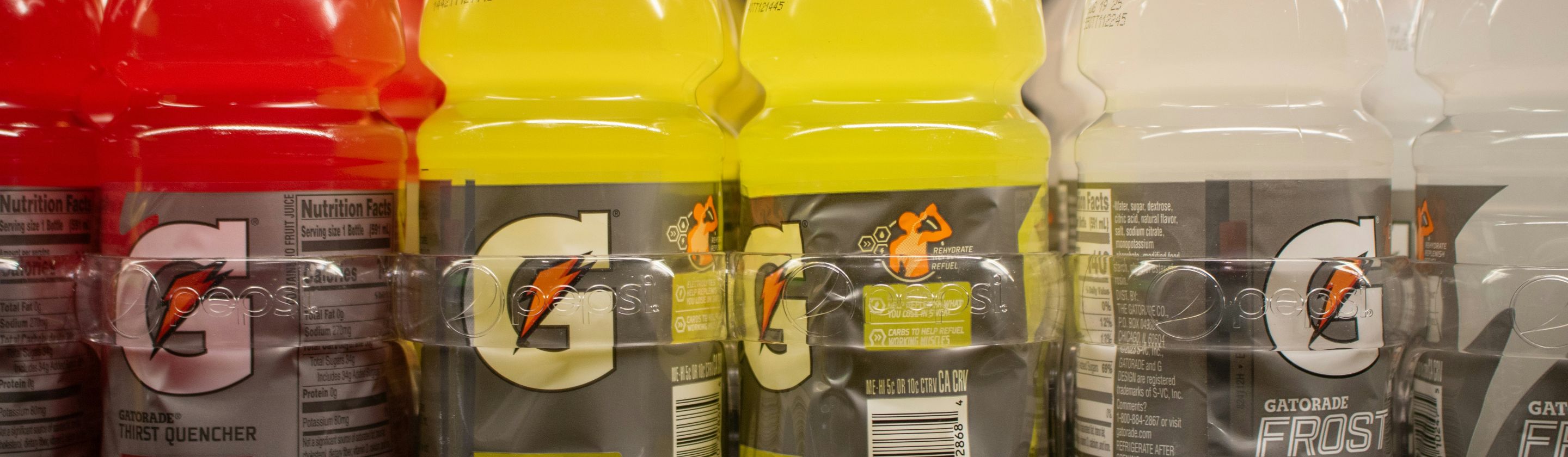
Dizziness is never something to fluff off, and that woozy feeling can be a sign your fluid and electrolyte balance is off. Sodium and chloride help support blood volume, but it also won’t solve every problem, either—if dizziness comes with fainting or confusion, don’t fluff it off as something you can fix with a Gatorade.

5. Unusual Heartbeat
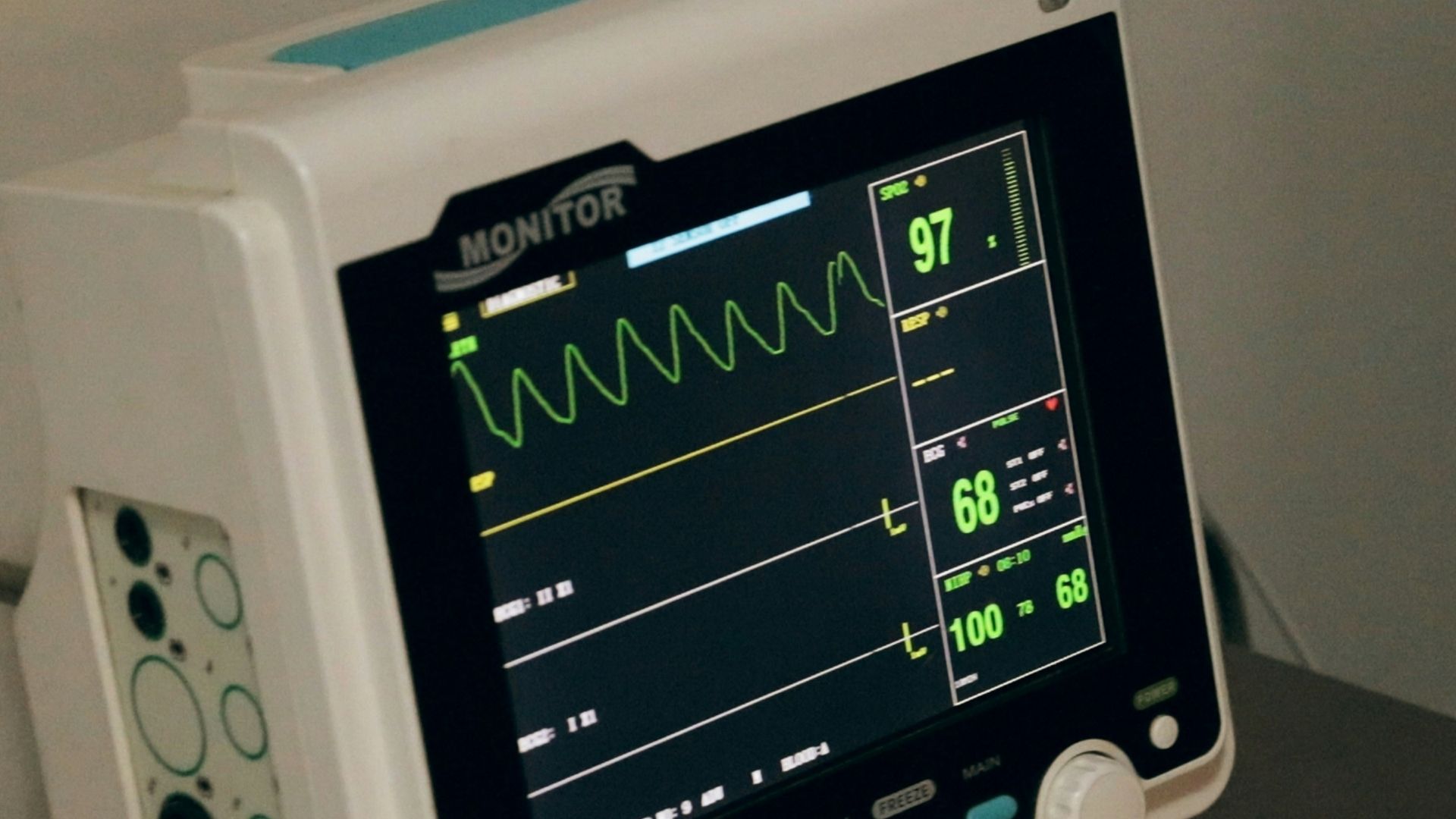
Potassium, calcium, and magnesium help your heart’s electrical system work properly, and an imbalance can make your heartbeat irregular. You might notice it after a big workout or even after taking certain medications that affect fluid levels. Because heart symptoms can be pretty serious, this is one warning sign where it’s smarter to call a medical professional.
6. Water Isn’t Helping Much
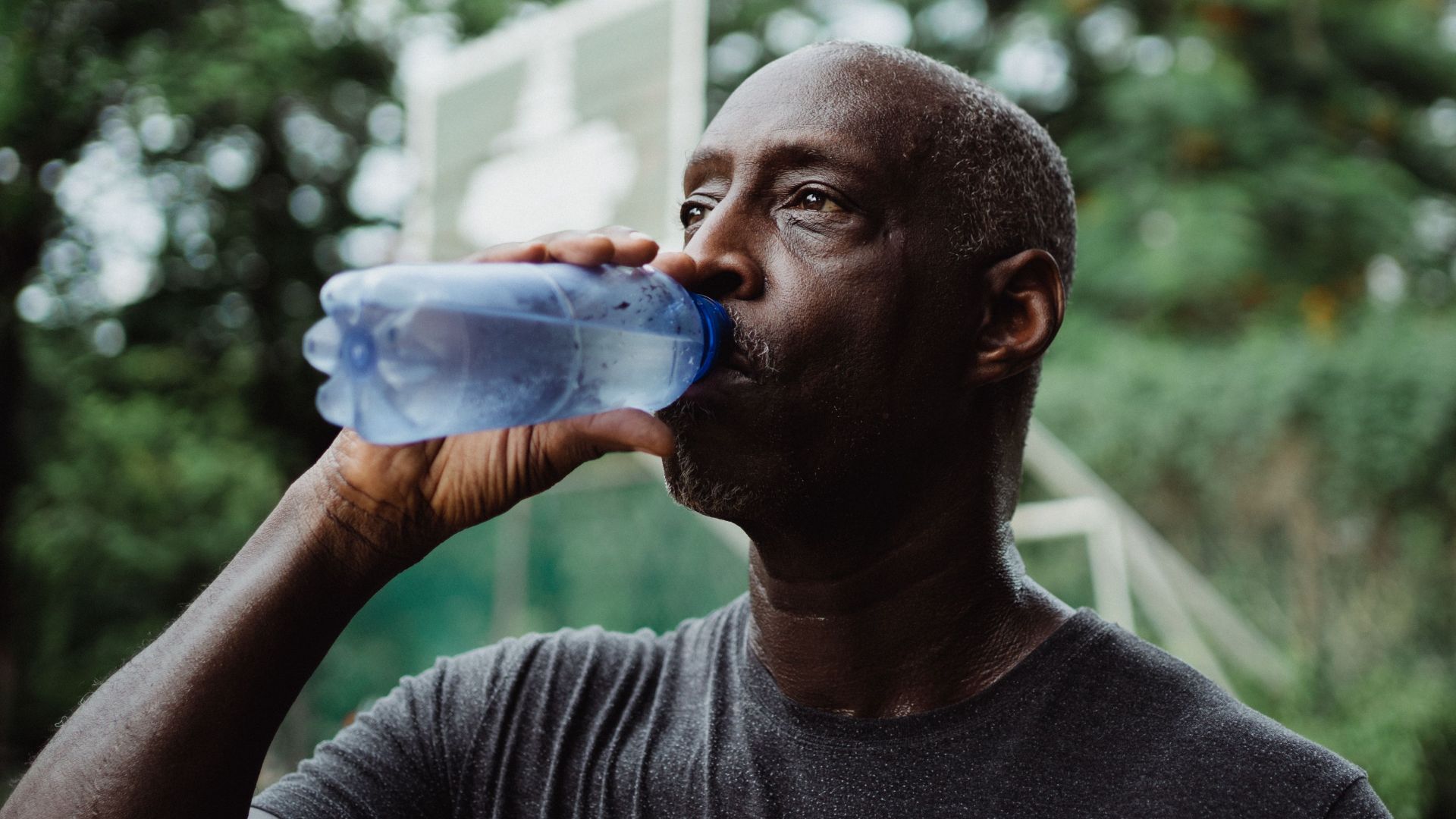
Sometimes you drink water and still feel like your body hasn’t caught up—that’s worth paying attention to. In those cases, you ought to reach for foods like soup, bananas, oranges, and yogurt, all of which may help replace what plain water doesn’t provide.
 Eduardo Casajús Gorostiaga on Unsplash
7. Your Urine Looks Dark
Dark yellow urine can be one of the easier clues that your hydration routine needs some work. While urine color can change from vitamins and medications, it often gets darker when you’re not getting enough fluid. If you also feel weak or lightheaded, your body may need both water and electrolytes rather than another glass from the tap.
 Point3D Commercial Imaging Ltd. on Unsplash
8. You’re Nauseous For No Reason
Keep in mind that electrolyte problems don’t always announce themselves with cramps or thirst. Some people feel queasy or unsettled after heat exposure. Others take a hit after a workout goes longer than planned. A simple recovery meal can be gentler than forcing down a neon drink you don’t actually want.

9. Tingly Hands or Feet
Tingling can come from many causes, but electrolytes are worth considering when it appears alongside weakness or dehydration. Don’t forget that if tingling is sudden, severe, or paired with trouble speaking, you shouldn’t just assume electrolytes are to blame—treat it as urgent.

10. Recovering Slowly After Exercise
Most workouts shouldn’t leave you wrecked for the rest of the day. If you’re still shaky or tired hours later, you may not have replaced what you lost through sweat. After long exercises, try pairing water with a mineral-rich snack like salted nuts, chocolate milk, or even a baked potato.

Getting more electrolytes doesn’t have to mean buying a cabinet full of powders. Let’s dive into a few ways you can easily sneak more into your diet.
1. Add a Banana to Breakfast
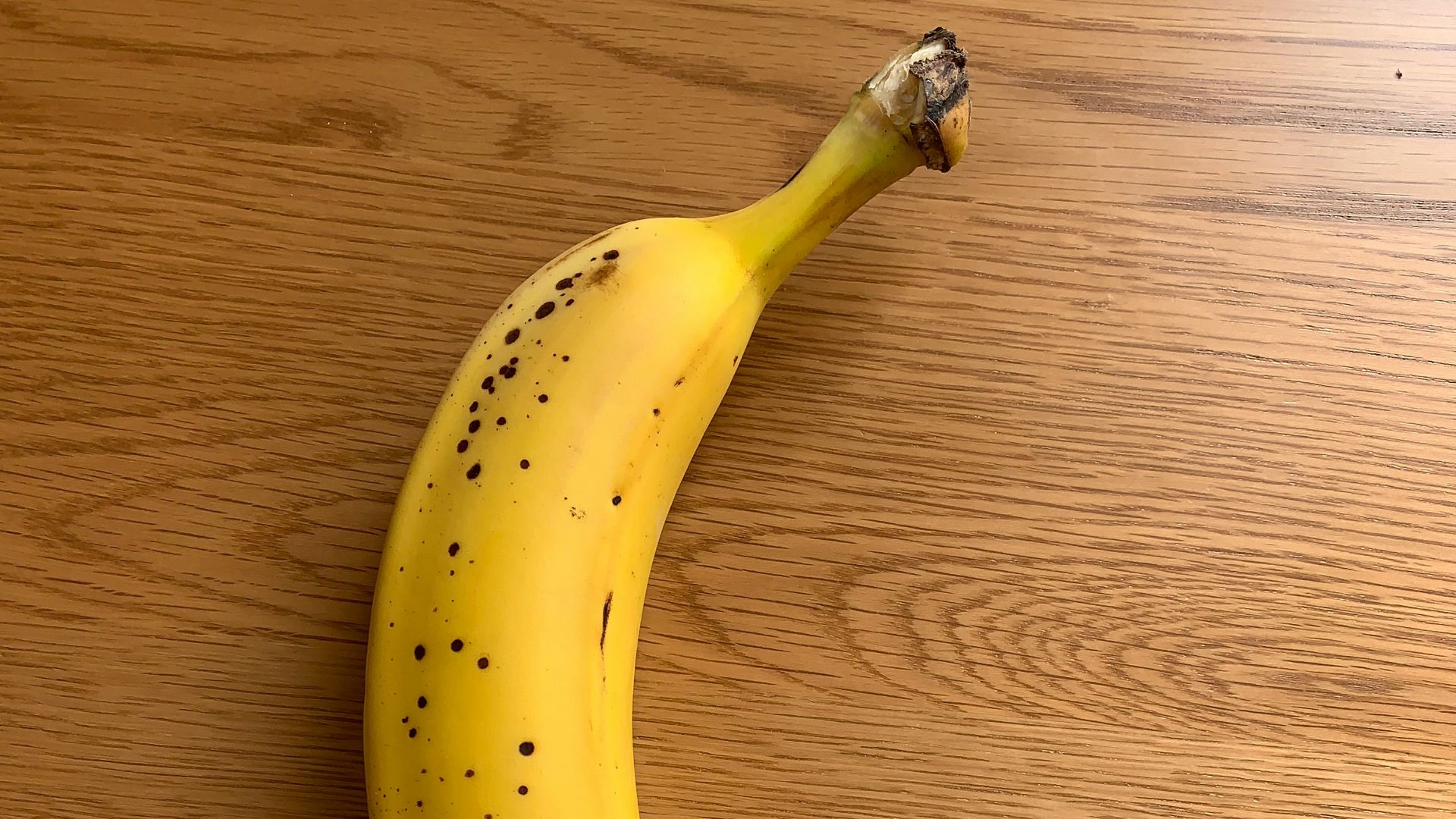
Bananas are one of the easiest potassium-rich foods to work into your morning. You can slice one over oatmeal or enjoy it with peanut butter before heading out for a walk. It’s a simple choice when you want something that’s not only affordable, but also easy to keep on the counter.
2. Sip Broth
A warm bowl of soup or just plain broth can help replace sodium and fluid at the same time. Chicken noodle, vegetable, and miso soup all give you a more satisfying option than plain water when you’re run-down, and they’re especially helpful after sweating or recovering from a bad appetite day.

3. Keep Yogurt in the Fridge
Yogurt gives you calcium and potassium in a snack that doesn’t take any prep, so you can’t go wrong with it. Greek yogurt with berries, plain yogurt with honey, or a small bowl with granola can fit into breakfast without any fuss. Just be sure to choose a lower-sugar option when you can; you’re aiming for steady nourishment rather than a dessert.
 micheile henderson on Unsplash
4. Use Potatoes
Potatoes really do deserve more credit. A baked potato with plain yogurt, roasted sweet potatoes with dinner, or boiled potatoes in a salad can be both filling and useful. Leave the skin on when it fits the recipe—that’s where you get extra nutrients.

5. Snack on Nuts and Seeds
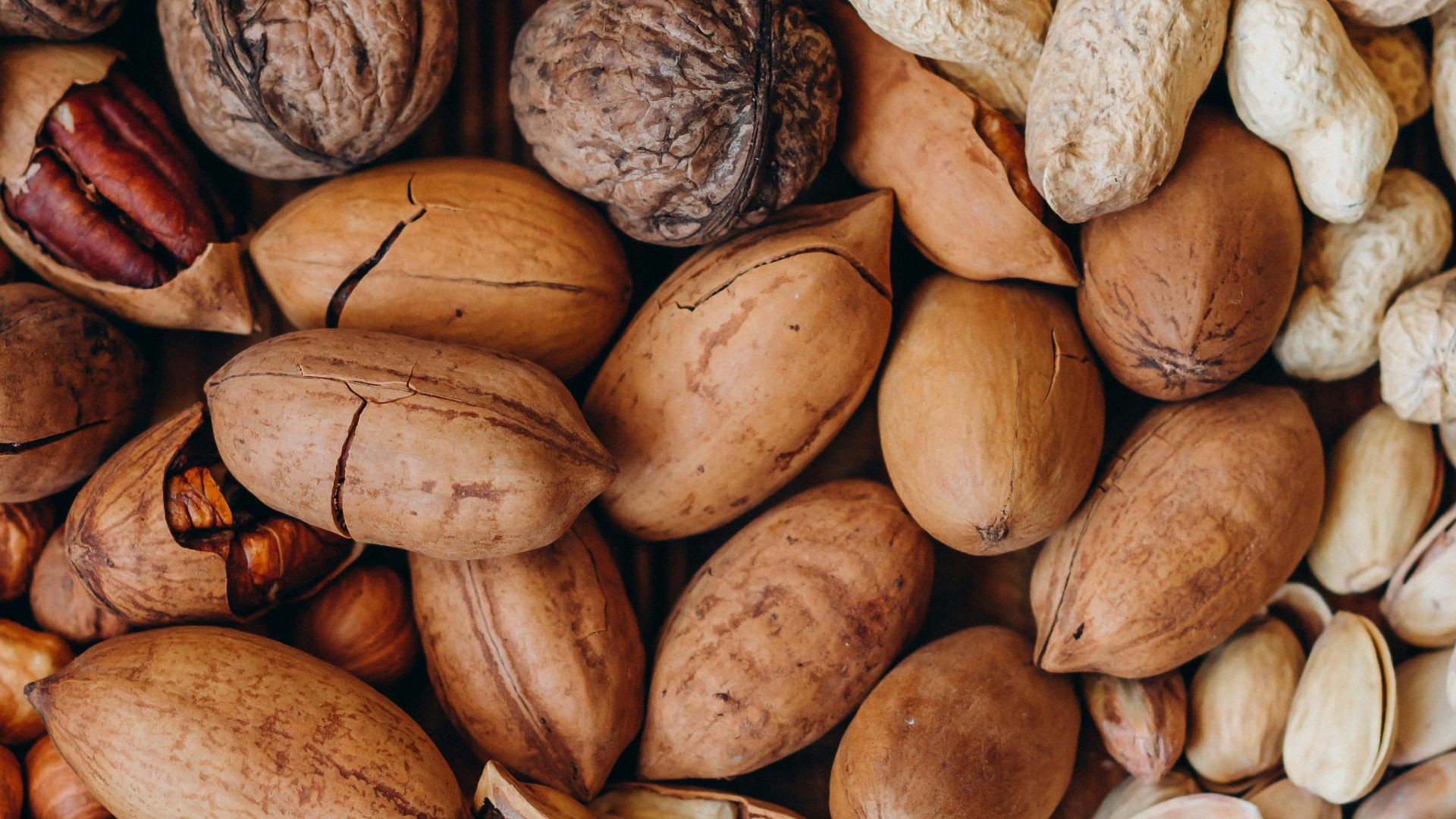
Don’t forget—magnesium is an electrolyte too! Nuts and seeds are an easy way to get more of it. Almonds, cashews, pumpkin seeds, sunflower seeds, and peanuts can work as almost anything, including a snack or a crunchy topping for salads.
6. Choose Water-Rich Fruits
Fruit can support hydration while also giving you helpful minerals, so keep your eyes peeled for watermelon, strawberries, cantaloupe, and kiwis. They’re particularly nice in summer because they’re light but also give your body more than just fluid.

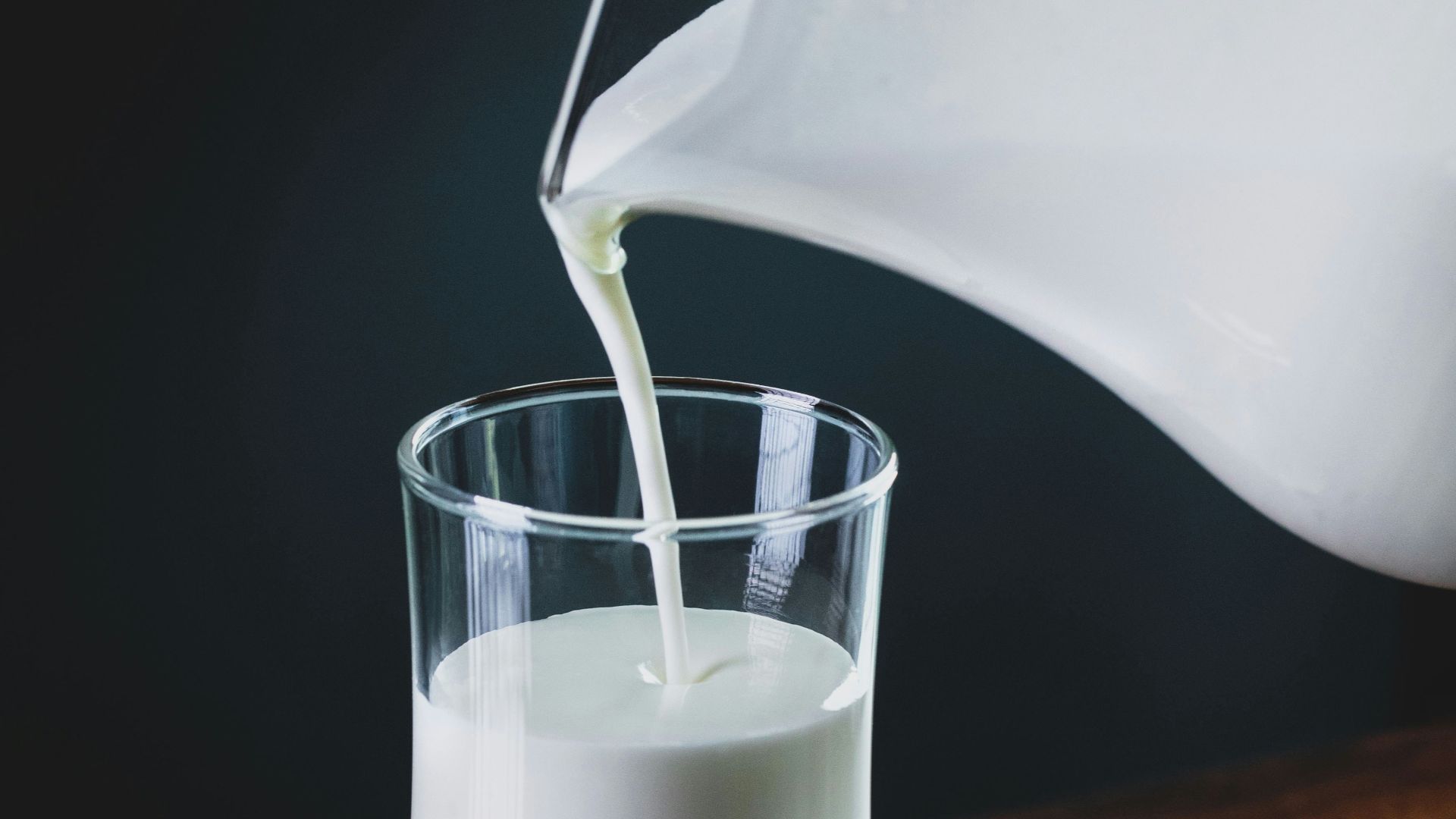
7. Drink Milk or a Fortified Alternative
Milk obviously provides calcium and potassium, but even fortified alternatives can get the job done. You can have either with a meal, blend it into a smoothie, or use it after a workout. With fortified options, check the label so you know what minerals it actually contains.
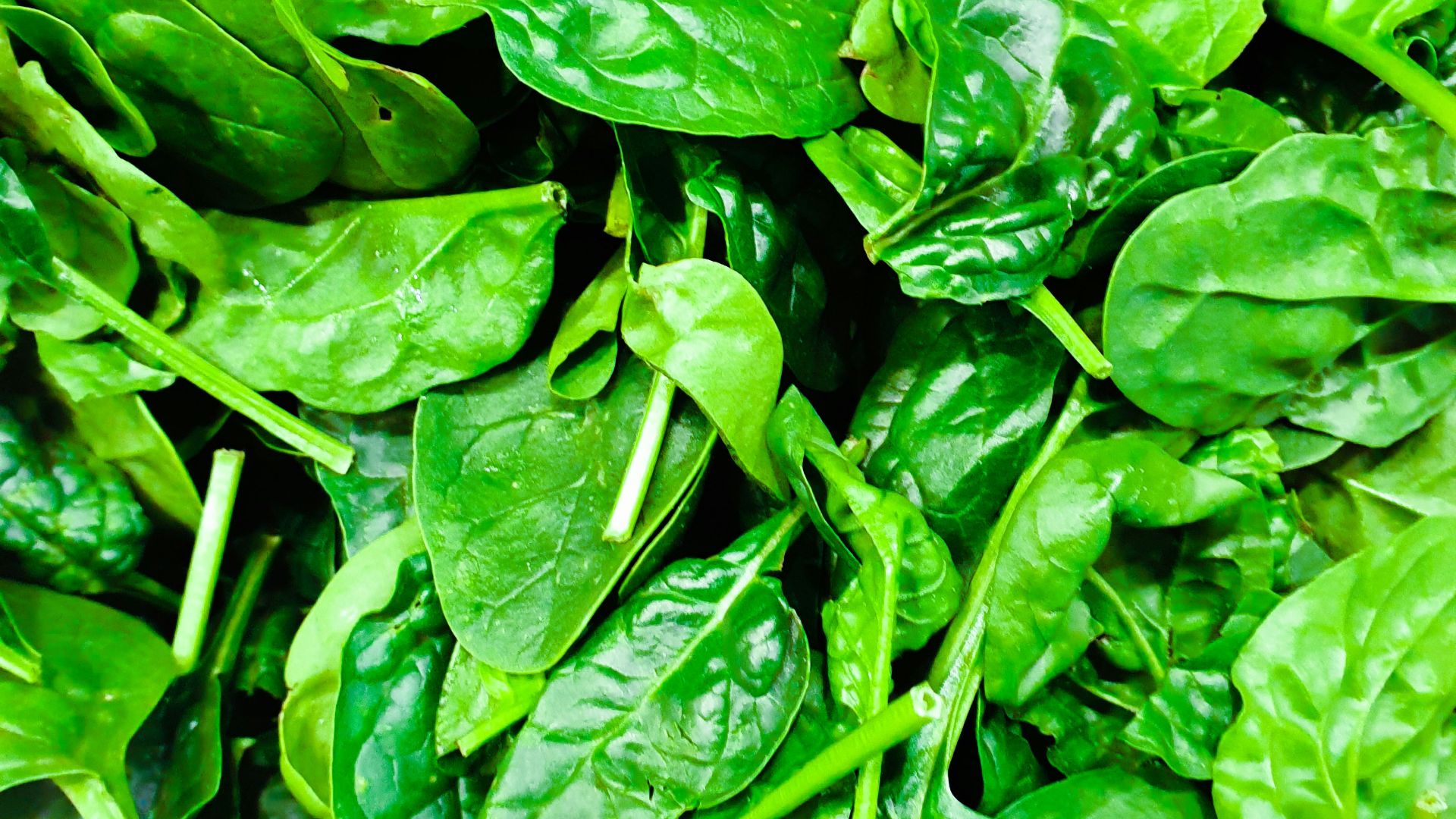
8. Add Leafy Greens
Spinach, Swiss chard, kale, and collard greens can help you bring in everything your body needs to remain in tip-top shape: magnesium, calcium, and potassium. Cooked greens are often easier to eat in larger amounts, too, which can make them more practical than a tiny salad.
 Shutter Sphere Collective on Unsplash
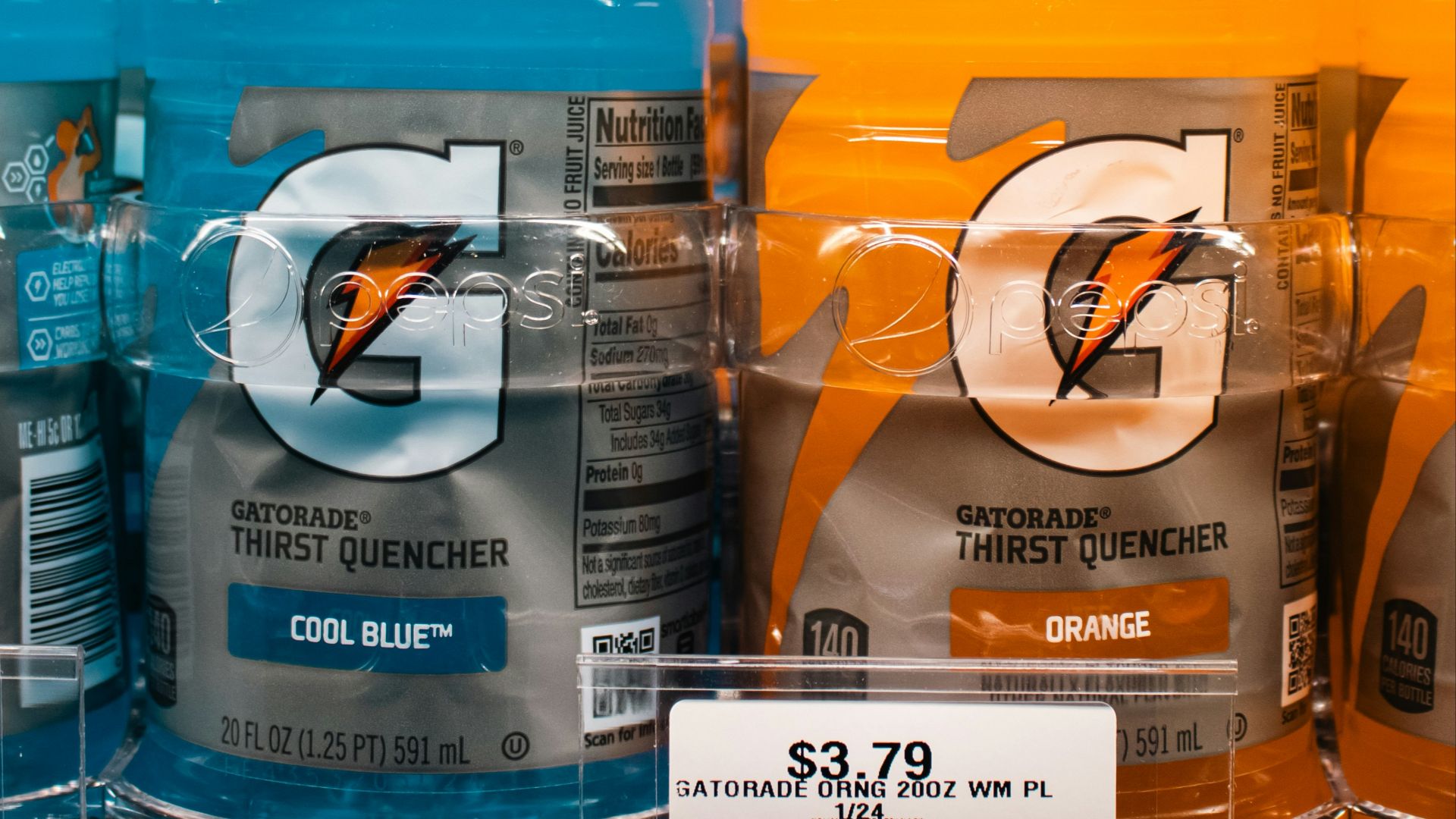
9. Electrolyte Drinks
Electrolyte drinks can be useful, but they don’t need to become your personality. They’re most helpful after long workouts, hot-weather activity, or diarrhea—water alone isn’t always enough to replace what you lost. Just look for options with reasonable sugar levels, and be careful with high-sodium products if your doctor warned you against salt.
10. Pair Water With a Salty Snack
Sometimes the easiest move is drinking water with something salty and simple. Pretzels, salted crackers, soup, olives, or a turkey sandwich can all work in a pinch, and they also help replace sodium. They can even be a smarter choice than chugging plain water, especially if you haven’t eaten much that day. Check with your doctor about which options make the most sense for you!