A Reason to Get Your Hands Dirty
Gardening can look like a simple hobby, but don't underestimate it; it can stack up real benefits for your body and mind. After all, you’re not just growing plants, but building routines that support movement, better mood, and a steadier daily rhythm. And the best part is you don’t need a huge yard or fancy gear to begin! Ready to get your hands dirty? Here are 10 surprising health benefits of gardening and 10 easy ways to start.

1. It Gently Boosts Your Cardio Fitness
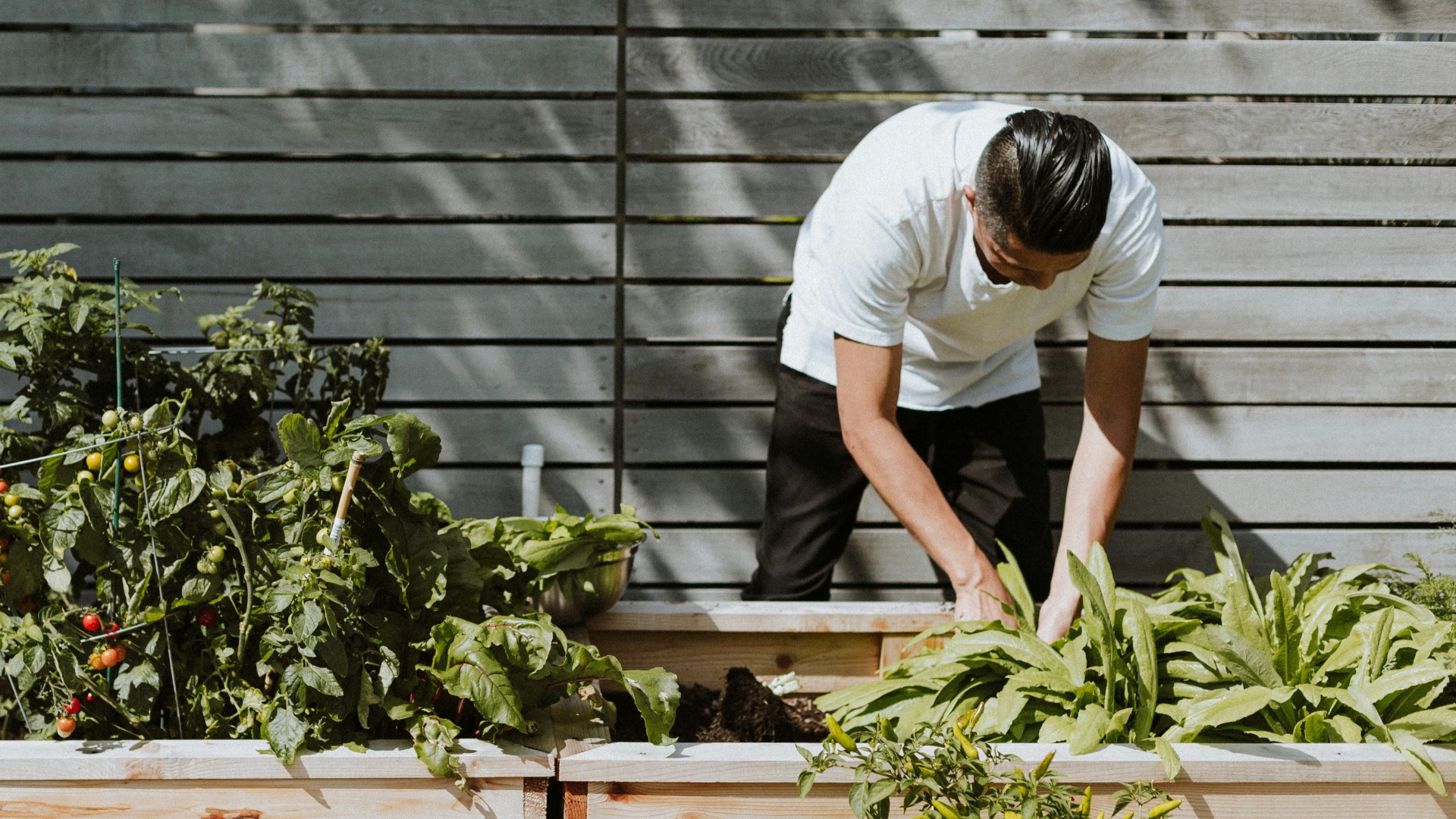
When you garden, you’re constantly moving in ways that keep your heart pumping even though it isn't a formal workout. Tasks like raking, digging, and hauling soil add up over time, even if you’re only outside for a short stretch. That means if you do it regularly, you may start noticing better stamina.
 Priscilla Du Preez 🇨🇦 on Unsplash
2. You’ll Build Practical Strength Without Trying
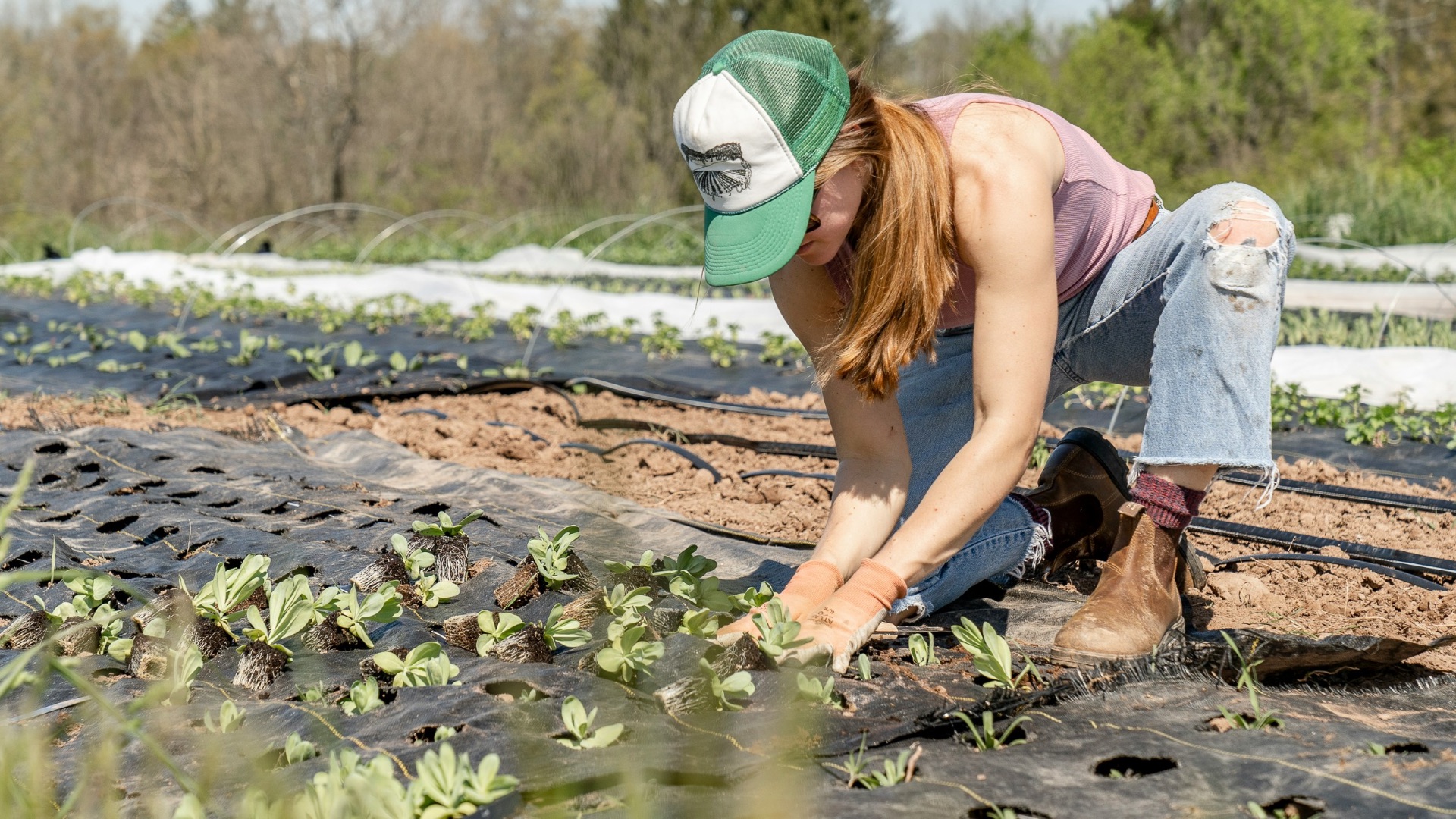
Gardening isn't a sport, but it makes you lift, pull, and carry in a way that trains useful muscles and your whole body. Even light work like shifting pots or filling a watering can engages your arms, shoulders, and core. Over time, that steady effort translates into strength in other ways.
3. It Can Help Your Stress Levels Settle Down
Ever know why you're told to keep plants around? It's because spending time with greenery connects you back to nature and gives your brain a break from digital screens. That's why you might find that it’s easier to shake off a stressful day after spending just a short while outside.

4. Your Mood Often Gets a Lift From Outdoor Time
Getting outside for gardening can support a more stable, upbeat mood, especially when you do it consistently. After all, the combo of sunlight exposure and gentle activity can be helpful for how you feel day to day. You might not be cheerful the whole time (gardening can get frustrating at times), but you might notice you feel lighter afterward.
5. It Encourages Better Sleep Rhythms
Because you’re moving about and getting natural light at the right times, gardening tends to nudge you into a healthier daily pattern. That combination can make it easier for your body to recognize when it's time to wind down. Plenty of people notice they fall asleep much more smoothly on days they’ve spent time in the yard.

6. It Can Support Hand Mobility and Grip
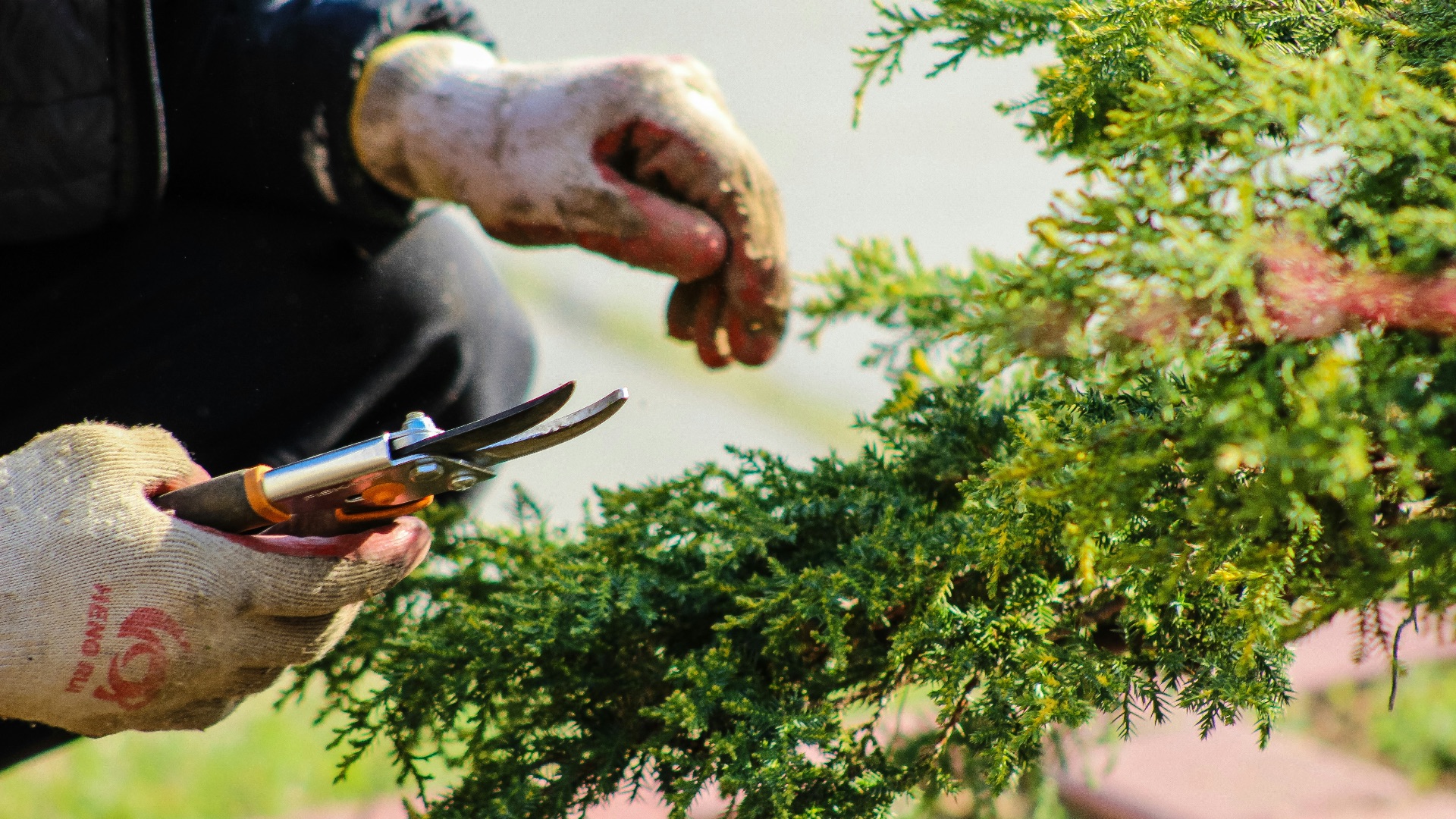
Small tasks like pinching seeds, pulling weeds, or pruning help your hands stay active in varied ways. That constant, gentle practice can be good for coordination and grip strength. If you type a lot, you might appreciate the change in movement.
7. You May Eat More Vegetables Without Forcing It
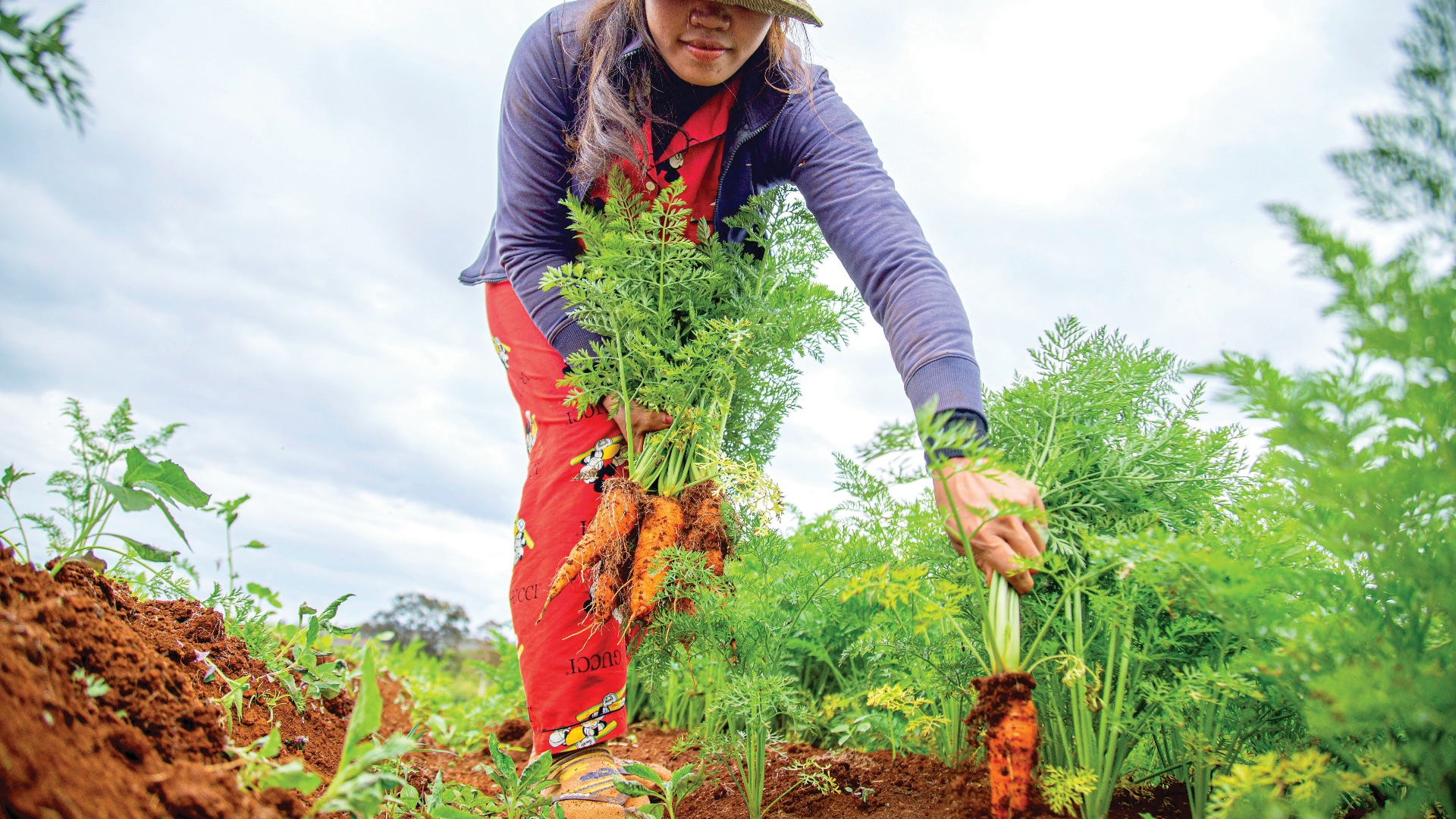
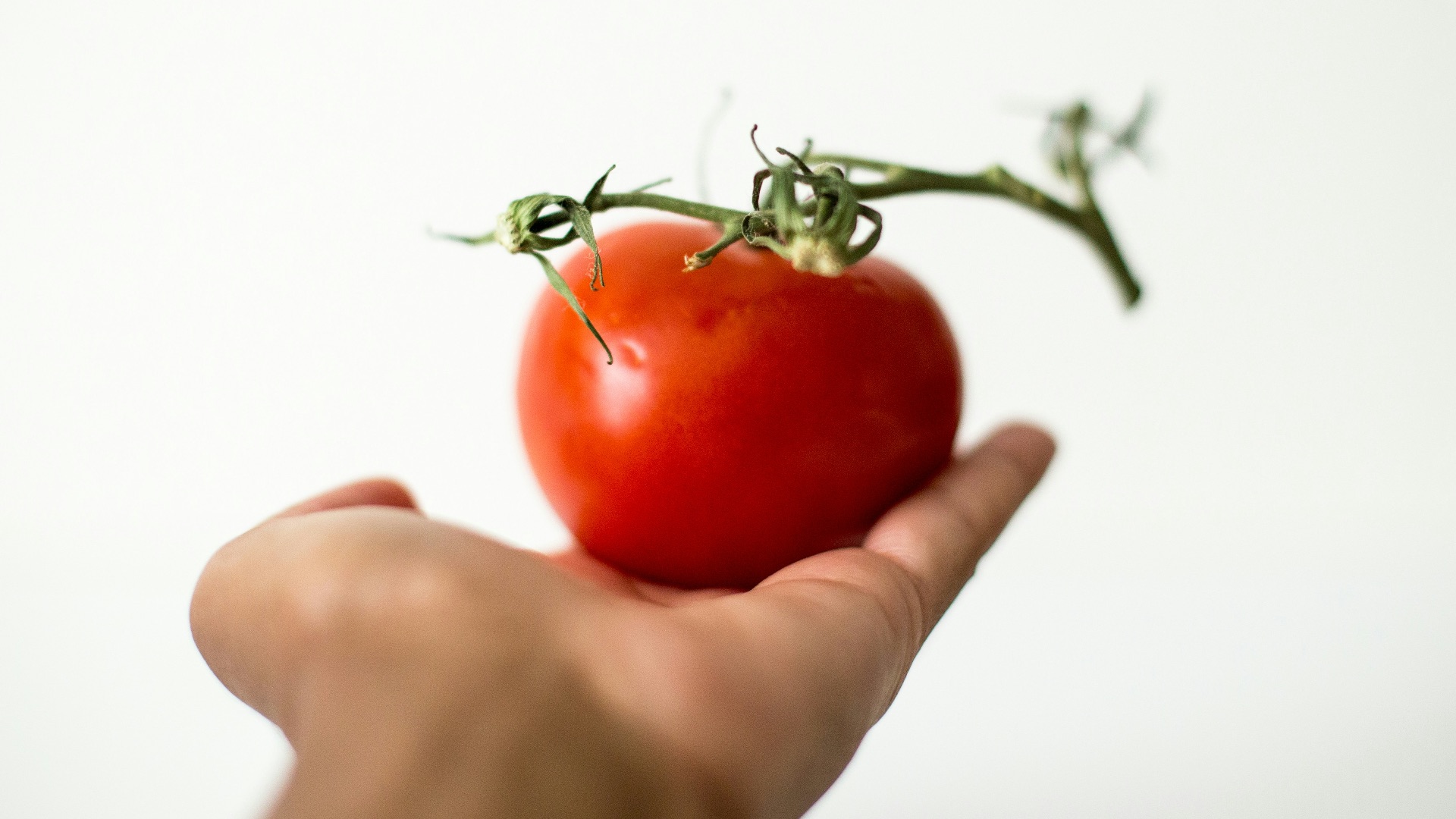
Growing even one edible plant can make you more likely to actually use it, because it feels satisfying to eat what you grew. The best part? Fresh herbs and greens are especially easy to add to meals without a big cooking project.
8. It Can Help You Stick With Consistent Movement
Gardening creates built-in reasons to move, since plants need attention across days and weeks. That kind of routine can be easier to maintain than a strict workout plan. And when you keep showing up, your body benefits from the regular activity. Win-win.
9. It Supports Balance and Coordination
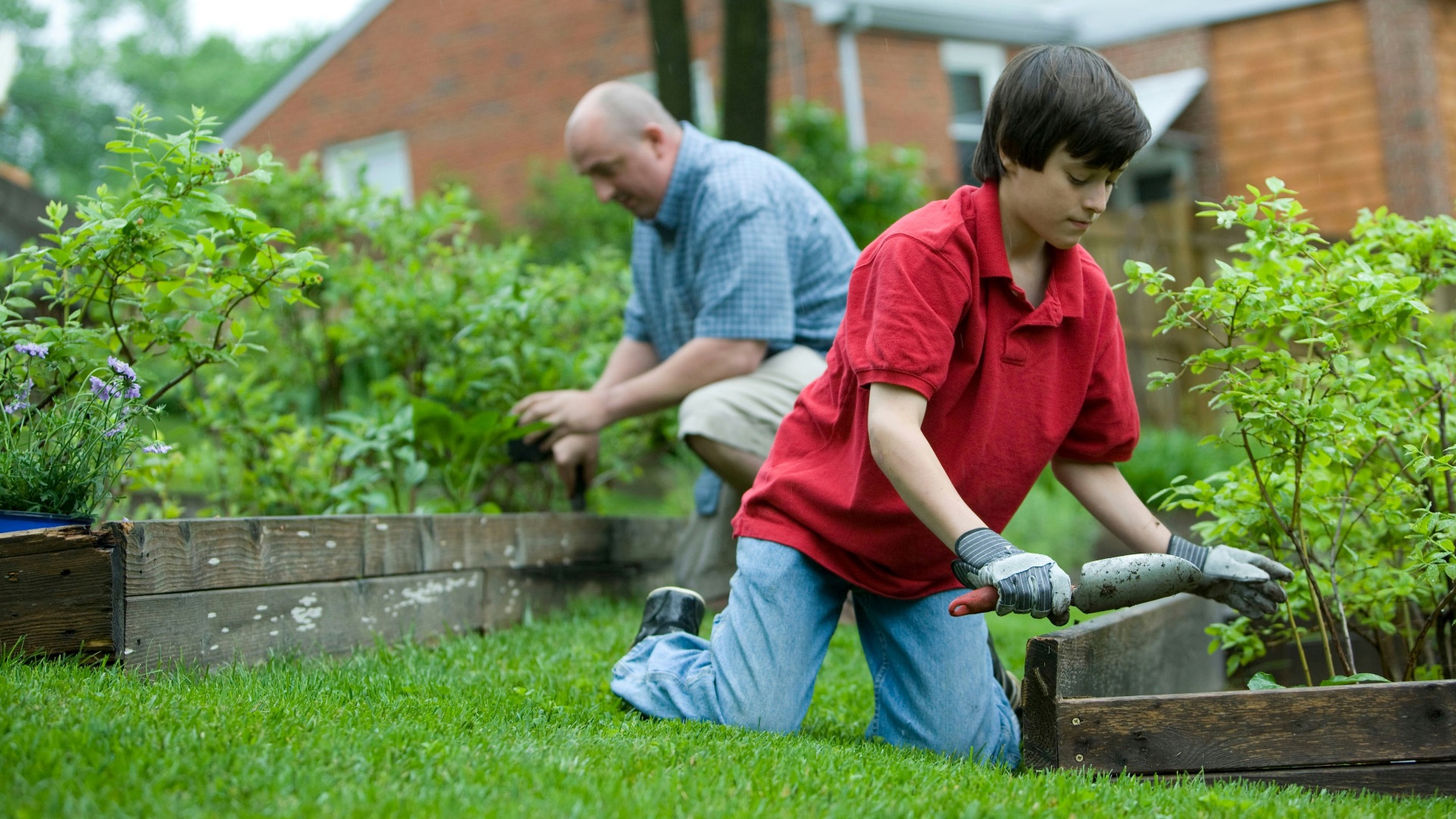
Gardening involves stepping around beds, shifting your weight, and adjusting your posture while you work. Those small challenges can help reinforce your balance in a low-pressure way, and over time, you may feel steadier during other activities.
10. You’ll Get a Useful Boost of Vitamin D From Sunlight
Spending time outdoors gives you a vitamin D boost, especially when you’re getting ample sunlight. That can support bone health and other body functions tied to vitamin D. Just be careful and use lots of sun protection so you get the benefit without the burn.
Have we convinced you how great gardening is yet? If you're ready to get your hands dirty, read on for how to start!
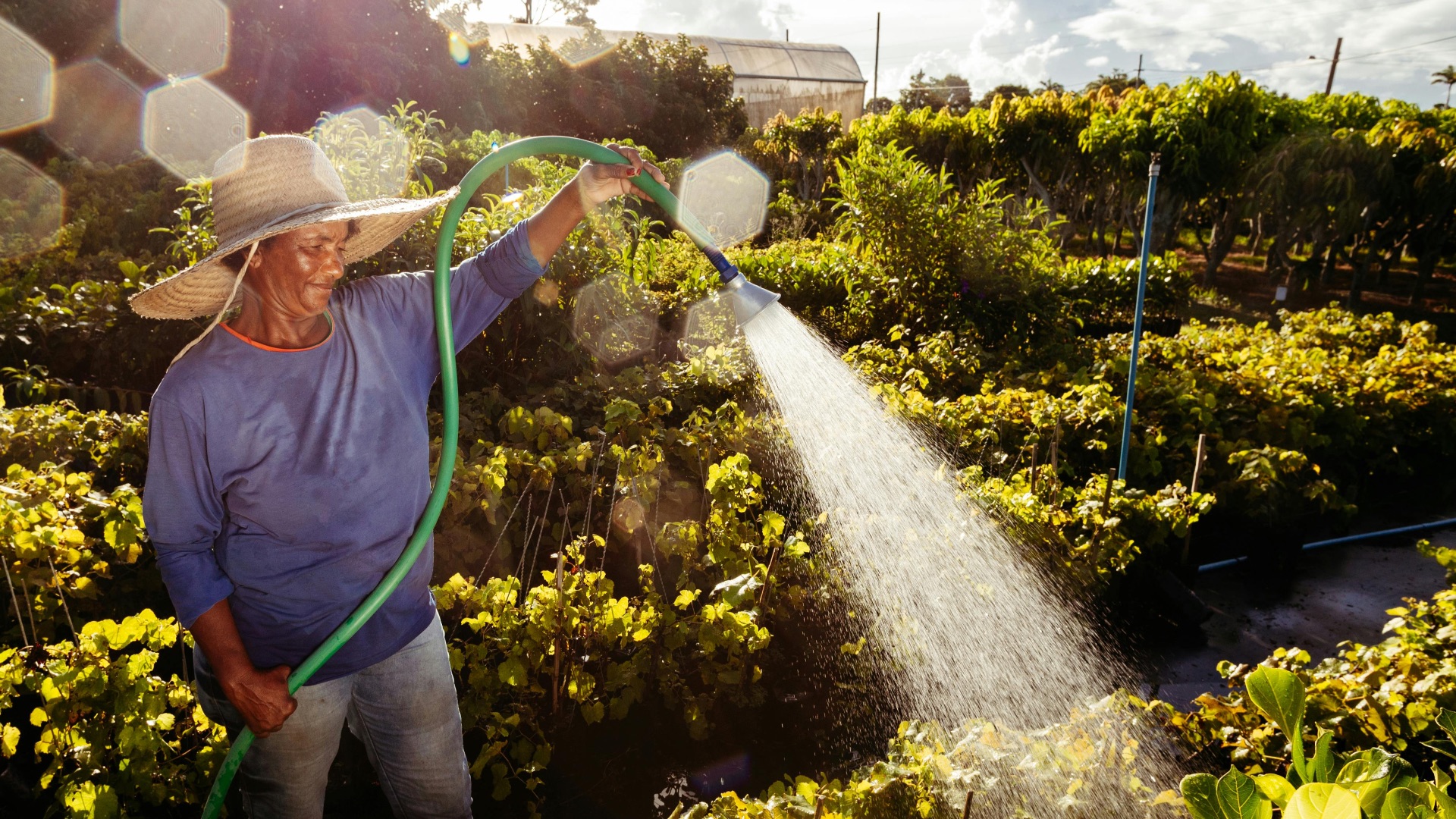
1. Start With One Container You Can Actually Manage
When you're starting a new hobby, keeping it simple makes it more likely you’ll stick with it. So, choose a pot that’s easy to lift or move and place it where you’ll see it daily. Then pick something beginner-friendly, like basil, mint, or lettuce, so you get a quick sense of progress.
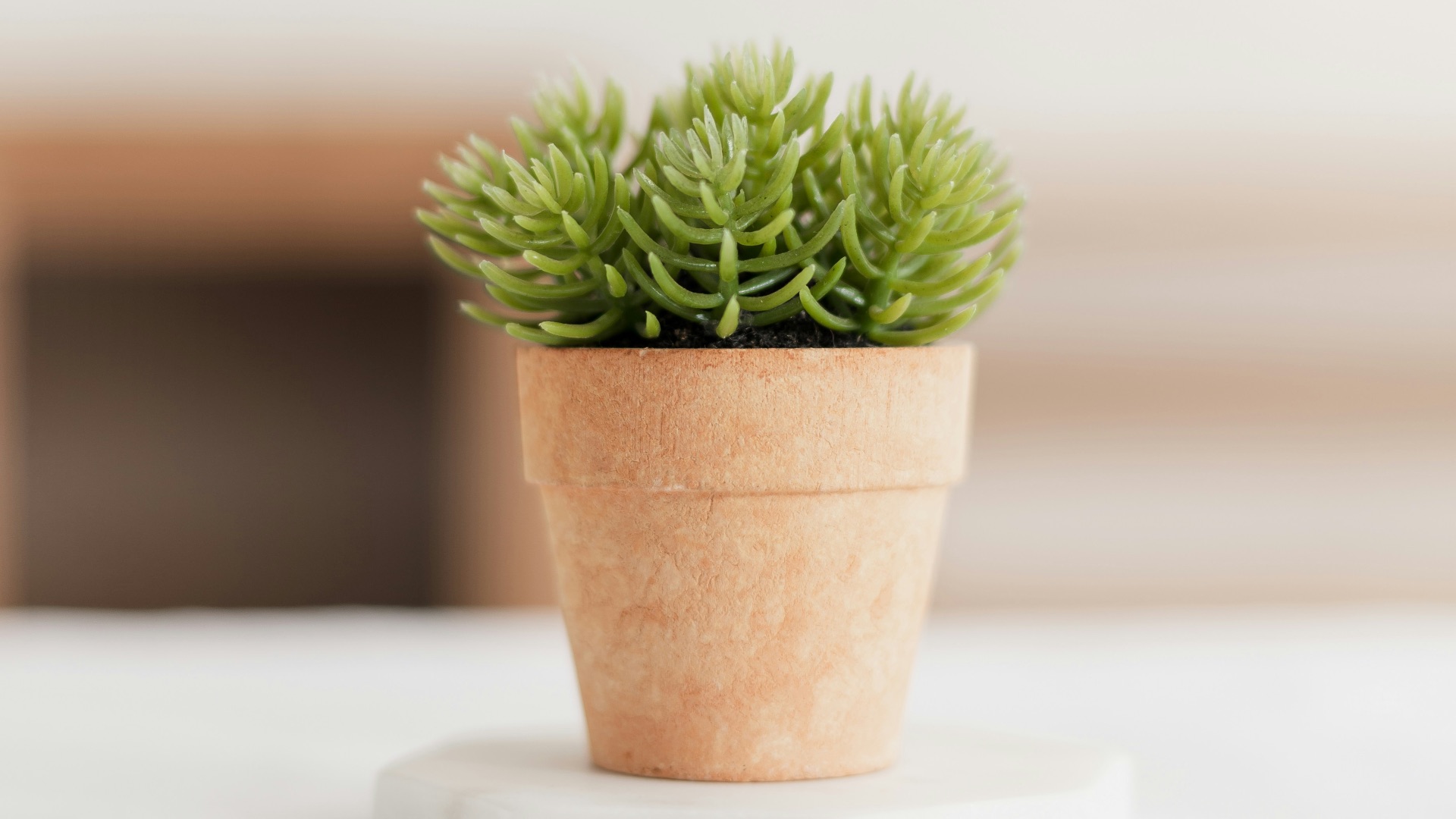
2. Pick Plants That Match Your Light Situation
Before buying anything, notice how many hours of sun your space gets on an average day. Some plants thrive in full sun, while others prefer partial shade, so matching this beforehand saves frustration later on. You’ll have better results when your plants aren’t struggling from day one.

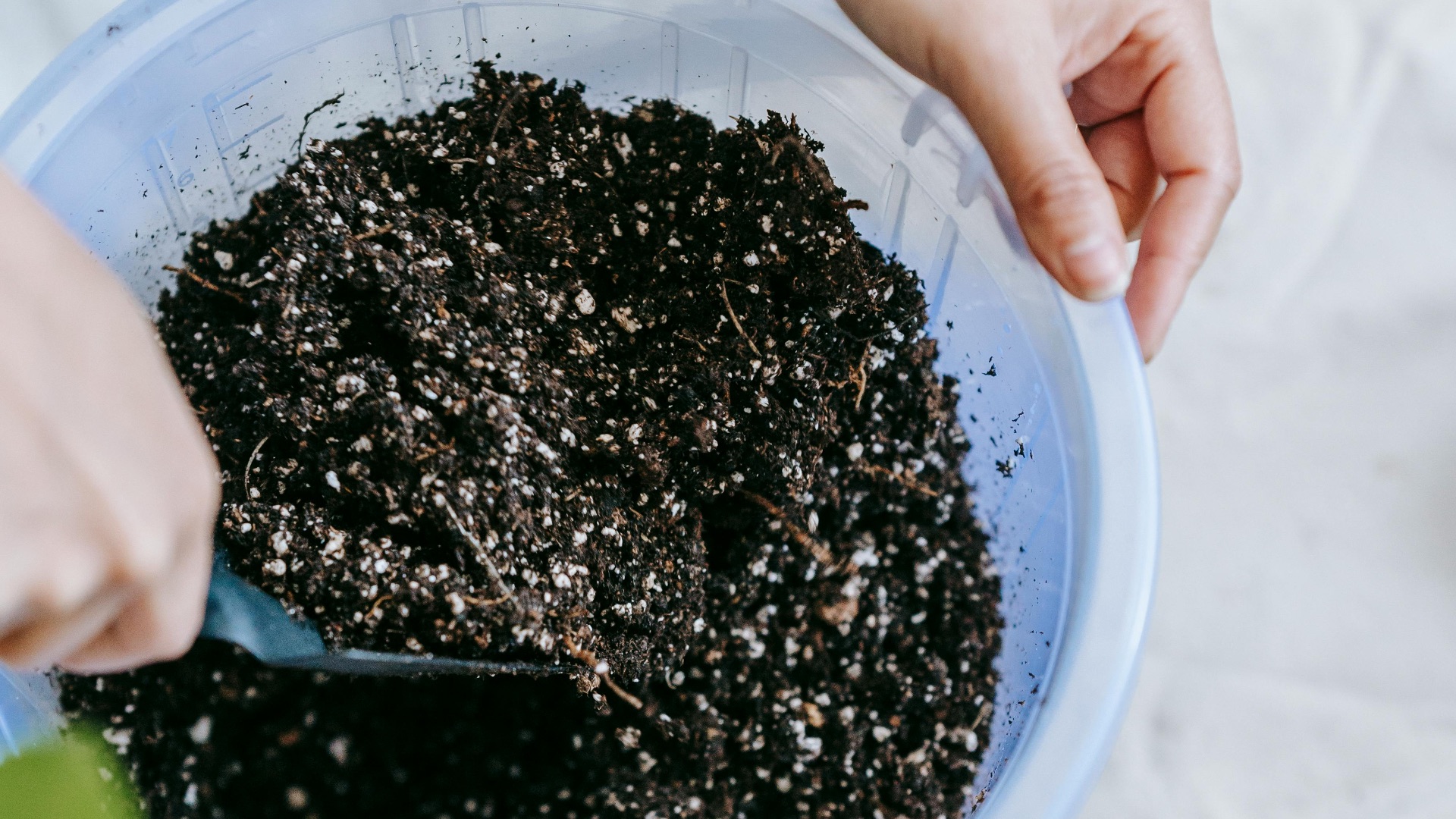
3. Use Quality Potting Mix Instead of Random Dirt
Make sure you choose soil well! Regular yard soil, for one, can be heavy and may not drain well in containers. In contrast, a basic potting mix is designed to hold moisture while still letting roots breathe. The latter choice can therefore make your plants much easier to care for.
4. Set a Simple Watering Routine You Can Keep
Rather than guessing when to water your plants, check the soil with your finger and water when the top inch feels dry. Morning watering is usually easier on plants and fits into a predictable schedule. And remember: the key is consistency, but you never want to overwater.

5. Start Small With Seeds That Germinate Quickly
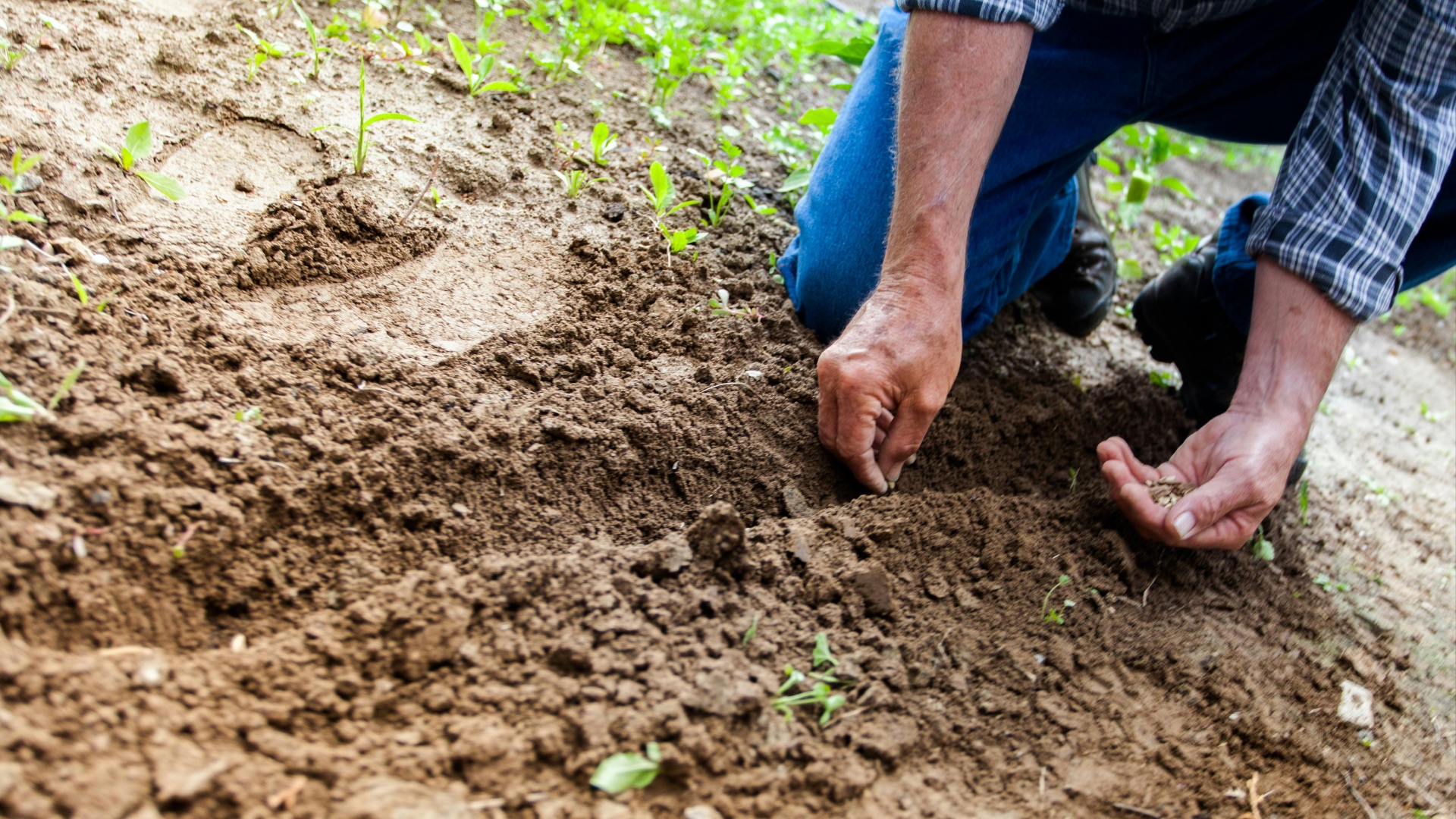
If you want a fast win, try radishes, lettuces, or easy herbs from seed. Seeing sprouts pop up can keep you motivated, especially in the early days when you're just starting out with gardening. Just follow the spacing directions so you don’t end up with a crowded mess.
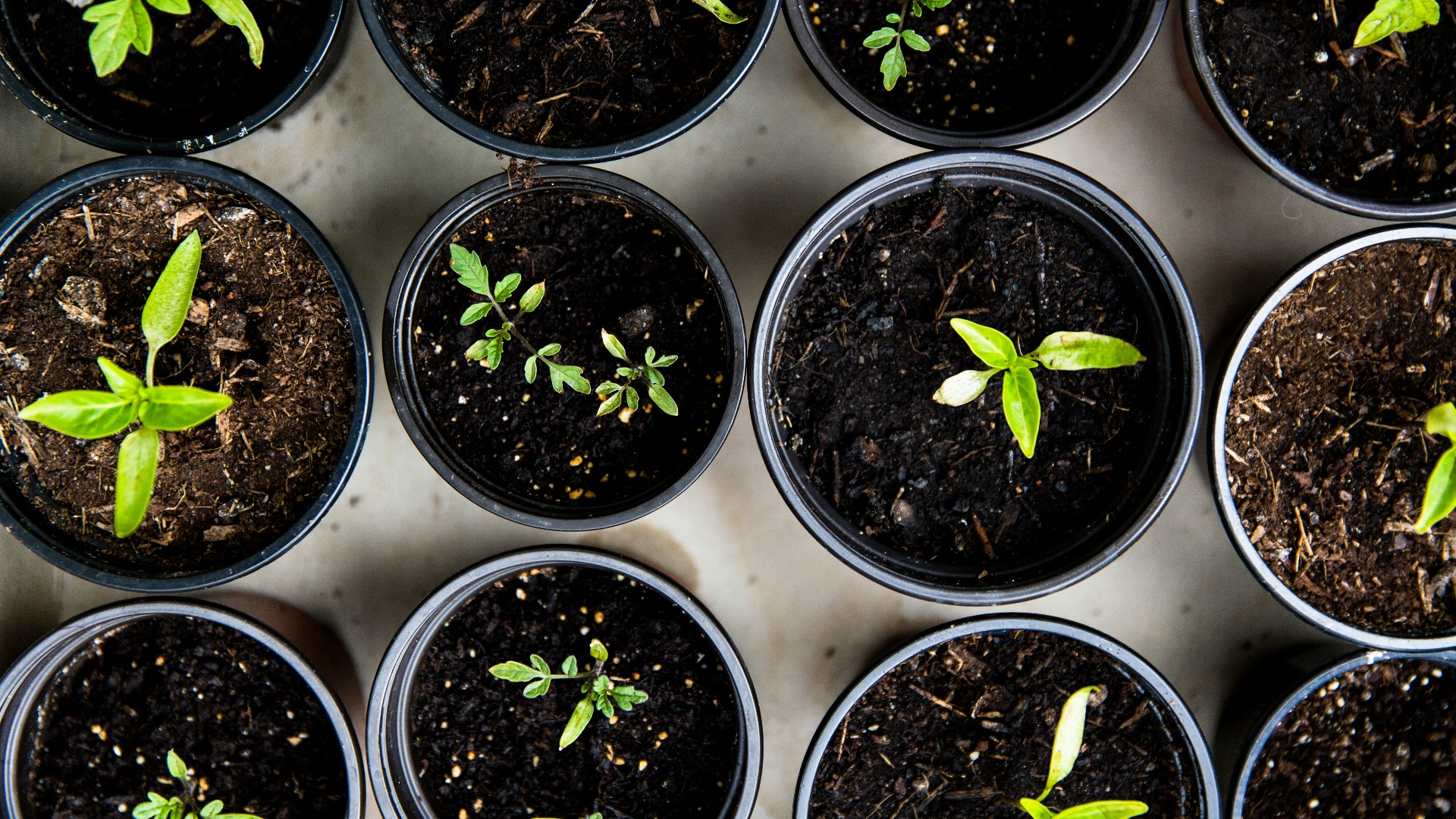
6. Buy One Healthy Starter Plant for Instant Momentum
A nursery seedling can feel like cheating, but it’s honestly a smart shortcut; you’ll skip the slowest stage and jump right into caring for something that’s already growing. To pick the best one, look for sturdy stems and leaves that aren’t drooping or spotted.
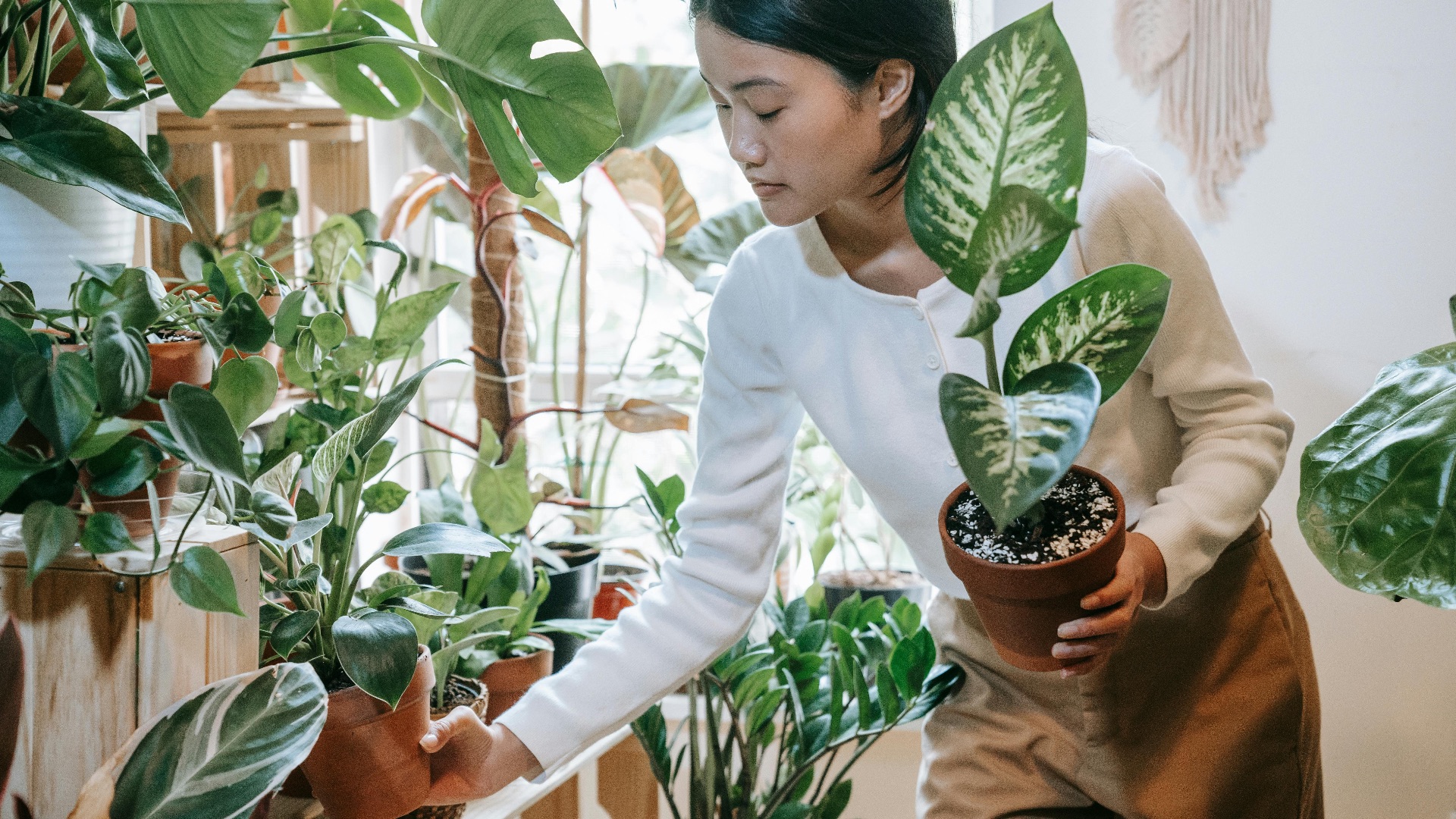
7. Keep Tools Minimal and Useful
Trust us, you don’t need a garage full of gear to garden successfully. Sometimes, simple is best, and a small trowel, gloves, pruners, and a watering can are enough to cover most basics. Starting with fewer essentials also makes cleanup less annoying. The best tools are your hands, so go and get them dirty!
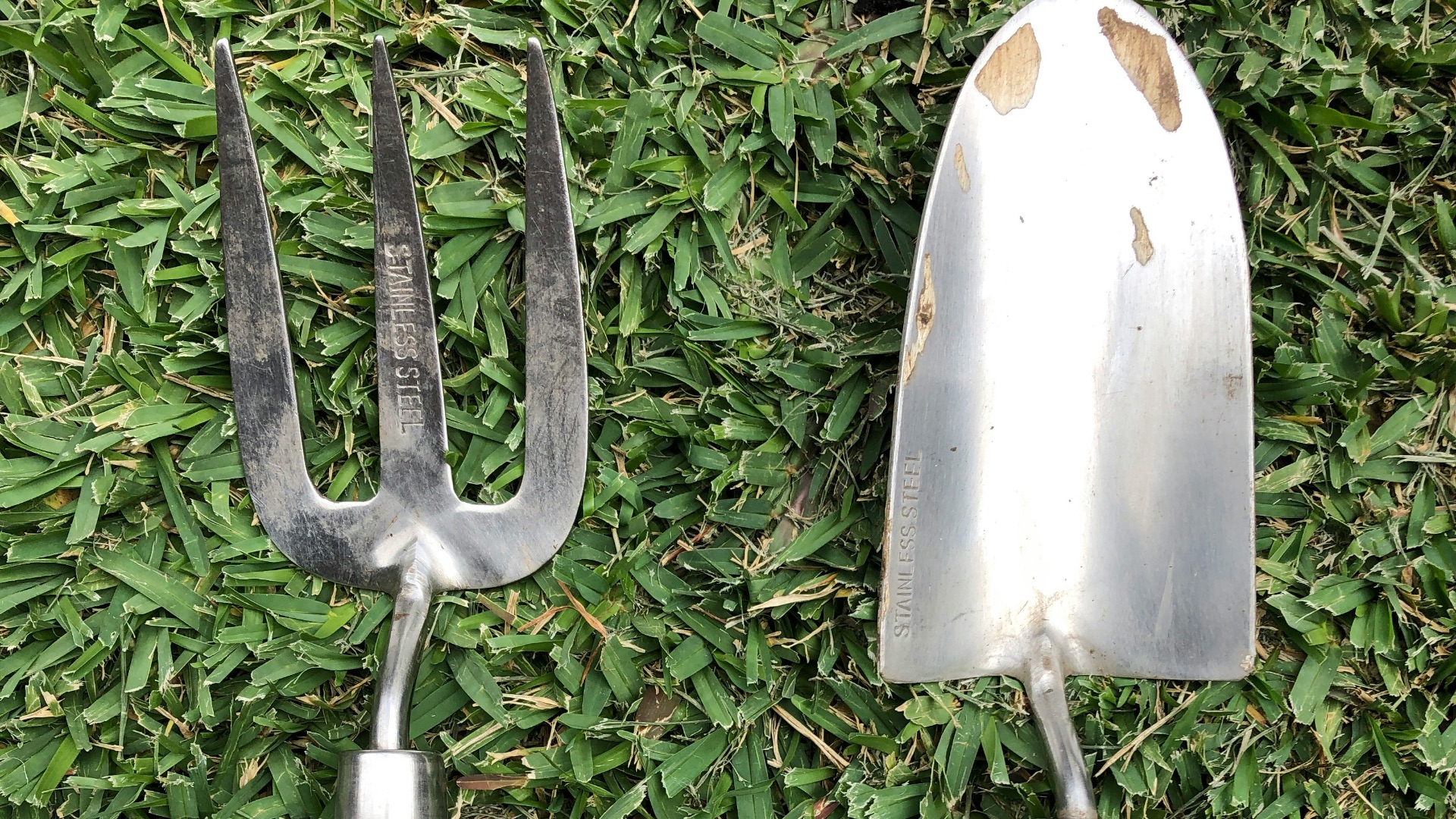
8. Learn Your Zone and Plant Timing
Knowing your growing zone helps you pick plants that actually do well in your climate; it also tells you when it’s safe to plant outdoors without losing everything to a surprise cold burst. So, before you start, do a quick check online to prevent wasted effort.

9. Make a Tiny Plan Before You Plant
Planning matters in gardening! Take two minutes to decide where each plant will go and envision how big it might get. This prevents you from stuffing everything into the same corner and hoping it sorts itself out. A little planning now saves you from constant rearranging later.
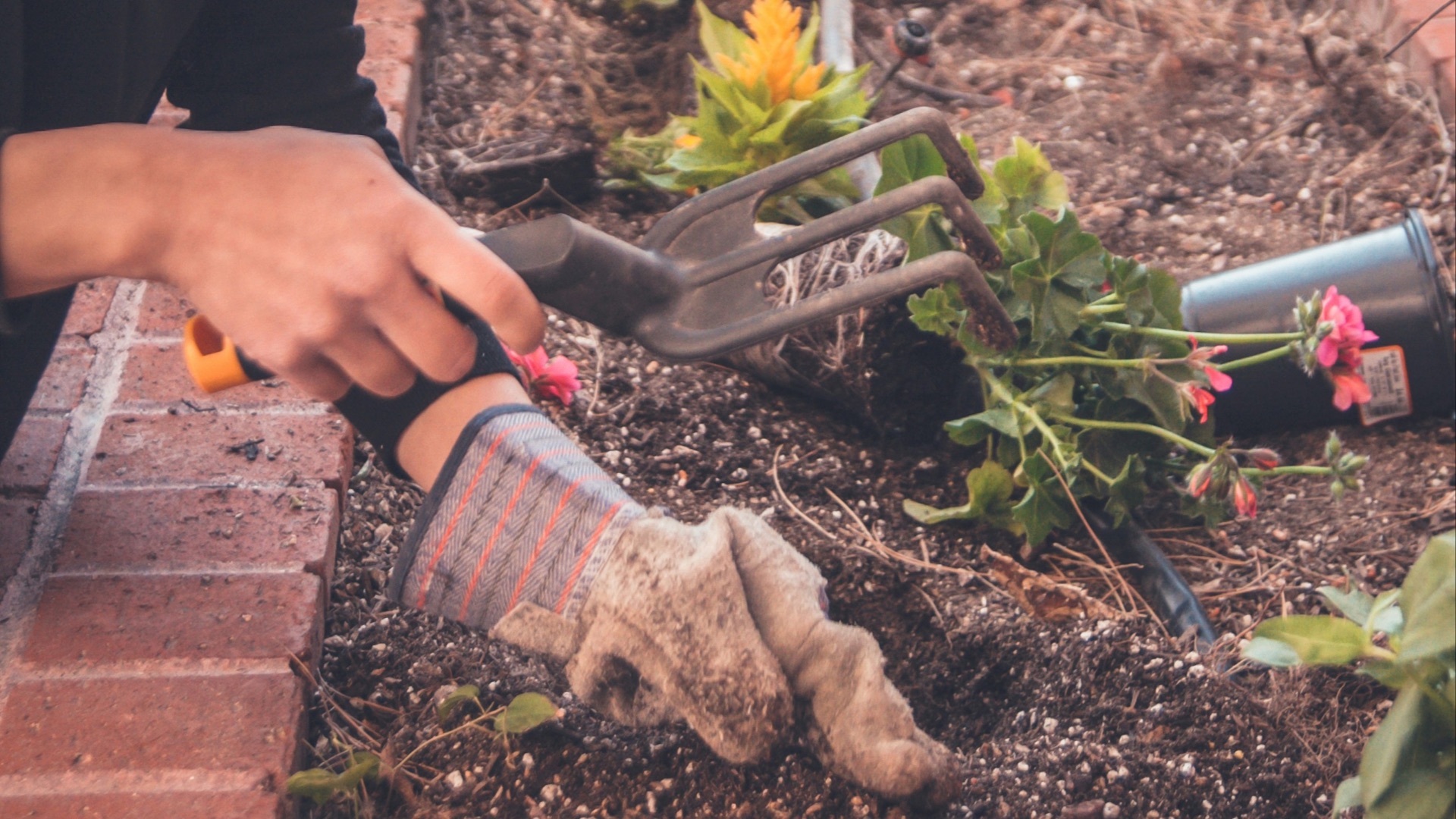
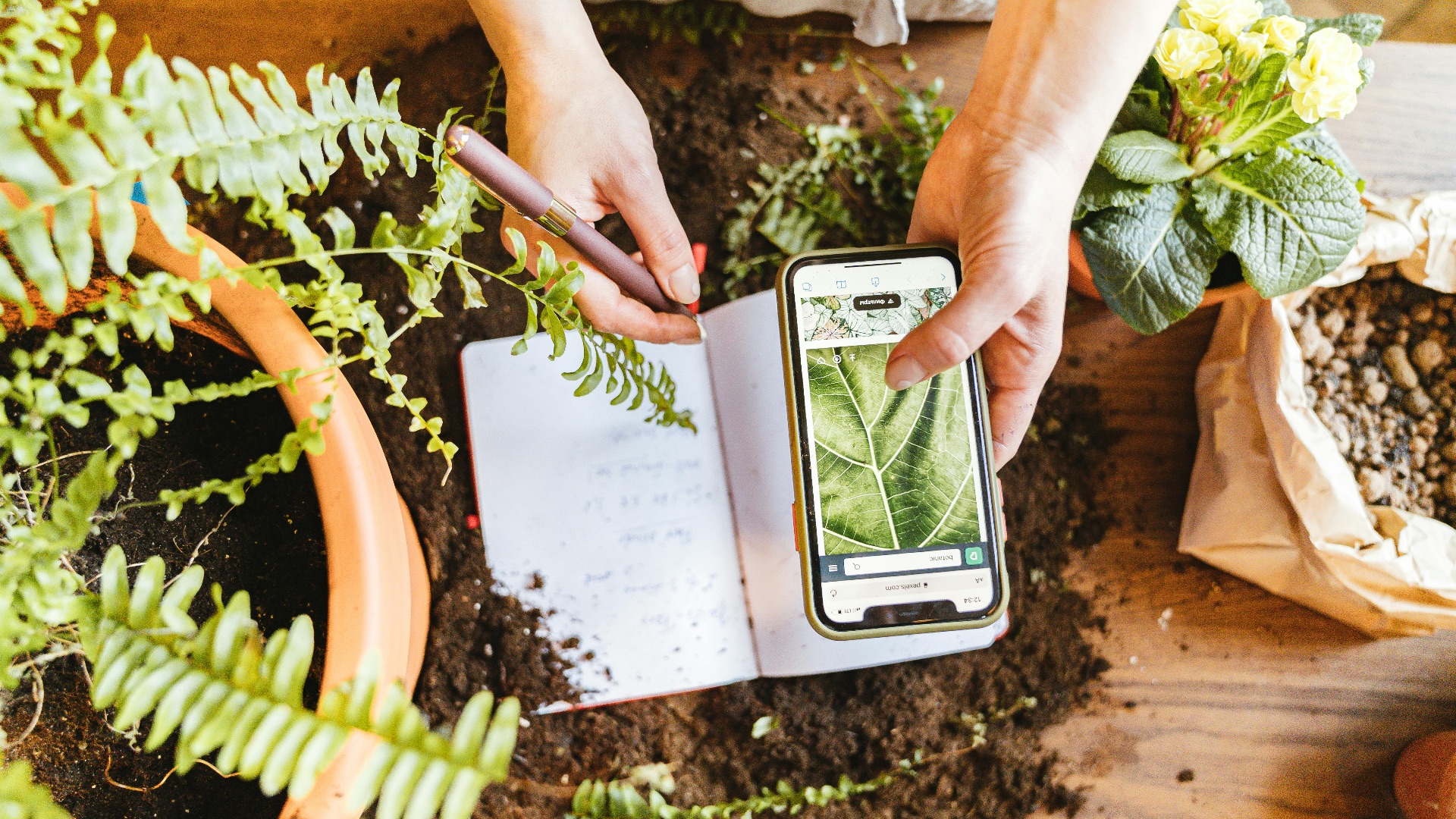
10. Track What You Do So You Can Improve Fast
More than just planning, you should also track your progress, too. Jot down watering days, what you planted, and any problems you notice, even if it’s just in your phone notes, but a gardening journal is best. This helps you see patterns quickly and what changes may have resulted in certain issues or perks. That way, you're not left guessing all season.