

10 Signs Your Thyroid May Be Slowing Down & 10 Ways To Manage It
When Your Body Seems to Be Moving More Slowly
An underactive thyroid, known as hypothyroidism, develops when the thyroid gland doesn’t make enough hormones to support the body’s normal functions. Because thyroid hormones influence energy, digestion, temperature regulation, muscles, mood, and the menstrual cycle, the symptoms can appear in several seemingly unrelated ways. Although there could be many different sources, here are 10 common signs your thyroid could be slowing down and 10 things that might help.

1. You’re Tired No Matter How Much You Sleep
Everyone has low-energy days, but ongoing exhaustion can be one sign that your thyroid is slowing down. You may wake up feeling unrested, lose steam early in the afternoon, or find that familiar tasks take more effort than before. Fatigue is common with hypothyroidism, although it can also point to many other health issues.

2. You Feel Cold More Easily
If you’re reaching for a sweater while everyone else seems comfortable, your body may not be producing heat as efficiently. Low thyroid hormone levels can make people more sensitive to cold, particularly in the hands and feet. The change becomes more notable when it appears alongside tiredness, dry skin, or constipation.

3. Your Weight Is Gradually Increasing
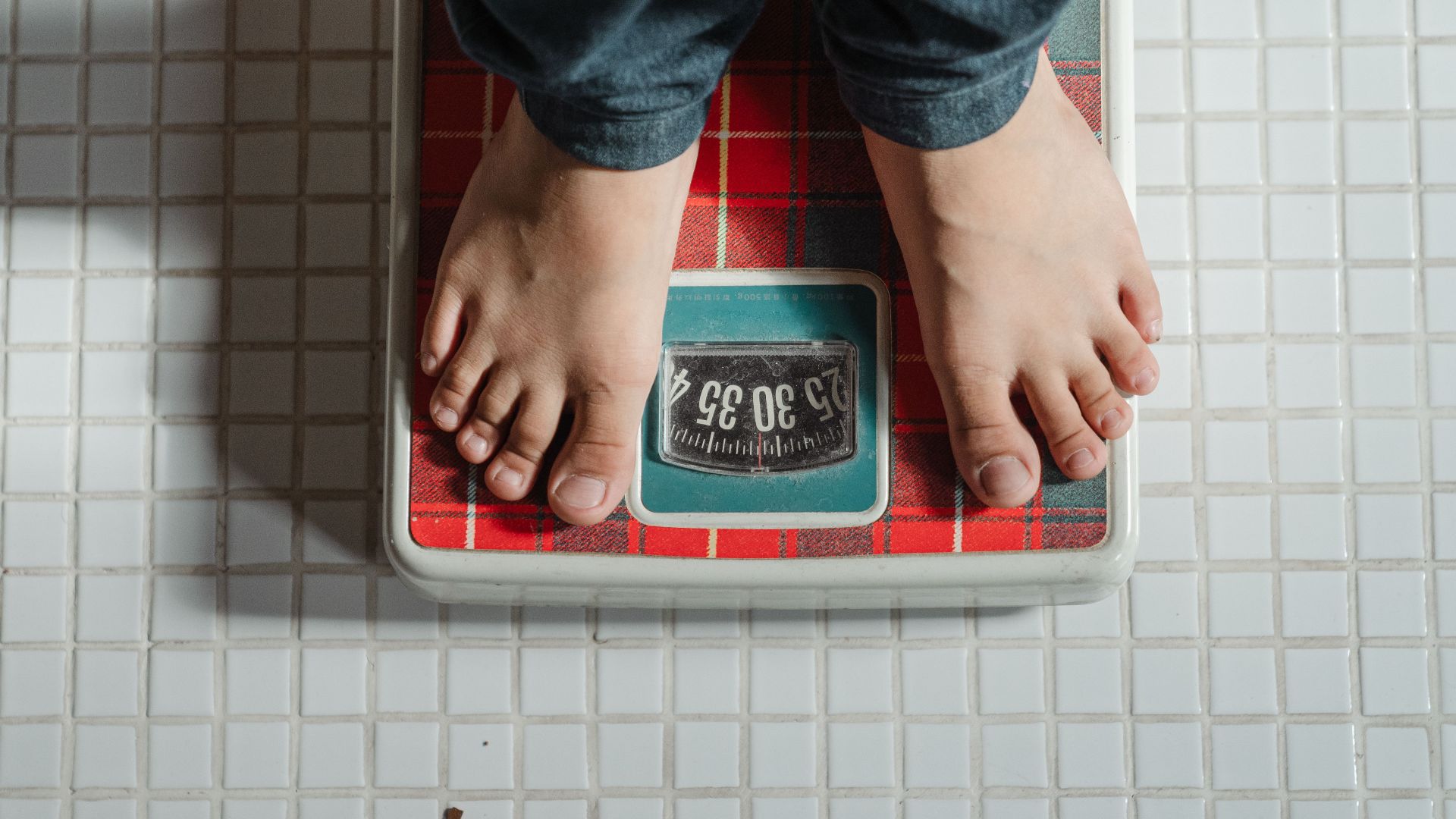
An underactive thyroid can contribute to modest weight gain by changing how the body uses energy and handles salt and water. You might notice the scale moving despite no major shift in your eating habits or activity level. Since weight changes have many possible explanations, this symptom needs to be considered as part of a larger pattern.
4. Your Digestion Has Slowed Down
Thyroid hormones help keep several body processes moving, including digestion. When levels are low, bowel movements may become less frequent, and constipation can develop. A persistent change deserves attention, especially if adding fiber, fluids, and movement hasn’t made much difference.

5. Your Skin & Hair Have Changed
Dry, rough skin can become harder to manage when the thyroid isn’t functioning normally. Hair may also feel brittle, become thinner, or shed more noticeably around the scalp and outer eyebrows. These changes can result from many conditions, so they’re not automatically cause for alarm by themselves.

6. Your Brain Feels Foggy
You may have trouble concentrating, remembering details, or following a conversation that normally wouldn’t be difficult. Some people describe feeling mentally slower or needing more time to complete ordinary tasks. When this fogginess appears with physical symptoms, it may be worth asking whether thyroid testing is appropriate.

7. Your Mood Has Shifted
Low thyroid hormone levels may be associated with low mood, reduced motivation, or symptoms resembling depression. The emotional change can develop gradually enough that you assume you’re simply stressed or burned out. Mental health concerns should always be taken seriously, whether or not the thyroid ultimately turns out to be involved.

8. Your Muscles Feel Weak or Sore
Everyday movements may begin to feel more demanding when your muscles aren’t receiving the hormonal support they need. You could experience stiffness, cramps, weakness, or soreness that seems out of proportion to your activity. Exercise can still be helpful, but unexplained or worsening symptoms should be medically assessed.

9. Your Periods Have Become Heavier or Irregular
Hypothyroidism can affect menstrual patterns, sometimes leading to heavier, longer, or less predictable periods. It may also interfere with ovulation and make becoming pregnant more difficult for some people. Because several reproductive health conditions cause similar changes, a proper evaluation is important.

10. Your Neck Appears Swollen
An enlarged thyroid gland may create visible fullness or a lump at the front of the neck. This swelling, known as a goiter, can occur for several reasons, including Hashimoto’s disease and iodine-related problems. New neck swelling, hoarseness, trouble swallowing, or breathing difficulty should be checked promptly.

Now that we've talked about the signs that your thyroid might not be functioning properly, let's talk about the things you can do to help manage it.
1. Maintain a Consistent Sleep Schedule
An underactive thyroid can leave you exhausted, but irregular sleep may make that fatigue feel even worse. Try to keep your bedtime and wake-up time reasonably consistent, including on weekends, and give yourself enough time to wind down before bed. Better sleep won’t correct low thyroid hormone levels, but it can make daily energy and concentration easier to manage.

2. Find Simple Ways to Lower Stress
Stress doesn’t usually cause hypothyroidism by itself, but it can intensify fatigue, poor sleep, muscle tension, and difficulty concentrating. Walking, breathing exercises, journaling, stretching, or setting aside a quiet half hour can help calm an overworked nervous system. Choose a routine you’ll actually repeat rather than turning stress management into another demanding project.

3. Eat Enough Protein
Protein supports muscles, fullness, and steady energy, which can be useful when weakness and fatigue are making daily life harder. Eggs, fish, poultry, yogurt, beans, tofu, and lentils can all help you build more satisfying meals. There’s no need to turn every dinner into a fitness plan, but regularly skipping protein may leave you feeling even more drained.

4. Add Fiber Gradually
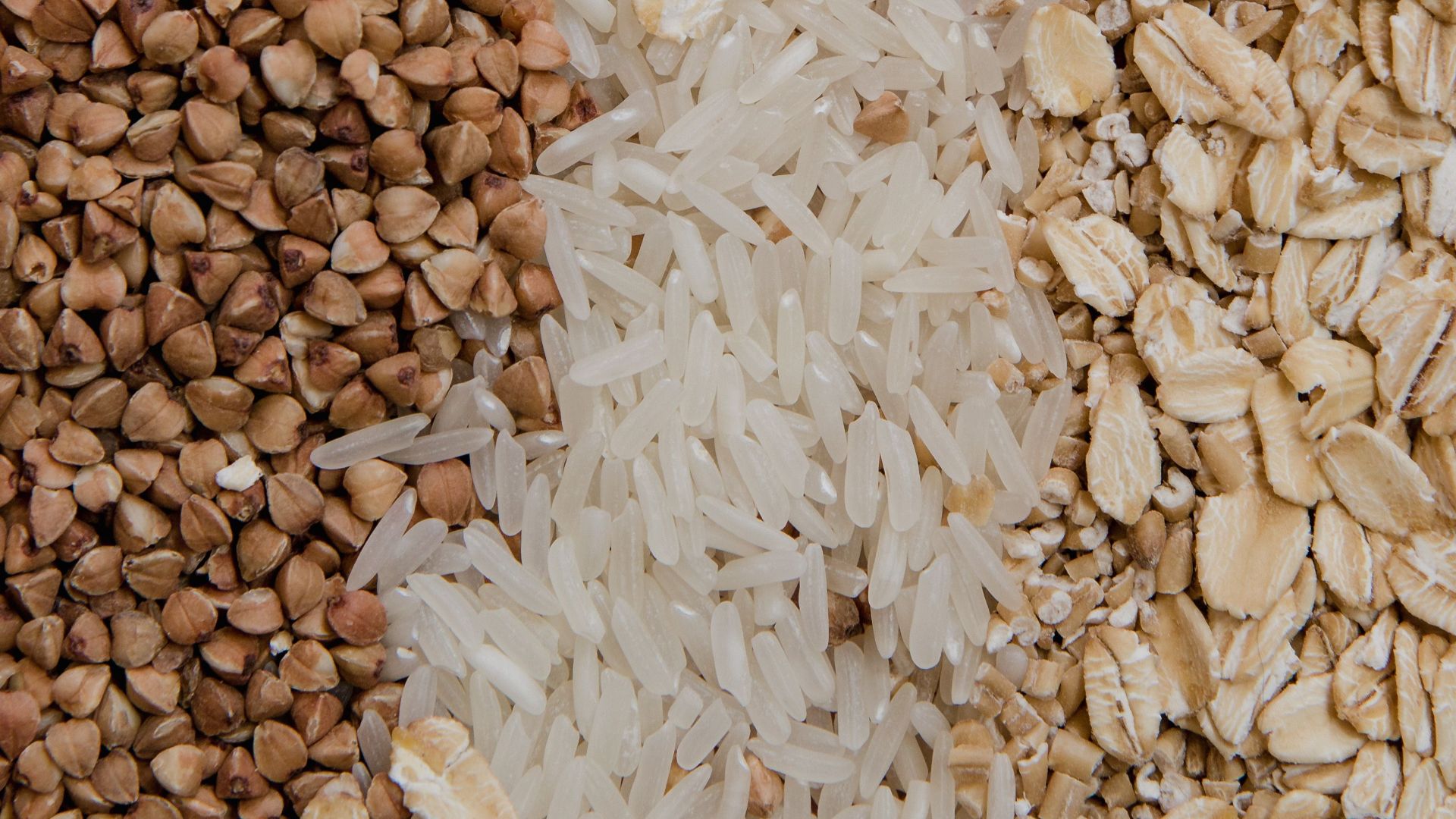
Constipation is common with an underactive thyroid, so fiber-rich foods may help keep digestion more regular. Fruit, vegetables, oats, beans, whole grains, nuts, and seeds are practical places to start. Increase fiber slowly and drink enough water, since making a sudden jump can be a lot for your digestive system.
5. Stay Properly Hydrated
Dry skin and constipation may feel worse when you aren’t drinking enough fluid. Keeping water nearby and drinking regularly throughout the day is usually easier than trying to catch up all at once in the evening. Hydration won’t stimulate the thyroid gland, but it can help with several uncomfortable symptoms associated with a sluggish system.

6. Getting Enough Iodine
The thyroid needs iodine to make hormones. Focus on getting enough through foods such as iodized salt, dairy products, eggs, and seafood. Iodine tablets, kelp drops, and seaweed supplements shouldn’t be treated as automatic thyroid boosters, since excessive amounts can make thyroid problems worse.

7. Include Selenium-Rich Foods
Selenium is involved in thyroid hormone production and normal thyroid function, but the body only needs it in small amounts. Foods such as seafood, eggs, poultry, whole grains, and Brazil nuts can provide plenty. More isn’t always better, so avoid high-dose products unless a qualified professional has identified a reason to use them.

8. Build Exercise Back Slowly
Fatigue and muscle aches can make an intense workout feel unappealing, and forcing yourself through one may leave you sore for days. Start with walking, gentle cycling, stretching, or a short strength session, then gradually increase the duration as your energy improves. Consistent movement can support mood, strength, sleep, and weight management even though it can’t replace missing thyroid hormone.

9. Get the Correct Blood Tests
Symptoms alone can’t confirm that your thyroid is underactive. A healthcare provider will commonly check thyroid-stimulating hormone, or TSH, and free T4, while additional tests may help identify the underlying cause. Establishing the diagnosis prevents you from blaming the thyroid for a problem that may require entirely different treatment.

10. Time Medication & Supplements Carefully
For anyone prescribed thyroid hormone, a consistent routine is one of the most useful things that can be managed at home. Calcium, iron, antacids, soy, and certain high-fiber products may affect how well levothyroxine is absorbed when taken too close together. Follow the timing instructions provided with the medication and avoid swallowing every vitamin, supplement, and prescription in one convenient handful.