10 Foods Olympians Avoid Before Big Events & 10 They Go To
What Top Athletes Skip & What They Reach For When It Counts
Before a big event, Olympians are usually not chasing “healthy” in the vague sense. They're choosing foods that are familiar, easy to digest, timed well, and unlikely to cause stomach drama at exactly the wrong moment. Pre-competition guidance from sports dietitians consistently leans toward carbohydrate-rich meals and snacks, good hydration, and avoiding foods that are greasy, very high in fiber, spicy, or simply untested for that athlete. Here are the foods the world's top athletes avoid before big events and 10 they fuel up on.
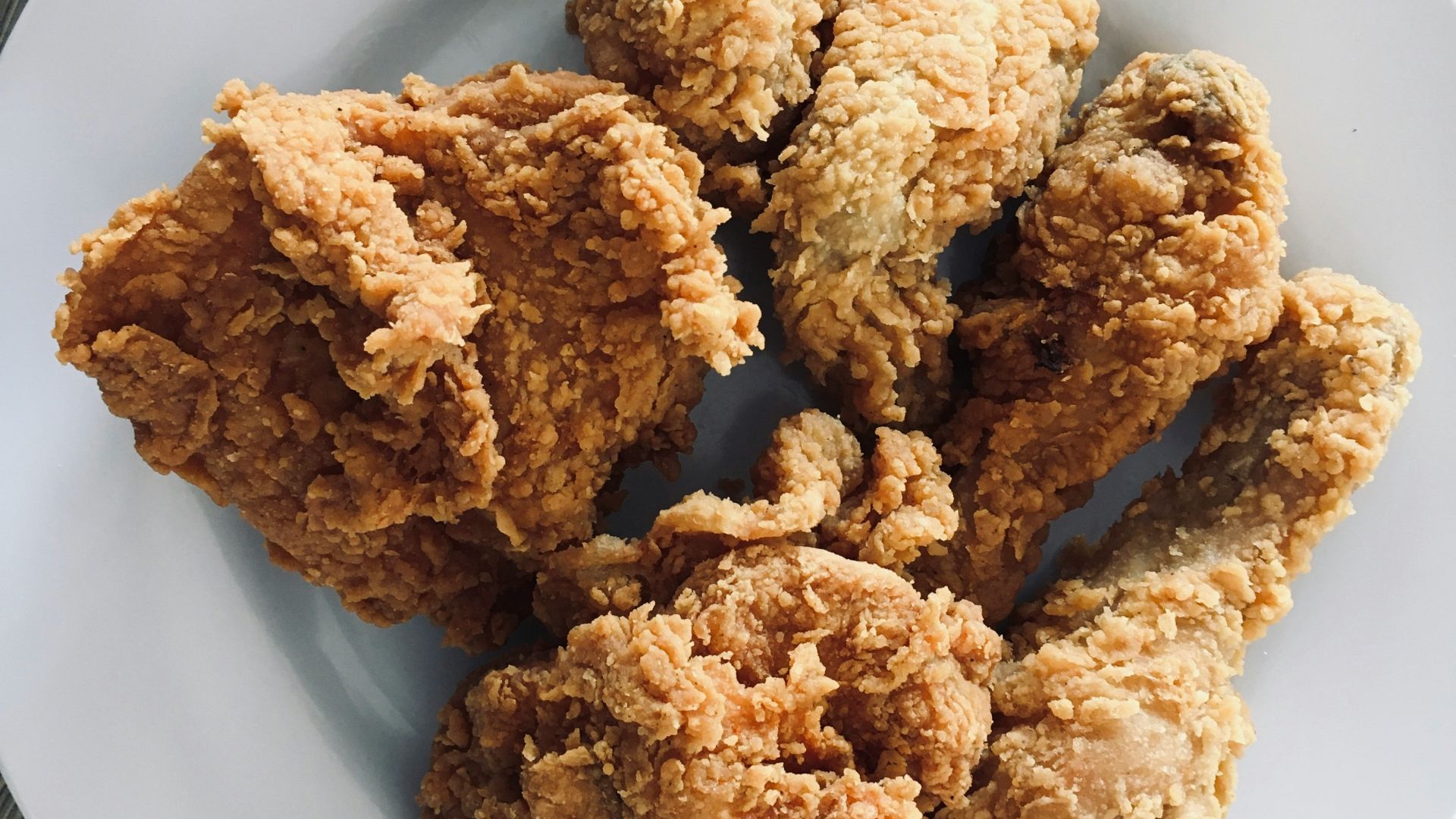
1. Heavy Fried Foods
Fried foods are usually a very bad idea before competition because they're high in fat and can sit in the stomach longer than you want before needing to perform at the highest level. That's not great when you're trying to feel light, sharp, and ready to move. Sports nutrition guidance regularly warns that high-fat foods too close to exercise can increase the risk of gastrointestinal discomfort.
2. Extra-Spicy Meals
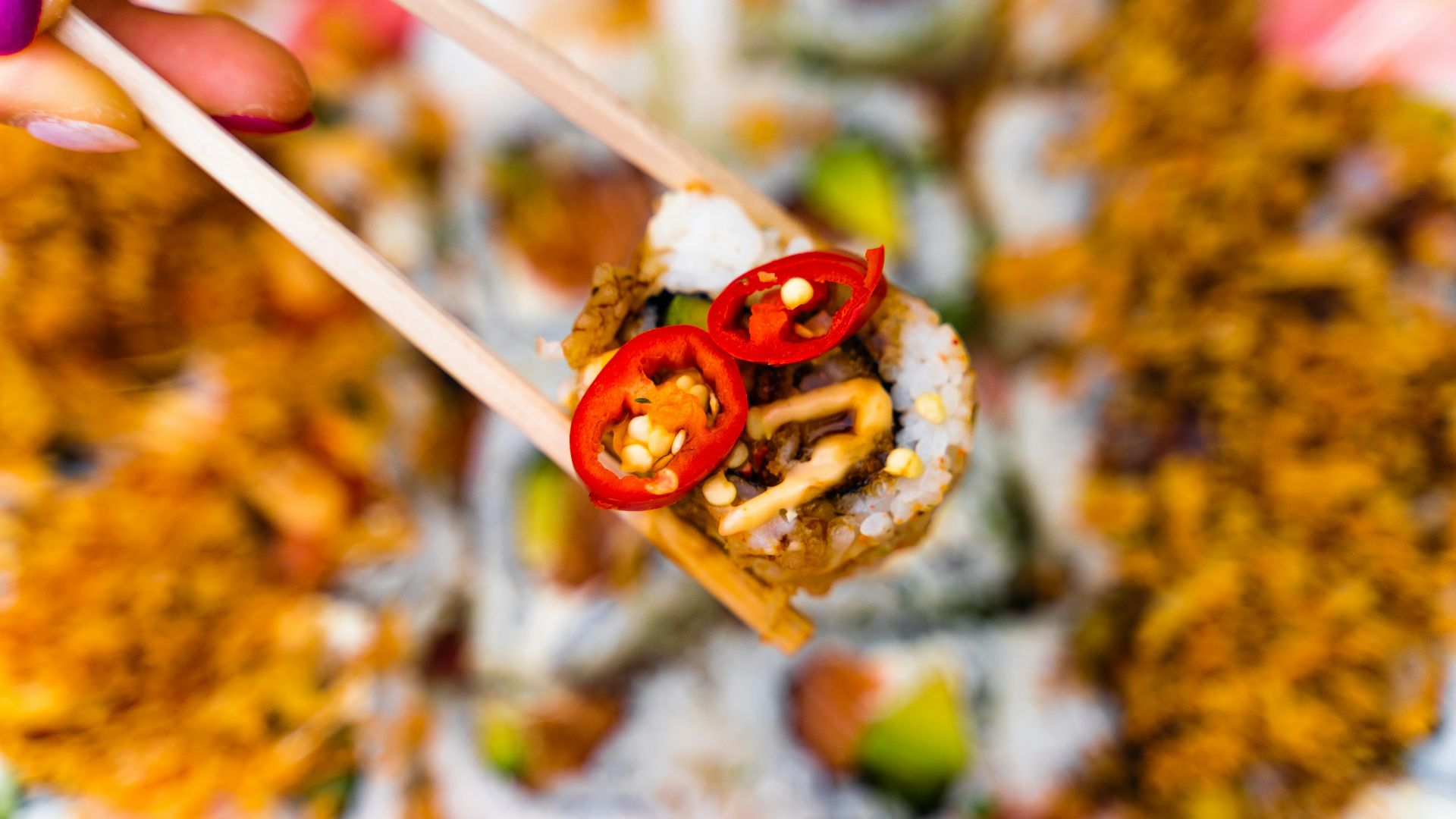
A very spicy meal might be fun, but before a major event, it can be a terrible gamble. Foods that irritate the stomach are commonly flagged as poor pre-race choices because they can trigger reflux, cramping, or bathroom urgency. Elite athletes tend to prefer predictability, and hot sauce isn't always a reliable team player.
3. Very High-Fiber Cereal
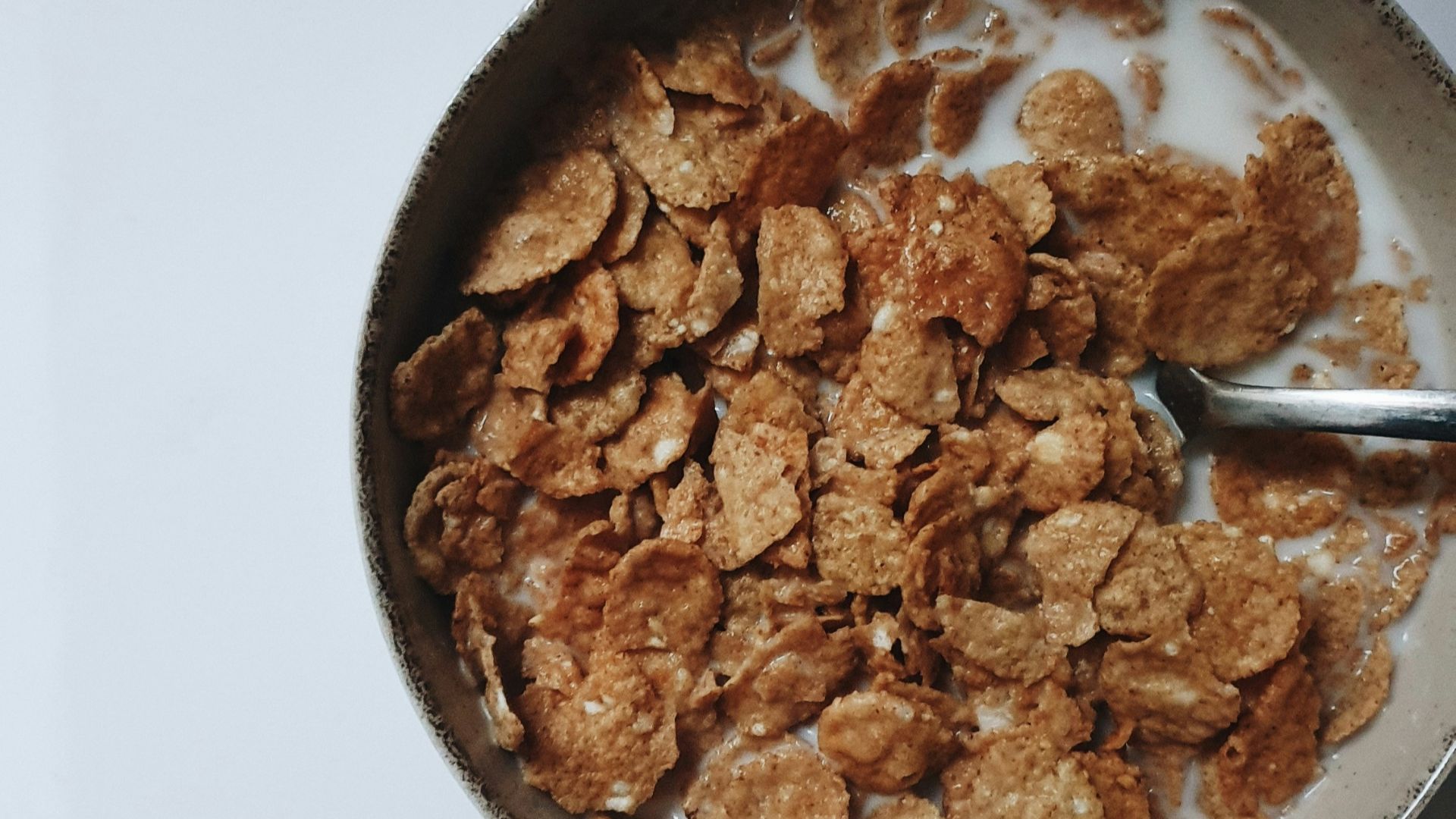
Fiber is useful in normal life, but right before an event, it can become a little too helpful. Close to competition, many athletes reduce very high-fiber foods because they digest more slowly and may lead to bloating or digestive discomfort.
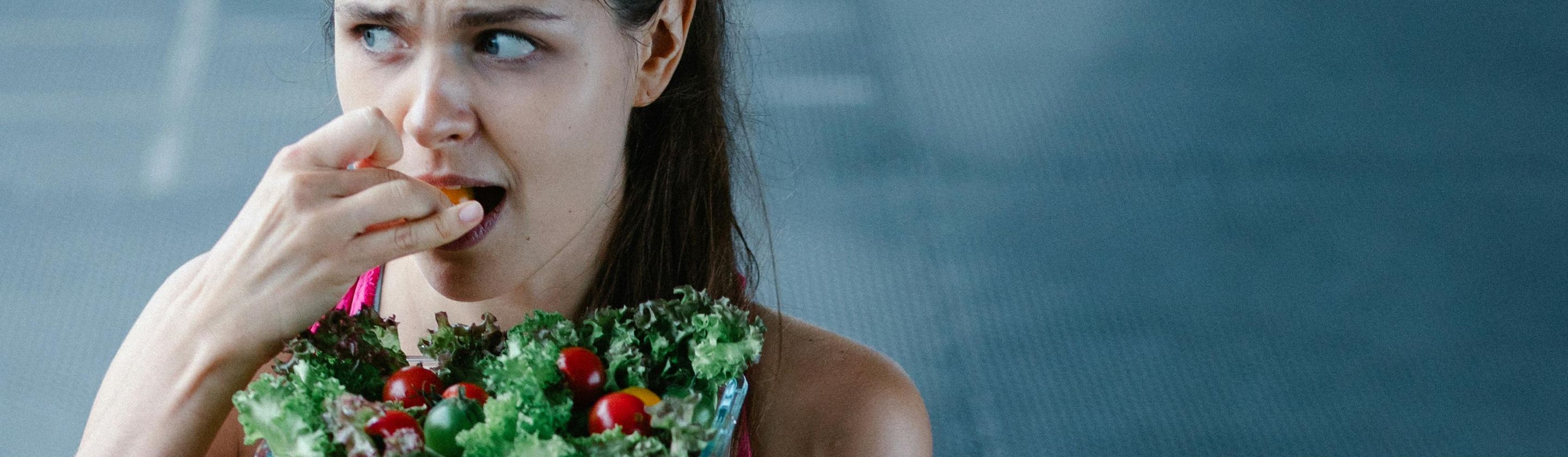
4. Giant Salads
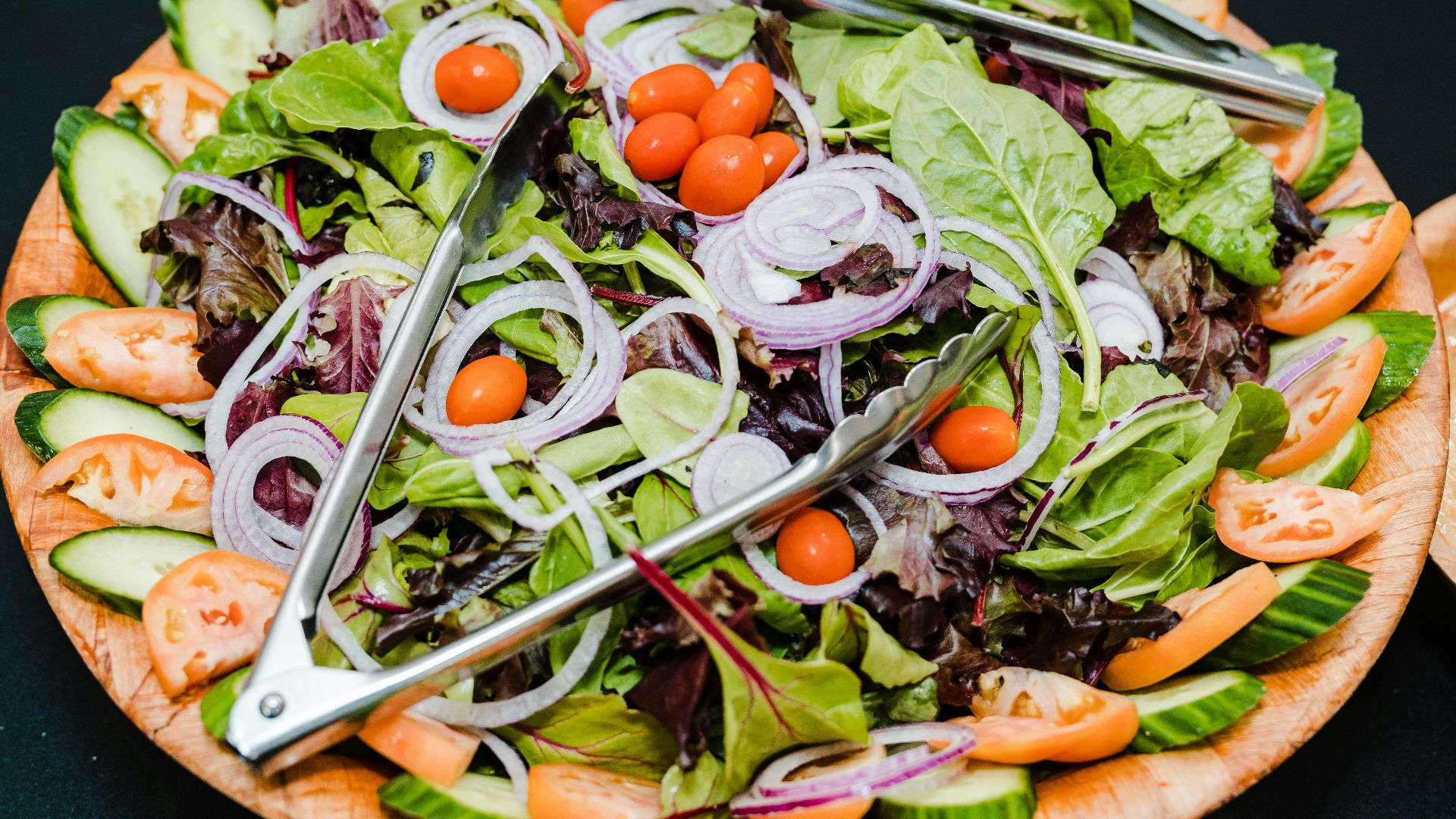
Salads sound virtuous, but a huge raw-vegetable bowl right before a race or match isn't always the move. It can be bulky, fibrous, and not especially efficient when the goal is quick, usable fuel. Before competition, athletes usually want foods that are simpler on the stomach and more directly useful for energy.
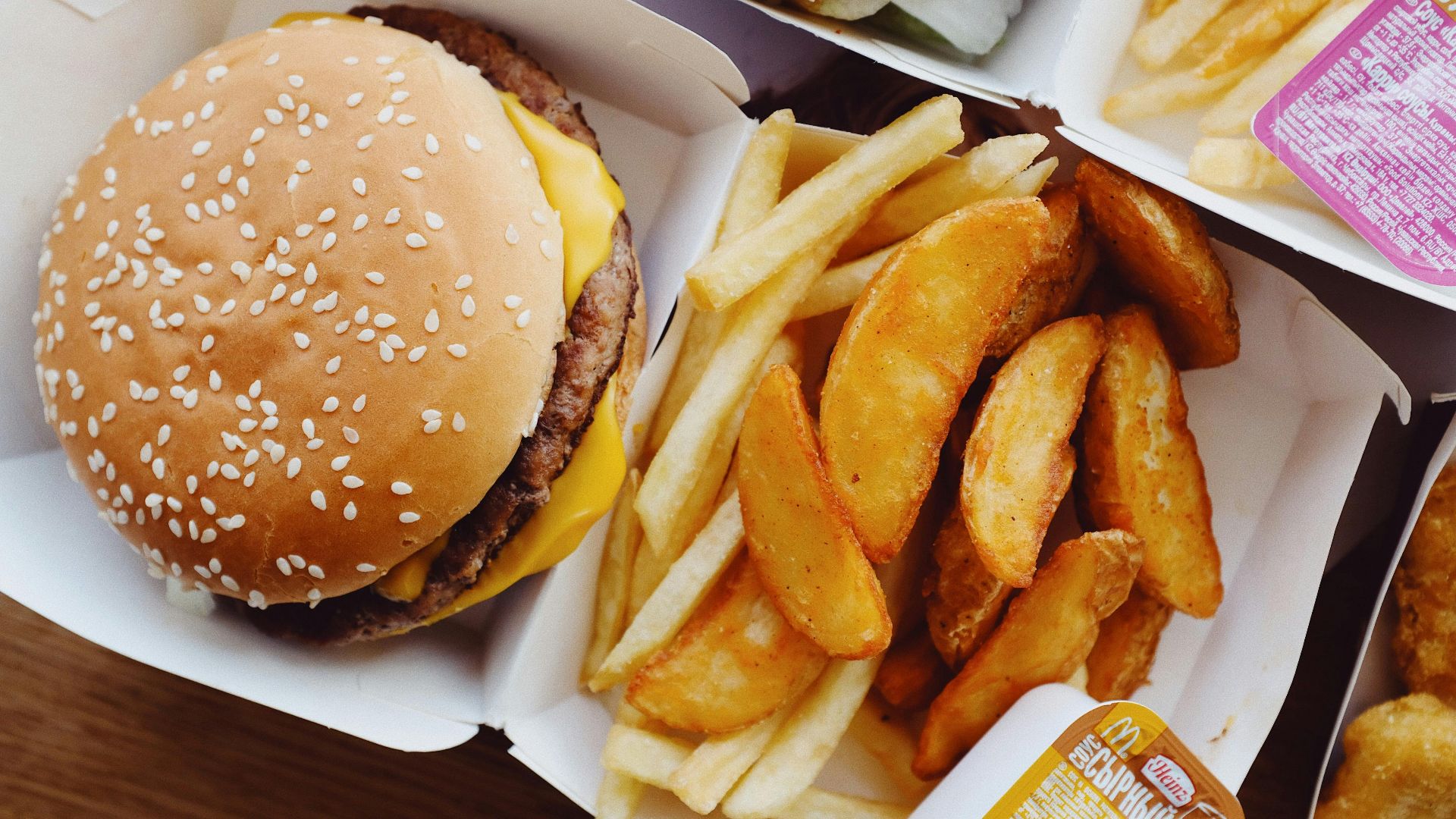
5. Fast Food Burgers
A burger and fries can feel satisfying, but it's not usually what athletes want before high-level performance. Heavy fat loads can slow digestion and leave you feeling sluggish at the exact point you need to feel sharp. Sports dietitians generally lean toward lighter, more digestible meals before competition rather than indulgent convenience food.
6. Beans
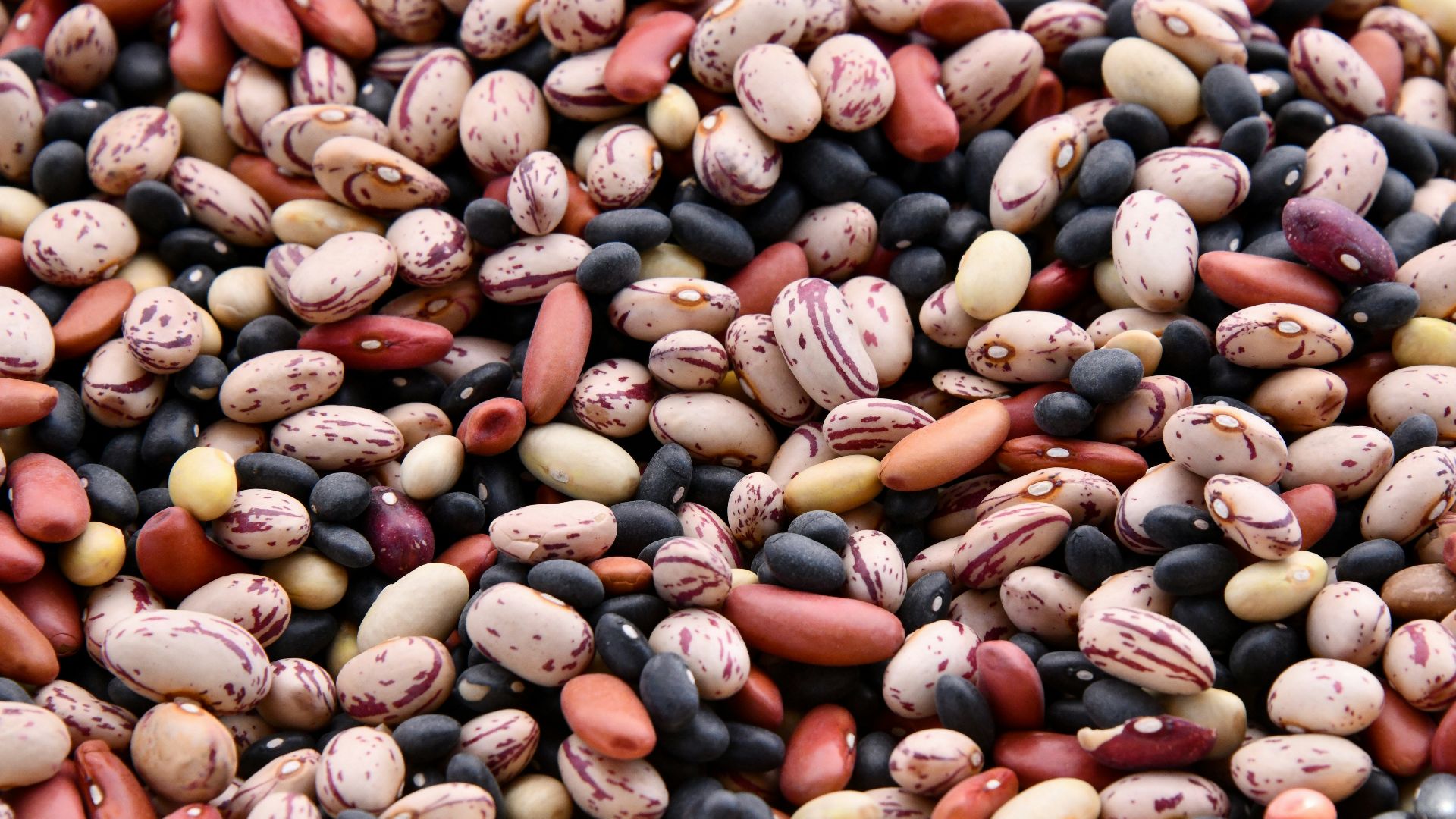
Beans are nutritious, but they're not famous for their quiet manners. Foods that are high in fiber and more likely to cause gas are often pushed away from the pre-event window because nobody wants digestive rebellion in the middle of competition. They may be excellent at another meal, just not always this one.
7. Cheese-Heavy Dishes
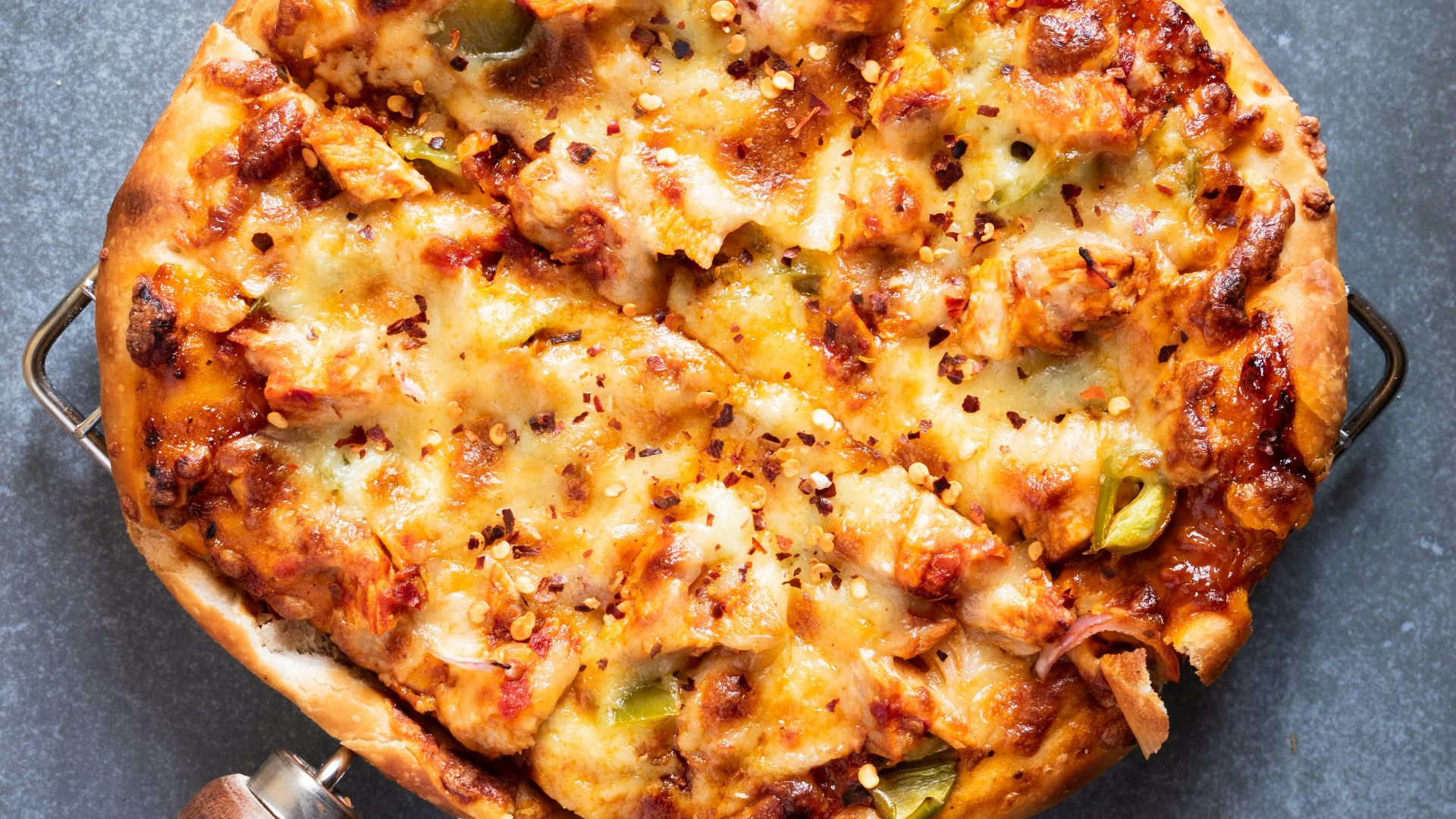
A massive plate of rich, cheese-heavy food can be comforting, but it's not especially tactical before a big event. Fat-rich meals tend to digest slowly, which can make athletes feel heavy or uncomfortable. Cheese is delicious, but that's not necessarily the goal of pre-game meals.
8. Unfamiliar “Health” Foods
One of the most repeated pieces of competition-day advice is to stick with foods your body already knows. The day of a major event is not the time to experiment with some powder, bar, or trendy seed situation you bought in an airport, even if it's healthy and other athletes swear by it.
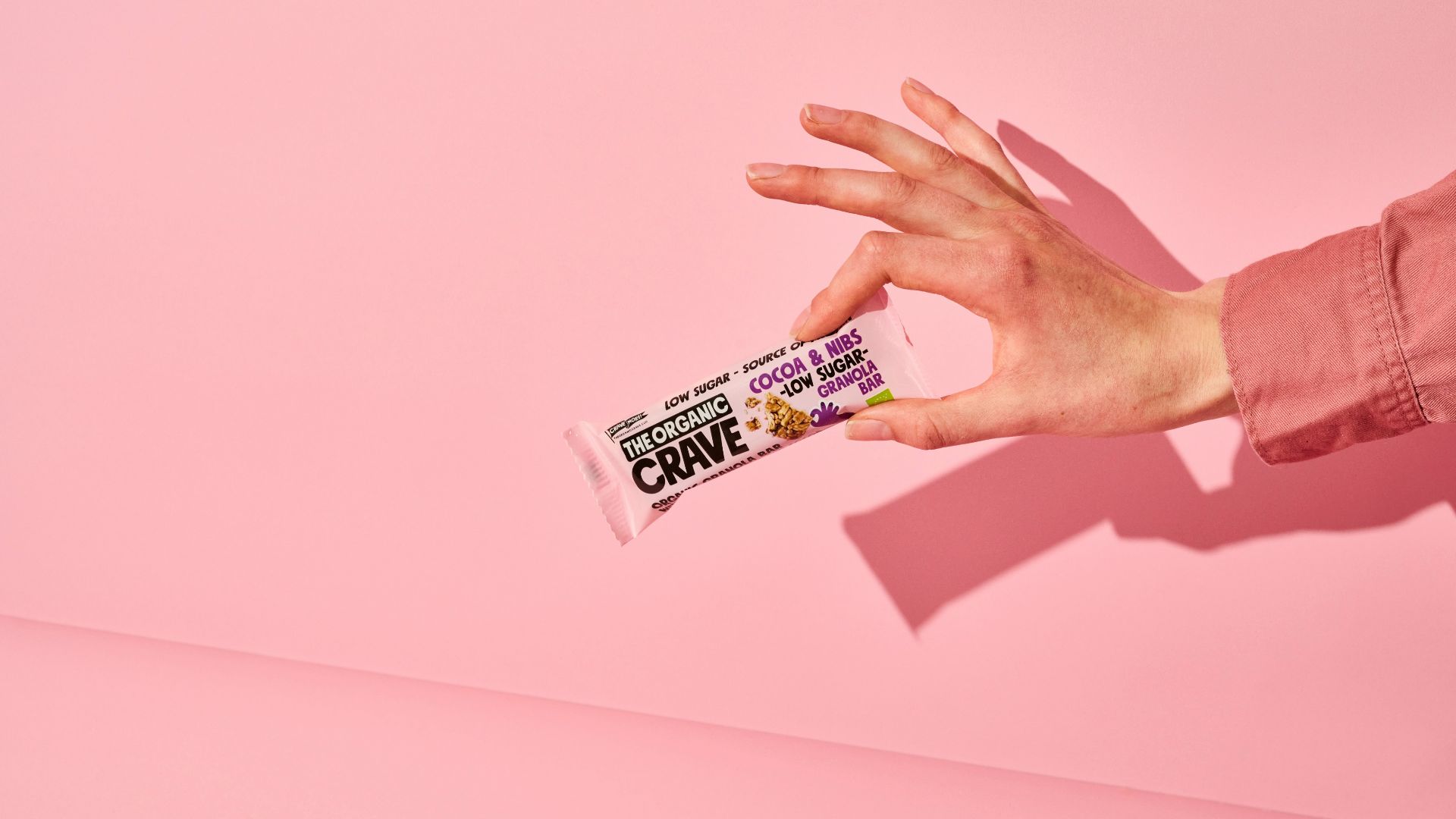 THE ORGANIC CRAVE Ⓡ on Unsplash
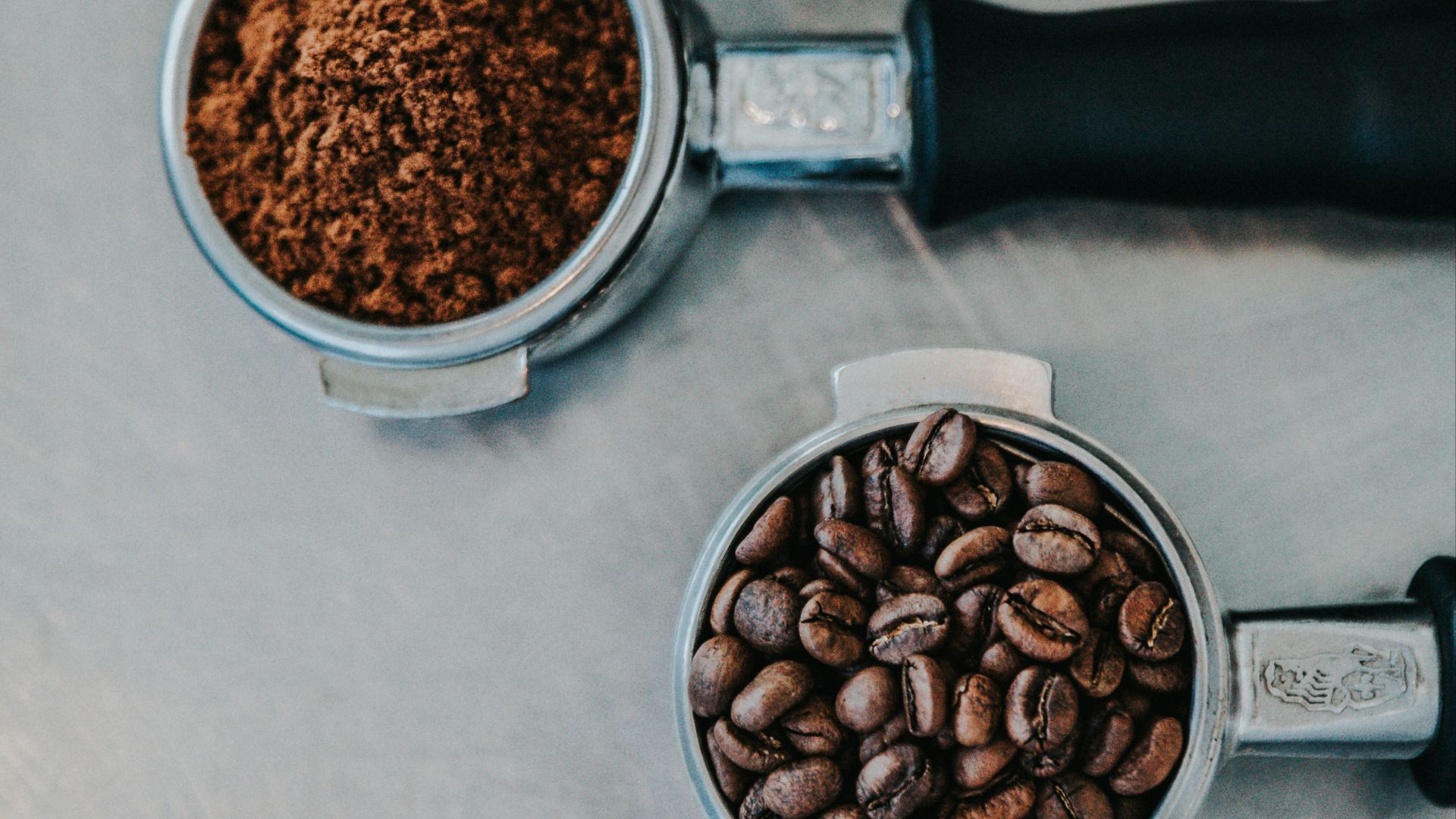
9. A Lot of Caffeine
A little caffeine can be useful for some athletes, but too much can backfire quickly. It may increase jitters, stomach upset, or that very specific feeling of regret when nerves are already high. Pre-event nutrition advice often warns against overdoing it, especially if the athlete is sensitive.
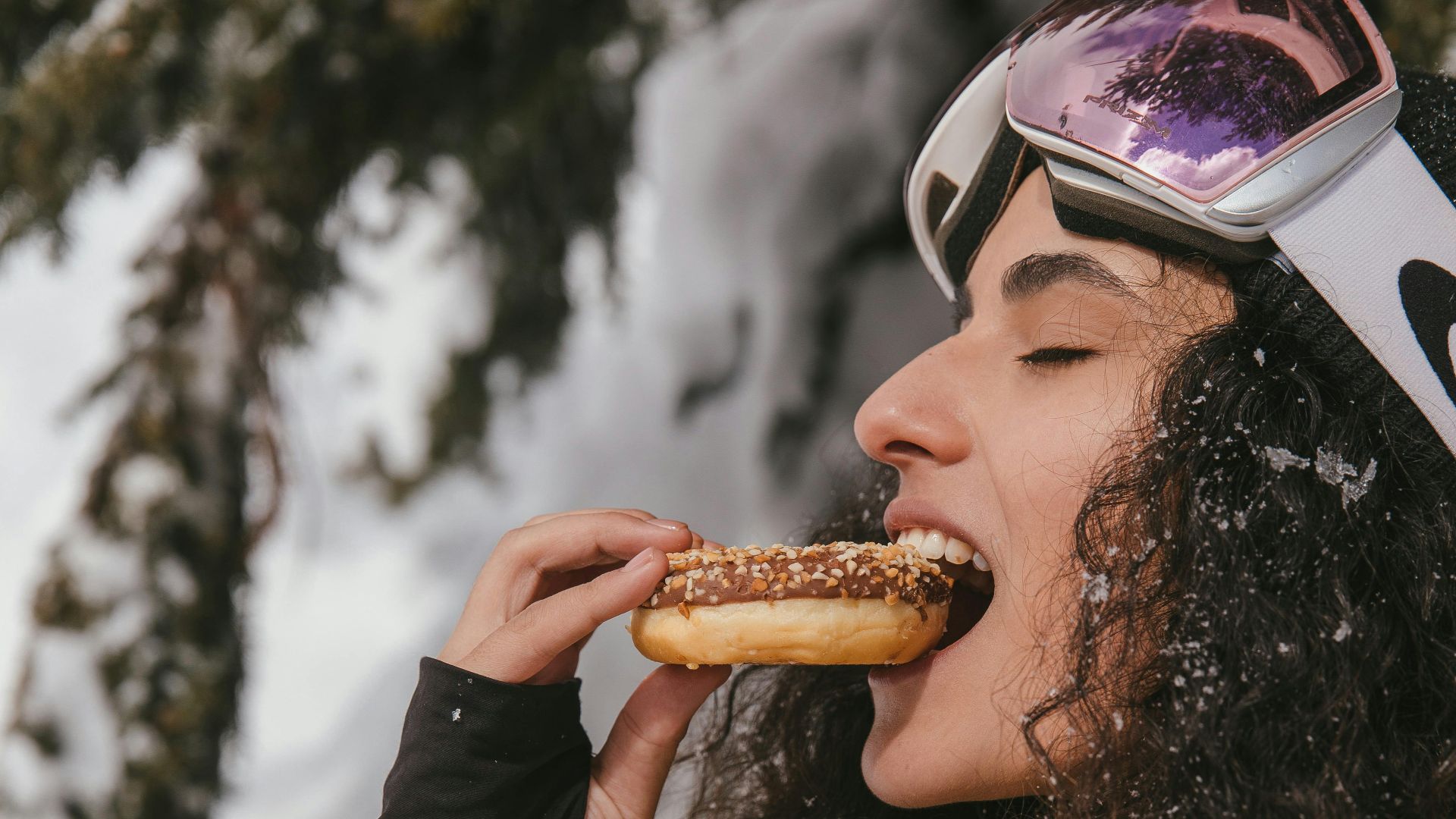
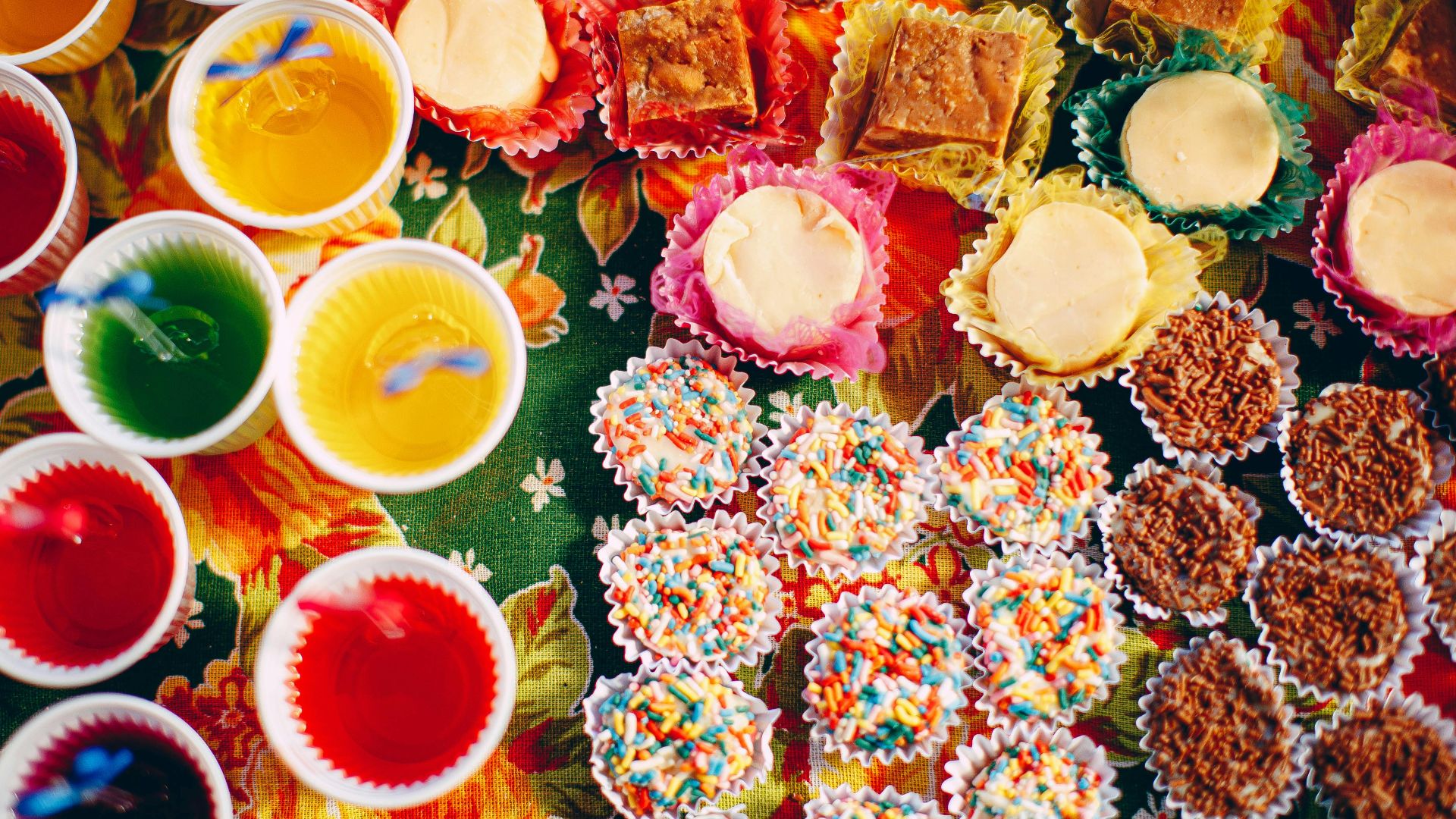
10. Sugary Junk
Quick carbs can absolutely have a place before exercise, but there's a difference between planned fuel and random sugar chaos. Dumping in a lot of candy or ultra-sweet snacks without regard to timing can leave some athletes feeling off rather than energized. The smarter move is usually a more controlled source of easy carbohydrates.
Now that we've covered the 10 foods Olympians avoid before big events, let's talk about the ones they swear by.
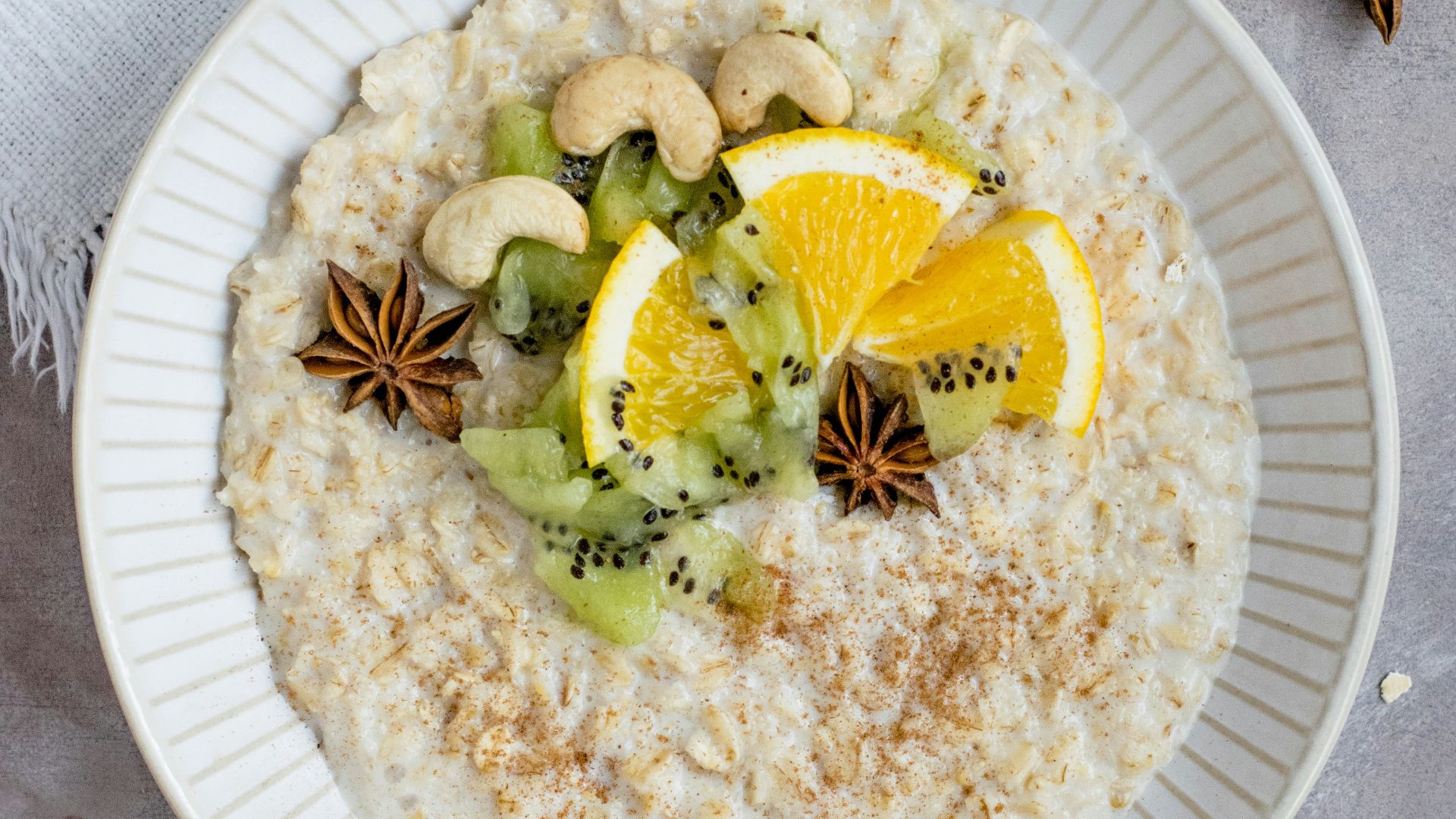
1. Oatmeal
Oatmeal shows up constantly in athlete meal plans because it's practical, customizable, and carbohydrate-rich. It's especially useful a few hours before competition, when slower-digesting carbs can still fit comfortably into the timeline.
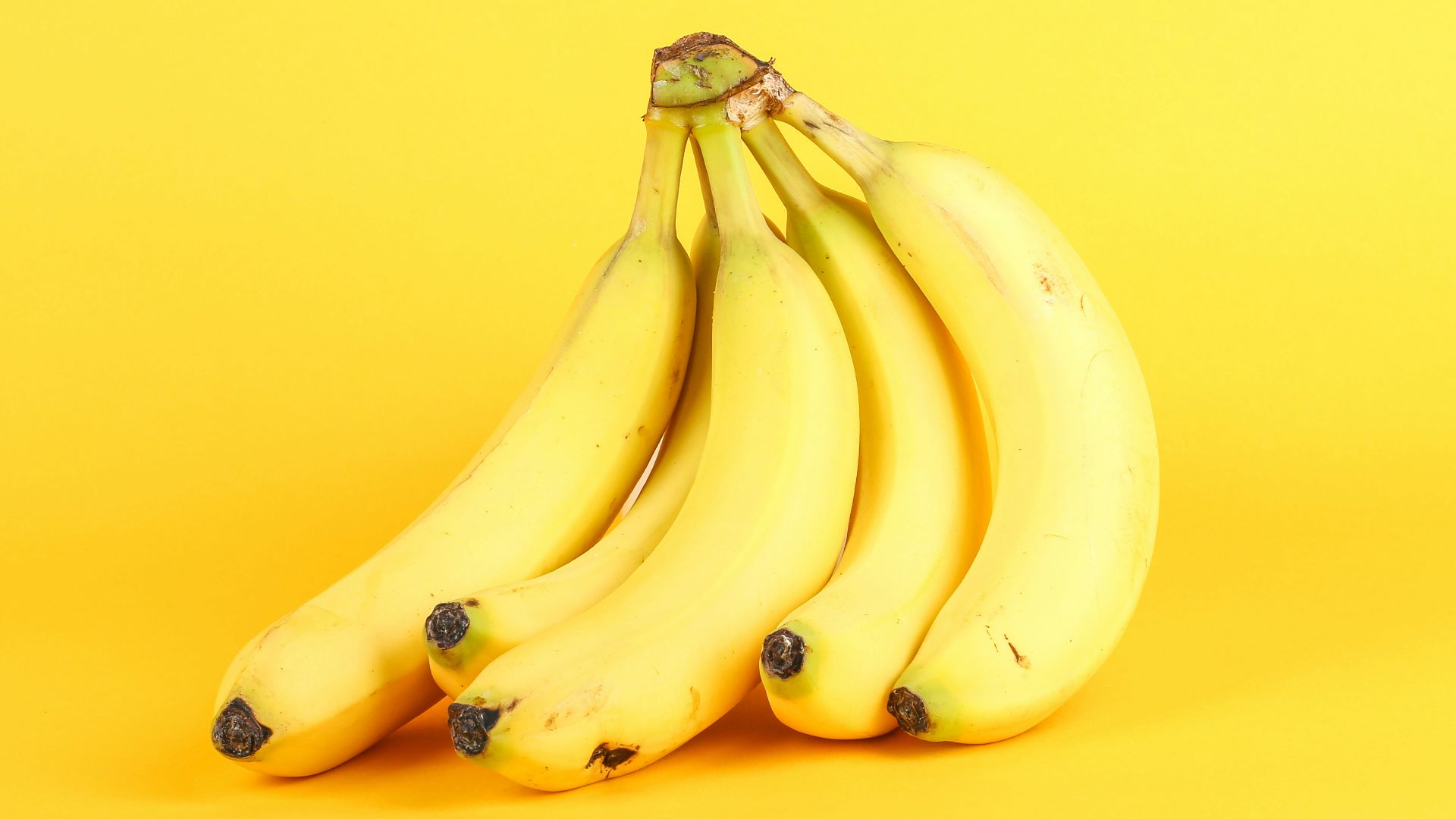
2. Bananas
Bananas are almost offensively perfect for pre-event fuel. They're portable, easy to digest, and rich in carbohydrates and minerals, which is exactly why sports dietitians keep recommending them. They're such an athletic cliché for good reason.
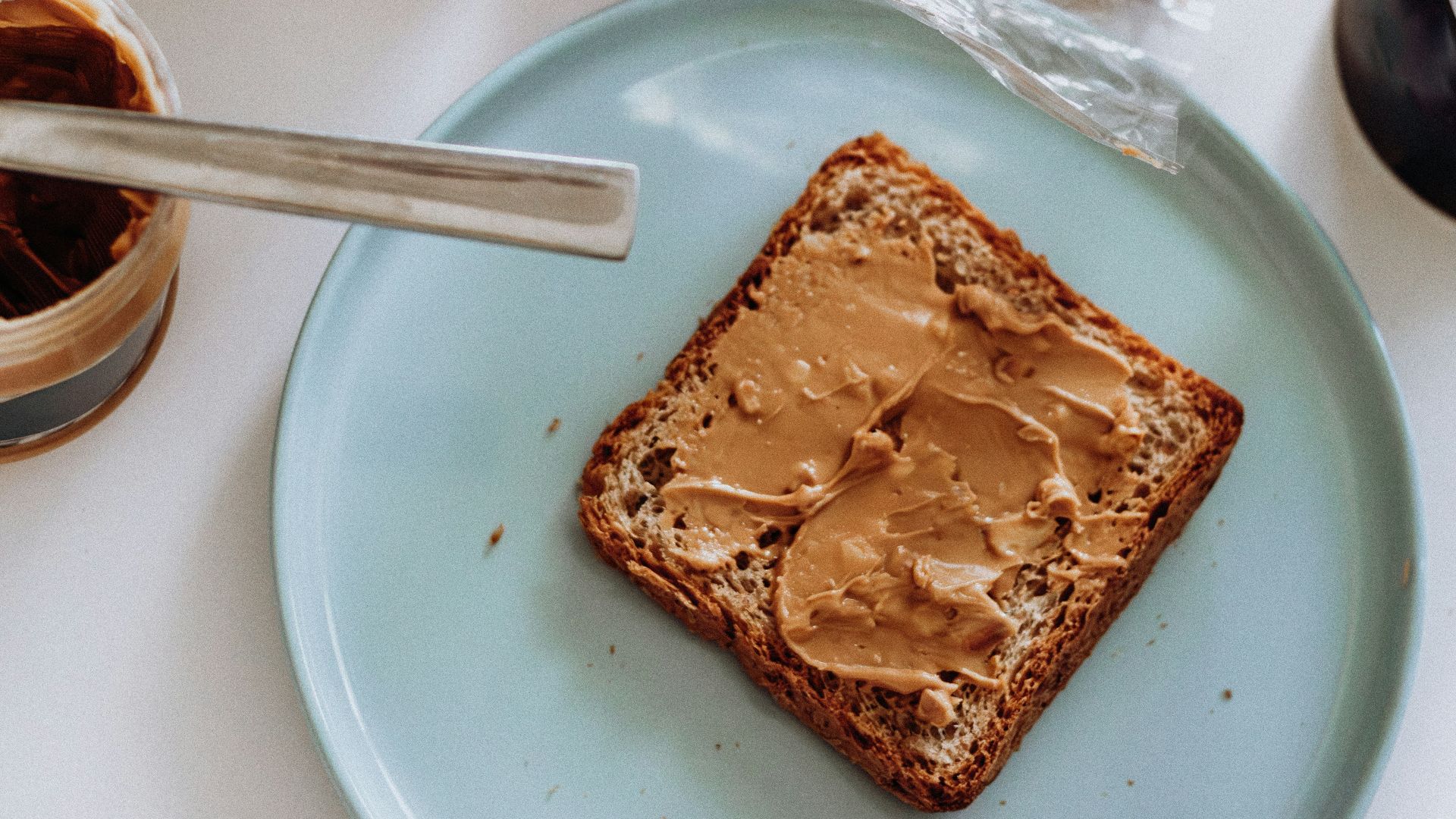
3. Toast With Peanut Butter
Toast gives athletes easy carbs, and a modest amount of peanut butter can add staying power if there's enough time before the event. This kind of combination is often suggested when the meal isn't right on top of the competition start. The main theme is still simplicity, which toast has never had much trouble with.
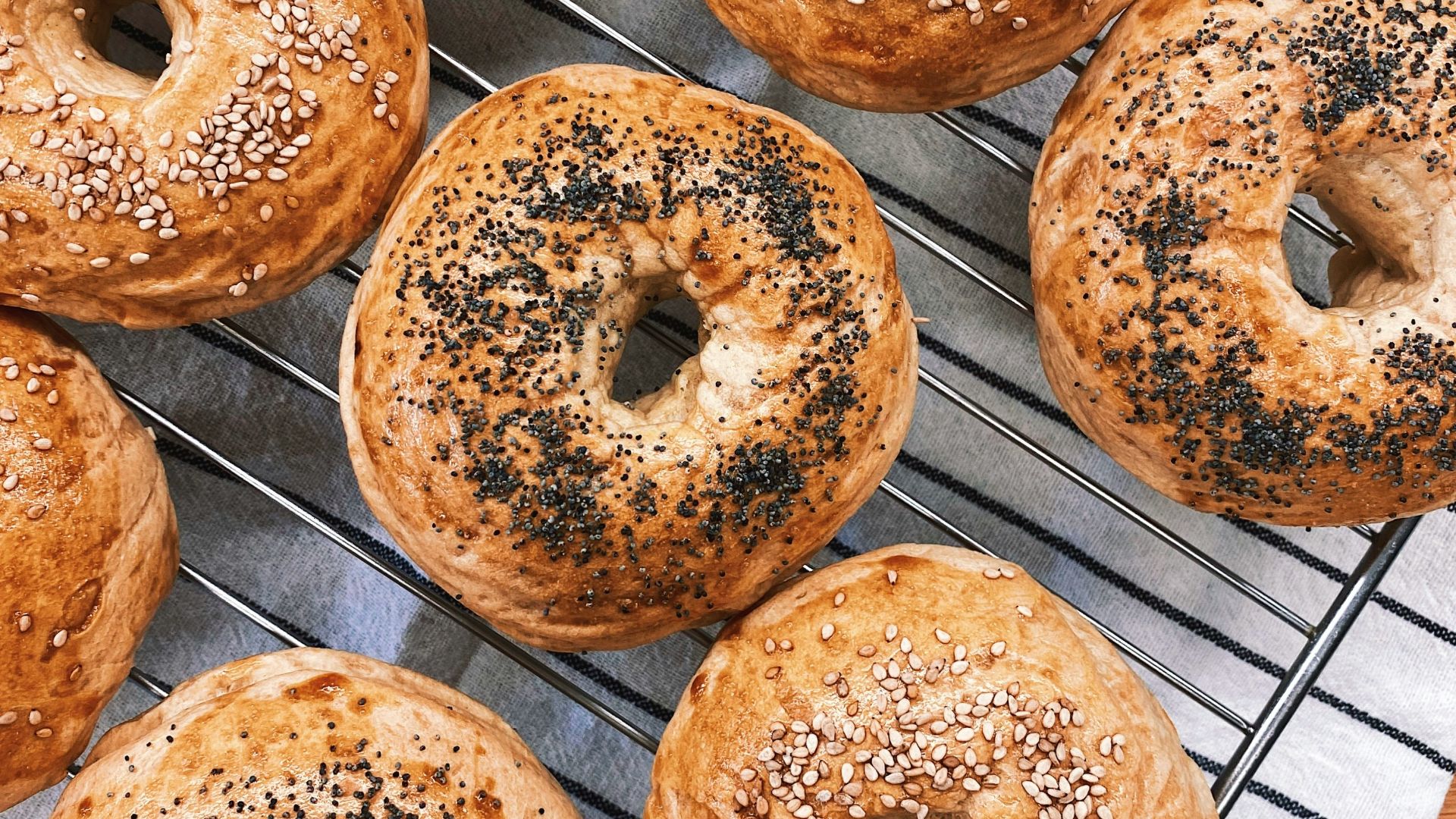
4. Bagels
Bagels are common pre-competition food because they're dense in carbohydrates without being too complicated. If an athlete needs fuel that feels substantial but still familiar, a plain or lightly topped bagel often fits the job. There's a reason sports venues keep seeing them appear at breakfast.
 Alejandra Cifre González on Unsplash
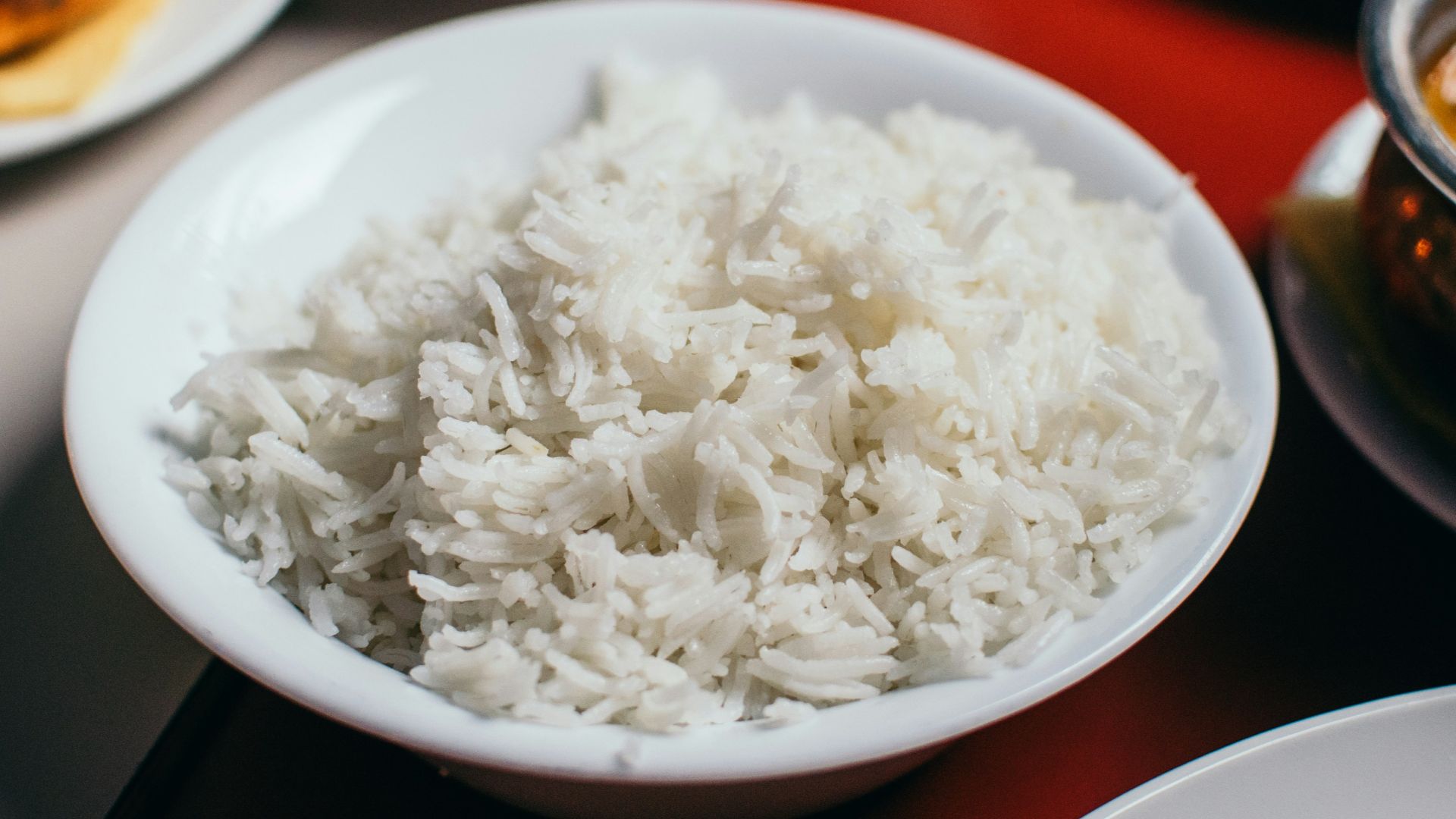
5. Rice
Rice is one of the great elite-athlete foods because it's bland in a very useful way. It provides carbohydrates, is easy to portion, and usually doesn't start arguments with the stomach. When the goal is performance, not culinary excitement, rice suddenly looks very impressive.
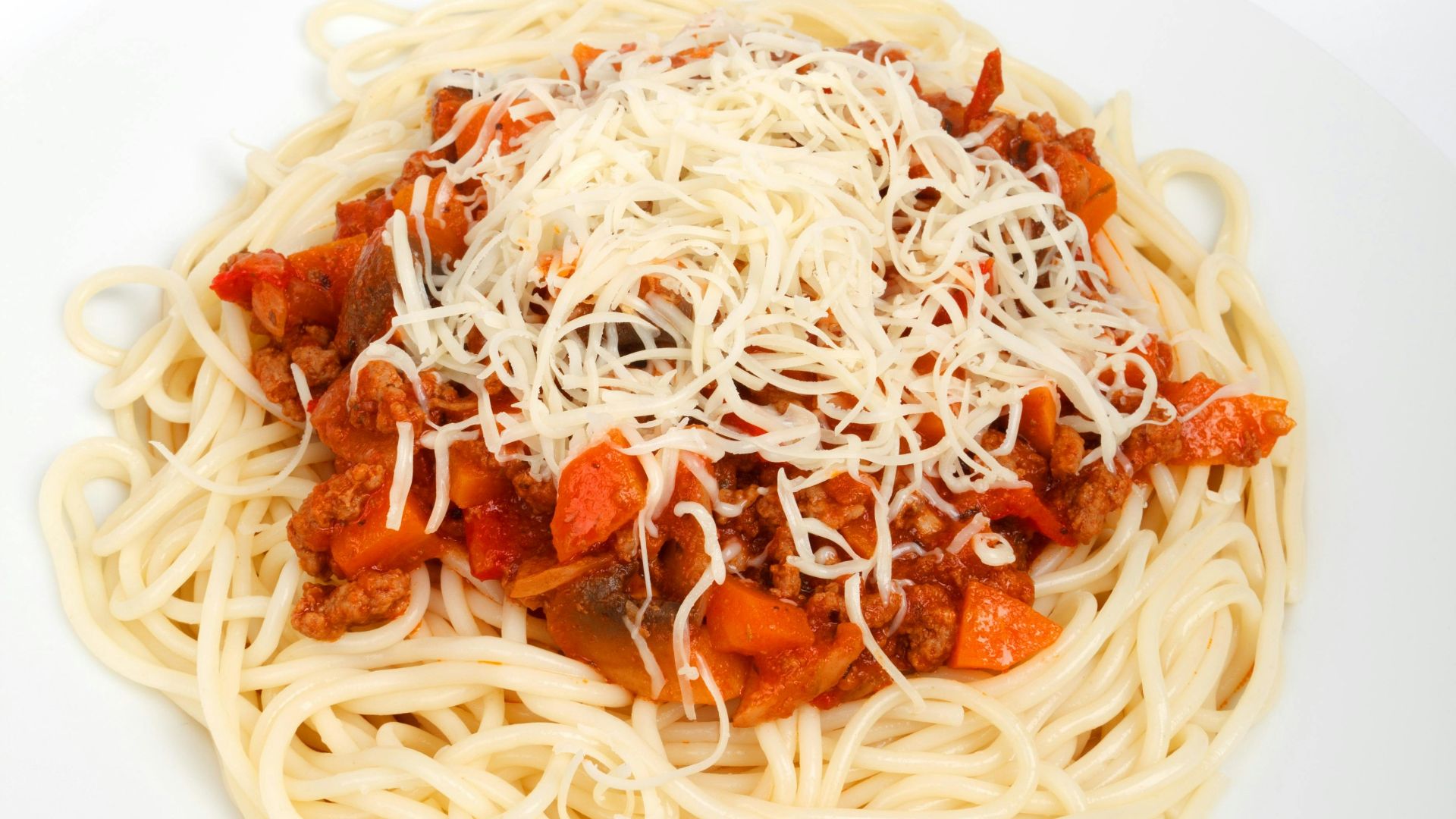
6. Pasta
Pasta remains a classic pre-event meal for a reason. It's a reliable carbohydrate source and works especially well when eaten several hours before a long or intense effort. This is one of those sports-nutrition clichés that survived because it genuinely makes sense.
 Public Domain Pictures on Pexels
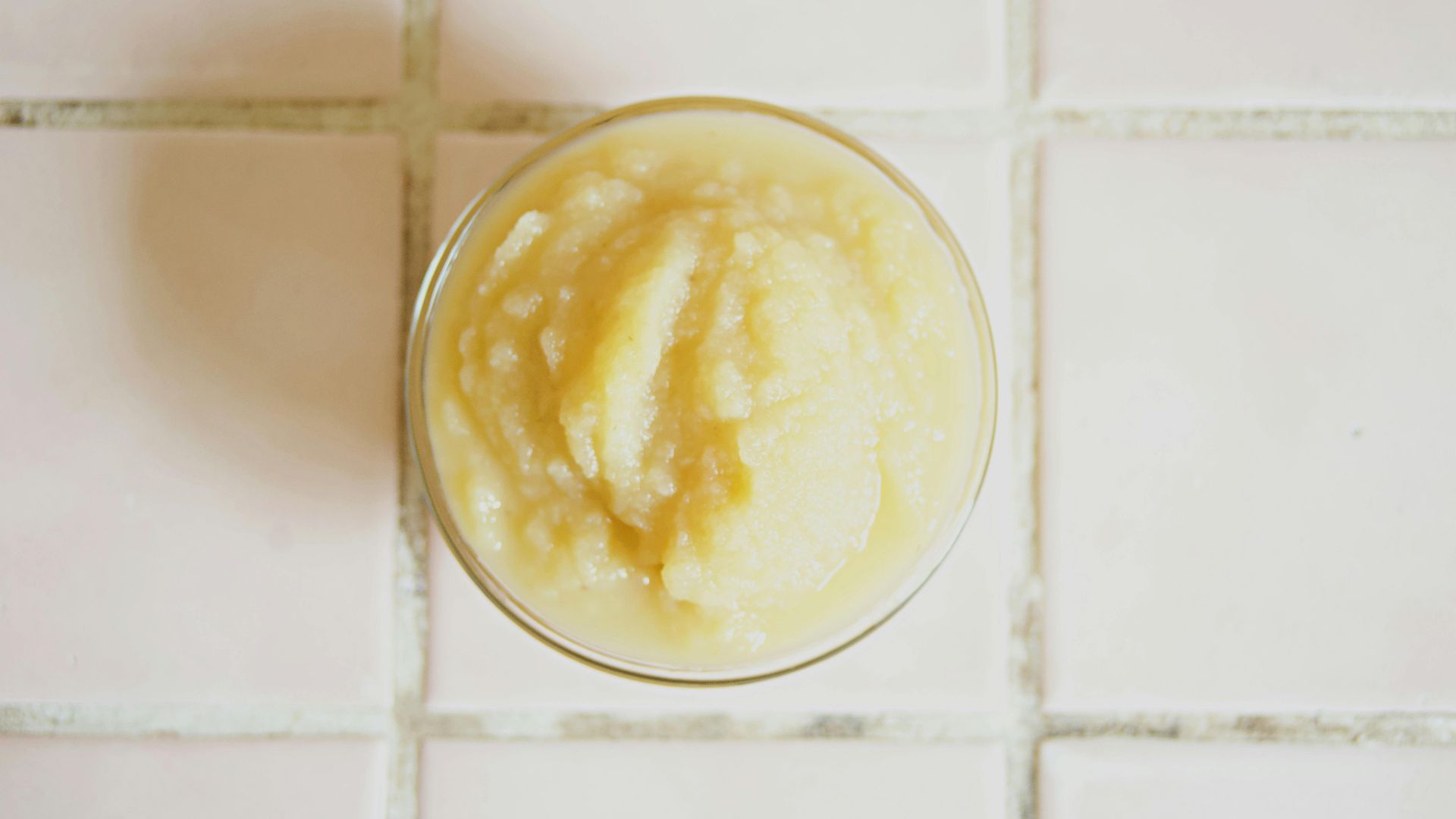
7. Applesauce
Applesauce is the kind of food people forget about until a sports dietitian reminds them it exists. It's easy to digest, easy to carry, and provides quick carbohydrates without much heaviness. For a snack close to start time, that simplicity becomes very appealing.
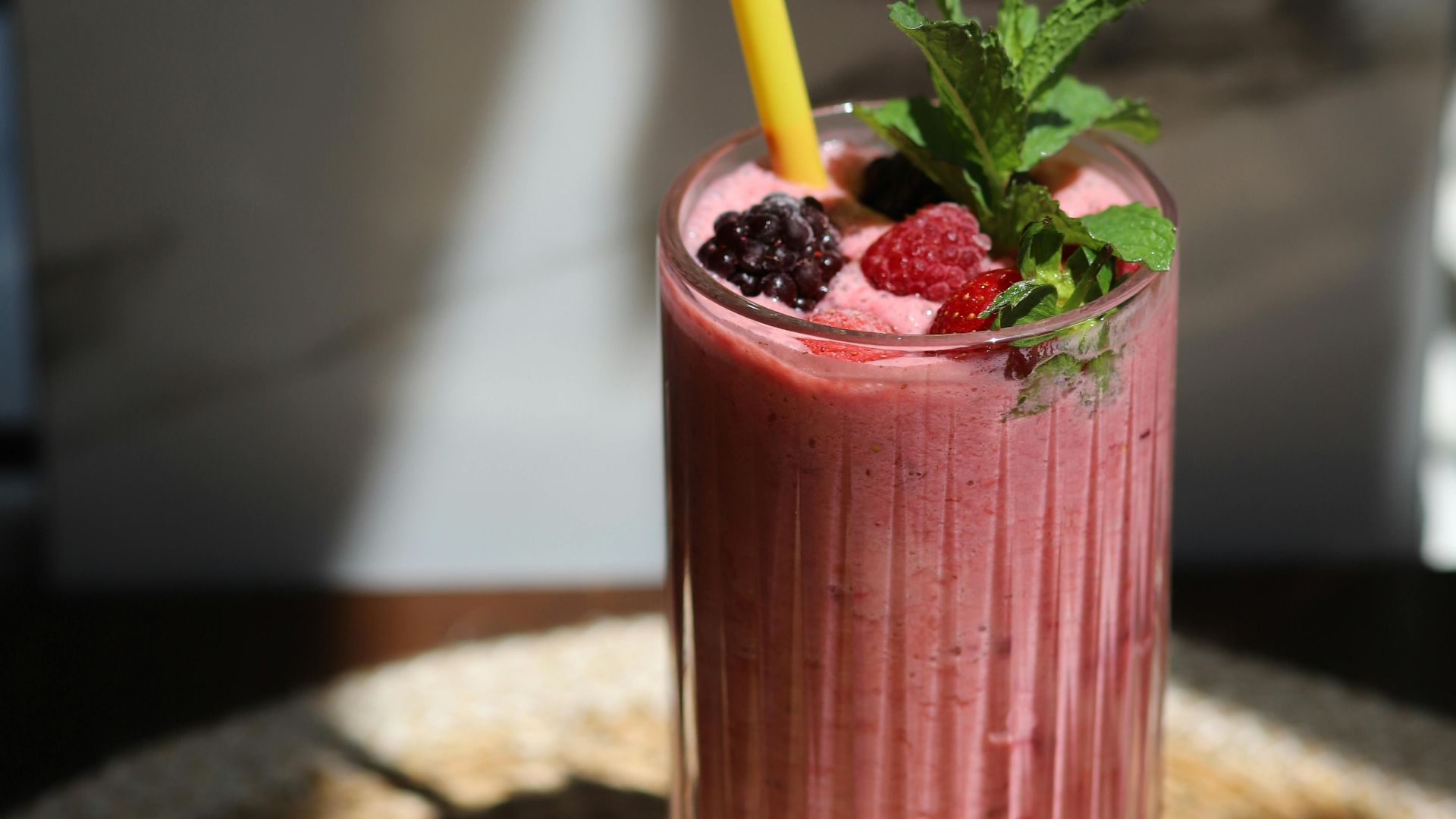
8. Fruit Smoothies
Smoothies can work well before competition when they're built around digestible carbs and not overloaded with fat or fiber. They are especially useful for athletes who prefer to drink some of their calories or who have pre-event nerves that make solid food less appealing.
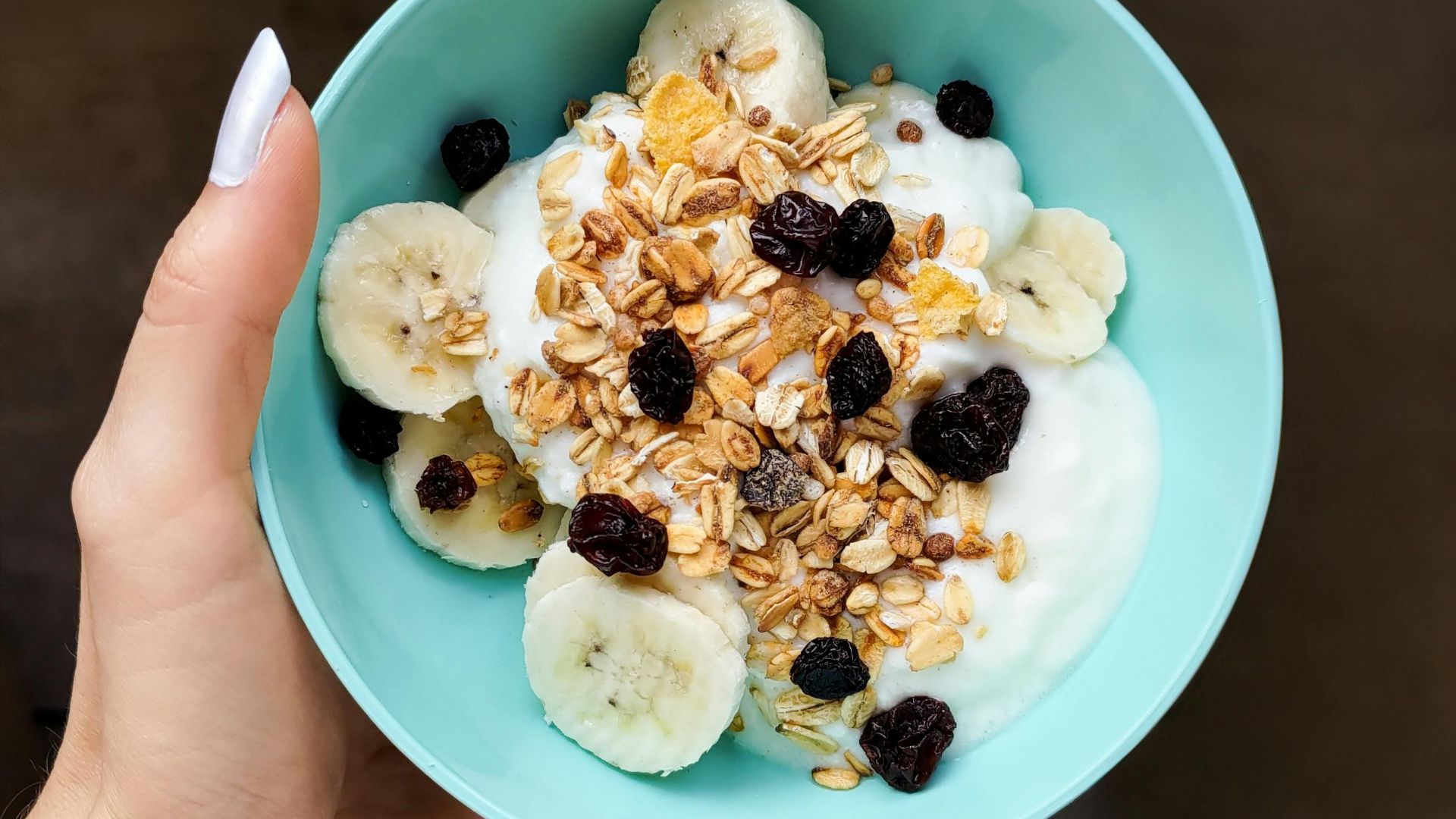
9. Low-Fat Yogurt With Fruit
This is a useful option when an athlete wants something light that still feels like a real snack. Fruit provides carbohydrates, and yogurt can add some protein without making the whole thing overly heavy if the serving stays reasonable. It's a good example of how pre-event food often aims for balance rather than drama.
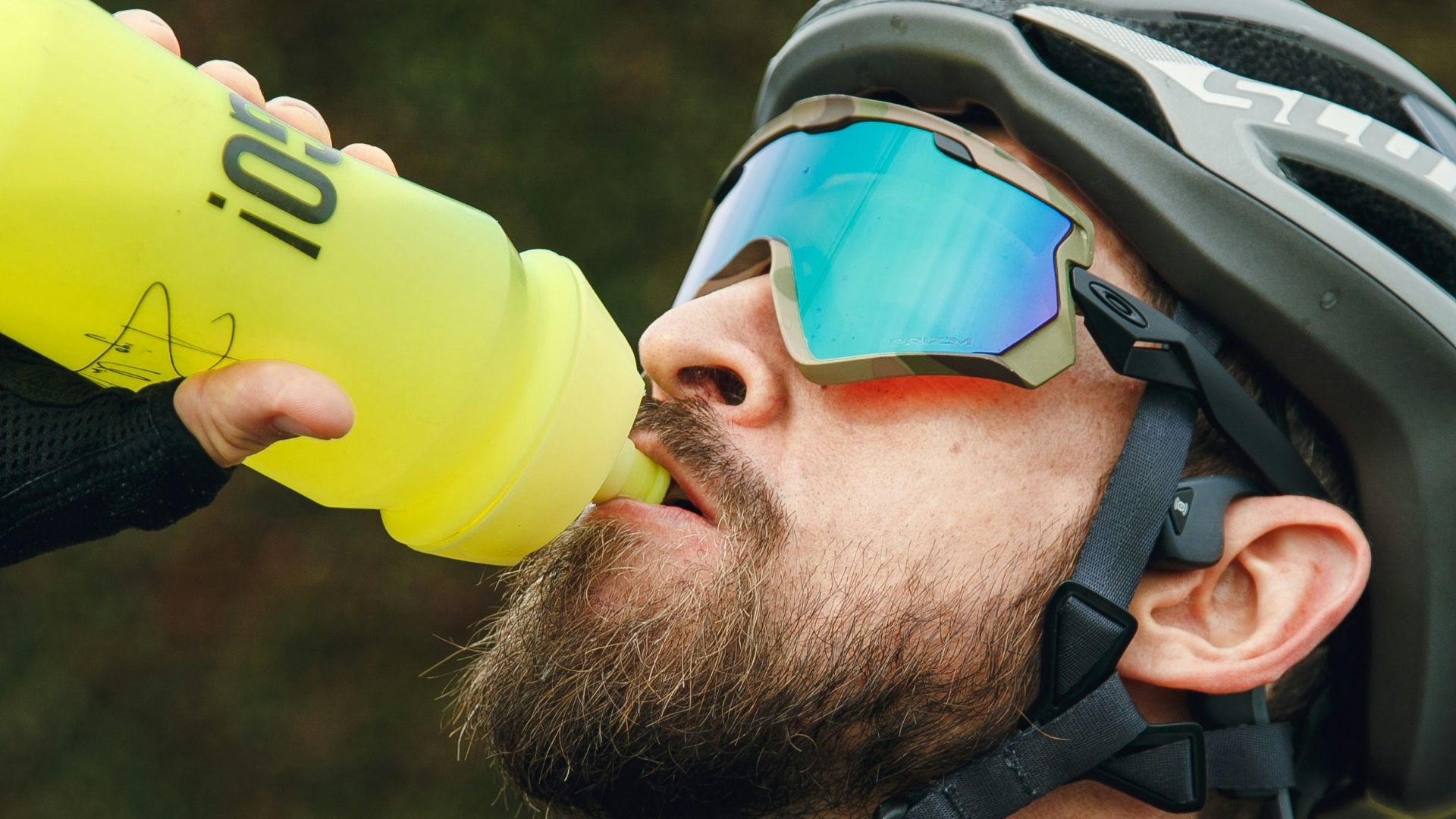
10. Sports Drinks & Water
This isn't exactly a “food,” but it absolutely belongs on the go-to list because hydration is a major part of pre-event strategy. Sports nutrition guidance emphasizes fluids before competition, and sports drinks can help when athletes need carbohydrates and electrolytes along with hydration. A lot of performance nutrition is less glamorous than people hope, and more about water and timing than they might expect.
KEEP ON READING