
Your Dreams Might Have Other Plans
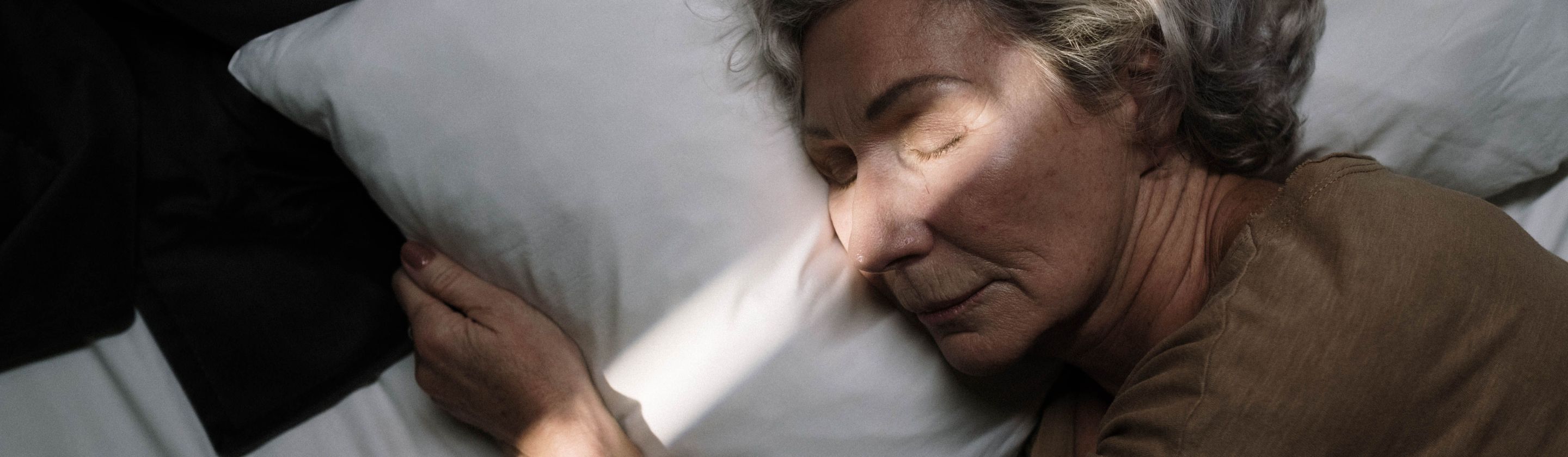
Retirement brings plenty of changes to your daily routine, but one unexpected difference might happen while you're asleep. Some retirees notice their dreams becoming more vivid, unusual, or emotional, while others start dreaming about things they haven't thought about in decades. From shifting sleep patterns to the way your brain processes a major life transition, several factors can influence what happens after you close your eyes. If your dreams have been a little different since leaving the workforce, there could be some interesting reasons behind the change.
1. You're Sleeping Later Than You Used To
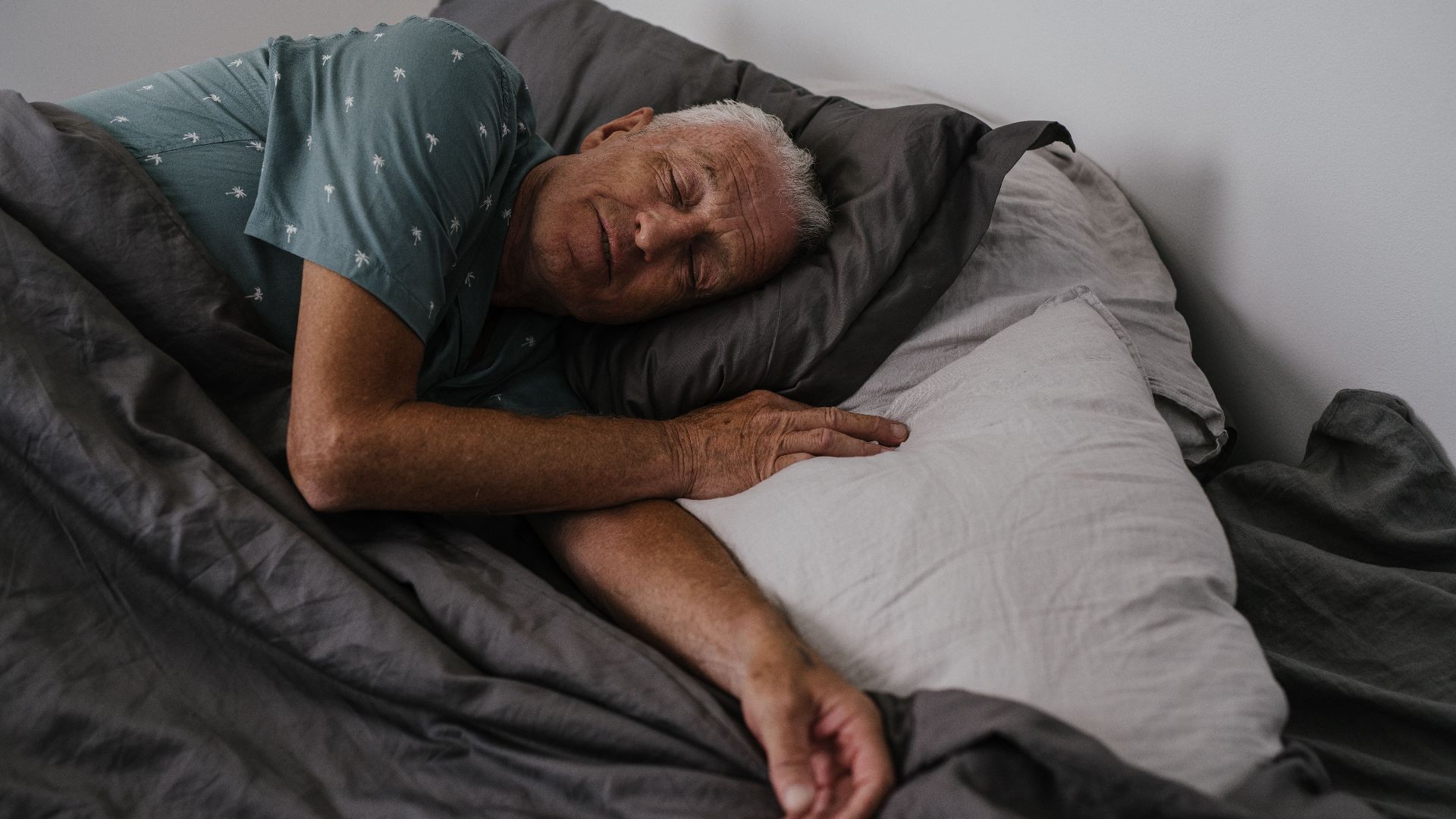
Without an alarm demanding your attention every morning, you might finally be getting those extra hours of sleep you've always wanted. REM sleep, the stage most closely associated with vivid dreaming, becomes more prominent during the later part of the night. Sleeping longer gives you more opportunities to experience and remember detailed dreams, especially when you're no longer rushing to get out of bed.

2. Your Stress Levels Have Changed
Leaving behind demanding bosses, deadlines, and workplace responsibilities can significantly reduce everyday stress for some retirees. Since your emotions can influence what you dream about, this shift might explain why your dreams suddenly feel different. You could notice fewer work-related nightmares, although retirement comes with its own worries that sometimes make an appearance while you're sleeping.

3. Your Brain Is Processing a Major Life Transition
Retirement represents a major change in identity, particularly for people who've spent decades building their careers. Dreams often incorporate the emotions, memories, and concerns associated with important life events. Don't be surprised if you occasionally find yourself dreaming about returning to your old workplace, even when you're perfectly happy with your decision to retire.

4. You're Remembering More of Your Dreams
Most people dream regularly without remembering much of what happens overnight. Retirement can change that because you're less likely to wake up and immediately start worrying about your morning commute or the day's responsibilities. Having a few quiet minutes to think about what you dreamed can make those memories easier to hold onto.
5. Your Daily Routine Isn't as Predictable
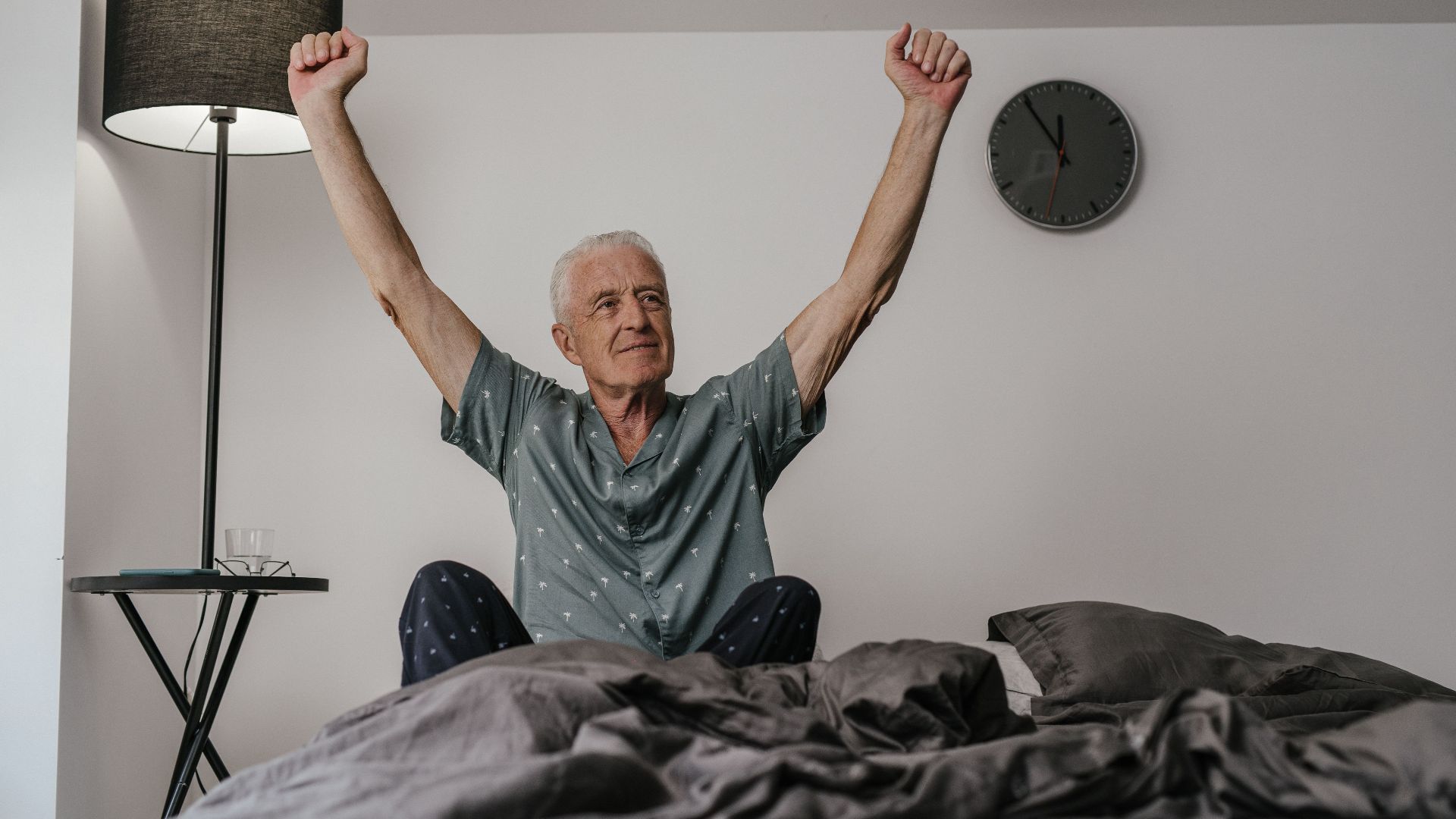
After years of following a fairly consistent schedule, retirement often introduces a completely different rhythm to everyday life. Changes in when you eat, exercise, socialize, and go to bed can all influence your sleep patterns. When your sleeping habits become less consistent, you might notice differences in how often you wake up during dreams or remember them the following morning.

6. You're Spending More Time Thinking About the Past
With fewer professional obligations taking up your attention, you may find yourself revisiting memories from earlier stages of life. These reflections can influence what your brain incorporates into dreams, sometimes bringing back people and places you haven't thought about in years. An old childhood friend or former neighbor might suddenly show up in a dream without any obvious explanation.

7. Your Sleep Is Becoming More Fragmented
Sleep patterns naturally change with age, and older adults often experience more nighttime awakenings than younger people. Waking during or shortly after REM sleep makes it easier to remember whatever you were dreaming about. As a result, your dreams might seem more frequent or intense, even if you're not necessarily dreaming any more than you used to.
8. You're Exploring New Interests
Retirement finally gives many people the chance to pursue hobbies they've been putting off for years. Whether you're learning Italian, taking painting classes, or getting into gardening, these activities introduce new experiences for your brain to process. Don't be surprised if your latest interests start appearing in dreams, especially when you've spent a lot of time thinking about them during the day.

9. Your Social Life Looks Different
Coworkers often provide a large amount of daily social interaction, even when those relationships don't extend beyond the office. Once you retire, your conversations and connections may shift toward family members, longtime friends, or people you've recently met. Because dreams frequently draw from social experiences, changes in your relationships can also influence who shows up while you're sleeping.

10. You're Taking Different Medications
Certain medications can affect sleep patterns, dream recall, or how intense your dreams feel. Some antidepressants, blood pressure medications, and sleep treatments have been linked to unusual or vivid dreams, although the effects vary from person to person. If you've noticed a change after starting a new prescription, it's worth discussing the timing with your doctor.

11. You're Exercising at Different Times
Having more control over your schedule means you can finally exercise whenever it's convenient, whether that's first thing in the morning or later in the evening. Physical activity can improve sleep quality, although vigorous exercise close to bedtime can make it harder for some people to wind down. These adjustments may indirectly affect your dreams by changing how well you sleep and when you wake up.

12. You're Experiencing Less Mental Distraction
During your working years, professional responsibilities probably demanded a good deal of your attention throughout the day. Retirement can give you more time to acknowledge feelings or concerns that previously got pushed aside. Since dreams often reflect emotionally meaningful experiences, you might notice more personal themes appearing as you adjust to having extra time for yourself.

13. You're Traveling More Frequently
Visiting new destinations exposes you to unfamiliar sights, sounds, and experiences that can influence what you dream about afterward. Traveling can also disrupt your usual sleeping habits, especially when you're crossing time zones or staying somewhere unfamiliar. Between the excitement of exploring a new place and adjusting to different surroundings, your vacation dreams might become particularly memorable.

14. Your Circadian Rhythm Is Shifting
Your body's internal clock helps regulate when you feel sleepy and when you're naturally ready to wake up. As you age, this rhythm can gradually shift, sometimes making you feel tired earlier in the evening and more alert in the morning. Combined with the freedom to choose your own bedtime, these changes may affect when you experience REM sleep and which dreams you're able to remember.
15. You're Thinking More About Your Future
Retirement often brings new questions about financial security, personal fulfillment, health, and how you'd like to spend the years ahead. Even exciting plans can come with some uncertainty when you're adjusting to such a big life change. Those thoughts might occasionally find their way into your dreams.

16. You're Taking More Afternoon Naps
An afternoon nap becomes much more appealing when you no longer have meetings or deadlines getting in the way. Depending on how long you sleep and your usual sleep patterns, some naps may include REM sleep and the dreams associated with it. Longer or later naps can also affect how well you sleep at night, potentially changing how often you remember your dreams.
 https://kaboompics.com/ on Pexels
17. You're Spending More Time With Your Partner
Retirement can dramatically increase the amount of time couples spend together, especially when both partners have stopped working. More shared experiences, conversations, and occasional disagreements give your brain plenty of new material that could influence your dreams. You might suddenly notice your spouse appearing in some unusual scenarios simply because you're spending more of your day together.

18. You're Adjusting to Different Eating Habits
Without a strict work schedule, your mealtimes might become more flexible than they used to be. Eating large meals shortly before bed can cause digestive discomfort for some people, potentially disrupting sleep and leading to more nighttime awakenings. While there's no solid evidence that specific foods produce particular dream themes, changes in sleep quality can affect how clearly you remember your dreams.

19. You're Feeling Nostalgic About Your Career
Even people who couldn't wait to retire sometimes find themselves missing certain parts of their professional lives. You might look back fondly on favorite colleagues, meaningful accomplishments, or everyday routines that once seemed completely ordinary. Those memories can resurface in dreams, but dreaming about your old job doesn't necessarily mean you regret leaving it behind.
 National Cancer Institute on Unsplash
20. You're Finally Paying Attention to Your Sleep
When you're working full-time, sleep can feel like something you have to fit between responsibilities rather than an experience worth thinking about. Once retirement gives you more flexibility, you may become more aware of your sleeping habits and curious about what you're dreaming. Sometimes the biggest change isn't what's happening in your dreams at all, but the fact that you're finally taking the time to notice them.

KEEP ON READING



20 Natural Ways You Can Boost Your Immune System

20 Ways To De-stress & Relax After Work

The 10 Most Common Diseases & The 10 Most Rare