The Body Does Strange, Real Things
Every so often, a piece of research surfaces that makes you wonder if humans have quietly been holding out on the rest of the animal kingdom. None of these abilities involve anything paranormal; they're documented, studied, and in some cases still not fully explained by scientists who've spent careers on them. What makes them strange isn't that they break the rules of biology, it's that they push those rules further than most people ever get to see. A few of these traits are genetic quirks found in specific populations, while others can be trained into almost anyone willing to put in the years. Here's 20 real human abilities that sound made up until you check the research.
1. Echolocation In Blind Individuals
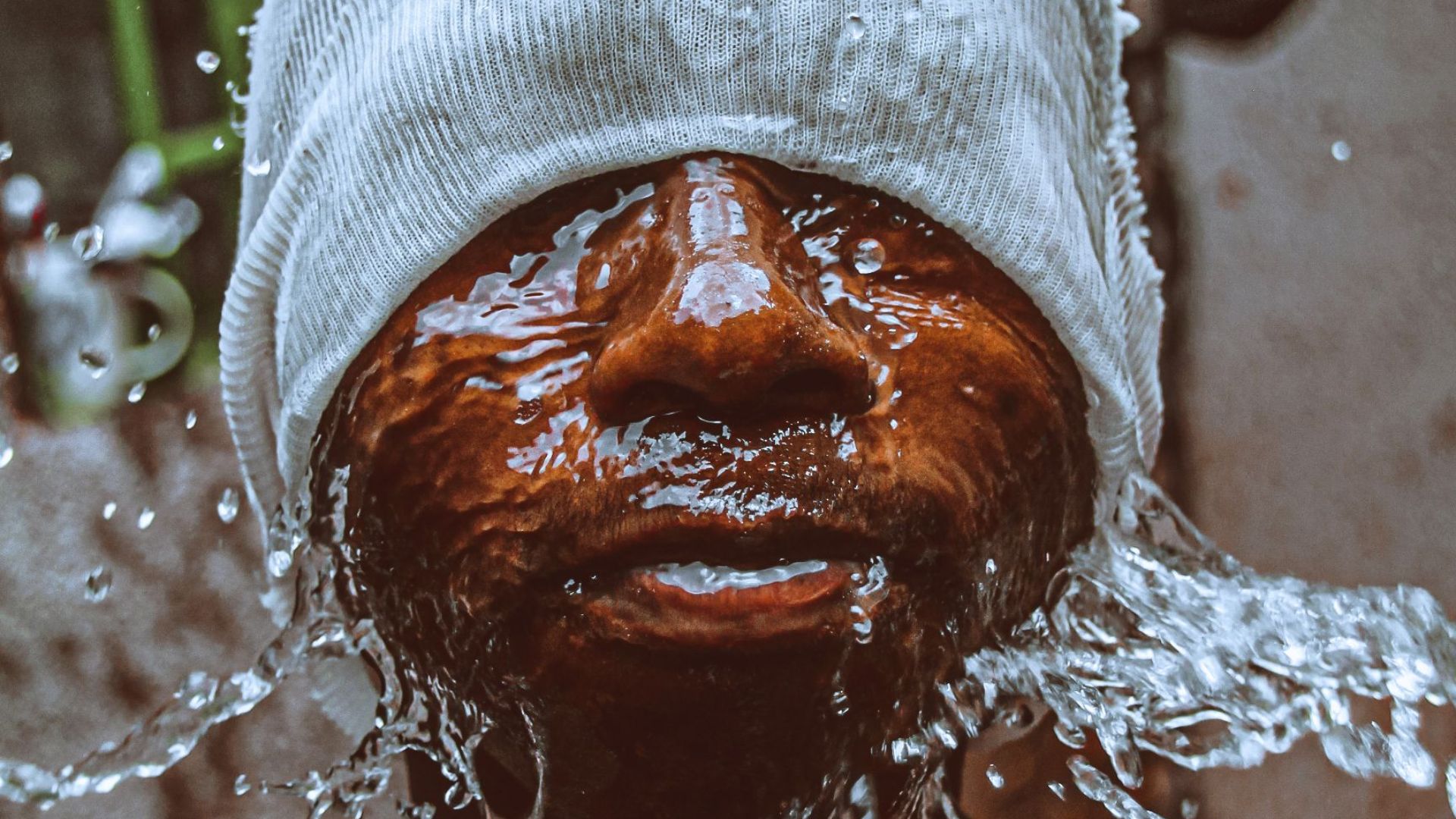
Some blind people, most famously Daniel Kish, have learned to navigate using clicking sounds and the echoes that bounce back off nearby objects. Brain scans of trained echolocators show activity in the visual cortex, suggesting the brain repurposes that region entirely for sound-based mapping. With practice, some users can identify the size, shape, and even material of objects from several feet away.
2. The Mammalian Dive Reflex
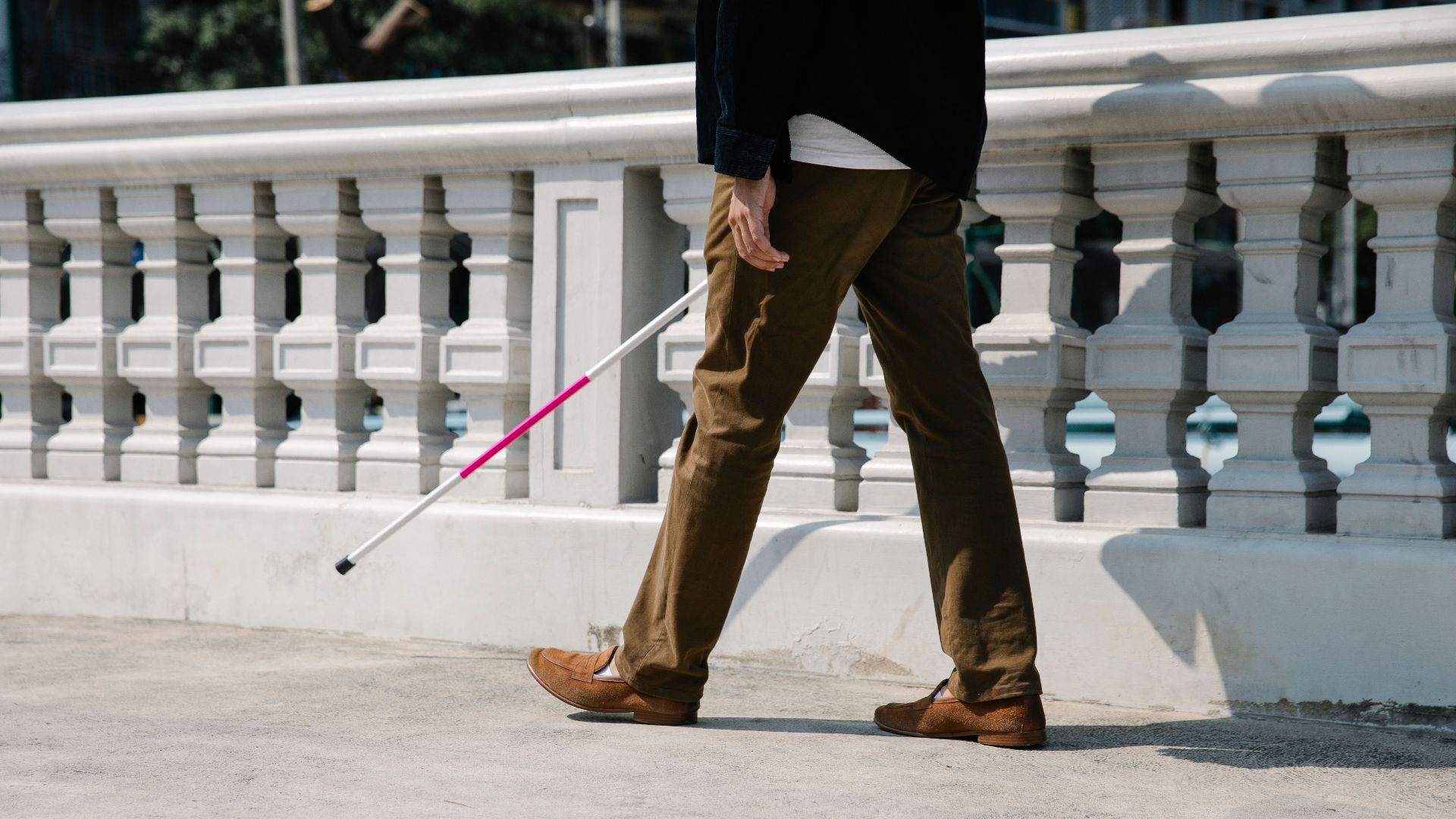
When the face hits cold water, the human body automatically slows the heart rate and redirects blood flow toward the brain and vital organs. Freedivers train this reflex deliberately, allowing some to hold their breath for over ten minutes on a single lungful of air. It's the same reflex found in seals and whales, just far less developed in most people who never bother training it.

3. The Bajau's Enlarged Spleens
The Bajau, a seafaring people from Southeast Asia who've freedived for generations, have been found to have spleens up to 50 percent larger than average. A bigger spleen stores more oxygenated red blood cells, giving them a natural reserve to draw on during long dives. Researchers traced the trait to a specific genetic variant, making it one of the clearest examples of evolution responding to a lifestyle within a relatively short span of human history.

4. Perfect Pitch
People with perfect pitch can identify or reproduce a musical note without any reference tone, something most trained musicians can't do reliably. It tends to show up in people who started intensive music training before age six, suggesting there's a developmental window involved. Brain imaging shows structural differences in the auditory cortex of people who have it compared to those who don't.

5. Highly Superior Autobiographical Memory
A small number of people can recall the exact details of nearly every day of their adult lives, down to the weather and what they wore. Researchers have tested this condition extensively since the early 2000s, and it doesn't appear to come from any particular memory technique. It seems to be tied to structural differences in the brain, particularly in regions involved in autobiographical recall.

6. Synesthesia
For people with synesthesia, senses cross wires in involuntary ways, so a person might taste specific flavors when they hear certain words, or see numbers as having fixed colors. It's estimated to affect around 4 percent of the population, though many people with it don't realize their experience is unusual until adulthood. Brain scans show extra connectivity between sensory regions that stay more separated in people without the condition.
7. Super Recognizers
Some people can identify a face they saw once, years earlier, in a blurry photo or a crowd of strangers. Police departments in the UK have built entire units around these individuals, since standard facial recognition software still can't match their accuracy in messy, real-world conditions. Studies suggest the ability sits on the opposite end of a spectrum from face blindness, and it appears to be largely innate.

8. Voluntary Immune Response
Practitioners of the Wim Hof Method, which combines breathing exercises with cold exposure, have shown the ability to consciously influence their immune response in controlled studies. In one widely cited experiment, trained participants were injected with a bacterial toxin and showed milder symptoms and lower inflammation markers than untrained control groups. Researchers still don't fully understand the mechanism, but the results have been replicated enough to take seriously.
 Stefan Brending (2eight) on Wikimedia
9. Blindfolded Chess Memory
Elite chess players have long demonstrated the ability to play multiple games simultaneously without looking at any board, tracking dozens of piece positions purely from memory. Grandmaster Miguel Najdorf once played 45 games blindfolded at the same time, keeping every position straight in his head for hours. It's less about raw memory and more about pattern recognition, since experienced players store positions as meaningful chunks rather than isolated squares.

10. Sherpa High-Altitude Efficiency
Sherpas living in the Himalayas have a genetic variant that lets their bodies use oxygen far more efficiently at extreme altitude than lowland populations. Studies comparing Sherpa and non-Sherpa climbers found Sherpas produce more energy from the oxygen they do get, rather than simply having larger lungs. It's a trait passed down over thousands of years of high-altitude life, and no amount of training fully replicates it in outsiders.

11. Tetrachromacy
Most people see color through three types of cone cells, but a small number of women carry a genetic variation giving them a fourth cone type entirely. In theory, this lets them distinguish far more shades within the same color range than the rest of the population. Confirmed cases are rare, since having the extra cone doesn't automatically mean the brain learns to use it.
12. Extreme Cold Tolerance
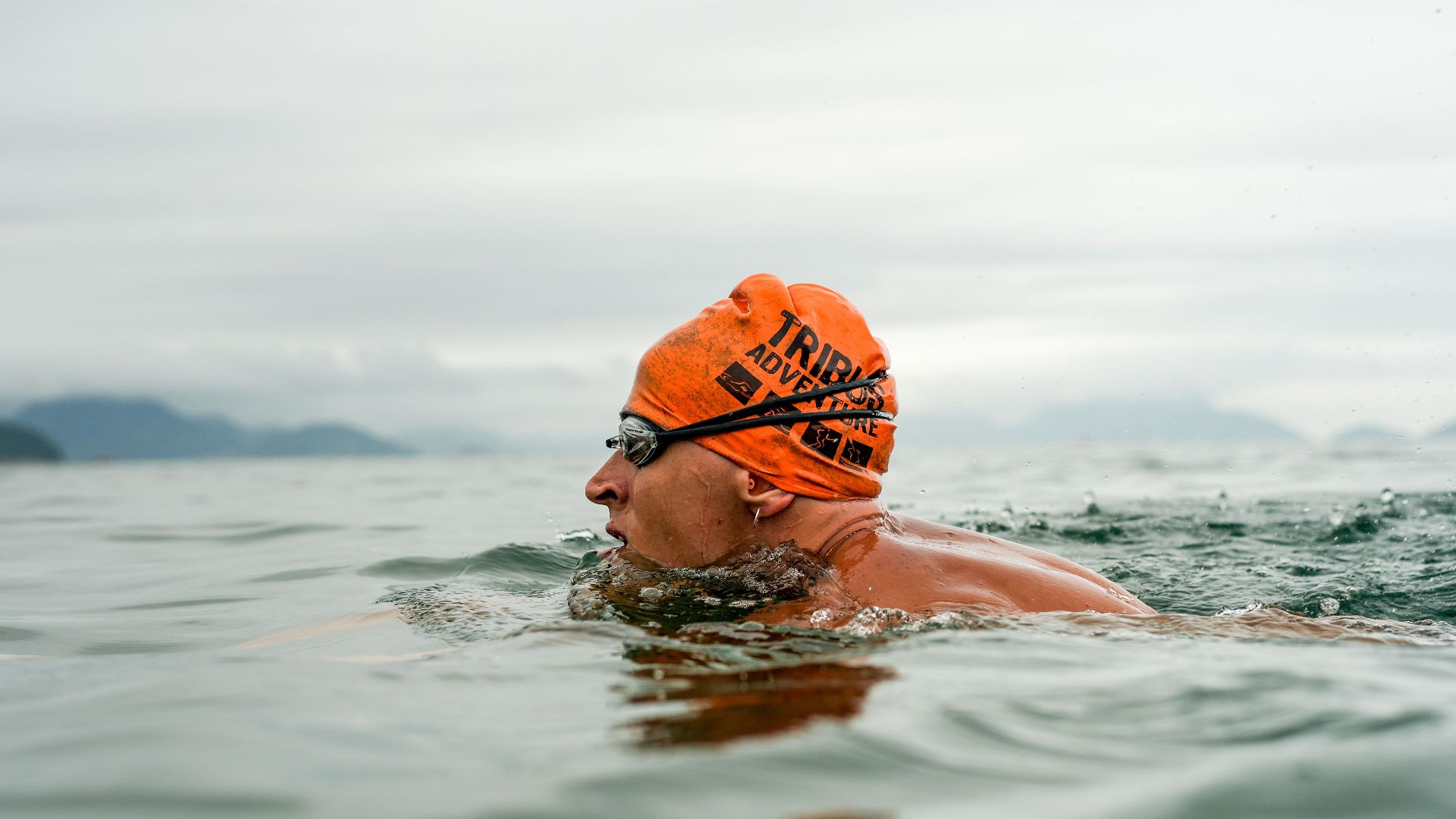
Long-distance cold-water swimmers like Lewis Pugh have completed swims in near-freezing water that would send most bodies into hypothermic shock within minutes. Repeated exposure appears to train the body's response to cold, changing how blood vessels constrict and how the body generates heat internally. Researchers studying these swimmers have found genuinely different physiological baselines compared to untrained individuals.
13. Micro-Expression Reading
Psychologist Paul Ekman identified a small group of people, nicknamed "truth wizards," who could reliably spot fleeting facial expressions lasting a fraction of a second. These micro-expressions often reveal emotions someone is actively trying to hide, and most people miss them entirely without training. The wizards Ekman studied scored far above chance even without any coaching beforehand.

14. Absolute Time Sense
Some individuals can estimate elapsed time with remarkable precision, guessing how many minutes have passed without any clock in sight. Studies suggest this ability correlates with strong internal rhythm regulation, similar to what allows some people to wake up at the exact same time every morning without an alarm. It's inconsistent across the population, but well documented in people who've been tested repeatedly over time.

15. Savant Calendar Calculation
Certain savants, including the late Kim Peek, could instantly name the day of the week for any date, past or future, without any visible calculation. Researchers still debate exactly how the brain performs this so quickly, since it doesn't match typical mental math strategies. The ability often appears alongside other cognitive differences, making it one of the more studied and least understood savant traits.

16. Simultaneous Interpretation
Professional interpreters can listen to a sentence in one language while speaking a translated version of the previous sentence, all in real time. It requires holding two active language streams in the brain at once, a feat that causes measurable fatigue after even twenty or thirty minutes of continuous work. Brain imaging shows interpreters recruit additional regions that bilingual non-interpreters don't typically use for the same task.
17. Extreme Breath-Holding
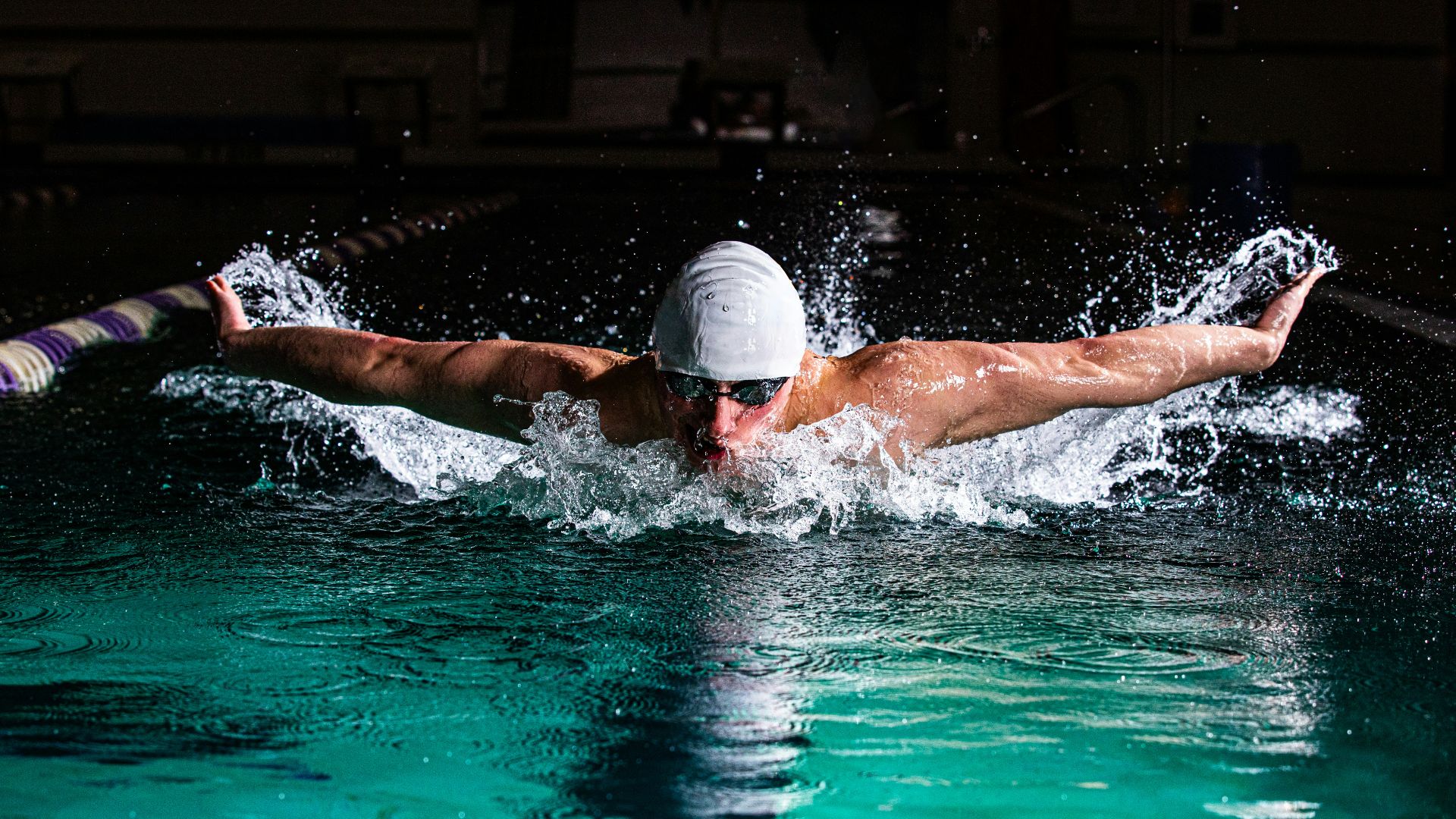
Freediver Herbert Nitsch has descended over 800 feet on a single breath, a depth that would kill most people through pressure alone before oxygen ever became the issue. Years of training expand lung capacity and teach the body to tolerate rising carbon dioxide levels far past the point where most people would panic. The sport pushes human physiology into territory researchers once assumed was simply impossible without equipment.

18. Precise Circadian Timing
Some people can reliably wake up at a specific time without an alarm, night after night, with almost no variation. This isn't just a habit; it reflects an unusually well-calibrated internal clock, regulated by a small cluster of neurons in the brain called the suprachiasmatic nucleus. Studies on shift workers and frequent travelers show this precision is fairly rare and doesn't come easily to everyone who tries to build it.

19. Motor Memory In Elite Athletes
Elite athletes can return to complex physical skills after years away with startling speed, even when the muscles involved haven't been trained in that specific way for a long time. This isn't ordinary muscle memory, since muscles themselves don't store memory, it's the result of deeply encoded neural pathways built through thousands of hours of repetition.
20. Rapid Card Memorization
Competitive memory athletes can memorize the exact order of a shuffled deck of 52 cards in under 15 seconds, a feat that seems to defy ordinary short-term memory limits. Most rely on a technique called the memory palace, mentally placing each card along a familiar path through a space they know well. Brain scans of top competitors show they're not fundamentally different from average people; they've simply trained a specific skill most people never attempt.

KEEP ON READING
20 Human Experiments That Never Should Have Happened



20 Body Reactions You Have Almost No Control Over