Moments That Rewrote What Doctors Could Do
Most of medicine's biggest leaps didn't come from a flash of genius. They came from someone noticing a pattern nobody else had bothered to explain, then refusing to let it go even when the establishment pushed back hard. Some people here were mocked or ignored for years before anyone admitted they were right; others got lucky with a contaminated petri dish and turned it into something that reshaped human lifespans. Here's 20 discoveries that changed medicine for good.
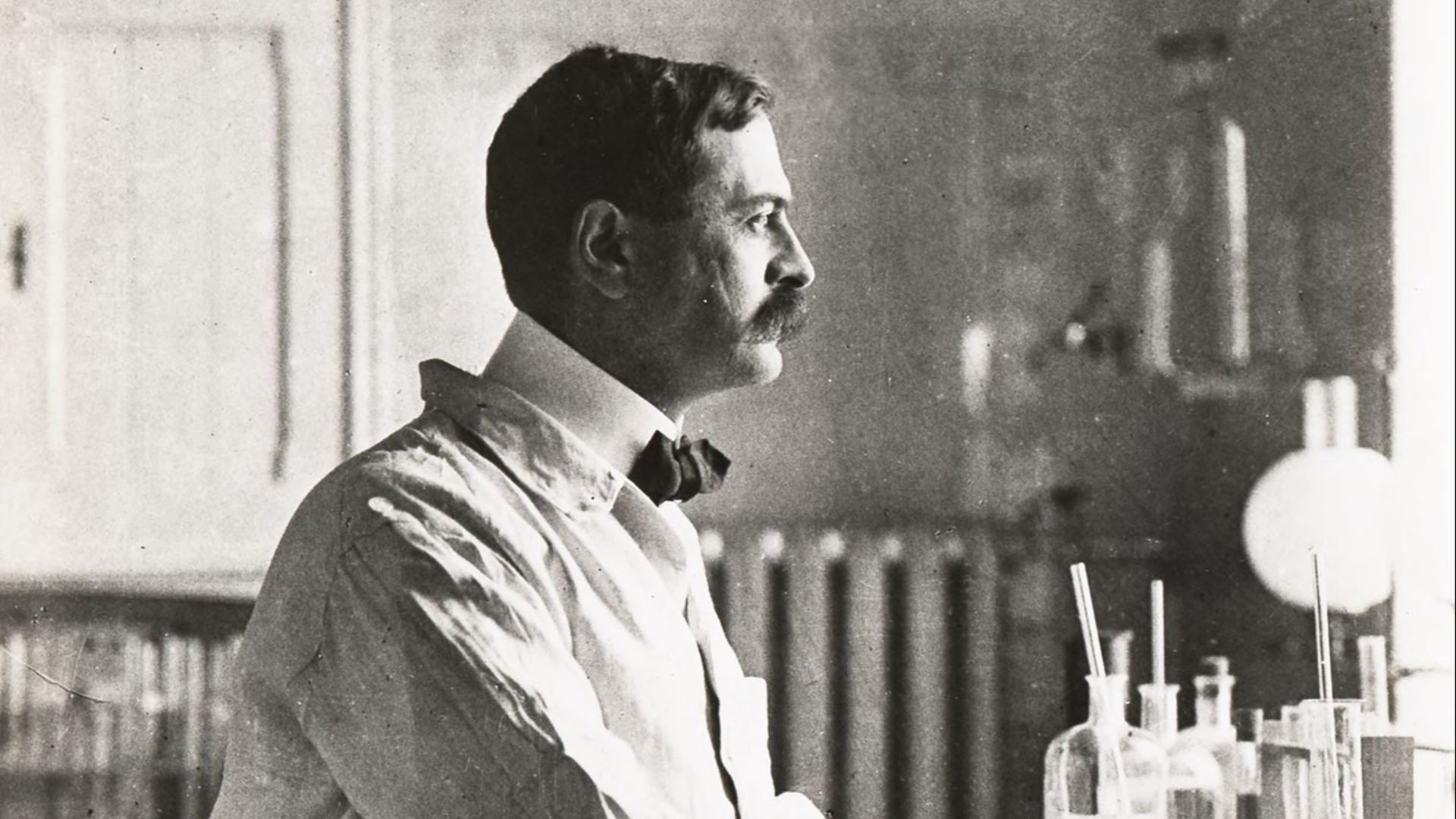 Unknown authorUnknown author on Wikimedia
1. Edward Jenner's Smallpox Vaccine
In 1796, Jenner noticed milkmaids who caught mild cowpox seemed immune to smallpox, one of history's deadliest diseases. He tested it by exposing a boy to cowpox and then smallpox, and the boy stayed healthy. The experiment founded vaccination, a word that comes from vacca, Latin for cow.
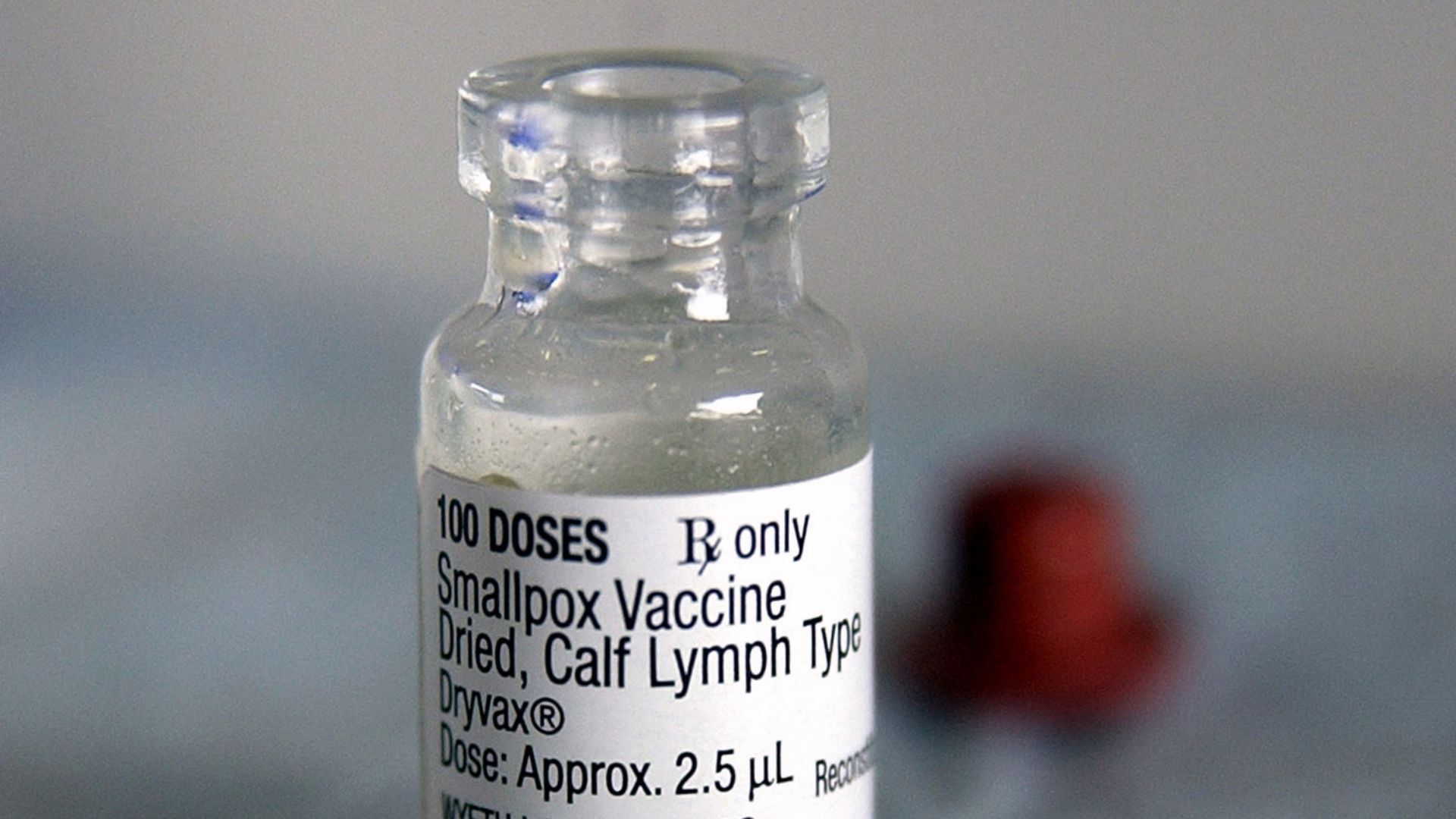 U.S. Navy photo by Photographer's Mate 2nd Class Felix Garza Jr. on Wikimedia
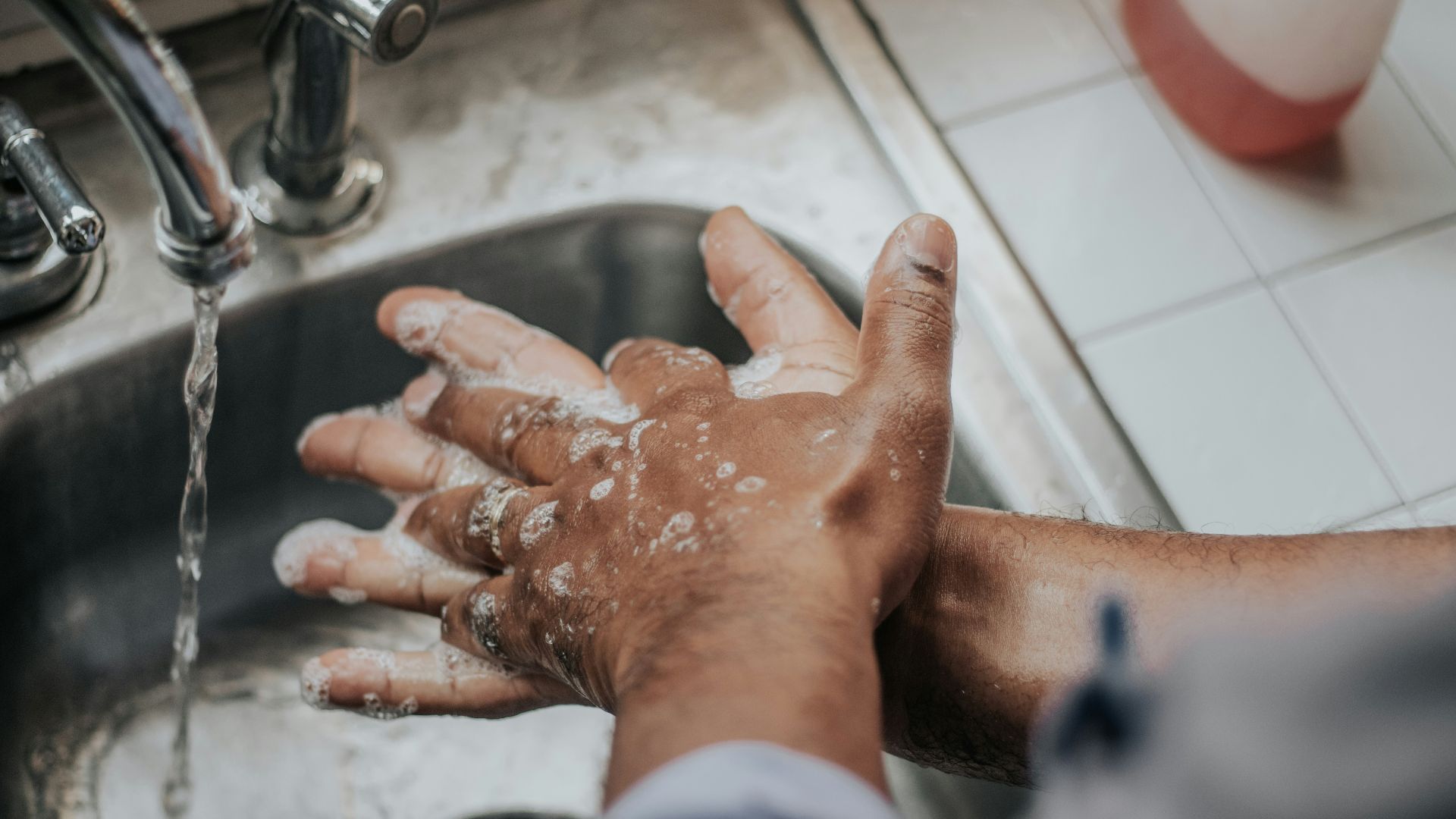
2. Ignaz Semmelweis and Handwashing
Working a Vienna maternity ward in 1847, Semmelweis noticed mothers treated by doctors coming straight from autopsies died of childbed fever far more than those treated by midwives. He ordered handwashing with a chlorinated solution before deliveries, and mortality dropped from around 18 percent to under 2 percent almost overnight. Colleagues mocked the idea for decades before it was finally accepted.
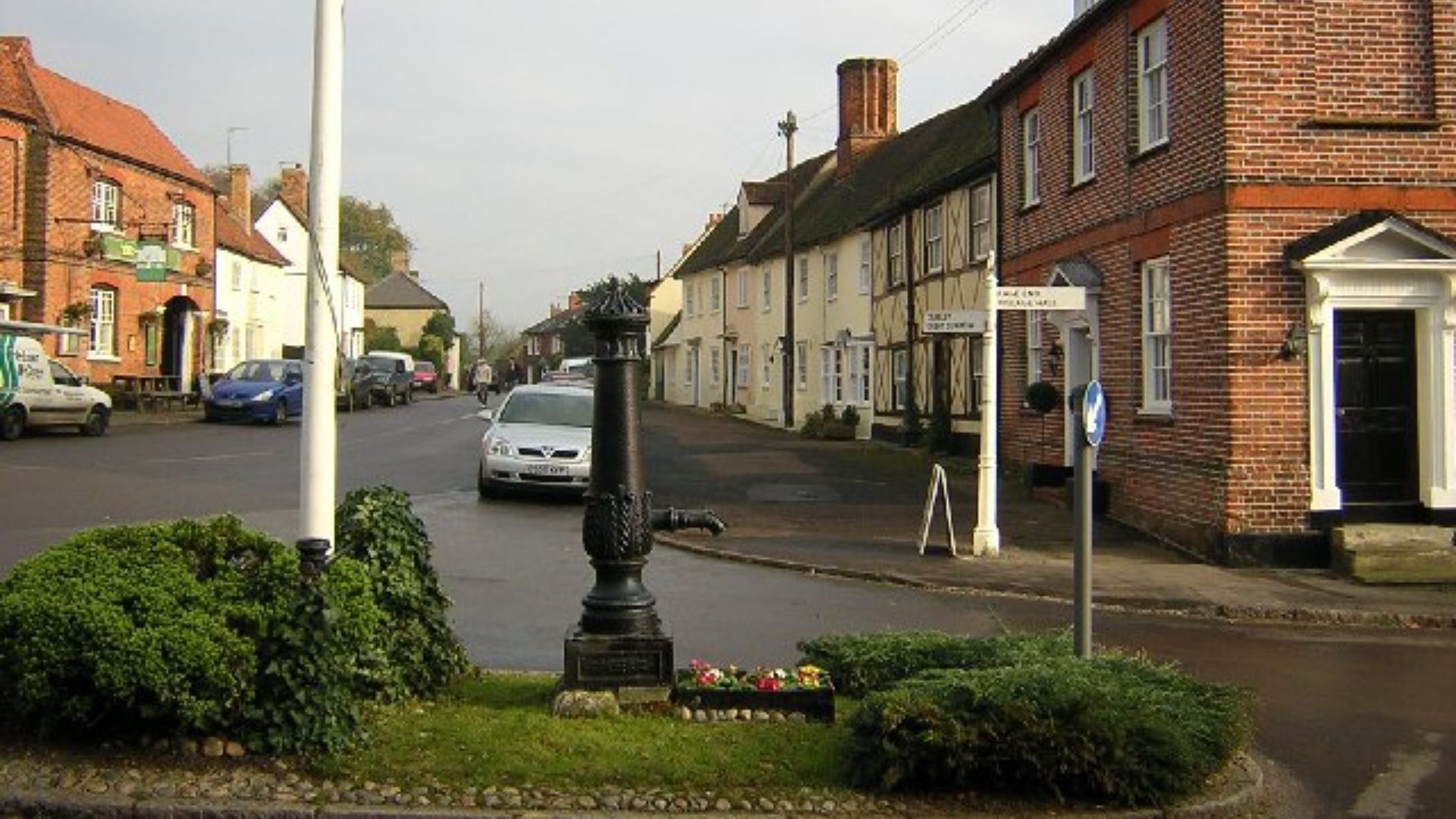
3. John Snow and the Broad Street Pump
During a brutal 1854 cholera outbreak in London, Snow mapped every death in the Soho neighborhood and traced most back to a single water pump. He convinced officials to remove the handle, and new cases dropped sharply. The work is now considered a founding moment of epidemiology, decades before anyone could see the bacteria responsible.
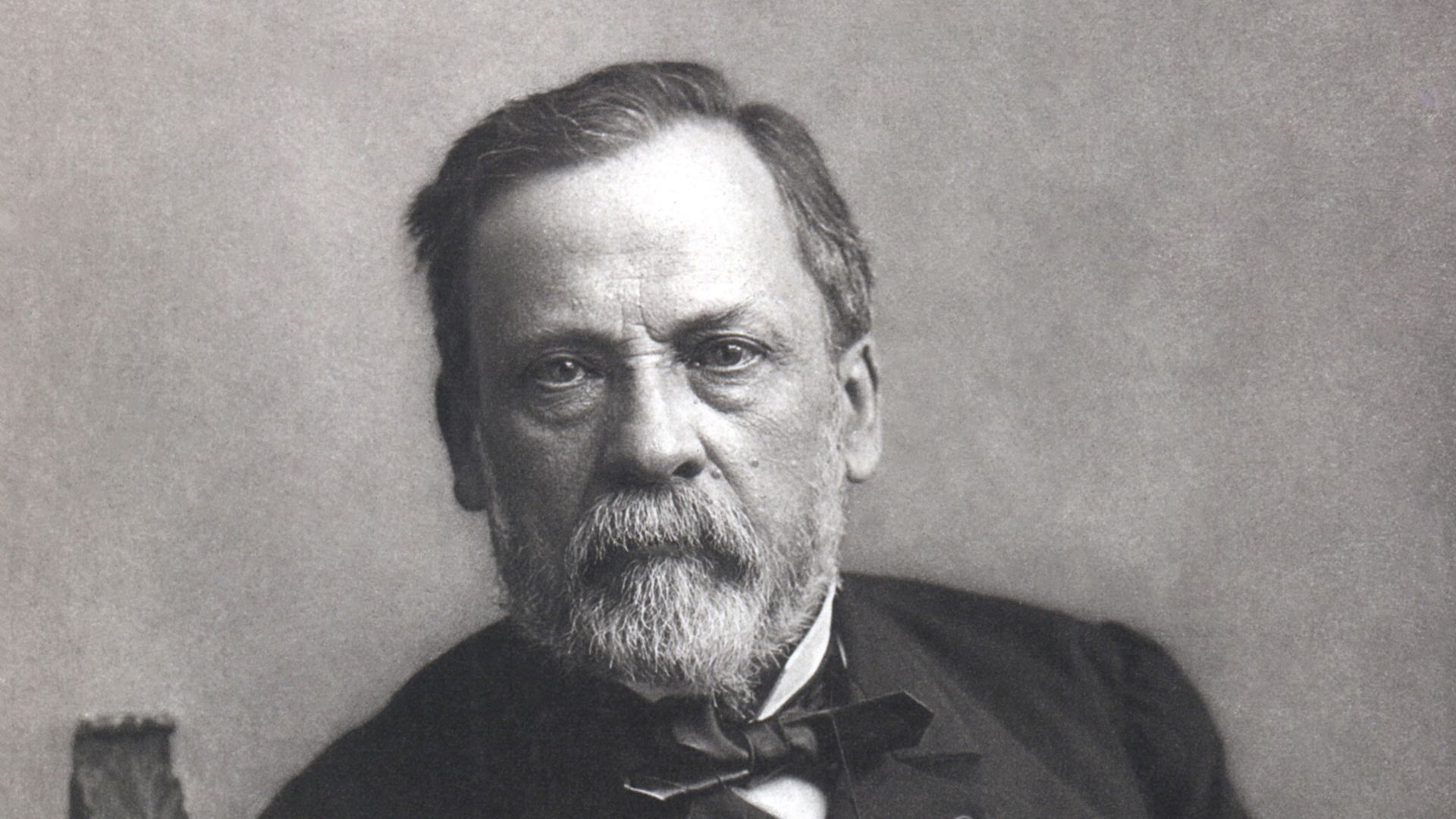
4. Louis Pasteur and Germ Theory
Pasteur's experiments in the 1860s proved that microorganisms, not spontaneous generation, caused fermentation and disease. It led to pasteurization and gave doctors a real mechanism for infection instead of vague theories about bad air, and set the stage for the rabies and anthrax vaccines he developed himself.
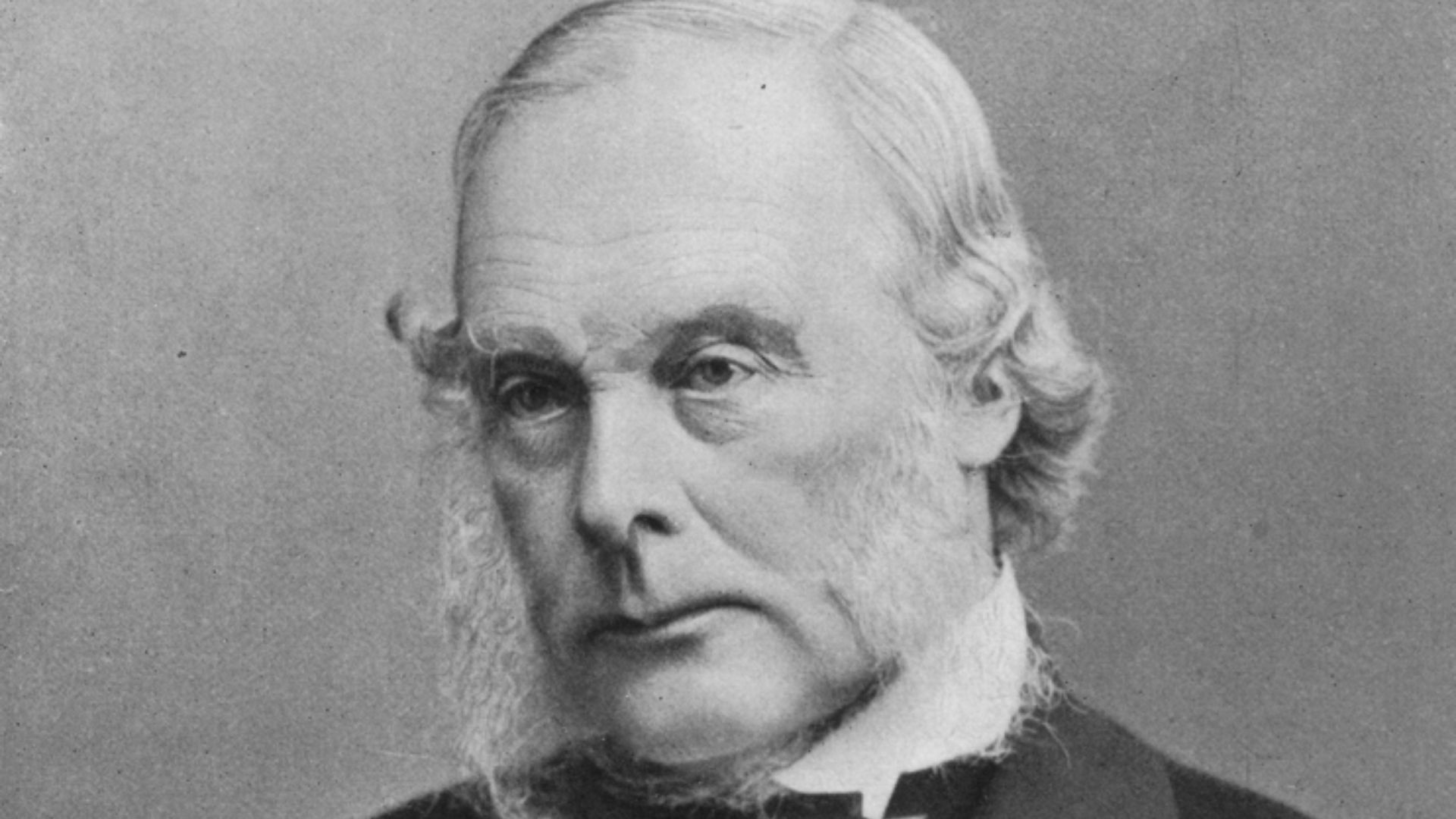
5. Joseph Lister and Antiseptic Surgery
Inspired by Pasteur, Lister began applying carbolic acid to wounds in 1867, when surgeons still operated in the same coat they'd worn all week. Infection rates on his wards fell dramatically once it caught on. His name eventually got attached to a mouthwash brand, a strange but fitting legacy for the man who made operating rooms survivable.
 Unknown authorUnknown author on Wikimedia
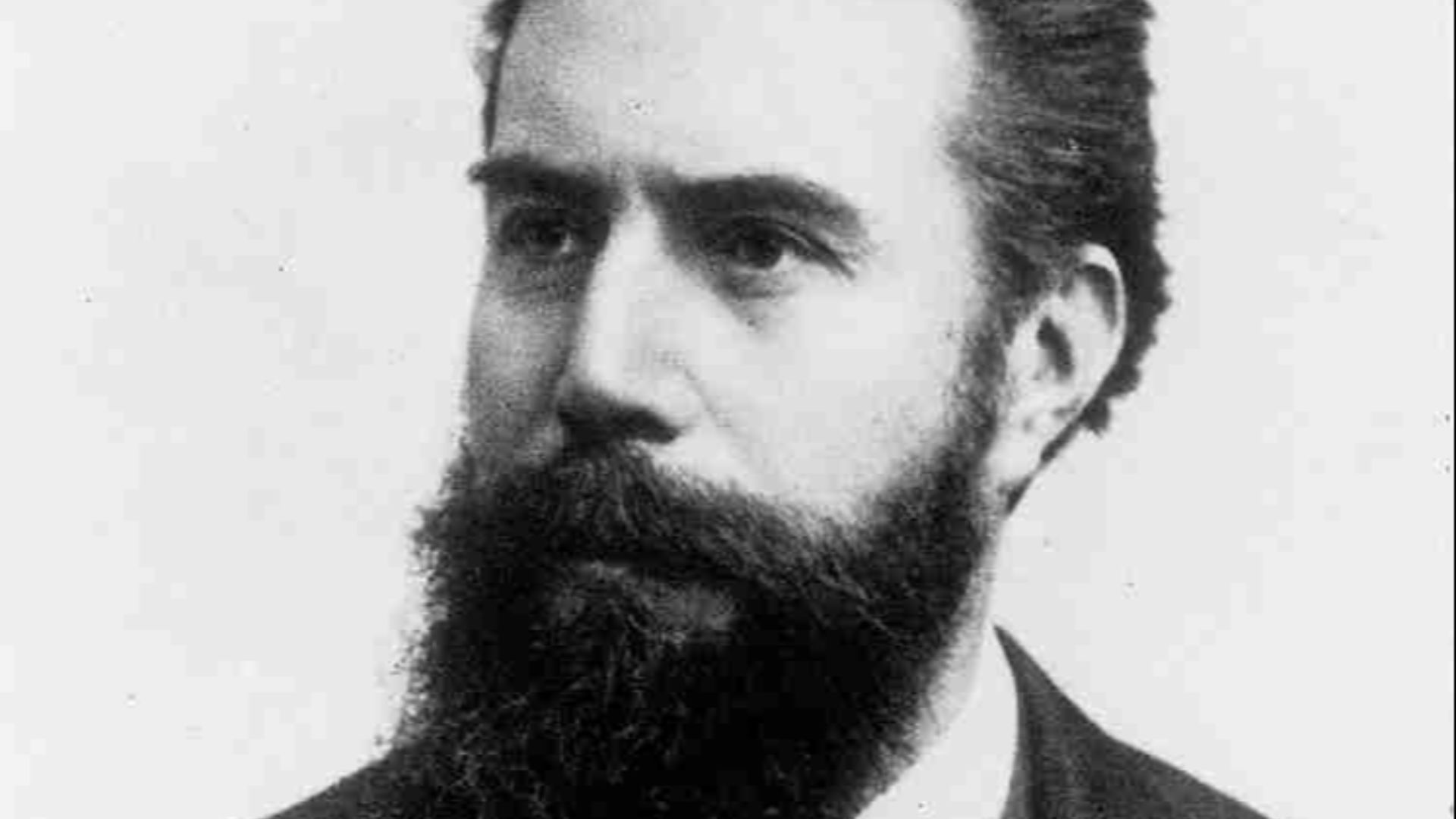
6. Wilhelm Röntgen and X-Rays
In 1895, Röntgen was experimenting with cathode ray tubes when he noticed a form of radiation that passed through soft tissue and exposed photographic plates. He used it to image the bones in his wife's hand, producing the first X-ray photograph ever taken. Within months, doctors everywhere used it to see inside living patients.
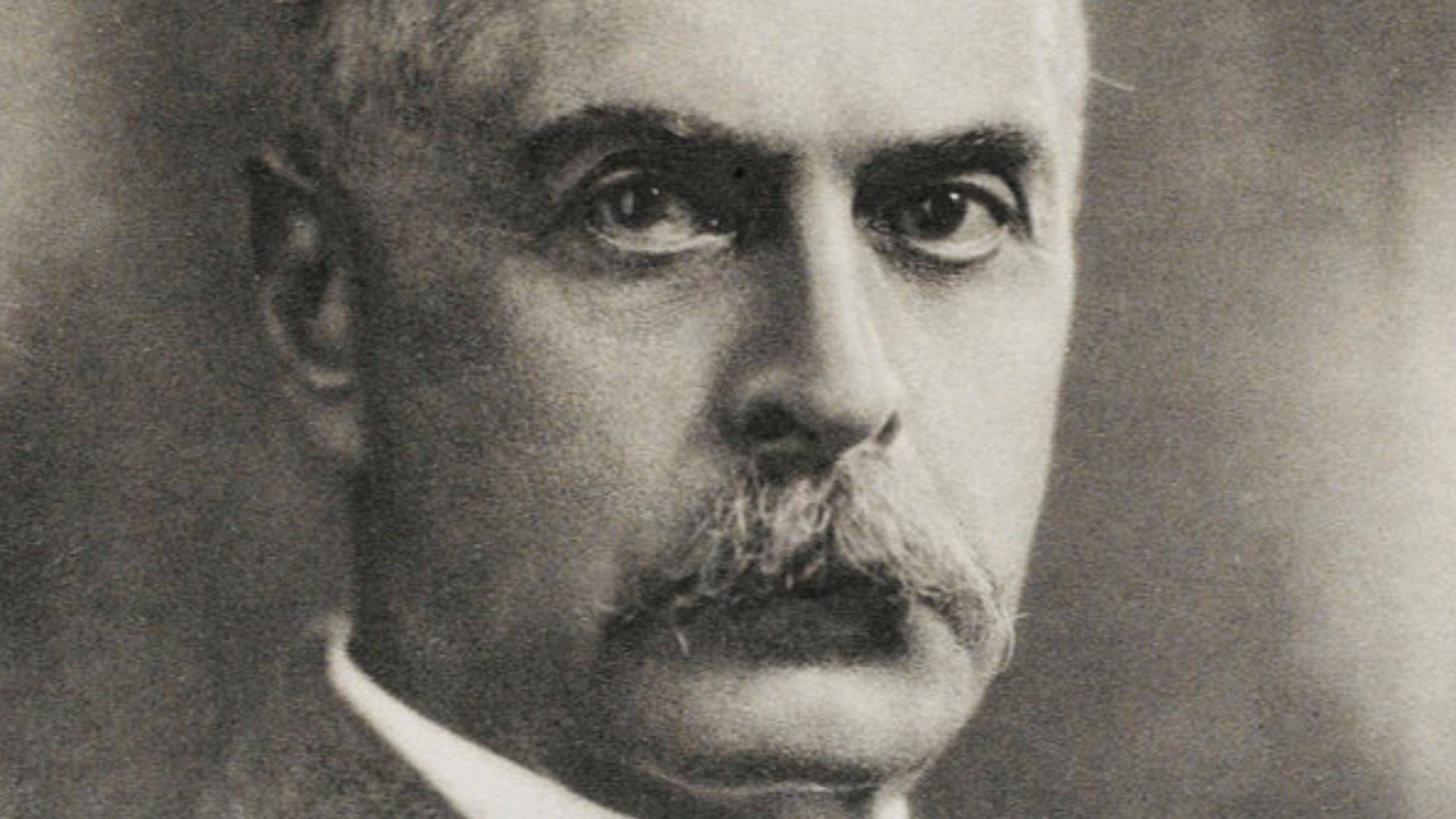
7. Karl Landsteiner and Blood Types
Before 1901, transfusions were a dangerous gamble because nobody understood why some worked fine while others killed the patient. Landsteiner identified the A, B, and O blood groups, explaining why mismatched blood caused fatal reactions, turning transfusion from guesswork into a reliable procedure.
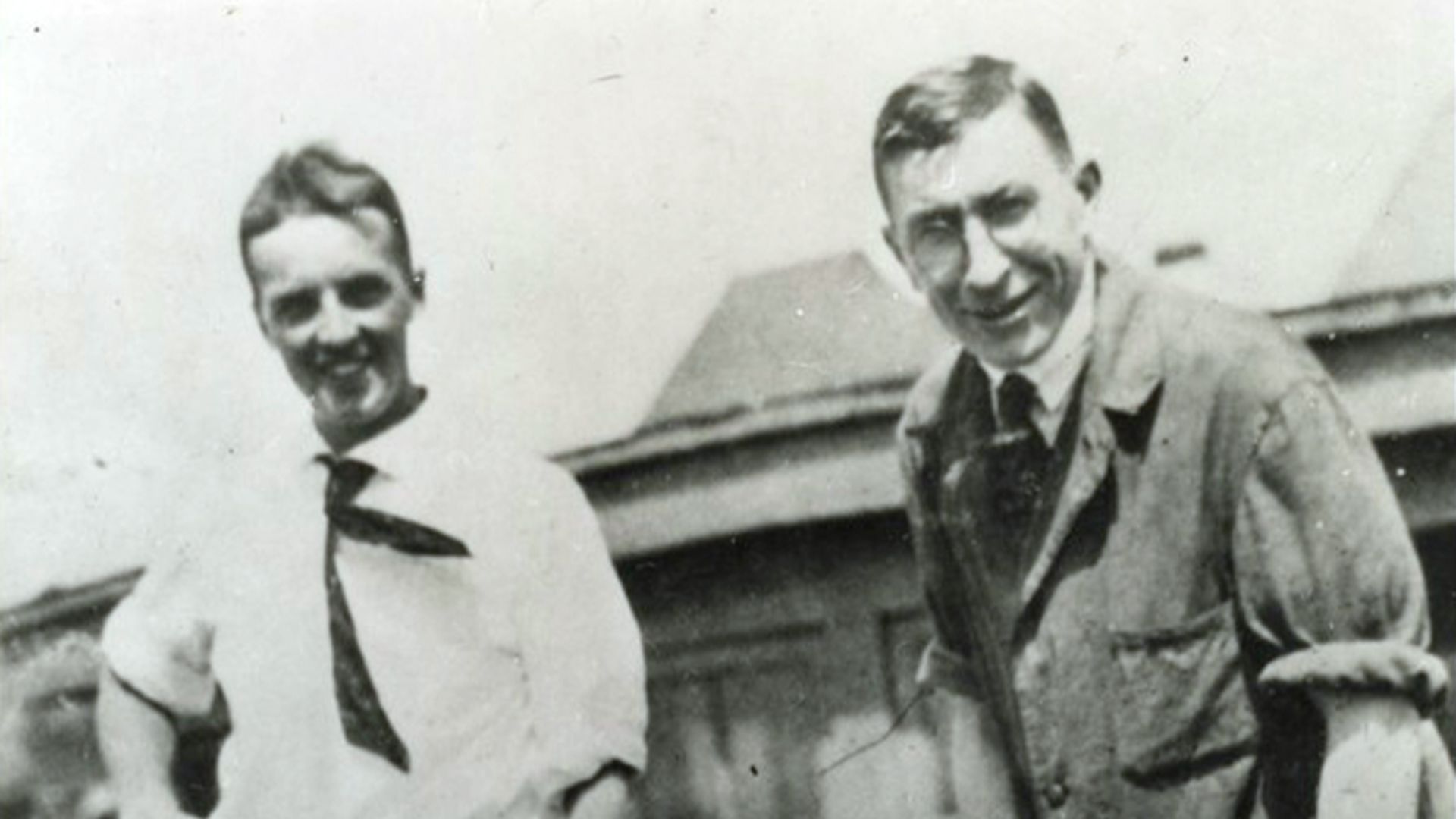
8. Banting and Best's Insulin
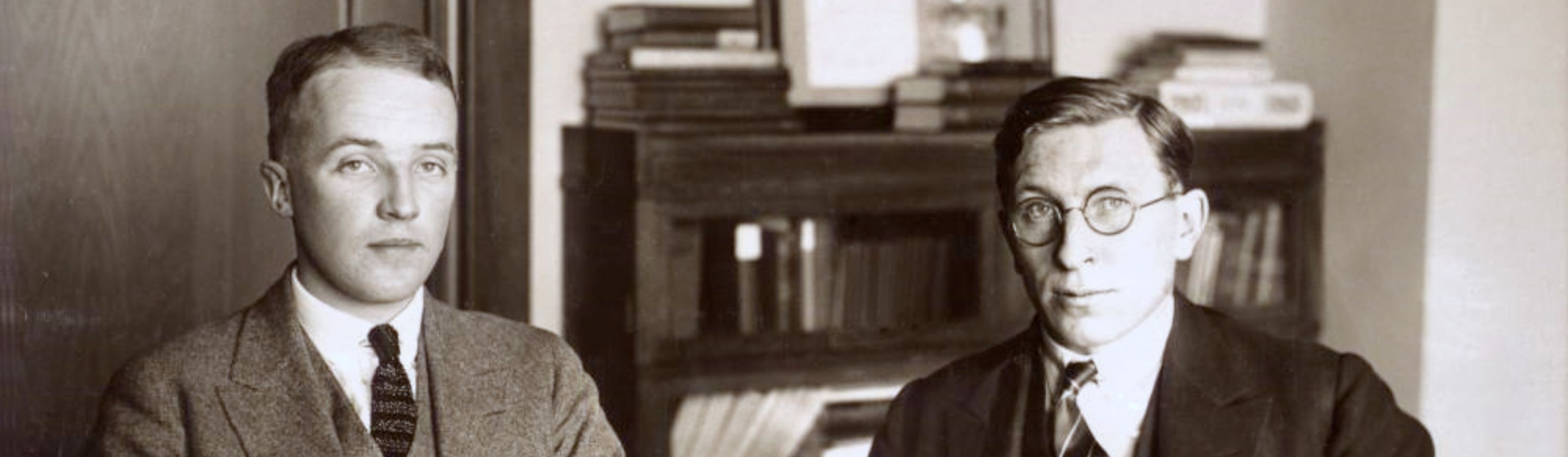
Before 1921, a diagnosis of type 1 diabetes was essentially a death sentence, treated only with starvation diets. Banting and Best isolated insulin from a dog's pancreas and used it to pull a dying diabetic teenager back from the edge. Diabetics went from a lifespan of months to one of decades.
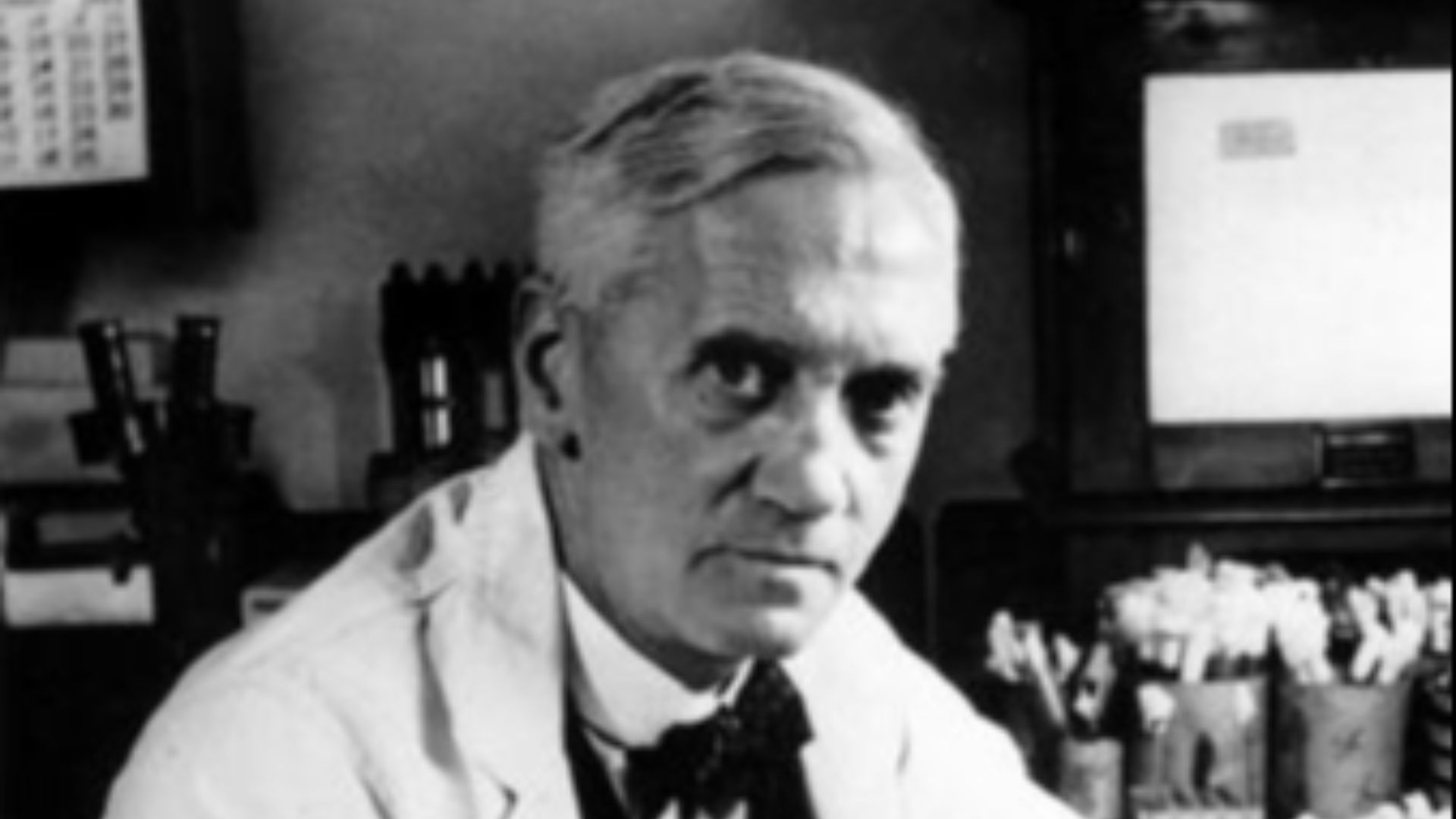
9. Alexander Fleming and Penicillin
Fleming returned from vacation in 1928 to find mold had contaminated a petri dish, and noticed the bacteria around it had died off. That accident led to penicillin, the first true antibiotic, though it took another decade and a wartime push before mass production followed. It's credited with saving more lives than perhaps any discovery since.
 Calibuon at English Wikibooks, cropped by User:AlanM1 on Wikimedia
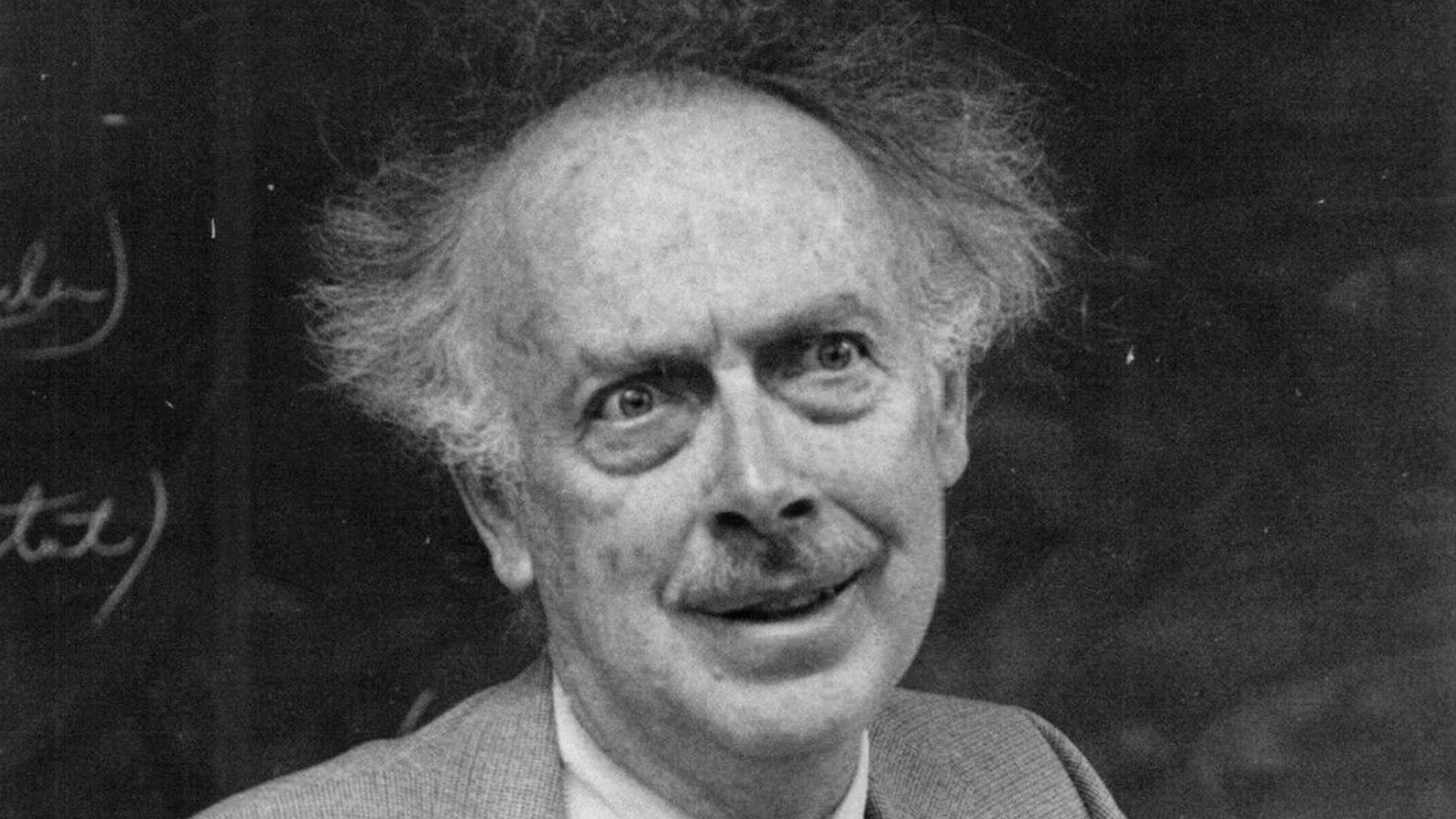
10. Watson, Crick, and DNA's Structure
In 1953, James Watson and Francis Crick worked out DNA's double helix structure, building heavily on X-ray images produced by Rosalind Franklin. The discovery explained how genetic information gets copied and passed on, opening the door to genetic testing and gene therapy. Franklin's contribution went largely unrecognized during her lifetime, a fact still debated today.
 Unknown authorUnknown author on Wikimedia
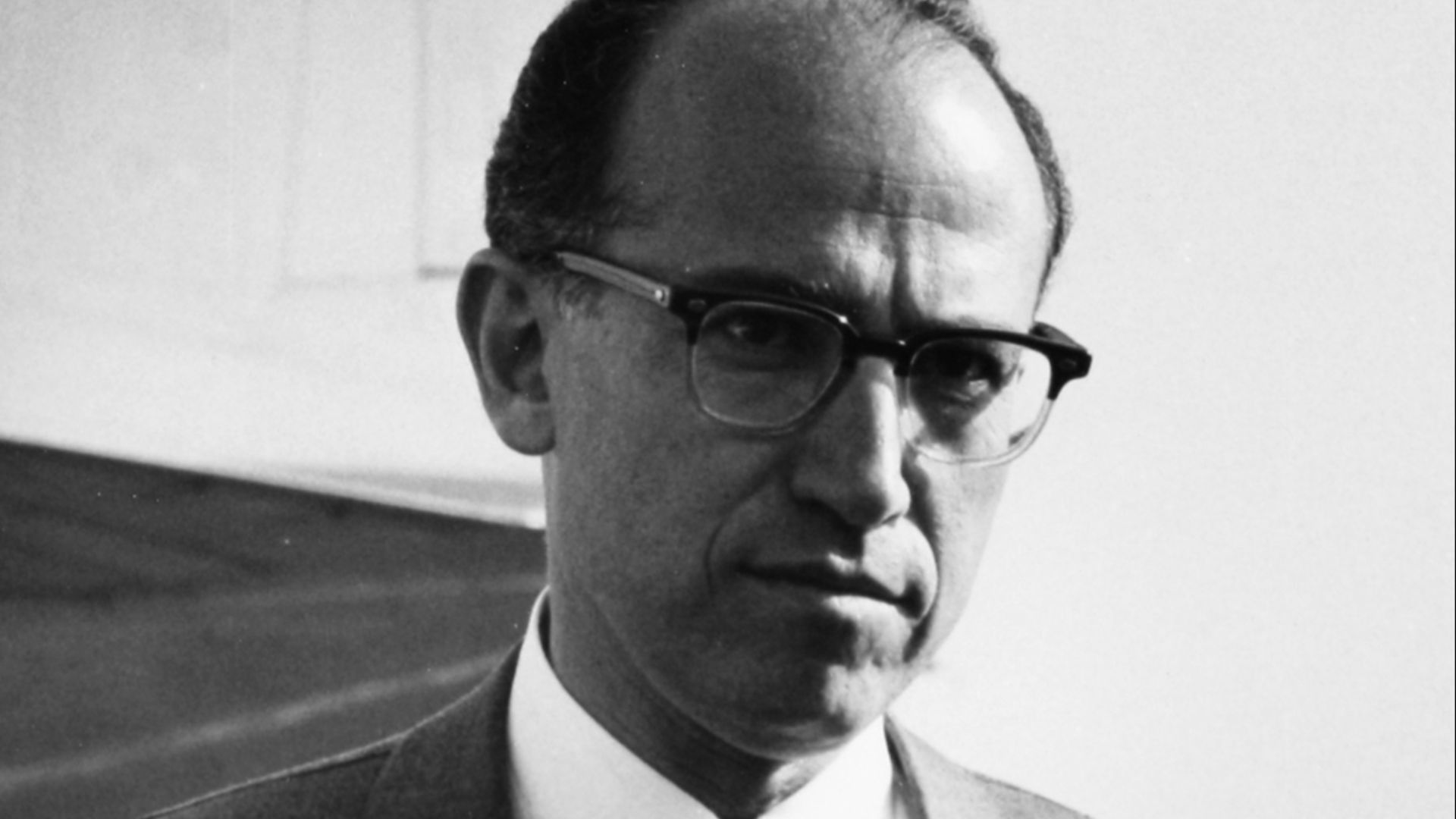
11. Jonas Salk's Polio Vaccine
Polio epidemics in the mid-20th century paralyzed and killed thousands of children yearly, and parents dreaded summer as its peak season. Salk developed an inactivated vaccine that proved safe and effective in a massive 1954 trial involving well over a million children. Its 1955 announcement triggered nationwide celebration, and Salk famously refused to patent it, saying it belonged to the people.
 SAS Scandinavian Airlines on Wikimedia
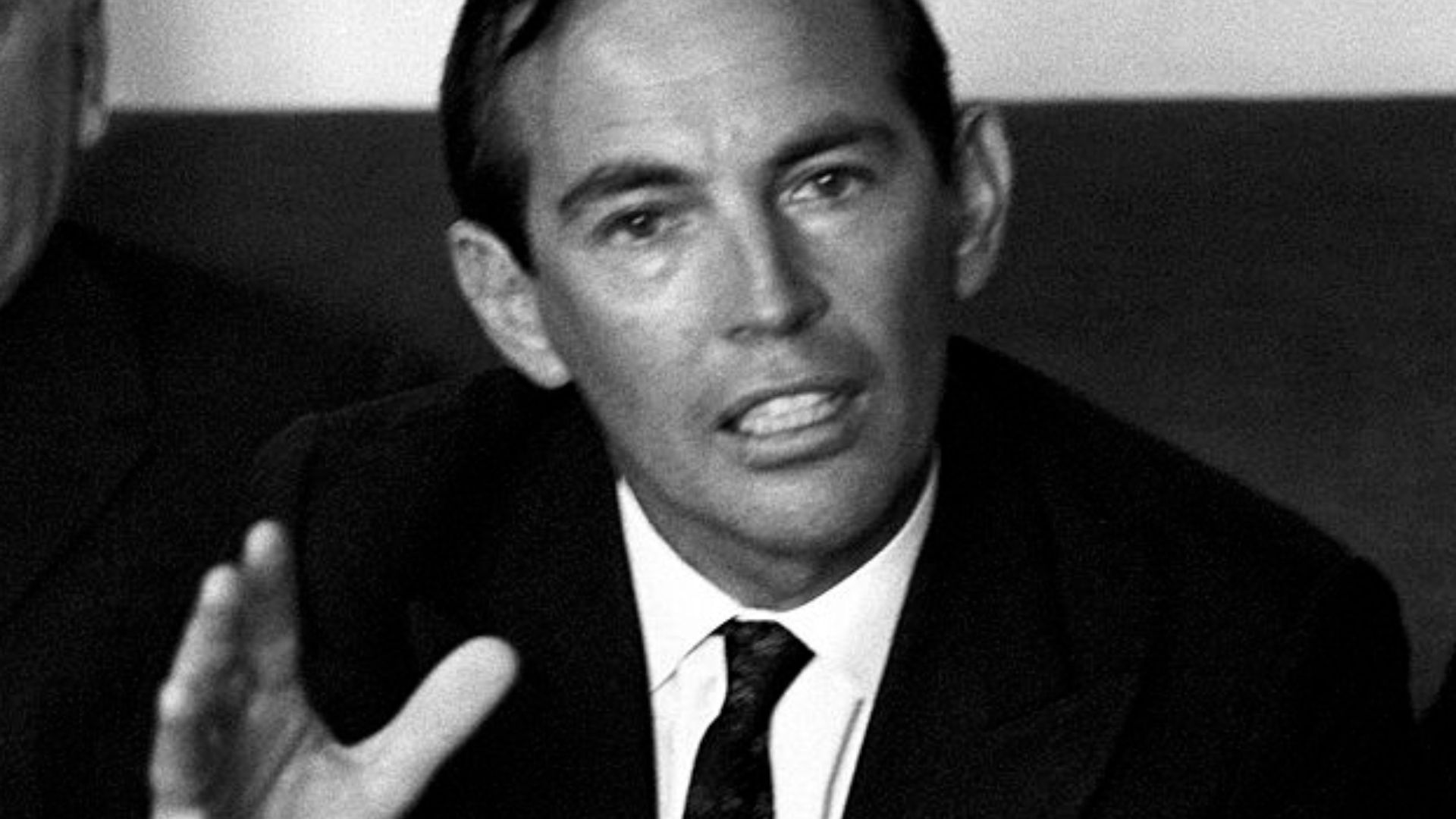
12. Barnard's First Heart Transplant
In December 1967, South African surgeon Christiaan Barnard performed the first human-to-human heart transplant, on a patient named Louis Washkansky, who survived only 18 days, succumbing to pneumonia rather than rejection. The operation still proved the procedure worked, kicking off decades of refinement that make heart transplants routine today.
 Mario De Biasi (Mondadori Publishers) on Wikimedia
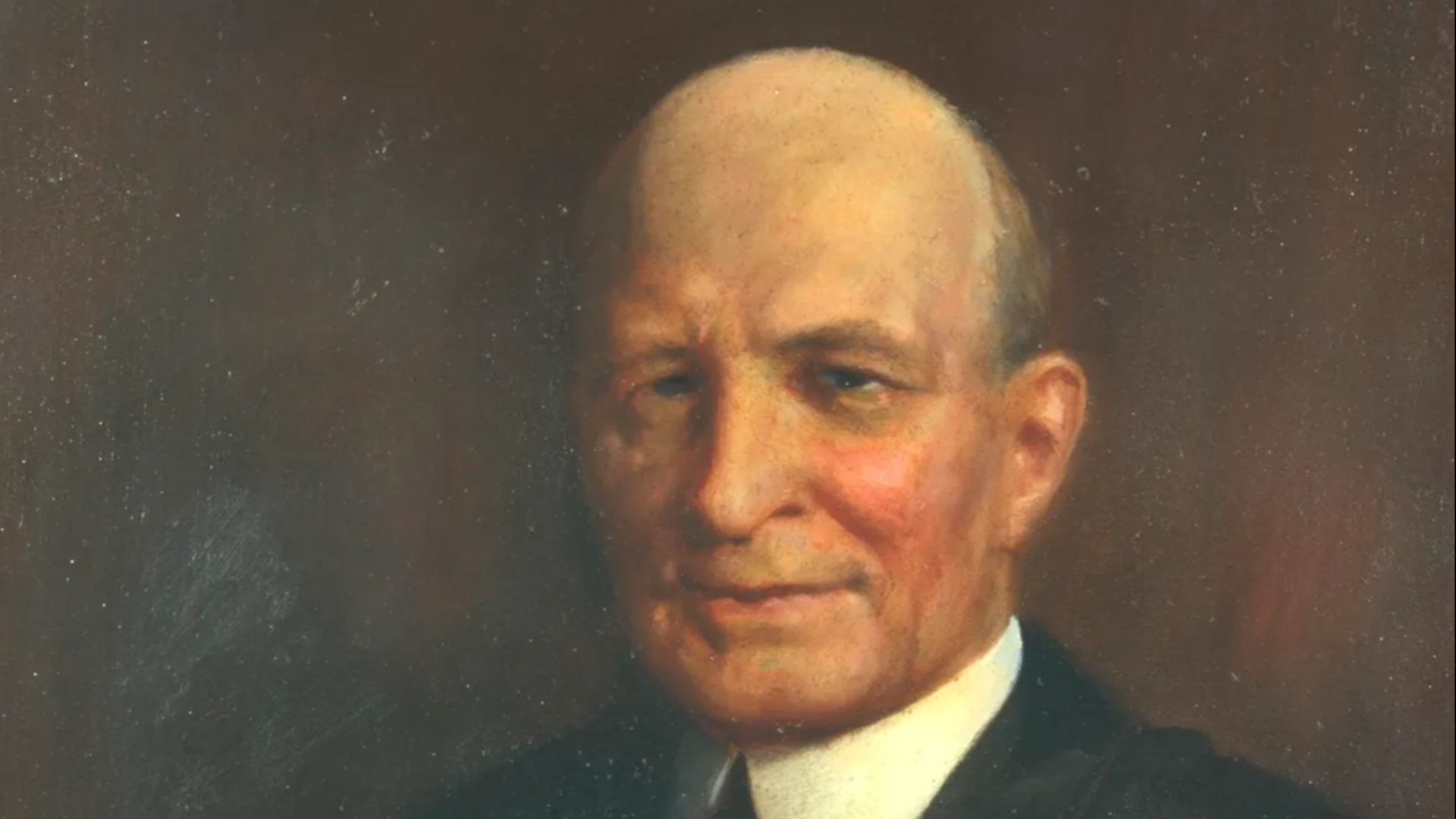
13. Murray's First Kidney Transplant
In 1954, Joseph E. Murray transplanted a kidney between identical twins in Boston, sidestepping rejection since the twins shared identical genetics. The recipient lived another eight years, proving organ transplantation could work, earning Murray a Nobel Prize and pushing research toward drugs enabling transplants between non-identical people.
 Edwin Murray MacKay on Wikimedia
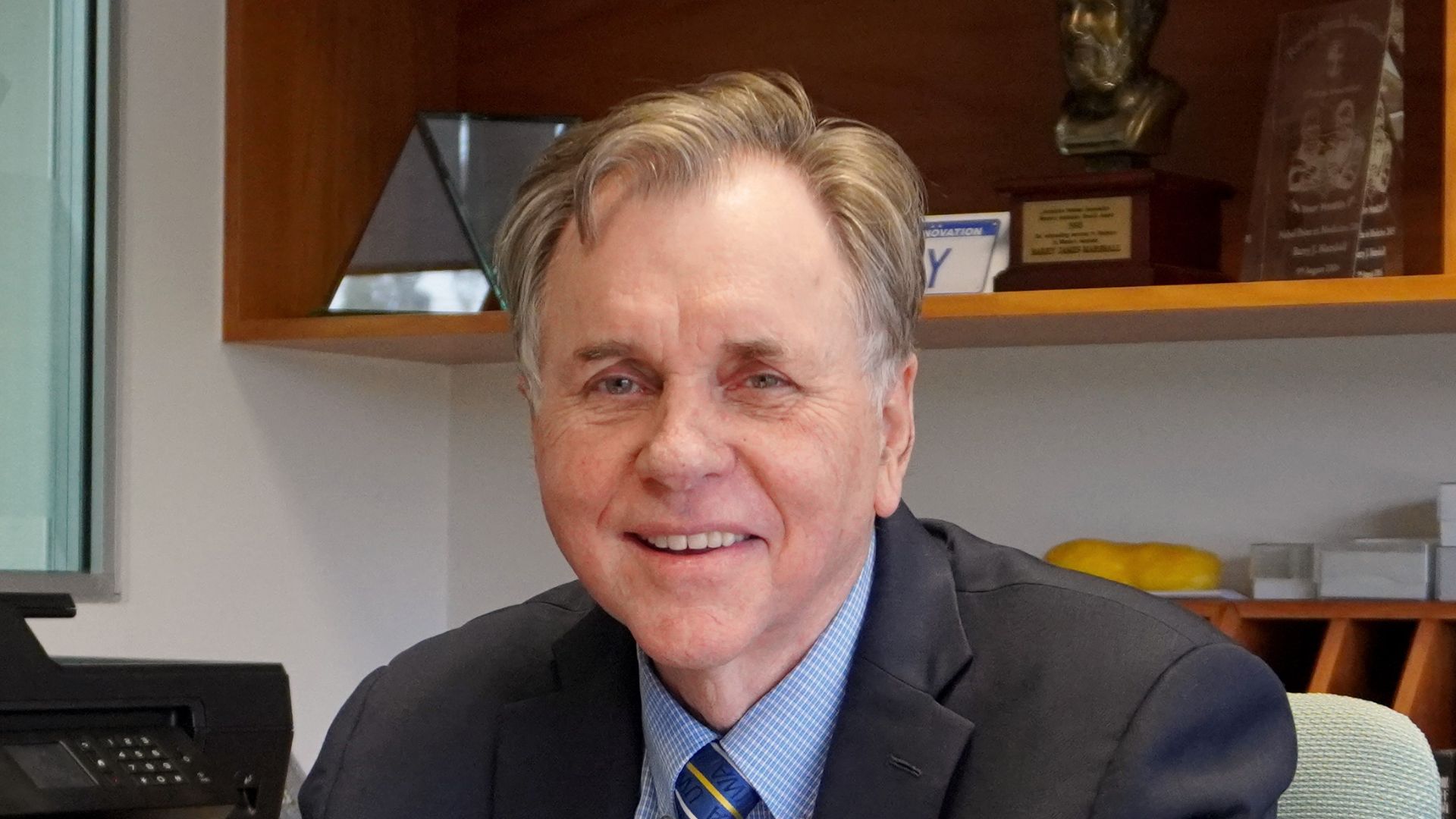
14. Marshall and Warren's Ulcer Bacteria
For decades, doctors blamed stomach ulcers on stress and spicy food, treating them with antacids that rarely helped. In 1982, Australian researchers Barry Marshall and Robin Warren identified the bacterium Helicobacter pylori as the real cause, and when skeptics wouldn't believe them, Marshall drank a culture of it and gave himself gastritis to prove it. Ulcers went from a chronic condition to something curable with antibiotics.
 WikiEdtingProfile2021 on Wikimedia
15. Kary Mullis and PCR
In 1983, biochemist Kary Mullis developed polymerase chain reaction, a technique that copies a tiny snippet of DNA into millions of copies within hours. PCR became the backbone of genetic testing and forensics, and decades later proved essential to the rapid tests used during the COVID-19 pandemic. Mullis reportedly landed on the idea while driving a California highway at night.
16. Robert Edwards and IVF
Robert Edwards spent years developing a technique to fertilize a human egg outside the body, working through repeated failures and real hostility from the medical establishment. In 1978, the method produced Louise Brown, the world's first baby conceived through in vitro fertilization. Millions of births later, it earned him a Nobel Prize in 2010.
17. Ether Anesthesia
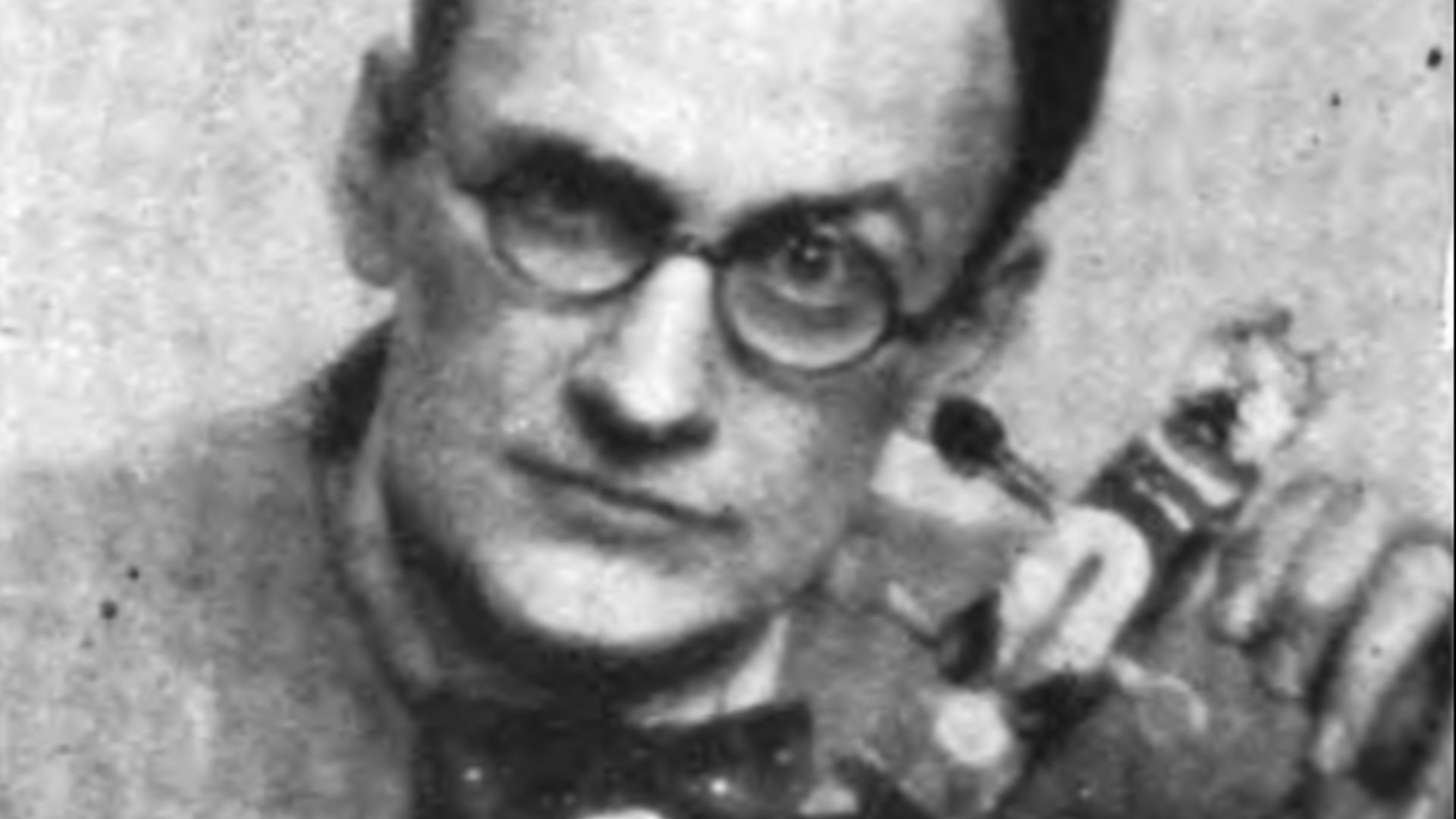
Before 1846, surgery meant being held down and operated on while fully conscious, which limited what surgeons could attempt. Dentist William Morton publicly demonstrated ether anesthesia that year at Massachusetts General Hospital, letting a patient have a tumor removed painlessly. It spread within months and made surgery survivable without trauma.
 Internet Archive Book Images on Wikimedia
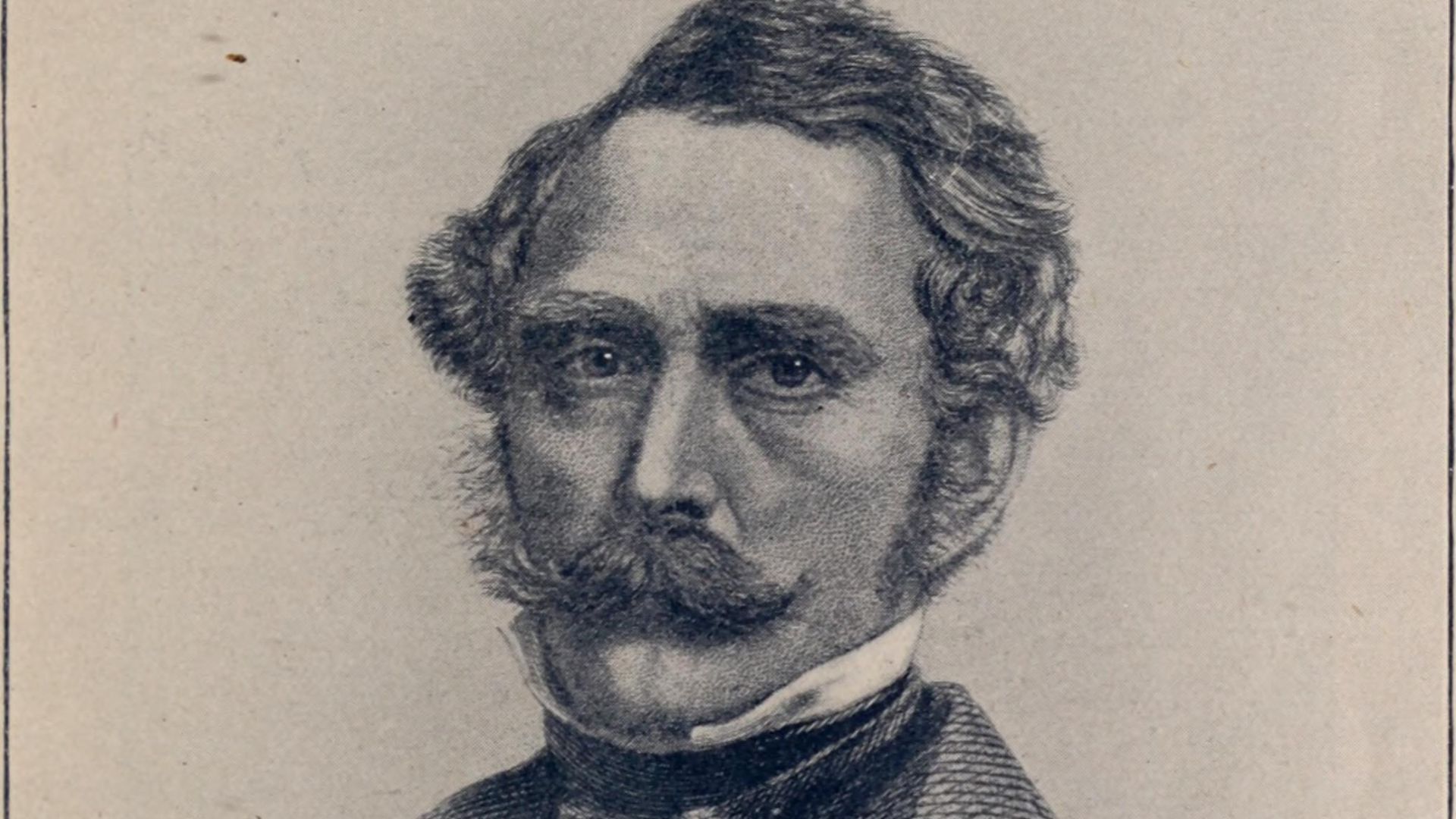
18. Oral Rehydration Therapy
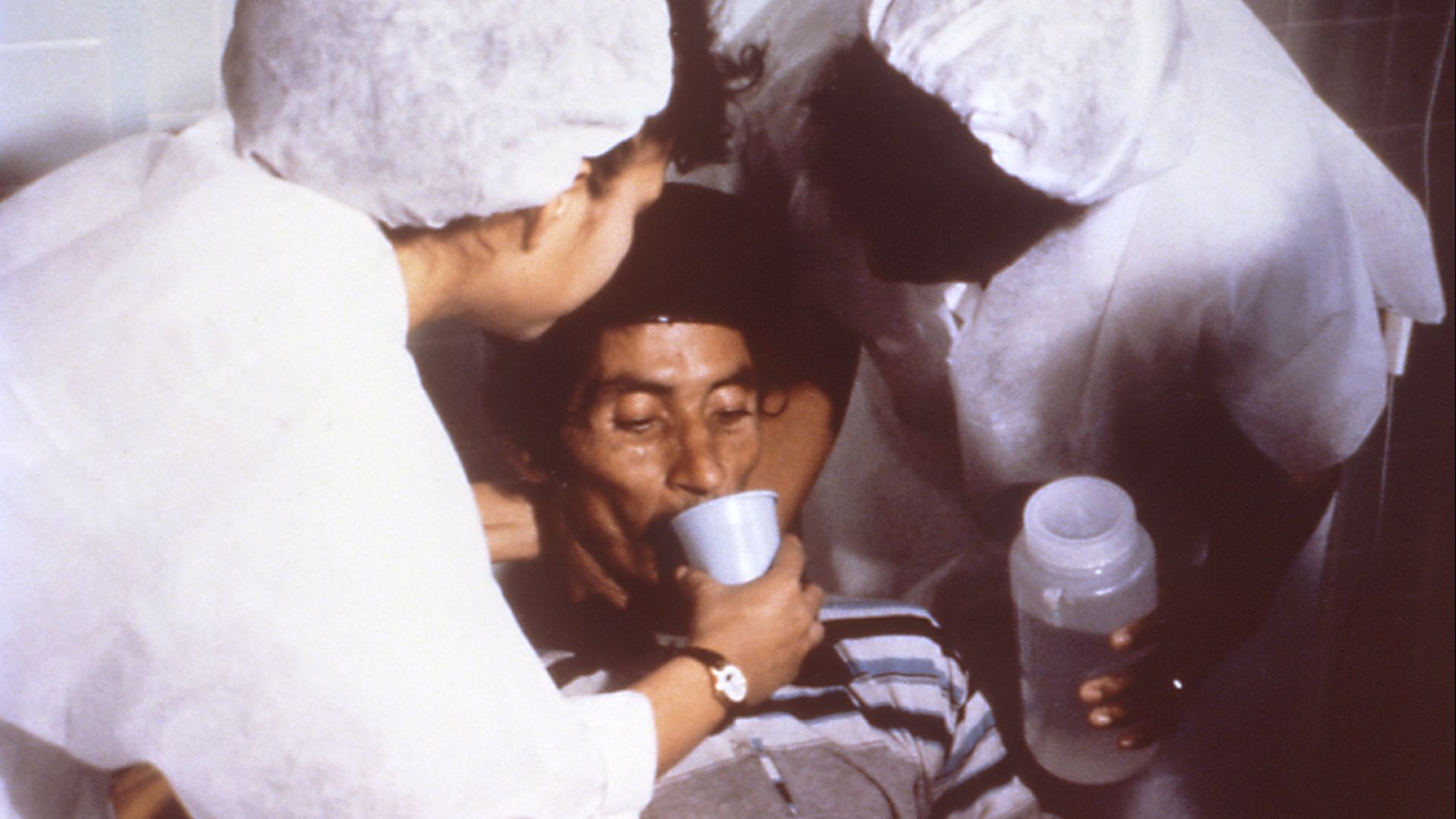
Developed through cholera research in South Asia during the 1960s and early 1970s, this treatment uses a simple mix of salts, sugar, and water to replace fluids lost to severe diarrheal disease. It sounds too basic to matter, but it's estimated to have saved tens of millions of lives, mostly children in the developing world. Medical journals call it one of the century's most significant advances, precisely because anyone can afford it.
 Centers for Disease Control and Prevention on Wikimedia
19. Köhler and Milstein's Monoclonal Antibodies
In 1975, Georges Köhler and César Milstein figured out how to fuse antibody-producing cells with cancer cells, creating a hybrid that could churn out identical, targeted antibodies indefinitely. That technique underpins much of modern cancer treatment and diagnostic testing. Very few people outside biology know their names, despite how much of medicine depends on their work.
20. CRISPR Gene Editing
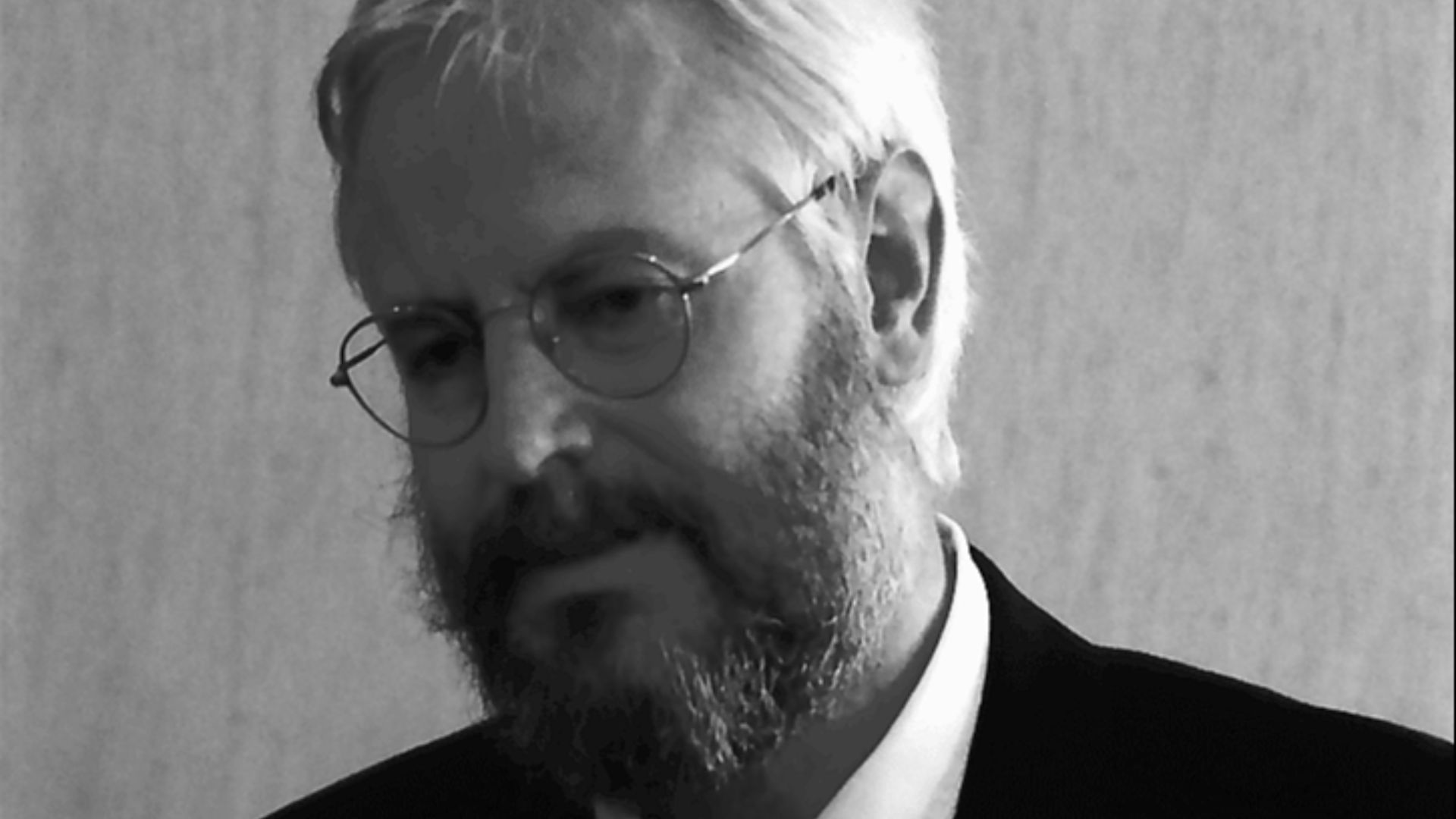
In 2012, Jennifer Doudna and Emmanuelle Charpentier showed a bacterial defense system called CRISPR could be repurposed as a precise, programmable tool for editing DNA. The technology made gene editing dramatically cheaper and more accurate than anything before it, opening real possibilities for treating genetic disease at the source. Their work earned a Nobel Prize in 2020, remarkably fast recognition for a discovery still unfolding.
KEEP ON READING

10 Pre-Workout & 10 Post-Workout Tips To Follow