No Update Required
Modern technology can do incredible things, but plenty of what your body handles every day still outperforms it without anyone noticing. A phone camera needs a few seconds and some software correction to adjust from a bright window to a dim room, while your eyes do it almost instantly and without asking. None of this means technology isn't useful, it just means the hardware you're already running is more impressive than it gets credit for. Here's 20 things your body still does better than the gadgets built to imitate it.

1. Healing Its Own Wounds
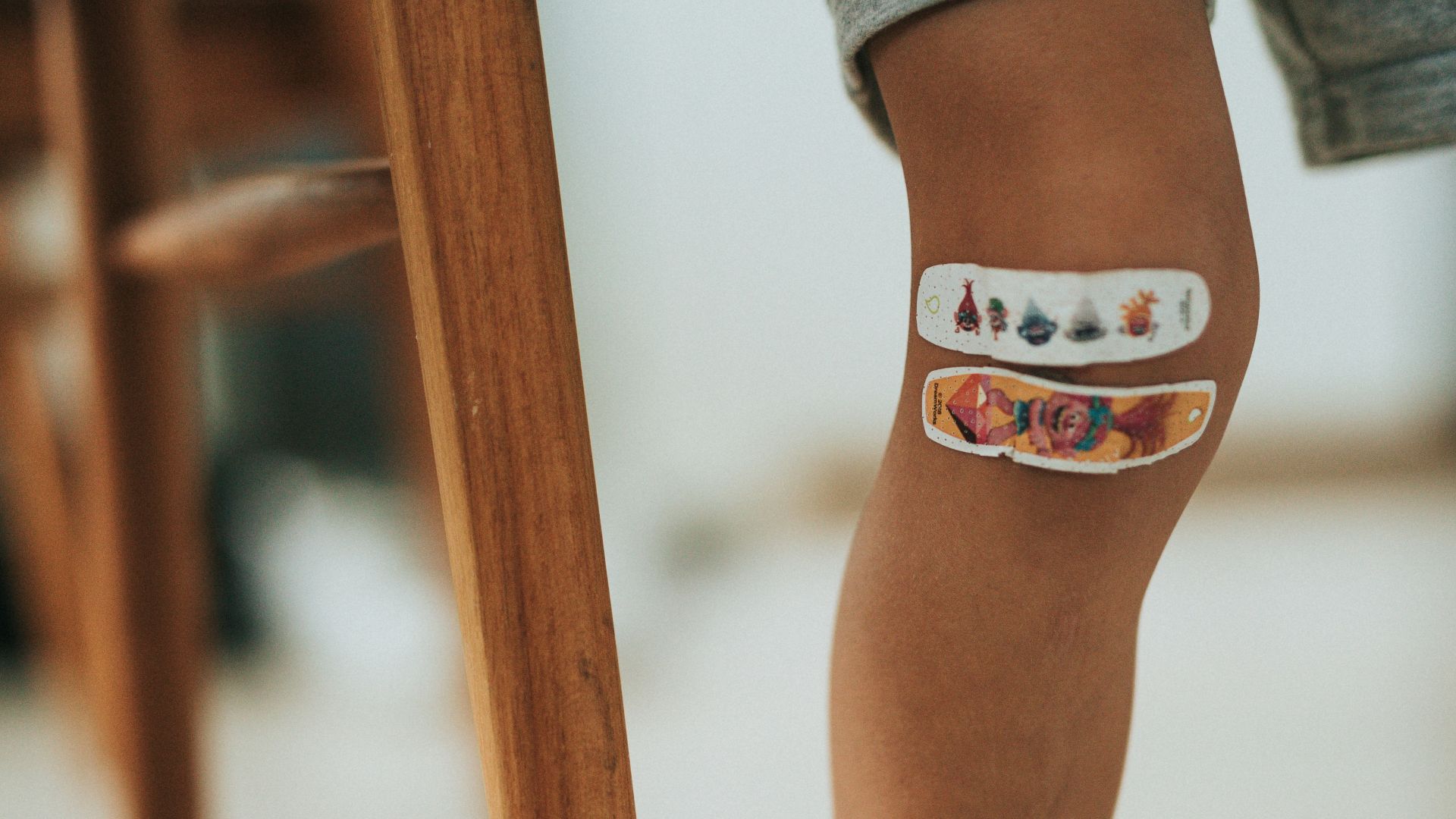
Cut your finger and the body starts closing the wound within minutes, sealing it with a scab and rebuilding skin underneath without any outside instructions. No device on the market repairs its own casing after a scratch, let alone regrows the material that got damaged. The whole process runs in the background while you keep doing whatever you were already doing.
2. Balancing On Uneven Ground
Walking across gravel, a curb, or a wobbly dock takes constant micro-adjustments in the ankles, knees, and inner ear, all happening without a single conscious calculation. Robots built to walk on uneven terrain still struggle with this and need cameras and processors working together just to stay upright. A toddler manages a rocky sidewalk with hardware that fits in a shoe.

3. Regulating Its Own Temperature
Step outside into the heat and the body starts sweating within moments, cooling itself down without a single button being pressed. Step into the cold and it shivers, generating heat automatically to keep core temperature steady. Most electronics need a fan or a full shutdown to handle the same kind of temperature swing.
4. Running On Almost No Power
The brain operates on roughly 20 watts, about what a dim light bulb pulls, while performing tasks that would take a data center full of servers to approximate. That efficiency gap hasn't closed much despite decades of chip design aimed at closing it. A three-pound organ still outperforms warehouses of hardware on a fraction of the energy bill.

5. Picking A Familiar Face Out Of A Crowd
Spotting a friend in a packed stadium happens almost instantly, even from an angle, in bad lighting, or years after the last time you saw them. Facial recognition software still trips up on poor lighting or partial views. The brain does it without needing a clear, front-facing photo to compare against.

6. Adjusting To Bright Or Dim Light
Walking from a sunny parking lot into a dim restaurant, the eyes adjust within seconds and keep adjusting the longer you're inside. Most cameras need real settings changes, or software correction after the fact, to handle that same range without a blown-out or overly dark shot. Human vision does the equivalent of manual exposure control automatically, all day, without being asked.

7. Locating Where A Sound Came From
Hearing a door creak somewhere in the house and knowing almost instantly which room it came from relies on a tiny, automatic comparison between what each ear picked up. Most microphones need multiple units and real processing power to pull off the same kind of directional accuracy. Two ears a few inches apart handle it in a fraction of a second.

8. Sniffing Out Spoiled Food
One whiff of milk that's turned is usually enough to know not to drink it, no expiration date required. Electronic sensors built to detect spoilage exist, but they tend to be expensive and limited in what they can actually pick up on. A nose catches the change almost instantly, without anything needing to be plugged in or calibrated first.
9. Catching A Thrown Object
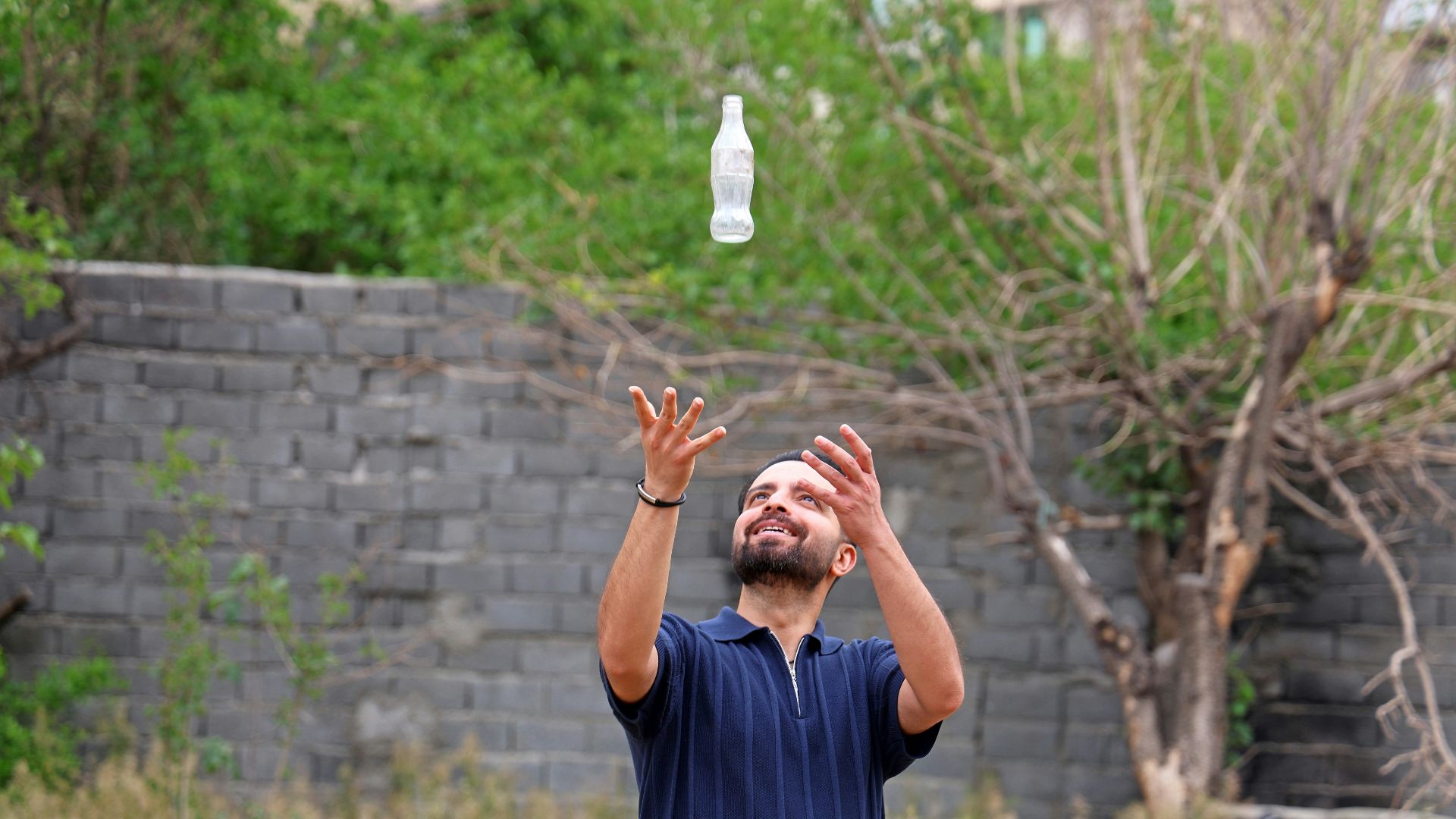
Catching a ball mid-air means tracking speed and trajectory, then moving a hand to the right spot before the object even arrives, all without doing any visible math. Robots that catch objects reliably are still a research problem, needing high-speed cameras and heavy computation to pull off what a kid learns by age six. The body solves the physics problem instinctively, over and over, without slowing down to think about it.
10. Adjusting Grip On The Fly
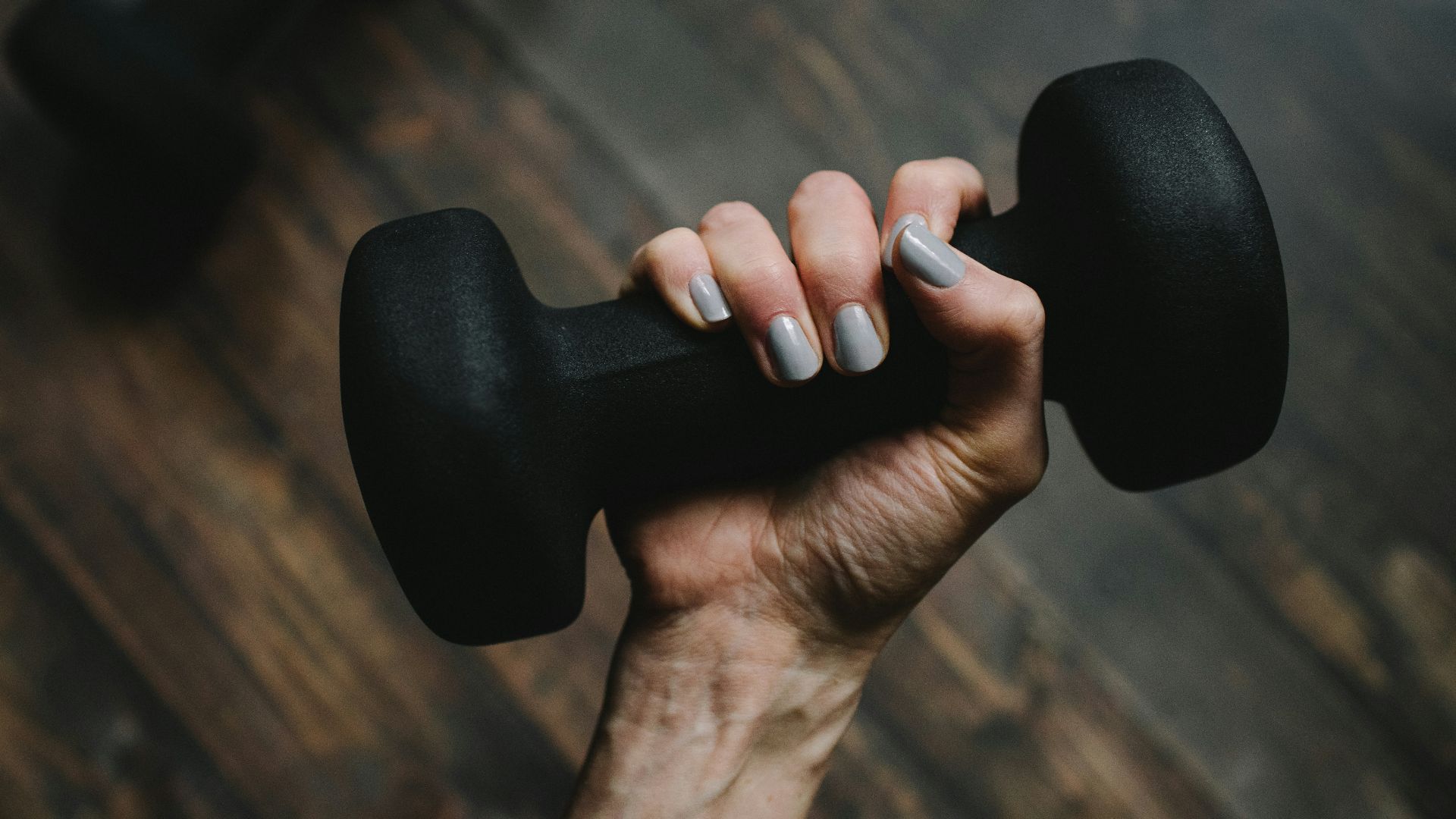
Picking up a wet glass versus a dry one changes how hard the fingers squeeze almost instantly, without any conscious thought about friction or force. Robotic grippers still need sensors and careful calibration to avoid crushing a fragile object or dropping a slippery one. Human hands make that adjustment mid-motion, correcting on the fly if something starts to slip.
11. Storing Decades Of Memory
A brain holds decades of memories, faces, smells, and skills without a hard drive ever failing or a file needing to be recovered. Storage devices degrade or get corrupted, while human memory keeps layering new information on top of old for an entire lifetime. It's not always accurate, but it rarely just stops working.

12. Fighting Off Threats It's Never Seen Before
The immune system can recognize and respond to a virus or bacteria it has never encountered, building a defense on the fly using cells trained to adapt in real time. Most security software still relies on recognizing known threats, patched and updated after the fact. A body handles brand-new problems without waiting on an update to be pushed out.

13. Keeping Its Own Joints Running For Decades
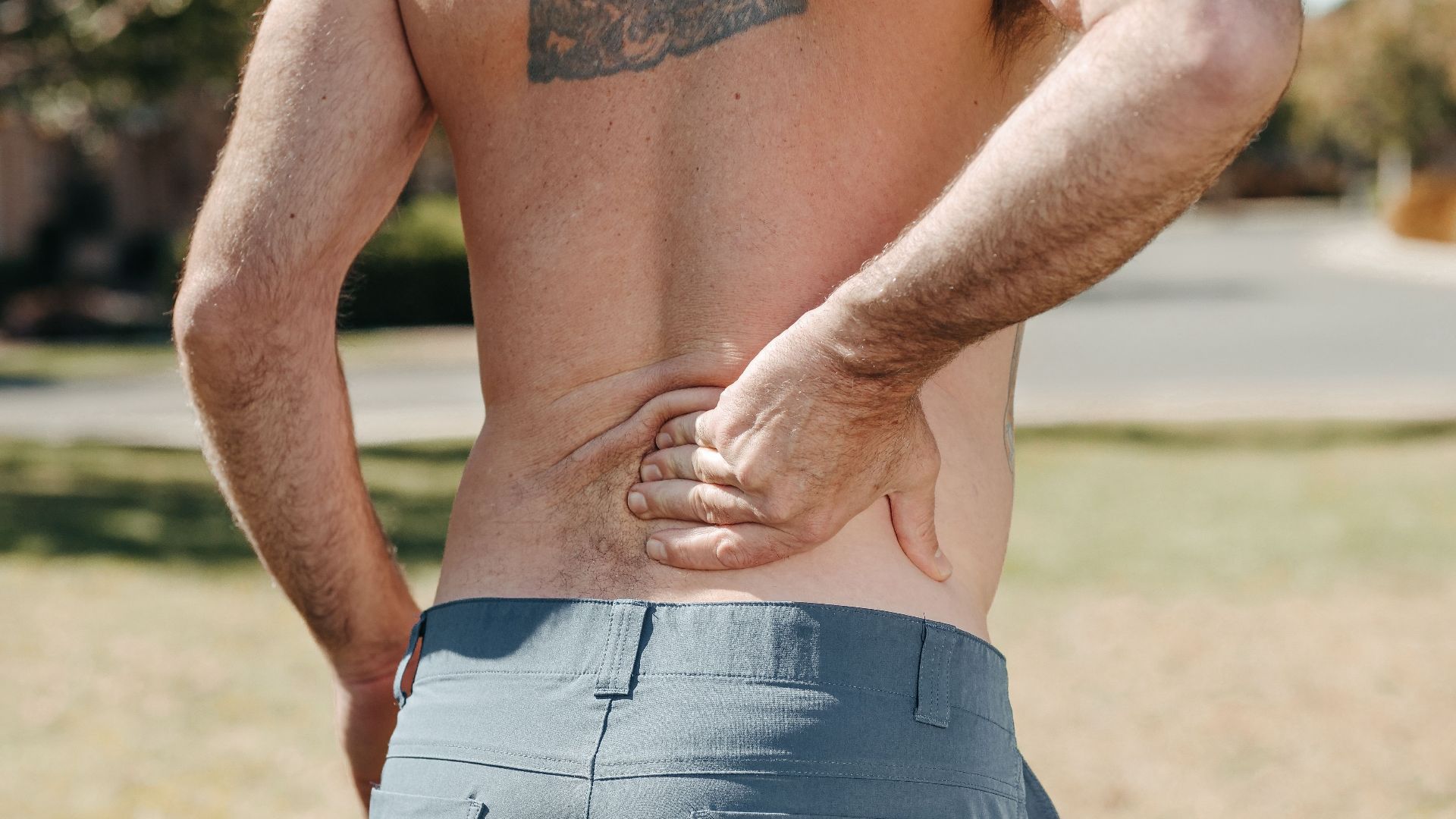
Knees and hips move thousands of times a day, cushioned and lubricated by fluid the body produces on its own, with no scheduled maintenance required. Mechanical joints in prosthetics and machinery wear down and need parts replaced far sooner. A body many decades old can still bend a knee smoothly, no oil change required.
14. Replacing Damaged Cells Automatically
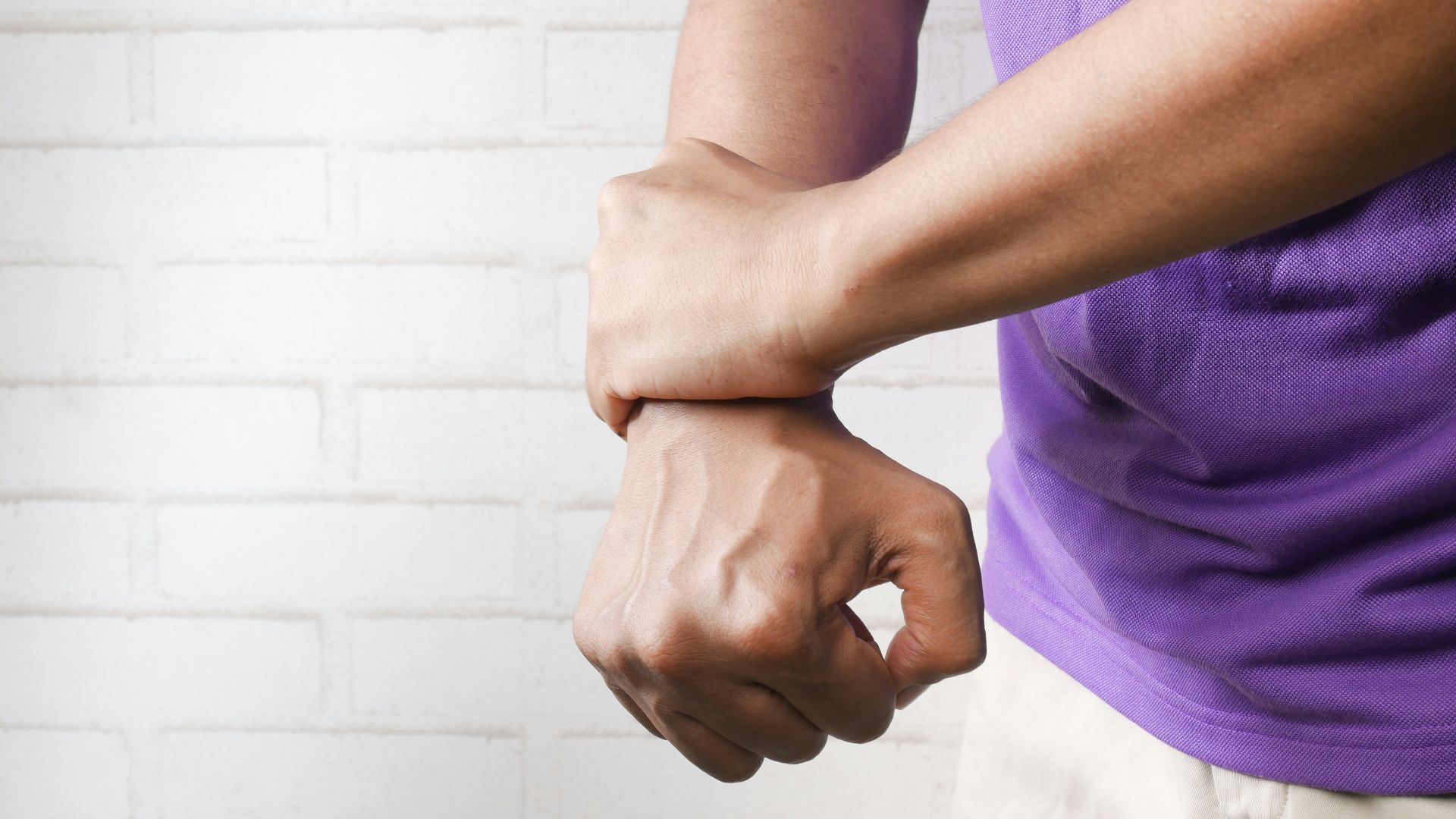
Skin cells, blood cells, and plenty of others get replaced on a rolling schedule, with old or damaged ones swapped out for new ones without anyone noticing it happening. No consumer device rebuilds its own damaged components while still running. The body treats replacement as routine maintenance instead of a repair ticket.

15. Reading What Someone Isn't Saying
A change in tone or a pause a beat too long registers almost instantly, shaping how a conversation gets read before anyone consciously notices why. Voice and emotion-detection software is improving but still misses plenty of nuance a person picks up without trying. Reading a room is a skill technology is still chasing.

16. Running For Years Without An Update
A body keeps functioning for decades without needing a software patch or a factory reset to keep working properly. Every piece of consumer electronics eventually needs an update just to stay compatible with everything around it. The body just keeps running on the same original code, adjusting as it goes.

17. Filtering Its Own Blood Around The Clock
Kidneys filter the entire blood supply many times over each day, running continuously without ever needing to be switched off or serviced. A dialysis machine can take over that job for someone whose kidneys have failed, but only for a few hours at a stretch, several times a week, and only with someone monitoring it. A pair of organs the size of a fist handles what an entire machine and a clinic visit are needed to approximate.
18. Handling Brief Exposure To Water
Getting caught in the rain or dropping a hand in a sink doesn't cause any lasting damage, since skin sheds water without shorting anything out. Plenty of electronics still fail after a splash unless they're specifically built and sealed to handle it. The body comes water-resistant standard, no special casing required.

19. Running On Almost Any Kind Of Fuel
The body can pull usable energy out of everything from a steak to a bowl of rice, adjusting its digestion on the fly without any reconfiguration. Most machines need one specific fuel or charging standard, and feeding them anything else can damage them outright. A stomach doesn't care what kind of meal shows up, as long as calories are somewhere in it.
 Pablo Merchán Montes on Unsplash
20. Recovering Fully Overnight
A full night of sleep restores focus, mood, and physical energy without losing any stored memory or skill in the process, the way restarting a device sometimes does. No update gets lost and no progress gets erased, and everything picks back up the next morning as if nothing happened. The body reboots without ever wiping anything out.

KEEP ON READING


20 Ways To Get Your Vitamins And Minerals
20 Ways Doing Less Can Actually Improve Your Health