The Subtle Changes That Come With Getting Older
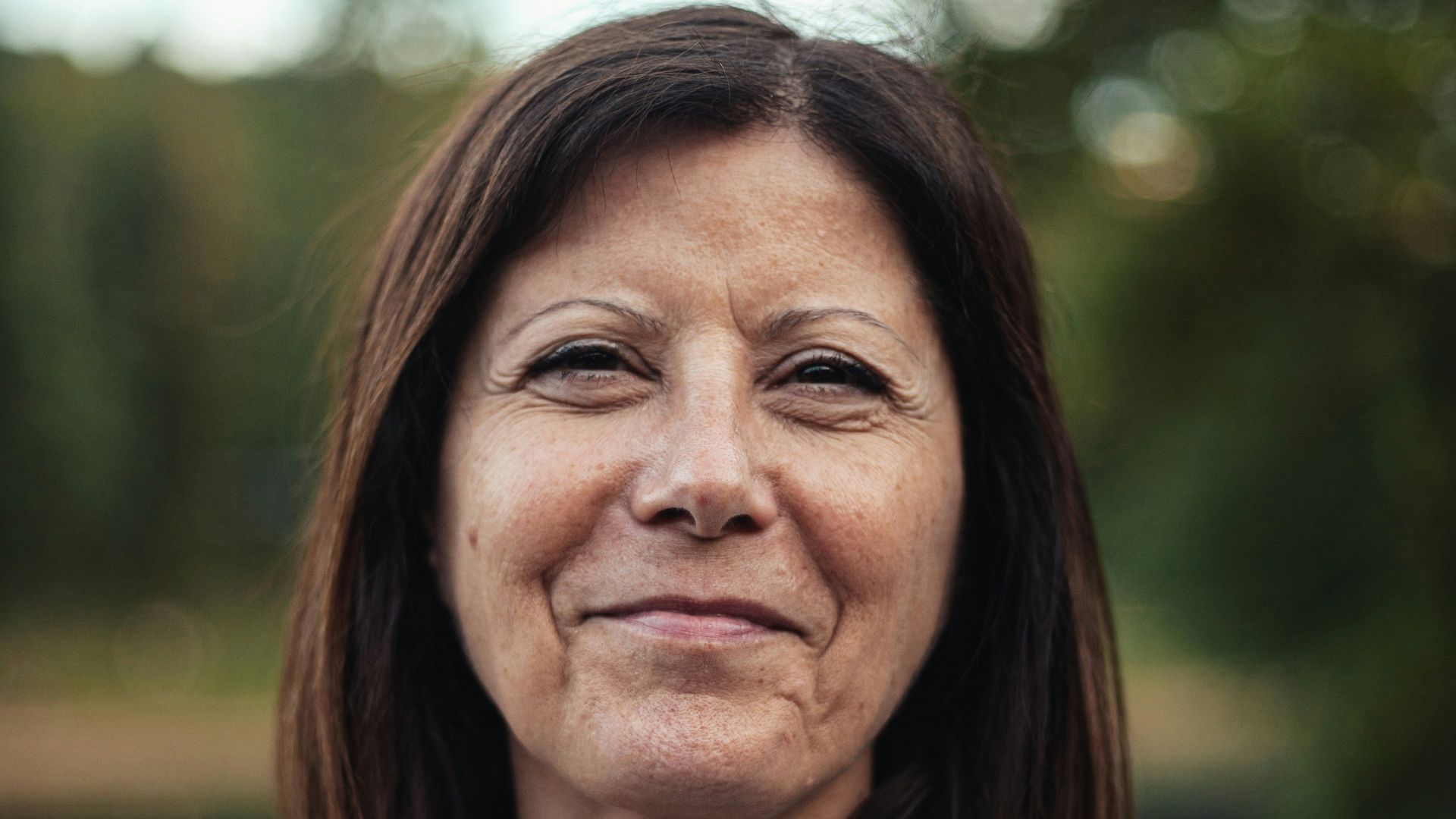
Aging rarely announces itself through one dramatic physical change, because the body usually adjusts gradually across several systems at once. Muscle strength, sleep patterns, skin, vision, digestion, recovery, and even the way you respond to temperature can all change over time, although the timing and degree vary widely from person to person. Many of these shifts are part of normal aging rather than signs that something is wrong, but persistent or sudden symptoms still deserve medical attention, especially if they're interfering with everyday life. Here are 20 signs your body is shifting into a new age.
1. Recovery Takes a Little Longer
You may notice that a hard workout, long day, or physically demanding weekend leaves you sore for longer than it once did. Staying active and allowing enough recovery time can help preserve strength and function.
2. Your Muscle Strength Isn't Quite the Same
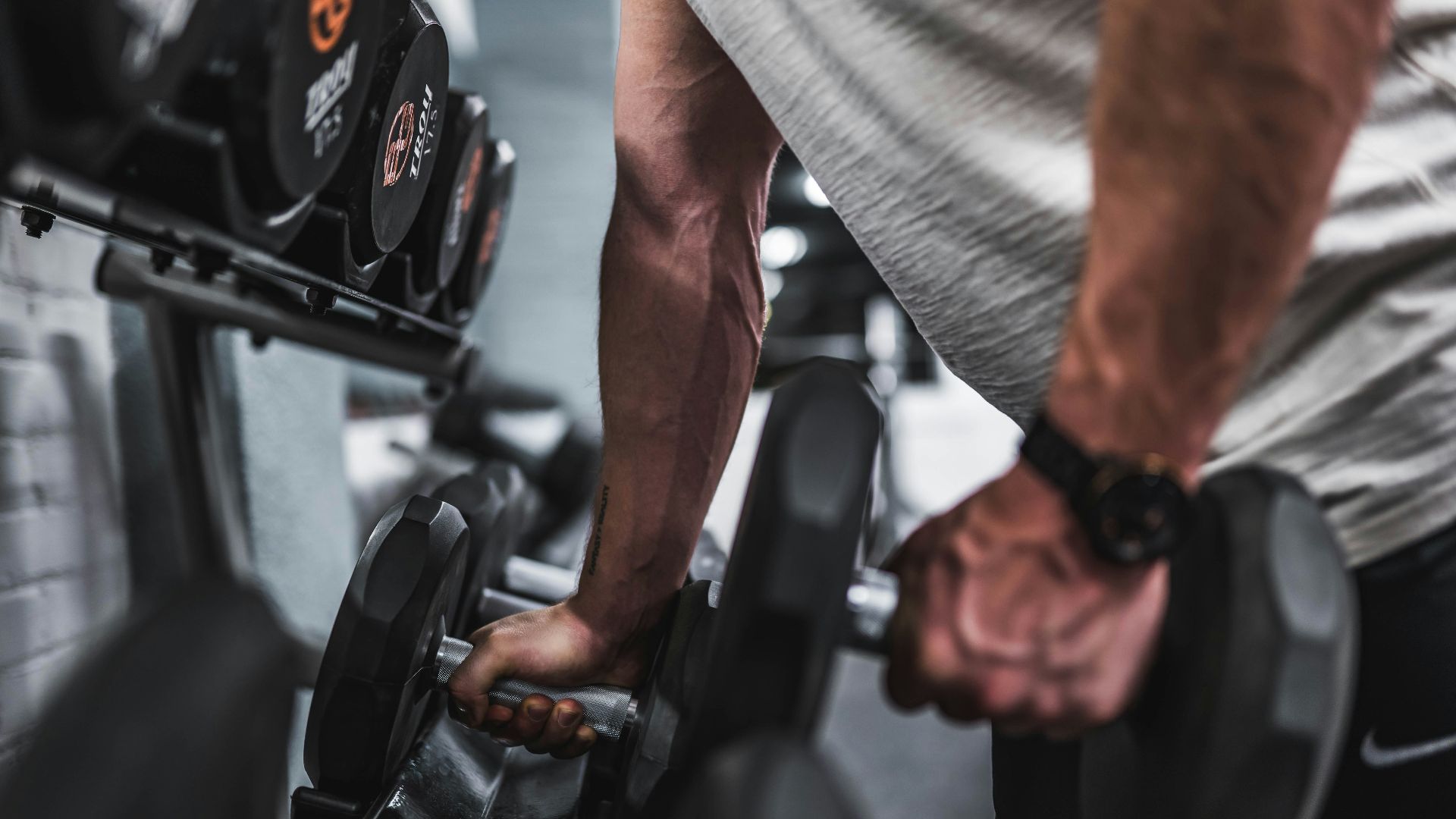
Muscle mass and strength tend to decline gradually with age, particularly if regular resistance exercise isn't part of your routine. Tasks that once felt effortless, such as carrying heavy groceries or climbing several flights of stairs, may start requiring more effort. Strength training can help slow that decline and support everyday mobility.

3. Sleep Becomes More Easily Interrupted
Getting older doesn't mean adults suddenly need much less sleep, but sleep patterns can become lighter or more fragmented. Changes in health, medications, routines, and sleep timing can all contribute, so persistent sleep problems shouldn't simply be dismissed as aging.

4. Your Skin Feels Drier
Skin commonly becomes thinner and drier over time as its structure and oil production change. Sun exposure also contributes significantly to visible skin aging, which means not every change comes from age alone.

5. Small Injuries Seem More Noticeable
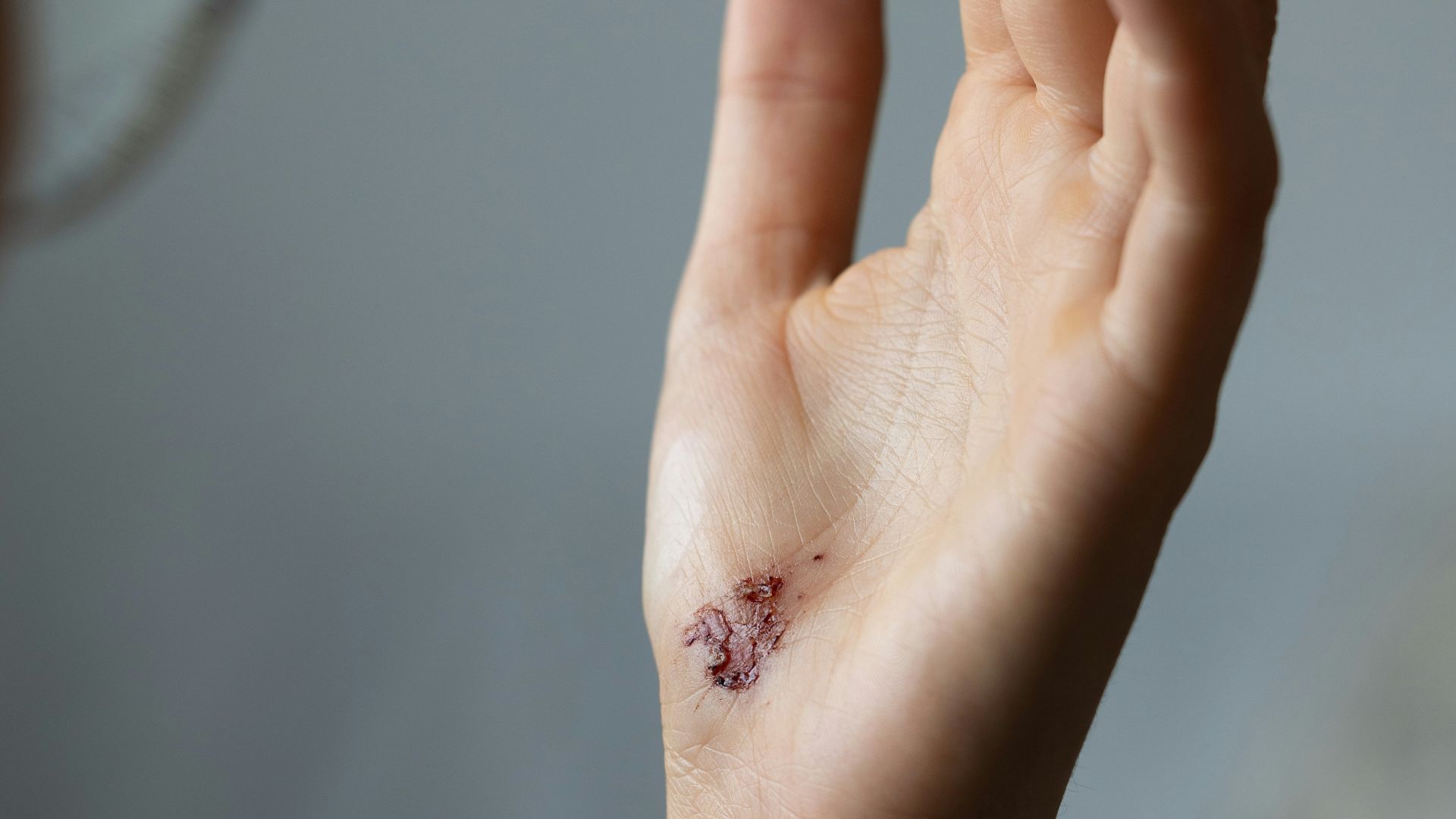
A minor bump, strain, or bruise may start feeling more disruptive than it did years earlier. Aging can reduce some of the body's ability to respond quickly to physical stress, while thinner skin can also make bruising more noticeable. Frequent unexplained bruising or injuries that heal unusually slowly, however, are worth discussing with a health professional.
 Reinhard A. Deutsch on Unsplash
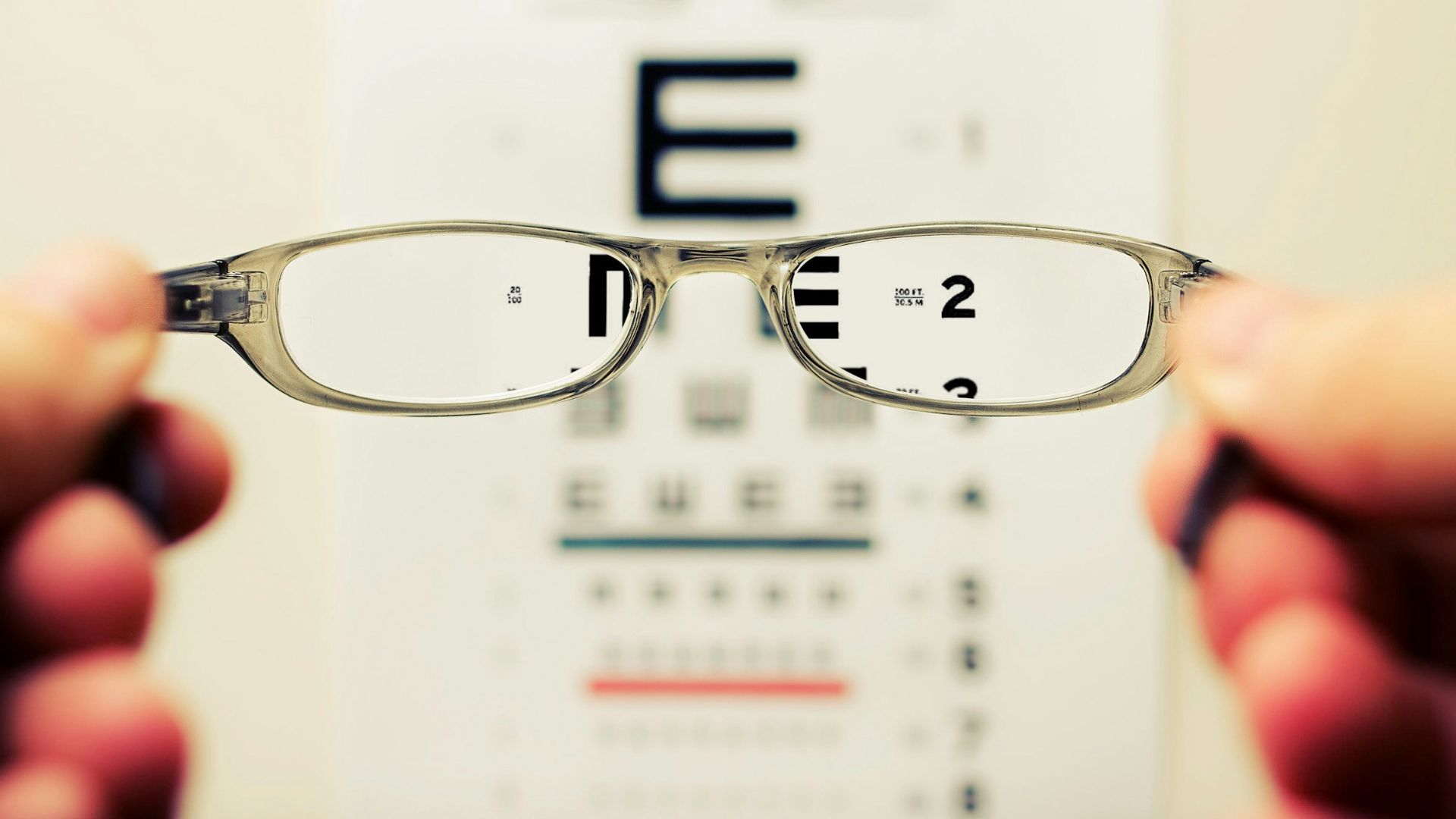
6. Reading Small Print Gets Harder
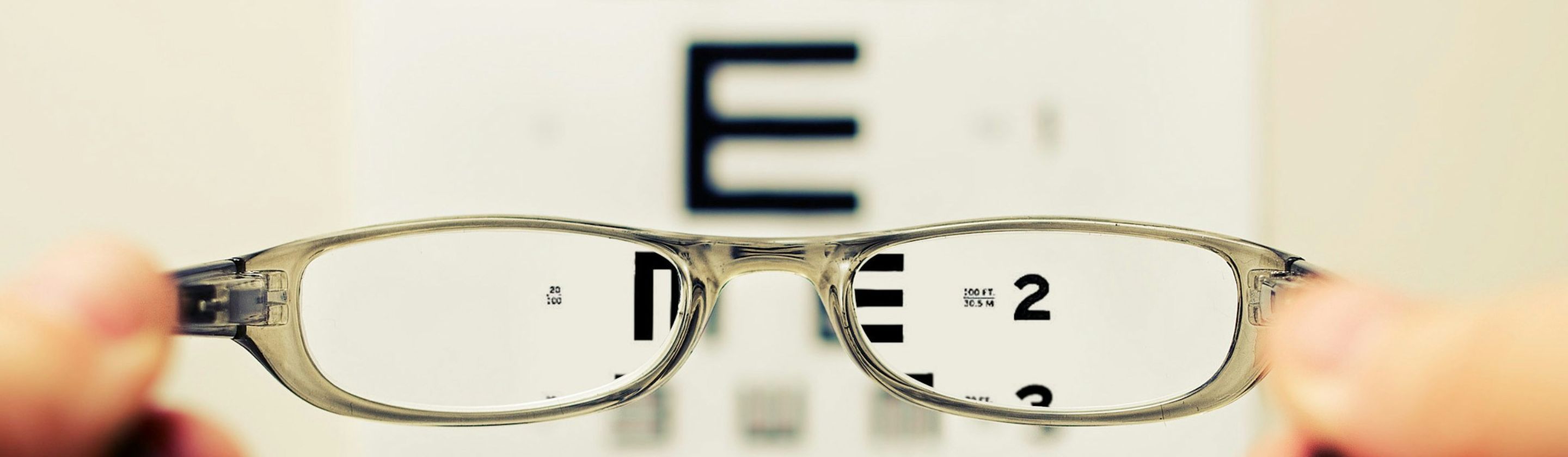
Many adults eventually find themselves holding menus or labels farther away to read them comfortably. Presbyopia, the age-related loss of the eye's ability to focus on nearby objects, commonly becomes noticeable during middle age.
7. Dim Lighting Feels Less Helpful
Your eyes can become less adaptable to low-light conditions as you age. Restaurants, nighttime driving, or poorly illuminated rooms may therefore feel more visually challenging than they once did.

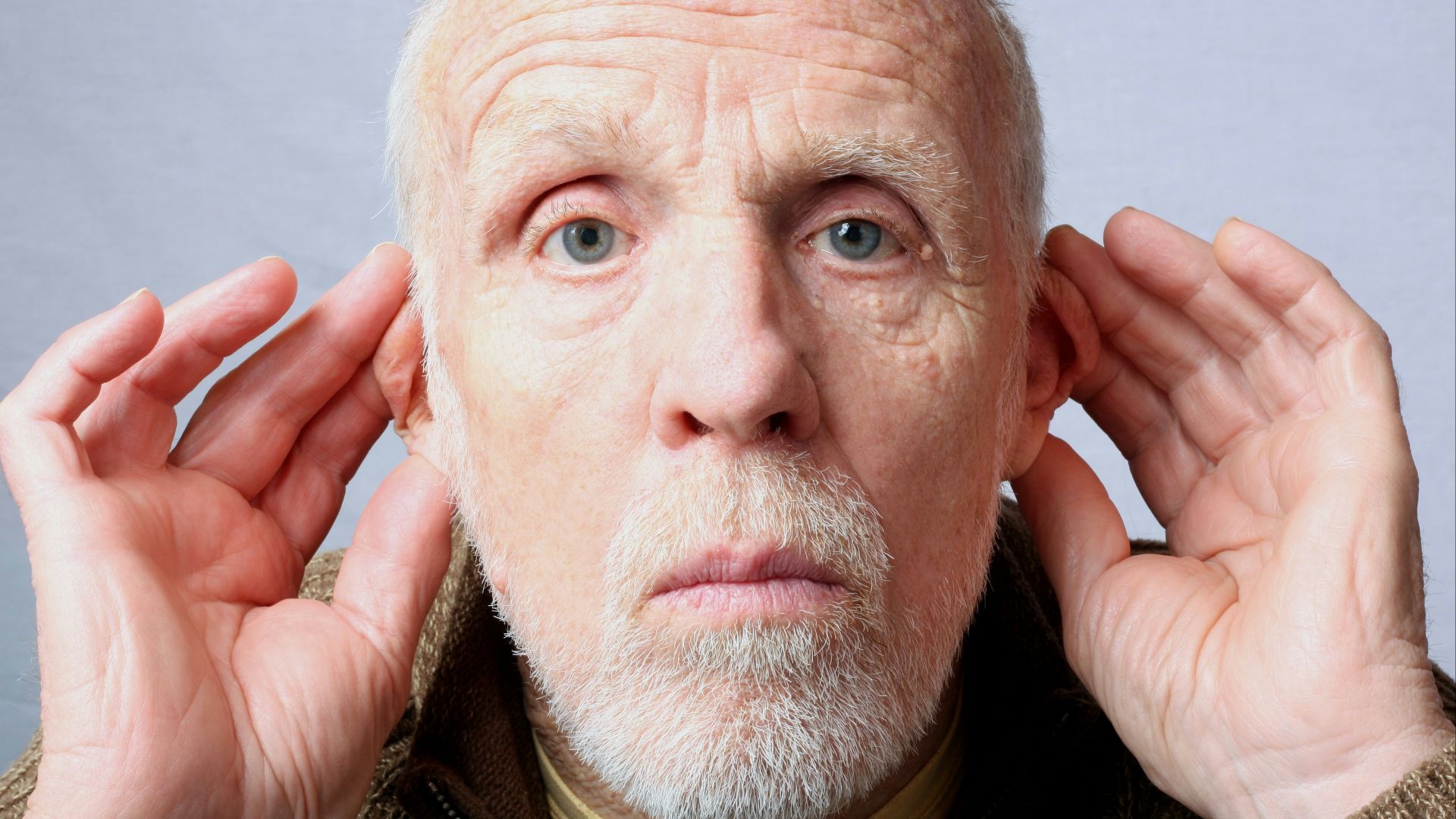
8. Certain Sounds Become Harder to Catch
Age-related hearing changes frequently affect higher-frequency sounds first. Conversations in crowded restaurants or rooms with background noise may become more difficult even if one-on-one conversation still seems clear. Because gradual hearing loss can be easy to overlook, testing can help distinguish normal changes from more significant problems.
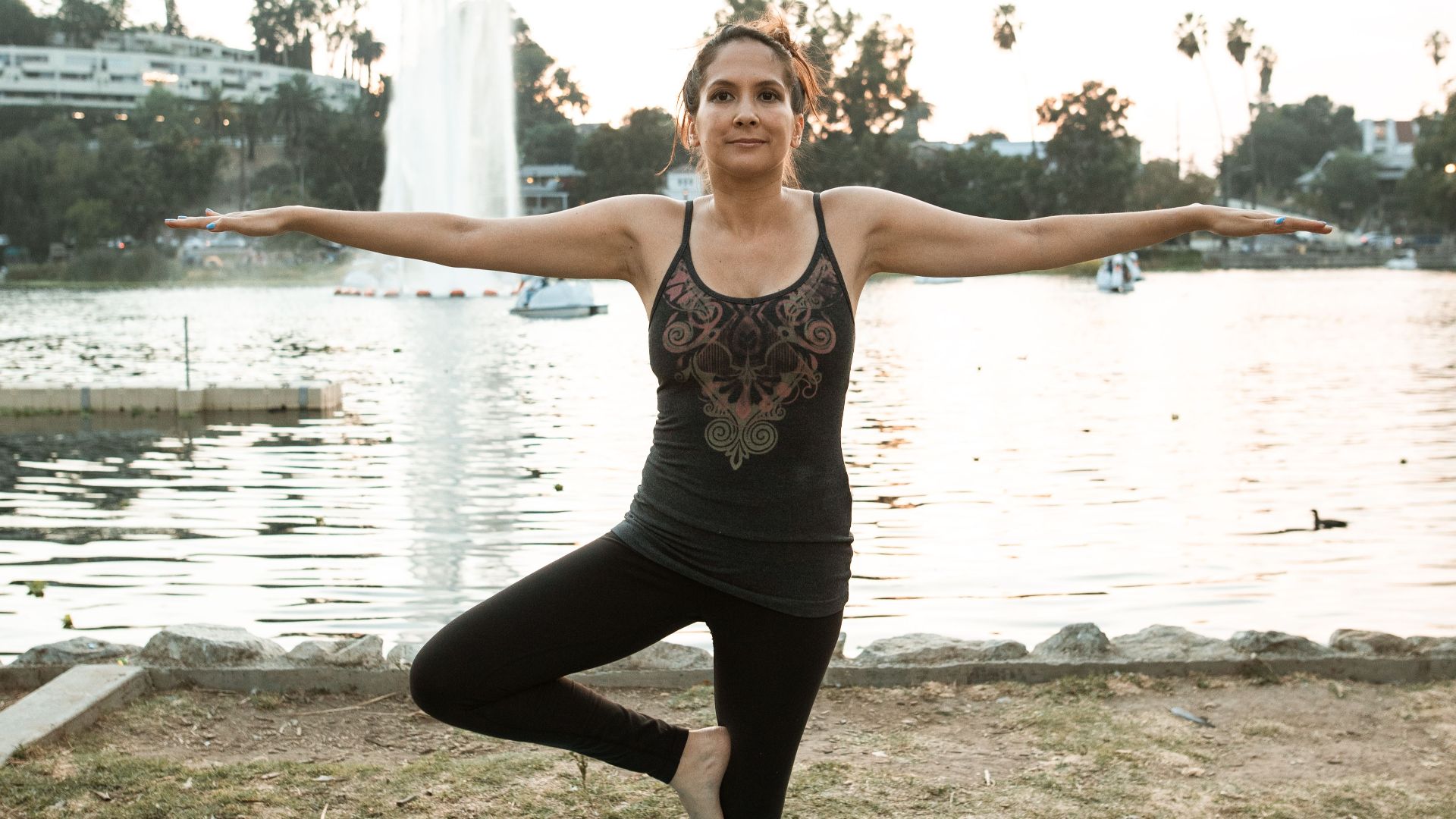
9. Your Balance Requires More Attention
Standing on one leg, navigating uneven ground, or moving quickly through awkward spaces may require more concentration over time. Balance depends on several systems, including muscle strength, vision, sensation, and the inner ear, all of which can change with age.
10. Flexibility Doesn't Come as Naturally
Joints and surrounding tissues can gradually become less flexible, particularly if you spend long periods sitting or don't move through a broad range of motion regularly. You might notice more stiffness after waking up or after remaining in one position for too long. Gentle movement and regular exercise can often help preserve mobility.

11. Your Maximum Exercise Pace Drops
Even active adults may notice that reaching or maintaining their old top pace becomes more difficult. Remaining physically active can still preserve substantial endurance and cardiovascular function.

12. Body Composition Starts Changing
The number on the scale doesn't always tell the whole story as you get older. Muscle mass can decrease while body fat distribution changes, meaning your clothes or body shape may feel different even without dramatic weight gain.

13. You Feel Temperature Changes More Strongly
Temperature regulation can become less efficient with age, making very hot or cold conditions harder for the body to handle. Significant or sudden intolerance to temperature can also have medical causes, so it shouldn't automatically be attributed to age.

14. Your Appetite Can Shift
Appetite doesn't necessarily stay identical throughout adulthood. Changes in activity, medications, taste, smell, health, and energy requirements can all influence how hungry you feel and how much food seems satisfying.

15. Taste and Smell May Seem Less Intense
The senses of taste and smell can gradually change with age, potentially making certain foods seem less flavorful than before. Medications, dental problems, infections, smoking, and other health factors can also affect these senses.

16. Digestion May Feel Less Predictable
Digestive habits can change as activity levels, diet, medications, and gastrointestinal function shift over the years. Some adults become more prone to constipation, especially when they aren't getting enough fiber, fluids, or movement.
17. You Need More Time to Feel Fully Awake
Morning energy can feel different as sleep patterns and daily rhythms change. Persistent exhaustion isn't considered an inevitable consequence of aging, however, and can warrant investigation if it becomes pronounced.

18. Multitasking Feels Less Effortless
Normal aging can bring modest changes in processing speed and certain aspects of memory, even while knowledge and experience remain strong. Severe confusion, major memory loss, or difficulty performing familiar activities isn't considered a routine part of healthy aging.

19. Your Body Responds More to Inactivity
A few sedentary days may leave you feeling stiffer or less energetic than you once did. Because muscle function and physical reserves gradually change with age, regular movement becomes increasingly important for maintaining strength and mobility.

20. Consistency Matters More Than Occasional Effort
Your body may become less forgiving of irregular sleep, long stretches without exercise, or inconsistent eating habits as the years pass. Healthy aging research consistently supports regular physical activity, sufficient sleep, nutritious food, and other sustainable habits for maintaining function over time.

KEEP ON READING


20 Natural Ways You Can Boost Your Immune System
20 Ways To De-stress & Relax After Work
The 10 Most Common Diseases & The 10 Most Rare