When Science Forgot The Human Part
Some of the darkest chapters in scientific history didn't happen in secret; they happened with government funding, published results, and researchers who considered themselves respectable. The line between curiosity and cruelty gets crossed more often than most people realize, and it rarely happens all at once. Consent, when it existed at all, was often a formality rather than a real choice. These cases still shape modern ethics boards, informed consent laws, and the deep public distrust that lingers around certain institutions. Here's 20 human experiments that crossed a line researchers never should have gotten near.
1. The Tuskegee Syphilis Study
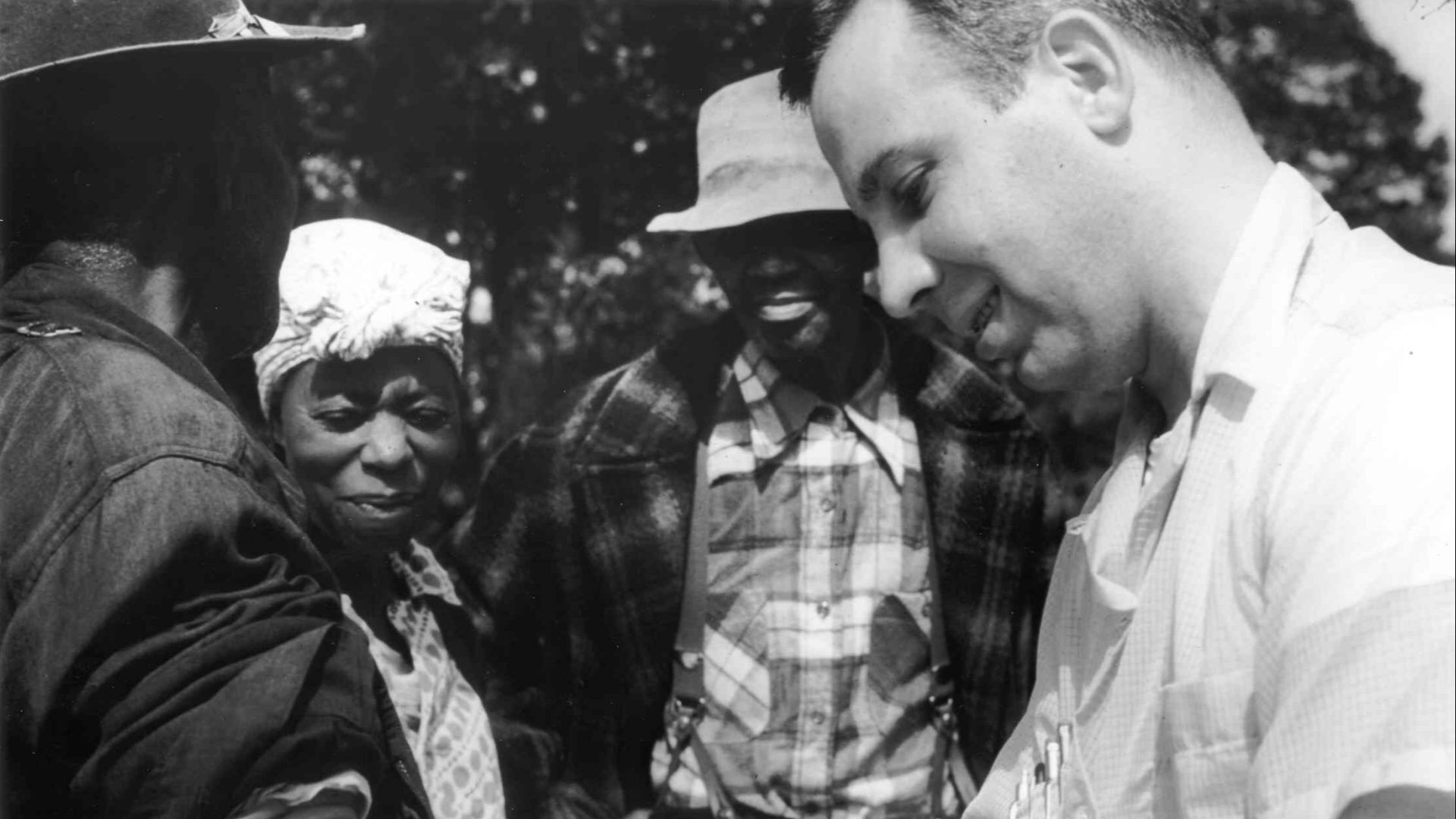
For 40 years, U.S. Public Health Service researchers tracked untreated syphilis in Black men in Alabama without ever telling them what they had. Treatment was deliberately withheld even after penicillin became widely available in the 1940s. The study only ended in 1972, after a leak to the press forced its shutdown.
 National Archives Atlanta, GA (U.S. government) on Wikimedia
2. Unit 731
Japan's Unit 731 conducted vivisections, frostbite tests, and biological weapons research on prisoners in occupied China during World War II, killing thousands. Victims were referred to internally as "logs" rather than people. Many of the scientists involved avoided prosecution entirely after the war in exchange for handing their data over to American occupation forces.

3. Nazi Human Experimentation
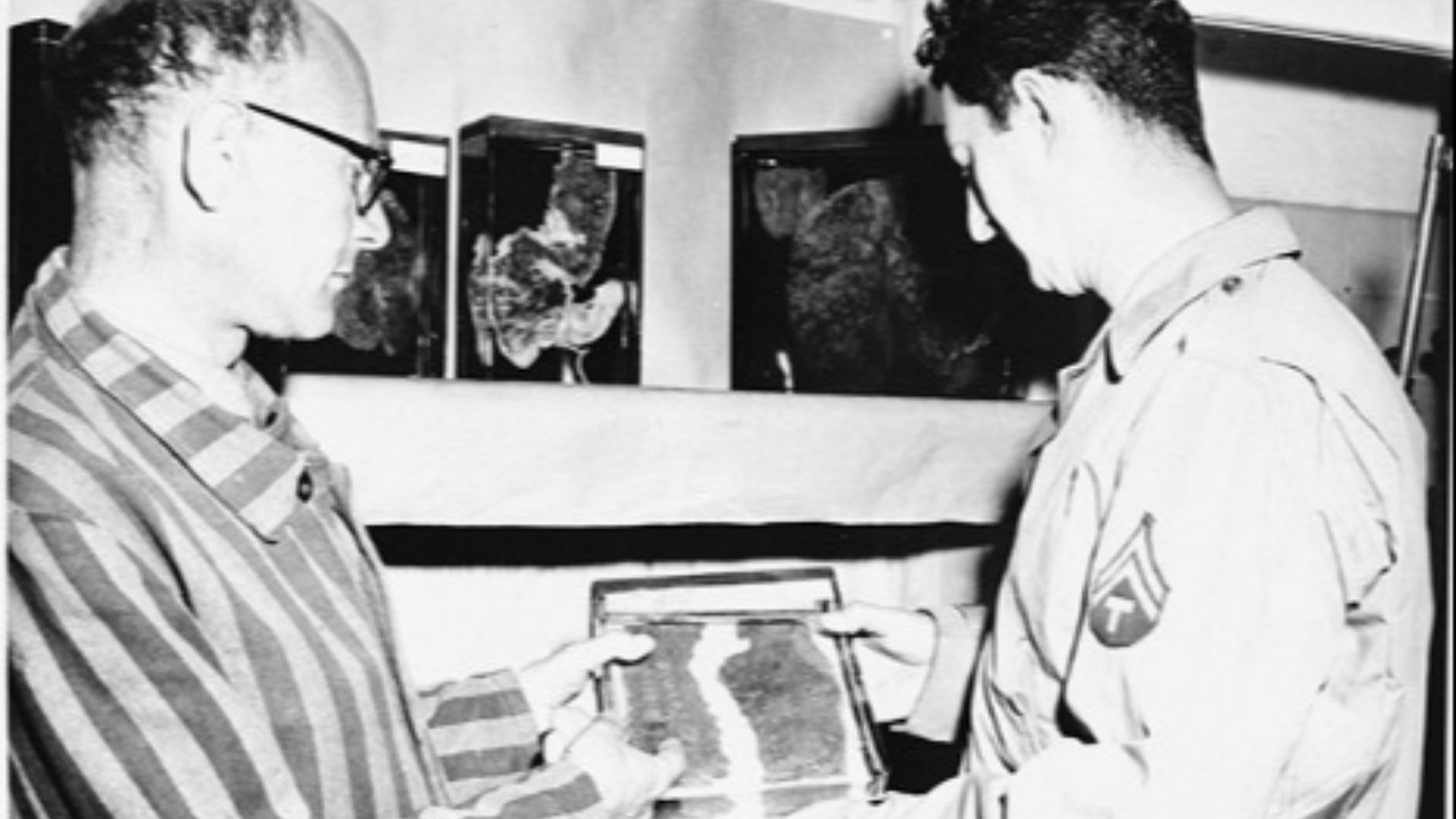
Physicians in Nazi concentration camps, Josef Mengele among them, subjected prisoners to hypothermia tests, forced sterilization, and lethal infection experiments with no anesthesia and no consent. Twins were a particular focus of Mengele's work at Auschwitz, used for comparative studies that rarely ended well for either sibling. The Nuremberg trials that followed led directly to the Nuremberg Code, the first formal set of rules requiring voluntary consent in research.
4. MKUltra
The CIA's MKUltra program spent the 1950s and '60s dosing unwitting subjects with LSD, testing hypnosis, and experimenting with sensory deprivation in a hunt for mind-control techniques. Some subjects were mental patients or prisoners who had no idea what they'd been given. Most records were destroyed in 1973, leaving investigators to piece the program together from the fragments that survived.
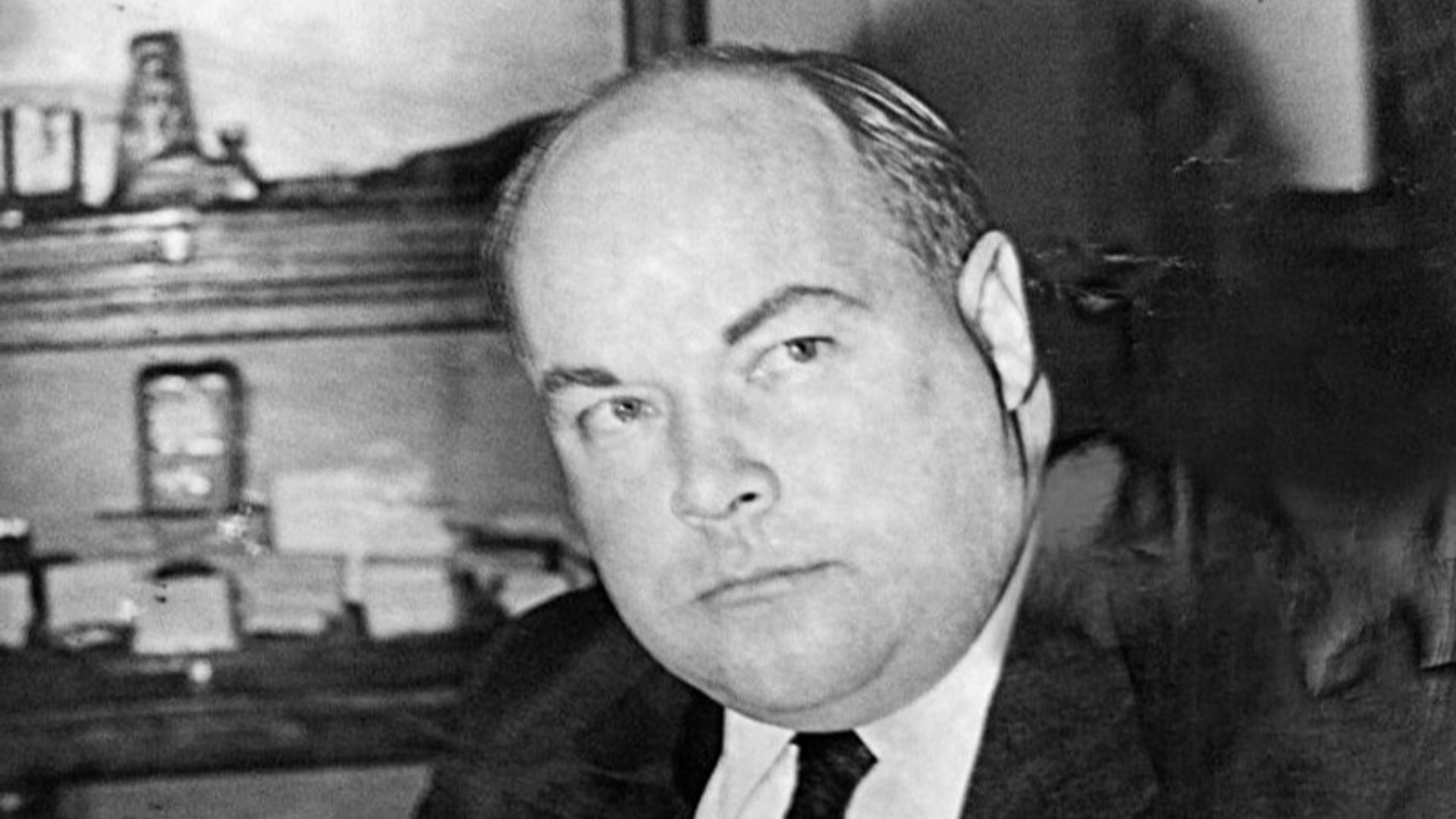 Federal Bureau of Narcotics on Wikimedia
5. The Stanford Prison Experiment
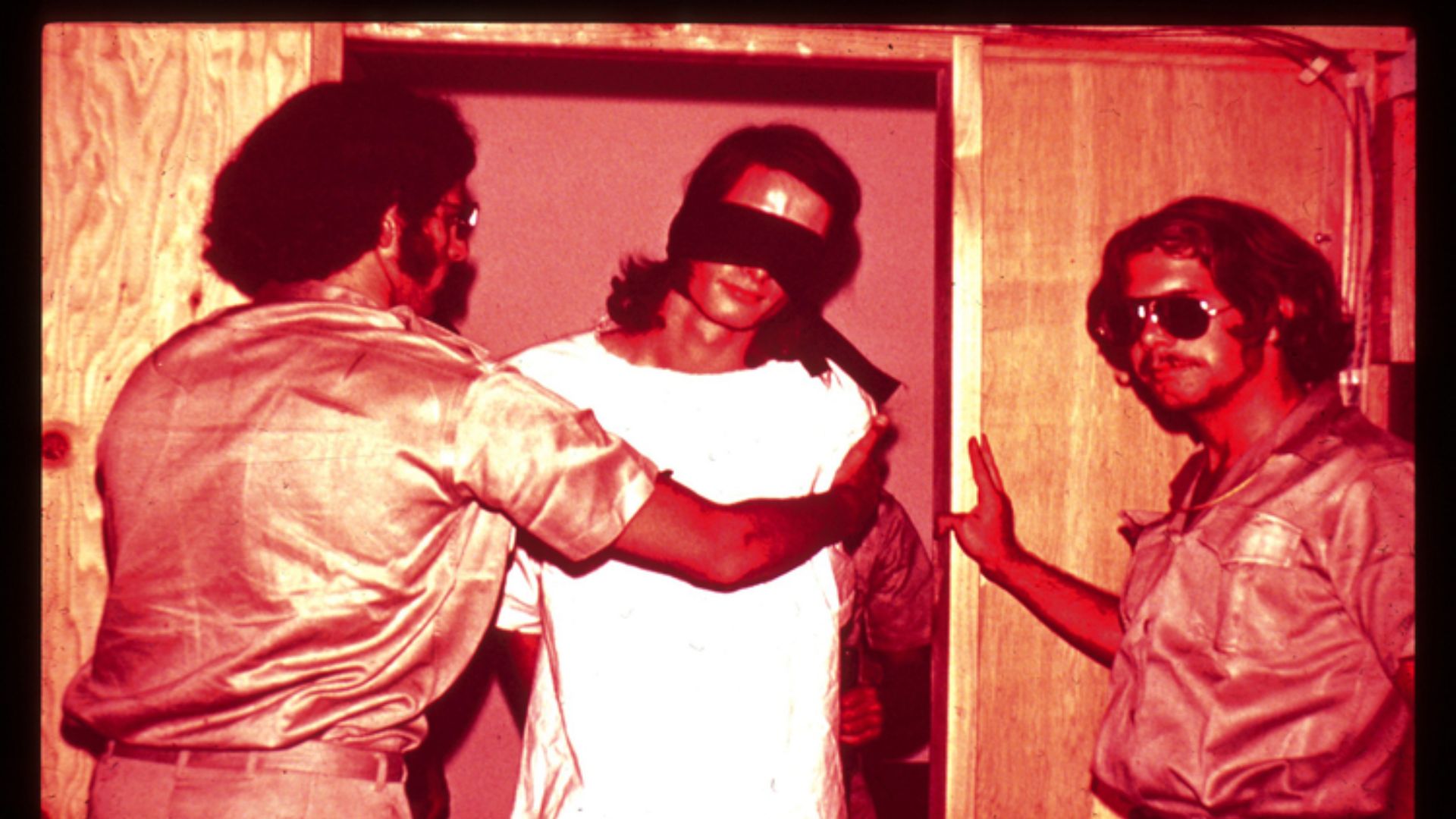
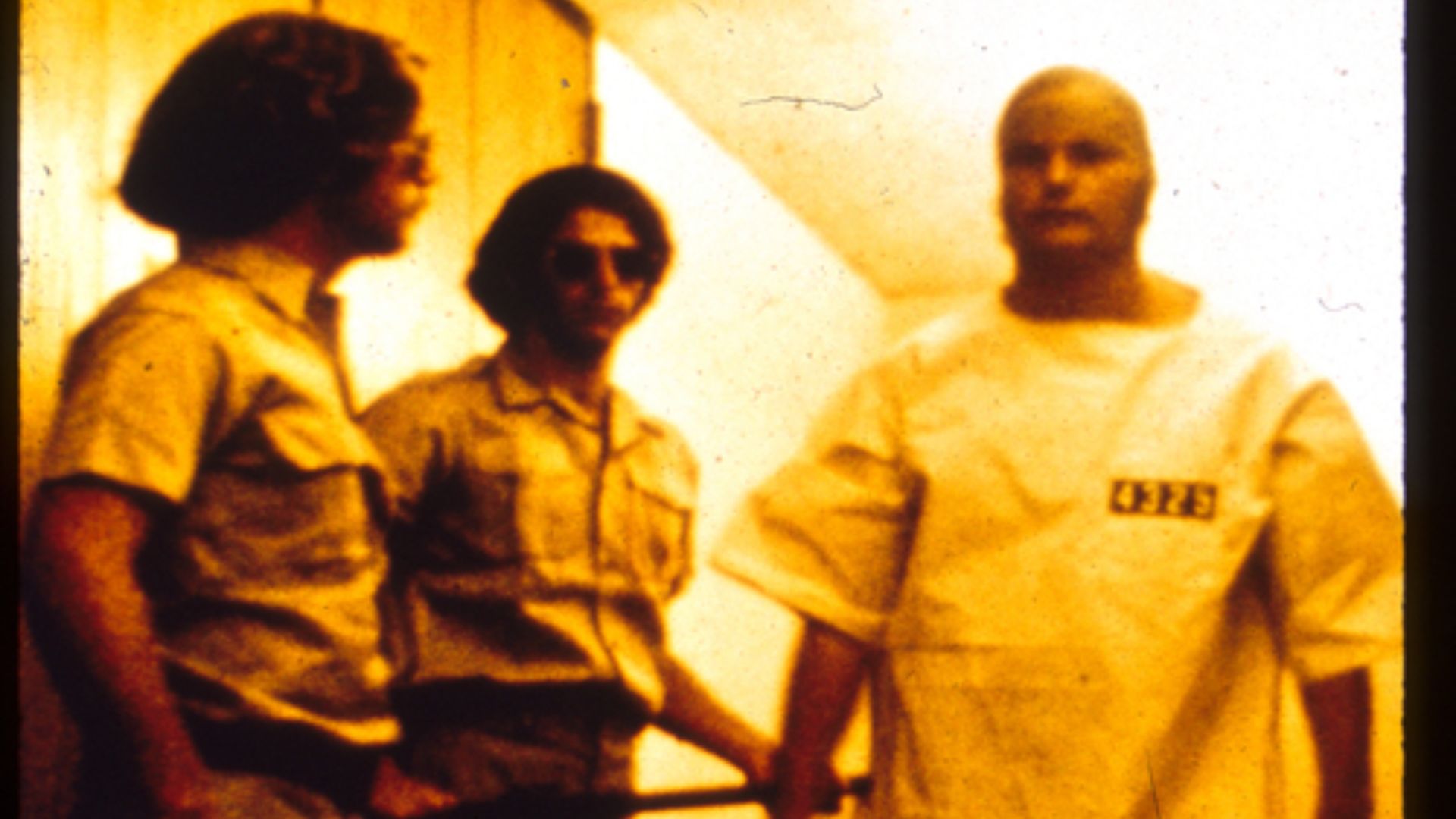
Psychologist Philip Zimbardo assigned college students to play guards and prisoners in a mock jail in 1971, and the guards escalated into real psychological abuse within days. The study was supposed to run two weeks and got shut down after six. Decades later, researchers who reviewed the original tapes found Zimbardo had actively coached guards toward cruelty, undercutting the study's own conclusions.
6. The Milgram Obedience Experiment
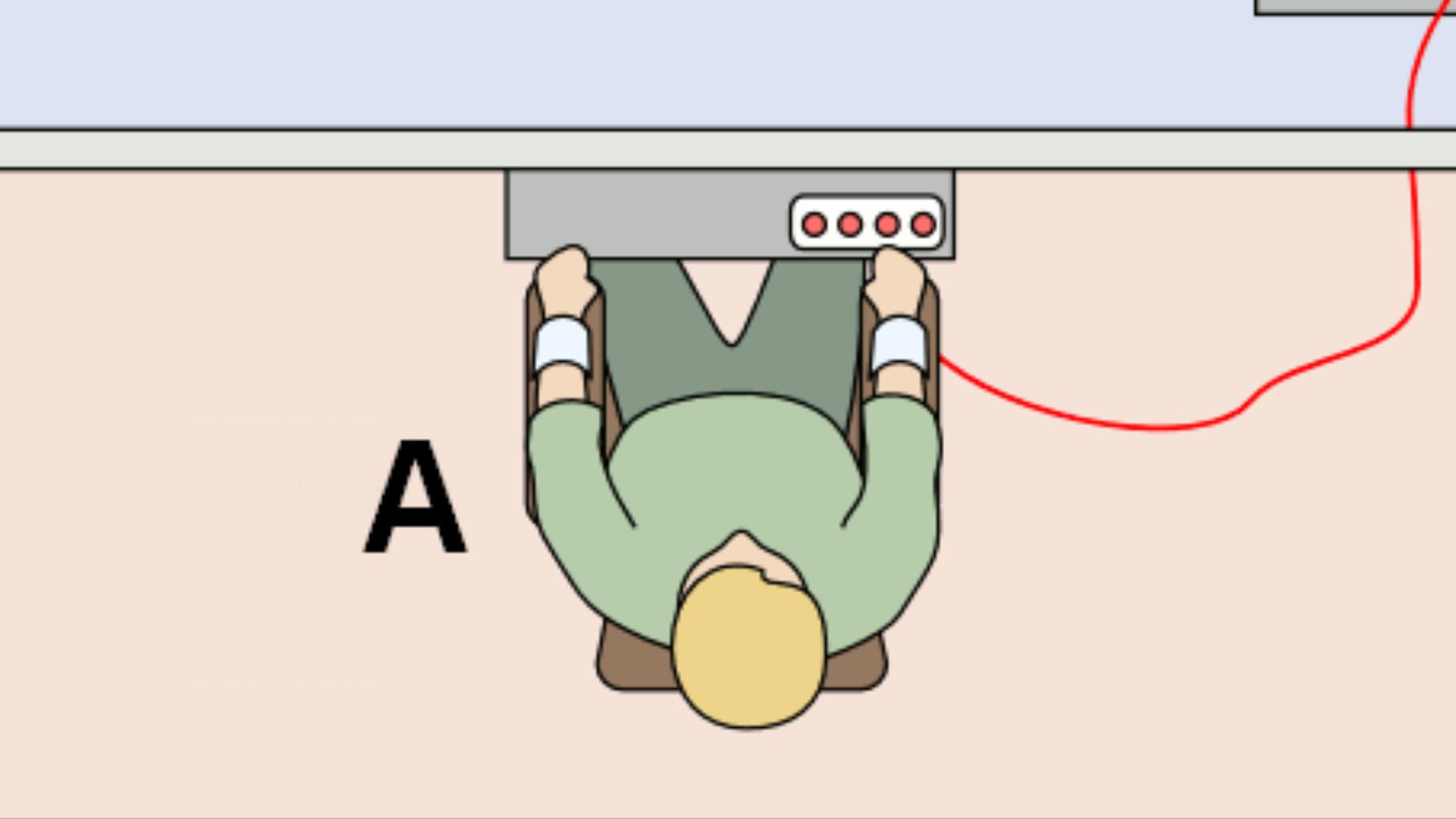
Stanley Milgram had ordinary volunteers believe they were delivering increasingly severe electric shocks to another person simply because a man in a lab coat told them to continue. A striking number of participants kept going even as they heard what sounded like screams from the next room. Many subjects left visibly shaken, and some reported lasting distress from realizing what they were capable of doing.
7. The Guatemala Syphilis Experiments
Between 1946 and 1948, U.S. researchers deliberately infected Guatemalan soldiers, prisoners, and psychiatric patients with syphilis and gonorrhea to study treatment, without their knowledge or consent. The program stayed hidden for decades until a historian uncovered the records in 2010. The U.S. government issued a formal apology to Guatemala the following year.
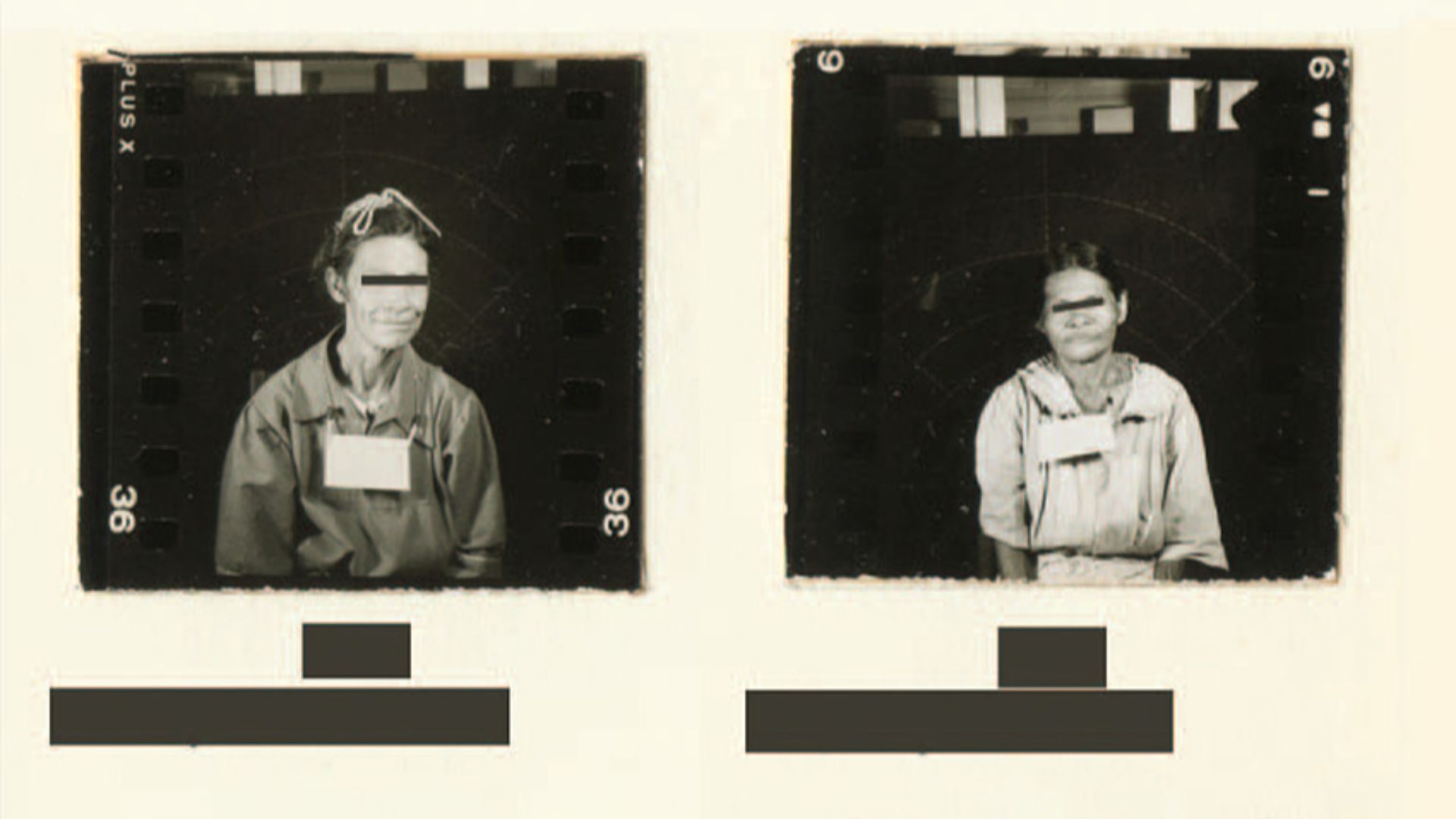 National Archives and Records Administration on Wikimedia
8. The Willowbrook Hepatitis Study
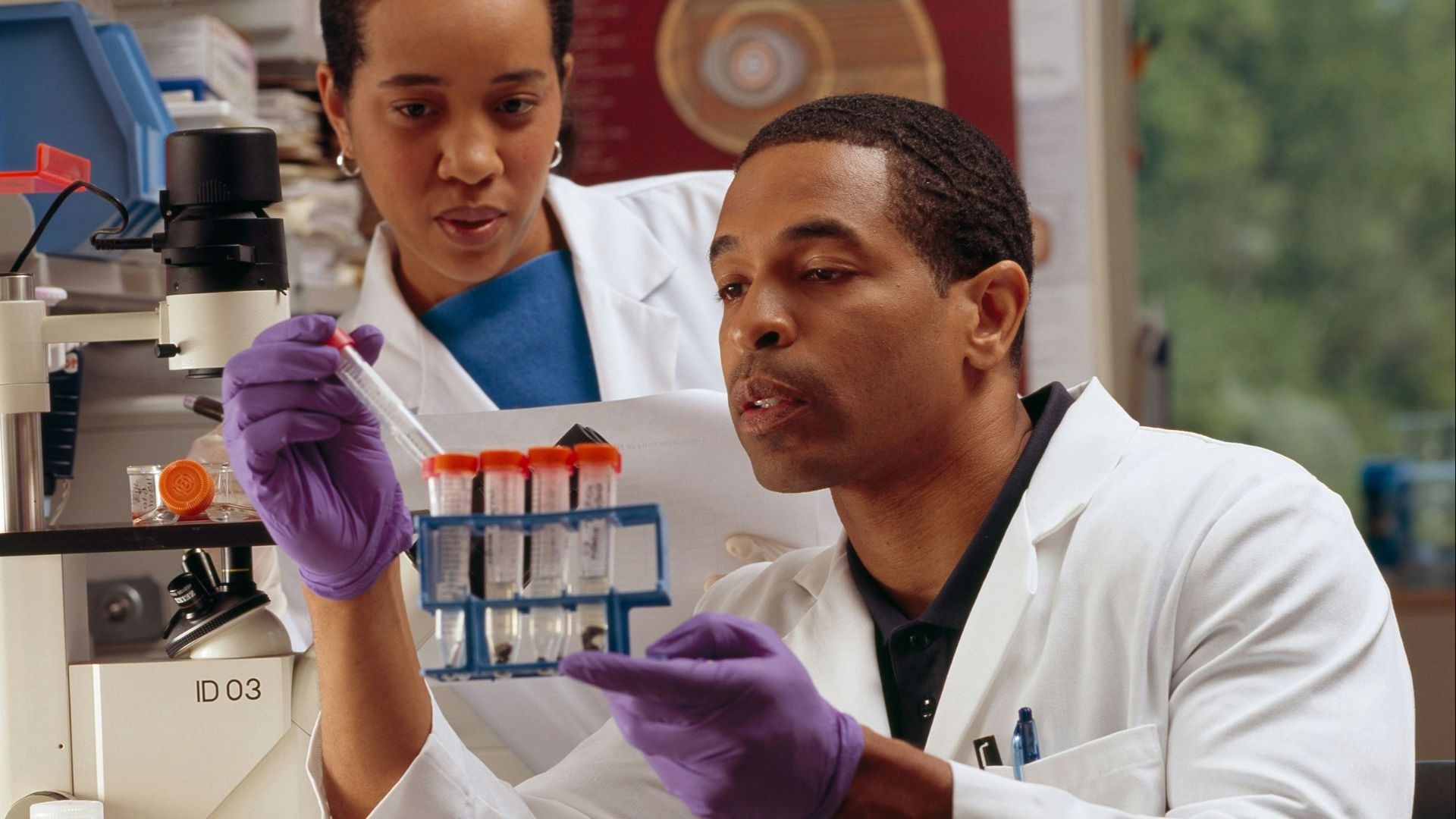
Researchers at Willowbrook State School deliberately infected intellectually disabled children with hepatitis during the 1950s and '60s, sometimes making enrollment in the overcrowded institution conditional on joining the study. Parents were told it was the only way to secure a spot for their child. The study became a landmark case in debates over consent involving vulnerable populations.
 National Cancer Institute on Unsplash
9. The Monster Study
In 1939, speech researcher Wendell Johnson had graduate student Mary Tudor tell healthy, non-stuttering orphaned children that their speech was flawed, hoping to induce stuttering through negative reinforcement. Several of the children developed real speech anxiety and self-esteem problems that followed them into adulthood. The University of Iowa eventually settled a lawsuit brought by survivors in 2007.

10. The Holmesburg Prison Experiments
Dermatologist Albert Kligman ran skin, drug, and chemical warfare agent tests on inmates at Holmesburg Prison in Philadelphia for two decades starting in the 1950s. Inmates were paid small amounts and often weren't told what substances they were actually being exposed to. Kligman later admitted the setting felt to him like an unprecedented opportunity, a comment that's haunted his legacy ever since.
 commons.wikimedia.org on Google
11. Cold War Radiation Experiments
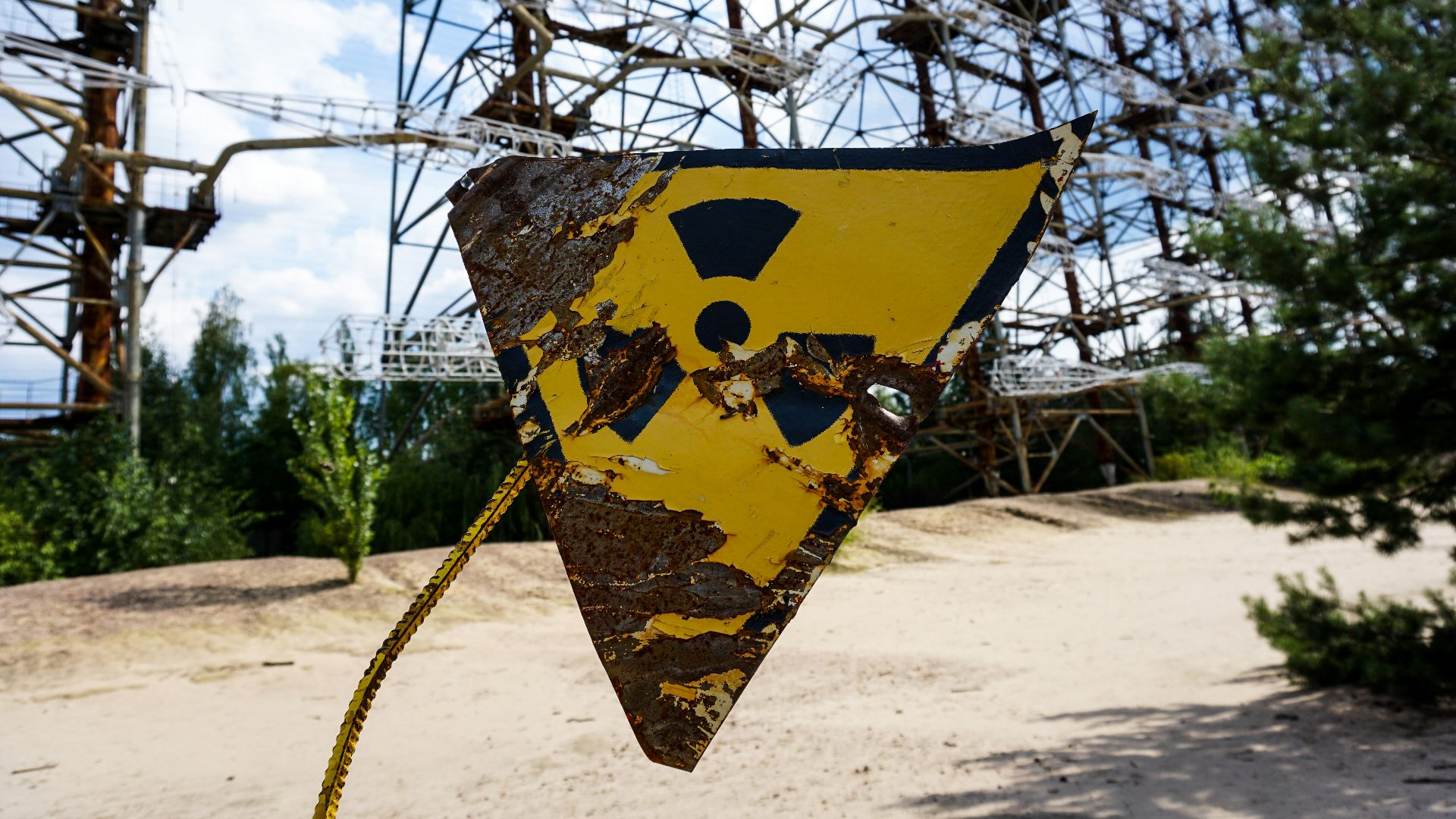
Throughout the 1940s and '50s, U.S. government researchers injected unwitting patients, including pregnant women and children, with plutonium and other radioactive materials to study its effects on the body. Many subjects were told they were receiving ordinary medical treatment. The full scope only came to light in the 1990s, prompting a formal presidential apology from Bill Clinton.
12. The Vipeholm Experiments
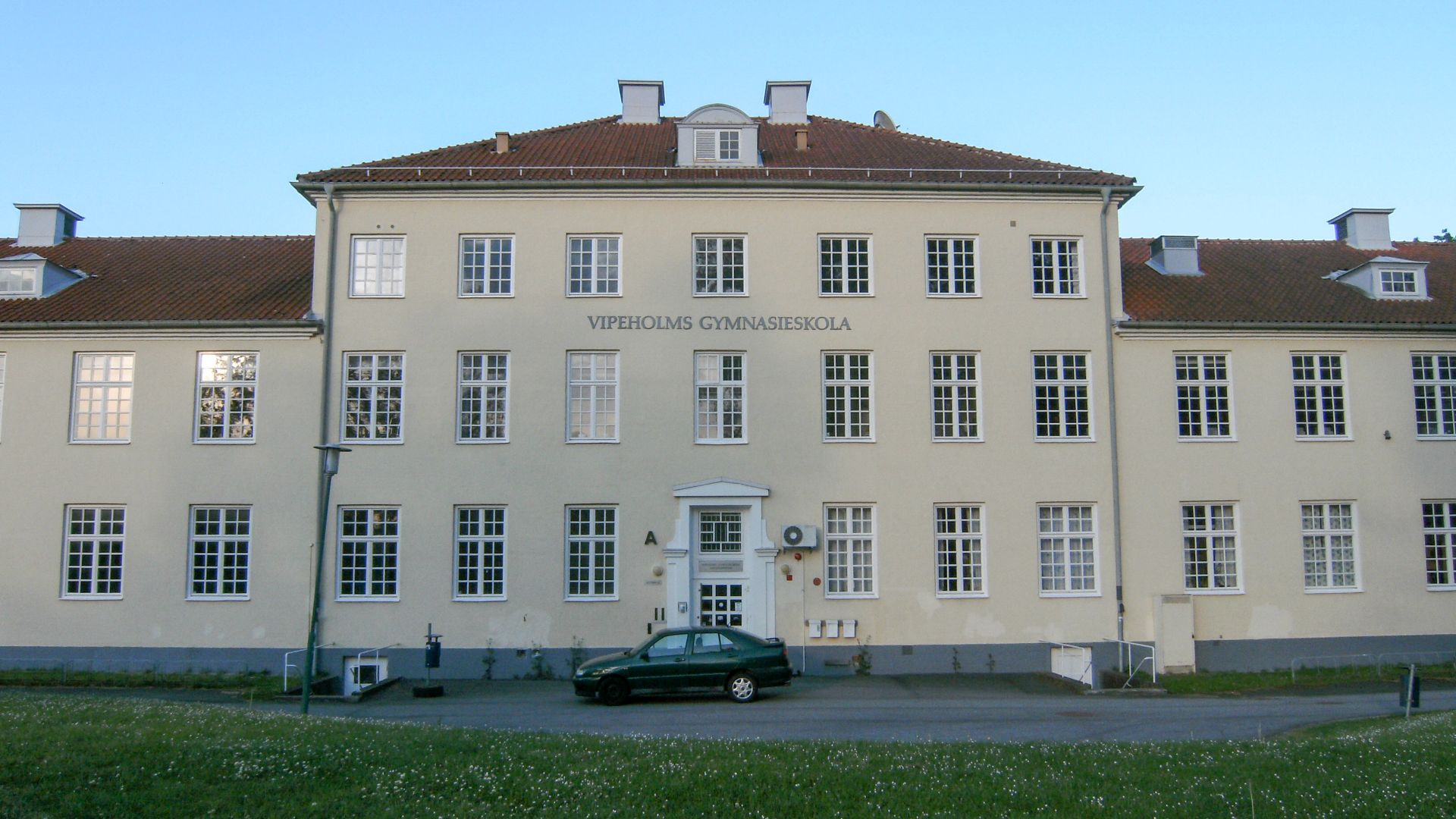
Swedish researchers in the 1940s and '50s fed institutionalized psychiatric patients large quantities of sticky, sugary foods to study the link between diet and tooth decay. Patients had no real ability to refuse, given their institutional setting. The findings genuinely advanced dental science, which makes the human cost even harder to reconcile.
13. Operation Midnight Climax
An offshoot of MKUltra, this CIA program used sex workers to lure unsuspecting men into safehouses where they were dosed with LSD and observed through one-way mirrors. None of the men had any idea what was happening to them or why. The program ran through the 1950s and '60s before folding along with the rest of MKUltra.
14. The San Antonio Contraceptive Study
In 1971, researchers studying birth control side effects gave some participants placebos instead of active contraception without informing them, leading to a number of unintended pregnancies. The women involved were mostly low-income and Mexican American. The study became a frequently cited example of how consent forms can obscure rather than clarify what's actually happening.
 https://kaboompics.com/ on Pexels
15. The Jewish Chronic Disease Hospital Study
In 1963, researchers injected live cancer cells into elderly hospital patients in Brooklyn to study immune rejection, without disclosing what was being injected. Several physicians involved resigned in protest once the details became known. The case pushed New York regulators toward some of the earliest formal hospital consent requirements in the country.
16. The Little Albert Experiment
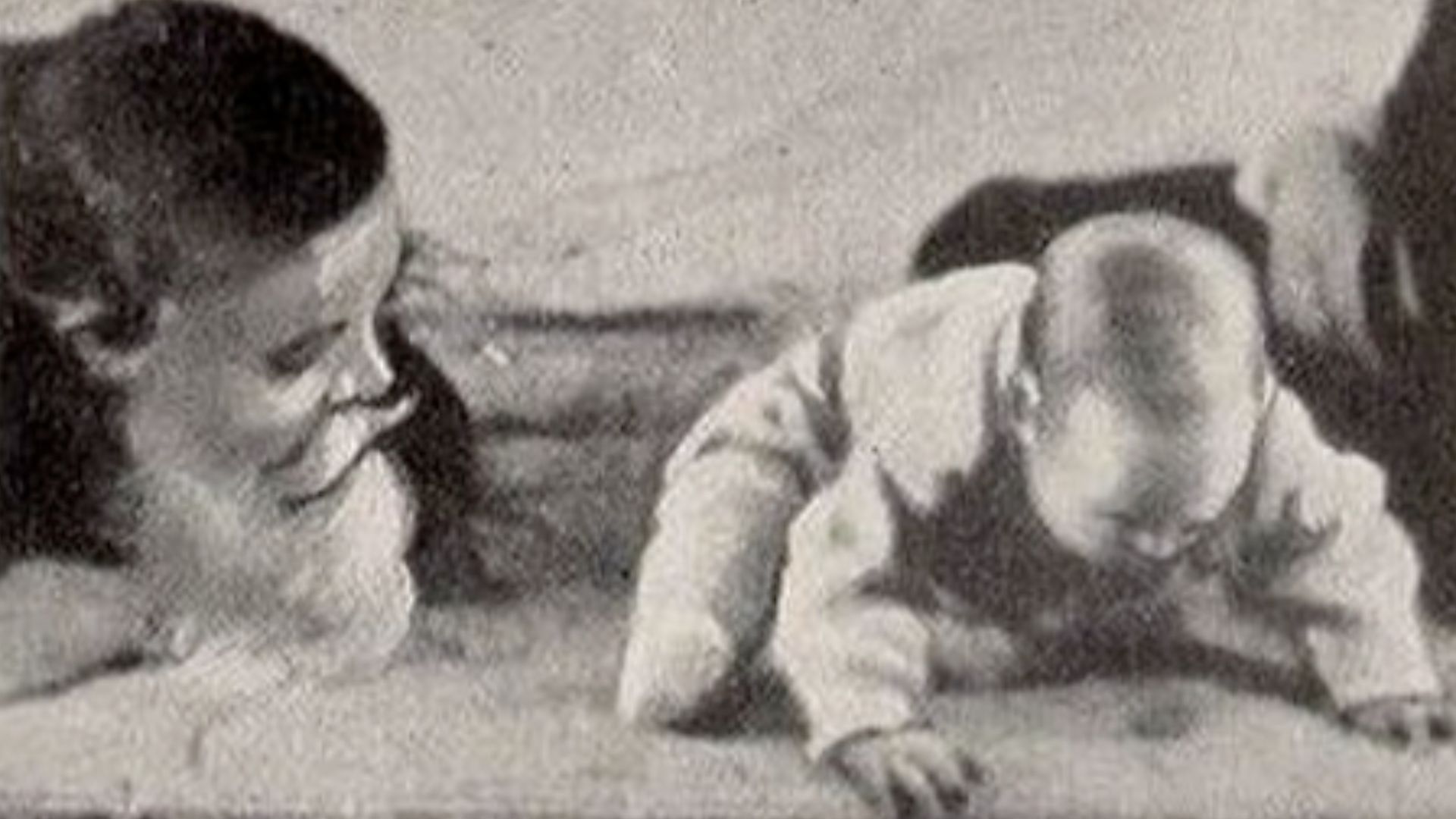
Psychologist John B. Watson conditioned a baby known as "Little Albert" to fear a white rat by pairing it with a loud, frightening noise, then watched the fear generalize to other furry objects. The child was never deconditioned afterward, and his identity remained a mystery for decades. Researchers who later traced his likely medical history found he'd died young, with no chance to reflect on what had been done to him.
17. The Fernald School Oatmeal Experiments
Between 1946 and 1953, researchers from MIT partnered with Quaker Oats to feed radioactive iron and calcium to boys at the Fernald State School in Massachusetts, tracking how the isotopes moved through their bodies. Parents were told their sons had been enrolled in an exclusive "science club" that came with extra milk and cereal, with no real mention of radioactive tracers involved. The full story didn't surface until the 1990s, when investigative reporting led to a lawsuit and a multimillion-dollar settlement from MIT and Quaker Oats.

18. The Aversion Project
During apartheid, the South African military subjected suspected gay and lesbian soldiers to forced hormone treatments, electric shock therapy, and in some cases involuntary sex-reassignment surgery, all framed as psychiatric treatment. The program ran through the 1970s and '80s under military psychiatrists. Survivors have spent years since seeking formal acknowledgment and compensation.
 Chetwyn L (Lt), War Office official photographer on Wikimedia
19. The Stateville Penitentiary Malaria Study
Researchers at Illinois's Stateville Penitentiary deliberately infected inmates with malaria during the 1940s to test experimental treatments, offering reduced sentences as an incentive to participate. The study was held up at the Nuremberg trials as an example of ethical American research, a comparison that looks far shakier in hindsight. Many participants experienced severe, recurring illness long after the study ended.
20. The Facebook Emotional Contagion Study
In 2012, researchers at Facebook and Cornell manipulated the news feeds of nearly 700,000 users to show more positive or negative content, then measured the emotional shift in what people posted afterward. None of the users were informed or given the option to opt out. The backlash, once it became public in 2014, turned into a broader reckoning over what tech companies owe users before quietly experimenting on their emotions.

KEEP ON READING
20 Human Experiments That Never Should Have Happened