

Infections Are So Easy to Pick Up
Whether you like it or not, infections are part of everyday life. And unfortunately, it's not just the common cold you might pick up when you're out and about, but viruses and bacteria much nastier. Anyone who's had a UTI or pink eye before (or even COVID-19, in recent years) will probably tell you it was not a fun time. While no prevention method can eliminate every risk, understanding how infections develop can make it much easier to recognize them and reduce your chances of getting sick. With that said, here are the 10 most common infections you can contract from others, and 10 ways that help keep you safe. You might want to wash your hands (thoroughly!) after reading this.
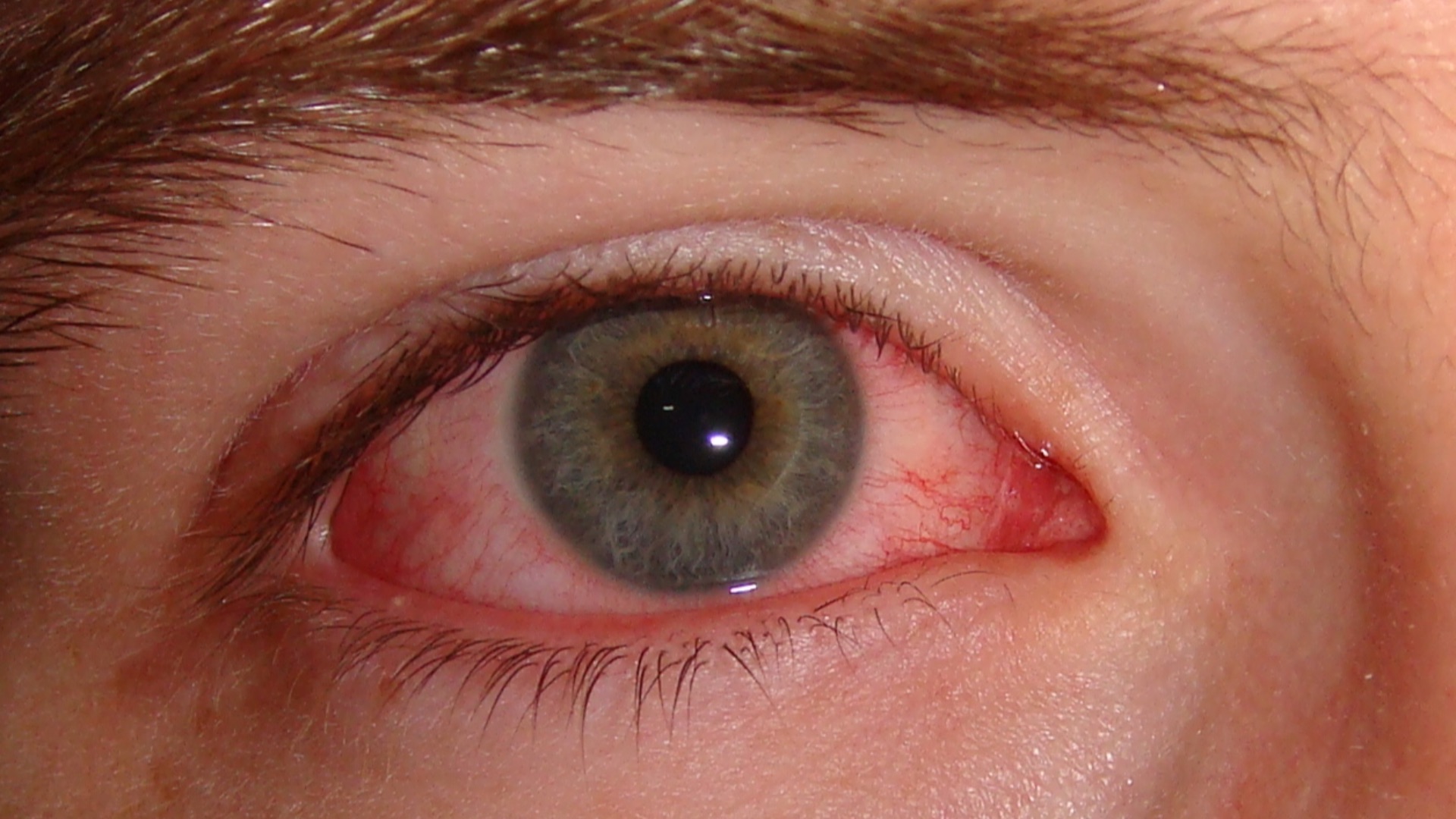 P33tr at English Wikipedia on Wikimedia
1. The Common Cold
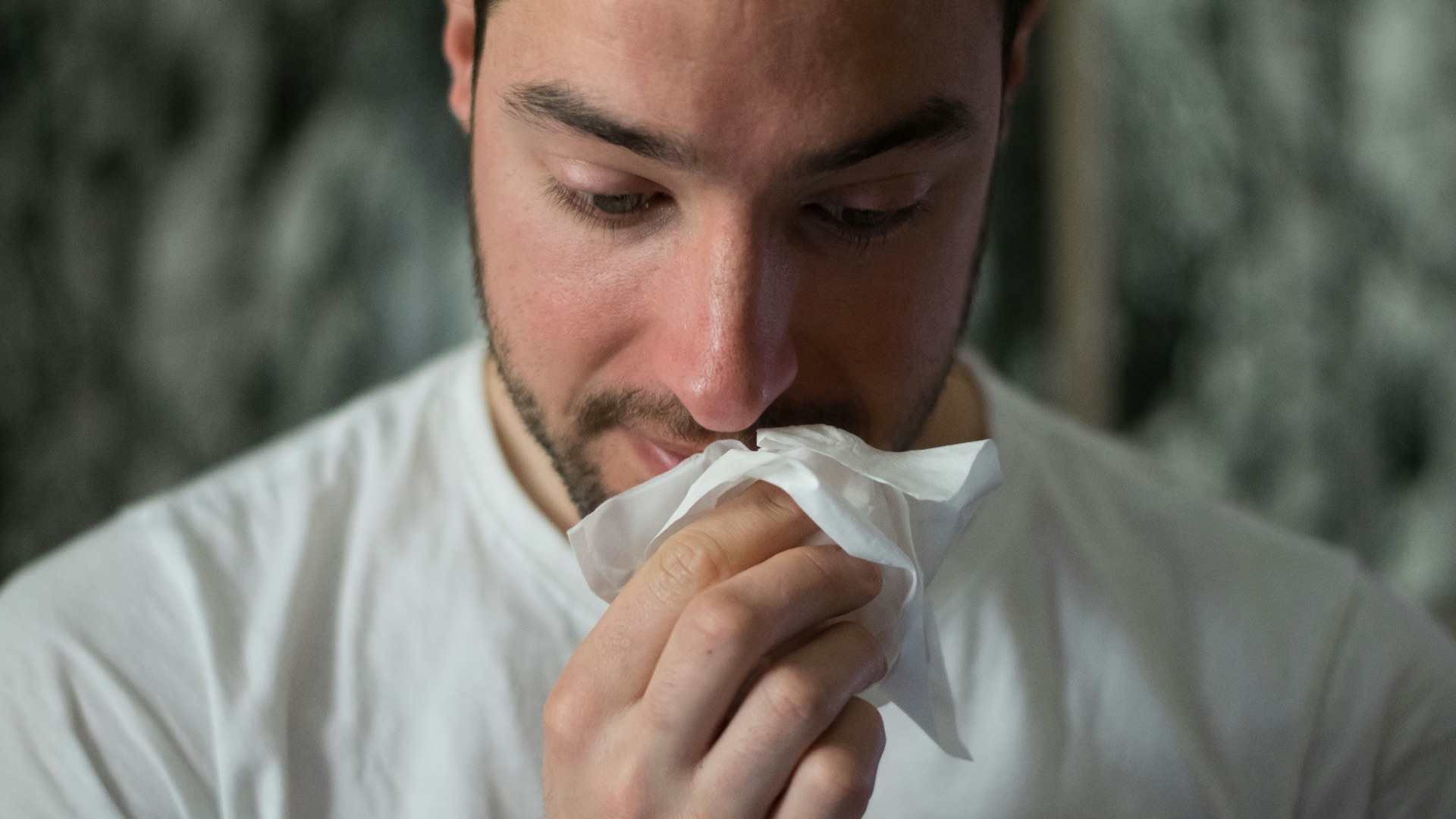
The common cold can be caused by many different respiratory viruses, with rhinoviruses among the most frequent culprits. Symptoms often include a runny or stuffy nose, sneezing, coughing, and a sore throat, and most people recover without specific treatment. Cold viruses can spread through close contact and respiratory particles, as well as when contaminated hands touch the eyes, nose, or mouth.
2. Influenza
Influenza, or the flu, is a contagious respiratory infection that can cause fever, cough, sore throat, muscle aches, headaches, and fatigue. While many cases resolve with rest and supportive care, the illness can become serious, particularly for older adults, young children, pregnant people, and those with certain medical conditions. Flu can also lead to complications such as pneumonia and may contribute to sinus or ear infections.

3. COVID-19
COVID-19 remains one of the respiratory infections people may encounter, and its symptoms can range from mild to severe. Because the virus spreads primarily through respiratory particles, being in close contact with an infected person, particularly in poorly ventilated indoor spaces, can increase exposure. Vaccination, cleaner indoor air, good hygiene, and taking additional precautions when respiratory illnesses are circulating can all help lower the risk.

4. Strep Throat
Unlike many sore throats that are caused by viruses, strep throat is a bacterial infection of the throat and tonsils caused by group A Streptococcus. It commonly causes throat pain, difficulty swallowing, fever, and swollen lymph nodes, although symptoms can vary from person to person. Close contact with someone who has strep throat is one of the biggest risk factors because the bacteria can spread through respiratory droplets and direct contact.

5. Norovirus
Norovirus is an extremely contagious virus that commonly causes sudden vomiting, diarrhea, stomach pain, and sometimes fever or body aches. You can become infected after contact with a sick person or by consuming contaminated food or water, and the virus can also spread from contaminated surfaces. Because infected people may continue shedding the virus after they start feeling better, outbreaks can move rapidly through households and other shared environments.

6. Urinary Tract Infections
Urinary tract infections, commonly called UTIs, develop when bacteria enter the urinary tract, with bladder infections being the most common type. Typical symptoms can include burning during urination, needing to urinate more frequently, and feeling an urgent need to go even when little urine comes out. Although anyone can develop a UTI, they occur much more frequently in women because of anatomical differences that make it easier for bacteria to reach the urinary tract.

7. Pink Eye
Pink eye, formally called conjunctivitis, happens when the tissue covering the white part of the eye and the inside of the eyelid becomes inflamed. Viruses and bacteria are common infectious causes, although allergies and irritants can produce similar symptoms without causing an infection. Viral and bacterial forms can spread readily between people, especially when someone touches their eyes and then handles objects or surfaces others use.
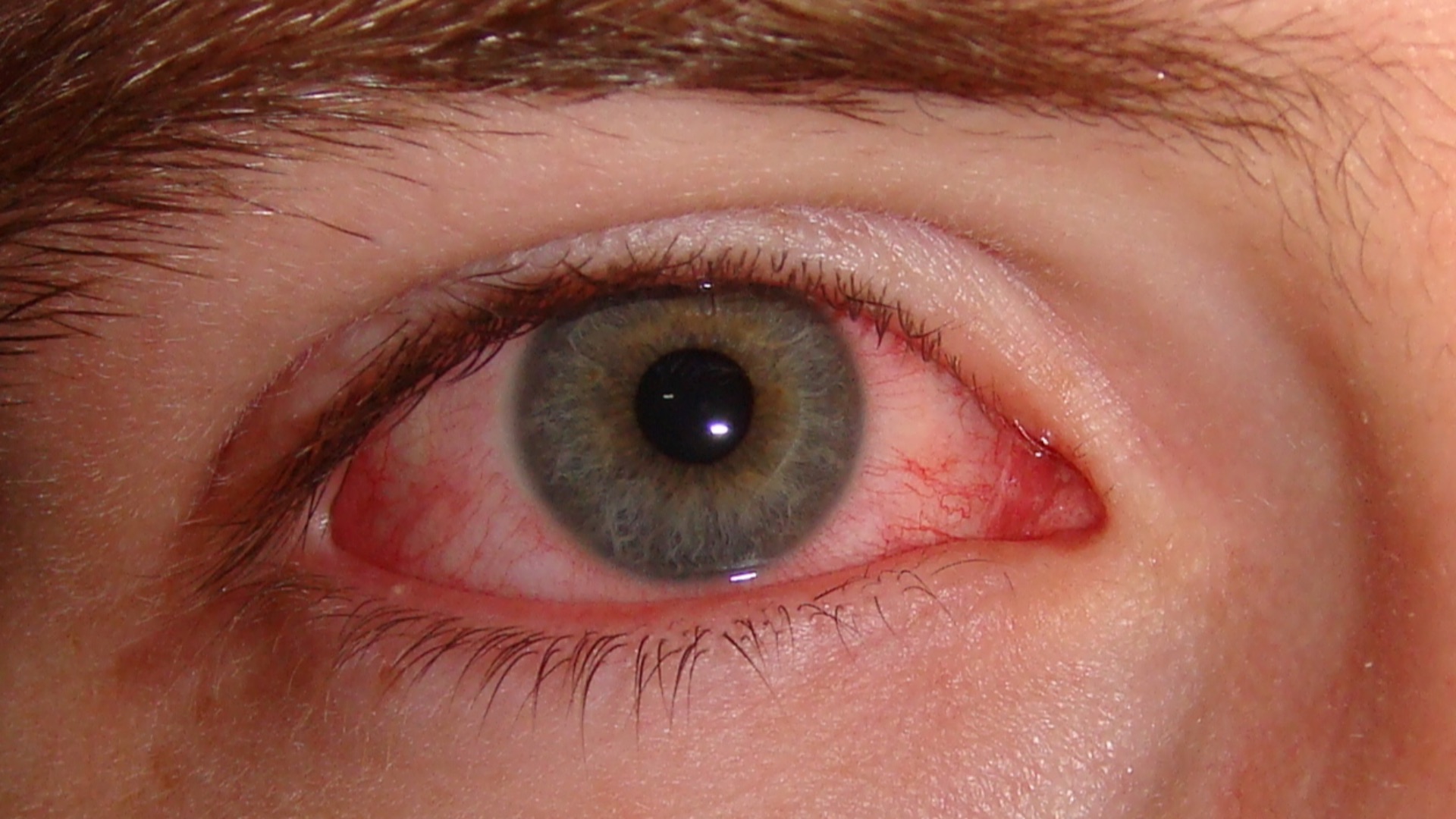 P33tr at English Wikipedia on Wikimedia
8. Sinus Infections
A sinus infection, or sinusitis, occurs when the sinuses become inflamed and may produce congestion, facial pressure, headache, nasal discharge, or reduced sense of smell. Viruses cause most sinus infections, particularly when sinusitis develops during or after an upper respiratory illness, though bacteria can sometimes be responsible. Since colds and other respiratory infections frequently come first, reducing exposure to those illnesses can also reduce some cases of sinusitis.

9. Ear Infections
Middle ear infections are especially common in children, often developing when fluid becomes trapped behind the eardrum following a respiratory illness. Depending on the cause and severity, symptoms may include ear pain, fever, irritability, trouble sleeping, or difficulty hearing. Viruses can cause ear infections, while bacteria such as Streptococcus pneumoniae may also be responsible, which is one reason some recommended vaccines can lower the risk of certain cases.

10. Ringworm
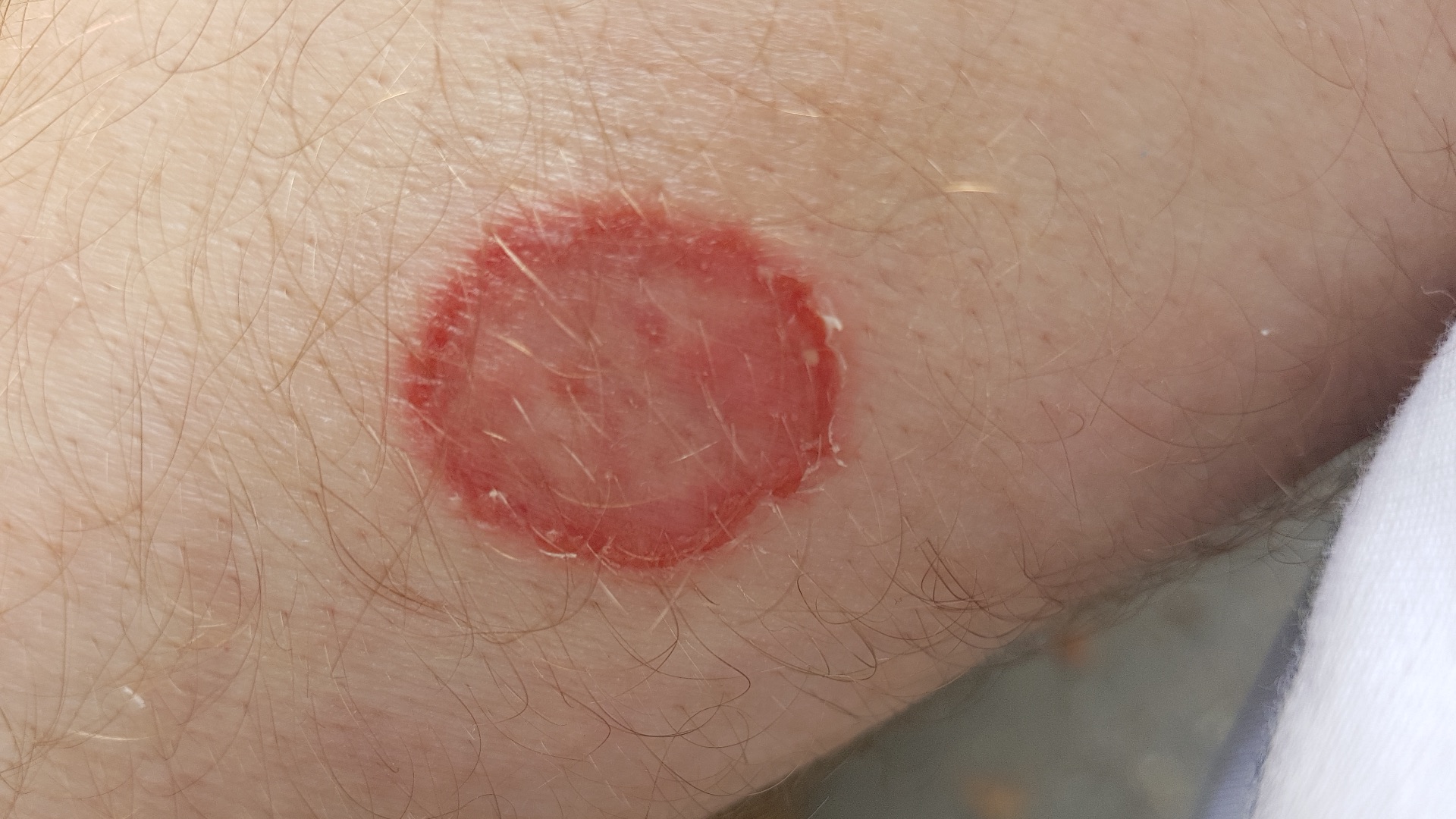
Despite the name, ringworm doesn't involve worms at all; it's a fungal infection that can affect the skin, scalp, or nails. Athlete's foot and jock itch are also forms of ringworm, and symptoms often involve itchy, scaly, irritated skin. The infection can spread through contact with infected people or animals and through contaminated objects or surfaces, making shared spaces such as locker rooms particularly relevant.
Knowing which infections are common is useful, but reducing your exposure is where that knowledge becomes practical. Many prevention strategies are straightforward habits that work against several types of infection at once, so you don't need a completely different routine for every germ you might encounter.
1. Wash Your Hands Thoroughly
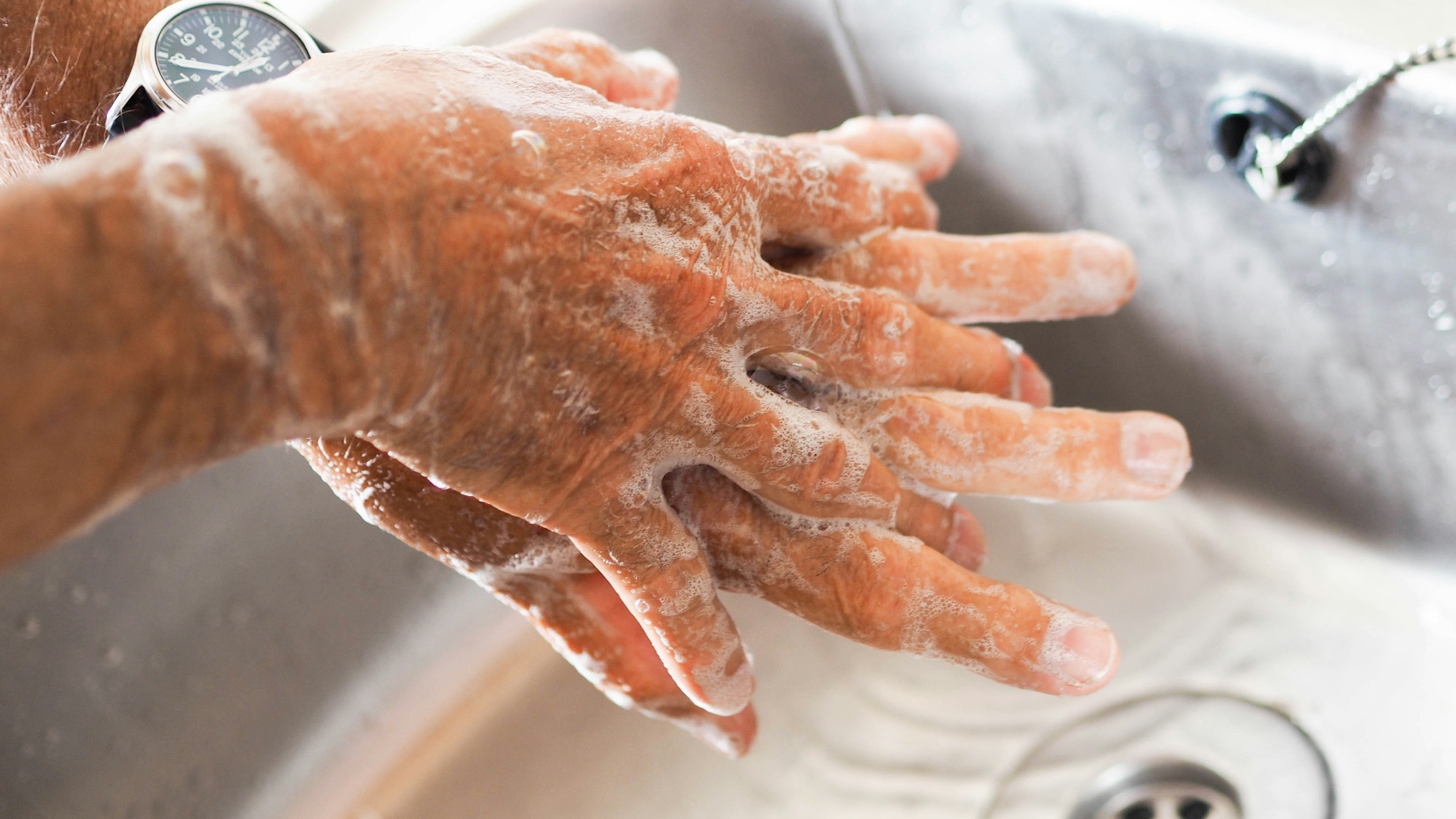
Regular handwashing is one of the simplest ways to reduce the transfer of infectious germs from your hands to your face, food, and other people. Soap and water are particularly important before eating or preparing food and after using the bathroom, coughing, sneezing, or caring for someone who's sick. It's especially worth remembering that hand sanitizer isn't a reliable substitute for soap and water when you're trying to control norovirus.
2. Stay Current on Recommended Vaccines
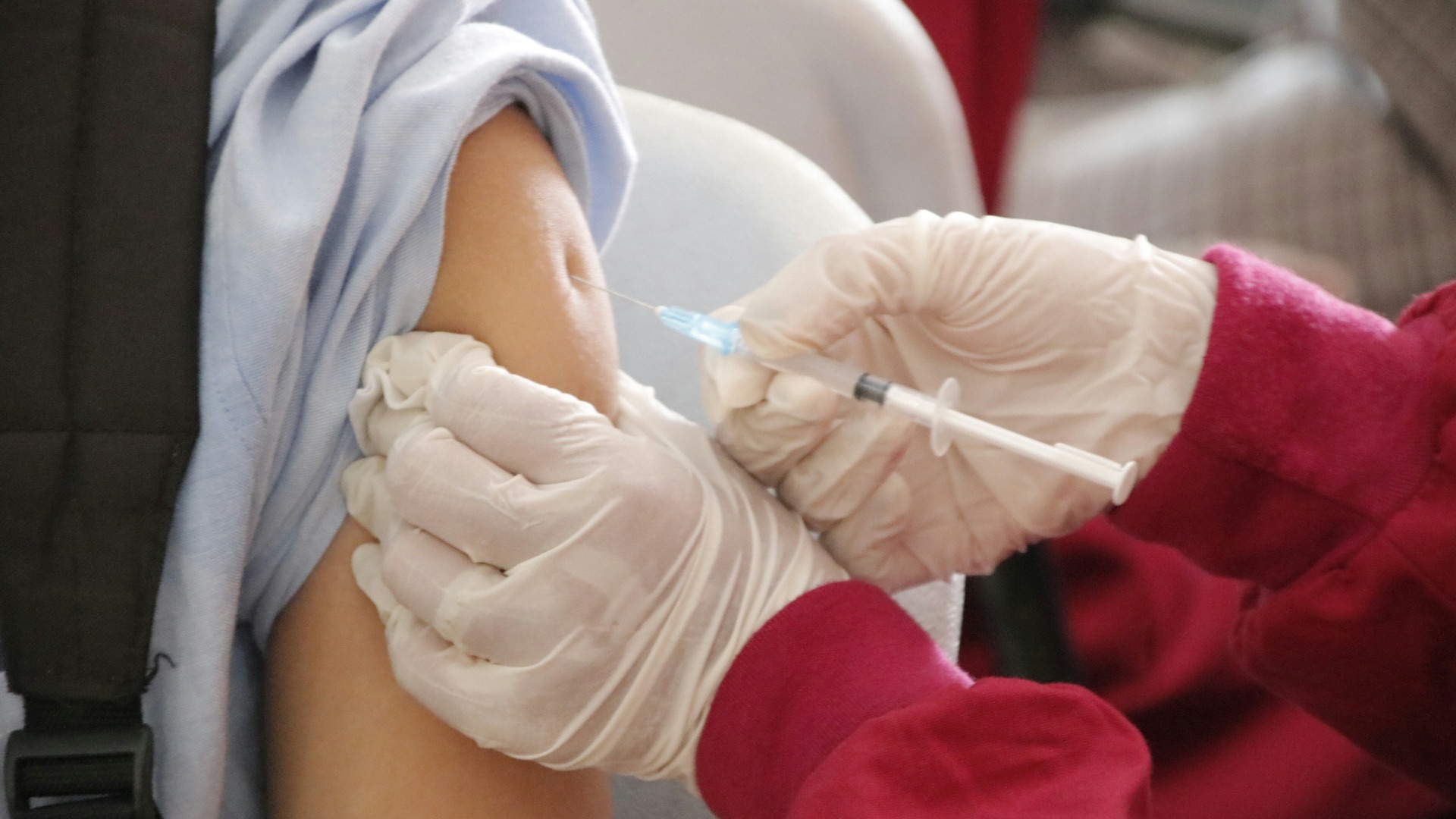
Vaccines are available for several infectious diseases and can reduce your chances of becoming seriously ill from certain infections. Recommendations vary depending on factors such as age, health conditions, pregnancy, and other individual circumstances, so the vaccines appropriate for one person won't necessarily be identical to another person's. Staying current with recommended immunizations can protect against illnesses including influenza, COVID-19, and pneumococcal disease.
3. Pay Attention to Indoor Air
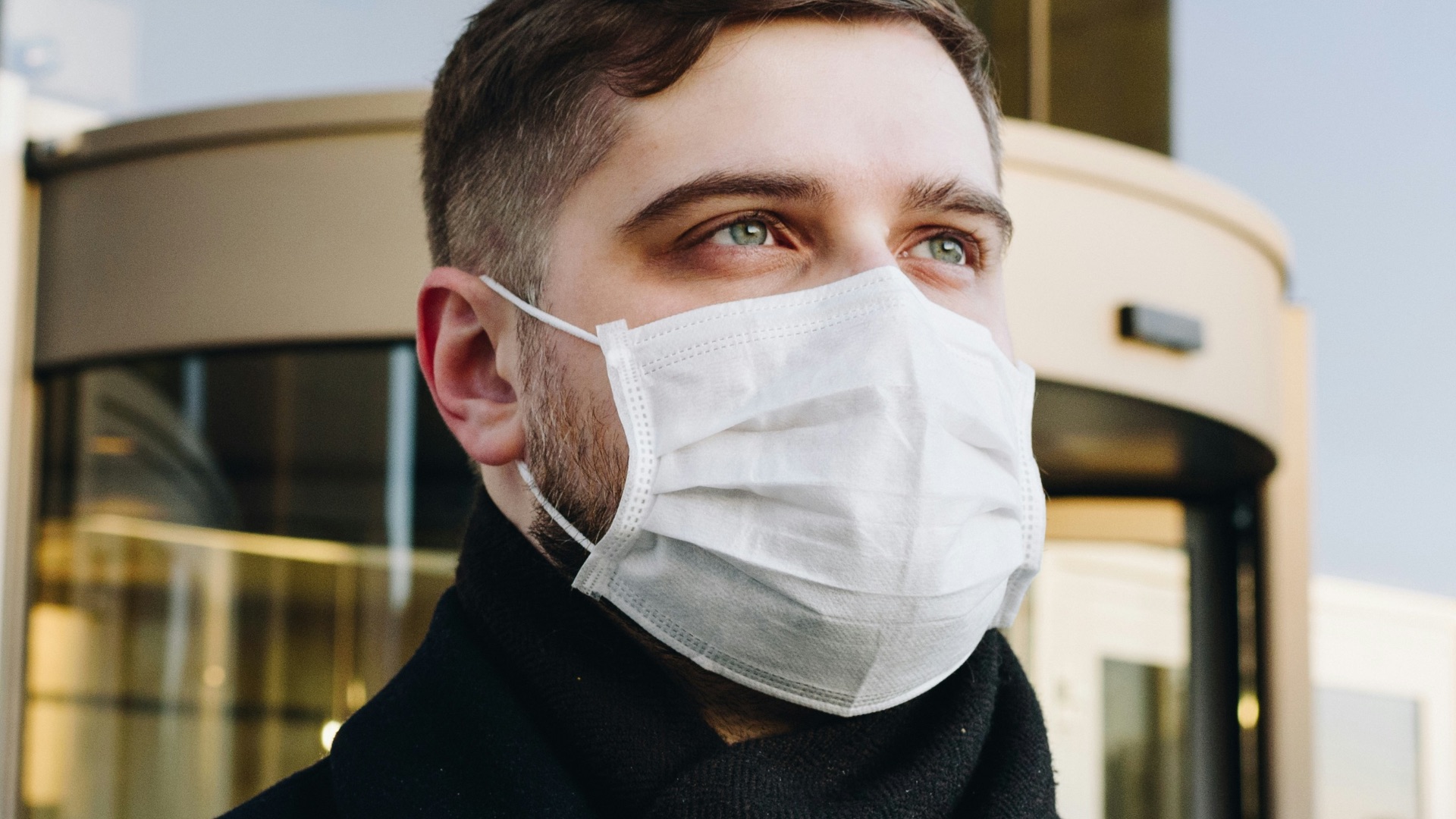
Respiratory germs can accumulate more easily indoors, particularly in crowded spaces with limited airflow. Opening windows when practical, using appropriate air filtration, or spending more time outdoors can reduce the concentration of infectious particles in shared air. Cleaner indoor air becomes especially useful when respiratory illnesses are circulating or when you're spending extended periods around other people.
 Anastasiia Chepinska on Unsplash
4. Cover Coughs and Sneezes Properly
When you cough or sneeze, covering your mouth and nose helps keep respiratory droplets from spreading directly to nearby people and surfaces. Use a tissue when one is available and dispose of it afterward, or cough and sneeze into your elbow rather than your hands. Washing your hands afterward adds another layer of protection because it reduces the chance of transferring germs to whatever you touch next.

5. Give Others Space When You're Sick
Trying to push through an infectious illness while maintaining close contact with everyone around you can make transmission much easier. When possible, stay away from others while you're actively sick and be especially cautious around people who have a greater risk of severe illness. Even after symptoms begin improving, additional precautions may still make sense for a period because some infections can remain transmissible beyond the point when you start feeling better.

6. Avoid Sharing Personal Items
Certain infections spread when contaminated objects come into contact with another person's skin, eyes, or mucous membranes. Towels, washcloths, eye makeup, contact-lens equipment, clothing, and grooming tools are examples of personal items that are better kept to yourself, particularly when someone has an active infection. This habit can be particularly useful for limiting the spread of conditions such as pink eye and ringworm.

7. Practice Safe Food Handling
Foodborne infections aren't always obvious because contaminated food can look and smell completely normal. At home, focus on four basic practices: clean your hands and work surfaces, keep raw foods separate from ready-to-eat foods, cook foods thoroughly, and refrigerate perishable items promptly. These steps reduce opportunities for harmful bacteria, viruses, and other pathogens to contaminate food or multiply before you eat it.

8. Keep Cuts and Scrapes Clean
Broken skin gives bacteria an easier route into tissue, which means even a small cut deserves basic care. Wash minor wounds, keep them clean, and cover them with an appropriate bandage while they're healing, particularly if they could come into contact with dirt or contaminated water. Good wound care is particularly relevant for preventing bacterial skin infections, including infections caused by group A strep or staph bacteria.

9. Keep Your Skin Clean and Dry
Fungi that cause infections such as ringworm and athlete's foot can spread more readily in shared environments and areas where skin remains damp. Dry yourself thoroughly after bathing or swimming, change sweaty clothing and socks, and wear sandals or shower shoes in communal locker rooms and showers. If you exercise regularly, showering afterward and avoiding shared towels or clothing can further reduce your exposure.

10. Take Extra Care with Bathroom Habits
Several everyday habits can support urinary health and may help reduce conditions that make UTIs more likely. Drinking enough fluids and regularly emptying your bladder can help keep urine moving through the urinary tract rather than holding it for unnecessarily long periods. If you experience recurring UTIs, however, prevention is best discussed with a healthcare professional because individual risk factors and effective strategies can differ substantially from one person to another.

KEEP ON READING




20 Ways to Make Errands Count as Exercise