Your Body Reacts Before You Do
You make thousands of movements every day, but some of your quickest reactions actually occur before you even register what’s happening. Though they’re a little annoying sometimes, reflexes do a lot of hard work. They can protect you from injury, keep your balance steady, regulate internal functions, and even send you to the bathroom after breakfast. While some are obvious, others work so quietly that you've probably never given them a second thought. Let’s go through 20 of the biggest ones together!

1. The Knee-Jerk Reflex
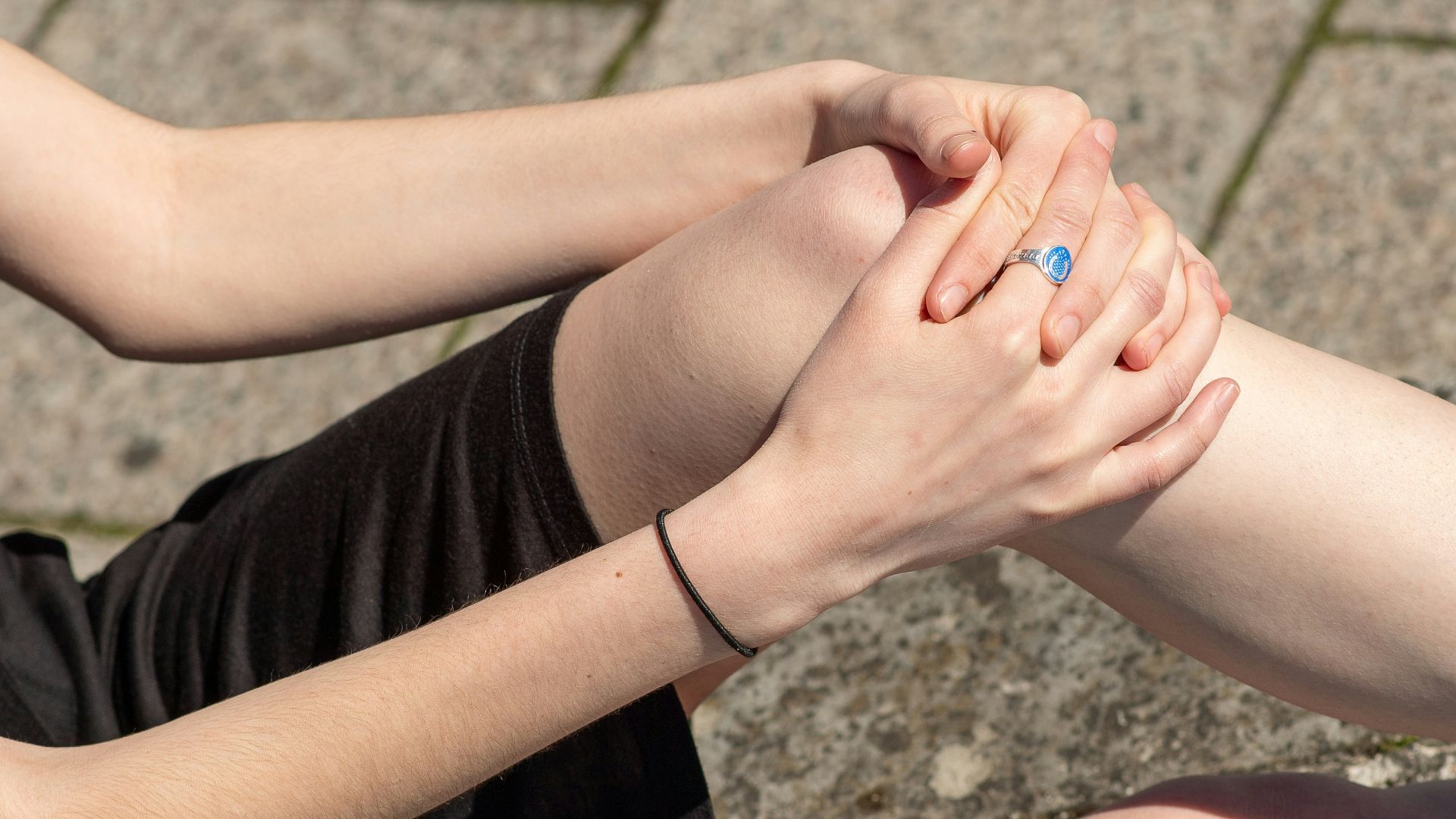
Don’t lie—you’ve tried to trigger the reflex at home before! That familiar kick when you tap just below your kneecap isn't something you're consciously doing. Striking the patellar tendon stretches your quadriceps, triggering a contraction that sends your lower leg jerking out.
2. The Withdrawal Reflex
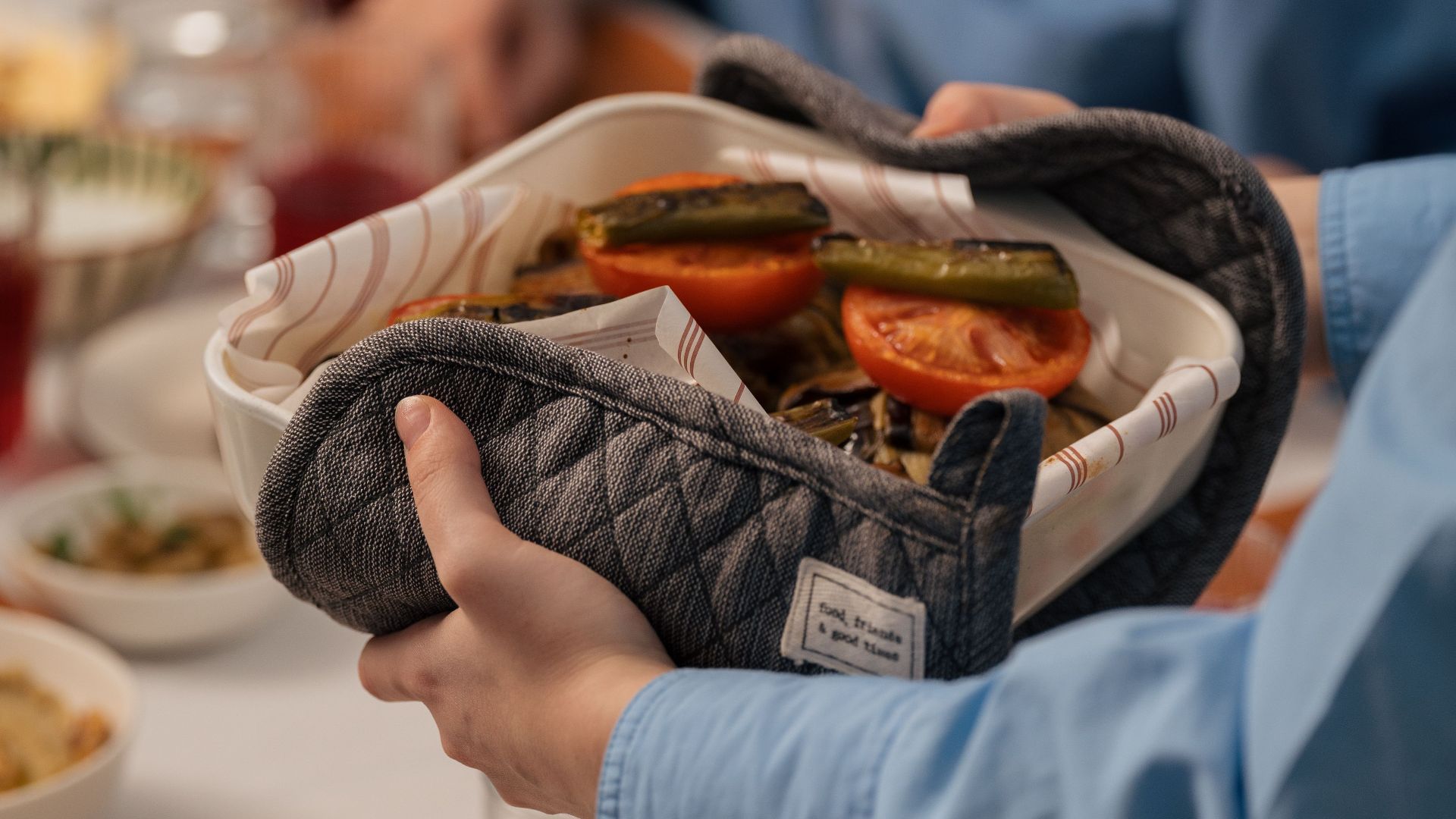
Touch a hot baking sheet by mistake? Don’t worry, your hand will likely already have moved away before you've registered the burn. Sensory signals trigger muscles to pull the affected body part away from a harmful stimulus, and they do it with remarkable speed. It’s one reason you don’t need to do much in the face of some danger; your body handles it!
3. The Crossed-Extensor Reflex
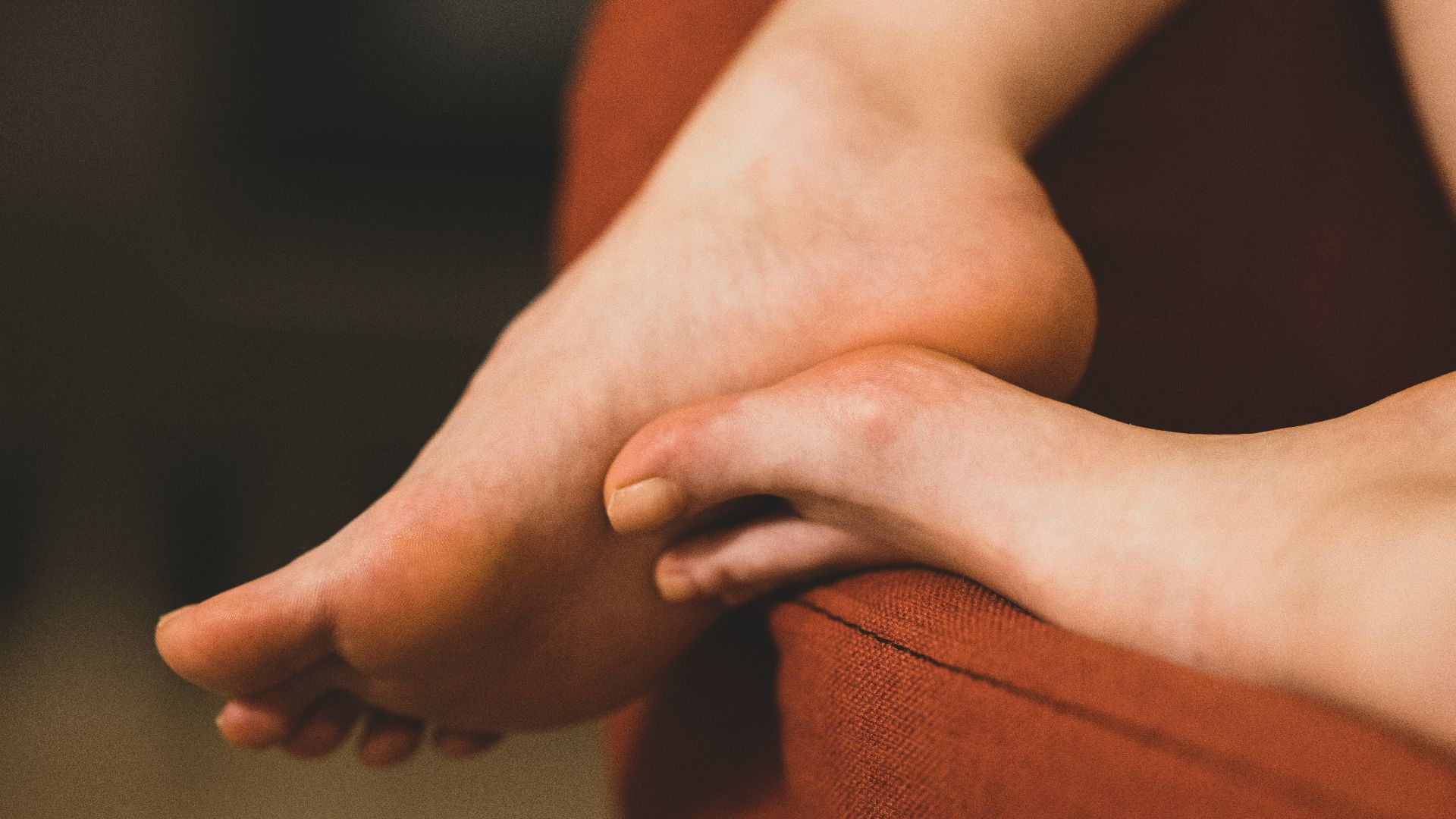
That said, pulling your foot away from something painful creates another problem: you still need to remain upright without losing balance. The crossed-extensor reflex helps by supporting the opposite leg while the threatened one pulls back, allowing your weight to shift properly rather than sending you to the floor.
4. The Corneal Blink Reflex
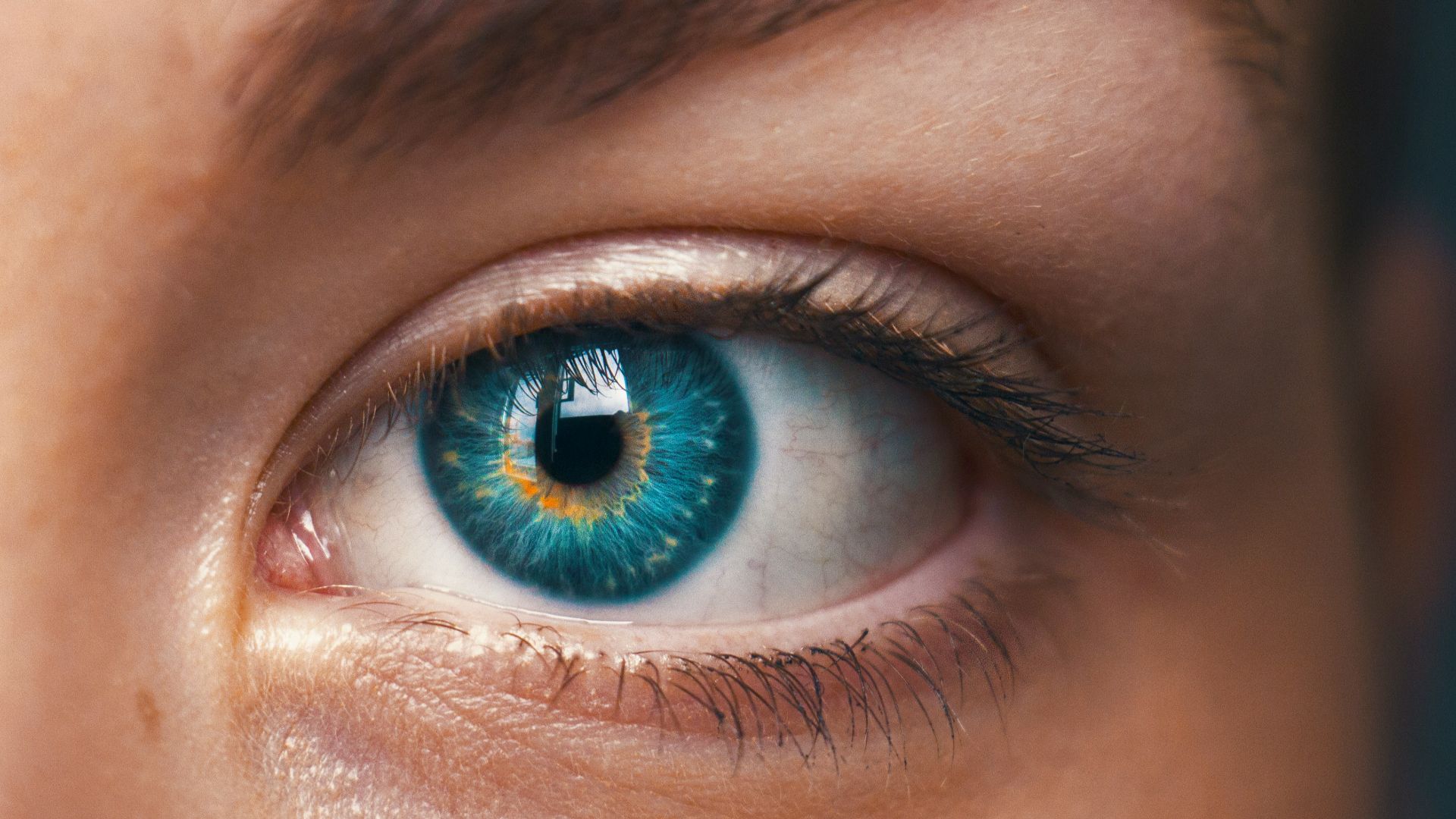
Your eyelids aren’t messing around when something reaches the surface of your eye. Touching or irritating the cornea can cause both eyes to blink on their own, and though no one likes the sensation, that’s protecting delicate tissue from foreign material. The only downside is that it doesn’t take more than a stray eyelash or speck of dust to demonstrate just how quickly this protection works.
5. The Pupillary Light Reflex
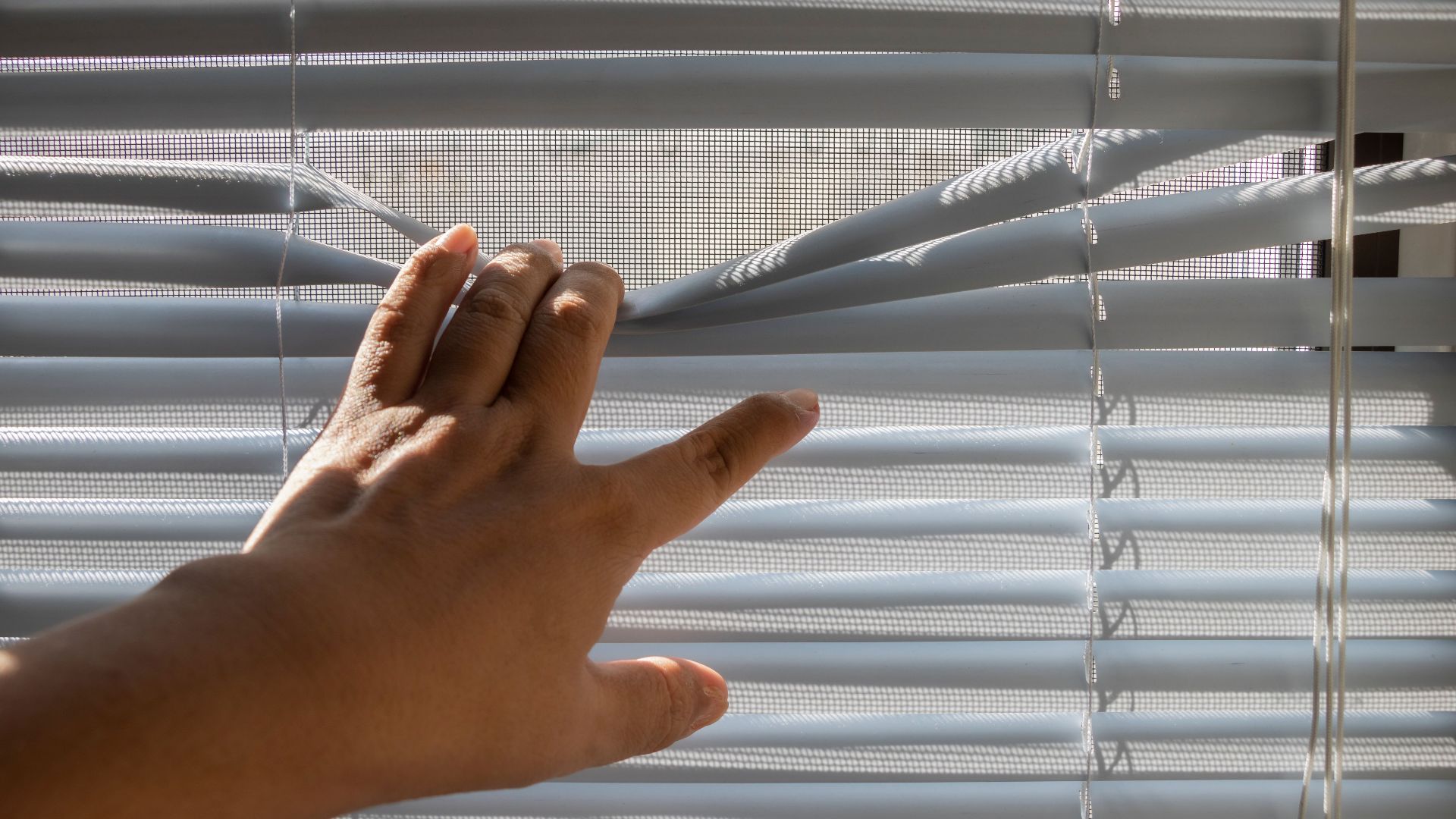
We’ve gone through it a thousand times before: walking from a dark movie theater into bright sun, and our pupils get smaller without any real effort. That’s because light entering the eye triggers an automatic response that constricts the pupils and limits how much light reaches the retina. Trust us, it’s better than the other way around!
6. The Vestibulo-Ocular Reflex
Funnily enough, you can turn your head while keeping your eyes fixed on a street sign, and that’s because your eyes compensate for the movement. It’s known as the vestibulo-ocular reflex, and this response pulls information from your inner ear to move your eyes in the opposite direction. Without it, something as simple as reading a sign while walking could mean a much less stable view.

7. The Gag Reflex
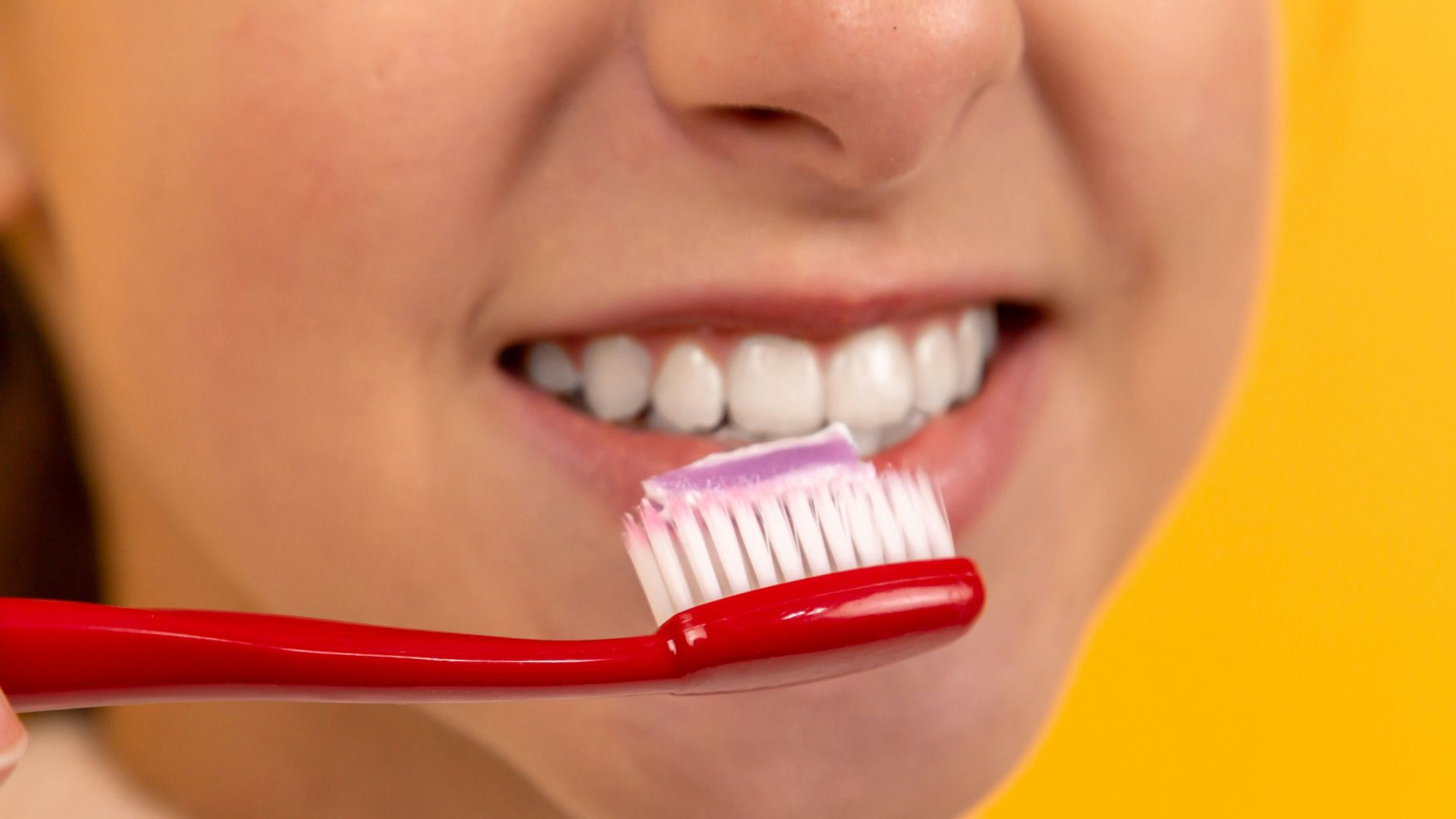
Did a toothbrush push a little too far toward the back of your mouth? We’ve all been there. That movement, and many like it, can produce an immediate reaction known as the gag reflex. In essence, it contracts muscles around the throat when sensitive areas are stimulated, helping prevent potentially harmful material from going any farther.
8. The Cough Reflex
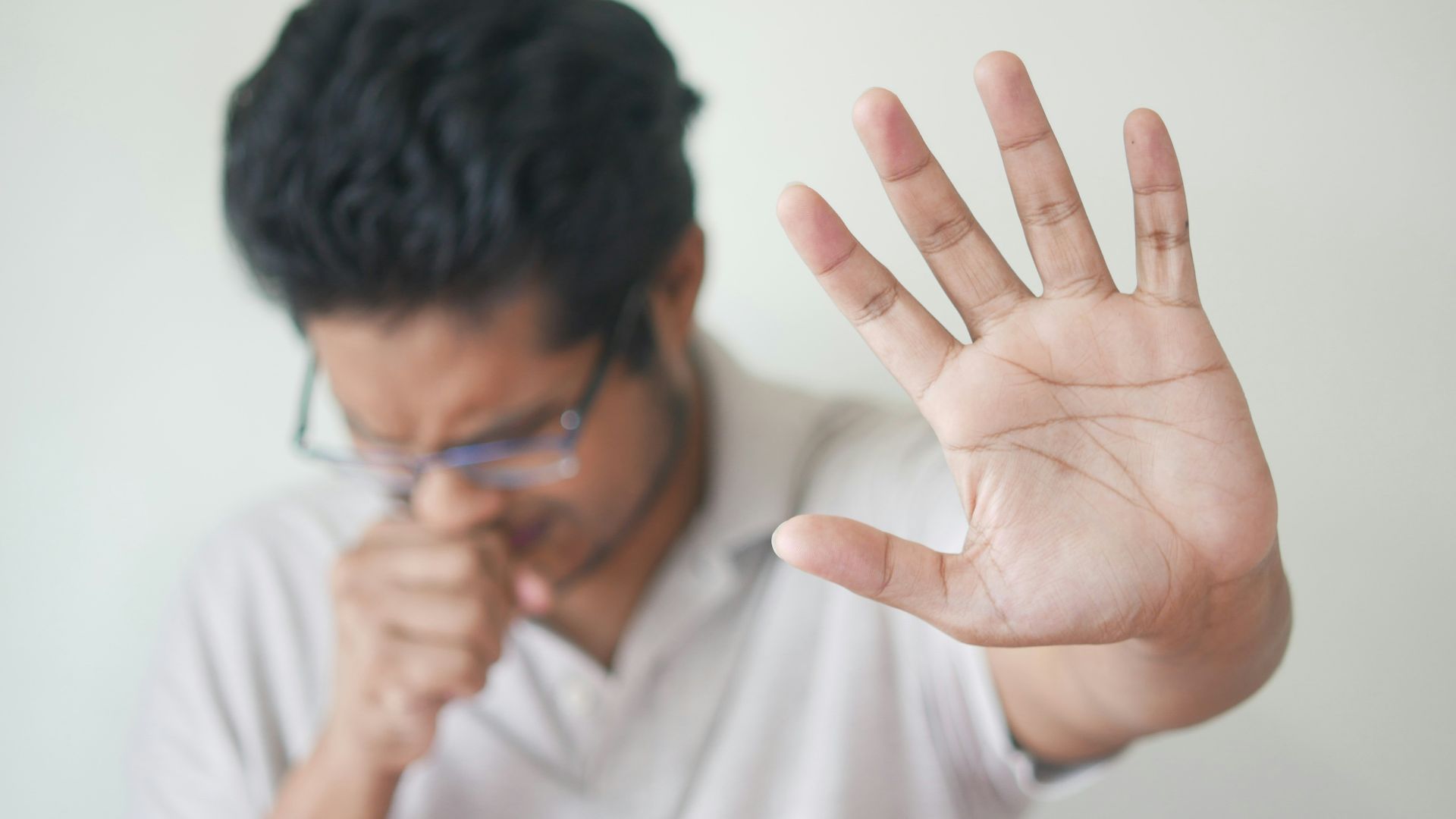
Gagging isn’t the only way to stop foreign objects in their tracks. That sudden cough after water goes down the wrong way is part of an automatic airway defense, too. Irritation in the respiratory tract can trigger a forceful burst of air intended to clear particles that don't belong there. Though we often choose to cough, plenty of them arrive before you think about them.
9. The Sneeze Reflex
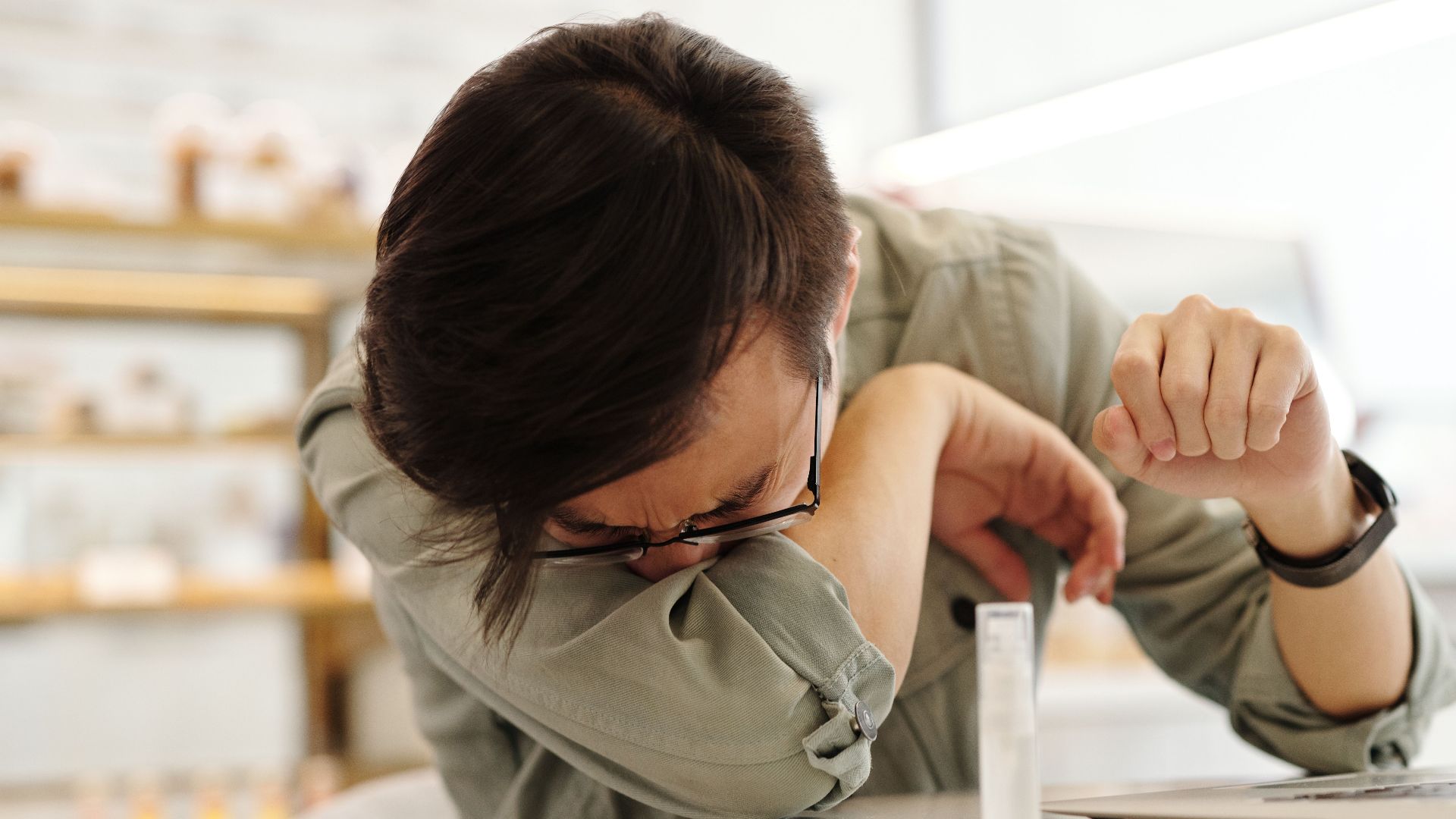
Oh, no…what’s that? Pepper in the air? Dust or pollen ruining the springtime? Nasal irritants set off a chain of events that ends with one huge sneeze, and it’s totally normal. Receptors inside the nose detect irritation, and the nervous system coordinates muscles involved in the explosive release of air.
 mohammad hosein safaei on Unsplash
10. The Photic Sneeze Reflex
We know our eyes compensate for bright light, but for some people, stepping out of a dim building into sunlight is enough to make them sneeze! It’s called the photic sneeze reflex, and researchers believe unusual interaction between nerve pathways involved in vision and sneezing may play a role.
11. The Startle Reflex
No one likes a jump-scare, least of all your body, and that’s why a plate suddenly smashing on the kitchen floor can make your shoulders jump. Unexpected loud sounds can trigger rapid contractions as part of the startle response. Your brain determines that the broken dish isn't a threat, but your body needs a second.

12. The Diving Reflex
Ever felt a little weird in sudden cold water? That’s because low temperatures hitting your face can produce changes that extend far beyond the initial shock. We have a diving response in which contact with cold water, especially on the face, can contribute to a slower heart rate. It also produces changes in circulation that help conserve oxygen for other organs.

13. The Baroreceptor Reflex
Standing up quickly forces your entire cardiovascular system to make an immediate adjustment. Pressure-sensitive receptors detect changes in blood pressure and prompt automatic changes in heart rate to keep circulation as stable as it can. Should that adjustment not happen smoothly enough, you may feel lightheaded for a second.

14. The Gastrocolic Reflex
If breakfast sometimes seems to send you straight to the bathroom, it could be because your meal hasn't raced through your entire digestive tract. Stretching of the stomach after a hearty meal can stimulate increased movement in the colon, and it’s all done through the gastrocolic reflex. That's why the urge to have a BM can appear shortly after a big plate.
15. The Urination Reflex
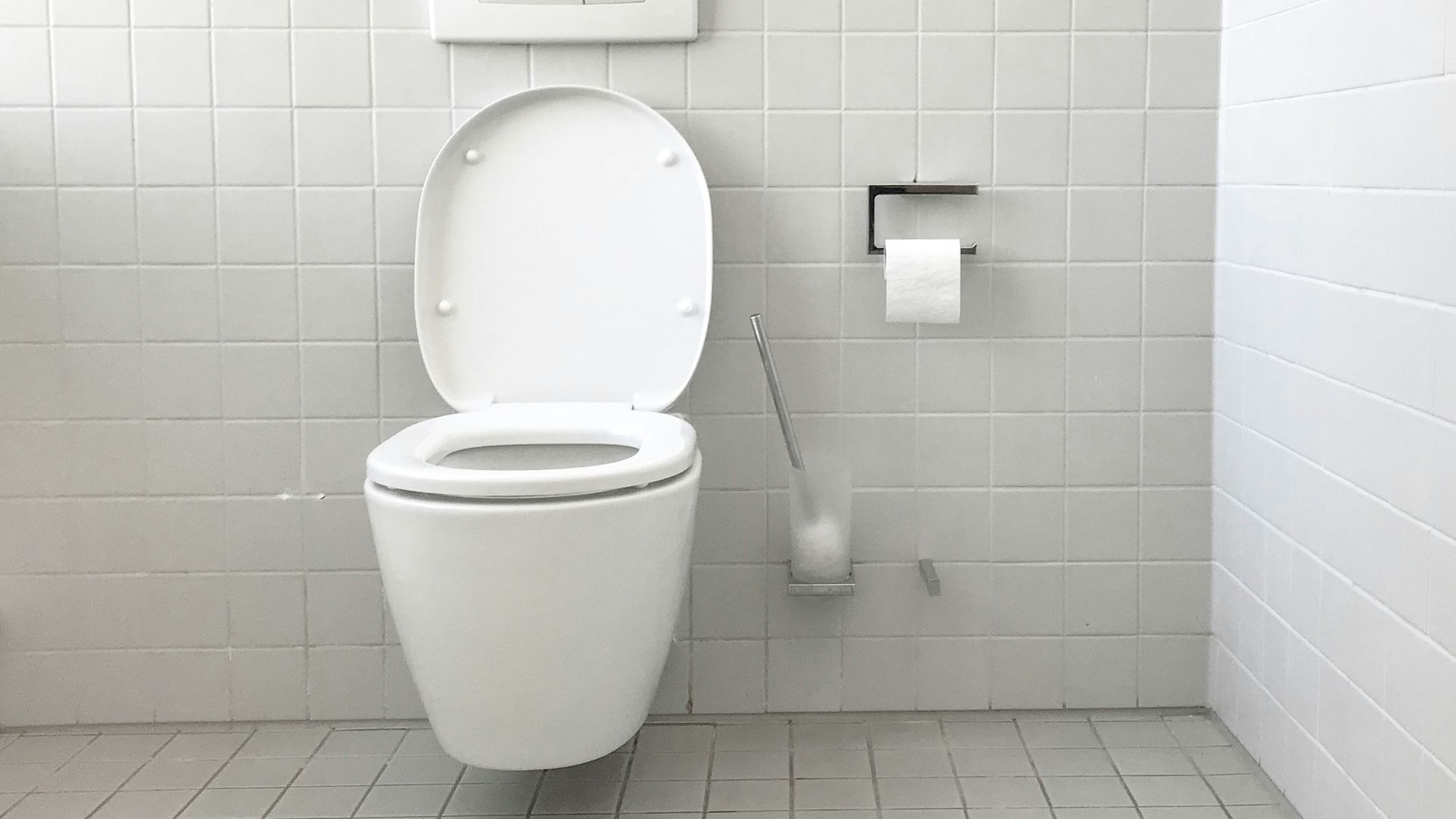
A full bladder won’t wait for you to remember that toilets exist. As the bladder stretches, nerve signals activate a process involving contraction of the bladder muscle and relaxation of the urinary outlet when it's appropriate to urinate. Though adults have voluntary control that allows us to delay the process a little, a reflex is still working underneath that choice.

16. The Swallowing Reflex
You can decide to take a bite of food, but swallowing is actually far less voluntary than it feels. Once food or liquid reaches the back of the mouth, muscle activity moves it through the throat while helping protect the airway. Take a second to think about how effortlessly you swallow a sip of water—now you can appreciate how much complicated work happens without us!
 Pablo Merchán Montes on Unsplash
17. The Salivary Reflex
It’s a little embarrassing, but you’ve probably salivated at the smell or sight of a favorite meal. That’s more normal than you think! Sensory cues connected with food stimulate salivary glands as your digestive system prepares for what you love best. It's even more noticeable when you're hungry.
18. The Shivering Reflex
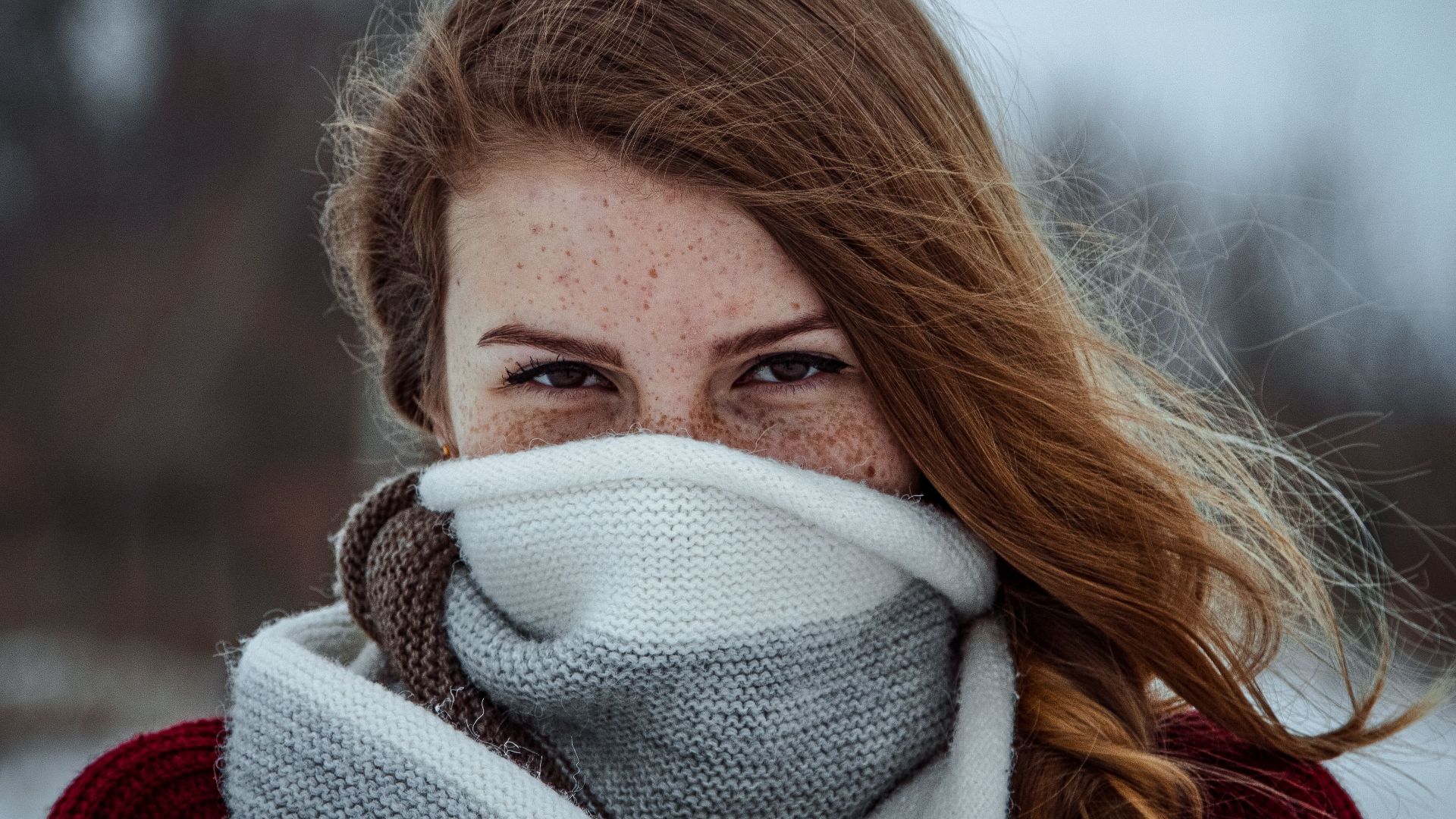
If you get cold enough, keeping still can be surprisingly difficult. We know it as shivering, but the process involves involuntary muscle contractions that generate heat and form part of your body's automatic response to freezing temperatures.
19. The Achilles Reflex
Don’t forget that your knee isn't the only place that responds to a carefully placed tap. Striking the Achilles tendon while the foot’s positioned normally causes the calf muscles to contract. It also forces the foot to point downward.
20. The Abdominal Reflex
Weirdly enough, even the skin over your abdomen can produce a muscular response that most of us never notice. Lightly stroking certain areas of the abdominal wall causes nearby muscles to contract, pulling the belly button slightly toward the stimulated side.

KEEP ON READING

20 Ways Perimenopause Changes Fitness and Appetite

20 Unhealthy Obsessions People Have
20 Gut-Friendly Fermented Foods For Everyday Meals