
The Body’s Silent Alarms
Your body often reacts before your mind catches up, but certain signs can feel alarming when there’s no obvious cause. These physical signals are messages worth understanding if you are dealing with anxiety without knowing. This piece explores how stress shows up in the body and what helps restore balance. Let’s take a walk through the symptoms that could be a sign of stress.

1. Rapid Heartbeat (Palpitations)
When stress hormones surge through the body, the heart responds by beating faster and harder. This can feel like pounding or racing in the chest, often appearing suddenly and without any physical movement or exertion.

2. Fast Breathing (Hyperventilation)
As the body shifts into high alert, your breathing may turn quick and shallow without conscious control. It can upset oxygen balance, which explains why sensations like dizziness or even feeling faint may follow soon after.

3. Sweating
Apart from physical workout, the sweat glands also activate as the fight-or-flight response. Anxiety-related sweating often starts suddenly, occurs in cool settings, targets palms or face, and may appear alongside a racing heart.

4. Trembling
With the nervous system firing rapidly, muscles stay tense for extended periods. Over time, that tension often shows up as shaking or trembling in certain parts of the body, sometimes noticeable even while sitting completely still.

5. Nausea Or Upset Stomach
Because the digestive system is closely linked to emotional stress, normal digestion can slow or become disrupted. As a result, physical sensations like nausea or sudden bowel changes may appear without warning in your body.

6. Headaches
Persistent stress can cause muscles around the neck and shoulders to tighten, which in turn creates pressure that builds into headaches. These may feel like a constant ache or a squeezing sensation, sometimes lingering for hours and returning frequently.

7. Muscle Tension
When the body remains on high alert, muscles stay partially contracted instead of relaxing. This leads to stiffness in certain parts of the body. The best way to understand the root cause of the pain is to visit a specialist.

8. Dizziness
Sudden lightheadedness or a spinning sensation can occur when breathing patterns change or blood flow briefly shifts. Even without an actual imbalance, the body may feel unsteady, making simple movements feel surprisingly difficult or disorienting.

9. Insomnia
You know it's time to relax and wind down after a long day, but sleep eludes you despite the tiring and stressful day you had. This is clearly a raging symptom of anxiety trying to hint to you to take less stress.

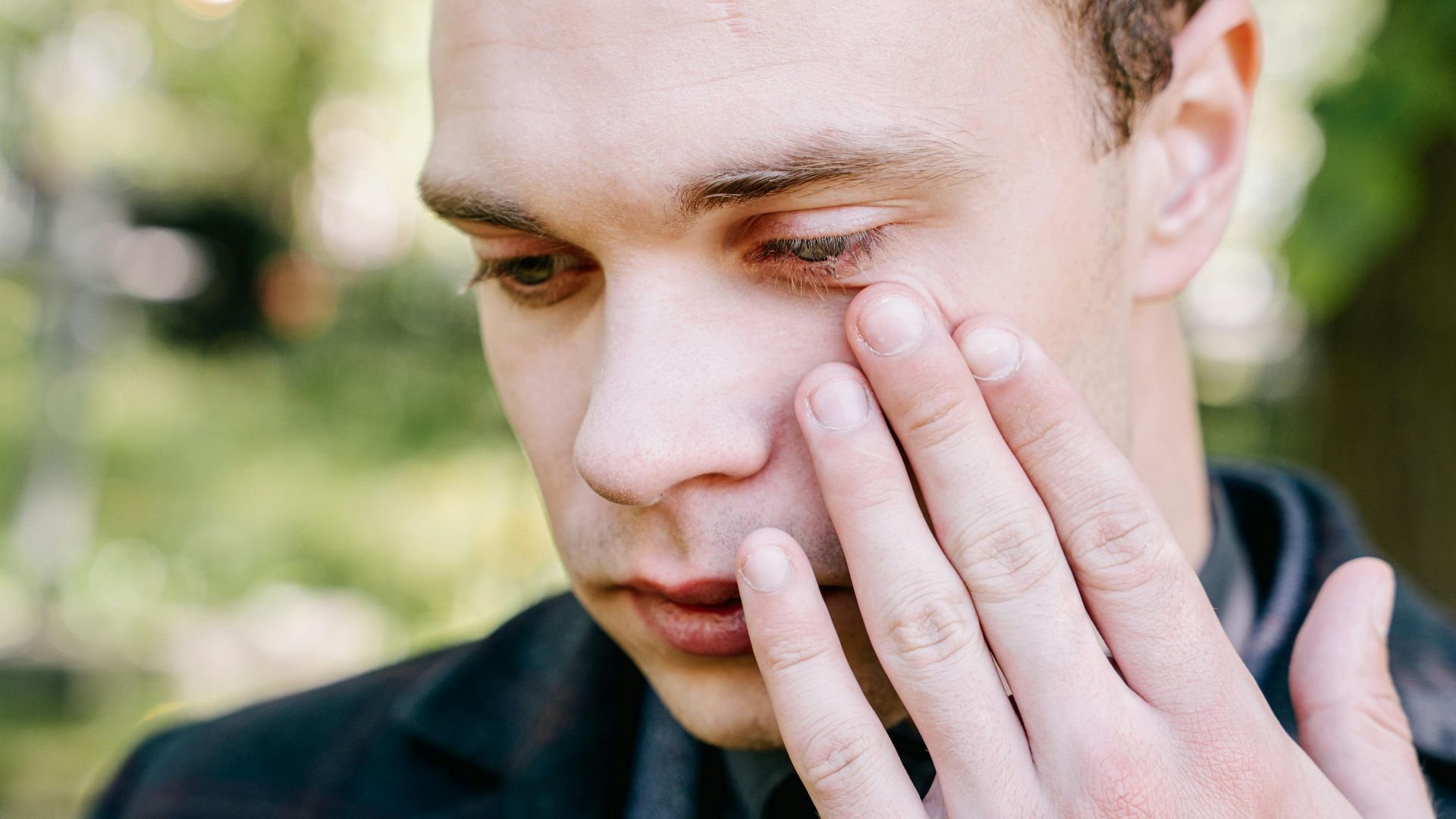
10. Vision Changes
During intense stress responses, pupils may widen, and blood flow can briefly shift, which alters how clearly the eyes focus. Combined with constant visual scanning and reduced tear production, this can cause blurriness, tunnel vision, and eye fatigue.
1. Deep Breathing
Slow, intentional breathing signals the nervous system to stand down. As the heart rate eases and oxygen levels stabilize, symptoms of anxiety often soften to make the body feel safer and more in control.

2. Regular Exercise
Physical movement helps burn off excess stress hormones while releasing endorphins that naturally lift mood. Over time, consistent activity improves sleep and appetite, and also trains the body to recover faster from stress spikes and anxious surges.
 The Lazy Artist Gallery on Pexels
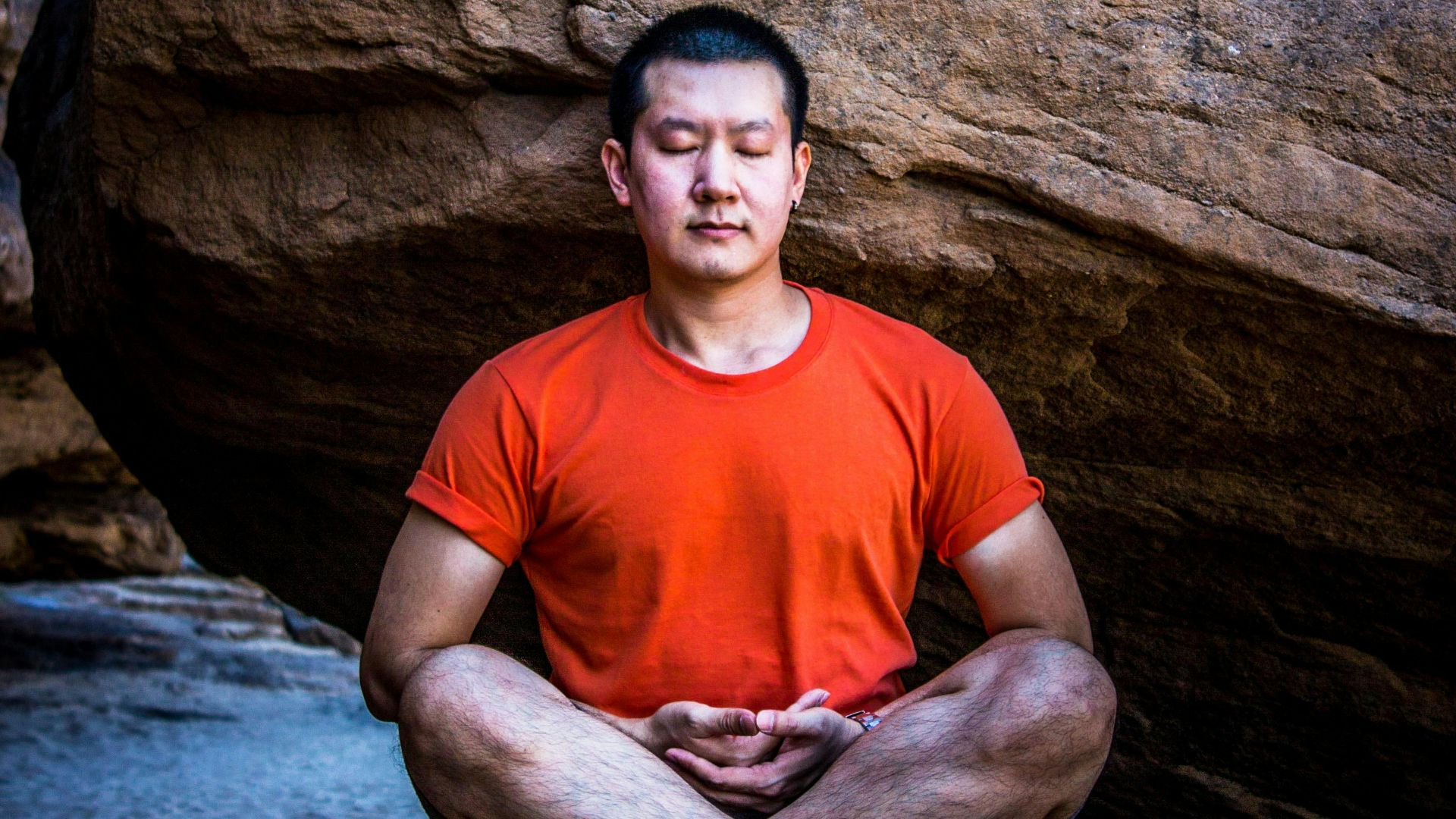
3. Mindfulness And Meditation
By anchoring attention to the present moment, mindfulness interrupts cycles of rumination. Regular practice trains the mind to observe sensations without reacting to them, gradually reducing emotional intensity and improving overall regulation during stressful moments.
4. Reframing Negative Thoughts
Reframing asks you to examine automatic negative thoughts and reshape them into healthier interpretations. This mental shift reduces worry, and the body follows with less tension, interrupting the cycle that keeps anxiety responses active.

5. Grounding Techniques
Grounding pulls attention back into the body through sensory awareness. Simple exercises redirect focus away from spiraling thoughts. It also helps interrupt escalating anxiety and restore a sense of stability during sudden emotional surges.

6. Limit Stimulants
Excess caffeine or nicotine can intensify symptoms like a rapid heartbeat and shallow breathing. Cutting back allows the nervous system to stabilize and makes it easier for the body to settle, even when the situation is not good.

7. Journaling
Putting thoughts on paper creates mental distance from constant worry. Writing helps organize scattered concerns, which makes patterns easier to recognize. Over time, this process reduces cognitive overload and creates a calmer internal space.

8. Social Support
Human connection has a stabilizing effect on the nervous system. You can become a part of the grief groups where sharing experiences out loud reduces isolation and emotional pressure. When you feel understood, it helps the body relax.

9. Professional Therapy
Structured guidance offers a deeper understanding of thought patterns and physical reactions. With personalized support, individuals gain clarity around anxiety symptoms, and their body and mind respond more steadily to situations out of their control.

10. Environment And Sensory Tools
Simple changes in surroundings can calm symptoms like sensory overload, agitation, and mental fatigue. Steady background sounds or familiar scents help the senses slow down to make the body feel less overwhelmed and more stable.

KEEP ON READING


20 Natural Ways You Can Boost Your Immune System

20 Ways To De-stress & Relax After Work

The 10 Most Common Diseases & The 10 Most Rare