
10 Health Benefits of Creativity & the 10 Best Creative Outlets For Your Brain
Creativity Is Better for You Than It Gets Credit For
Creativity is often treated like a bonus hobby you squeeze in after the “important” things are done, but your brain may disagree. Making music, writing, painting, dancing, crafting, cooking, or building something can support mood, focus, memory, stress relief, and social connection in surprisingly practical ways. You don’t have to be talented, original, or remotely ready to show anyone your work for creativity to count. The point isn't to become a genius overnight; it’s to give your brain something playful, challenging, and meaningful to do. Here are 10 health benefits of creativity and the 10 best creative outlets for your brain.

1. Creativity Can Reduce Stress
Creative activities can help your mind shift out of constant problem-solving mode. When you draw, write, play music, or make something with your hands, your attention has somewhere gentler to land. That focused engagement may help lower stress and make daily worries feel less overwhelming for a while.

2. It Can Boost Your Mood
Creativity gives your brain a chance to experience pleasure, novelty, and accomplishment. Even a small project can make you feel like you did something satisfying with your time. That matters on days when your mood feels flat or your routine feels too predictable.

3. It Supports Emotional Processing
Sometimes emotions are hard to explain directly, and creative outlets can give them another place to go. Writing, music, art, or movement can help you explore feelings without needing to verbalize them right away. This can be especially helpful when you’re sorting through stress, grief, anger, or uncertainty.

4. It Encourages Better Focus
Creative work often asks your brain to pay attention in a specific, active way. You may need to choose colors, remember steps, listen closely, shape sentences, or solve tiny design problems. That kind of focus can feel refreshing if your attention is usually split between screens, notifications, and unfinished tasks.
5. It May Strengthen Memory
Many creative activities involve remembering patterns, sequences, details, or techniques. Playing an instrument, learning choreography, practicing photography, or following a recipe can all challenge memory in useful ways. Over time, those small mental workouts may help keep your brain engaged.
6. It Builds Confidence
Finishing a creative project can remind you that you’re capable of learning and improving. You might not love the first attempt, but the process shows you that progress is possible. That sense of competence can carry into other parts of life, especially if you’re used to being hard on yourself.

7. It Helps You Tolerate Mistakes
Creativity teaches you that mistakes don’t always ruin everything. A wrong brushstroke, awkward paragraph, uneven stitch, or weird chord can become part of the process instead of the end of it. This can make you more flexible and less afraid of trial and error.
 Francisco De Legarreta C. on Unsplash
8. It Can Increase Social Connection
Creative hobbies can bring people together without forcing interactions. Classes, clubs, choirs, writing groups, craft nights, and community projects all give people a reason to gather. Shared creativity can make conversation easier because there’s already something to do.

9. It Gives Your Brain Novelty
Your brain likes new challenges, especially when they’re interesting instead of purely stressful. Creative activities introduce new materials, sounds, movements, ideas, and decisions. That variety can keep your mind more engaged than repeating the same routine every day.
10. It Can Create a Sense of Purpose
Creativity gives you a reason to make, finish, share, practice, or simply return to something that matters to you. That sense of purpose doesn’t have to be grand or public. A scrapbook, garden plan, poem, playlist, painting, or handmade gift can still make life feel more personal and intentional.

Now that we've talked about the health benefits of creativity, let's cover some of the best hobbies for your brain.
1. Journaling
Journaling is one of the easiest creative outlets because all you need is a notebook or a blank document. You can write about your day, your worries, your goals, or the strange thought that appeared while you were making coffee. It helps organize mental clutter and gives emotions somewhere to land.

2. Drawing
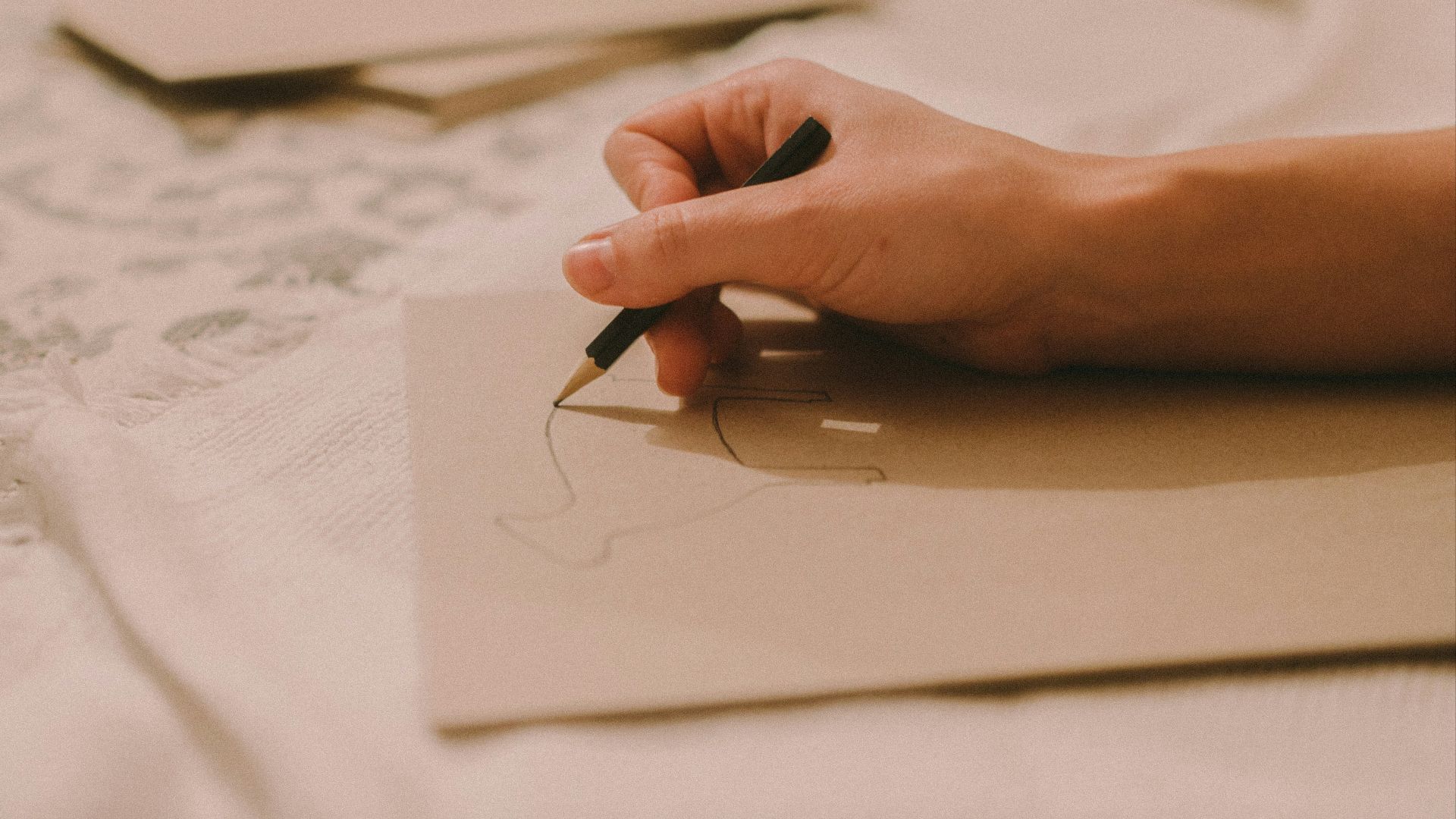
Drawing is great for the brain because it combines observation, focus, hand movement, and imagination. You don’t have to draw well for it to be useful. The benefit comes from paying attention, not from producing gallery-ready art.
3. Playing Music
Playing music challenges memory, coordination, listening, timing, and emotion all at once. Whether you play piano, guitar, drums, violin, or a slightly neglected recorder, your brain has to stay involved. Music can also shift your mood quickly because sound has a direct emotional pull.

4. Dancing
Dancing combines movement, rhythm, memory, and expression in a way your brain tends to enjoy. It can be structured, like ballroom or hip-hop classes, or completely informal in your kitchen. Learning steps challenges coordination, while free movement can help release tension.

5. Cooking
Cooking can be surprisingly creative when you treat it as more than a chore. Choosing flavors, adjusting seasonings, plating food, and trying new recipes all involve planning and experimentation. It also gives you a finished result you can enjoy immediately.

6. Photography
Photography trains your brain to notice light, shape, color, texture, and timing. You can use a professional camera or just the phone already living in your hand. Looking for interesting shots can turn an ordinary walk into a small creative hunt.

7. Gardening
Gardening blends creativity with patience, planning, and sensory experience. You choose colors, arrange plants, learn what grows where, and accept that nature has its own opinions. It can be calming because it keeps your hands busy and your attention grounded.

8. Knitting or Crocheting
Knitting and crocheting are excellent for people who like rhythm, repetition, and visible progress. The patterns challenge memory and focus, while the hand movements can feel calming once you get into the flow. You also end up with scarves, blankets, hats, or something that was meant to be a rectangle but had other plans.
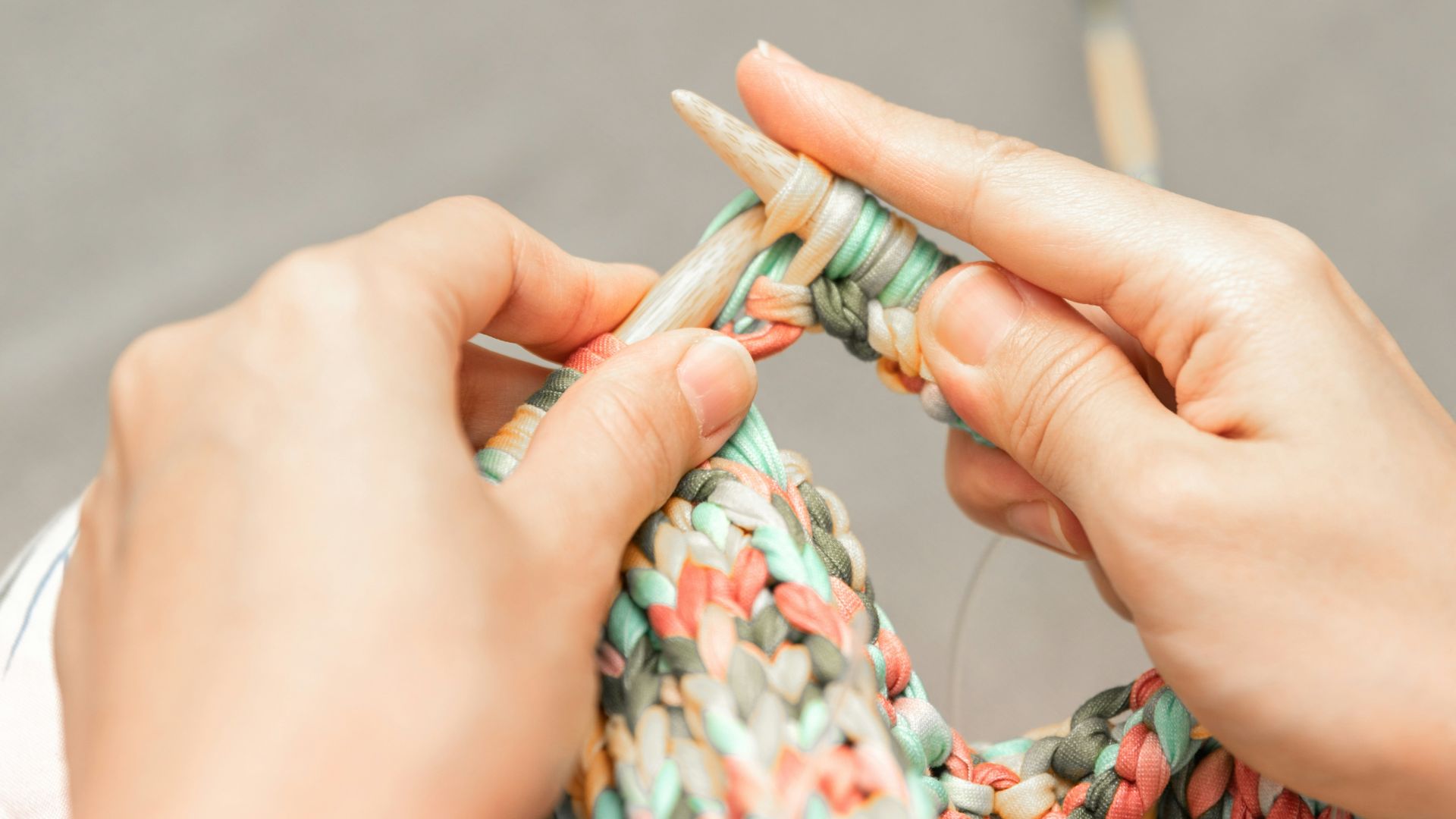 Tanaphong Toochinda on Unsplash
9. Creative Writing
Creative writing lets you build scenes, characters, essays, poems, or stories from your own thoughts. It strengthens imagination, language, memory, and emotional expression. You can write something serious, funny, strange, romantic, or completely private.

10. Collage
Collage is perfect if you want creativity without the pressure of starting from nothing. You can use old magazines, printed photos, paper scraps, fabric, stickers, or digital images to build something new. The process encourages decision-making, visual thinking, and playful experimentation.

KEEP ON READING