You're Not Quite the Same Person You Were at Work
Retirement is usually discussed in terms of financial freedom, extra leisure time, and finally getting around to all those things you've been putting off. However, leaving the workforce can also change how you think, behave, and interact with the people around you. Without the familiar routines, responsibilities, and social expectations of a career, certain personality traits may become more noticeable while others gradually fade. Here are 20 ways retirement can quietly influence the person you become.
1. You Become Less Competitive
When you're no longer chasing promotions, meeting performance targets, or comparing yourself to coworkers, the urge to compete can gradually weaken. Things that once seemed incredibly important, like receiving recognition for your accomplishments, may no longer matter as much. You might find it easier to celebrate other people's successes without comparing them to your own progress. For many retirees, that shift brings a welcome sense of relief.
2. Your Patience Starts to Improve
Spending years juggling deadlines and responsibilities can make even minor inconveniences feel frustrating. Retirement often removes some of that daily pressure, allowing you to handle situations at a more comfortable pace. You may find yourself becoming more tolerant of delays, unexpected changes, and people who do things differently. Of course, this isn't guaranteed, but having fewer demands on your time can certainly help.
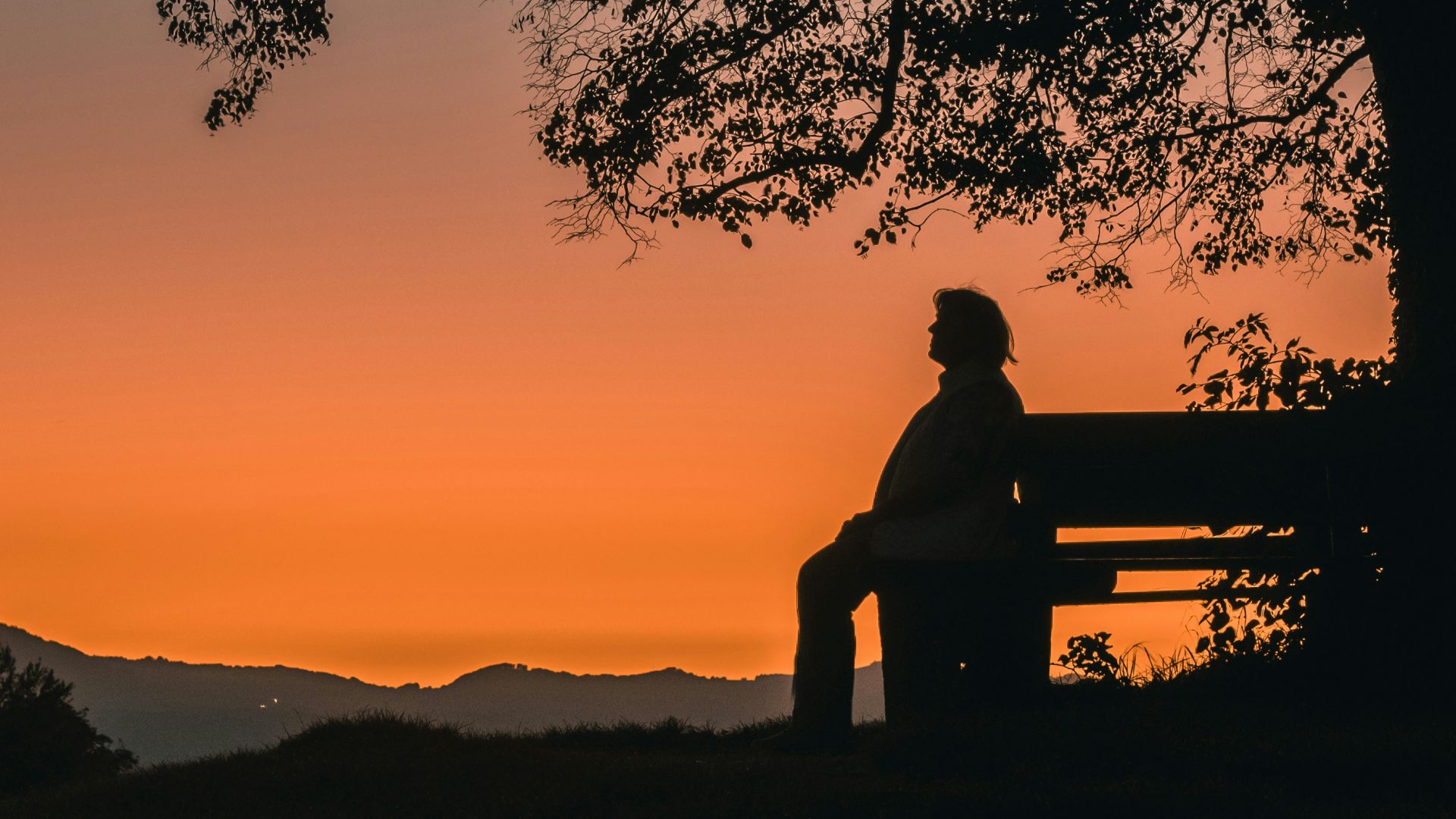 Free Walking Tour Salzburg on Unsplash
3. You Become More Opinionated
After decades of professional experience and personal accomplishments, some retirees become more confident about expressing their opinions. Without workplace expectations encouraging them to remain diplomatic, they may feel less inclined to sugarcoat what they really think. This newfound honesty can be refreshing, although family members might occasionally wish they'd hold back. Sometimes, retirement simply makes people more comfortable speaking their minds.
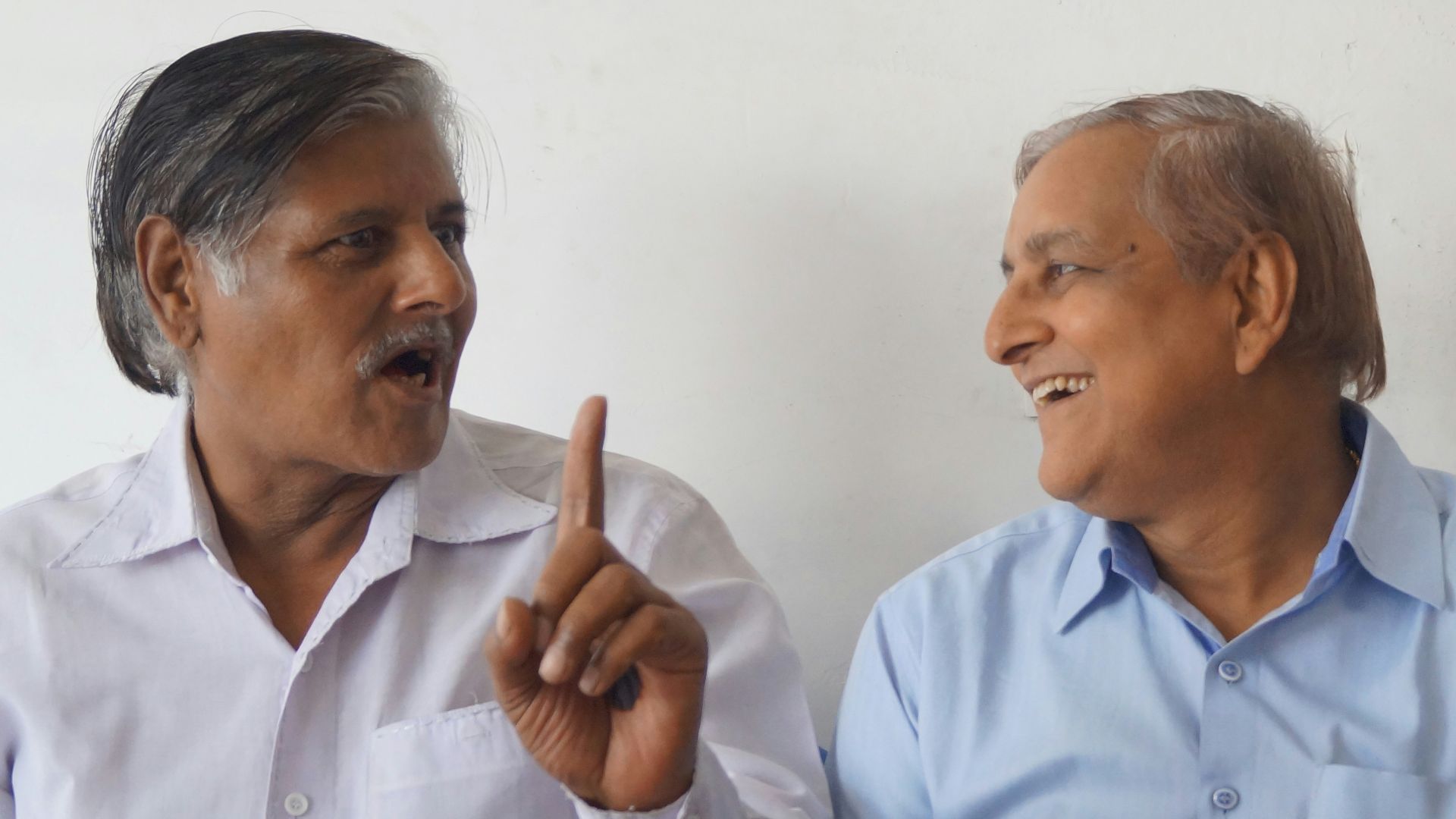
4. Your Confidence Takes an Unexpected Hit
Even people who were extremely successful during their careers can struggle with losing their professional identity. When you're no longer introduced by your job title or asked for your expertise every day, it's easy to question your sense of importance. The responsibilities that once made you feel capable and respected may suddenly be missing from your routine. Rebuilding that confidence often means discovering new interests and finding a sense of purpose outside of work.
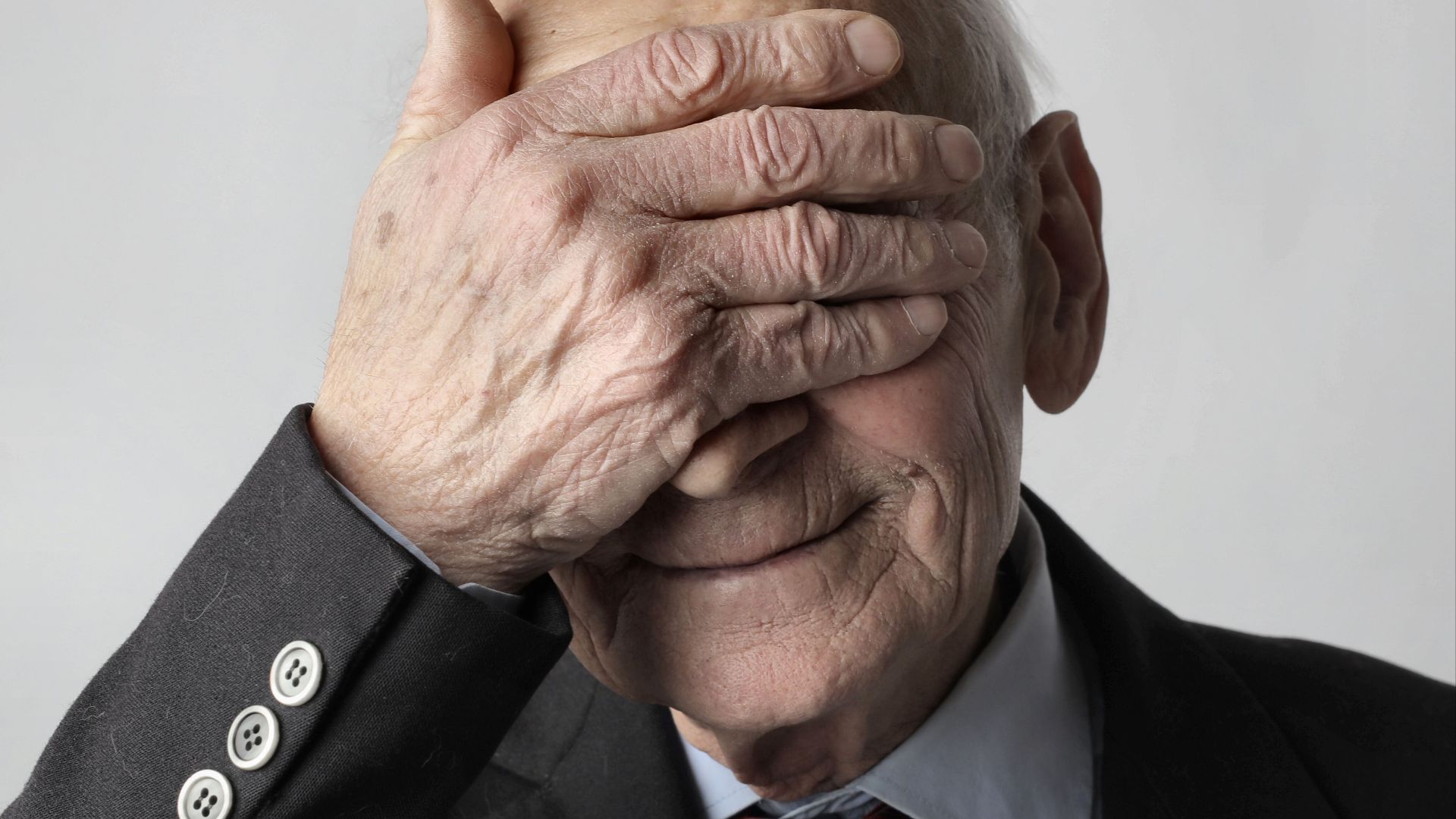
5. You Become More Spontaneous
Years of following strict schedules can make it difficult to imagine doing something without planning ahead. Once retirement removes those restrictions, however, you might discover how much you enjoy making last-minute decisions. An unexpected invitation or unplanned afternoon outing becomes much easier to accept when you don't have to worry about work the next morning. Over time, that freedom can make you noticeably more adventurous.
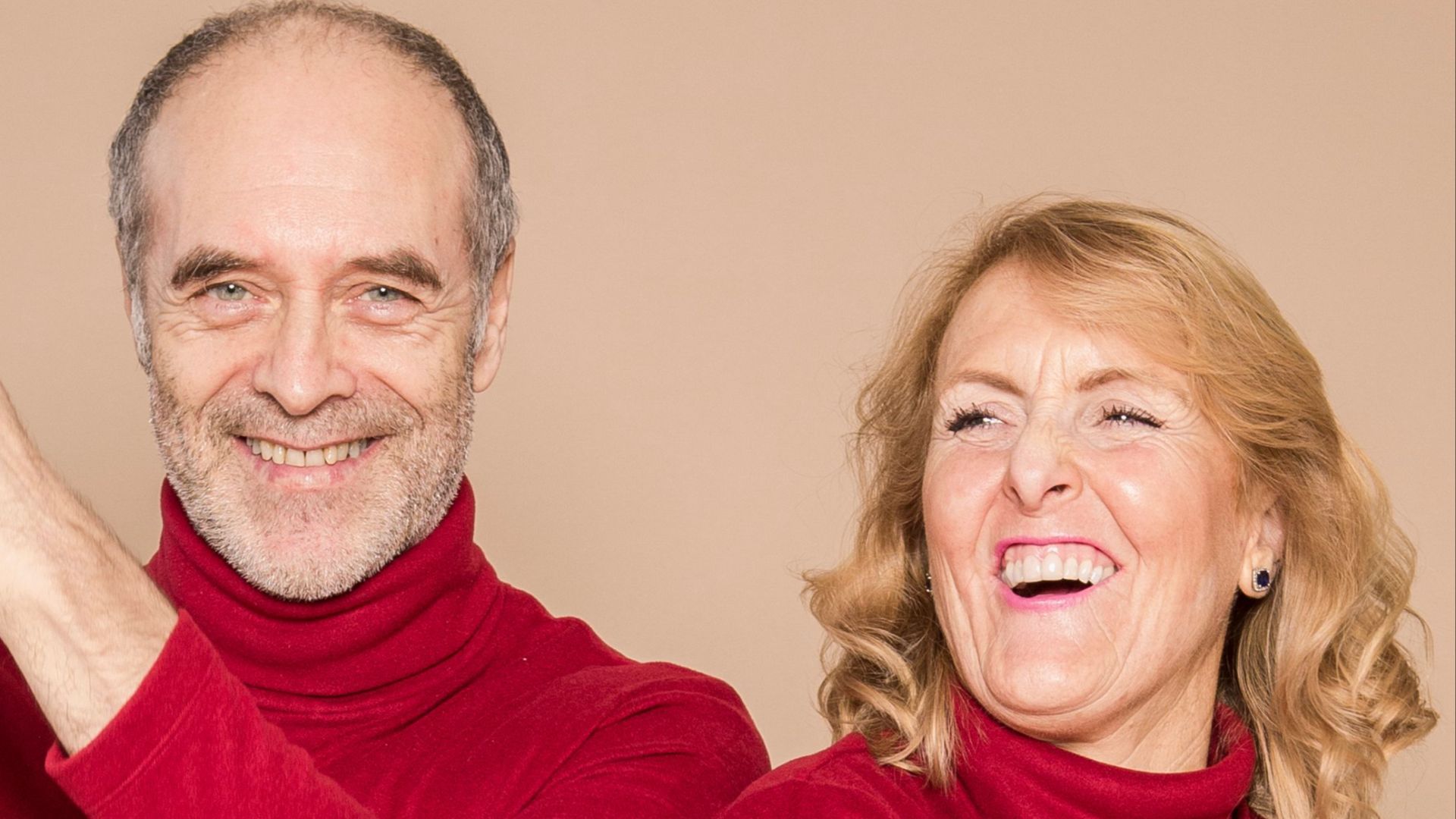
6. You Start Enjoying Your Own Company
Working often involves spending long hours surrounded by coworkers, customers, or clients, whether you enjoy their company or not. Retirement gives you the chance to spend more time alone without constantly thinking about unfinished tasks. Some people discover that they genuinely enjoy quiet mornings, independent hobbies, and having uninterrupted time to think. As a result, they may become more comfortable being alone than they ever expected.

7. You Become More Sensitive to Criticism
Leaving a career can sometimes make everyday comments feel more personal, especially when you're still adjusting to retirement. Someone who previously received regular professional feedback might suddenly take harmless suggestions as criticism of their abilities. Even advice from a spouse or adult child can feel uncomfortable when you're already trying to find your place in a new routine. Fortunately, this sensitivity may ease as retirement begins to feel more familiar.
8. Your Curiosity Comes Back
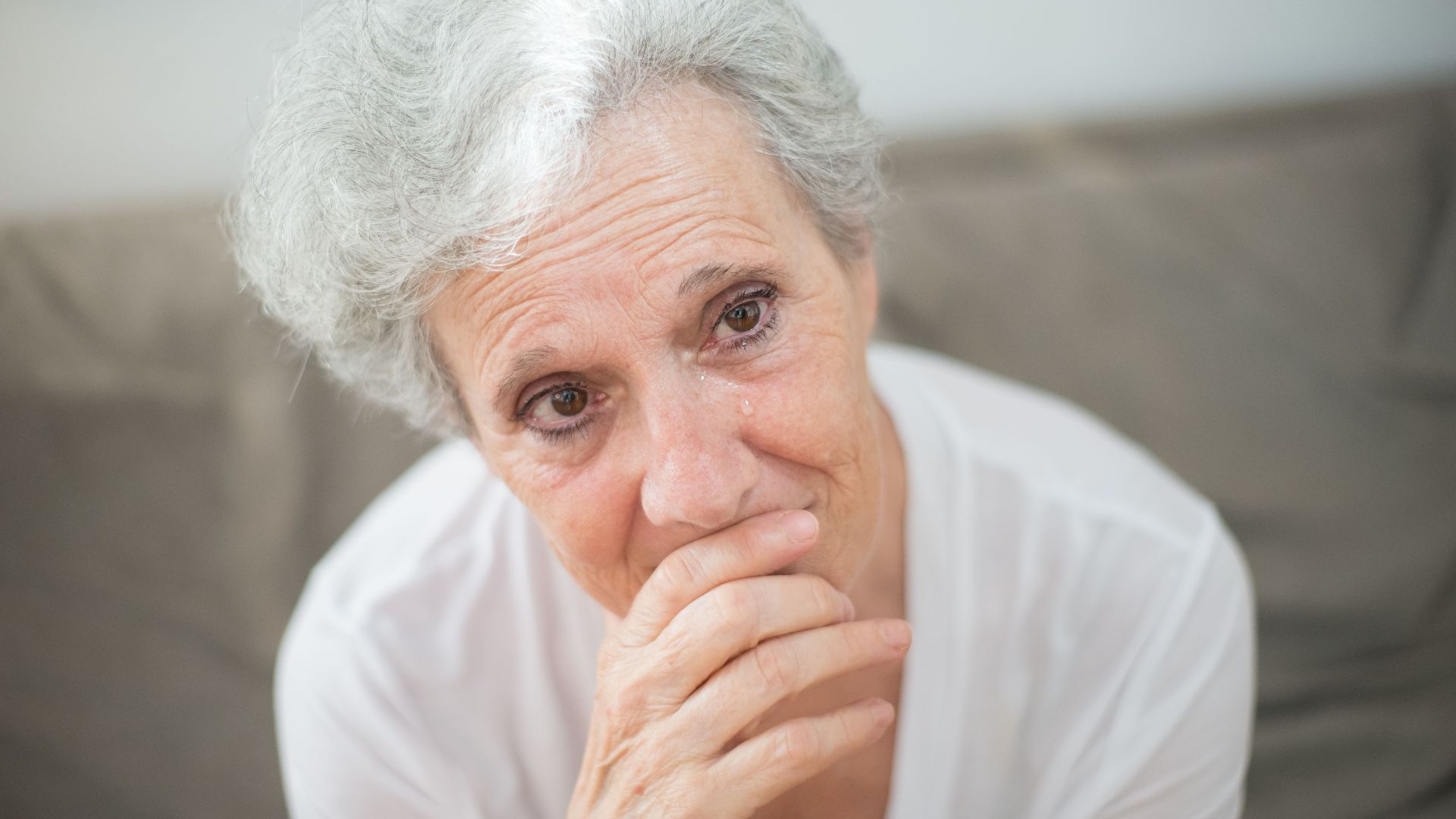
Between professional obligations and family responsibilities, many adults have little energy left to explore new interests. Retirement can bring back hobbies and passions that were neglected for years, whether that means learning a language, studying history, or experimenting with photography. Without the pressure to turn every skill into something productive, learning becomes enjoyable for its own sake. You might even surprise yourself by developing interests you never considered before.
9. You Become Less Concerned With Impressing Others
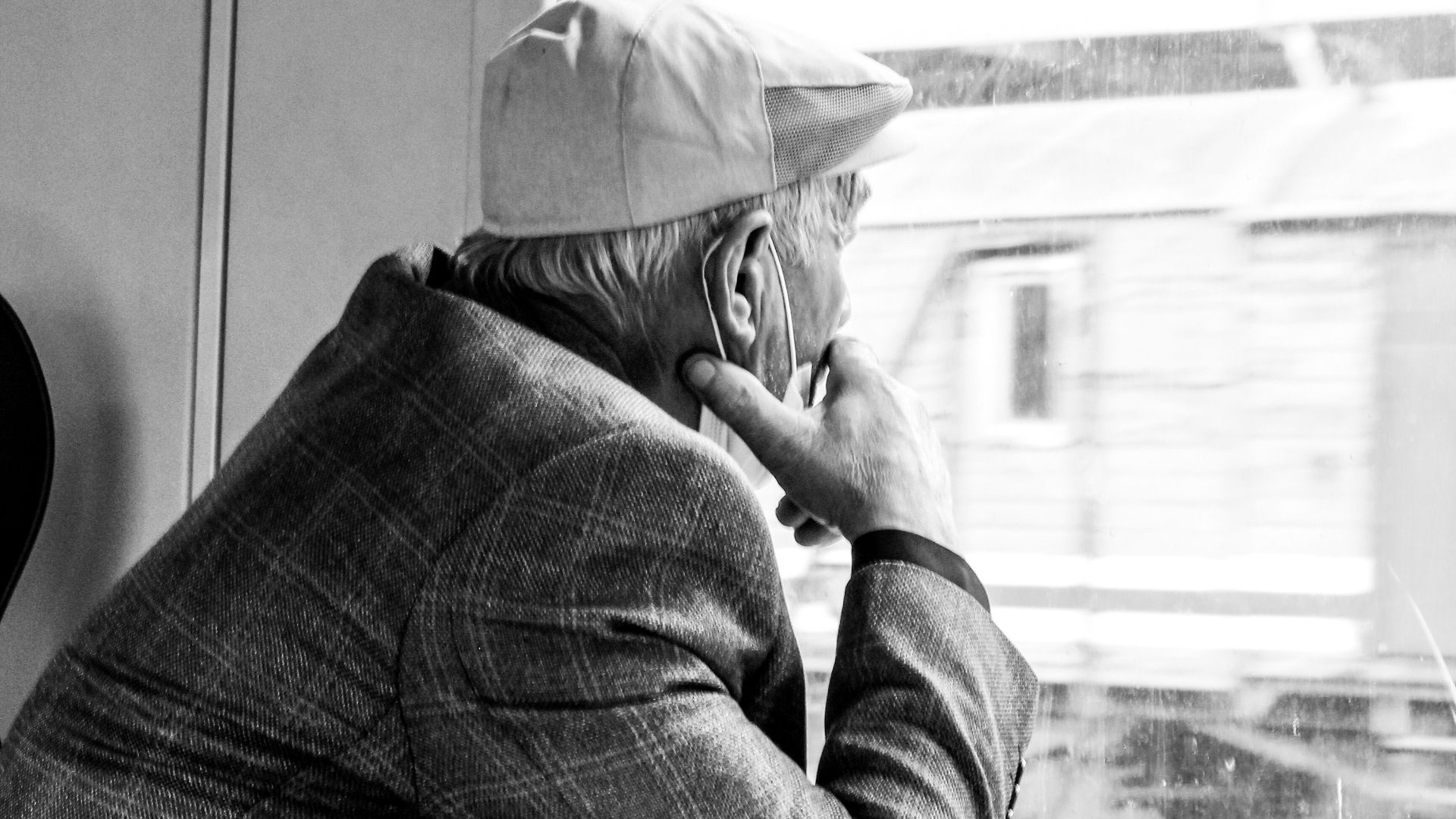
Professional environments often encourage people to think carefully about how they're perceived. From clothing choices to career accomplishments, maintaining a certain image can become second nature after decades of employment. Retirement may gradually ease those expectations, leaving you less interested in proving your success or living up to other people's standards.

10. You Become More Socially Selective
Leaving work means losing regular contact with people you may have spent years seeing almost every day. Instead of trying to replace every professional relationship, some retirees begin focusing on friendships that genuinely matter to them. They might become less interested in attending gatherings out of obligation or keeping up with people who rarely make an effort. Although their social circles may shrink, the relationships they maintain can become more satisfying.
11. You Start Worrying About Smaller Things
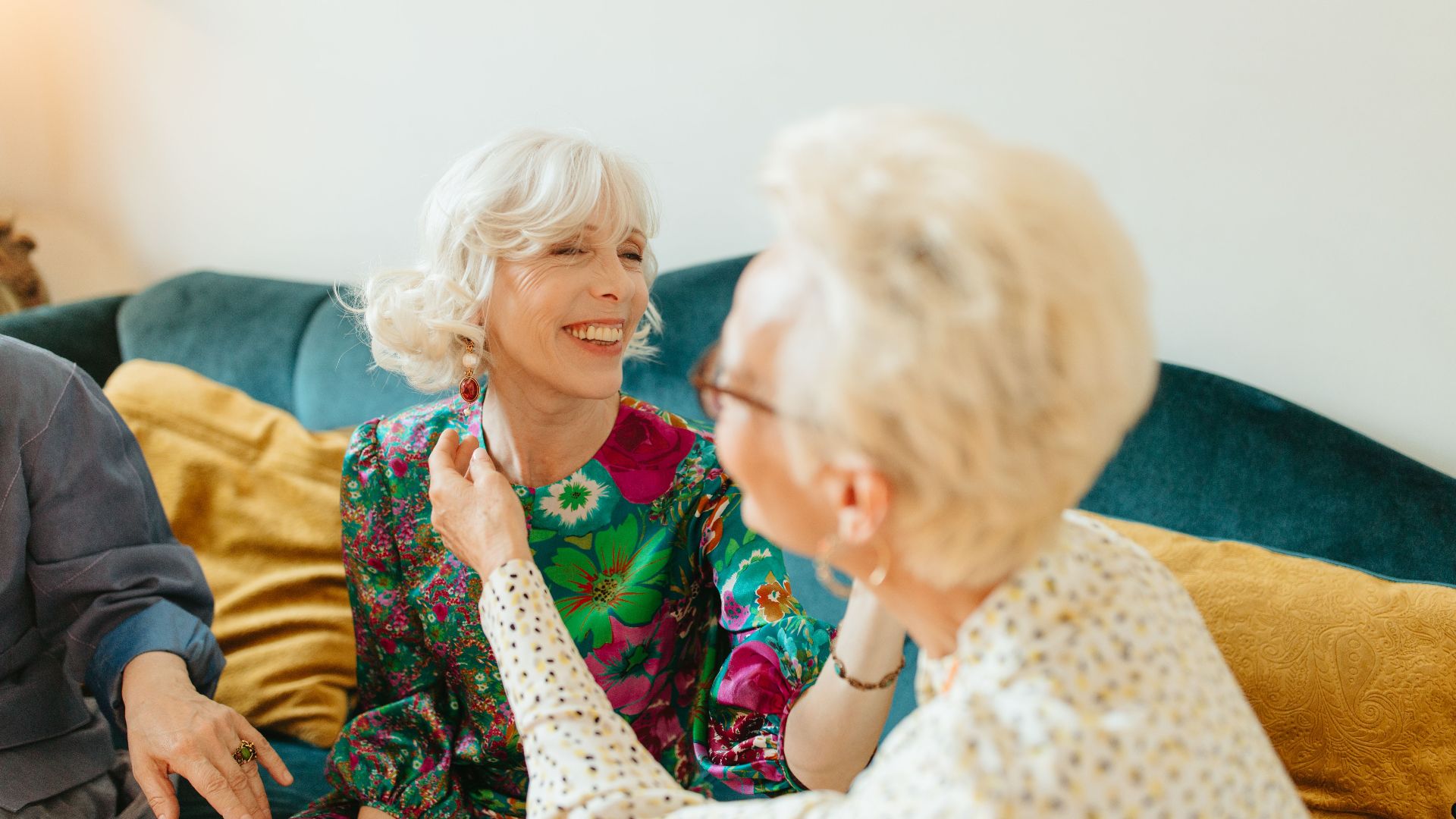
When demanding work responsibilities disappear, everyday concerns can sometimes receive more attention than they deserve. A minor household problem or scheduling inconvenience might suddenly become the biggest issue of the afternoon. With fewer professional challenges occupying your thoughts, it's possible to spend too much time worrying about things that wouldn't have bothered you before. Finding engaging activities outside the home can help keep these concerns in perspective.
12. You Become More Generous With Your Time
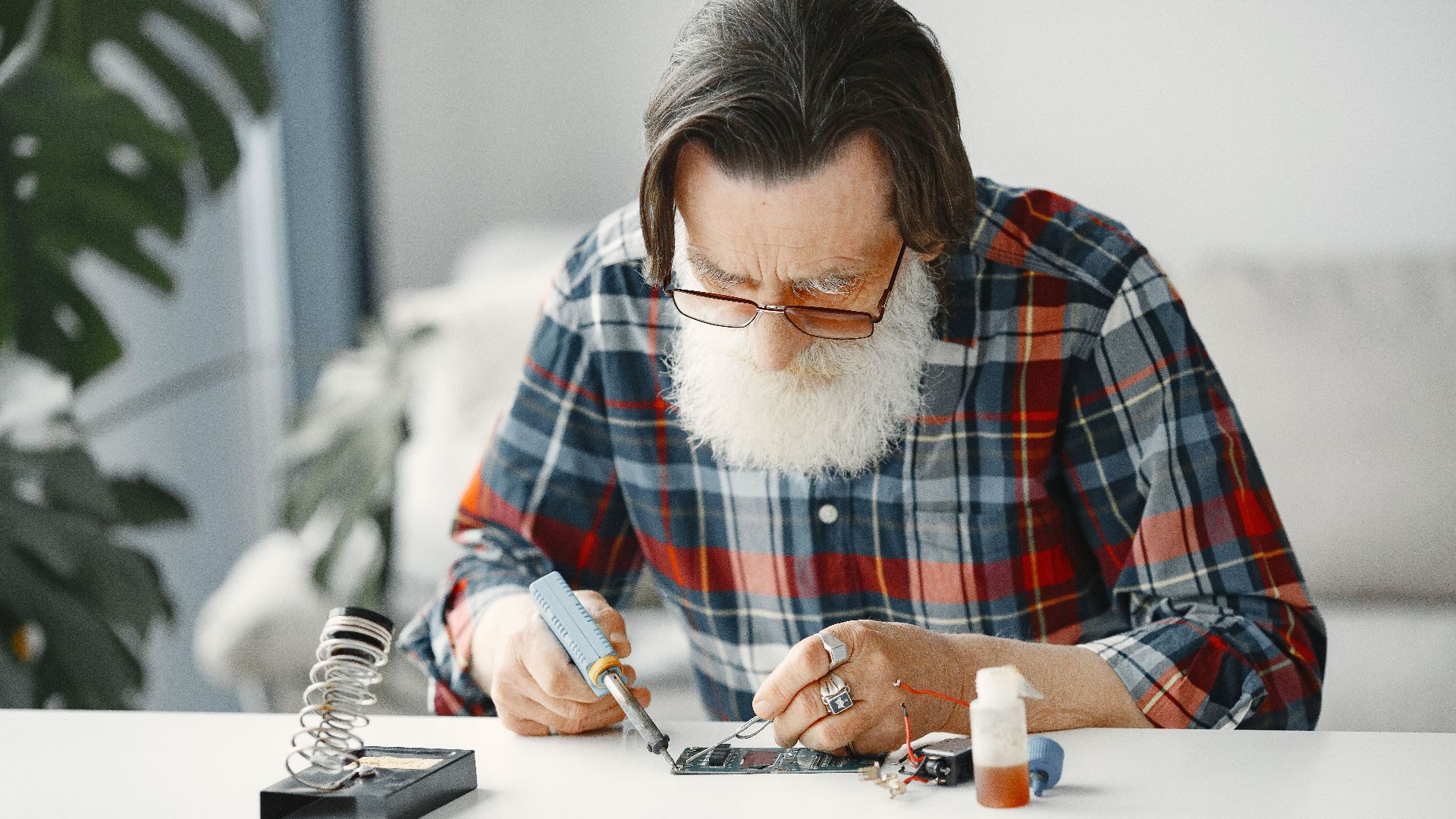
People who once guarded every free hour may discover that they actually enjoy having more time to share with others. Retirement can make volunteering, helping neighbors, or spending afternoons with grandchildren much easier to fit into your schedule. Because these activities are usually chosen rather than required, they may also feel more rewarding.
13. Your Need for Control Can Increase
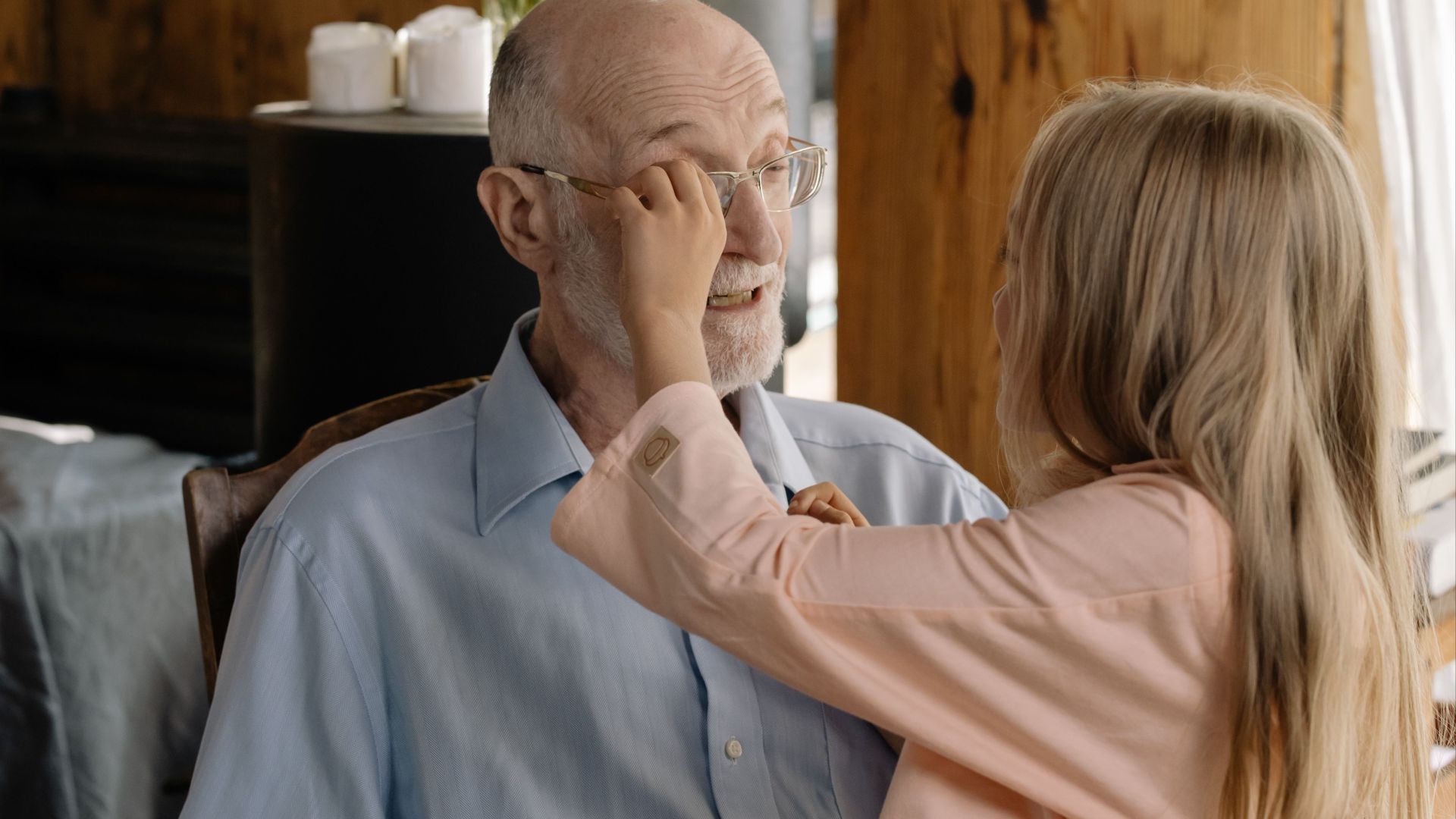
After spending decades managing projects, supervising employees, or organizing busy schedules, giving up that sense of control isn't always easy. Some retirees begin directing their organizational energy toward household routines, family plans, or even their partner's daily activities. What seems helpful to them, though, might occasionally feel a little overbearing to everyone else. Learning to give other people space can become an unexpected part of adjusting to retirement.
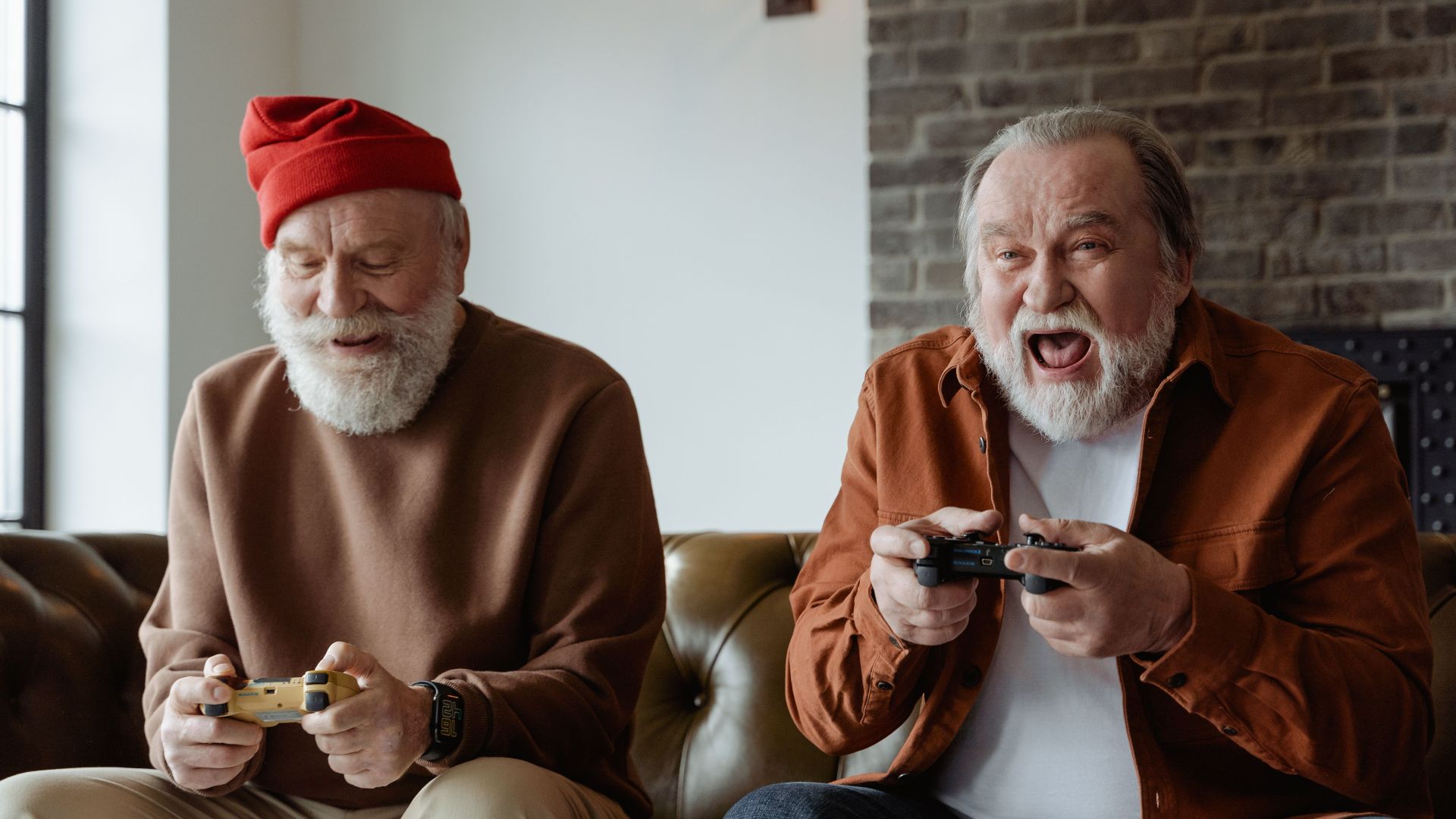
14. You Become More Playful
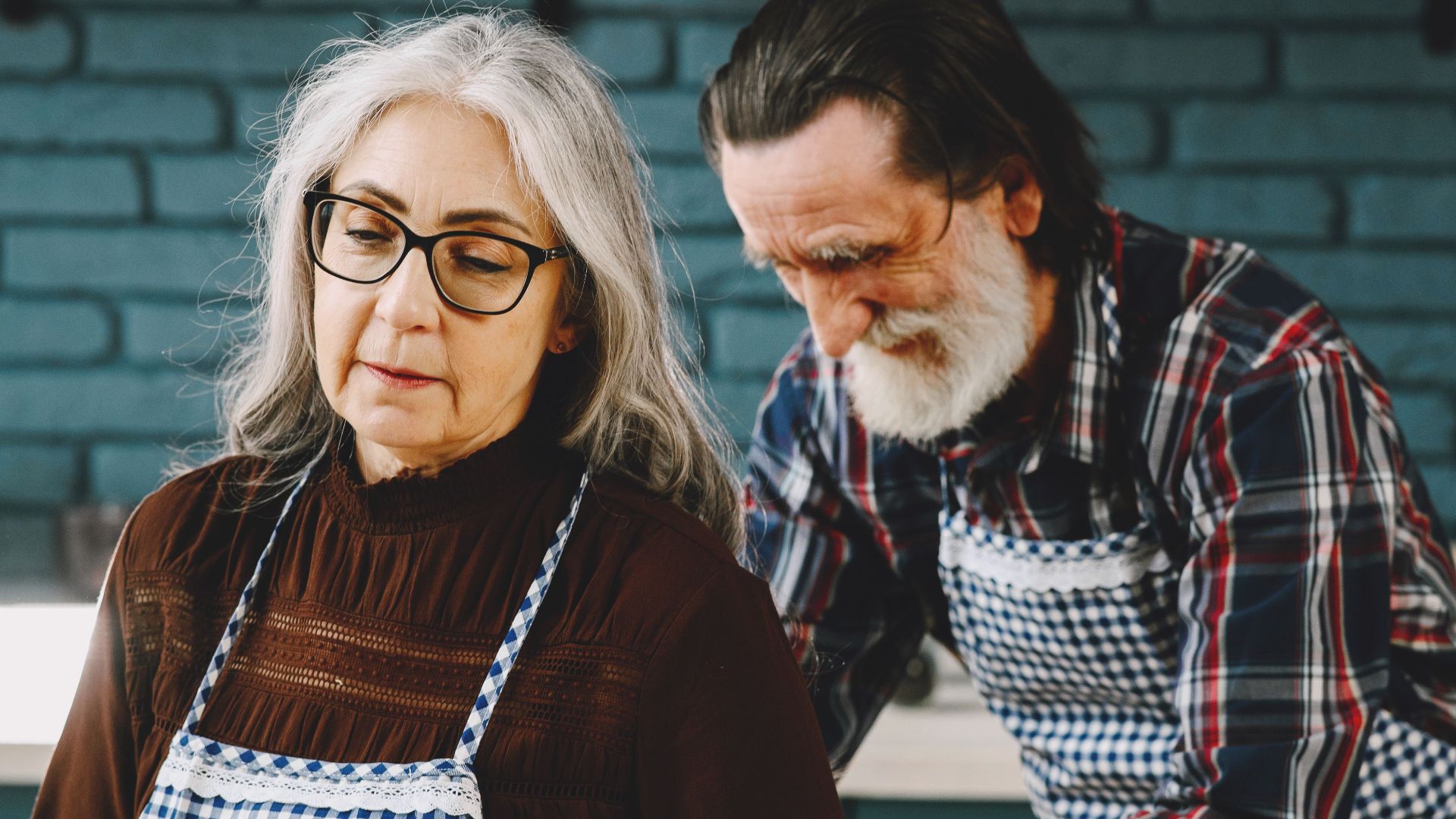
Professional responsibilities don't always leave much room for silliness, particularly in jobs where maintaining authority is important. Retirement can give people the freedom to relax those expectations and enjoy themselves without worrying about appearances. You might notice someone becoming more willing to joke around, try unusual hobbies, or participate in activities they once considered childish. That playful side may have been there all along, just waiting for a chance to come out.

15. You Grow More Nostalgic
Having more time to reflect can encourage retirees to revisit memories from earlier stages of life. Old friendships, childhood neighborhoods, and memorable career experiences may become regular topics of conversation. While nostalgia can bring comfort and help people feel connected to their past, it can also make the present seem less exciting by comparison. The important thing is enjoying those memories without overlooking the experiences still ahead.
16. You Become Less Tolerant of Stress
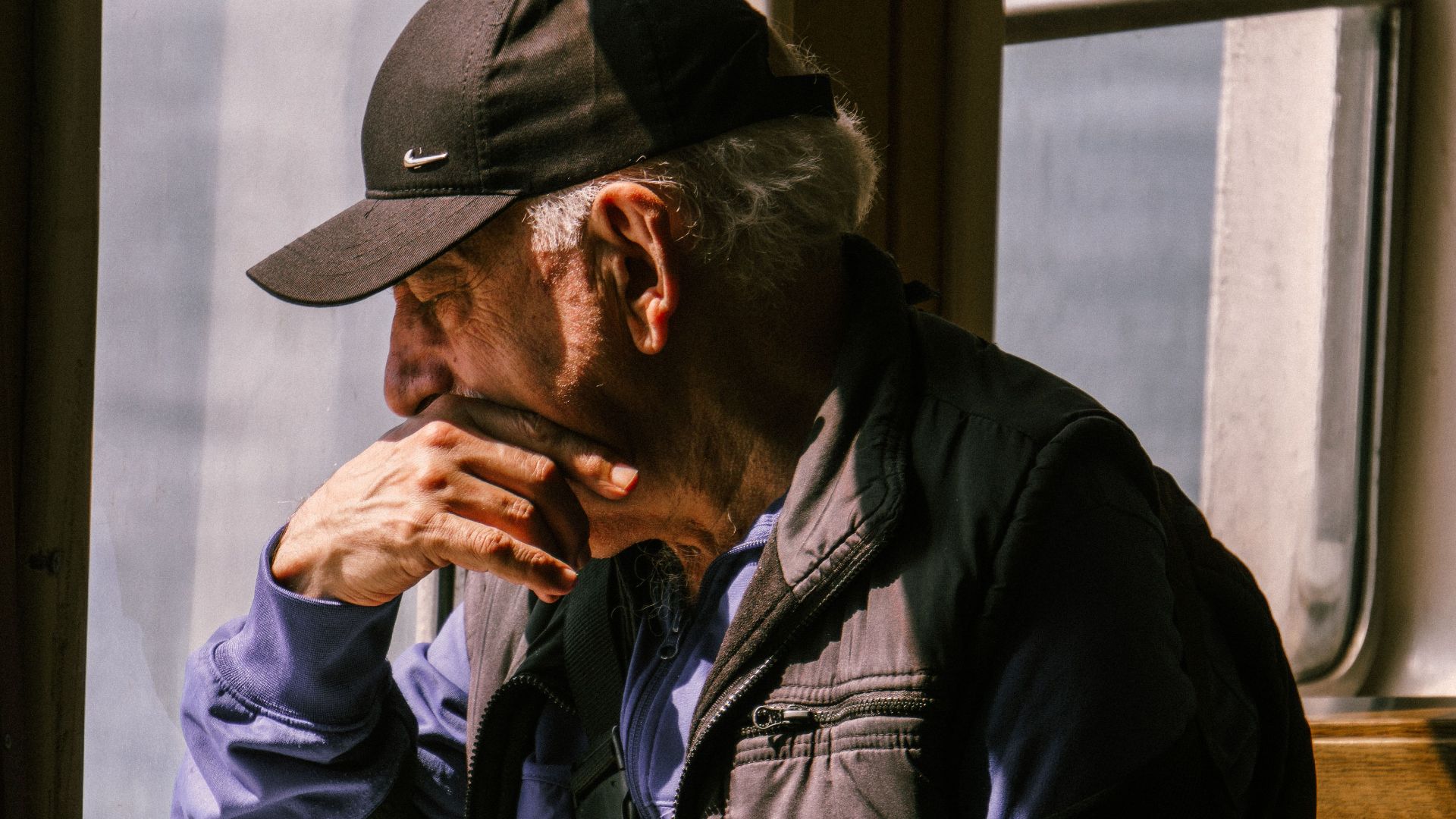
Someone who once handled demanding situations without complaint might find that they have little interest in dealing with unnecessary pressure after retiring. Arguments, complicated commitments, and stressful social obligations can become much easier to turn down. This doesn't necessarily mean they've lost their ability to manage stress, but they may no longer see the point in putting up with it. Having more control over daily life can make maintaining a peaceful routine a bigger priority.
17. Your Sense of Humor Changes
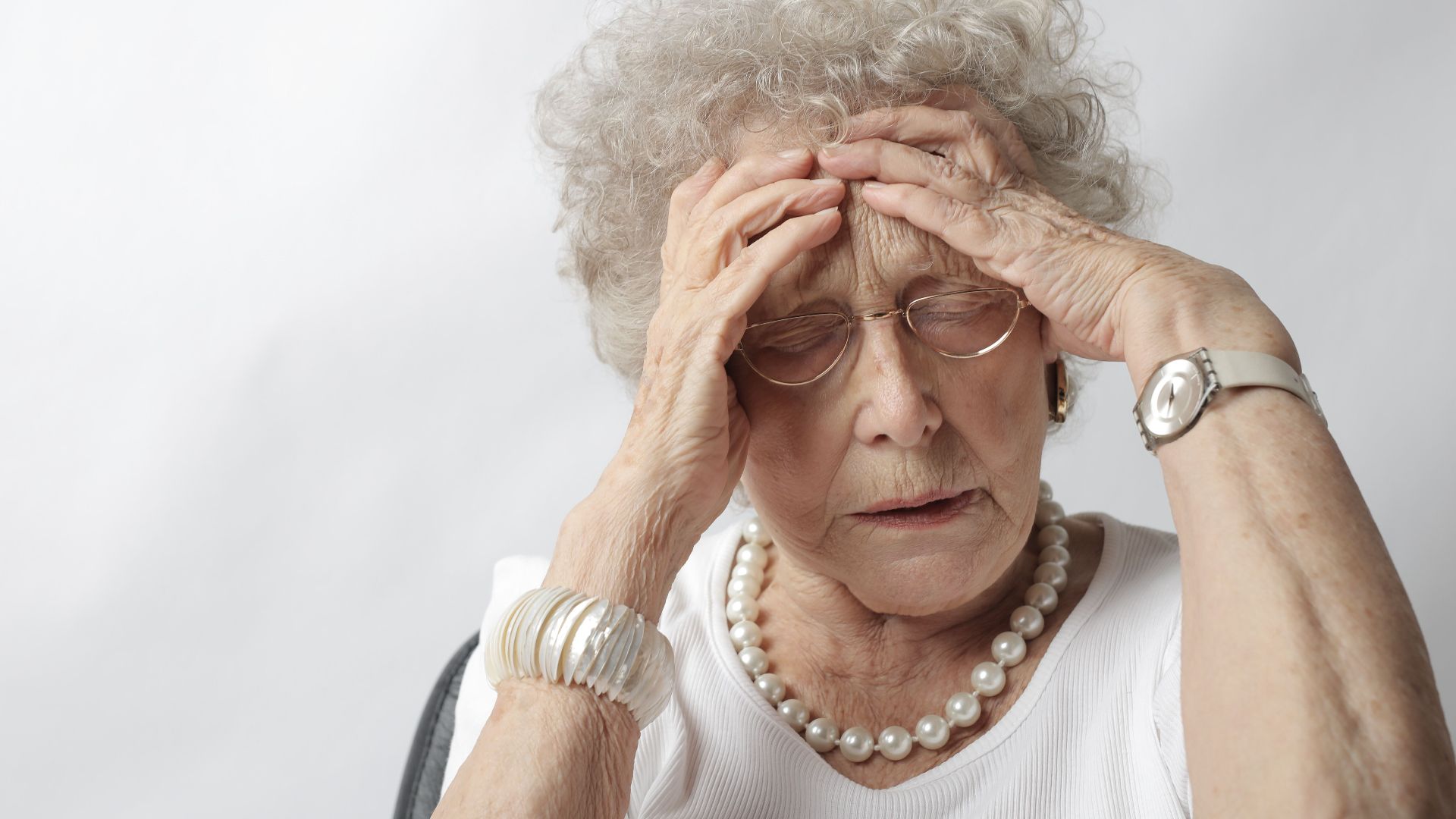
Workplace humor often develops around shared frustrations, professional experiences, and the personalities you encounter every day. Once those situations disappear, the things that make you laugh may gradually change as well. Some retirees become less sarcastic and more lighthearted, while others develop a sharper sense of humor about aging and everyday life. Spending time with different people can also influence what you find funny.
18. You Become More Emotionally Open
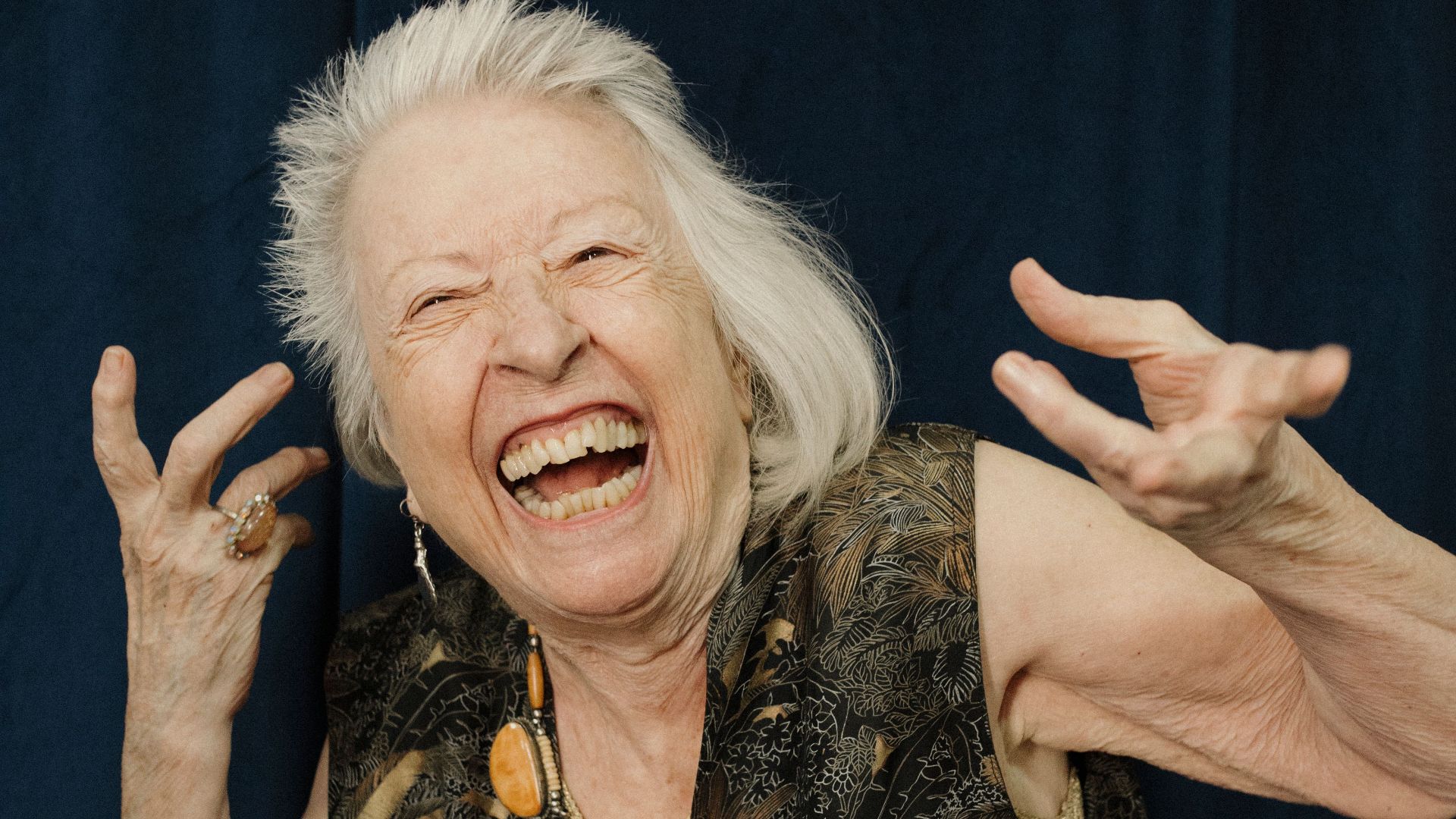
Certain careers encourage people to keep their emotions private, particularly when they're responsible for managing others or making difficult decisions. Retirement may remove some of that pressure, making it easier to express affection, appreciation, or vulnerability. Someone who rarely talked about their feelings during their working years might become surprisingly sentimental with family members. Having more time for meaningful conversations can also help people become more comfortable opening up.
19. You Become More Resistant to Change
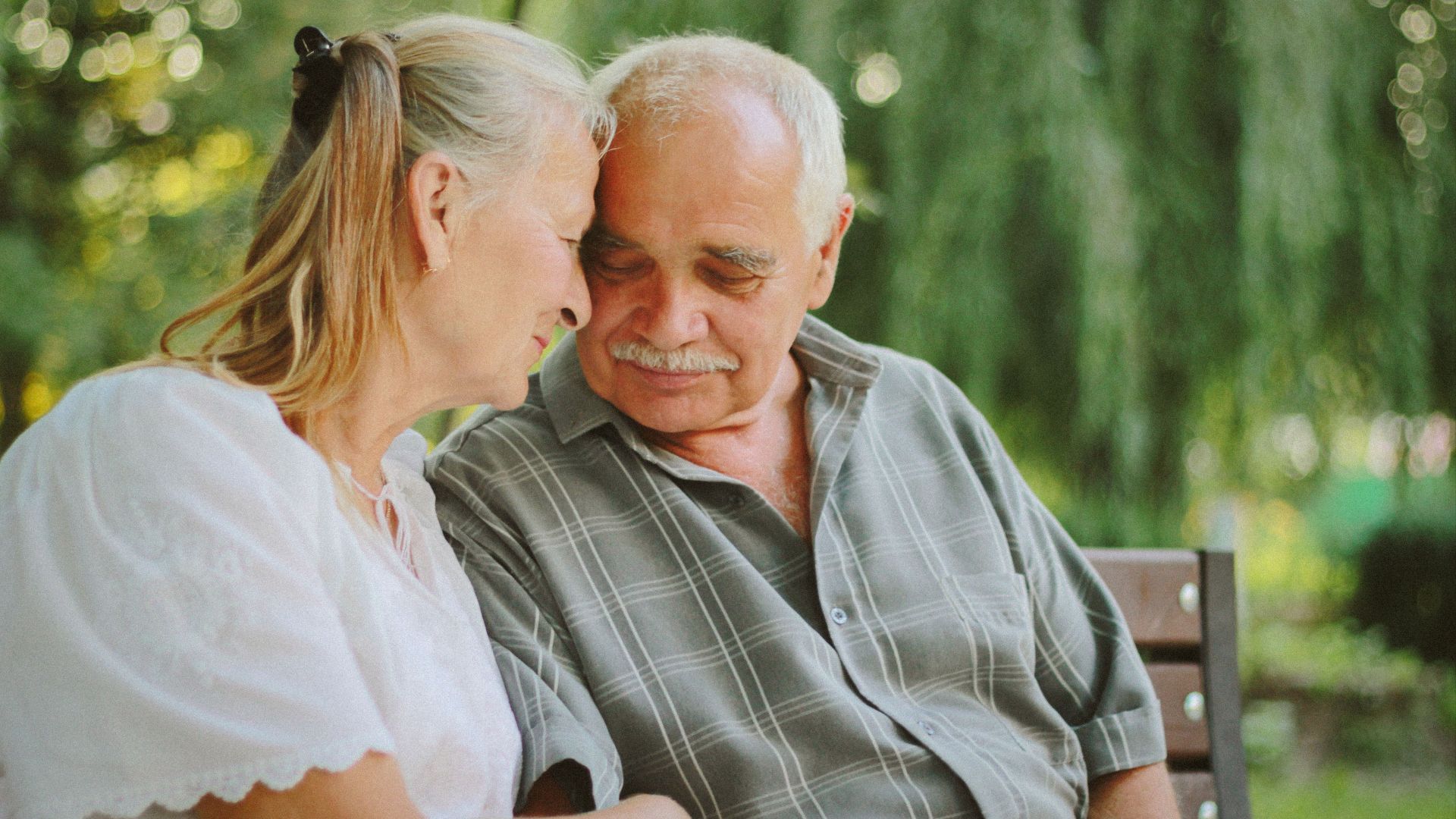
Although retirement creates opportunities for new experiences, it can also make people more attached to familiar routines. Without a workplace regularly introducing new technology, procedures, and expectations, some retirees have fewer reasons to change their habits. They may become increasingly comfortable doing things the way they've always done them, even when easier alternatives exist. Staying curious and occasionally trying something unfamiliar can help keep that preference from becoming too restrictive.

20. You Develop a Different Definition of Success
One of retirement's biggest changes may be the way you begin to think about what makes life fulfilling. Career achievements, professional recognition, and financial milestones may gradually become less important than relationships, health, and personal enjoyment. Someone who once measured a good day by how much they accomplished might eventually feel just as satisfied spending time with loved ones. Retirement can give you the chance to appreciate yourself for reasons that have nothing to do with how productive you've been.
KEEP ON READING


20 Things Your Body Is Secretly Doing Right Now