
History's Most Macabre Medical Mysteries
Oftentimes, the truth is far stranger than history. This is especially true when examining the history of medicine, which has cases that even Dr. House couldn't solve. Let's look into some of medicine's greatest triumphs, along with some cases that are still unsolved.

1. Real Vampires
Did vampires terrorize the villages of New England? People in the 19th century believed so, exhuming the corpse of the recently deceased Mercy Brown and burning her heart. This folk remedy was unsuccessfully used to cure families of 'vampirism'.
 Niranjan _ Photographs on Unsplash
2. The Salem Witch Trials
In the 1970s, ergotism was among the most popular explanations for the Salem Witch Trials. The hallucinatory result of long-term wheat poisoning, it's easy to see why this was the pet theory of the psychadelic age. Almost immediately, ergotism was debunked as the case of the Witch Trials.
 The New York Public Library on Unsplash
3. Wandering Wombs
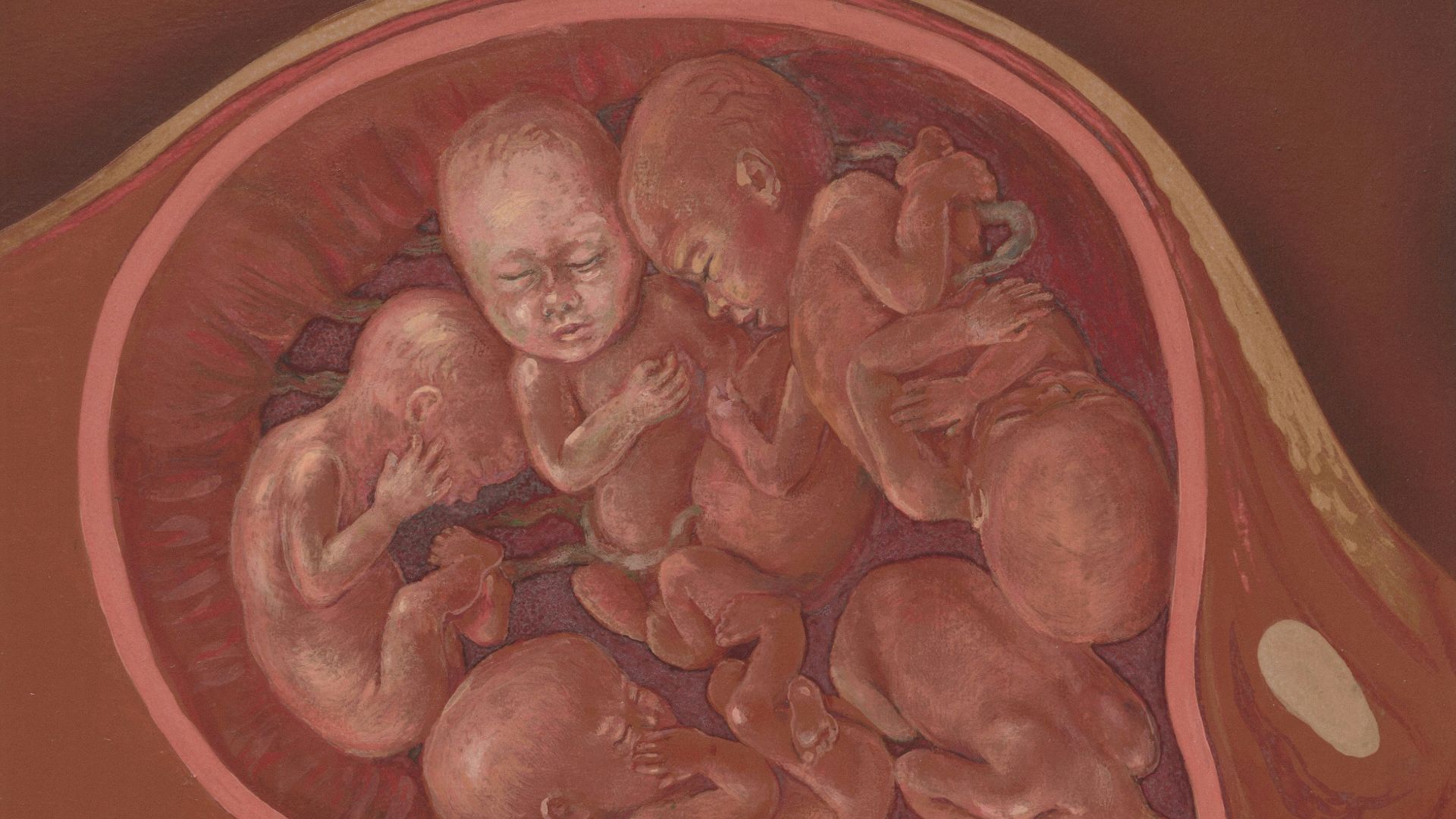
Some of the greatest minds of Ancient Greece believed that wombs were animal-like entities capable of moving throughout the human body. If a woman did not give birth, it was believed that her idle womb could get angry and move throughout the body. Thankfully, studies in anatomy disproved this theory.
4. Lighthouse Keeper Madness
Paranoia, isolation, and sea creatures were all theories as to why lighthouse keepers went mad in the 19th century. However, there was a far similar explanation. Heavy fresnel lenses rotated using a bed of mercury, which we now can lead to insanity.

5. Mad As A Hatter
Another 19th century profession with an inexplicably high rate of insanity. Once again, mercury, used in felt production, was the culprit. Long-term exposure to mercury can bring on coordination and memory problems, anxiety, and difficulty seeing, among other symptoms.

6. Blood Transfusion Murder
Did you know that people can have reactions to the wrong type of blood? Incorrect type-matches as well as transfusions between human and animal blood can lead to allergic reactions and even death. Unexplained deaths contributed to a lack of knowledge about blood types and transfusions until the early 1900s.

7. Phineas Gage
In 1848, railway worker Phineas Gage survived having a tamping iron driven through his brain, destroying most of his left frontal lobe. At the time, both Gage's survival and his sudden change in personality were not understood by science. In the century since, our understanding of neuroscience has unraveled the mystery.
 Author of underlying work unknown. on Wikimedia
8. The Dancing Plague
In Germany in 1518, anywhere between 50 and 400 people danced until they literally dropped dead. Once believed to be caused by witchcraft, modern medicine has a much more mundane cause for the dancing mania. The early 16th century was a time of intense stress caused by war and famine, which led to mass psychogenic illness.
 Pieter Brueghel the Elder on Wikimedia
9. Human Cloning
Human cloning is one of the most complex and highly-debated issues in the scientific community. Somatic-cell nuclear transfer and pluripotent stem cell induction are two methods which are being researched for potential use. While human cloning is technically possible, it is illegal in most of the world.
 marc belver colomer on Unsplash
10. The Madness Of King George
From the middle to the end of his life, George III of England grappled with periods of mania. Largely believed to be caused by mental illness, a 1996 study revealed that the bloodborne disease porphyria was likely the cause. George's hair contained high levels of arsenic, which can lead to attacks of porphyria.

Now that we've discussed some medical triumphs, let's get into a few unsolved mysteries!
1. Migraines
Compared to some of the other items on this list, migraines seem almost quaint. However, this complex neurological condition affects over a billion people worldwide. More people than ever suffer from migraines, and we're no closer to determining what causes them or how to treat them.
2. Syndrome X
Syndrome X is one of the rarest conditions on earth with fewer than 100 cases ever confirmed. This genetic abnormality stunts an individual's both physical and developmental growth, resulting in them maintaining both the size and mental faculties of an infant. Due to the rarity of this condition, research is extremely difficult.

3. Foreign Accent Syndrome
Foreign accent syndrome may sound like a punchline to a joke, but it's very real. Individuals with foreign accent syndrome may one day wake up speaking in an entirely different accent, despite never being exposed to it. This can lead to ostracization, as with the cause of a Norwegian woman in 1941 who affected a German accent after an injury.

4. Mermaid Syndrome
Mermaids are cool in fiction, not so much in real life. Sirenomelia, or mermaid syndrome, is an extremely rare disease which fuses the legs together, leading to severe deformity. The cause and treatment for this syndrome are still unknown, with many patients succumbing to mermaid syndrome in infancy.
 Naja Bertolt Jensen on Unsplash
5. Spontaneous Human Combustion
Spontaneous human combustion is a sort of grey area when it comes to medicine. While people can't just explode, it is possible for their body fat to act like a burning wick, leaving the rest of their surroundings unscathed. This doesn't always explain how or why people catch fire.

6. Morgellons Disease
Morgellons disease is a delusional condition where patients believe that fibers are growing out of their skin. Morgellons disease is a contentious issue among the scientific community. Some believe it's entirely psychological, while others believe it may be infectious; some people believe it's entirely made-up.

7. Stone Man Syndrome
Also known as fibrodysplasia ossificans progressiva, this condition causes muscles and tendons to turn into bone. Eventually, stone man syndrome leaves the patient unable to move, stumping doctors for centuries. Breakthroughs have allowed scientists to understand potential causes, but not treatments.

8. Water Allergy
Aquagenic urticaria is the technical term for an allergy to water. People with this allergy develop hives and can go into anaphylaxis when they come into water, including their own sweat and tears! Because this allergy is extremely rare, there is little research into the cause.

9. Schizophrenia
Like migraines, schizophrenia is a relatively common condition that we don't know a lot about. More than 100 different genes have been linked to schizophrenia risks, but there is no singular cause for the disease. Schizophrenia remains one of the most misunderstood diseases in medicine.

10. Exploding Teeth
Between 1817 and 1920, people's teeth began exploding inside their mouths. What began as a regular toothache would eventually culminate in a high-pressure dental explosion! While the most common explanation is that dental fillings in the 19th century weren't exactly up to snuff, this explanation doesn't manage to cover all bases.

KEEP ON READING


20 Things Your Body Is Secretly Doing Right Now