10 Habits That Thin Hair Faster & 10 Habits That Help It Look Fuller
Small Daily Choices Can Change How Your Hair Looks Over Time
Thin-looking hair doesn't always come down to luck, age, or genetics alone. A lot of everyday habits can make strands more fragile, encourage breakage, irritate the scalp, or simply style hair in ways that make it look flatter than you want. The good news is that you don't have to turn your bathroom into a science lab to help things along, because a few smarter habits can make your hair look healthier, softer, and visibly fuller. Here are 10 habits that make your hair look thinner and 10 that make it look fuller.
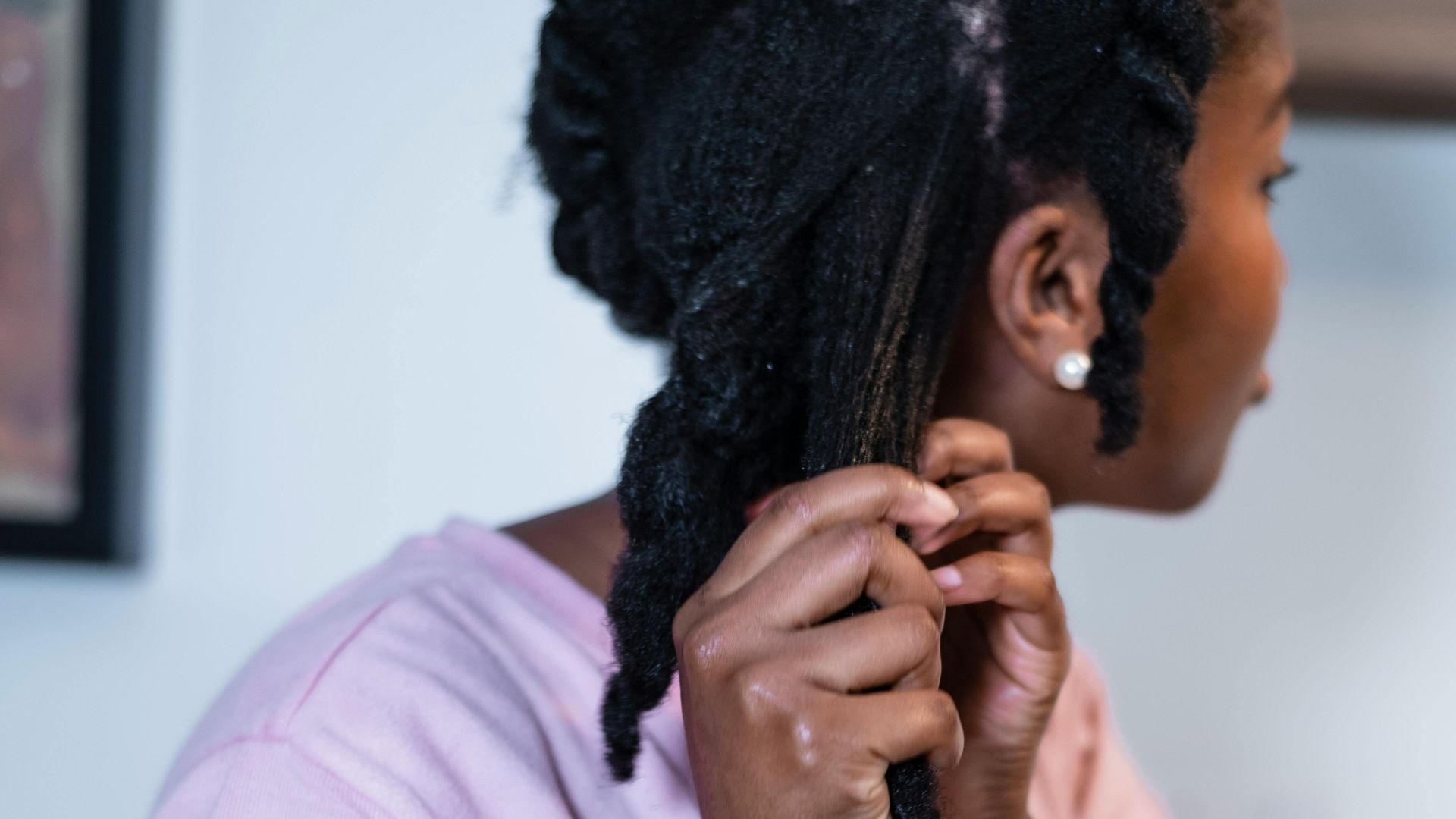
1. Wearing Tight Ponytails Daily
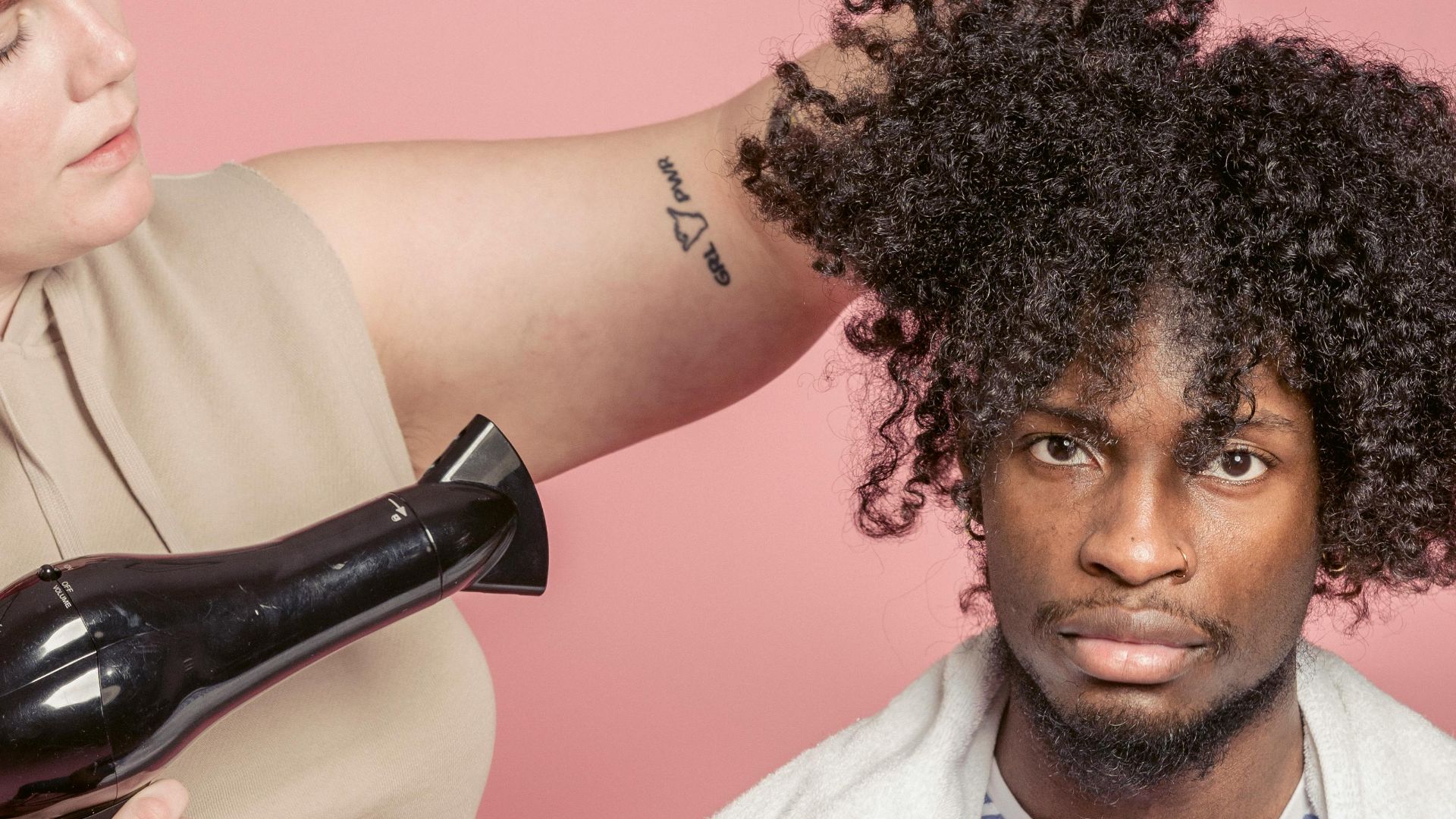
If you keep your hair pulled tight day after day, you can put steady tension on the follicles. Dermatologists warn that tight buns, braids, ponytails, locs, extensions, and similar styles can lead to traction alopecia, which can become permanent if it goes on too long.
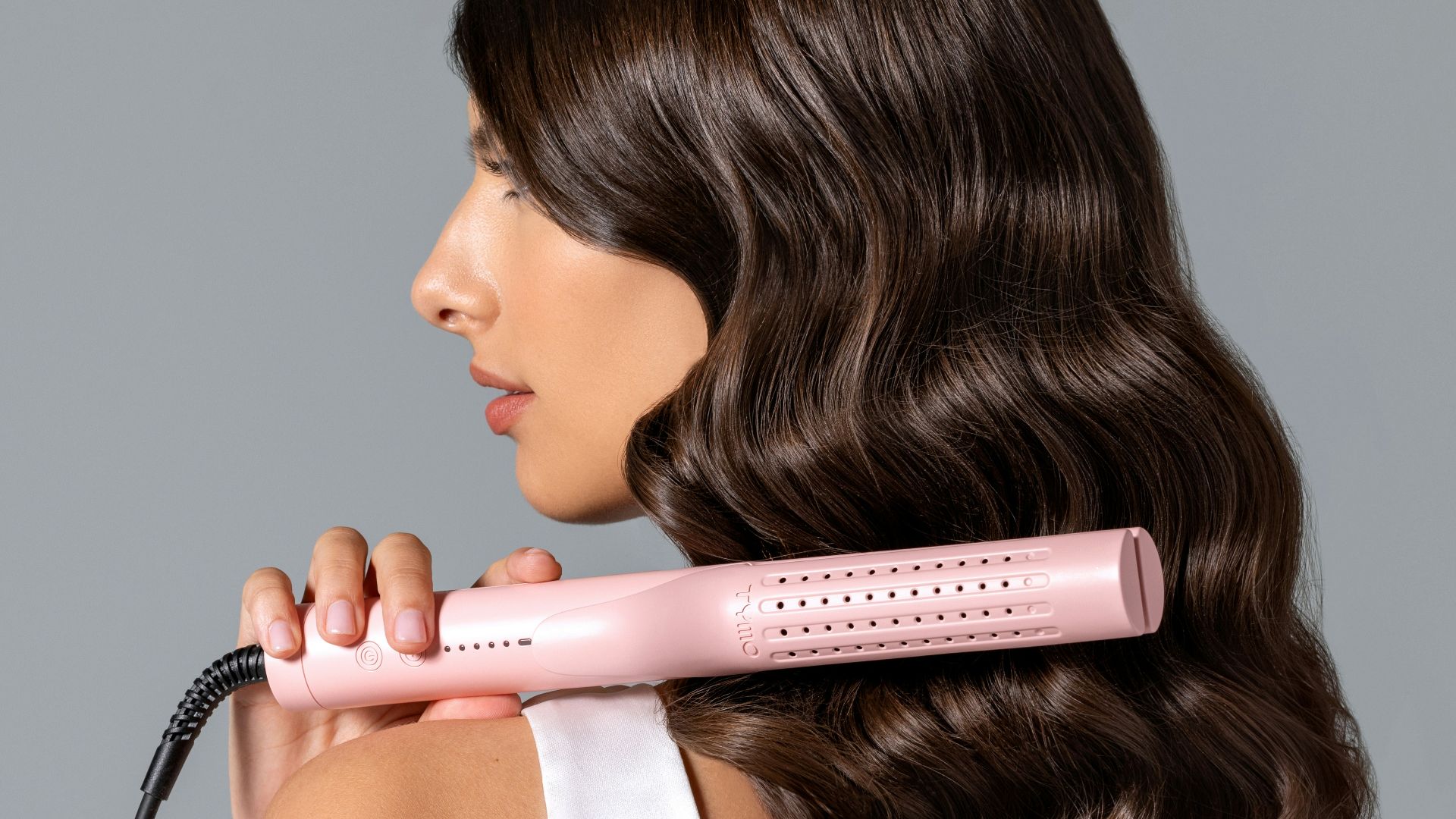
2. Using a Lot Of High Heat With No Break
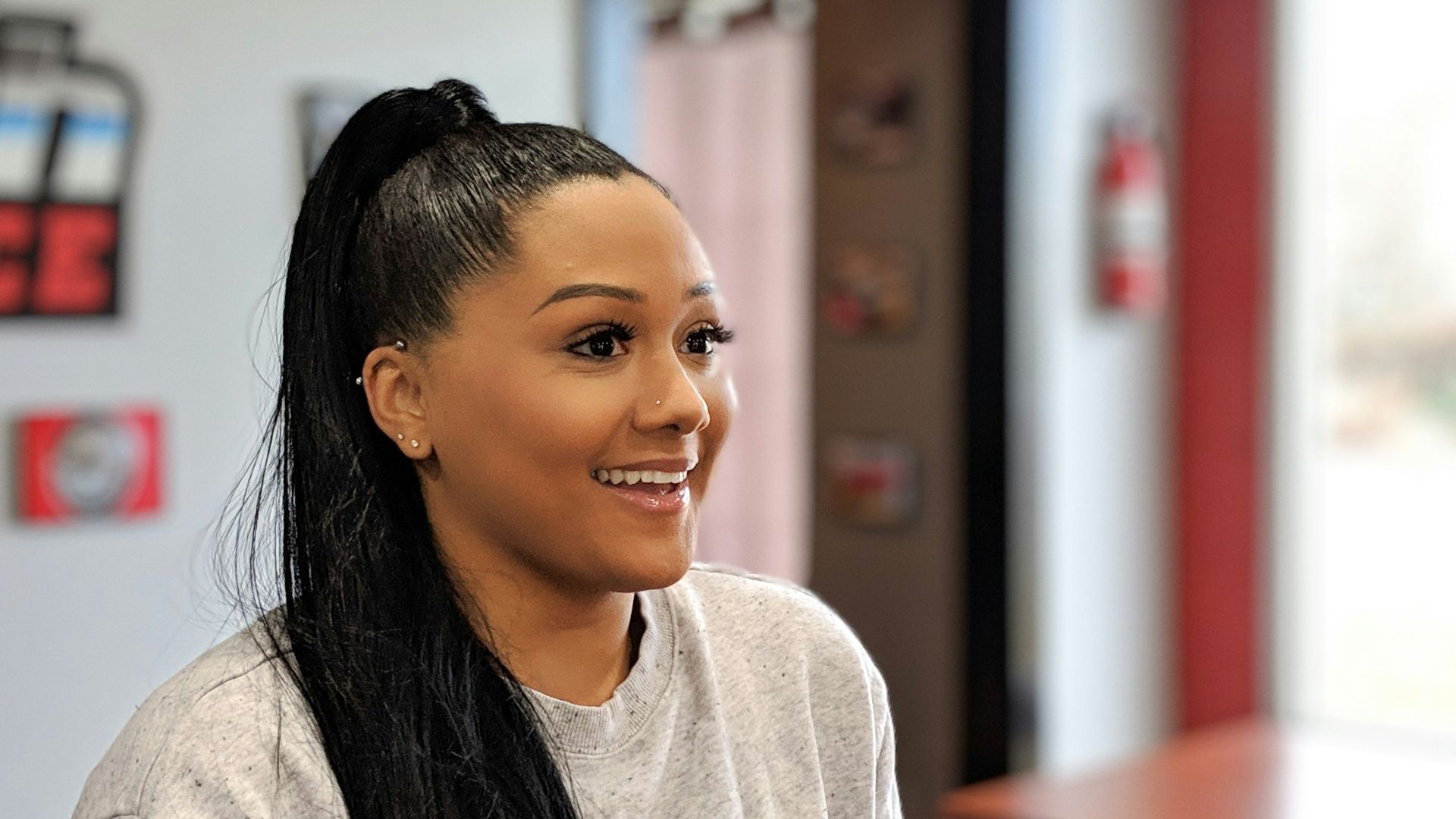
Frequent blow-drying, flat-ironing, and curling at high temperatures can rough up the hair shaft and increase breakage. That doesn't always mean the follicle itself is failing, but it can absolutely leave hair looking thinner, shorter, and more fragile. When ends start snapping, and mid-lengths get weaker, fullness tends to disappear in a hurry.
3. Bleaching & Chemical Processing Too Often
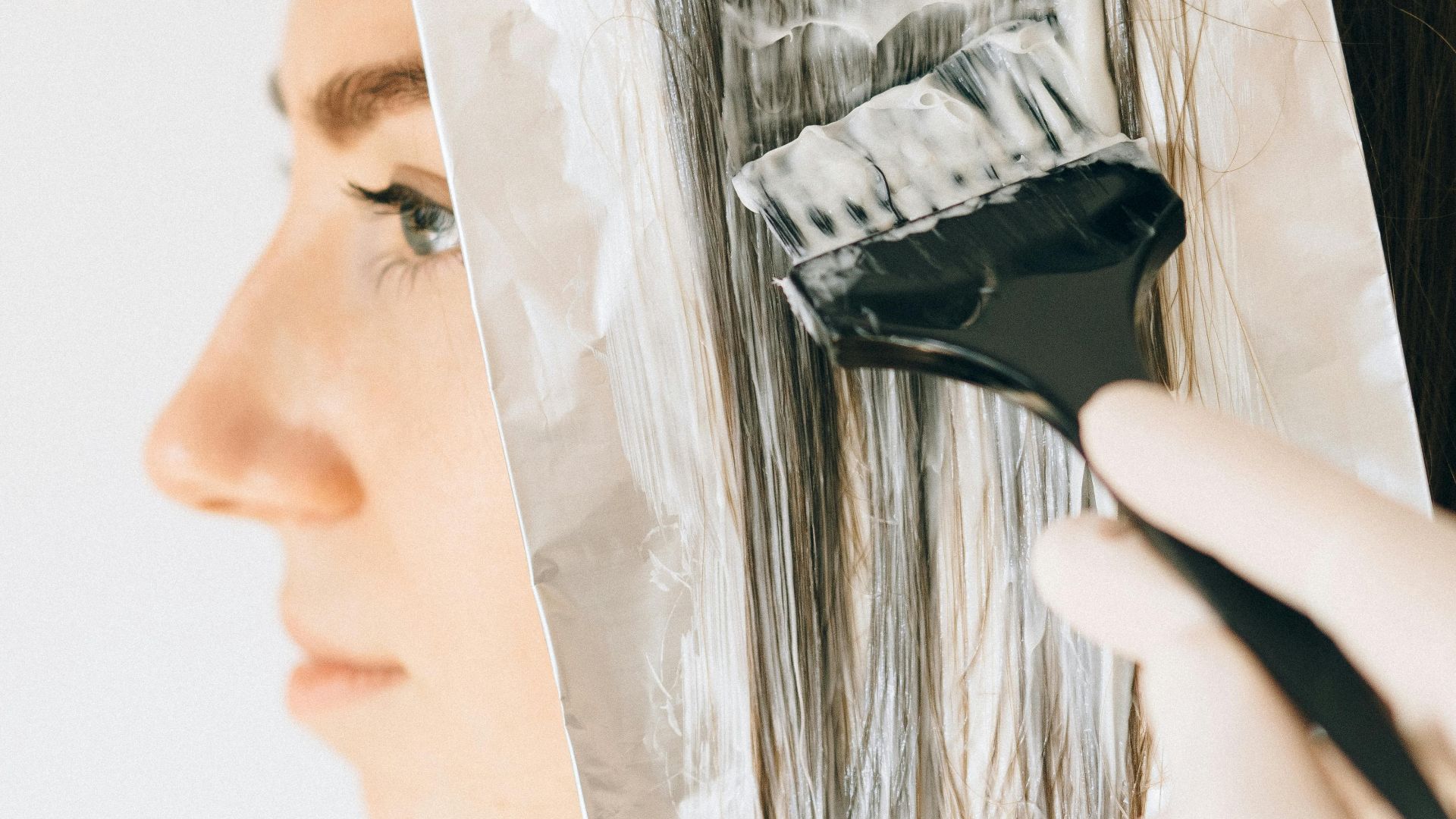
Color can be fun, but repeated bleaching, relaxing, or harsh chemical treatments can push delicate hair over the edge. Those processes weaken strands and can make hair more prone to breakage, dryness, and rough texture. Even if you love the finished look, your hair may be quietly asking for a little less drama.
4. Brushing or Detangling Too Aggressively
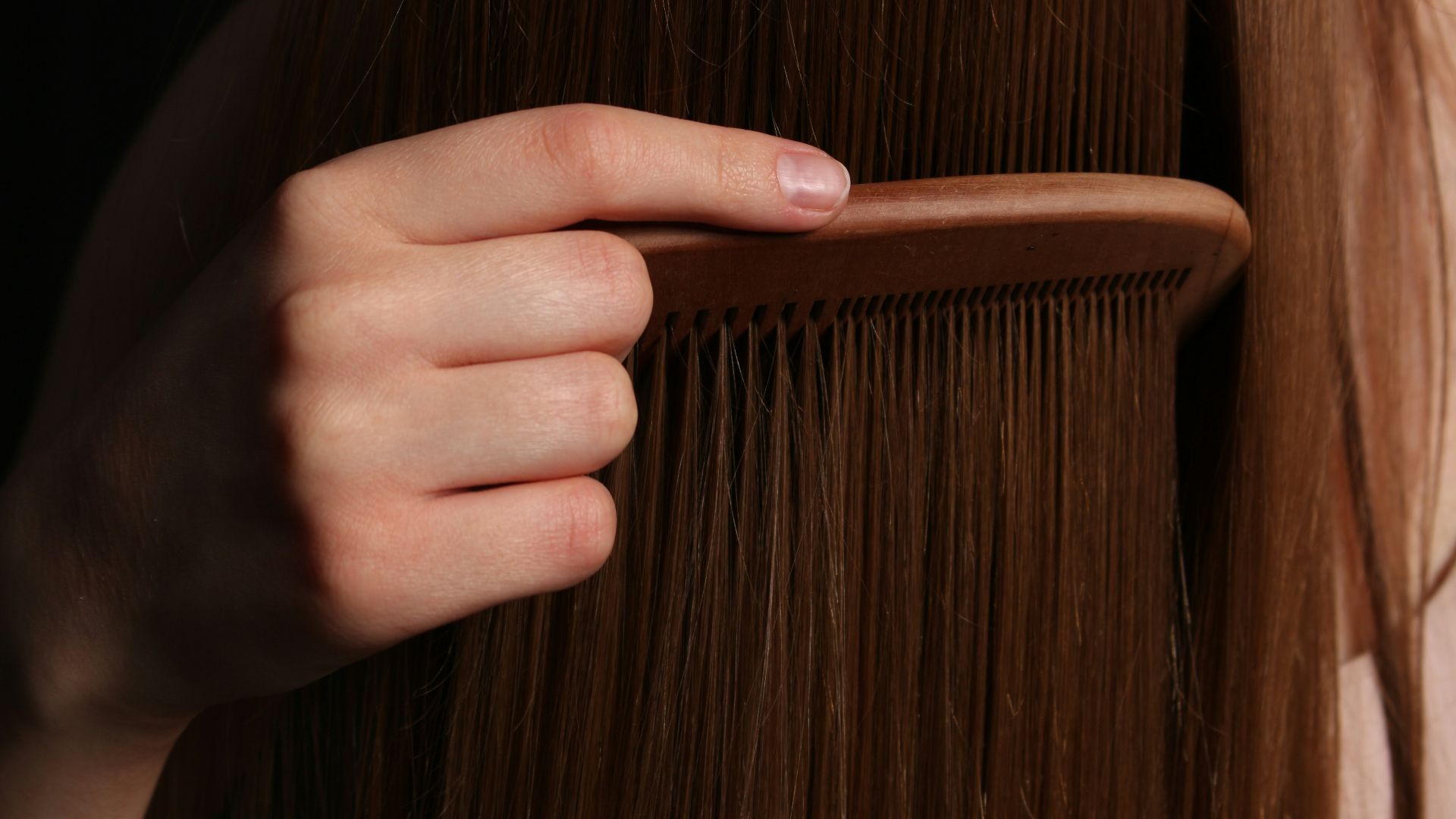
When hair is yanked through knots instead of gently worked out, breakage becomes much more likely. That is especially true when hair is wet and more vulnerable to damage. If it feels like a fight every time you brush your hair, your strands are probably losing.
5. Rubbing Your Hair Hard With a Towel
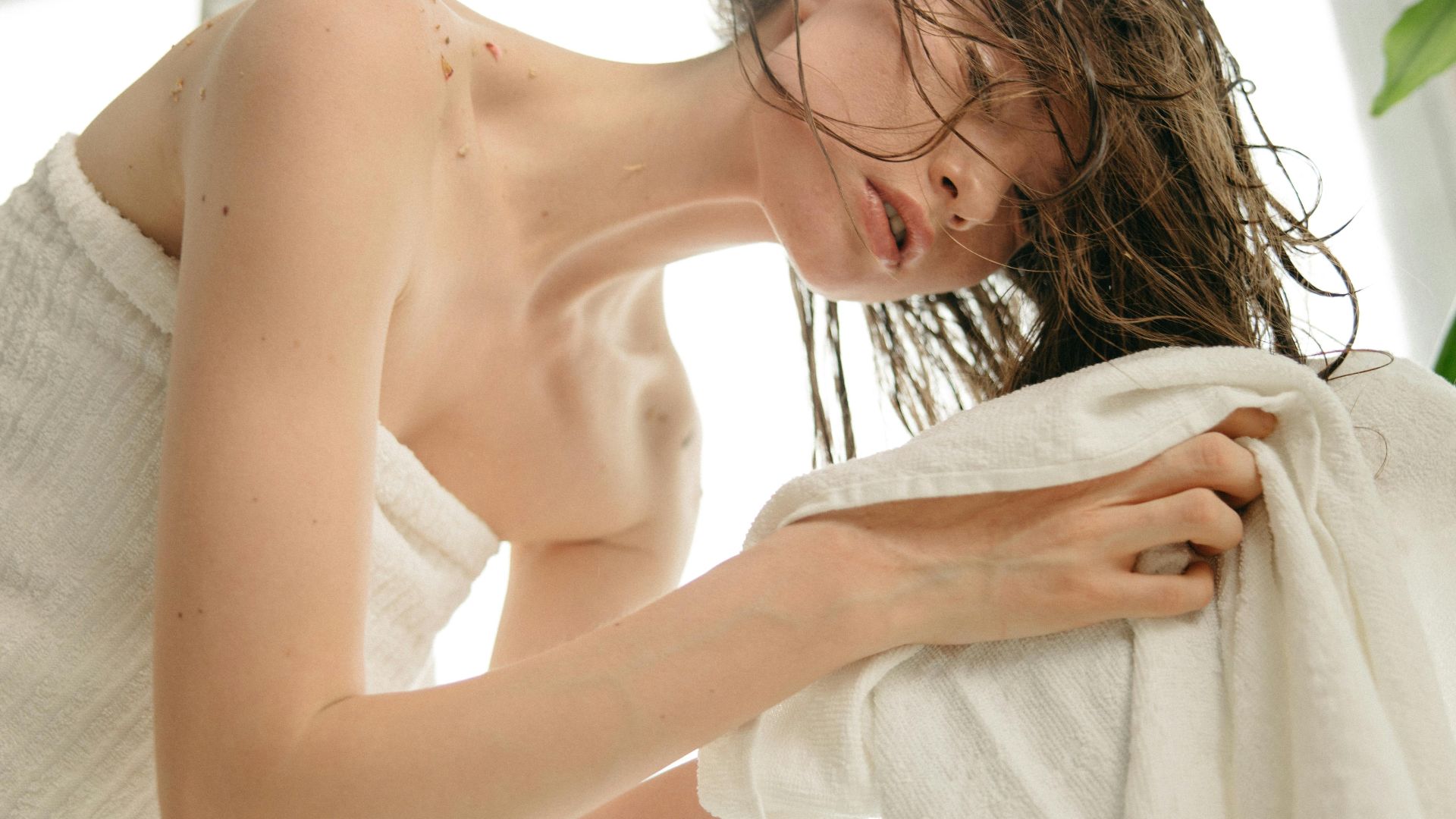
A rough towel routine can create friction, frizz, and breakage, especially if your hair is already dry, processed, or fragile. The damage may not show up all at once, but over time, it can leave hair looking scruffier and less dense.
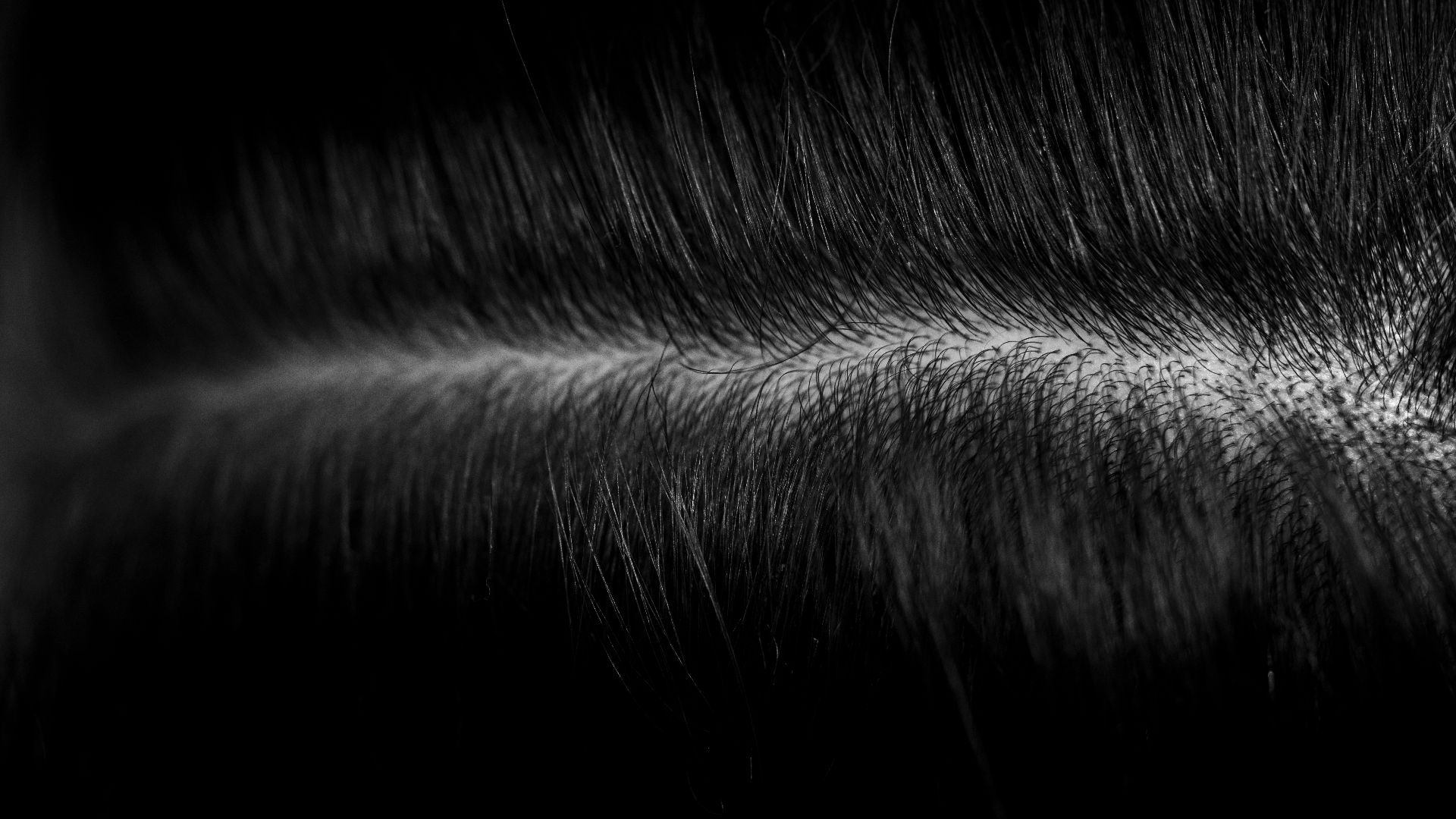
6. Ignoring Scalp Irritation & Buildup
A healthy scalp gives hair a better chance to thrive, while inflammation and untreated scalp problems can interfere with the hair-growth cycle. Scalp inflammation can affect hair growth, which is why letting itching, scaling, or irritation drag on isn't a great long-term plan. Sometimes the problem isn't the strands you see, but the skin underneath them.
7. Living On a Crash Diet
Hair isn't thrilled by sudden, extreme dieting. Hair loss workups often include questions about diet, and things like not getting enough protein can affect hair growth. When your body thinks resources are tight, your hair may stop being a priority.

8. Brushing Off Major Stress
Stress doesn't just ruin your mood and your sleep. Significant levels of it can also be linked to hair shedding. So if your life has felt like a never-ending alarm bell, your hair might be reacting too.

9. Twisting, Pulling, or Picking At It
Some people absentmindedly twist their hair around a finger, while others pull at it more deliberately when anxious or distracted. Repeated traction can contribute to hair loss. It may feel small in the moment, but your hair tends to remember repetition.
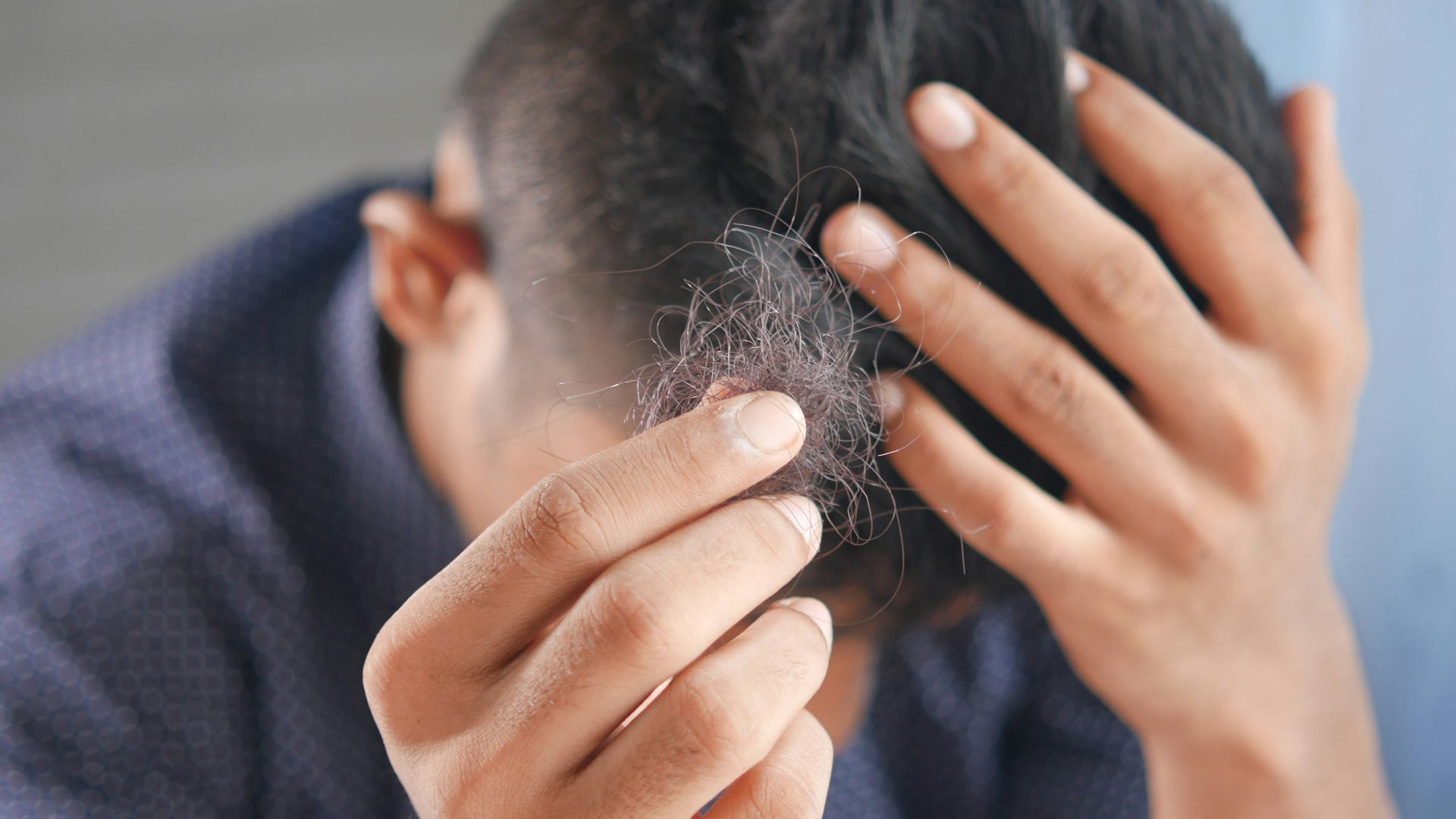
10. Treating Sudden Shedding Like It's No Big Deal
Not every hair problem is something to be chill about. If the hair loss is sudden or patchy, it's worth it to see a doctor because it may be tied to an underlying health condition. Waiting months while hoping it sorts itself out is not always the wise, laid-back option, it seems.
Now that we've discussed the 10 habits that are ruining your hairline, let's discuss 10 hair-healthy habits that may help save it.
1. Loosening Up Your Everyday Hairstyles
One of the easiest visual wins is simply easing back on the tension. Softer ponytails, looser buns, and styles that do not yank at the roots can reduce traction and help hair look more relaxed and less stressed. Your scalp is not asking for a complete makeover, just a little mercy.
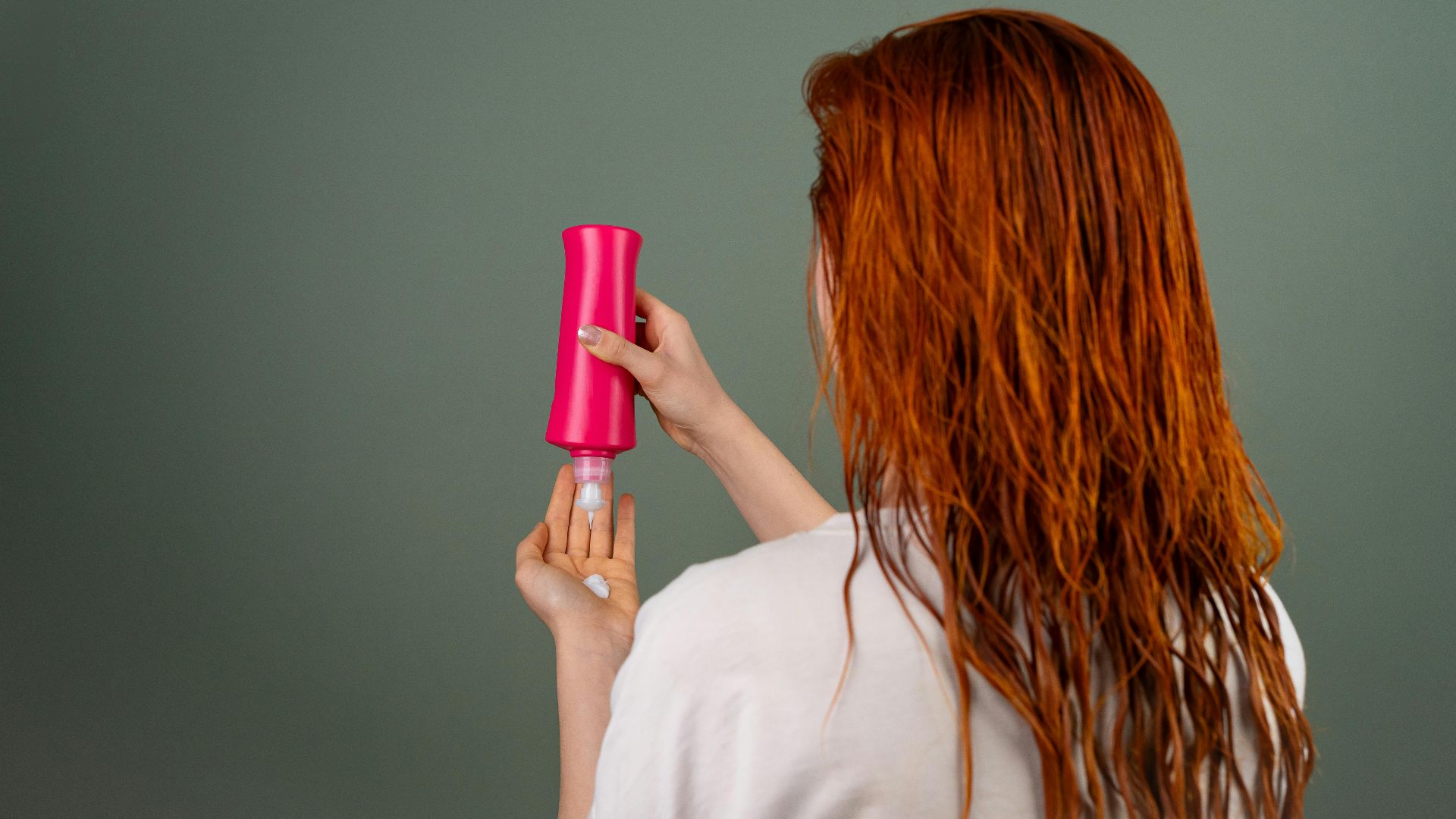
2. Using Conditioner
Some people avoid conditioner because they're afraid it will flatten everything, but dermatologists point out that conditioner coats the strands and helps reduce breakage and split ends. Hair that breaks less often tends to look healthier and more substantial over time. Fuller-looking hair isn't always about adding volume at the root—sometimes it's about keeping the length you already have intact.
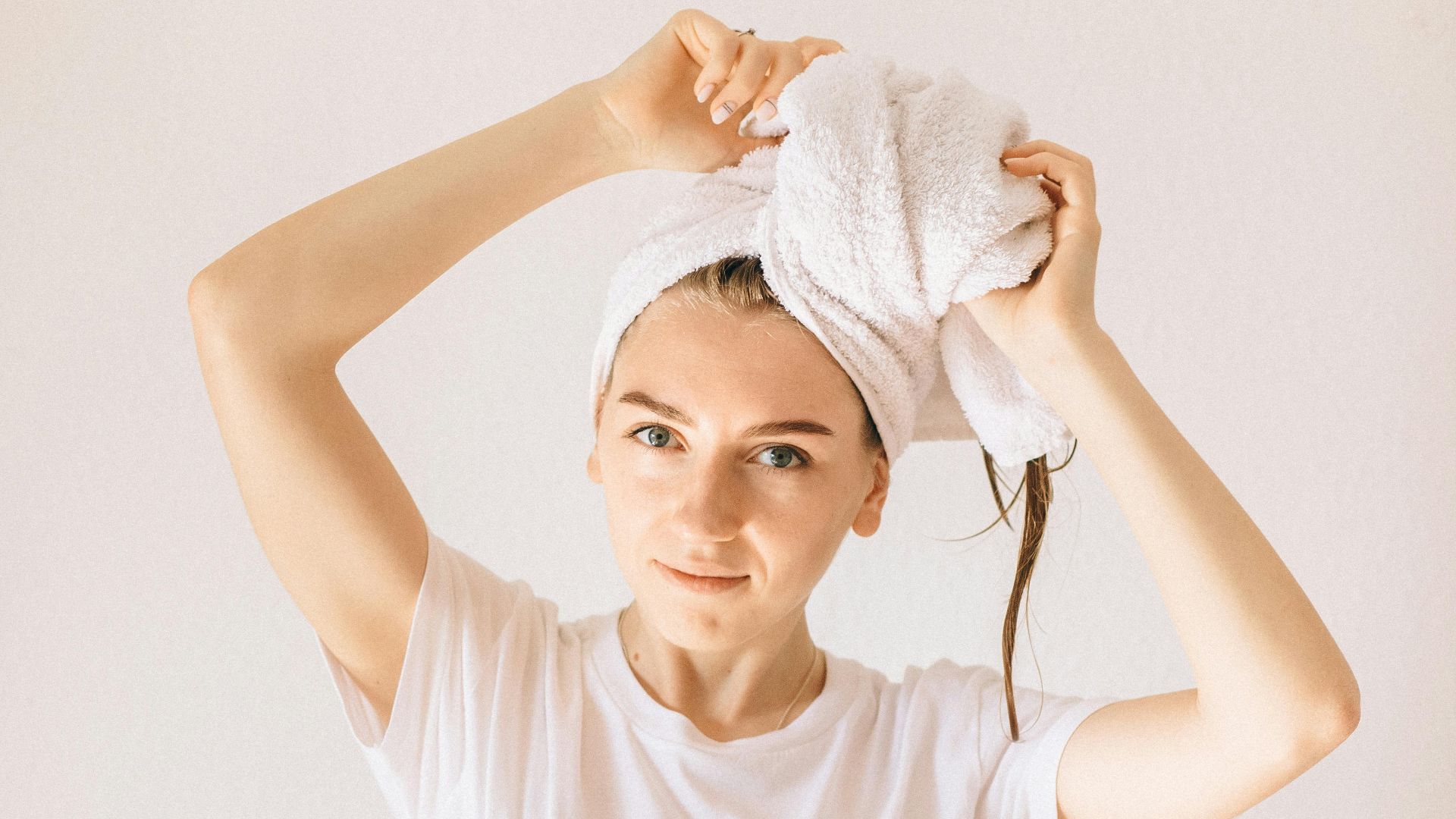
3. Gently Towel Drying
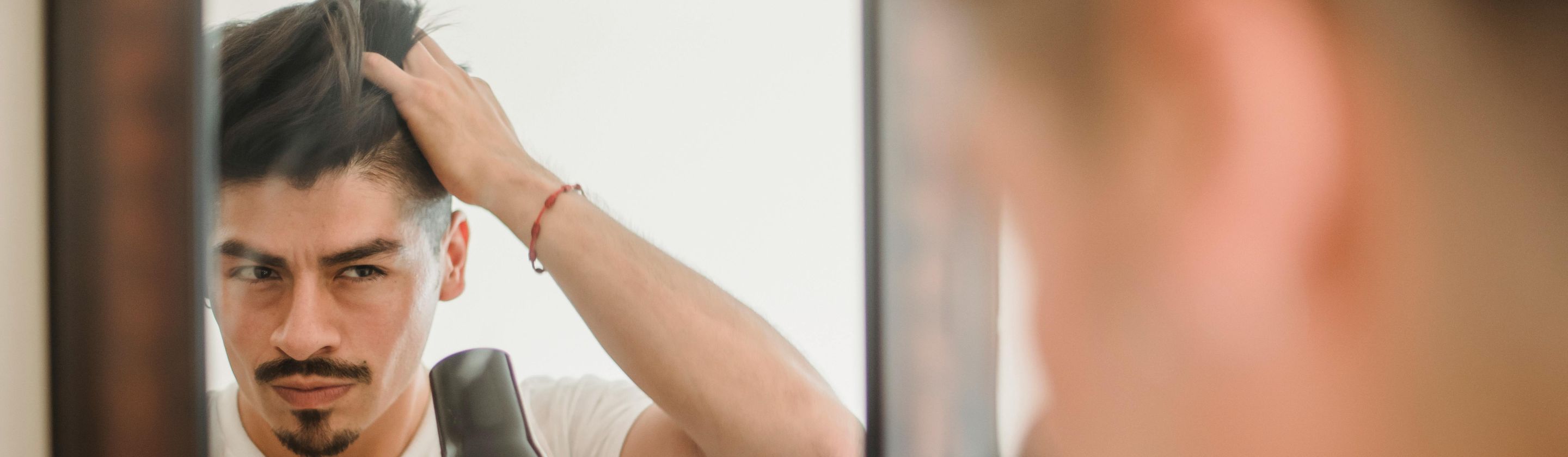
Using a microfiber towel or a softer drying routine can cut down on friction and also reduce the amount of blow-drying you need afterward. A microfiber towel helps hair dry faster and reduces the time you spend under heat. Your hair follicles appreciate a calmer drying routine.
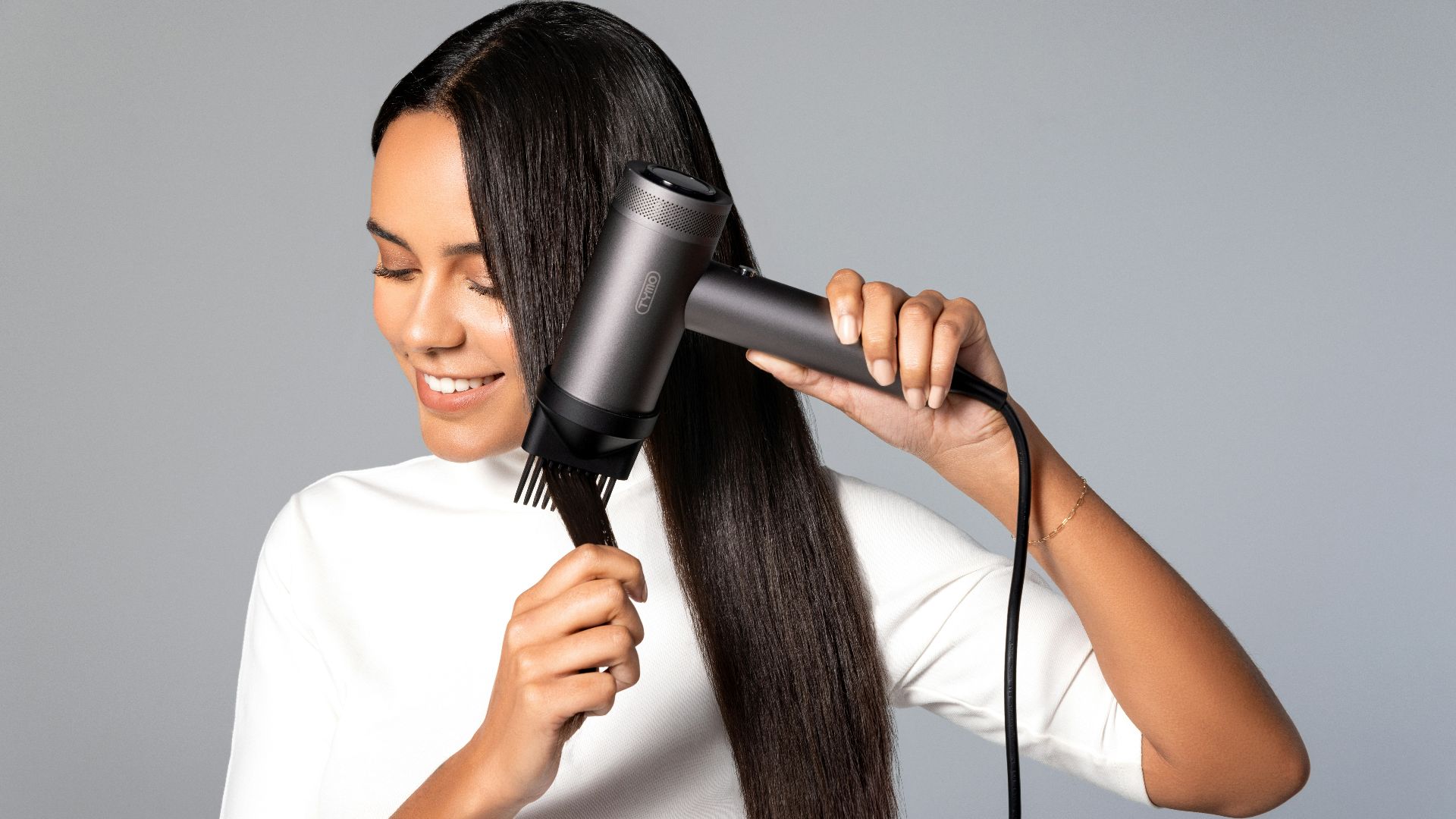
4. Turning the Heat Down On Styling Tools
You don't have to break up with your blow dryer forever. Lower heat, fewer passes with hot tools, and more frequent styling breaks can help protect the hair shaft so strands stay smoother and less brittle. Hair often looks fuller when it's simply less fried.
5. Keeping Your Scalp Clean & Cared For
Regular washing and scalp care can help control buildup and support a healthier scalp environment because inflammation can affect the hair-growth cycle. That means basic scalp care isn't just about cleanliness—it can also affect how your hair behaves.

6. Getting Enough Protein Consistently
Hair is not the place where your body likes to fake it. Not getting enough protein may affect hair growth, so eating enough on a regular basis can be one of the more practical ways to support it.

7. Choosing Styles That Create Lift
Hair can look fuller without actually changing the number of strands on your head. A shape with a bit of root lift, movement, or smart layering can make thinning hair appear livelier than styles that hang heavy and flat. Styling can do a surprising amount of visual heavy lifting.
8. Being Gentler When It's Wet
Wet hair needs a little patience. A leave-in conditioner or detangler can help reduce breakage, and gentler detangling means fewer snapped strands and less roughness overall. It may add a minute to your routine, but it can save a lot of avoidable wear and tear.

9. Adjusting Your Routine As Your Hair Changes
Hair changes with age, hormones, medications, and life in general, which means the routine that worked at 25 may stop being the best one later on. Aging hair needs thoughtful care, and hormonal changes, aging, and medical issues all commonly contribute to hair loss. Sometimes fuller-looking hair starts with accepting that your routine needs an update.
 Ashwini Chaudhary(Monty) on Unsplash
10. Getting Real Help When the Thinning Isn't Just Cosmetic
There's a point where using a different shampoo stops being enough. Treatment depends on the cause of hair loss, which can include underlying medical conditions, and effective treatments are available for some types. If thinning is persistent or sudden, the smartest move may be making an appointment instead of buying another hopeful bottle.

KEEP ON READING


20 Ways To Get Your Vitamins And Minerals
20 Ways Doing Less Can Actually Improve Your Health