
The Secrets to Sleeping Better
Getting a good night’s rest can sometimes feel like chasing a moving target as you get older, but it’s arguably the most important gift you can give your body every day. While your sleep patterns naturally shift over the years, the idea that seniors need significantly less sleep is actually a bit of a myth. By understanding how aging affects your slumber, you can stop tossing and turning and start waking up feeling genuinely refreshed.

1. The Early Bird Internal Clock
As you age, your body’s circadian rhythm tends to shift forward, which is why you might find yourself nodding off during the evening news and waking up before the sun. This advanced sleep phase is perfectly normal, so don't feel like something's wrong if your "night owl" days are officially behind you. Embracing this new schedule can actually help you get more consistent rest if you just go with the flow.
2. Quality Over Quantity Matters
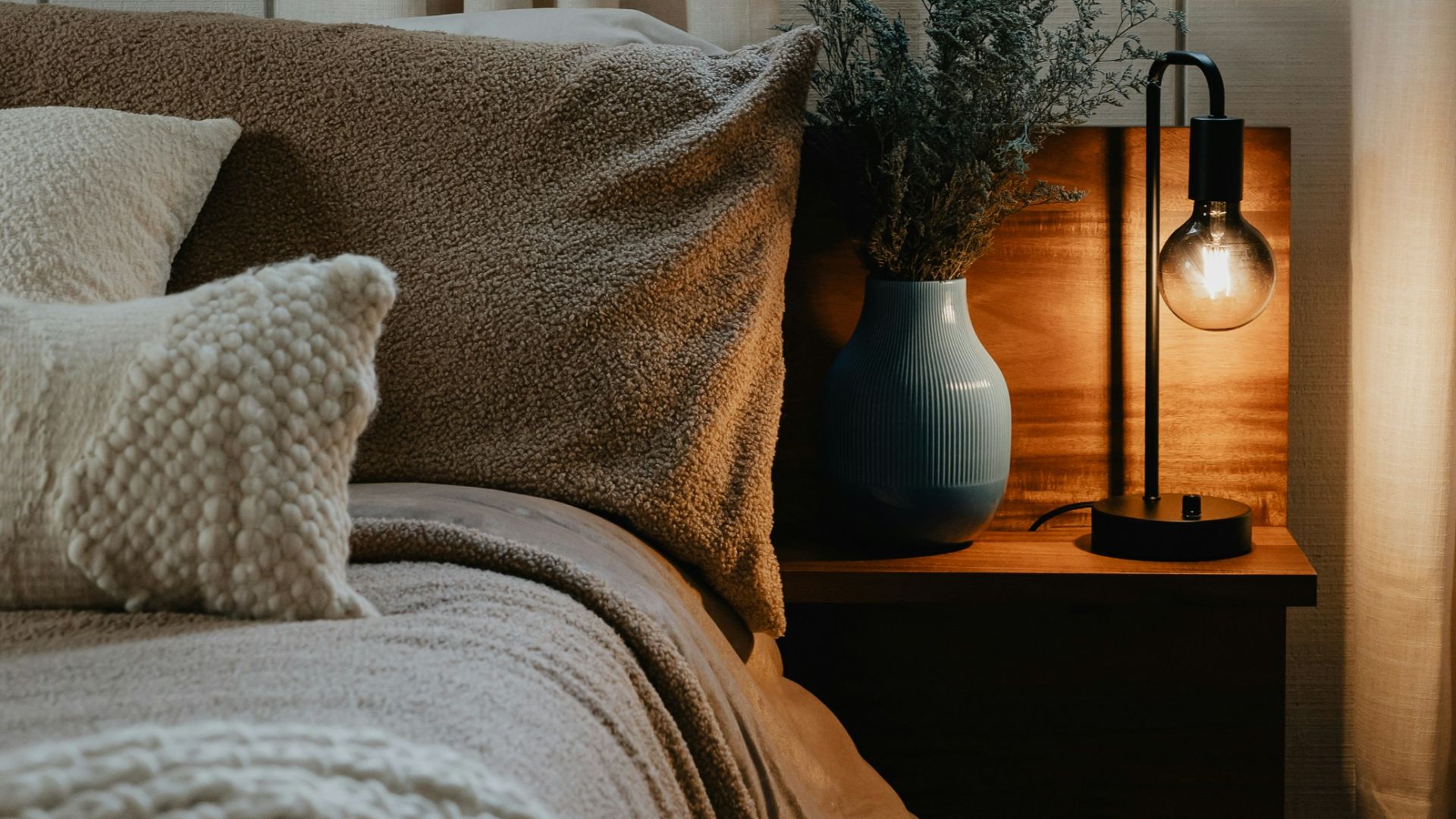
Did you know that although you may spend eight hours in bed each night, you probably don’t actually sleep that whole time? Your sleep will be lighter and you may wake up from tiny sounds in your house that you never noticed before. Elderly people tend to experience less deep sleep, so it’s important to make sure your bedroom is as quiet as possible.
3. Mind the Afternoon Caffeine
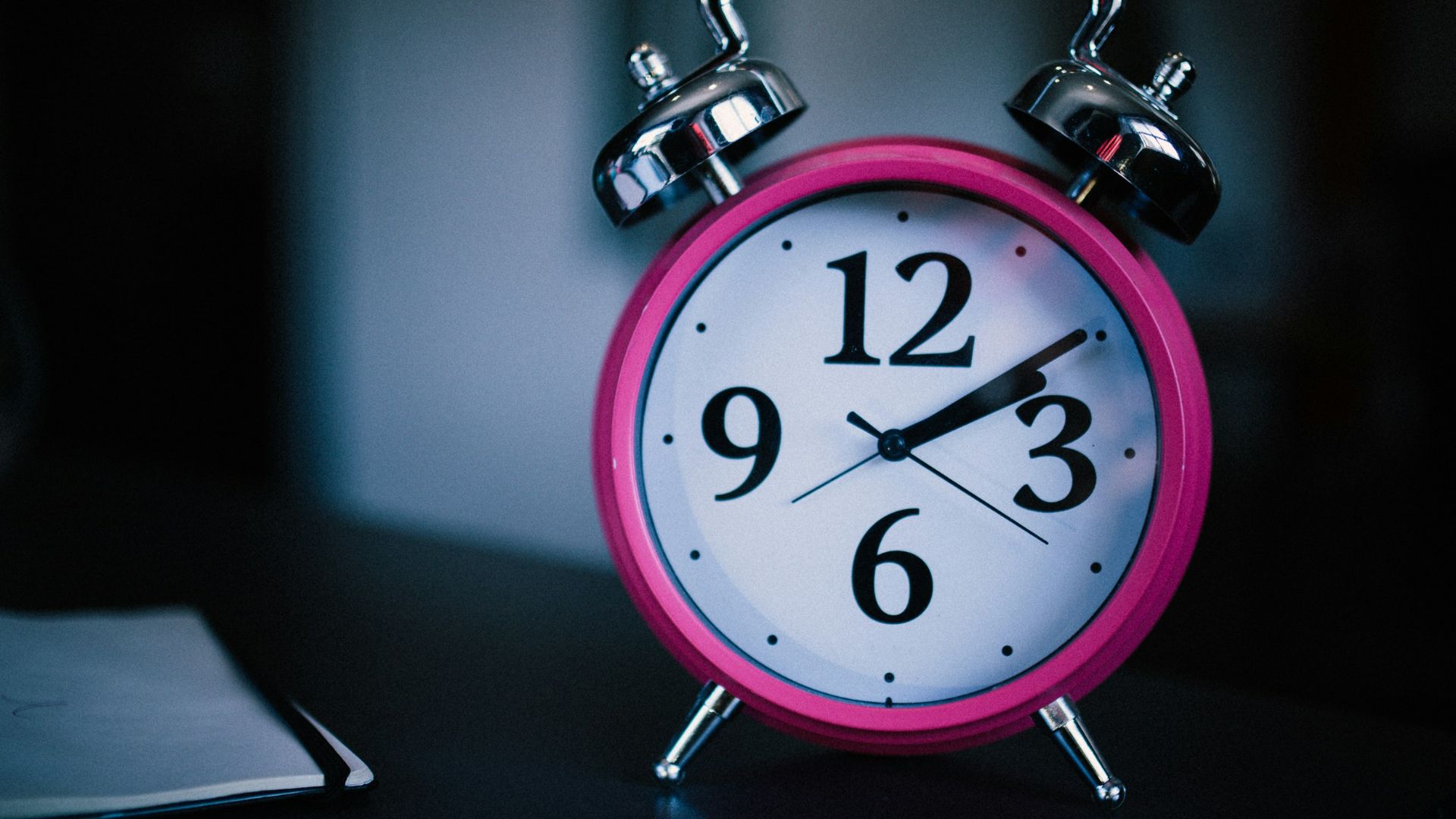
What used to keep you going during that 3:00 PM slump may not be your friend anymore. As you get older, your body takes longer to filter out caffeine and it will inhibit the chemicals that let you fall asleep. Instead of java, fill up your mug with decaf or herbal tea after lunch.
 Alexander Possingham on Unsplash
4. Safety First for Nightly Trips
Trips to the bathroom are the main culprit for seniors who experience interrupted sleep. To prevent a painful fall, leave pillows and blankets off the floor and install sensor lights along your path. A soft beam will illuminate your way better than flipping on the main light, which jolts you awake.

5. The Power Nap Protocol
Long snoozes during the day should be avoided. However, if you’re feeling extra tired, take a power nap for no longer than twenty minutes. Your nap schedule should be consistent and you should only use it to recharge, not replace your nightly sleep.
6. Natural Light Is Your Friend
Getting fresh air and Vitamin D in the morning will help your brain recognize when the day has begun. Opening your blinds or sitting by a window with your coffee can also aid in resetting your internal clock at night. Sunlight helps regulate your melatonin production during the day which makes it easier to fall asleep at night.
7. Review Your Medicine Cabinet
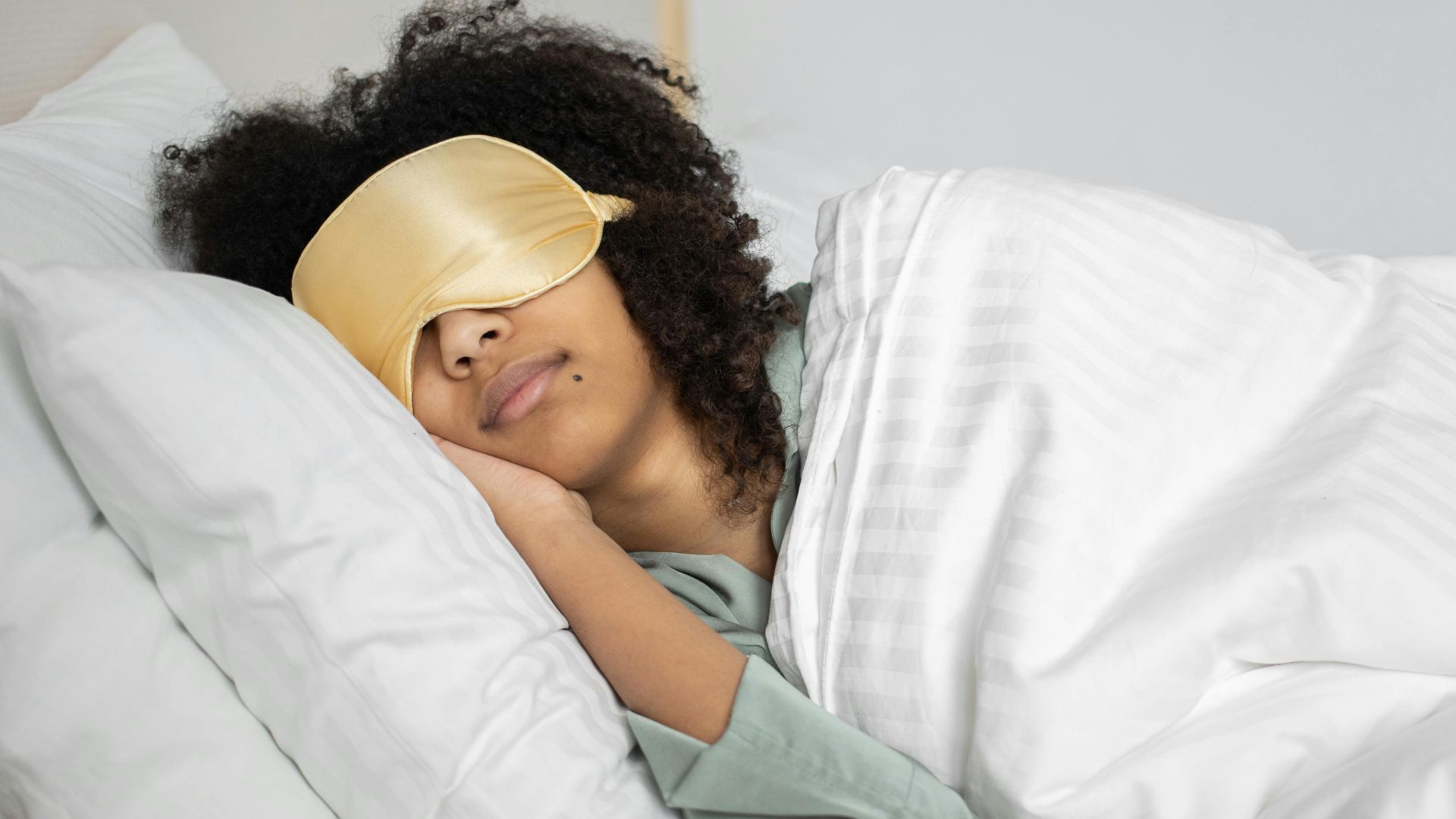
Some medications can affect your sleeping patterns. High blood pressure and cholesterol meds are usually harmless, but it never hurts to ask your doctor if there’s a better time to take your pills. Small adjustments can mean the difference between tossing and turning all night or waking up refreshed.
8. Watch the Evening Fluids
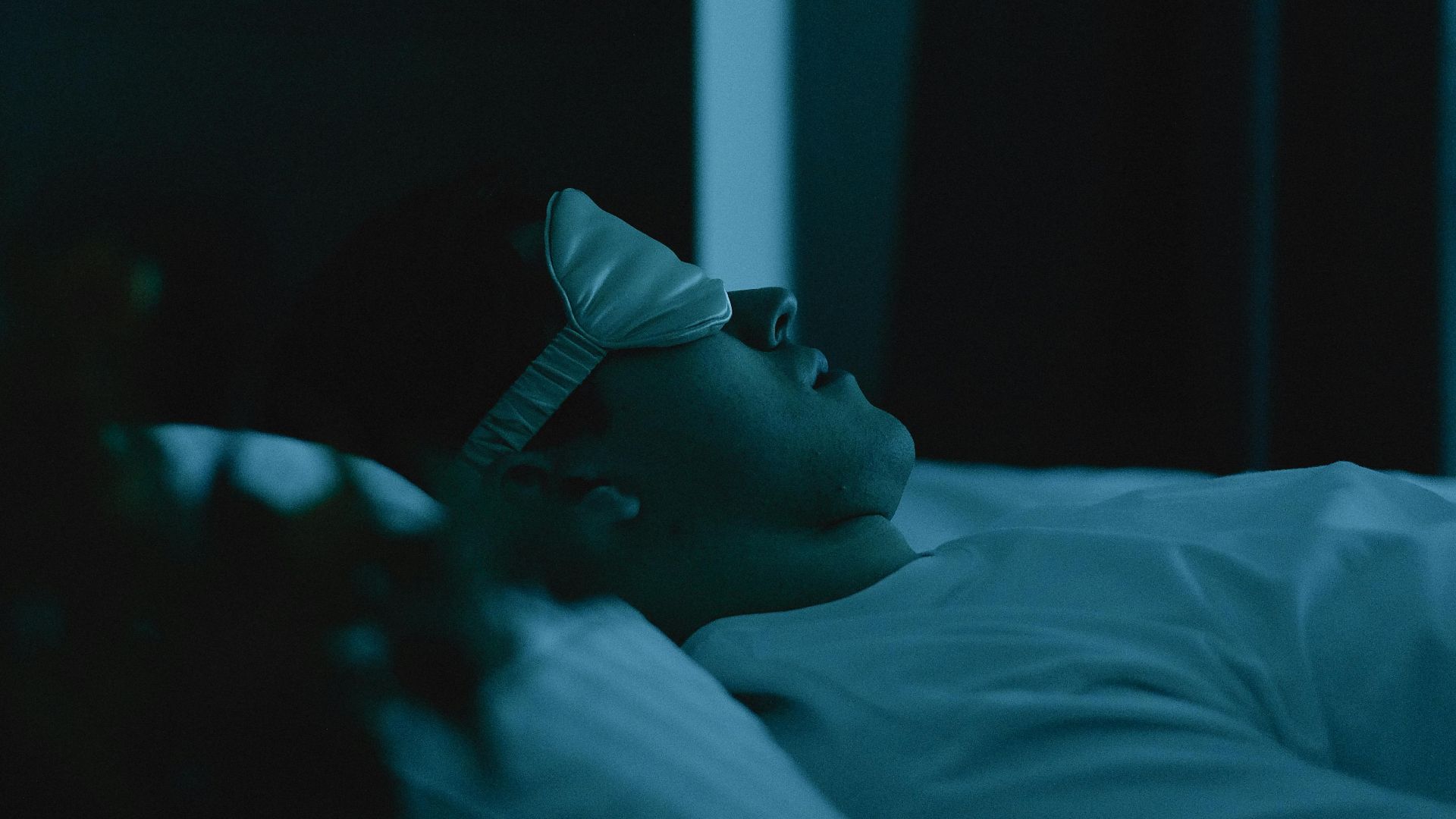
While staying hydrated is incredibly important, try to do most of your drinking before the sun goes down to minimize those midnight bathroom breaks. Sipping on a small glass of water is fine, but downing a large bottle right before bed is a recipe for a disrupted night. You'll wake up feeling much more rested if you aren't constantly checking the clock from the porcelain throne.
 Priscilla Du Preez 🇨🇦 on Unsplash
9. Temperature Control is Key
Your body needs to lower its temperature in order to fall asleep. Make sure your room is well ventilated and try sleeping with the window cracked. If you tend to run hot or experience night sweats, investing in moisture-wicking sheets may help.
10. The Ritual of Bedtime
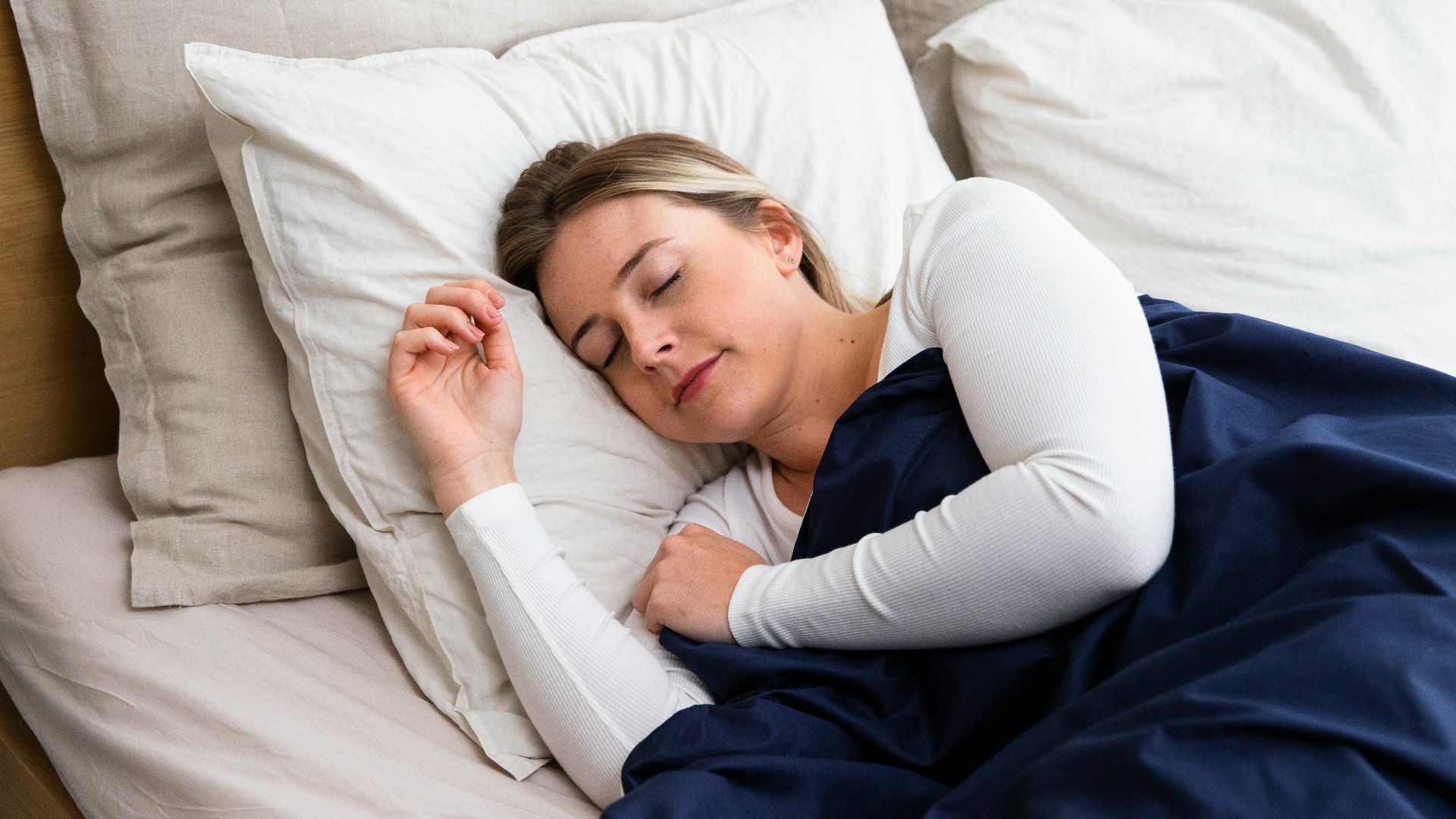
About an hour before you want to fall asleep, begin your bedtime routine. Taking a warm bath, stretching, or reading a book are great ways to tell your body that it’s almost bedtime. When you stick to a routine, you condition your brain to feel sleepy whenever you start that routine.
 Vladislav Muslakov on Unsplash
11. Screens Are Not Your Friends
Tablets and phones emit blue light that tricks your brain into thinking it should stay awake. Put your electronics away at least an hour before bed and allow your eyes to unwind from the harsh screen. Many smartphones and tablets have “night mode” settings that can help filter out some of the blue light.

12. Drinking Isn't a Sleep Aid
Ever notice how every morning you have horrific dreams after drinking the night before? Sleep is disturbed when your body goes to process all that sugar throughout the night. You might think that drink at night will help you sleep, but you’ll toss and turn feeling thirsty and jittery.
13. Don't Linger in Bed
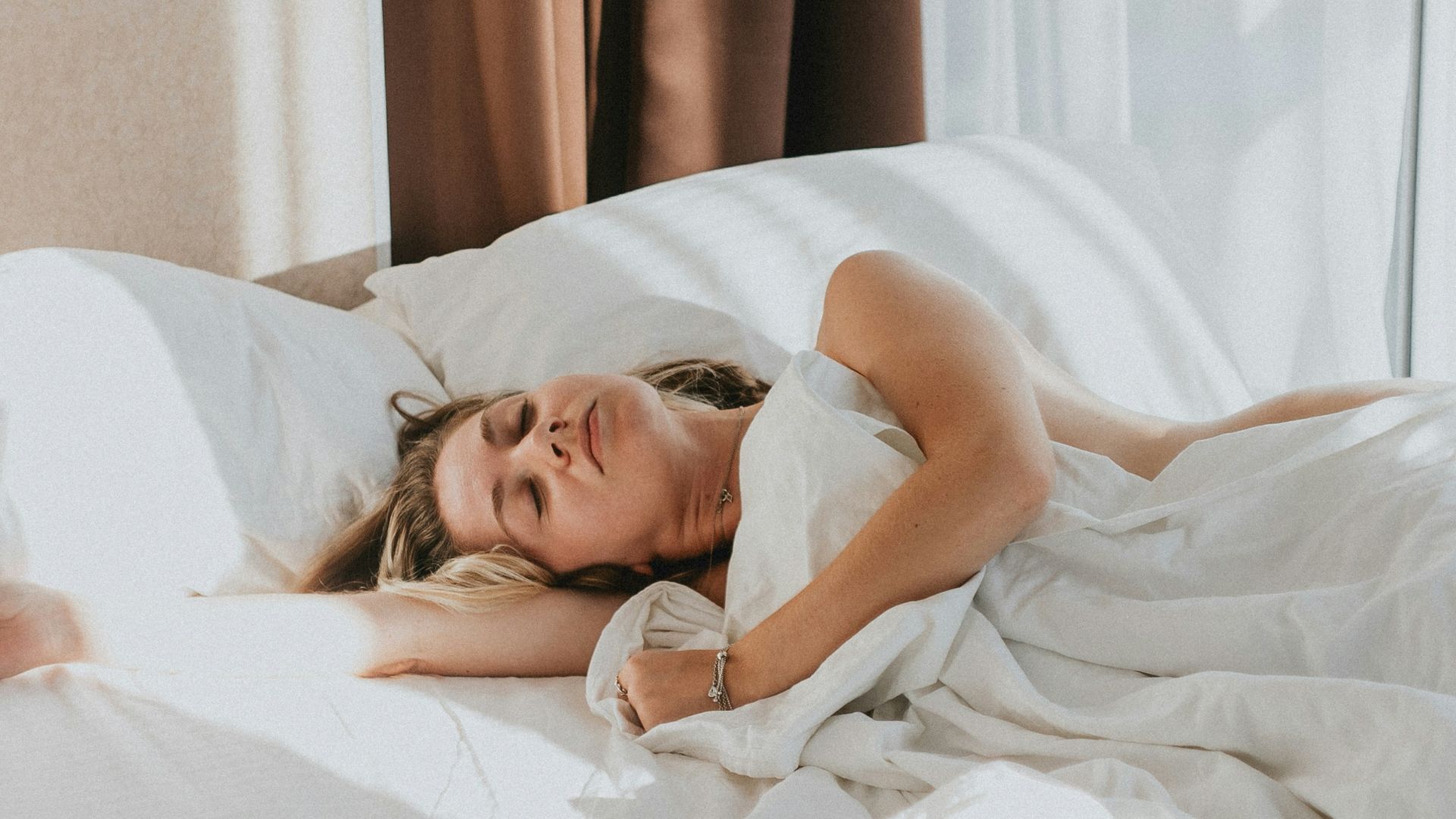
If you’re unable to fall asleep within twenty minutes, climb out of bed and go do something else. Watching the clock while you’re stressed will only associate your bed with negativity. When you start feeling drowsy, return to bed and try to fall asleep.
14. The Magnesium Connection
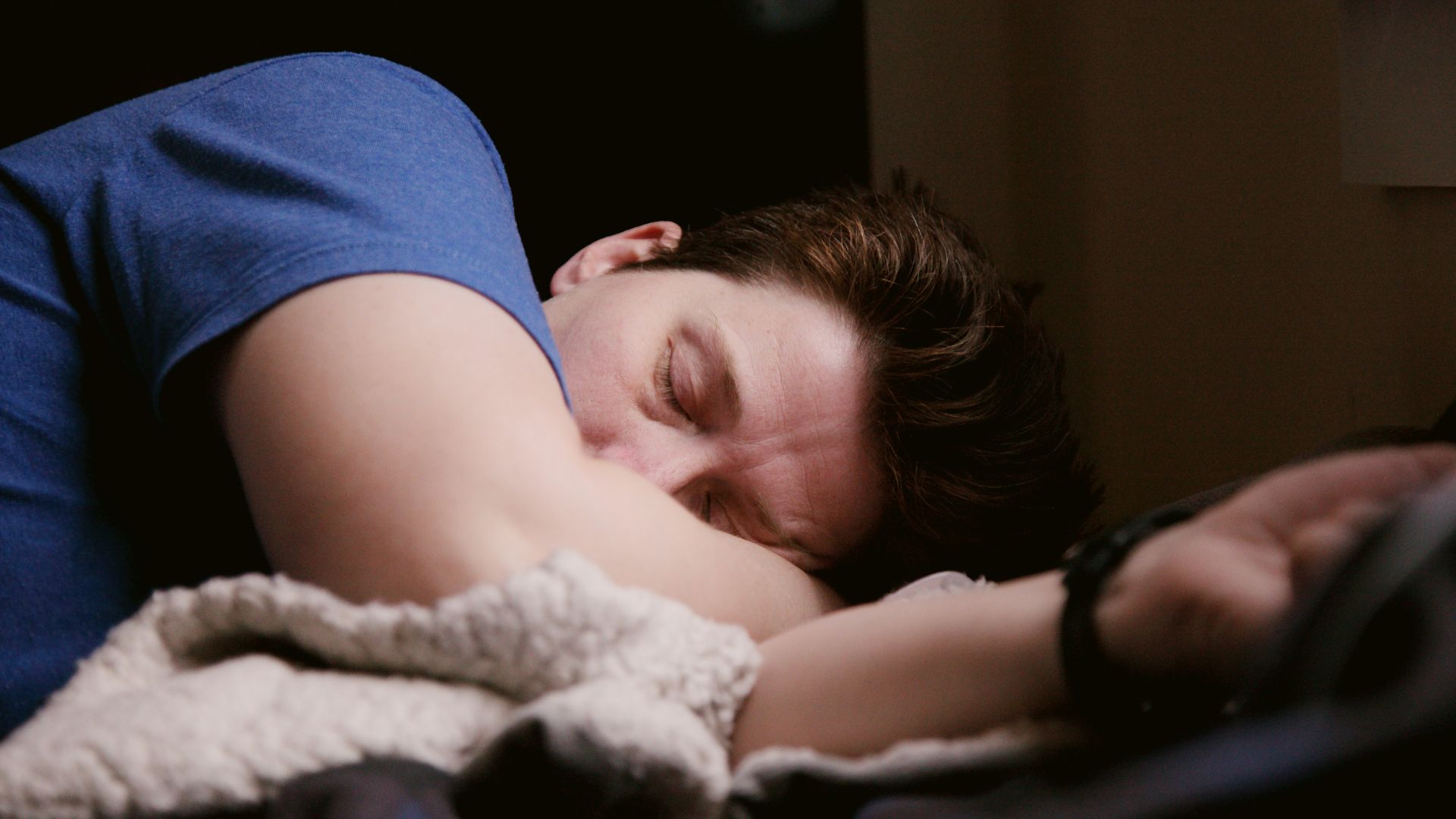
Certain foods can actually help you sleep better! Magnesium helps relax your muscles and can reduce night cramps. Consider eating a banana or a handful of pumpkin seeds before bed.
15. Invest in a Supportive Mattress
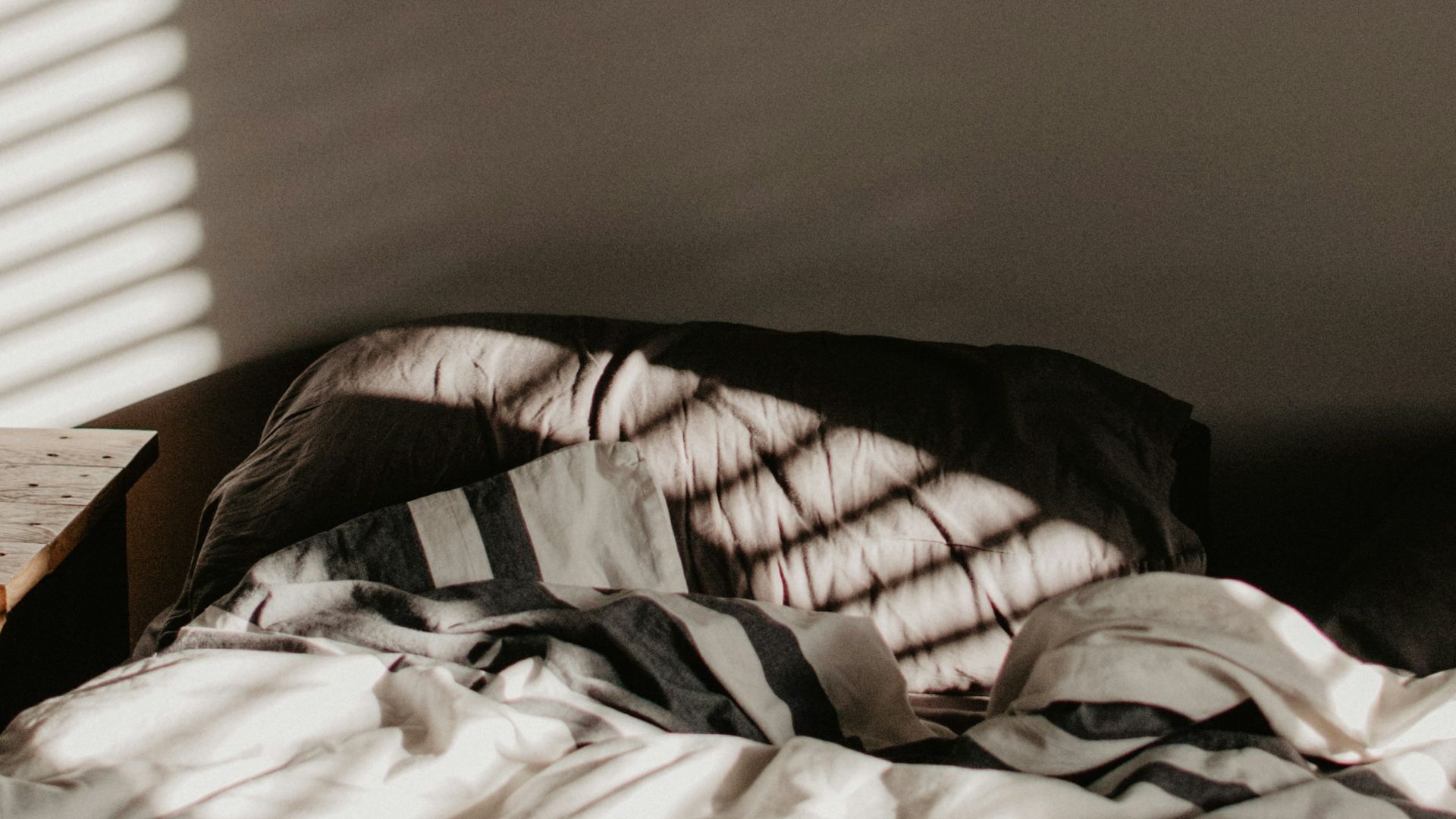
Old mattresses can wreak havoc on your back and cause you to lose sleep tossing and turning. If your mattress is over ten years old, consider upgrading to a new one. You’ll notice a drastic difference when your bed actually supports your body.
16. Keep the Pets Outward
Believe it or not, your pets can be the reason you don’t feel rested in the morning. Nighttime movements and pet noises can distract you from getting your full amount of sleep. Purchase your dog or cat a blanket to sleep on the floor.
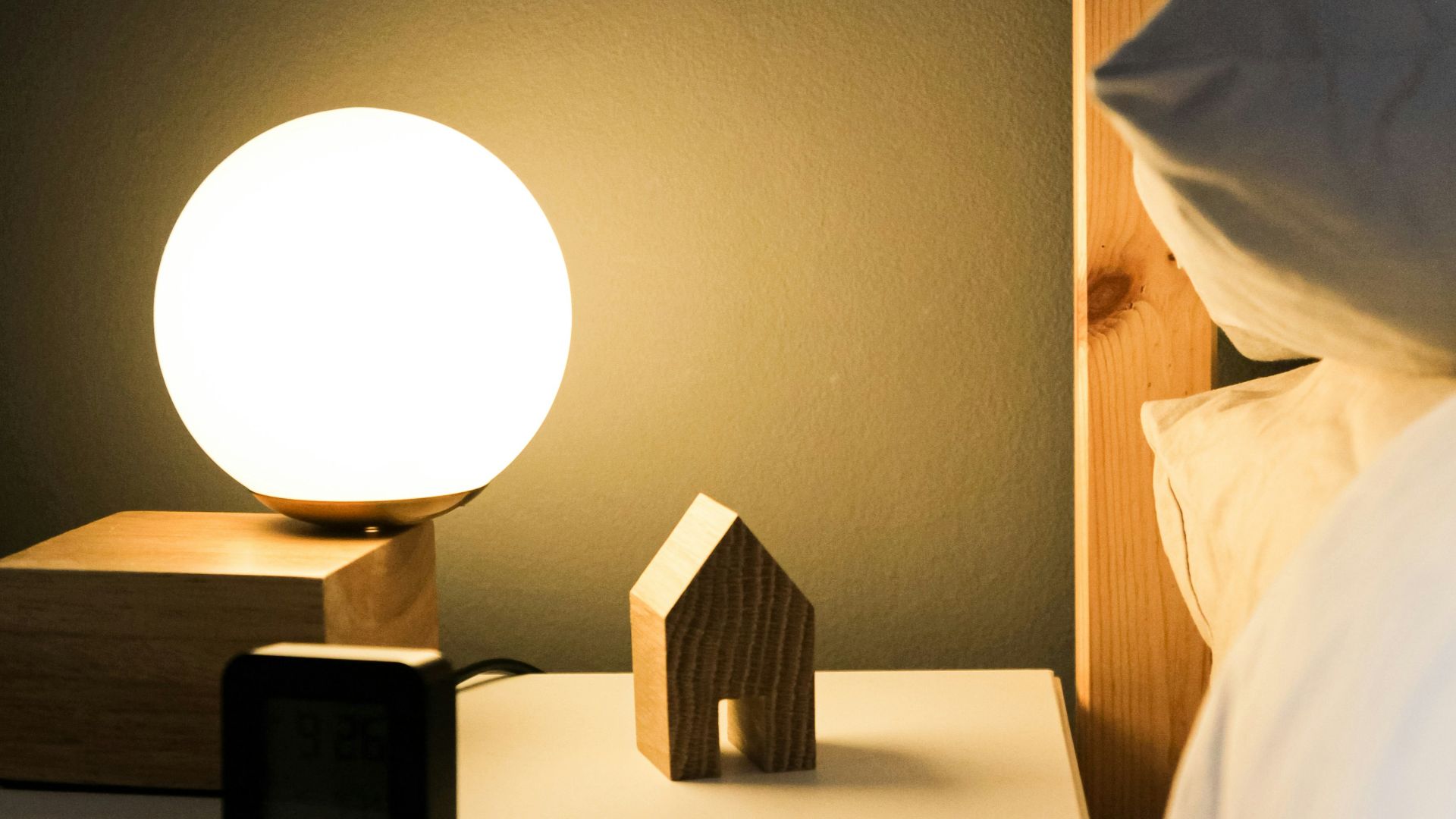
17. Gentle Movement Helps
While exercise is great for ensuring a good night’s rest, don’t exercise right before bed. Your body needs time to relax after a workout. Take a walk or join a water aerobics class if you want to learn some new moves.
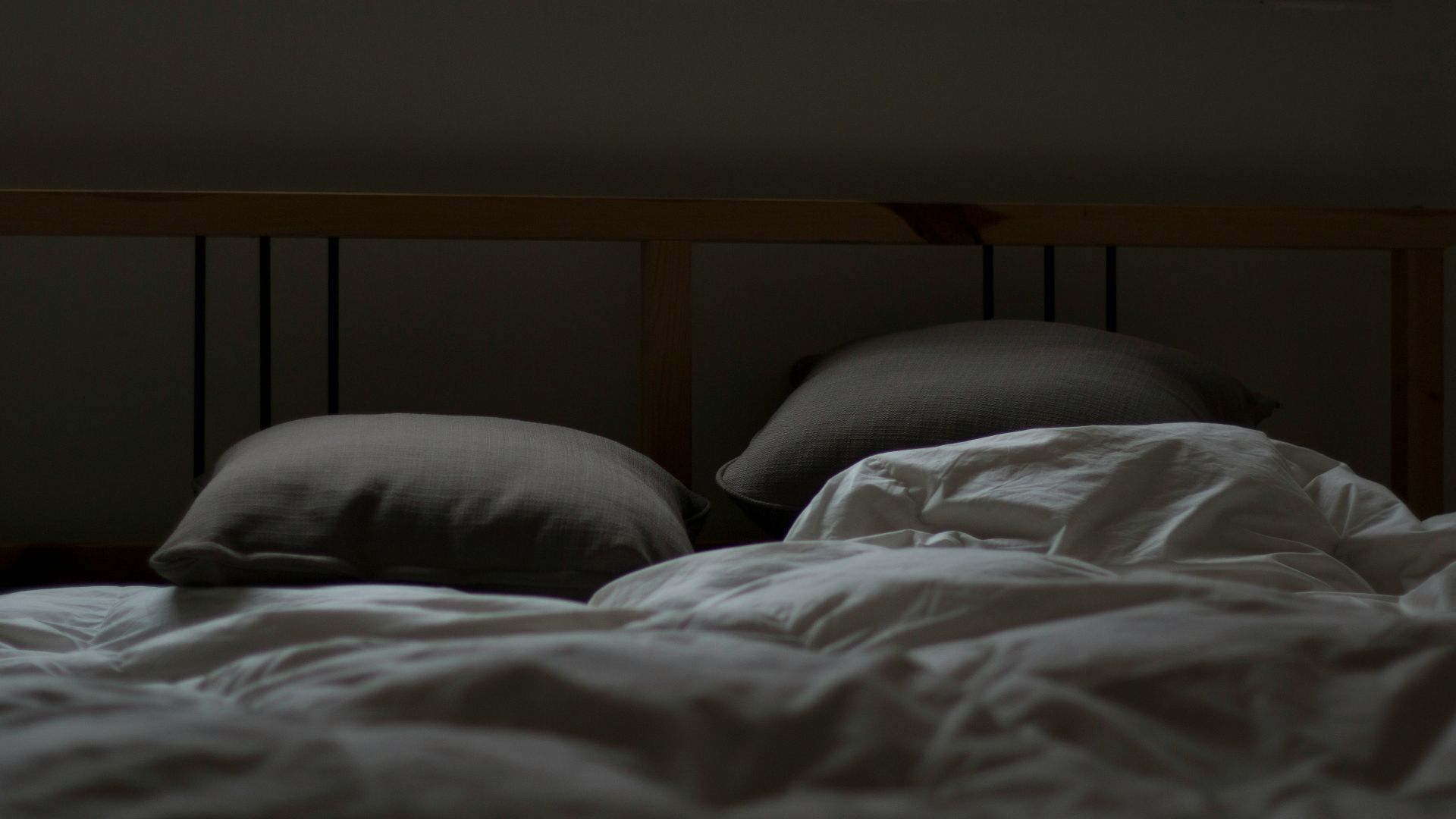
18. Address Snoring Concerns
Snoring and waking up in short bursts of wakefulness can be signs of sleep apnea. This condition starves your brain of oxygen while you sleep and will leave you tired throughout the day. Getting treated for sleep apnea can reduce your risk of heart failure and help you sleep better at night.
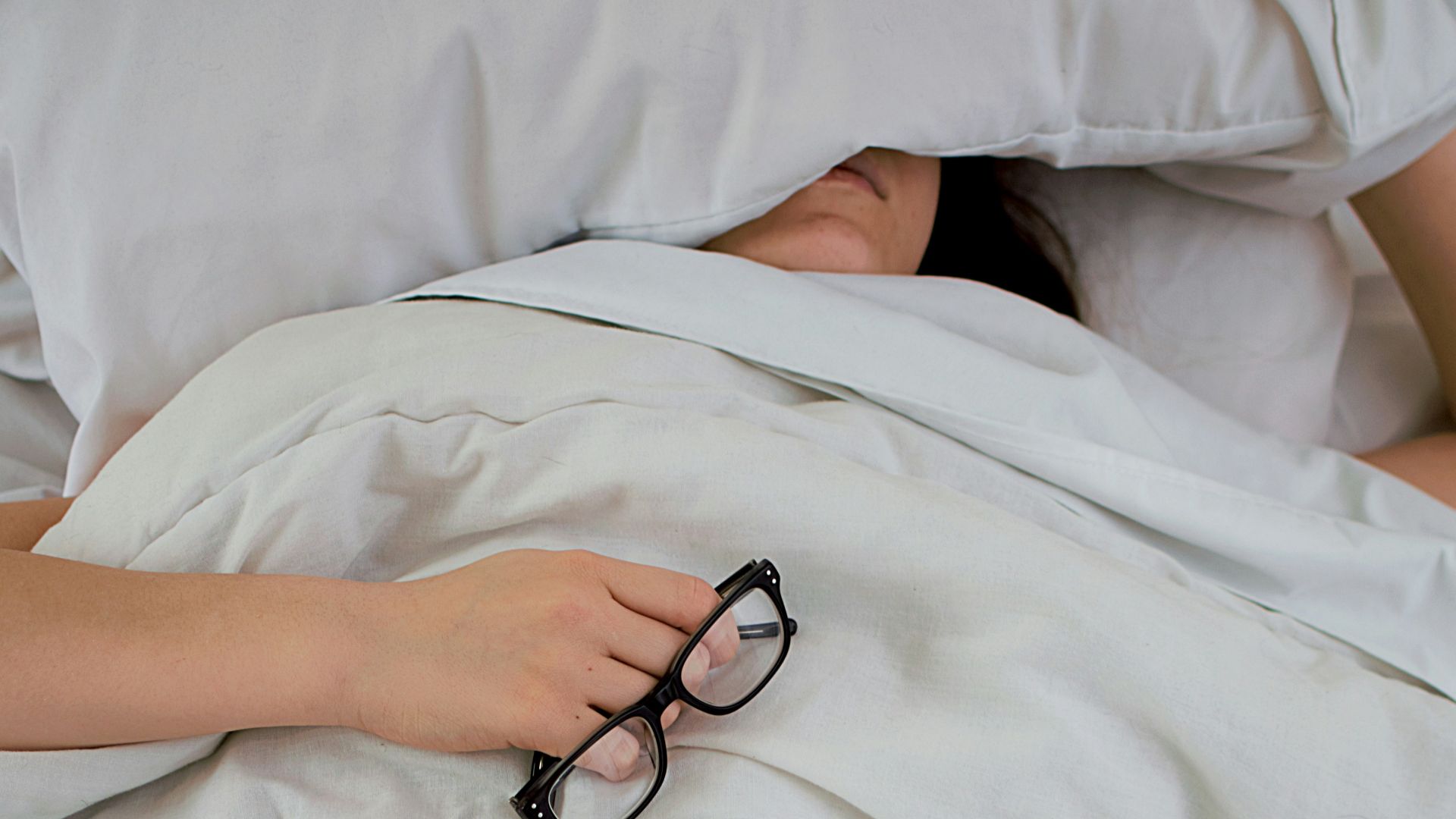
19. The Comfort of Weighted Blankets
If you tend to toss and turn all night, try sleeping with a weighted blanket. They provide deep pressure that comforts your body and helps you relax. Weighted blankets can mimic the feeling of being hugged which may reduce anxiety at night.
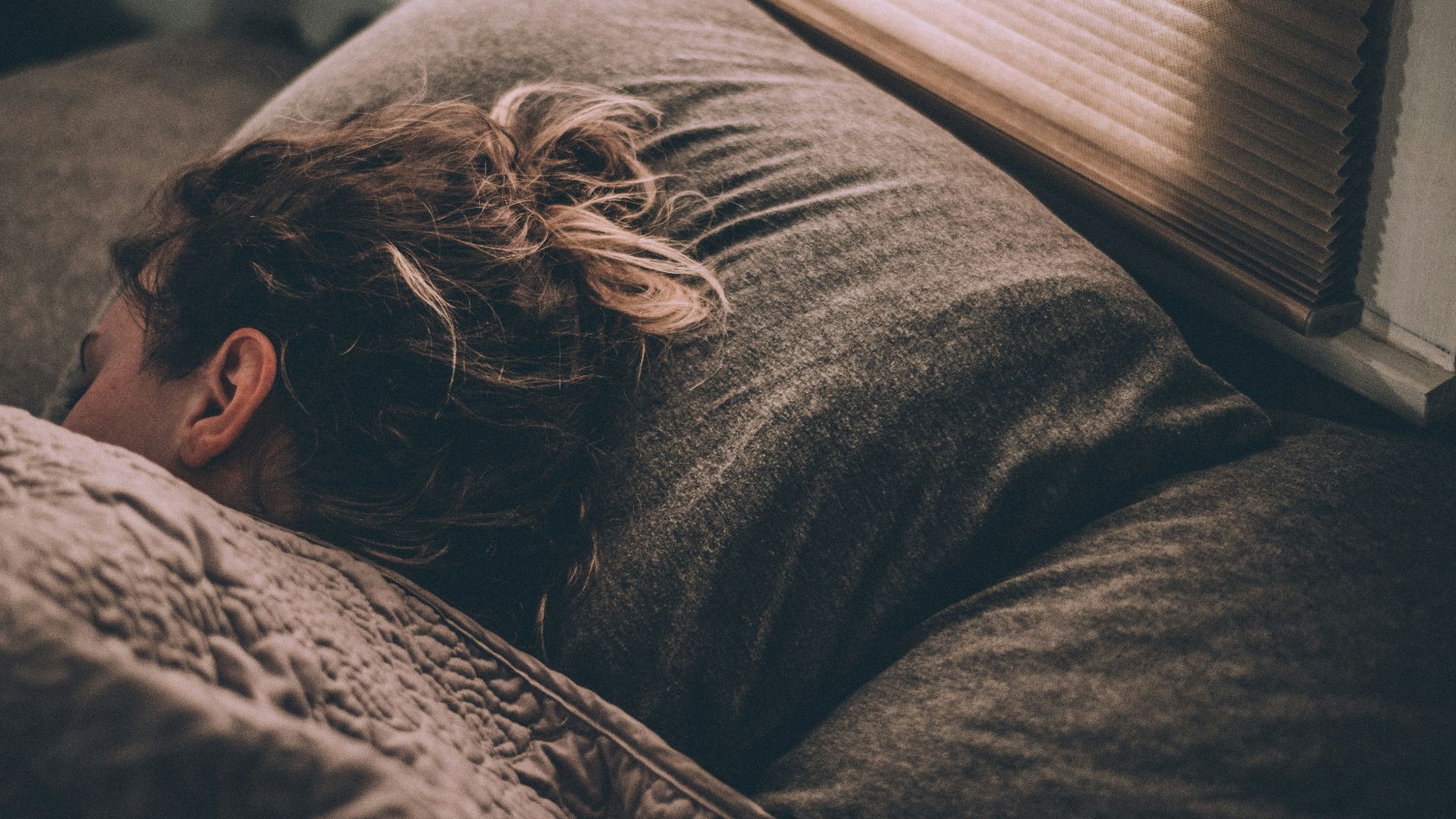
20. Forgive the Occasional Bad Night
Remember that we all have bad nights of sleep. If you find yourself laying in bed for hours on end, don’t let your sleeplessness spiral out of control. Worrying about not sleeping will only cause you to stress out which will prevent you from falling asleep.
KEEP ON READING



20 Ways to Deal With Your Sweet Tooth
20 Low-Impact Exercise Ideas For People Over 50