What Actually Helps
Lifting cues can be useful, but they also get repeated so often that people stop asking whether they work. A lot of them sound smart, intense, or technical enough to seem helpful while actually making a lift feel more awkward, more rigid, or way more complicated than it needs to be. That is how you end up overthinking a squat, turning a deadlift into a checklist, or trying to “fix” your form with a cue that only makes you tense in all the wrong places. The best cues usually do the opposite: they make the movement clearer, cleaner, and easier to repeat under load. Here are 10 lifting cues that tend to make training worse, followed by 10 that actually help you get stronger faster.
1. Chest Up
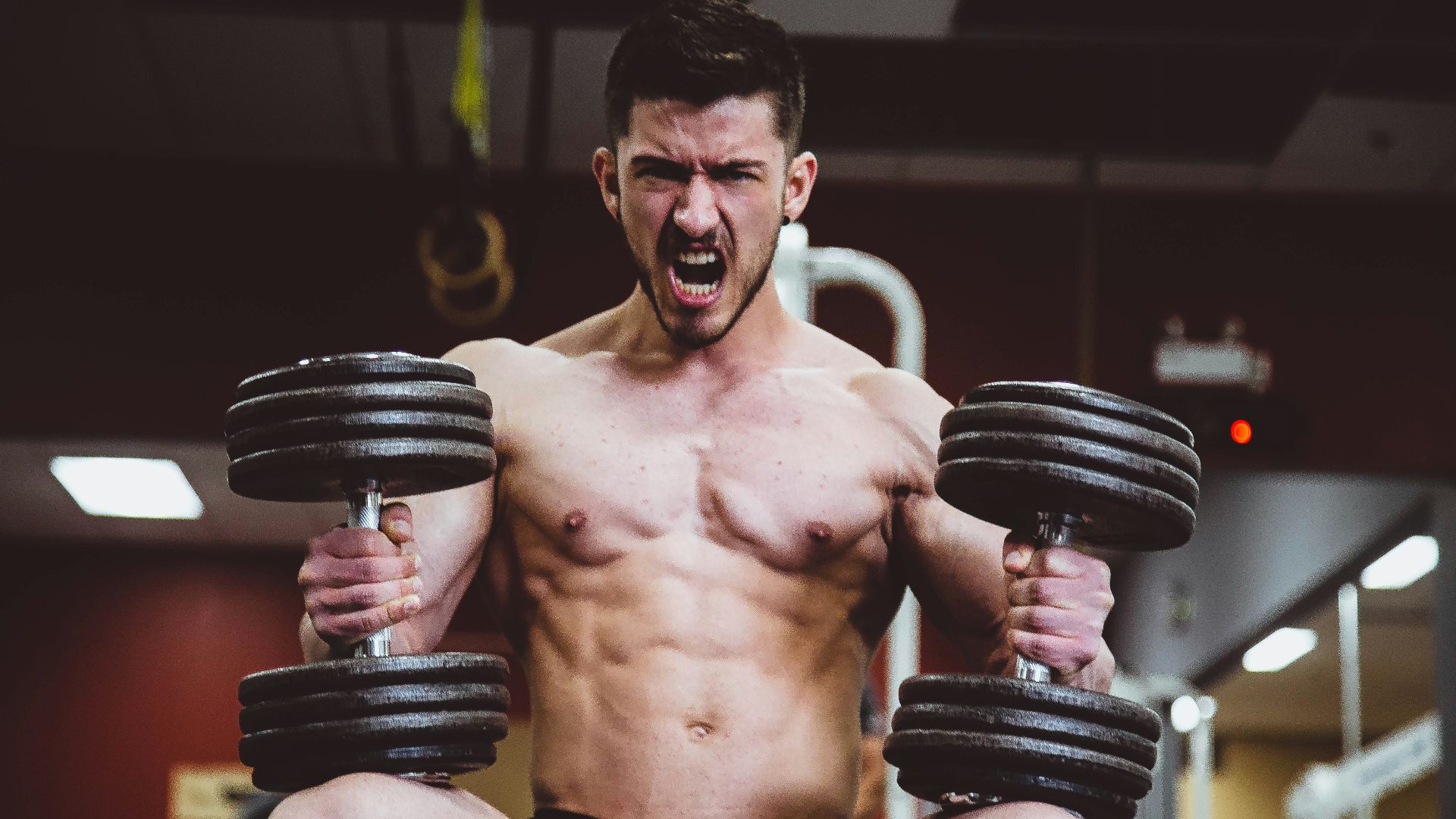
This sounds useful, but for a lot of people it turns into an exaggerated back arch and a rib flare that throws the whole lift off. Instead of helping posture, it often makes you lose a more natural stacked position and creates tension where you do not need it.
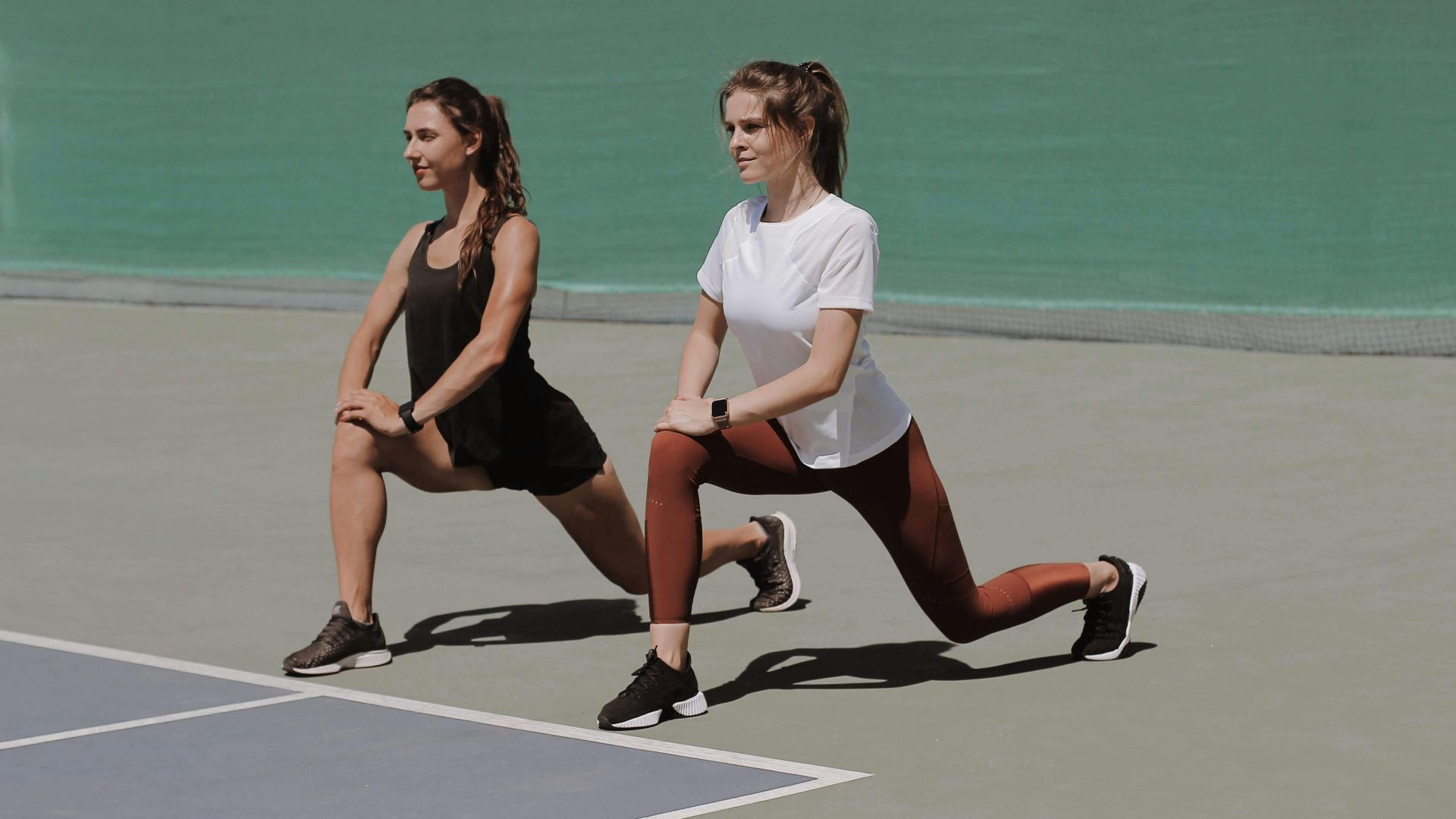
2. Knees Never Past Toes
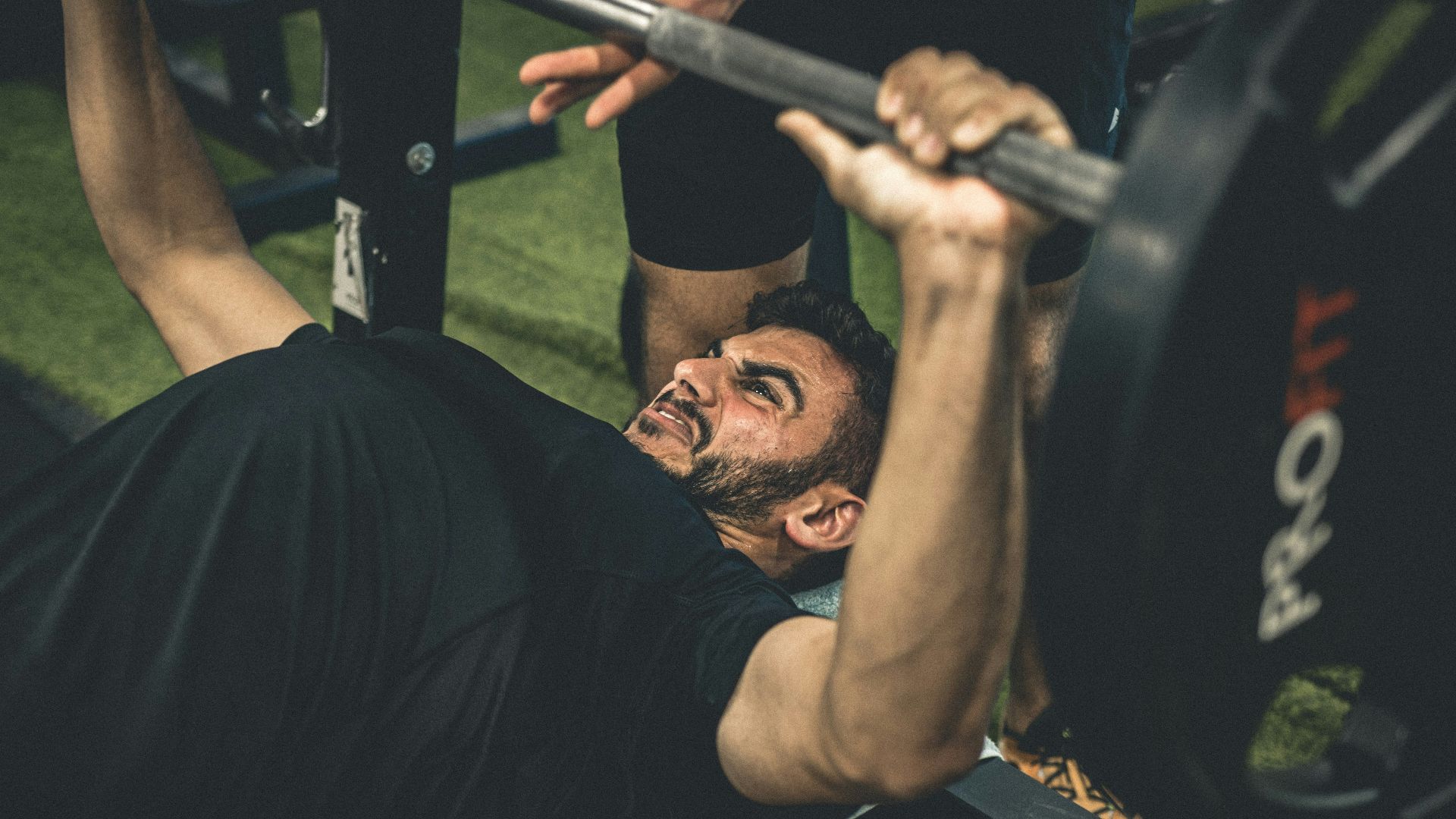
This cue has hung around forever, even though it causes more confusion than clarity. People hear it and start sitting way too far back, which can make squats and split squats feel less balanced, less athletic, and harder on the hips.
3. Squeeze Your Glutes The Whole Time
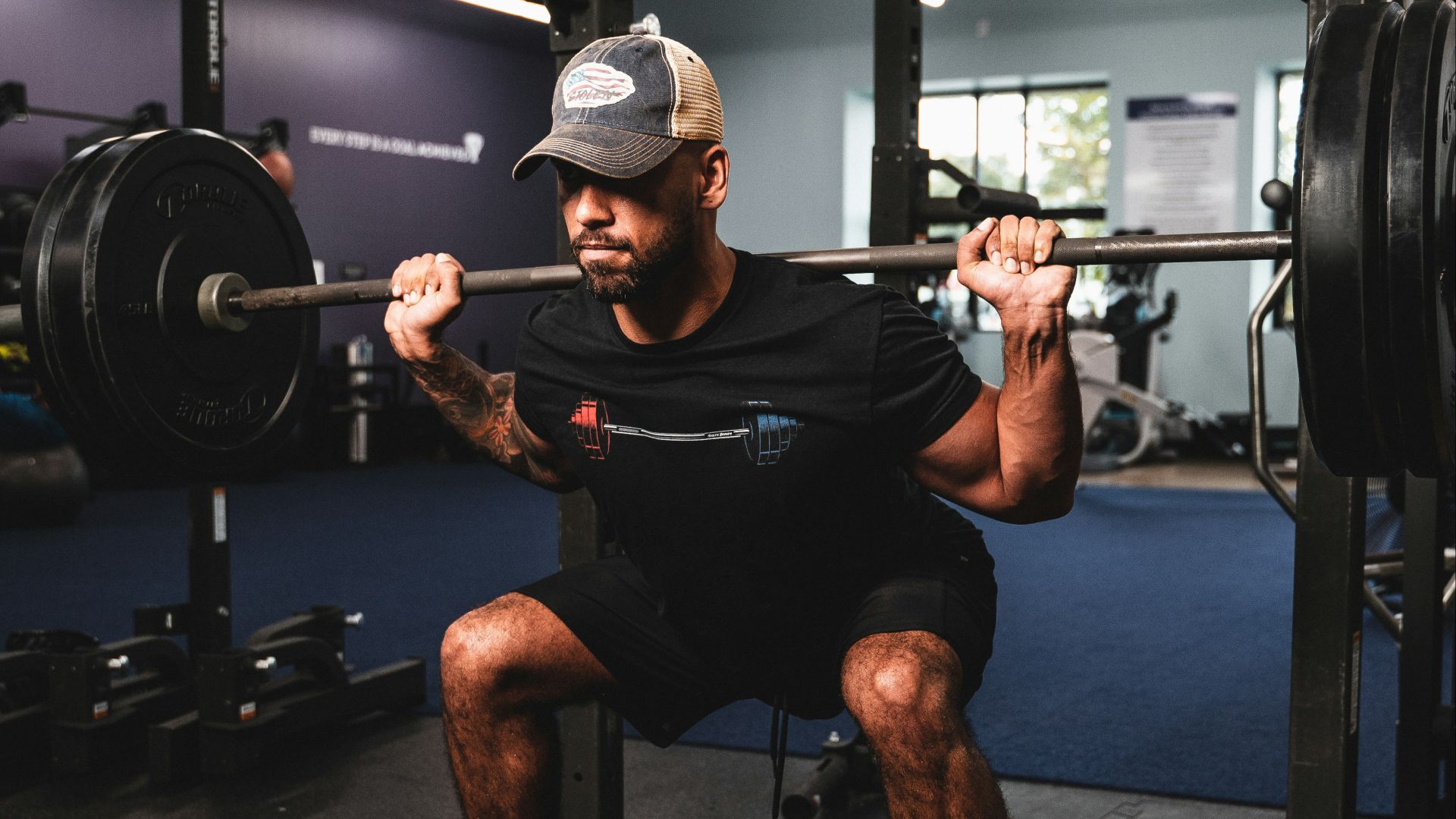
This is one of those cues that sounds powerful until you actually try to move with it. Constantly clenching your glutes through an entire lift usually just makes you stiff and disconnected instead of strong and coordinated.
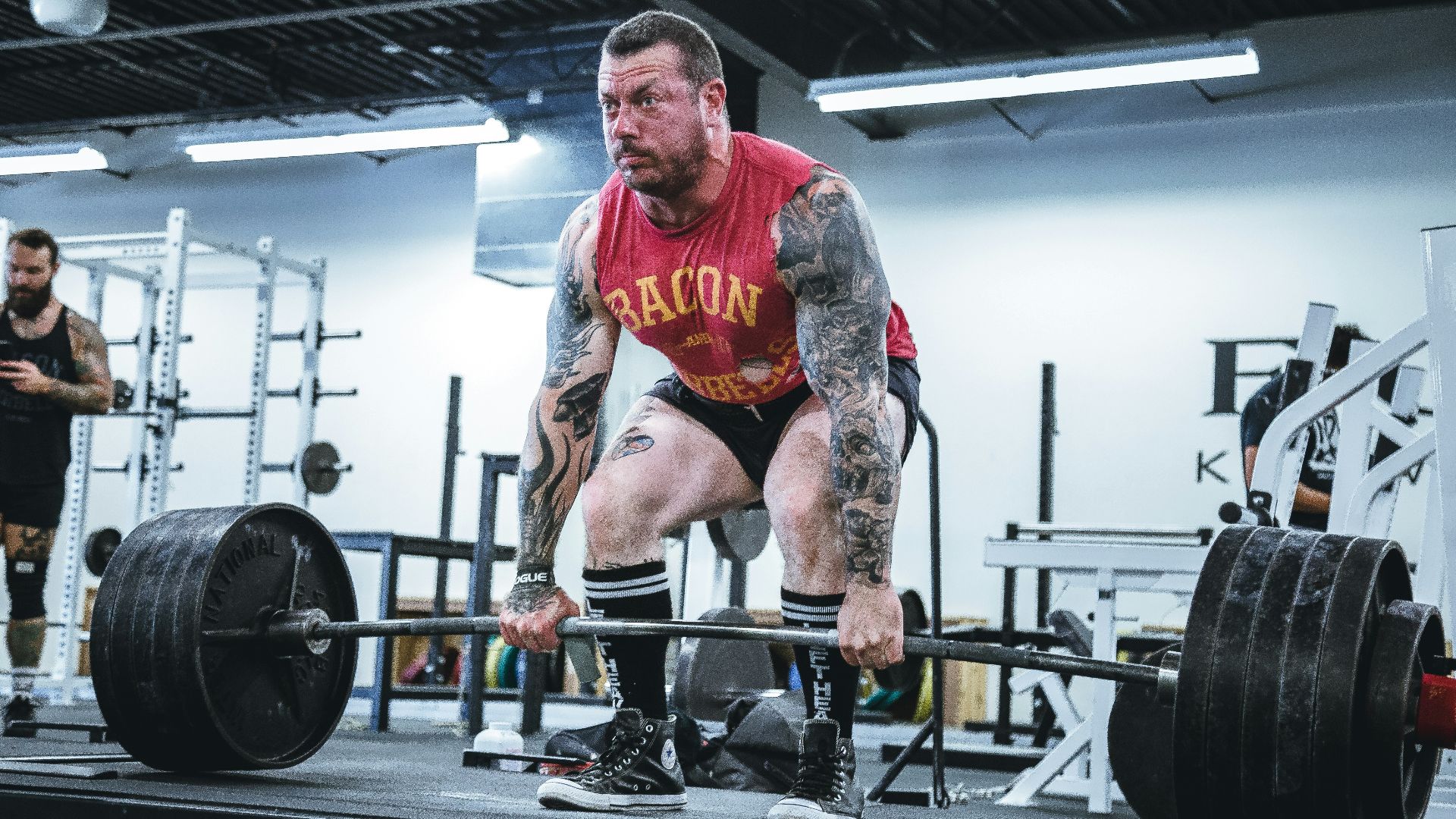
4. Keep Your Back Perfectly Straight
Nobody moves under load like a cardboard cutout. This cue often makes lifters panic over any tiny spinal movement and trade confidence for stiffness, when what they really need is a controlled, stable position they can actually maintain.
 Joel Rivera-Camacho on Unsplash
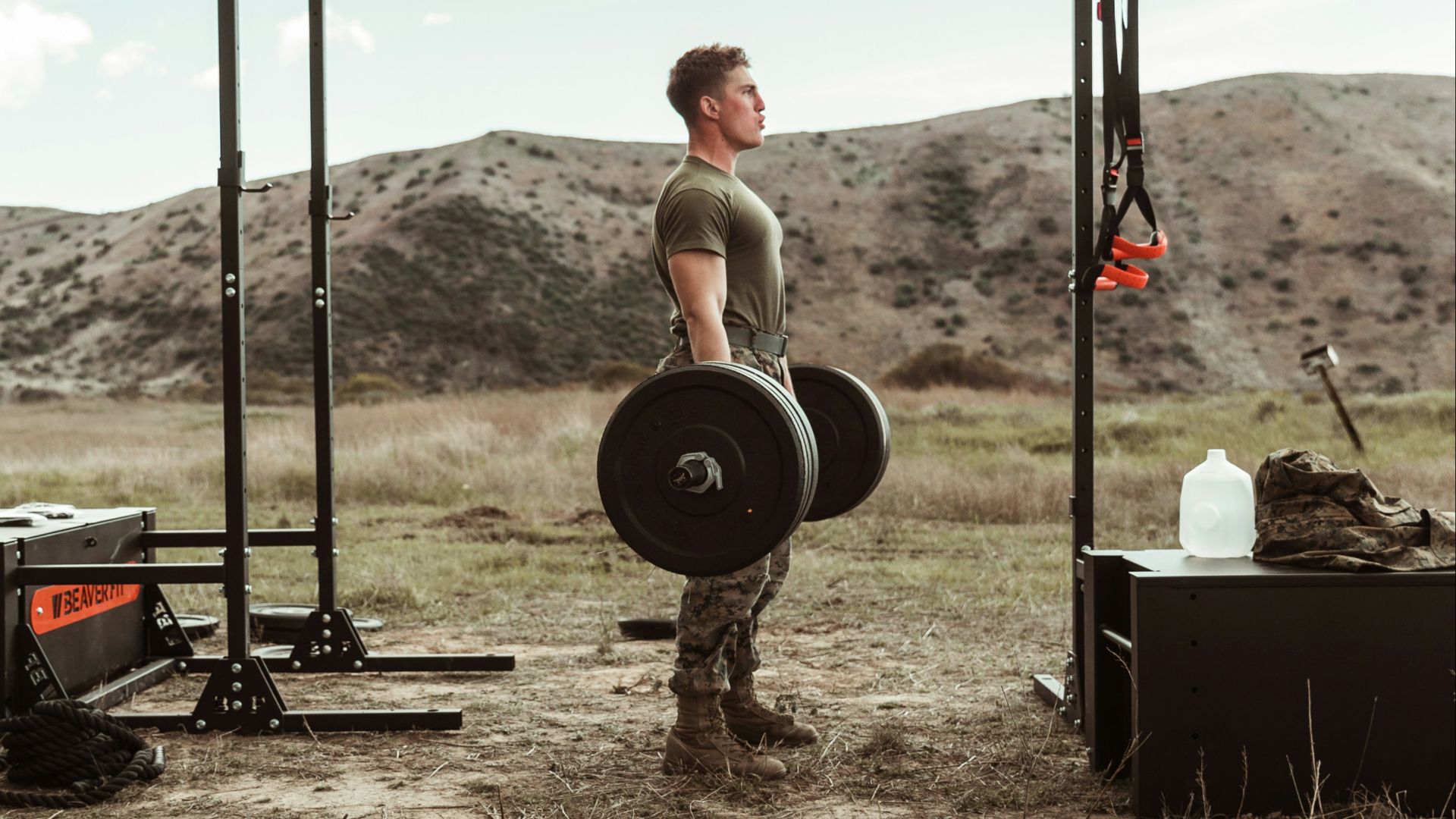
5. Pull Your Shoulders Back
Done too literally, this turns upper-body lifts into a weird pinched posture that limits natural movement. On presses and rows especially, it can make the shoulders feel jammed instead of supported.
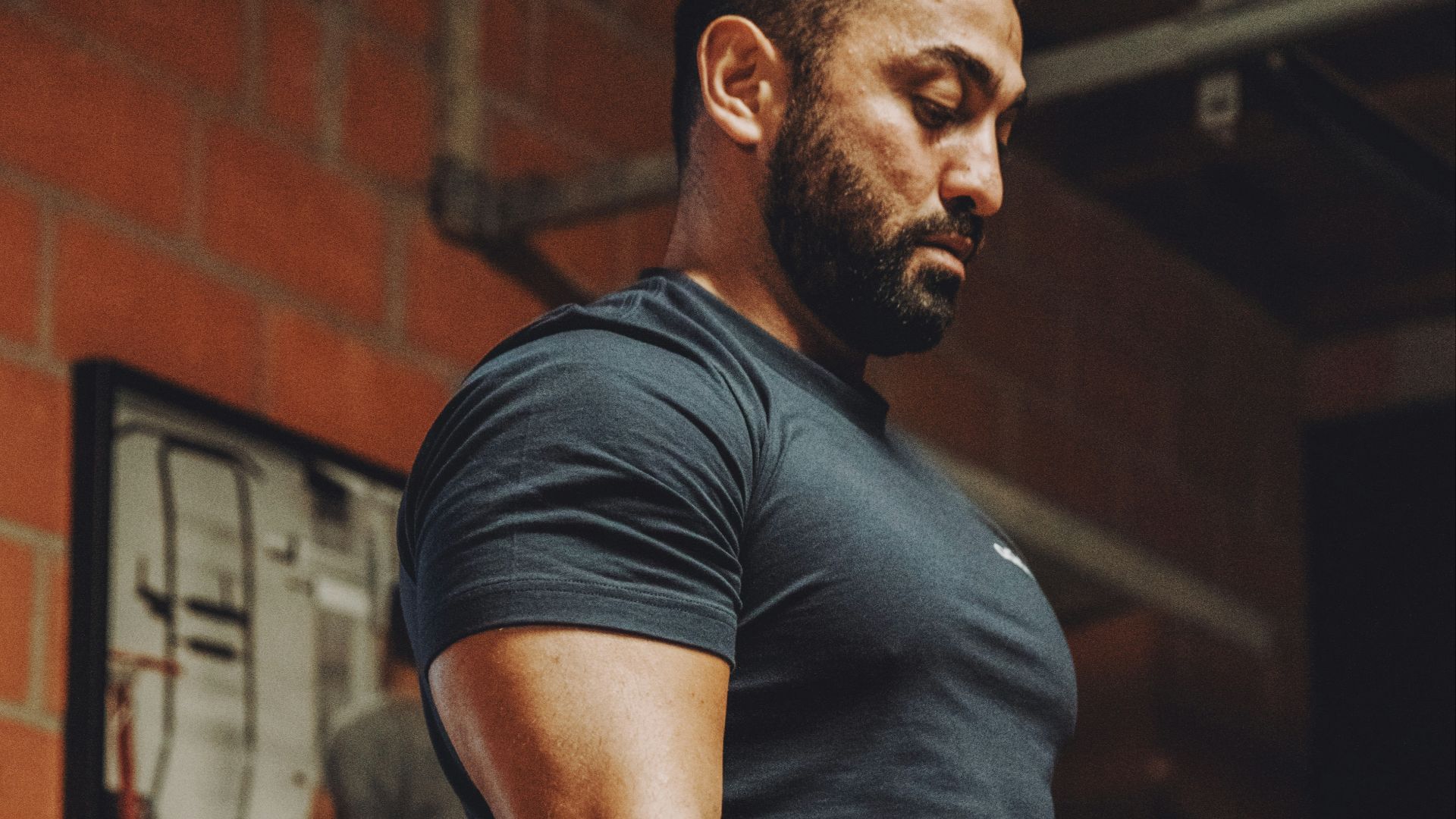
6. Explode On Every Rep
Intent matters, but trying to go full speed on every rep can turn basic strength work into sloppy chaos. Sometimes the lift needs force, and sometimes it just needs control, especially when the weight is heavy or the pattern is still being learned.
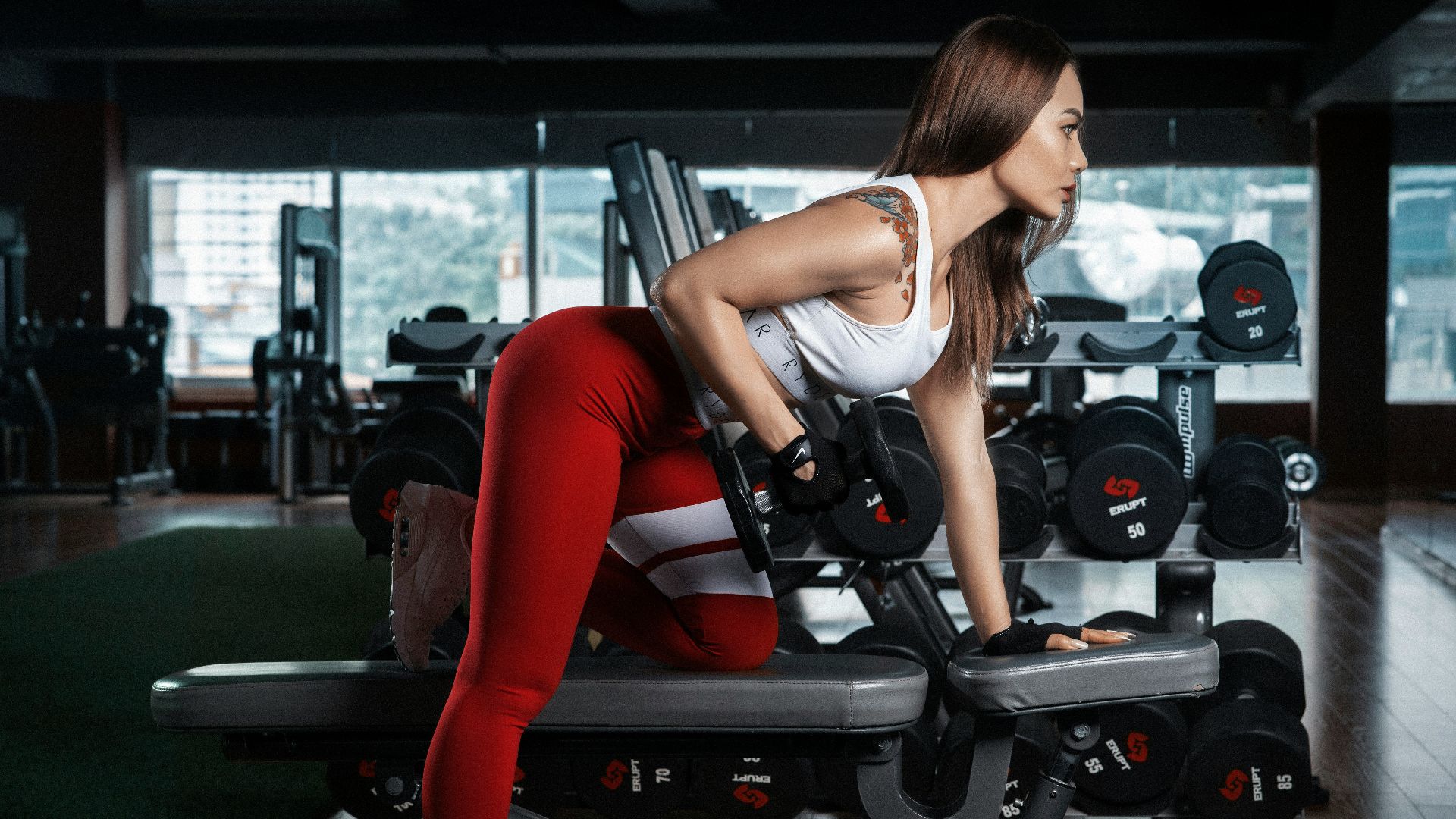
7. Sit Back
This can help in certain contexts, but as a blanket squat cue it causes plenty of problems. A lot of people take it too far, shift their weight badly, and end up making a simple up-and-down movement feel awkward and mechanical.
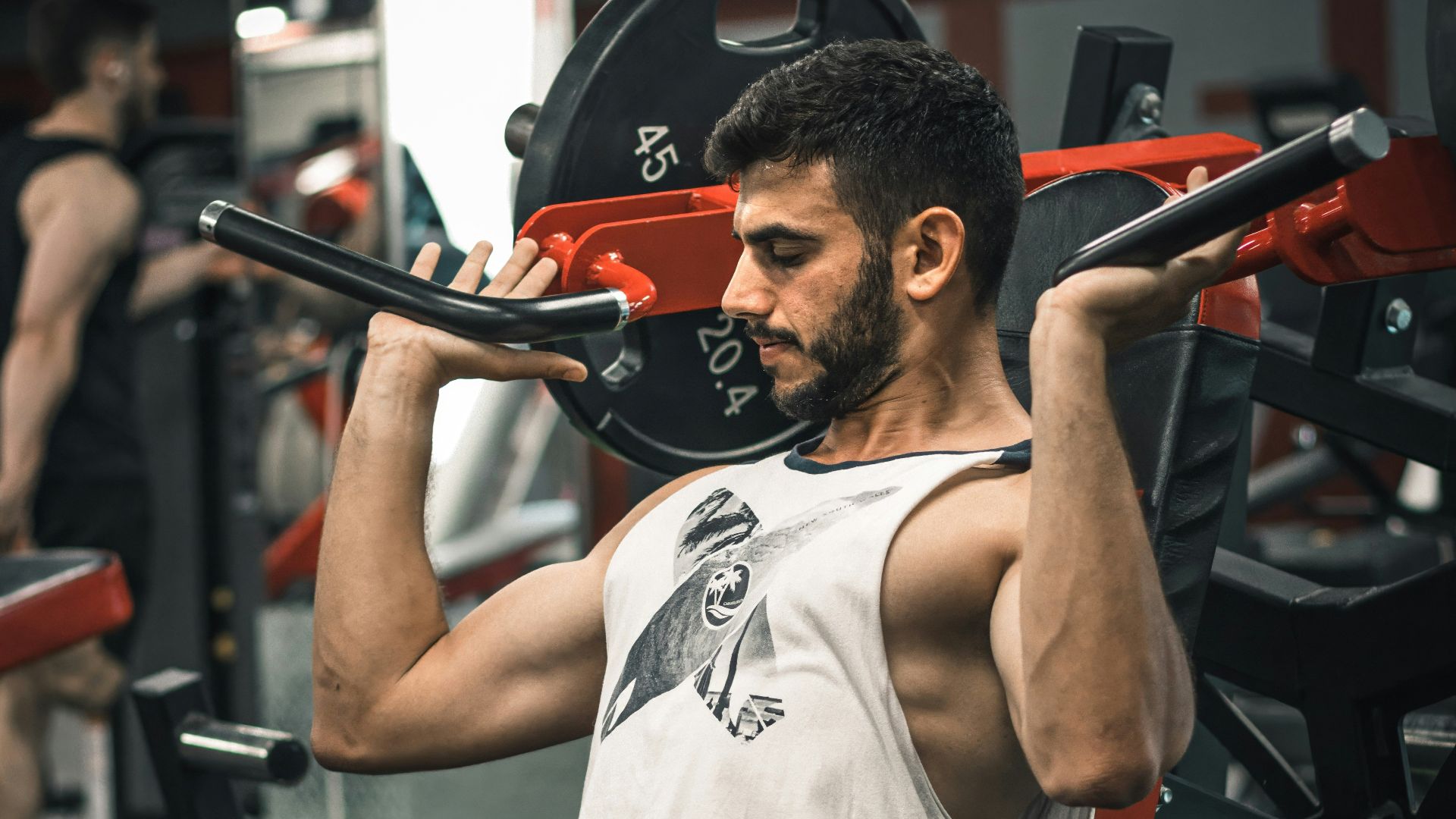
8. Brace As Hard As You Can
Bracing matters, but maxing it out all the time is not the goal. When people hear this, they often tense everything at once, burn energy early, and make the lift feel harder before it has even started.
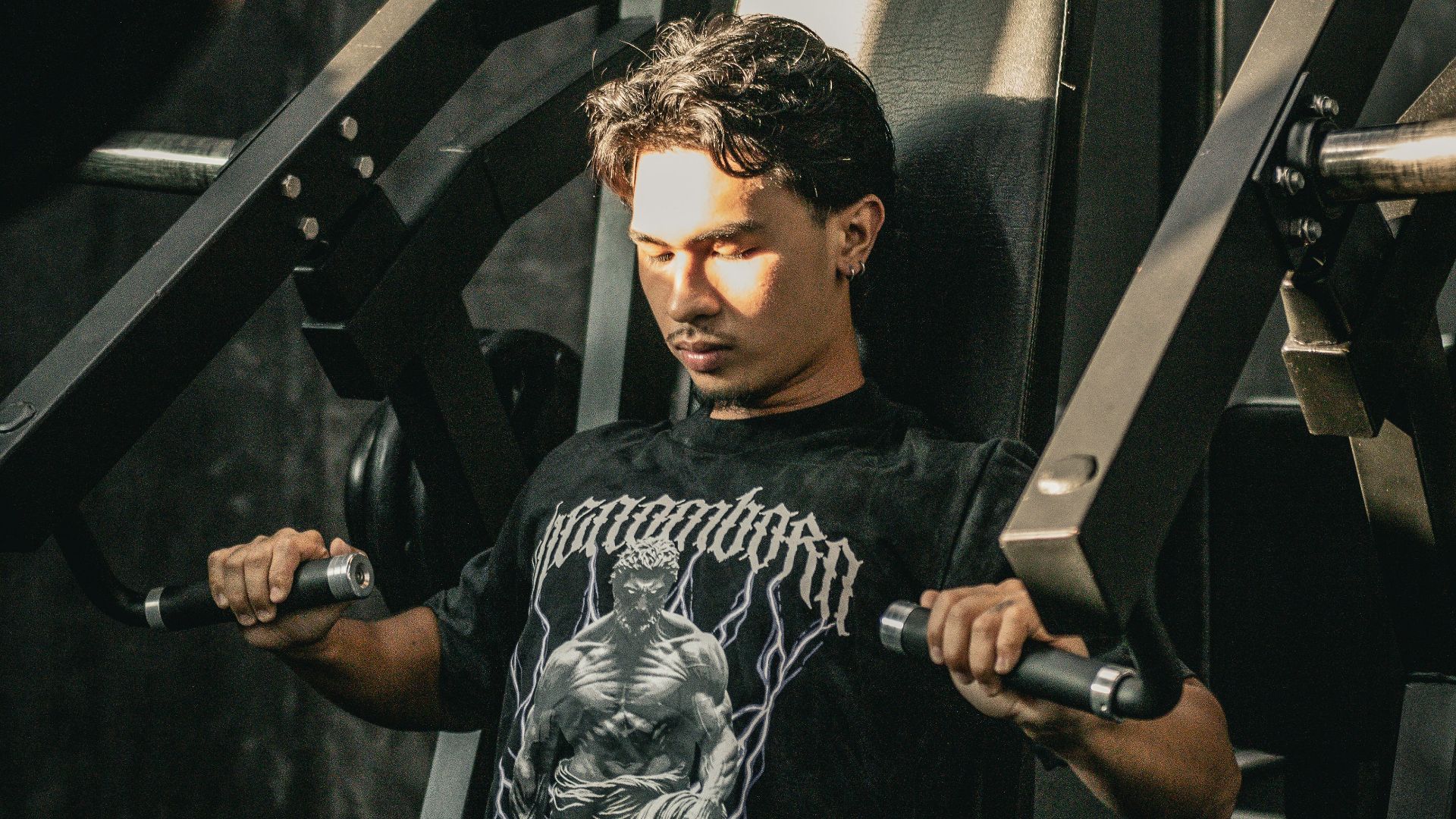
9. Head Neutral At All Costs
A generally neutral neck is fine, but obsessing over it can make people so careful that they stop moving naturally. A lift should look organized, not like you are trying to balance a teacup on the back of your head.
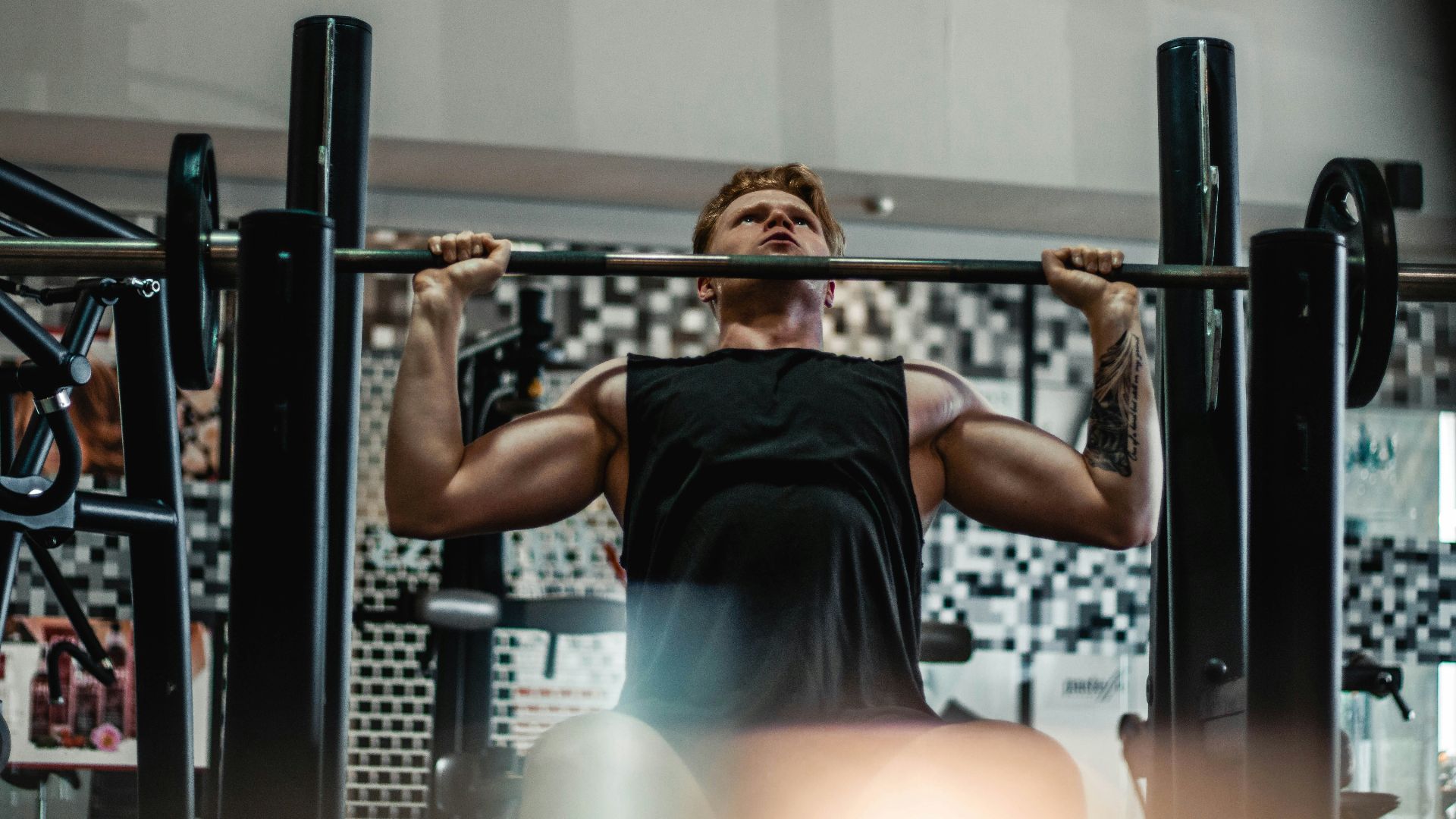
10. Feel The Burn
That cue belongs more to group fitness than strength training. Chasing burn can distract from what actually drives progress, which is good reps, enough load, and enough consistency to improve over time.
Then the useful cues start. Here are ten that actually make you stronger.
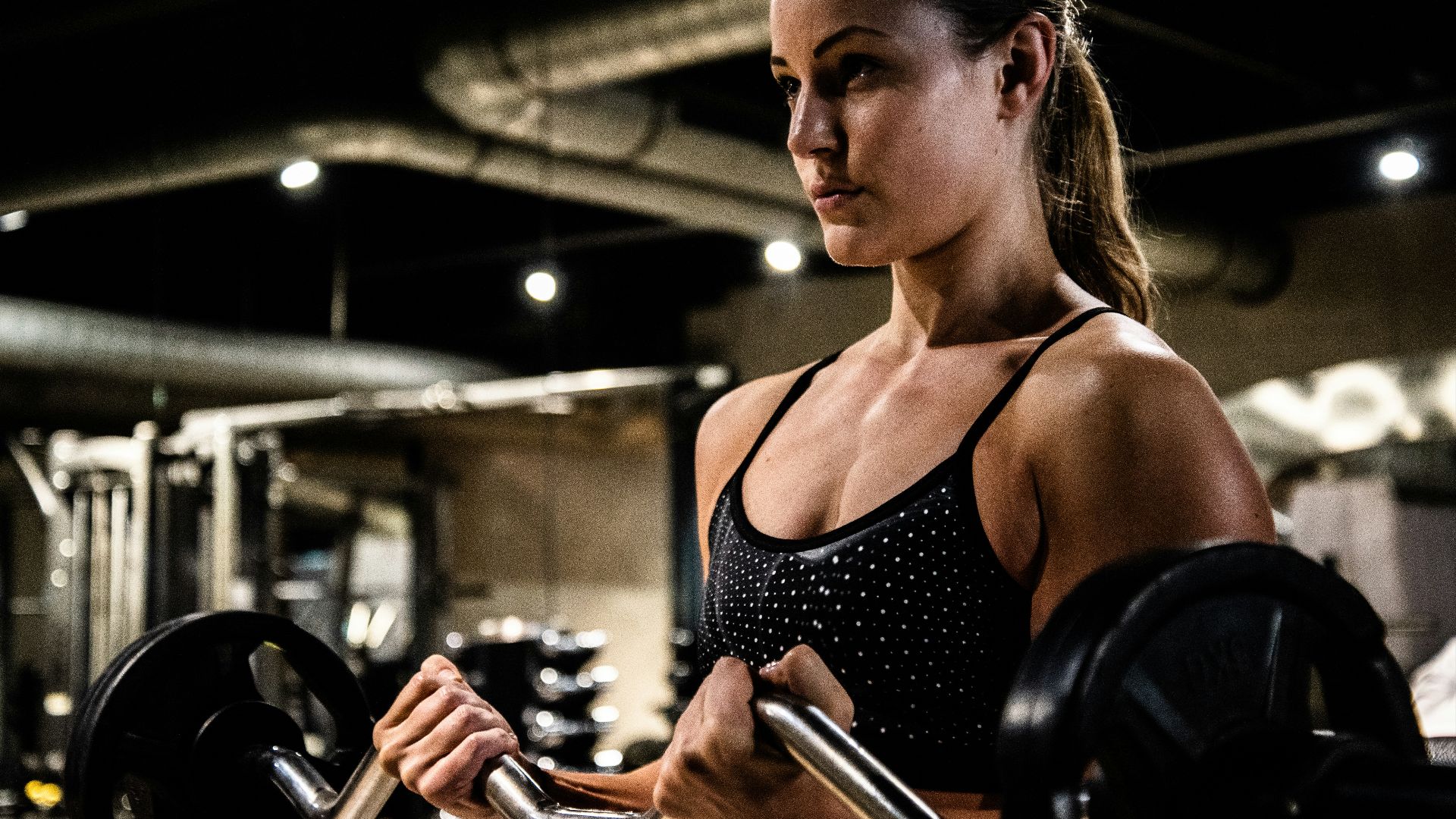
1. Push The Floor Away
This works because it gives you an action, not a pose. On squats, deadlifts, and presses through the feet, it helps people create force without spiraling into ten different body-part instructions.
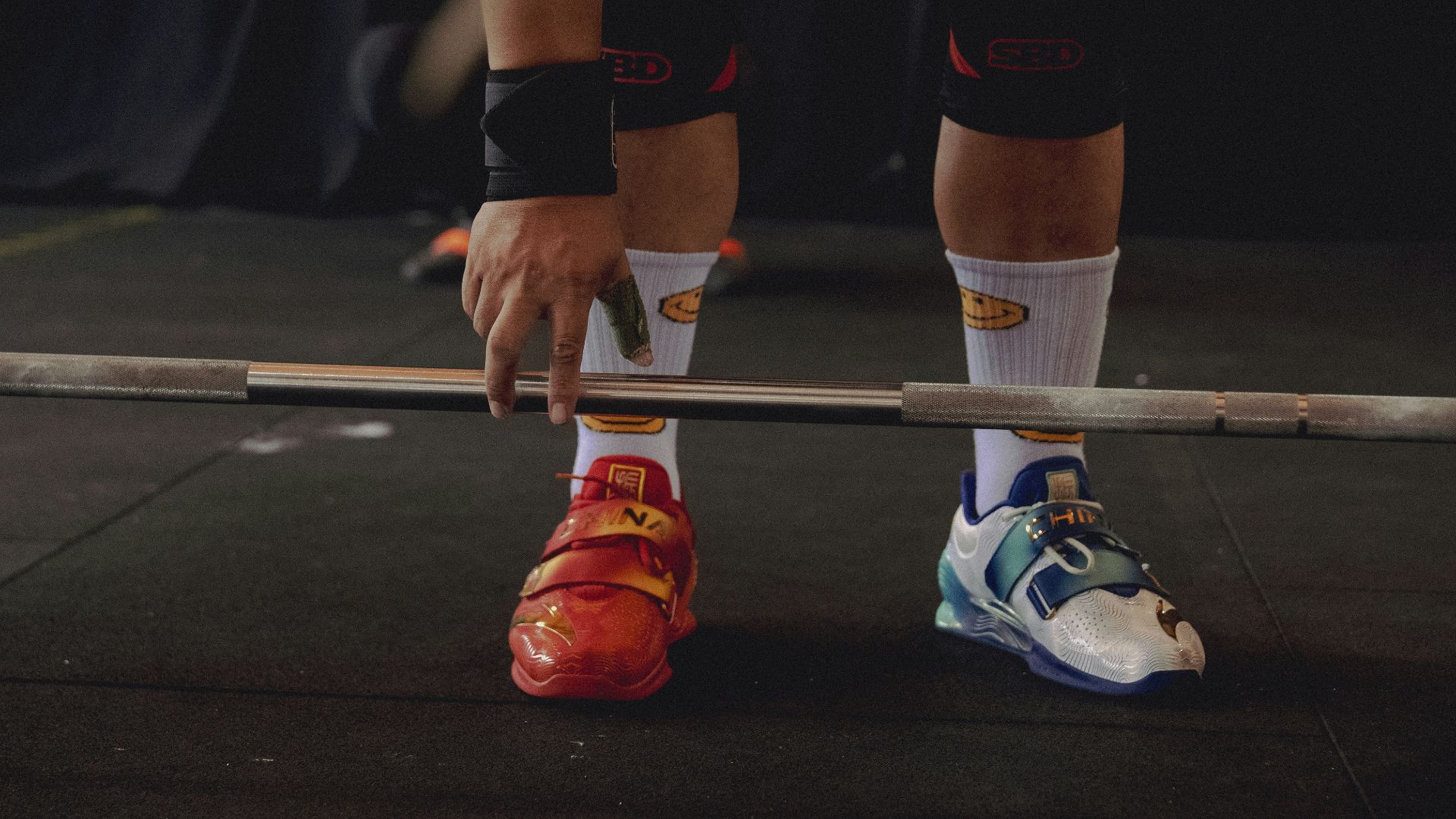
2. Stay Stacked
This is a much better alternative to dramatic posture cues. It helps you think about ribs over pelvis in a simple way, which usually leads to better balance, better bracing, and cleaner movement.
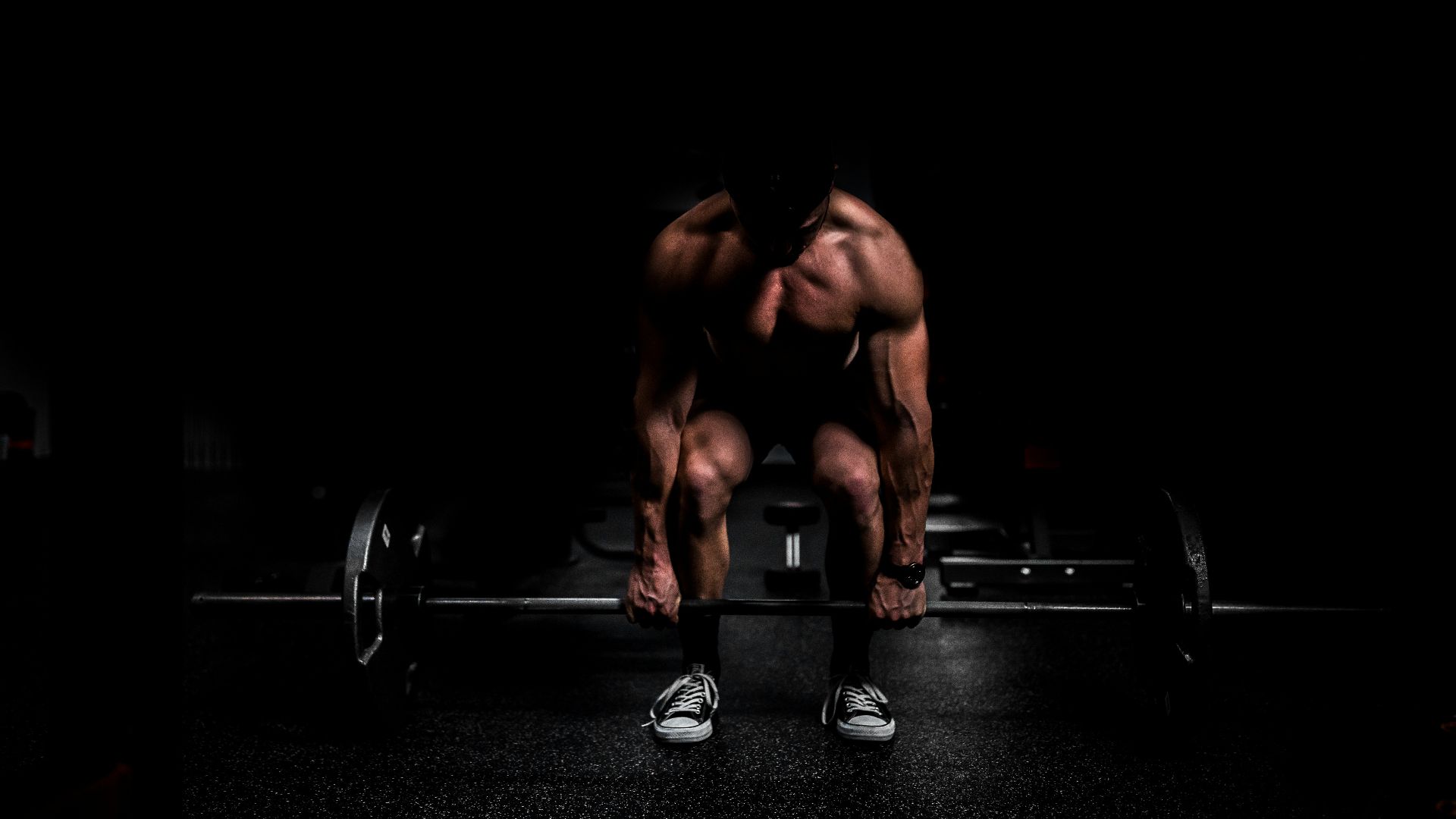
3. Move The Weight, Not Your Thoughts
Some of the best lifting happens when you stop narrating every joint angle. This cue helps cut through overthinking and brings the focus back to actually producing force with confidence.
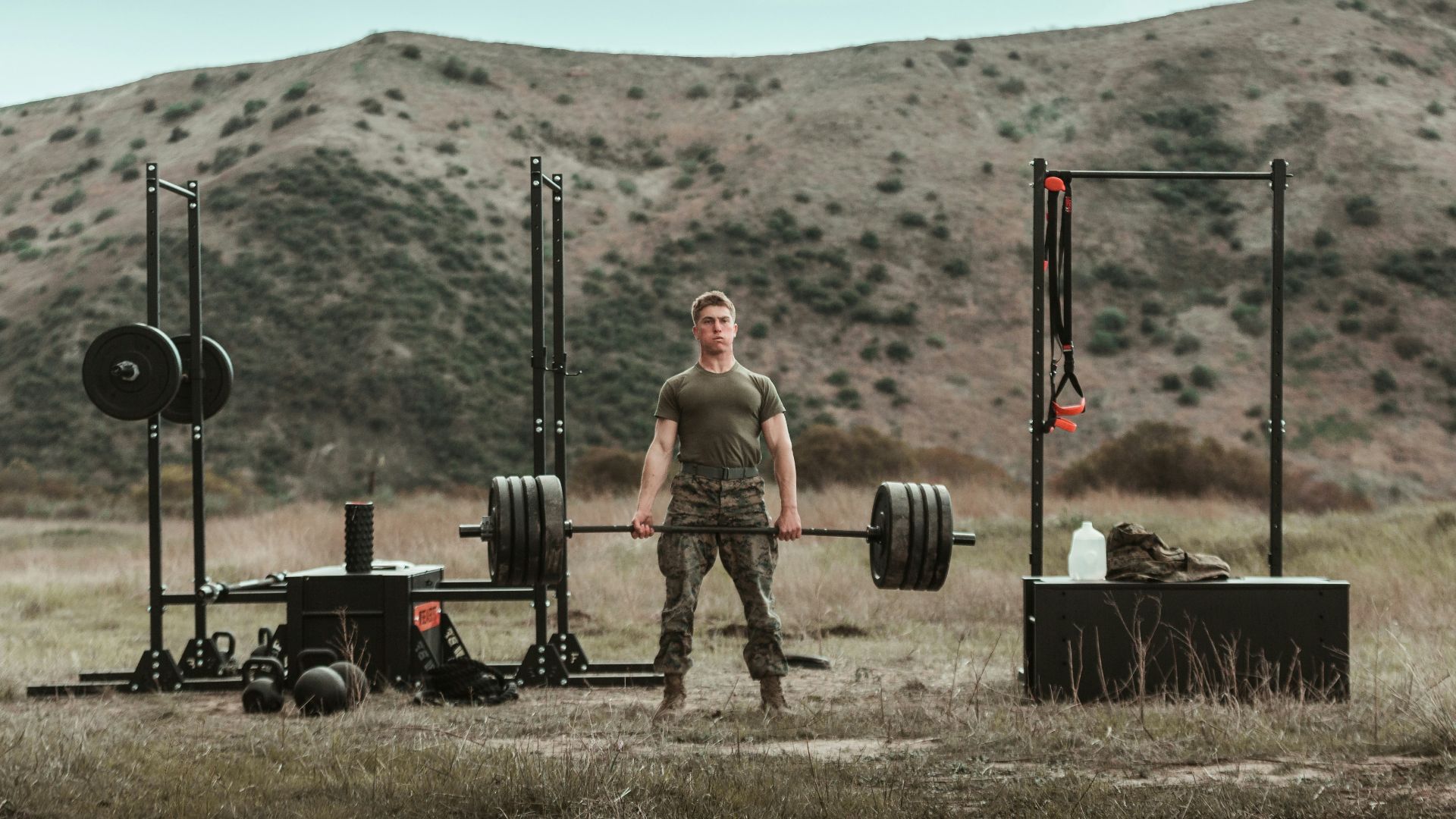 Joel Rivera-Camacho on Unsplash
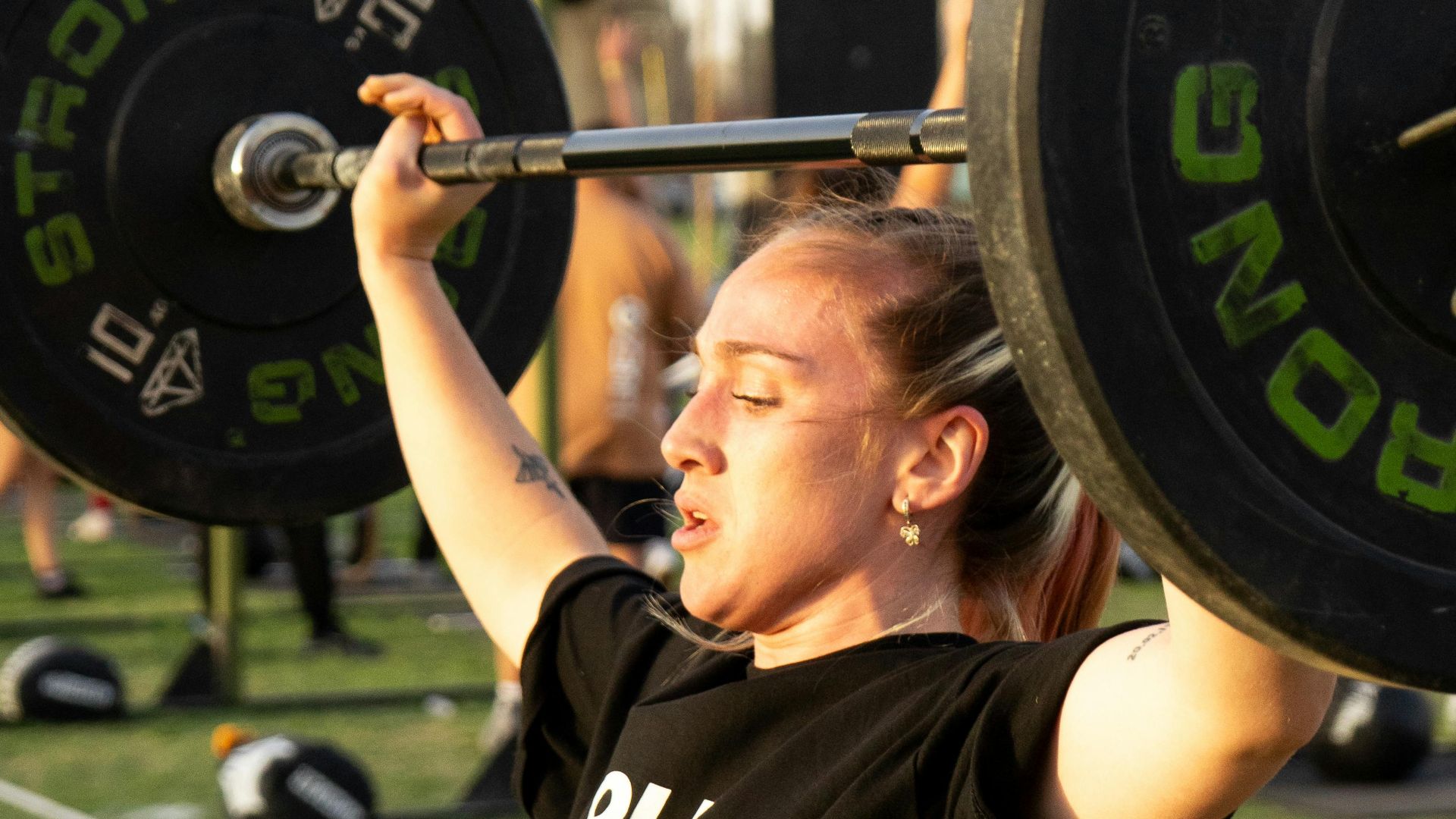
4. Reach On Presses
For pressing movements, reaching at the top can clean up the finish without making the shoulders feel jammed. It often helps the upper back move the way it should and makes the whole rep feel smoother.
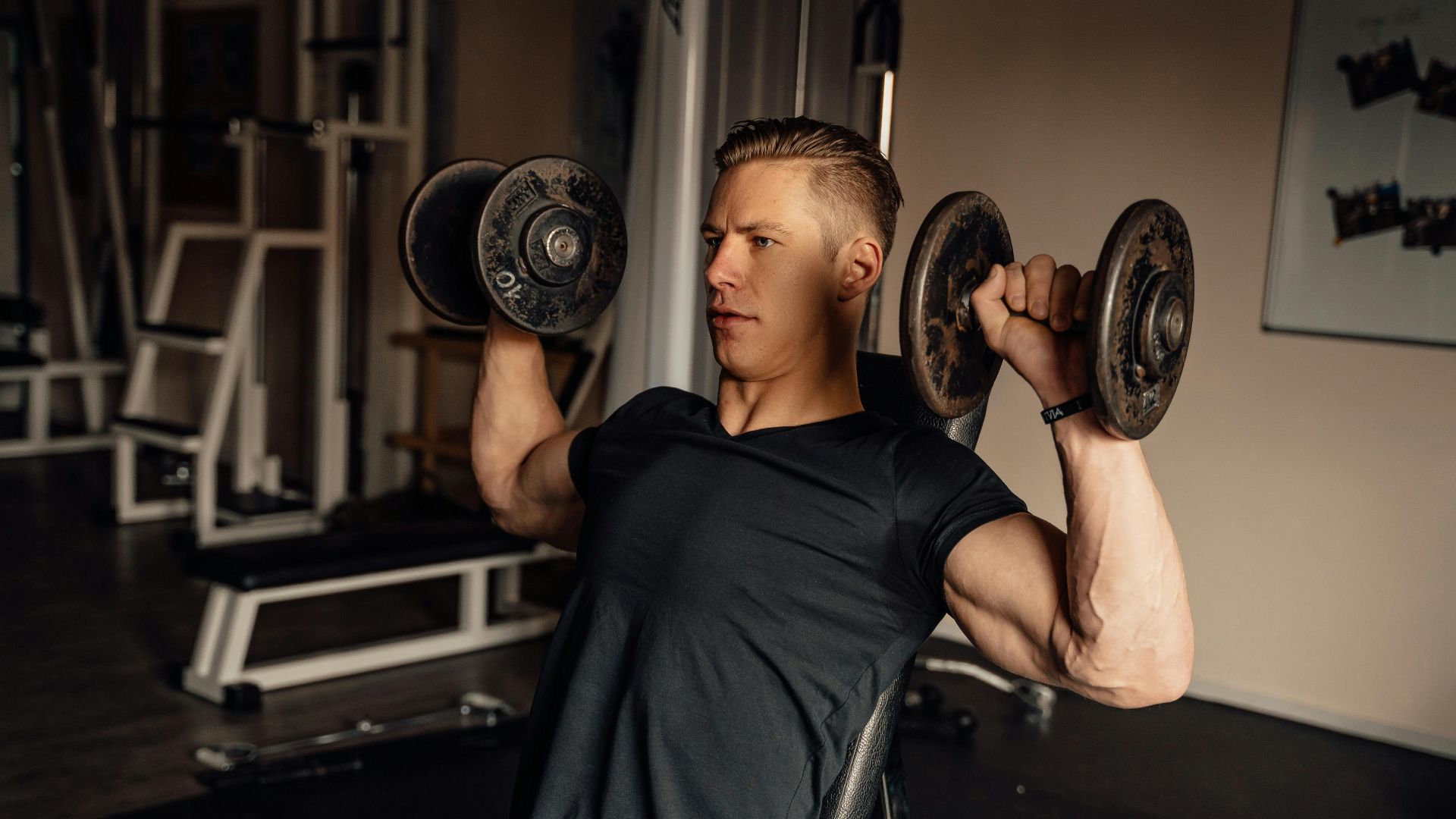
5. Pull Yourself Down
This is a great squat cue because it gives you ownership of the descent. Instead of just dropping and hoping the bottom position works out, you stay active and controlled on the way down.
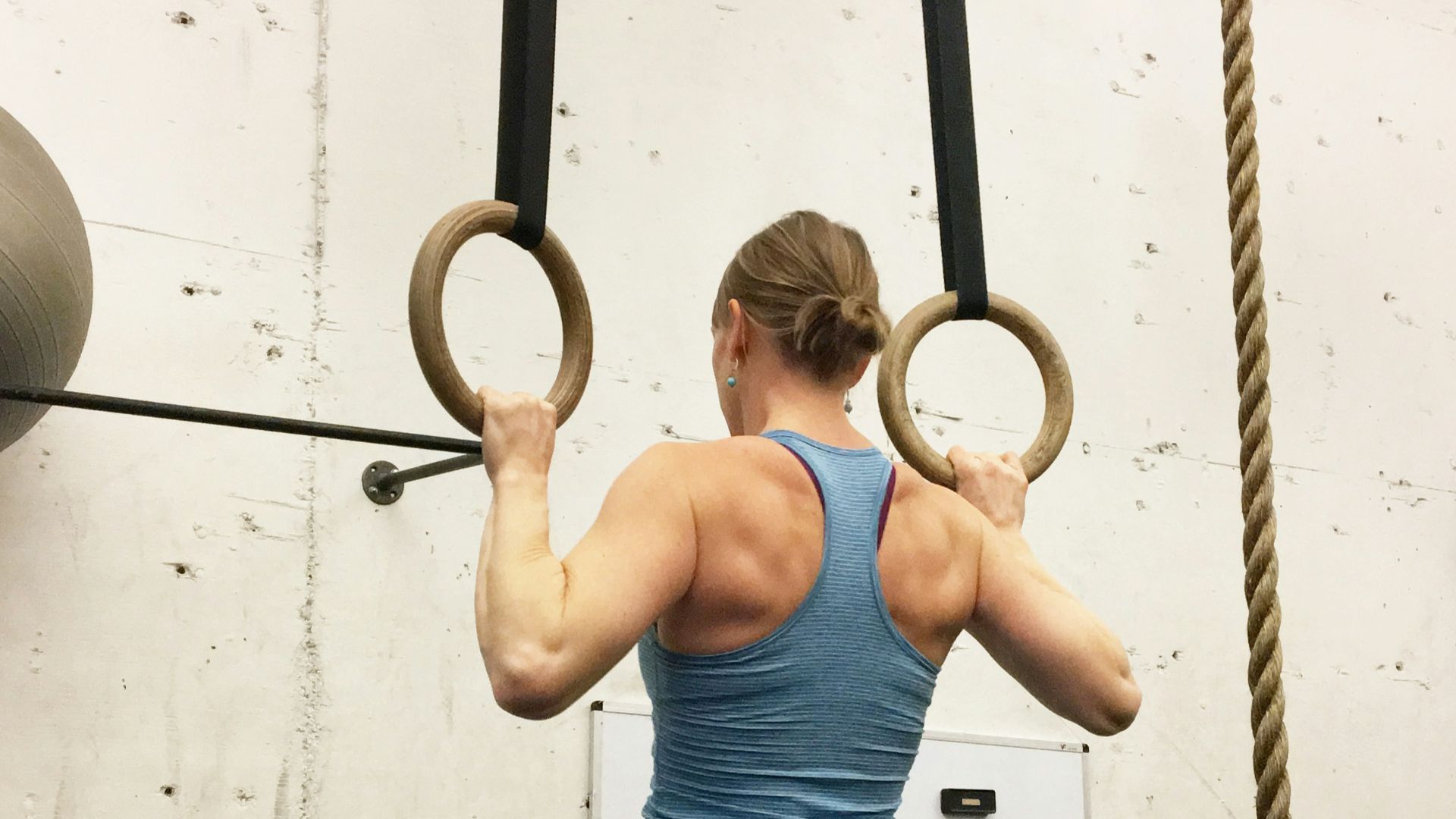
6. Drive Through The Whole Foot
This tends to land better than hyper-fixating on heels or toes. It gives people a more balanced base and usually improves both stability and force without making them shift too far in any direction.
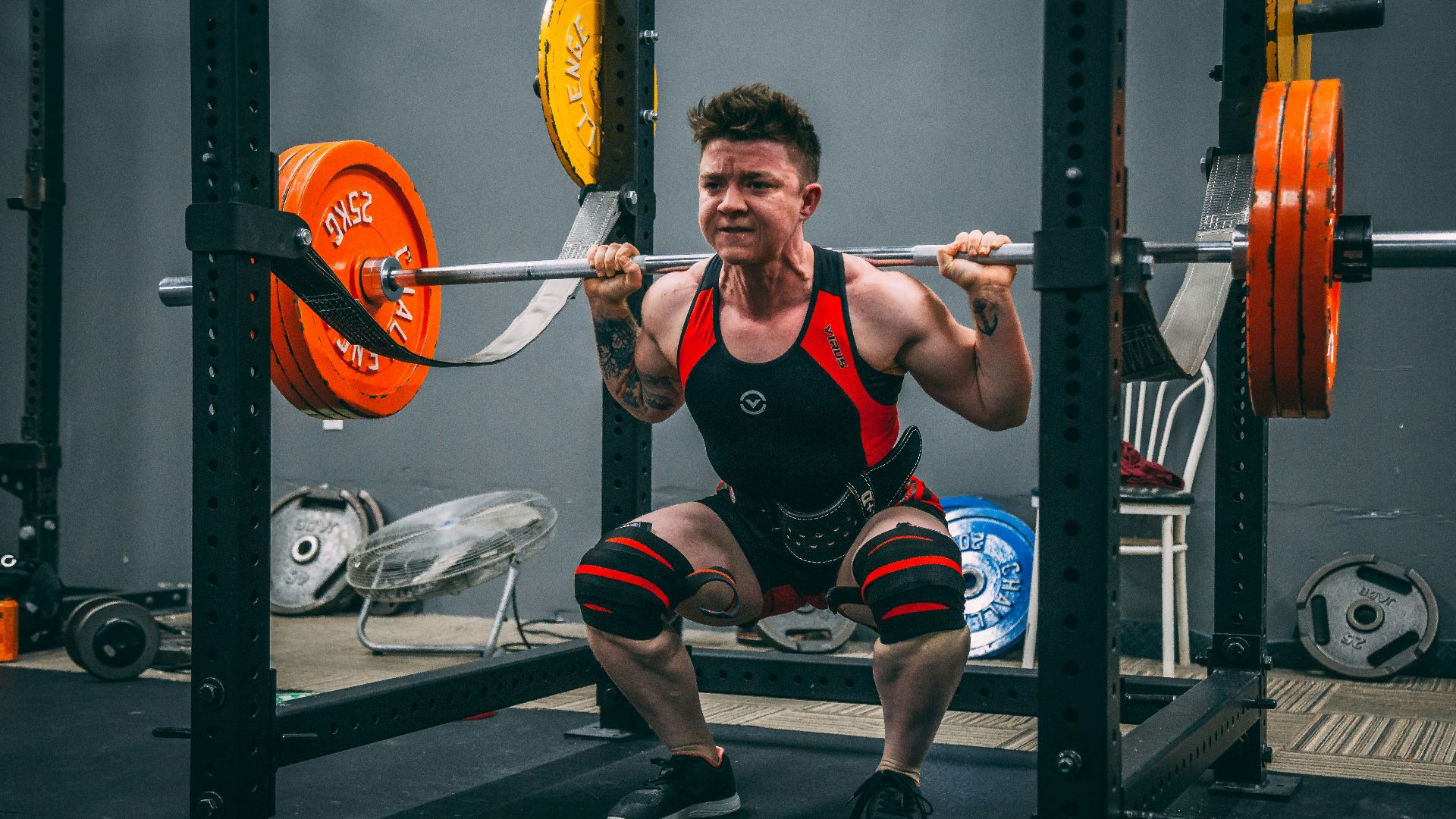
7. Make The First Rep Look Like The Last
This is useful because it encourages repeatable reps instead of one good rep followed by a slow collapse in form. Strength builds faster when technique stays recognizable across the whole set.
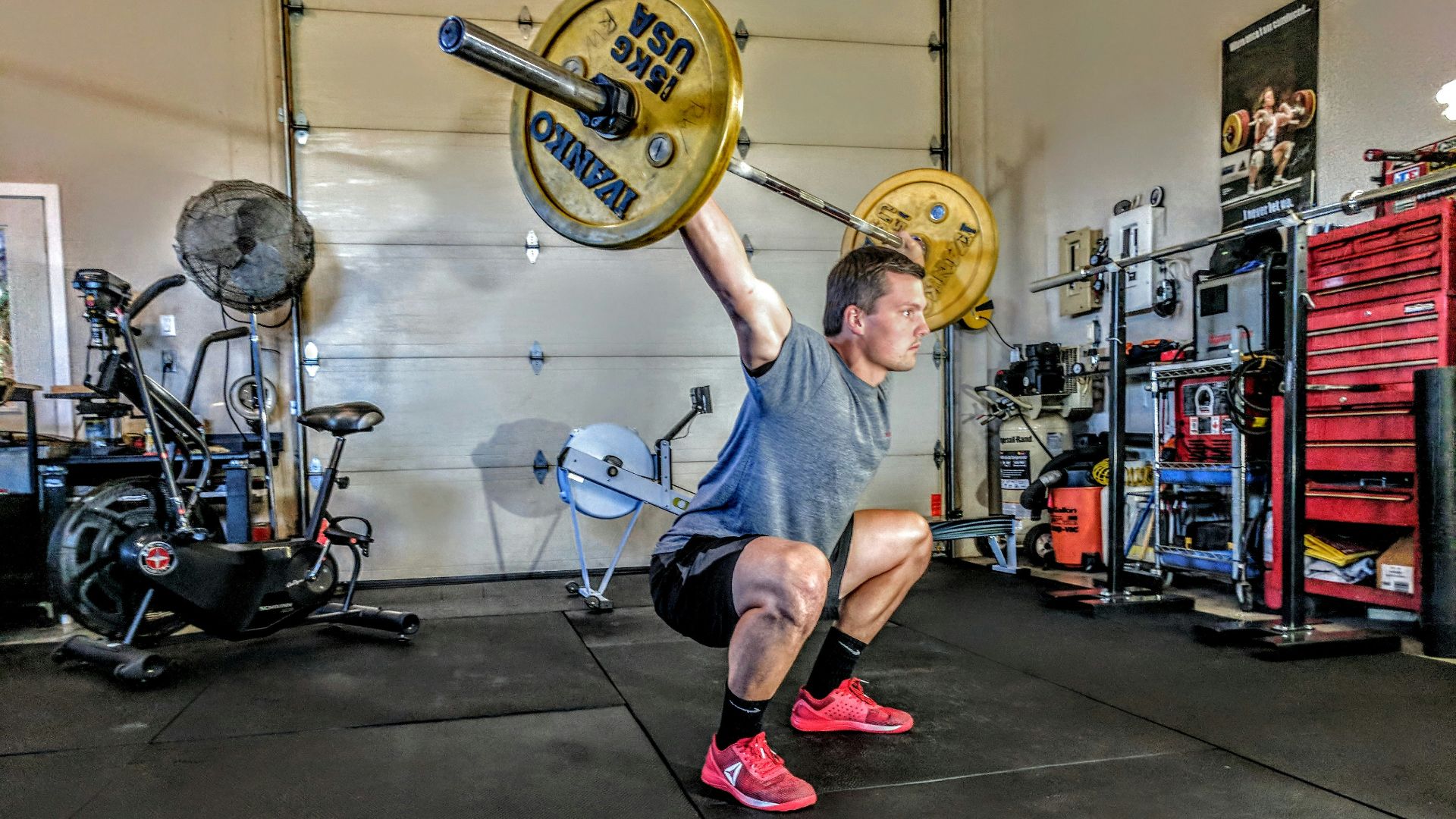
8. Stay Tight Where It Matters
This gives people room to create tension without turning into stone. You want enough stability to control the lift, but not so much unnecessary squeezing that the whole movement becomes robotic.
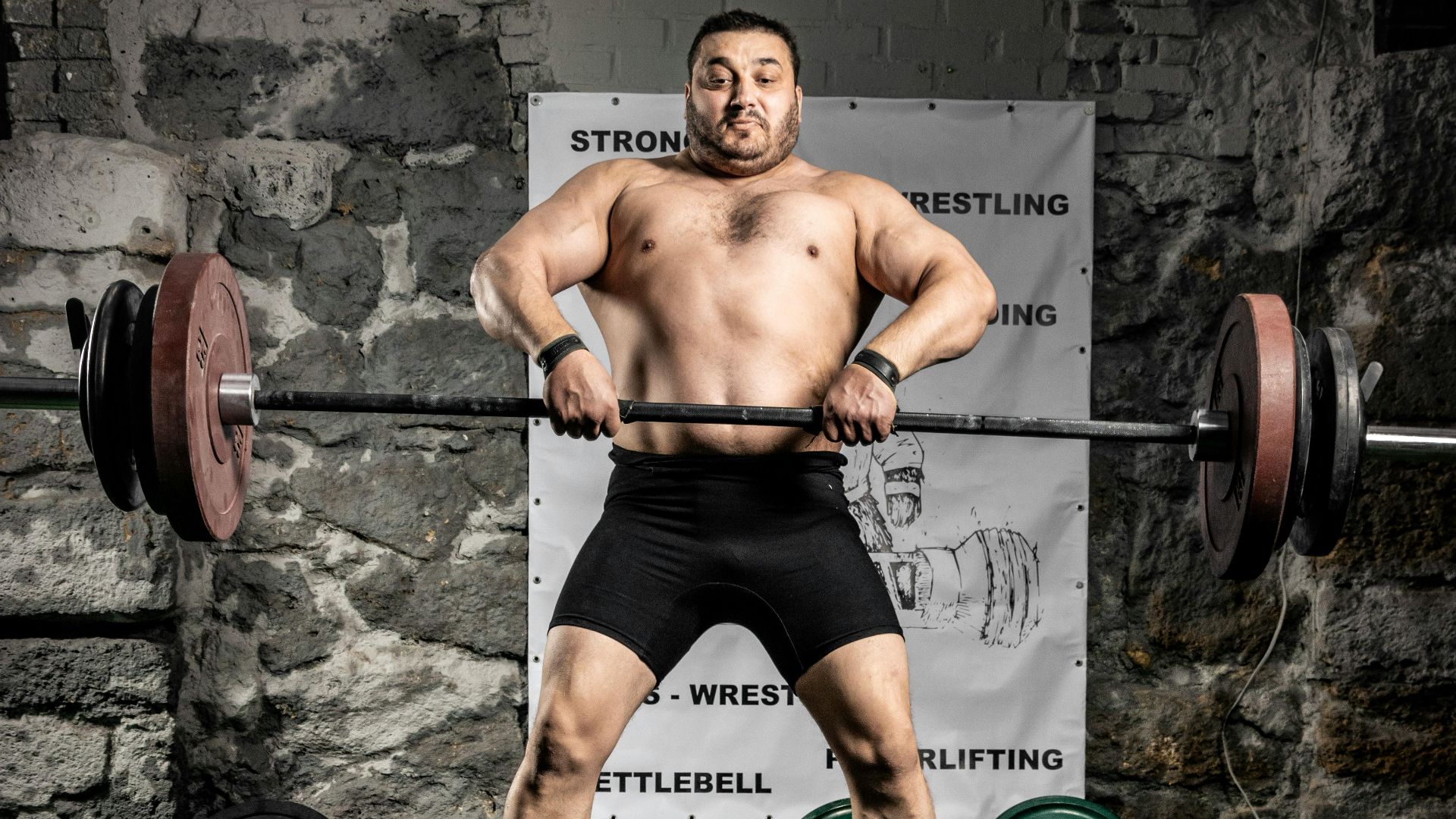
9. Finish Tall
For deadlifts, squats, lunges, and carries, this usually works better than overthinking lockout. It helps people stand fully and cleanly without leaning back, overextending, or trying to invent extra range of motion.
10. Be Fast When It Counts
This keeps the idea of intent without making every rep reckless. You can move with purpose on the hard part of the lift while still staying controlled enough to keep the rep strong and repeatable.
KEEP ON READING

10 Pre-Workout & 10 Post-Workout Tips To Follow