The Human Body is Still a Work in Progress
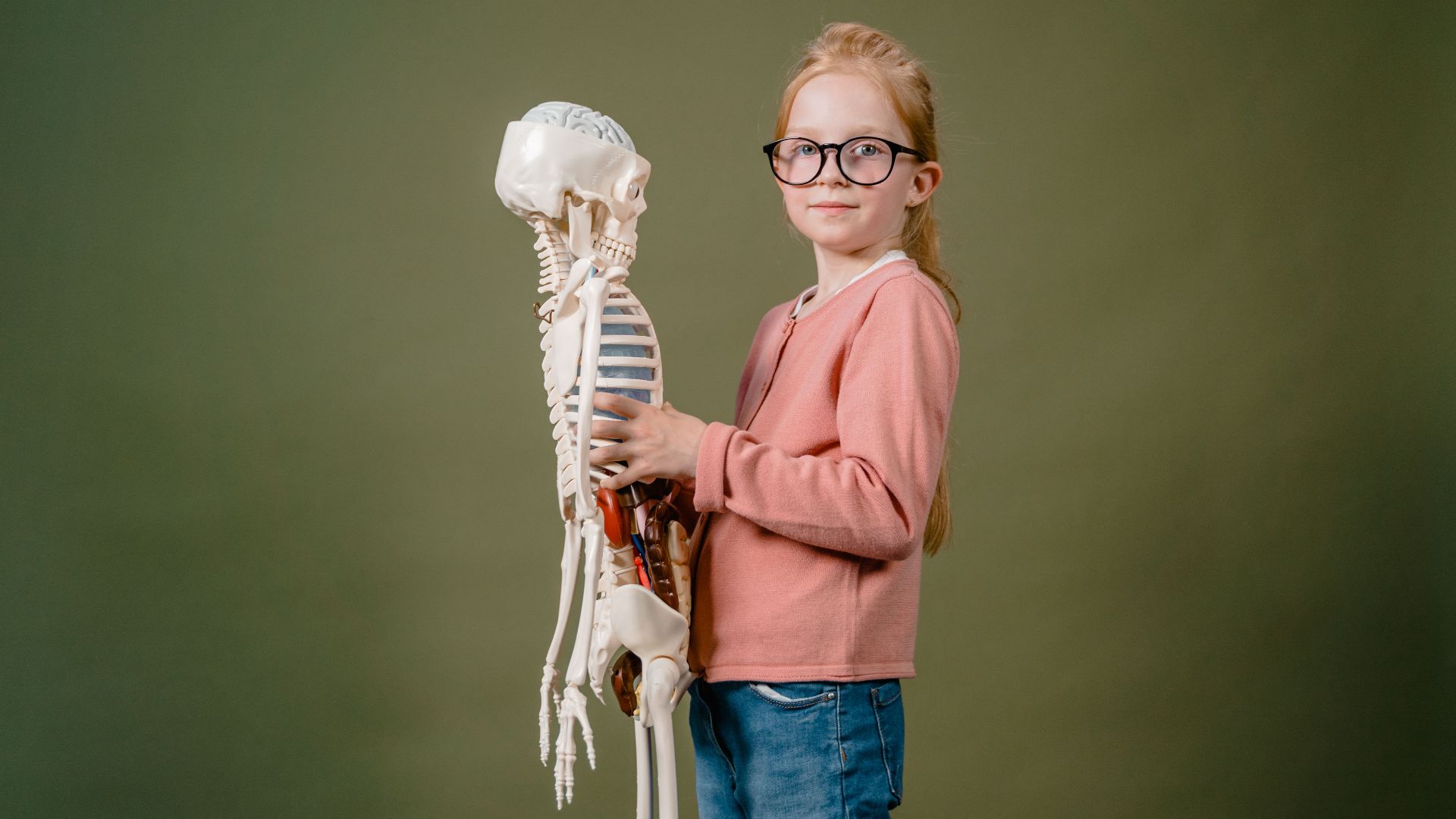
The human body can do some incredible things, but that doesn't mean every part of it was designed perfectly. Evolution works by modifying whatever is already there, so when humans started walking upright, growing bigger brains, and developing complex speech, older anatomy had to be repurposed rather than completely rebuilt. The result is a body full of features that function well enough while still having some surprisingly awkward flaws. From our troublesome backs to the strange route taken by one of our throat nerves, here are 20 human anatomy features that feel like evolution stopped halfway through a renovation.
1. Our Spines Were Adapted for Walking Upright
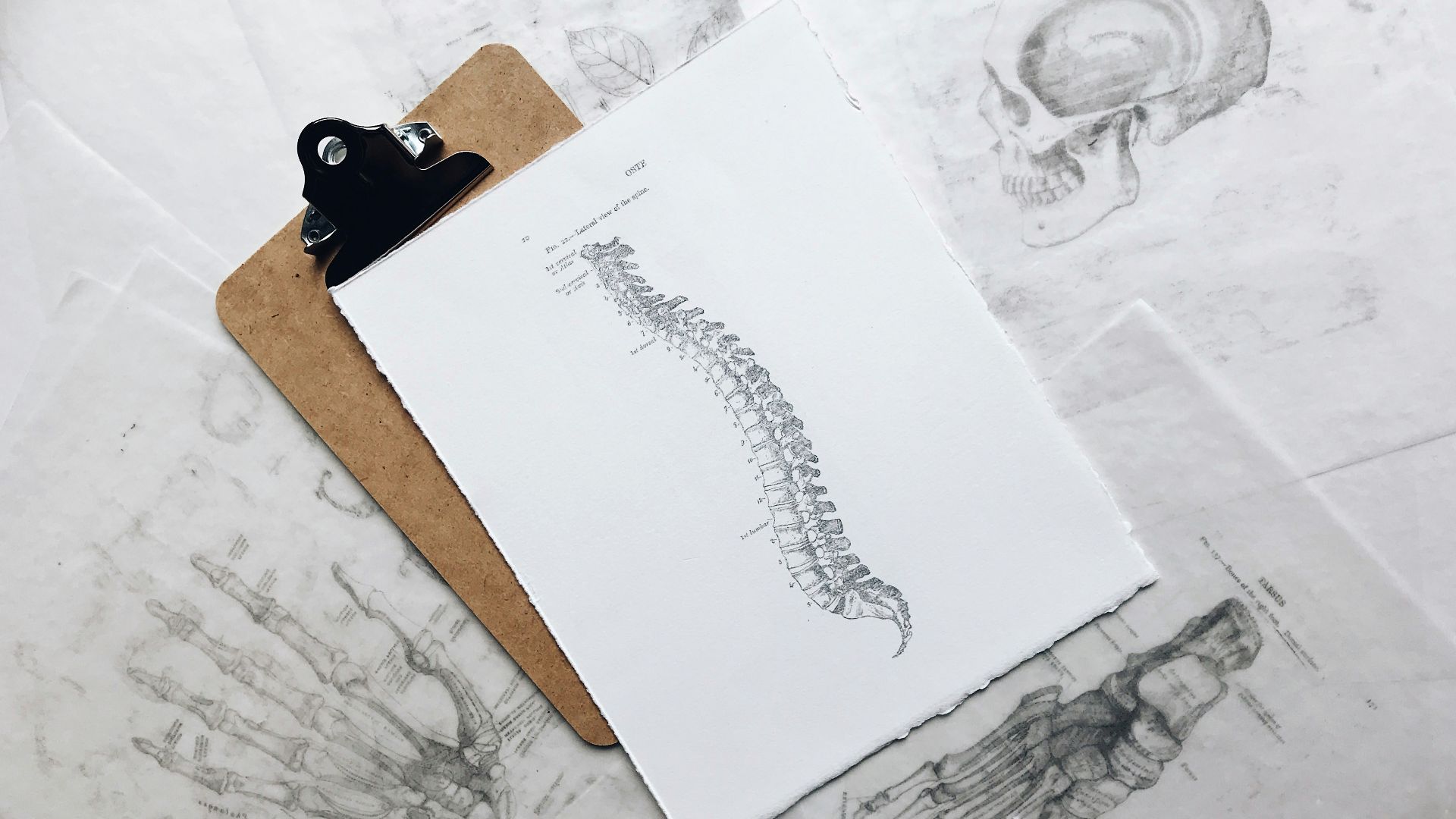
The basic vertebrate spine existed long before our ancestors started regularly walking on two legs, which means evolution had to modify an existing structure for an upright body. The human spine developed several curves that help keep our weight balanced above the pelvis, but the arrangement puts considerable pressure on the lower back. It works remarkably well, although the prevalence of back trouble suggests there's still work to be done.
2. Our Knees Have to Handle an Awful Lot
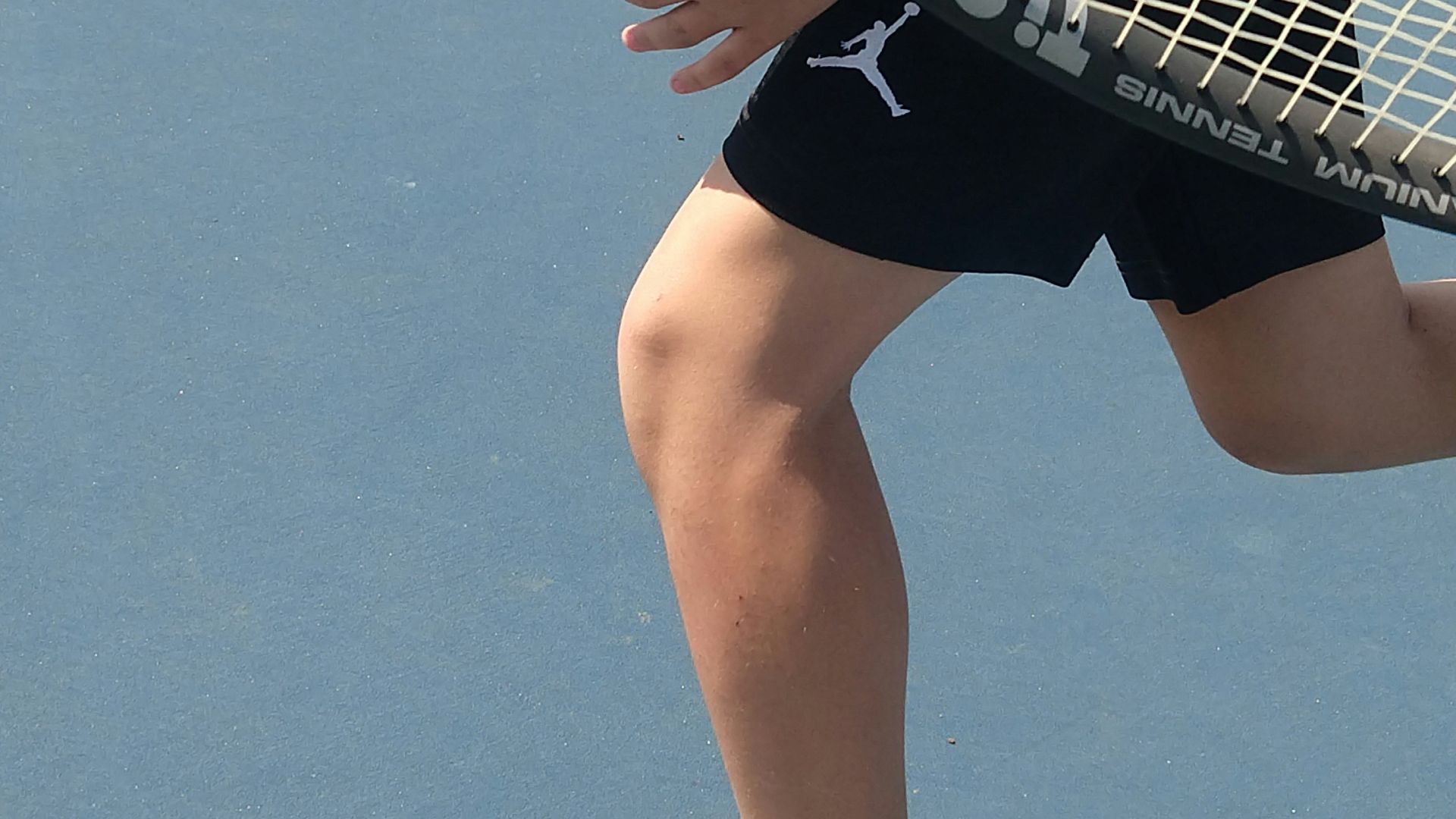
Once humans committed to two-legged walking, each knee had to take on far more responsibility for supporting and moving the body. The joint needs to be stable enough to carry our weight while remaining flexible enough for running, climbing, crouching, and turning. That combination works, but it leaves the knee vulnerable to cartilage wear and injuries involving structures such as the ACL and meniscus.
3. Our Feet Still Contain a Complicated Primate Framework
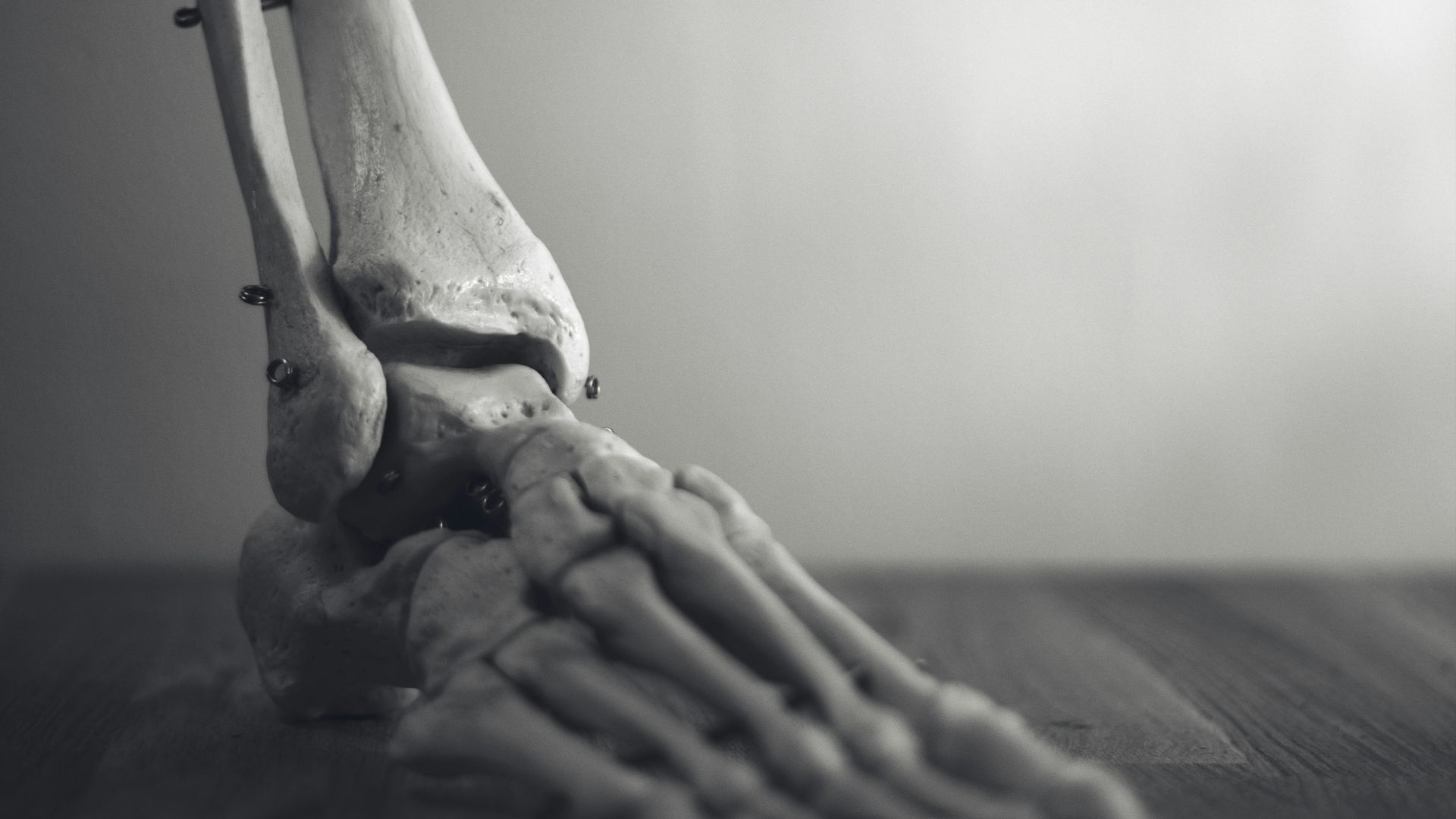
Human feet became much stiffer than those of our tree-dwelling ancestors, allowing them to support the body and push us forward efficiently. Yet each foot still contains 26 bones along with tons of joints, muscles, tendons, and ligaments inherited from a much more flexible ancestral structure. Instead of replacing that framework, evolution remodeled it into a walking platform, which helps explain why feet can develop so many different aches and structural problems.

4. The Human Pelvis Has Too Many Jobs
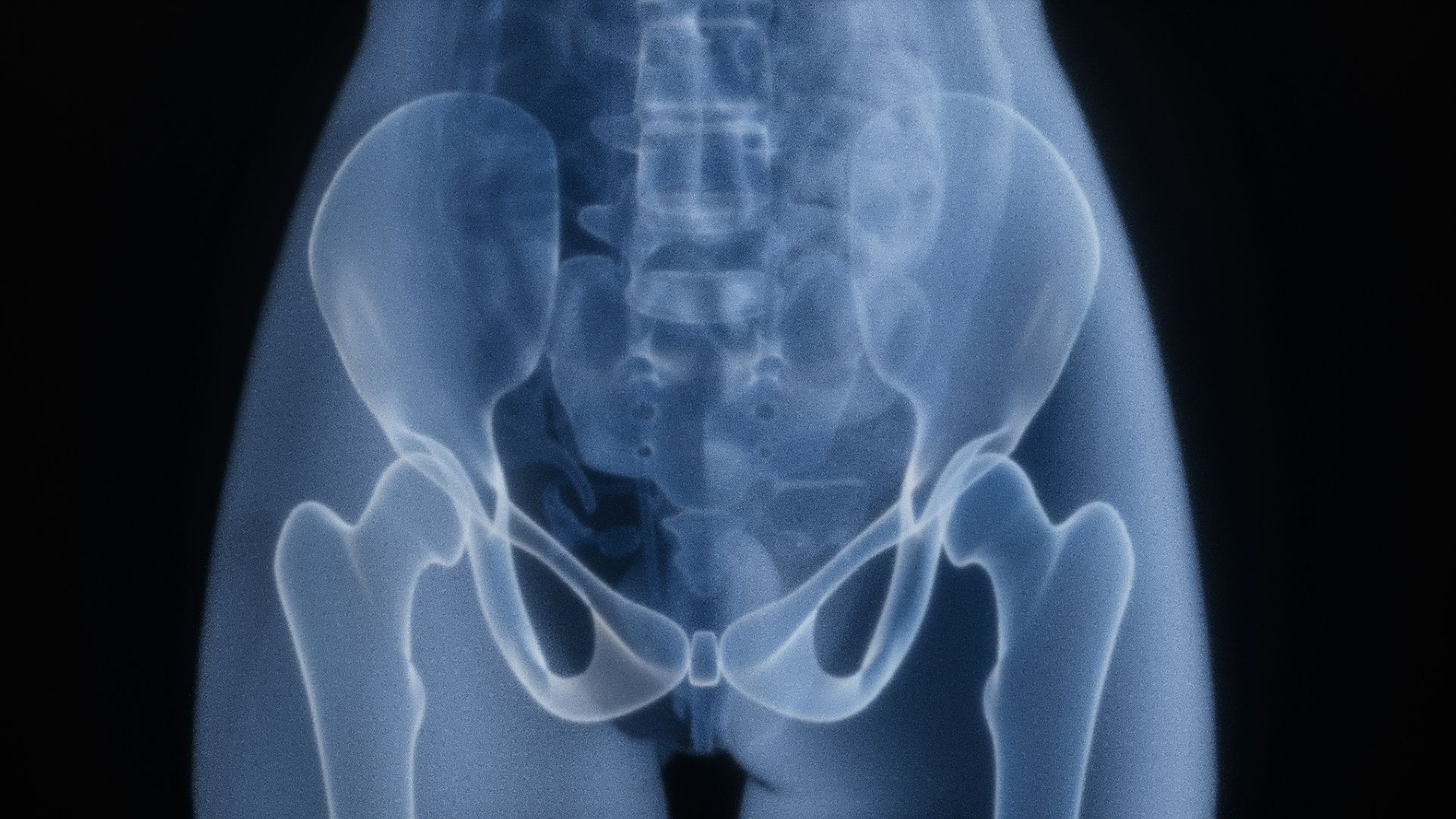
Our pelvis has to support the organs above it, anchor powerful muscles, allow efficient upright movement, and, in women, provide a passage for childbirth. Those demands don't always favor exactly the same shape, leaving human pelvic anatomy caught between several evolutionary pressures. Research on pelvic evolution increasingly treats its shape as the result of multiple competing demands rather than one simple trade-off.
5. The Birth Canal Isn't a Straight Passage
Human childbirth gets even more complicated because the birth canal changes shape from top to bottom. Babies normally have to rotate as they travel through it, partly because the dimensions that provide the most room aren't oriented the same way throughout the passage. That winding route reflects the complicated evolutionary history of a pelvis balancing childbirth with the other demands placed on it.
6. Human Babies Arrive With a Lot of Growing Left to Do
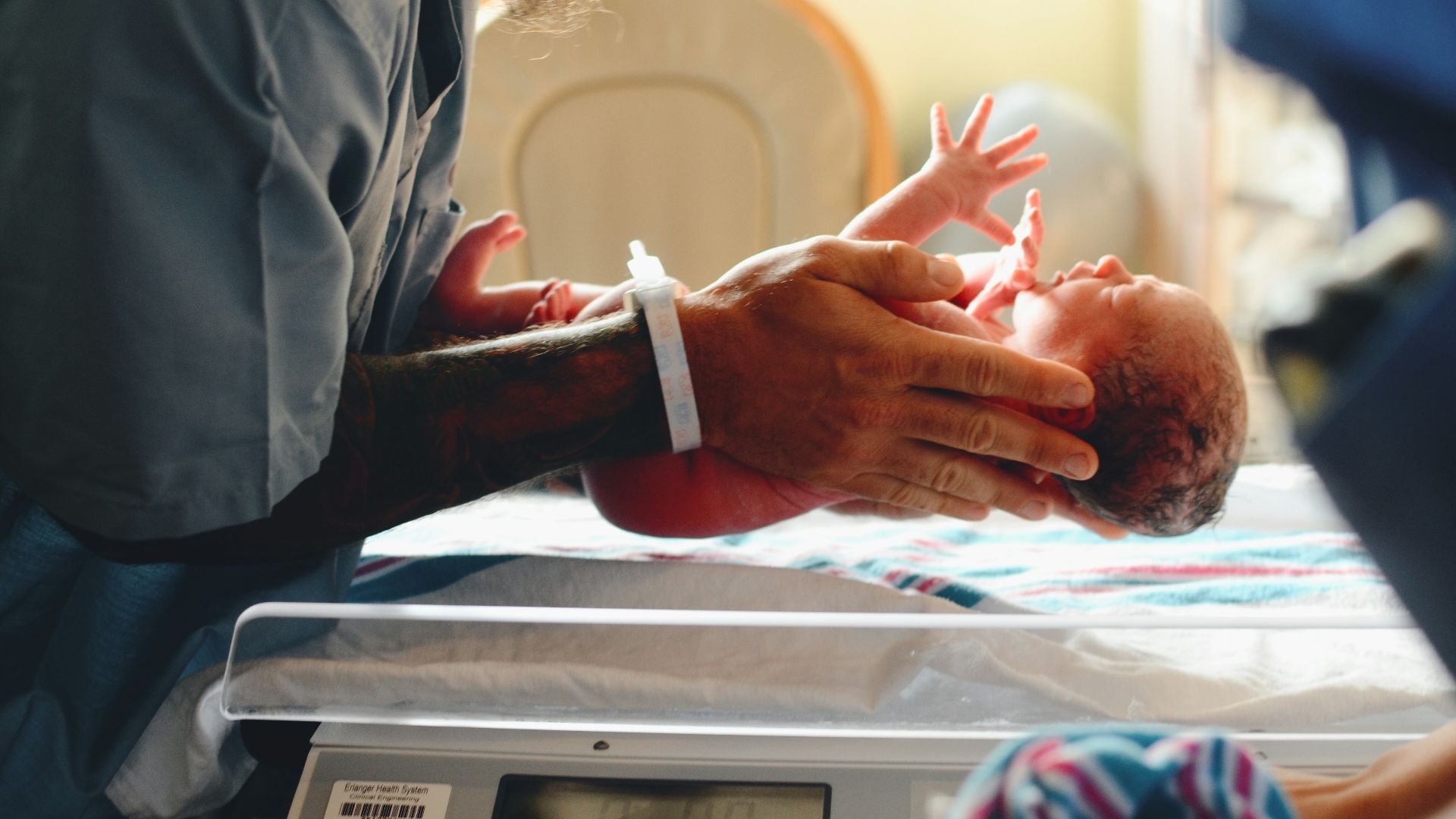
Compared with many mammals, human newborns are extraordinarily dependent and have years of brain development still ahead of them. Our large brains create significant demands during pregnancy and birth, so a tremendous amount of neurological growth continues after delivery. You could almost say humans solved part of the big-brain problem by letting childhood handle much more of the construction.
7. Our Pelvic Floor Has to Fight Gravity
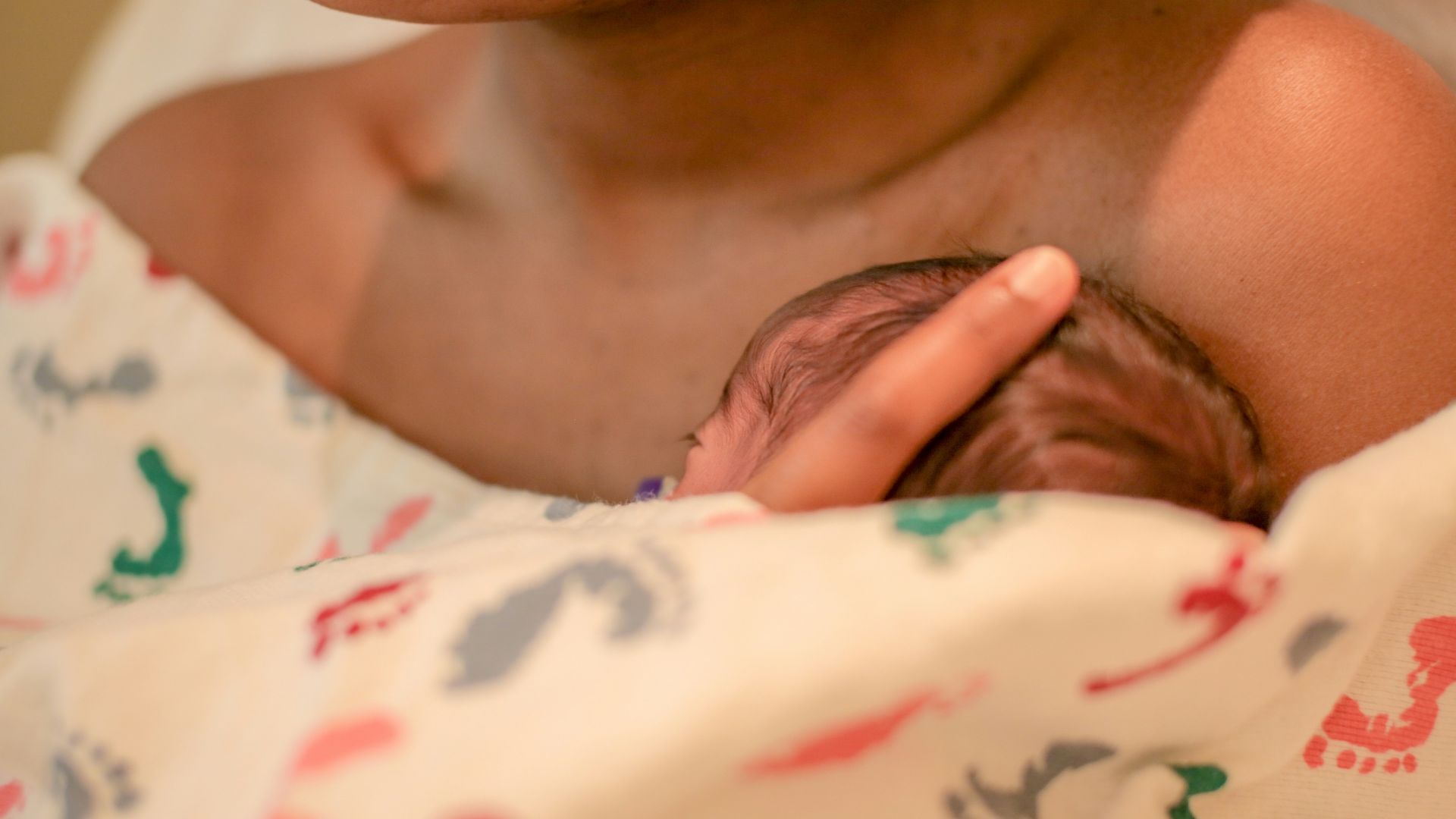
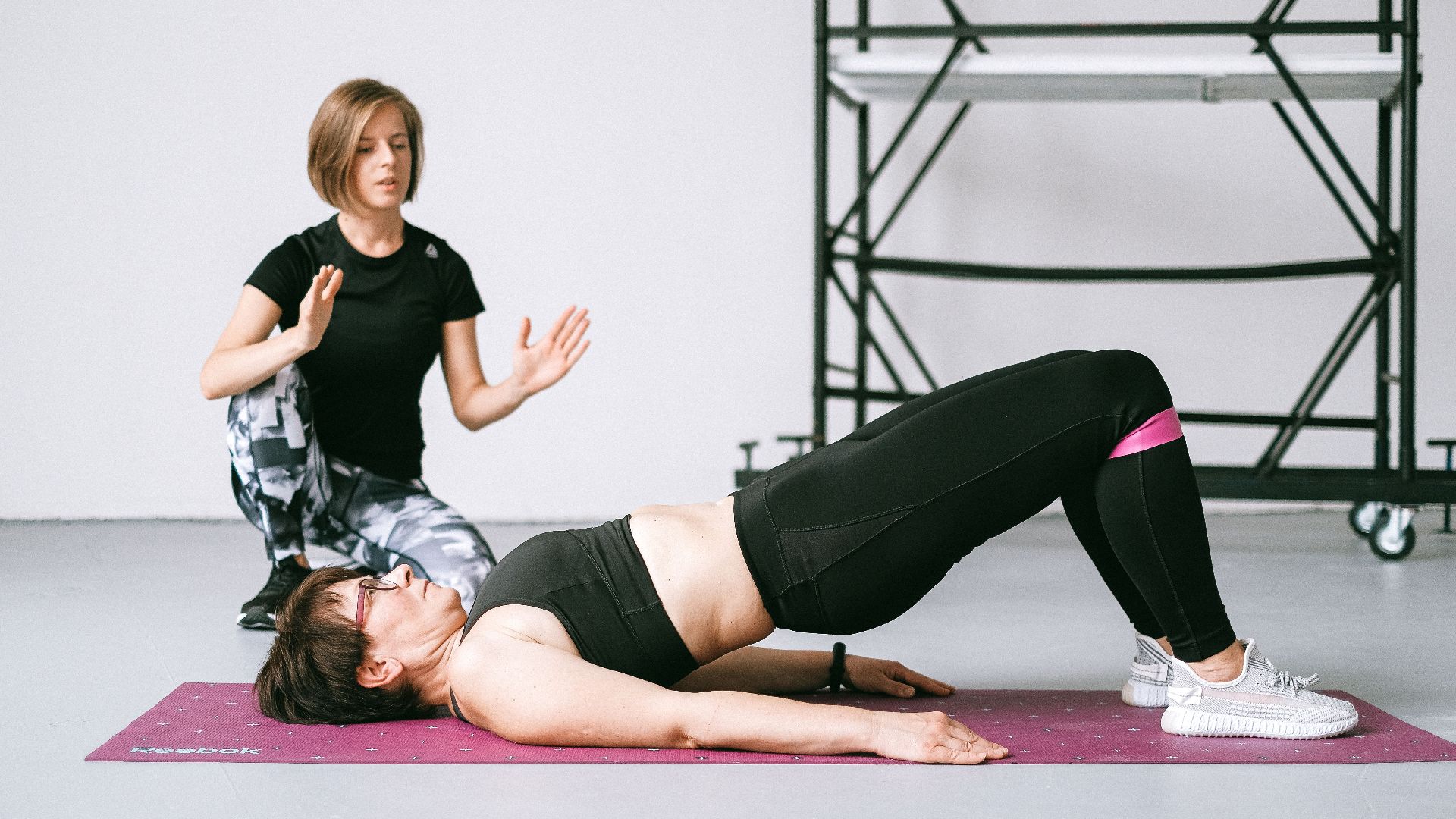
Walking upright didn't only change our bones because it also placed new demands on the muscles at the bottom of the pelvis. The pelvic floor has to support abdominal organs against the downward pull created by an upright posture, while also accommodating urination, bowel movements, sex, and childbirth. That's an impressive workload for a relatively small collection of muscles and connective tissues, and problems such as prolapse and incontinence reveal cracks in that arrangement.
8. Food & Air Still Use the Same Intersection
You breathe through your throat, but you also send food through essentially the same area on its way to the esophagus. The epiglottis usually closes off the airway while you swallow, but the separation isn't complete enough to eliminate the risk of choking. A fully independent route for breathing and eating would seem simpler, but evolution modified existing anatomy instead.

9. Our Voice Came With a Choking Trade-Off
Humans have a vocal tract capable of producing a large range of speech sounds, helped in part by the position and configuration of the larynx and surrounding structures. Those changes give the tongue and throat considerable flexibility, but they also contribute to the overlap between the routes used for breathing and swallowing. Speech turned out spectacularly well, while airway safety remains somewhat less polished.
10. One Throat Nerve Takes a Ridiculous Detour
The recurrent laryngeal nerve helps control the larynx, but it doesn't simply take the shortest route from the brain to the throat. It travels down into the chest, loops beneath a major artery, and then heads back upward toward its destination. The route makes sense as a consequence of vertebrate embryonic development and evolutionary history, but in an adult human body, it looks remarkably inefficient.
11. Our Retinas Are Wired Backward
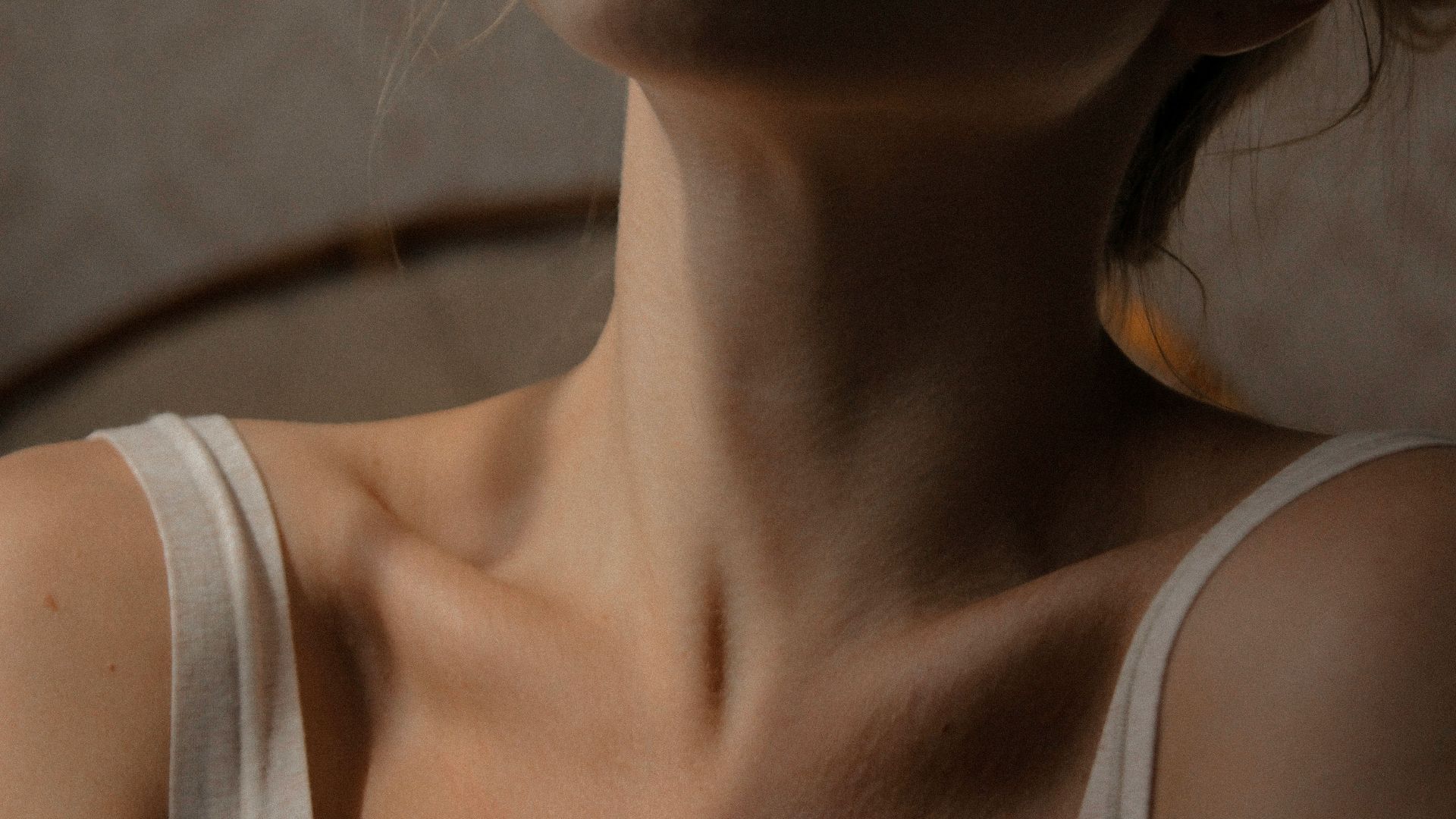
Light has to pass through several layers of cells before reaching the photoreceptors at the back of the human retina. Nerve fibers then have to exit through the retina on their way to the brain, creating a small area without photoreceptors known as the blind spot. Your brain fills in the missing visual information so effectively that you normally never notice this built-in gap, but it's there.
12. Our Shoulders Chose Movement Over Stability
The human shoulder lets you swing, throw, reach overhead, and rotate your arm through a huge range of motion. Much of that freedom comes from having a relatively shallow socket around the head of the upper arm bone. The downside is that shoulders aren't nearly as inherently stable as deeper ball-and-socket joints such as the hip, making it far too easy to dislocate or injure.
13. Our Wrists Squeeze a Lot Into a Tiny Space
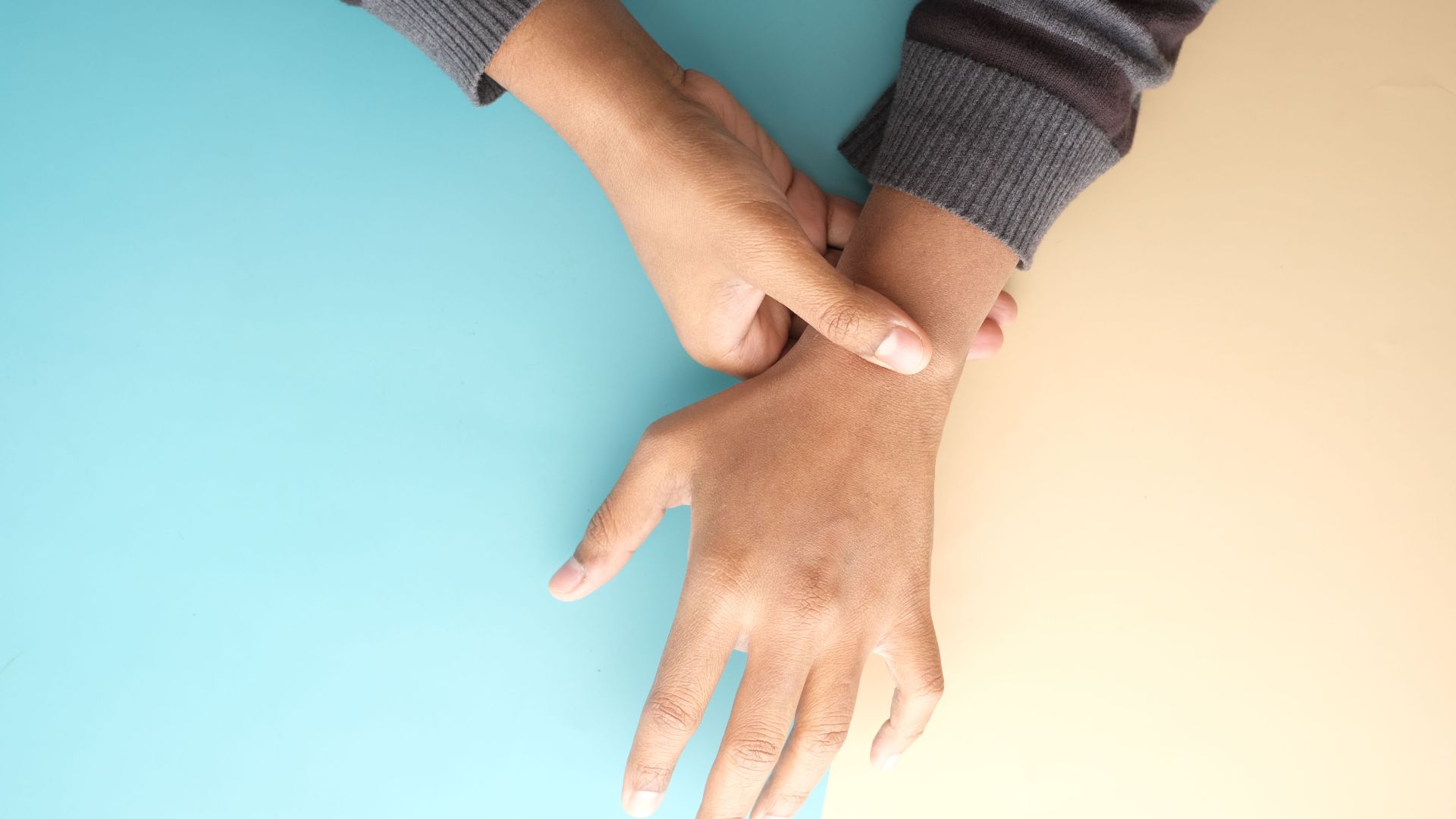
Your hand requires tendons, blood vessels, and nerves to pass from the forearm into the wrist, but there isn't much room for everything to get through. Several important structures run through the carpal tunnel, a narrow passage surrounded by bones and a strong ligament. When tissues swell inside it, the median nerve can become compressed, producing the familiar symptoms of carpal tunnel syndrome.
14. Our Jaws Shrunk Faster Than Our Tooth Count
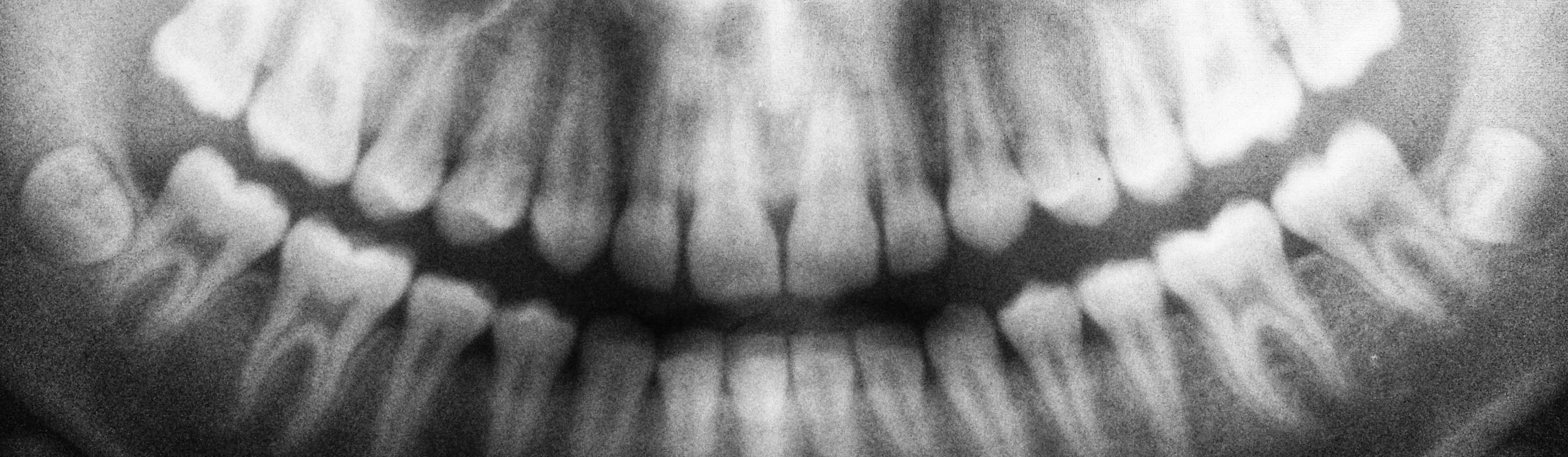
Humans have undergone changes in facial and jaw size over our evolutionary history, but many people still develop a full set of 32 permanent teeth. For modern jaws, that can be more dental real estate than there's room to accommodate comfortably. Crowding and impacted wisdom teeth are good examples of two parts of our anatomy not always keeping pace with each other.
15. The Prostate Wraps Around the Urinary Exit
In men, the urethra passes directly through the prostate gland on its way out of the bladder. That's perfectly manageable while the prostate is small, but the gland commonly enlarges with age and can begin squeezing the urethra. Having a structure prone to later growth wrapped around an essential drainage tube is one of those arrangements that seems poorly planned.
16. The Testes Have to Make a Risky Journey
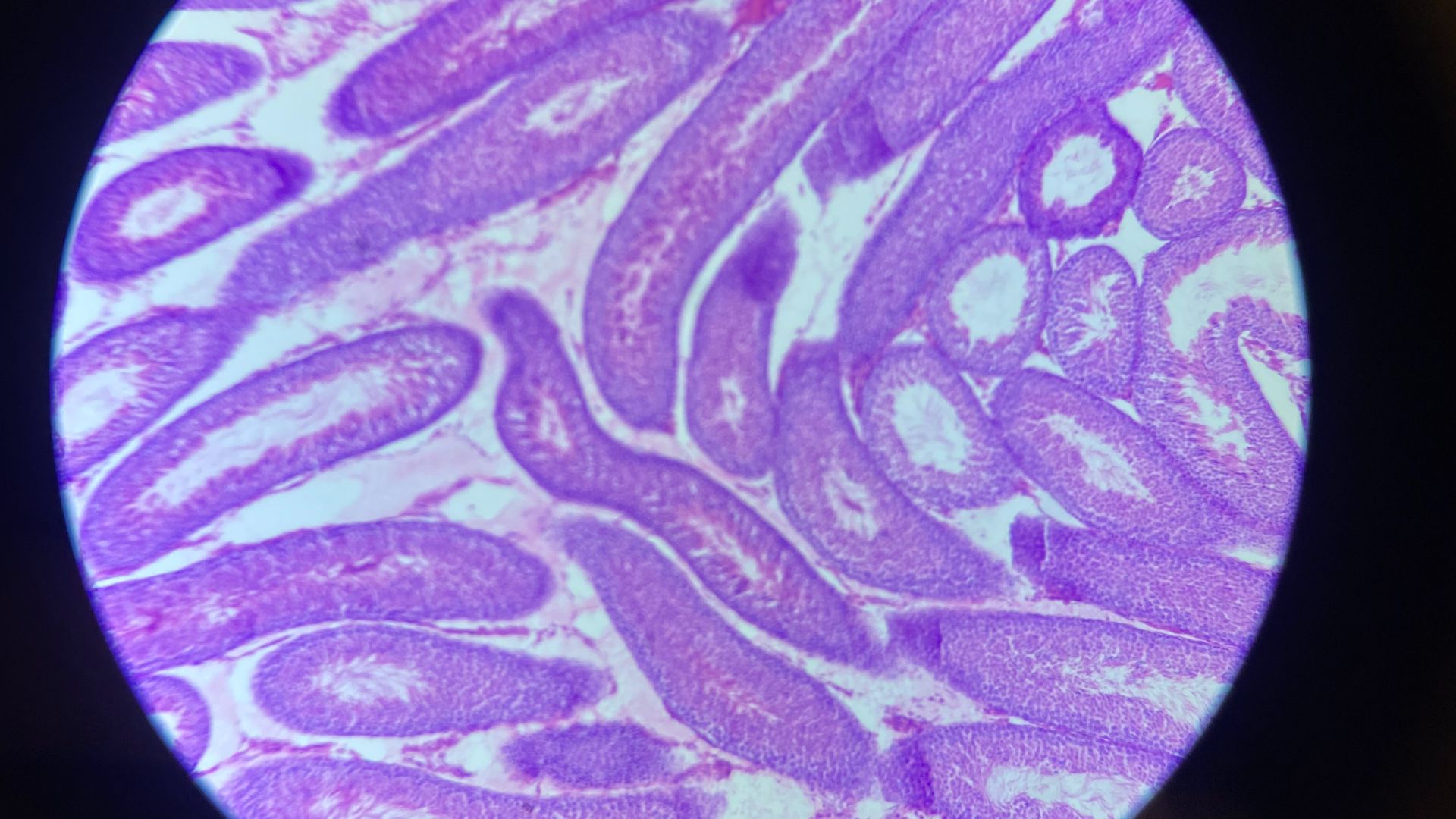
Sperm production works best at temperatures slightly below the body's internal temperature, which is why the testes normally sit in the scrotum rather than remaining inside the abdomen. During development, however, they begin higher in the body and descend through the abdominal wall before birth. That journey leaves anatomical weak points associated with problems such as inguinal hernias, meaning the temperature solution created vulnerabilities of its own.
17. Our Sinuses Don't Always Drain Conveniently
The skull contains several air-filled sinus cavities that produce mucus and connect with the nasal passages through relatively small openings. Some of those drainage pathways can become blocked easily when surrounding tissue swells from allergies, infections, or inflammation. Once that happens, pressure and trapped mucus can turn a normal piece of anatomy into a miserable few days.
 https://kaboompics.com/ on Pexels
18. Our Leg Veins Have to Push Blood Uphill
An upright body creates a major circulation challenge because blood returning from your feet has to travel against gravity to reach the heart. Veins use one-way valves and assistance from contracting leg muscles to keep blood moving upward. The system usually succeeds, but when the valves weaken or fail to close properly, blood can pool and contribute to varicose veins.
19. Our Ankles Balance Flexibility Against Stability
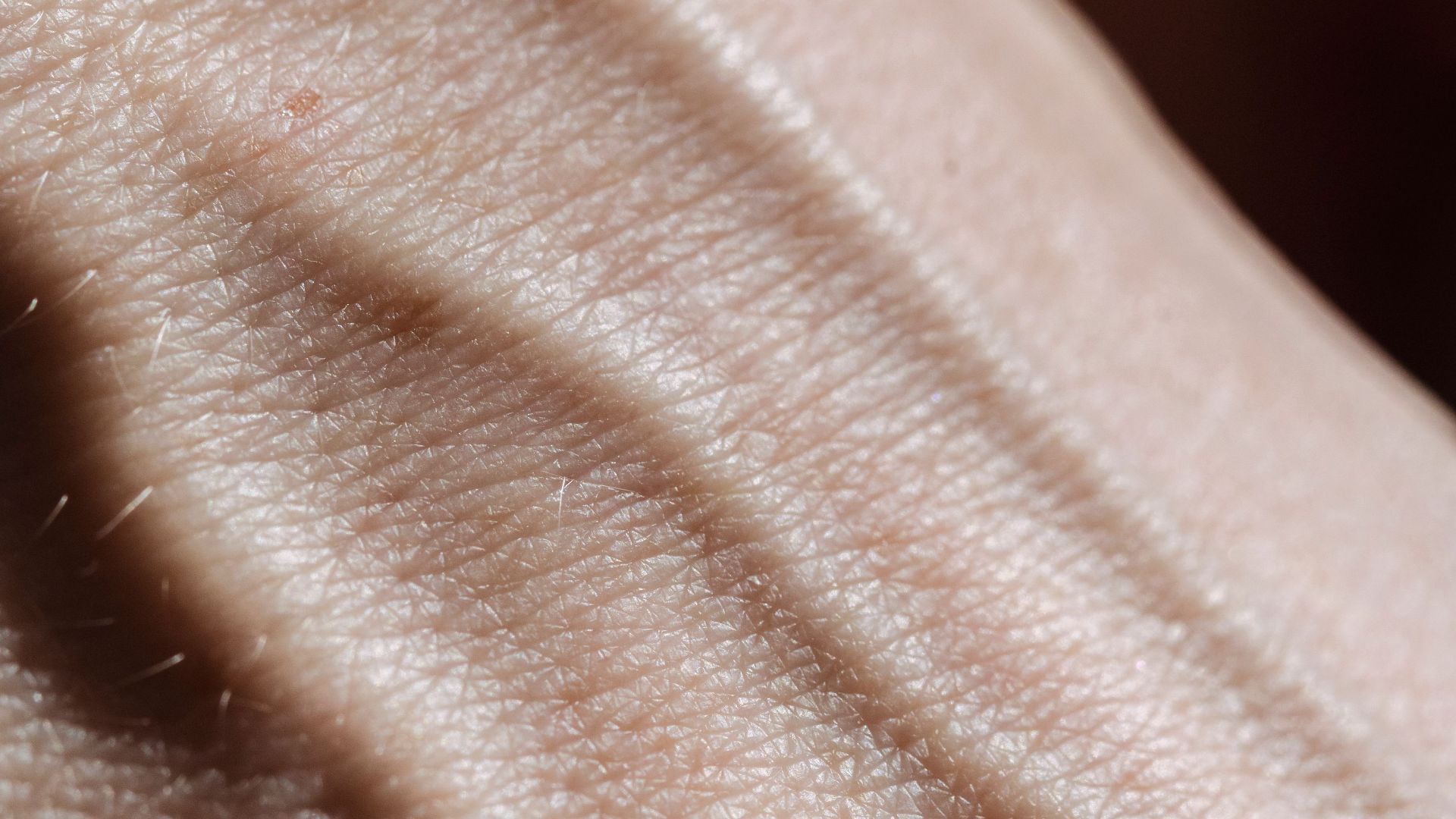
Humans need ankles flexible enough to adapt to slopes, stairs, rocks, and changing positions while walking or running. That flexibility also means the joint depends heavily on surrounding ligaments to keep everything aligned when the foot suddenly twists. One bad step can stretch or tear those ligaments, which is why ankle sprains happen so easily.
20. Our Brains Grew Faster Than Childbirth Could Get Easy
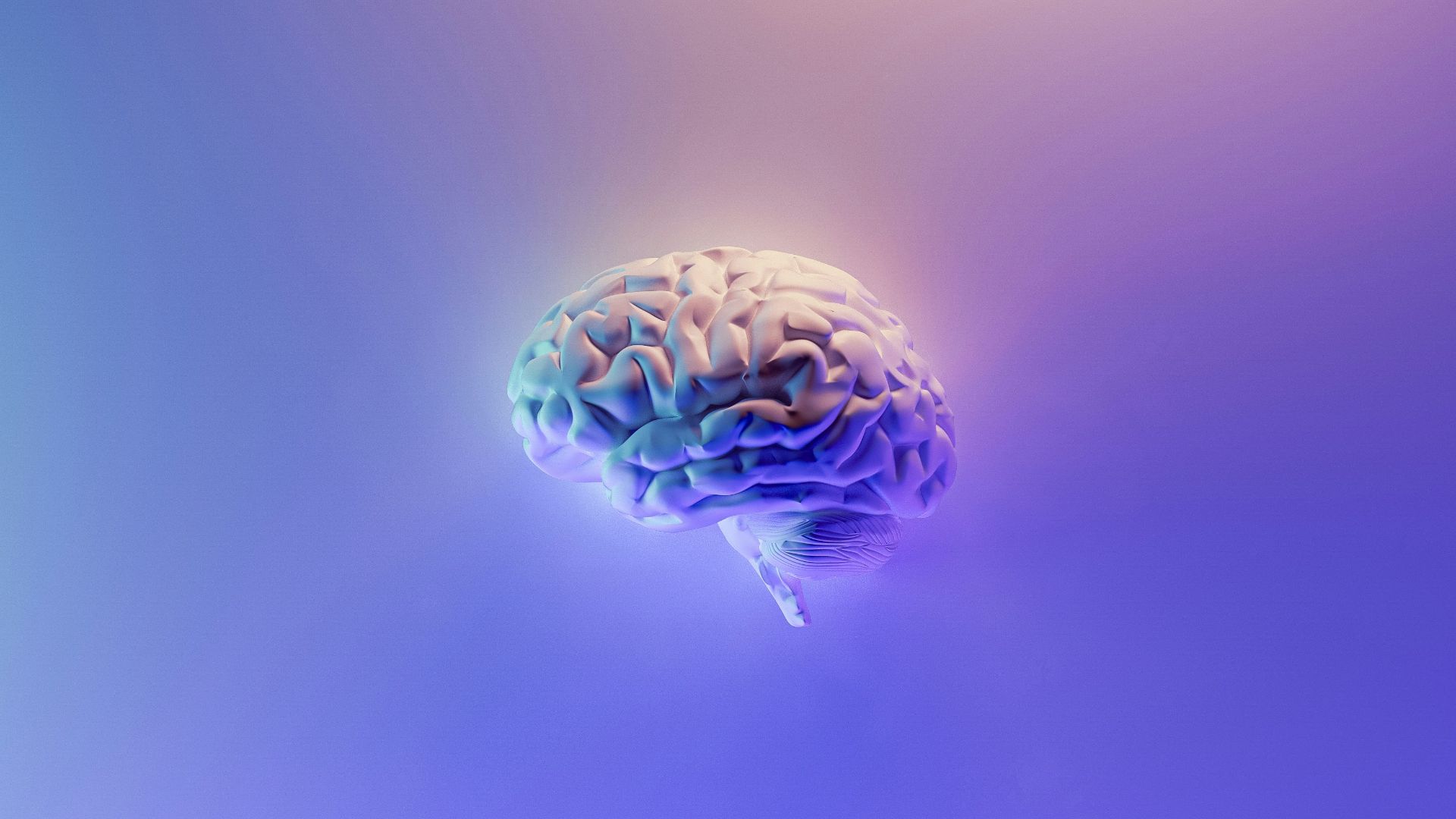
Human evolution produced exceptionally large and complex brains without creating an equally simple way to deliver them. A baby's head fits relatively tightly through the maternal pelvis, helping make human childbirth unusually demanding compared with that of other primates. Scientists continue to debate exactly which evolutionary pressures created that close fit, but the basic conflict between a large-brained infant and a constrained birth passage remains one of the clearest examples of evolution working through compromise rather than perfection.
KEEP ON READING


20 Natural Ways You Can Boost Your Immune System
20 Ways To De-stress & Relax After Work
The 10 Most Common Diseases & The 10 Most Rare