

Your Hardest Working Organ
Your heart is one of the hardest-working organs in your body, pumping blood around the clock to deliver oxygen and nutrients to your tissues. Although you probably know that it beats continuously and plays a vital role in keeping you alive, there's much more to this muscular organ than most people realize. From its electrical signals and unusual anatomy to its ability to adapt to exercise, the heart has plenty of fascinating features that make it worth learning about, even if you've never been particularly interested in biology.

1. Your Heart Beats Around 100,000 Times a Day
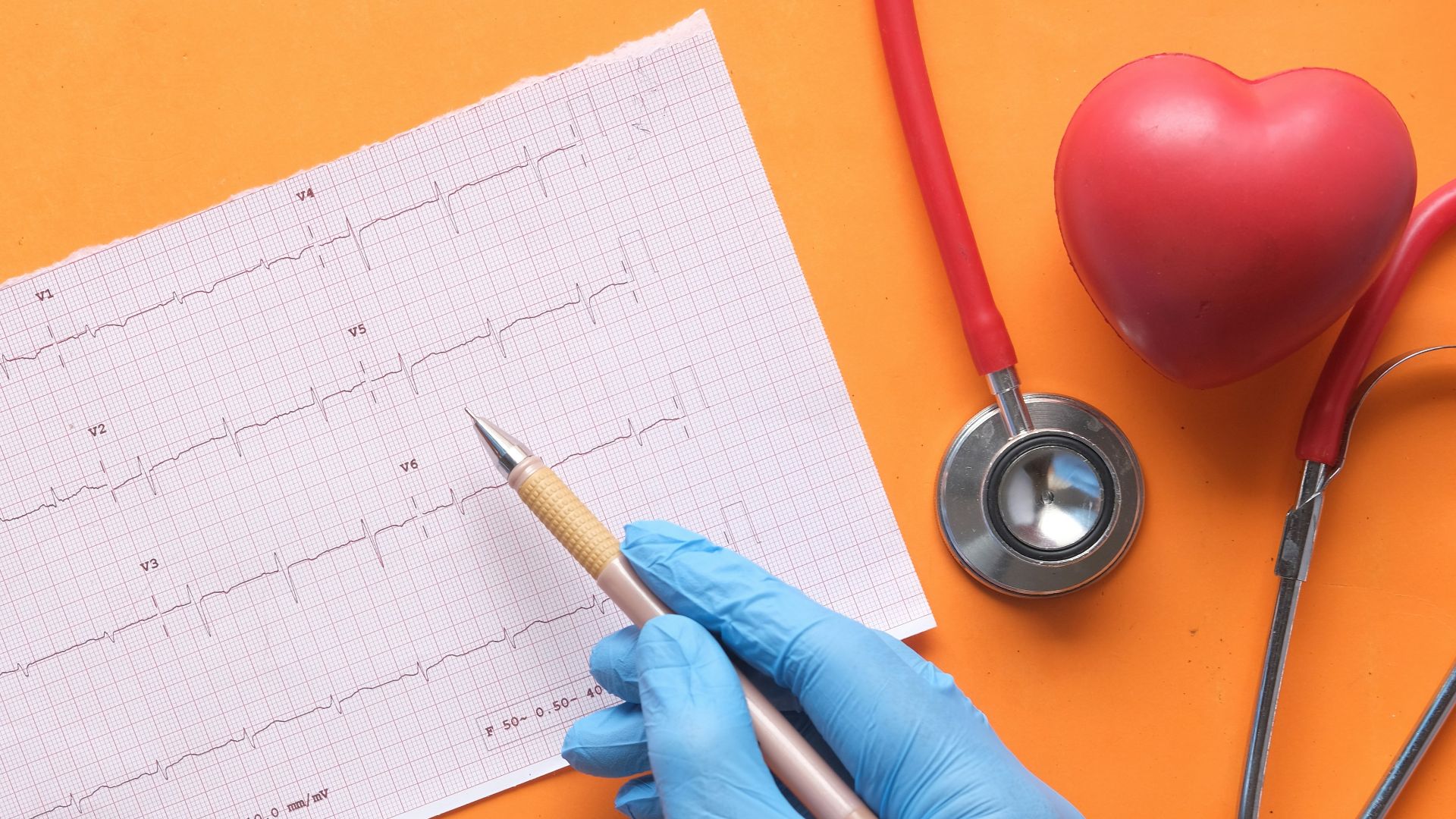
On average, an adult will have about 100,000 heartbeats per day. Of course, this will vary based on your heart rate. With each beat, you're circulating blood to your lungs and the rest of your body. This provides your cells with oxygen and nutrients.
2. Your Heart Has Four Chambers
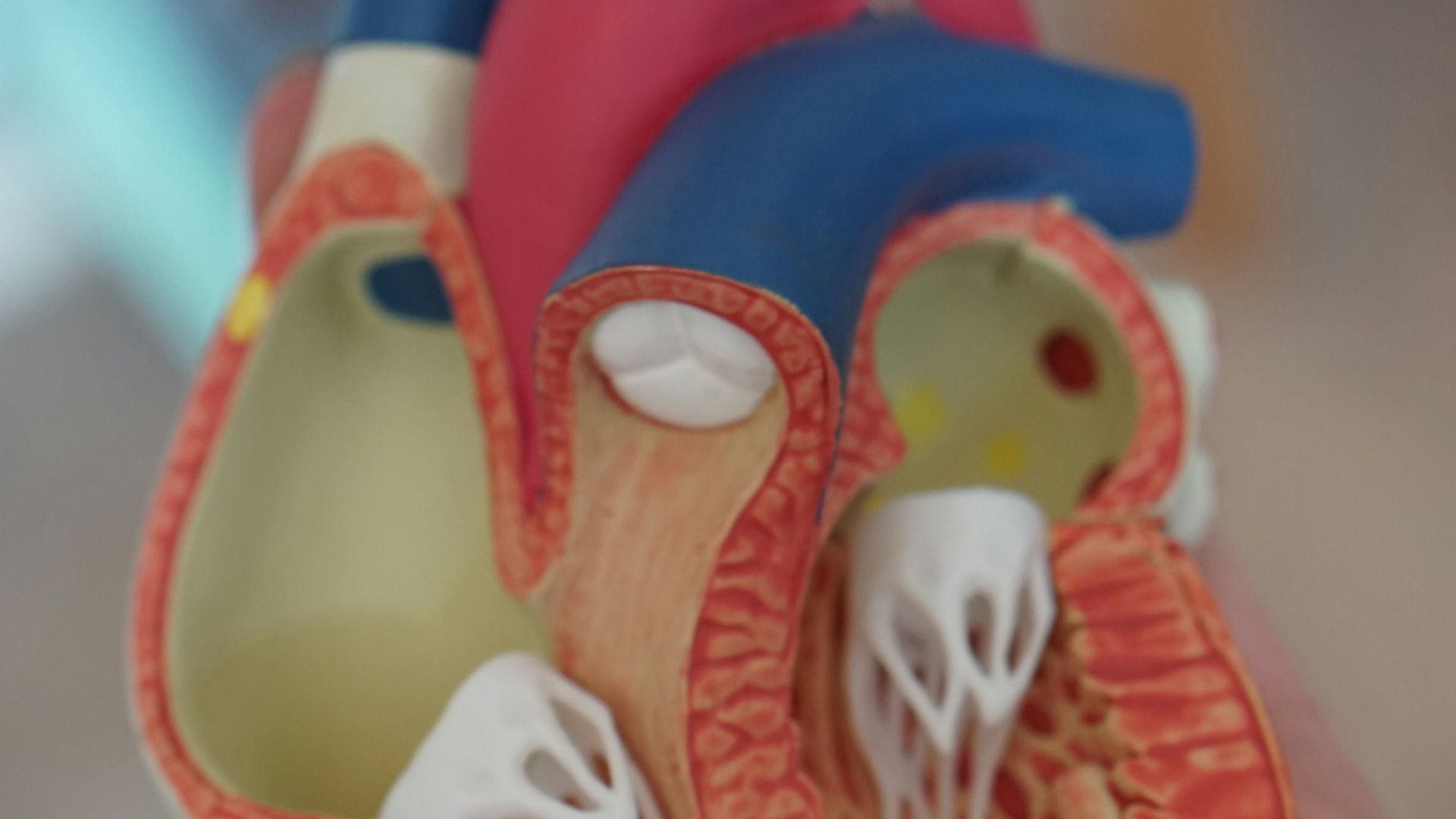
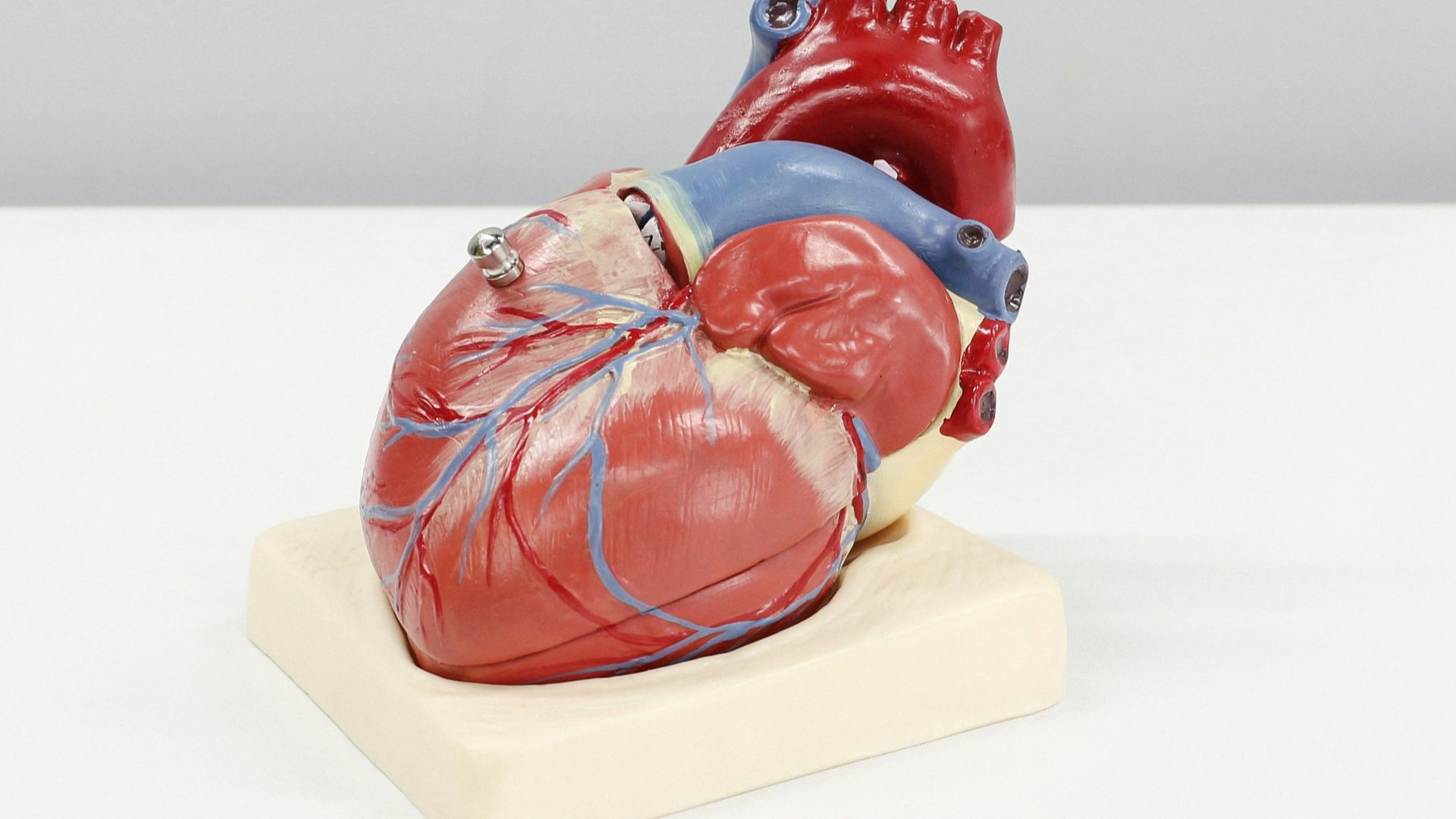
The human heart contains four chambers: two upper chambers called atria and two lower chambers called ventricles. The right side receives oxygen-poor blood and sends it to the lungs, while the left side pumps oxygen-rich blood out to the body. Valves between the chambers and at the exits help keep blood moving in the correct direction rather than flowing backward.
3. Your Heart Has Its Own Electrical System
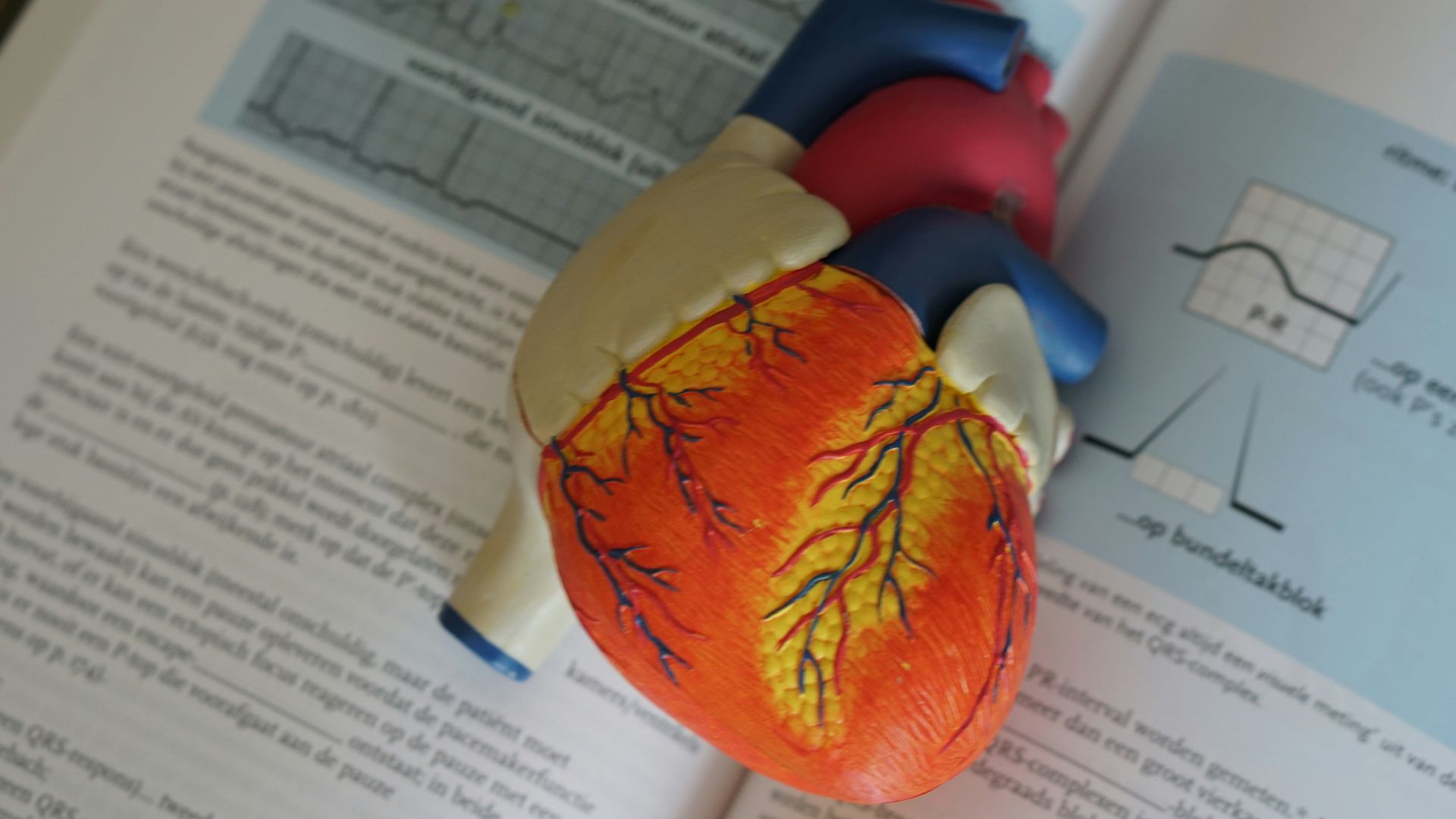
There are certain muscles within your heart that have the ability to produce electrical impulses. Most of the time, these impulses come from the sinoatrial node located in the right atrium of your heart. These electrical impulses cause your heart to beat.

4. The Heart Can Keep Beating Outside the Body Under the Right Conditions
Because the muscle that makes up your heart can generate electrical impulses, they don't always need to come from your brain. This is why a person's heart may continue beating outside the body under the right conditions, as long as the heart muscle remains viable and receives the support it needs.
5. Your Heart Pumps Blood Through Thousands of Miles of Blood Vessels
It is estimated that if all your blood vessels were placed end to end, they would measure around 60,000 miles. Arteries, veins, and capillaries travel throughout your body, carrying blood to all your tissues. Your heart provides the pressure needed to keep blood circulating through this remarkable system, delivering oxygen and carrying away waste products.

6. Your Heart Isn't Actually on the Left Side of Your Chest
When people refer to their heart, they typically point to the left side of their chest. Your heart actually resides closer to the middle of your chest. The heart's exact position varies slightly between individuals, so its location isn't identical in everyone.
7. Your Heart Has Its Own Blood Supply
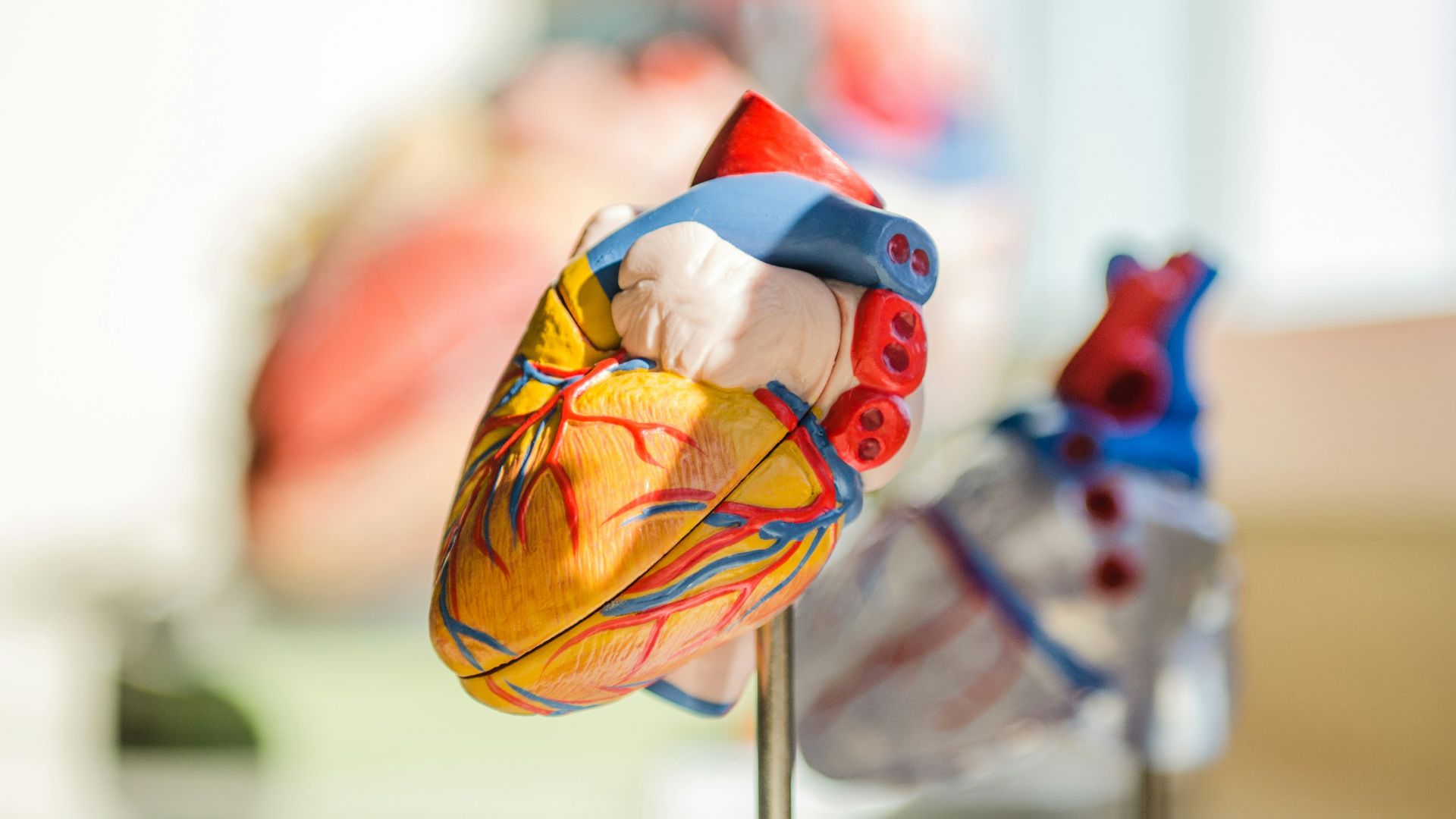
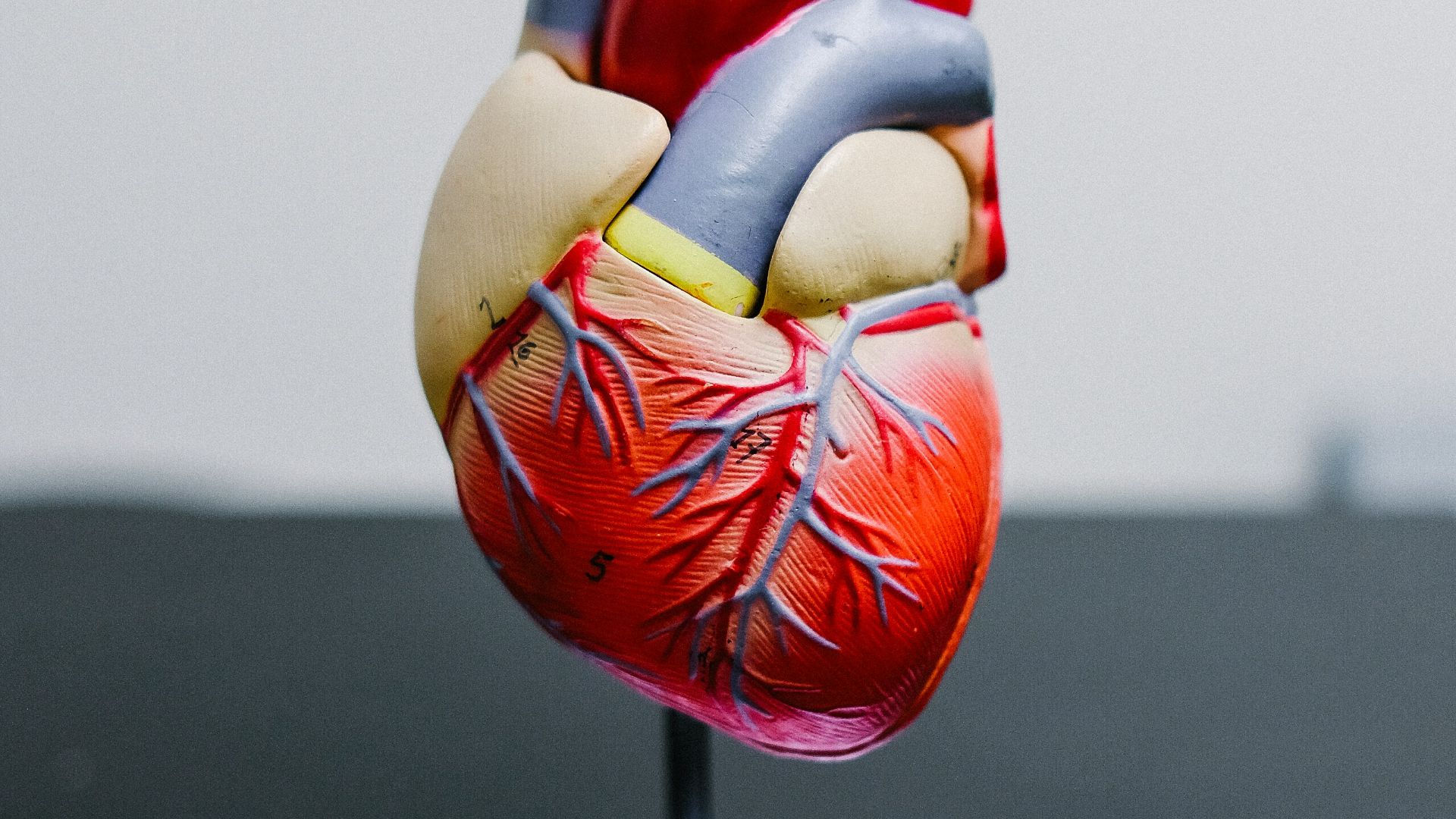
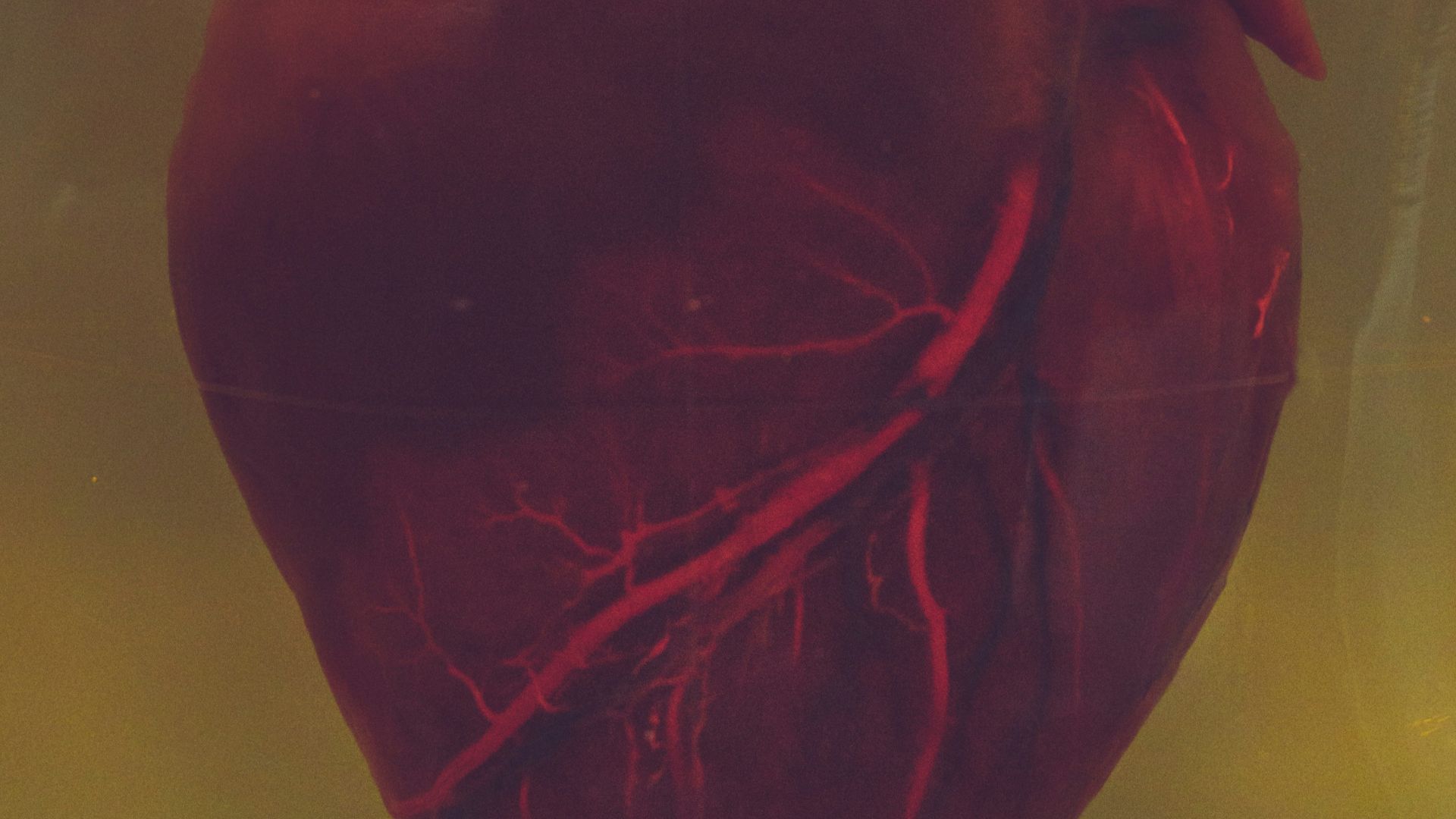
The heart needs oxygen and nutrients to keep contracting, so it has a dedicated network of blood vessels called the coronary arteries. These arteries branch from the aorta and supply the heart muscle itself with oxygen-rich blood. When a coronary artery becomes severely blocked, part of the heart muscle can be deprived of oxygen, potentially causing a heart attack.
8. Your Heart Can Change Its Beating Speed Dramatically
A normal resting heart rate for an adult is typically between 60 and 100 beats per minute. Some healthy people may have a slower resting heart rate than others. Once physical activity ends and your body recovers, your heart rate usually begins returning toward its resting level.

9. The Left Ventricle Has Especially Thick Muscular Walls
Not all four heart chambers have equally thick walls because each one has a different job to perform. That's why your left ventricle has a thicker wall than the other chambers. This wall has to exert more force to pump blood to the rest of your body.

10. Your Heart Produces a Noticeable Amount of Pressure
Each time your heart contracts, it generates pressure that helps push blood through your circulation. Blood pressure measures the force of blood against the walls of your arteries. Your blood pressure fluctuates throughout the day. When your heart beats, your systolic pressure rises, while your diastolic pressure represents the pressure in your arteries when your heart relaxes between beats.
11. Your Heart Starts Developing Very Early Before Birth
The developing human heart begins forming during the early weeks of pregnancy, and its first contractions occur at approximately three weeks after fertilization. At this stage, the structure is still developing and doesn't yet resemble the fully formed, four-chambered heart found later in pregnancy.
12. Your Heart Doesn't Need You to Think About Every Beat
You never have to worry about telling your heart to beat. Your heart rate and the strength of its contractions will change based on what you're doing at that moment. That automatic control allows your heart to respond when you stand up, exercise, become nervous, or settle down to sleep without requiring conscious effort.
13. Your Heart Has Four Valves That Control Blood Flow
The heart contains four valves: the tricuspid, pulmonary, mitral, and aortic valves. They open and close in response to pressure differences, helping blood move forward through the chambers and into the major arteries. When a valve doesn't open or close properly, it can interfere with circulation and sometimes requires medication, monitoring, or a medical procedure.
14. Laughter Can Temporarily Affect Your Heart Rate
If you laugh, your heart rate may temporarily increase. Just as it would if you were to run around for a few minutes, your heart rate can rise during laughter. Some believe that laughing often may help prolong your life.
 OurWhisky Foundation on Unsplash
15. Your Heart and Brain Constantly Communicate
If you're scared or excited, your brain will signal to your heart to beat faster and stronger. This allows your heart to supply your body with more blood. Your body also sends signals to your brain about changes in circulation and other bodily functions.
16. Your Heart Can Be Affected by Emotional Stress
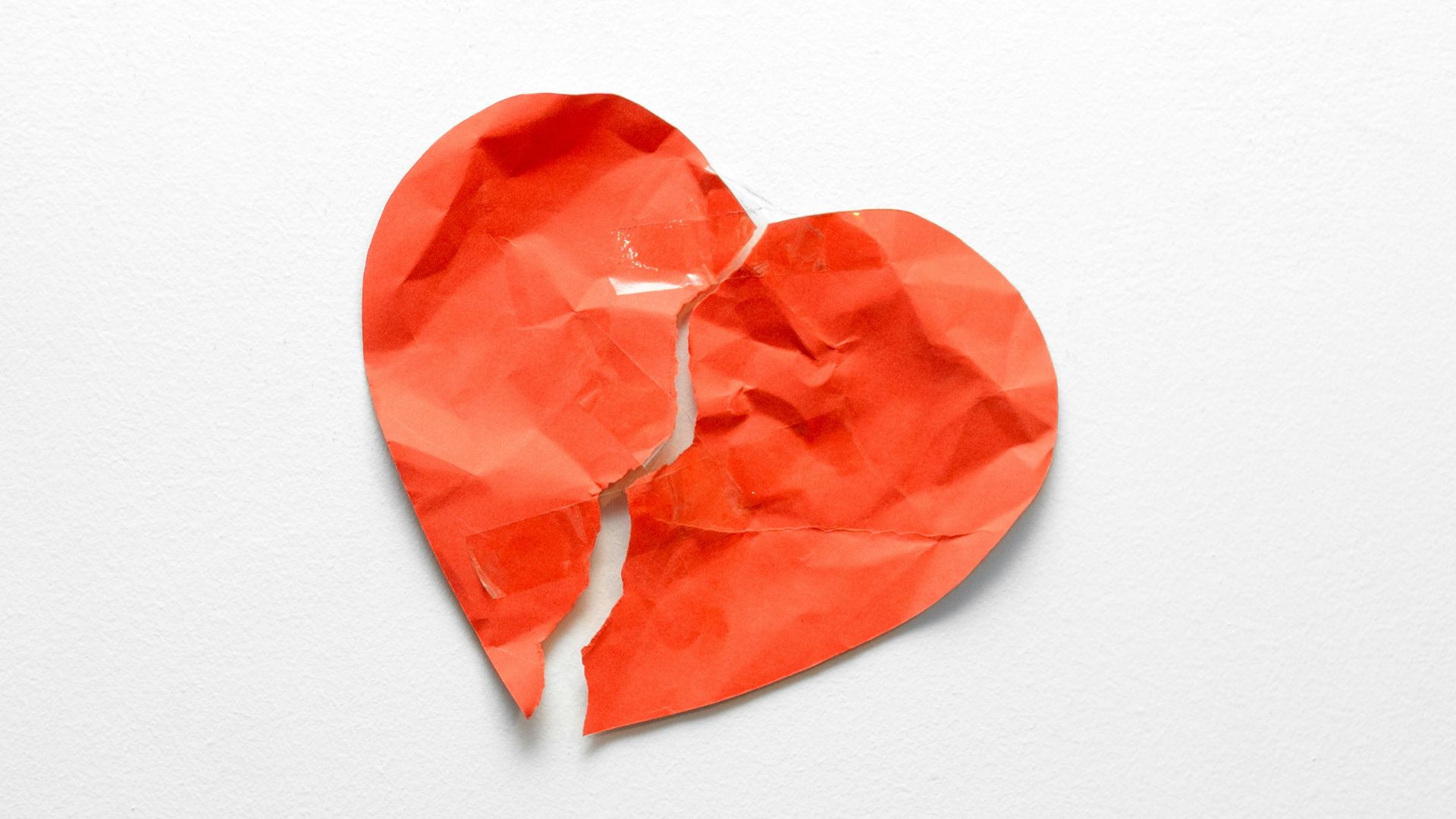
Strong emotions can trigger physical changes in your cardiovascular system, including a faster heartbeat and temporarily elevated blood pressure. In rare cases, intense emotional or physical stress can lead to a condition called takotsubo cardiomyopathy, sometimes known as broken-heart syndrome.

17. Exercise Can Make Your Heart More Efficient
By keeping yourself active, you can help ensure that your cardiovascular system stays healthy. Your resting heart rate may slow down as you exercise regularly because your heart becomes more efficient at pumping blood. Exercise also supports other aspects of cardiovascular health, including blood pressure management, and can reduce the risk of several chronic diseases.

18. Your Heart Has a Protective Covering
Just like your lungs, your heart is protected by a sac around it. This sac is called the pericardium, and it surrounds your heart. It helps protect your heart and reduces friction as it beats. When the pericardium becomes inflamed, the condition is called pericarditis.
19. A Heart Attack Doesn't Always Feel the Same for Everyone
Chest pressure, squeezing, or discomfort is a common heart attack symptom, but it isn't the only possible warning sign. Some people also experience shortness of breath, nausea, cold sweats, unusual fatigue, or discomfort in the back, jaw, neck, or arms. Symptoms can vary between individuals, and not everyone experiences dramatic chest pain, so it's important to seek emergency medical help when a heart attack is suspected.
20. Your Heart Can Continue Working for Your Entire Life
Unlike many tissues that undergo regular replacement, the heart relies on muscle cells that have a relatively limited ability to regenerate after significant damage. Nevertheless, a healthy heart can keep pumping for decades, adapting to changing demands throughout a person's life.

KEEP ON READING