Your Skin Is Busier Than It Looks
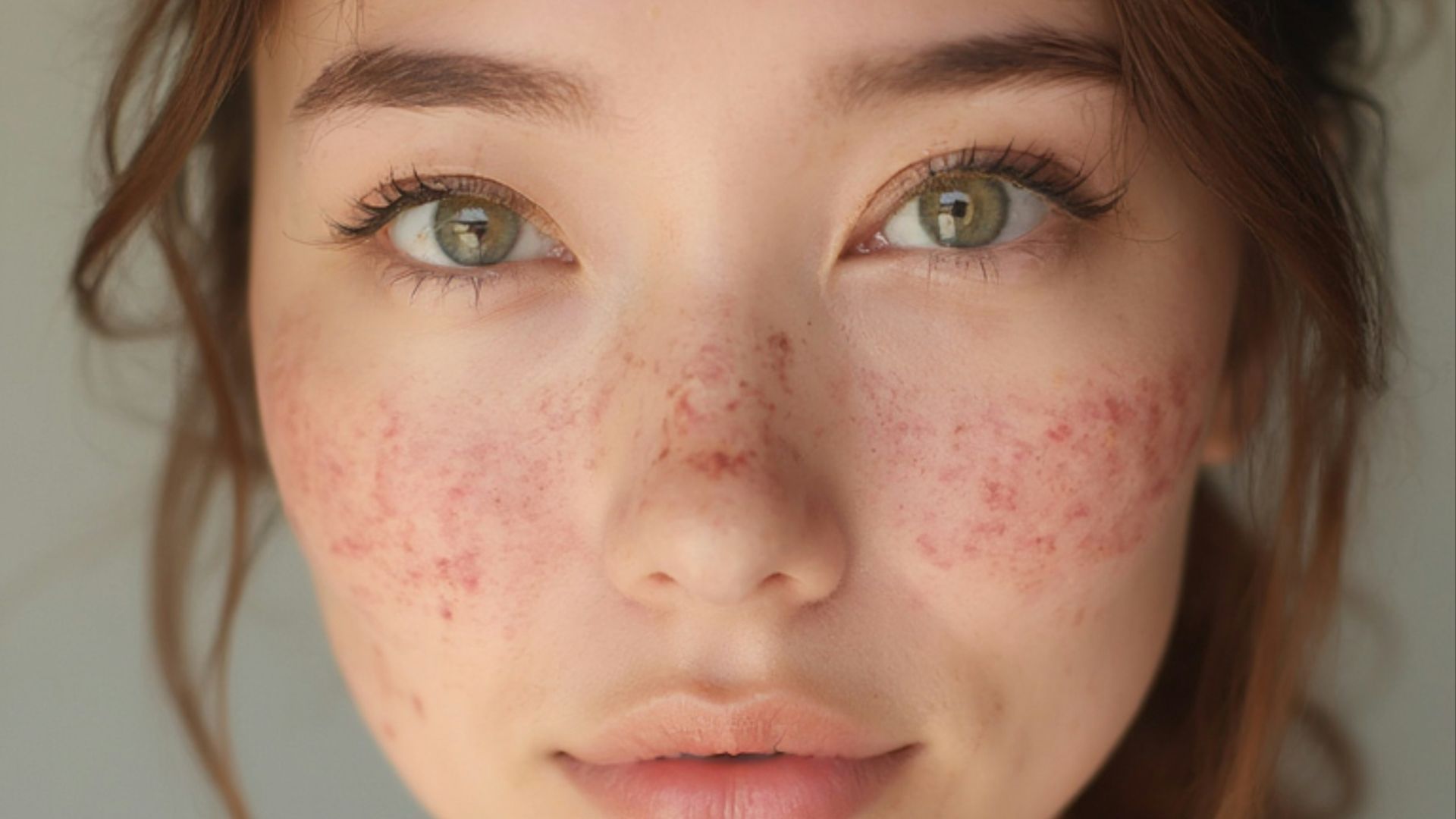
Your skin may seem less important than some of your internal organs, but it’s actually working all day to keep you safe. It blocks germs, manages moisture, reacts to heat and cold, repairs damage, warns you about danger, and quietly handles a surprising amount of maintenance without asking for credit. Some of its protective tricks are obvious, like forming a scab, while others are strange enough to make you appreciate this very hardworking organ a little more. Here are 20 strange things your skin does to keep you safe.
 MUTHIA ASHIFA SALSABELLA on Unsplash
1. It Creates Goosebumps
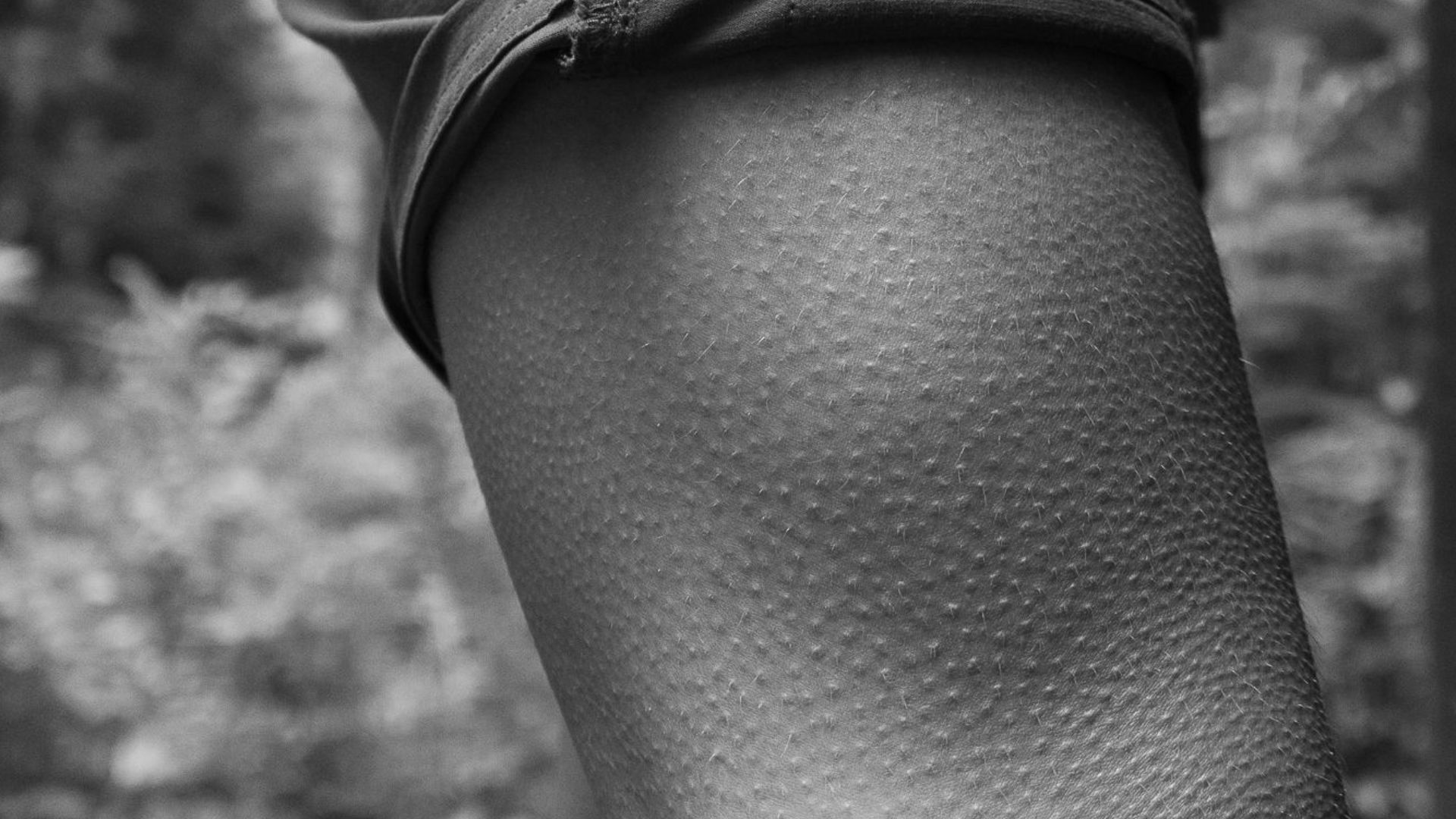
Goosebumps happen when tiny muscles attached to your hair follicles contract. In animals with thicker fur, this reaction can help trap warmth or make them appear larger when threatened. Humans don’t get the same dramatic benefit, but your skin still holds onto the old reflex as a response to cold, fear, or strong emotion.
2. It Sweats to Cool You Down
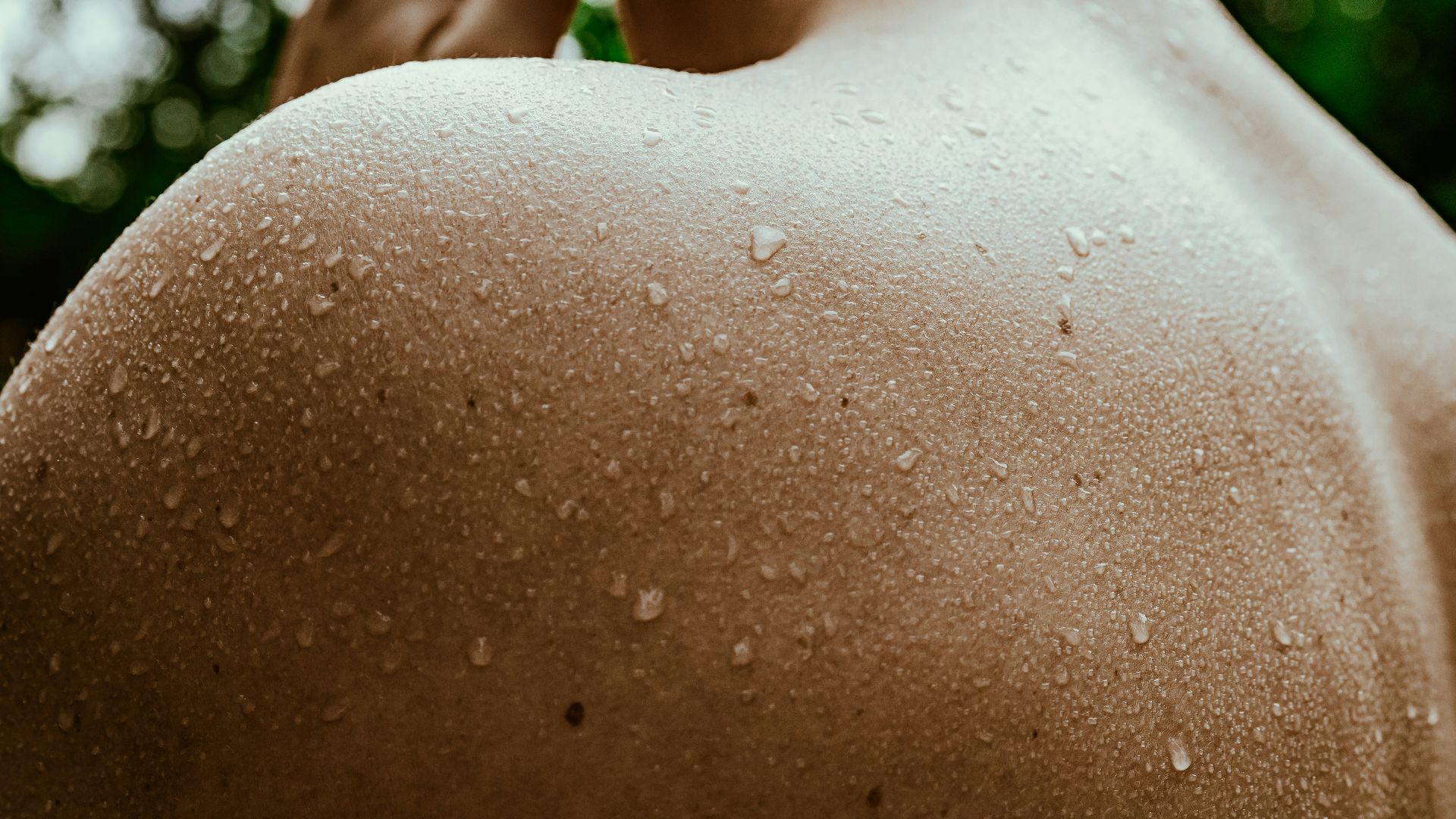
Sweating may feel annoying, but it’s one of your skin’s best safety features. When sweat evaporates from your skin, it helps release heat and cool your body down. This keeps your internal temperature from climbing too high during exercise, hot weather, or stress.
3. It Makes Oil to Keep Itself Flexible
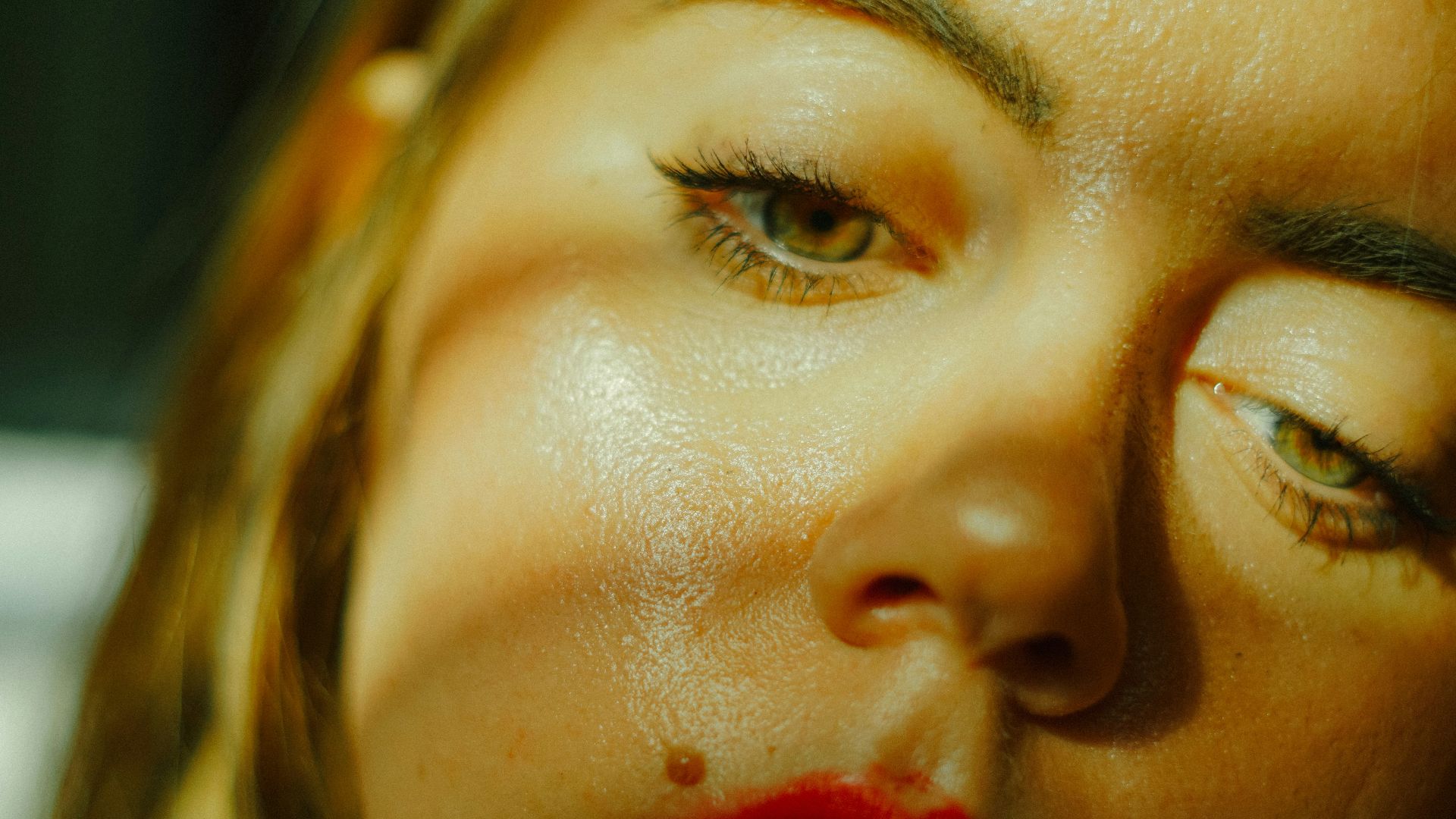
Your skin produces sebum, a natural oil that helps protect and soften the surface. Too much oil can feel frustrating, especially if it contributes to acne and clogged pores, but some oil is useful. It helps reduce dryness and supports the skin’s barrier so it doesn’t crack as easily.
4. It Forms Scabs Over Cuts
A scab is not exactly cute, but it’s a temporary cover while your skin repairs itself. After a cut or scrape, your body sends clotting cells to stop bleeding and seal the opening. The scab helps protect the wound from dirt and germs while new skin forms underneath.
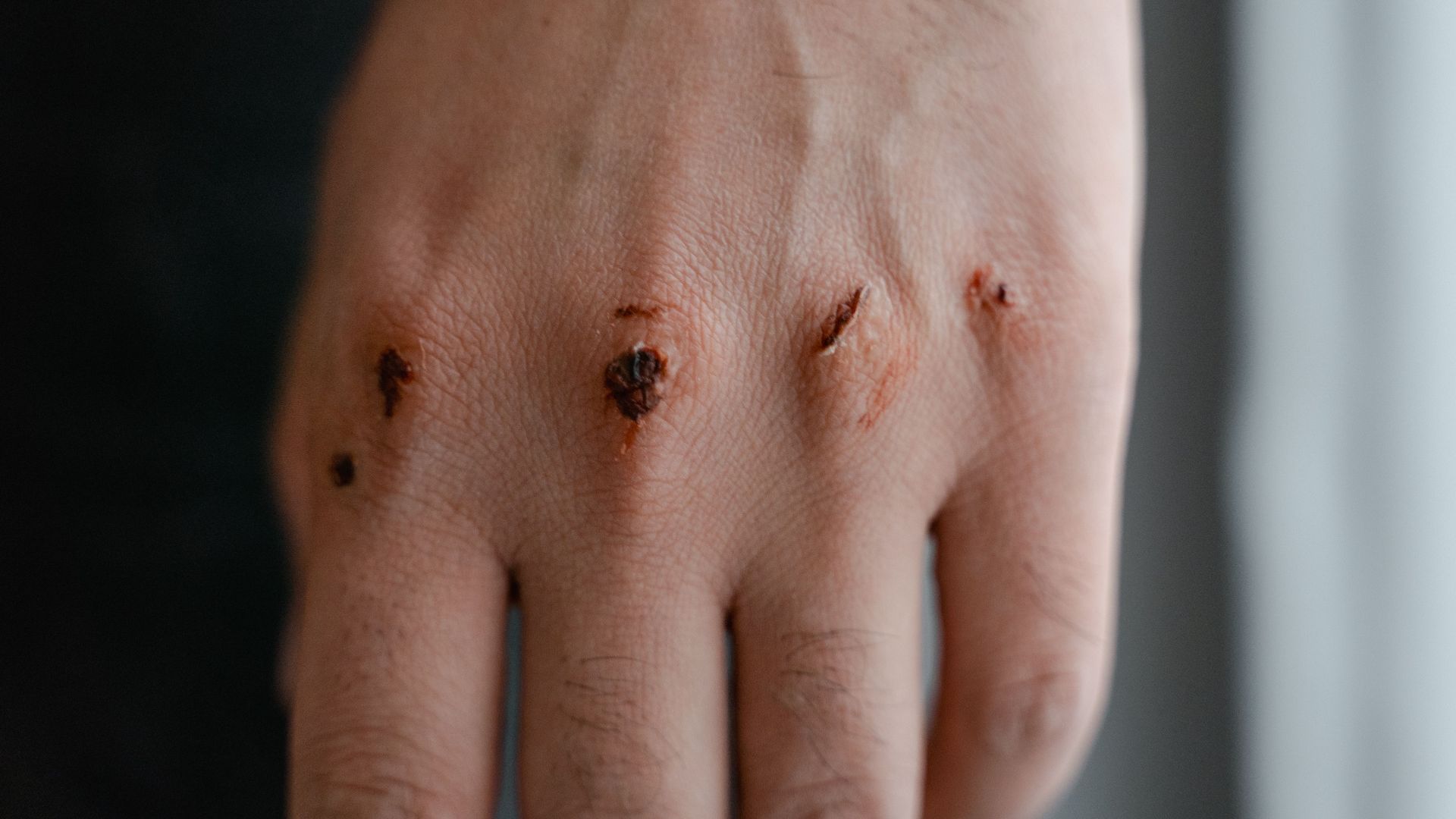
5. It Turns Red When Blood Rushes In
Redness often appears when extra blood flows toward an irritated or injured area. This can happen after a scrape, bug bite, sunburn, or allergic reaction. The extra blood brings immune cells and repair materials where they’re needed.
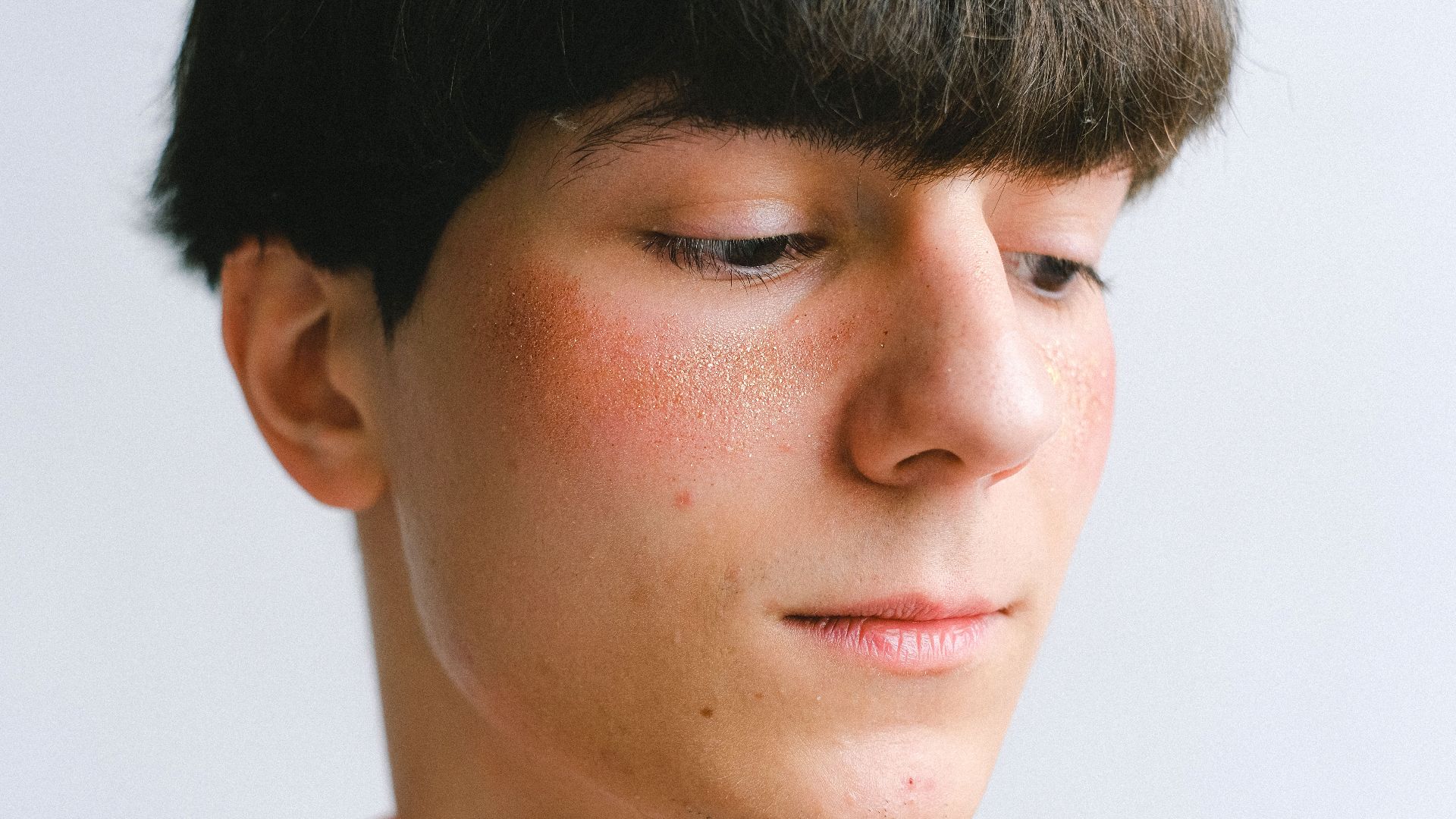
6. It Itches to Get Your Attention
Itching is unpleasant, but it can act like an alarm system. Your skin may itch when something irritates it, bites it, dries it out, or triggers an immune reaction. It's basically your skin asking you to investigate before things get worse.
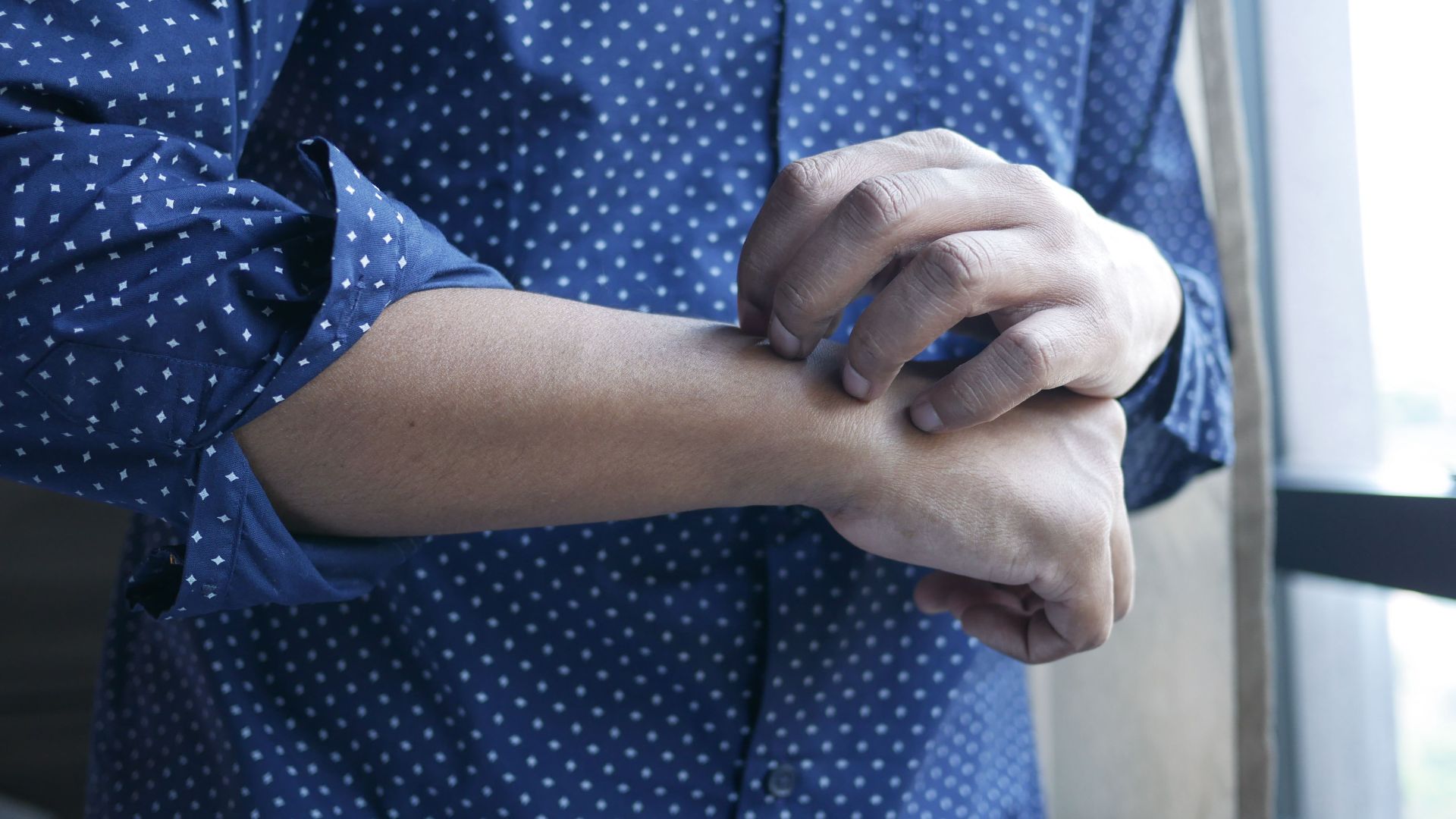
7. It Peels After Damage
Peeling skin can look strange, especially after a sunburn. But in many cases, peeling is your body’s way of getting rid of damaged outer skin cells. The process helps clear away cells that are no longer functioning well after irritation or injury.

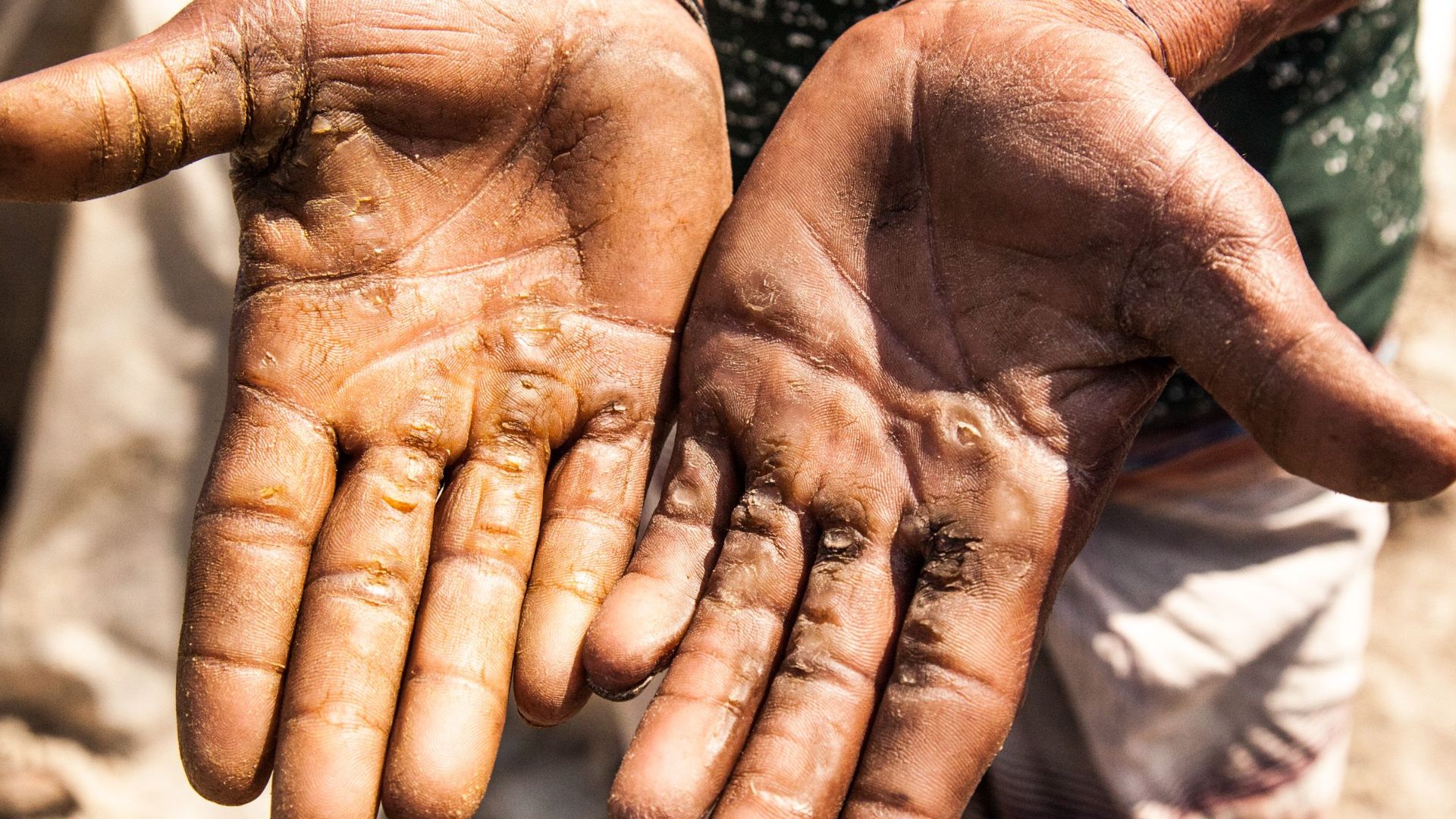
8. It Thickens Into Calluses
Calluses form when your skin faces repeated pressure or friction. Instead of letting the same spot get injured again and again, your body builds a tougher layer. This can happen on your hands, feet, or anywhere that gets regular rubbing.
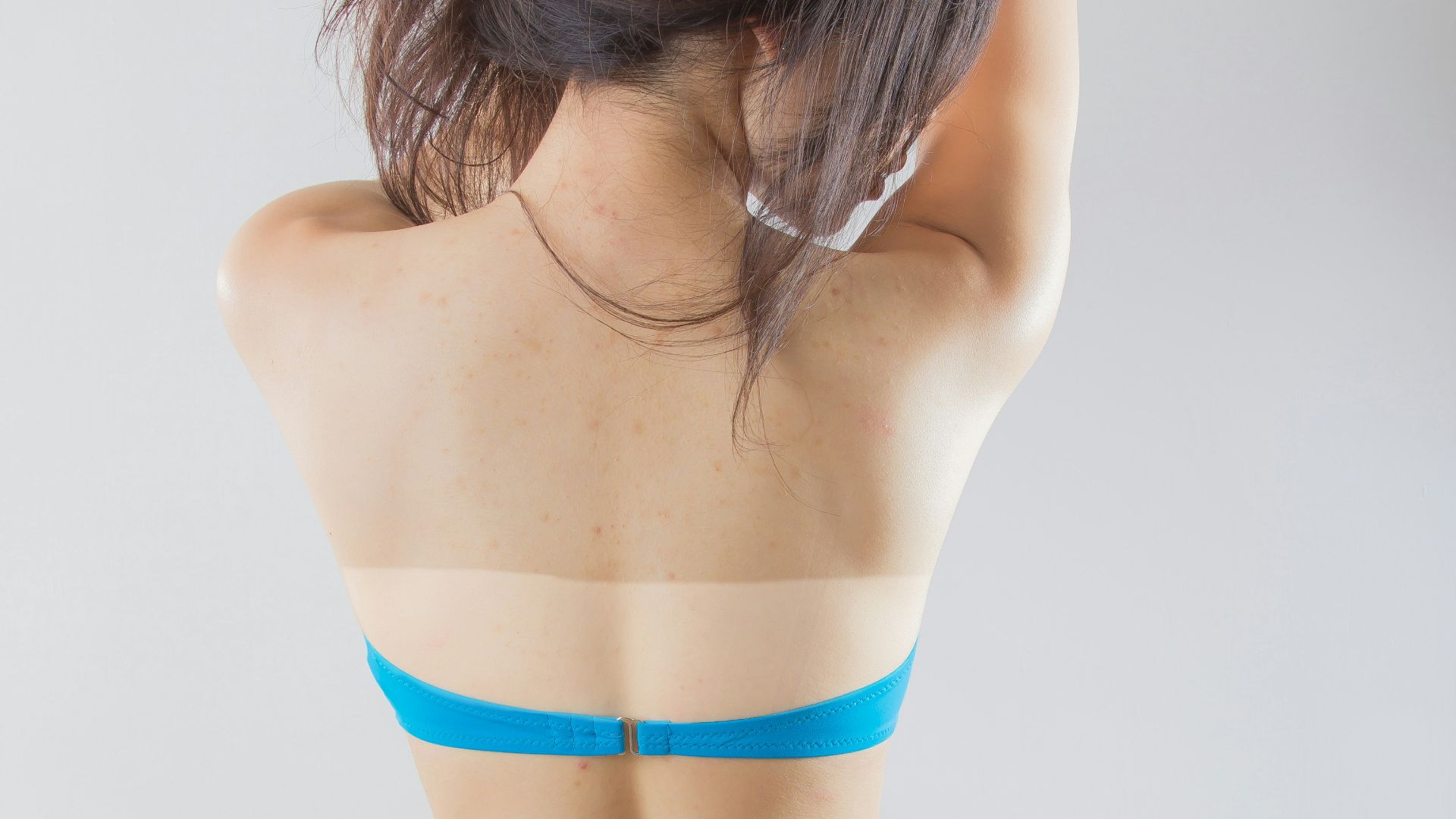
9. It Darkens in the Sun
When your skin is exposed to ultraviolet light, it may produce more melanin. Melanin is the pigment that gives skin its color and helps absorb some UV radiation. A tan is often treated like a beauty goal, but it’s also a sign that your skin has been responding to sun exposure.
10. It Blisters to Cushion Damage
A blister forms when fluid collects between layers of skin after friction, heat, or injury. That fluid creates a cushion over the damaged area while the tissue underneath begins to heal. It may be tempting to pop it, but an intact blister can help lower the risk of infection.
11. It Sends Pain Signals Fast
Pain isn't fun, but it’s useful when your skin is in danger. Nerve endings in the skin can quickly alert you to heat, sharp objects, pressure, or injury. That fast warning gives you a chance to pull away before more damage happens. Without those signals, you’d accidentally hurt yourself far more often than you realize.
12. It Holds Friendly Microbes
Your skin is home to many tiny organisms that normally live there without causing trouble. Some of these microbes help compete with harmful germs and support the skin’s natural balance. This is one reason harsh over-cleaning can sometimes leave skin feeling worse instead of better.
13. It Keeps Water From Escaping Too Quickly
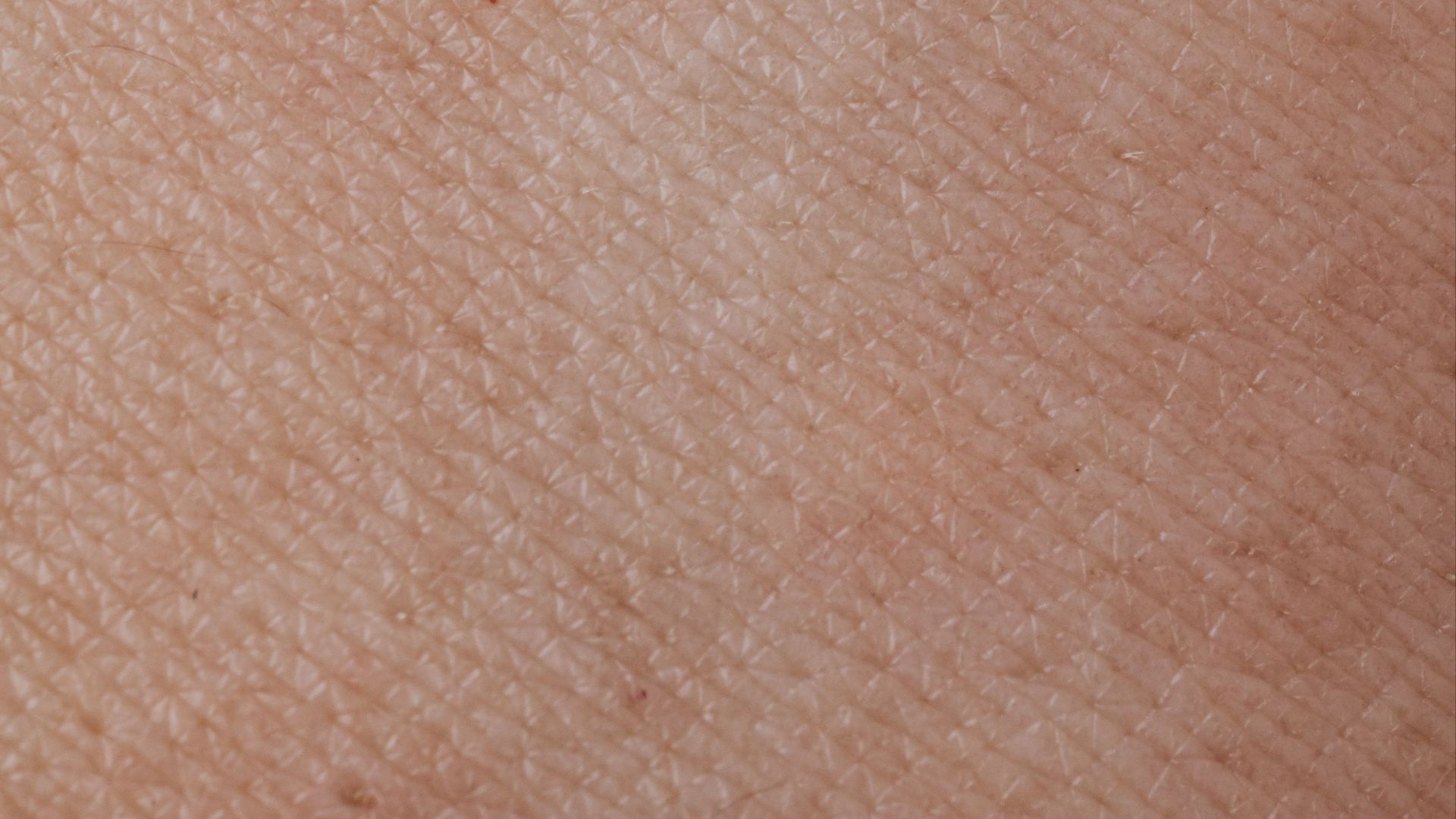
One of your skin’s biggest jobs is keeping moisture inside your body. The outer layer acts like a barrier that slows water loss and helps prevent dehydration through the skin. When that barrier gets damaged, skin can become dry, tight, cracked, or irritated.
14. It Swells Around Injuries
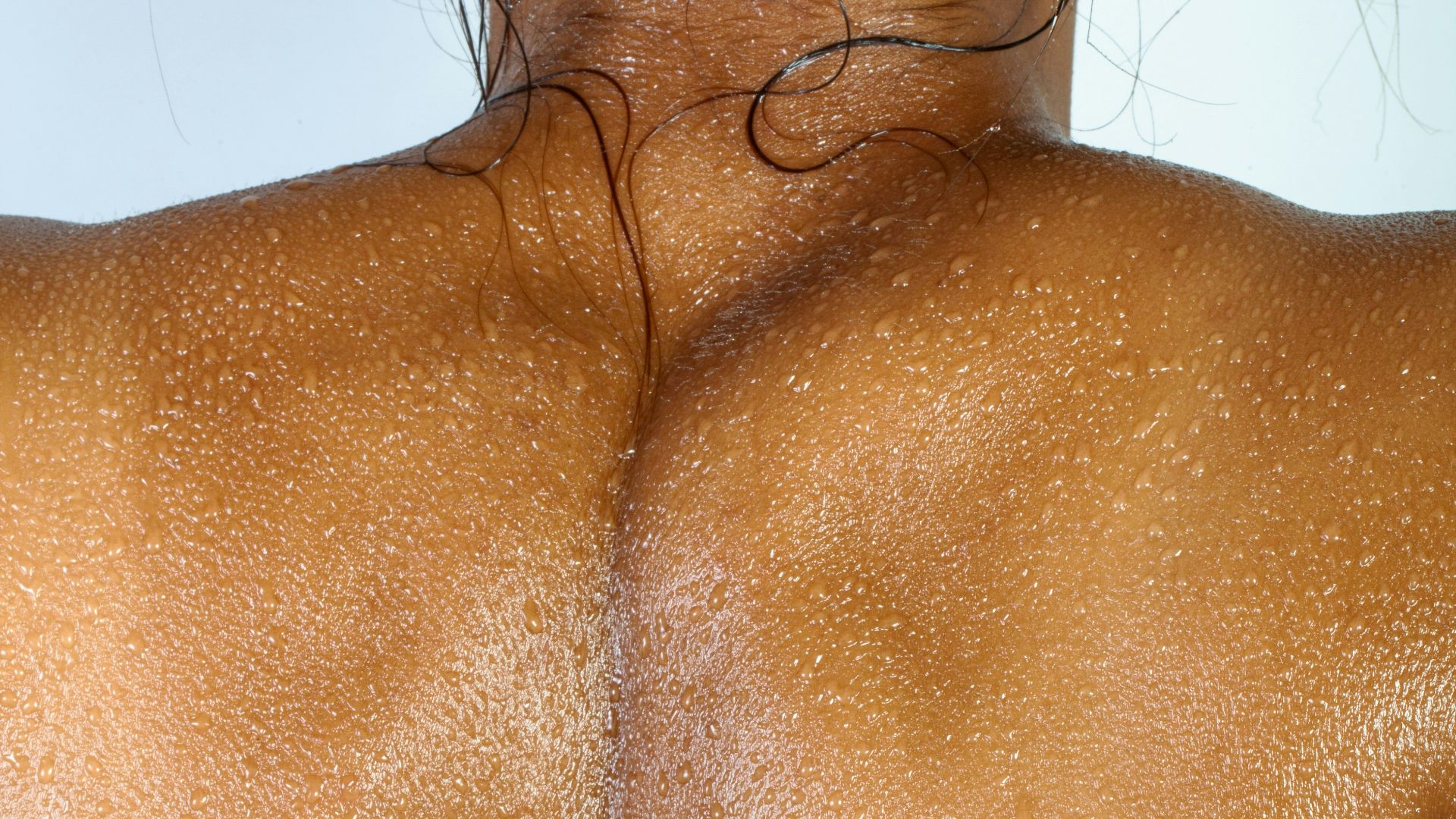
Swelling can be uncomfortable, but it’s often part of the repair response. When your skin or the tissue underneath gets injured, fluid and immune activity can build up in the area. This can help protect the spot and support healing, as long as it isn't excessive.
15. It Makes Pimples to Trap Trouble
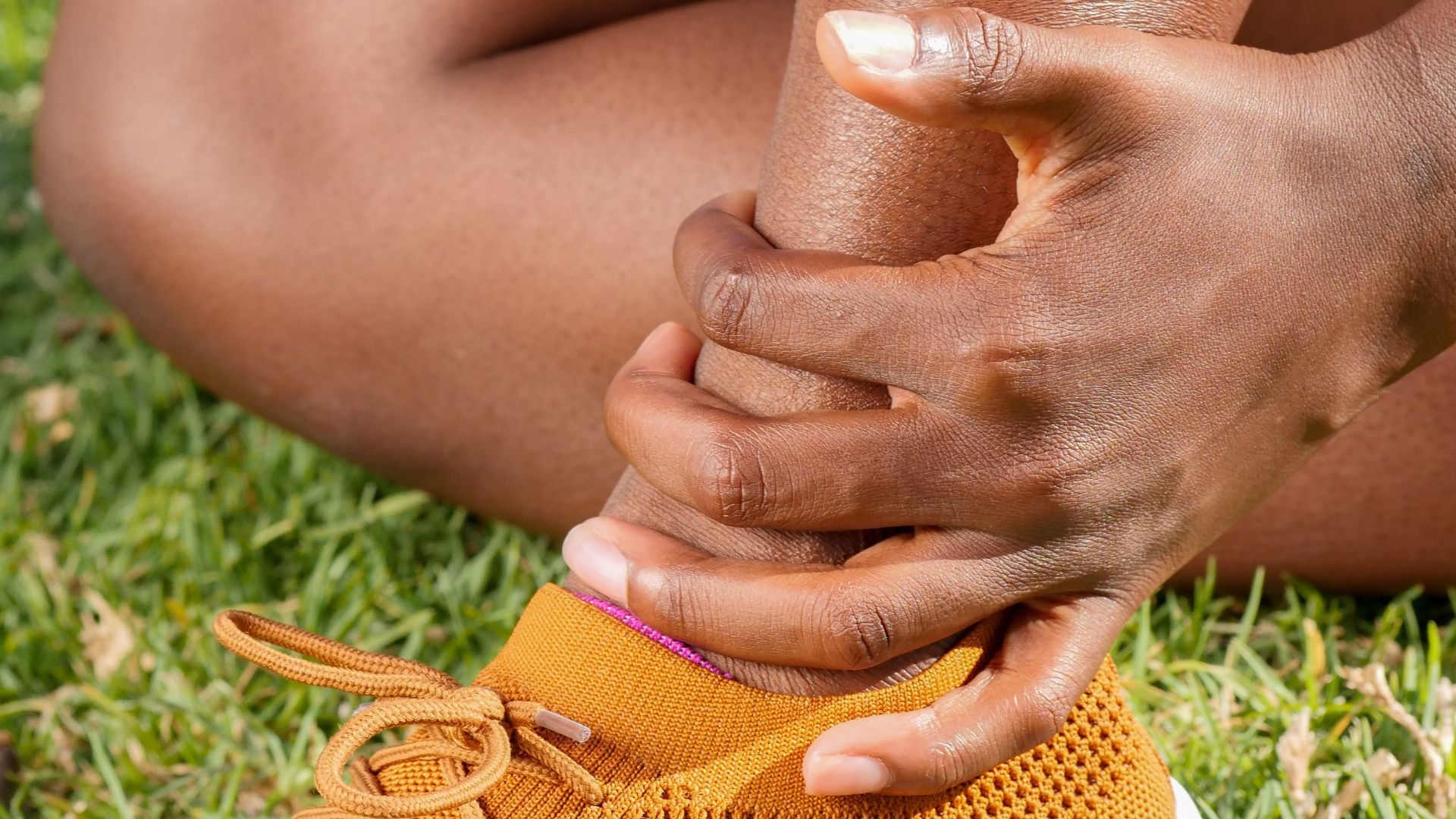
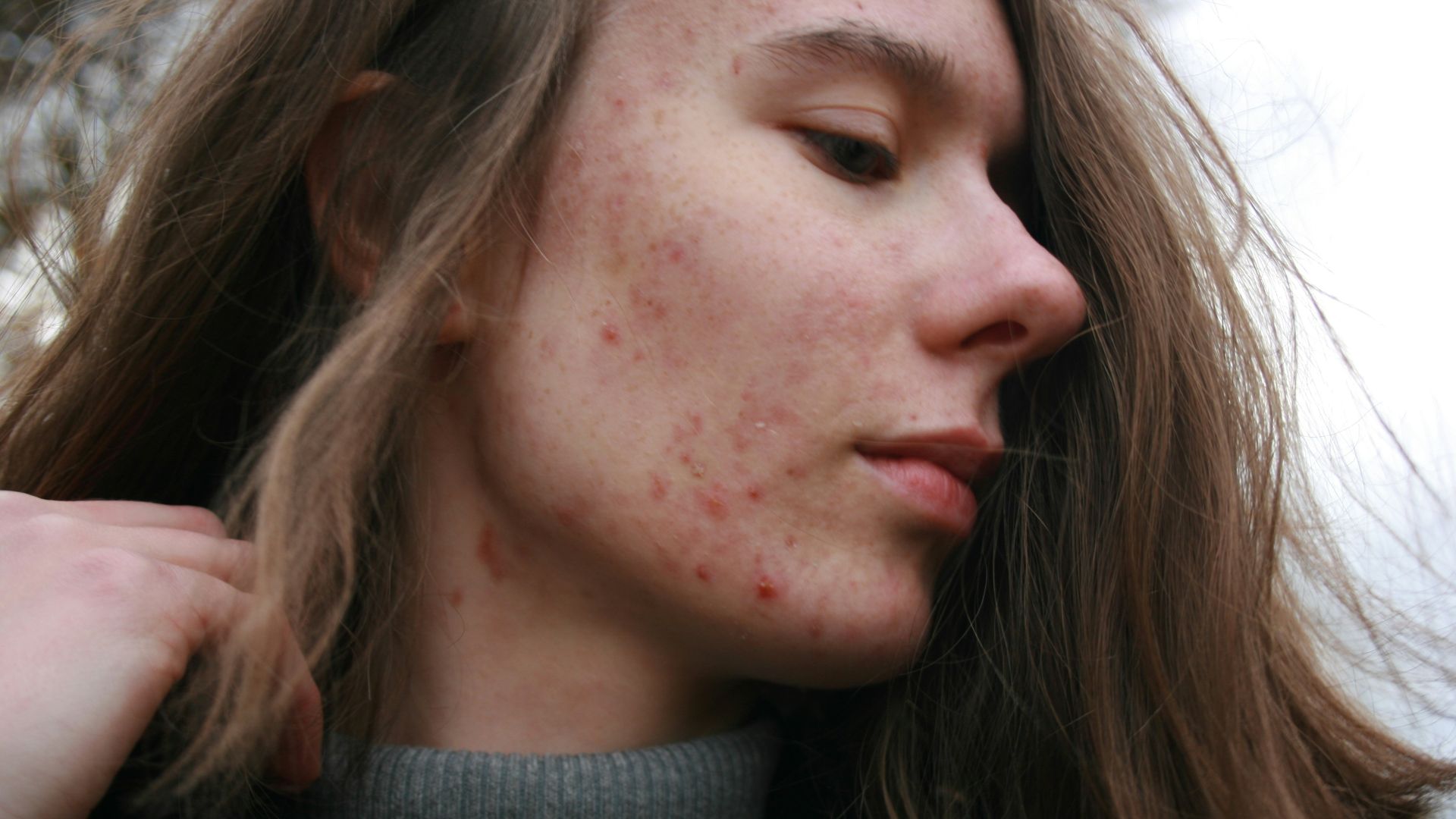
A pimple can form when oil, dead skin cells, bacteria, and inflammation get stuck inside a pore. While pimples are frustrating, the redness and swelling show that your immune system is reacting to what it sees as a problem. The bump isn't your skin being rude for no reason so much as an overenthusiastic response happening in a very visible location.
 Barbara Krysztofiak on Unsplash
16. It Sheds Dead Cells Constantly
Your skin is always pushing older cells off the surface and replacing them with newer ones. This shedding helps remove debris, worn-out cells, and some things that settle on the outer layer. You usually don’t notice the process unless dryness or flaking makes it obvious.
17. It Tightens in the Cold
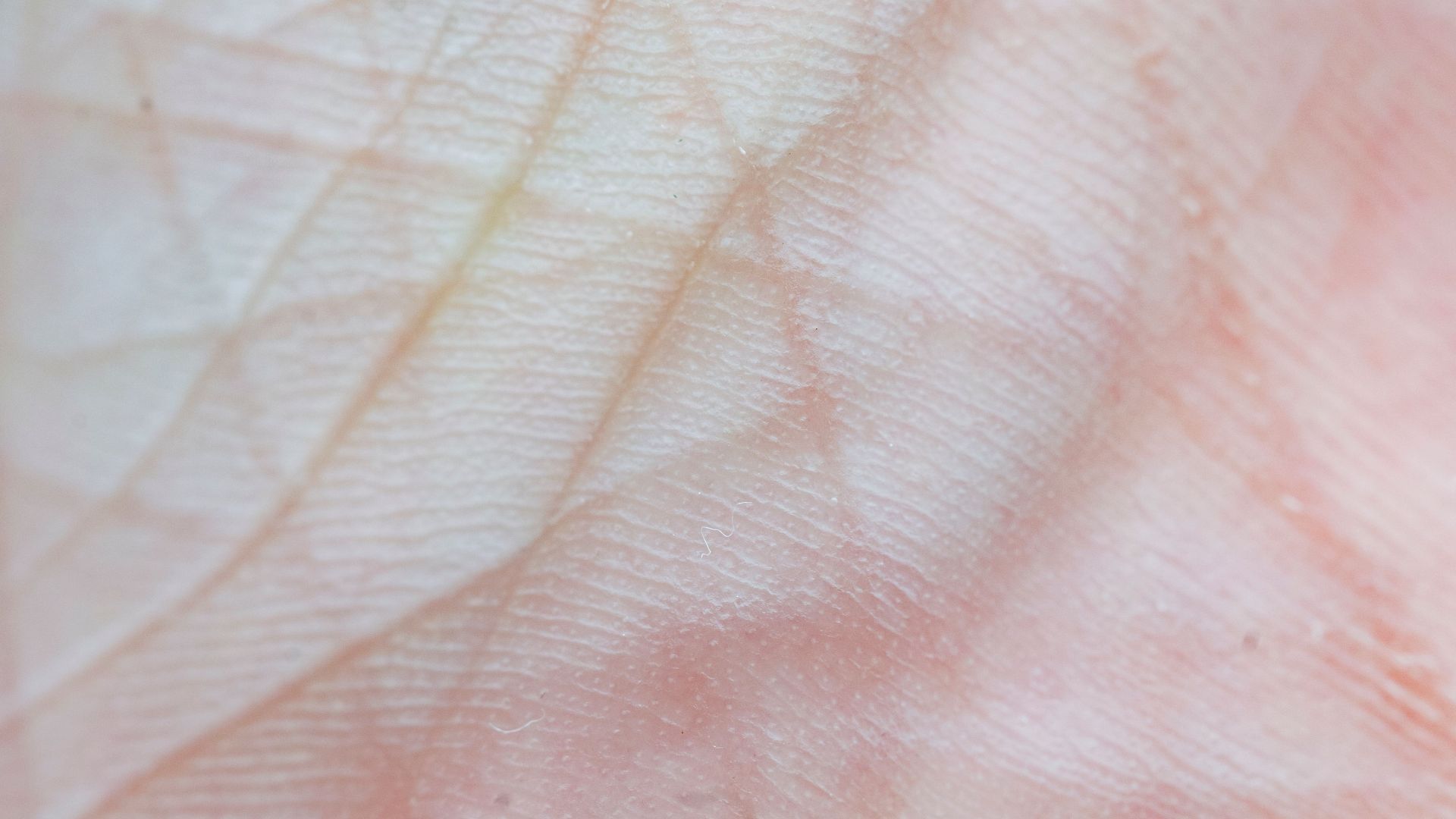
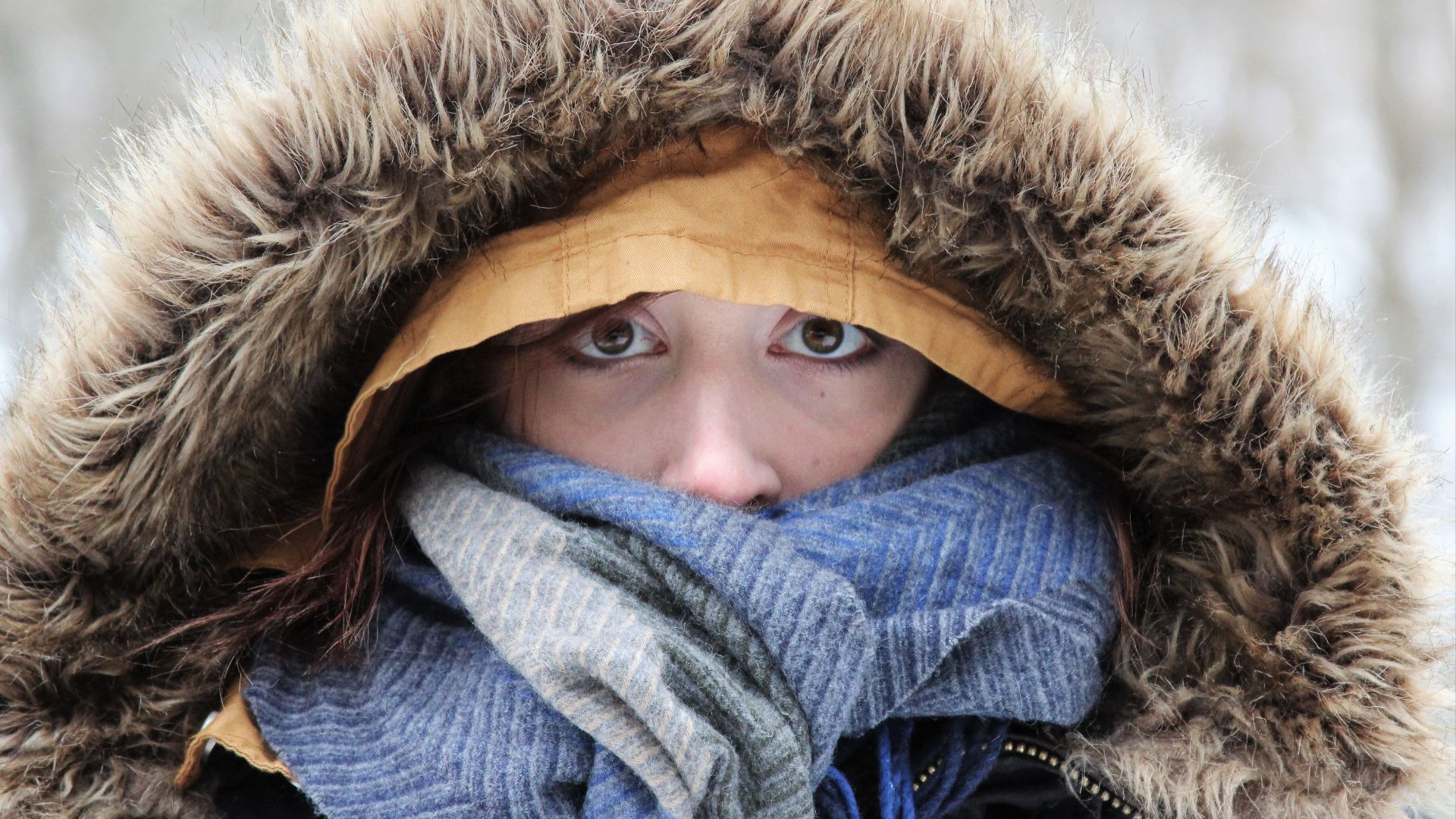
Cold weather can make the surface of your skin feel tighter as blood vessels narrow and moisture levels drop. Narrowing blood vessels helps your body conserve heat and protect your core temperature. The tight feeling may be annoying, but it reflects your body adjusting to the environment and helping you stay warm.
18. It Produces More Cells During Healing
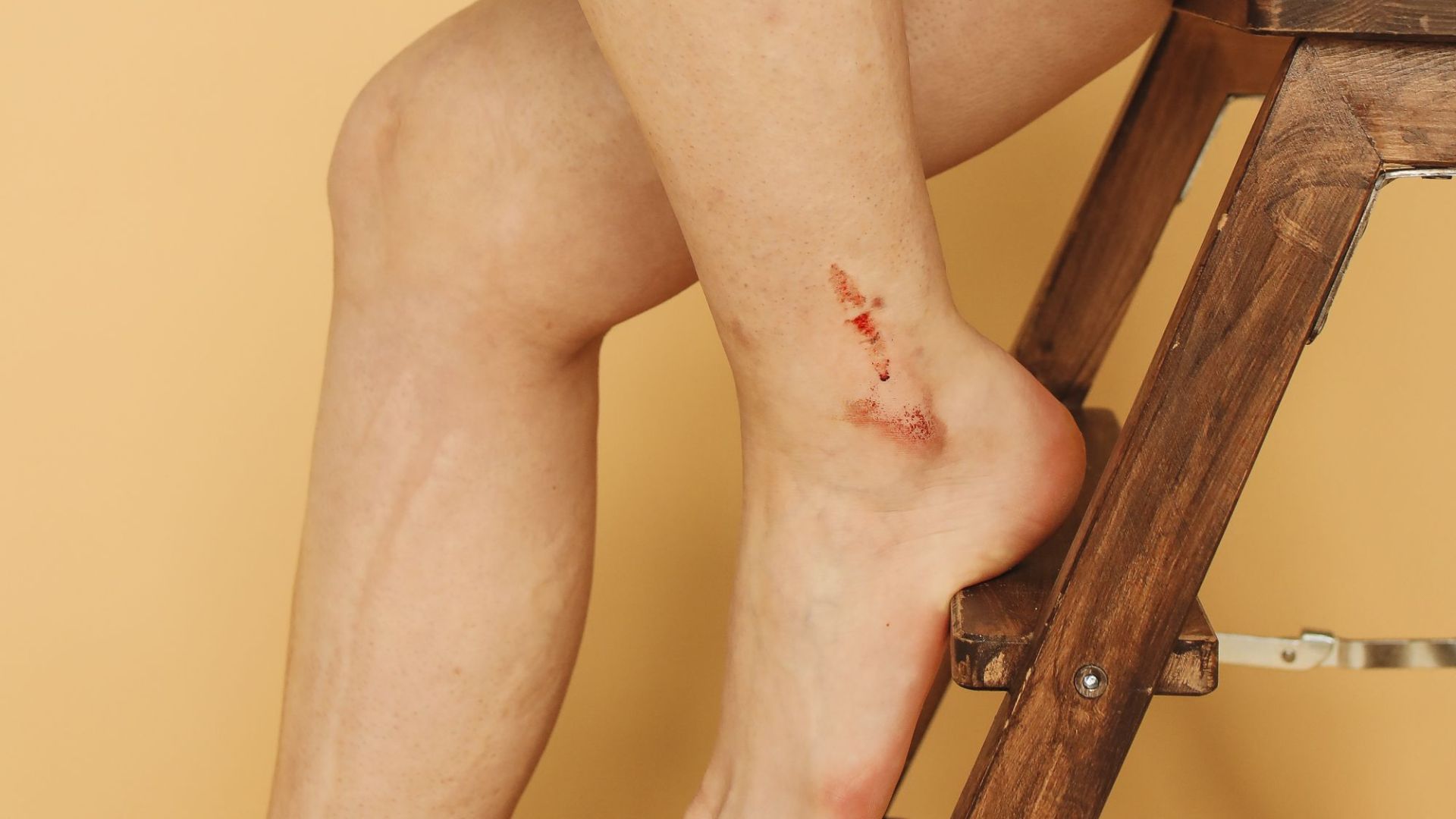
When skin is wounded, nearby cells begin multiplying and moving to close the gap. This helps rebuild the protective surface so germs and irritants have less opportunity to get in. The healing process involves many steps, including inflammation, tissue rebuilding, and remodeling.
19. It Reacts to Allergens With a Rash
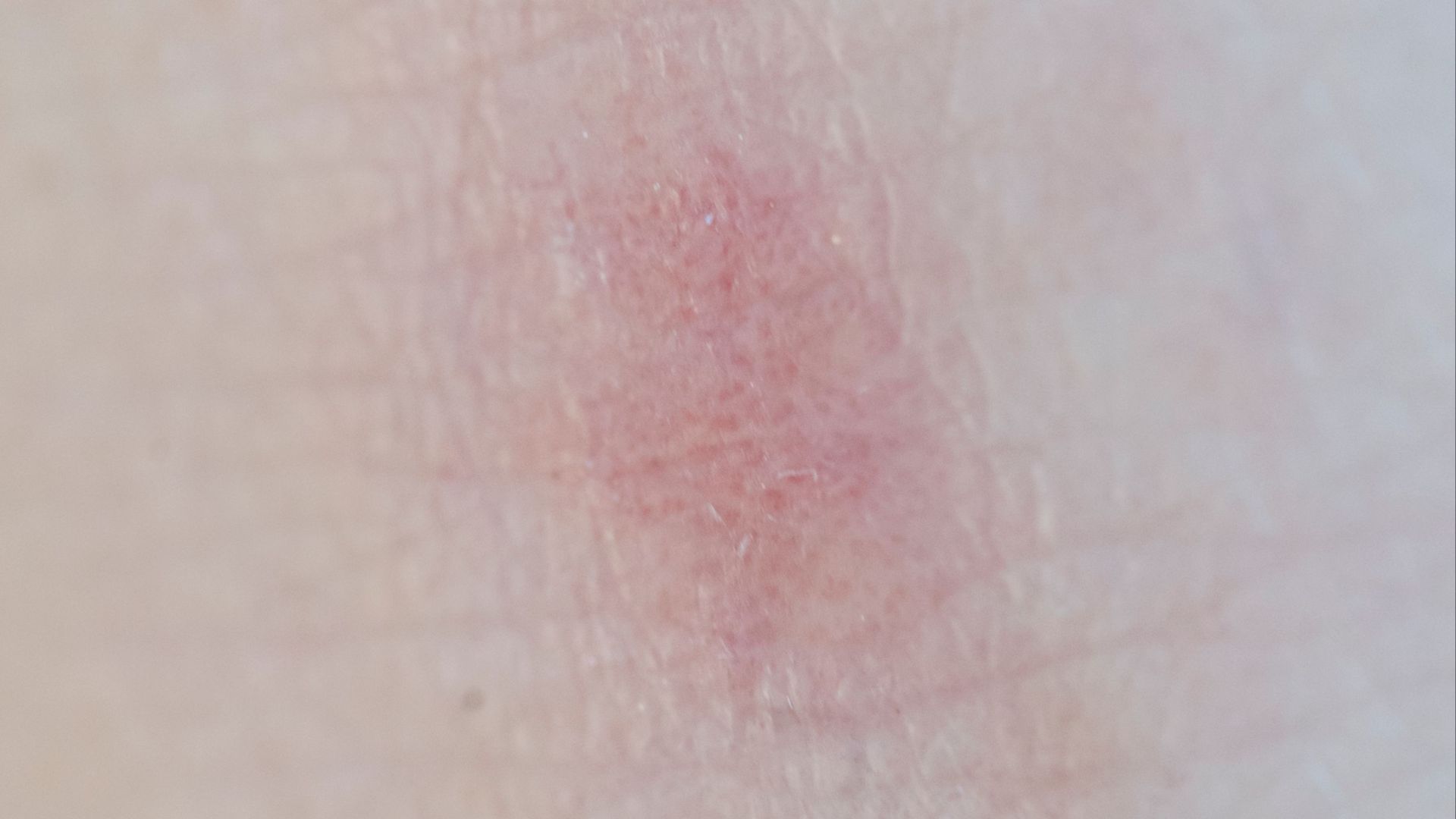
A rash can appear when your immune system reacts to something it sees as a threat. This might happen after contact with poison ivy, certain metals, fragrances, latex, or other triggers. The redness, bumps, and itching are part of an immune response, even if the reaction feels excessive.
20. It Builds a Slightly Acidic Surface
Your skin’s surface is naturally slightly acidic, which helps support its barrier and discourage some unwanted microbes. This protective acidity is sometimes called the acid mantle. Harsh soaps, over-washing, and certain products can disturb that balance and leave skin feeling irritated or dry.