Take Charge of Your Checkup
Visiting your doctor can sometimes feel like being in a country that speaks a different language. You bob your head and pretend like you understand when the person talks, but when it comes to your health, you can’t afford to be confused. You deserve to leave your appointment knowing exactly where your body stands and what you need to do moving forward. With that in mind, here are 20 questions to discuss at your next appointment.
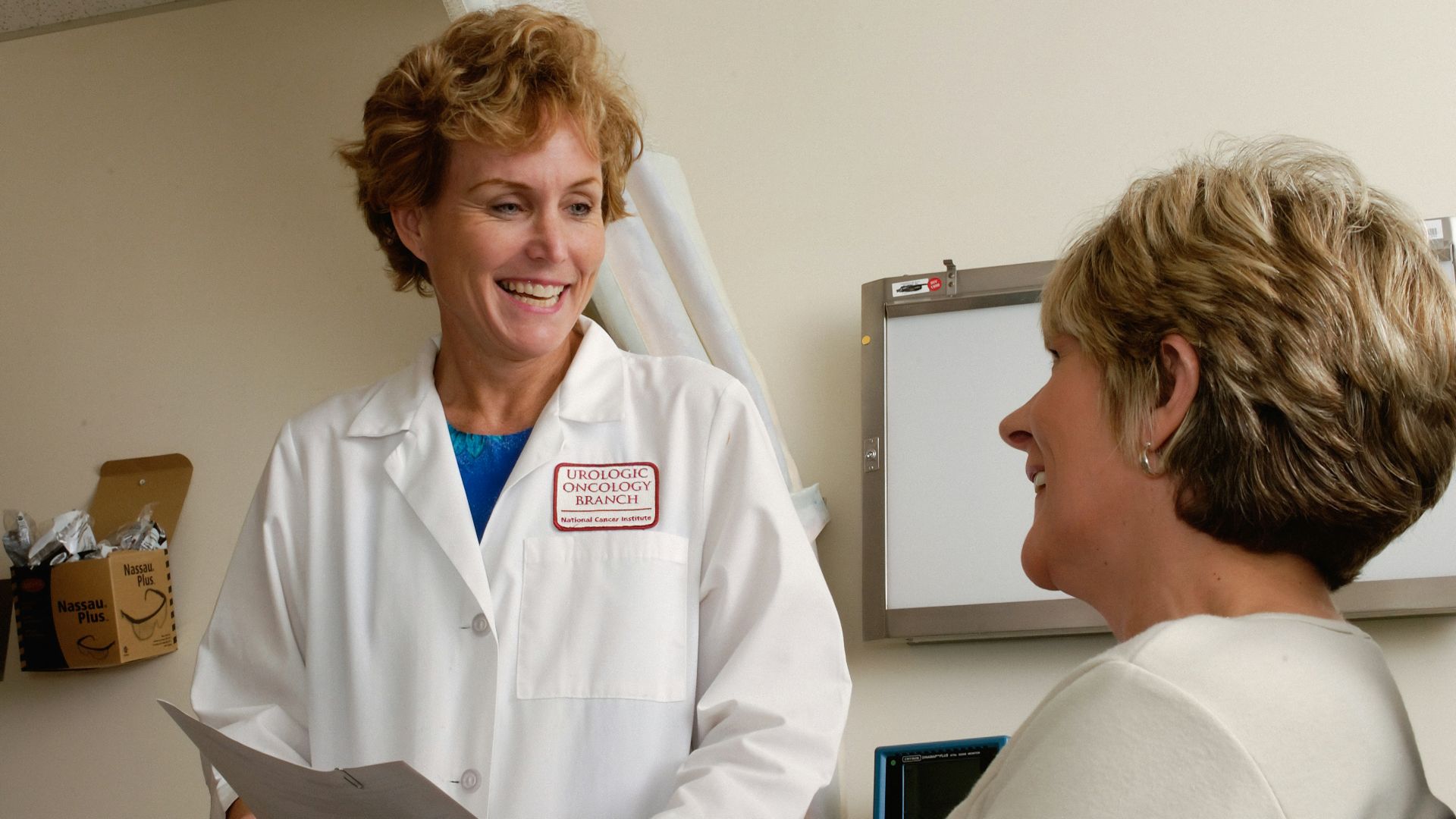 National Cancer Institute on Unsplash
1. What’s the Goal of This Medication?
Know why you are taking each medication. Ask what positive effect the medication will have on your health. Does it target a certain symptom you have? Or is it more preventative to stop a disease from occurring? Once you know what each of your medications does, you will find it easier to remember to take them daily.

2. Are Any of My Meds Redundant?
Get older, and you are likely to have an assortment of medications from various doctors. Some doctors you may see regularly, while others you only see every few years. Ask your primary care physician to look over all of your medications to see if any of those pills are redundant.

3. How Should I Manage Side Effects?
Every medication has its own personality. There are side effects that you will want to monitor and others that you can laugh off. Ask if a headache or nausea is normal when you first start taking the medication. The more prepared you can be for side effects, the easier it will be to start your medication.

4. Is This Generic Version Just as Good?
Rx medication can be expensive. Ask your doctor if there are any generic brand alternatives to your medication. The generic brand may have the same ingredients, but at a much lower cost. Your doctor will tell you if you can save some money by switching brands.

5. What Screenings Are Actually Necessary?
Just because you need certain screenings each year does not mean you need all of them. Ask your doctor which screenings are most important for you to get. Depending on your age and health history, you might not need to get a bone density test or a colonoscopy.

6. Can We Review My Lab Results?
You hear it’s normal, but what does normal mean? Ask your doctor to share your numbers and show you where you rank on your cholesterol, blood sugar, or other tests. Once you understand the basics, you’ll be able to keep track of your own progress year after year.
 National Cancer Institute on Unsplash
7. How Is My Heart Health Looking?
Your heart keeps your body running, so why not ask how yours is doing? Request an update on your blood pressure readings and discuss whether you are on the right track for heart health. Simple changes can make a big difference and reduce your risk of future problems.

8. What Vaccines Do I Need Now?
Many vaccines are based on age, and you may need booster shots as you get older. There are vaccines for shingles, pneumonia, and more that are beneficial as you age. Ask your doctor if you are up to date on vaccinations and discuss any seasonal shots you may need.
 National Cancer Institute on Unsplash
9. Should I Change My Diet?
Just because your diet hasn’t changed in years doesn’t mean it’s right for you now. Ask your doctor if there are things you should be eating more of, like calcium. Or if you should be eating less sodium. Your doctor can help provide realistic suggestions that you can start using.

10. How Much Exercise Is Safe?
Exercise is important at any age, but you want to know what you can safely handle. Ask your doctor what exercises are best for you, and if there are ones you should avoid. You’ll feel more comfortable at the gym or going for a walk once you get the all-clear from your doctor.

11. Is My Memory Normal for My Age?
We all have moments when we forget things, but it’s OK to ask questions about your cognition. Ask your doctor what normal aging is and what’s worthy of a deeper look. Getting a handle on those concerns now will ease your mind and help you plan for the future.

12. Can You Help with Sleep Issues?
Don’t settle for lying awake all night because you think that’s just senior insomnia. Ask your doctor if the medications you’re on could be affecting your sleep or if there are lifestyle modifications that can help you fall asleep more quickly. Your daytime energy will skyrocket if you can improve your nighttime sleep.

13. What Is My Fall Risk?
Balance isn’t what it used to be, and it’s OK to ask your doctor to evaluate your stability and gait. There are exercises you can do to improve your leg strength, and they can also make recommendations for your home to keep you from taking nasty spills. Preventing a big fall starts with these small conversations.

14. Are My Supplements Helping?
Just because you saw something on television doesn’t mean it’s beneficial or safe to take with your current medications. Show your doctor what you’re currently taking, and they can point out what’s helpful and what’s not worth your money. They can make sure your vitamins don’t contradict your prescriptions.

15. Why Am I Feeling So Tired?
Tiredness can be attributed to many different things, such as a vitamin deficiency or a side effect of medication. Tell your doctor how you feel during the day and ask if something medical is causing you to always feel tired. You’ll feel like yourself again once you and your doctor identify the cause.

16. How Do I Access My Records?
Electronic health records have made it easier than ever to store your health history. You should ask your doctor how to access your patient portal online. You can even request a demonstration of how to message your care team and see your scheduled visits.

17. What Should I Do in an Emergency?
No one wants to think about medical emergencies, but you should know what to do if something happens. You can ask your doctor where to go if you experience sudden, severe symptoms after hours. Find out if you should always visit urgent care or call their office first for advice.

18. Can We Discuss My Mental Health?
Taking care of your mental health is vital to your overall well-being. You should ask your doctor for resources if you’ve been feeling depressed or worried. Inquire about community services for extra social support or if therapy could benefit you.

19. Who Are My Other Specialists?
You may need to consult with specialists if you have a chronic condition. You should make sure all of your doctors are informed about your treatment plans. Ask your primary care doctor if they have communicated with any of the specialists you’ve seen.

20. When Should We Meet Again?
You should know what your future with your doctor looks like before you leave their office. Ask if you need to make a follow-up appointment or if you’re scheduled for a while. That way, you have something to look forward to and can plan.

KEEP ON READING