Feed Your Gut and Fuel Your Day
Prebiotic foods contain types of dietary fiber and other compounds that can be used by beneficial microbes in your gut. A healthy gut microbiome supports normal digestion, and many prebiotic foods also happen to provide carbohydrates, fiber, vitamins, minerals, and other nutrients that can contribute to a balanced diet. They won't magically turn a tired afternoon into an energetic one, but choosing nutritious, fiber-rich foods can help you build meals that provide more sustained nourishment.
 Priscilla Du Preez 🇨🇦 on Unsplash
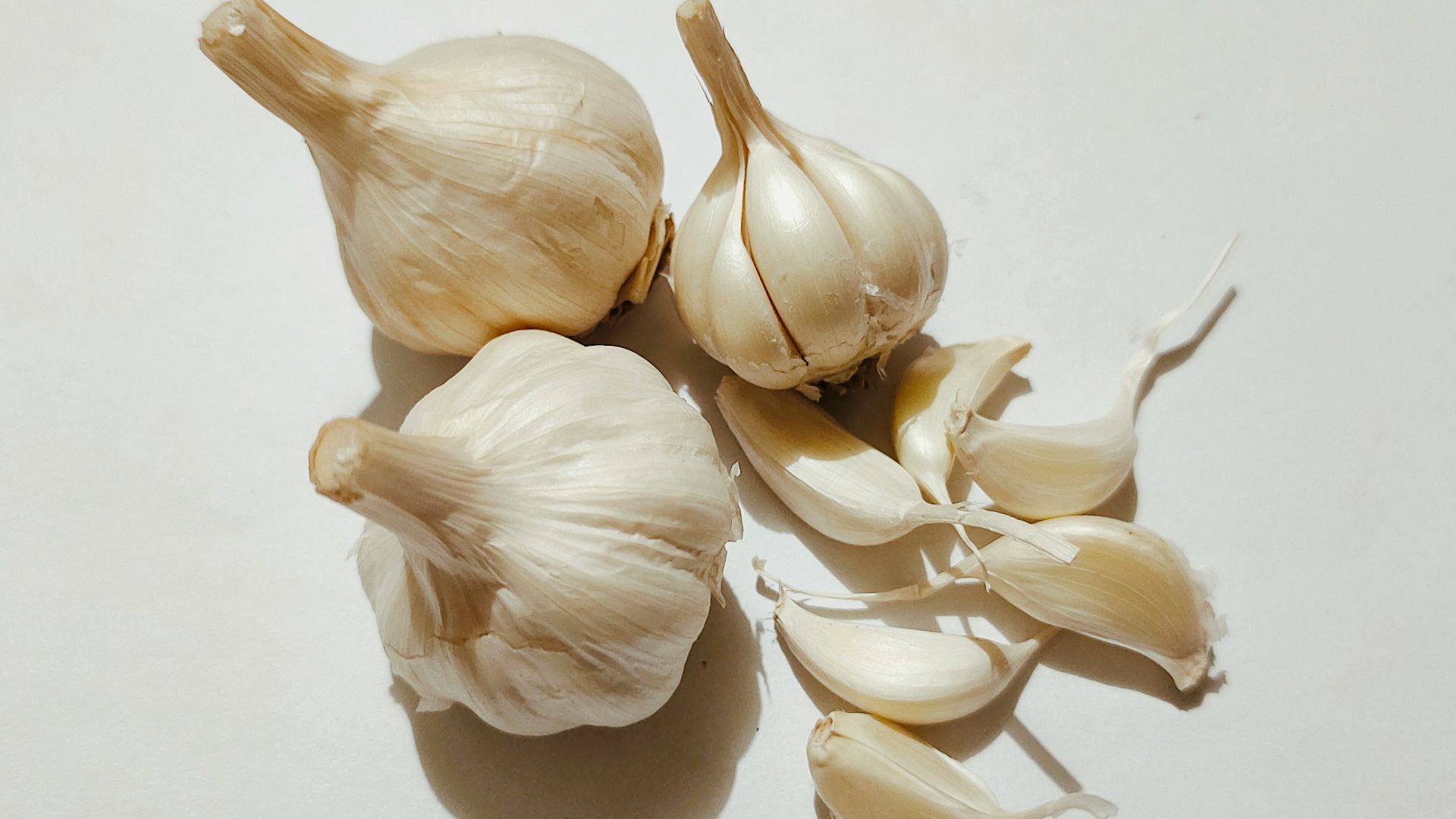
1. Garlic
Garlic is rich in inulin and fructans, carbohydrates that can be fermented by bacteria. It’s also easy to add to soups, sauces, roasted veggies, and just about anything else you cook. Some compounds in garlic may have different effects once it’s cooked, but garlic can still add flavor and nutrients to a healthy diet.
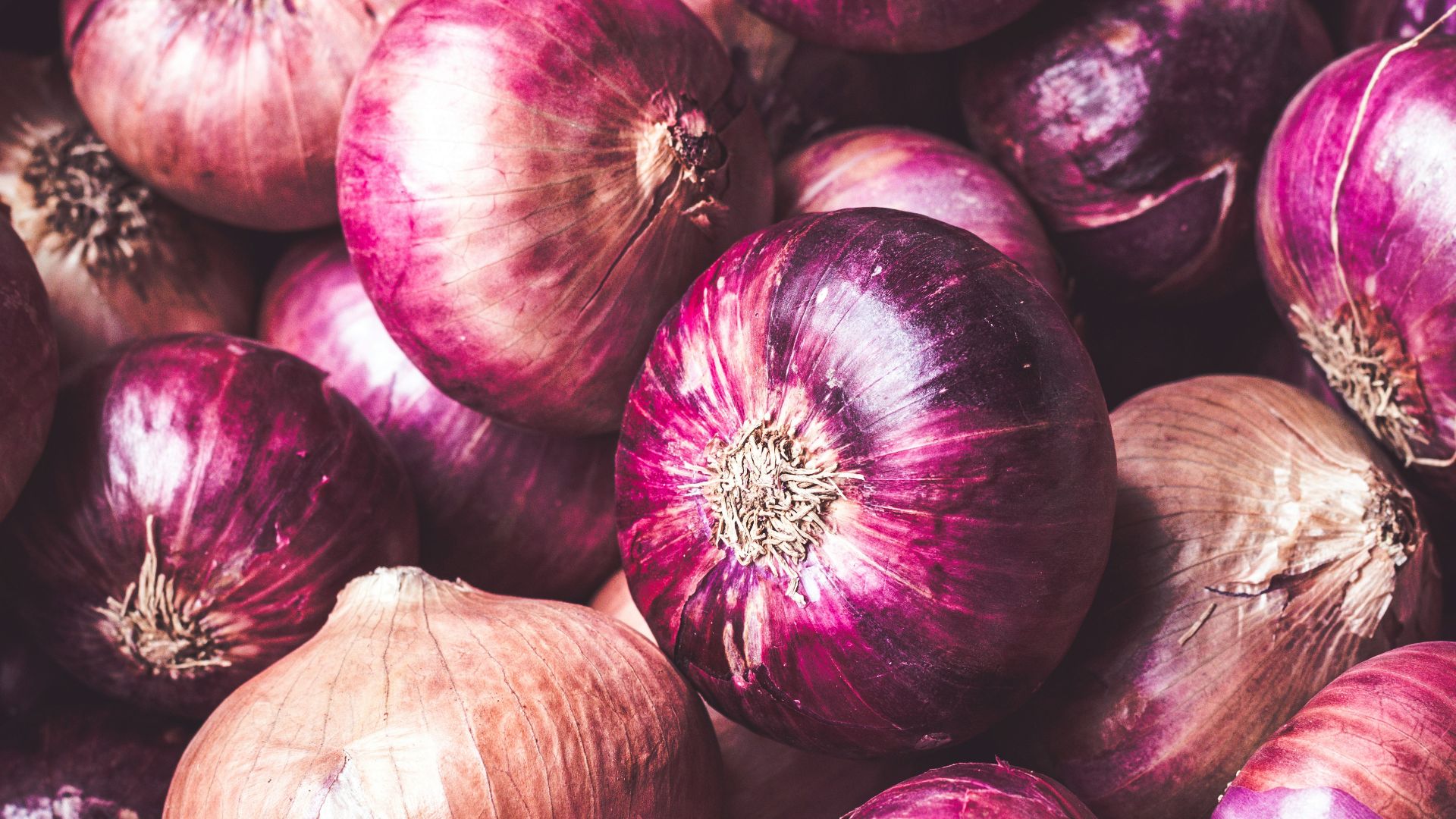
2. Onions
Onions are another common source of fructans. You can add them to eggs, stir-fries, soup, sandwiches, grain bowls, or just about anything else you’re making without having to change your whole meal. Onions also provide vitamin C and other plant compounds.
3. Leeks
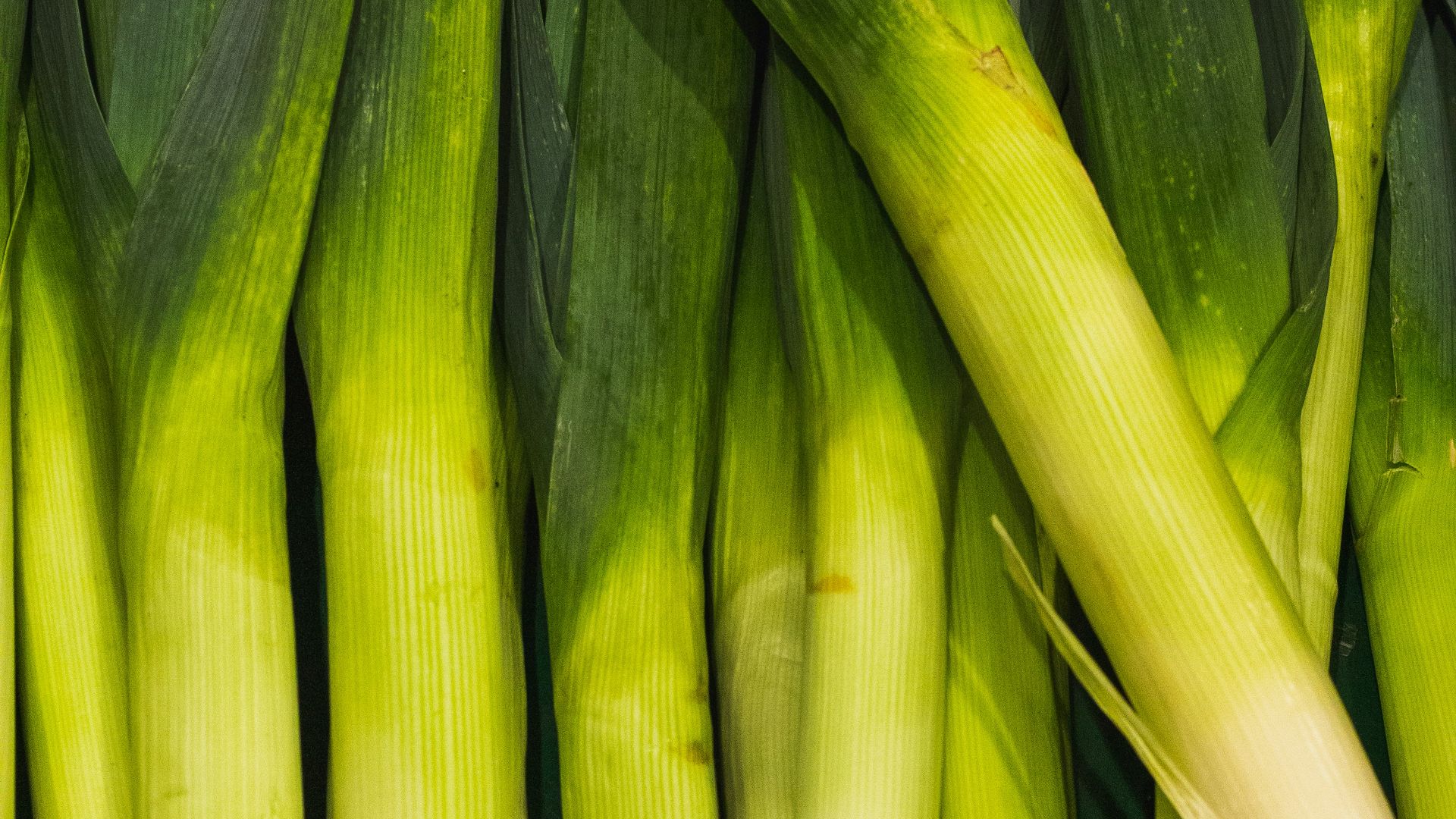
Leeks are part of the same botanical family as garlic and onions. They contain fructans that your gut microbes can ferment. Their mild flavor works well in soup, stew, roasted vegetable dishes, and savory sauces. They also offer fiber and several micronutrients.
4. Asparagus
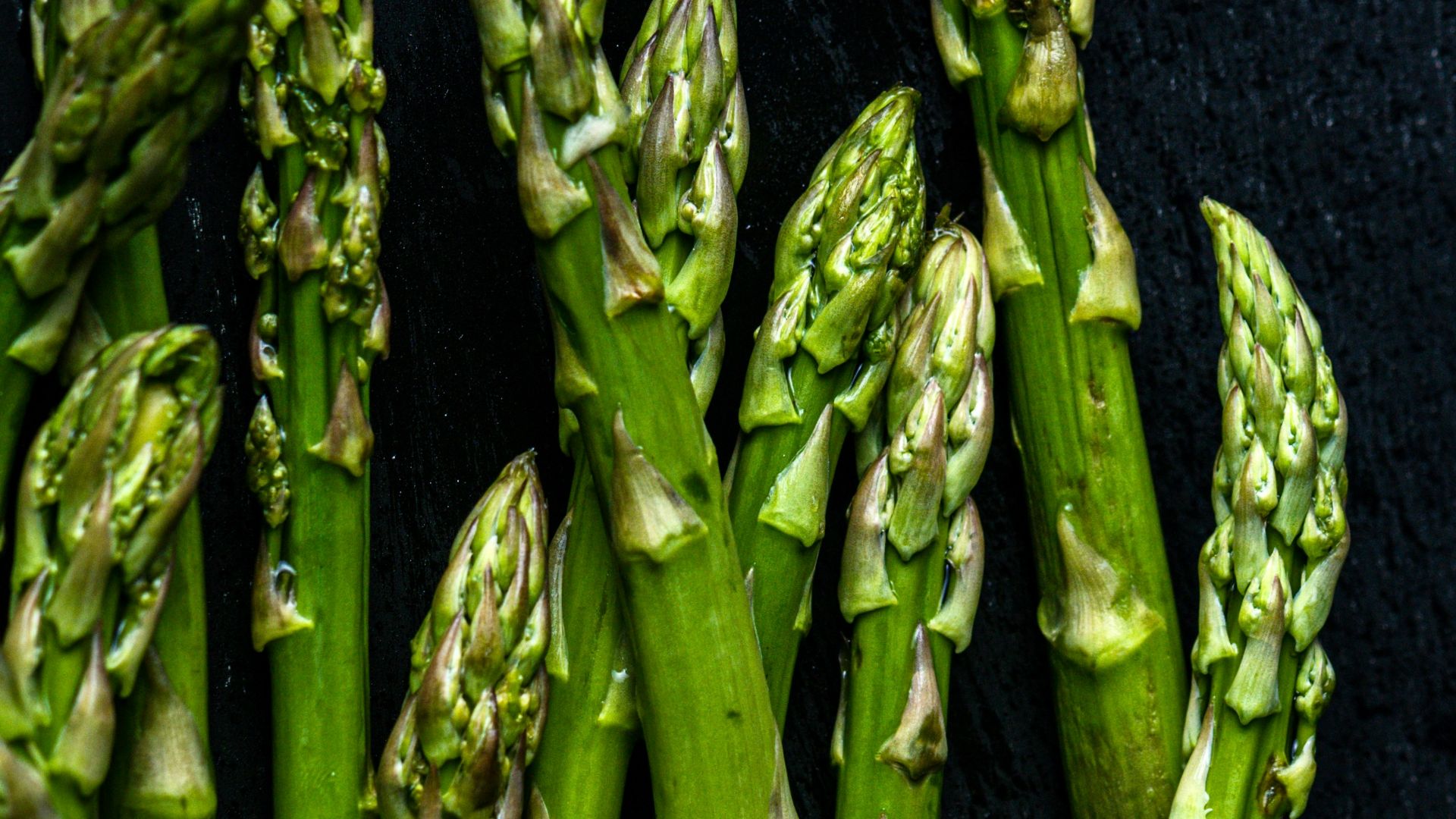
Asparagus contains inulin and other types of fiber that your gut microbes can use. It’s also a good source of folate, vitamin K, and several other nutrients. Roasted or grilled asparagus can be a simple side dish to serve with protein and grains.
 Juan Carlos Frias Brito 🇲🇽 on Unsplash
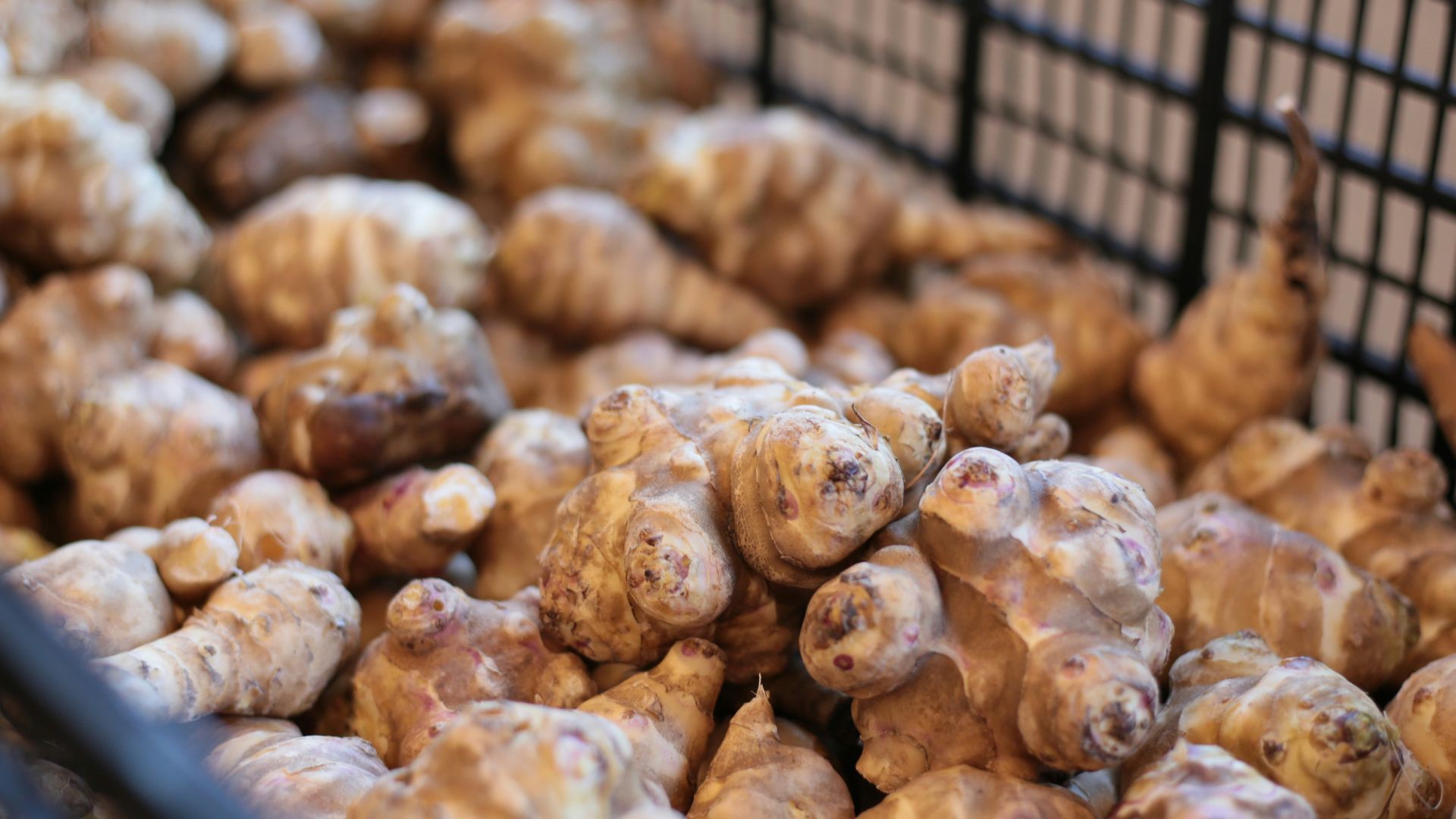
5. Jerusalem Artichokes
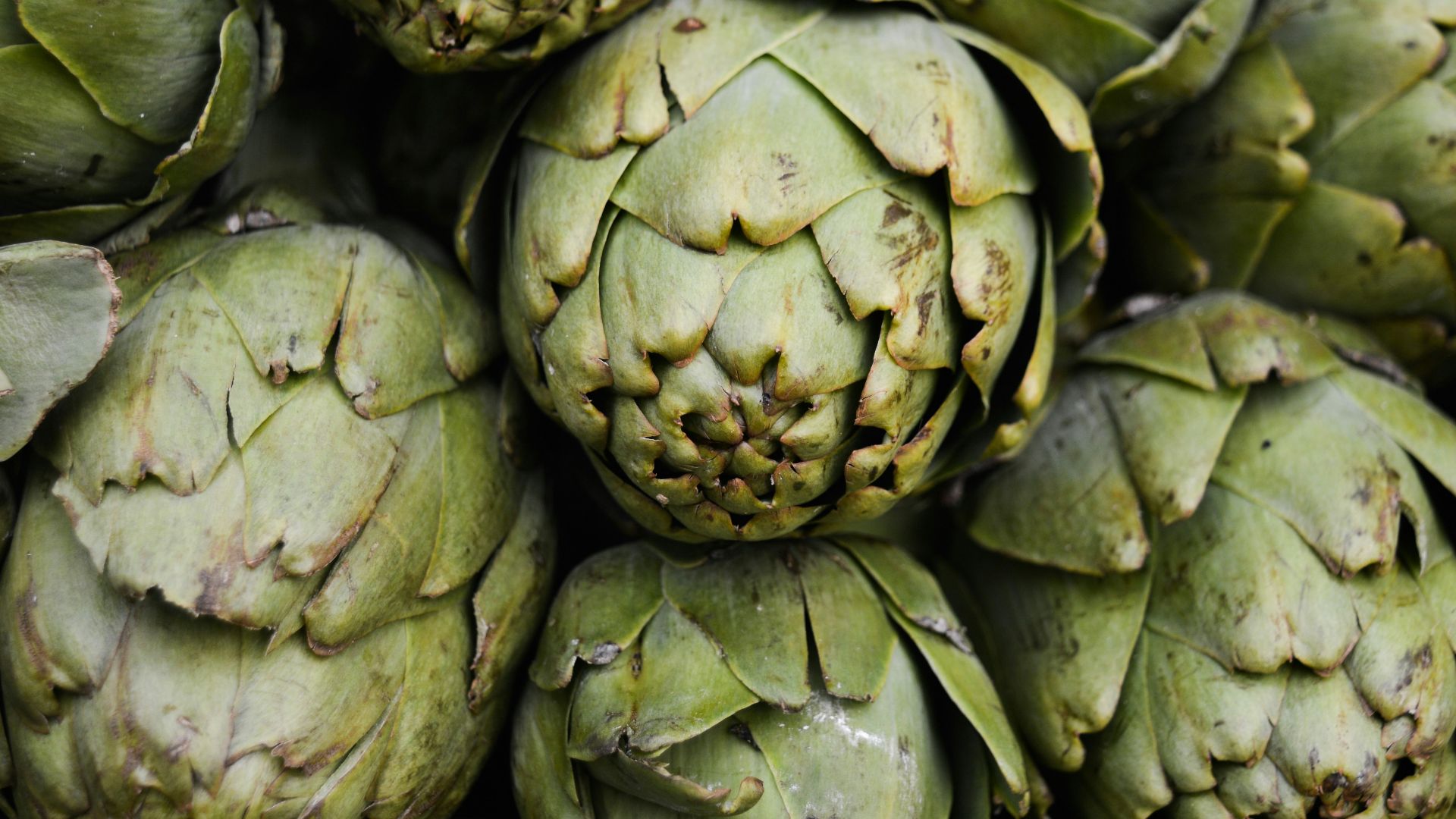
Jerusalem artichokes, also known as sunchokes, are particularly rich in inulin. They’re unrelated to regular artichokes despite the name and taste naturally nutty when cooked. Keep in mind that eating high amounts of inulin can cause gas or bloating in some people.
6. Chicory Root
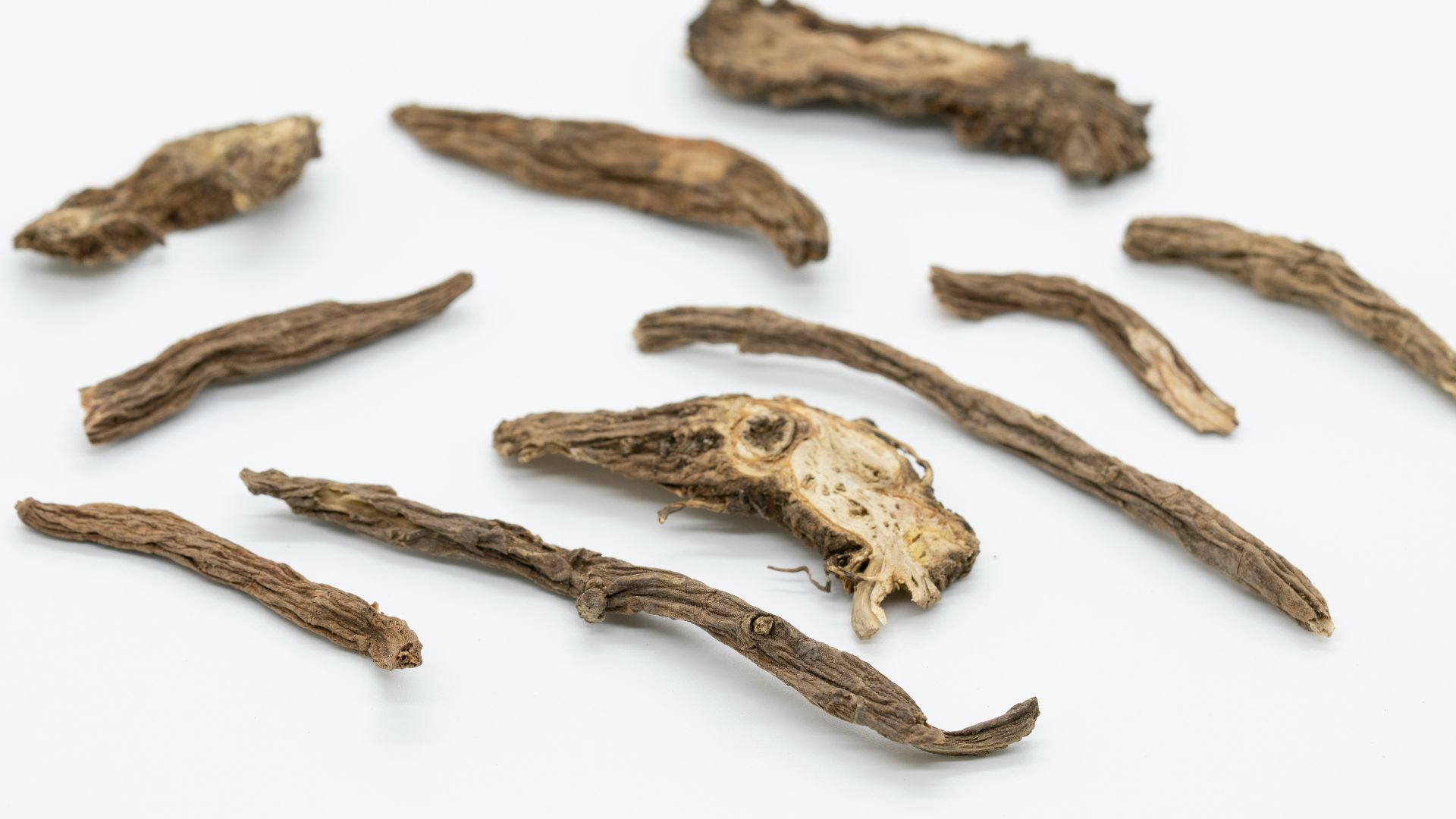
Chicory root is one of the richest natural sources of inulin. It’s commonly added to foods as an ingredient to increase fiber content. You might see chicory root fiber or chicory-derived inulin listed on the label of certain cereals, snack bars, and packaged foods.
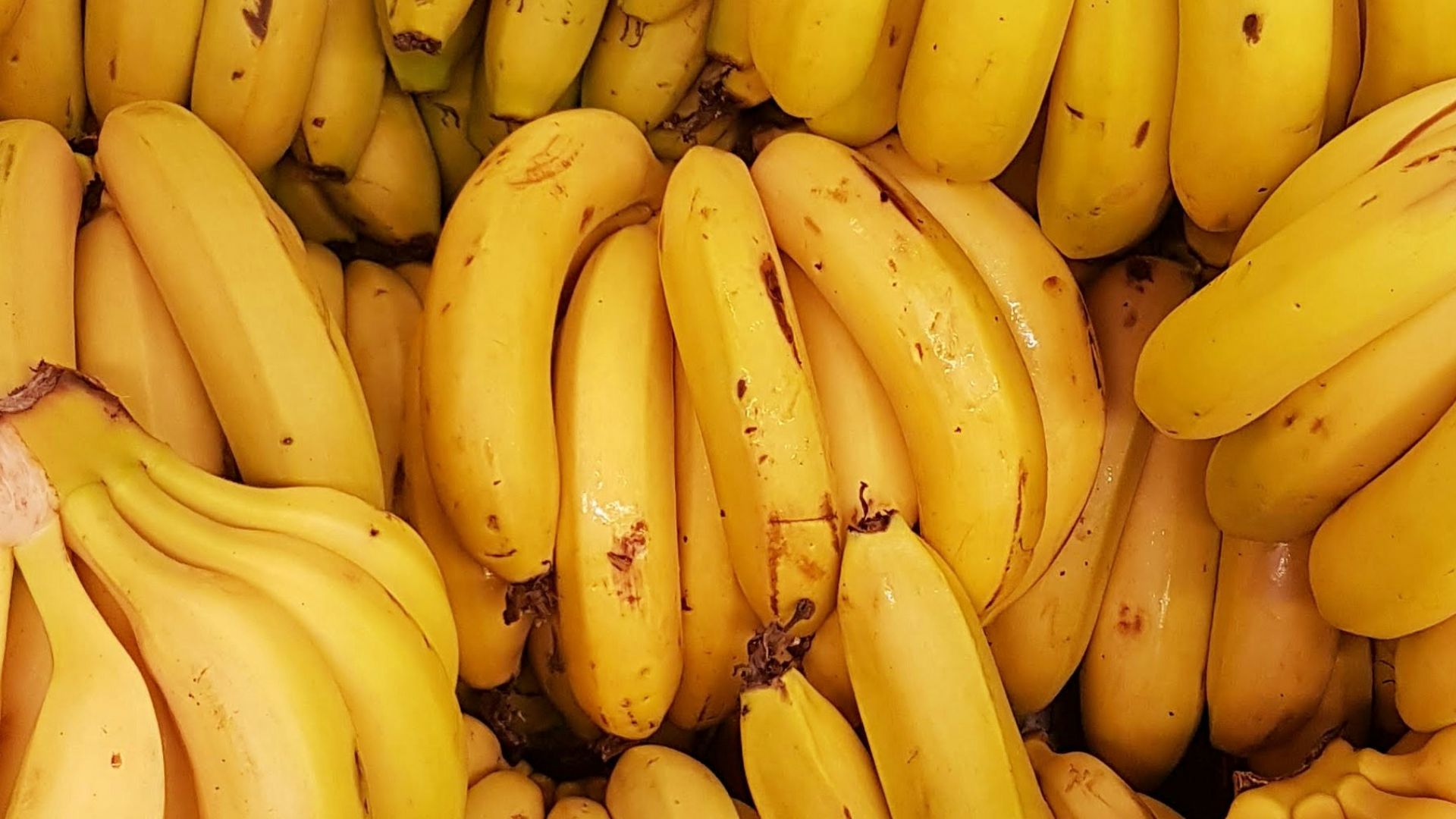
7. Bananas
Bananas provide resistant starch when they’re less ripe, as well as other carbs and fiber. Resistant starch travels to the large intestine where it can be fermented by bacteria, which gives it prebiotic effects. When bananas ripen, some of the resistant starch gets converted into simple sugars.
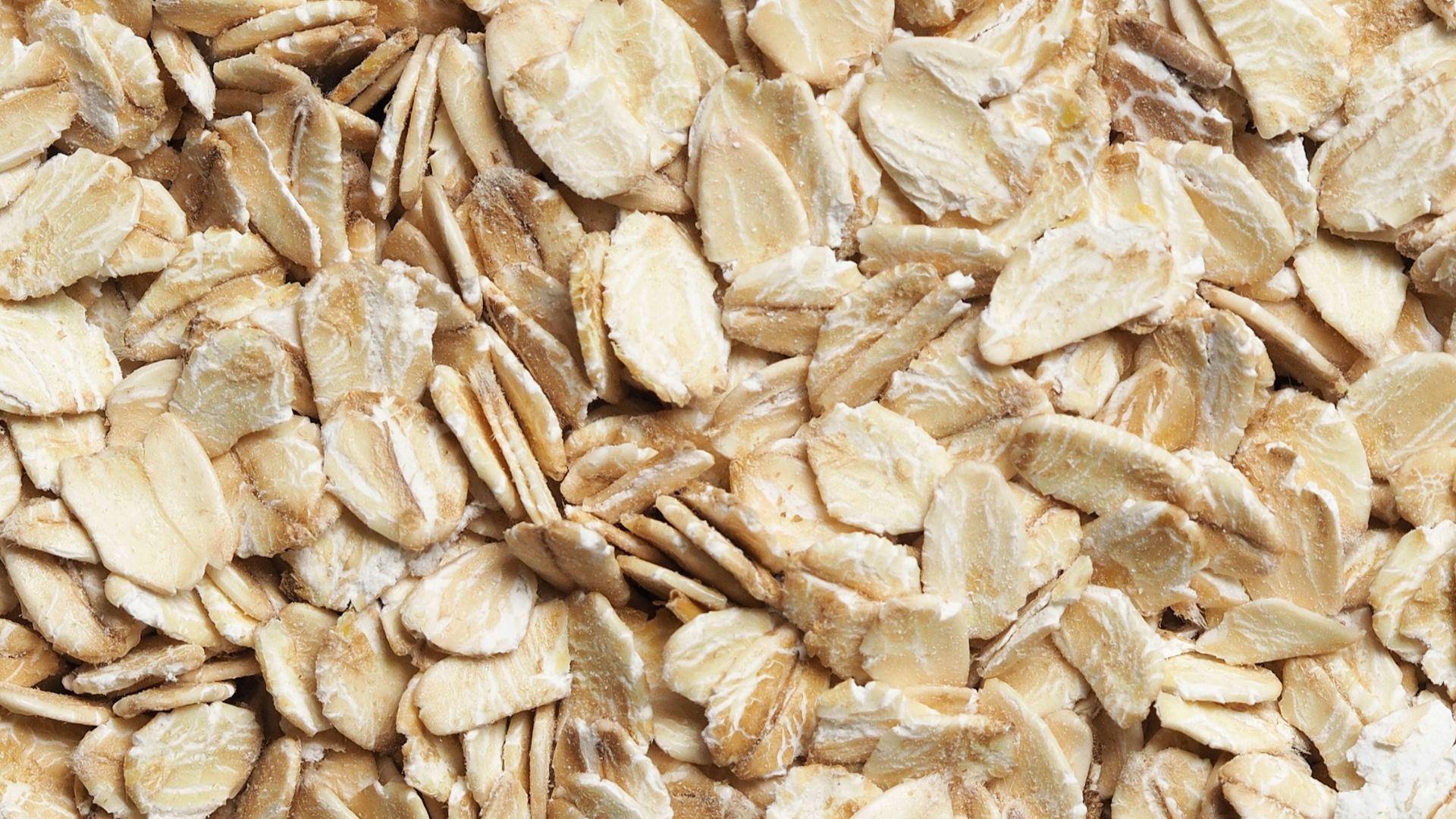
8. Oats
Oats are another good source of beta-glucan, which can promote digestive health. There’s been a lot of research on beta-glucan from oats specifically. You can use oats to make oatmeal, overnight oats, homemade granola, or baked goods.
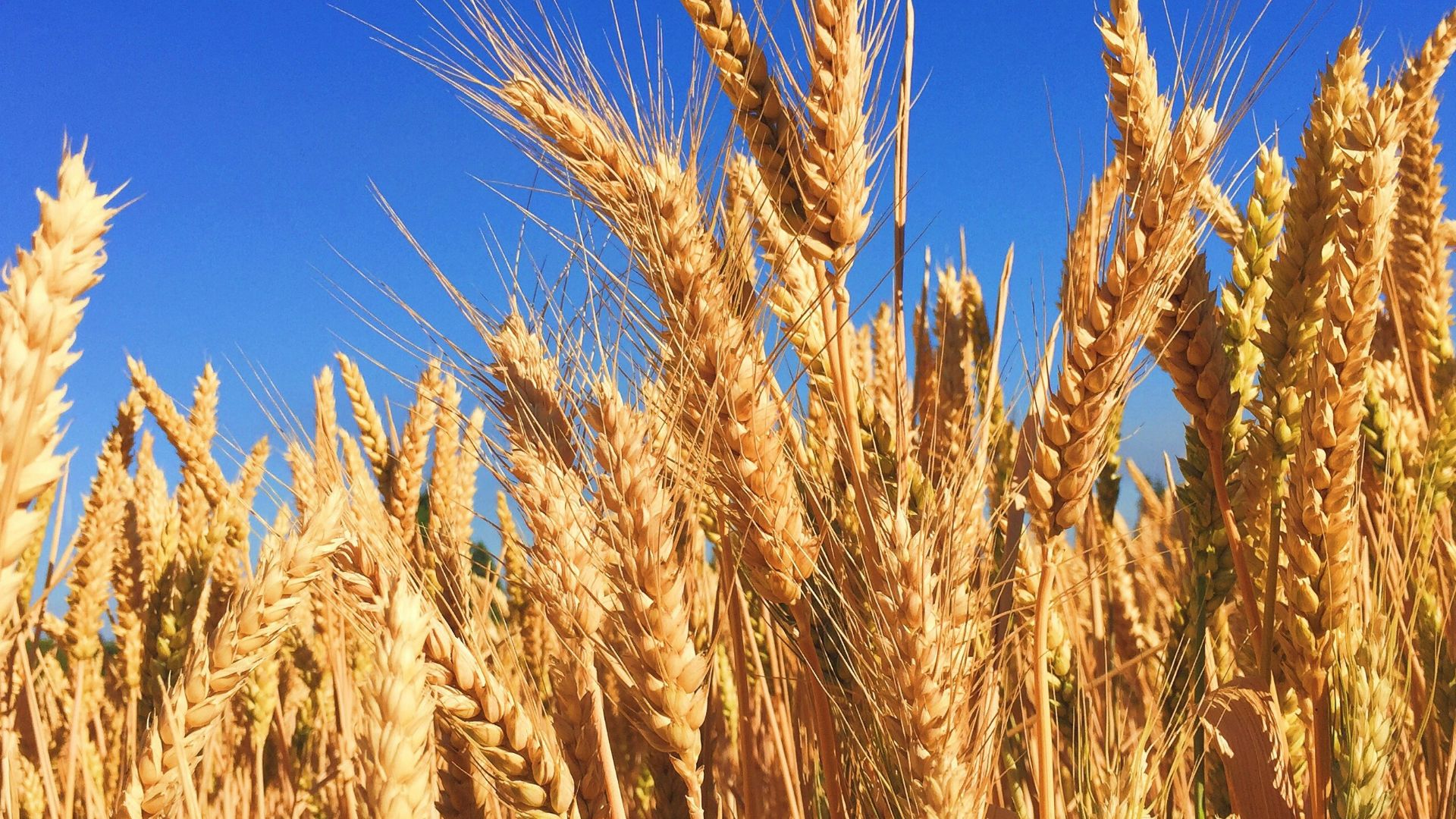
9. Barley
Barley contains beta-glucan and other fibers that can serve as fuel for your gut microbes. It also provides complex carbs, so you can feel fuller after eating it. Add cooked barley to soups, salads, grain bowls, or serve it as a side dish.
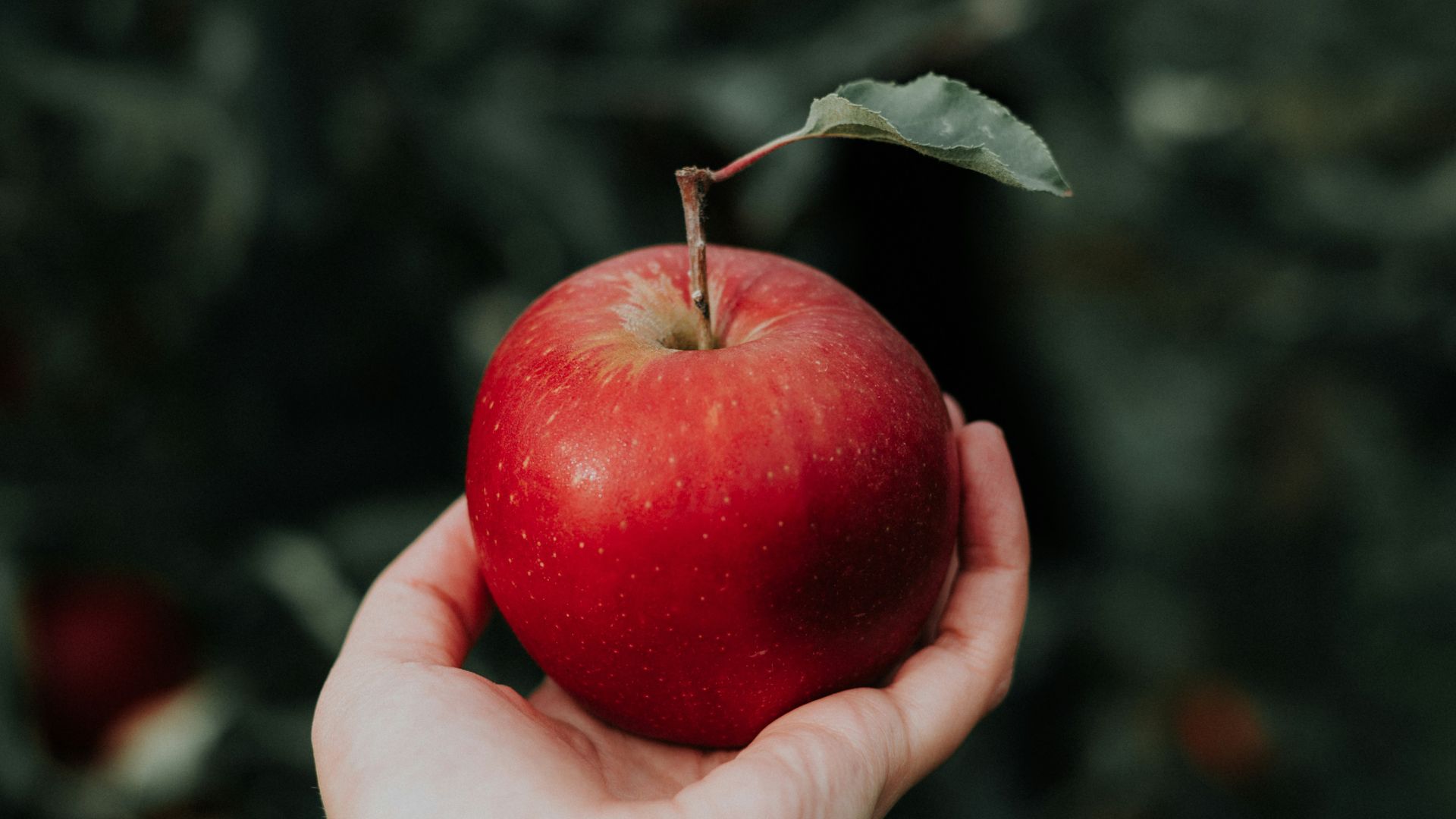
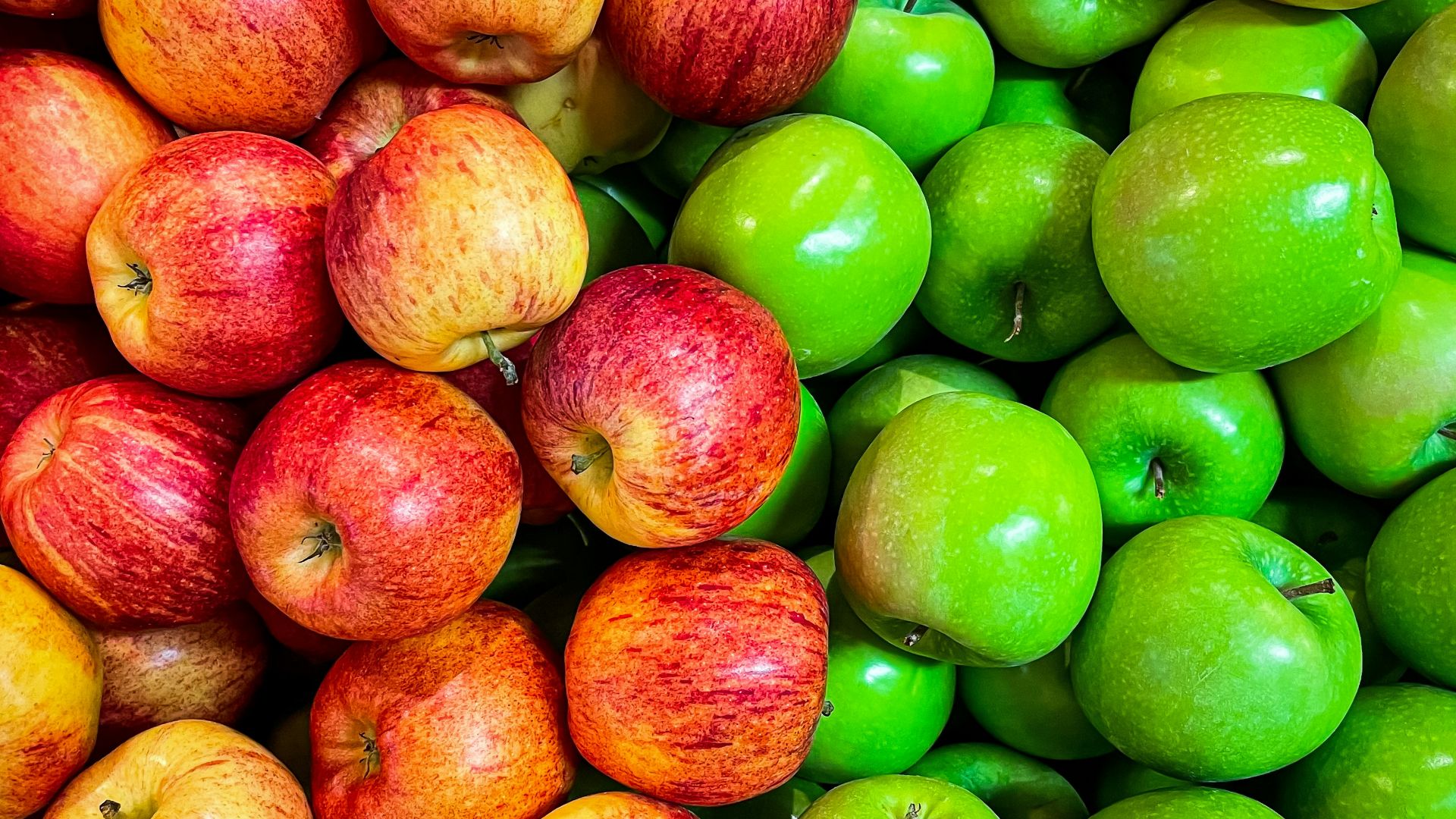
10. Apples
Apples contain pectin, another soluble fiber that bacteria can ferment. Most of an apple’s fiber is in or near the skin, so you can eat the skin if it’s washed and you don’t mind the texture. Apples also offer carbs and vitamin C, so they make a convenient snack or addition to meals.
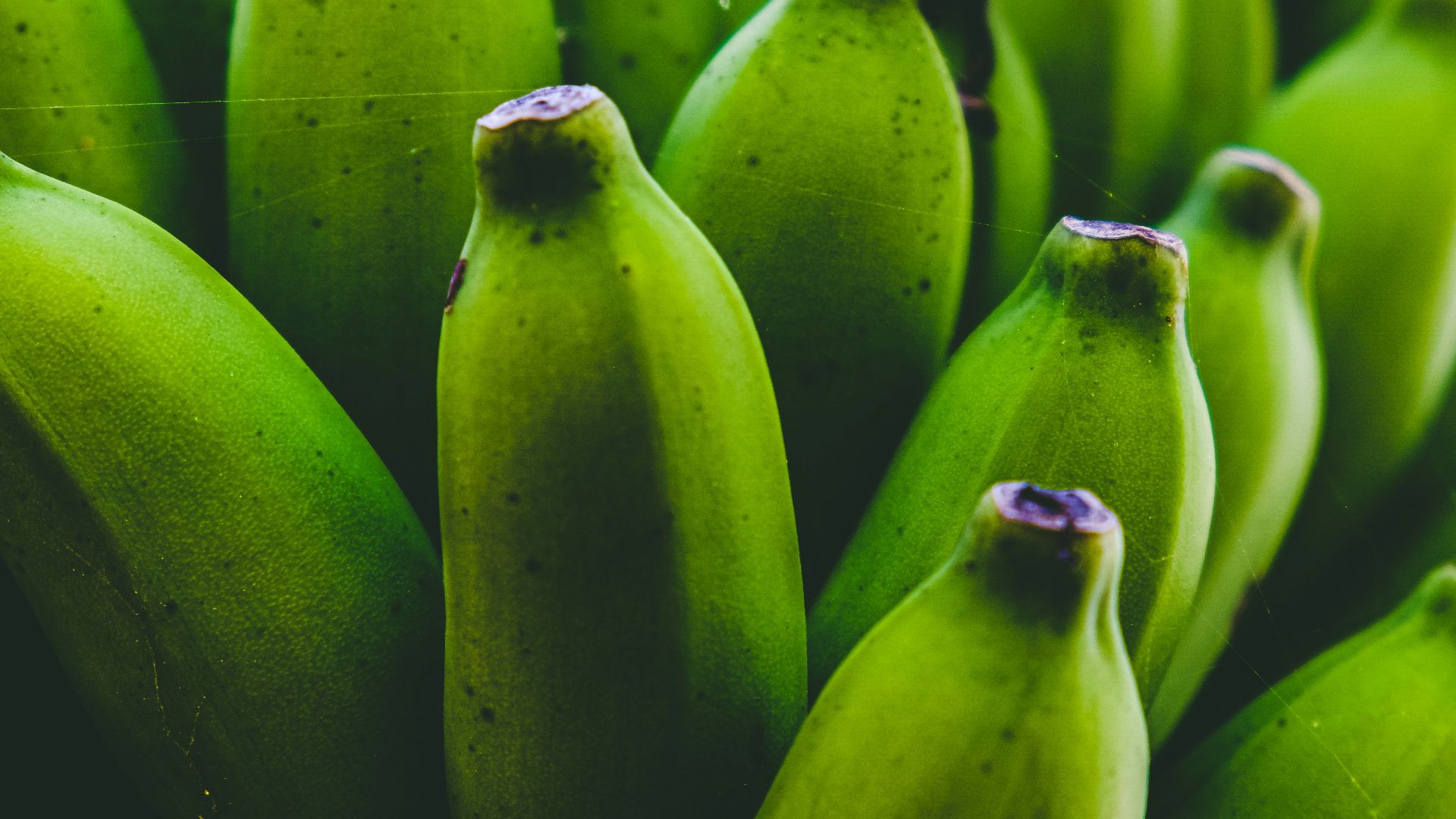
11. Green Bananas
Green bananas are unique enough to earn their own spot on this list. They contain significantly more resistant starch than ripe bananas. That resistant starch can escape digestion in the upper digestive tract and be used by microbes in your colon.
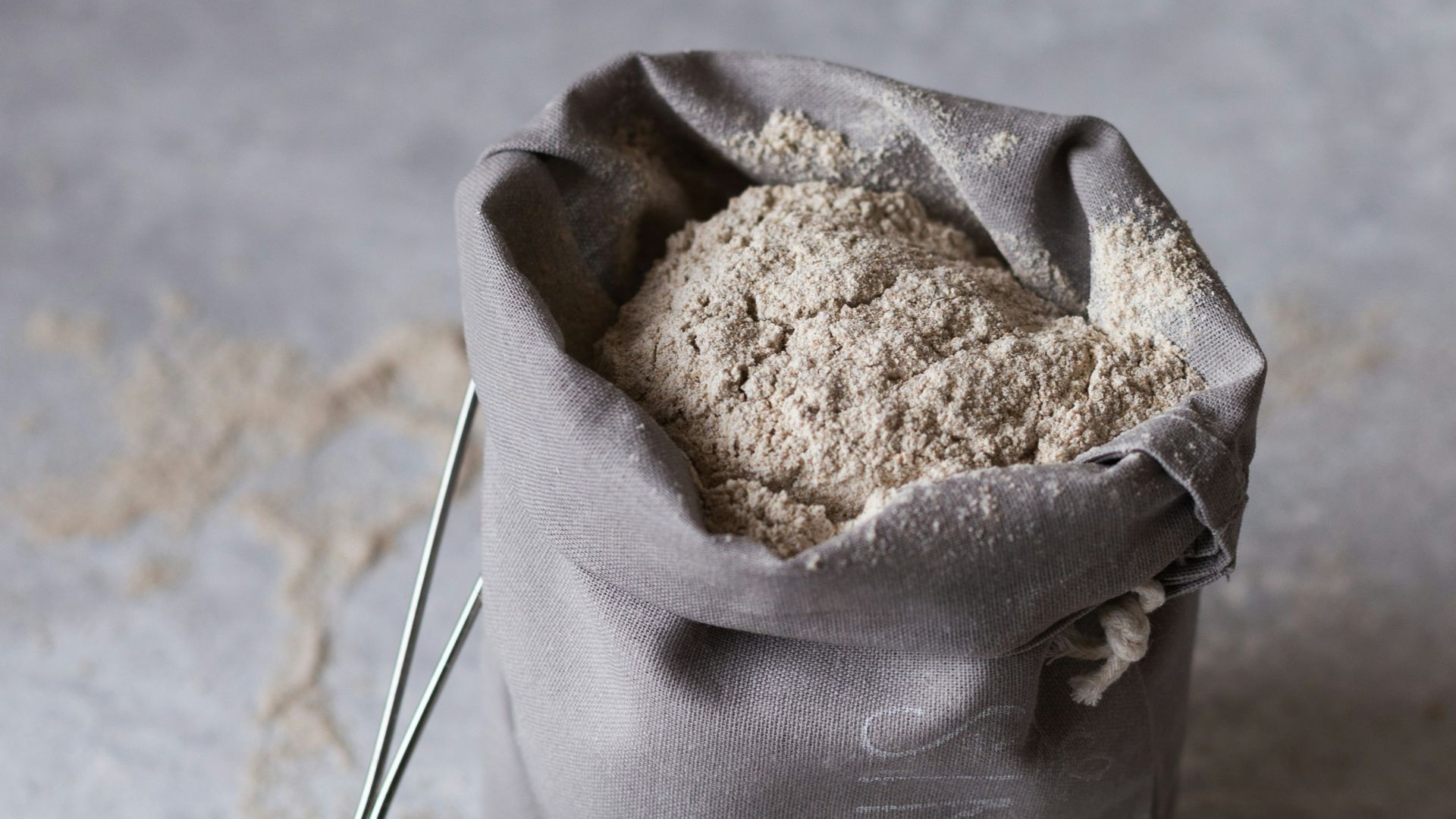
12. Jerusalem Artichoke Flour
Jerusalem artichoke flour can be another way to add concentrated amounts of inulin to your diet. You might find it in specialty products or recipes. It’s more concentrated than eating the whole vegetable, so a little goes a long way toward your fiber intake.
13. Wheat Bran
Wheat bran is the outer part of a wheat kernel. It’s loaded with insoluble fiber and isn’t typically thought of as a prebiotic like inulin-containing foods are. However, any type of fiber can impact your gut environment and help promote regular bowel movements.
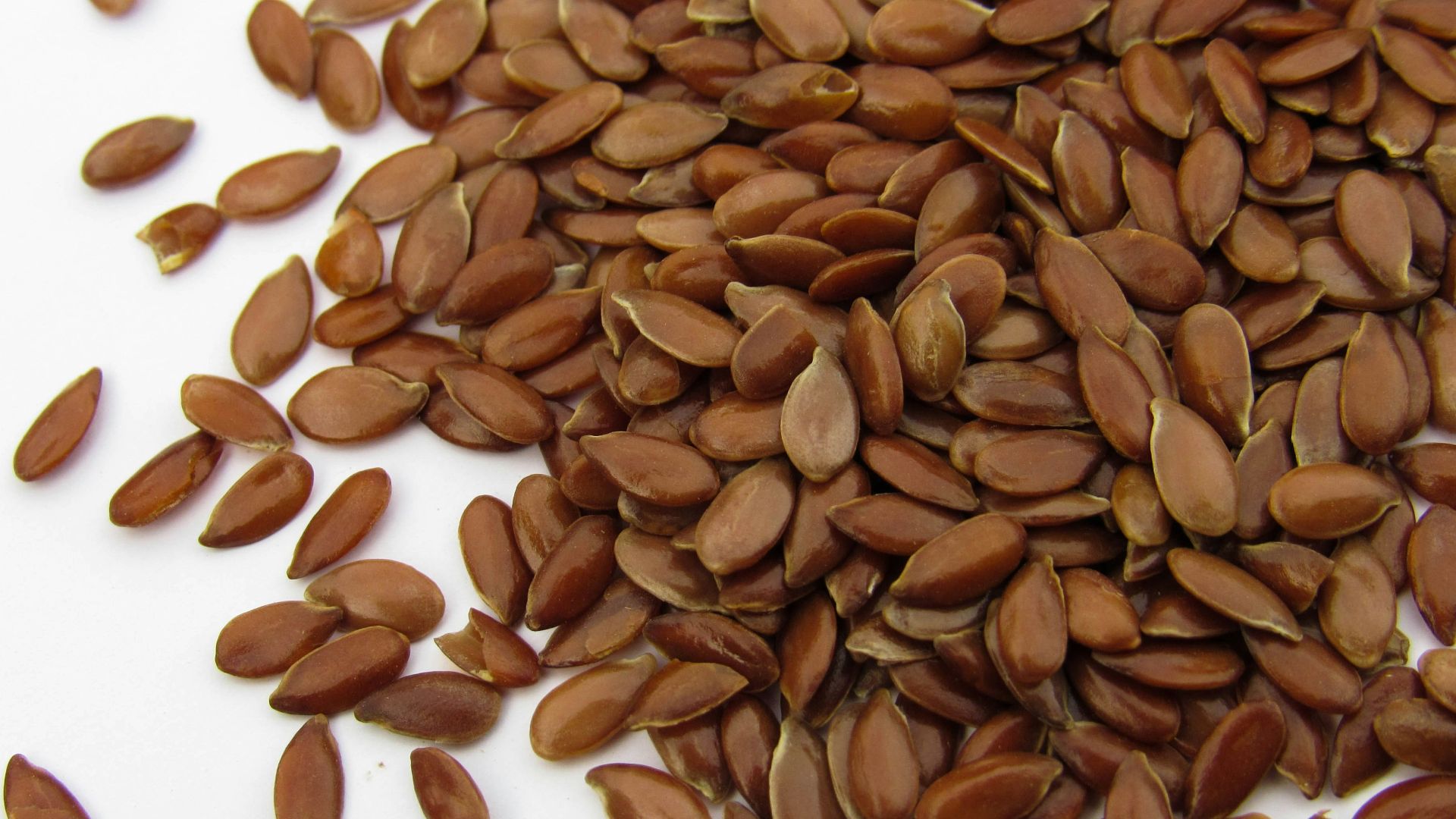
14. Flaxseeds
Flaxseeds contain fiber (both soluble and insoluble), healthy fats, and other plant compounds. While not all of the fiber can be fermented by bacteria, some of it can. Ground flaxseed mixes into foods better than whole flaxseed, so you can sprinkle it on oatmeal, stir it into yogurt, or use it in baking.
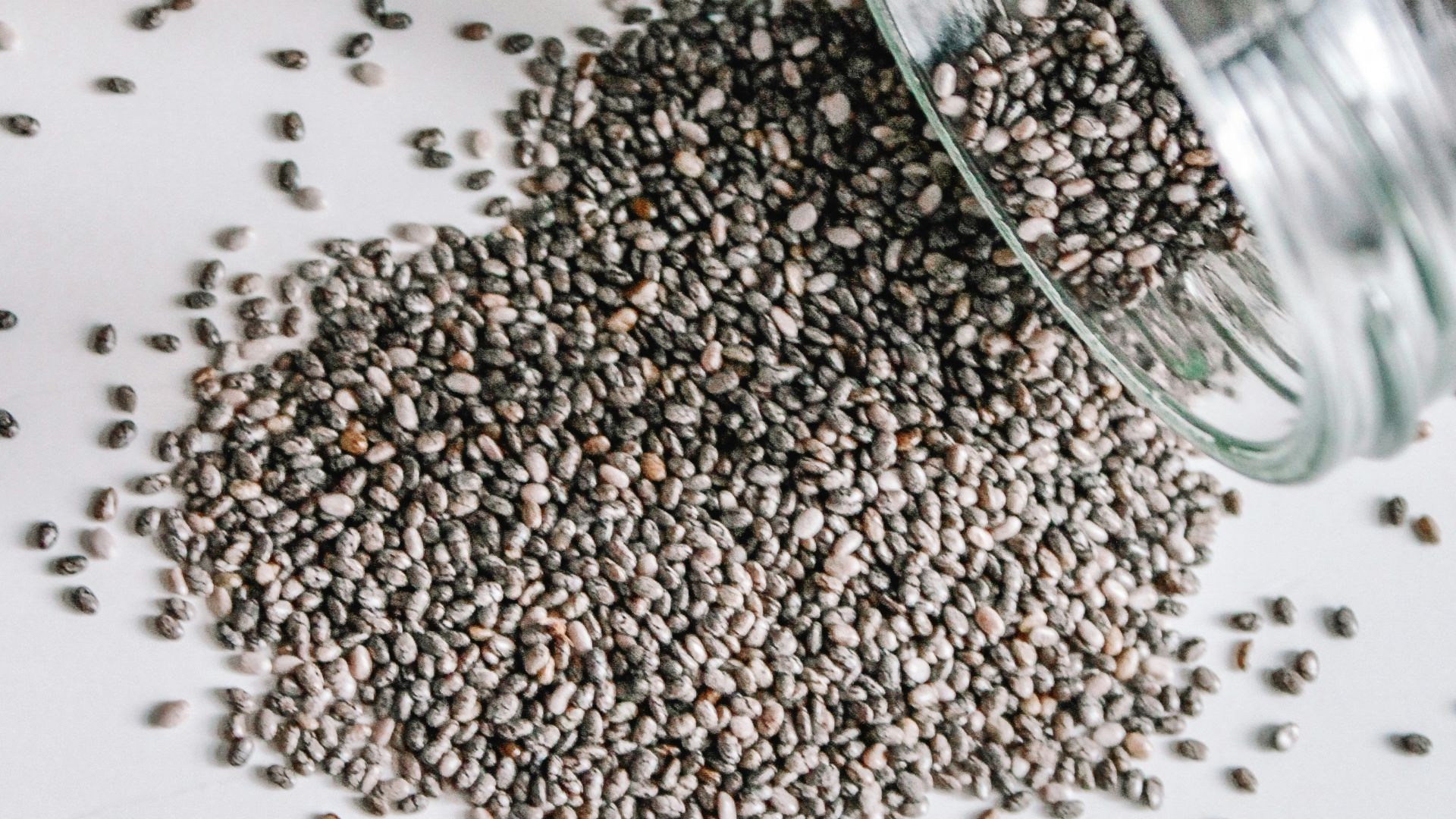
15. Chia Seeds
Chia seeds are extremely high in dietary fiber and absorb liquid. They’re also a good source of fiber that your gut microbes can use. Add chia seeds to oatmeal, yogurt, smoothies, or make chia seed pudding.
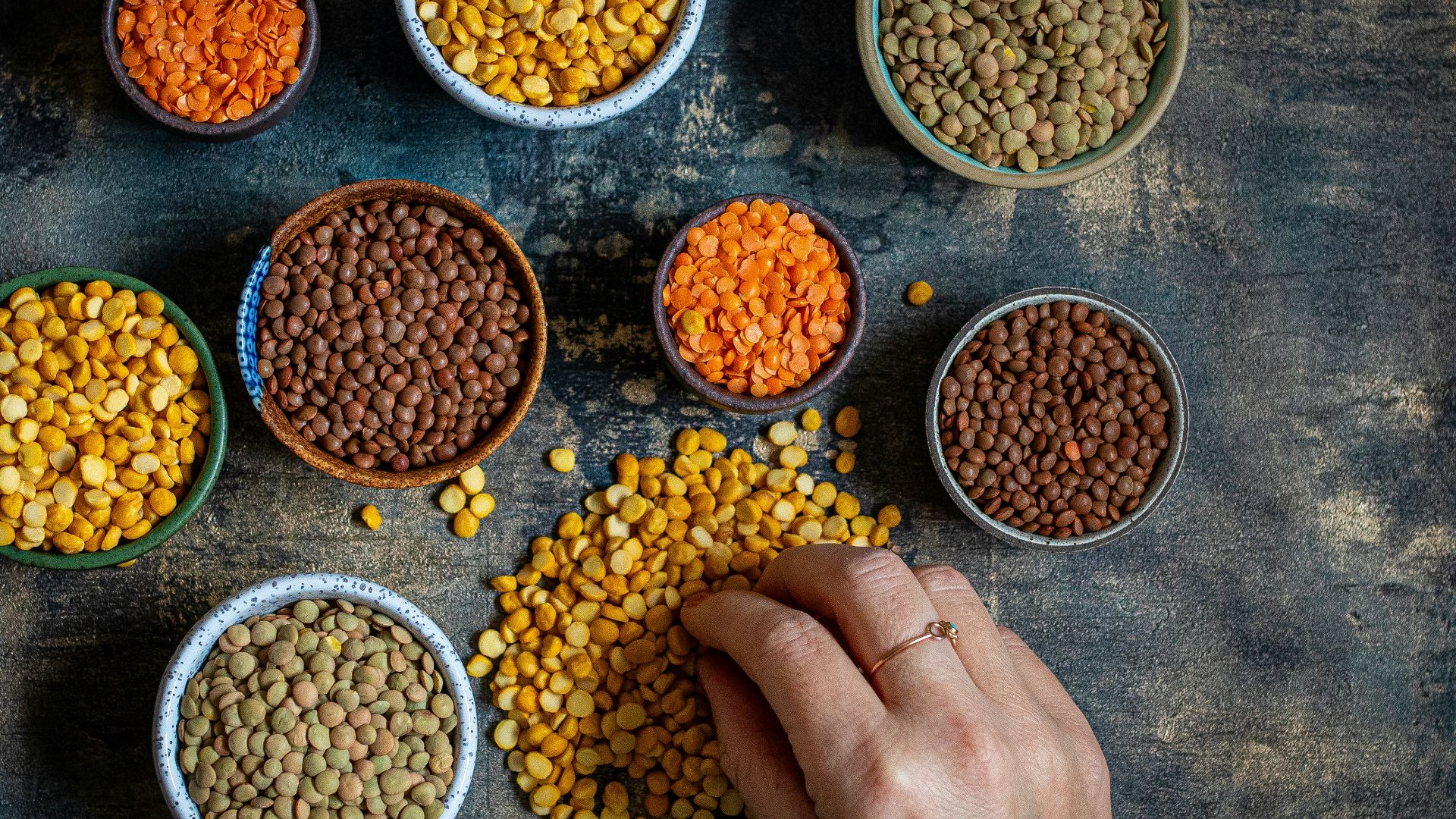
16. Lentils
Lentils include both fiber and resistant starch, which can act as prebiotics. They’re also a good source of plant-based protein, iron, folate, and more. Throw them in soup, salads, curry, or grain bowls when you want something filling.
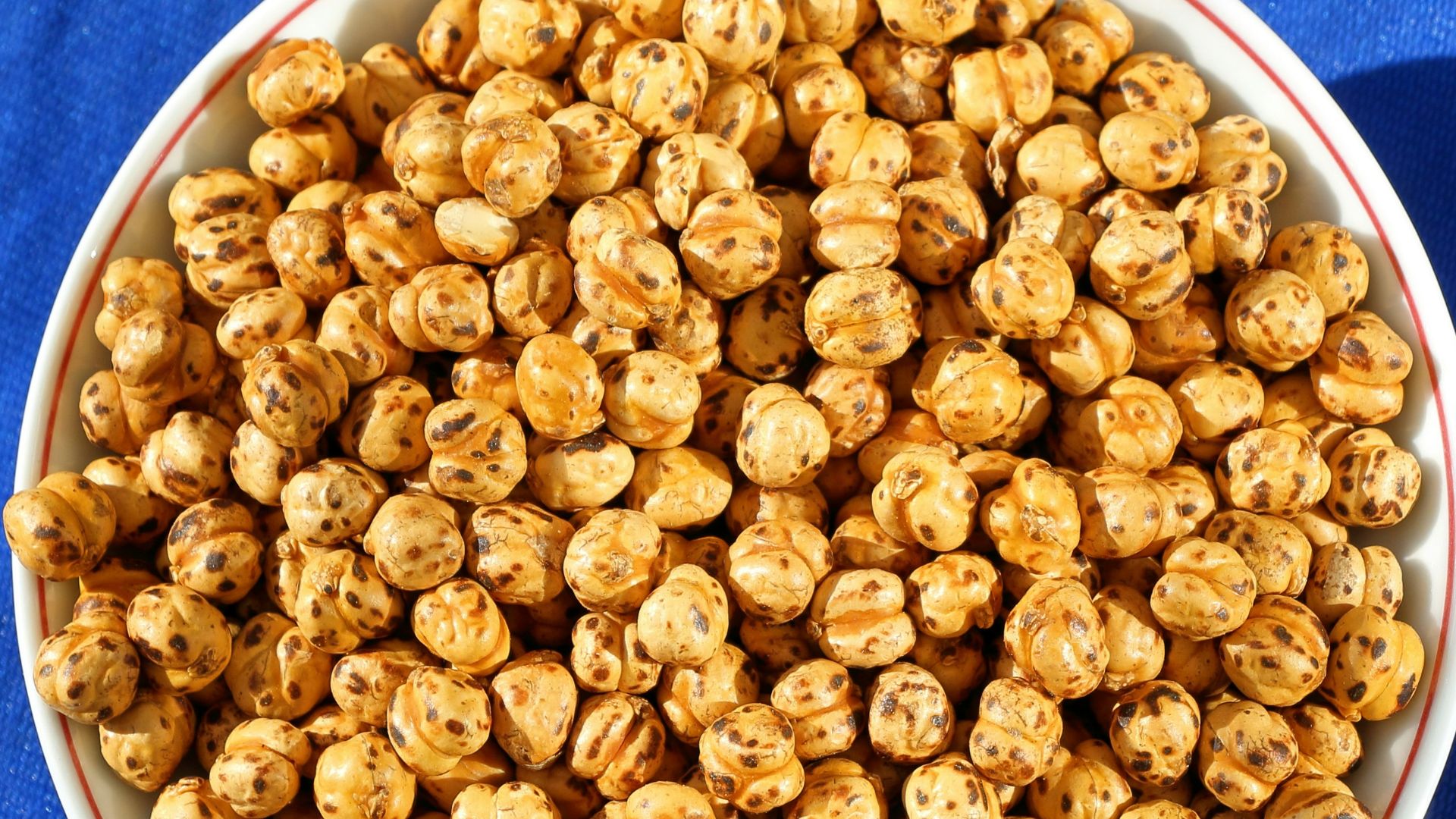
17. Chickpeas
Chickpeas have dietary fiber and resistant starch, so they have some prebiotic traits. They’re also versatile enough to turn into hummus, salads, soups, roasted snacks, and so much more. Eat them with their carbs and protein for a satisfying addition to well-rounded meals.
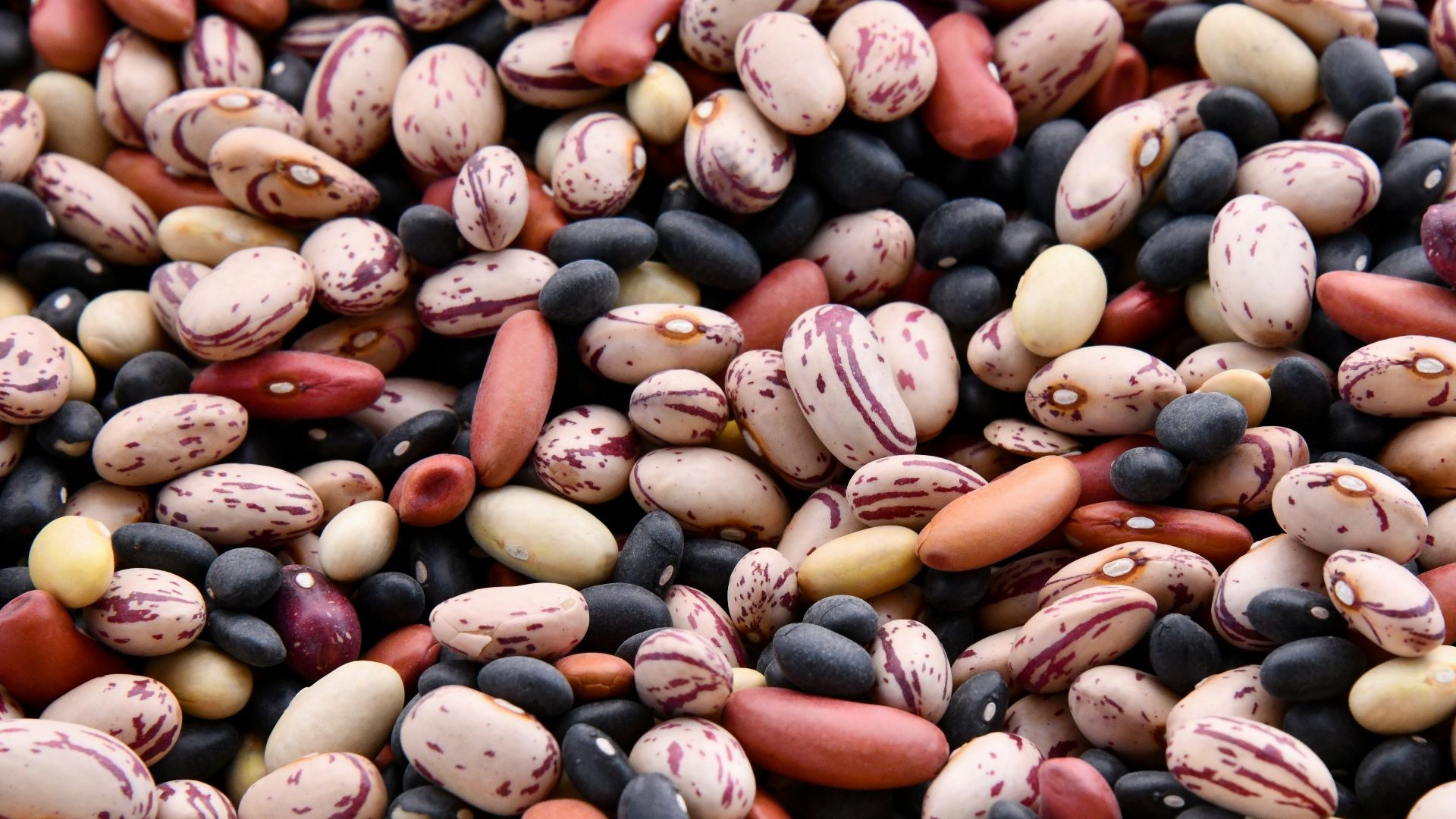
18. Beans
Beans are high in dietary fiber and resistant starch, making them ideal foods to increase your fiber intake. Black beans, kidney beans, navy beans, and more are all good options. Each type of bean has a slightly different nutritional profile, but they have many of the same benefits.
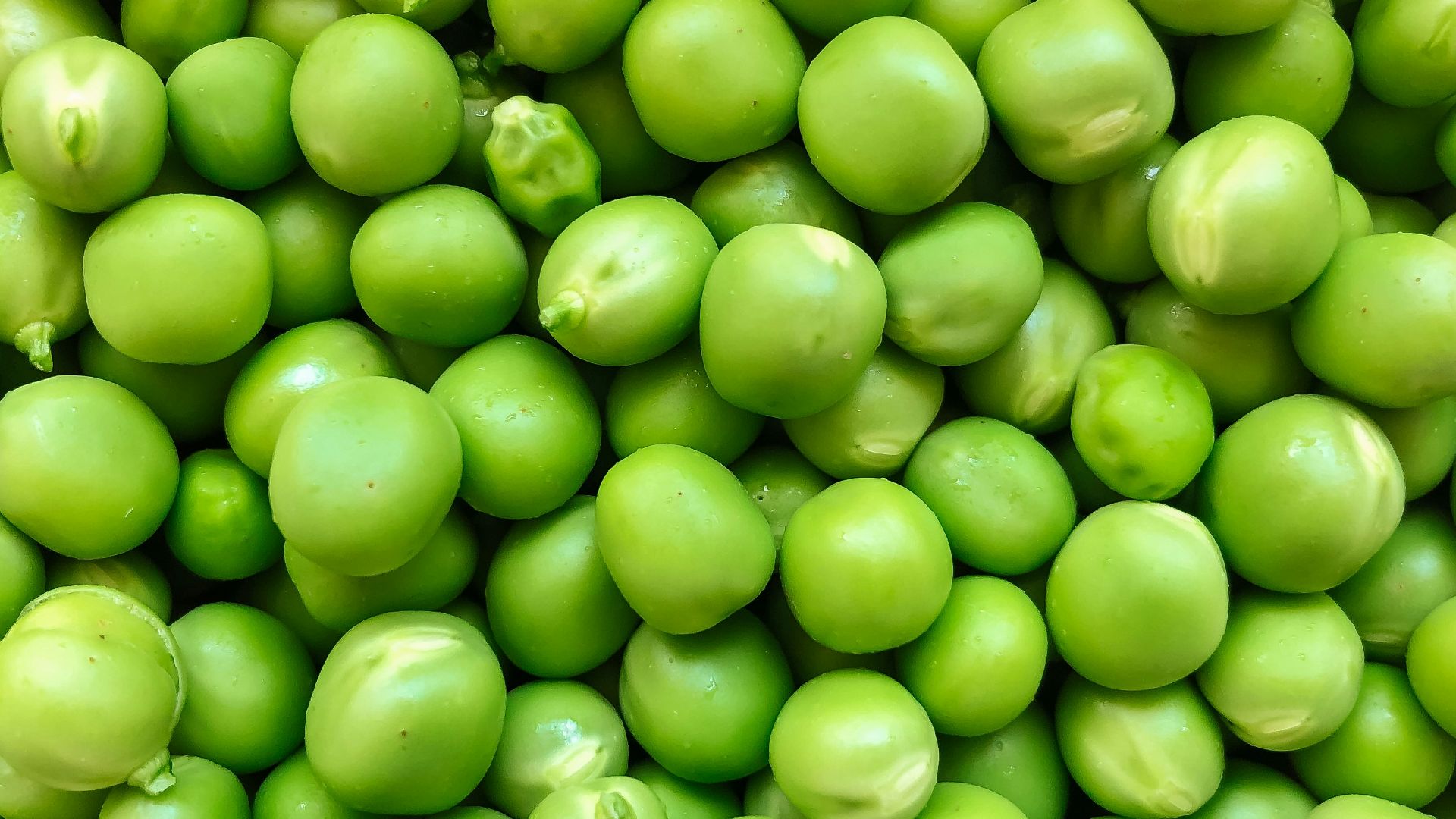
19. Green Peas
Green peas offer fiber, resistant starch, plant protein, vitamins, and minerals. They taste slightly sweet, making them easy to add to pasta, rice dishes, soup, casseroles, and veggie mixes. Frozen peas are one of the more convenient forms because they last long and cook quickly.
20. Cooked and Cooled Potatoes
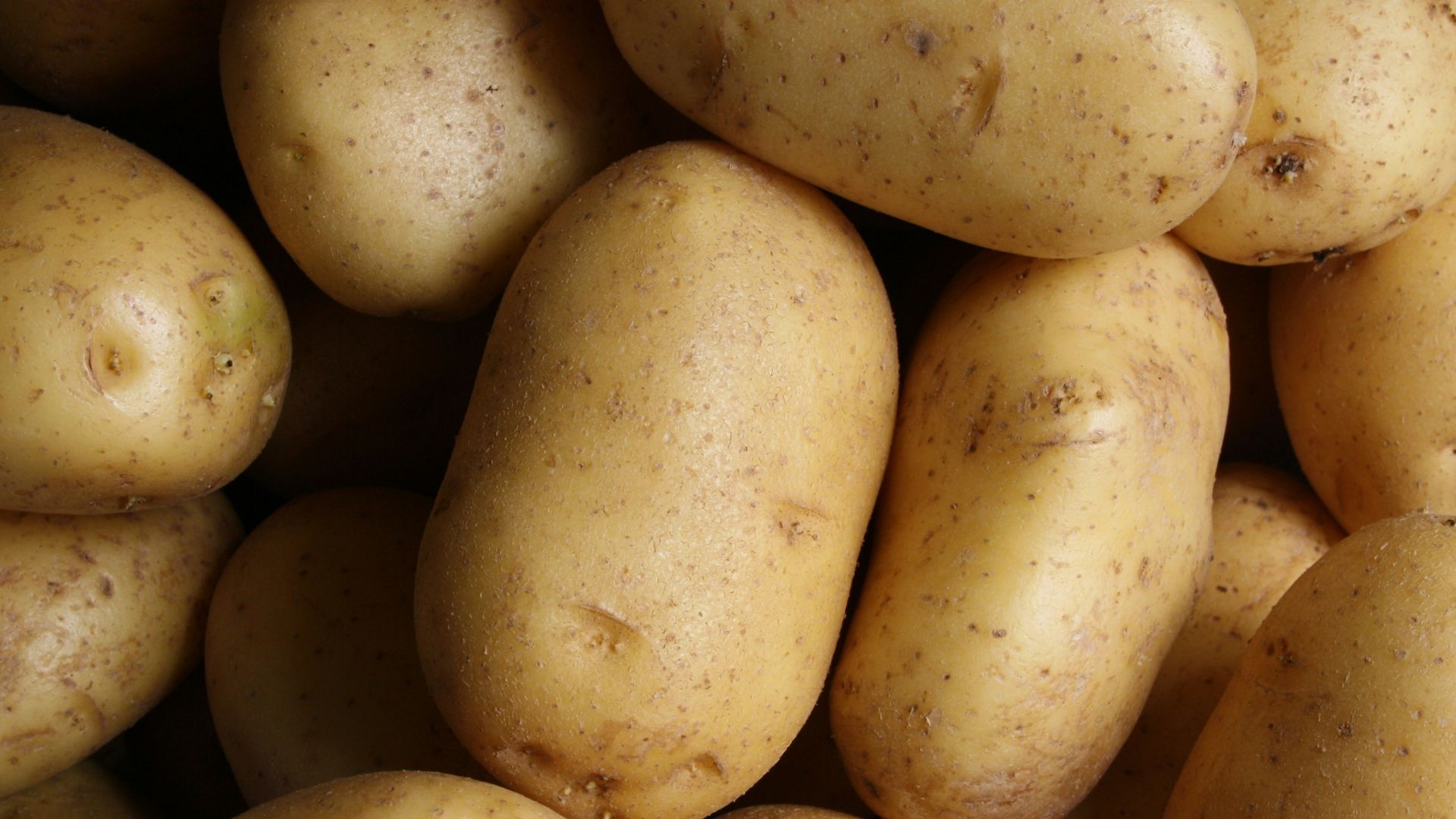
Potatoes may contain more resistant starch once they’ve been cooked and cooled. The amount depends on the potato and cooking method, but cooled potatoes can contribute to your prebiotic intake. You don’t have to eat cold potatoes from the fridge, either.
KEEP ON READING


20 Natural Ways You Can Boost Your Immune System

20 Ways To De-stress & Relax After Work

The 10 Most Common Diseases & The 10 Most Rare