Nature's Ultimate Armor
We spend a lot of time worrying about chipping a tooth on a stray popcorn kernel, but our pearly whites are actually marvels of biological engineering. The outer layer of your teeth, known as enamel, is the hardest substance in the entire human body, ranking surprisingly high on the scientific mineral hardness scale. It is packed with a dense crystalline structure that allows it to withstand incredible amounts of biting pressure without cracking.

1. Copper Pennies
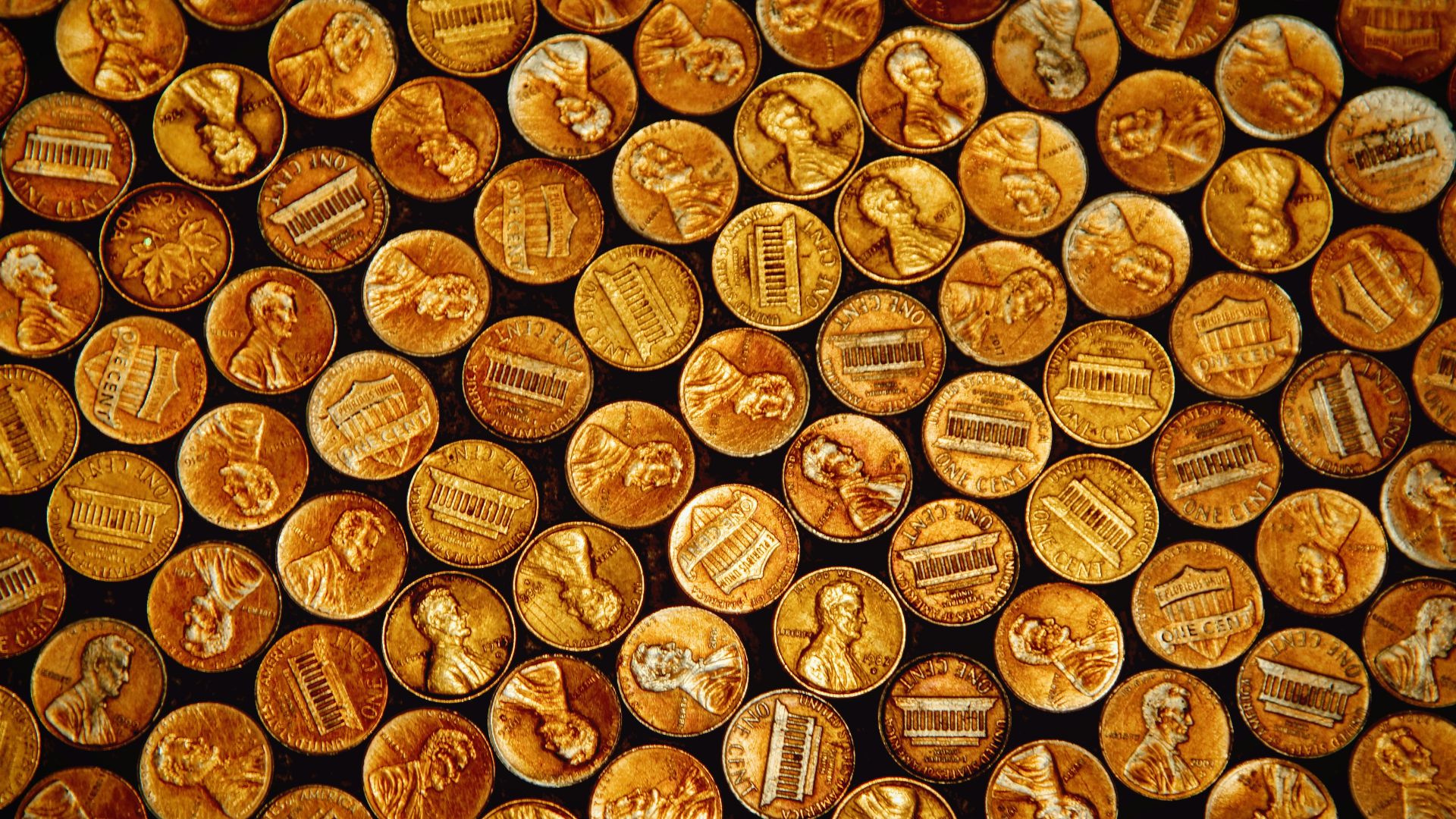
You probably already know not to chew on loose change for hygiene reasons, but standard copper pennies are soft when compared to tooth enamel. Metal alloys used for coins rank relatively low on the scale of mineral hardness when compared to the durability of a healthy tooth. This gives enamel a significant advantage in terms of hardness.
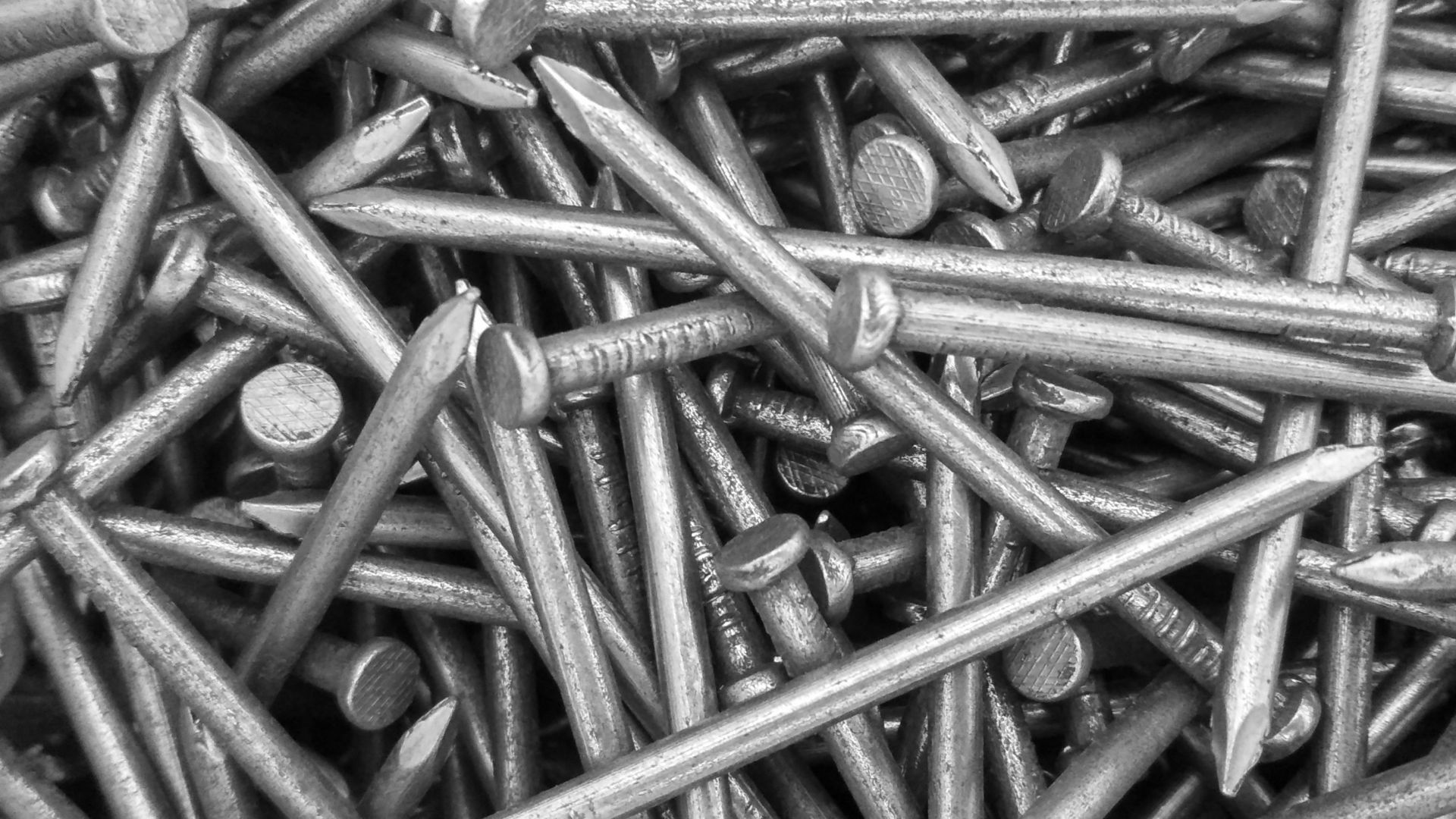
2. Standard Iron Nails
Most people view construction hardware as the definition of raw structural durability around the house. However, pure unhardened iron is actually a relatively malleable metal that can be scratched by harder substances. Because your enamel boasts a higher mineral density, your teeth possess greater material hardness than a basic iron fastener.
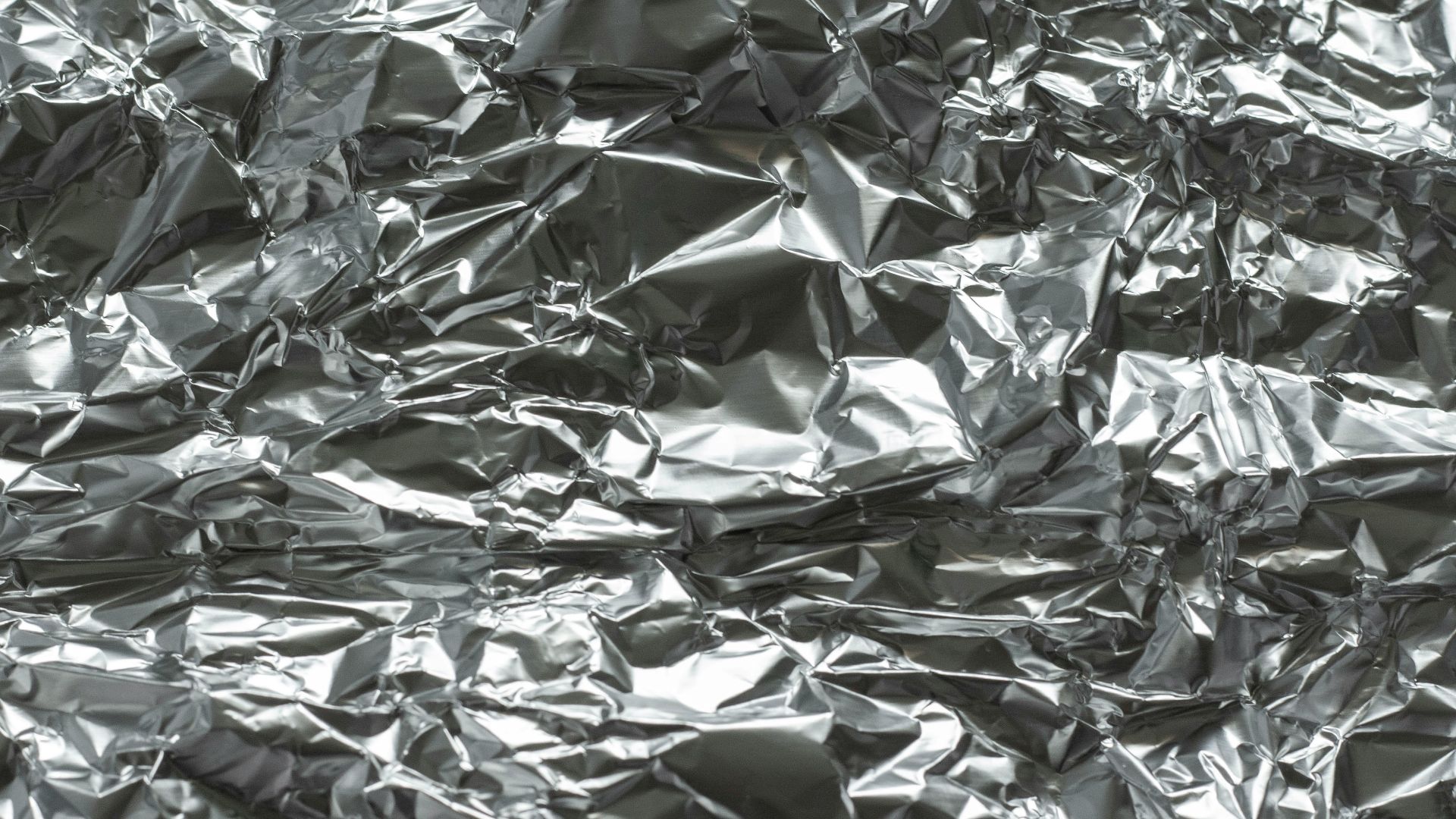
3. Kitchen Aluminum Foil
Aluminum ranks so low on the hardness scale that your tooth enamel could severely damage aluminum foil with no difficulty. Though it might bend and warp under your bite slightly, your teeth can easily crunch through this household metal. Its softness makes it no match for enamel.
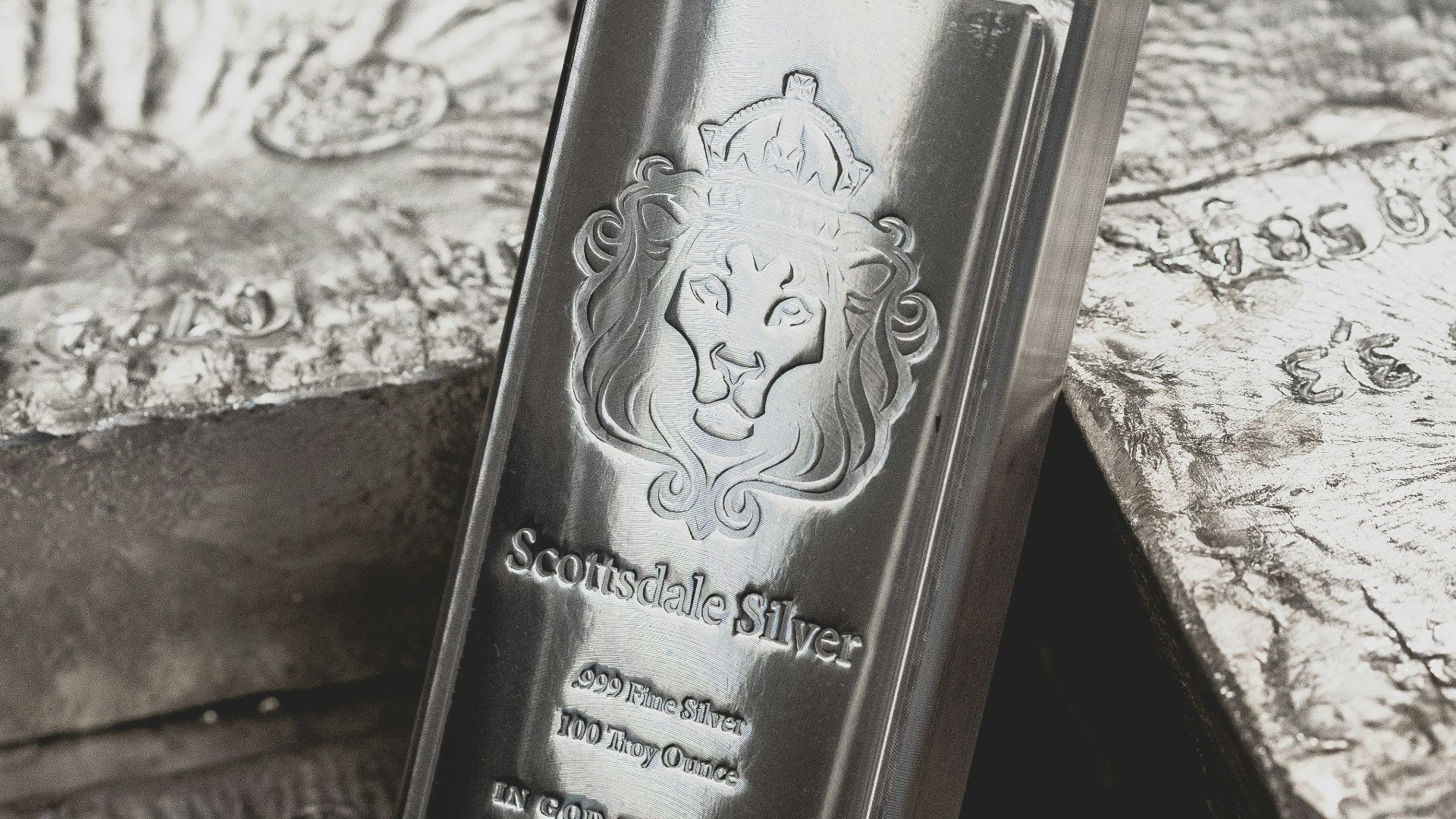
4. Pocket Knives Made of Silver
Finely crafted sterling silver flatware and pocket accessories look elegant, but the precious metal itself is notoriously soft. It scratches easily during everyday use, which is why silversmiths have to mix it with other elements to help it keep its shape. Your teeth are naturally built to be much more rigid than this decorative material, meaning they boast a superior structural rating.
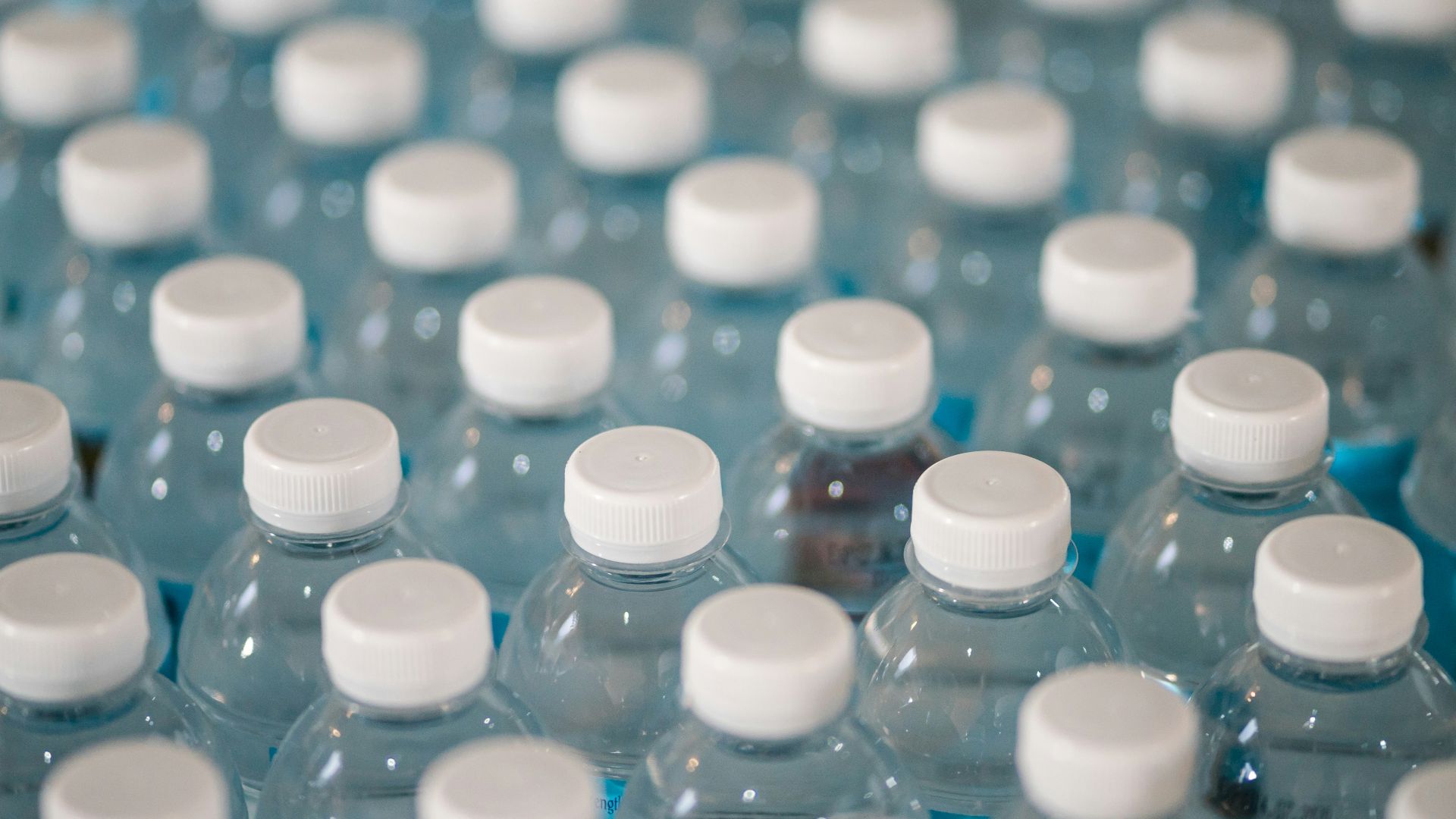
5. Heavy-Duty Plastics
Any thick plastic bottle or storage container has probably survived its fair share of abuse around the house. Despite their stomping grounds in playgrounds and schoolyards, these plastics are no match for your teeth on the material hardness scale. Enamel has a much tighter crystalline structure that will outperform almost any plastic surface.
6. Golden Wedding Bands
Pure gold is famously malleable, to the point where ancient merchants would literally bite coins to verify their authenticity. If a ring is made of high-karat gold, it can easily bend under pressure or scratch against rough surfaces. Your teeth are naturally composed of a much stiffer calcium structure.

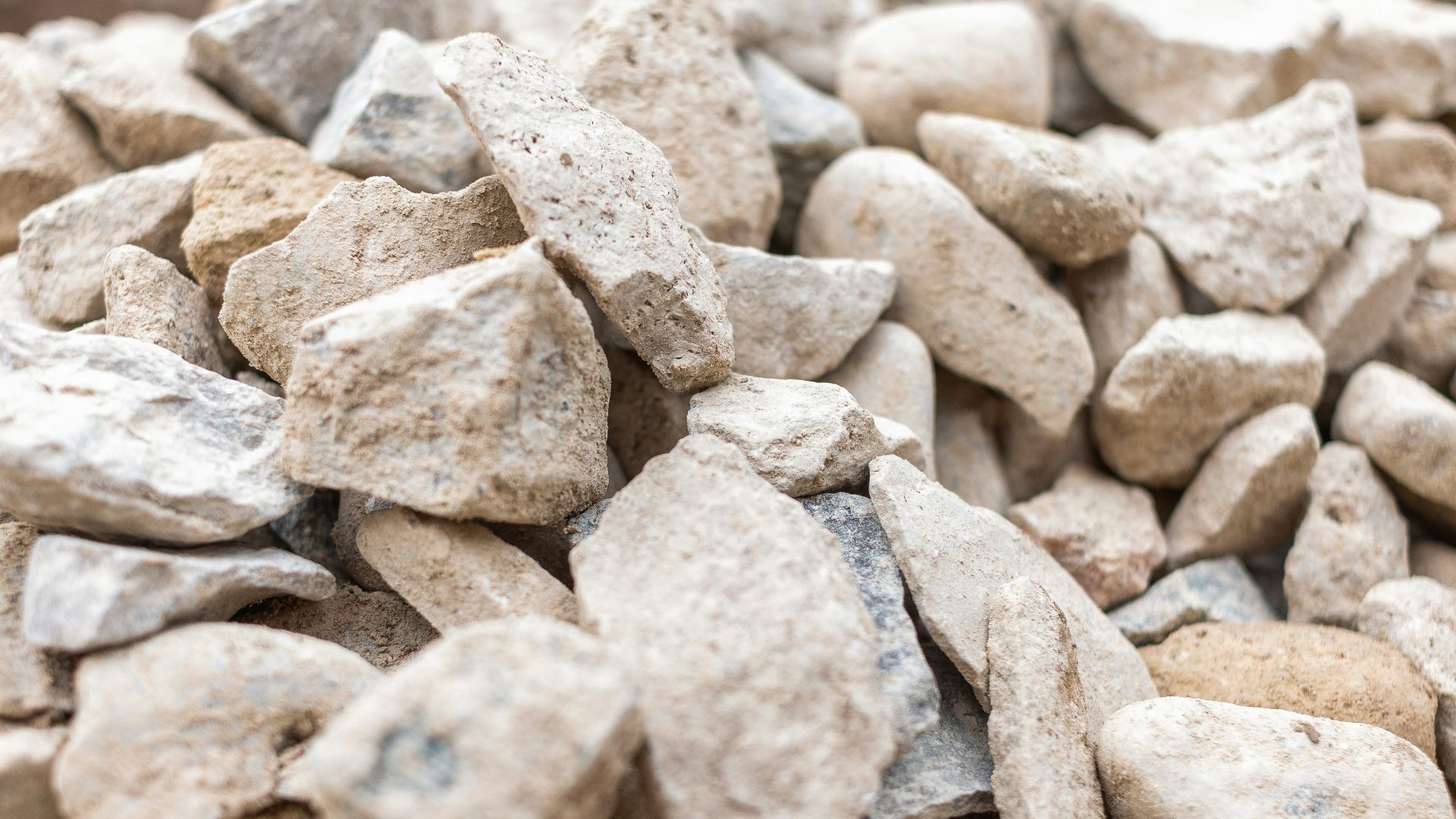
7. Soft Limestone Rocks
Grabbing a handful of smooth stones along the beach isn’t only bad for your teeth. Sedimentary rocks that feel solid to the touch are usually held together by weak calcium compounds. Since tooth enamel contains calcium phosphate, your bite is naturally much harder.
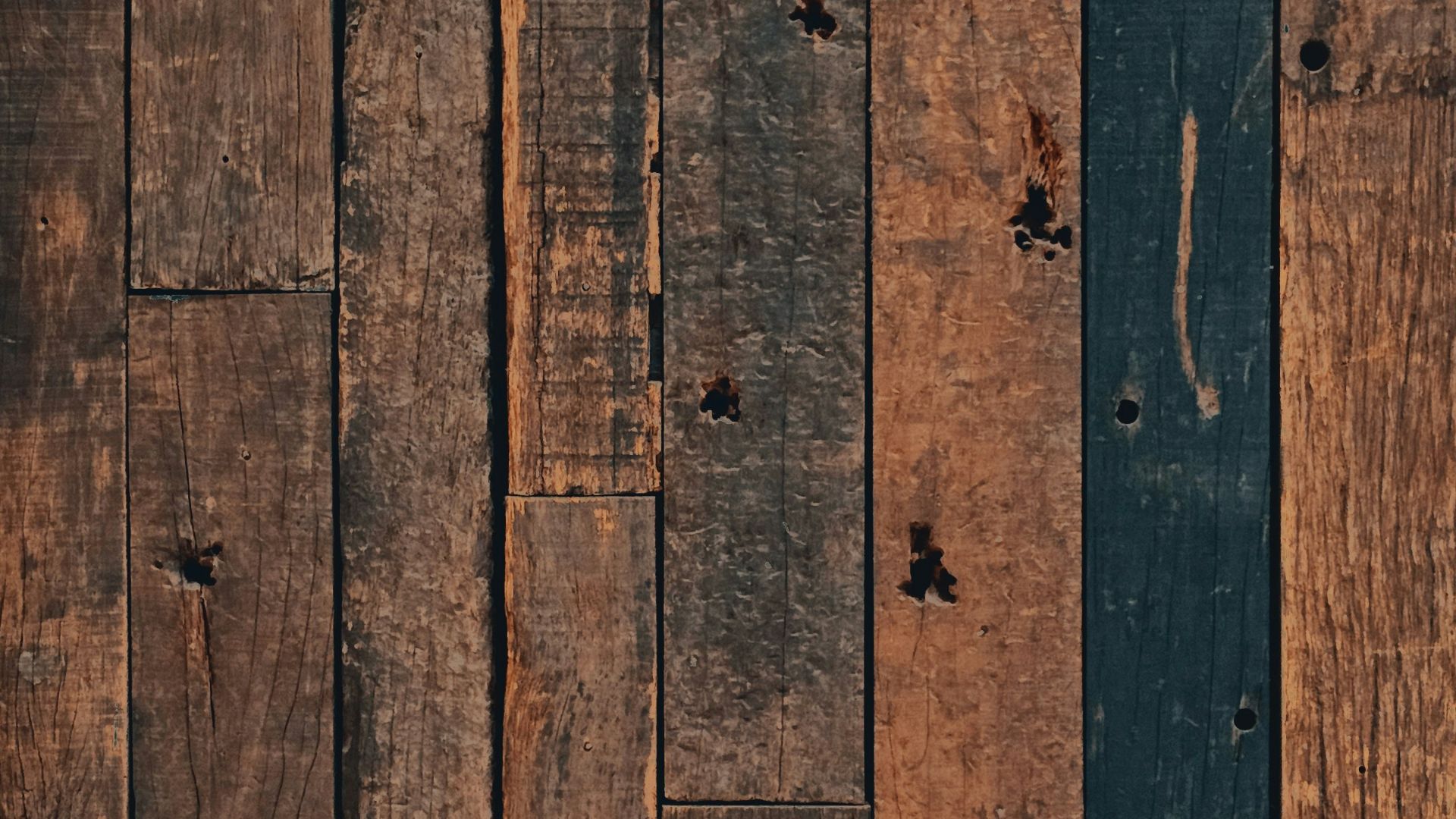
8. Hardwood Flooring
Whether your home features beautiful oak planks or dense maple panels, walking on wood shows how well it resists daily foot traffic. Even though these materials are great for building sturdy homes, organic wood fibers are still vulnerable to compression. Your jaw can exert enough force to dent the densest lumber because teeth are made of solid mineral rather than compacted plant cells.
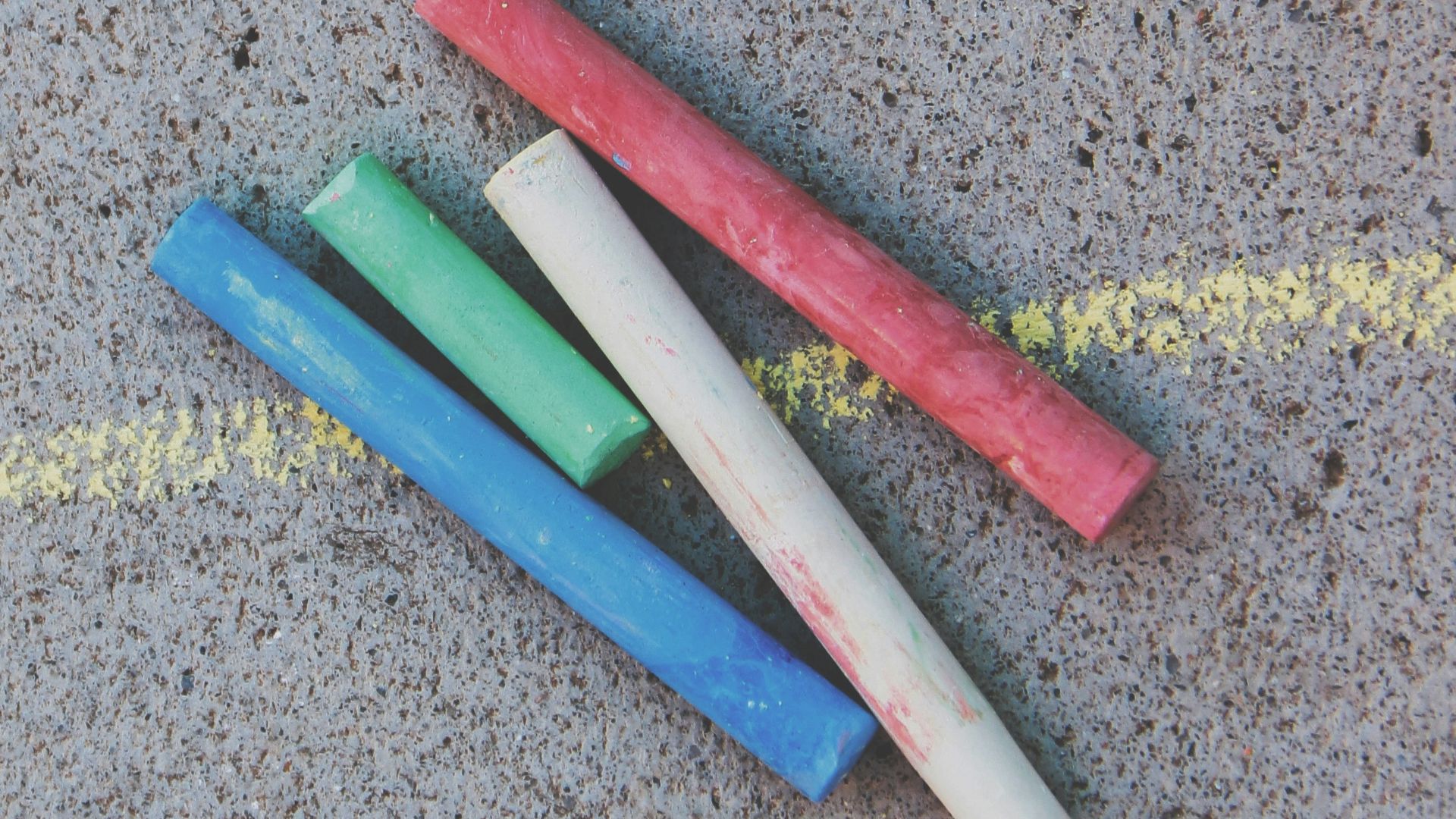
9. Blackboard Chalk
Teachers used to snap these writing sticks with a quick flick of the wrist during classroom lectures. Chalk is made of incredibly soft gypsum or calcium sulfate. Your teeth are designed to chew through actual food, so contact with this material would instantly pulverize the stick.
10. Automotive Lead Weights
Mechanics use small lead blocks to balance car tires because the metal is incredibly heavy yet easy to mold. Lead is one of the softest heavy metals in existence, meaning it deforms under a surprisingly small amount of direct pressure. Your enamel is far too rigid to be affected by it.
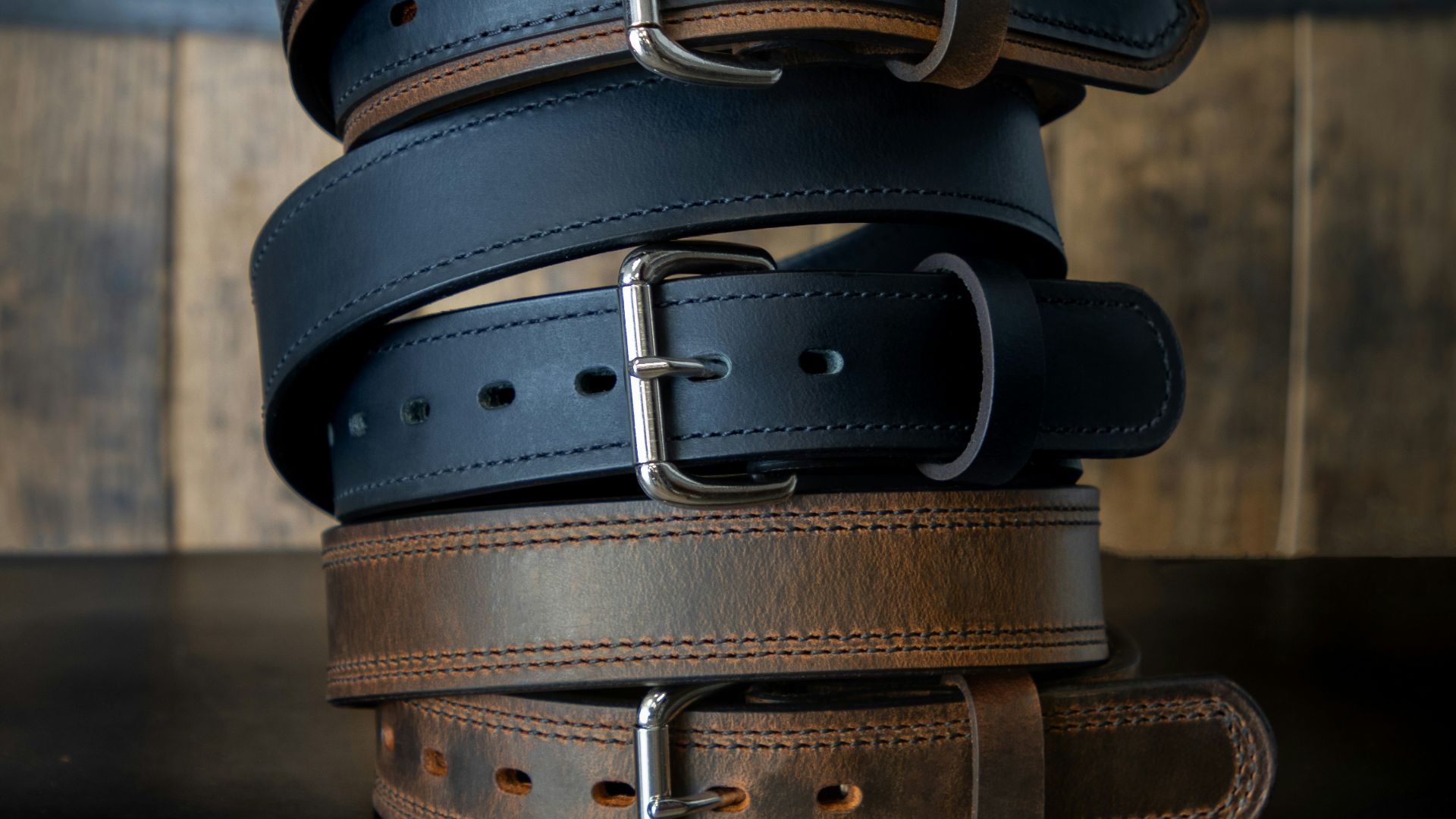
11. Thick Leather Belts
Tough leather gear can survive decades of stretching, pulling, and exposure to harsh outdoor elements. While the material is incredibly resilient against tearing, it achieves this durability through flexibility rather than actual hardness. Your teeth will easily puncture even the densest animal hide.
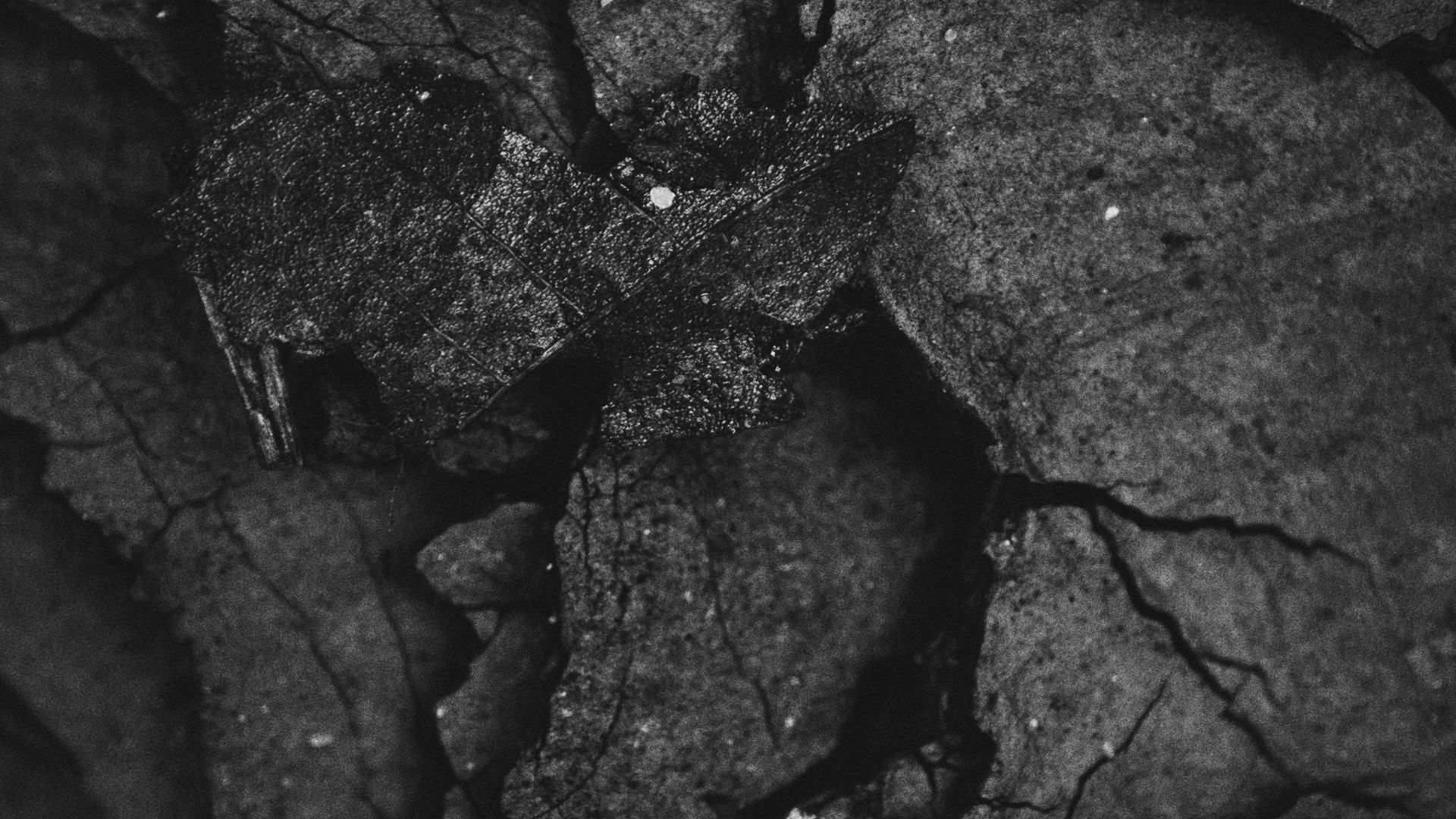
12. Compressed Charcoal Bricks
Grilling up a backyard feast requires handling black briquettes that feel rough and solid in your hands. Despite their rock-like appearance, these blocks are just carbonized wood. Your teeth could easily crush a piece of charcoal into fine powder.
 Brian Patrick Tagalog on Unsplash
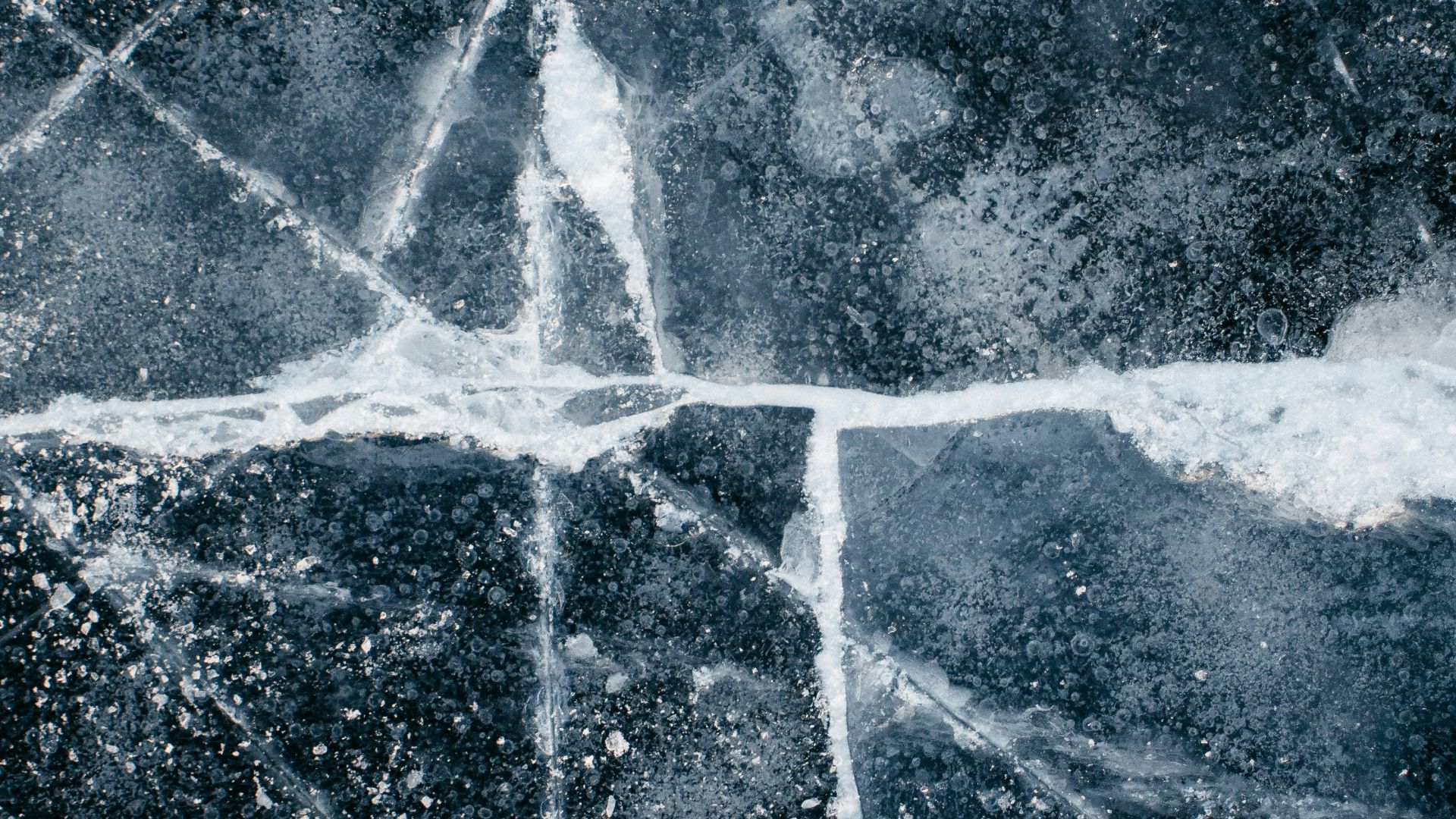
13. Solid Ice Cubes
Chomping down on the leftovers at the bottom of your soda glass is a common habit that dentists usually warn against. The danger to your mouth actually comes from the freezing temperature making things brittle. In a pure test of material strength, the crystalline structure of ice is significantly weaker.
14. Acrylic Display Cases
Stores use clear acrylic panels because they offer the transparency of glass without the risk of shattering into dangerous shards. However, this popular plastic substitute is incredibly prone to scratching and scuffing. Your teeth possess the exact type of mineral sharpness needed to break through it.
15. Standard Window Glass
This one might sound completely terrifying, but pure glass actually sits slightly below high-quality tooth enamel on the official scientific hardness scale. The reason you can chip a tooth on glass is due to its brittle nature causing it to shatter sharply. Not because it possesses superior hardness.

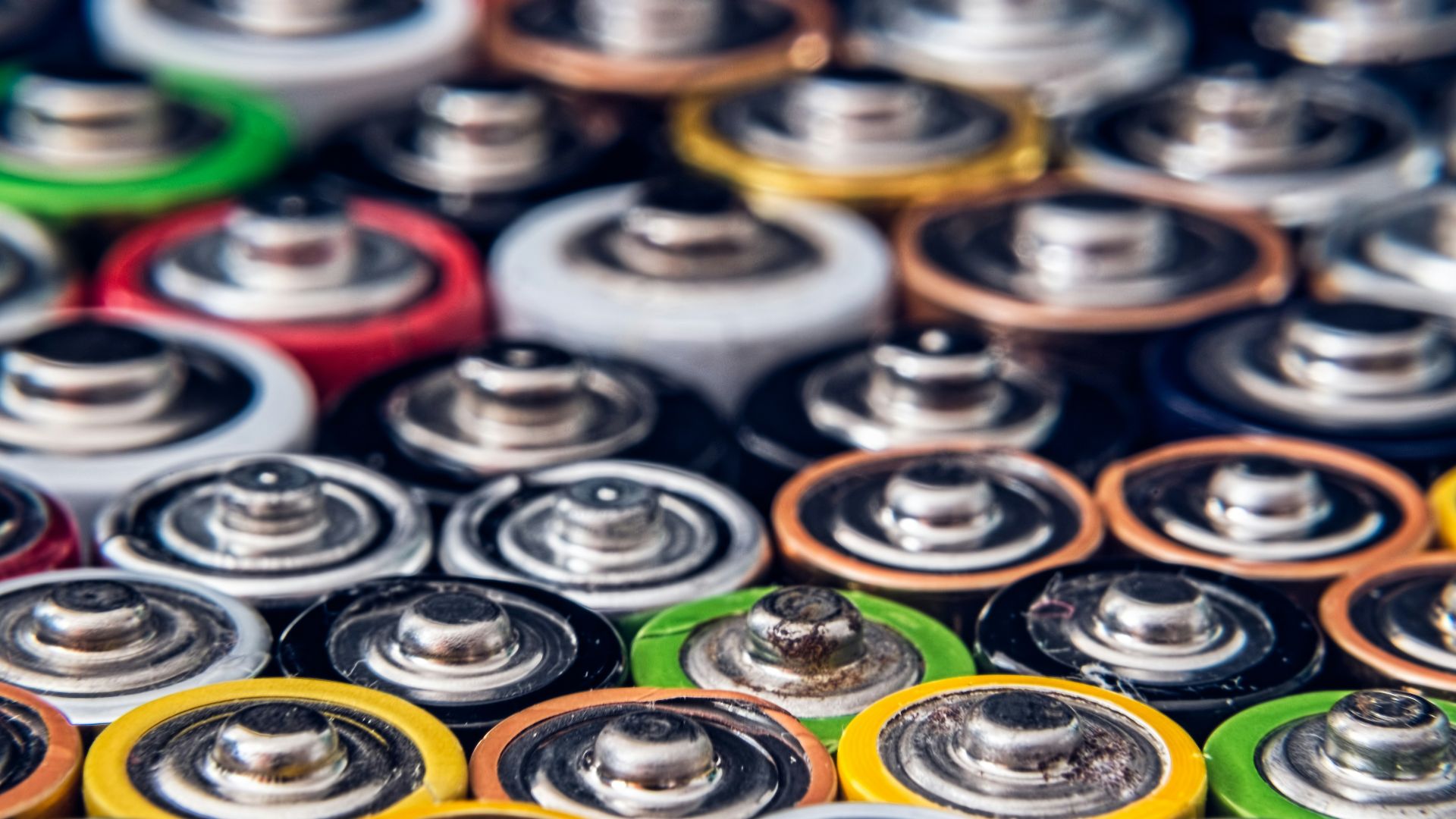
16. Zinc Battery Casings
The outer shell of a standard household battery is often made of zinc to protect the chemical components inside. Zinc is a relatively brittle metal that cannot compete with the natural defenses found in human anatomy. Your teeth can easily dent this metallic layer.
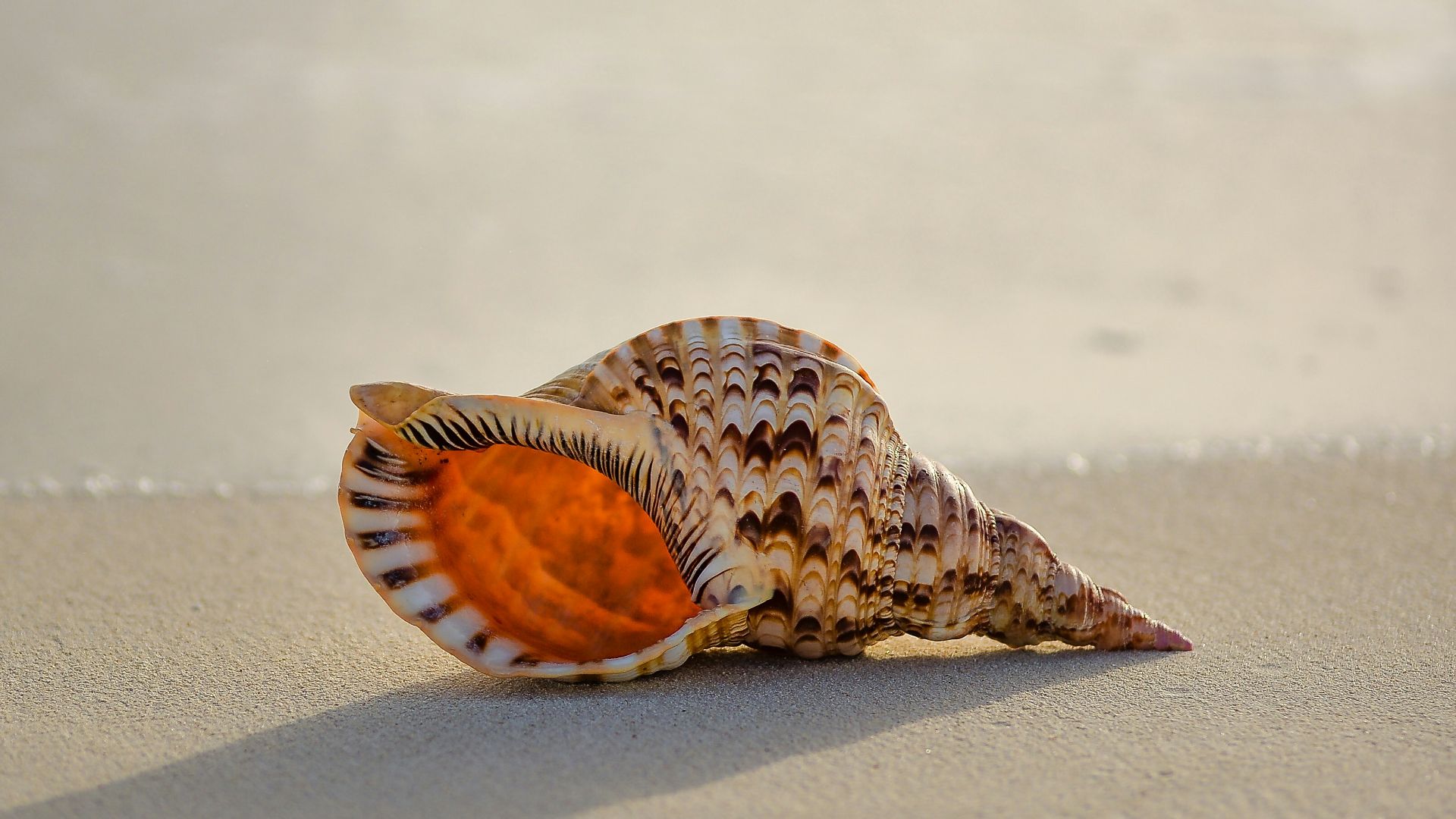
17. Seashells on the Beach
Collecting unique treasures along the shoreline exposes you to a wide variety of calcified protective armor. While these shells do an amazing job of protecting clams and snails from predators, their calcium structure is relatively chalky. Your enamel is a much more advanced biological material that can crush most standard coastal shells.
18. Brick Mortar
The gray paste that holds the exterior walls of your house together seems completely indestructible. Over time, however, weathering proves that this mixture is prone to flaking. Your teeth are held together by a superior lattice of crystals that easily resists the gritty texture of construction paste.
19. Solid Brass Keys
Unlocking your front door requires a sturdy metal tool that will not snap off inside the tumbler after years of twisting. Brass is a popular choice because it is reliable. Your enamel is naturally harder than this yellow metal, which is why accidentally biting a key feels so jarring.
20. Fingernails and Toenails
People who nervously chew on their hands are participating in a battle where the winner is determined before the match even starts. Your nails are made of keratin, which is the exact same flexible protein found in animal hair and lizard scales. This organic material is completely helpless against your teeth.
KEEP ON READING

20 Ways A Screen-Free Day Can Improve Your Health