Dinner Choices That Set Up a Smoother Morning
Morning blood sugar doesn’t depend only on what you do at breakfast, because dinner (and everything after it) can shape what happens overnight. In general, steadier evenings come from balanced meals, smarter carb choices, and a little planning around timing, movement, and sleep. If you take insulin or other diabetes meds, some of these habits can affect lows overnight, so it’s worth checking in with your clinician about what’s right for you. With that in mind, here are 20 dinner habits that often help keep morning numbers calmer.

1. Finish Dinner a Bit Earlier
Try wrapping up dinner 2 to 3 hours before bed, so your body has time to process the meal. That spacing can help your blood sugar settle before you’re asleep and less active. If you’re used to late dinners, even shifting earlier by 30 to 60 minutes can make a difference over time.

2. Keep Your Dinner Timing Consistent
Your body tends to like routines, especially when it comes to glucose regulation. Eating at roughly the same time each evening can make blood sugar patterns more predictable. The American Diabetes Association notes that regular meal timing can help with glucose management.

3. Use the Plate Method as Your Default
A simple habit is building dinner around nonstarchy vegetables (50%), lean protein (25%), and carbs (25%) in a reasonable portion. It reduces guesswork and makes the meal feel balanced without needing math. When you do this consistently, you often avoid the big swings that show up the next morning.

4. Start With Veggies First
Beginning your meal with a salad or nonstarchy vegetables can slow how quickly carbs hit your bloodstream. It’s a small sequence change that’s surprisingly effective, and it doesn’t require you to give up the foods you like.

5. Pair Carbs With Protein, Fiber, or Healthy Fat
Carbs tend to raise blood sugar, but the company they keep matters. Eating carbs alongside protein, fat, or fiber usually slows digestio,n so the rise is less sharp. Even if you're having a slice of pizza, eating a salad with it can make a difference.

6. Choose Whole, High-Fiber Carbs More Often
Swap refined carbs for options like beans, lentils, quinoa, oats, or brown rice when you can. Fiber helps slow absorption, which is helpful overnight when you’re not moving much. You don’t have to be perfect, but small swaps add up fast.
7. Watch Liquid Sugar at Dinner
Soda, sweet tea, juice, and sugary cocktails can raise blood sugar quickly because they’re easy to absorb. If you want something flavored, sparkling water, unsweetened iced tea, or water with lemon keeps things calmer. This is one of the easiest swaps to make without touching your plate.

8. Be Careful With “Carb Creep”
Dinner carbs don’t only come from bread and pasta. BBQ sauce, sweet glazes, teriyaki, and some salad dressings can quietly stack sugar. If you’re working on morning numbers, a lighter hand with sauces can be an easy win.
 Diego Arenas de Rodrigo on Unsplash
9. Make Dinner Portions a Little Smaller
Big dinners can lead to bigger overnight glucose challenges, even if the food is healthy. Try serving yourself, then pausing a few minutes before deciding on seconds. You’ll still be satisfied, but you’re less likely to go to bed feeling overly full.
10. Save Dessert for Earlier (or Shrink It)
Treating yourself to something sweet every now and then is totally fine, but having dessert right before you sleep can keep glucose elevated into the night. If you want something sugary, consider having a smaller portion or moving it earlier in the evening. Another approach is building dessert around fruit plus protein, like berries with Greek yogurt, so it’s not pure sugar.

11. Take a 10 to 30 Minute Walk After Dinner
A short post-meal walk helps your muscles use glucose, which can blunt the post-dinner rise. You don’t need a power march; consistency matters more than intensity. The American Diabetes Association and research reviews support light activity after meals as a helpful strategy.

12. Avoid Being A Couch Potato At Night
If walking isn’t your thing, aim for gentle movement like tidying the kitchen, stretching, or an easy bike ride. The goal is simply to avoid going completely sedentary right after eating. A little motion can make your evening glucose curve less dramatic.

13. Limit Alcohol, Especially Close to Bed
Alcohol can make blood sugar behavior unpredictable overnight because the liver gets busy processing it. Some people see lows, others see highs, and either way, it can mess with your usual pattern. If you drink, keeping it moderate and not too late tends to be a good strategy.

14. Keep Caffeine Out of the Late Evening
Caffeine can stay in your system for anywhere from five to 10 hours, so caffeine late in the day can disrupt sleep, and poor sleep can worsen insulin sensitivity for many people. Even if you can fall asleep after coffee, your sleep quality might still take a hit. Decaf or herbal tea can provide the comfort without the late-night buzz.

15. Don’t Skip Dinner
You're not doing yourself any favors by skipping dinner. It can backfire by triggering intense hunger later, which leads to larger, carb-heavier late-night eating. It can also be risky if you’re on glucose-lowering medications.
16. If You Need a Snack, Make It a Smart One
Sometimes a bedtime snack is appropriate, especially if you’re trying to prevent overnight lows on certain meds. If you do snack, a combo of protein with fiber or healthy fat is often steadier than something sugary. However, if you find you need bedtime snacks to avoid lows, it may be worth discussing medication adjustments with your doctor.
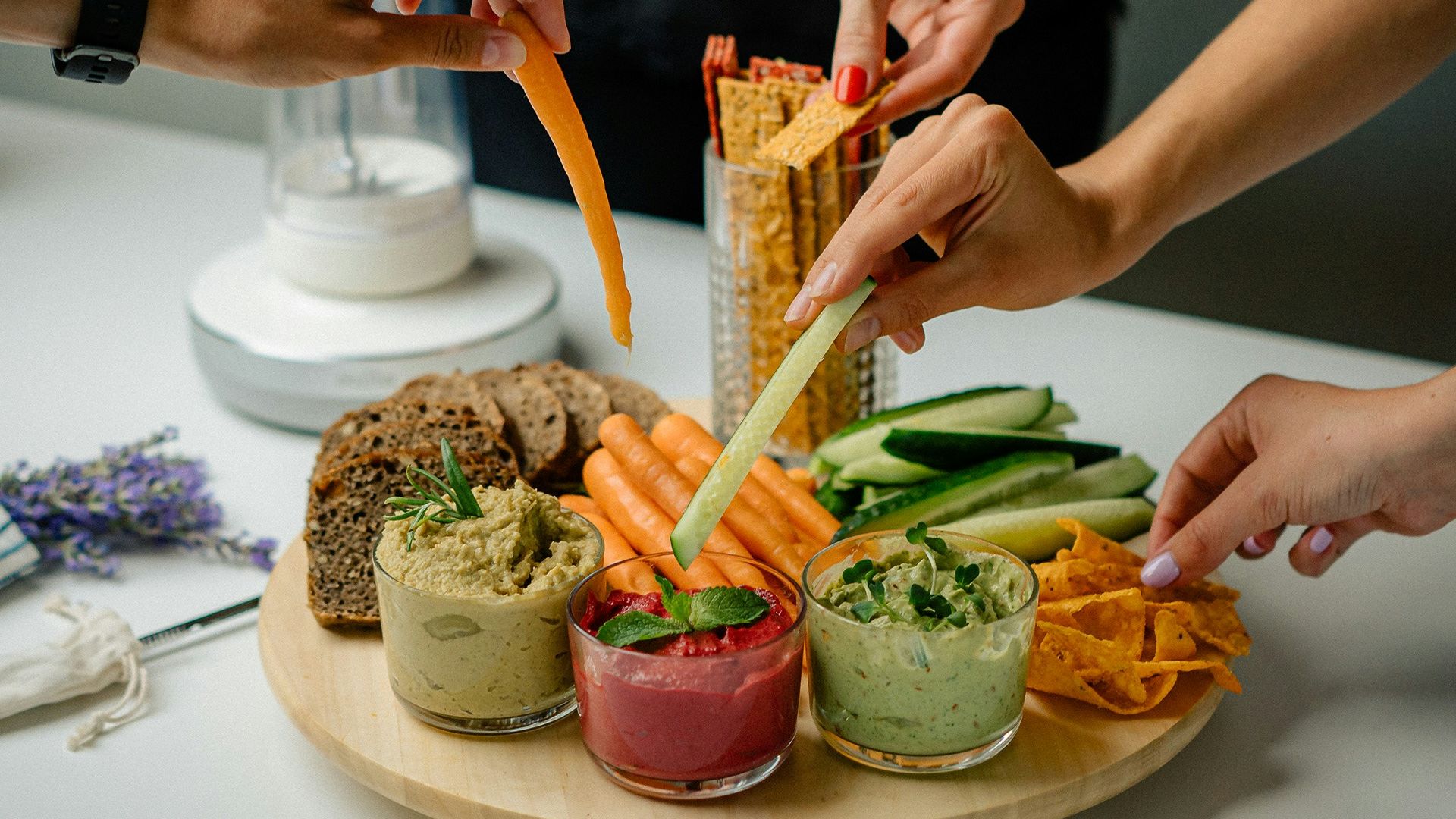
17. Keep “Crunchy Carbs” From Becoming a Nightly Habit
Chips, crackers, and pretzels are easy to overeat when you’re winding down. If those show up most nights, it can push morning numbers upward without you noticing why. Try replacing the default snack with something that has protein, like nuts or yogurt, or just portion it before you sit down.

18. Build a Dinner You Can Repeat on Busy Days
Consistency is underrated for blood sugar. Having two or three go-to dinners you can make quickly reduces the chance you’ll end up with a random high-carb scramble at 9 p.m. Something like baked salmon with asparagus and rice or roast chicken with broccoli and potatoes are wonderful options.

19. Hydrate Earlier in the Evening
Being well-hydrated supports overall metabolism, but chugging water right before bed can wreck sleep with bathroom trips. A better move is spreading fluids through the afternoon and early evening. Better sleep often supports better morning readings.

20. Protect Your Wind-Down Routine
Stress can raise blood sugar, and evenings are when stress loves to get loud. A simple wind-down routine (dim lights, calm music, less scrolling) helps your body shift into rest mode. Better sleep and lower stress hormones can translate to steadier mornings for many people.