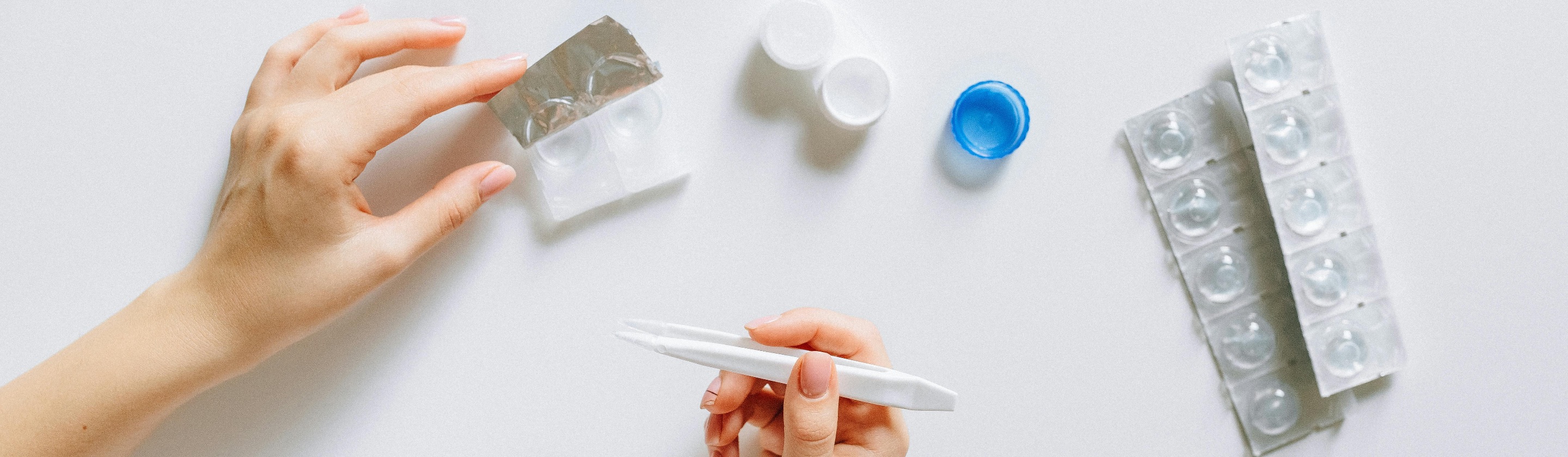
A Comfier Contact Lens Routine
Switching from glasses to contact lenses might be a confidence boost, but these flimsy things you put in your eyes also demand consistent care. If you're sleeping or showering with them in, or not rinsing or changing them out often, you're raising your risk of irritation, infection, blurry vision, or worse—damaged eyes. To make sure you're taking good care of your lenses, here are 10 mistakes you definitely don't want to be making, and 10 smart tips to help keep your eyes healthy.
1. Sleeping in Lenses
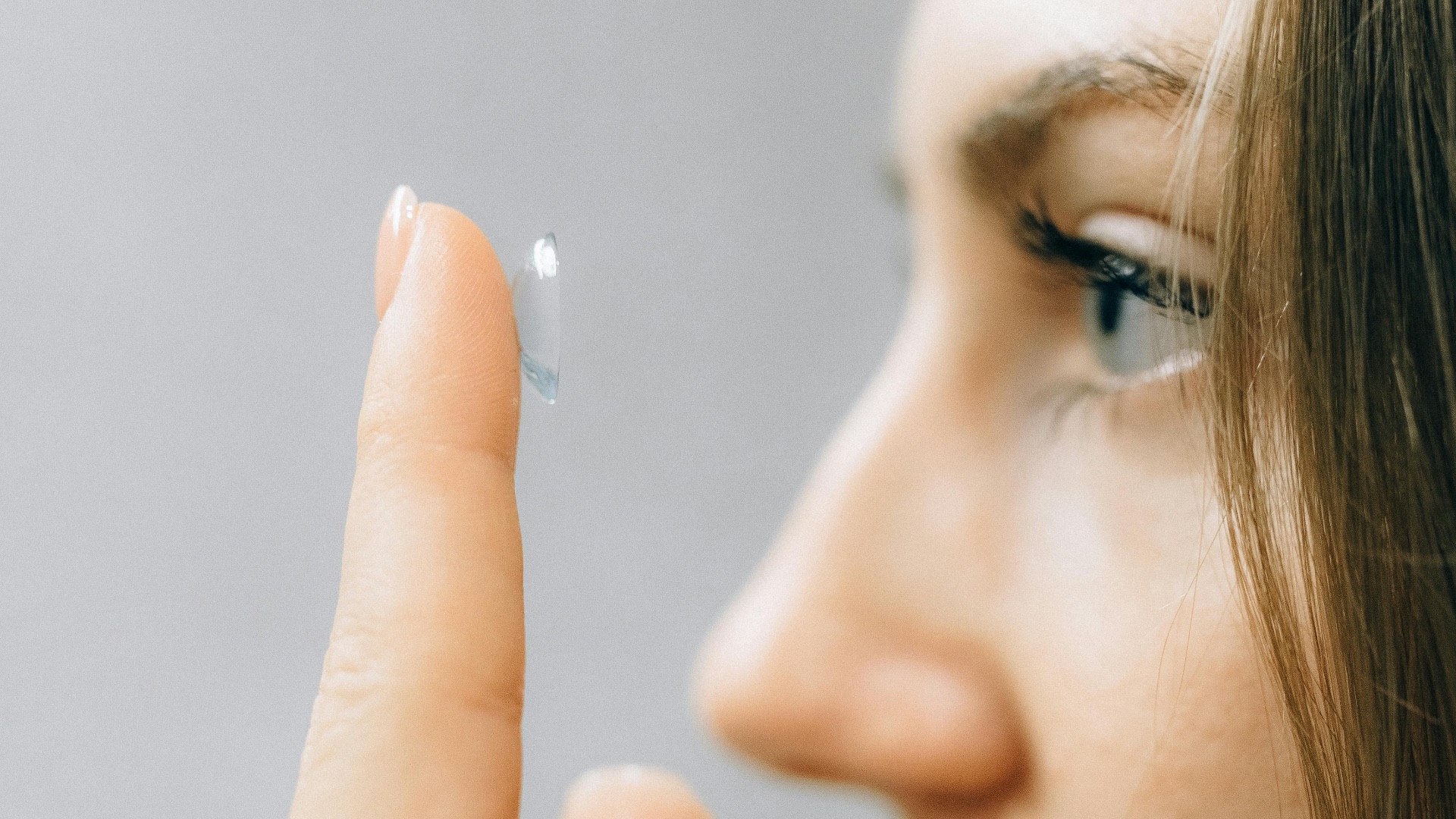
Sleeping in your contacts is a major no-no. Why? Because doing so can reduce oxygen to your corneas and make irritation more likely. It also increases the chance that bacteria get trapped against your eye overnight. If your lenses aren’t specifically prescribed for sleeping, take them out before bed every time.

2. Stretching Your Replacement Schedule
Wearing lenses longer than their intended lifespan can lead to protein and debris buildup that doesn’t rinse away easily. Old lenses may also lose their shape, which can affect comfort and clarity, and may even damage your eyes. Always stick to your daily, biweekly, or monthly schedule, even if the lenses still feel okay.
3. Topping Off Old Solution Instead of Replacing It
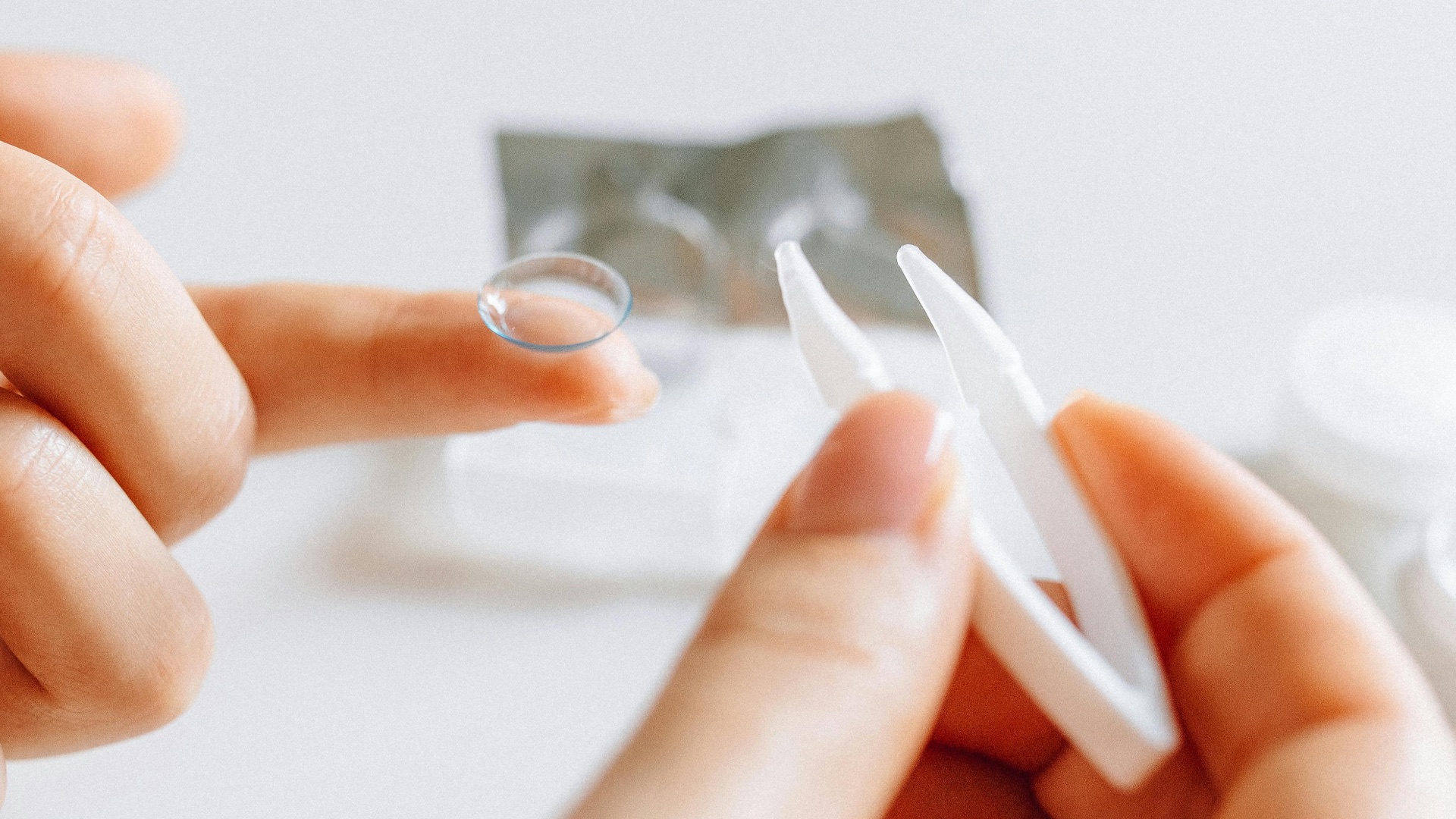
Adding fresh solution to what’s already in the case doesn’t fully disinfect your lenses. Over time, that diluted mix can become less effective and increase contamination risk. Empty the case completely, rinse it with fresh solution, and refill it each time you store lenses.
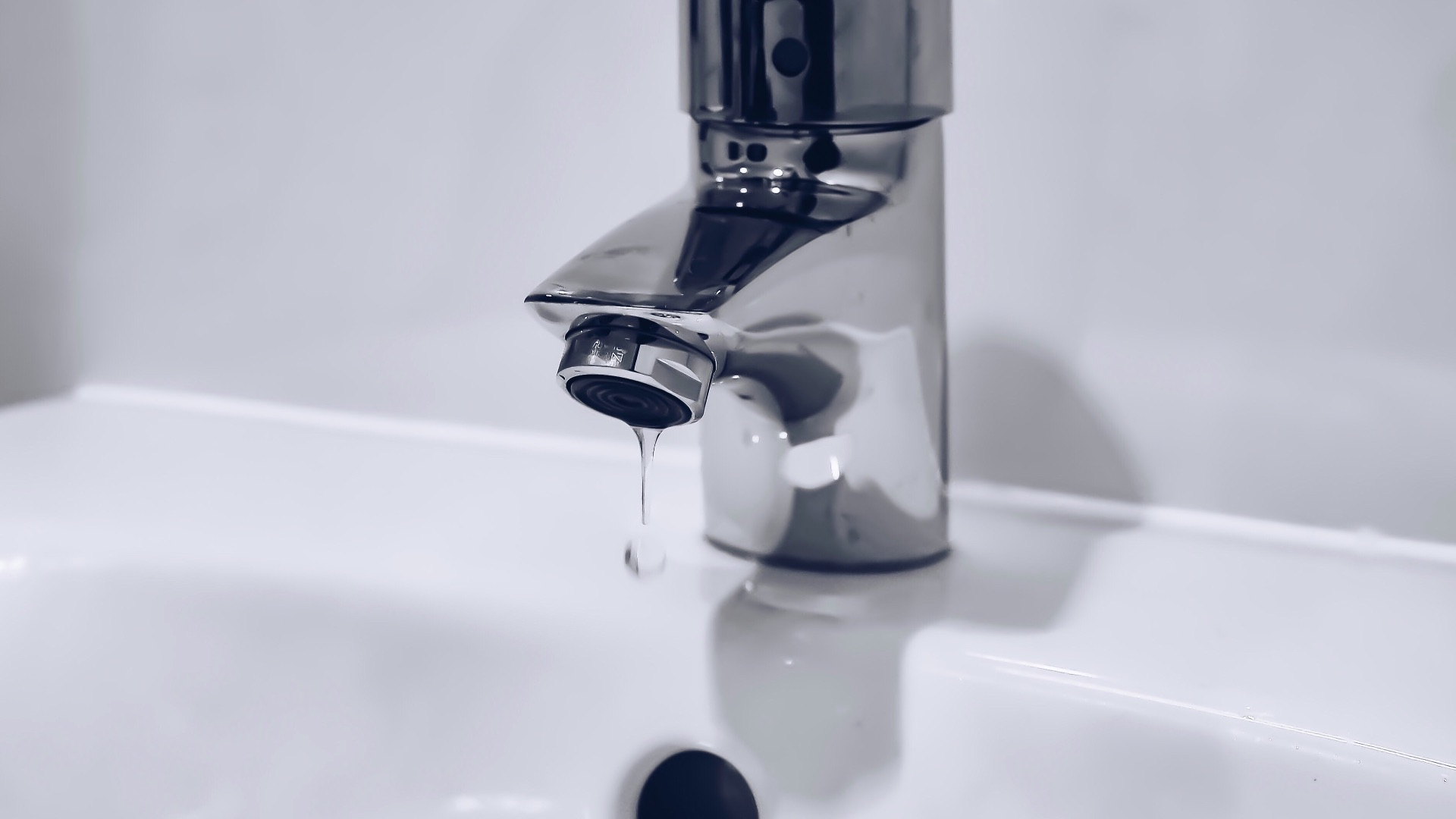
4. Using Tap Water on Lenses or Lens Cases
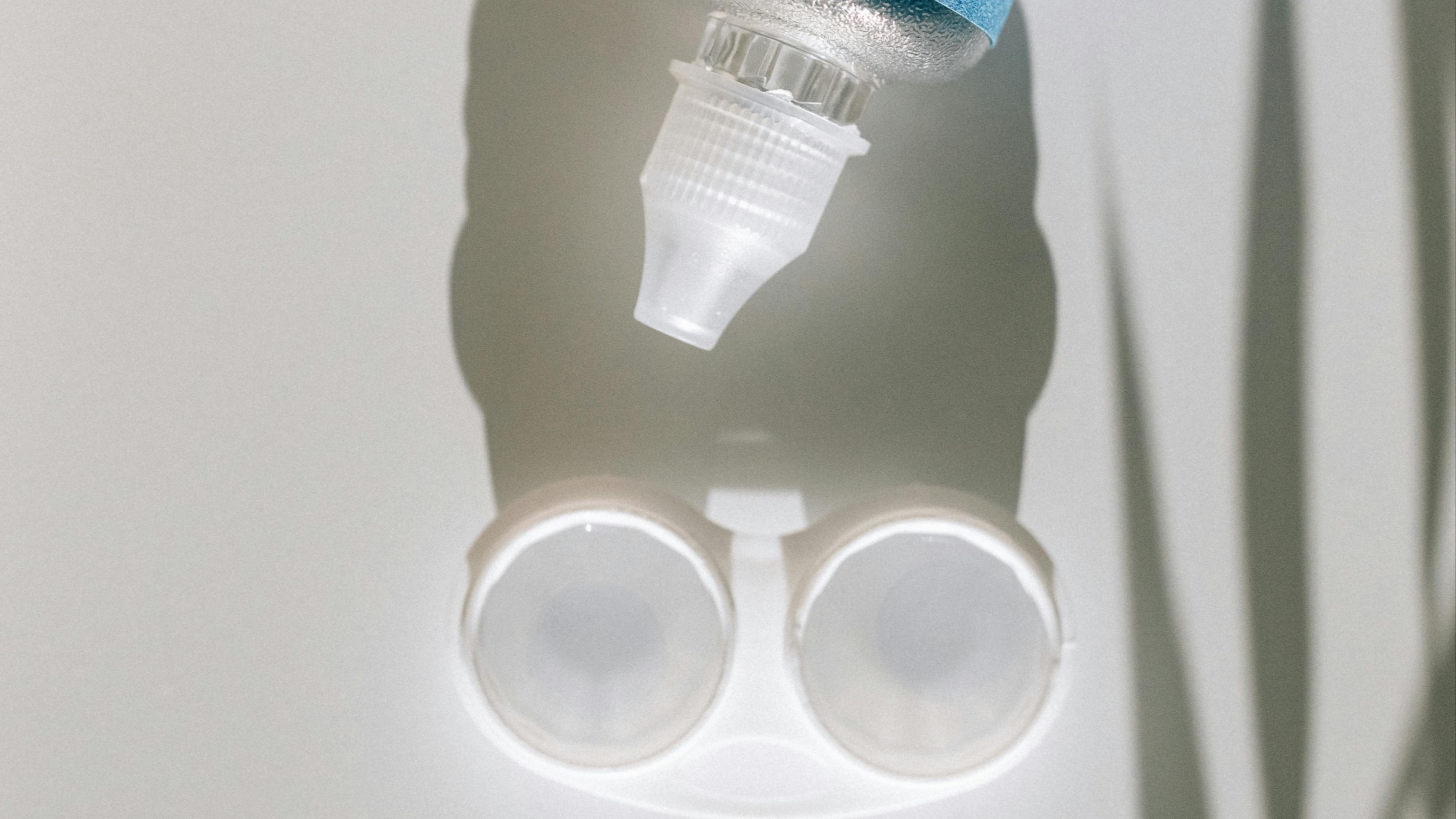
You might think this is okay, but tap water can contain microorganisms that shouldn’t come in contact with lenses or cases. Rinsing with water can also leave residues that irritate your eyes. Keep water away from your lens routine and use only sterile contact lens solution.
5. Wearing Lenses When Your Eyes Are Irritated
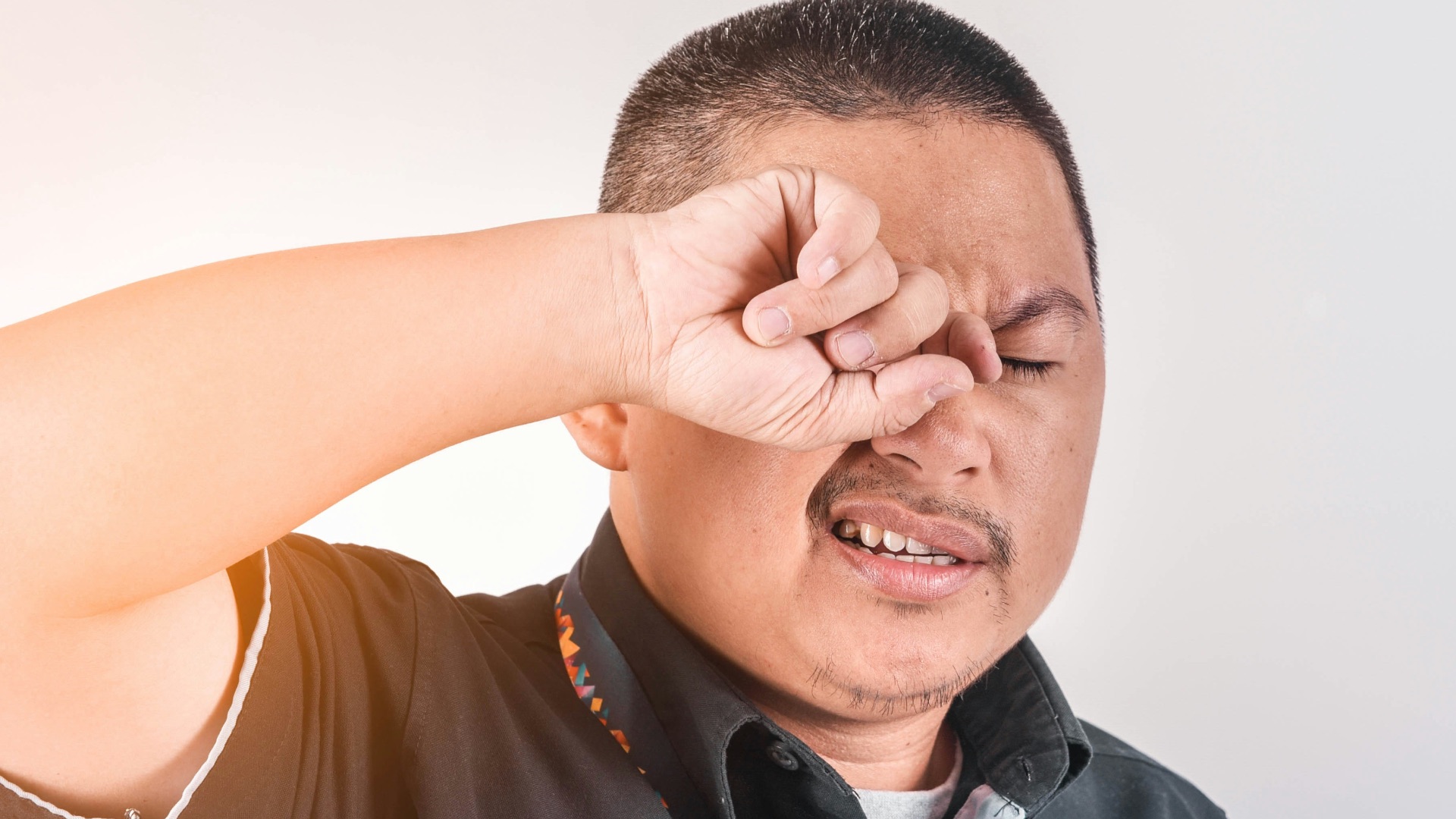
Putting lenses on already-irritated eyes can worsen inflammation and make it harder to figure out what’s causing the problem. Continuing to wear them may also hide an early infection until it becomes more serious. If your eyes aren't feeling great, give them a break and switch to glasses until things feel normal again.
6. Ignoring Expiration Dates
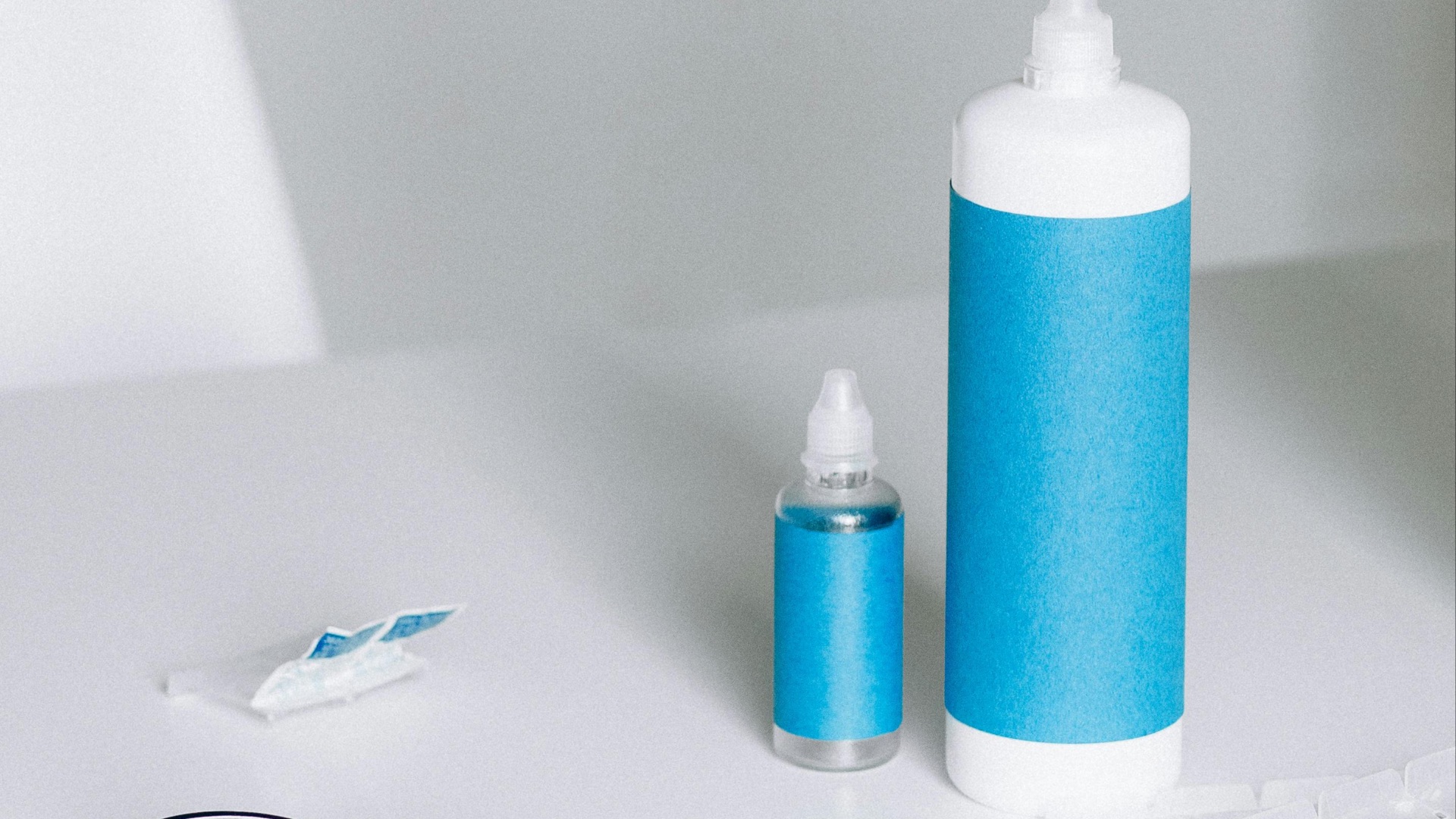
Expired products may not perform as intended, even if they look fine or it's only been a couple weeks. But solution that’s past its date may disinfect less effectively, and outdated lenses can be less comfortable. Always make a quick habit of checking dates before opening something new.
7. Not Washing Your Hands First
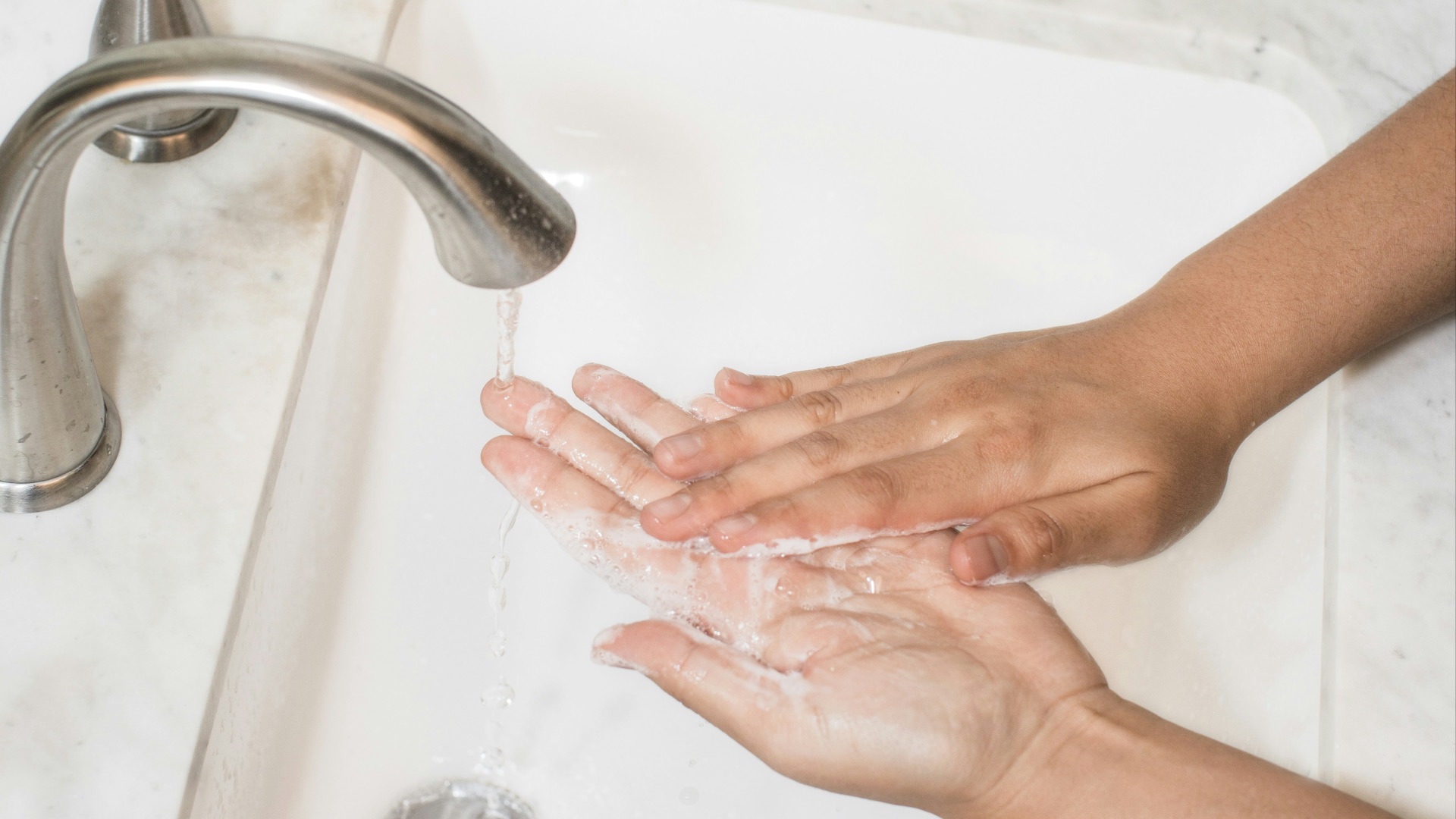
Your hands carry oils, dirt, and germs that can transfer directly onto lenses. Even a fast rinse without soap leaves a lot behind. Before handling contacts, make sure to wash with soap, rinse well, and dry with a lint-free towel, or you might end up with irritated eyes.
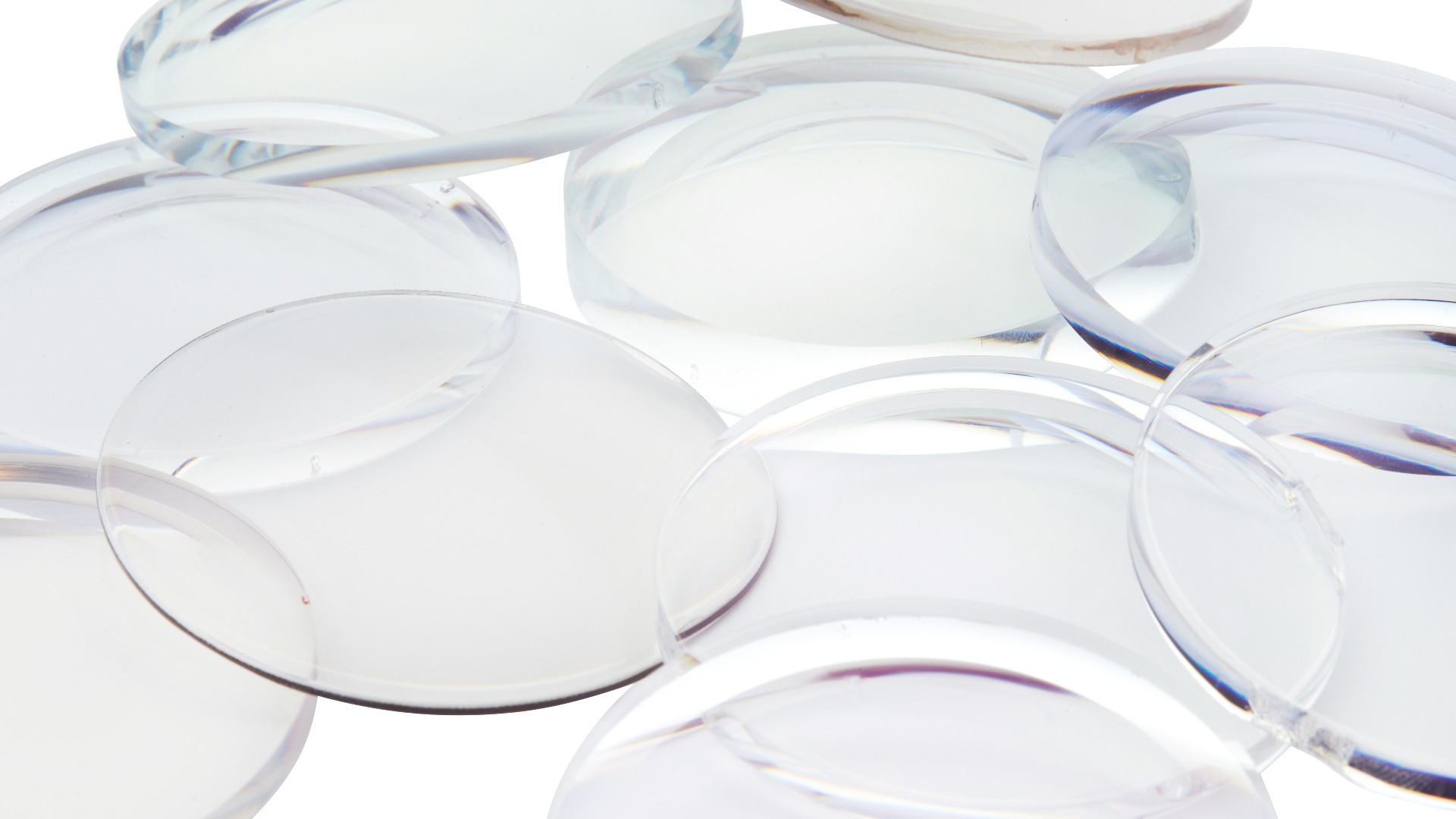
8. Reusing Daily Disposable Lenses
Daily disposables are designed for single use, and rewearing them can raise the chance of irritation and infection. The material isn’t meant to be cleaned and stored like other types. If you have daily lenses, follow the instructions: toss them after one day and start fresh.
9. Wearing Lenses While Swimming or Showering
Water exposure can introduce harmful organisms and also make lenses fit unpredictably. That can lead to discomfort, scratches, or a higher risk of infection, some of which can permanently take away your eyesight. If you must be around water, consider prescription swim goggles or wear glasses instead.

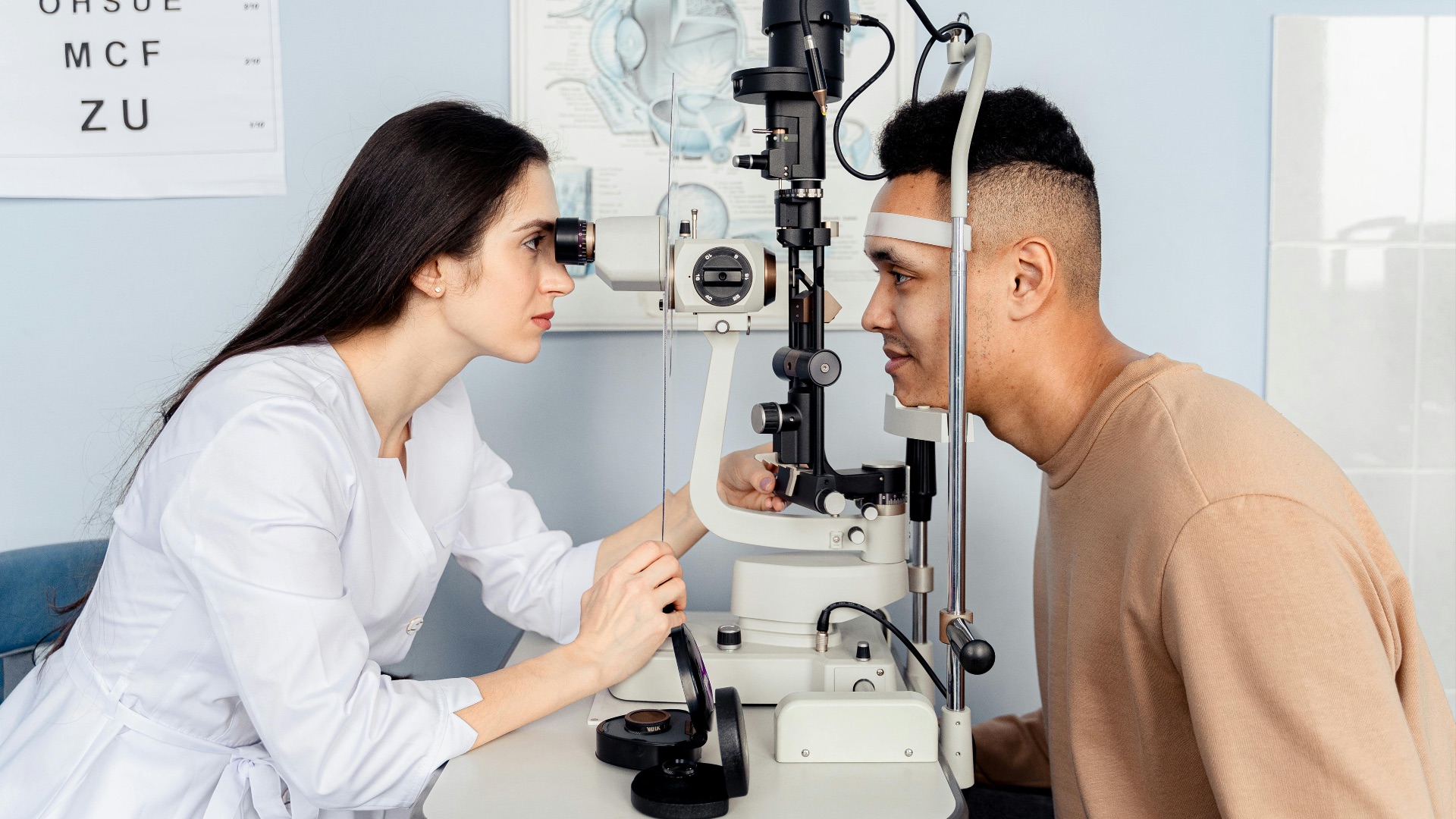
10. Skipping Routine Eye Exams
Even if your vision feels stable, your prescription and eye health can change without you noticing right away. Regular checkups help catch dryness, inflammation, and fit issues before they get worse, so make sure to schedule annual appointments so your lenses match what your eyes need now.
Looking for other ways to keep your eyes healthy? Read on.
 Antoni Shkraba Studio on Pexels
1. Follow Your Prescribed Wear Time
Your eye doctor’s guidance on daily wear hours matters as much as lens replacement timing; overwearing can cause dryness and reduce comfort late in the day. Always follow the schedule for your lenses, and, if you need to, set a personal cutoff time each day so you’re not pushing your eyes past their limit.

2. Keep Backup Glasses Ready
A reliable pair of glasses gives your eyes a break when they feel tired or dry. It also helps you avoid wearing contacts during illness, allergies, or travel fatigue. Store them somewhere easy to grab so choosing glasses feels convenient.
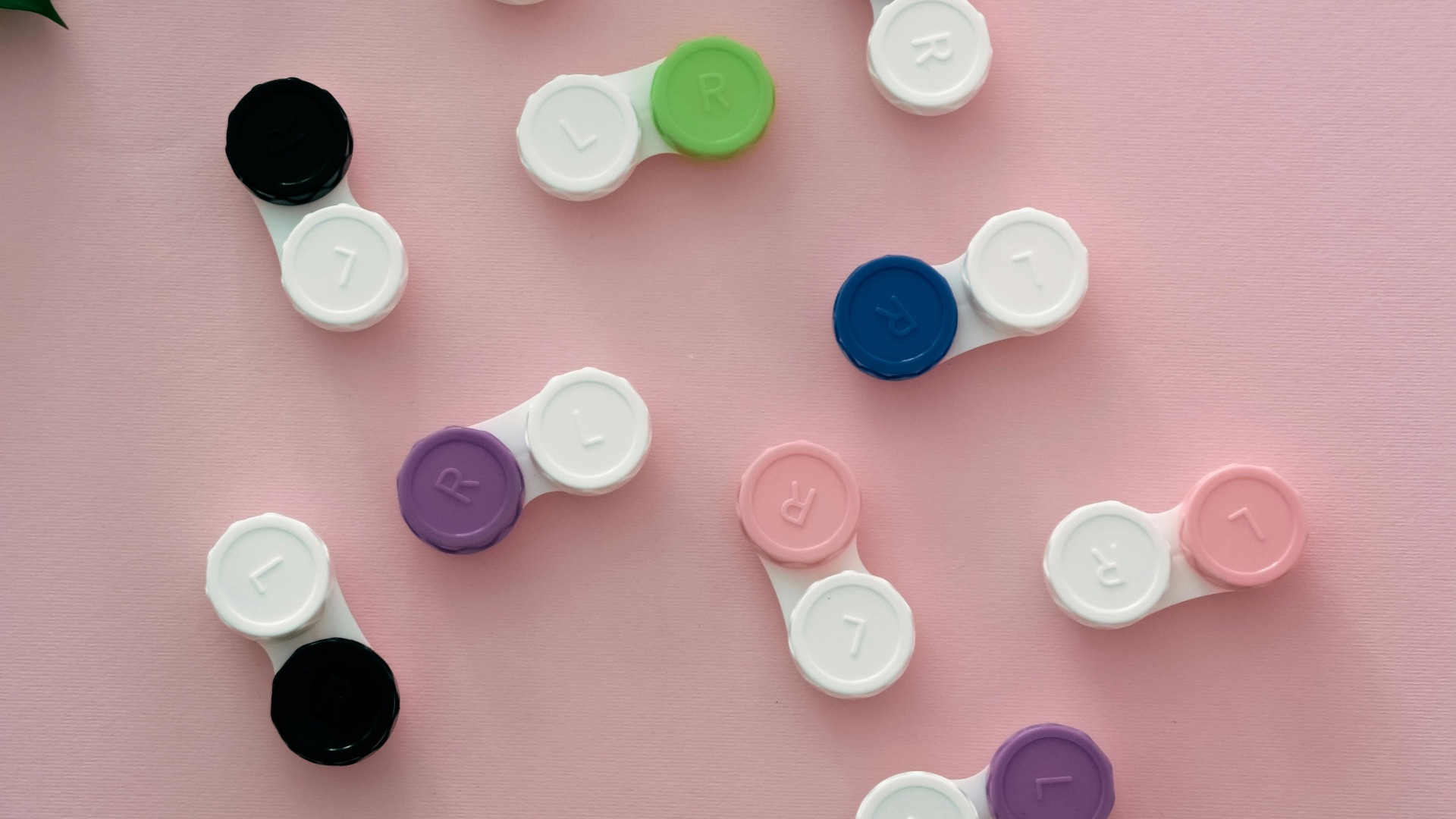
3. Clean and Replace Your Lens Case Regularly
Lens cases can become a major source of contamination if they’re not cared for properly. After each use, empty the case, rinse with fresh solution, and let it air-dry face down on a clean surface. Replace the case at least every few months, or sooner if it looks worn.
4. Use Fresh Solution Every Time You Store Lenses
New solution helps disinfect properly and reduces the chance of buildup on the lens surface. Old solution, on the other hand, can’t do the job it was meant to do, even if it looks harmless and clear. Always treat solution as single-use for storage, not something to save and stretch.
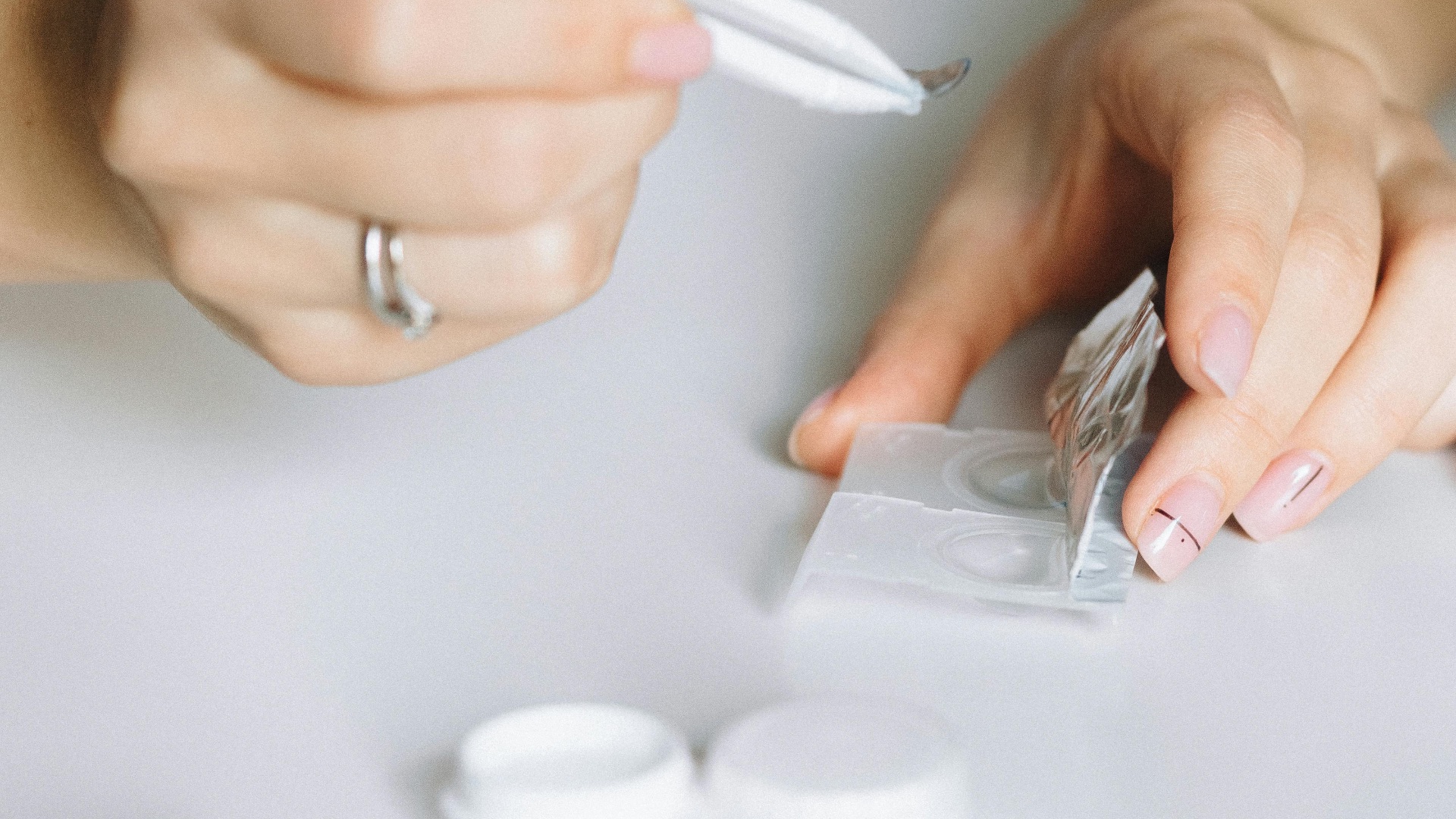
5. Rub and Rinse Lenses If Your Doctor Recommends It
Some lens types benefit from a gentle rub to remove deposits more effectively. If you skip this step, it can leave films that cause blur and discomfort. Follow the specific cleaning instructions your eye doctor and solution label recommend.
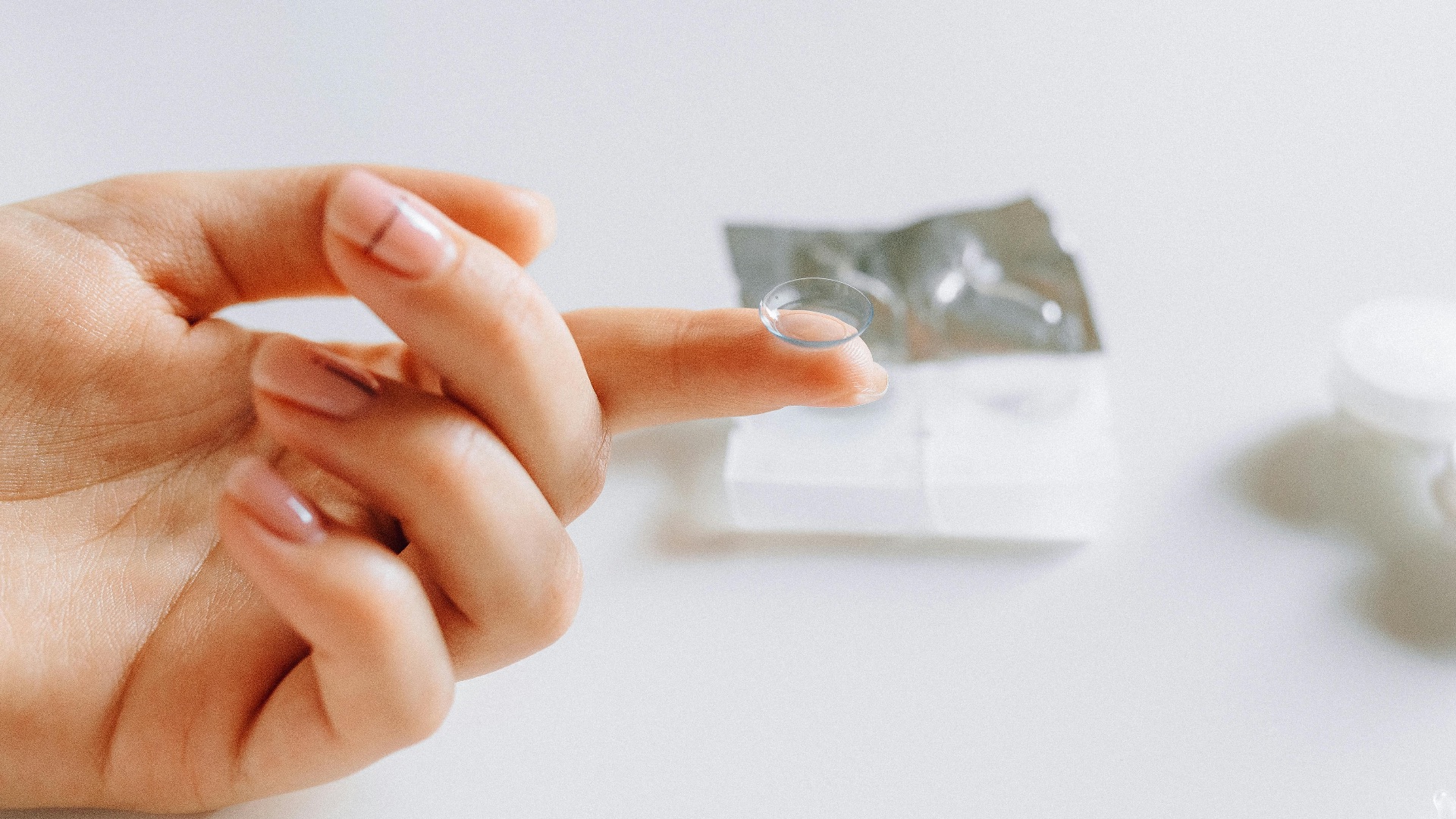
6. Give Your Eyes a Break on Dry or Allergy-Heavy Days
When the air is dry or allergens are high, contacts can feel gritty and uncomfortable. Using glasses for part of the day can reduce irritation and help your eyes recover. If symptoms keep showing up, ask about allergy strategies or different lens options.

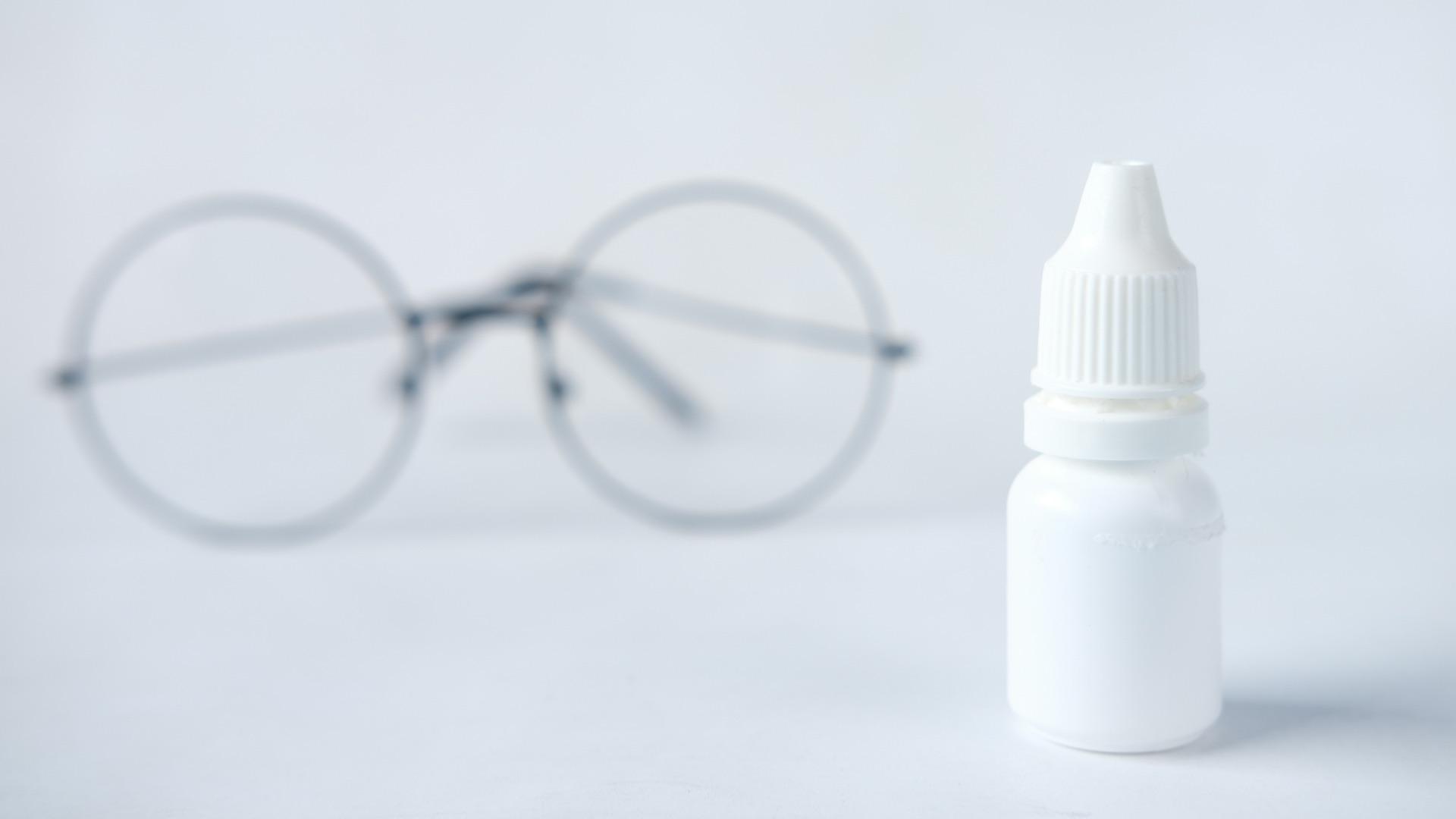
7. Use Contact-Compatible Rewetting Drops When Needed
Not every eye drop is safe to use with contacts, and some can cloud lenses or cause stinging, so make sure to choose drops labeled for contact lens use to keep things comfortable. If you need drops constantly, that’s a sign to revisit your routine or prescription.
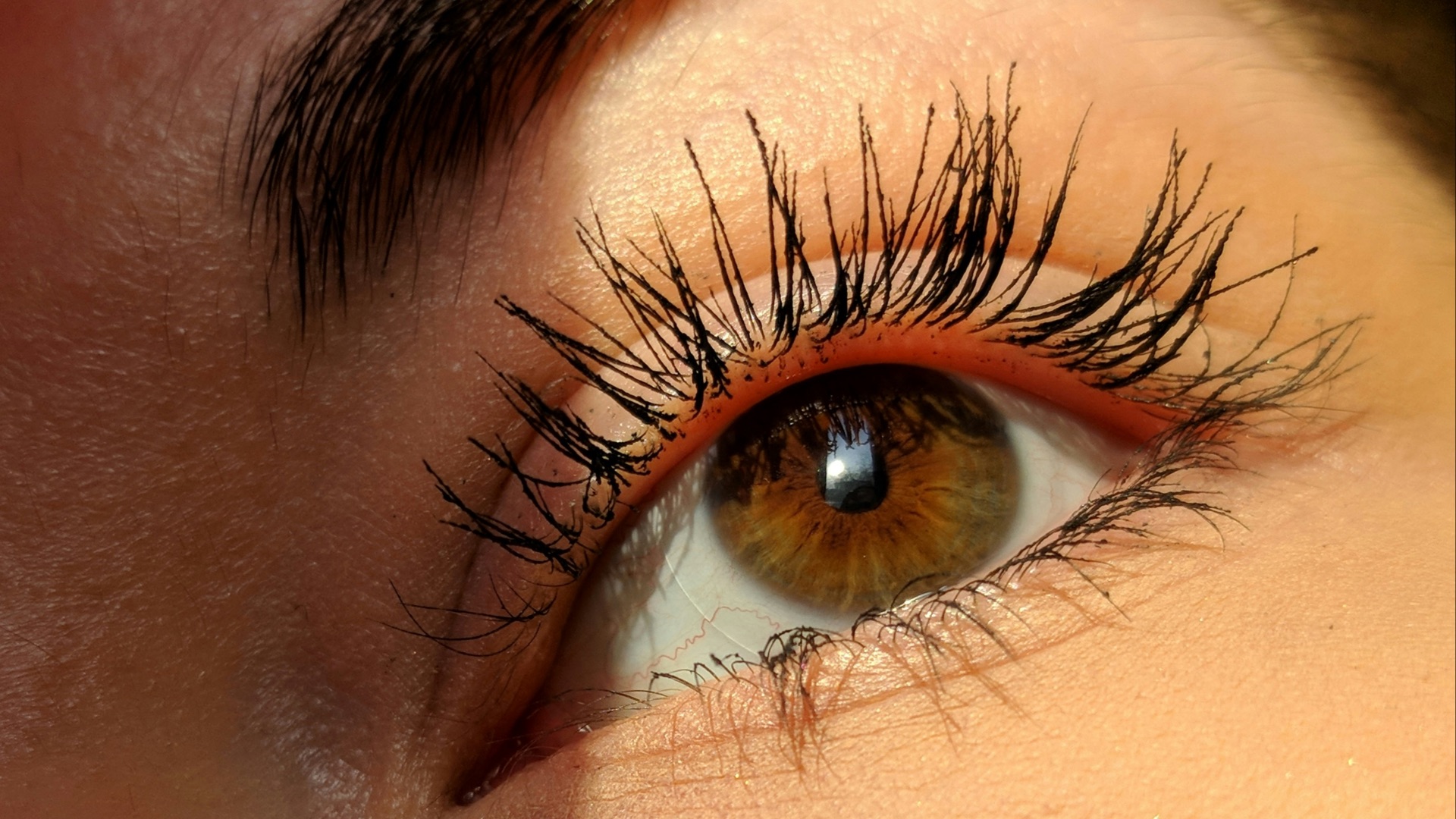
8. Be Careful with Makeup and Skin Care Products
Lotions, sunscreens, and makeup can transfer to lenses and cause blur or irritation. Put contacts in before applying makeup and remove them before taking makeup off. If products keep getting on your lenses, consider switching formulas or adjusting application habits.
9. Pay Attention to Pain, Light Sensitivity, or Sudden Blurry Vision
These symptoms can signal a problem that shouldn’t be ignored. If you experience any of them, take your lenses out right away and don’t put them back in until you understand what’s going on. If symptoms are significant or don’t improve quickly, contact an eye care professional promptly.

10. Store Lenses Correctly by Keeping Them Away from Heat
Heat can damage lenses and reduce how well they fit and feel. Leaving contacts in a hot car or near a sunny window, for example, can affect solution quality and dry your lenses out. Keep everything at room temperature and in a clean, dry spot to protect your supplies.

KEEP ON READING


20 Natural Ways You Can Boost Your Immune System
20 Ways To De-stress & Relax After Work
The 10 Most Common Diseases & The 10 Most Rare