Some Parts of You Get a Head Start on Aging
Aging happens everywhere in the body, but not every body part ages at the same pace. Certain areas deal with more sun exposure, repetitive movement, friction, reduced circulation, or everyday wear, so they can start showing changes surprisingly early. Sometimes the first clues aren't where you’d expect them, either. From your hands and knees to your eyes and teeth, these are 20 body parts that often seem to get older ahead of schedule.
1. The Skin Around Your Eyes
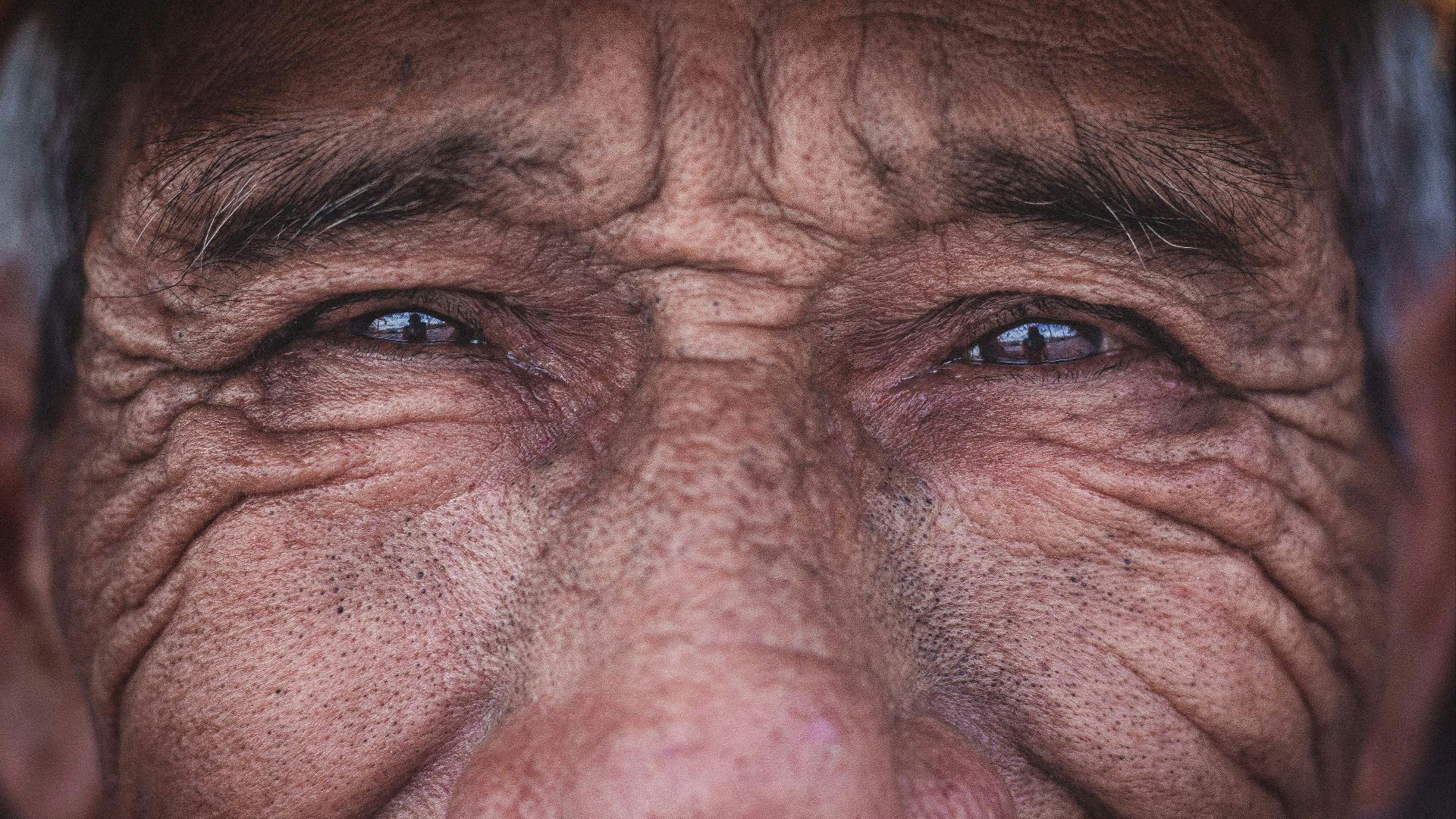
The skin surrounding your eyes is thinner than the skin on many other parts of your face, which means changes can appear there relatively early. Repeated squinting, smiling, and blinking also contribute to fine lines over time. Because the area contains less underlying fat and supportive tissue, wrinkles and hollows can become more noticeable as you age.
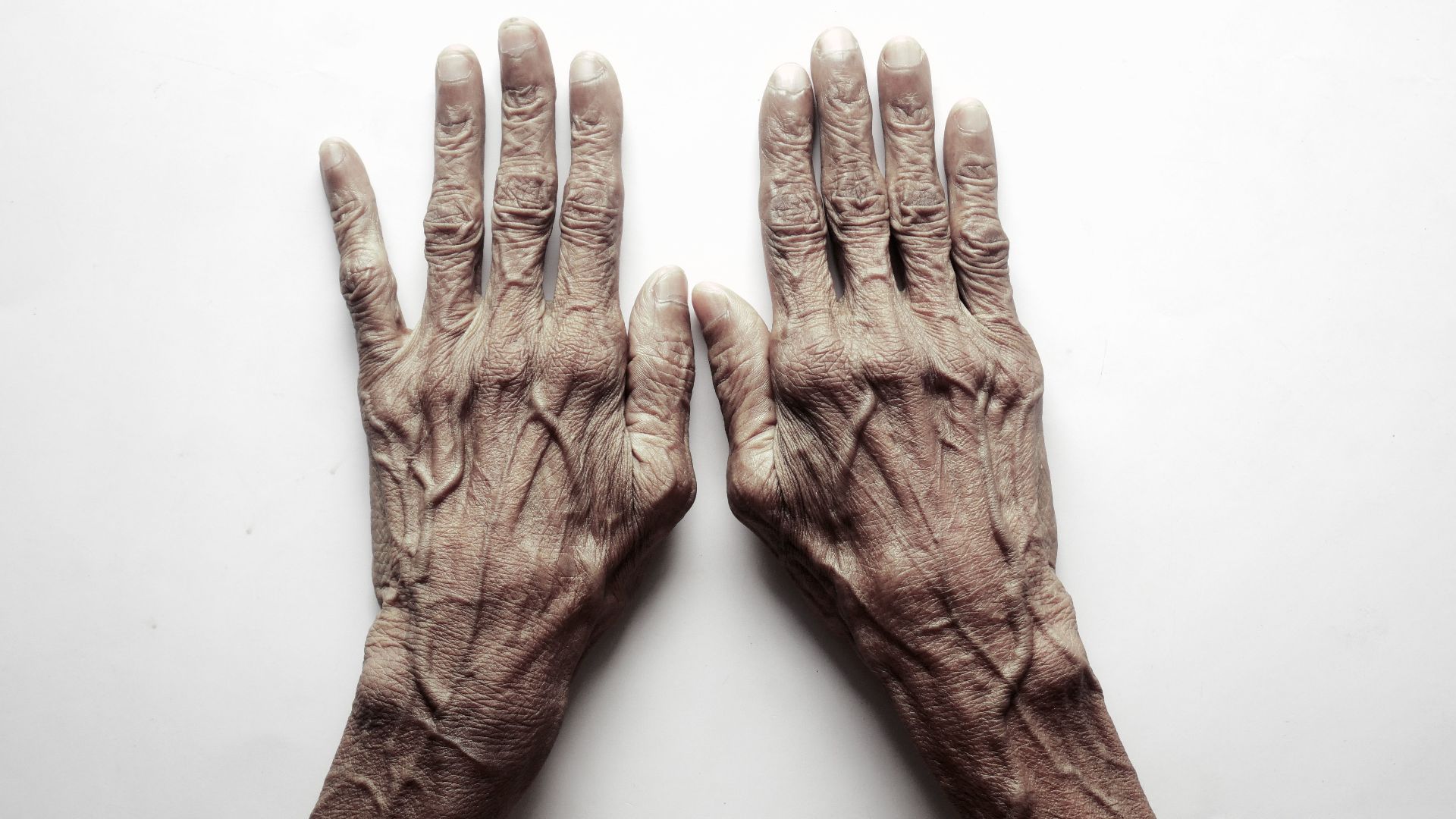
2. Your Hands
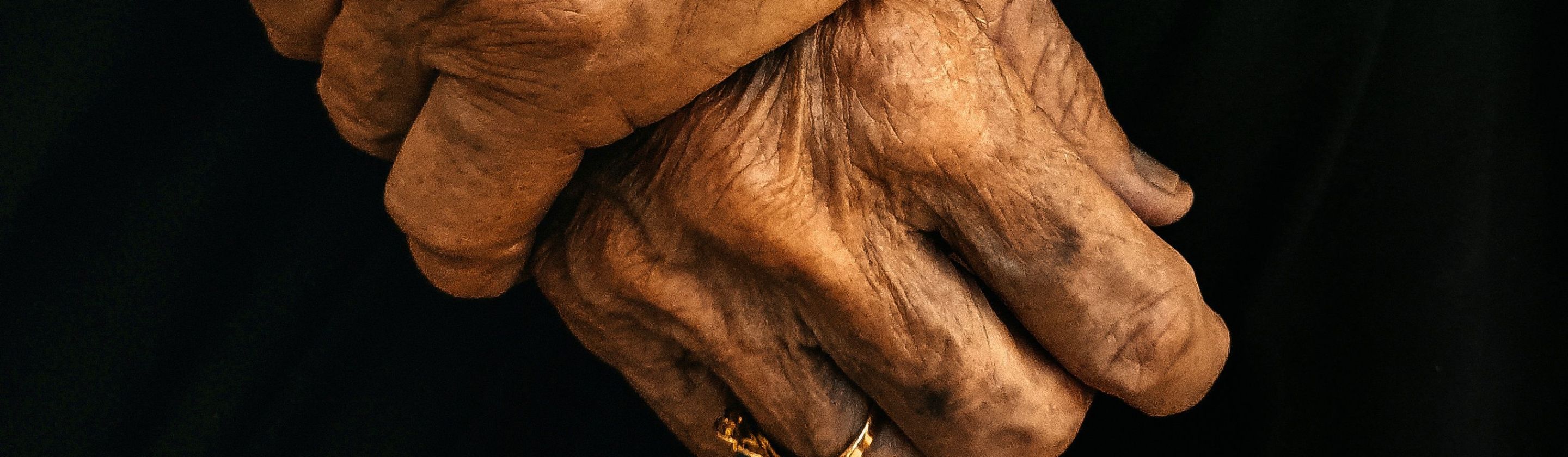
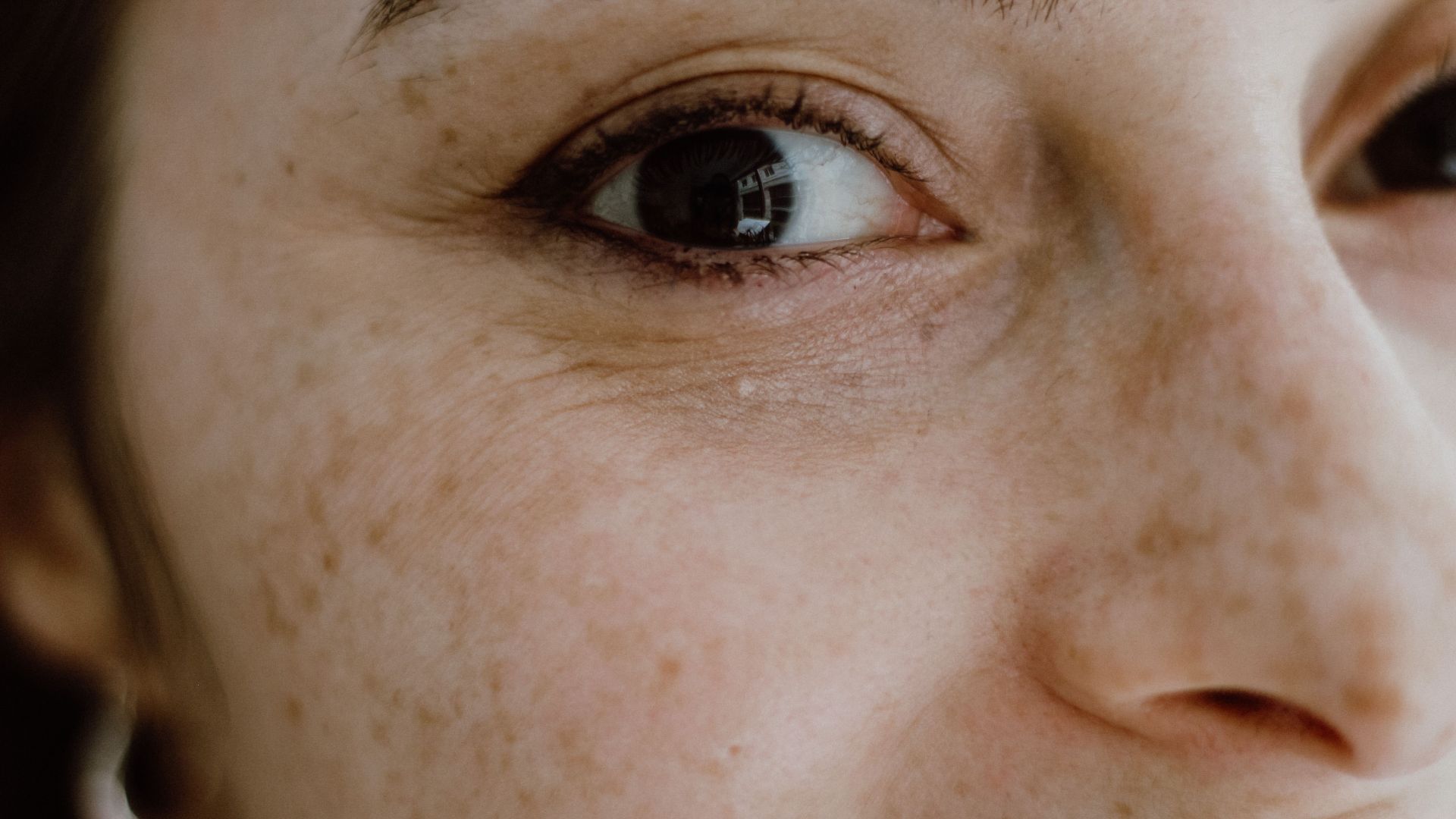
Your hands are one of the most used and most exposed parts of the body, spending years being exposed to everything from sunlight to cleaning products and cold weather. Skin gradually becomes thinner, while veins, tendons, and joints may become more visible. Age spots can also appear, which is why hands sometimes reveal someone's age even when their face doesn't.
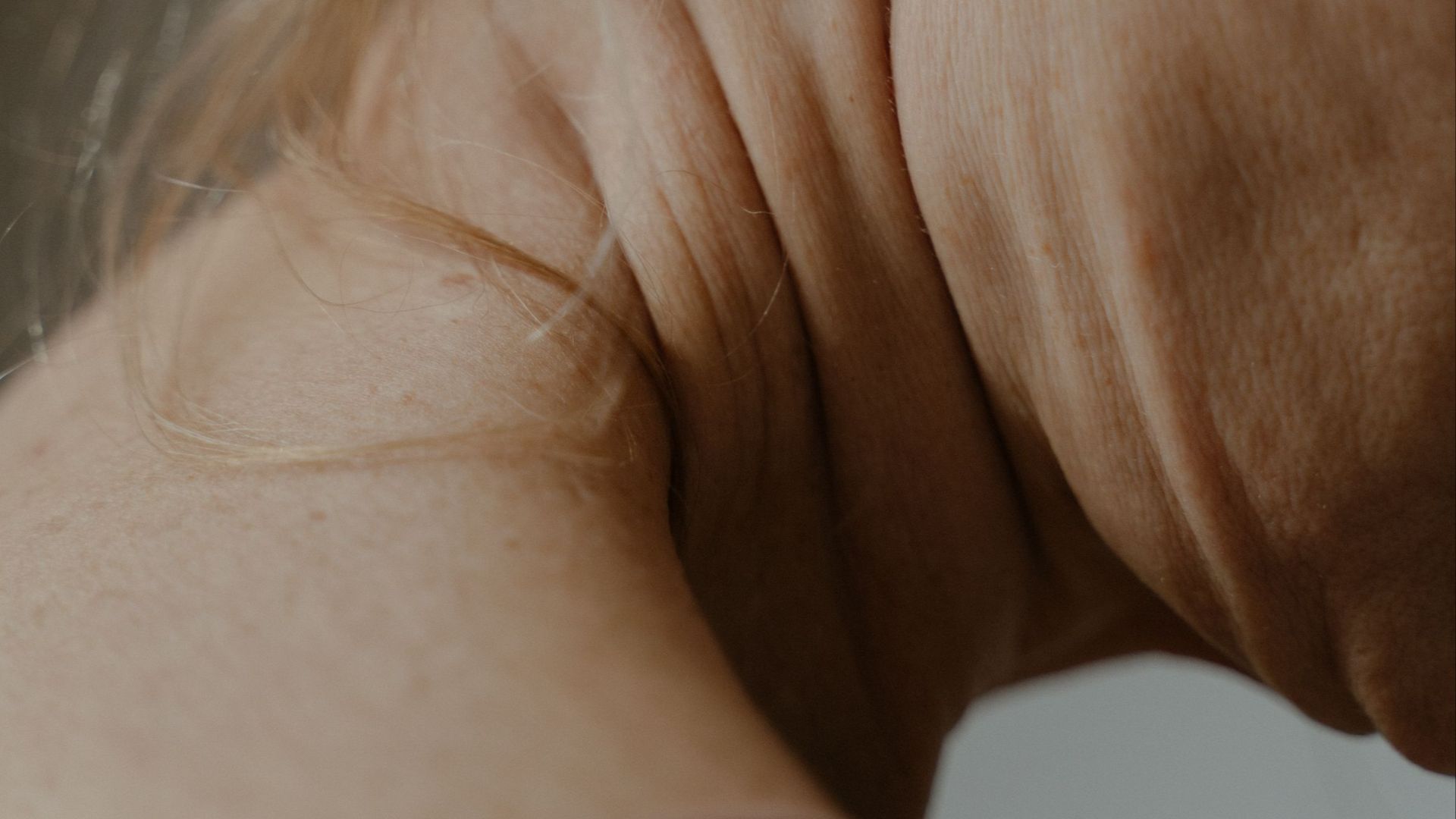
3. Your Neck
The neck doesn't always receive the same skincare attention as the face, despite getting plenty of sun exposure. Its relatively thin skin gradually loses collagen and elasticity, which can lead to wrinkles, sagging, and horizontal lines. Constantly bending your neck while looking down can make some creases more noticeable as well.
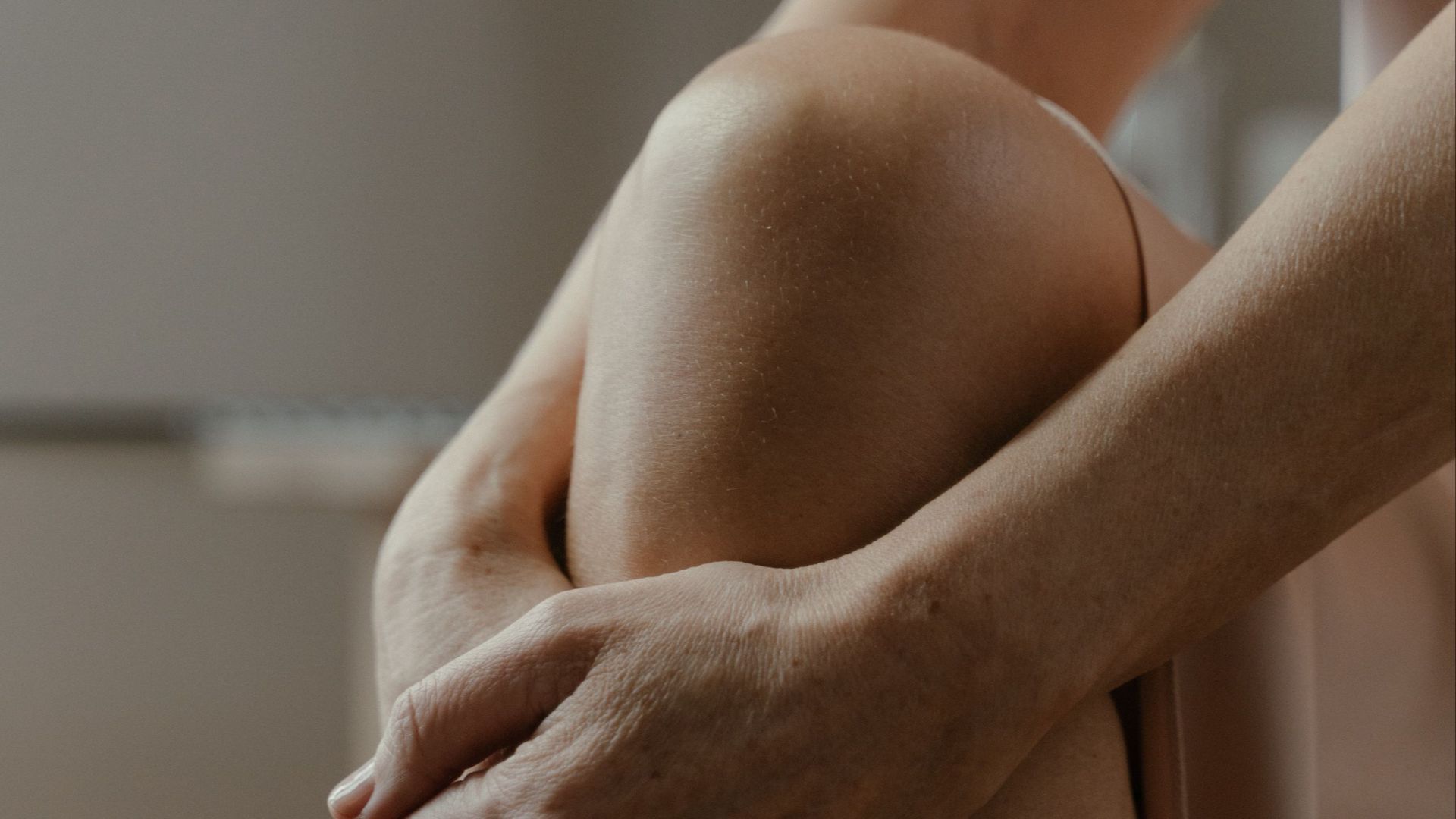
4. Your Knees
Knees work hard every time you walk, climb stairs, stand up, or exercise. Over the years, the cartilage inside the knee can gradually wear down, while the surrounding muscles and connective tissues may lose some strength and flexibility. The skin over the knees can also become looser, making this area look older sooner than you might expect.
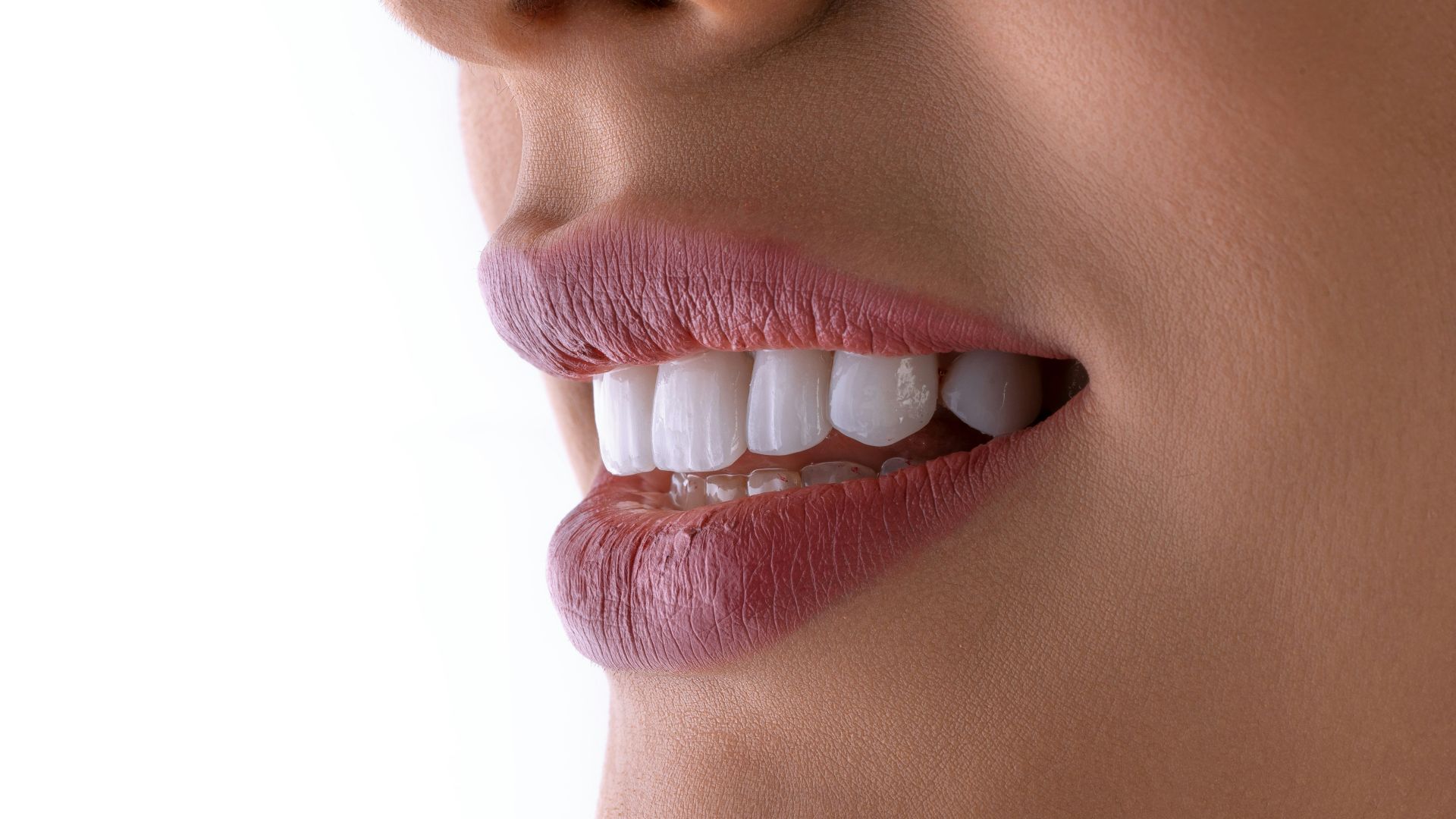
5. Your Teeth
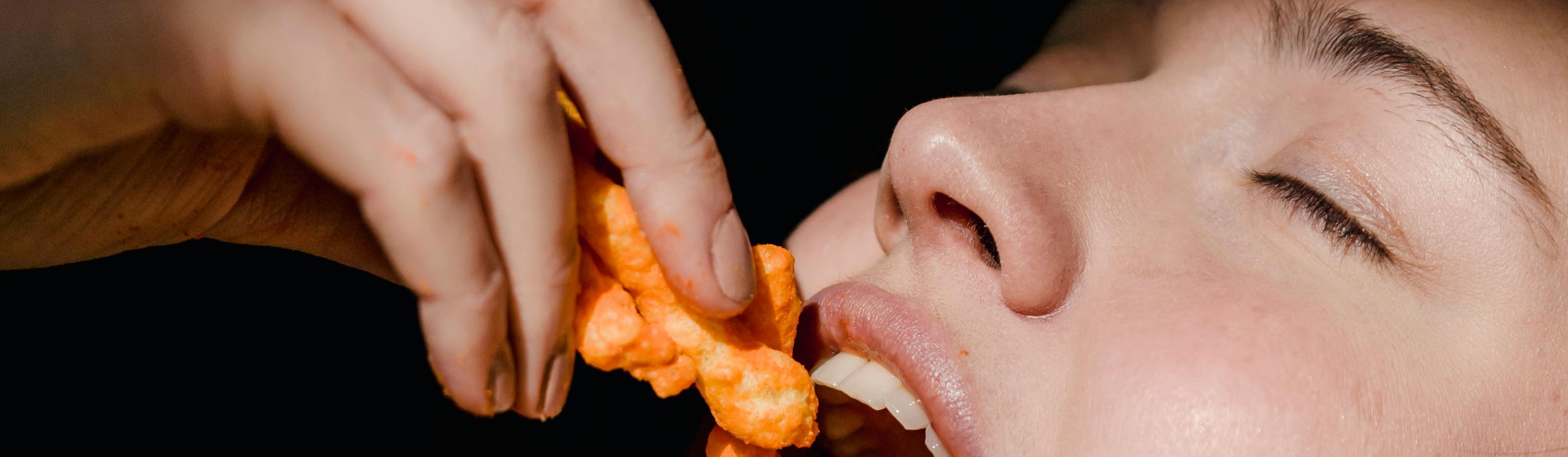
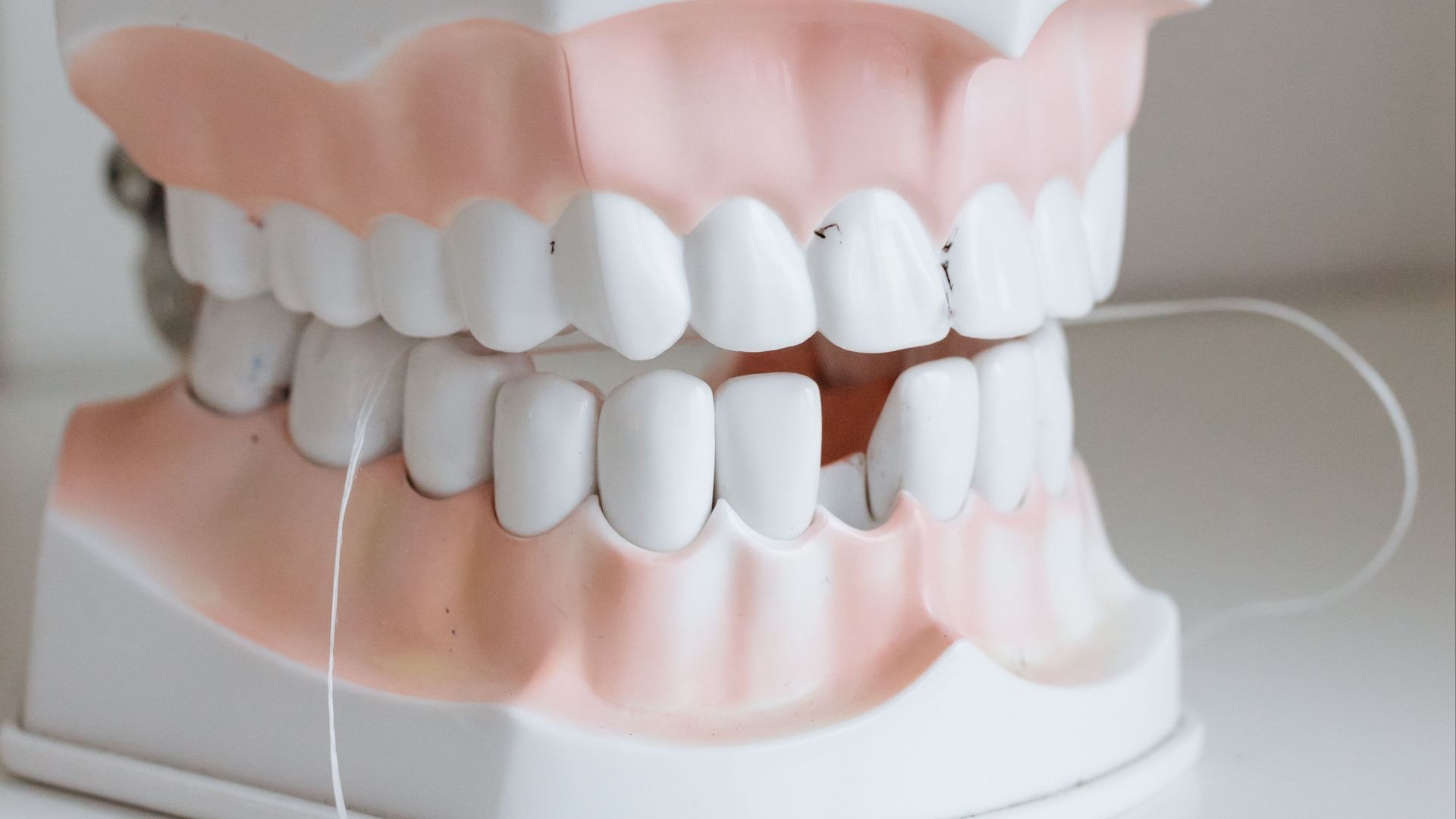
Years of chewing, grinding, acidic foods, staining drinks, and changes to enamel can gradually affect the appearance and condition of teeth. They may become darker, slightly shorter from wear, or more sensitive as protective surfaces change.
 Kamal Hoseinianzade on Unsplash
6. Your Gums
Your gums can change noticeably with age, particularly if they've experienced years of inflammation or aggressive brushing. Gum tissue may gradually recede, exposing more of the tooth and sometimes making teeth appear longer. Maintaining good oral hygiene becomes especially important because gum health plays a major role in keeping teeth firmly supported.
7. Your Lower Back
The lower back carries a significant amount of your body's weight while also handling bending, twisting, and lifting. Spinal discs gradually lose water and flexibility with age, which can reduce cushioning between vertebrae. That doesn't guarantee back pain, but it helps explain why this area can start feeling older before the rest of you does.

8. Your Lips
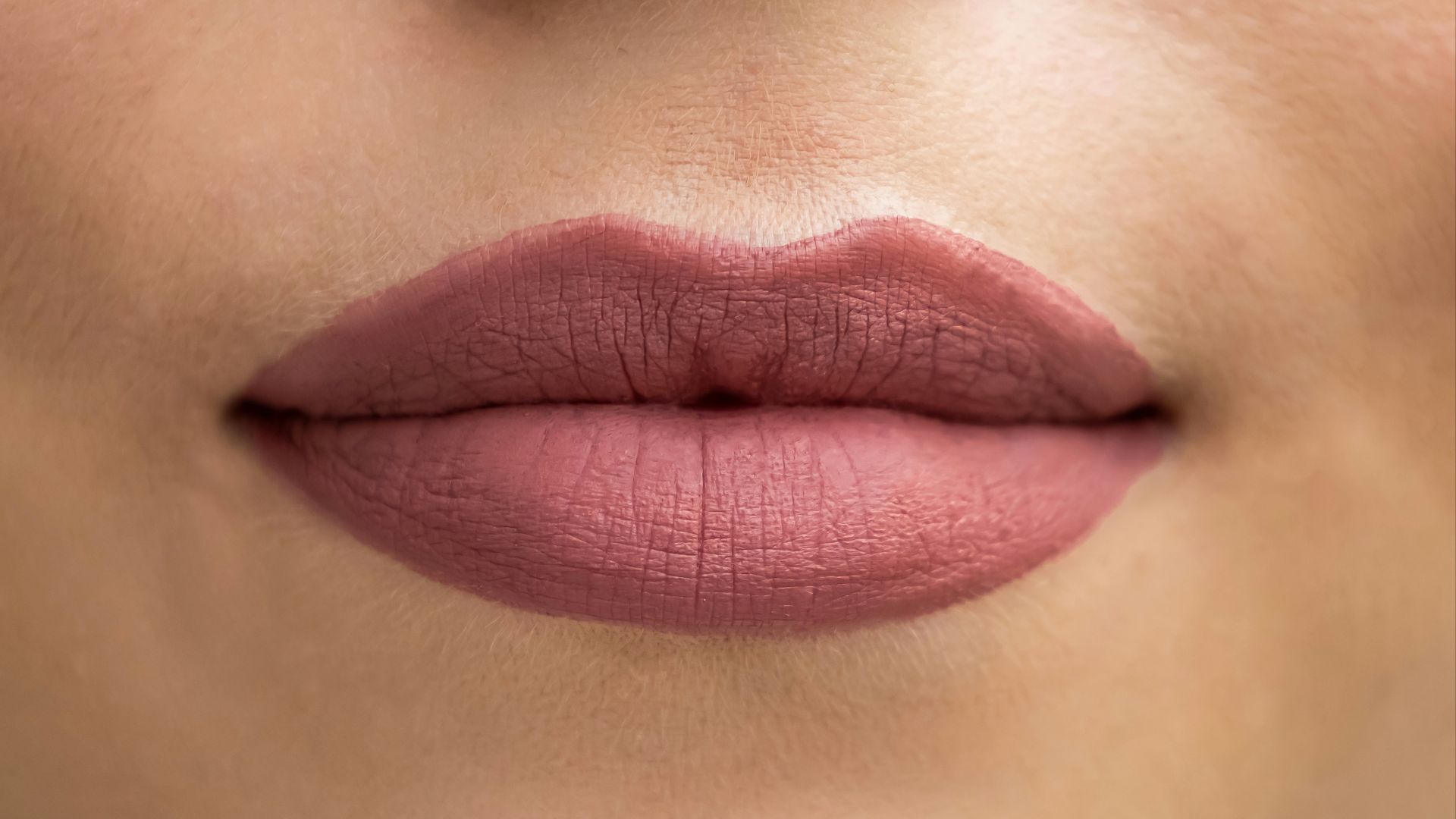
Lips naturally contain less protective pigment and fewer oil glands than much of your skin, leaving them vulnerable to dryness and sun damage. Collagen loss can gradually make them appear thinner, while fine vertical lines may develop around the mouth. Decades of talking, smiling, eating, and other repetitive movements contribute to visible changes too.
9. Your Feet
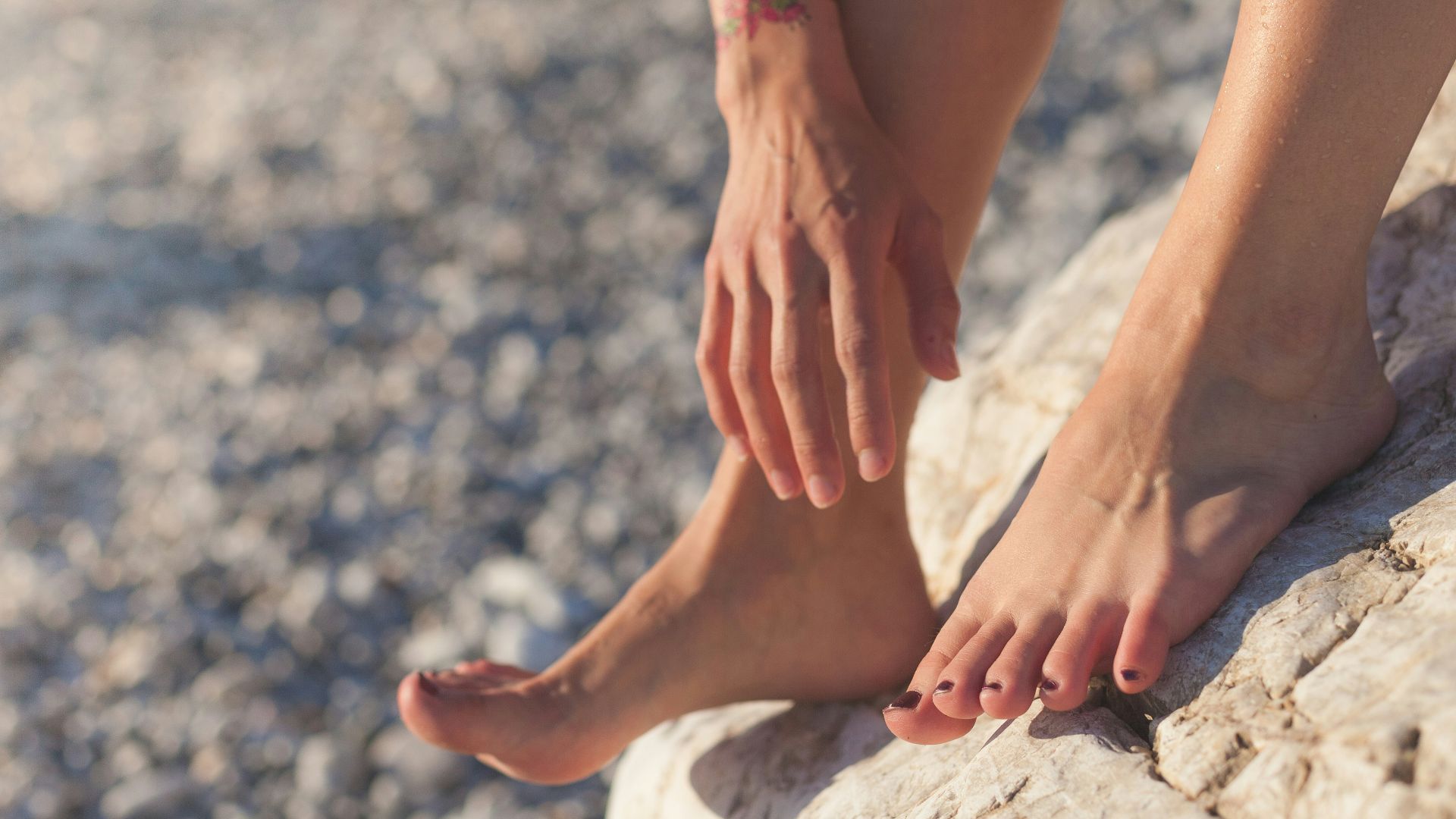
Your feet absorb enormous amounts of pressure over a lifetime, yet they're easy to overlook until something starts hurting. Natural fat padding on the soles can thin with age, while arches may flatten slightly and joints can become stiffer. Even shoe size can change as ligaments and tendons gradually loosen.
10. Your Ears
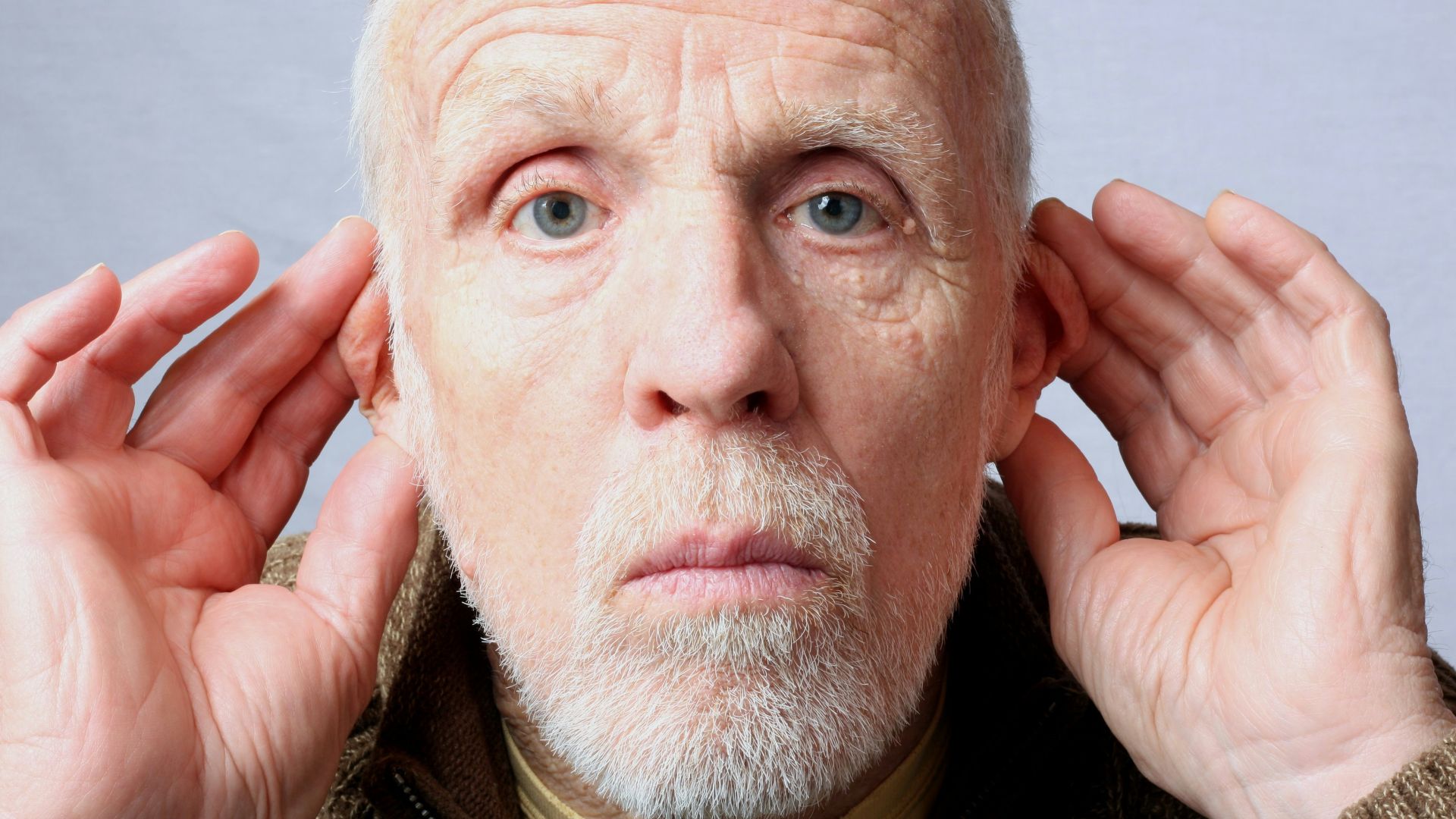
Your ears can appear to get larger as you grow older, although they aren't simply continuing to grow in the same way they did during childhood. Changes in cartilage, skin elasticity, and gravity can cause the ears to lengthen or droop somewhat over time. Earlobes may become especially stretched, particularly if you've worn heavy earrings for years.
11. Your Hair Follicles
Hair follicles can start showing their age surprisingly early, especially when pigment-producing cells become less active. That's when gray or white hairs begin appearing, sometimes decades before someone feels remotely old. Follicles may also produce finer strands over time, which can make overall hair look thinner.
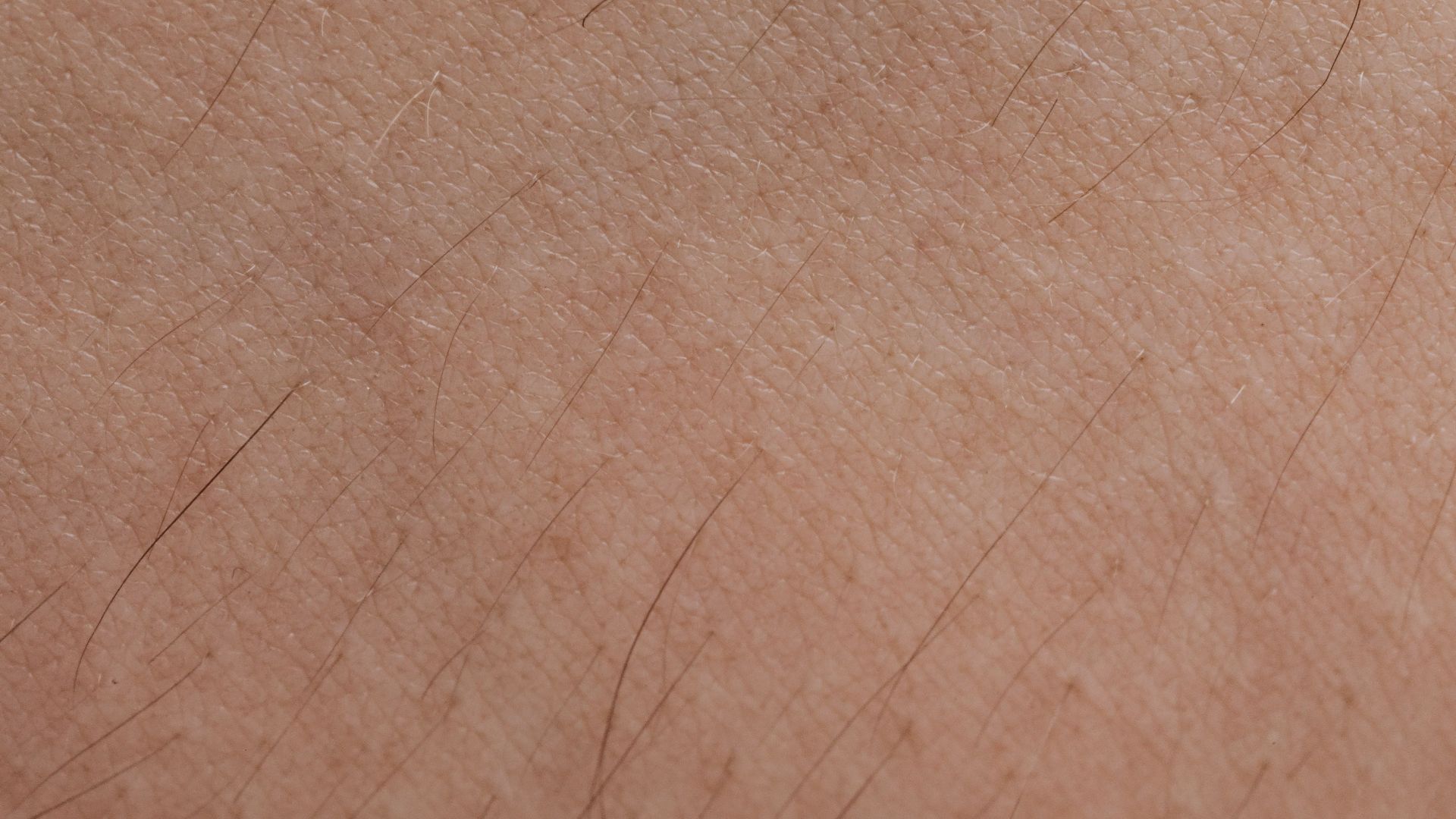 https://kaboompics.com/ on Pexels
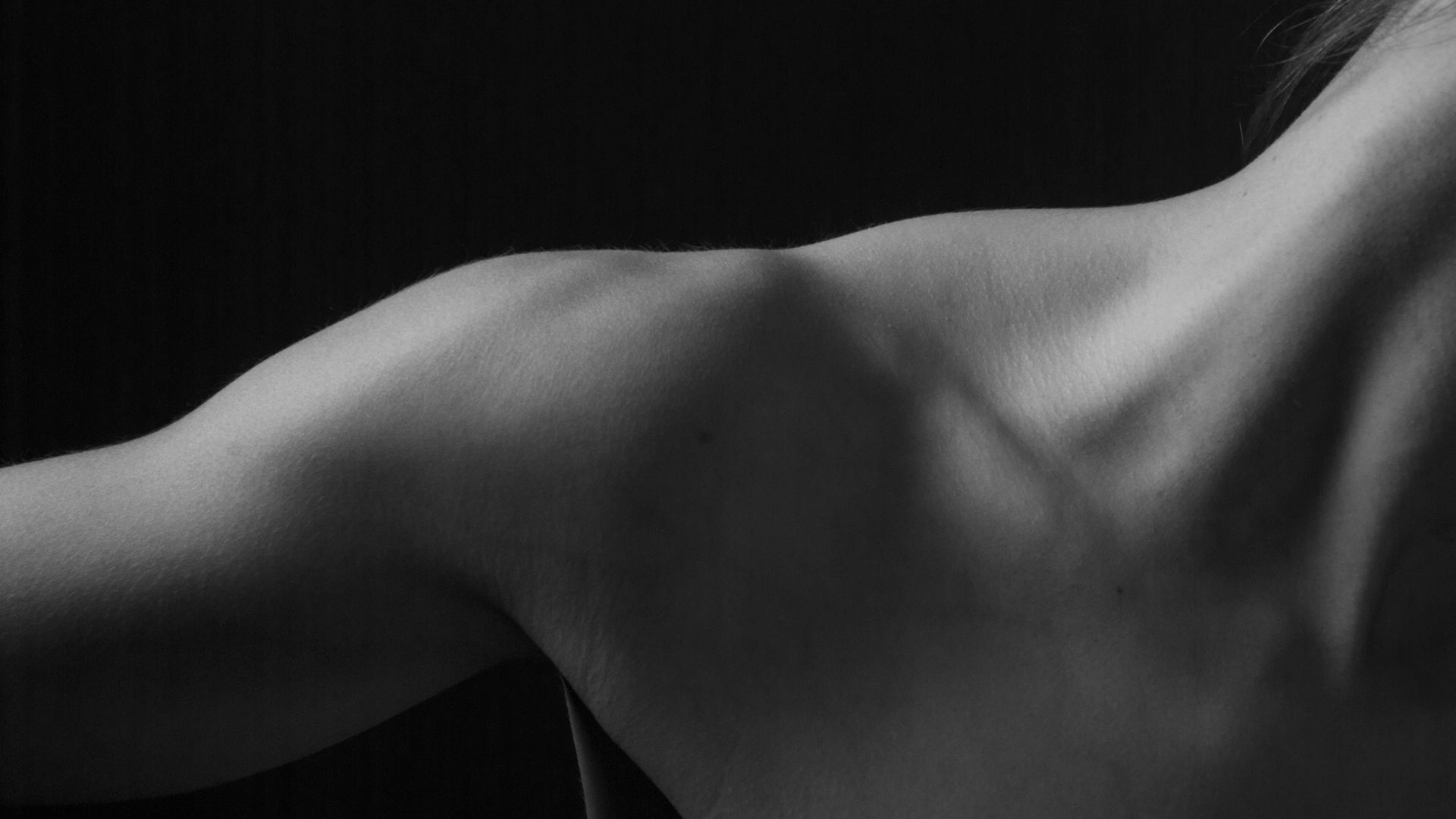
12. Your Shoulders
Shoulders have an impressive range of motion, but all that flexibility comes with plenty of moving parts. Tendons, cartilage, and other structures can gradually change after decades of reaching, lifting, throwing, and carrying. Reduced muscle mass or mobility can make stiffness more noticeable, particularly if you don't regularly move your shoulders through their full range.
13. Your Forehead
Few areas of your face move as consistently as your forehead. Every raised eyebrow, frown, and surprised expression repeatedly folds the same sections of skin. As collagen and elasticity decline, those temporary expression lines can gradually stick around even when your face is completely relaxed.
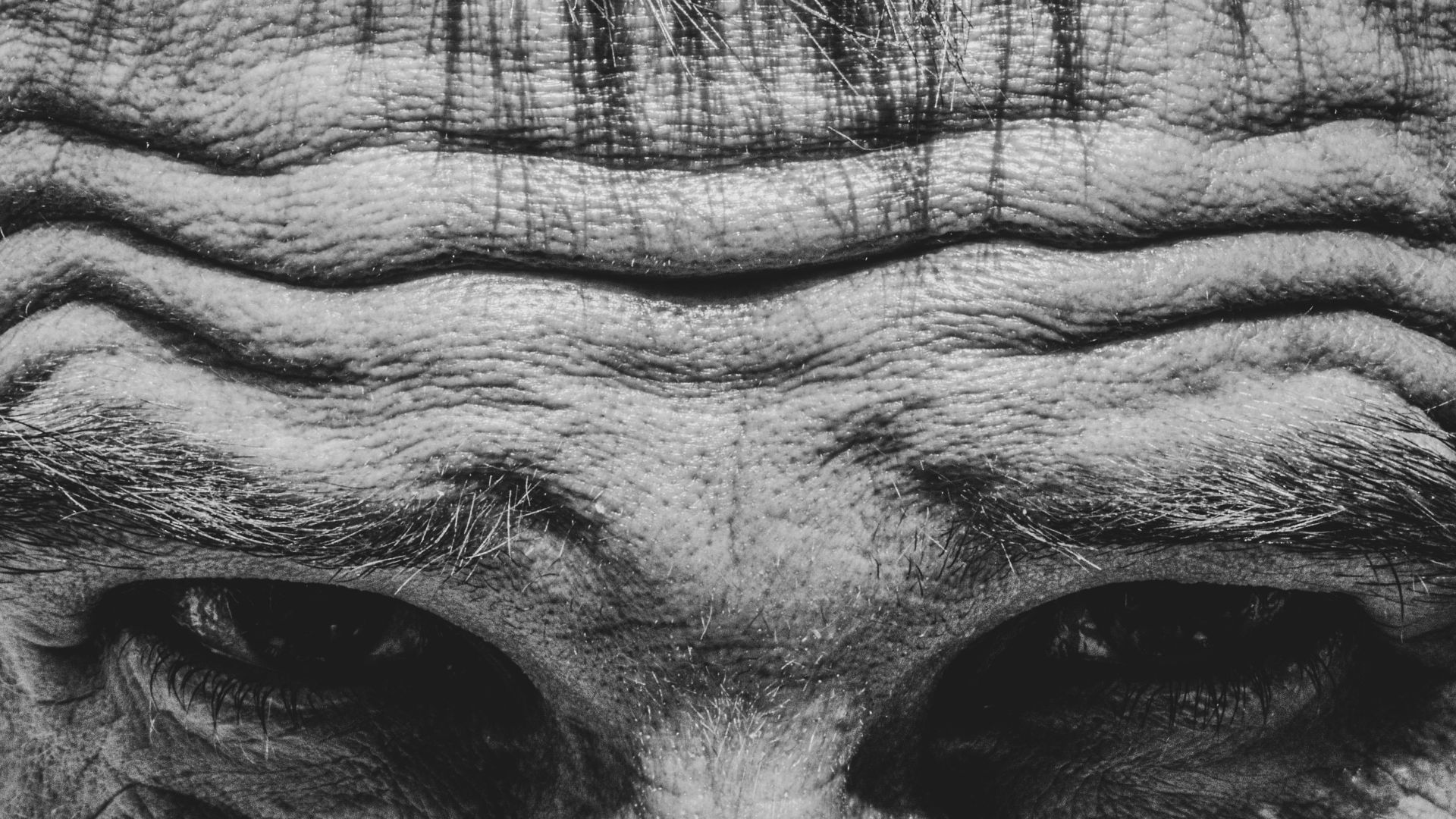 Sebastian Schuster on Unsplash
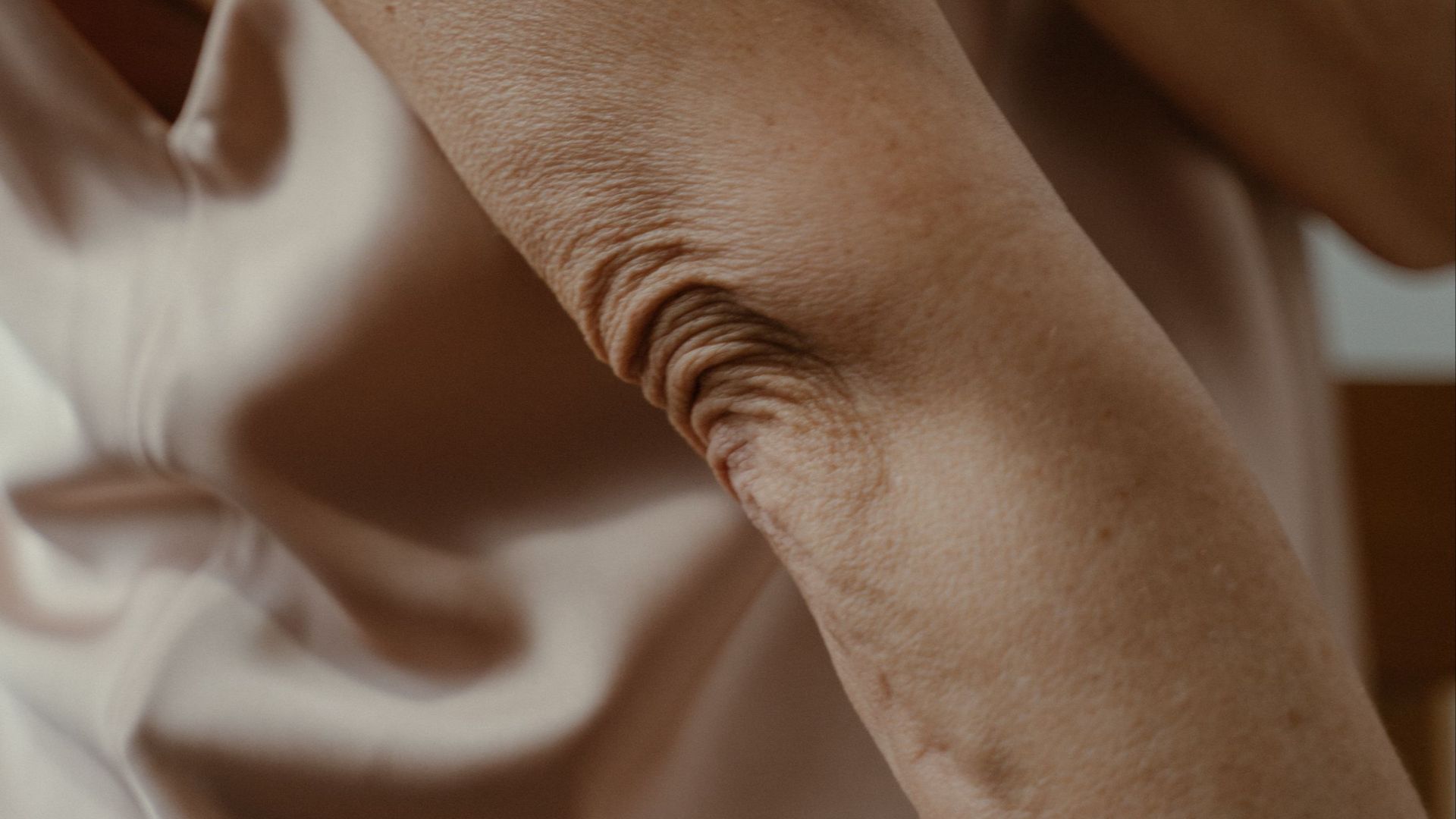
14. Your Elbows
Elbow skin regularly stretches, bends, rubs against surfaces, and receives very little pampering. It also tends to be thicker and drier than surrounding skin, which can make roughness and creases more obvious. With age, declining elasticity may leave the area looking looser or more wrinkled than nearby parts of the arm.
15. Your Ankles
Ankles carry your weight while constantly adjusting to uneven surfaces and changes in direction. Ligaments and tendons may become less flexible over time, while previous sprains can leave lasting instability or stiffness. Circulation changes can also contribute to swelling around the ankles in some older adults.
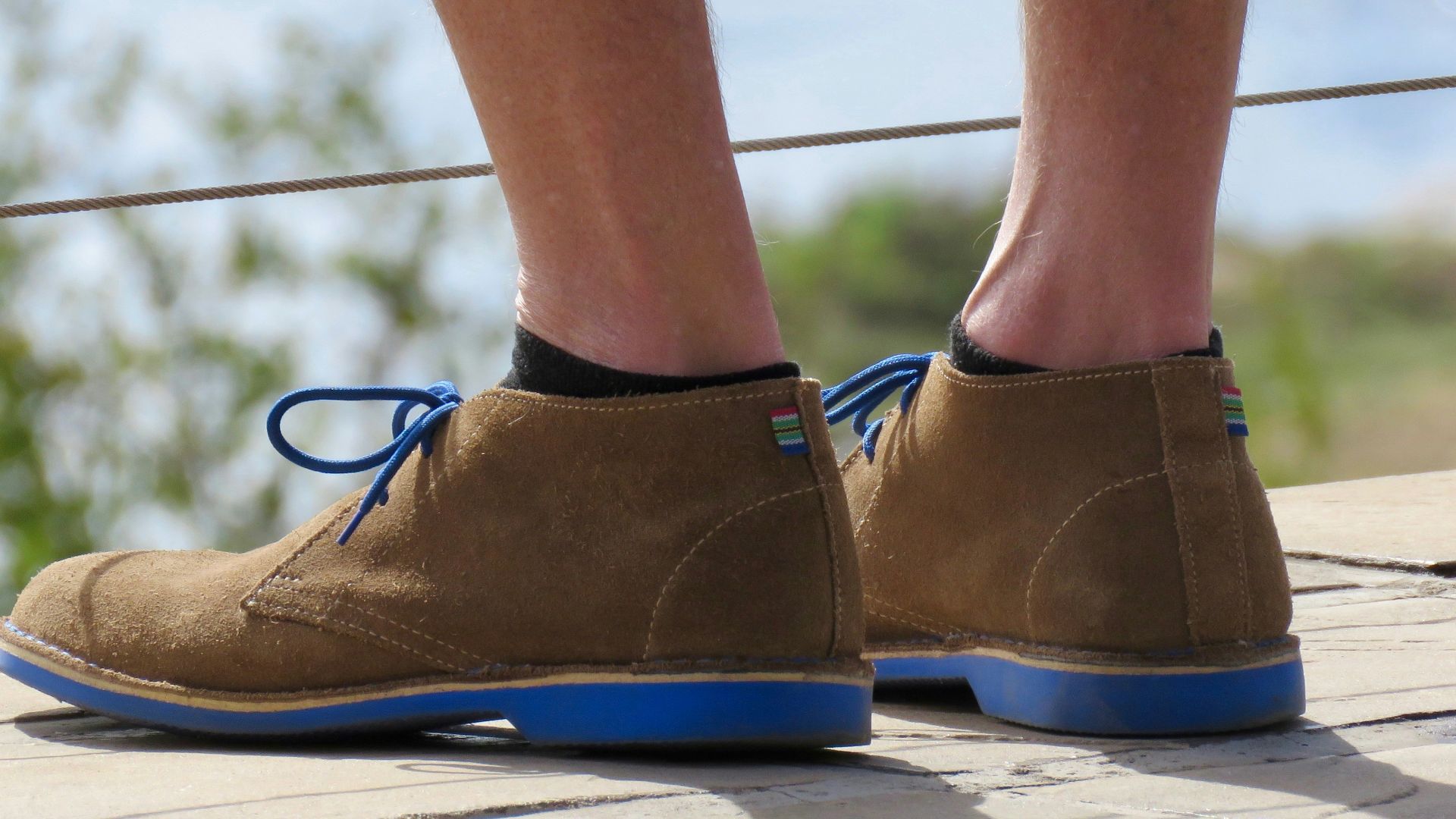
16. Your Fingernails
Changes in your nails can quietly creep up on you over the years. Fingernails may grow more slowly, become more brittle, or develop noticeable ridges as you get older. Repeated exposure to water, chemicals, manicures, and minor injuries can add even more wear.
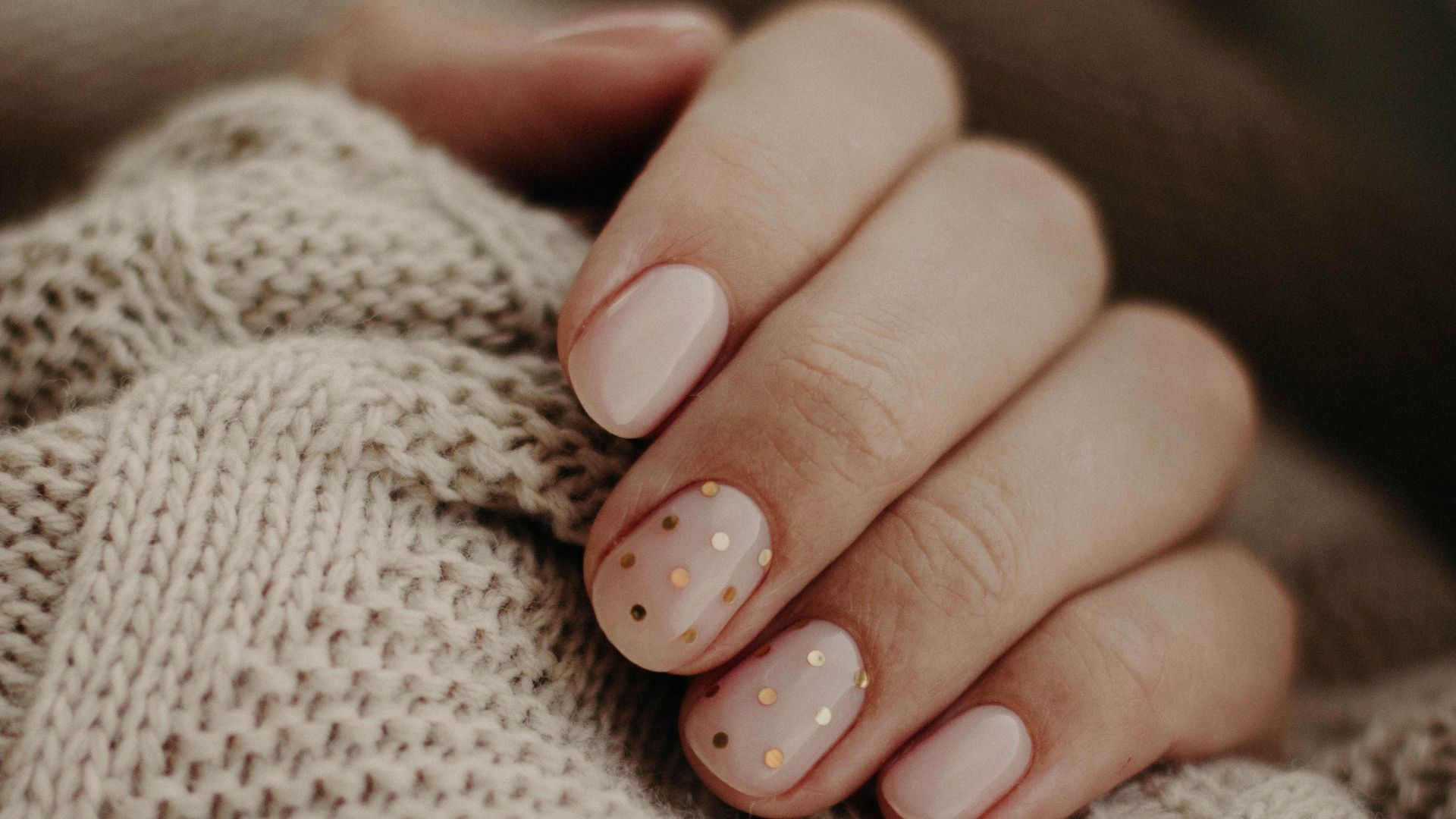
17. Your Jawline
A sharply defined jawline depends on more than just the jawbone itself. Skin elasticity, facial fat, muscle tone, and underlying bone structure all gradually change with age. As those tissues shift, the lower face can begin looking softer or less defined even if your body weight hasn't changed much.

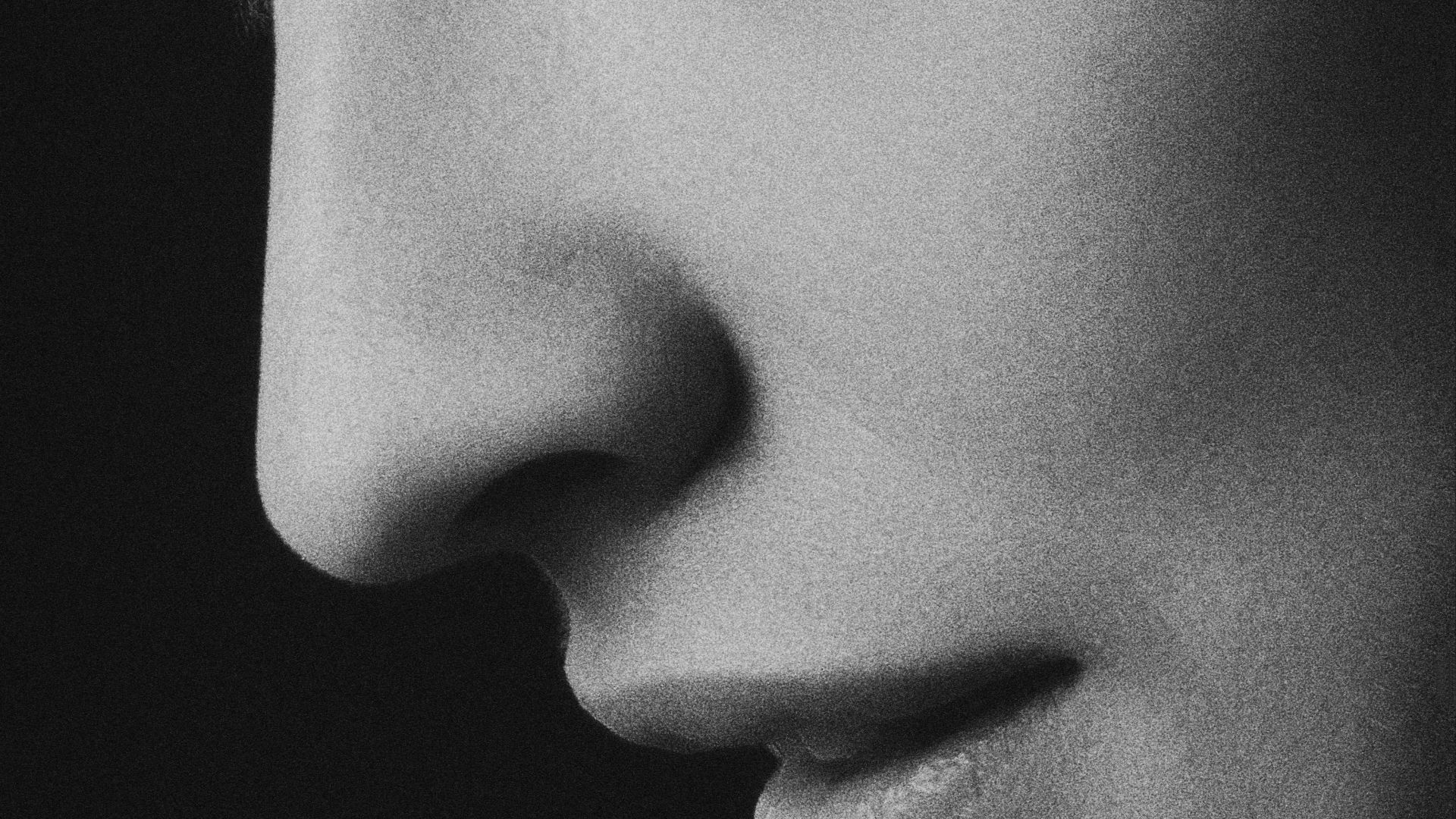
18. Your Nose
Like your ears, your nose can look larger or longer as the years pass. Changes in cartilage and supporting tissues, combined with gravity and thinning skin, can subtly alter its shape. The tip may begin to droop slightly, creating the impression that your nose has continued growing.
 Alexander Krivitskiy on Unsplash
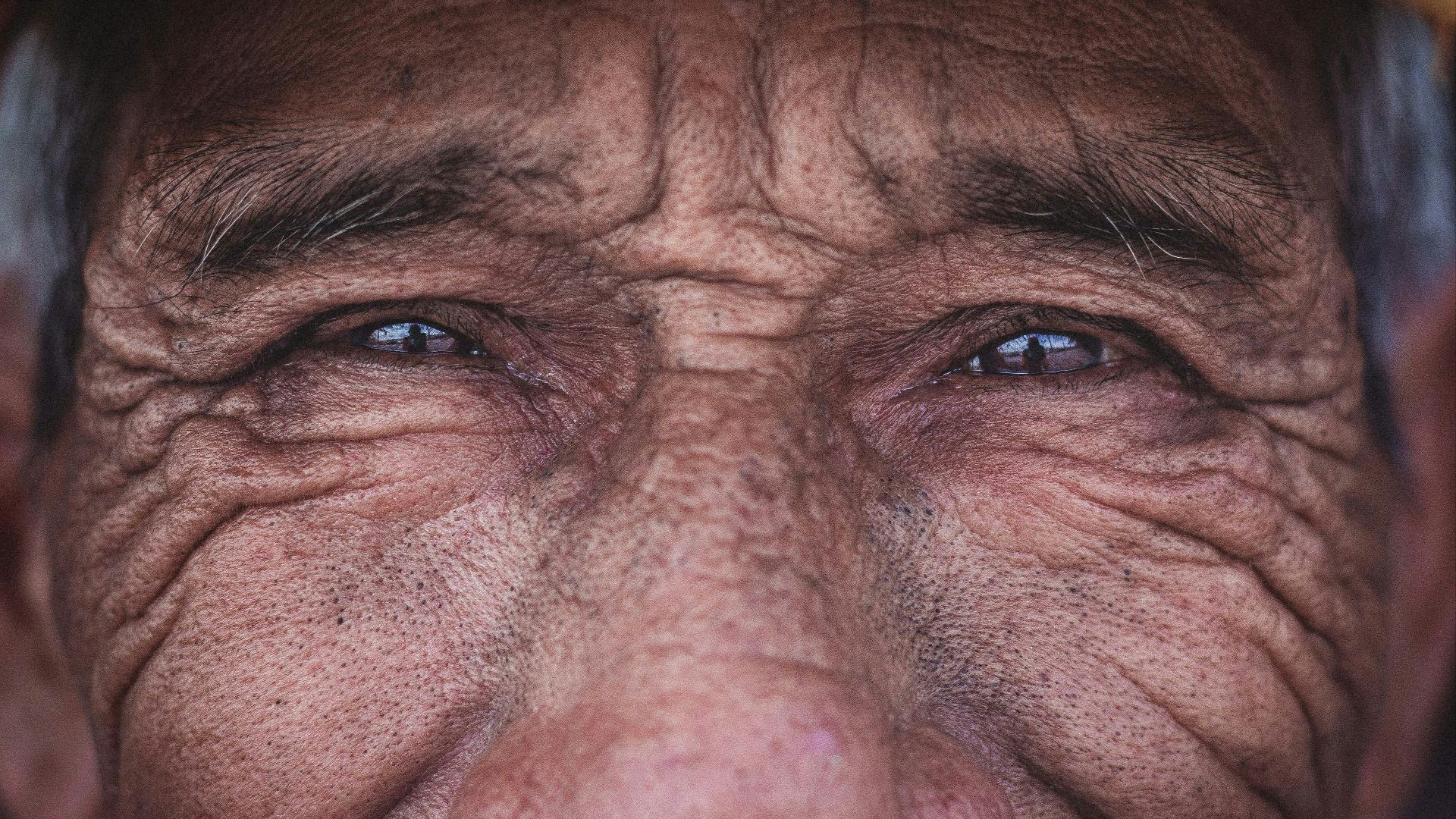
19. Your Eyes
The eyes themselves undergo age-related changes long before many other organs cause noticeable problems. The lenses gradually become less flexible, which is why focusing on close objects often gets harder beginning in middle age. Tear production and other structures can change too, sometimes leaving eyes feeling drier or more easily irritated.
20. Your Hips
Your hips handle nearly every step you take while supporting much of your body weight. Cartilage can gradually thin, surrounding muscles may weaken, and joint flexibility may decrease over the years. Staying active can help maintain strength and mobility, but after decades of use, your hips definitely have plenty of mileage behind them.

KEEP ON READING


20 Ways To Get Your Vitamins And Minerals
20 Ways Doing Less Can Actually Improve Your Health