
When Eating Feels Endless
Overeating usually sneaks in quietly, wrapped in cravings, stress, or plain habit. It’s easy to miss the signs until you’re uncomfortably full or wondering how that snack vanished so fast. That’s why most people don’t even realize how often mindless eating happens, especially during emotional slumps. But recognizing the clues early can help you rebuild a balanced relationship with food. So, first, let’s take a look at ten signs that you might be eating too much.
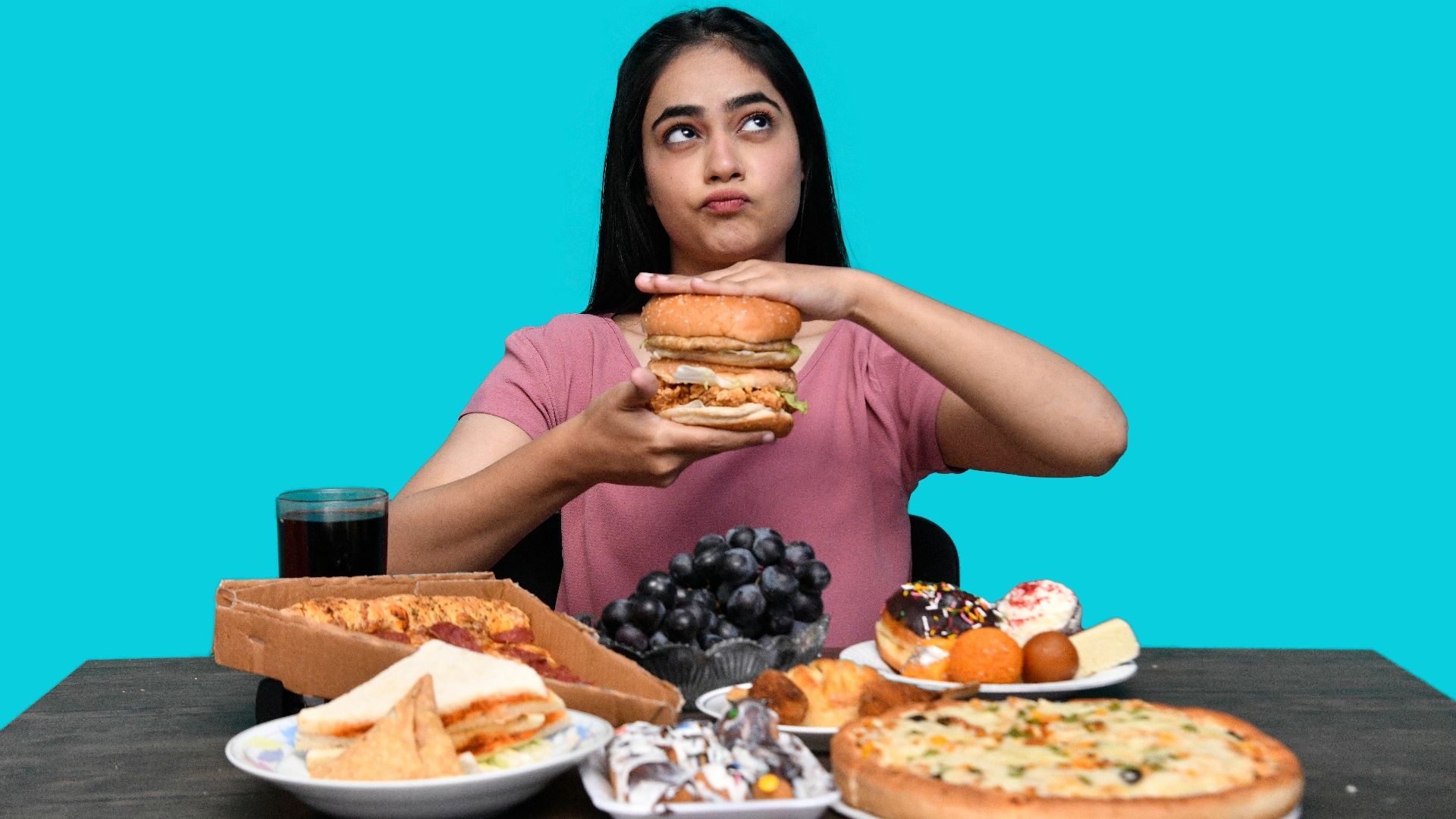
1. You Feel Uncomfortably Full After Meals
The pleasure of eating should end in satisfaction, not strain. Yet many people keep going past that point, driven by the urge to finish everything on their plate. This habit stretches the stomach beyond comfort, often causing nausea or even vomiting once the meal is over.
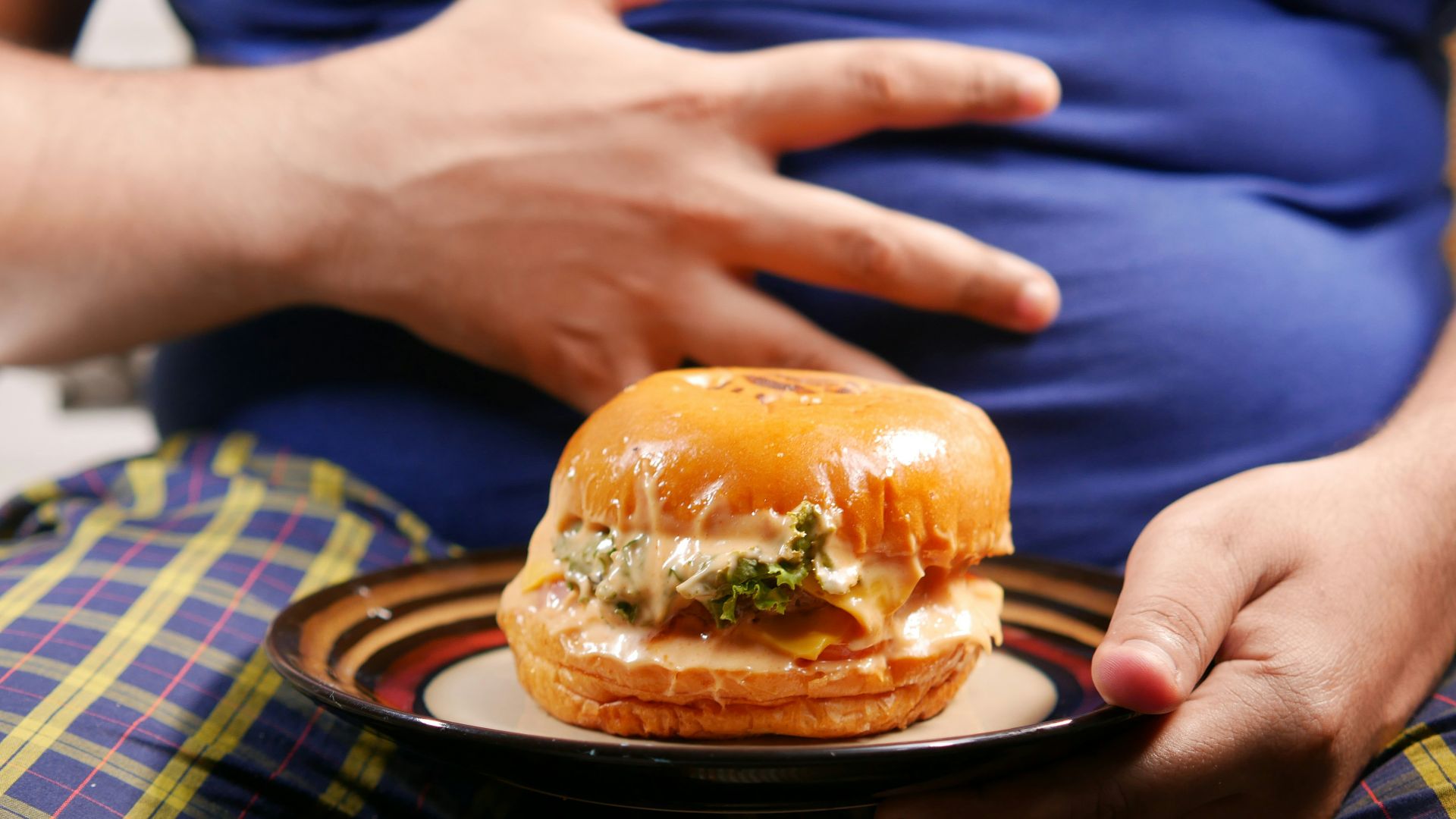
2. Your Stomach Feels Bloated Or Tight
A swollen, tight sensation in your abdomen signals that you’ve eaten too much. Overeating overwhelms your digestive system, trapping air and forcing your stomach to stretch beyond normal. As undigested food ferments in the gut, gas builds up, which leaves you feeling painfully bloated and heavy.

3. You Feel Sluggish After Eating
If you experience pronounced drowsiness or unusual fatigue after meals, particularly when physical activity feels challenging, your body may be signaling that you've overeaten. This sluggish sensation occurs because your system must dedicate substantial energy to digesting excess food.

4. You Experience Heartburn Or Acid Reflux
Your stomach works diligently as a peaceful processing plant until that moment of overindulgence forces it to stretch beyond comfort. Suddenly, this expanded chamber has no choice but to send some acidic contents upward, creating that burning sensation in your chest and throat.

5. You Finish Meals Too Quickly
The rapid consumption of meals creates a critical disconnect between eating behavior and biological processing, as your body's fullness signals require time to activate and register. Such a mechanical mismatch is a recognized sign of overeating patterns.

6. You Eat To Cope With Emotions
Food becomes more than fuel when emotions take control. What starts as eating to soothe stress, sadness, or boredom quickly turns into a destructive pattern. Even without physical hunger, the urge to eat persists, followed by crushing guilt and regret—feeding right back into emotional distress.

7. You Normalize Oversized Portions
Here's a curious case of culinary confusion: when oversized portions become your daily dining companions, they cleverly disguise themselves as "normal" servings. Like master illusionists, these supersized meals gradually distort your portion perception, silencing natural hunger signals.
 Alpha from Melbourne, Australia on Wikimedia
8. You Notice Gradual Weight Gain
Your journey with overeating reveals itself through subtle shifts in weight that unfold over weeks and months. What begins as slightly tighter clothing gradually progresses into undeniable physical changes, as your body steadily accumulates the excess calories from consistent overeating.
 Photo By: Kaboompics.com on Pexels
9. You Snack When Not Hungry
Reaching for food without real hunger confuses your body’s natural appetite signals. This habit usually starts with boredom or routine rather than need. Over time, it trains your brain to crave constant stimulation through eating, gradually turning mindless snacking into a lasting overeating pattern.

10. You Struggle Sleeping Peacefully
Those restless nights after big meals reflect your body's struggle with digestive overload. Heavy portions trigger distress, disrupting natural sleep patterns throughout the night. And this compromised rest manifests as next-day irritability, creating a clear link between overeating and poor sleep quality.

Now, here are ten practical, no-nonsense tips to help you eat smarter and feel better.
1. Journal Your Eating Triggers
Breaking free from unconscious eating patterns starts with understanding what drives them. A food journal serves as a powerful diagnostic tool. By documenting meals alongside mood patterns, individuals can identify specific triggers and develop more mindful consumption habits.

2. Eat With Opposite Hand
Mindless eating habits can disconnect us from our body's natural signals, but an evidence-based solution exists: switching to your non-dominant hand during meals. This technique deliberately disrupts automatic eating patterns, creating a novel experience that naturally decelerates consumption.

3. Set A Mealtime Timer
Use a simple kitchen timer to turn eating into a mindful habit. Stretch your meals to at least twenty minutes so your body has time to recognize fullness. It helps curb overeating and makes every bite more satisfying and balanced.

4. Hide Snacks From Sight
Keep snacks away to reduce temptation and regain control over your eating habits. When treats are out of view, your brain receives fewer cues to snack impulsively. Store them in closed cupboards or high shelves to encourage intentional eating and naturally curb mindless cravings.

5. Avoid Eating While Distracted
Turn meals into focused moments of awareness by stepping away from screens and multitasking. Paying attention to your food helps you notice textures, flavors, and fullness cues. This mindful approach prevents overeating, enhances satisfaction, and makes every meal feel more deliberate and enjoyable.

6. Pause At Half-Plate Mark
Introduce a “half-plate pause” to slow down your eating and reconnect with your body’s cues. Take a short break midway through your meal to assess your hunger and fullness. That mindful pause helps you eat with intention, avoid overindulgence, and enjoy food more completely.

7. Use Smaller Eating Utensils
It starts with a simple switch to chopsticks or smaller utensils, triggering a domino effect of mindful eating. These tools naturally create smaller bites, which leads to slower consumption, giving your body time to process and recognize fullness signals.

8. Keep Meal Times Consistent
Stick to regular eating times to train your body’s hunger and fullness rhythms. Consistent meal schedules prevent extreme hunger, which often leads to overeating. Over time, your system learns when to expect nourishment, reducing impulsive snacking.

9. Chew Every Bite Thoroughly
Make every bite count by slowing down and chewing about twenty times before swallowing. Taking time to break down food aids digestion, enhances flavor, and gives your brain a chance to register fullness. The result is greater satisfaction and fewer urges to overeat.

10. Eat Protein-Packed Breakfasts
Begin your day with a breakfast rich in protein to keep hunger steady and reduce cravings later on. Foods like eggs, Greek yogurt, or nuts provide lasting energy and help prevent overeating. Plus, a nourishing start sets the tone for mindful choices throughout the day.

KEEP ON READING



10 Pre-Workout & 10 Post-Workout Tips To Follow