
10 Probiotic “Facts” That Are Just Marketing & 10 That Are Real
What Sounds Impressive on the Label vs. What Actually Holds Up
Probiotics live in that very busy corner of wellness where science, hope, and packaging all like to talk at once. Some claims have a decent research base behind them, while others sound much stronger, broader, and more magical than the evidence really supports. If you've ever stood in front of a shelf full of capsules and wondered whether you were buying microbiology or branding, you're not alone. Here are 10 facts about probiotics that are mostly marketing and 10 that are actually backed by science.

1. All Probiotics Have the Same Function
The National Institutes of Health (NIH) Office of Dietary Supplements notes that probiotic effects can be species-specific and strain-specific, which means they aren't all interchangeable at all, so a probiotic designed to aid with digestion won't necessarily work to stave off UTIs. The category is not one big interchangeable blob, no matter how much the label would like you to believe otherwise.

2. More CFUs Always Means a Better Product
Bigger numbers look persuasive, which is probably why they appear so boldly on packaging. But the NIH consumer fact sheet says higher colony-forming unit (CFU) counts alone don't necessarily mean greater health benefits, because the specific microorganisms and the amount studied for a given use matter more than a giant number by itself. So no, a product is not automatically impressive just because it contains tons of microbes.

3. Anything Fermented Contains Probiotics
The NIH consumer fact sheet explains that some fermented foods contain microorganisms that haven't been studied enough to know whether they provide probiotic benefits, and it specifically lists foods like kimchi, kombucha, miso, and sauerkraut in that uncertain category. Fermented and probiotic can overlap, but they're not automatic synonyms.
 Antoni Shkraba Studio on Pexels
4. Probiotics Fix Every Gut Problem
This is where marketing usually gets a little too enthusiastic. A great deal of research has been done, but much remains to be learned about whether probiotics are helpful and safe for various conditions, and it adds that for most uses, strong scientific evidence is still lacking. That means the blanket promise that one capsule will tidy up every digestive complaint is doing more selling than explaining.

5. Probiotics Are Helpful For Everyone
That sounds comforting, but it skips over how individual and condition-specific the evidence can be. Not all probiotics have the same effects, and the IBS clinical digest says there is some evidence that certain probiotics may improve symptoms, but benefits have not been conclusively demonstrated. A glowing review from your cousin is not quite the same thing as a universal biological law.

6. Probiotics Are FDA-Approved Treatments
That wording gives supplements a level of official backing they often don't have. FDA has stated that it hasn't approved any probiotic as a live biotherapeutic product to prevent or treat disease, and probiotic supplements are regulated under the dietary supplement framework rather than the same system used for drugs. So a supplement can be widely sold without being an FDA-approved treatment for your symptoms.
 United States Department of the Army on Wikimedia
7. They’re Completely Safe Because They’re Natural
Probiotics usually have few side effects for many people; however, safety data, especially long-term safety data, are limited, and the risk of harmful effects is greater in people with severe illness or compromised immune systems. Although they seem to be safe for most people, the bottom line is that “natural” is not the same as “risk-free,” and supplement marketing loves pretending otherwise.

8. Everyone Should Take One Every Day Forever
Daily supplement use gets marketed like a modern virtue, but the science is not that sweeping. NCCIH says little is known about long-term safety for some supplement uses, and the overall evidence doesn't support the idea that everybody needs a permanent probiotic routine regardless of age, health status, or reason for taking it. A forever subscription is great for a brand, though it's not automatically justified by the research.
9. Probiotic Supplements Can Replace Food
The sales pitch sometimes makes it sound as if one capsule can mop up a week of questionable meals. Microbiome research focus emphasizes interactions between food and gut microorganisms, which is a reminder that probiotics exist inside a broader diet-and-microbiome picture rather than floating above it.

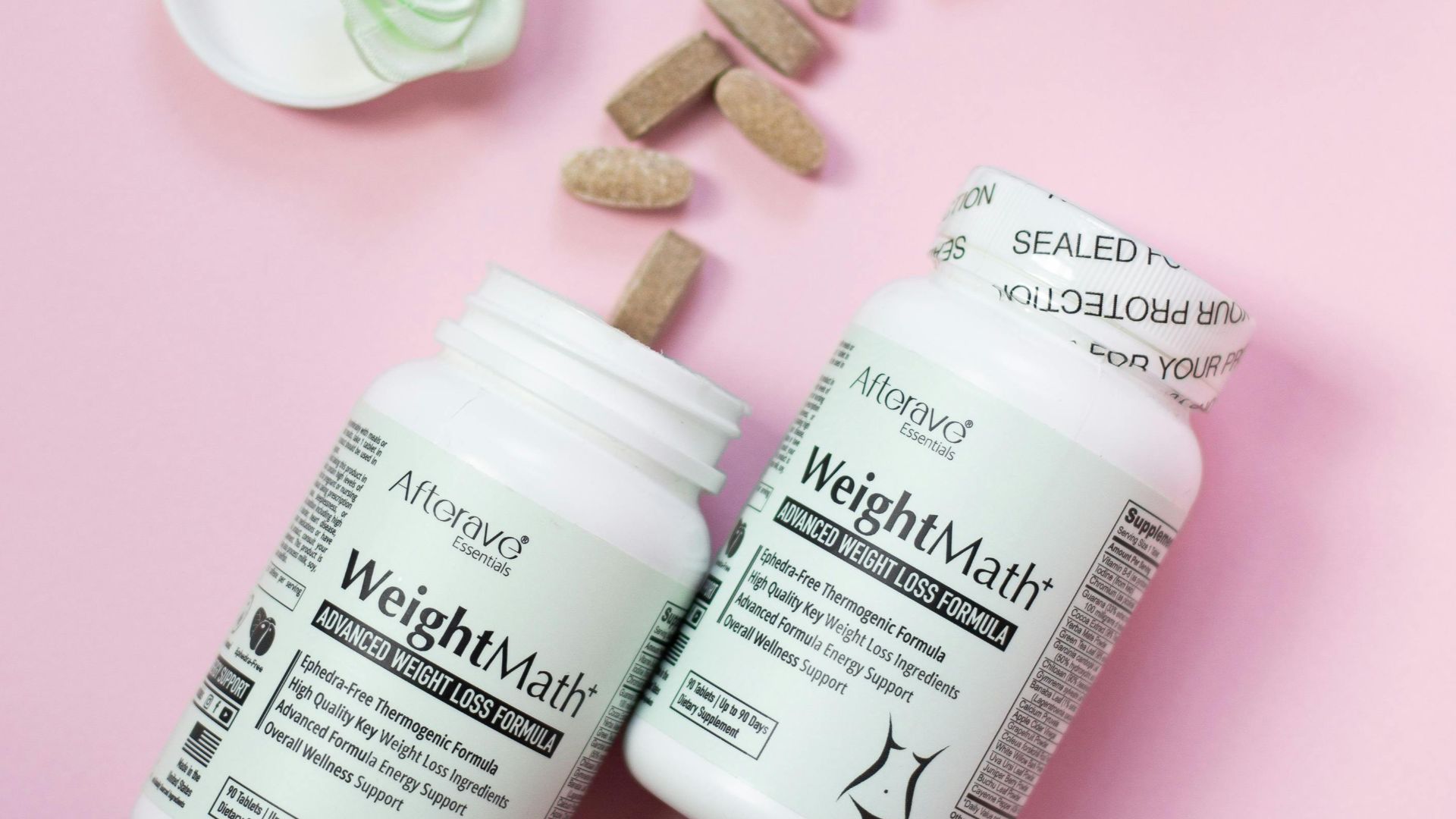
10. Probiotics Are Effective Weight Loss Treatments
This is one of those claims that sounds exciting on a label but gets much shakier once you look for solid evidence. The NIH Office of Dietary Supplements says there is insufficient evidence to determine whether probiotics help with obesity or support weight loss. So if a product is hinting that the right bacteria will quietly melt the pounds away, that is much more marketing language than settled science.

Now that we've covered the facts about probiotics that may not be that factual, let's cover the ones that are actually backed by research.
1. Probiotics Are Live Microorganisms That Provide Health Benefits
This part is not hype at all. Probiotics are live microorganisms, such as bacteria and yeasts, that provide health benefits when taken in sufficient amounts. That means the basic concept is real, even if the benefits depend heavily on which organisms you're talking about and why you're using them.
 National Institute of Allergy and Infectious Diseases on Unsplash
2. Some Probiotic Strains May Help With Antibiotic-Associated Diarrhea
This is one of the better-supported use areas. The NIH consumer sheet says some probiotic strains might help reduce the risk of antibiotic-associated diarrhea in children and adults, especially when started within two days of the first antibiotic dose.

3. Evidence For Probiotics Is Condition-Specific
This may not be flashy, but it's one of the most important truths in the whole conversation. Probiotics have shown promise for a variety of health purposes, but in most cases, researchers still don't know which probiotics are helpful and which aren't.
4. Strain Names Matter
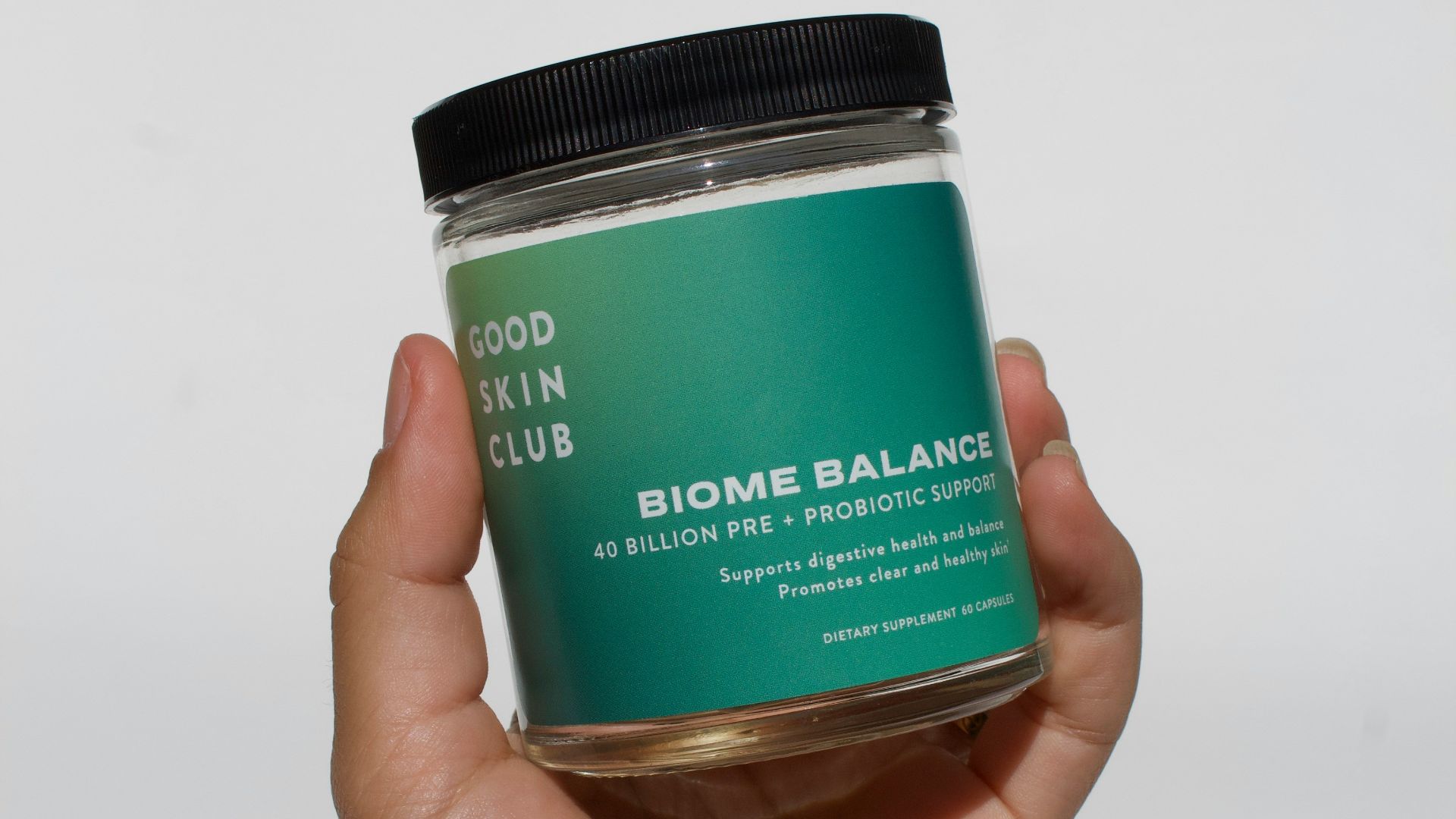
If you're comparing products, this is one detail worth noticing. NIH’s professional fact sheet emphasizes that probiotic actions can vary by strain, not just by broad category, which is why two supplements with similar-looking front labels may not have equivalent evidence behind them. Once you know that, the tiny print starts looking a lot more important.
5. Risk Isn't Zero
For many healthy people, probiotics tend to be tolerated reasonably well. At the same time, safety information is still incomplete, particularly for long-term use, and the risk of harmful effects can be greater in people with serious illnesses or weakened immune systems. So to say they're always harmless isn't quite accurate.
6. Preterm Infants Are a Special Safety Case
FDA has raised concerns about probiotic products used in hospitalized preterm infants. There have been reports of severe or even fatal infections in this setting. That's a serious reminder that probiotics are not automatically low-stakes for every population.

7. Foods & Supplements Don't Deliver the Same Thing
People often treat yogurt, kombucha, and capsules as if they all belong in one neat bucket. Probiotic supplements contain a wide variety of microorganisms and amounts, while fermented foods may or may not contain studied probiotic organisms in meaningful amounts. So the source matters, and one form doesn't automatically match another in evidence or effect.

8. Benefits For IBS Haven't Been Conclusively Proven
This is where nuance matters more than enthusiasm. Meta-analyses say that while there's some evidence that certain probiotics may improve symptoms, benefits haven't been conclusively demonstrated, and not all probiotics have the same effects. That's not a dismissal, but it's definitely not a blanket endorsement either.

9. Labels Can Give Useful Clues, but They Don't Prove Effectiveness
A probiotic label may tell you the organisms included and sometimes list CFUs, which can be helpful. Still, the CFU number alone does not establish benefit, and many supplements haven't been studied for their claimed effects. Reading the label is smart, but it's only the beginning of the story.
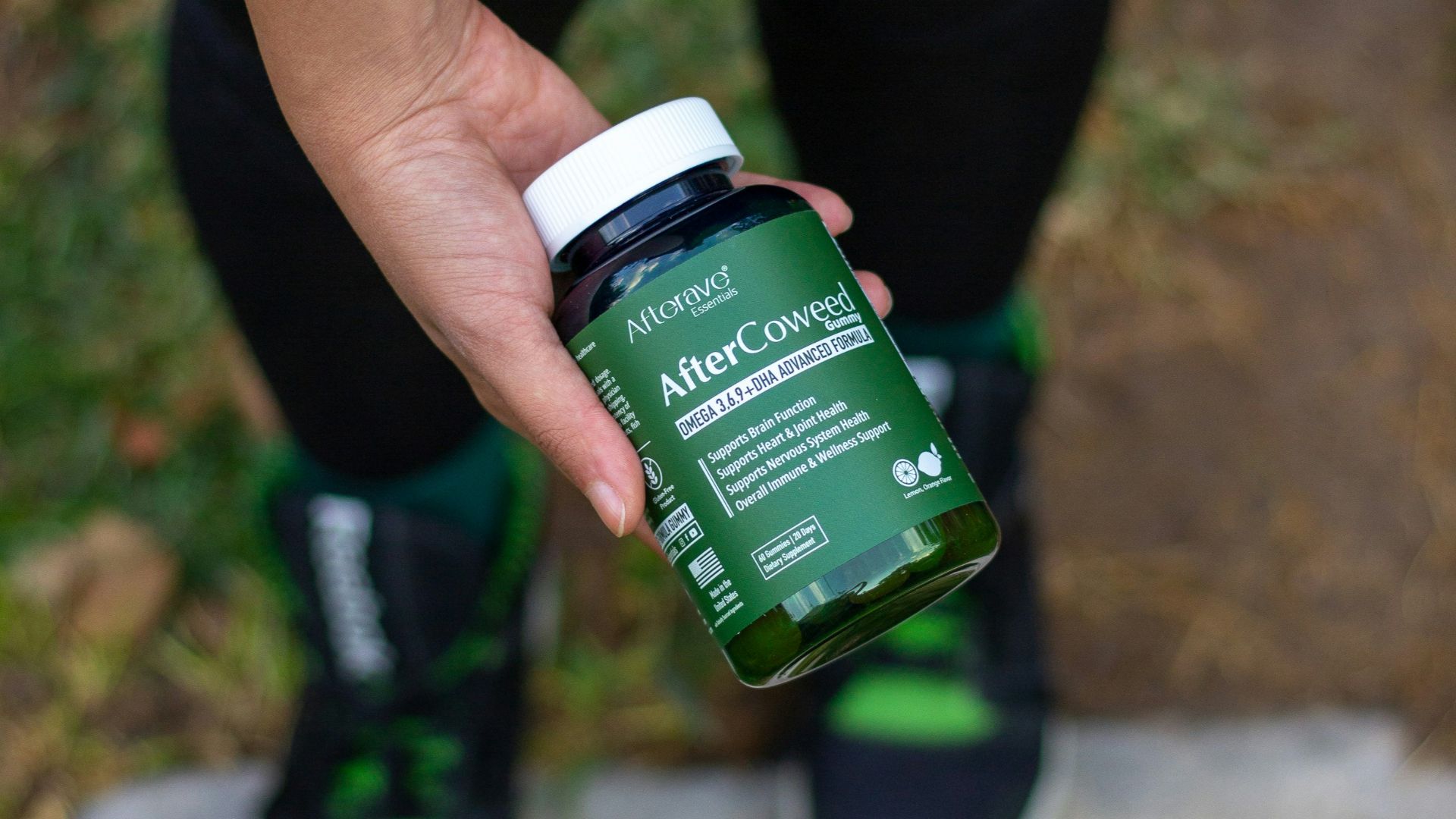 Afterave Essentials on Unsplash
10. The Strongest Probiotic Takeaway Is That Details Matter
The evidence depends on the strain, the dose, the product, the health question, and the person taking it, which is exactly why authoritative sources keep resisting one-size-fits-all claims. If you remember that, you are already ahead of most probiotic advertising.

KEEP ON READING



10 Pre-Workout & 10 Post-Workout Tips To Follow