
10 Signs You’re Not Eating Enough Carbs & the 10 Most Nutritious Sources
Carbs Aren’t the Enemy
Carbohydrates have spent years being misunderstood, but your body actually depends on them as a major source of energy. Cutting back drastically can sometimes leave you feeling tired, foggy, or simply not quite yourself, especially if you’re also missing out on fiber-rich foods. The type of carbohydrate matters just as much as the amount, so filling your plate with whole grains, fruit, beans, and vegetables can give you far more than a quick burst of energy. Here are 10 signs your carb intake may be getting a little too low, followed by 10 nutritious ways to bring more of them back.

1. You’re Tired All the Time
Carbohydrates are broken down into glucose, which your cells use for energy, so a major reduction can leave some people feeling unusually sluggish. You might notice that routine tasks seem to require more effort or that your usual afternoon energy disappears sooner. Of course, fatigue has plenty of possible causes, but a very restrictive diet is worth considering if the timing lines up.

2. Your Workouts Suddenly Feel Harder
If a workout that normally feels manageable starts wiping you out, your diet may be part of the problem. Muscles store carbohydrate as glycogen, which becomes especially useful during moderate- and high-intensity exercise. When those stores are running low, you may struggle to maintain your usual pace, power, or endurance.

3. You’re Getting More Headaches
A sudden and significant drop in carbohydrate intake can sometimes bring headaches along with it. This is particularly common when people make an abrupt switch to a very low-carb eating pattern instead of reducing their intake gradually. Of course, headaches can come from countless other causes, so they shouldn't automatically be blamed on bread.

4. Your Digestion Has Slowed Down
Cutting carbs can accidentally mean cutting fiber, especially if you’ve stopped eating whole grains, beans, fruit, and starchy vegetables. Without enough fiber, bowel movements may become less regular, and constipation can start becoming an unwelcome part of your routine. Drinking enough water matters too, but your digestive system also appreciates having plenty of fiber-rich plant foods to work with.

5. You’re Having Trouble Concentrating
Your brain uses glucose as an important fuel source, and some people notice temporary mental sluggishness after drastically reducing carbohydrates. You may find yourself rereading the same paragraph or having a harder time staying focused on tasks that usually aren’t difficult. Brain fog isn’t specific to low carb intake, but it can be one clue when it appears alongside other changes.
 Henri Mathieu-Saint-Laurent on Pexels
6. You Feel Weak or Lightheaded
Feeling shaky, weak, or lightheaded deserves attention rather than being treated as proof that a diet is “working.” Dramatically cutting carbs may contribute to weakness in some people, particularly when it also results in eating too few calories overall. If dizziness is persistent, severe, or unexplained, it’s a good reason to speak with a healthcare professional rather than simply changing your menu.

7. You’re Getting Muscle Cramps
Very low-carb diets can sometimes be accompanied by muscle cramps, particularly during the early adjustment period. Changes in fluid intake, electrolytes, exercise, and overall food consumption can all play a role, so carbohydrate restriction isn’t necessarily the only culprit. However, cramps that appear soon after a drastic diet overhaul may be a sign that your body isn’t enjoying the new arrangement.

8. You’ve Become Irritable
Food can affect how energetic and comfortable you feel, which means a restrictive eating plan can occasionally show up in your mood as well. If you’re constantly hungry, tired, and thinking about foods you’ve ruled off-limits, patience may start running a little thin. Diet can have a surprising effect on mood.

9. You’re Struggling to Recover After Exercise
Finishing a workout is only half the job because your body also needs to replenish what it used afterward. Carbohydrates help restore muscle glycogen, making them especially useful when you exercise a lot or have another demanding session coming up. If soreness seems to linger and your energy isn’t bouncing back as expected, your recovery meals may need another look.

10. Your Diet Has Become Extremely Limited
Sometimes the clearest warning isn’t a physical symptom at all. If avoiding carbs means you’ve eliminated most fruit, beans, whole grains, and starchy vegetables, you may also be missing fiber, vitamins, minerals, and other beneficial plant compounds. A diet doesn’t automatically become healthier simply because there’s less pasta on the plate.
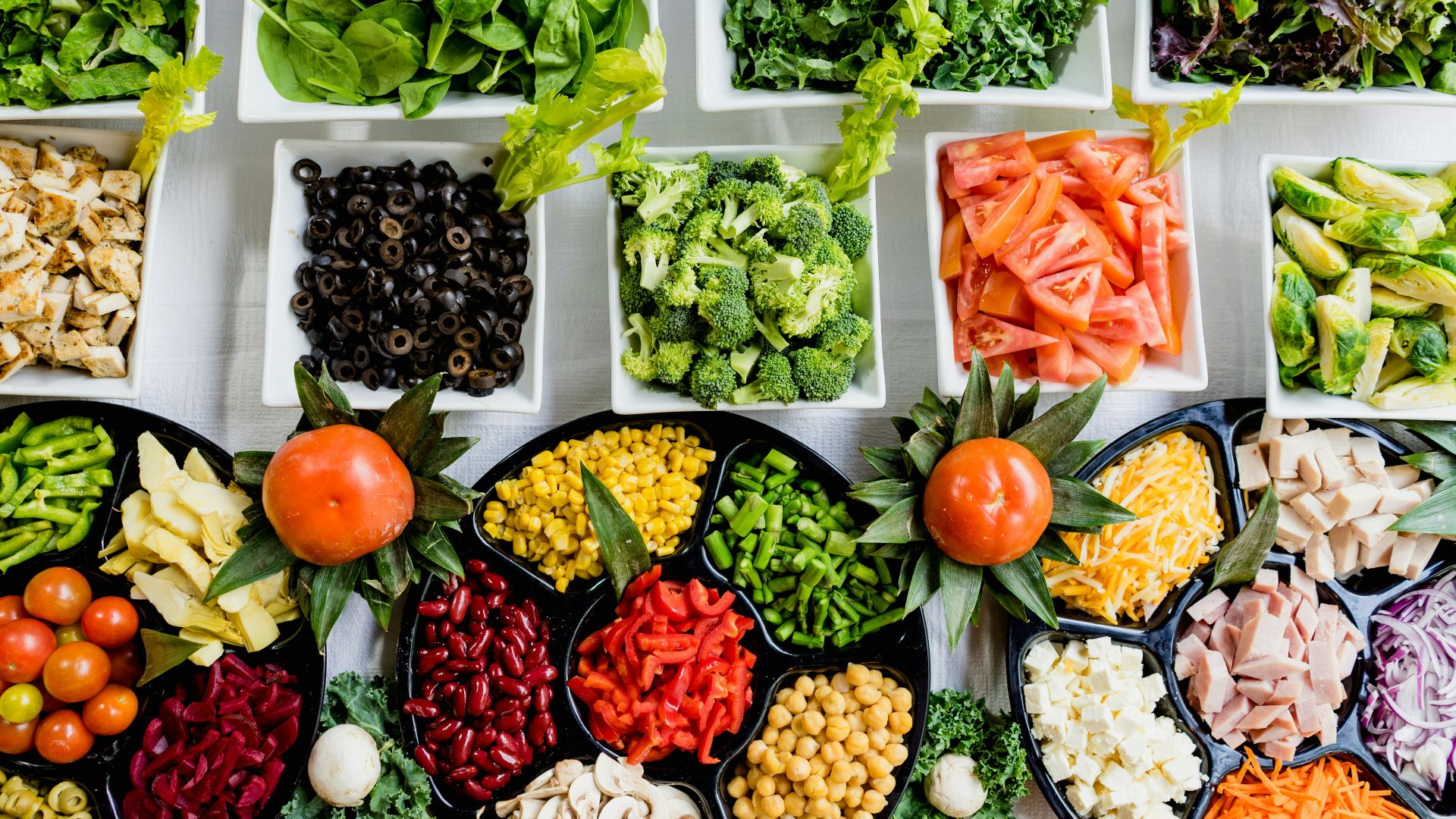
Now that we've covered the signs your body might be crying out for carbs, let's talk about the healthiest sources.
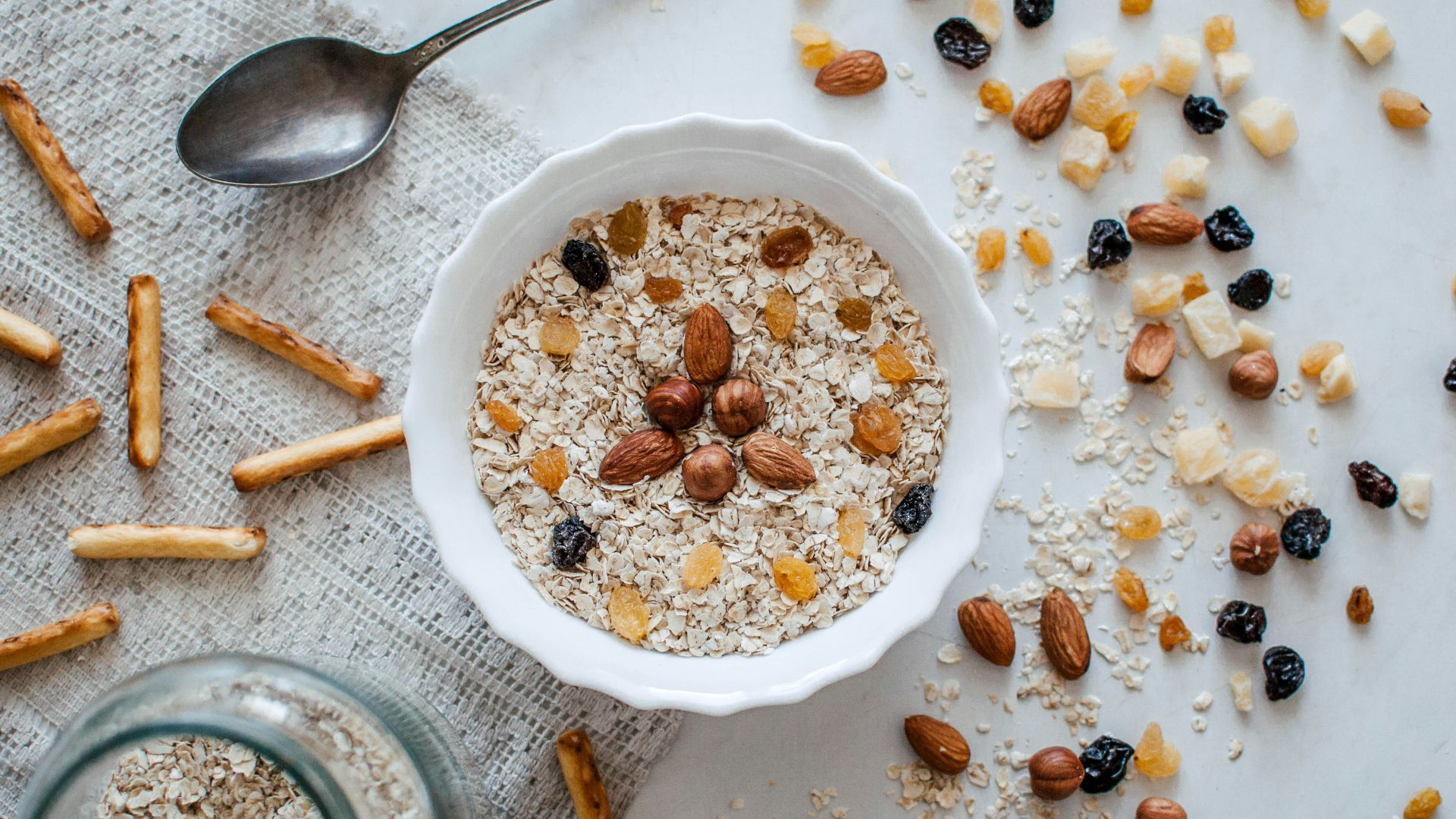
1. Oats
Oats offer carbohydrates alongside plenty of fiber, including a soluble type called beta-glucan. They also provide nutrients such as manganese, phosphorus, magnesium, and several B vitamins. A bowl of oatmeal topped with fruit, nuts, or seeds can make a satisfying breakfast without requiring anything complicated.
2. Sweet Potatoes
Sweet potatoes bring plenty more to the table than their carbohydrate content. They’re rich in beta-carotene, which the body can convert into vitamin A, and they also provide fiber, potassium, and vitamin C. Keeping the skin on when appropriate can add even more fiber to your meal.

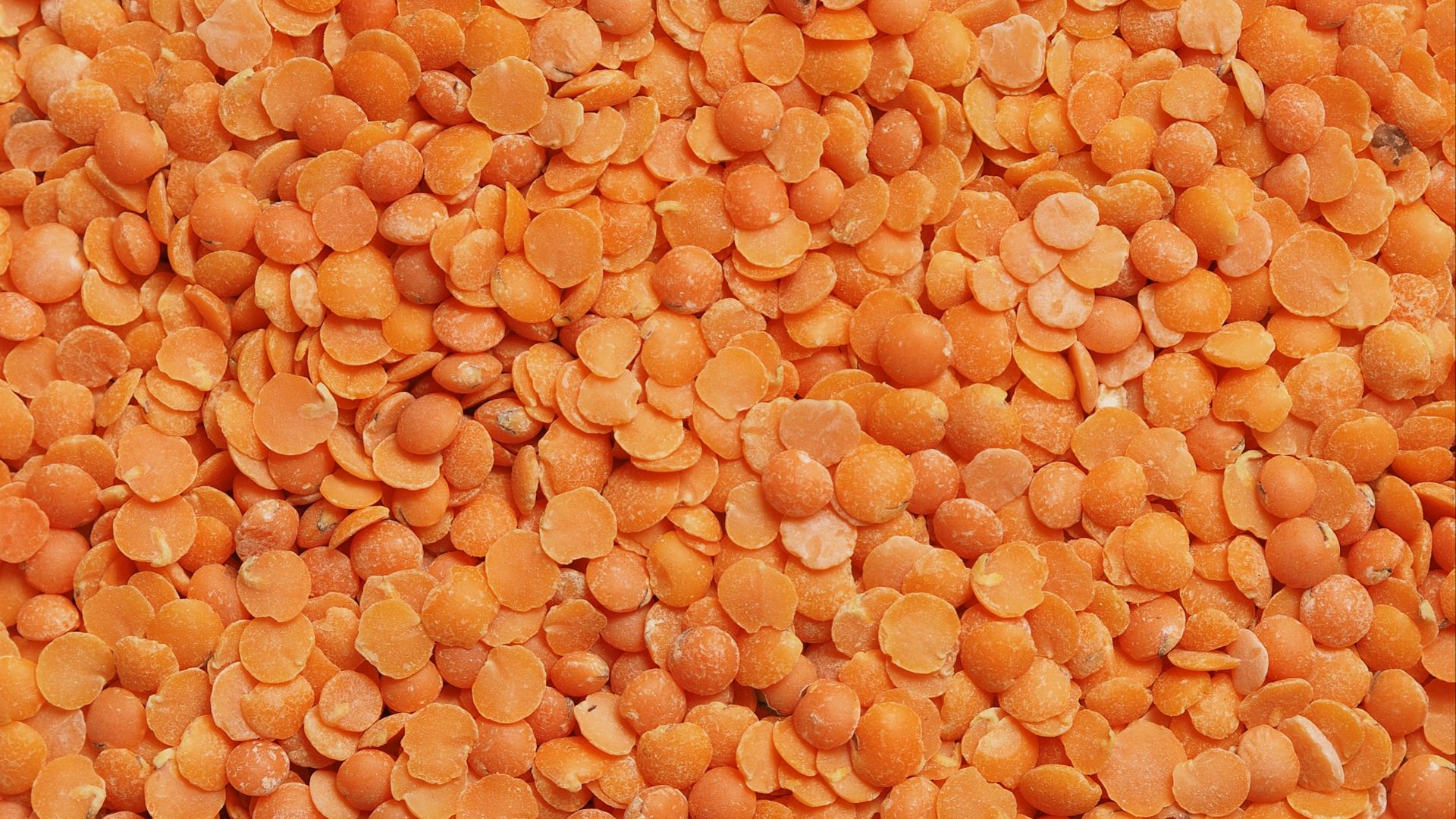
3. Lentils
Lentils technically belong to the legume family, but they’re also an excellent source of complex carbohydrates. Alongside those carbs, you’ll get fiber, plant protein, iron, folate, and several other micronutrients. They work well in soups, curries, salads, and grain bowls, which makes them remarkably easy to fit into everyday meals.
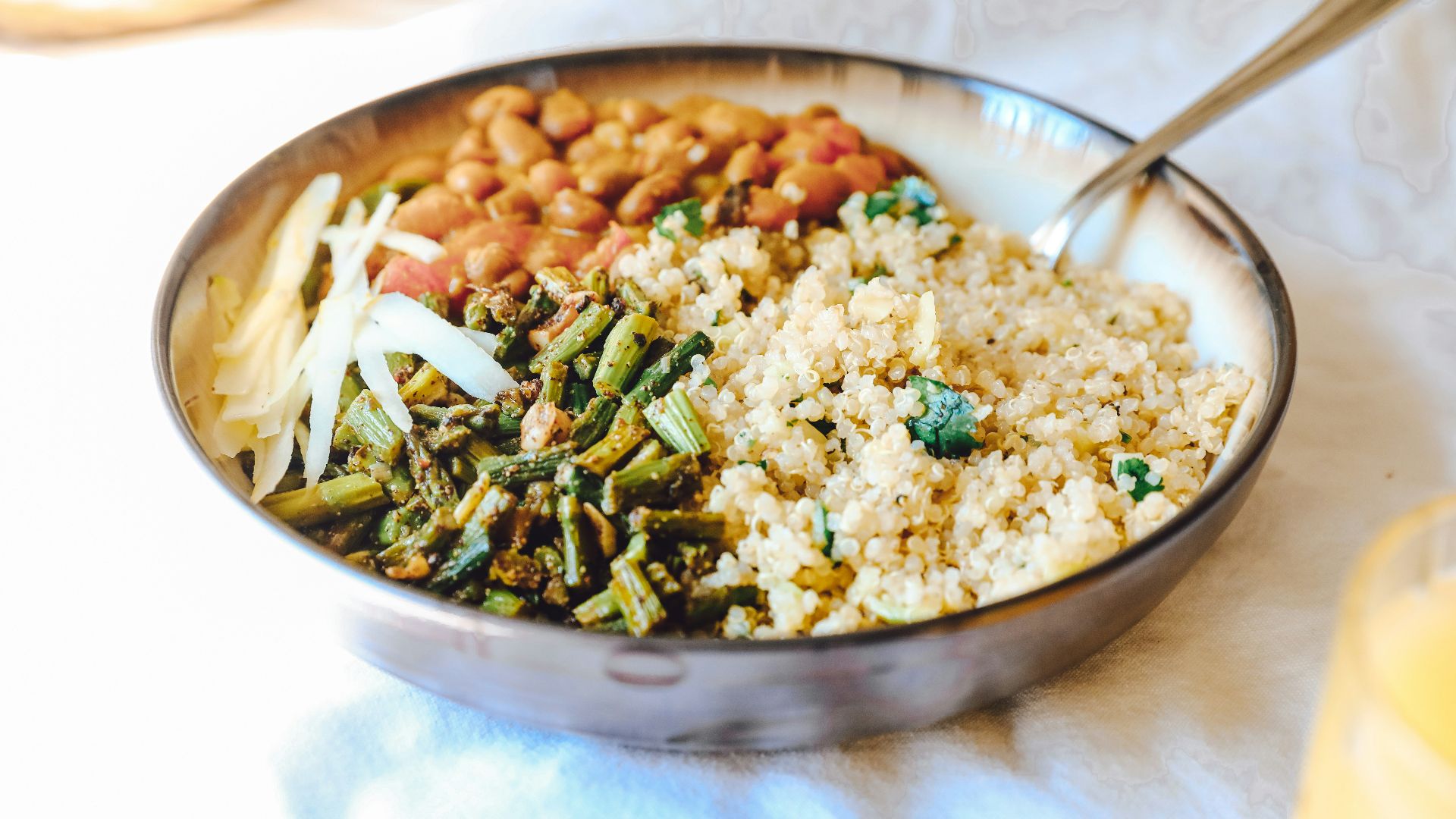
4. Quinoa
Quinoa has become a pantry favorite partly because it packs a lot of nutrition into a relatively simple food. It supplies carbohydrates, fiber, minerals, and a useful amount of plant protein, including all nine essential amino acids. You can use it much like rice while getting a slightly different nutritional profile and texture.
 Shashi Chaturvedula on Unsplash
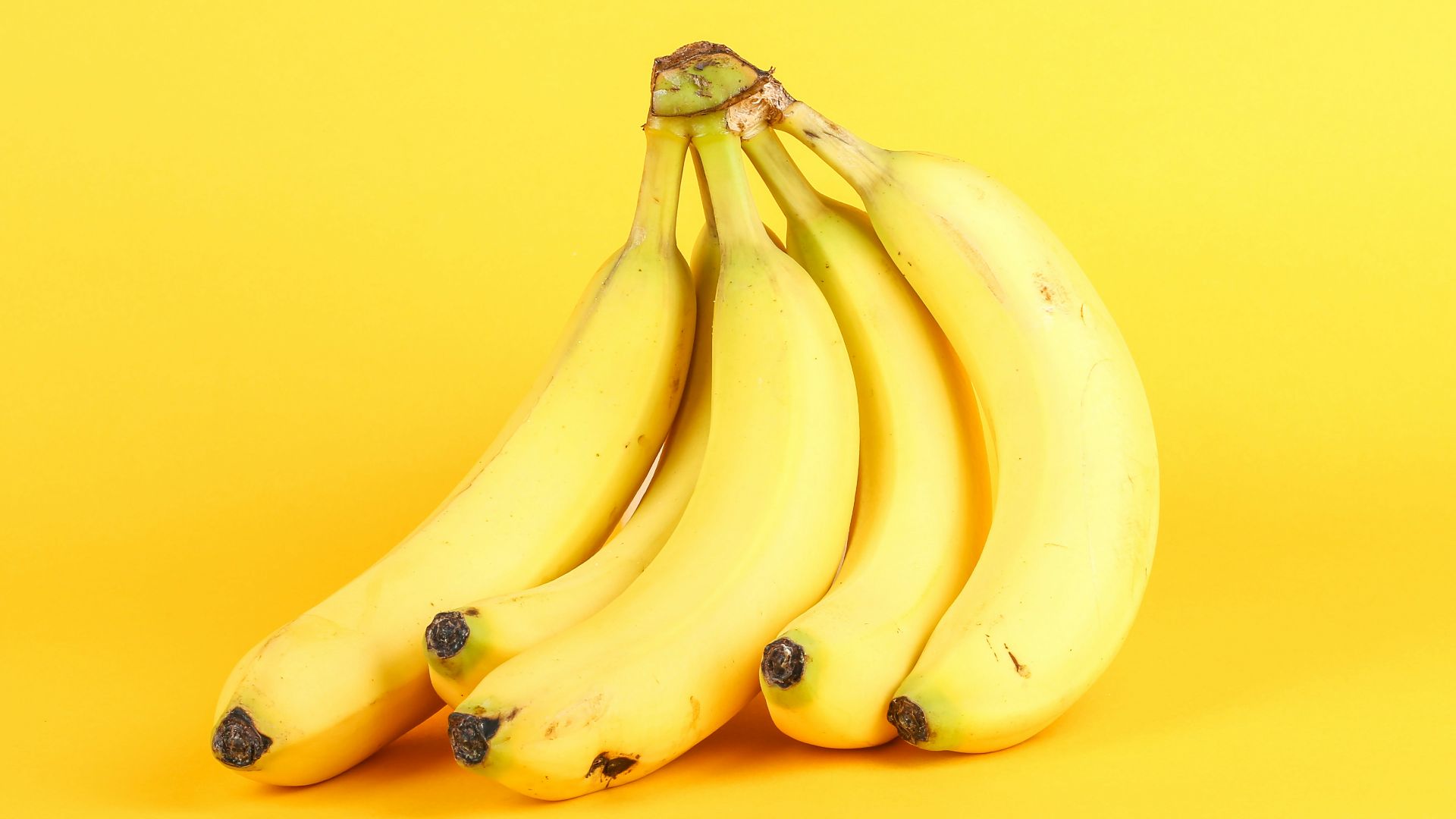
5. Bananas
Bananas are convenient, inexpensive, and naturally rich in carbohydrates, making them especially handy before or after physical activity. They also provide potassium, vitamin B6, fiber, and vitamin C. Riper bananas contain more readily available sugars for a quick energy boost, while less-ripe ones tend to contain more resistant starch.
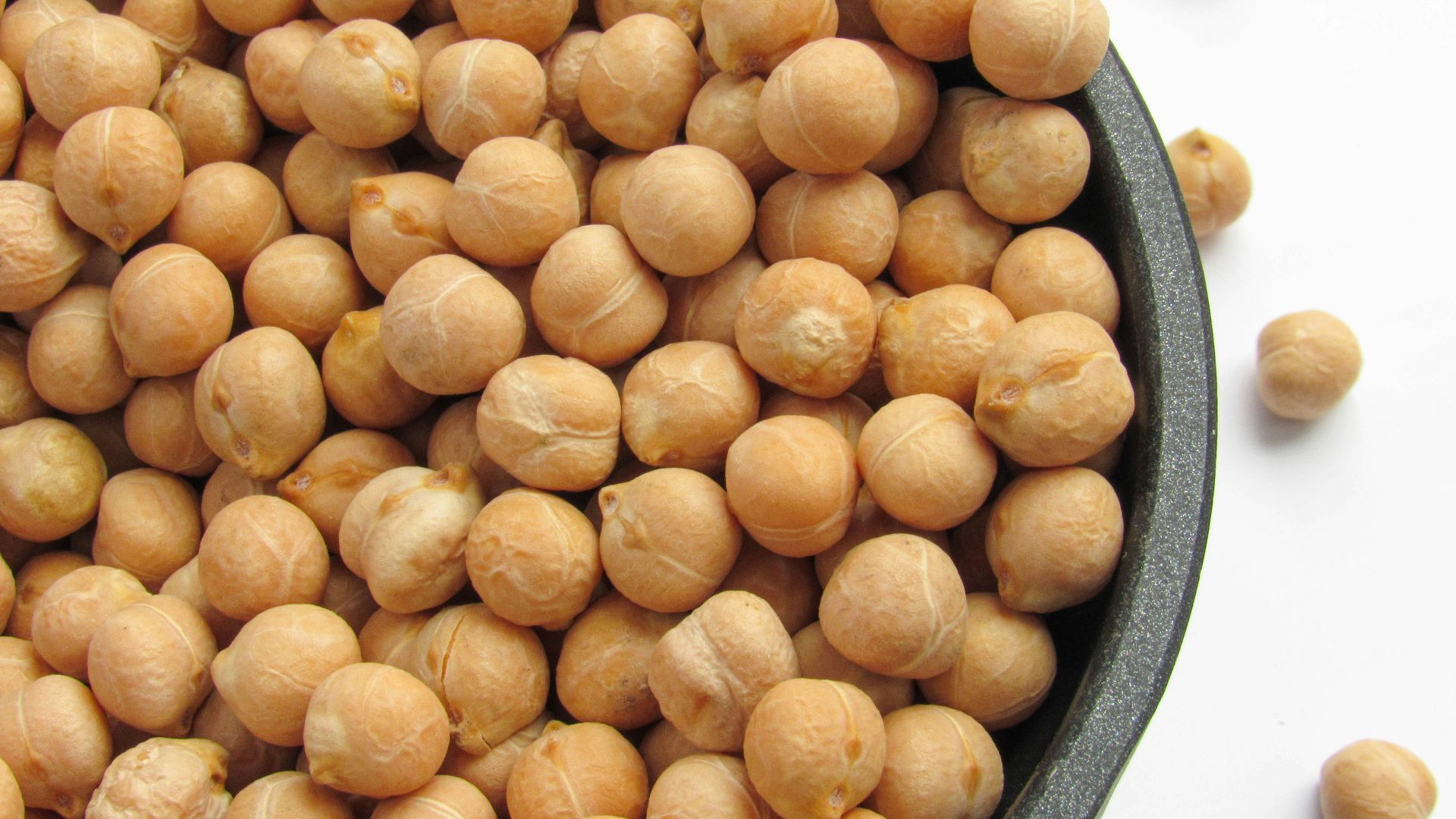
6. Chickpeas
Chickpeas offer a filling combination of carbohydrates, fiber, and plant-based protein. They’re also a source of folate, iron, manganese, and other minerals. Whether you toss them into a salad, blend them into hummus, or roast them until crisp, they’re much more versatile than they sometimes get credit for.
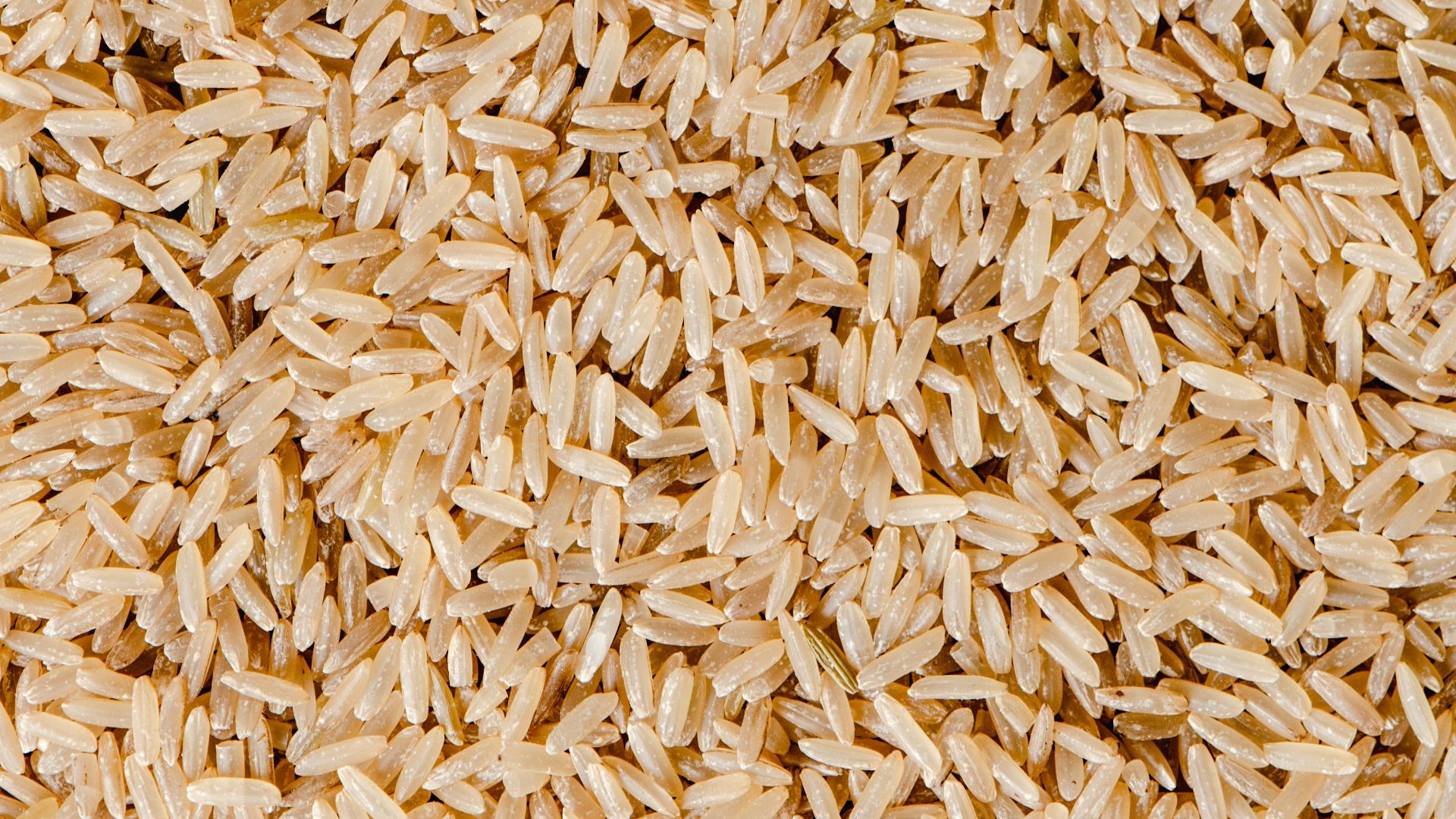
7. Brown Rice
Brown rice keeps the bran and germ that are removed when rice is refined into white rice. As a result, it generally contains more fiber and naturally occurring nutrients such as magnesium and manganese. It’s an easy base for vegetables, beans, fish, chicken, or just about anything else you’d normally serve with rice.
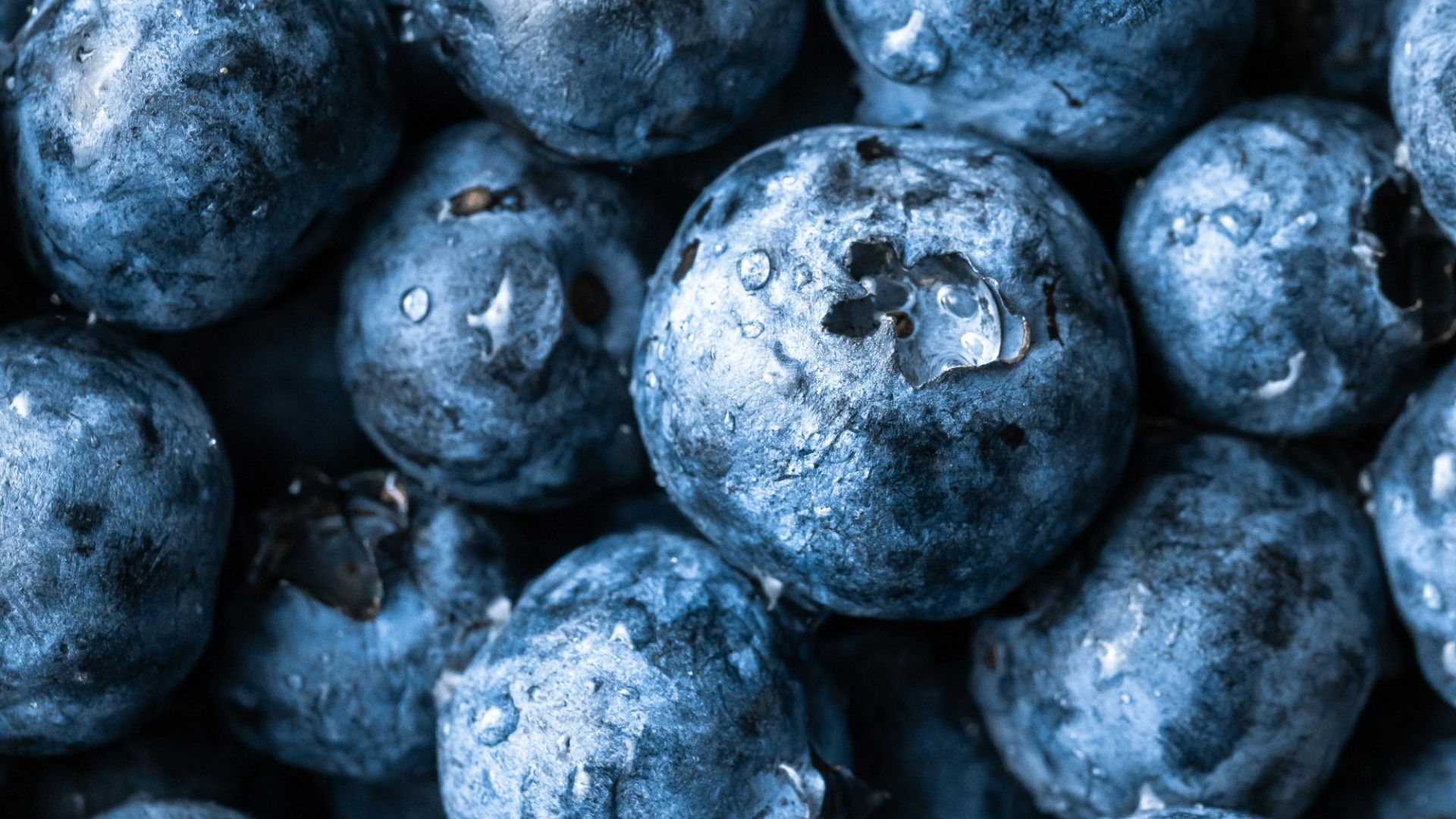
8. Berries
Strawberries, blueberries, raspberries, and blackberries provide carbohydrates while also delivering fiber, vitamin C, and a variety of plant compounds. Their high water content also makes them a refreshing way to add fruit to meals and snacks. Mixing several kinds together gives you a little more variety without needing to overthink it.
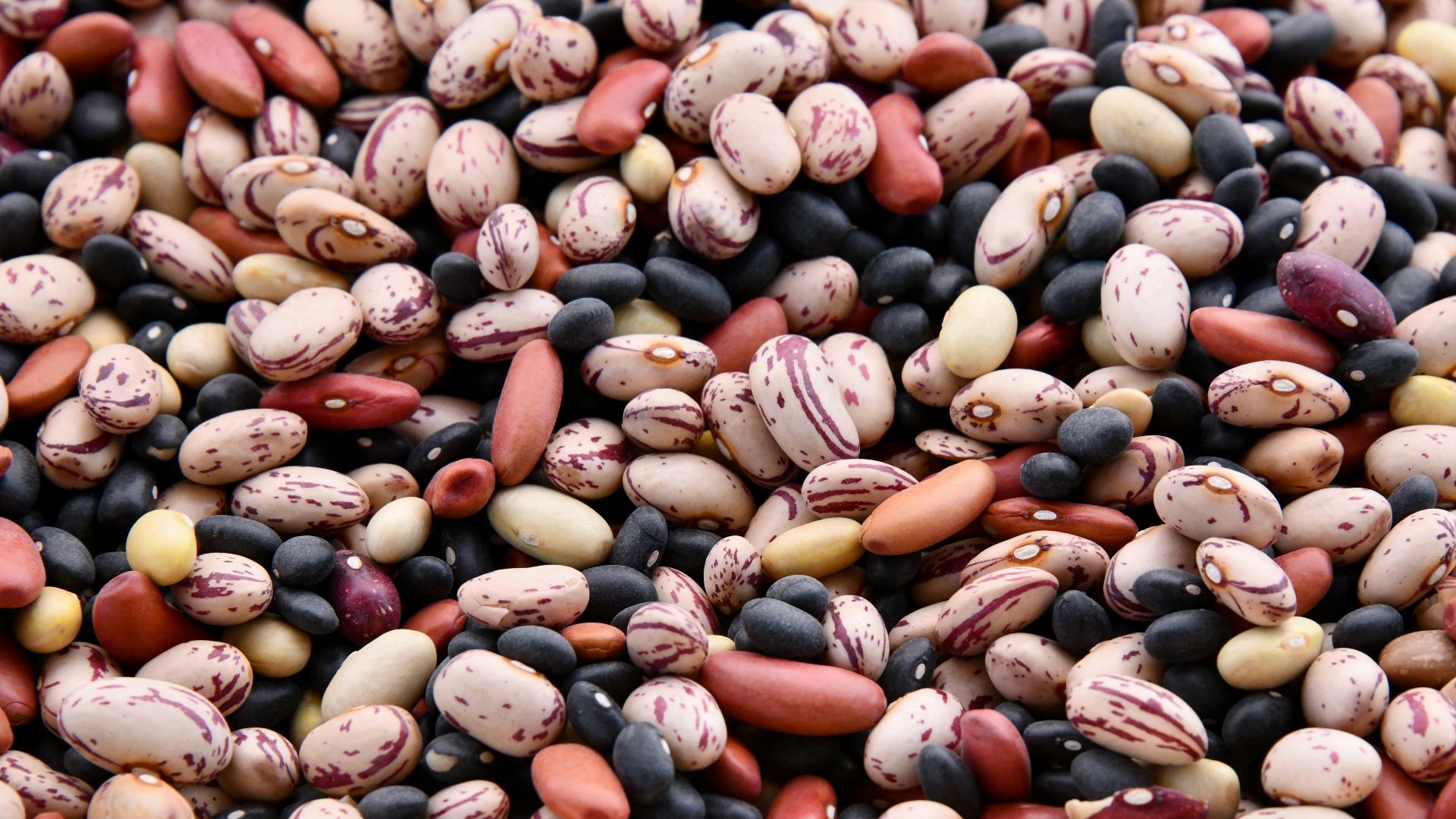
9. Beans
Black beans, kidney beans, pinto beans, and many other varieties combine complex carbohydrates with impressive amounts of fiber and plant protein. They can also contribute iron, potassium, magnesium, and folate, depending on the variety. Because they’re filling and relatively inexpensive, beans are one of the easiest ways to make a meal more substantial.
10. Whole-Grain Bread
Bread doesn’t need to disappear from the menu just because refined carbohydrates have a less-than-stellar reputation. A genuinely whole-grain loaf can provide complex carbohydrates, fiber, B vitamins, and minerals while being extremely easy to work into meals. Check that a whole grain appears near the top of the ingredient list, since a brown color alone doesn’t necessarily mean the bread is whole grain.

KEEP ON READING



20 Natural Ways You Can Boost Your Immune System

20 Ways To De-stress & Relax After Work

The 10 Most Common Diseases & The 10 Most Rare