
When Anatomy Meets Everyday Strain
The wrist is a complex passage lined with tendons, ligaments, muscles, blood vessels, and nerves. Carpal Tunnel syndrome begins when the median nerve, a bundle that runs through a narrow wrist passage called the carpal tunnel, is compressed by surrounding tissue. Left unchecked, it can interfere with wrist movements—and make your life a lot harder. Before looking at some helpful stretches, let's look at 10 clear signs you might be suffering from carpal tunnel.

1. Numbness In Some Fingers
Compression of the median nerve creates an uneven map of sensation in your hand. You’ll feel tingling or numbness in the thumb and the first two fingers as an important diagnostic clue. This numbness is most noticeable at night or when gripping things.

2. Pins And Needles Tingling Sensation
That familiar pins-and-needles spark emerges when the nerve endures compression from a bent wrist. Shaking provides a temporary reprieve, yet repetitive activity magnifies it again. Treat this as an early alarm bell because nerve irritation announces long before visible weakness begins.

3. Hand Weakness When Gripping Objects
Grip becomes unreliable as nerve signals fade. At first, slips seem accidental, but underlying weakness grows stealthily. The thumb’s opposition muscle—responsible for pinching and holding—is hit hardest. Without timely intervention, everyday tasks like lifting a cup or tablet turn unexpectedly difficult.

4. Pain Radiating Up The Arm
Pain creeping from wrist to elbow follows the nerve’s precise highway. Unlike arthritis, this discomfort respects the body’s natural wiring. Repetition fuels its spread. Many mistake it for elbow or shoulder issues, but the nerve’s line-of-travel reveals the carpal tunnel culprit.

5. Difficulty Performing Fine Motor Tasks
Fine motor control crumbles under nerve compression. Suddenly, buttoning clothes or writing a note exposes clumsiness. Precision grip depends on steady nerve signaling, and when disrupted, small actions feel disproportionately hard. Dropping objects becomes a subtle yet persistent marker of decline.

6. Swelling Sensation Without Visible Swelling
You may swear your fingers look puffy, yet inspection shows nothing. The illusion arises from nerve miscommunication, where the brain perceives swelling where none exists. This sensory trick highlights the nervous system’s complexity, blurring the line between perception and visible anatomical change.
7. Nighttime Wrist And Hand Pain
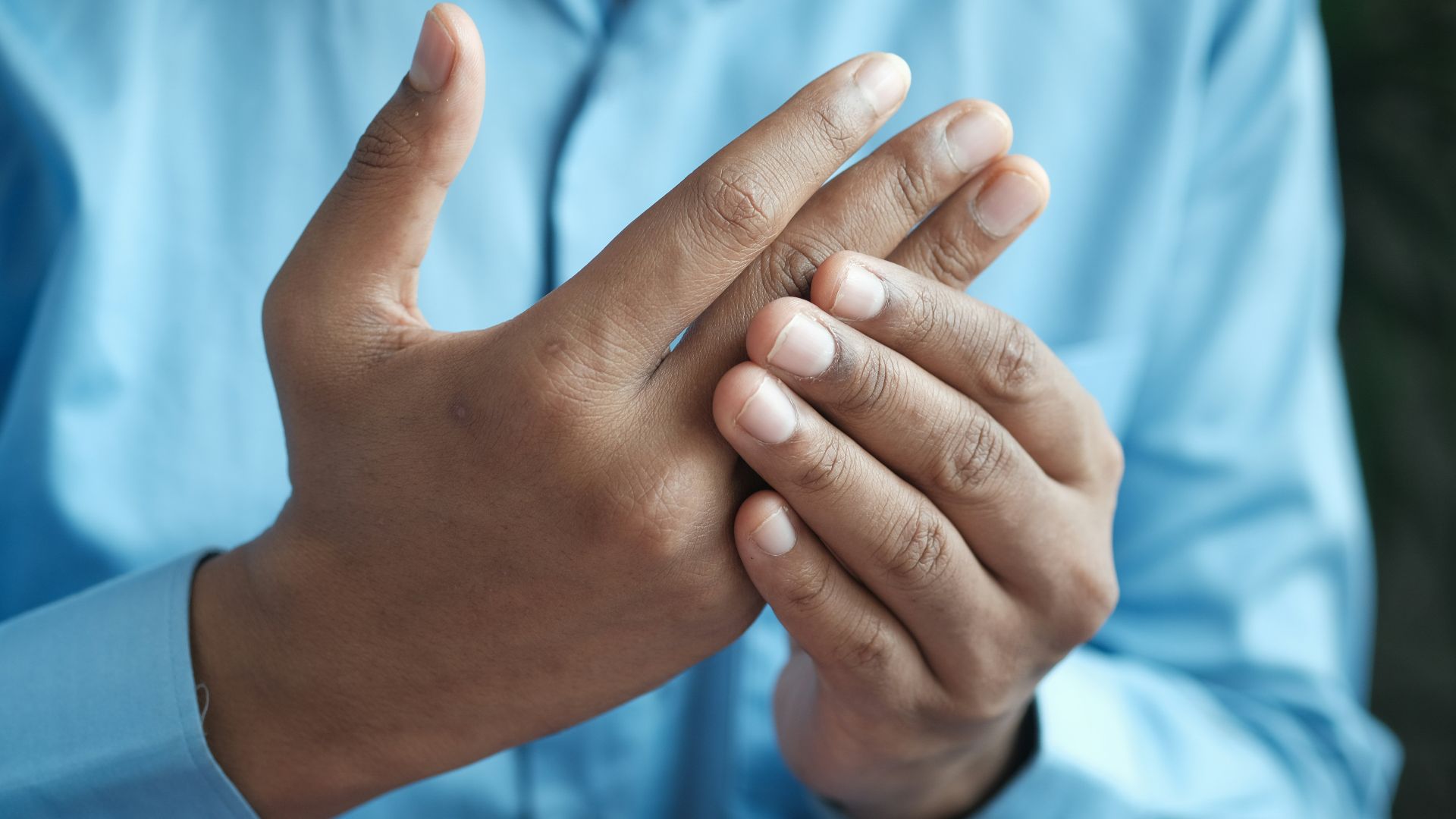
Flexed wrists at night squeeze the nerve further, and this might jolt you awake. Splints keep the joint neutral and provide calm. Generations ago, workers named this the “sewing machine operator’s curse,” a testament to how repetitive tasks left them sleepless and sore.

8. Loss Of Thumb Muscle Definition
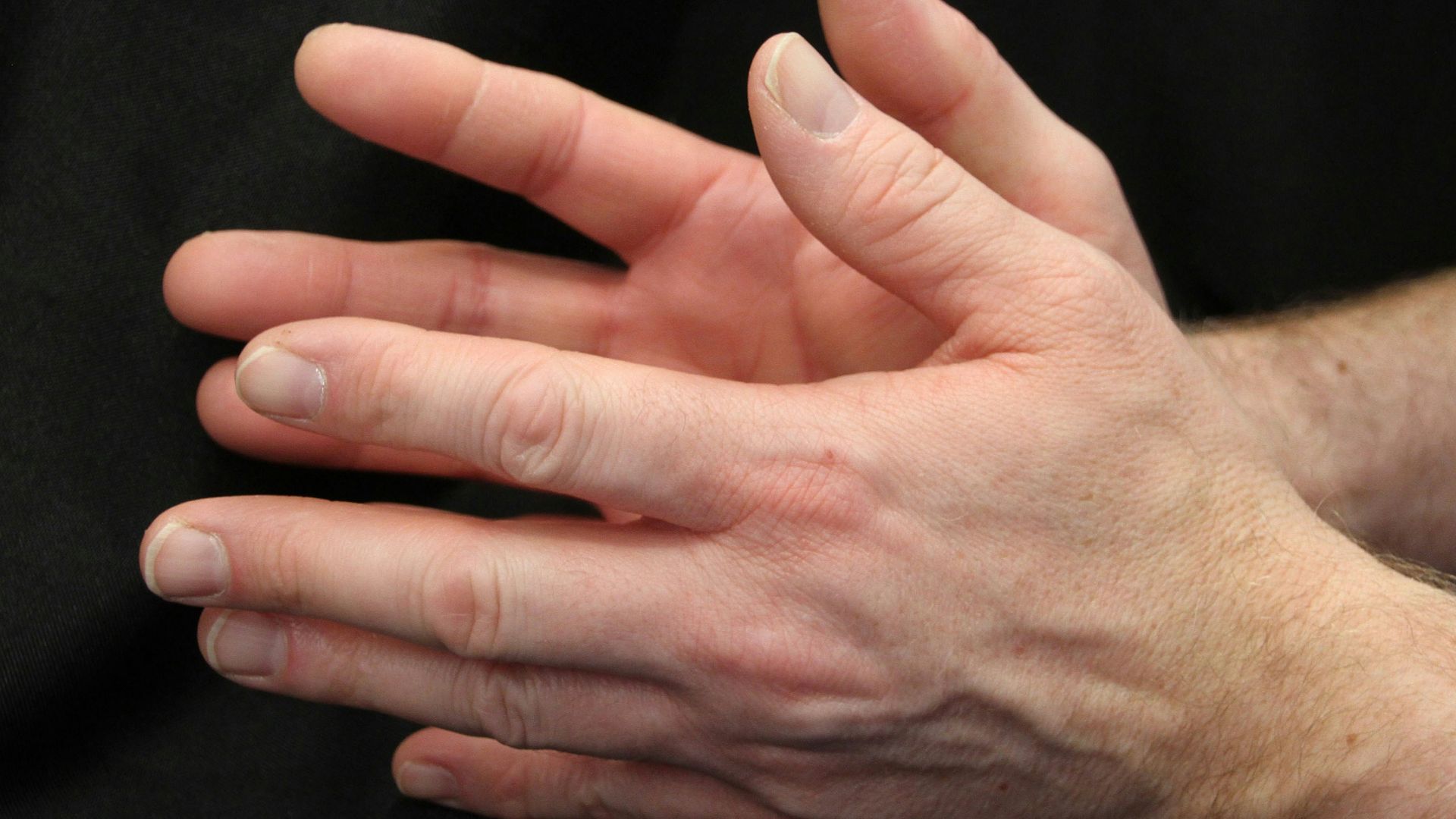
Look closely at the thumb base, and you might see hollowing signals of advanced nerve damage. Once lost, muscle bulk rarely returns. Considering the thumb drives more than half your hand’s strength, protecting these fibers isn’t optional—it’s vital for independence in daily movement.
9. Symptoms Worsen With Repetitive Movements
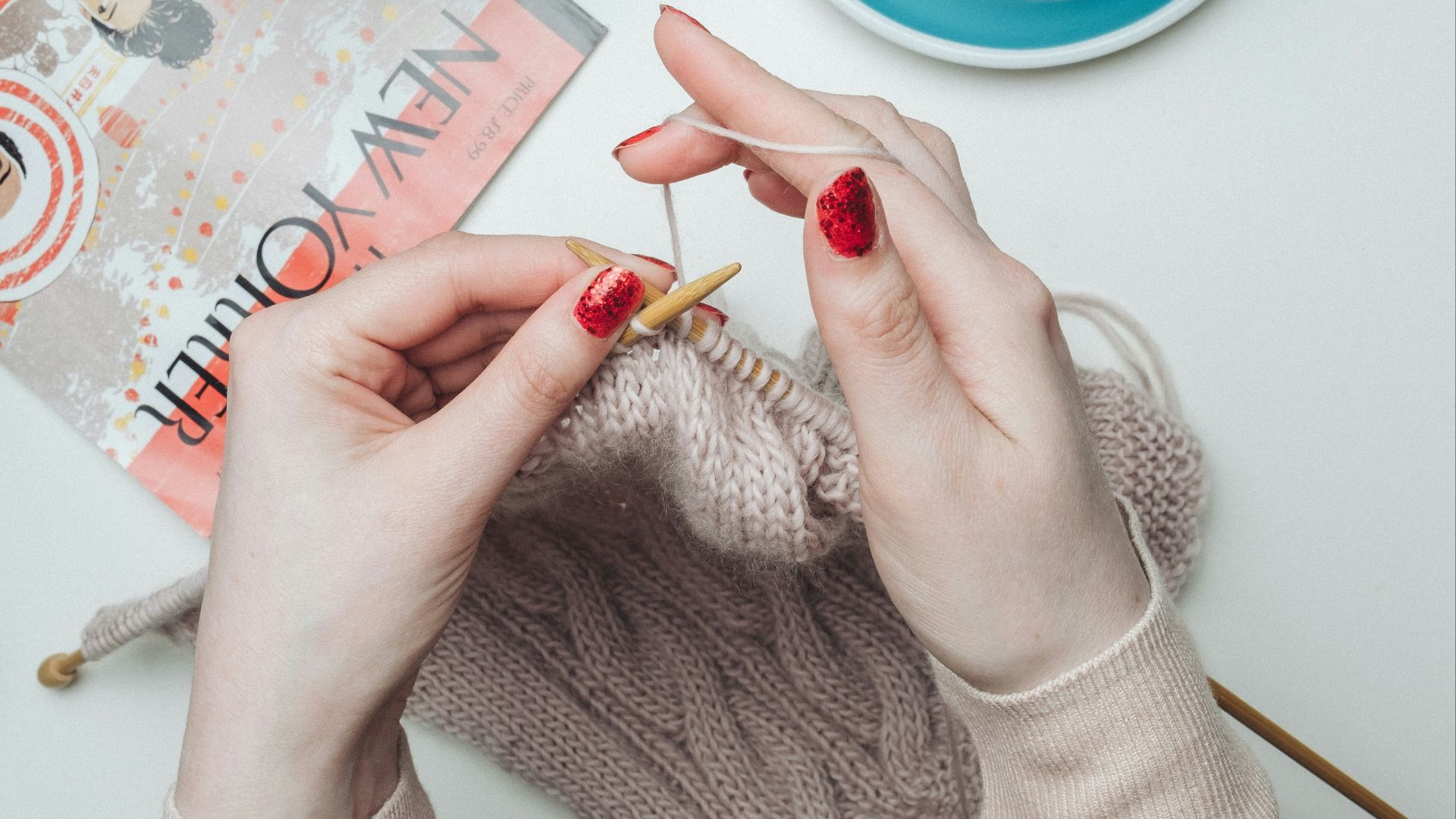
Repetition is the enemy of nerve comfort. Typing, knitting, or even gripping a wheel creates sustained tension that worsens irritation. Relief often comes from breaks. And balance—not endless motion—keeps nerves and tendons healthy inside the tunnel.
10. Cold Sensitivity In Fingers
Fingers feel icy even when circulation checks out normal. But with the carpal tunnel, the nerve dysfunction alters temperature perception to make cold exposure feel harsher, where the tingling intensifies with chill. Some adapt by wearing gloves inside as a practical response to a neurological trick of the sensory system.

Understanding the signs provides clarity, but management must include action. Gentle movements protect nerve health and prevent stiffness. Here are practical stretches designed to reduce pressure and help your hands regain flexibility.
1. Wrist Flexor Stretch Against A Wall
Pressing your palm downward on a wall stretches the forearm flexors and helps widen the space inside the tunnel. Done gently, it lowers nerve pressure and calms tingling. Just half a minute provides relief. Such small, targeted movements can carry big results.
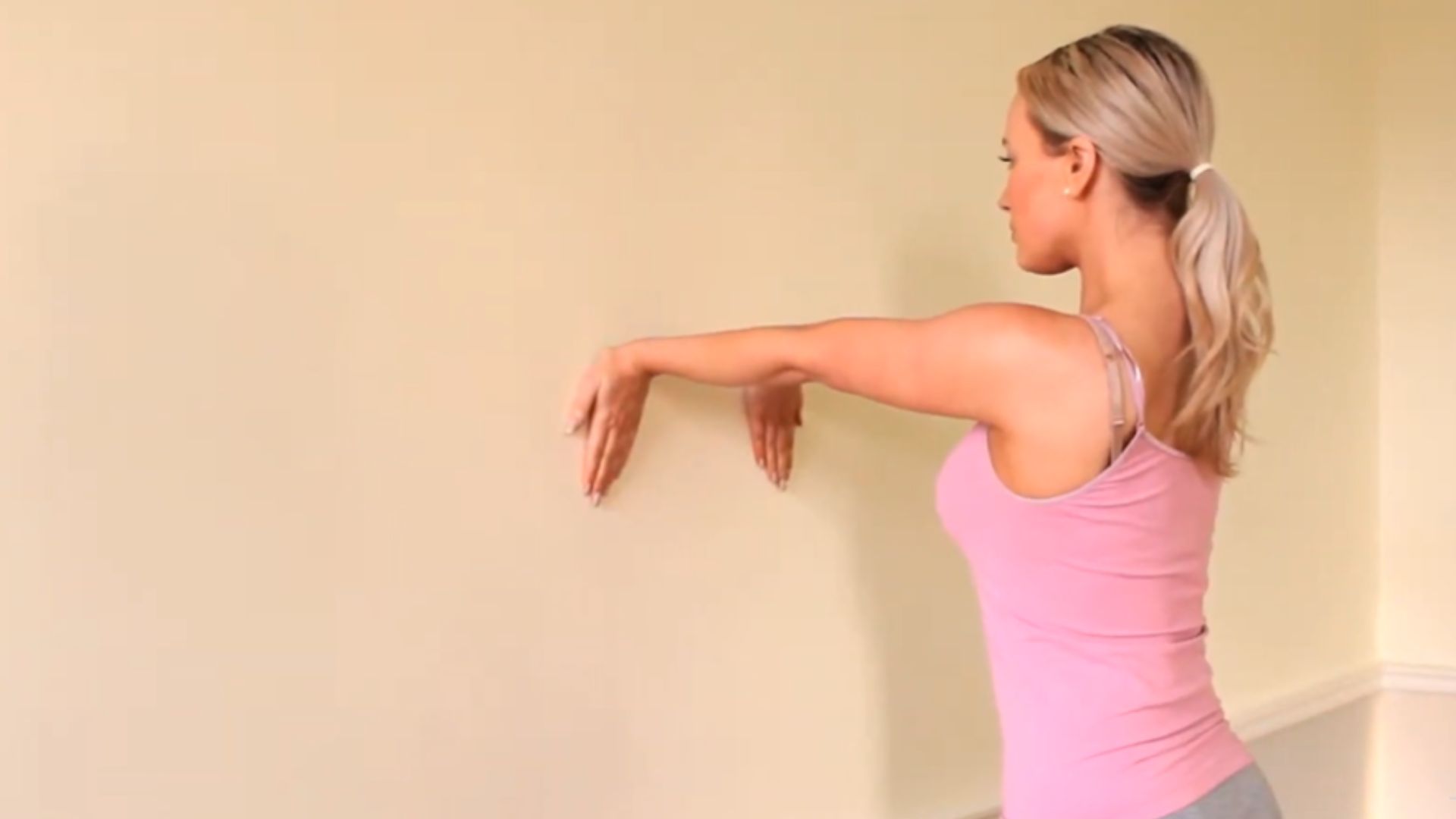 How to do a forearm flexor wall stretch both sides by Rehab My Patient
2. Prayer Position Stretch
Bring palms together, lower toward your waist, and feel tendons elongate. This prayer position enhances flexibility and eases tension on the nerve pathway. No tools required. Revered in yoga as Namaste, it blends tradition with evidence-based therapeutic effectiveness.

3. Nerve Gliding Exercise
Guided movements coax the median nerve to glide smoothly within its tunnel. This motion prevents adhesions, and it also eases irritation and keeps sensitivity balanced. Musicians and athletes rely on it for performance, and patients find it equally valuable for lasting hand health.
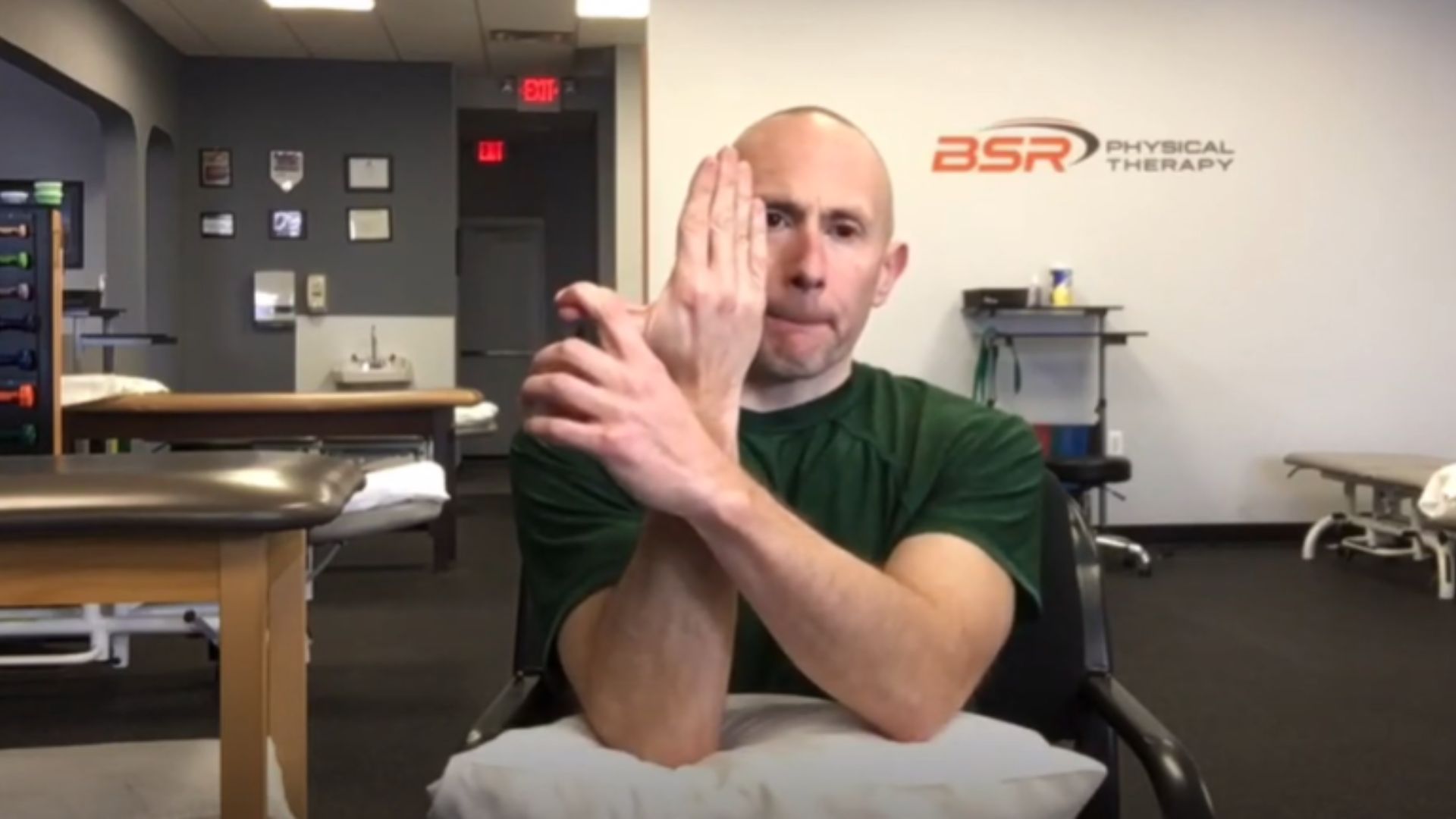 Nerve Gliding - Wrist + Hand by BSR Physical Therapy
4. Finger Extension Stretch With Rubber Band
To do this right, loop a rubber band around your fingers, then push outward. This inexpensive tool strengthens extensor muscles, countering grip dominance. Such a balance preserves tendon health. Practical and budget-friendly, it offers measurable benefits for patients seeking proactive nerve protection.
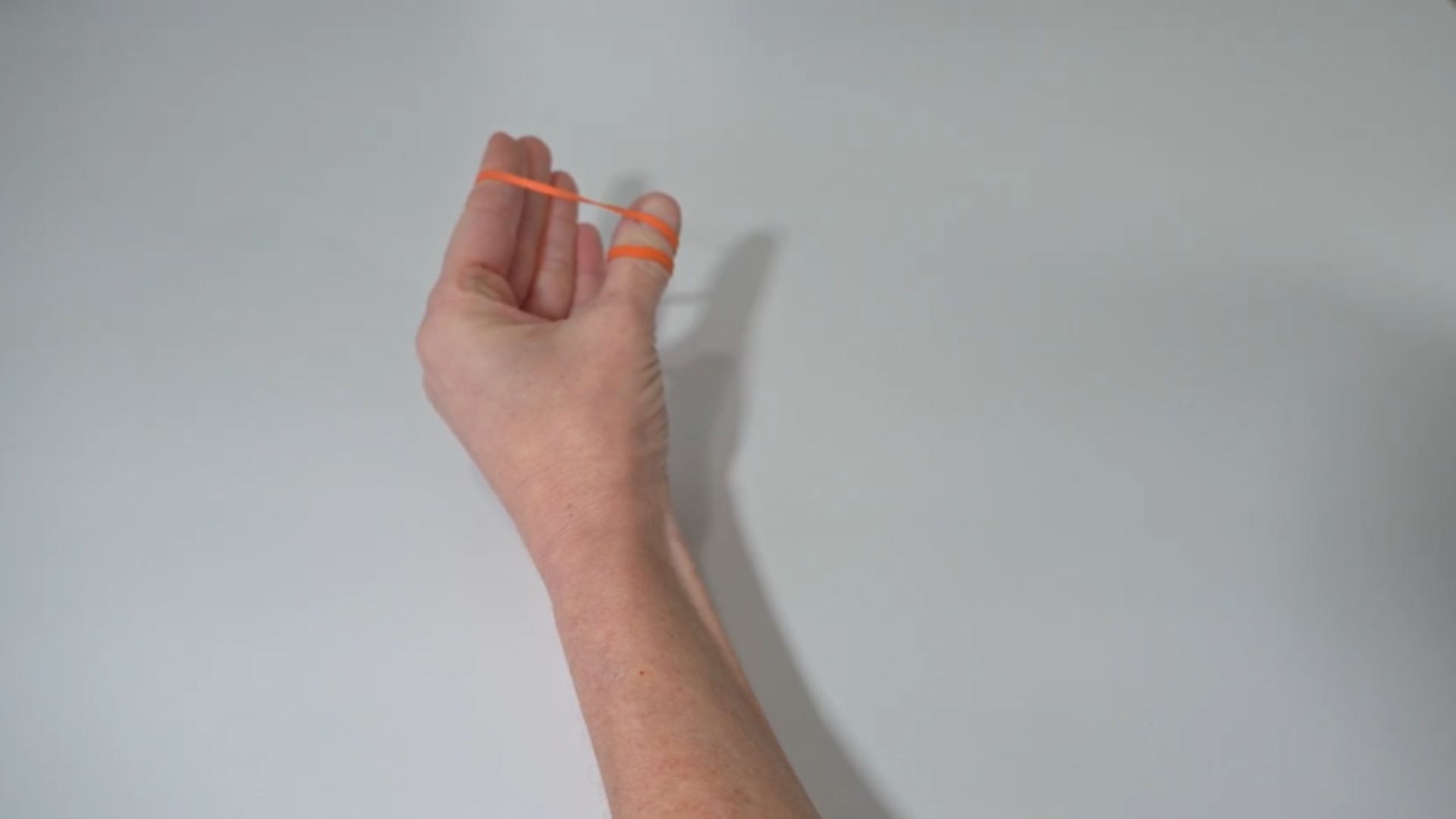 Top 5 Hand and Finger Strengthening Exercises with Rubber Bands by Virtual Hand Care
5. Wrist Rotations
Circle your wrists deliberately, clockwise, then counterclockwise. This lubricates joints and stimulates circulation. It also breaks the monotony of work or play. Even two short minutes restores flow measurably. Think of it as maintenance oiling for the intricate gears inside your wrists.
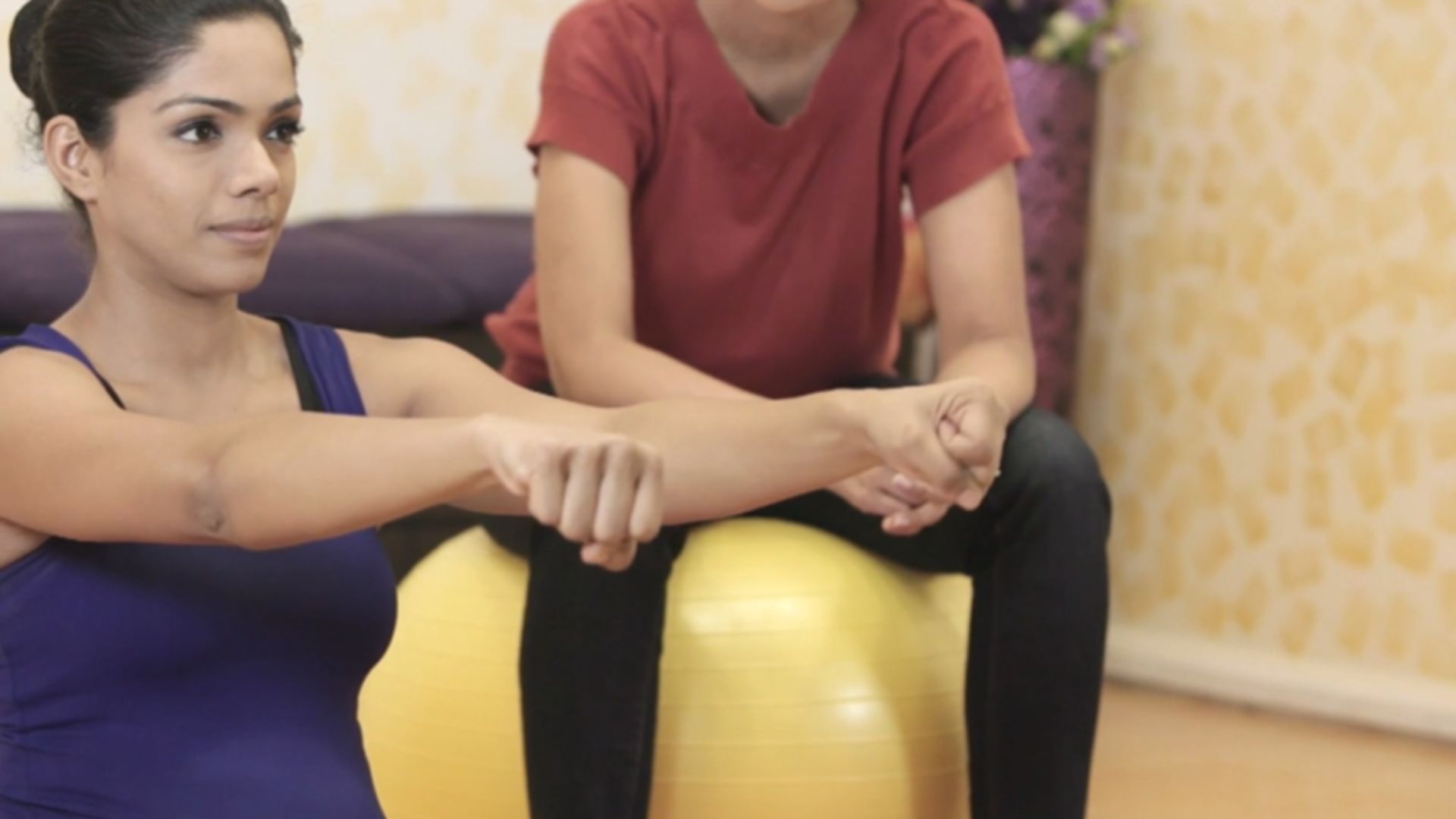 Wrist Rotations by Homeveda Parenting
6. Tendon Gliding Exercise
Here, move fingers through straight, hook, fist, tabletop, and straight fist. Each shift encourages tendons to glide without sticking. Therapists endorse this drill widely. A smooth execution resembles finger yoga, which combines structure and fluidity while keeping motion pathways clear and effective.
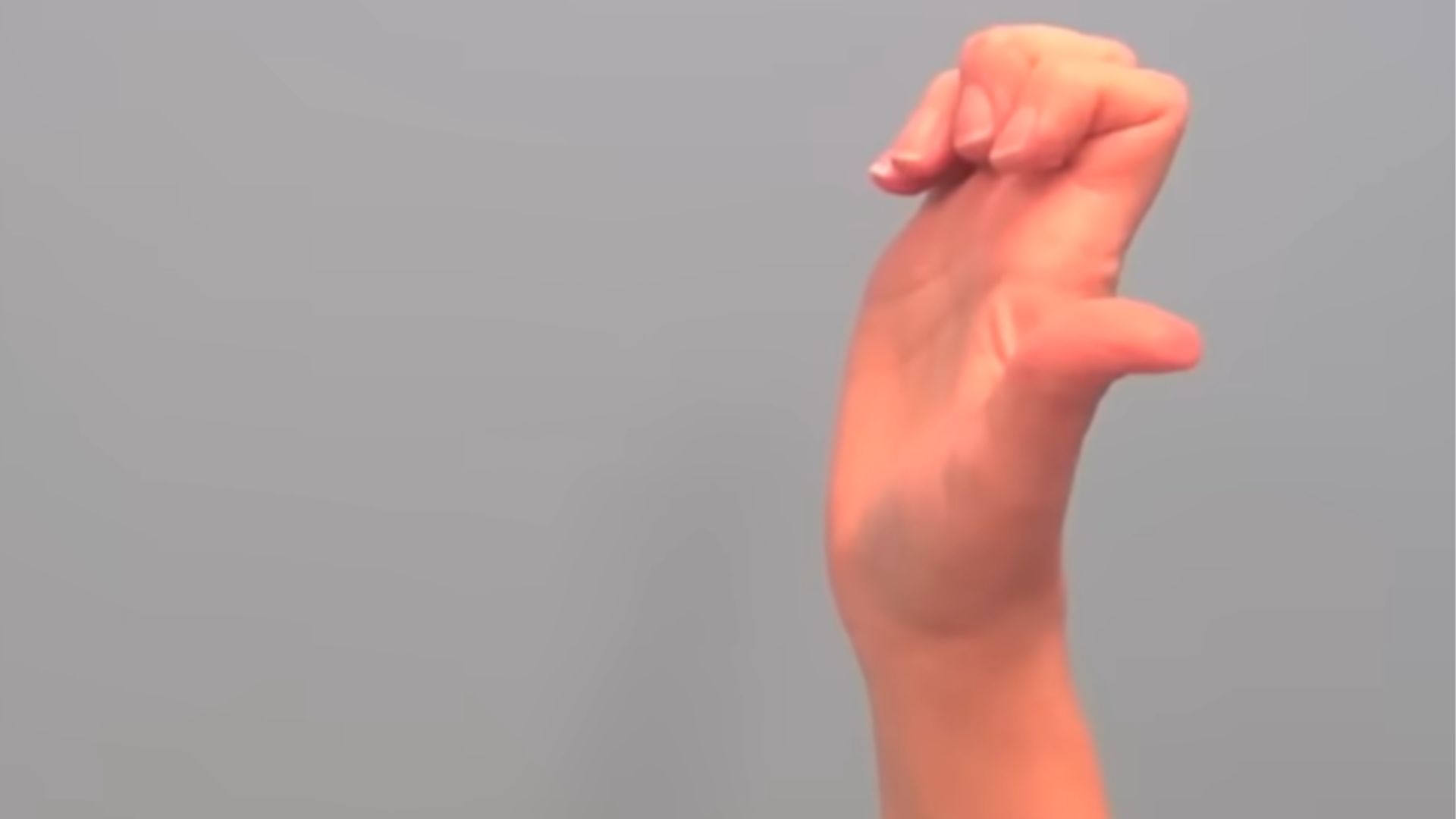 Tendon Glide Exercises | Ability Rehabilitation by Ability Rehabilitation
7. Thumb Stretch Away From Palm
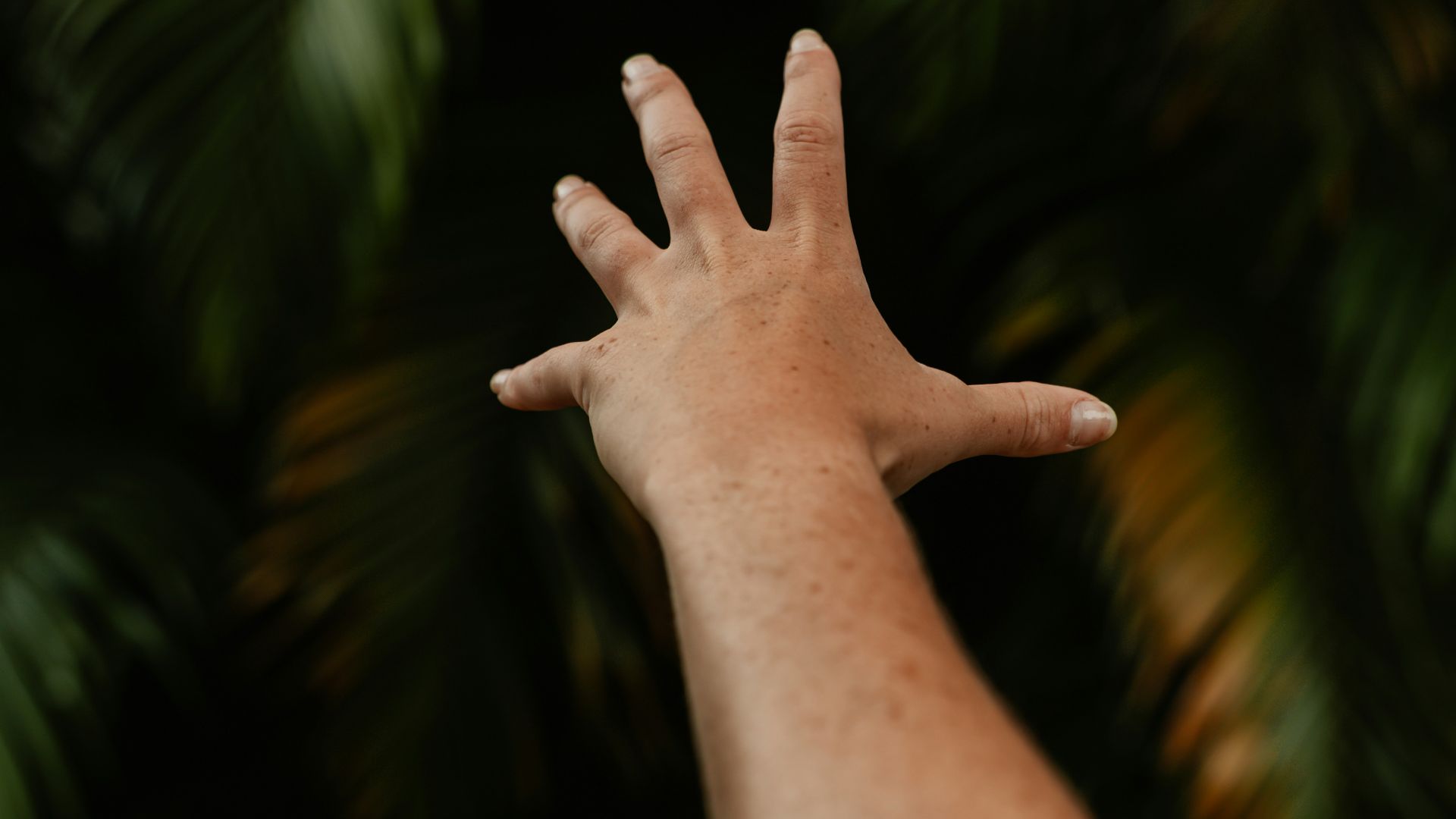
This stretch involves drawing your thumb outward gently with the opposite hand. This move restores mobility, reduces tightness, and safeguards the muscle from wasting. Opposable thumbs separate humans from most primates, so preserving their agility means protecting one of evolution’s finest tools.
8. Shake It Out Exercise
When you shake your hands briskly as though drying them after washing, you disperse tingling and provide relief without tools. Its simplicity shines because you can do it anywhere. Many patients experience surprising, immediate comfort from this playful yet effective gesture.

9. Desk Edge Wrist Stretch
Position palms on your desk, fingers angled back, and lean forward. The flexors lengthen, releasing built-up strain. Office workers benefit most since they spend hours static at keyboards. Appropriately nicknamed the keyboard stretch, it’s a vital reset for workplace-dominated hands.
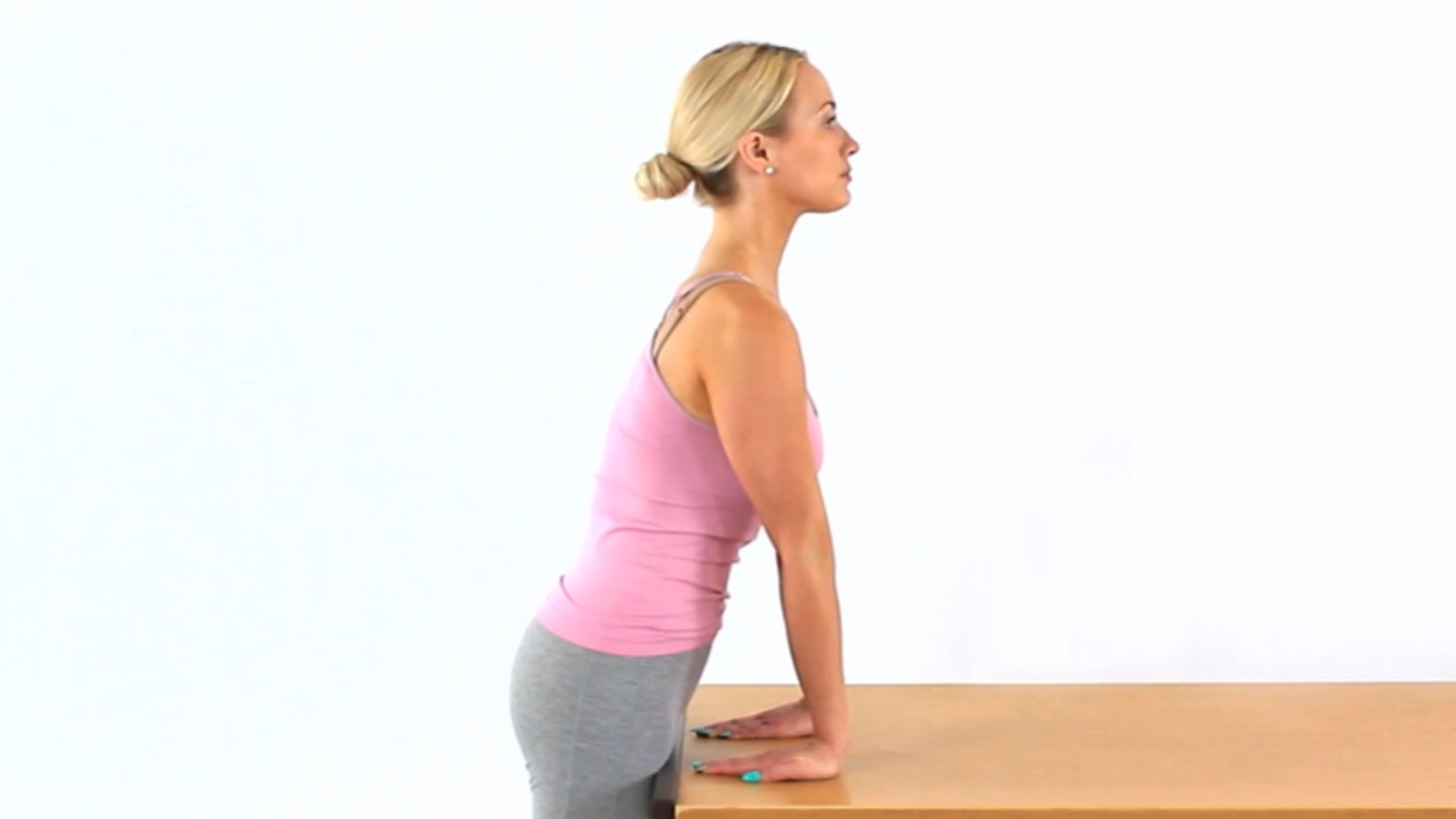 Using a table to stretch both wrists by Rehab My Patient
10. Gentle Wrist Flexion Stretch
This move entails pulling one wrist downward using the other hand to lengthen the forearm extensors and balance constant forward activity. Martial artists employ it for resilience, while patients enjoy restored harmony between wrist structures—helping nerves, tendons, and muscles perform efficiently.
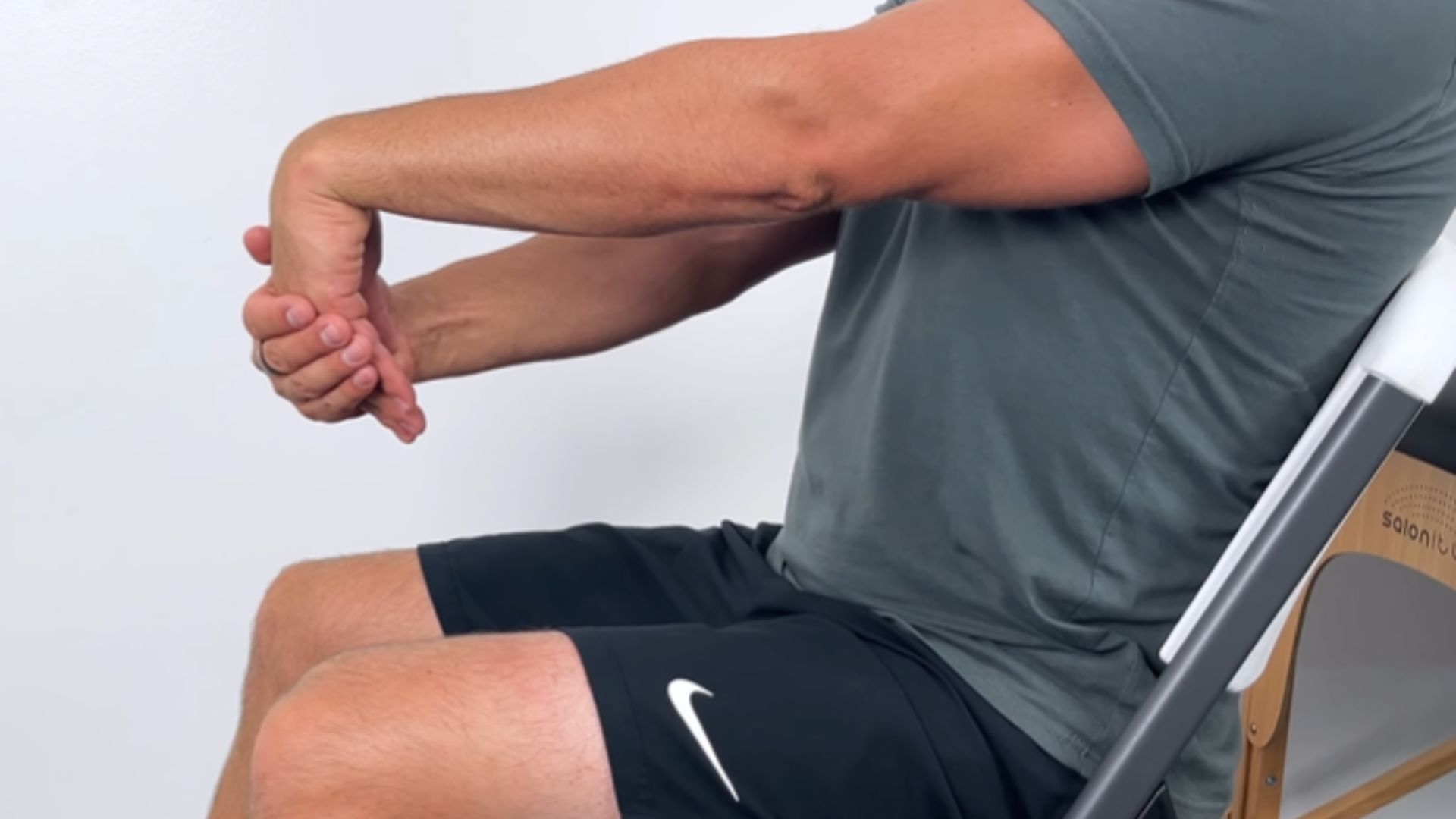 Fix Your Wrist Pain FAST! [6-Minute Stretching Routine] by Tone and Tighten
KEEP ON READING



20 Natural Ways You Can Boost Your Immune System
20 Ways To De-stress & Relax After Work

The 10 Most Common Diseases & The 10 Most Rare