10 Ingredients to Avoid in “Natural” Skincare & 10 Gentle Products to Try
“Natural” Doesn’t Automatically Mean Calm, Safe, or Sensitive-Skin Friendly
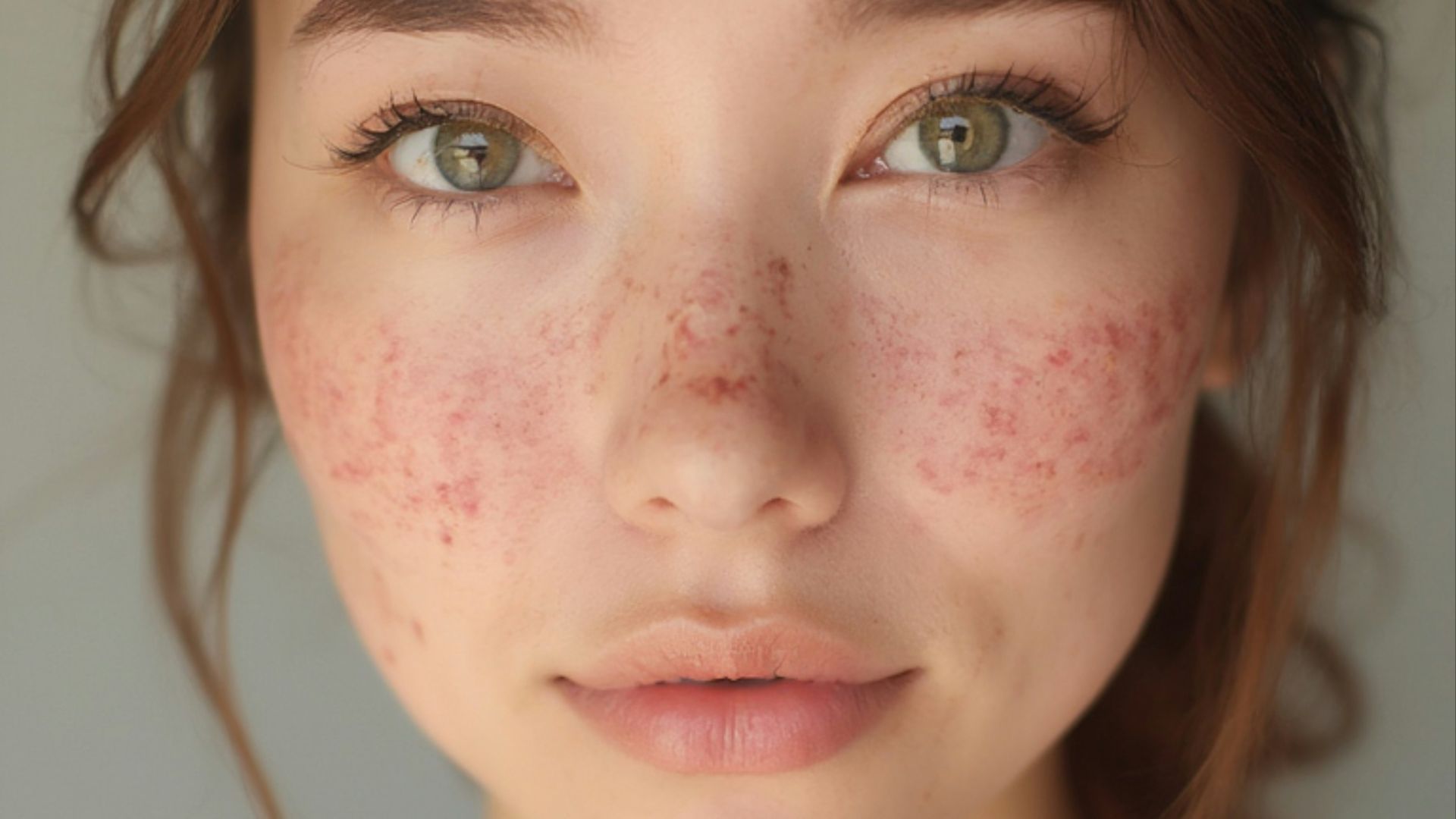
If you have sensitive skin, the word *natural* can sound reassuring right up until your face starts stinging, itching, or turning red. That's when it becomes painfully obvious that "natural" and "gentle" aren't the same thing. Even plant-based ingredients can trigger irritation or allergic reactions. That means the smarter move isn't trusting the label, but learning which common irritants to avoid. Here are 10 ingredients commonly found in natural skincare products that can be irritating and 10 safer products to try.
 MUTHIA ASHIFA SALSABELLA on Unsplash
1. Fragrance or Parfum
Fragrance is one of the biggest troublemakers for sensitive skin, and it shows up in plenty of “natural” products that smell lovely and behave terribly. You might think it's nice for your face to smell like a bouquet of roses, but fragrance can irritate the skin barrier and pull moisture out of the skin.

2. Essential Oils
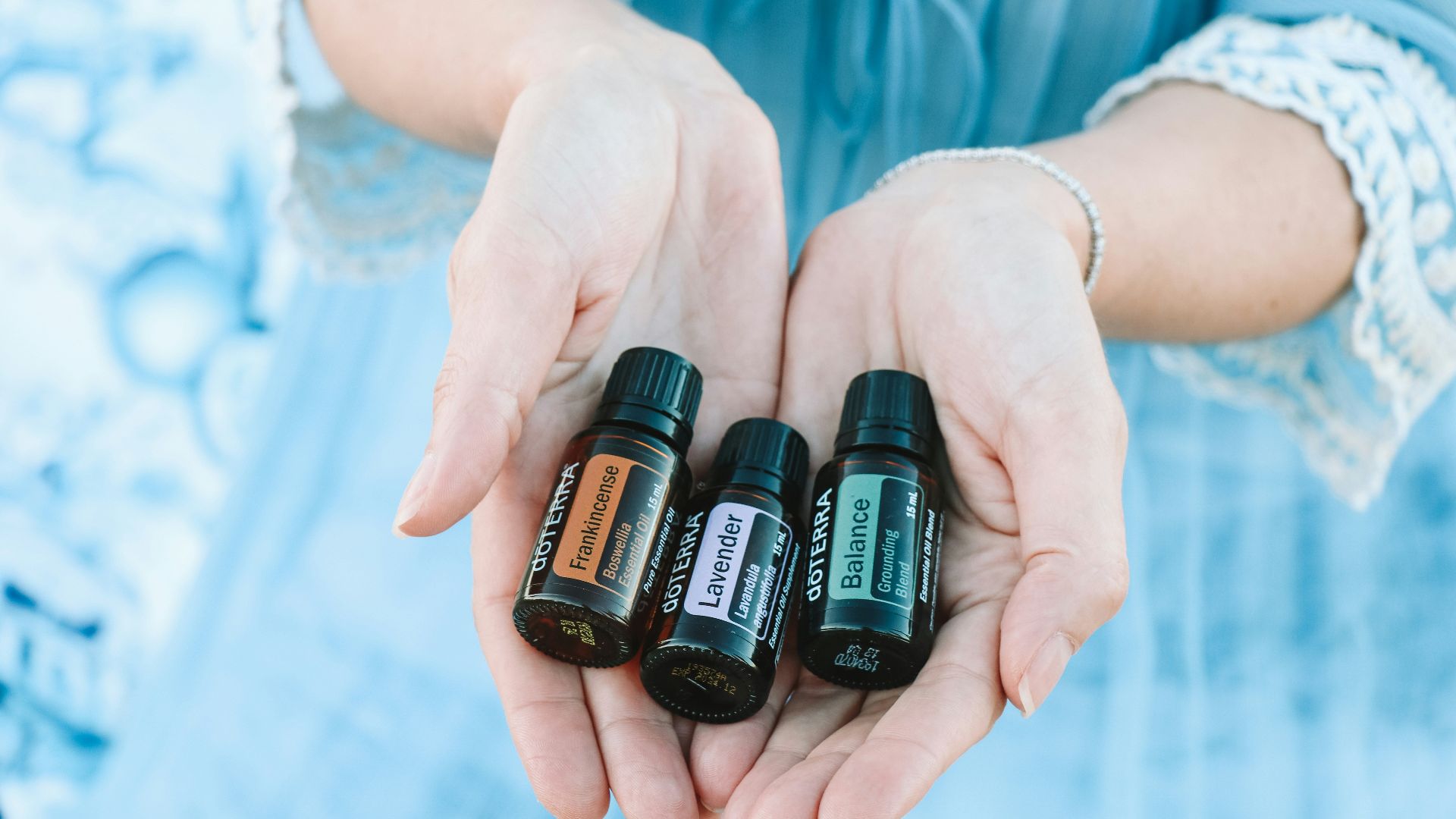
Essential oils may sound wholesome and botanical, but they can be just as likely to cause allergies or irritation as synthetic ingredients. Even the ones with a reputation for being soothing may not feel that way to people with reactive skin.
3. Lavender, Linalool, & Related Fragrant Plant Extracts
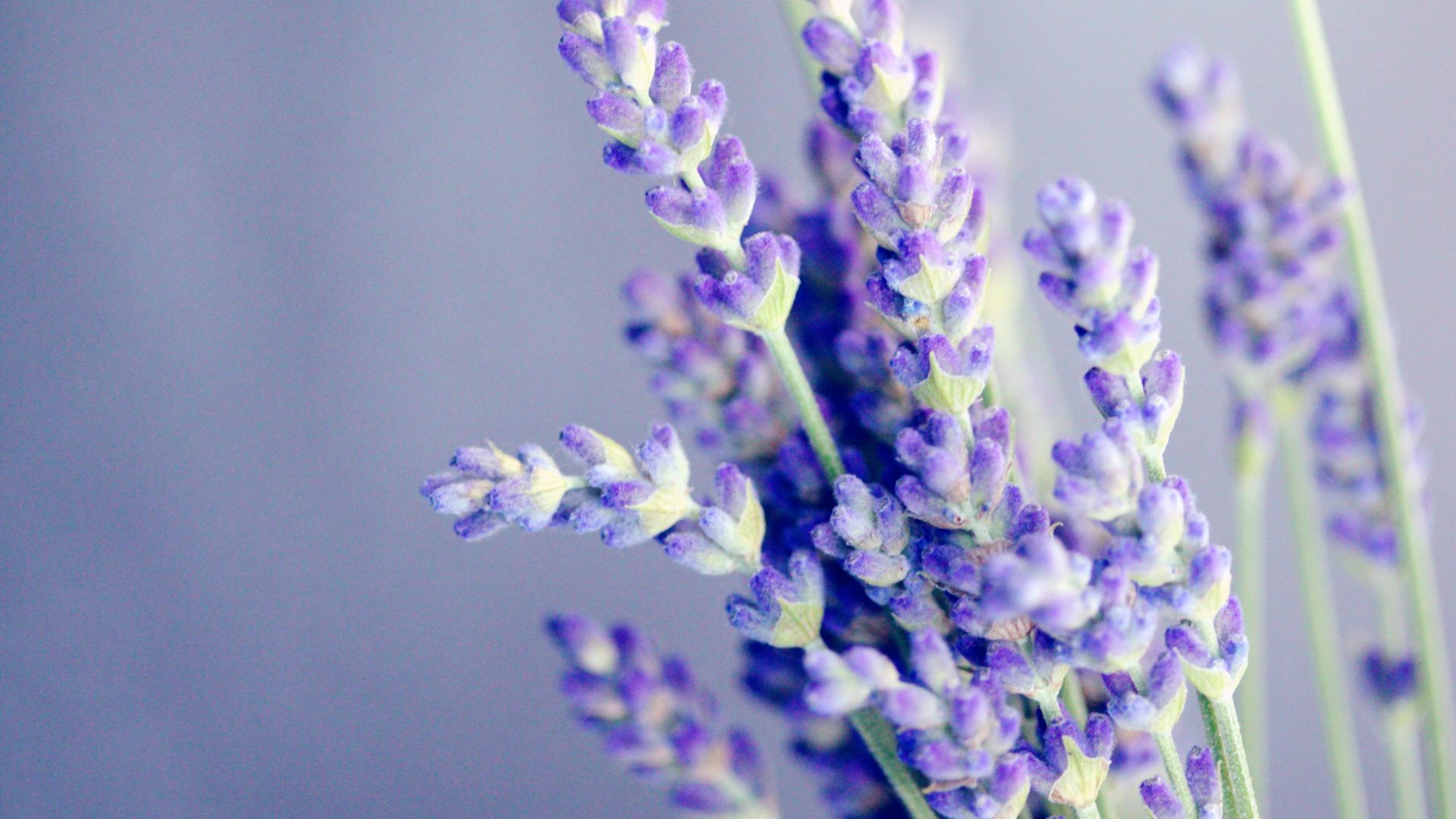
Lavender gets marketed like it's automatically calming for everyone, but the NEA specifically warns people with eczema to watch out for lavender, linalyl acetate, and linalool. That's a good reminder that a pretty ingredient list isn't always the same as a friendly one.
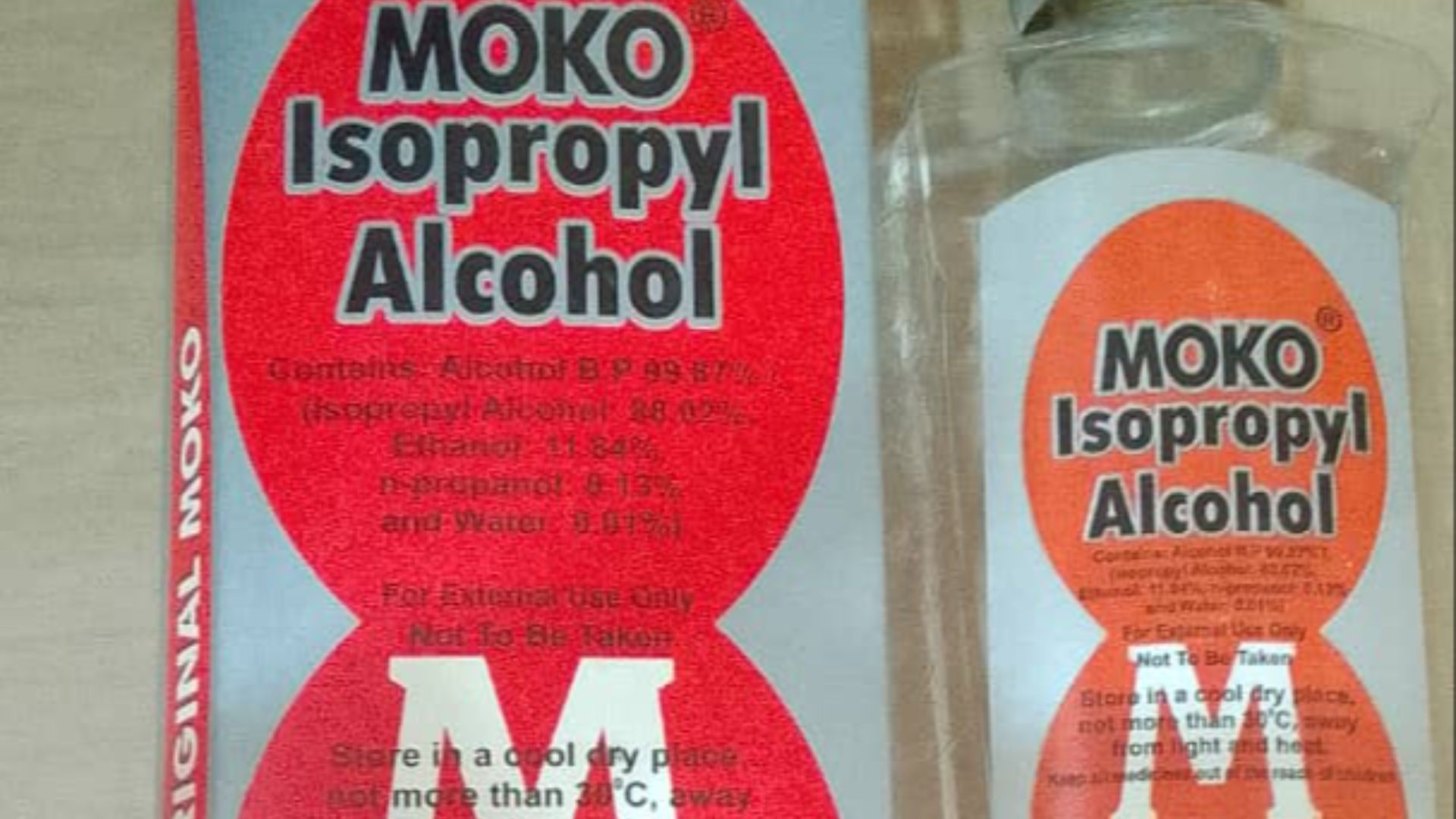
4. Alcohol
Alcohol is another ingredient that can be rough on sensitive skin, especially in products meant to feel light or fast-drying. The AAD includes alcohol on its list of ingredients that people with rosacea-prone, easily irritated skin should avoid on the face. If your skin already runs dry or reactive, this isn't the kind of “clean finish” you need.
5. Camphor
Camphor often shows up in products that promise a cooling or soothing effect, but dermatologists don't exactly love it for sensitive faces. It's one of the ingredients to avoid if your skin is easily irritated. Sometimes the ingredient that sounds the most medicinal is also the one that doesn't sit well on your face.
 The Good Hygiene Co. on Unsplash
6. Menthol
Menthol gives that icy, tingly feeling that can make a product seem active and impressive. Unfortunately, the AAD also flags menthol as a common irritant for sensitive, rosacea-prone skin. If your face is already reactive, adding a fake cooling drama to the situation is not usually the answer.
7. Sodium Lauryl Sulfate
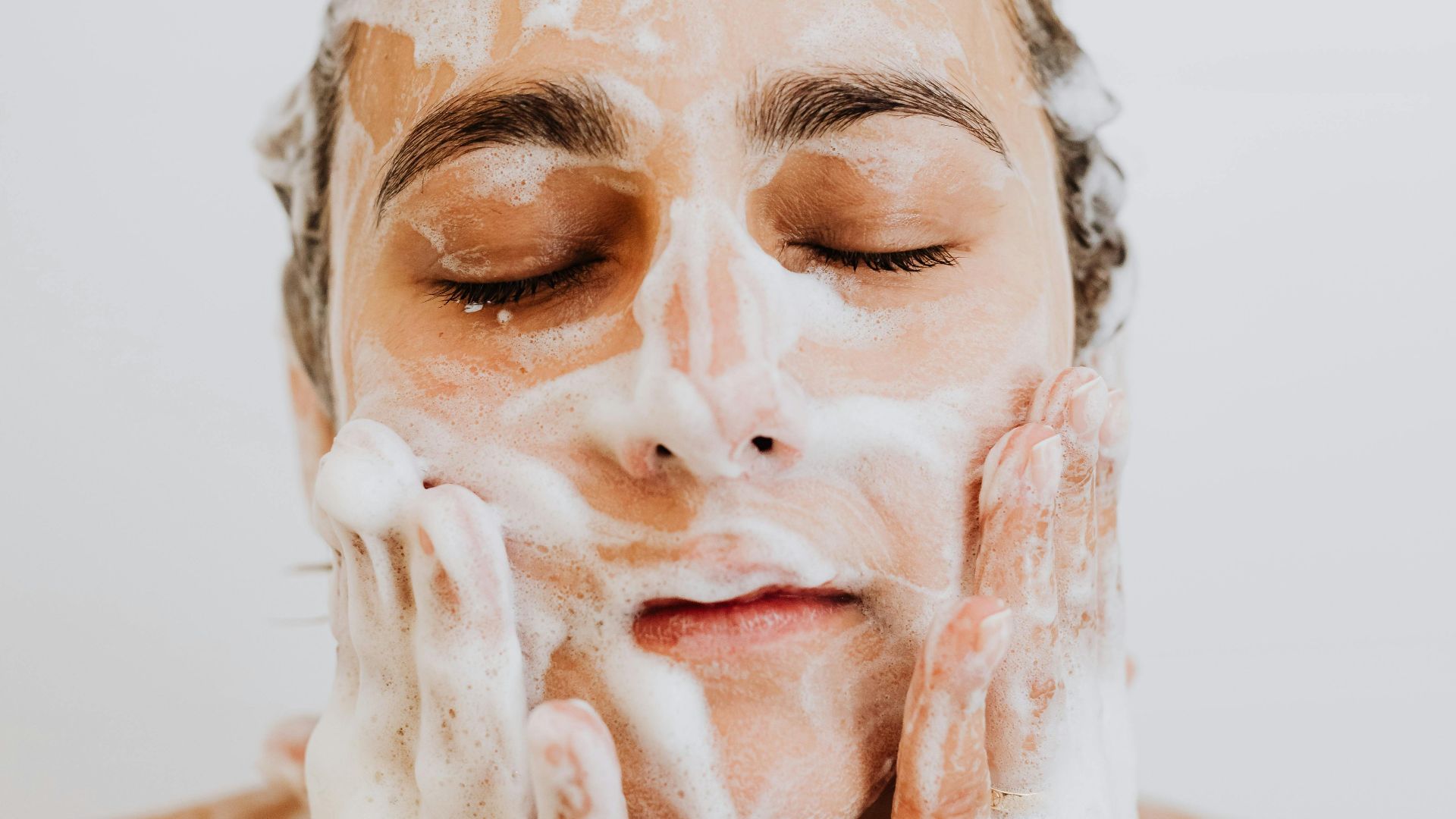
Sodium lauryl sulfate, often shortened to SLS, is one of those ingredients that sounds technical enough to slip past you on the label. It's common in cleansers and other foaming products, but dermatologists say it should be avoided around sensitive facial skin.
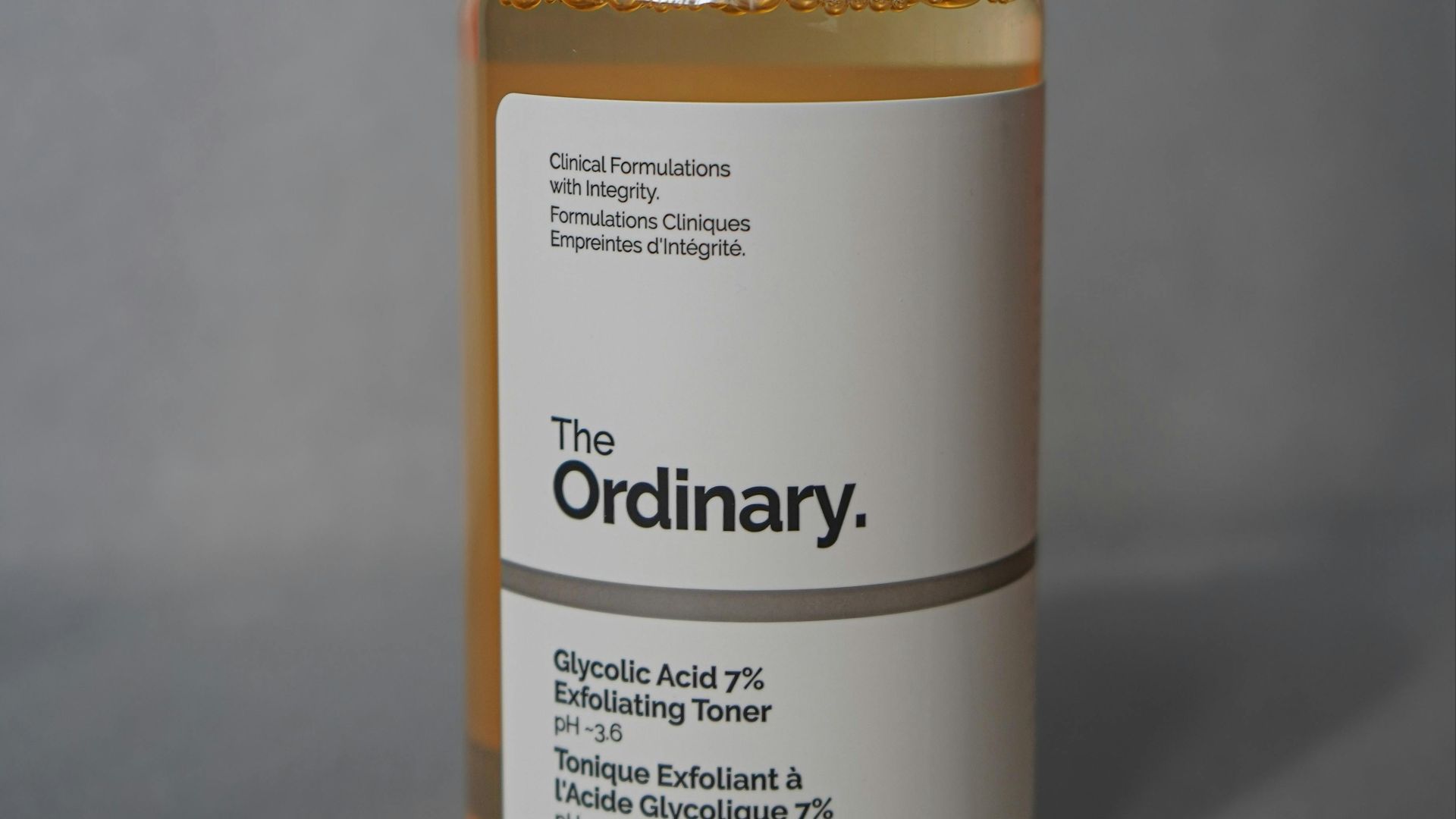
8. Glycolic Acid
Glycolic acid can be useful for some skin concerns, but “useful” and “gentle” aren't always the same category. It can irritate sensitive, rosacea-prone skin. If your face already gets red easily, this is probably not the acid to experiment with casually.
9. Lactic Acid
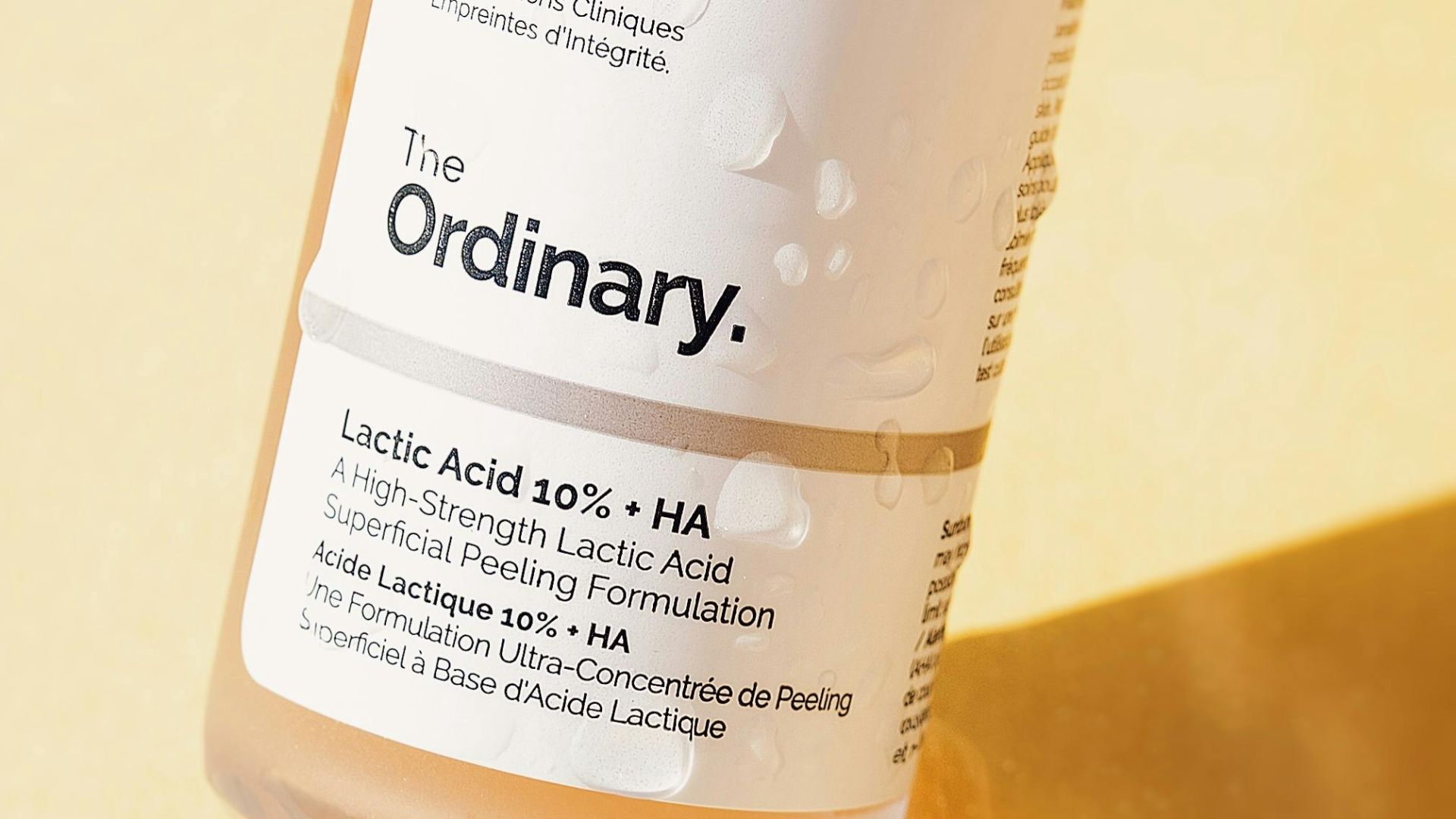
Lactic acid tends to sound a little softer than glycolic acid, but it can still bother sensitive skin. That doesn't make it evil, though it does make it less ideal if your skin is already quick to sting or flush. A product can be trendy and still be a terrible match for your particular face.
10. Witch Hazel
Witch hazel gets sold as a gentle, natural fix for just about everything, but sensitive skin doesn't always agree. It's an astringent, which means it can be drying, and dermatologists often caution that alcohol-heavy versions can be especially irritating for reactive skin. If your face already tends to sting, flush, or feel tight, this isn't the most comforting ingredient to gamble on.

Now that we've covered the "natural" ingredients that you should avoid if your skin is highly reactive, let's talk about some products that are usually safer.
1. Gentle, Nonmedicated Cleanser
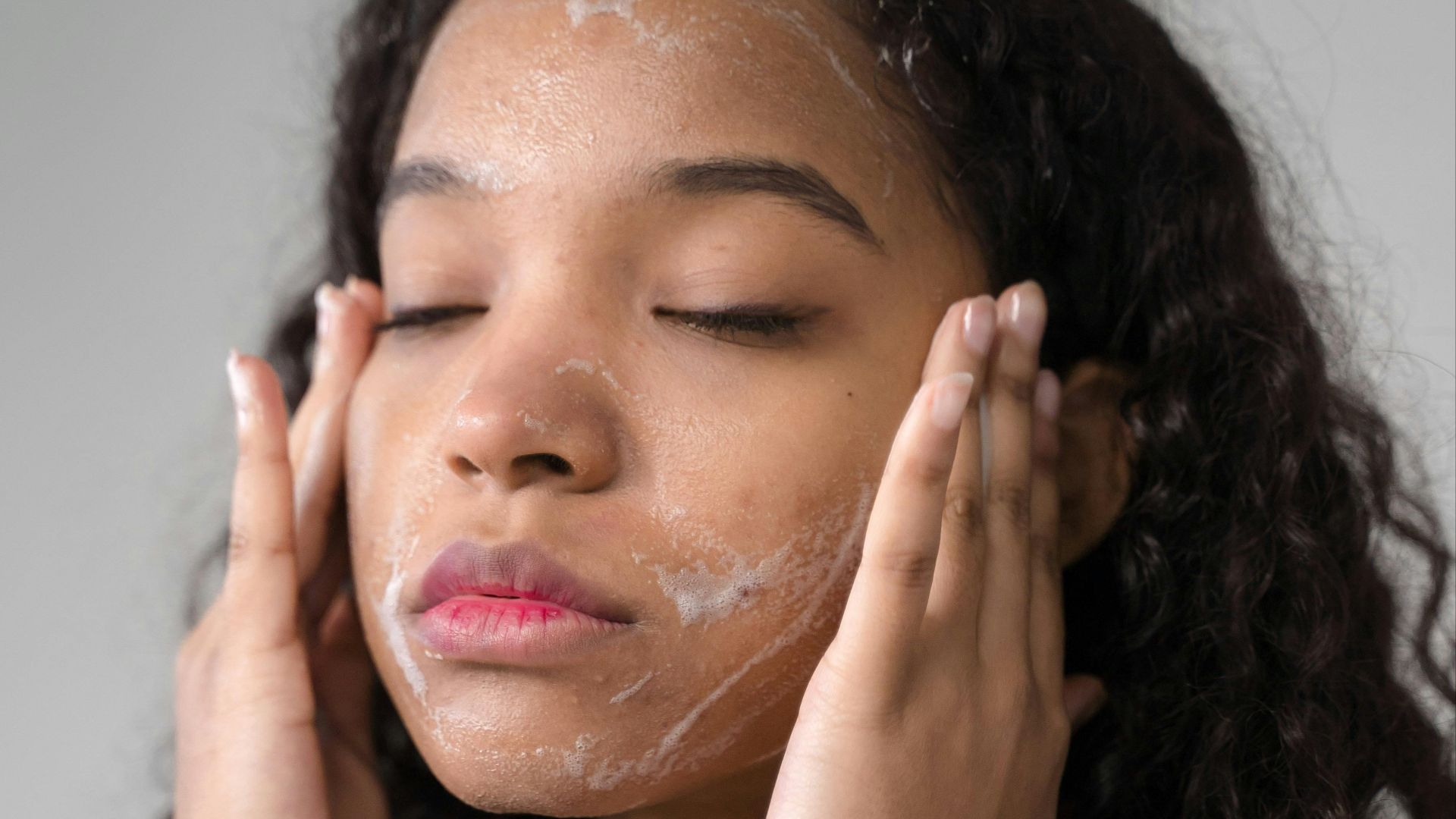
Cleveland Clinic recommends starting with a gentle, nonmedicated cleanser, which is exactly the kind of boring-sounding advice that often works best. A cleanser like this is meant to remove dirt and oil without leaving your skin stripped, tight, or offended. If your current face wash makes your skin feel squeaky in a bad way, this is a very easy place to simplify.
2. Fragrance-Free Cream or Ointment Moisturizer
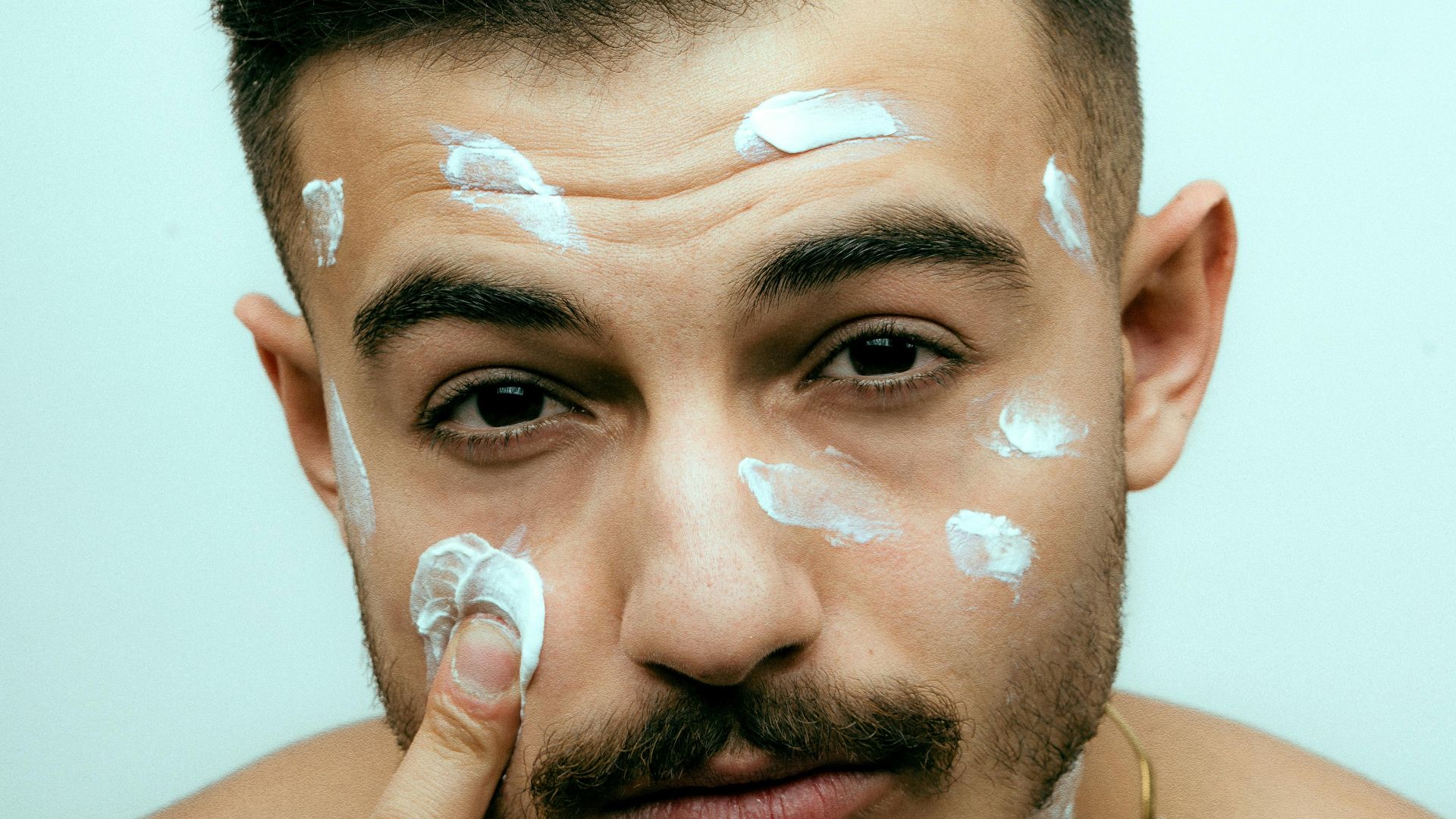
The AAD recommends fragrance-free creams or ointments for eczema-prone skin because they help reduce irritation and support the barrier better than lighter lotions. If your face is dry, itchy, or easily upset, a rich fragrance-free moisturizer is often a much smarter buy than another botanical experiment.
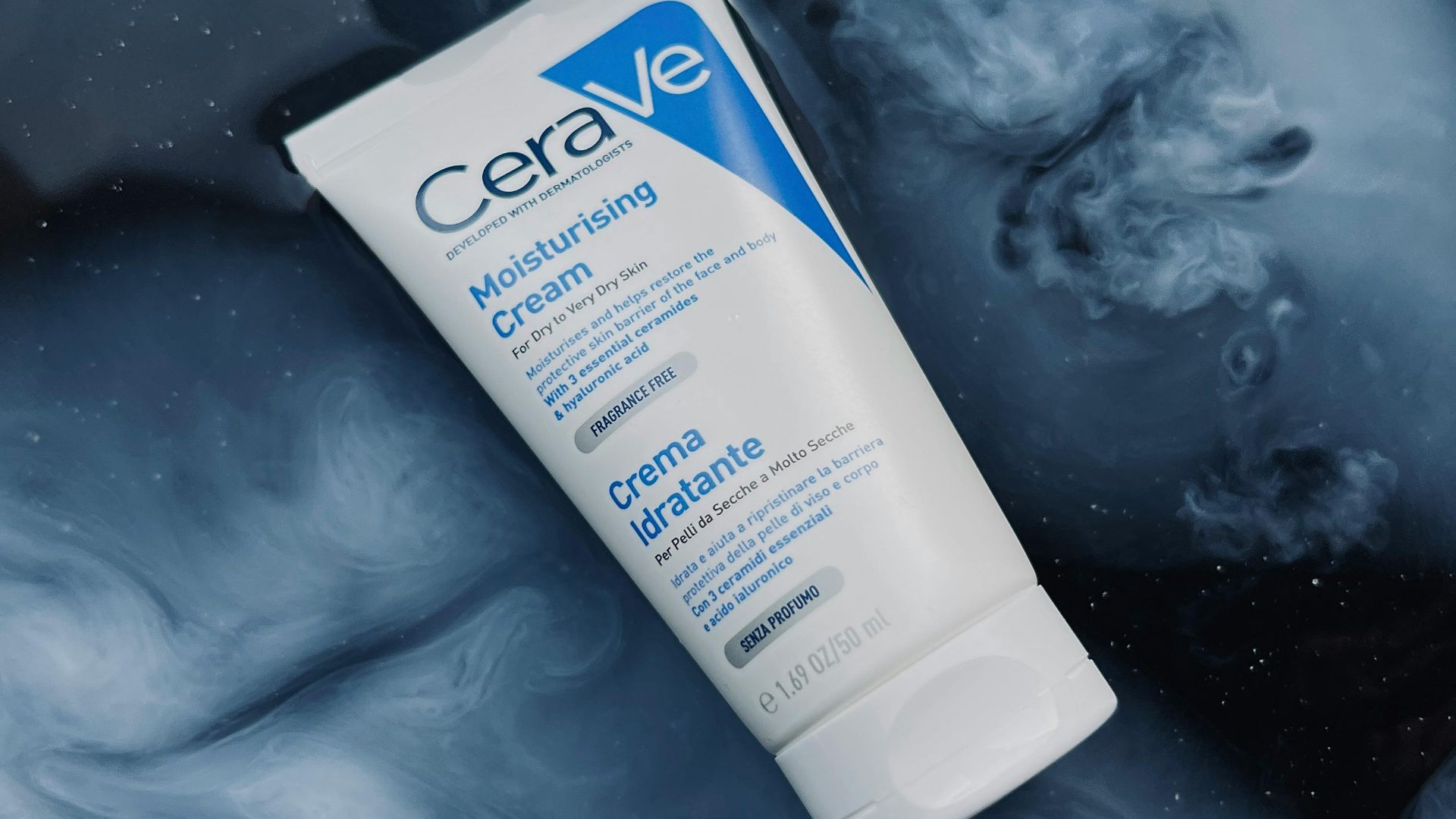
3. A Ceramide Moisturizer
Ceramides help support the skin barrier, which is a big deal when sensitive skin keeps acting like the outside world is a personal insult. Ceramides are useful in moisturizers and play a part in restoring the skin’s protective function. If your skin feels fragile, a ceramide cream is one of the less dramatic and more sensible things to try.
4. A Colloidal Oatmeal Cream
Colloidal oatmeal has a long reputation for being soothing, and certain creams directly use it for dry, itchy, irritated skin. That makes it one of the gentler options for people whose skin needs comfort more than excitement. When your face is flaring, oatmeal is a lot more appealing than anything promising a “tingly glow.”
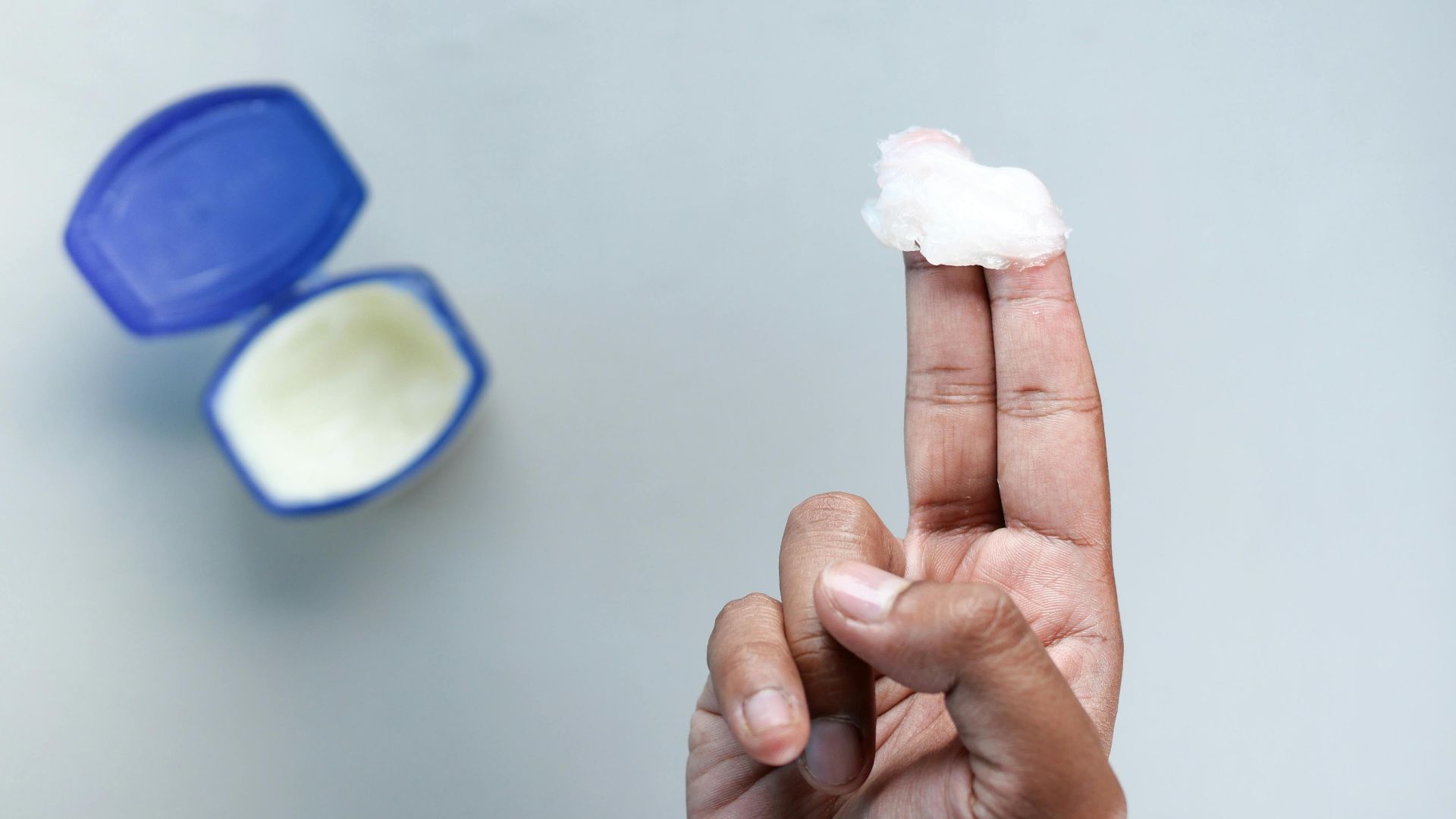
5. A Petrolatum-Based Ointment
Petrolatum isn't trendy, but it's wonderfully straightforward when your skin needs protection and moisture retention. It helps lock in moisture and strengthen the barrier. If your skin is cracked, raw, or very dry, this kind of balm can be much more useful than a delicate natural cream.
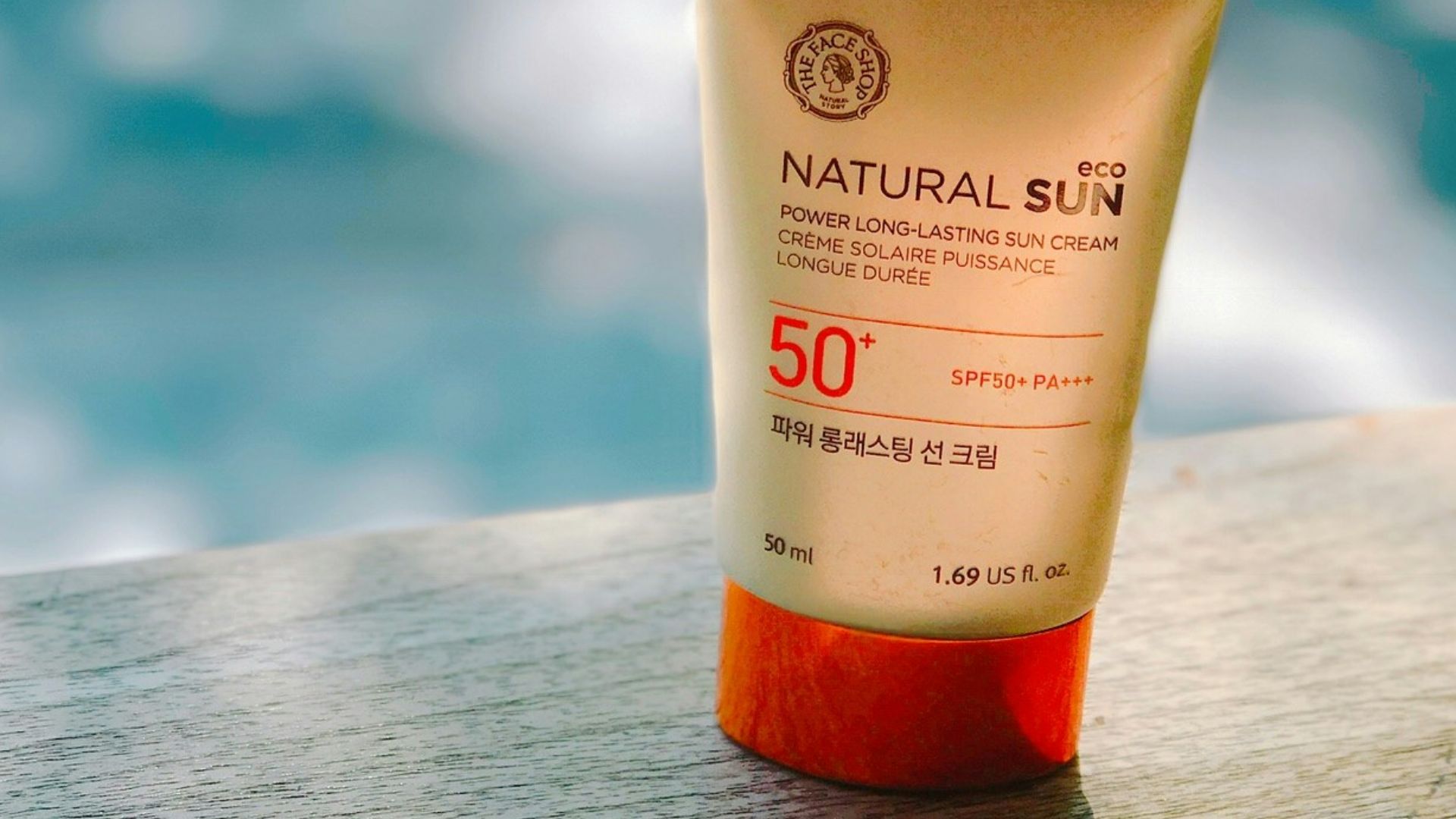
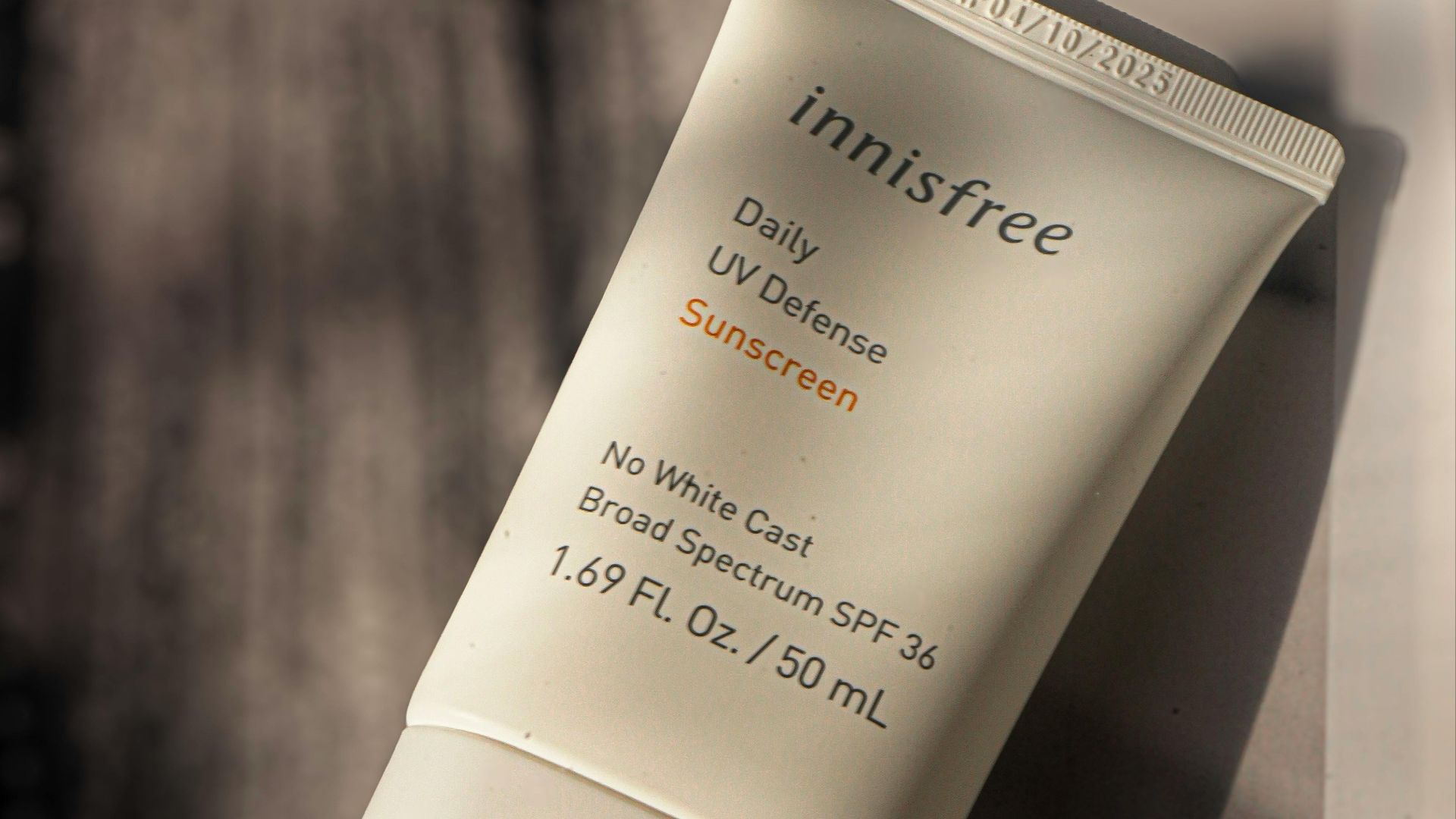
6. A Mineral Sunscreen With Zinc Oxide or Titanium Dioxide
Mainstream sunscreens can be irritating, but that doesn't mean you shouldn't protect yourself from UV rays. For sensitive skin, the AAD specifically says a fragrance-free sunscreen containing zinc oxide, titanium dioxide, or both is least likely to irritate.
7. A Tinted Mineral Sunscreen
If you like a little coverage, tinted mineral sunscreen is a nice upgrade because the AAD specifically notes it as a way to reduce the white cast that some mineral SPFs leave behind. That means you can get sun protection that's still more likely to play nicely with sensitive skin. It's a very helpful compromise for anyone who wants their face protected without looking ghostly.
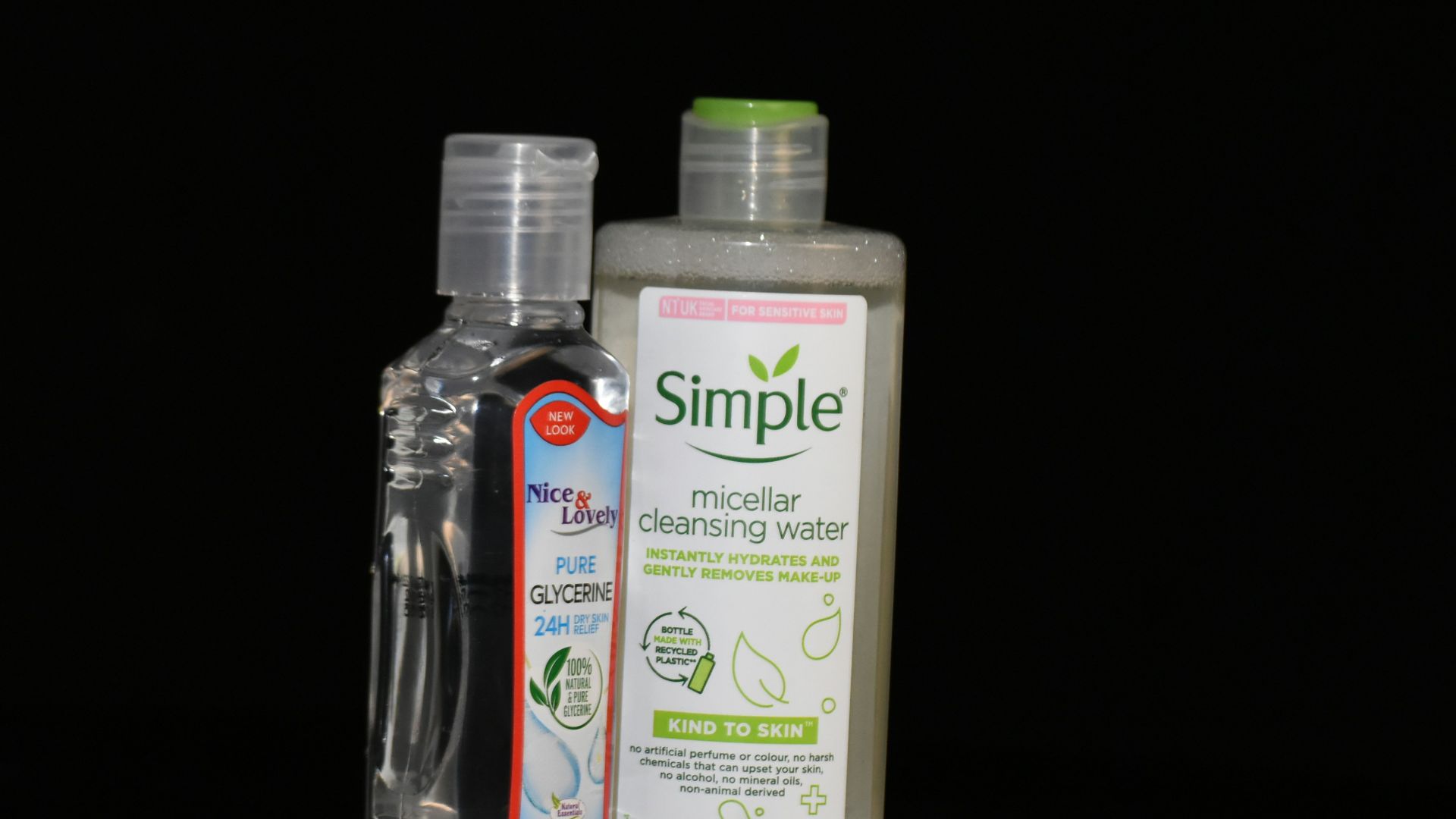
8. Fragrance-Free Micellar Water or a Gentle Makeup Remover Balm
Micellar water or balms tend to be a good first step for removing makeup before cleansing. For sensitive skin, the goal is getting makeup off without scrubbing your face until it's raw. A gentle remover can make the whole evening routine feel much less combative.
9. Products With the National Eczema Association Seal of Acceptance
If you don't want to decode every ingredient list by hand, the NEA Seal of Acceptance is actually useful shorthand. The NEA says its seal identifies products suitable for eczema and sensitive skin and that accepted products are vetted based on sensitivity, toxicity, and formulation testing data. That doesn't mean every sealed product will be perfect for every person, but it's a much better starting point than trusting the word "natural."
10. A Very Simple Three-Step Routine
A gentle cleanser, moisturizer, and sunscreen are the backbone of a good routine for sensitive skin. That may not feel as exciting as a ten-step shelf full of plant extracts, but calmer skin usually prefers less drama. If your face is reactive, one of the gentlest “products” you can try is actually restraint.