

Your Brain Never Stops Changing
Getting older doesn't necessarily mean your brain is simply slowing down or losing its abilities. In fact, your brain continues adapting throughout your life, changing how different regions communicate, process information, and respond to everyday challenges. Some of these adjustments help compensate for age-related changes, while others reflect the knowledge and experience you've gained over the decades. Although everyone's brain ages differently, researchers have identified some fascinating patterns in how our minds evolve. Here are 20 ways your brain reorganizes itself as you get older.

1. Both Sides of Your Brain Start Working Together More
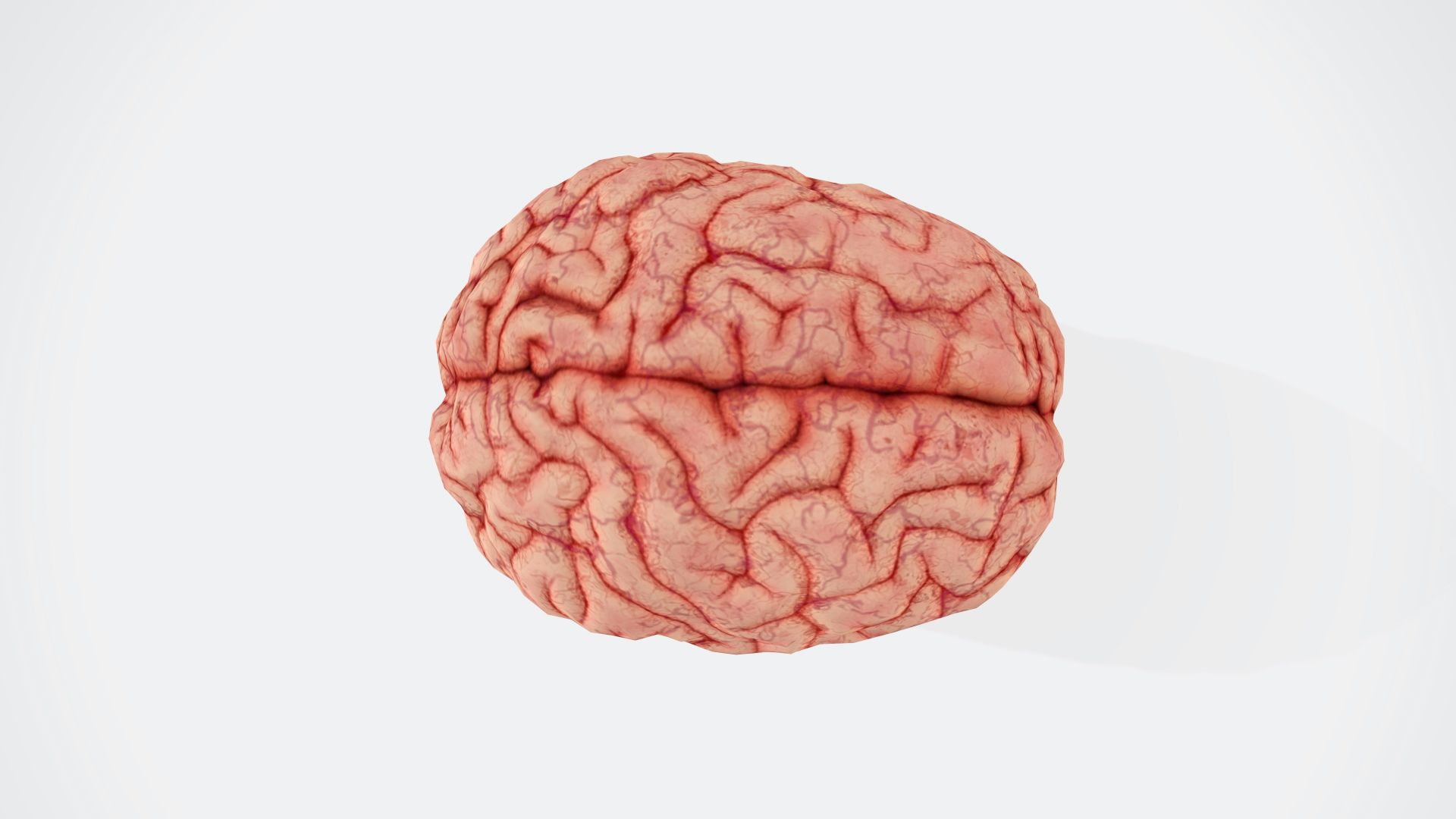
Younger adults often rely more heavily on one side of the brain when performing certain mental tasks, but that pattern can shift with age. Brain imaging studies show that older adults sometimes use corresponding regions in both hemispheres, particularly during memory and attention exercises. Researchers believe this increased cooperation may help compensate for changes in how efficiently individual brain regions function.
 BUDDHI Kumar SHRESTHA on Unsplash
2. Your Brain Recruits Additional Regions for Familiar Tasks
Activities that once required very little mental effort may involve more widespread brain activity as you get older. For example, an older adult completing a memory exercise might activate additional areas in the frontal lobes that a younger person wouldn't use as extensively. This broader recruitment can sometimes help maintain performance, although increased brain activity doesn't always mean better functioning.

3. Long-Term Knowledge Becomes More Important
While learning unfamiliar information quickly can become harder with age, your brain still holds a massive amount of knowledge gathered throughout your life. This accumulated information, sometimes called crystallized intelligence, can help you solve problems without having to examine every detail from scratch. It's one reason an experienced professional might recognize a complicated situation much faster than someone who's dealing with it for the first time.

4. Your Brain Becomes Less Specialized in Certain Areas
Different brain regions typically have somewhat distinct responsibilities, but their activity patterns can become less specialized as you age. Scientists call this phenomenon neural dedifferentiation, and it's particularly noticeable in certain sensory and cognitive systems. While this change may reduce the precision of some mental processes, it can also occur alongside increased cooperation between different parts of the brain.

5. Your Attention May Shift Toward Positive Information
One particularly interesting discovery in aging research is that older adults sometimes pay more attention to positive experiences than negative ones. Known as the positivity effect, this tendency may reflect changing emotional priorities and differences in how the brain directs attention. You certainly won't become immune to bad news, but your mind may grow more selective about which emotional experiences are worth focusing on.

6. Your Brain Relies More on Established Patterns
After decades of dealing with similar situations, your brain has plenty of familiar information to draw upon when making decisions. Instead of carefully examining every possibility, older adults may depend more on established knowledge and approaches that have worked well in the past. This can make familiar problems easier to handle, although it can sometimes make adjusting to entirely new situations a little more difficult.

7. Connections Between Brain Networks Change
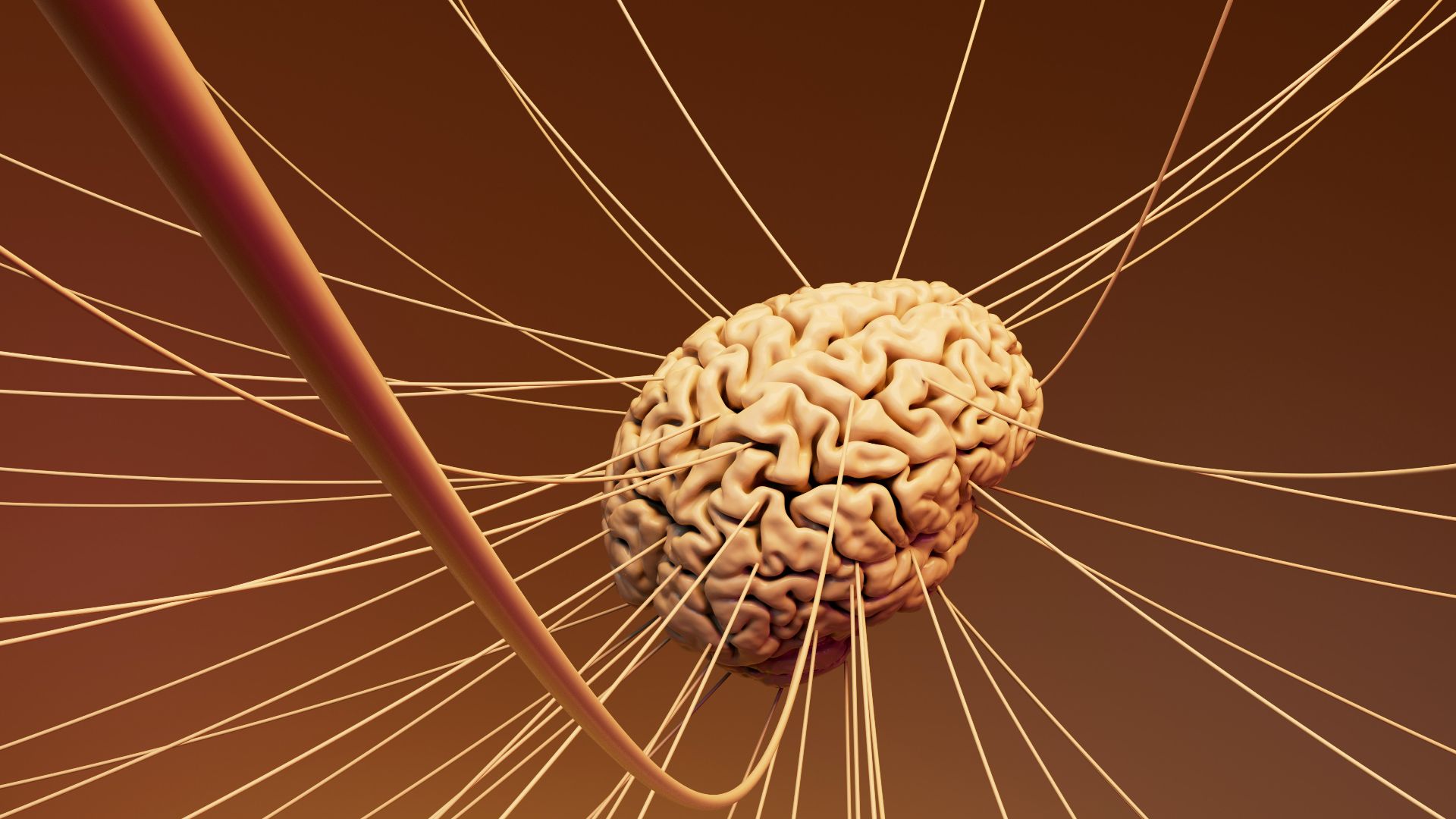
Your brain contains several large networks responsible for activities such as attention, memory, and decision-making. As you age, communication within individual networks often weakens, while connections between different networks may become stronger. Researchers are still examining how these shifts influence thinking, but they suggest that brain activity becomes less divided into separate systems over time.
8. Your Brain Adjusts How It Processes Memories
Remembering specific details, such as exactly where you left your keys, can become more frustrating as you grow older. However, your brain may increasingly rely on general meaning, familiarity, and connections to existing knowledge when processing memories. This helps explain why someone might remember the main point of a conversation perfectly while struggling to recall the exact words that were spoken.

9. Your Frontal Lobes Take on Different Responsibilities
The frontal lobes play an important role in planning, organizing, controlling impulses, and handling complicated tasks. As other parts of the brain change with age, frontal regions sometimes become more active during activities involving memory or attention. This adjustment may help some older adults maintain their cognitive abilities, although the frontal lobes themselves aren't immune to age-related changes.
10. Your Brain Can Continue Forming New Connections
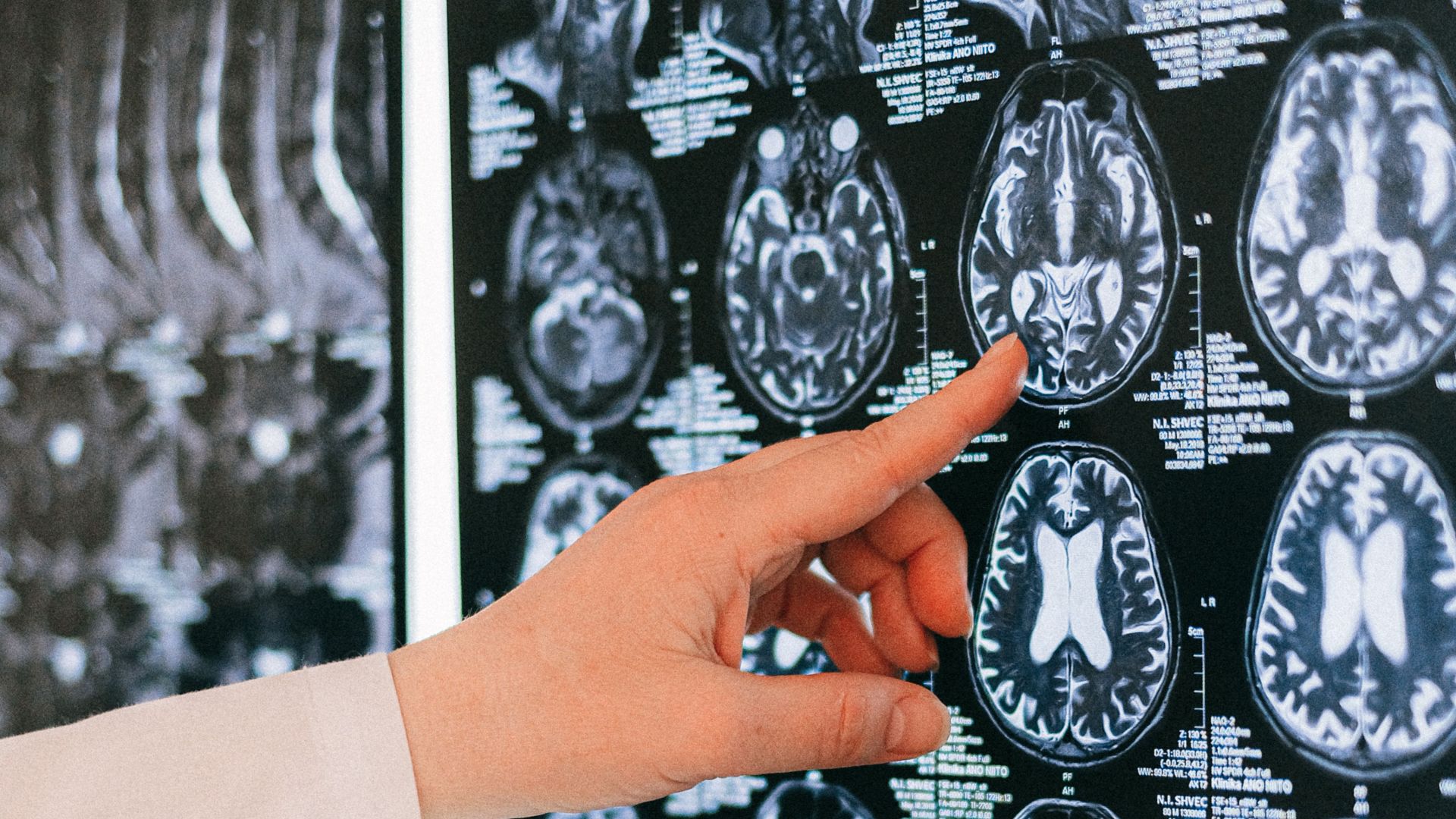
Despite the popular belief that your brain becomes fixed once you reach adulthood, it actually retains the ability to change throughout your life. This process, known as neuroplasticity, allows existing neural connections to strengthen, weaken, or reorganize in response to new experiences. Whether you're learning another language or trying to figure out unfamiliar technology, your brain can still adapt to challenges well into old age.
11. Emotional Regulation Can Become More Effective
Although certain cognitive abilities may become less efficient with age, emotional well-being doesn't necessarily follow the same pattern. Research suggests that many older adults become better at managing negative emotions, partly because they approach situations with different priorities and coping strategies. Changes in attention and activity within emotion-related brain networks may also contribute to this improvement, although everyone's experience is different.

12. Your Brain Changes How It Handles Distractions
Ignoring irrelevant information can become more difficult as the brain's attention-control systems change over time. Older adults sometimes struggle more with filtering out background conversations, unnecessary visual details, or competing information. To compensate, they may depend more on deliberate concentration and familiar routines to keep their attention on important tasks.

13. Your Brain's Communication Speed Can Slow Down
The white matter connecting different brain regions often undergoes structural changes with age, including changes to the protective myelin surrounding nerve fibers. These developments can make communication between certain areas less efficient, contributing to slower information processing. However, taking a little longer to respond doesn't automatically mean you're understanding less, especially when you have enough time to think things through.

14. Your Brain Becomes More Dependent on Context
When you're younger, recalling information may depend more heavily on remembering the specific event where you first encountered it. As people age, they sometimes rely more on contextual clues, existing knowledge, and familiar associations to retrieve information. That's why someone's name might suddenly come back to you once you remember where you met them or what the two of you talked about.

15. Your Brain's Resting Activity Changes
Even when you're relaxing and seemingly doing nothing, several brain networks remain busy in the background. One of these, called the default mode network, is associated with processes such as thinking about yourself and recalling personal experiences. Connections within this network often shift as people age, potentially influencing how the brain coordinates internal thoughts and memory-related activity.
16. Your Brain Can Reorganize Through Physical Exercise
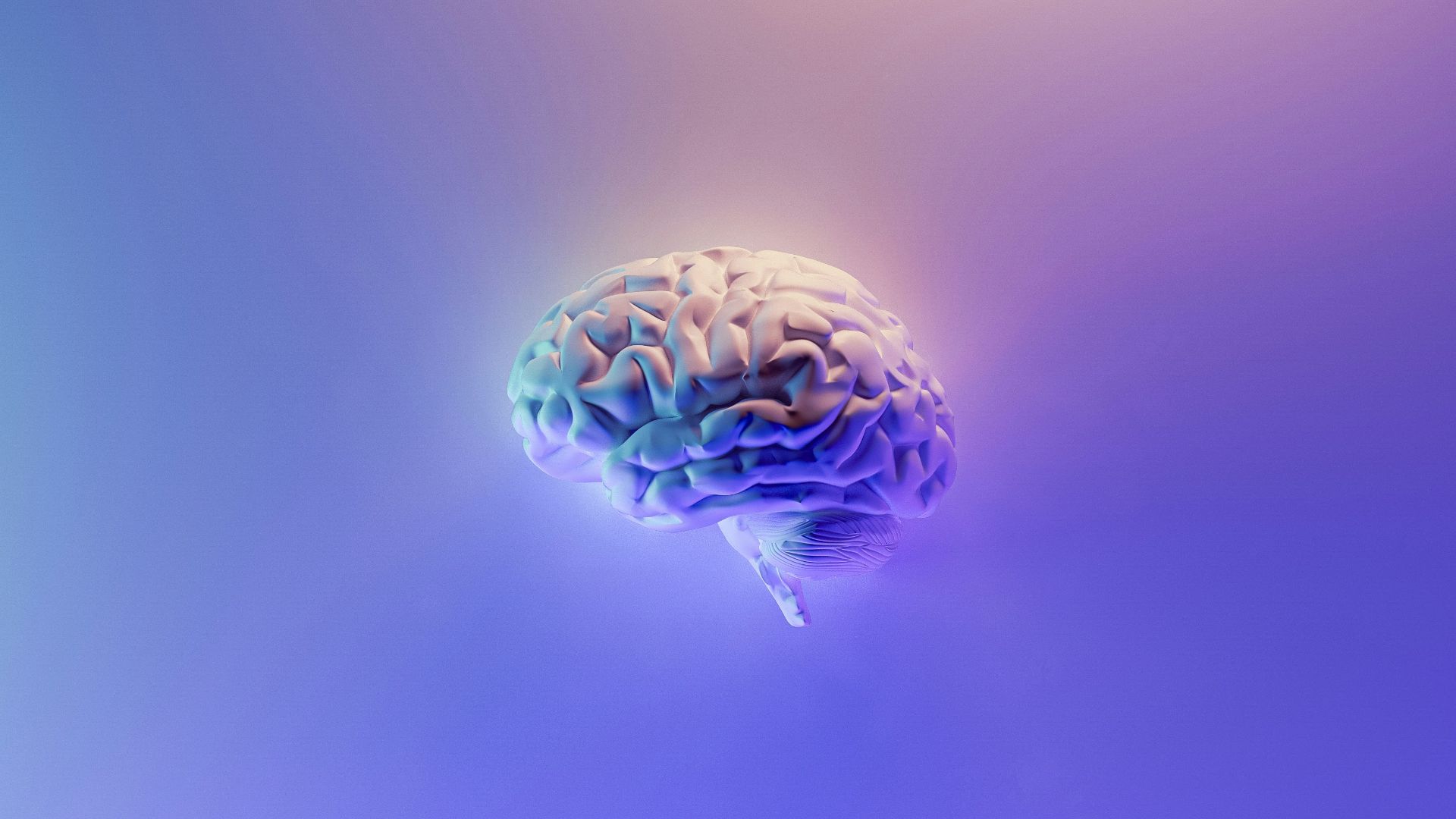
Physical activity doesn't just benefit your muscles and cardiovascular system, since it can also affect how your brain functions. Studies suggest that regular aerobic exercise can support brain plasticity and may improve certain aspects of memory and executive functioning in older adults. Changes in blood flow, neural connections, and brain network activity help explain why staying physically active can be so beneficial for cognitive health.

17. Your Brain May Prioritize Meaning Over Small Details
Older adults sometimes have more trouble remembering precise details, but they can remain remarkably good at understanding the overall significance of information. Rather than holding onto every individual fact, memory processing may increasingly favor broader meaning and connections between ideas. This can come in handy when making sense of complicated experiences, although it may occasionally lead someone to confidently remember details that weren't actually there.

18. Your Brain Adapts to Changes in Sensory Information
Vision and hearing commonly change with age, which can influence how your brain interprets information from the world around you. When sensory signals become less clear, the brain may dedicate additional attention and cognitive resources to understanding what you're seeing or hearing. For example, keeping up with a conversation in a noisy restaurant might require considerably more concentration than it did when you were younger.
 Centre for Ageing Better on Unsplash
19. Learning New Skills Creates Fresh Activity Patterns
Even if mastering something unfamiliar takes longer than it did in your twenties, your brain can still reorganize itself through practice. Learning a musical instrument, taking up dancing, or studying a new language can strengthen connections involved in movement, memory, and attention. Research suggests that older adults maintain meaningful learning-related plasticity, although the extent of these changes depends on the activity and the individual.

20. Your Brain Develops Its Own Aging Pattern
Perhaps the most fascinating thing about brain aging is that it doesn't happen the same way for everyone. Genetics, physical health, education, personal experiences, and lifestyle can all influence how different brain regions and networks change over time. Some people maintain impressively strong memory and thinking abilities into their eighties and beyond, showing just how much the aging process can vary. Ultimately, your brain's organization continues to reflect both your biology and everything you've experienced throughout your life.

KEEP ON READING

20 Ways Perimenopause Changes Fitness and Appetite


20 Unhealthy Obsessions People Have

20 Gut-Friendly Fermented Foods For Everyday Meals