Your Body Reacts Before You Have Time to Think
Your brain is constantly watching for signs that something might be wrong, and when it senses a threat, your body can change surprisingly fast. It doesn't always matter whether the danger is a speeding car, an angry dog, a frightening noise, or simply a situation your brain has decided feels unsafe. Your nervous system quickly shifts resources toward whatever might help you survive the moment, sometimes before you've even figured out what's happening. Here are 20 strange things your body does when it thinks you're in danger.

1. Your Heart Starts Beating Faster
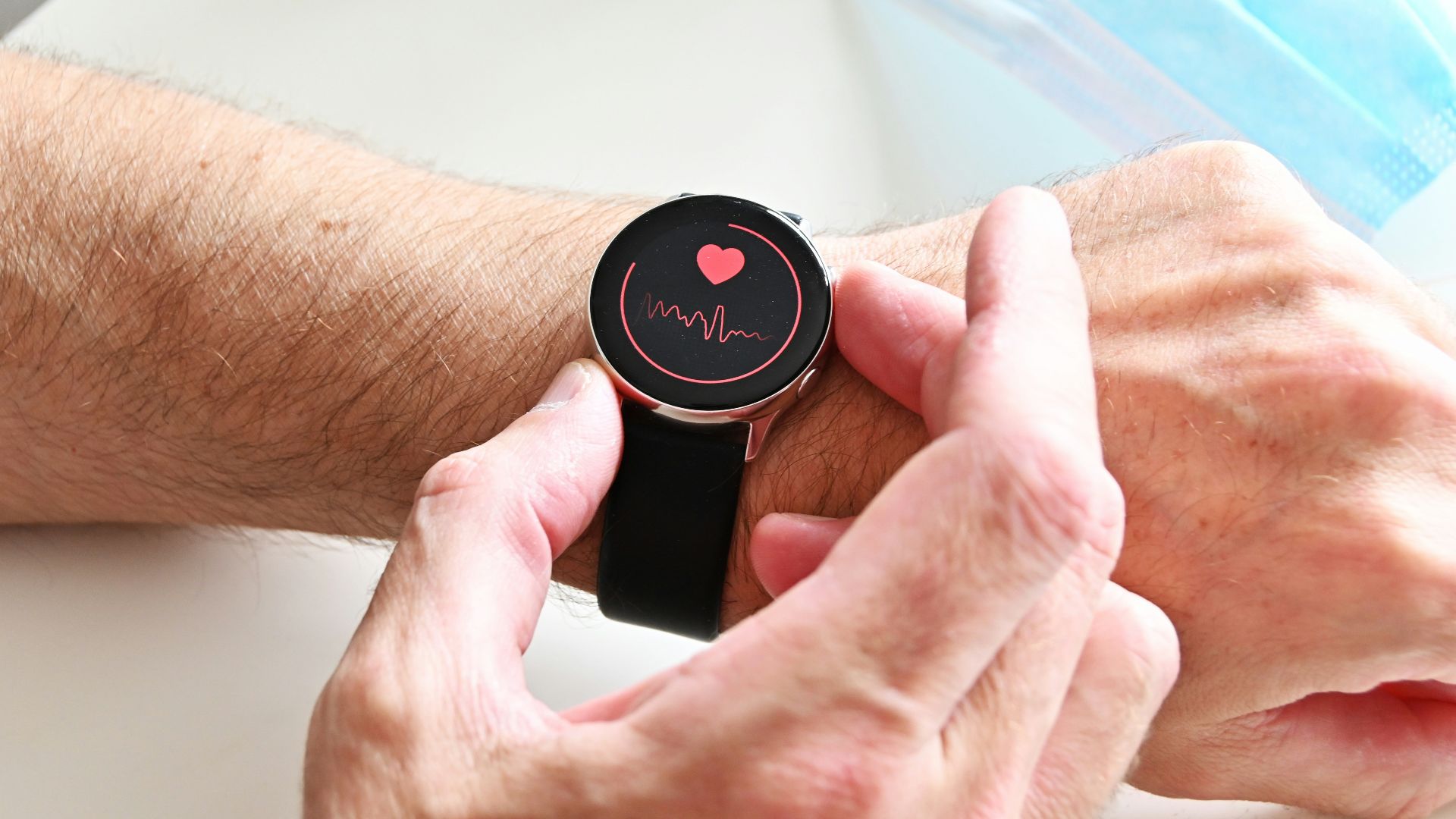
One of the first changes you might notice is your heart suddenly pounding in your chest. Stress hormones such as adrenaline signal your cardiovascular system to work harder so more oxygen-rich blood can reach your muscles and other important organs. Your pulse can climb remarkably quickly, even if the danger turns out to be nothing more than an unexpected noise downstairs.
2. Your Breathing Speeds Up
When your brain senses trouble, you may start breathing faster without consciously deciding to do it. Quicker breathing brings additional oxygen into your body so your muscles are ready for sudden movement. This is also why intense fear can leave you feeling slightly lightheaded, especially if your breathing becomes unusually rapid.

3. Your Pupils Get Bigger
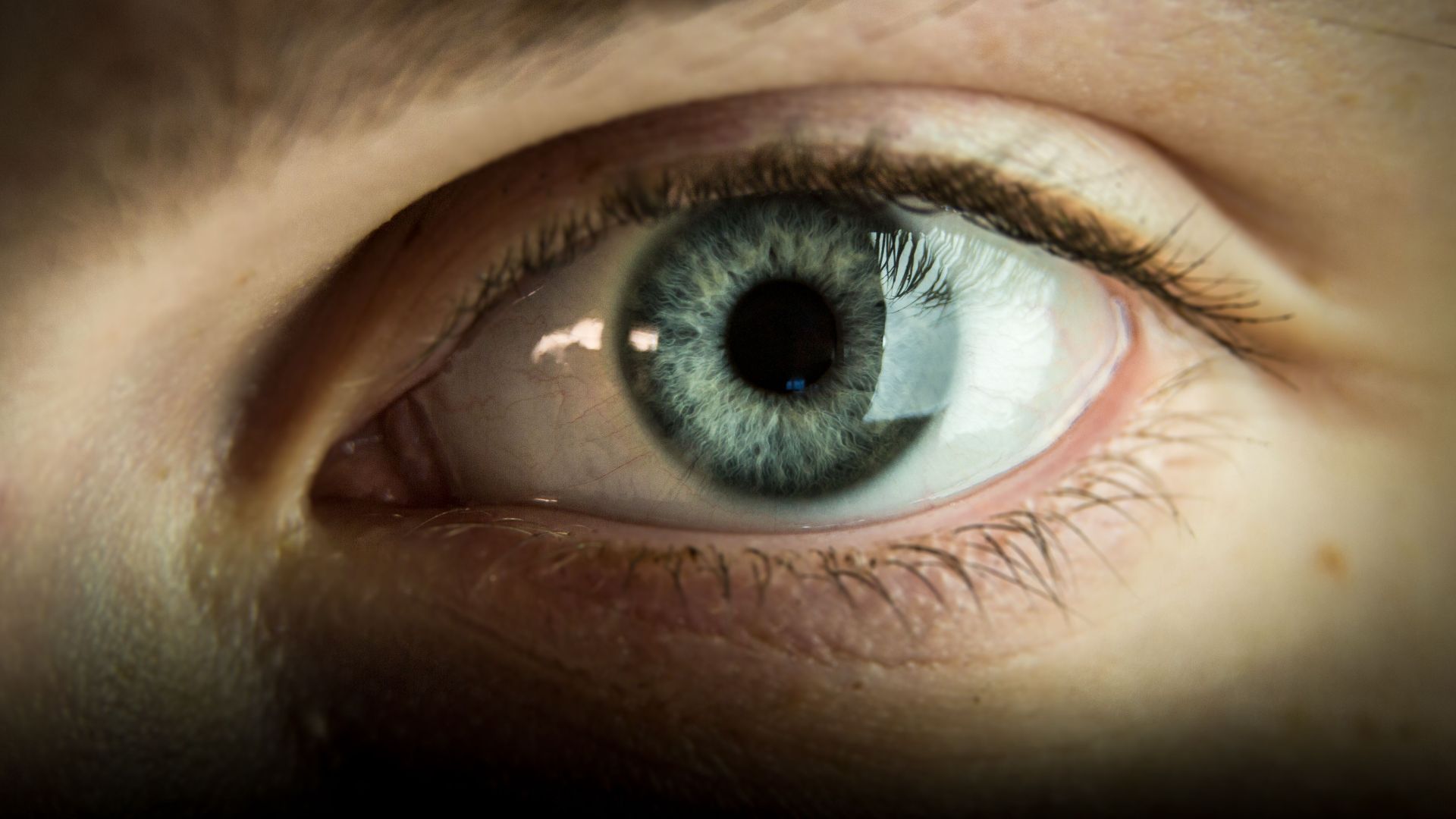
Fear can literally change the appearance of your eyes. Your pupils may dilate as your sympathetic nervous system becomes more active, allowing more light to enter and potentially helping you take in more information about your surroundings. You probably won't notice it happening in the moment, since you'll likely have more important things on your mind.
4. Blood Moves Toward Your Muscles
Your circulation doesn't stay evenly distributed when your body believes an emergency is underway. More blood can be directed toward muscles that may soon need to run, fight, climb, or otherwise get you away from trouble. At the same time, processes that aren't immediately necessary for survival can temporarily receive less attention.
5. Your Muscles Tense
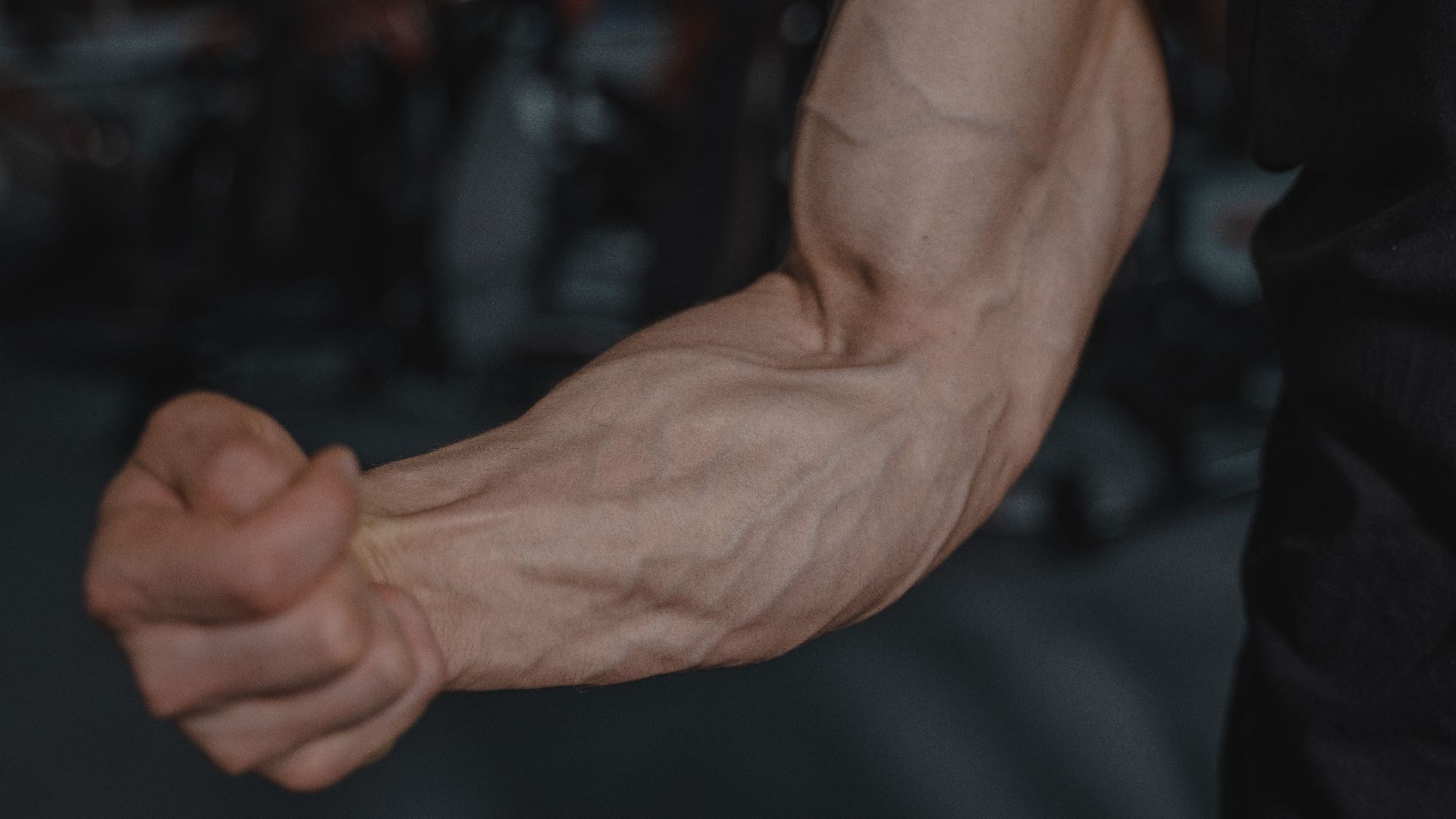
That sudden stiffness you feel when you're startled isn't happening for no reason. Muscles throughout your body can tighten as they prepare for possible movement, particularly around your shoulders, neck, jaw, and legs. If the stressful situation continues for a while, that tension may stick around even after the immediate threat is gone.
6. You Start Sweating
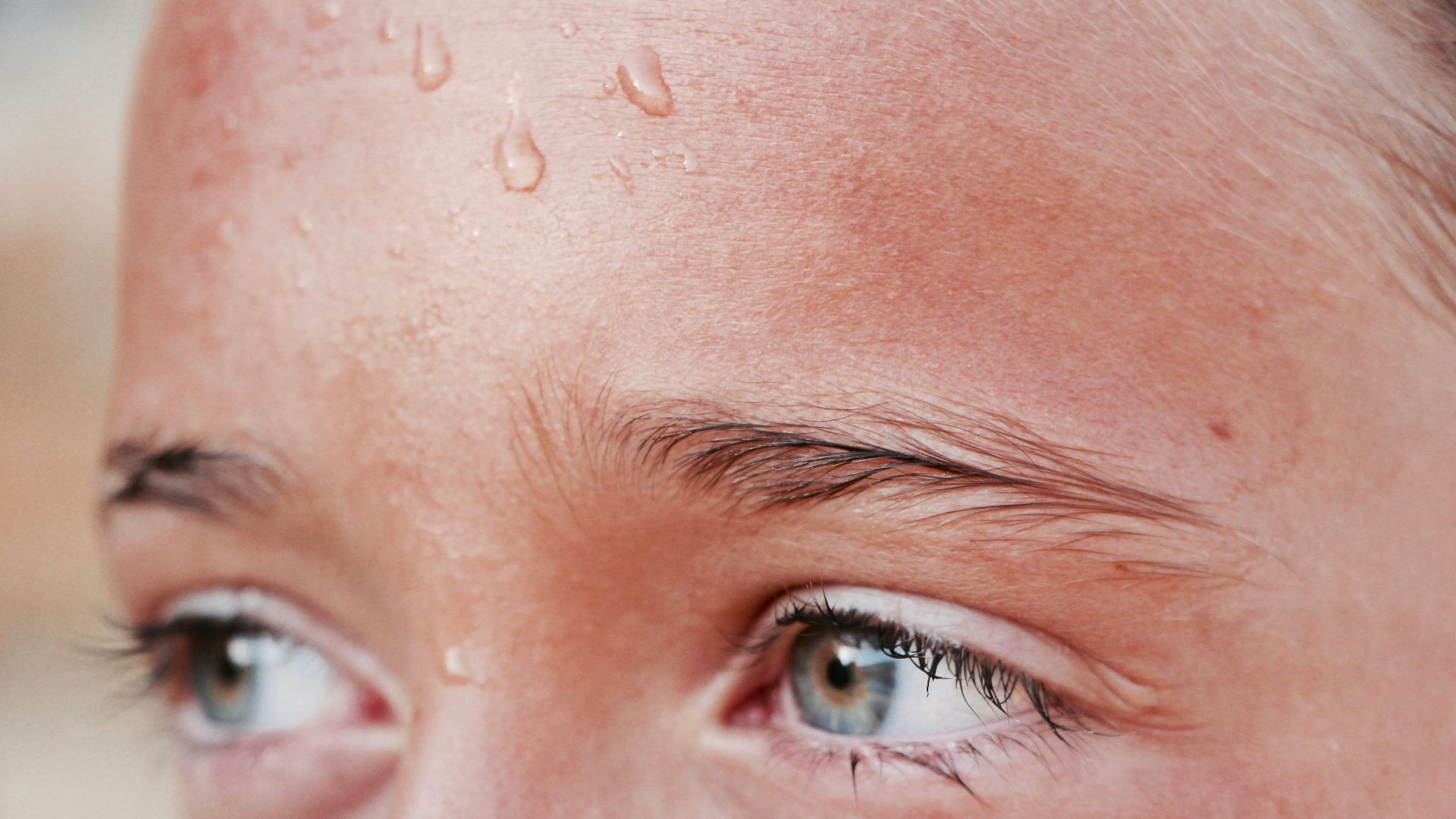
You don't need to be exercising or standing somewhere hot for sweat to suddenly appear. Stress activates sweat glands, particularly those around your palms, feet, forehead, and underarms. Sweating helps your body deal with the extra heat that can come with increased physical activity, even when the activity you're preparing for never actually happens.
7. Your Digestion Slows Down
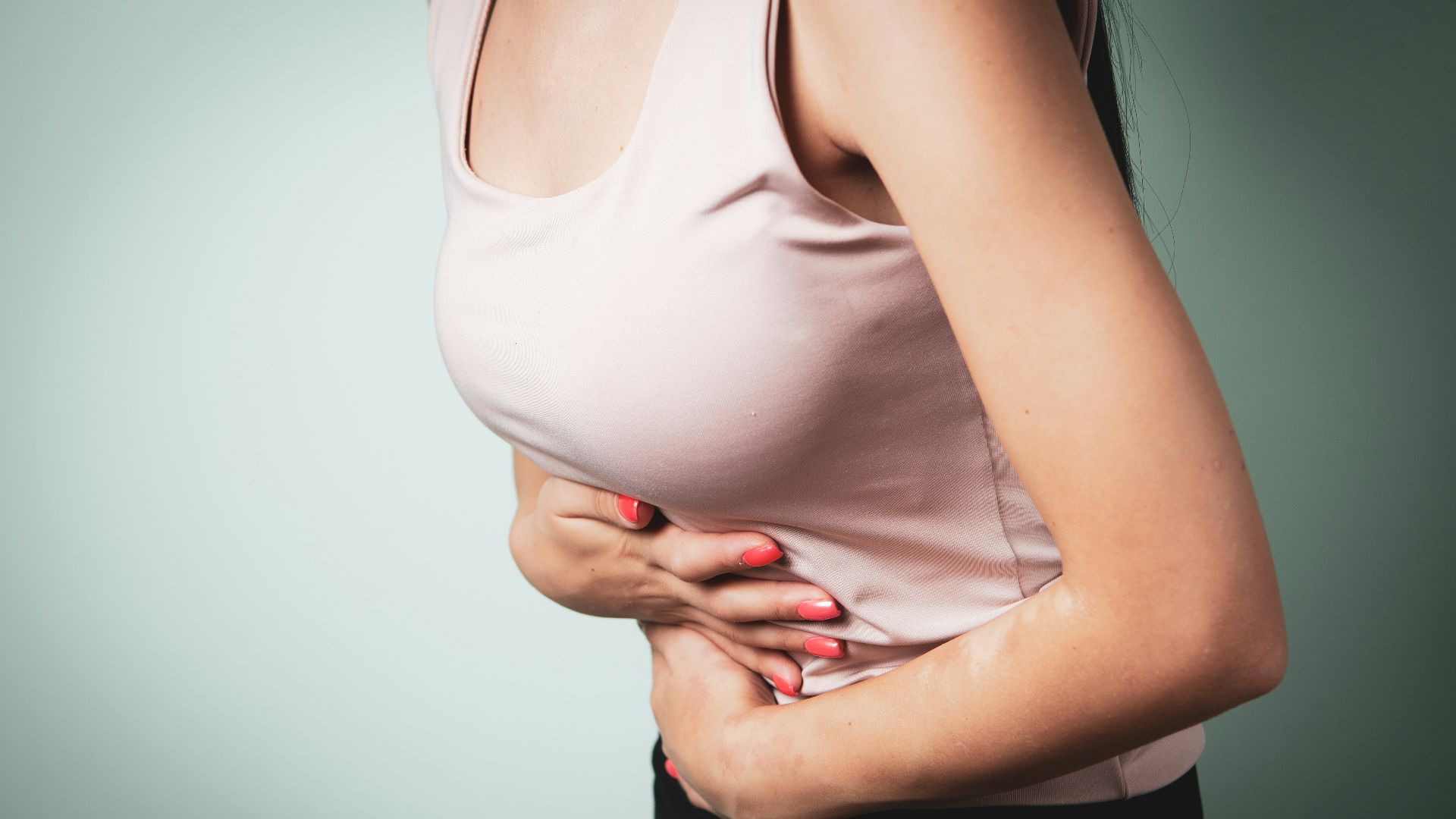
Your body isn't especially concerned with efficiently digesting lunch when it believes you may need to escape danger. During the stress response, digestion can slow as energy is redirected toward systems considered more immediately useful. That's one reason fear and intense anxiety can cause strange stomach sensations, nausea, or a sudden loss of appetite.
8. Your Mouth Gets Dry
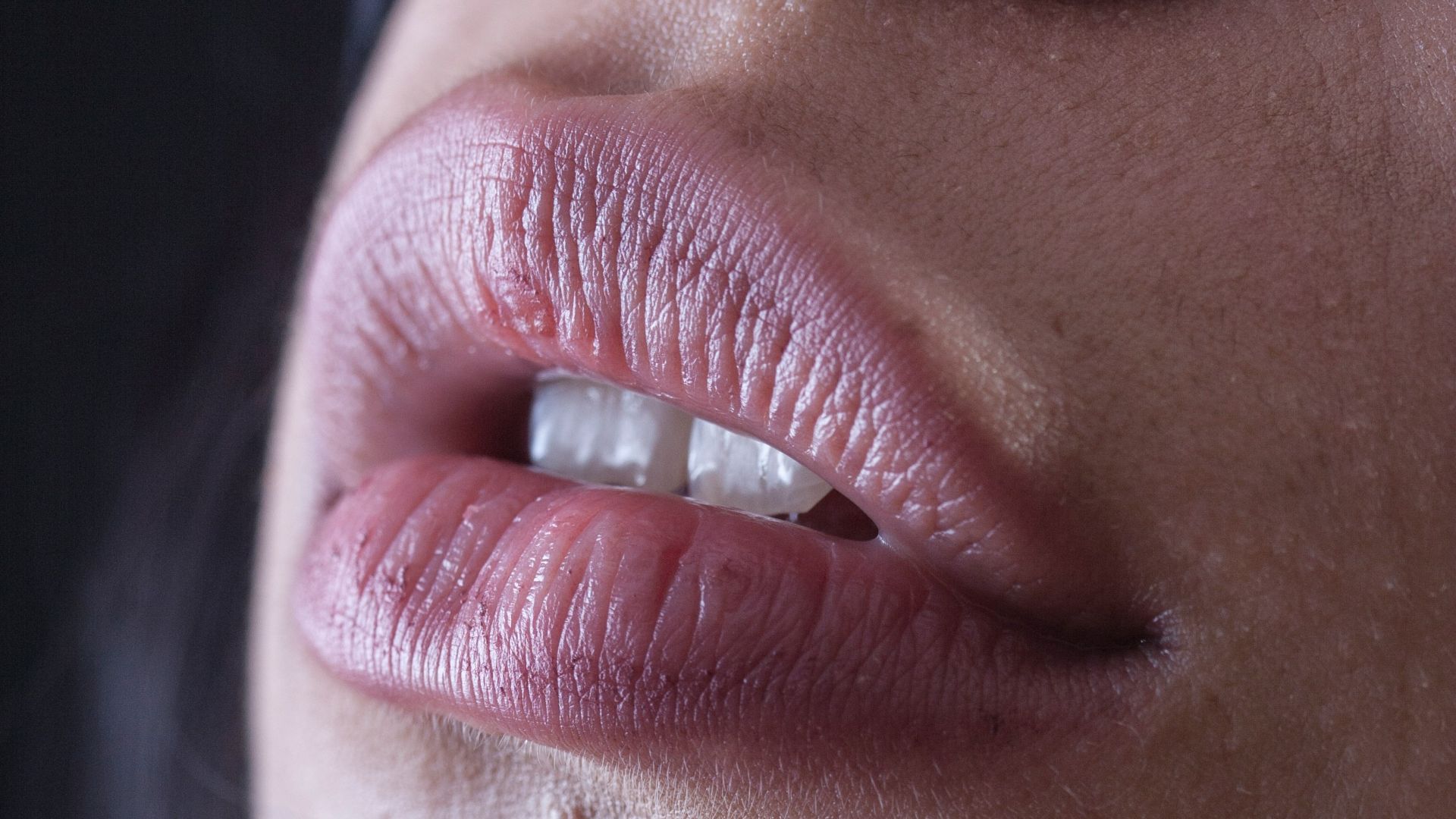
A frightening moment can make it feel as though every drop of moisture suddenly disappeared from your mouth. Stress can reduce saliva production as your autonomic nervous system shifts into emergency mode. The result can make swallowing or speaking feel unusually difficult, which isn't exactly helpful when you're already nervous.
9. Your Skin May Turn Pale
Some people noticeably lose color when they're frightened, and there's a physiological reason for it. Blood vessels near the skin can constrict as circulation is prioritized elsewhere in the body. That reduced blood flow near the surface can leave your face looking paler than usual until your nervous system starts settling down again.

10. Your Hands May Start Shaking
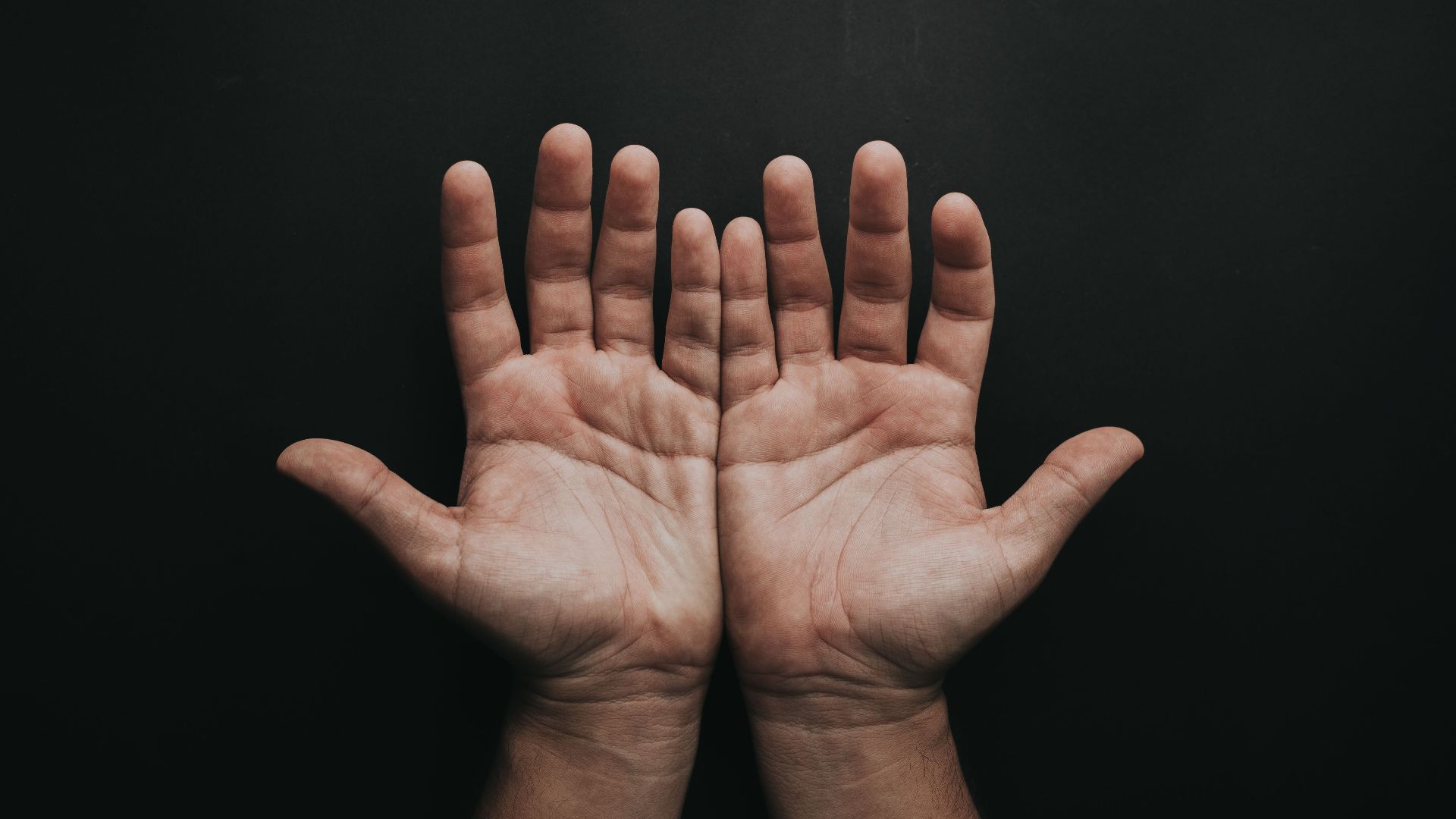
If you've ever tried holding something right after a major scare, you may have noticed your hands weren't exactly steady. A rush of adrenaline, increased muscle tension, and rapid changes throughout your nervous system can all contribute to trembling. The shaking may continue briefly even after you realize you're safe because your body needs time to come down from its heightened state.
11. Your Hearing Can Seem Sharper
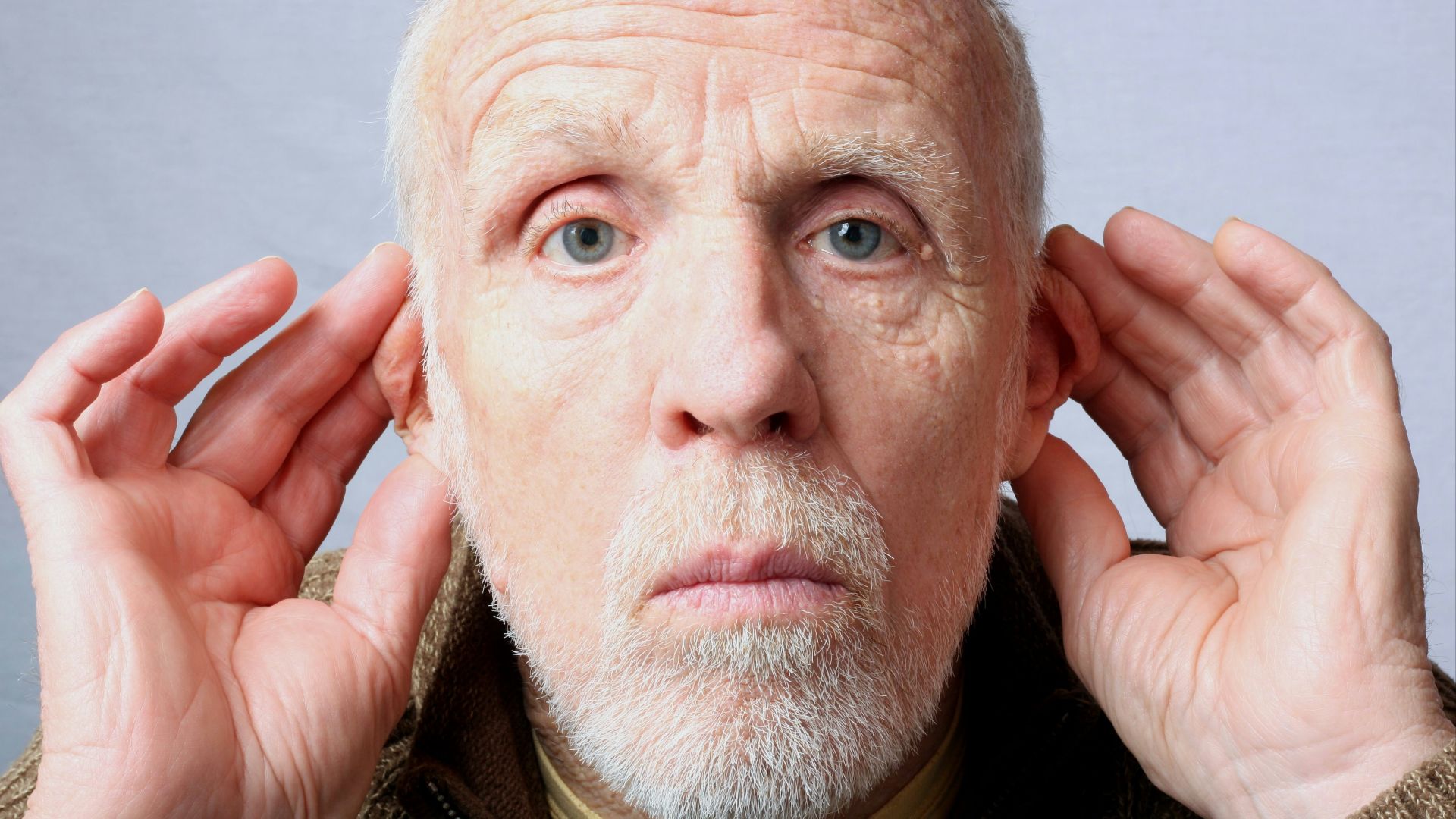
A suspicious sound can suddenly become the most important thing in your environment. During moments of fear, your attention may become intensely focused on noises that could reveal where a potential threat is coming from. This doesn't necessarily mean your ears physically become better; your brain is simply giving certain sounds much more attention.
12. Your Attention Narrows
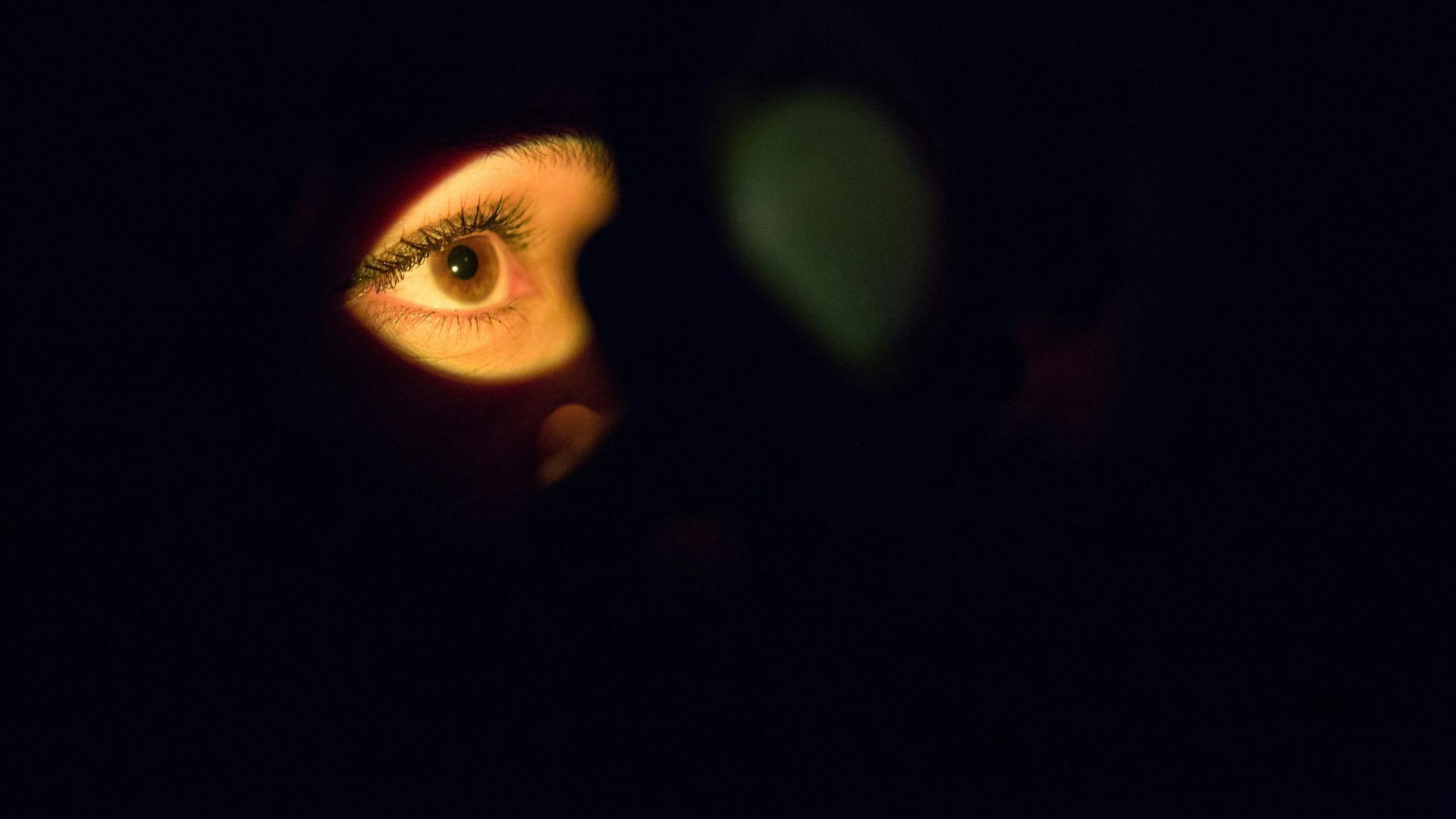
Danger has a way of making everything unrelated to the situation seem temporarily unimportant. Your brain can focus heavily on whatever appears threatening while filtering out details that would normally catch your attention. That narrowed focus can be useful during an emergency, although it also means you may overlook things happening around you.
13. Your Pain Can Temporarily Feel Weaker
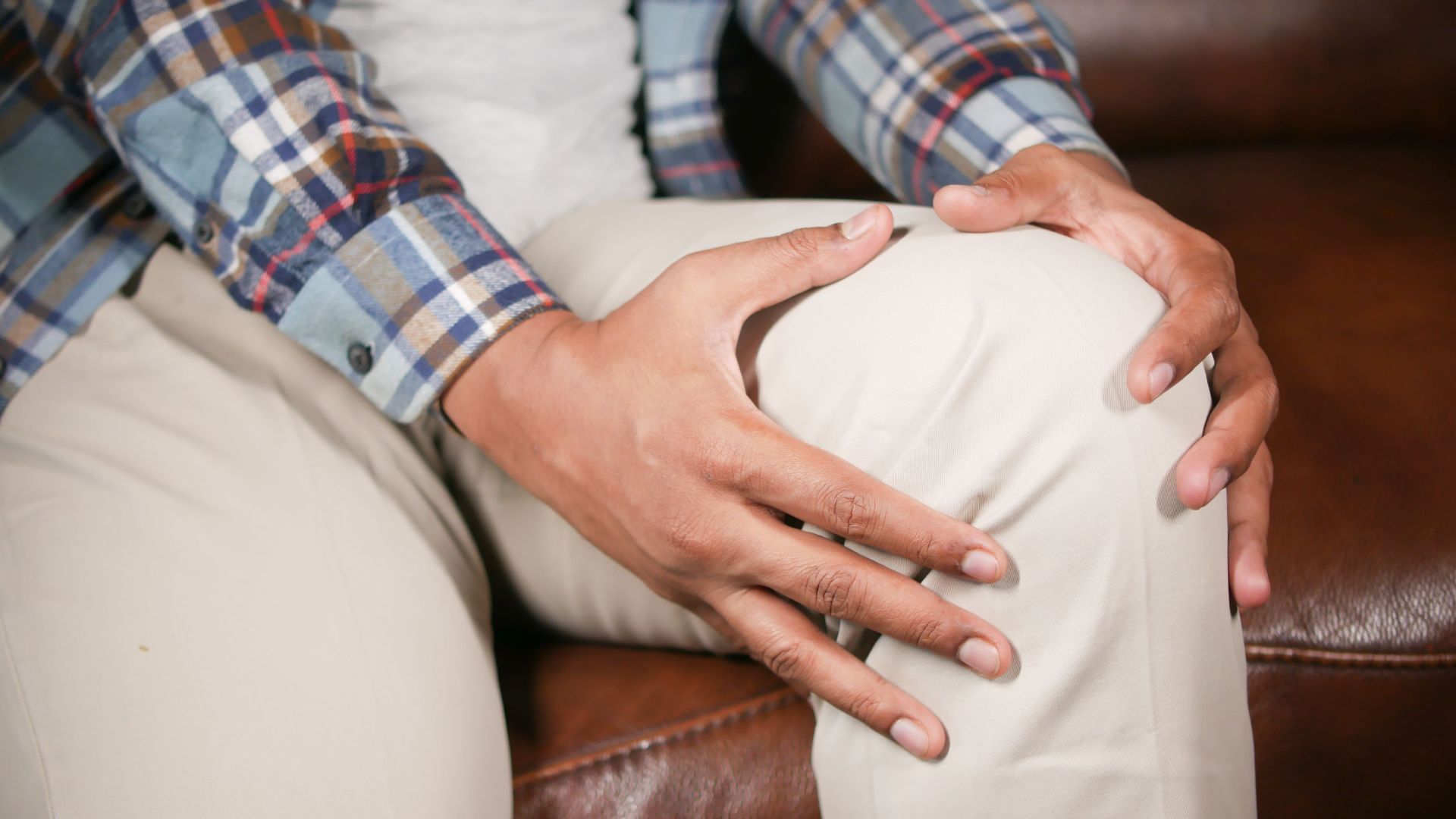
People sometimes don't realize they've been injured until after a frightening situation has passed. Stress hormones and the body's natural pain-control systems can temporarily reduce how strongly certain injuries are felt. Once the emergency response begins fading, however, that previously ignored scrape, bruise, or sore muscle may suddenly become much harder to miss.
14. You May Get Goosebumps
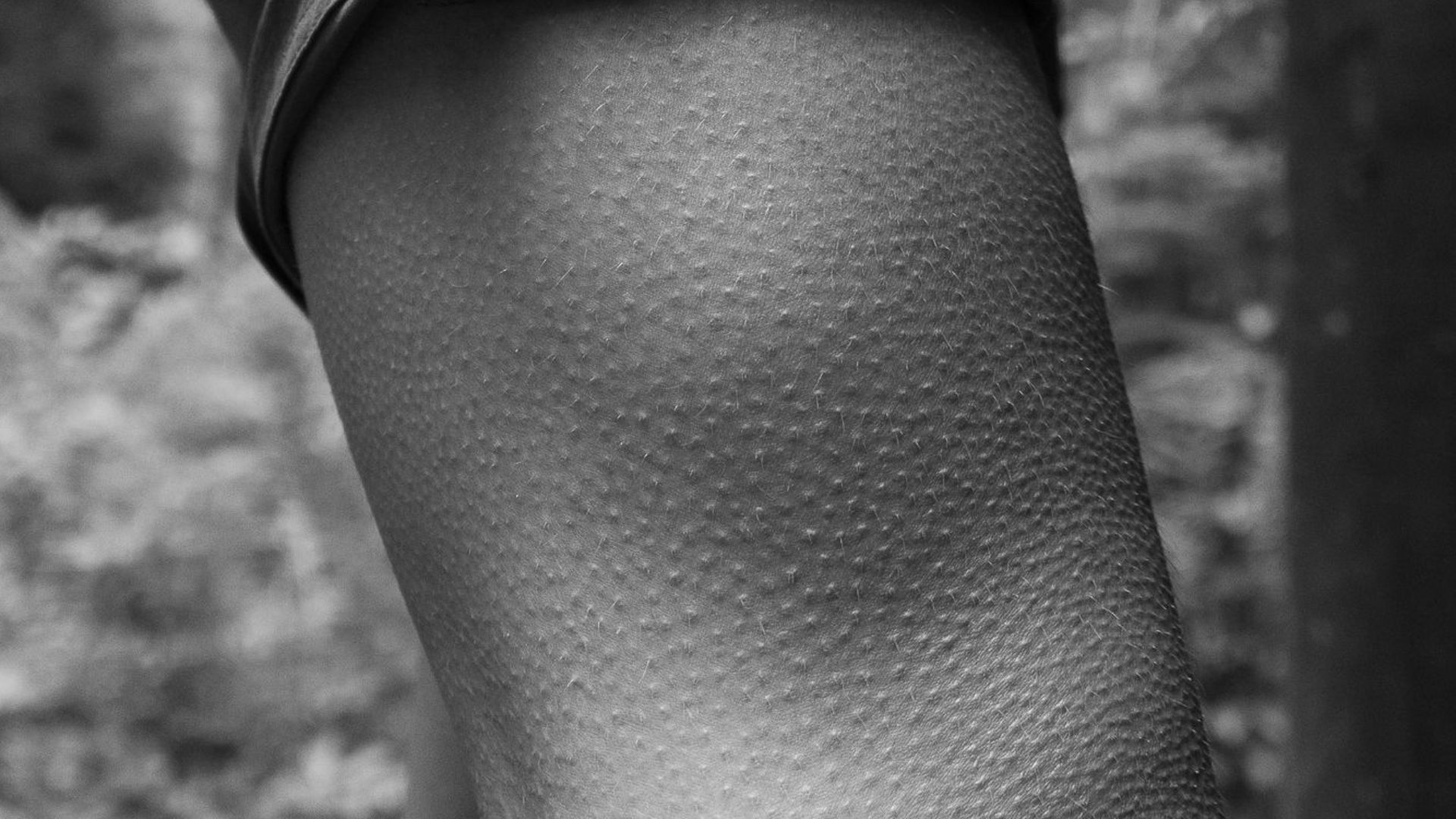
Goosebumps aren't limited to cold weather or emotional movie scenes. Stress and fear can cause tiny muscles attached to your hair follicles to contract, making the hairs stand slightly upright. The response isn't particularly useful for relatively hairless humans today, but it's still part of the body's automatic reaction to intense situations.
15. Your Blood Sugar Can Rise
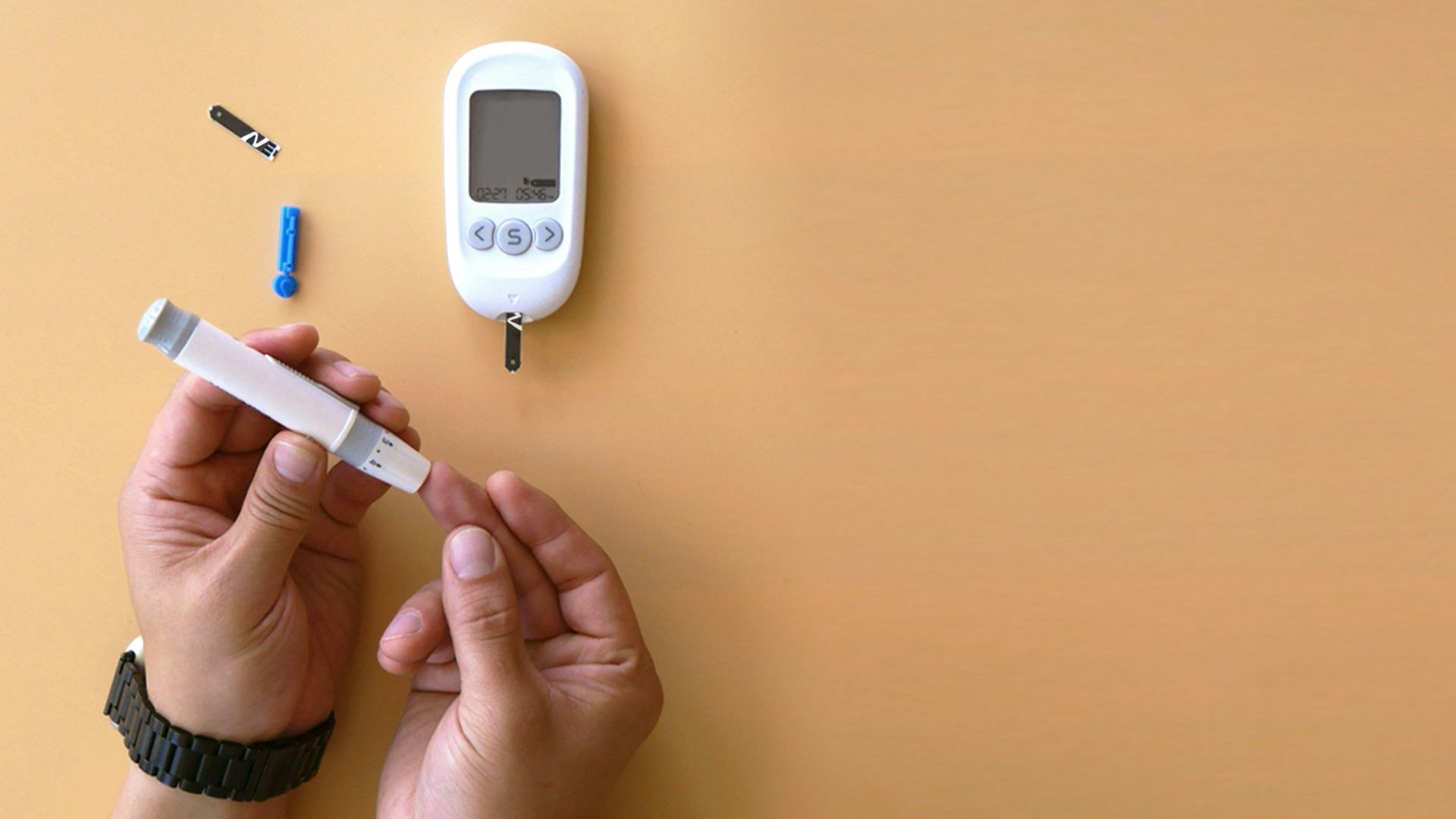
Preparing for danger requires readily available energy, so your body may release more glucose into your bloodstream. Hormones involved in the stress response help make that fuel accessible to muscles and other tissues that could soon need it. You're basically being given a quick supply of usable energy whether you end up sprinting away or simply standing there trying to figure out what made that noise.
16. Your Memory Can Become Unusually Vivid
Frightening experiences sometimes stick in your mind with surprising detail. Stress hormones interact with brain regions involved in memory, potentially strengthening your recollection of emotionally important parts of an event. Memory still isn't a perfect recording, though, and intense stress can also distort or weaken certain details.
17. You Might Suddenly Need the Bathroom
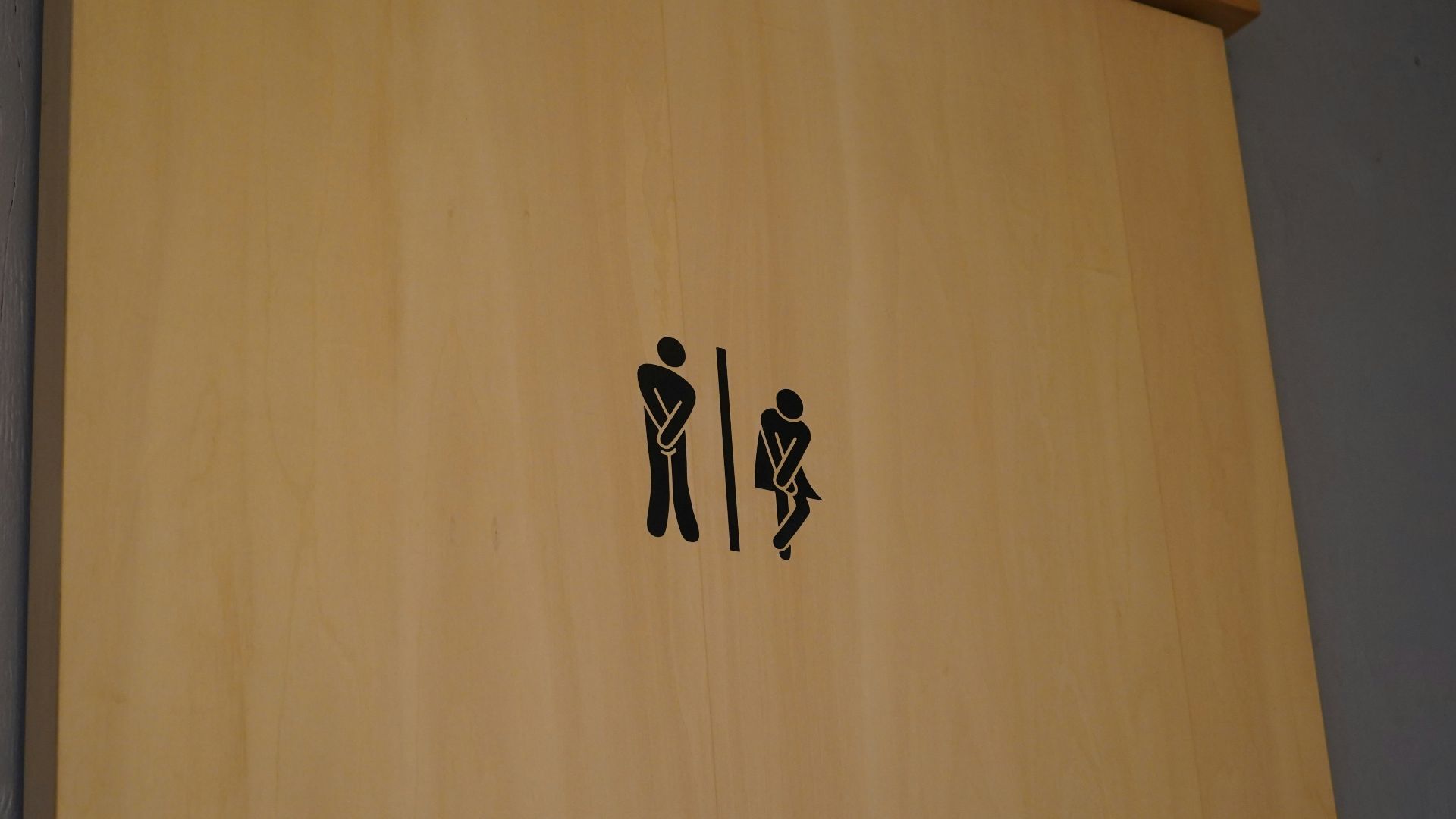
Fear doesn't always produce the most dignified bodily responses. The rapid shift in nervous-system activity can affect your bladder and digestive tract, potentially creating a sudden urge to use the bathroom. It's an awkward sensation, but it's another example of how dramatically stress can alter normally automatic bodily functions.
18. Time May Seem to Slow Down
A few frightening seconds can sometimes feel much longer than they actually were. Increased attention and heightened brain activity may cause you to process more details than you normally would during an ordinary moment. Looking back, that dense collection of information can make the event feel as though it happened in slow motion, even though time itself obviously didn't change.
19. You Can Freeze Instead of Running
Despite the famous idea of "fight or flight," your body has more than two possible responses to danger. Some people temporarily freeze, becoming unusually still while their brain works out what's happening and what action might be safest. It's an automatic defensive reaction rather than a conscious choice to do nothing.

20. You May Feel Exhausted Once It's Over
After all that heightened activity, returning to normal can feel surprisingly draining. Your heart rate, breathing, muscle tension, and stress-hormone levels gradually settle as the parasympathetic nervous system helps your body recover. That's why a stressful scare can leave you shaky, tired, or strangely sleepy even if you barely moved during the entire experience.
KEEP ON READING


20 Natural Ways You Can Boost Your Immune System

20 Ways To De-stress & Relax After Work
The 10 Most Common Diseases & The 10 Most Rare