Feeling Anxious?
Anxiety doesn’t always get worse because of one huge, obvious cause. A lot of the time, it builds through small habits that seem harmless on their own but leave you feeling more tense, overstimulated, or emotionally worn down over time. If you’ve been feeling more on edge than usual, these 20 everyday patterns may be playing a bigger role than you think.

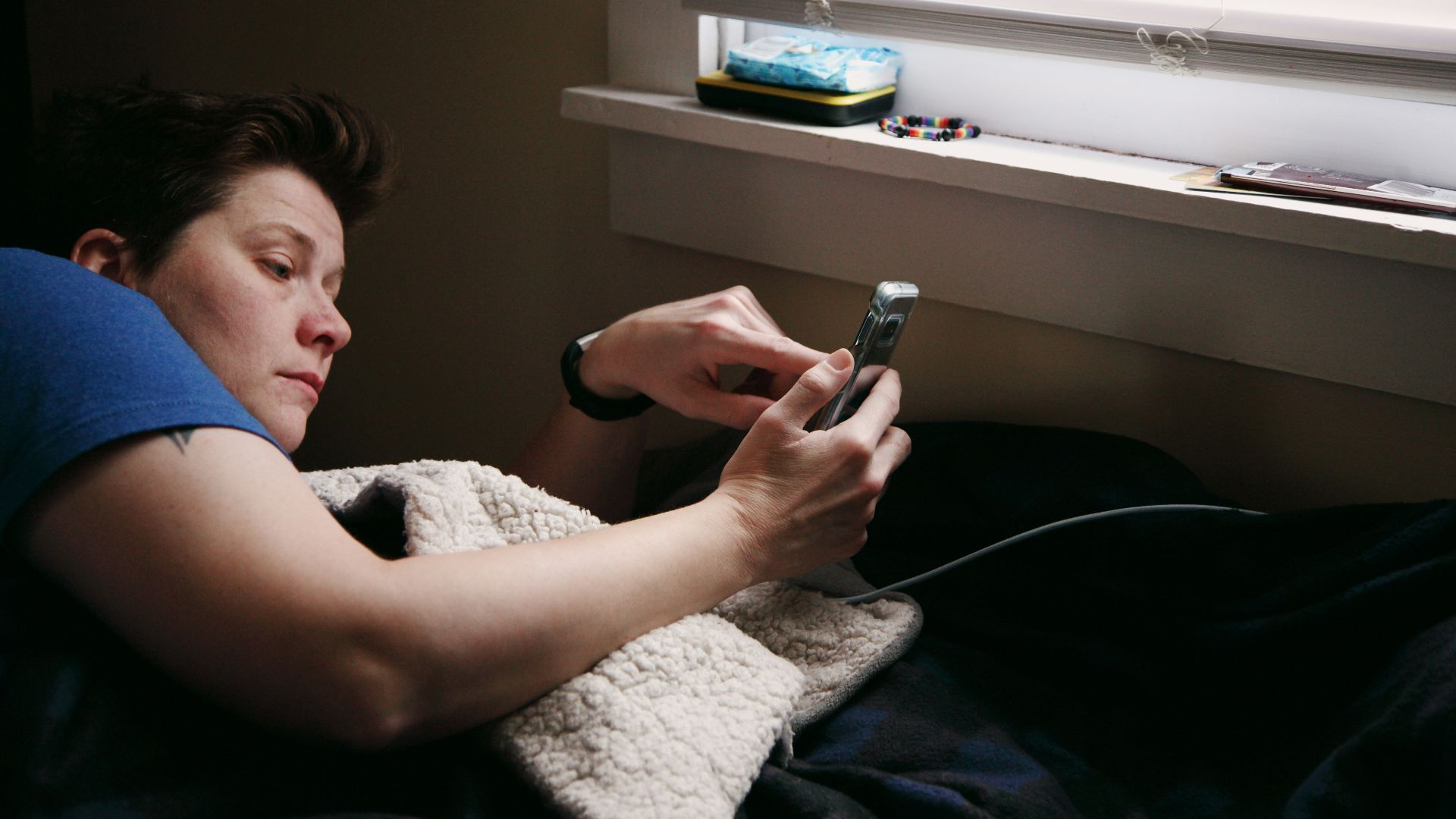
1. Checking Your Phone Right When You Wake Up
Starting the day by diving straight into texts, emails, and notifications can put your nervous system on high alert before you’ve even gotten out of bed. Instead of easing into the morning, you’re immediately reacting to other people’s demands. That kind of rushed start can leave you feeling behind before your day has really begun.
2. Drinking Too Much Caffeine
Caffeine can be helpful in moderation, but it can also mimic the physical sensations of anxiety in a very convincing way. A racing heart, shaky hands, and that restless feeling in your chest aren't always a sign that something is deeply wrong. Sometimes your body is just reacting to more stimulation than it can comfortably handle.

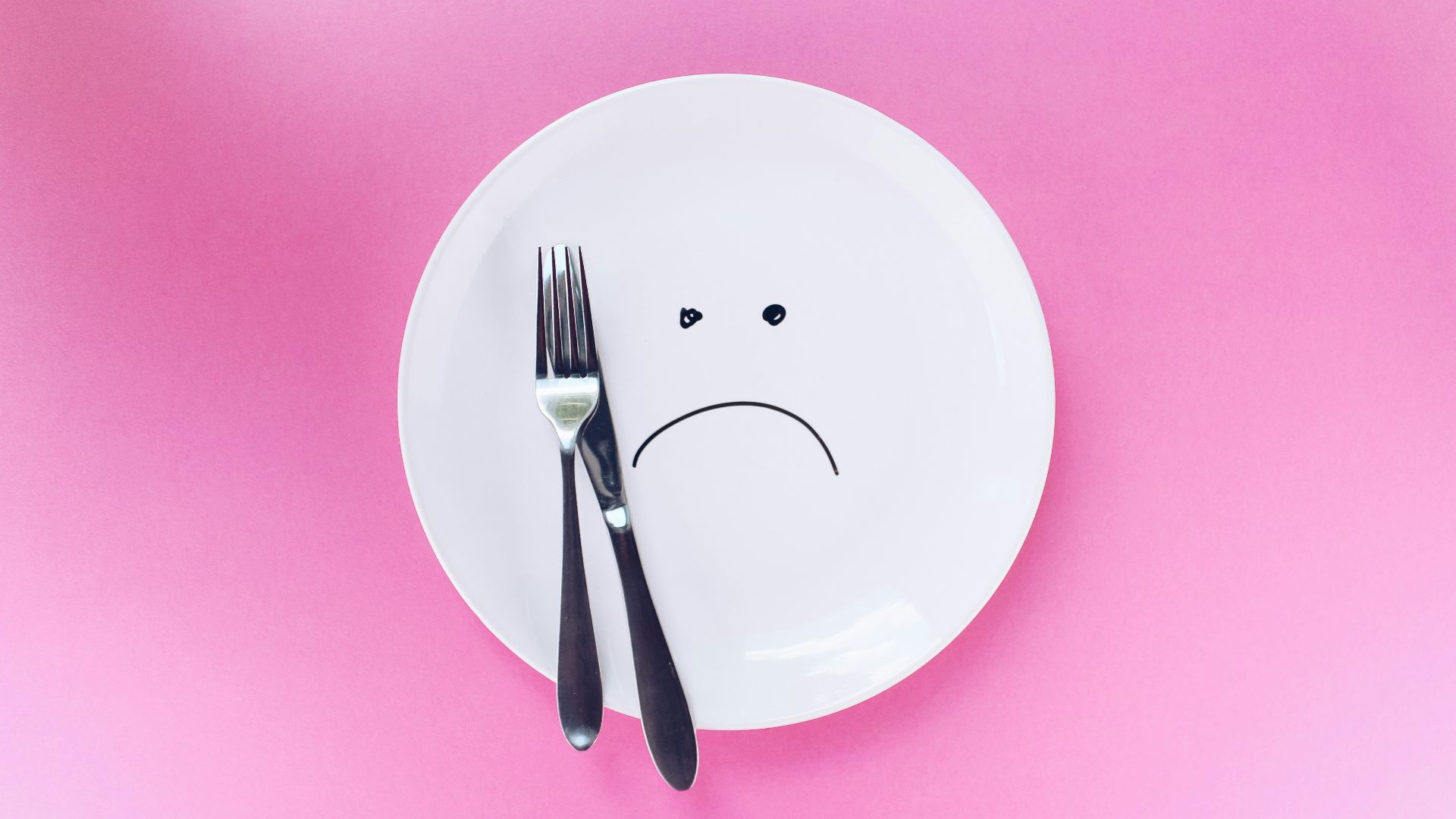
3. Skipping Meals
When you go too long without eating, your blood sugar can drop and leave you feeling irritable, shaky, and mentally off. Those sensations can easily blur into anxiety, especially if your body already tends to respond strongly to stress. Feeding yourself consistently may sound basic, but it's easy to overlook on a busy day, and matters more than people like to admit.
4. Doomscrolling
Scrolling through upsetting news, arguments, and disaster-filled headlines rarely calms anybody down. Even when you tell yourself you’re just staying informed, your brain may be absorbing a steady stream of threat signals. After a while, that can make the world feel more dangerous and immediate than it really is in your own daily life. Anxiety tends to grow when your attention keeps getting pulled toward the worst possible thing.

5. Saying Yes to Things You Don’t Have the Energy For
Overcommitting can look responsible on the outside while quietly making you miserable underneath. When you keep agreeing to plans, favors, and obligations you don’t actually have room for, your body often pays the price. You may find yourself feeling tense all week because you never gave yourself enough space to breathe.
 Priscilla Du Preez 🇨🇦 on Unsplash
6. Not Getting Enough Sleep
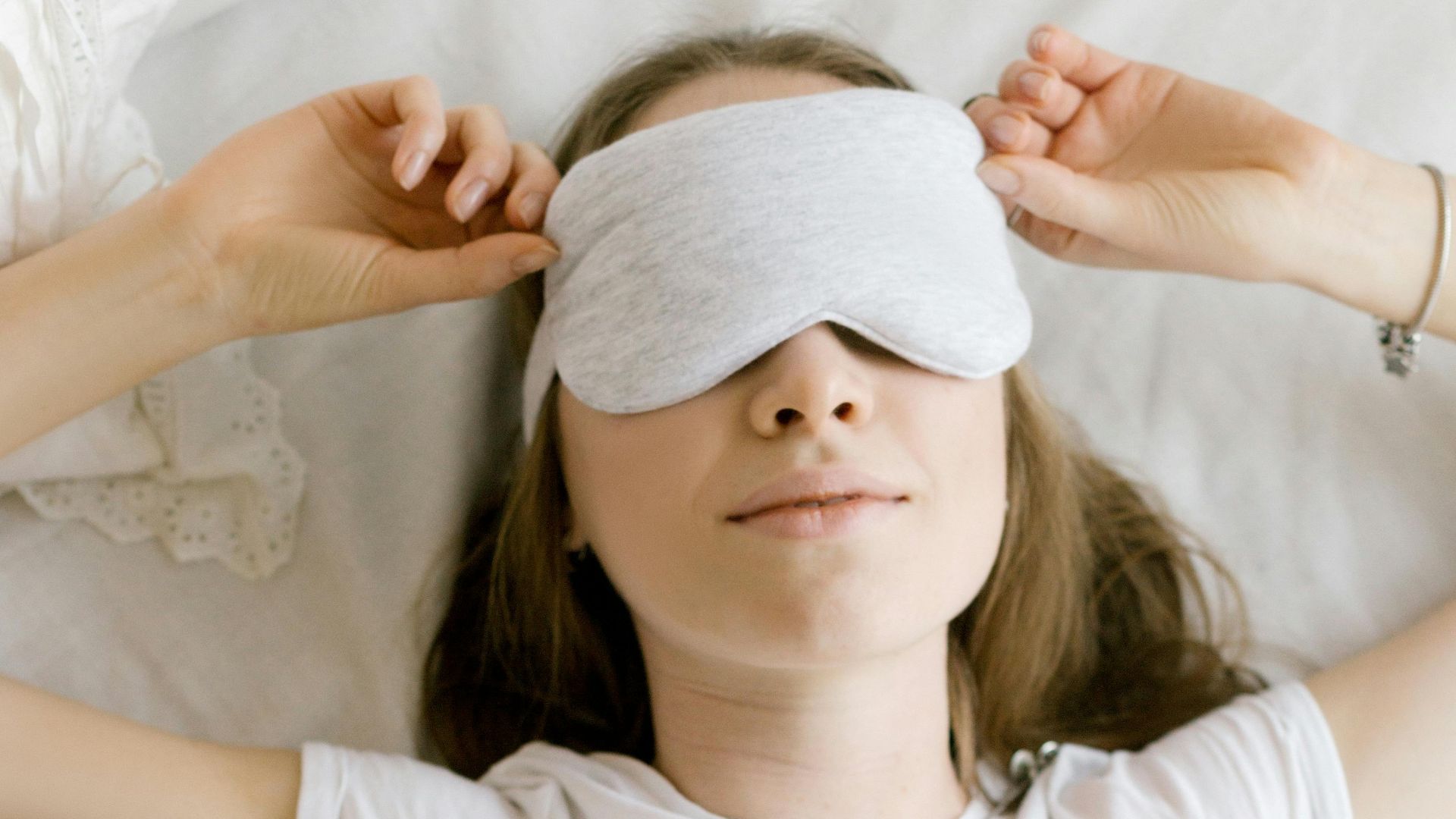
Poor sleep makes it much harder for your brain to regulate stress in a reasonable way. Things that might feel manageable after a full night’s rest can feel overwhelming when you’re running low on sleep. Your patience shrinks, your focus gets worse, and your body stays more reactive.
7. Constantly Multitasking
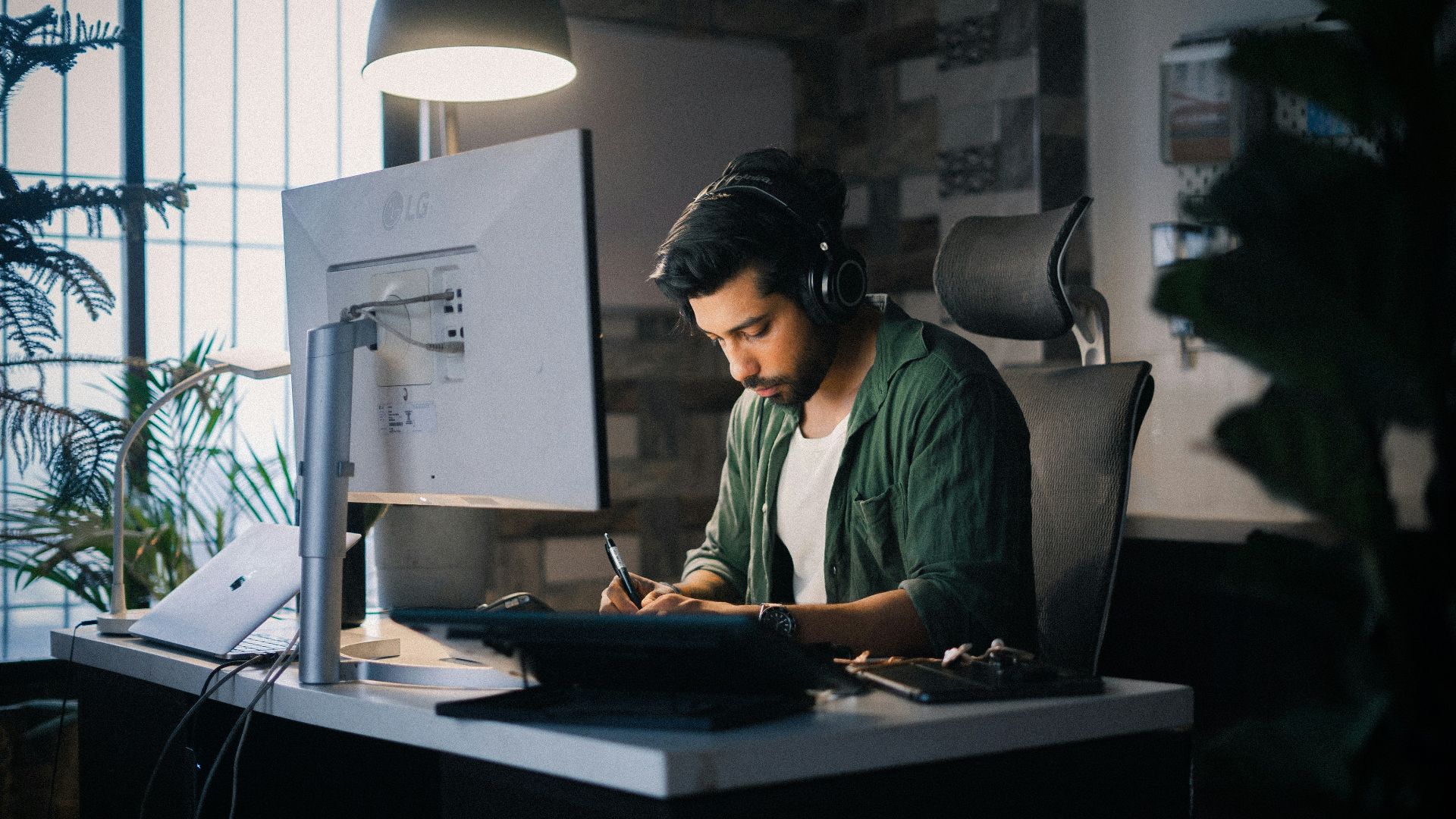
Doing five things at once can make you feel productive, but it often keeps your mind in a low-grade state of chaos. Jumping from one task to another without really settling into any of them can leave you feeling mentally scattered and strangely unsatisfied. That sense of internal noise builds up over time.

8. Procrastinating Small Tasks
Putting off that email, appointment, or errand may buy you a little short-term relief, but it usually creates more stress in the long run. The task doesn’t disappear just because you ignored it, and your brain often keeps it alive in the background anyway. That unfinished feeling can turn one tiny responsibility into a whole cloud of dread. Avoidance has a way of making manageable things feel much bigger.

9. Spending Too Much Time Indoors
Staying inside all day can leave you feeling more stuck than you realize. Fresh air, sunlight, and even a short walk can help break up the physical tension that builds when you’ve been hunched over in the same environment for hours. Without that reset, your body may stay in a more cramped, restless state.
10. Replaying Awkward Moments
We're all guilty of revisiting embarrassing interactions until it feels like a whole internal documentary. The more you do this, however, the more emotionally real it becomes. Most people aren't studying your every move nearly as much as anxiety would like you to believe. Still, rumination can make a tiny social moment feel enormous by bedtime.

11. Keeping Notifications On For Everything
When your phone lights up all day long, your brain never fully gets to relax. Every buzz, banner, and badge creates one more invitation to react, even if the message itself isn't important. That ongoing interruption can keep you feeling wired in a way that seems normal until you step back from it. It’s hard to feel calm when your attention is constantly being pulled by little digital taps on the shoulder.
12. Comparing Yourself to Everybody Online
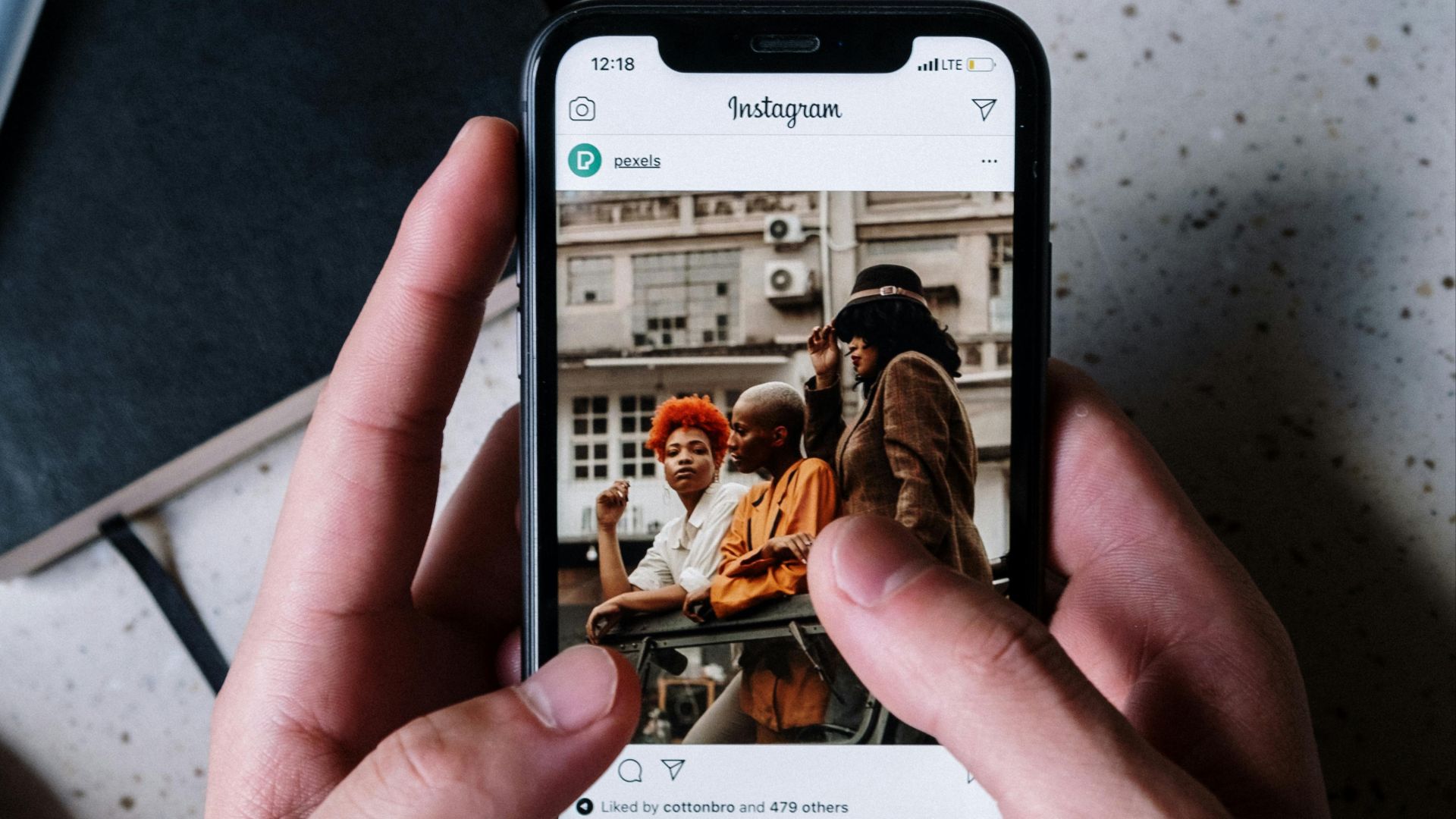
Social media makes it very easy to feel like everyone else is better looking, calmer, richer, more successful, and better adjusted. Even if you know those snapshots are curated, your nervous system may still react as though you’re falling behind. That kind of comparison can quietly feed anxiety by making your own life seem insufficient or unstable.
13. Never Letting Yourself Rest Without Guilt
Rest doesn't work very well when you spend the entire time thinking about what you should be doing instead. If every break comes with self-criticism, your body never fully gets the message that it’s safe to relax. You may technically stop working while still feeling mentally chased. Anxiety tends to stick around when rest feels like failure instead of recovery.

14. Bottling Things Up Until They Spill Over
Keeping everything to yourself can make you feel more in control at first, but it often increases inner pressure over time. When stress, fear, or frustration don't have anywhere to go, they tend to build into a heavier emotional load. Then even a small inconvenience can feel like the final straw. You don't have to narrate your feelings constantly, but pretending you have none is rarely a winning strategy.

15. Breathing Shallowly All Day
A lot of anxious people do this without even realizing it. When your breathing stays high and tight in your chest, your body starts acting like it is bracing for something, even if nothing is actually happening. That physical pattern can reinforce a sense of alarm and make calm feel further away.

16. Leaving Your Space Cluttered
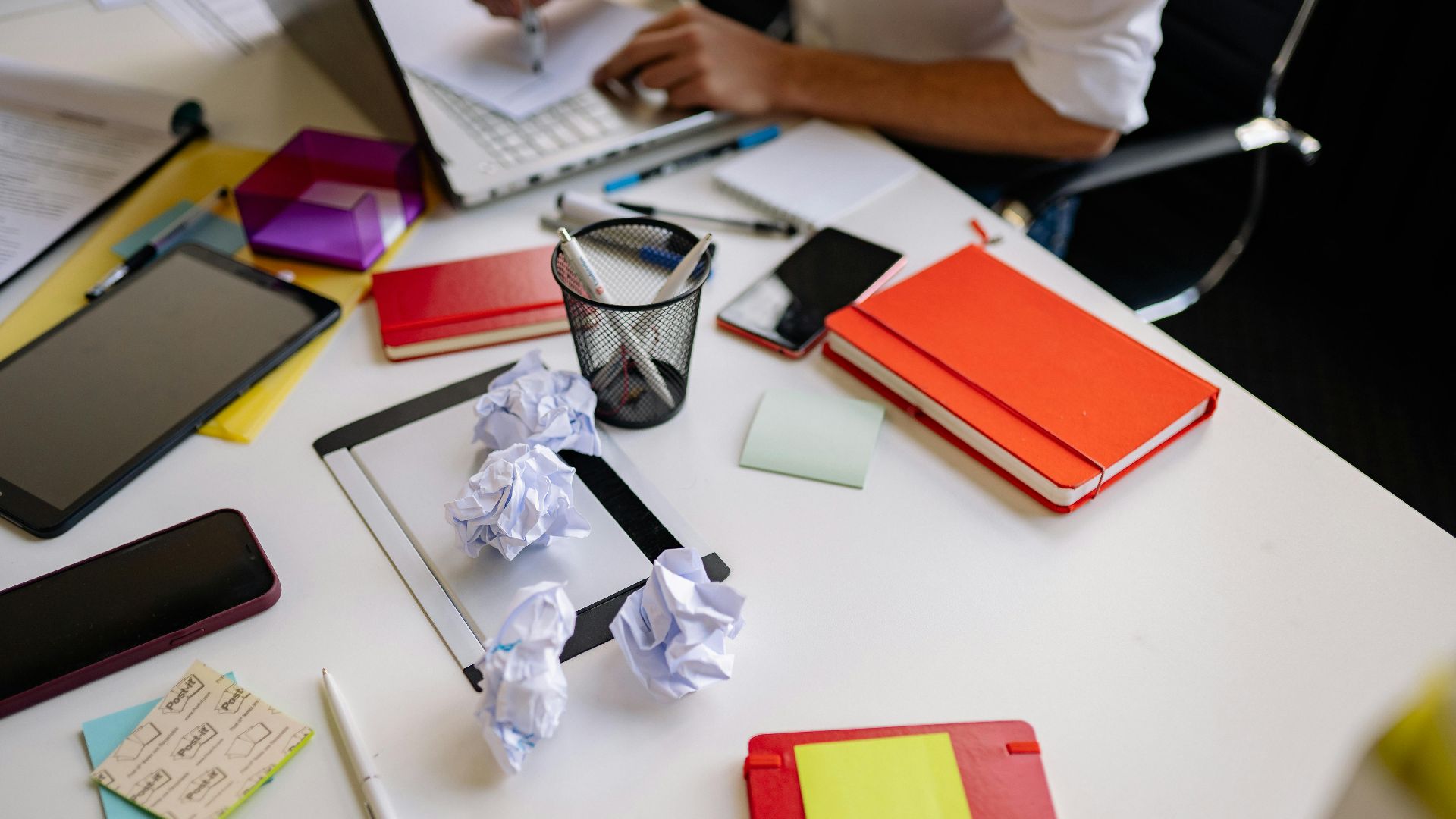
Visual chaos can make an overwhelmed brain feel even more unsettled. When every surface is crowded and nothing feels in order, it can add to the sense that life is getting away from you. You don't need a perfect house to feel better, but a little less clutter can make it easier to exhale.
17. Overanalyzing Other People’s Tone
Text messages, delayed replies, and slightly off conversations can become a full-time mental project if you let them. It’s easy to convince yourself that a period, a short response, or a slower reply means someone is upset, disappointed, or pulling away when most of the time, there are much simpler explanations.
 Daria Nepriakhina 🇺🇦 on Unsplash
18. Never Giving Your Brain a Quiet Moment
If you always have a podcast, show, playlist, or background noise going, your mind may not get many chances to settle. Constant stimulation can feel comforting, but it can also keep you from noticing how tense you really are until the discomfort spills over. A little quiet can be uncomfortable at first, especially if you’re used to filling every gap. Over time, though, it can help your system stop feeling so relentlessly switched on.

19. Treating Every Feeling Like an Emergency
Not every uncomfortable sensation means something is seriously wrong. Sometimes your heart races because you climbed stairs too quickly, slept badly, had too much caffeine, or got stressed for a minute. If you immediately interpret every bodily shift as a sign of danger, anxiety gets more power than it deserves.
20. Being Hard On Yourself
This one is sneaky because it feels like self-awareness when it’s really just more pressure. If you keep judging yourself for being anxious, emotional, or not as calm as you think you should be, you add shame on top of the original feeling. That extra layer can make it much harder to settle down.
KEEP ON READING



20 Ways To Get Your Vitamins And Minerals
20 Ways Doing Less Can Actually Improve Your Health