
The Secret Superpower Is Knowing When to Stop
We’re all told to optimize, hustle, and squeeze one more healthy habit into an already packed day, which is funny because stress isn’t exactly a wellness supplement. Sometimes the best thing you can do for your body is remove friction instead of adding rules. If you’ve been treating self-care like a second job, consider this your permission slip to downshift. Here are 20 good reasons to just chill out for a bit.

1. Better Sleep Quality
When you do less in the evening, your brain has an easier time shifting into sleep mode instead of staying revved up. That can translate into deeper rest and fewer wake-ups. Over time, better sleep supports your immune system and mood.

2. Lower Baseline Stress Levels
A packed schedule keeps your body in a steady drip of stress hormones that you might not even notice anymore. Doing less creates space for your nervous system to come down from high alert. You’ll often feel calmer without needing a complicated routine.

3. Improved Heart Health Through Recovery
Constant strain, whether it’s emotional or physical, can keep your heart working harder than it needs to. More downtime supports healthier blood pressure patterns and better recovery after exertion. Your cardiovascular system likes consistency, not nonstop intensity.

4. Fewer Tension Headaches & Neck Pain
Overdoing it often shows up in your shoulders and jaw first, like your body is bracing for impact. When you slow down, those muscles can unclench and stop sending “panic posture” signals. Less tension can mean fewer headaches that seem to appear out of nowhere.

5. More Stable Mood
Burnout can make you irritable, flat, or oddly emotional over small things. Doing less reduces the constant mental load that fuels those mood swings. It’s easier to feel like yourself when you’re not running on fumes.

6. Stronger Immune Function Over Time
Chronic stress can make your immune system less responsive and more easily thrown off balance. More rest and less overload give your body the chance to repair and regulate. You may notice you bounce back faster when you’re not always depleted.

7. Better Digestion
Your gut doesn’t love a life that’s rushed, anxious, and eaten on the fly. When you’re doing less, your body is more likely to stay in a “rest and digest” state instead of “fight or flight.” That can mean less bloating, discomfort, and weird stomach moods.

8. Reduced Inflammation
Overexertion, poor sleep, and constant stress can all nudge inflammation upward. When you ease up, your body often gets more opportunities to recover and cool down. Lower inflammation can support everything from joint comfort to skin health.

9. Fewer Injuries From Overuse
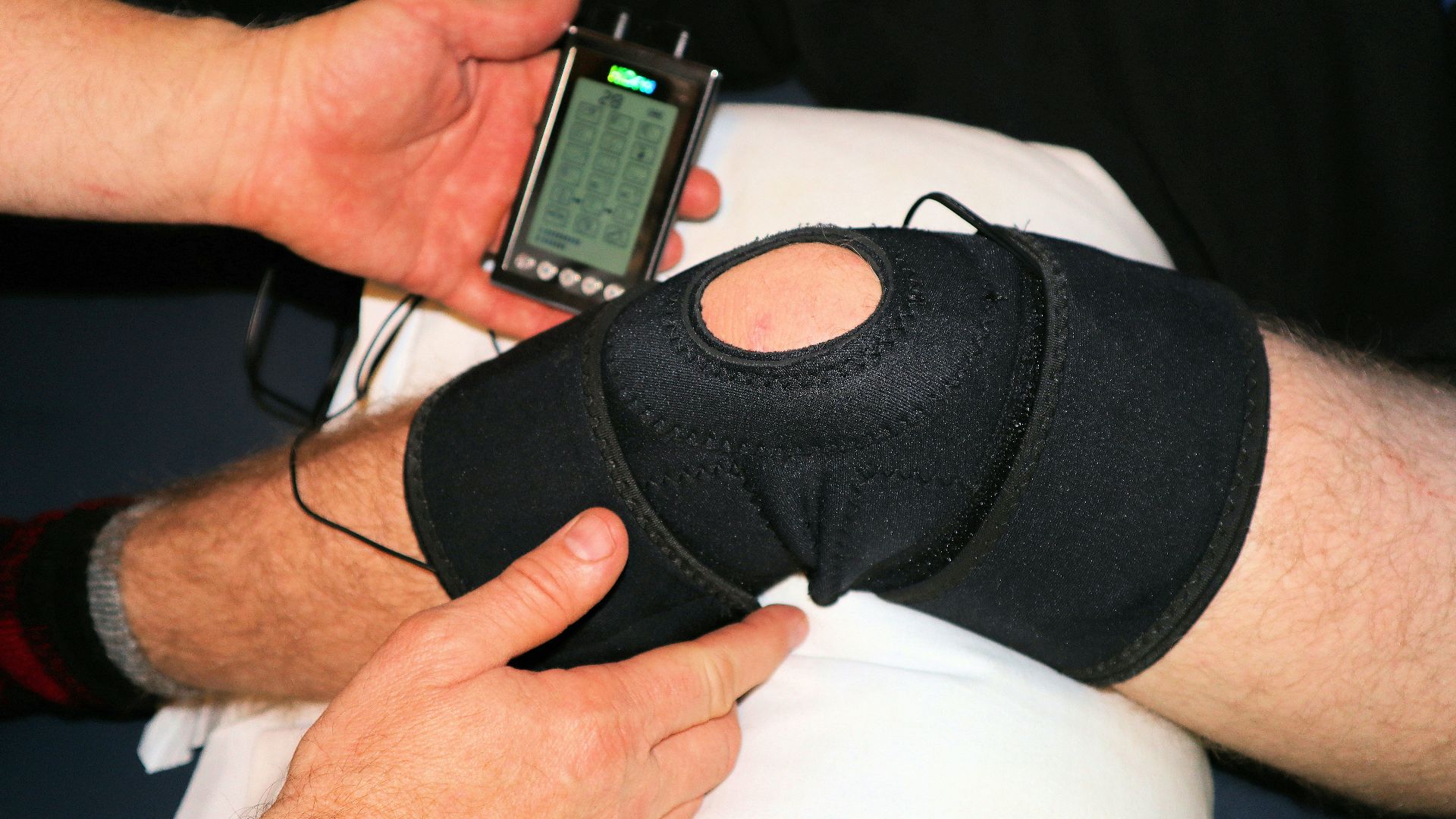
Pushing hard every day can turn small aches into long, annoying problems. Doing less gives tissues time to rebuild and adapt. You might actually get stronger because you’re not constantly interrupting recovery.
10. More Consistent Energy
When you do too much, energy comes in spikes and crashes, which is exhausting. Doing less reduces the chance you’ll drain your battery early and limp to the finish line. Steadier energy makes daily life feel less like a survival game.

11. Improved Hormone Balance Signals
Stress and under-recovery can disrupt appetite cues, menstrual cycles, and overall regulation for some people. When you’re not constantly pushing, your body can re-stabilize its rhythms.

12. Less Emotional Eating & Cravings
Overload drives cravings because your brain looks for quick comfort when it’s stressed. When you slow down, you’re less likely to reach for food as a coping tool. Your hunger cues tend to feel clearer and less chaotic.

13. Better Focus & Memory
A constantly busy brain isn’t a sharp brain, it’s a scattered one. Doing less reduces cognitive clutter and improves your ability to concentrate. You may find you remember things more easily when you’re not mentally sprinting.

14. Healthier Relationships
When you’re overscheduled, you show up rushed, distracted, and shorter-tempered than you mean to be. Doing less can make you more patient and more present. That kind of social ease is genuinely good for your health.

15. Fewer Stress-Related Skin Flare-Ups
Skin can be dramatic about stress, sleep loss, and inflammation, even if you’re doing “everything right” product-wise. When you do less, your body’s stress response often softens, and flare-ups can calm down. It’s not magic, it’s biology getting a break.

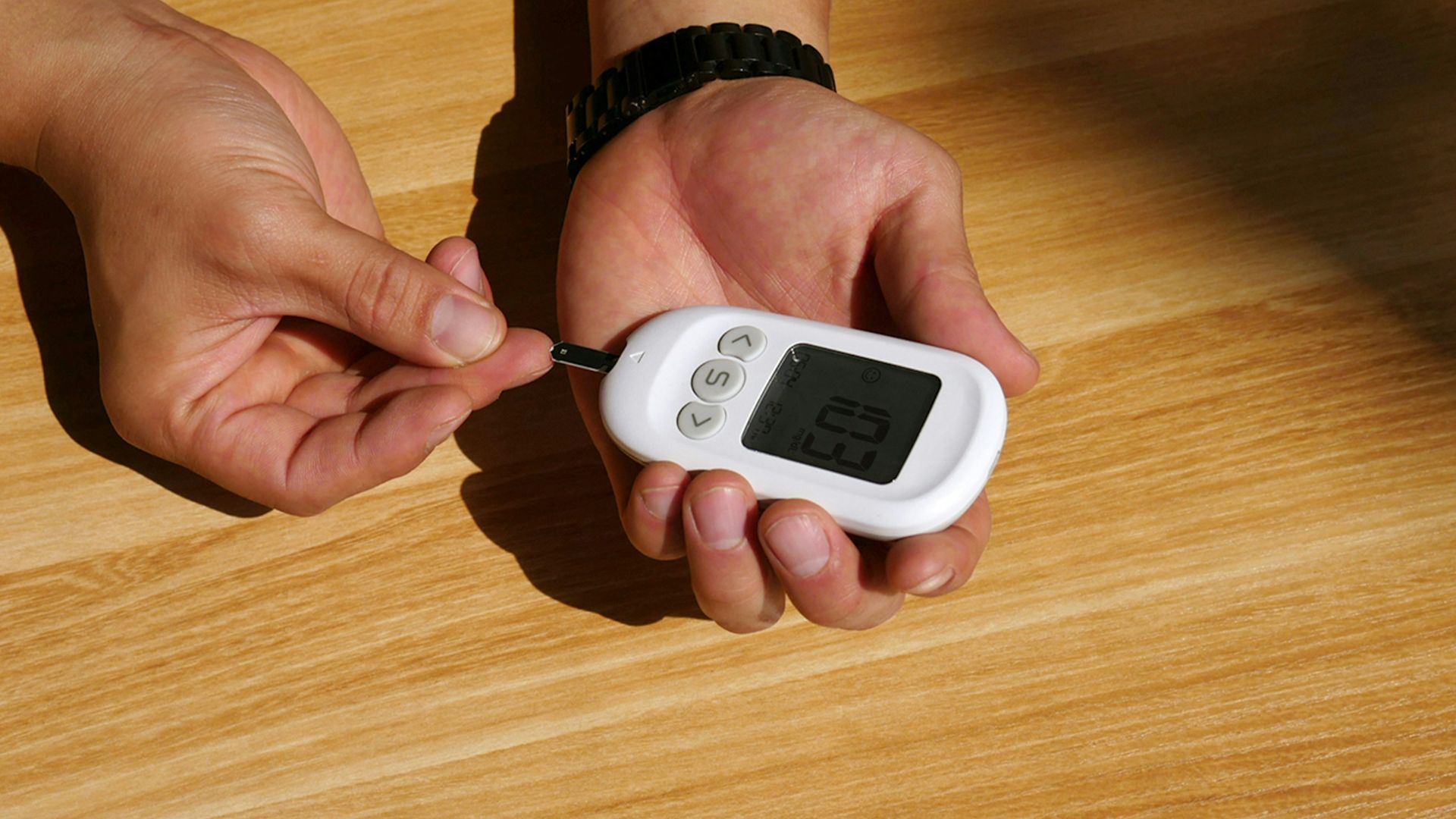
16. Improved Blood Sugar Regulation
Stress, poor sleep, and constant rushing can nudge blood sugar higher and make energy feel unpredictable. Doing less supports steadier patterns by improving rest and reducing physiological stress. That can mean fewer cravings and less afternoon crash behavior.
17. A Calmer Nervous System
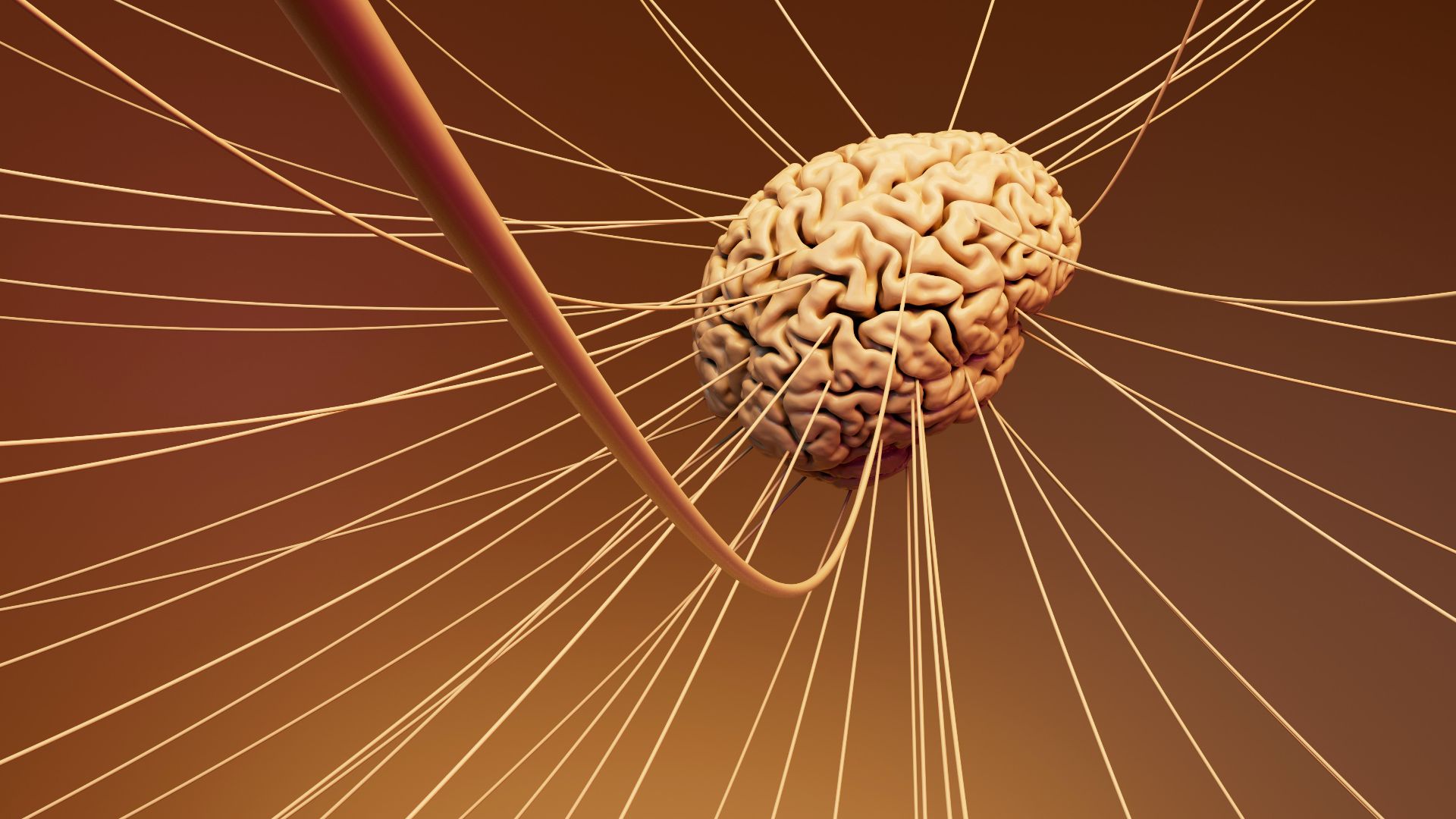
When you’re always “on,” your body can start treating normal life like an emergency. Doing less helps recalibrate what safe feels like. You might notice you’re less jumpy, less wired, and more relaxed in your own skin.
18. More Natural Motivation to Move
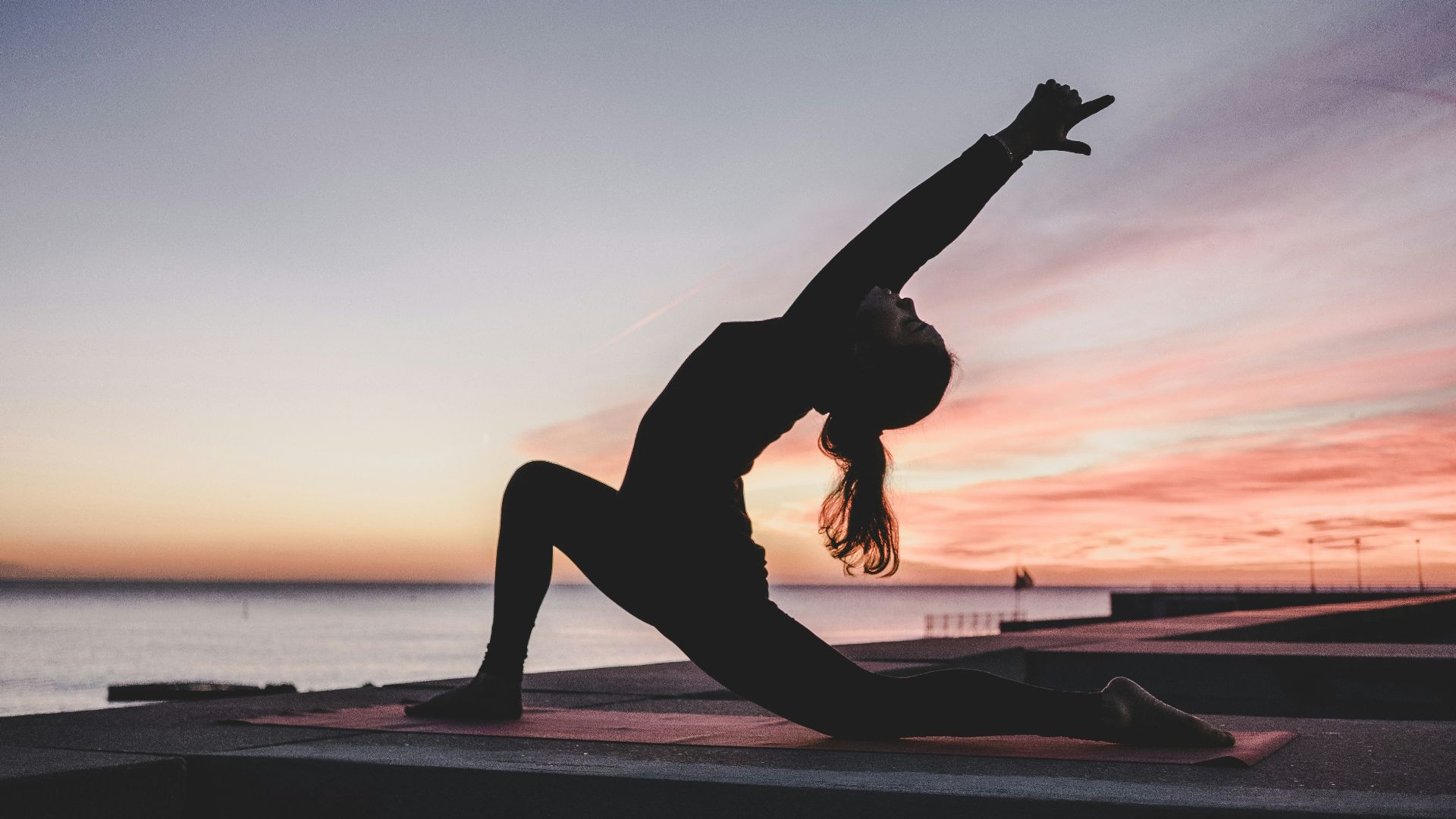
If you’re exhausted, exercise starts to feel like punishment, and that’s a fast track to quitting. With more rest, movement often feels easier and more appealing. You end up being active because you can, not because you’re forcing it.
19. Reduced Burnout Risk
Burnout isn’t just being tired; it’s when your system stops bouncing back. Doing less gives your brain and body repeated chances to recover before you hit a wall. That protection shows up as better mood, better sleep, and more resilience.

20. Longer-Term Sustainability
When health relies on doing more and more forever, it usually collapses eventually. Doing less supports habits and rhythms you can actually maintain without resentment. The biggest benefit might be that your “healthy life” finally feels livable.

KEEP ON READING

20 Things Your Body Is Secretly Doing Right Now