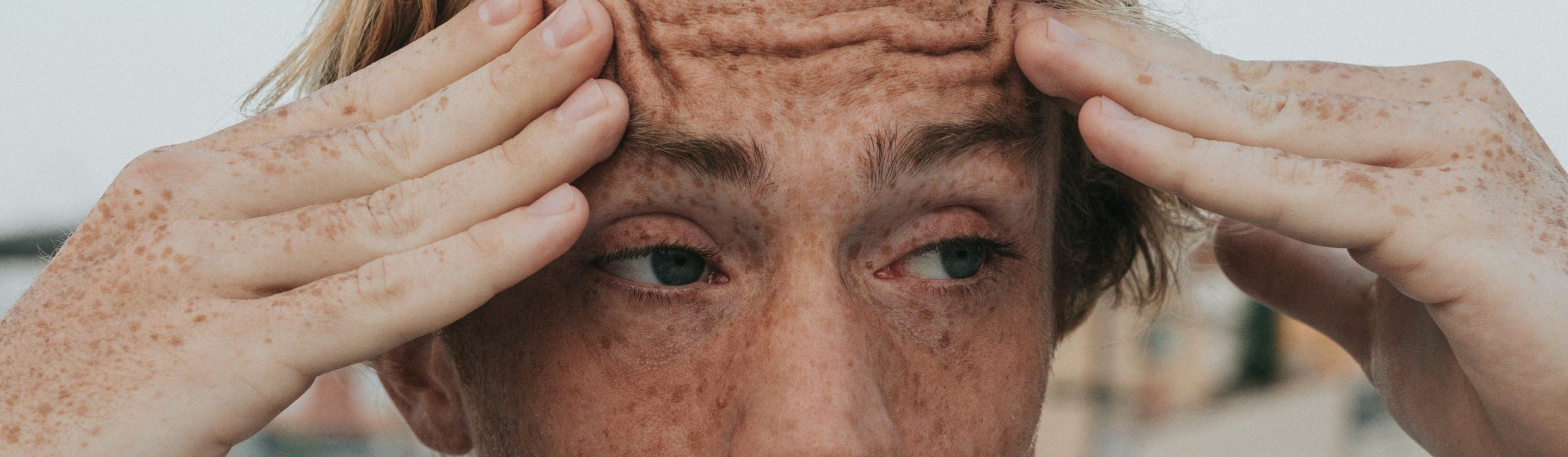

Your Body Is Constantly Reacting Behind the Scenes
Even when you think you're completely in control, your nervous system is quietly handling hundreds of automatic responses every day. These reflexes help protect you from injury, keep your vision clear, regulate your breathing, and perform countless other tasks without requiring conscious thought. Some are easy to notice, while others happen so quickly that you may never realize they're taking place. Here are 20 fascinating reflexes your body performs whether you ask it to or not.

1. The Peristaltic Reflex
Every meal you eat triggers a wave of automatic muscle contractions that push food through your digestive tract. You have no conscious control over these movements, yet they happen continuously from the moment you swallow. Without this reflex, digestion simply wouldn't work.
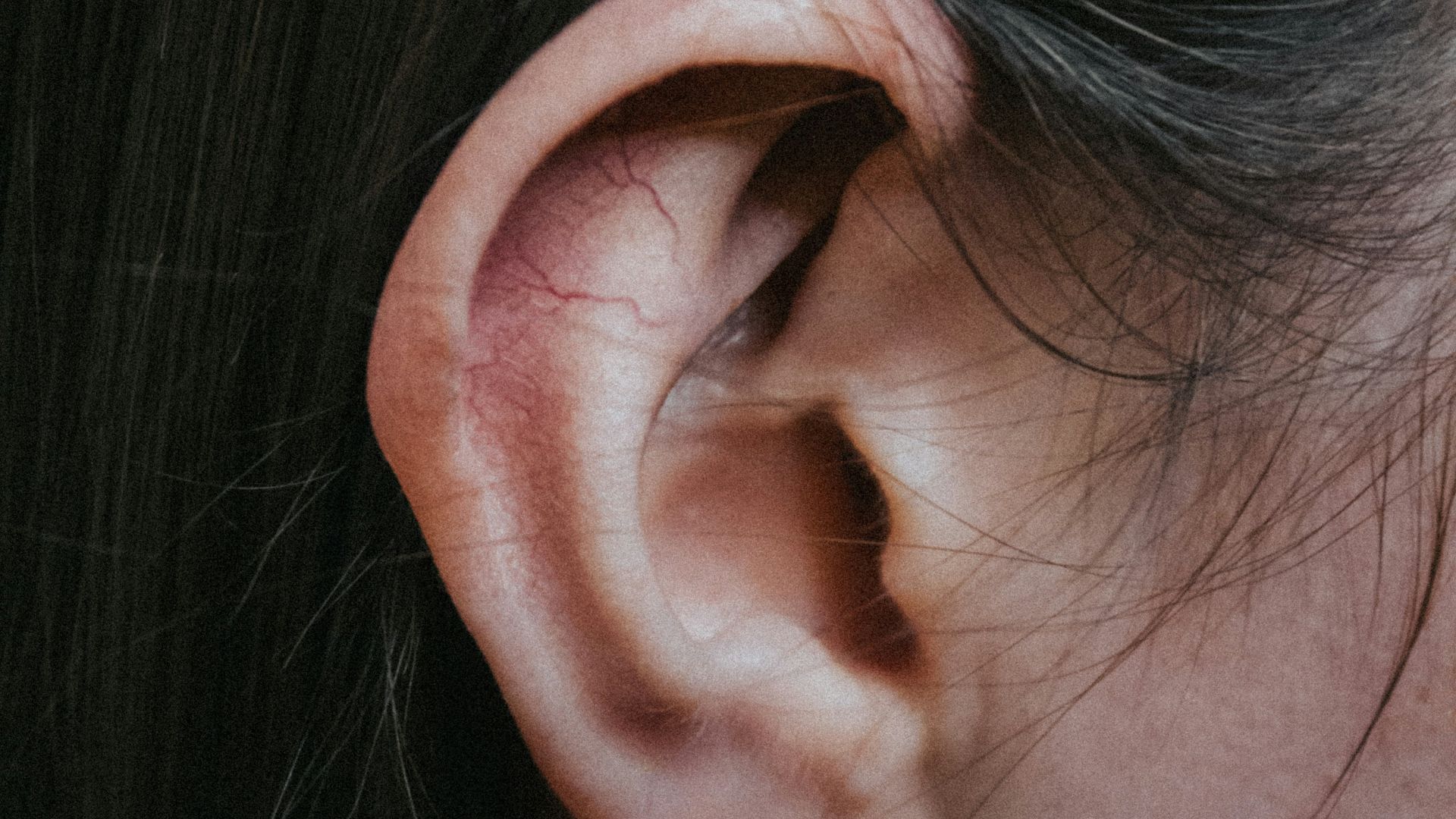
2. The Acoustic Stapedius Reflex
If you're suddenly exposed to a loud noise, tiny muscles inside your middle ear automatically tighten. This reflex reduces the amount of sound reaching the delicate structures of the inner ear, helping protect your hearing from sudden bursts of noise. It happens so quickly that you'll never notice it working.
3. The Pupillary Light Reflex
Walk from a dark room into bright sunlight, and your pupils automatically become smaller. This reflex limits the amount of light entering your eyes and helps protect the retina. It also improves visual sharpness in bright conditions.
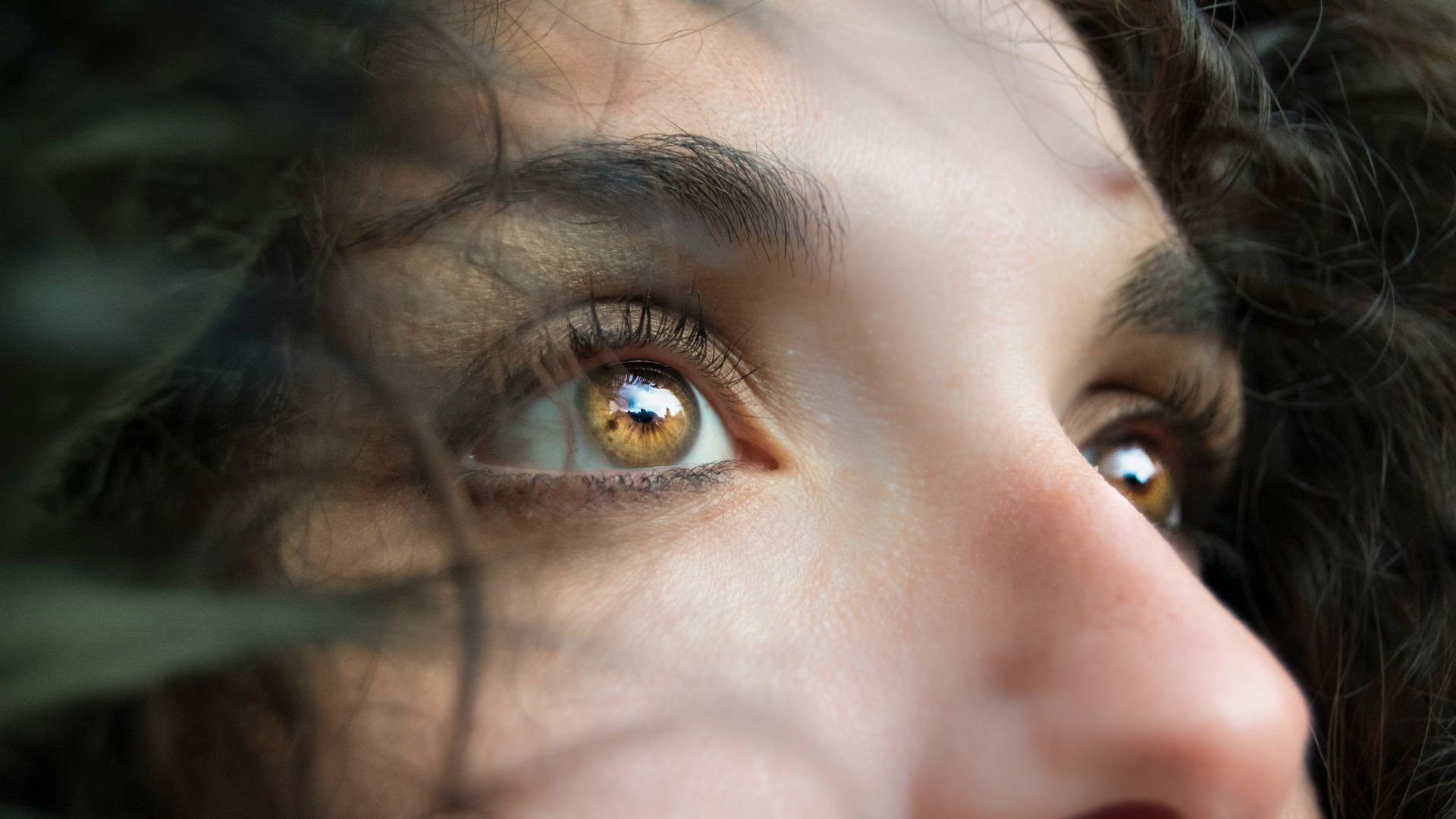
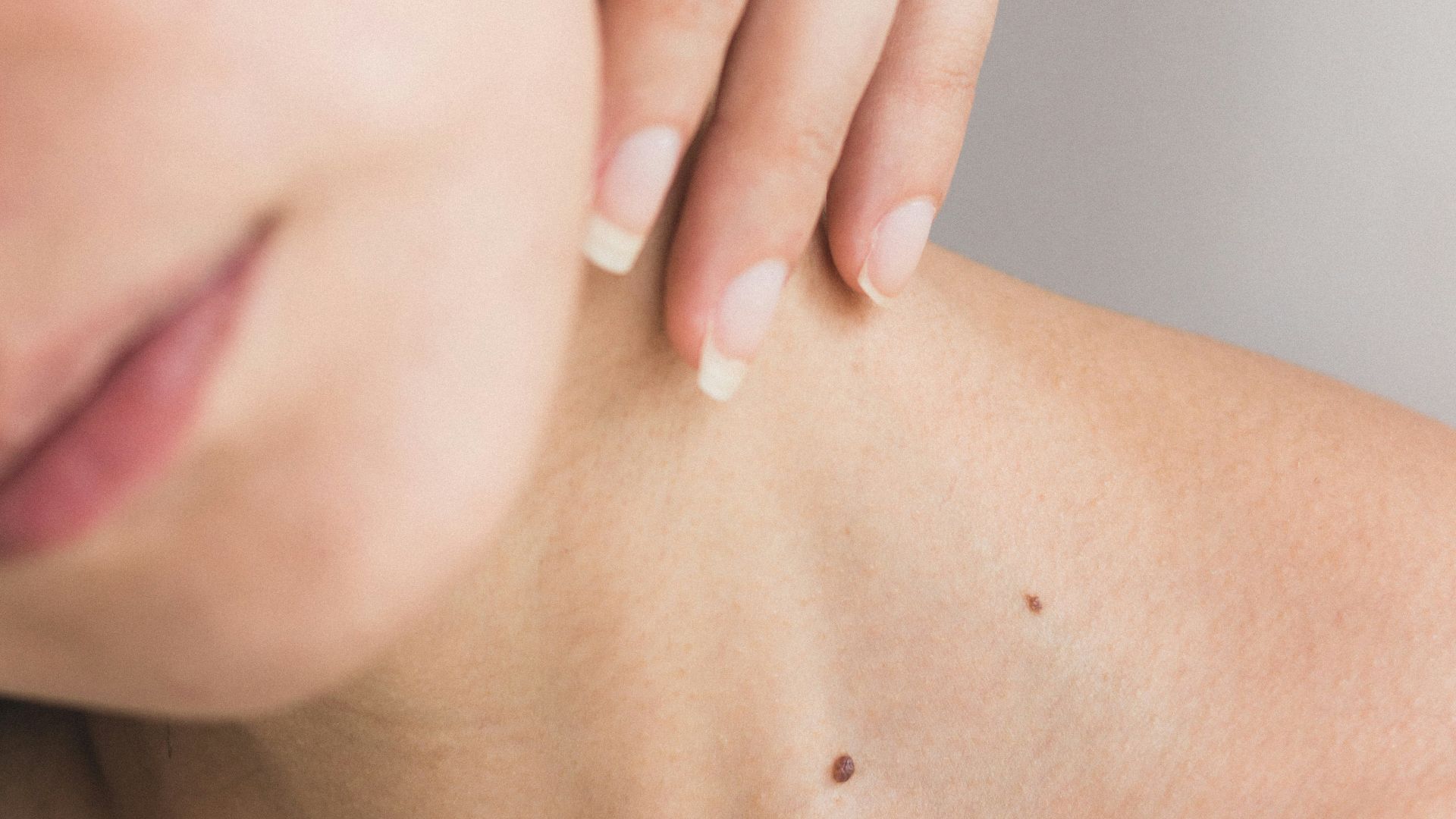
4. The Ciliospinal Reflex
A surprising reflex can make one of your pupils briefly widen when the skin on your neck or upper shoulder is pinched or irritated. It's called the ciliospinal reflex, and doctors sometimes use it to help assess the nervous system. Most people never realize it exists because the change is subtle and short-lived.
 Angélica Echeverry on Unsplash
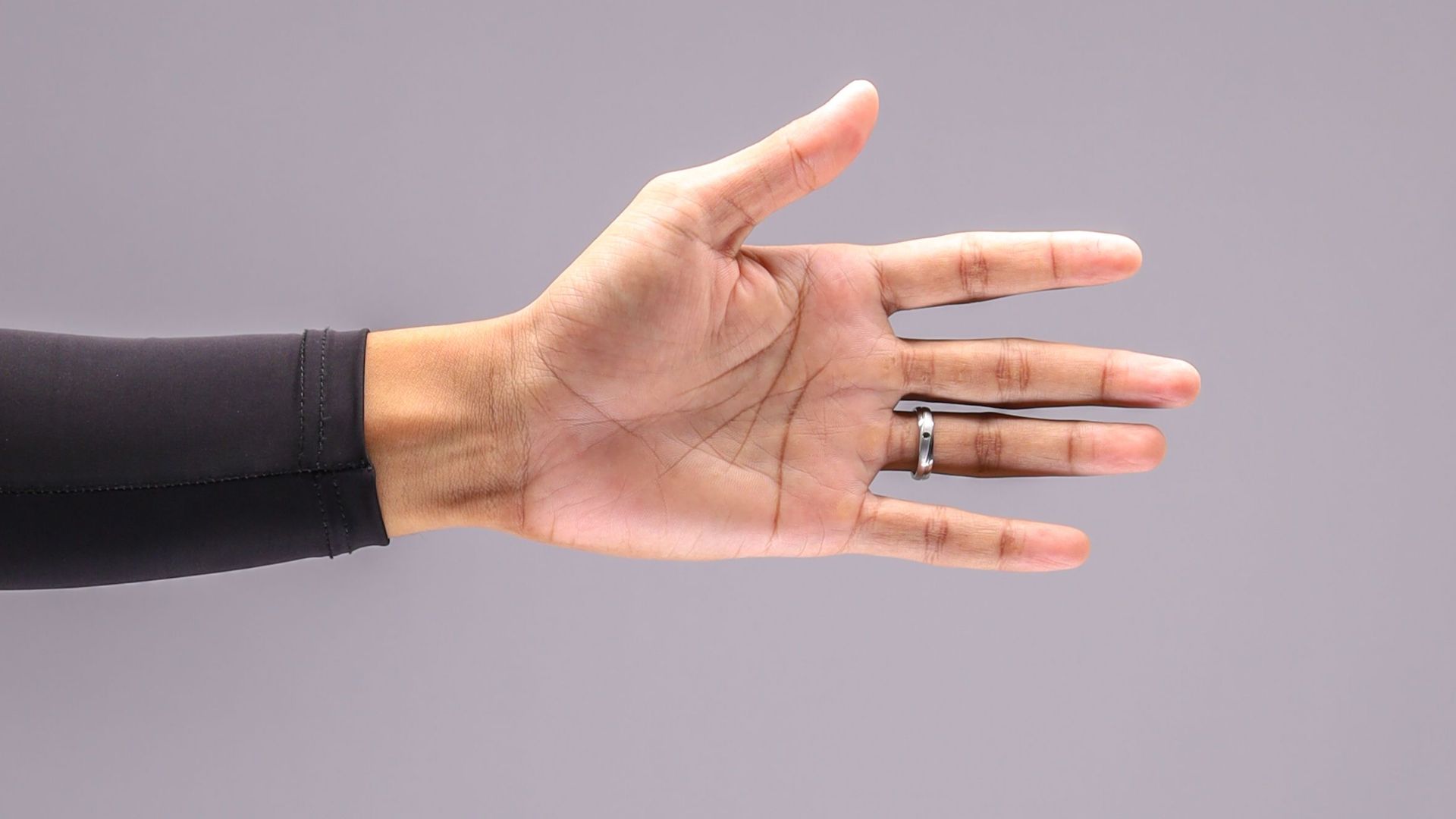
5. The Palmomental Reflex
Lightly scratching the palm of your hand can sometimes cause a tiny twitch in the muscles of your chin. Known as the palmomental reflex, it's much easier for doctors to observe during a neurological exam than in everyday life. While it can occasionally appear in healthy adults, it's primarily used as a clinical tool.
 Ahmad Roihan Muqoddes on Pexels
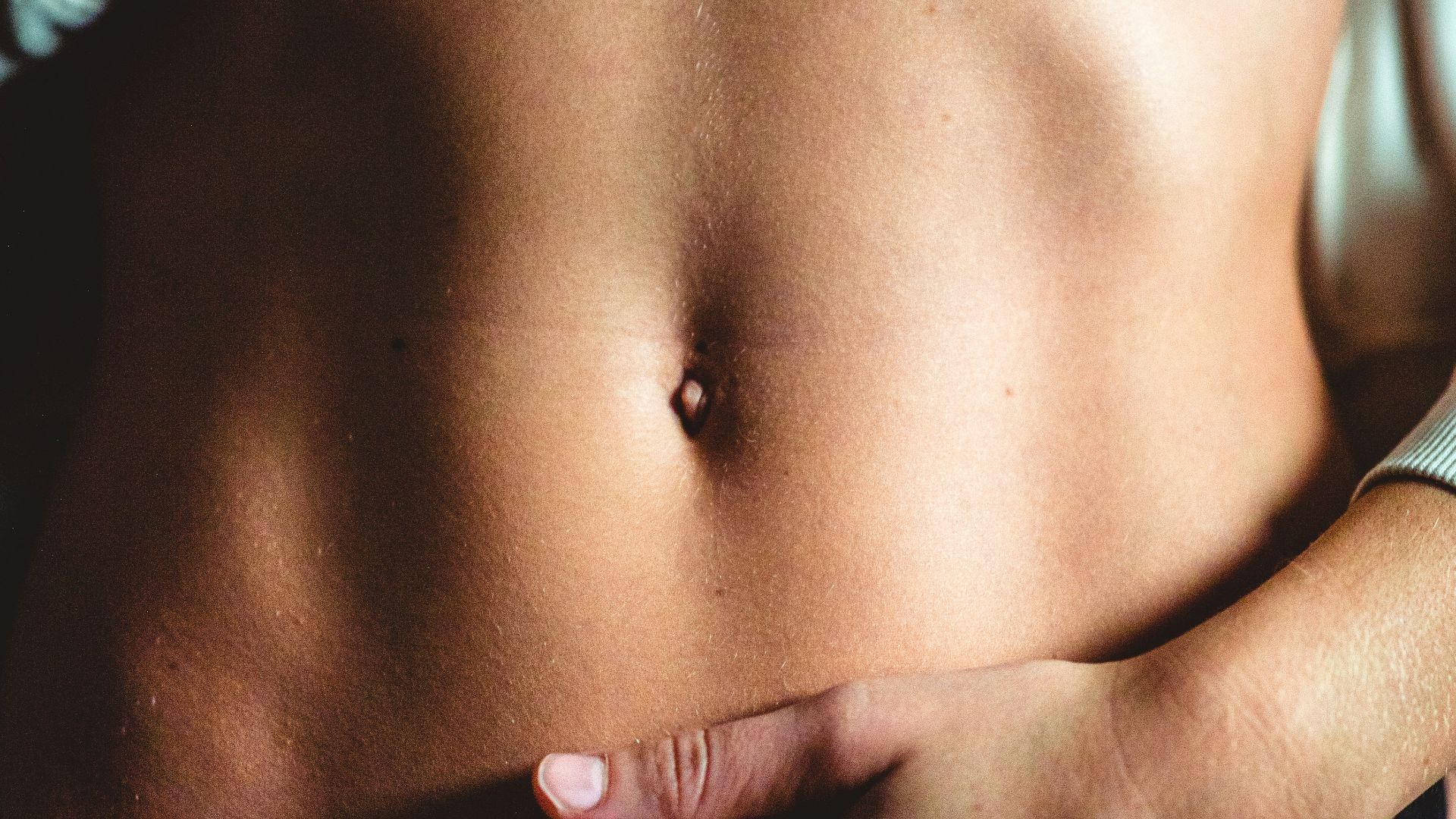
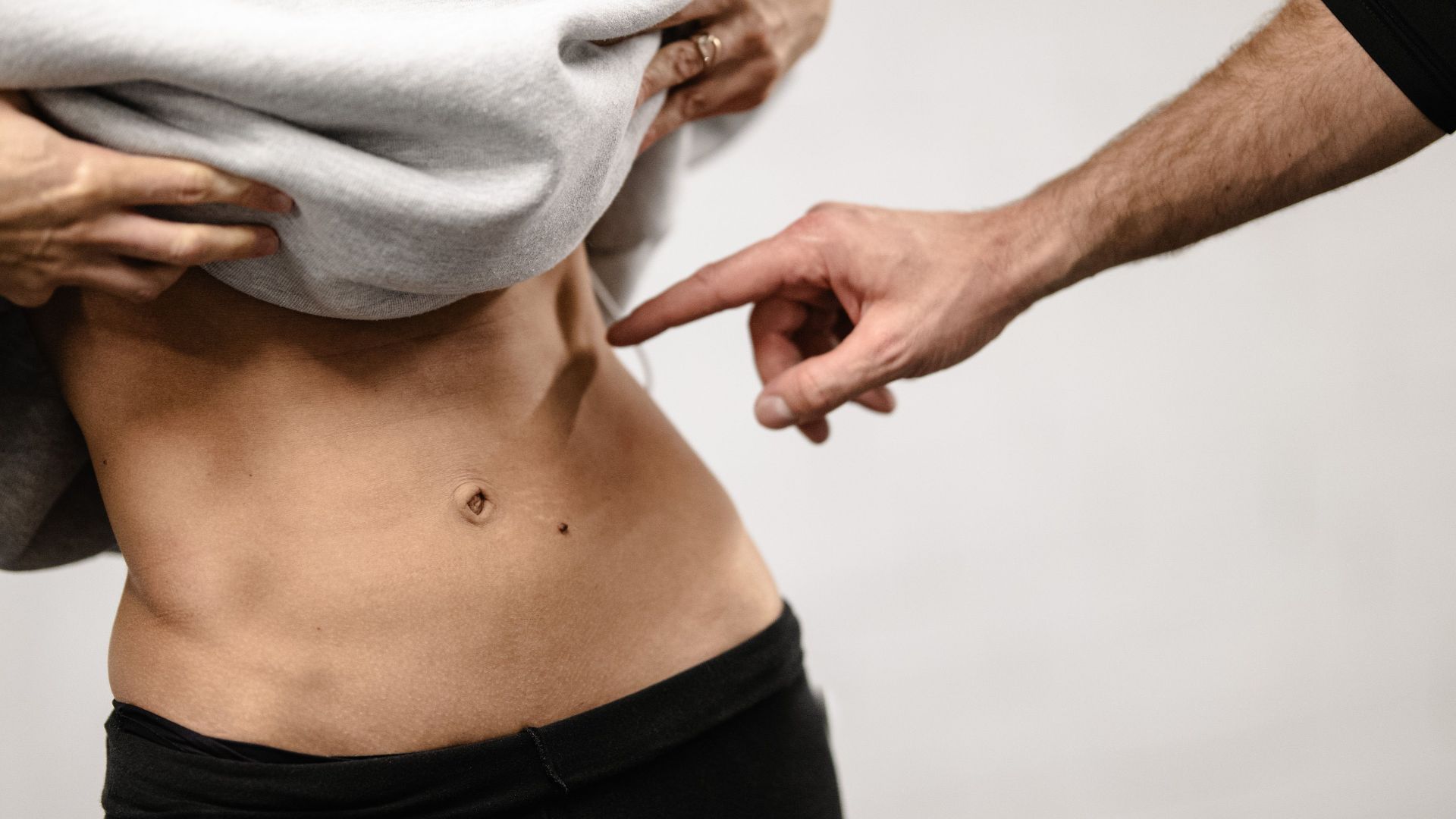
6. The Abdominal Reflex
Lightly stroking the skin of your abdomen causes the muscles underneath to contract automatically. Doctors use this subtle reflex during neurological exams because it helps evaluate certain nerve pathways. Most people have no idea it exists until it's tested.
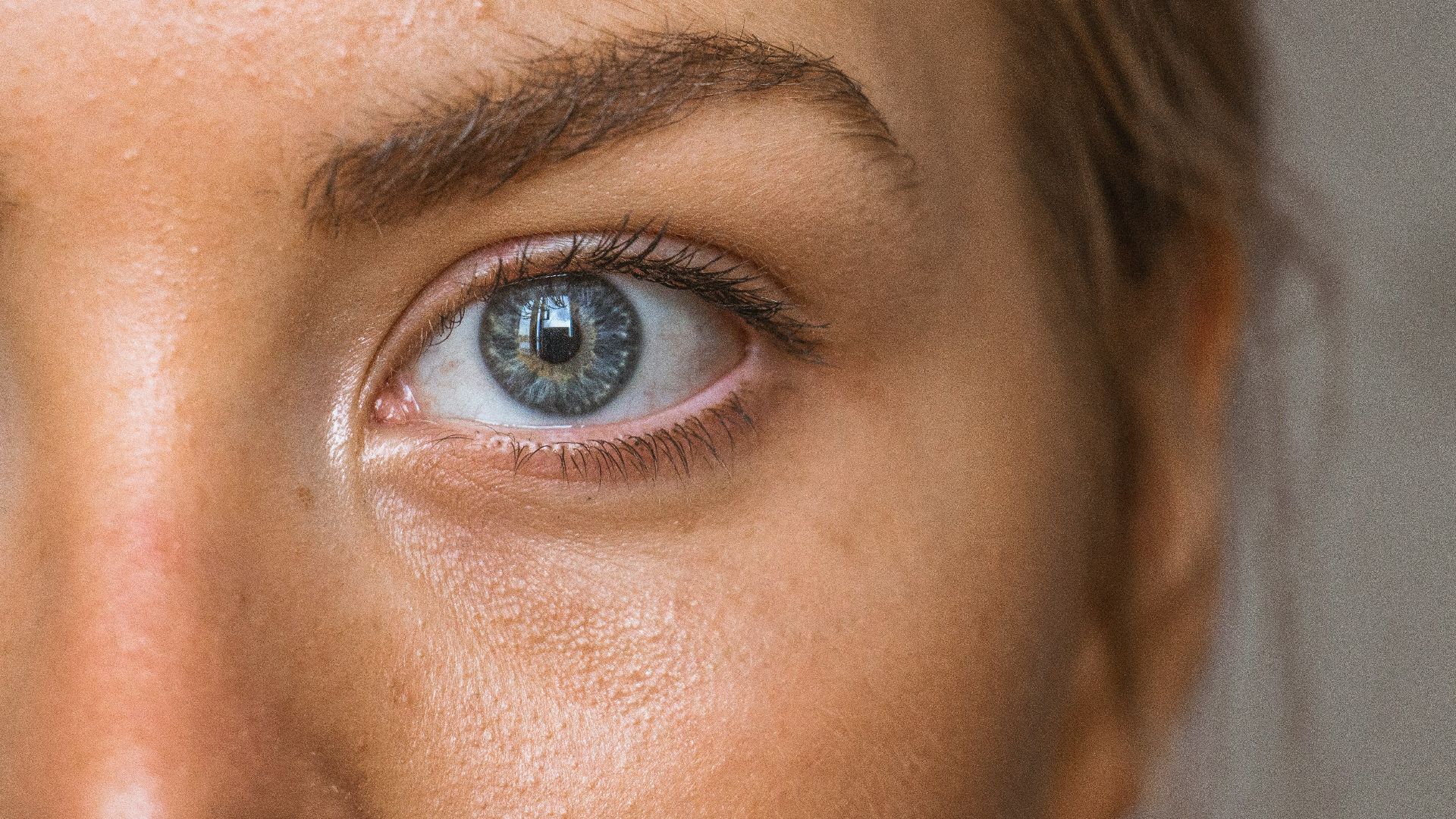
7. The Oculocardiac Reflex
Believe it or not, pressure around your eyes can briefly slow your heart rate. This automatic response is known as the oculocardiac reflex, and it's most commonly encountered during certain eye surgeries or medical examinations. Although you probably won't experience it in daily life, it's a well-known phenomenon among physicians.
8. The Finger-Wrinkling Reflex
After spending several minutes in water, your fingertips don't just wrinkle because they've absorbed moisture. Scientists now know it's an active reflex controlled by your nervous system that narrows blood vessels beneath the skin. The wrinkles may actually improve your grip on wet objects, giving you a slight advantage in slippery conditions.
 Elizaveta Dushechkina on Pexels
9. The Crossed Extensor Reflex
When one leg suddenly pulls away from pain, your other leg automatically stiffens to help keep you balanced. This coordination allows you to stay upright instead of falling over. It's a surprisingly sophisticated response that happens in a fraction of a second.

10. The Vestibulo-Ocular Reflex
Even while you're walking, running, or turning your head, your eyes automatically move in the opposite direction to keep your vision stable. Without this reflex, the world would appear blurry every time you moved. It's one reason you're able to read signs while walking or focus on objects during motion.

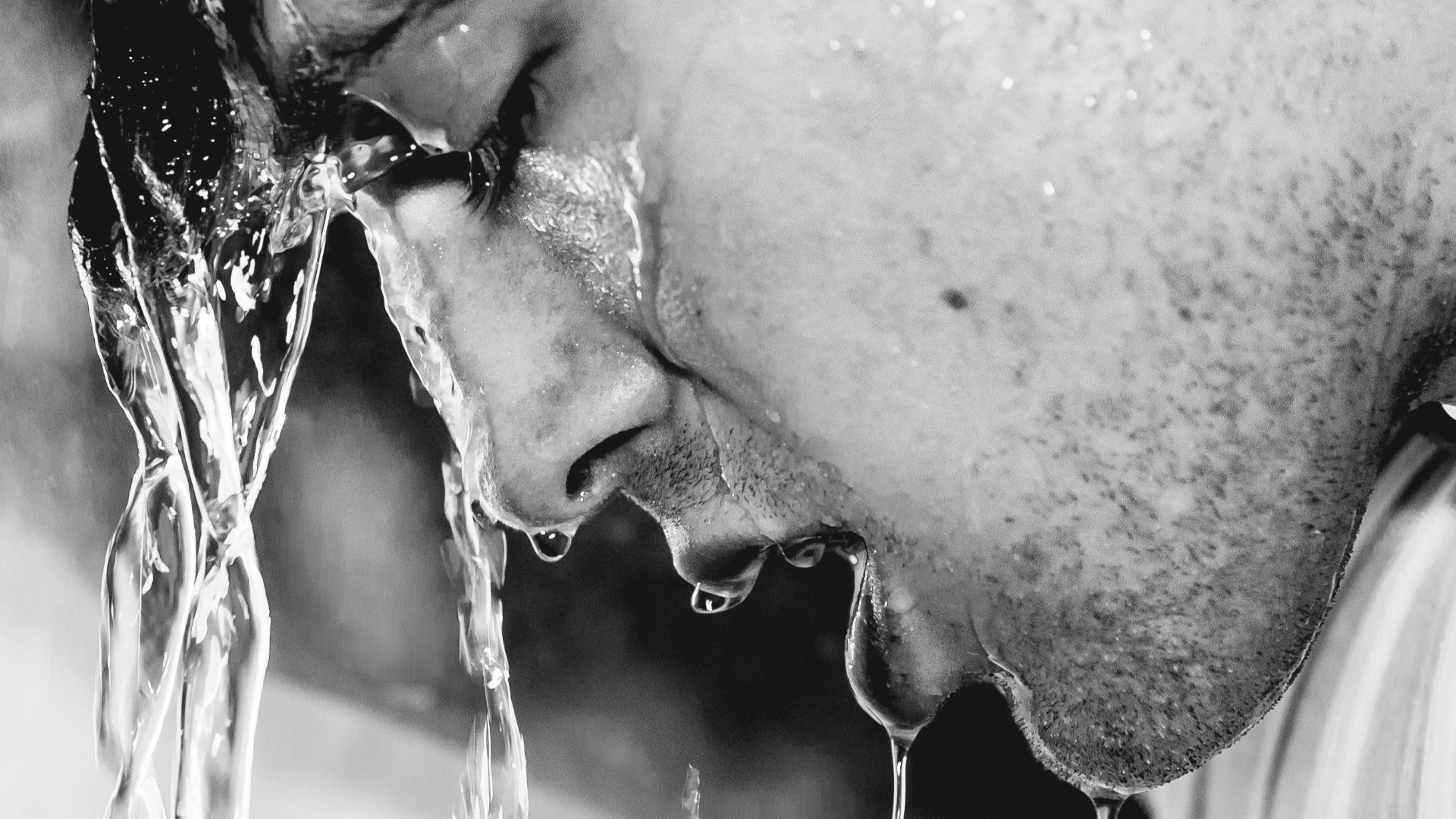
11. The Mammalian Diving Reflex
Splash very cold water on your face, and your body may automatically slow your heart rate while directing more blood toward vital organs. This response, called the mammalian diving reflex, helps conserve oxygen during brief periods underwater. It's especially noticeable in cold water and is shared by many mammals.
12. The Rooting Reflex
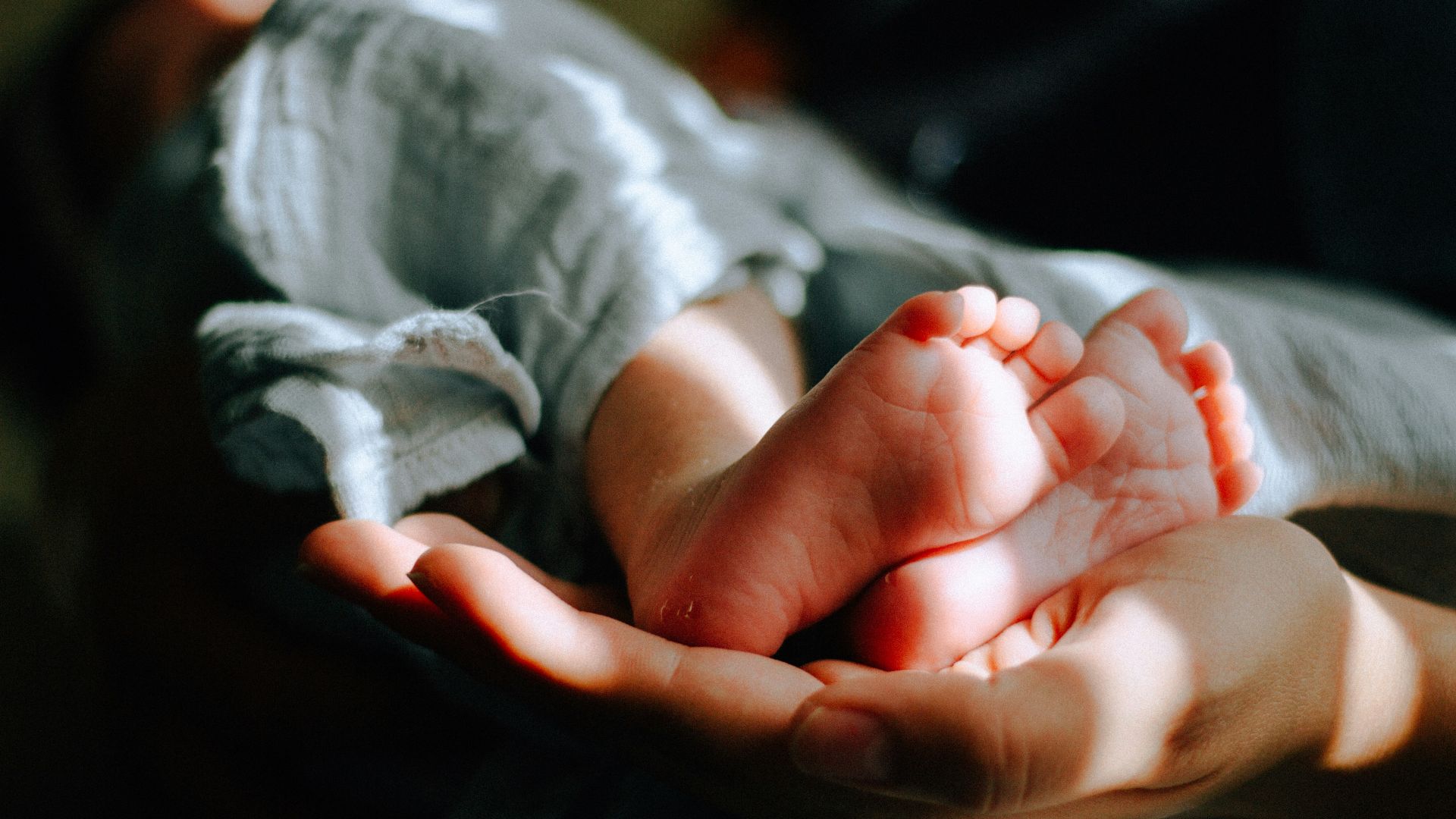
Newborn babies instinctively turn their heads toward anything that gently touches their cheek. This rooting reflex helps them locate food before they can see clearly or intentionally control their movements. It gradually disappears as infants grow and develop voluntary feeding skills.

13. The Plantar Grasp Reflex
Touch the sole of a newborn's foot, and you'll usually see their tiny toes curl around your finger. This automatic response is called the plantar grasp reflex, and researchers believe it may be an evolutionary holdover from our primate ancestors. It typically fades during the first year of life as the nervous system matures.
14. The Golgi Tendon Reflex
Your muscles automatically prevent themselves from generating too much force. When tension in a tendon becomes excessive, special sensors trigger the muscle to relax before serious damage can occur. This protective reflex helps reduce the risk of torn muscles and injured tendons.

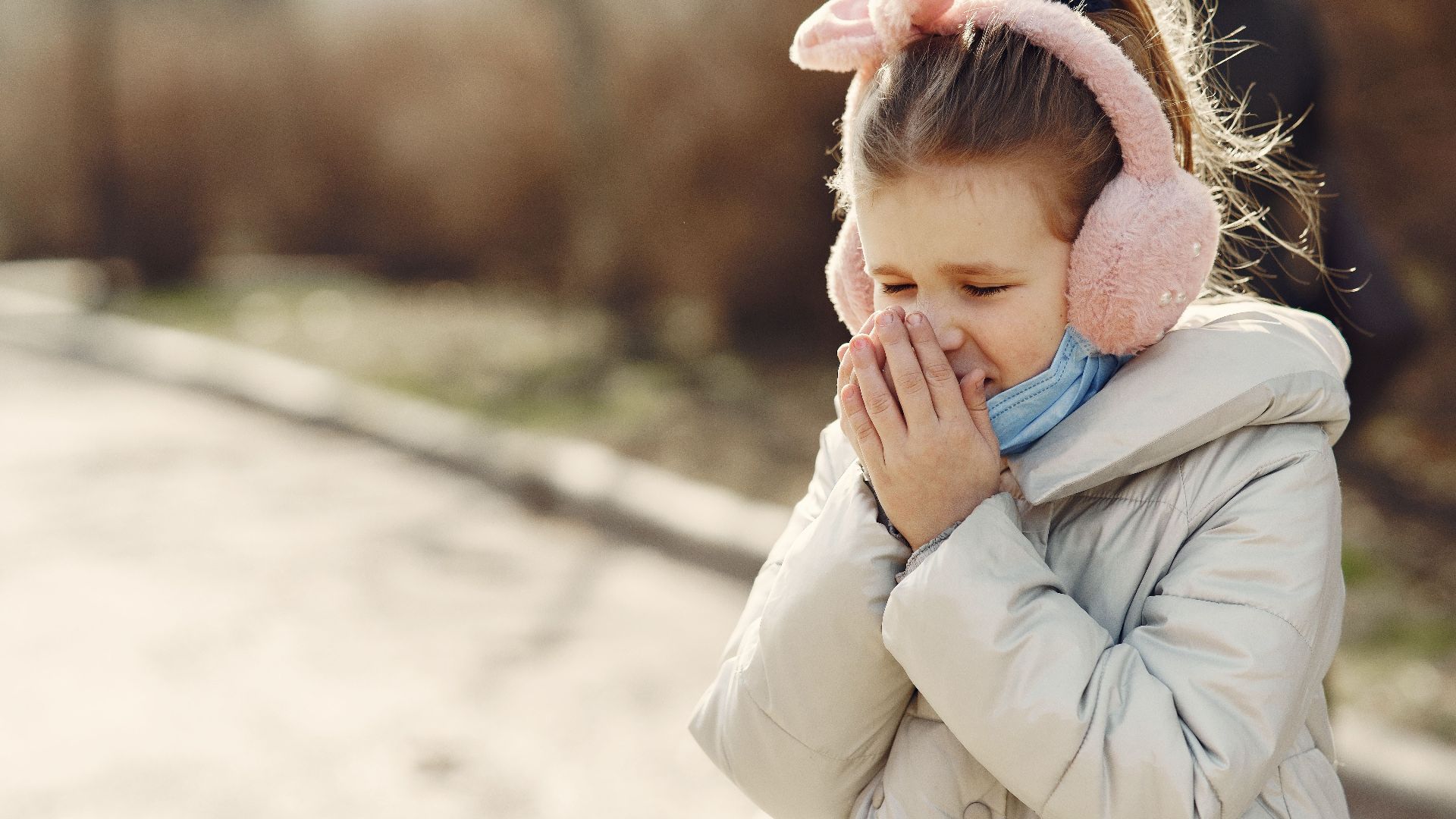
15. The Photic Sneeze Reflex
If you've ever walked into bright sunlight and immediately sneezed, you're not imagining it. Around one in four people inherit this unusual reflex, which causes intense light to stimulate the nerves involved in sneezing. Scientists still aren't completely sure why the connection exists.
16. The Hering-Breuer Inflation Reflex
Your lungs have their own built-in protection against overinflation. As they fill with air, stretch receptors signal the brain to help end the breath before the lungs expand too far. This reflex is much more active during deep breathing than during normal breathing.

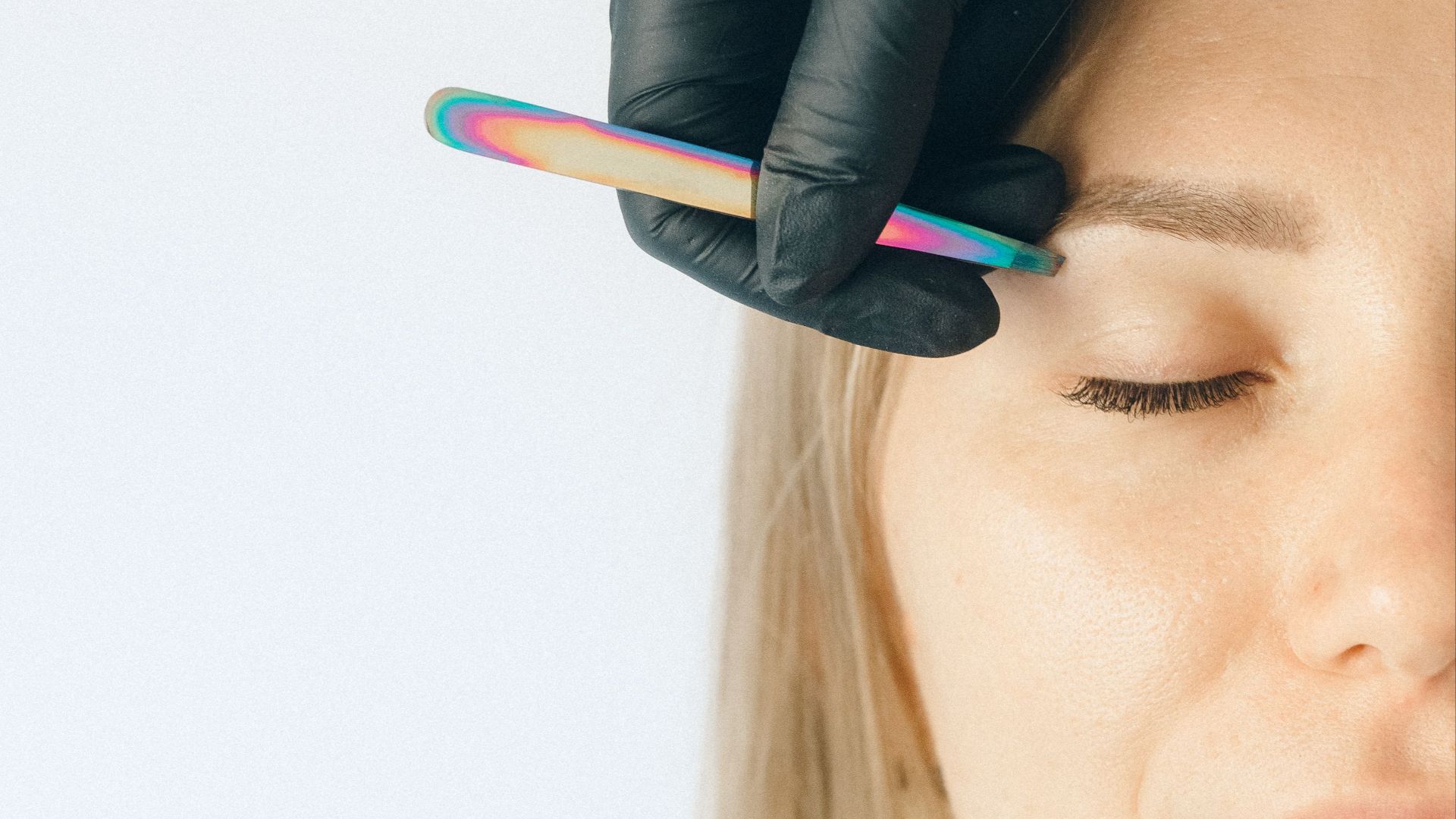
17. The Glabellar Reflex
Tap repeatedly between your eyebrows, and you'll automatically blink for the first few taps. Most healthy people quickly stop blinking as the brain realizes there's no real threat. Doctors sometimes test this reflex because continued blinking may provide clues about certain neurological conditions.
18. The Neck Righting Reflex
If your head suddenly turns while you're lying down, the rest of your body naturally wants to follow. Babies rely heavily on this reflex as they learn to roll over, but traces of it remain throughout life. It helps coordinate movement between the head and torso.

19. The Parachute Reflex
When babies are tipped forward unexpectedly, they'll instinctively throw their arms out as if trying to catch themselves. Unlike many infant reflexes, this one stays with you into adulthood. It's the same automatic movement you make when you stumble and reach out to break a fall. Your brain reacts before you've even processed what's happening.

20. The Breath-Holding Reflex
Try holding your breath for as long as possible, and eventually your body begins insisting that you breathe again. Rising carbon dioxide levels trigger an increasingly powerful reflex to restart normal breathing. While you have some voluntary control at first, the automatic drive eventually takes over.
 Abbas Malek Hosseini on Pexels