

Cracking the Human Code
Have you ever wished you could peer directly into someone's mind to figure out what they are actually thinking during a conversation? While real mind reading remains the stuff of science fiction, you can get incredibly close to it by paying attention to the subtle, subconscious physical cues people constantly drop. Human beings are constantly broadcasting their true feelings, hidden insecurities, and level of comfort through tiny shifts in their posture, gaze, and speech patterns.

1. The Direction of Their Feet
Look down at their shoes. If they want to talk to you, their feet will be facing you. If their feet are facing elsewhere while they talk to you, they’re looking forward to the conversation ending soon.

2. Spotting the Duchenne Smile
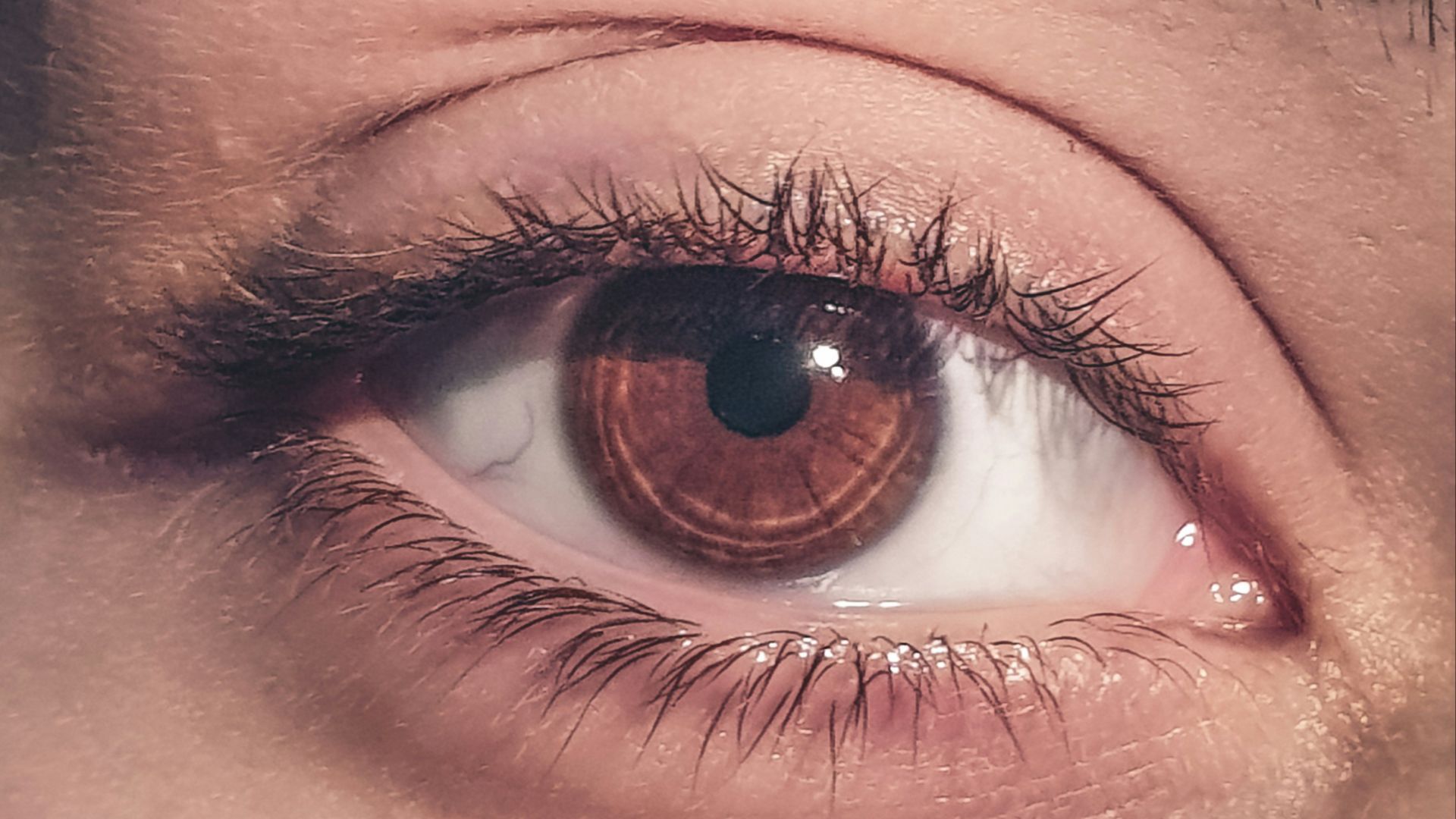
Authentic smiles of happiness always involve movement in the eyes. When someone is genuinely happy, their whole face lights up, creating tiny crinkles around their eyes. These crinkles are almost impossible to produce on command, so if their mouth is up but their eyes are flat, they’re just smiling politely.

3. Rapid Eye Blinking
A sudden, dramatic increase in how often someone blinks during a conversation typically points to heightened anxiety or cognitive overload. When a person feels stressed, tells a lie, or experiences a sudden surge of excitement, their autonomic nervous system naturally kicks into overdrive. Keeping an eye on this subtle rhythm helps you gauge exactly when a topic is making someone feel uncomfortable.

4. Mirrored Body Language
If they match your body language by crossing their legs when you do or holding their glass the same way you are, congratulations. You two are in sync. Mirroring behavior is a series of subconscious movements we make to indicate comfort, agreement, and interest in another person. Mirroring one another is how you know someone is having a good time.

5. Defensive Arm Crossing
While many people cross their arms simply because the air conditioning is blasting, doing so suddenly during a specific discussion often indicates a defensive mental block. This physical barrier acts as a subconscious shield to protect their vital organs when they feel threatened, highly skeptical, or emotionally closed off. Pay attention to the exact moment their arms fold to identify what triggered their discomfort.

6. The Throat-Clearing Tell
Did you know that one of the easiest tells that someone is anxious or lying to you is if they clear their throat? When we’re nervous, our vocal cords tighten and our mouths become dry. They’ll feel the need to clear their throat before they speak.
 Luiz Rogério Nunes on Unsplash
7. Touches to the Face
Watch out for people who frequently rub their nose, touch their forehead, or stroke their neck while discussing a project or plan. These self-soothing behaviors are used to pacify the nervous system and lower the heart rate when dealing with internal stress or dishonesty. Spotting these quick gestures tells you that they are feeling a lot more pressure than they are letting on.

8. Nodding in Threes
When someone nods their head three times in a row very quickly, they’re probably trying to hurry you along so you finish your thought. This nodding pattern tells the person speaking that they already know what they’re talking about and it’s their turn. Either slow your speech pattern down or ask for their opinion.

9. Pupil Dilatation
Our eyes react to emotional stimuli, causing our pupils to naturally expand when we look at something or someone we find highly appealing. If you are having a one-on-one conversation and notice their pupils widening in normal lighting, they are likely feeling highly engaged and attracted to your ideas. It is an involuntary biological reaction that is impossible for them to consciously control.

10. The Shoulder Shrug Variance
When someone doesn’t fully believe what they’re saying, they will sometimes shrug with only one shoulder. If they were fully confident in their statement, their body language would mirror what they’re saying with both shoulders. A disproportional shoulder shrug is a tell that they aren’t fully on board.

11. Overly Persistent Eye Contact
While we are taught that maintaining good eye contact is polite, someone who stares at you without looking away is often trying too hard to appear trustworthy. People who are being deceptive frequently overcompensate by locking their eyes onto yours to see if you are actively believing their story. A natural, comfortable conversation usually involves periodic, relaxed breaks in eye contact every few seconds.
12. Hand-to-Chest Gestures
Placing a hand over your heart during a discussion is a universal gesture that signals honesty and openness. People do this instinctively when they really want you to trust them or know that you’re skeptical. Although this gesture can be genuine, if it seems forced or awkward, they may be trying to manipulate your opinion of them.

13. Feet Tapping and Shifting
A constant, rhythmic tapping of the toes or shifting of weight from side to side is a classic sign of pent-up physical energy and impatience. Their brain has already moved on to the next task or appointment, and their body is trying to catch up with that internal urgency. If you notice this restless movement, wrapping up your point quickly will always make you a highly appreciated communicator.

14. Hands Hidden in Pockets
If someone keeps their hands hidden like you see here, they’re likely feeling insecure or trying to conceal something. Throughout history, showing our palms has been a nonverbal cue that we mean no harm. Next time you’re talking to someone with their hands shoved awkwardly in their pockets, ask them a question that encourages hand gestures.

15. The Eyebrow Flash
A quick, fraction-of-a-second raise of the eyebrows when seeing someone is a universal sign of recognition and positive social intent. This tiny micro-expression shows that they are genuinely pleased to see you and are open to chatting. If you greet someone and their eyebrows remain completely static, they might not be feeling particularly social.

16. Leaning Back in Chairs
Did you know that leaning back when someone is talking is a sign that they’re losing interest? By leaning away from you, they are creating more distance between themselves and you. They’ve subconsciously decided that they need space, and you’d be smart to change the subject.

17. Constant Object Fiddling
Fidgeting with a phone, spinning a pen, or twisting a ring during a meeting is a clear sign of distraction or a need to burn off nervous energy. This behavior helps quiet an overstimulated mind or provides stimulation to a brain that is feeling incredibly bored. Giving them a specific, active role in the conversation can quickly help focus their wandering attention.

18. Tightened, Compressed Lips
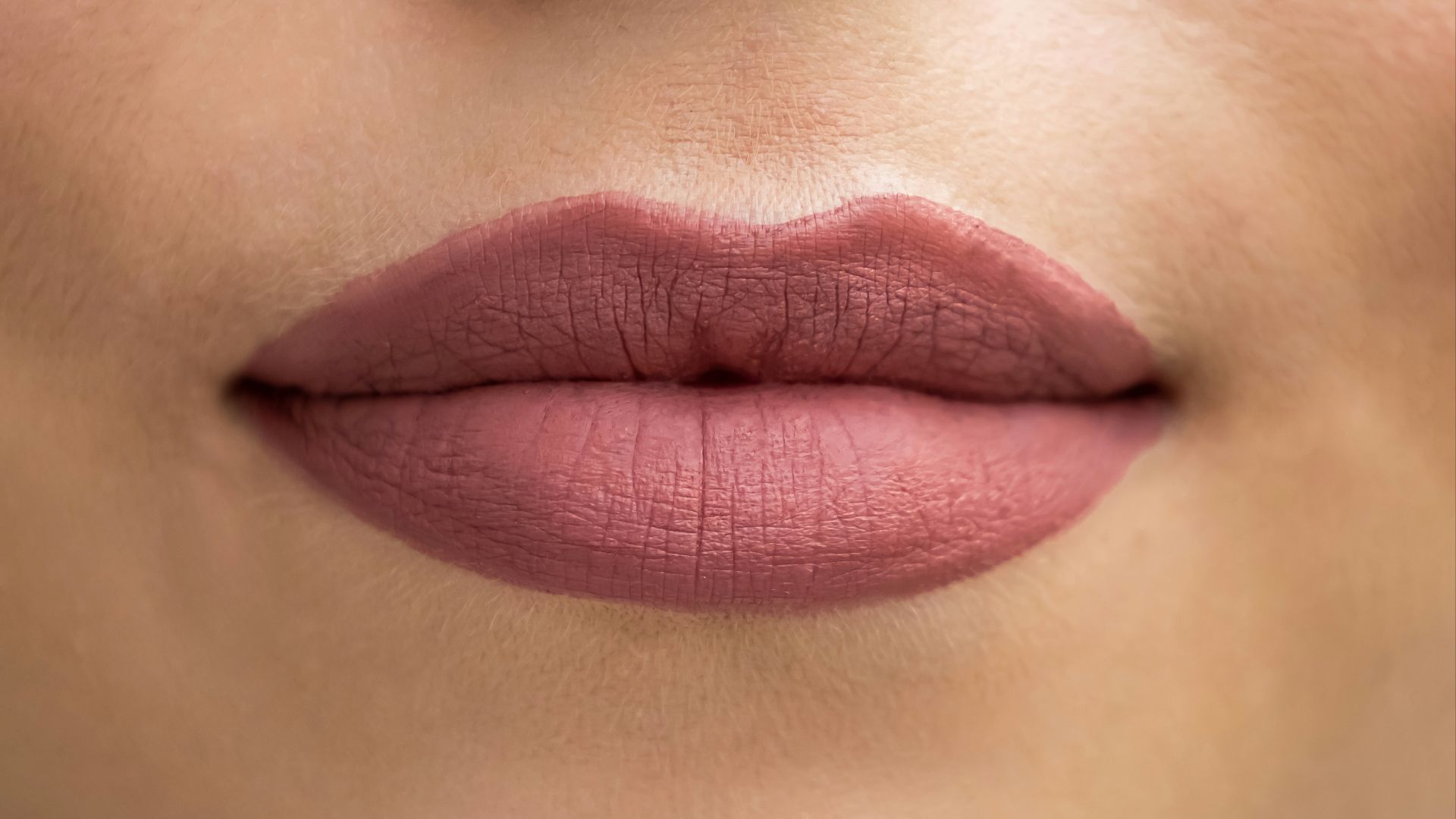
Speechless? When someone presses their lips tightly together, they’re either holding back what they want to say or they don’t like what you just said. The mind unconsciously tells the body to close the lips to prevent an immediate reaction.
19. The Head Tilt
Slightly tilting the head to one side while listening is a wonderful sign of deep engagement, curiosity, and empathy. This posture exposes the neck, which is a highly vulnerable physical area, signaling that they feel completely safe and relaxed around you. It shows they are actively processing your words.

20. Posture Expansion
Take notice of how confidently and openly someone stands or sits when they feel comfortable in their surroundings. In addition to taking up more space with their belongings, they won’t shy away from using their body to claim more room. You’ll know someone is feeling this way when they spread out in their chair.
KEEP ON READING



20 Ways To Get Your Vitamins And Minerals

20 Ways Doing Less Can Actually Improve Your Health