Refreshing Your Living Space
If you've been hitting the snooze button more than usual or feeling like a zombie by mid-afternoon, the culprit might not just be a late night of scrolling. Our homes are filled with everyday items that release subtle chemicals and particles which can quietly drain your energy levels over time. With that in mind, here’s a list of common household items that could be contributing to that heavy, sluggish feeling.

1. Synthetic Fragrance Plugs
Those tiny oil bottles may help your living room smell like a beach getaway, but they’re likely loaded with hormone-disrupting phthalates. Breathing these chemicals regularly can create a constant foggy feeling. Switch to a natural diffuser and some good-quality oils instead.

2. Old Non-Stick Pans
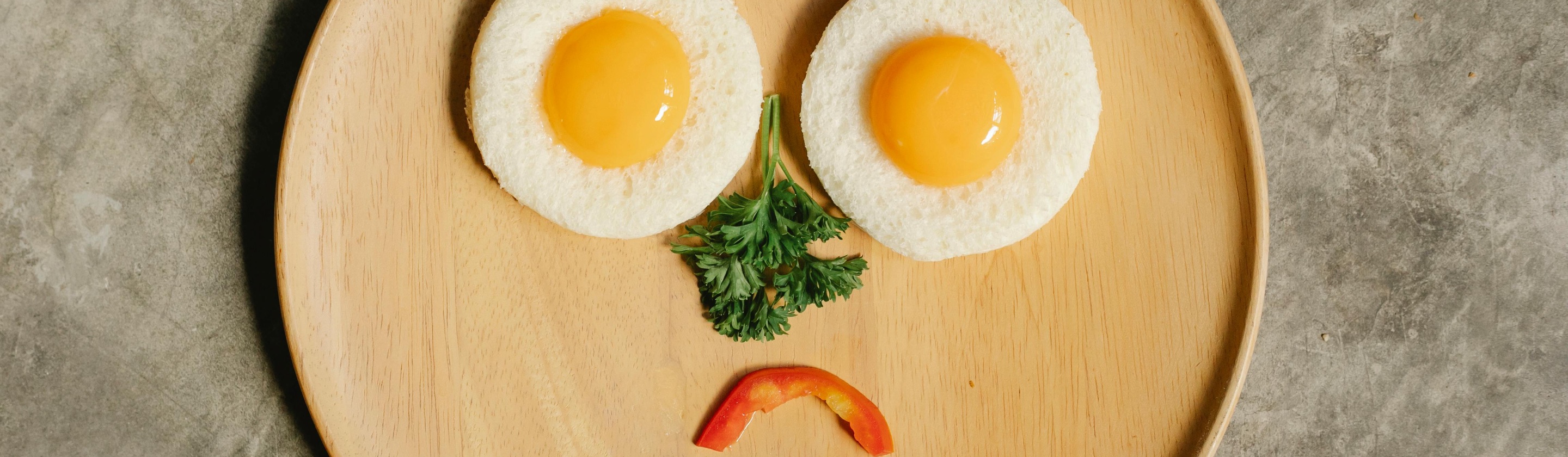
Teflon pans with scratches release harmful perfluorinated chemicals into your eggs each time you cook. These toxins can build up in your body and are commonly associated with thyroid problems that can leave you feeling drained. You’ll notice a difference once you ditch those worn-out pans.
 Sternsteiger Germany on Unsplash
3. Pressed Wood Furniture
Most cheap desks and shelves use formaldehyde-based glues that slowly release into your bedroom. Sleeping with formaldehyde in your lungs all night can cause headaches and draggy feelings in the morning. Try to air out your room or buy hardwood furniture whenever possible.
4. Antimicrobial Hand Soaps
Triclosan was created to fight bacteria, but it sure doesn’t make your hormones very happy. Unhealthy hormones = unhealthy sleep cycles, and you can forget about waking up feeling refreshed with triclosan all over your hands. Plain soap and water are much easier on you.

5. Conventional Laundry Detergents
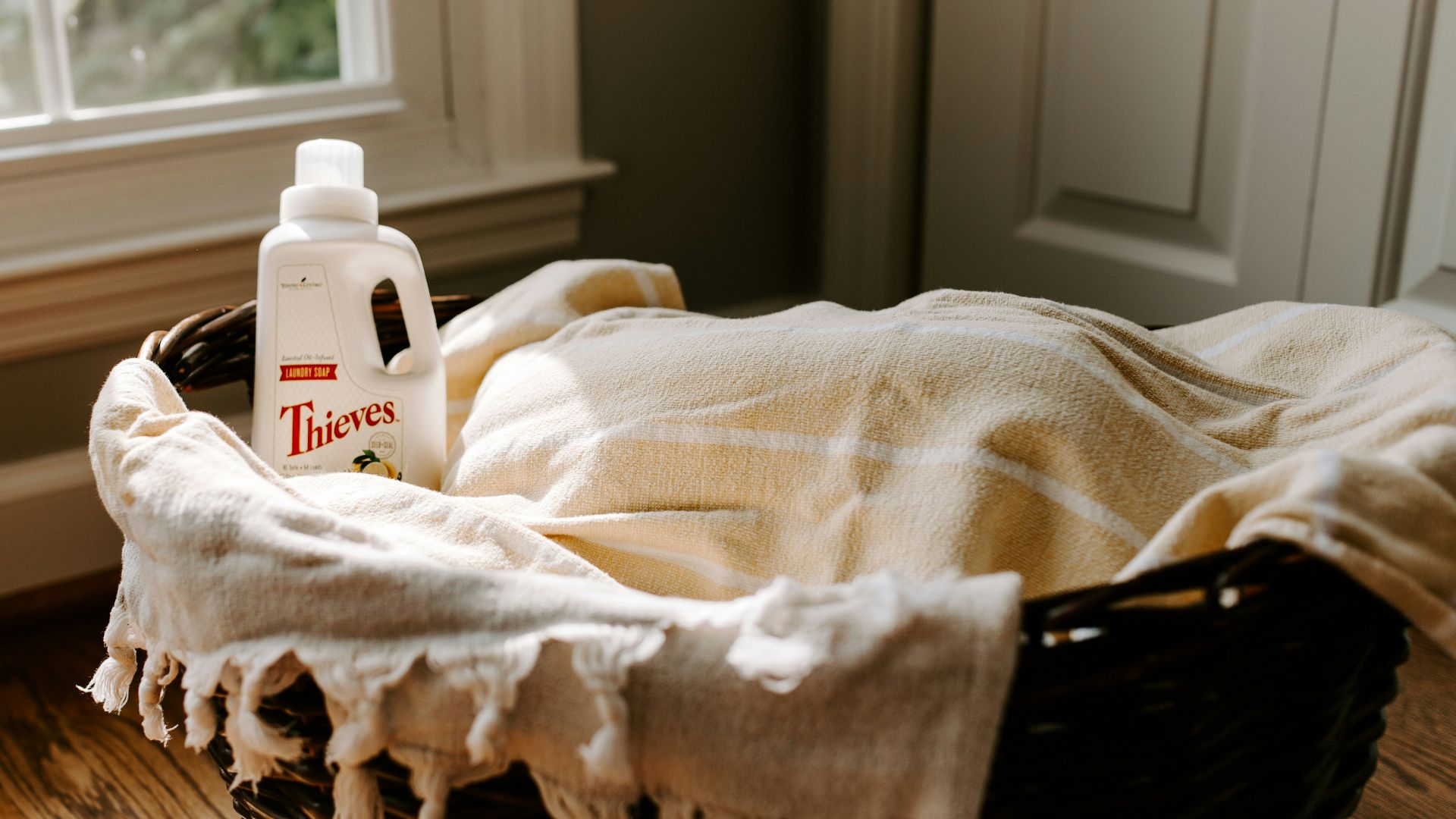
The heavy perfumes and brighteners in standard laundry pods often cling to your bedsheets and clothes long after the wash is done. These synthetic additives can cause skin irritation and respiratory stress that quietly saps your energy throughout the day. Opting for a plant-based, fragrance-free version will help you breathe easier.
6. Vinyl Shower Curtains
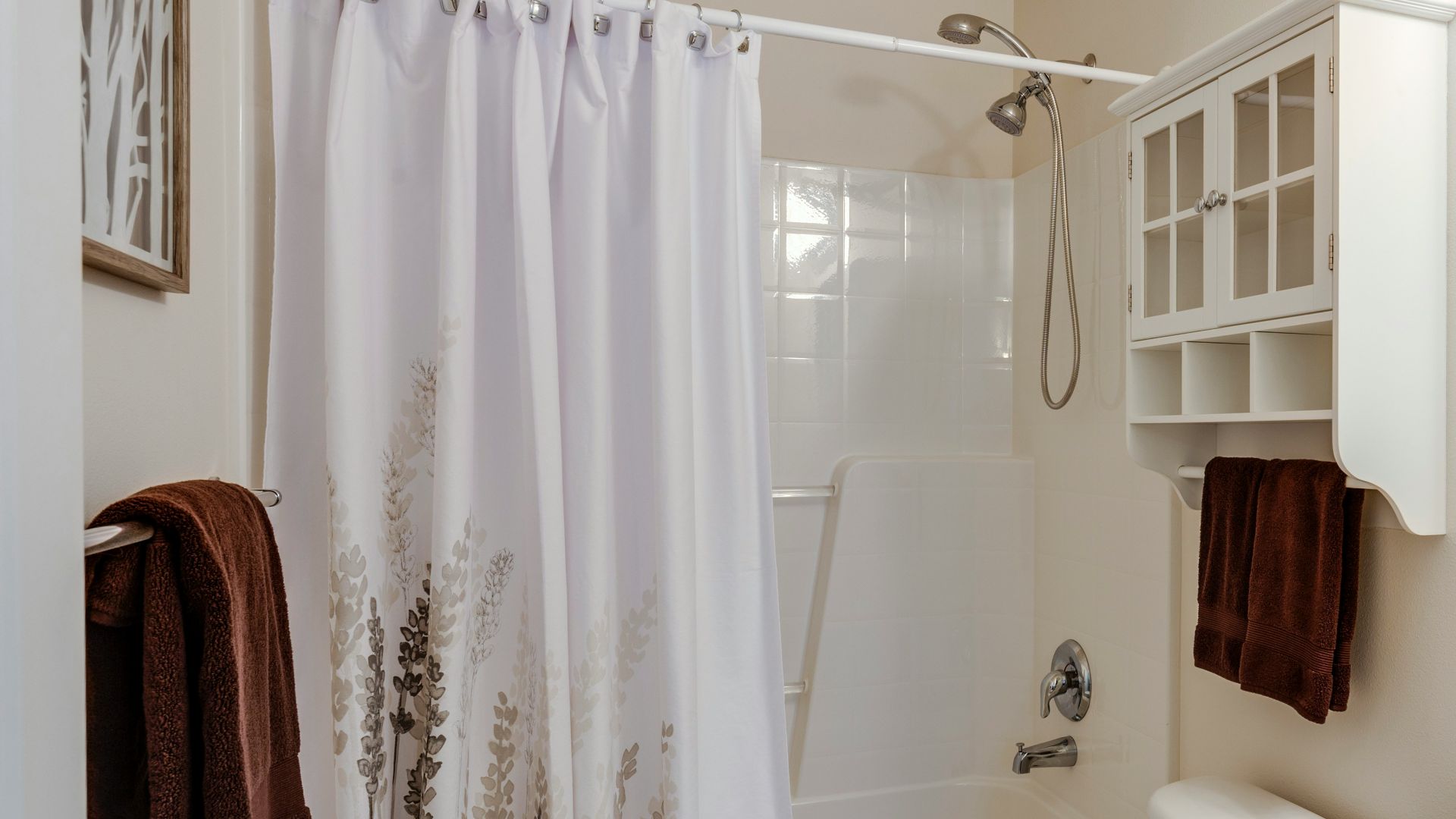
That "new shower curtain smell" is actually a cocktail of volatile organic compounds that can be quite overwhelming in a small, steamy bathroom. These chemicals are notorious for causing dizziness and fatigue, especially if you take long, hot showers every morning. You might want to consider switching to a fabric liner.
 Francesca Tosolini on Unsplash
7. Old Couches
Many older foam cushions were treated with PBDEs to make them more flame-resistant, but these chemicals eventually break down into household dust. Inhaling or touching this dust can interfere with your metabolism. Keeping your living room vacuumed with a HEPA filter is an easy way to reduce your exposure.
 Phillip Goldsberry on Unsplash
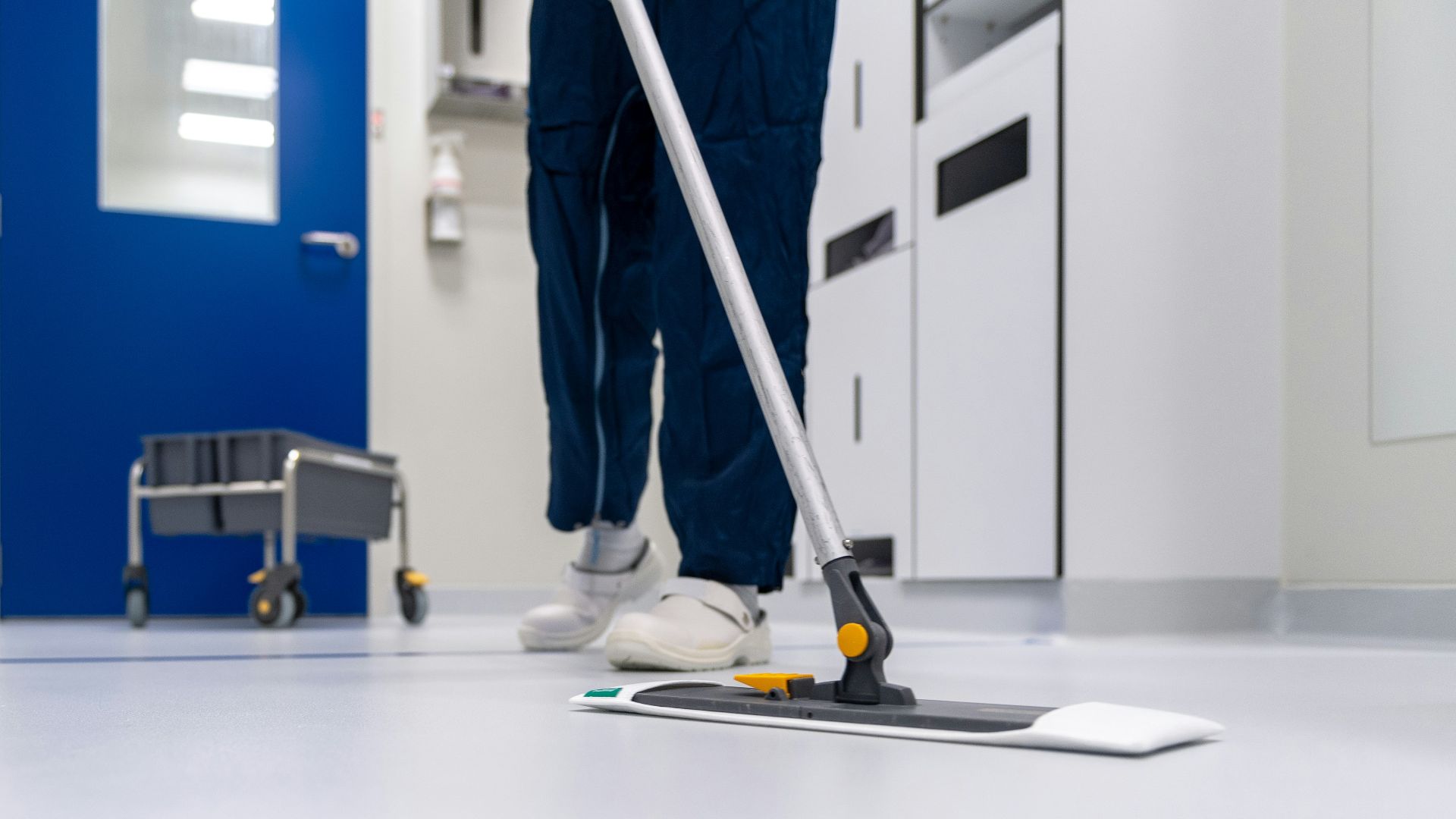
8. Bleach-Based Cleaners
If you love the way your whole house smells after you bleach the floors, you might want to think again. Chlorine chemicals leave your lungs burnt and oftentimes cause you to crash on the couch after cleaning. Grab some vinegar or lemon-based alternatives for a bright smelling house.
9. Plastic Food Containers
You know how your leftovers don’t taste quite the same when you reheat them in plastic? That’s because BPA leaches into your food when it’s heated. BPA is a well-known energy zapper that can make you feel sluggish and moody.

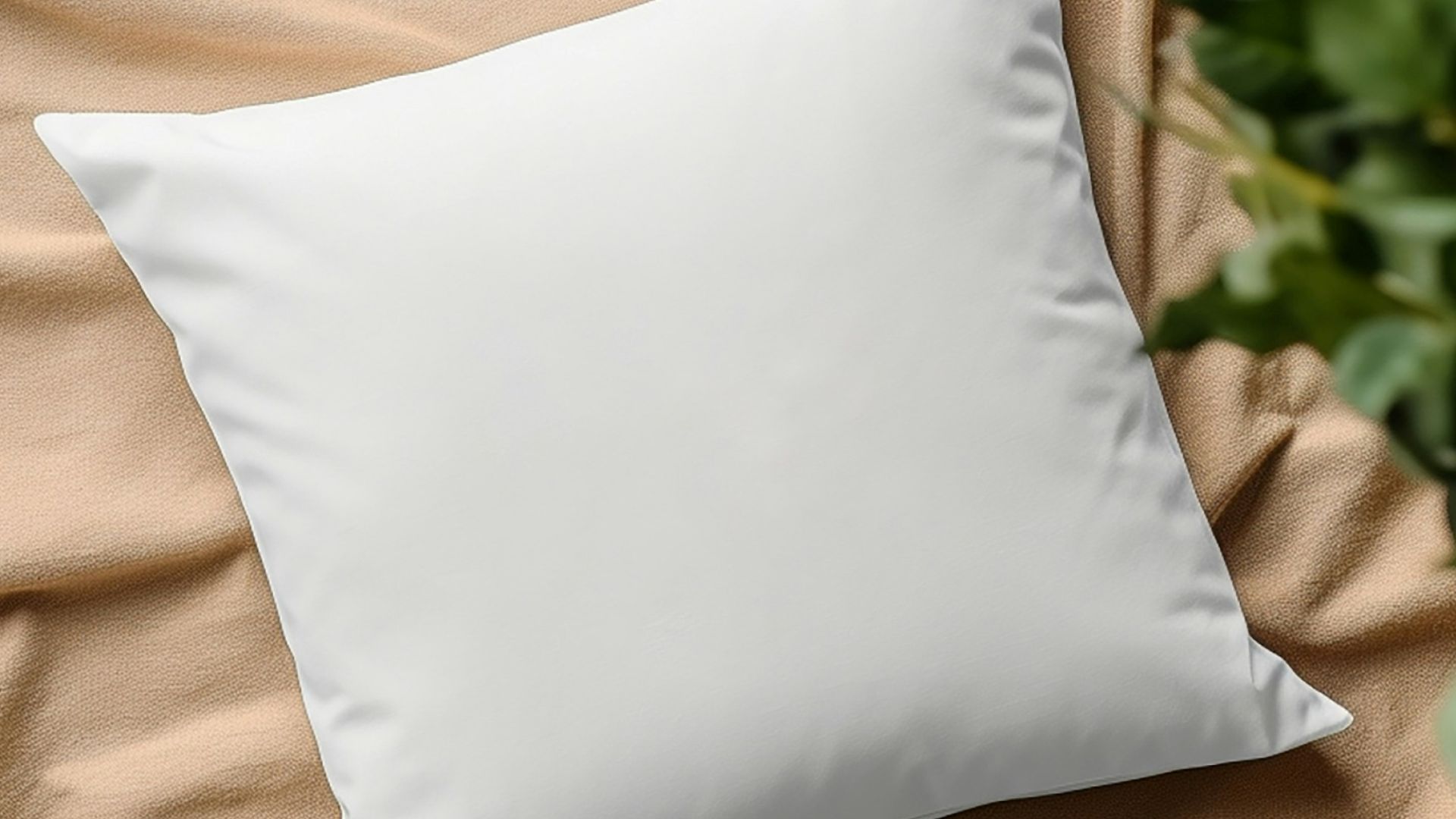
10. Memory Foam Pillows
Cheap memory foam often uses petroleum-based chemicals that release a strong odor when they're brand new. Since your face is pressed against the pillow for hours, you're constantly inhaling these compounds, which can interfere with your oxygen intake during sleep. Upgrading to a natural latex or wool pillow is key.
 personalgraphic.com on Unsplash
11. Pesticide Residue on Plants
Spraying toxic chemicals onto your houseplants means you’re also spraying them directly into your breathing zone. Neurotoxins, even in small doses, are designed to make you feel extra tired and sluggish. Try neem oil for a natural pesticide.

12. New Carpet Fumes
Nothing feels better than cracking your feet open over some soft new carpet, but that new smell doesn’t go away after a few weeks. Carpet glue is made up of chemicals that cause chronic exhaustion when inhaled over long periods of time. Air out your home as best you can.

13. Canned Food Linings
Believe it or not, many cans are still lined with resin that leaks bisphenols into your tomato sauces. Regular intake of these synthetic hormones can cause adrenal fatigue, which means you constantly feel anxious and tired. Scan the grocery store for BPA-free labels.

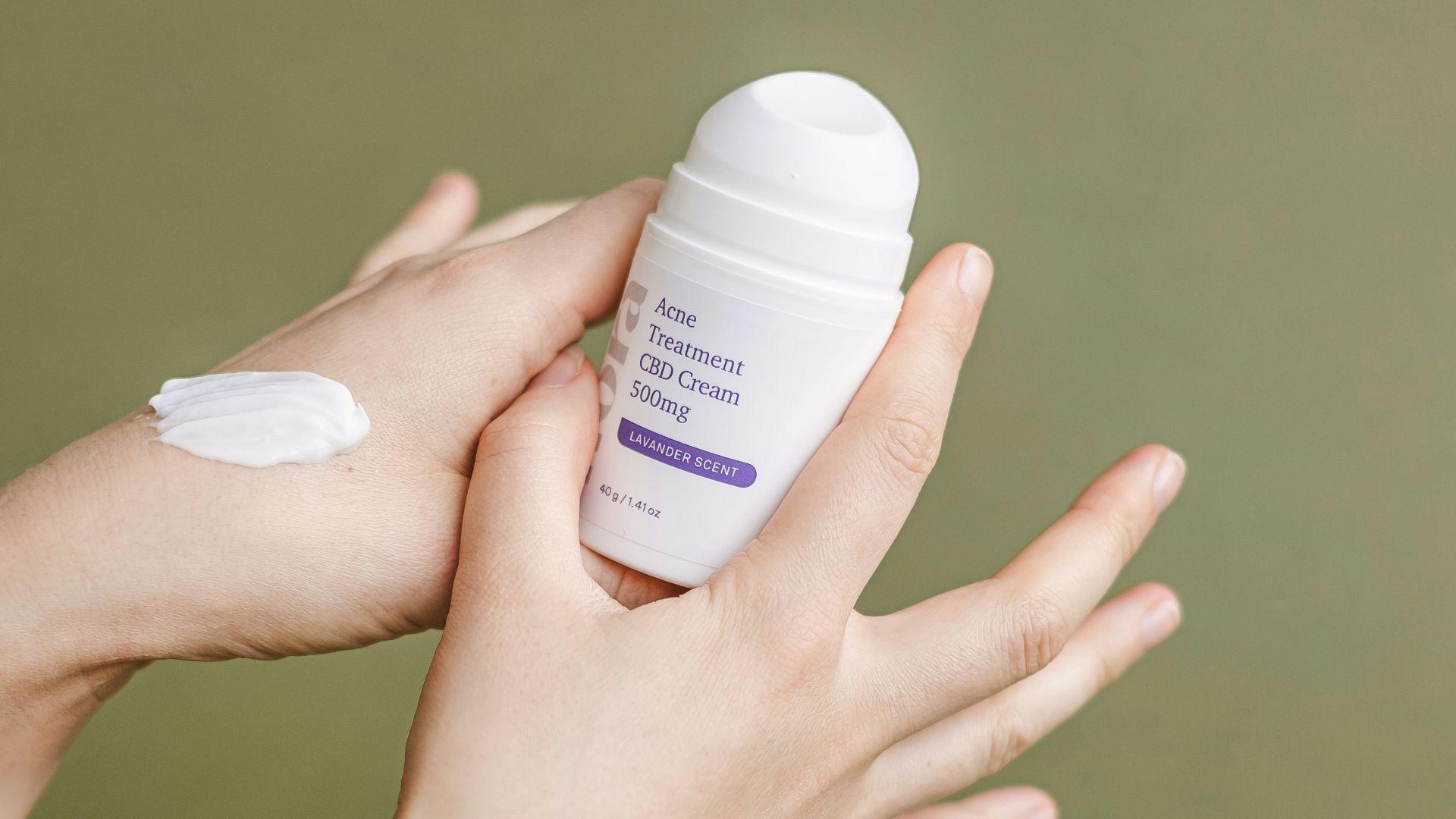
14. Aluminum in Deodorant
While it's great for staying dry, the aluminum found in many antiperspirants can build up in your system and contribute to oxidative stress. High levels of metals in the body are often linked to a sense of "heaviness" and chronic tiredness that’s hard to shake. There are tons of effective natural deodorants on the market.
15. Standard Paraffin Candles
Burning candles made from paraffin wax releases soot and toluene into your home, which is essentially like running a small diesel engine in your room. This poor air quality can make it difficult for your body to get the clean oxygen it needs to maintain high energy levels. Switching to soy or beeswax candles will give you that cozy glow.
 Viktoria Kalashnikova on Unsplash
16. Dry Cleaned Clothes
Did you know dry cleaners use a chemical called perc? It’s often found on your clothing weeks after you’ve worn it because it stays as a residue. Regular exposure to perc can cause nausea and drop your energy immensely while you’re working.

17. Tap Water Contaminants
Even microscopic amounts of lead or chlorine found in your tap water can tax your body's filtering systems. If your body is constantly detoxing from the water you drink, there’s no energy left for you to live your life. Buy a good water filter and watch how much more you can accomplish in a day.

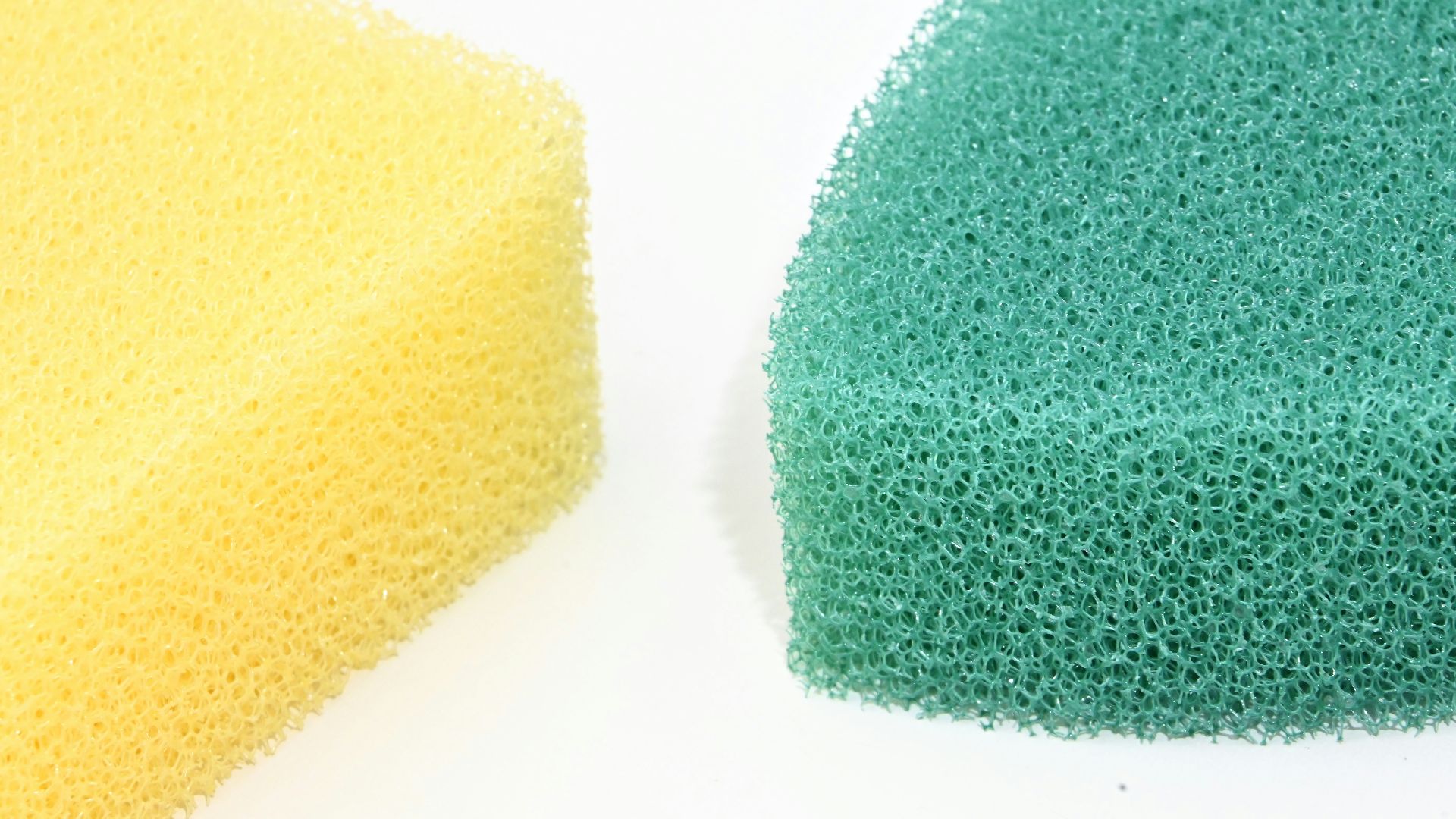
18. Antibacterial Kitchen Sponges
Many sponges are treated with chemicals to prevent mold, but those same agents can end up on your dishes and eventually in your system. These additives are often unnecessary and can contribute to the chemical load that makes you feel run down. Plain cellulose sponges work just as well.
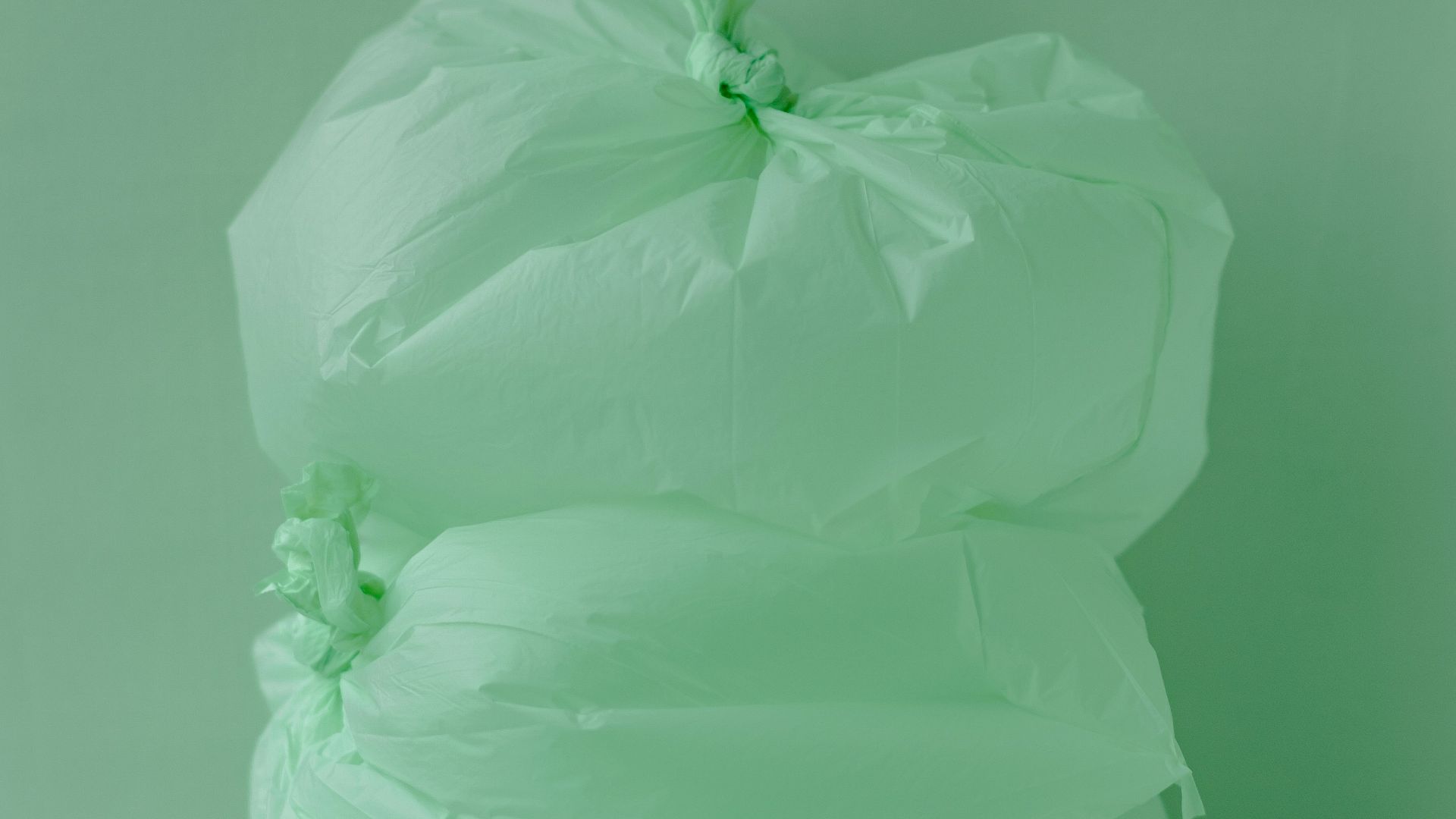
19. Scented Trash Bags
Manufacturers often add heavy synthetic perfumes to trash bags to mask odors, but these scents can be surprisingly toxic in a closed kitchen. The chemicals used to create these "fresh" scents can trigger instant fatigue or lightheadedness in sensitive individuals. You're better off using unscented bags.
20. Dust Mite Waste
While not a "chemical" in the traditional sense, the accumulation of dust mite proteins in your mattress can trigger a low-grade immune response. Your body spends energy fighting off these allergens all night. Using an allergen-proof mattress cover can provide a huge boost.