Supporting New Parents
Parenting shouldn't come with a side of financial panic. Some countries actually get this right, building systems where new parents can focus on their babies instead of their bank accounts. The following places understand that those first months matter deeply—for bonding, for recovery, for figuring out how this tiny human works. They've crafted policies that give families real time together without much stress.

1. Sweden
Up to 480 days of parental leave per child—that's over a year and a half that Swedish parents can share between them while still receiving a significant portion of their salary. The system actively encourages fathers to take a portion of this leave.
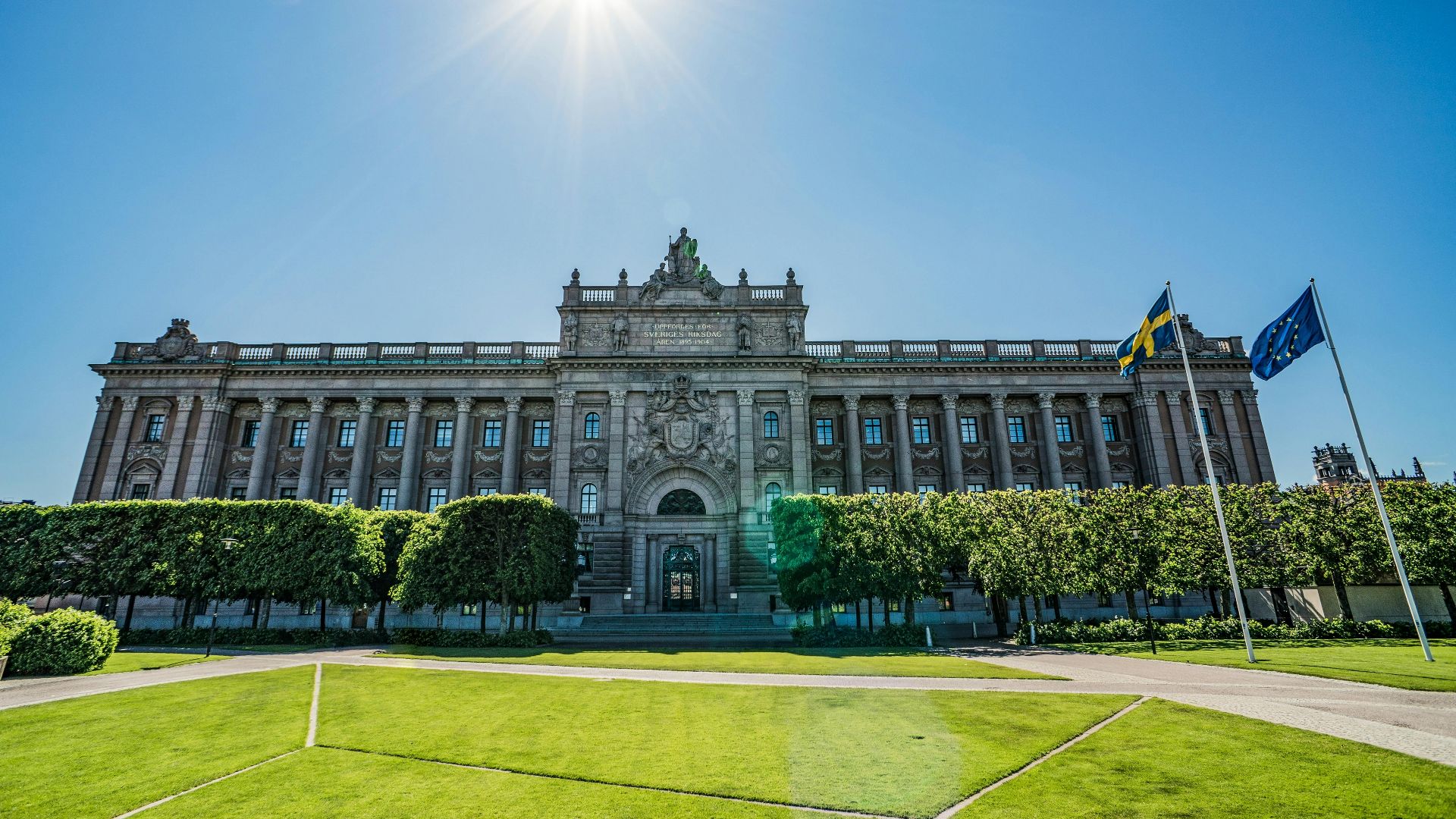
2. Norway
Norwegian parents face an enviable dilemma: take 49 weeks at full pay or stretch it to 59 weeks at 80% pay. Both parents can split this leave between them, and there's a dedicated "father's quota" built right into the system to ensure dads participate.
3. Finland
Mothers receive maternity leave timed around birth, fathers get their own paternity leave, and then additional parental leave becomes available after those initial periods end. Leave payments are partly salary-based, so your actual income affects the support you receive.
4. Iceland
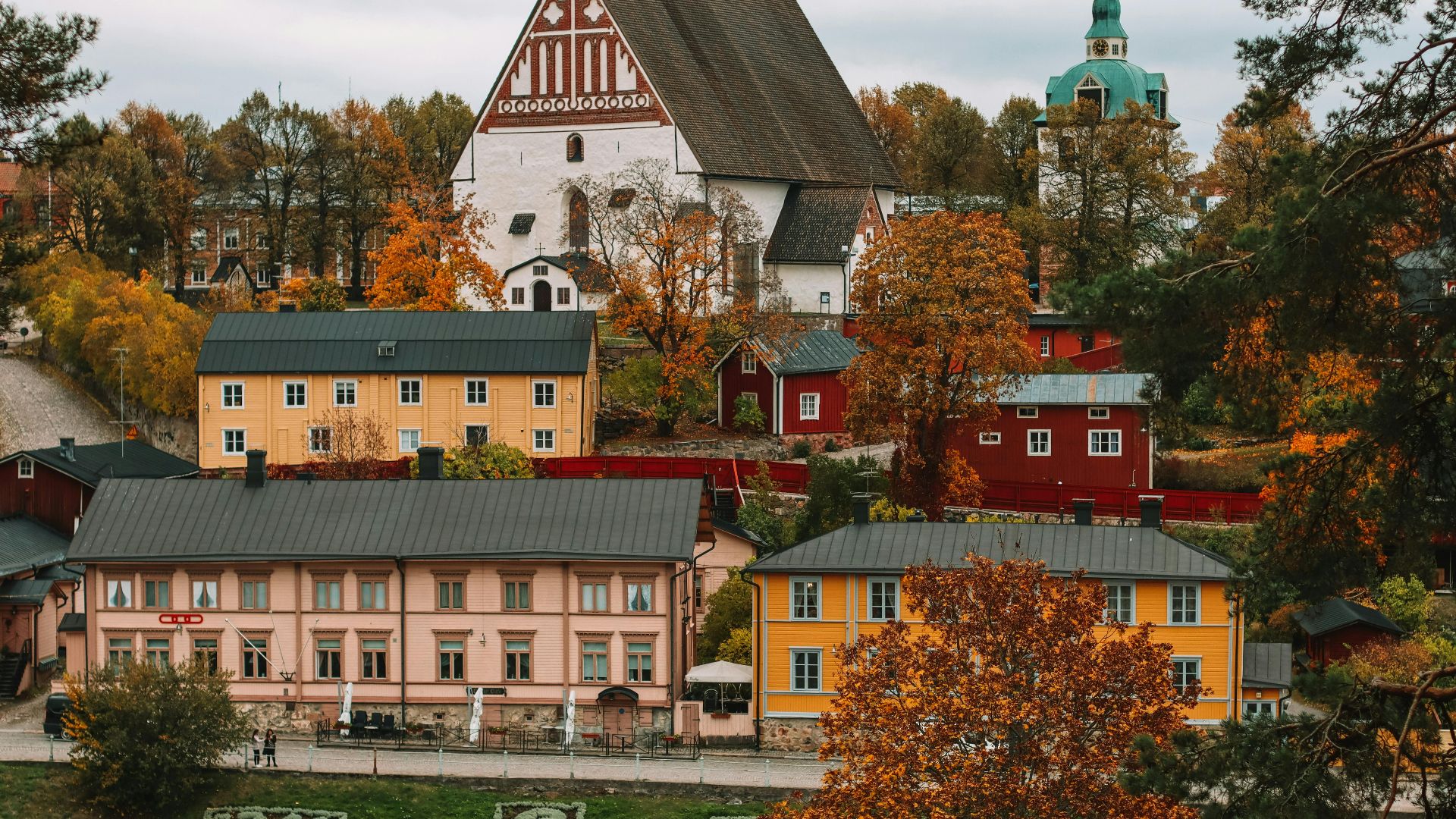
Almost every father in Iceland takes his allotted leave. The country provides 12 months of parental leave divided equally between parents, with partial payment based on previous income. Iceland reserves a specific quota for fathers that can't be transferred to mothers.
5. Denmark
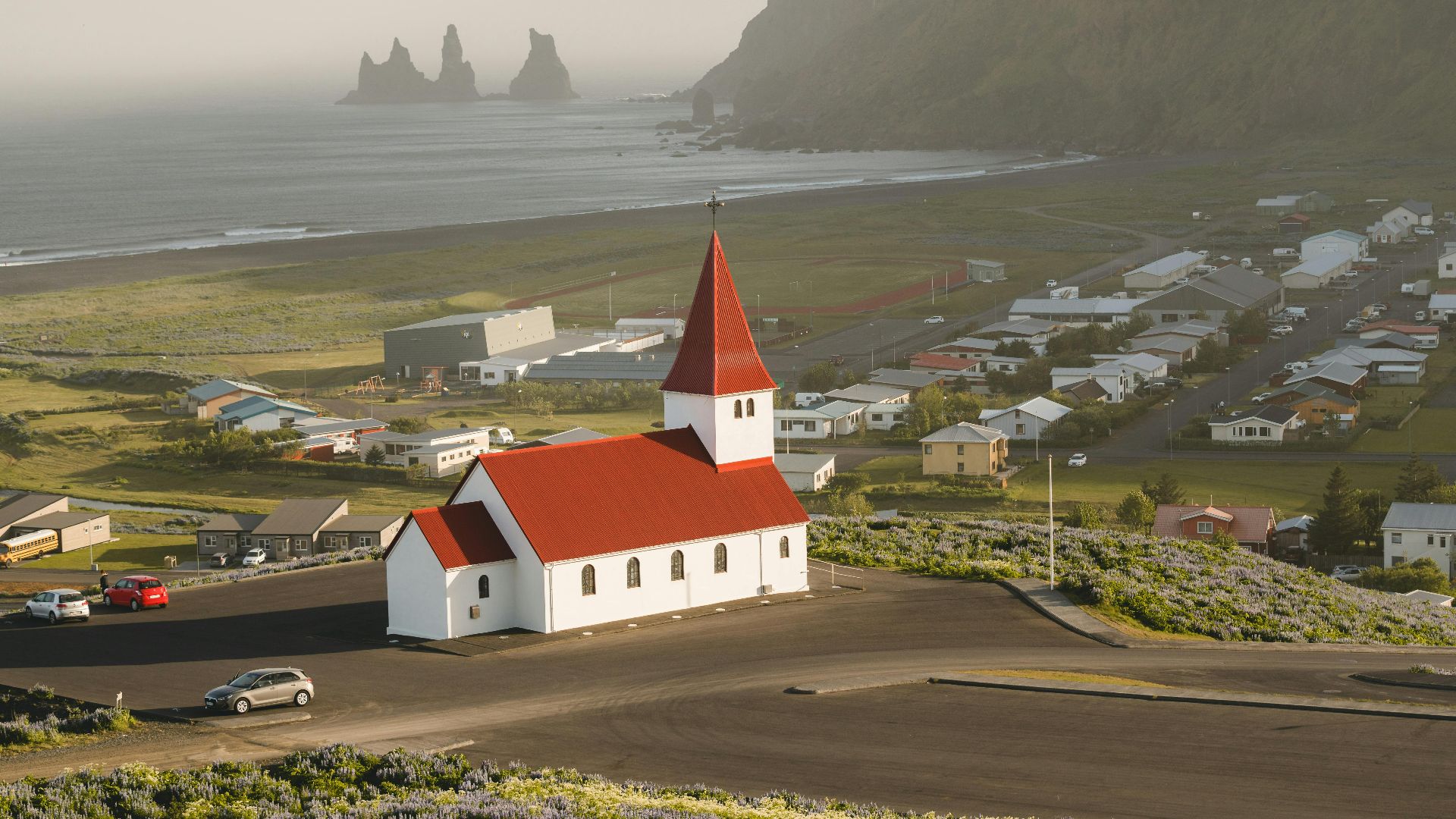
Paid maternity leave covers the period before and after birth, followed by parental leave that both parents can share beyond those initial weeks. The government funds part of this system, making it accessible across income levels.
6. Germany
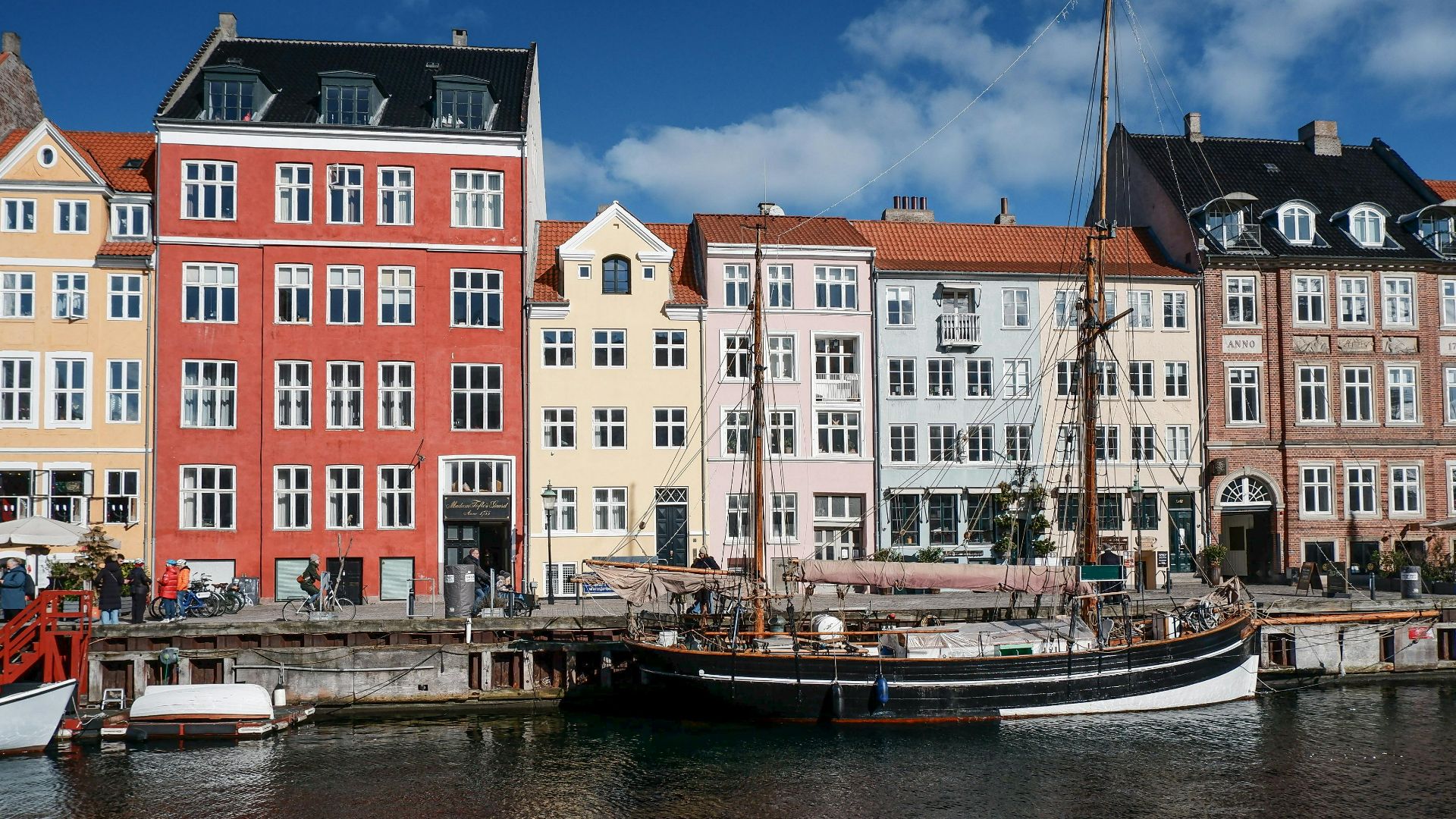
Here, mothers get 14 weeks of maternity leave at full pay to start. Then the real flexibility kicks in: parents can take up to three years of parental leave with financial support, and both mothers and fathers qualify.
7. France
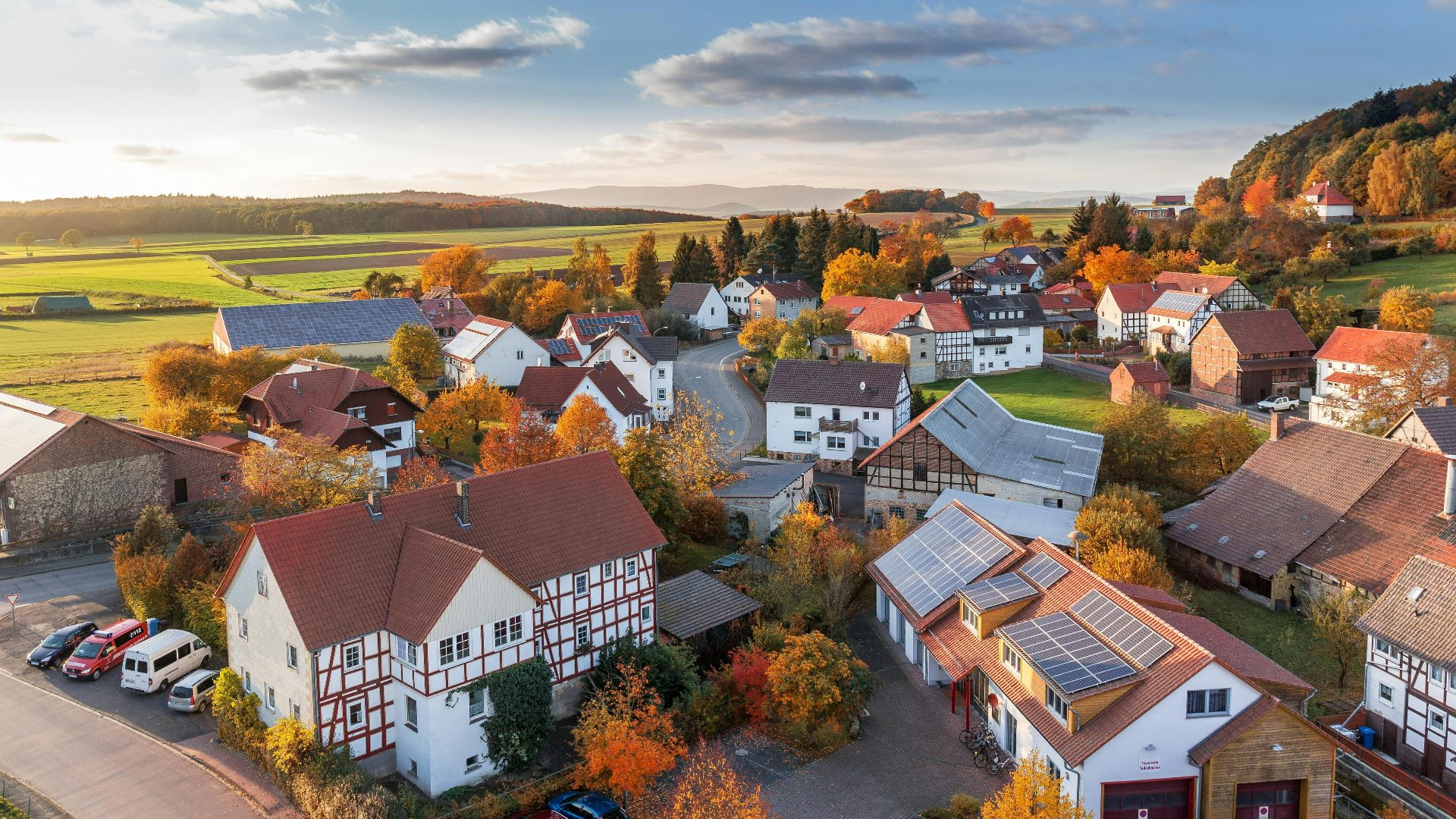
French law deliberately encourages shared parental responsibilities. For a first child, mothers receive 16 weeks of maternity leave, with longer durations for subsequent children. Fathers can take 28 days of paternity leave, and payments are calculated based on previous salary levels.
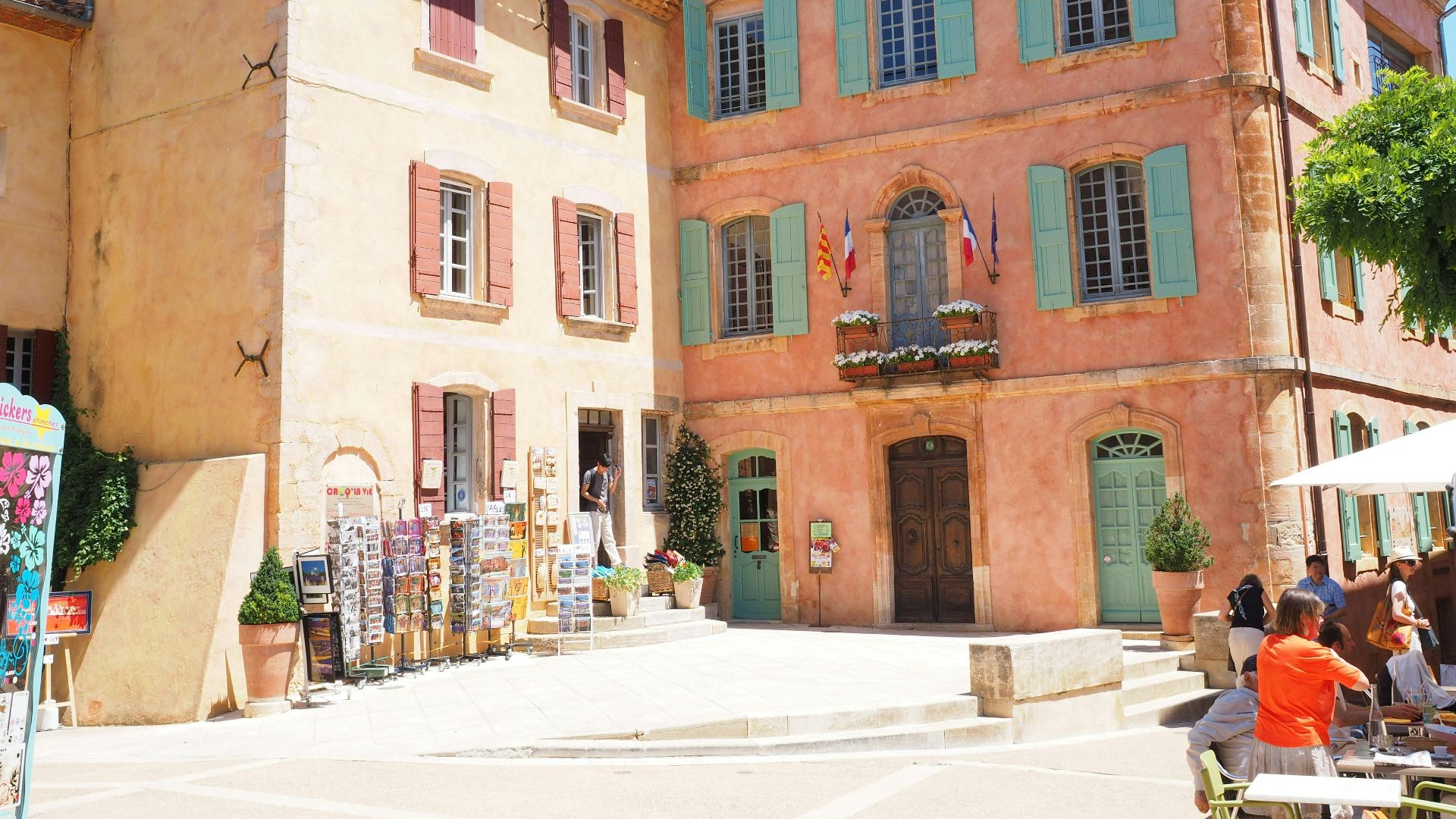
8. Portugal
Between 120 and 150 days of paid parental leave form the baseline. Mothers and fathers can share additional days beyond that, with payment based on salary percentages. Fathers who take at least 30 days of leave earn extra days for the family.
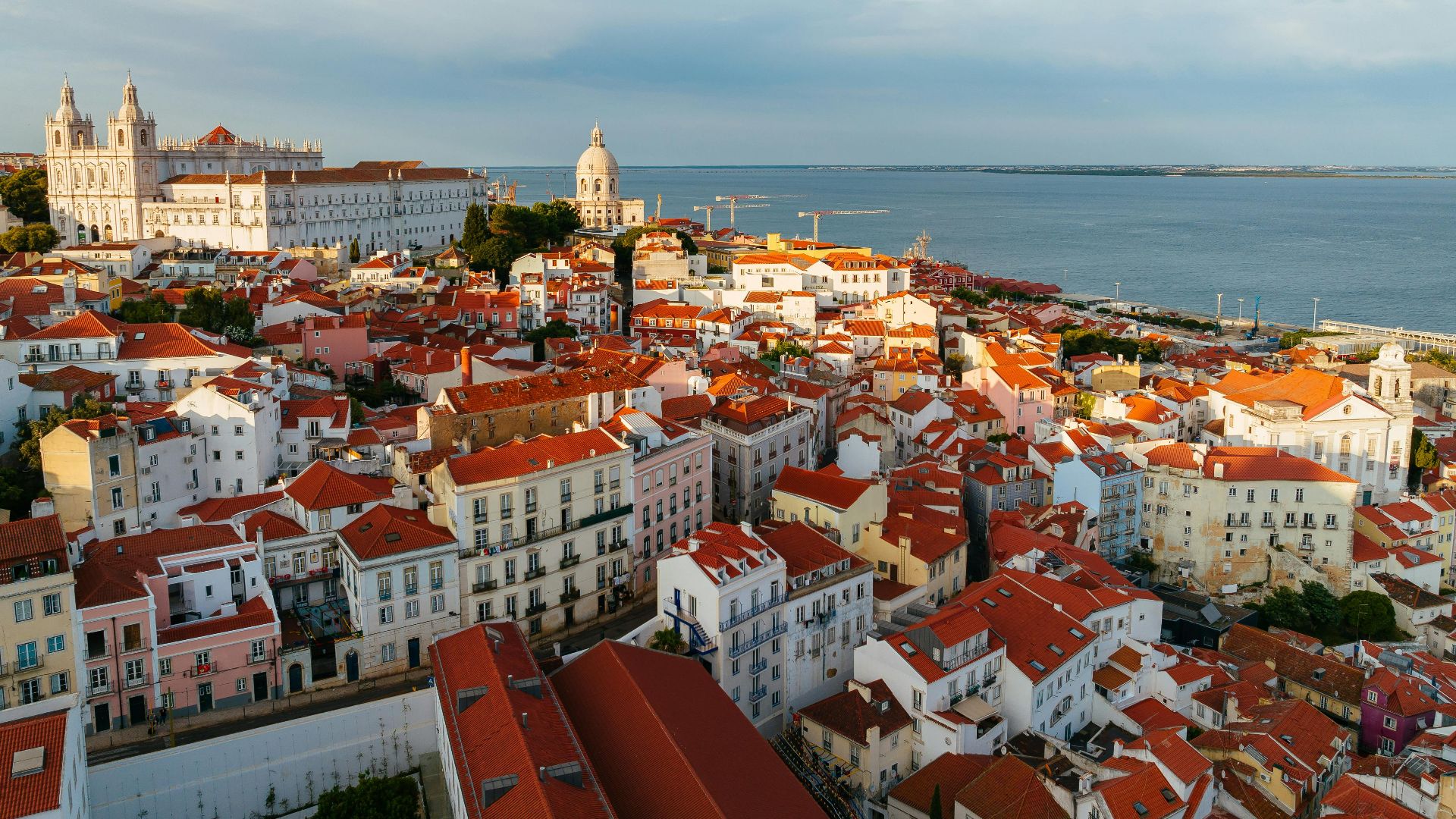
9. Spain
Spain recently expanded paternity leave specifically to promote gender equality. Sixteen weeks of maternity leave at full pay, and now paternity leave matches that exact duration. Both parents can even take leave simultaneously right after birth if they want.
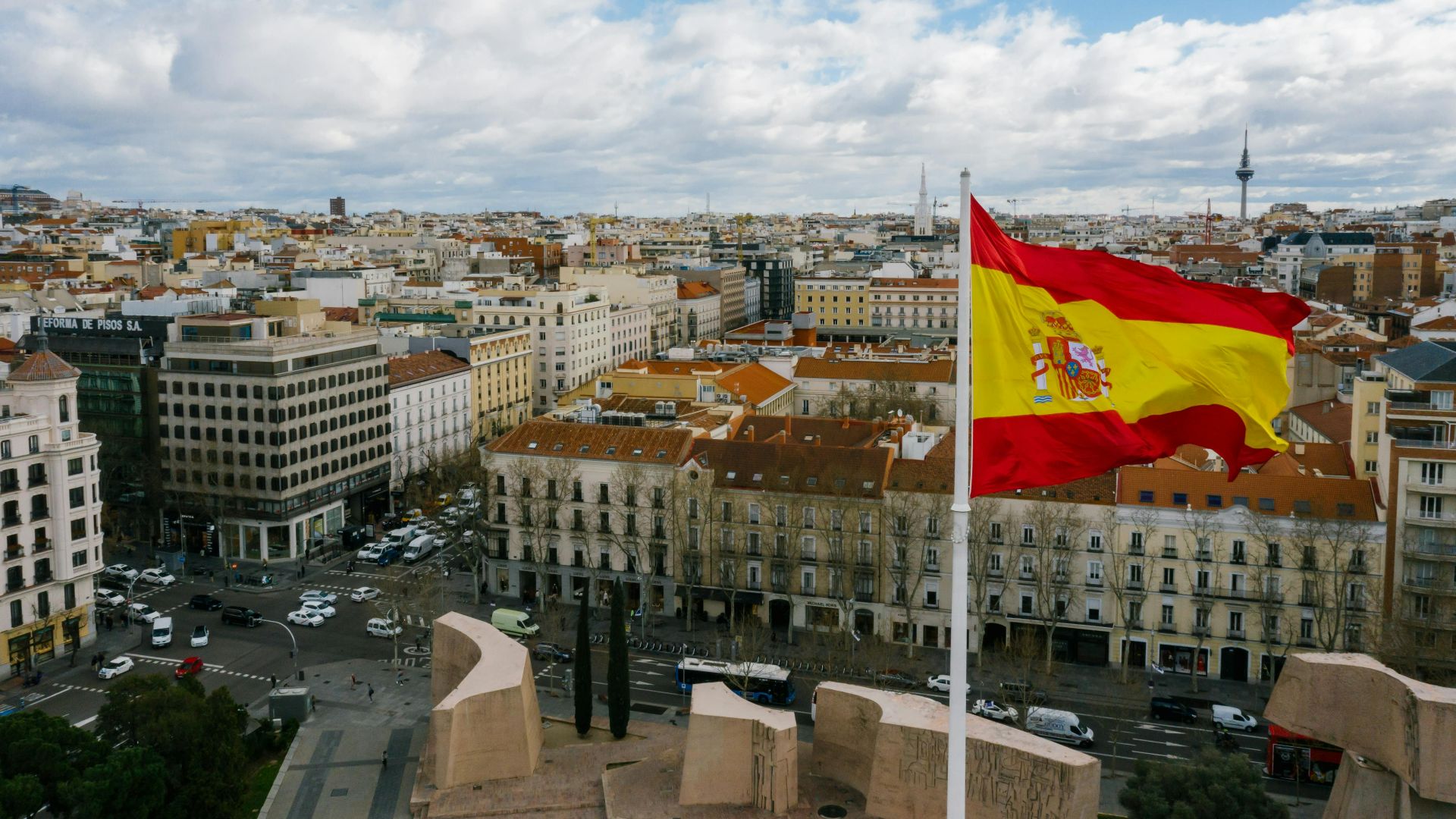
10. Belgium
Fifteen weeks of maternity leave provides the foundation, while fathers can take around 10 days of paternity leave. Social security funds these salary-based payments, distributing the cost across society rather than placing it entirely on employers or families.
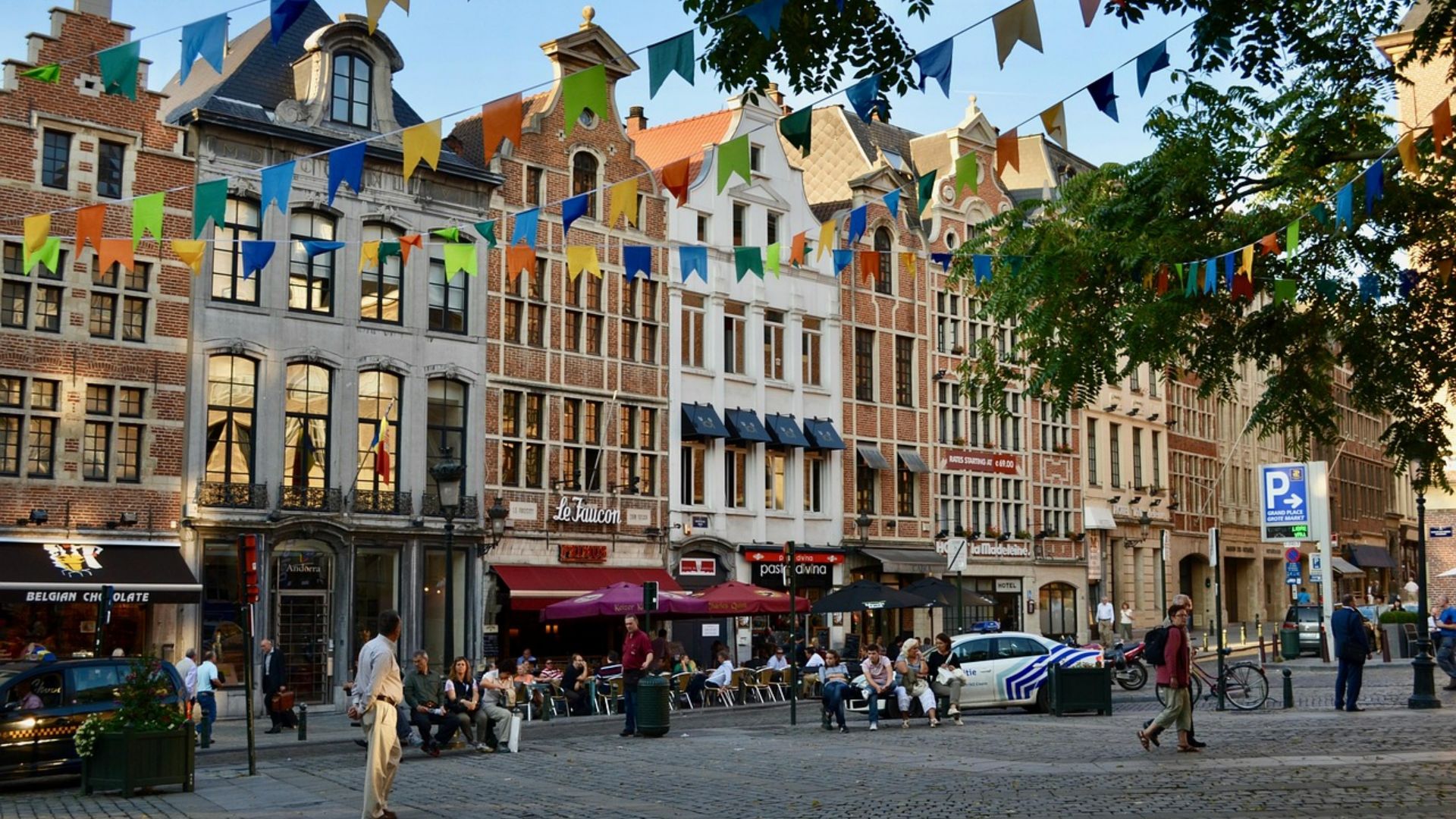
11. Netherlands
The government covers a portion of the cost, making this financially feasible for families across different economic situations. Dutch parents frequently split parental leave between them, creating a tag-team approach to balancing work responsibilities and childcare duties.
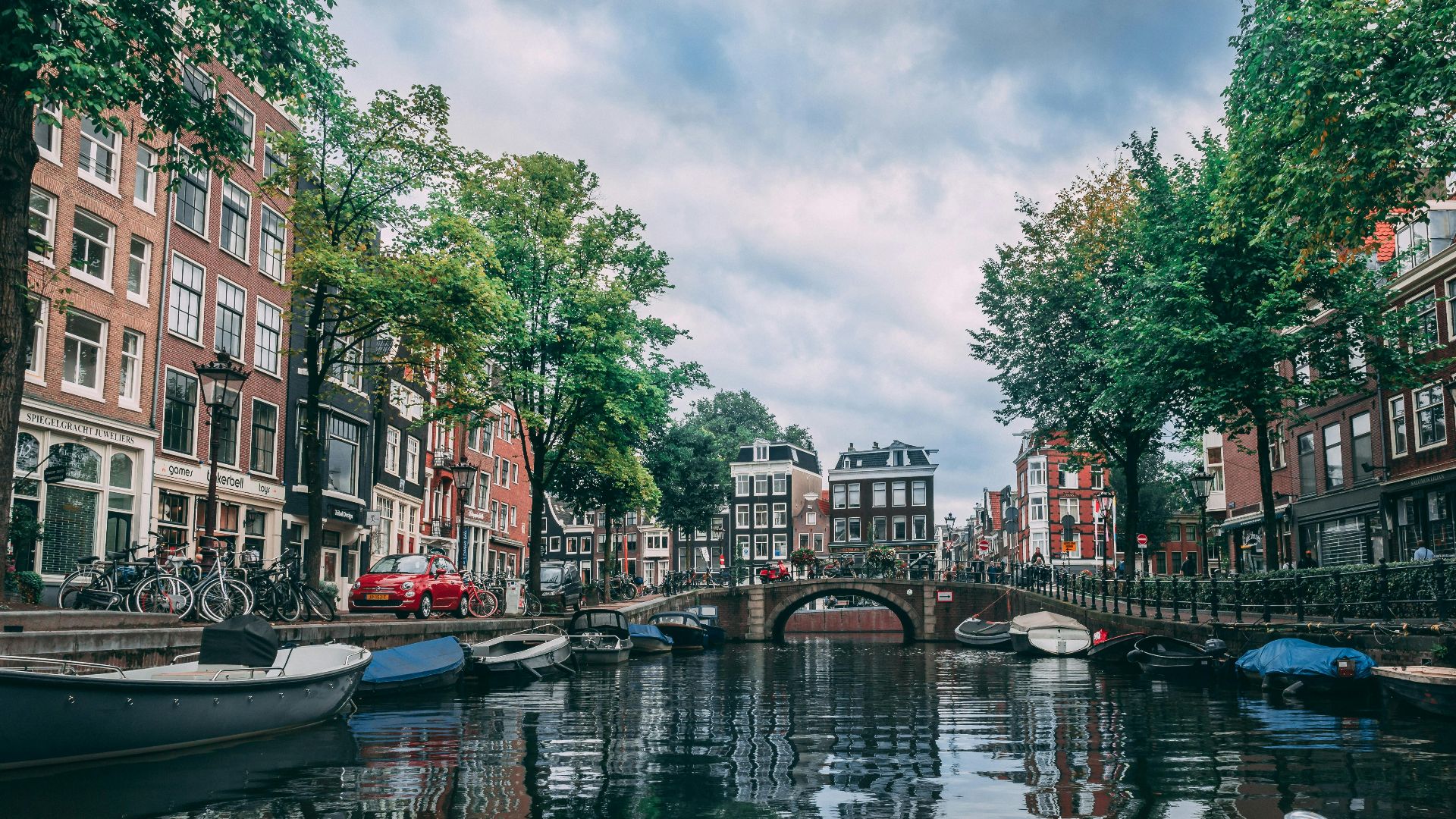
12. Austria
Mothers receive 16 weeks of maternity leave with income-related payments that scale with their pre-leave earnings. Fathers can access paternity leave, and then both parents become eligible to share additional parental leave until their child turns two.

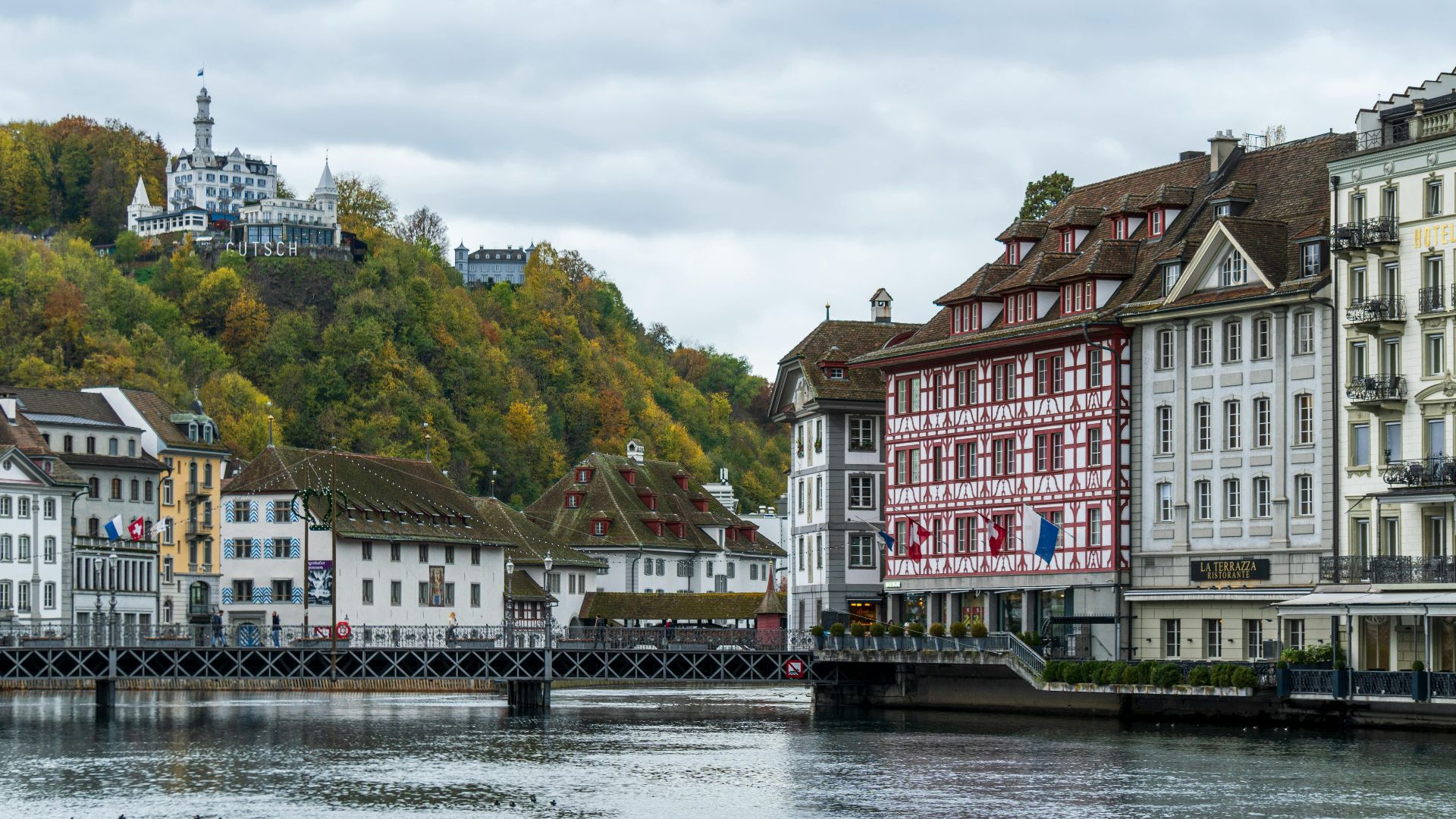
13. Switzerland
Switzerland's canton-based approach means some families access more generous support depending purely on where they live within the country. Fourteen weeks of paid maternity leave cover mothers, while fathers get 10 days of paternity leave. Social security partially covers these payments.
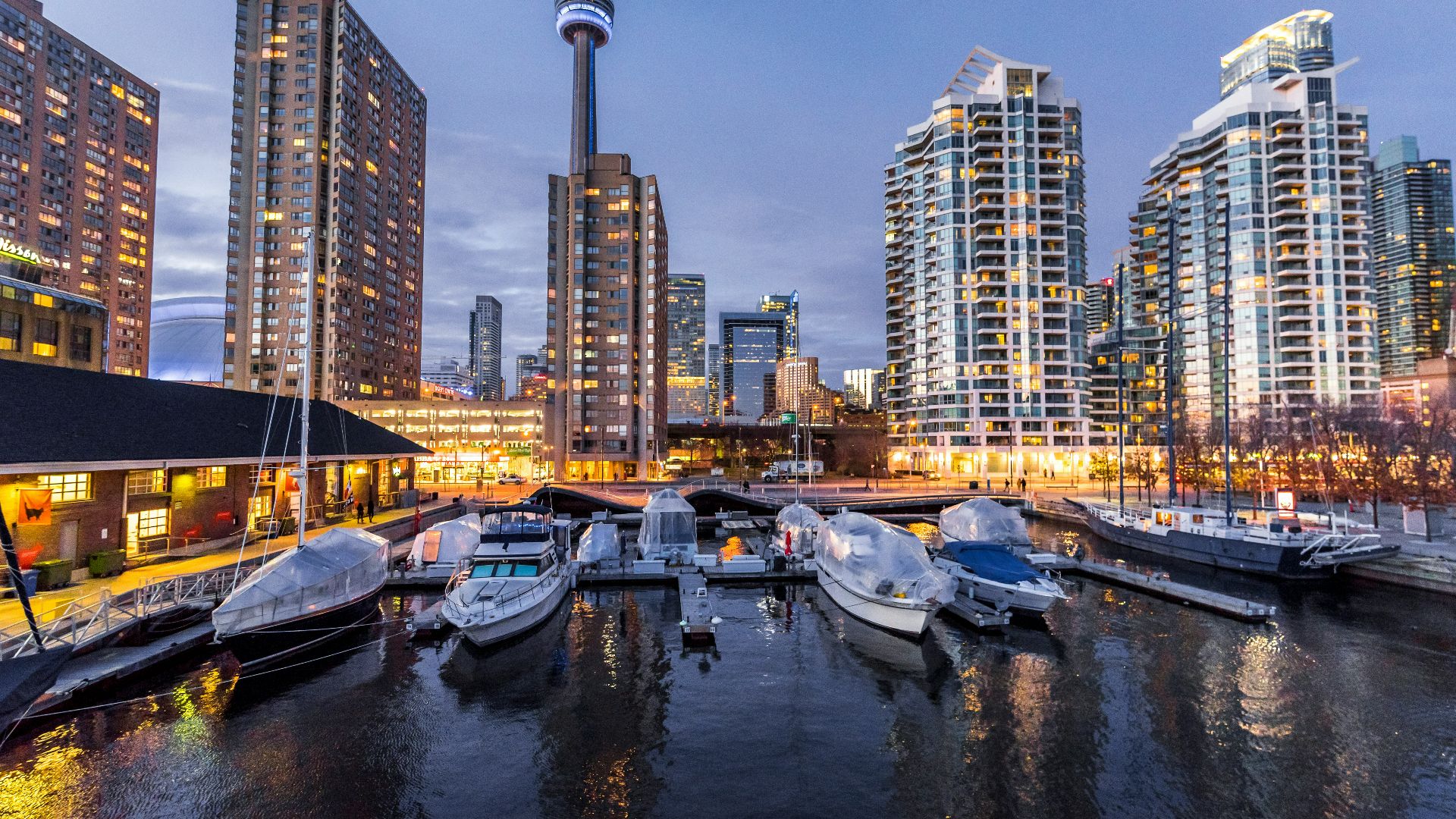
14. Canada
Parental leave can go up to 18 months and is shareable between parents, while mothers specifically get 15 weeks of maternity leave. Government benefits provide income-based payments throughout this period, maintaining financial stability during an extended time away from work.
15. New Zealand
Parents can share additional unpaid leave beyond the paid weeks if they want extended time at home. New Zealand actively encourages flexible leave arrangements designed to include fathers, not just mothers, by default. Twenty-six weeks of paid parental leave form the core offering.

16. Australia
Government-funded paid parental leave delivers 18 weeks at minimum wage rates, establishing a baseline for all families. Fathers or partners can take additional unpaid leave beyond the paid period. Australian law legally requires workplaces to accommodate parental leave requests.

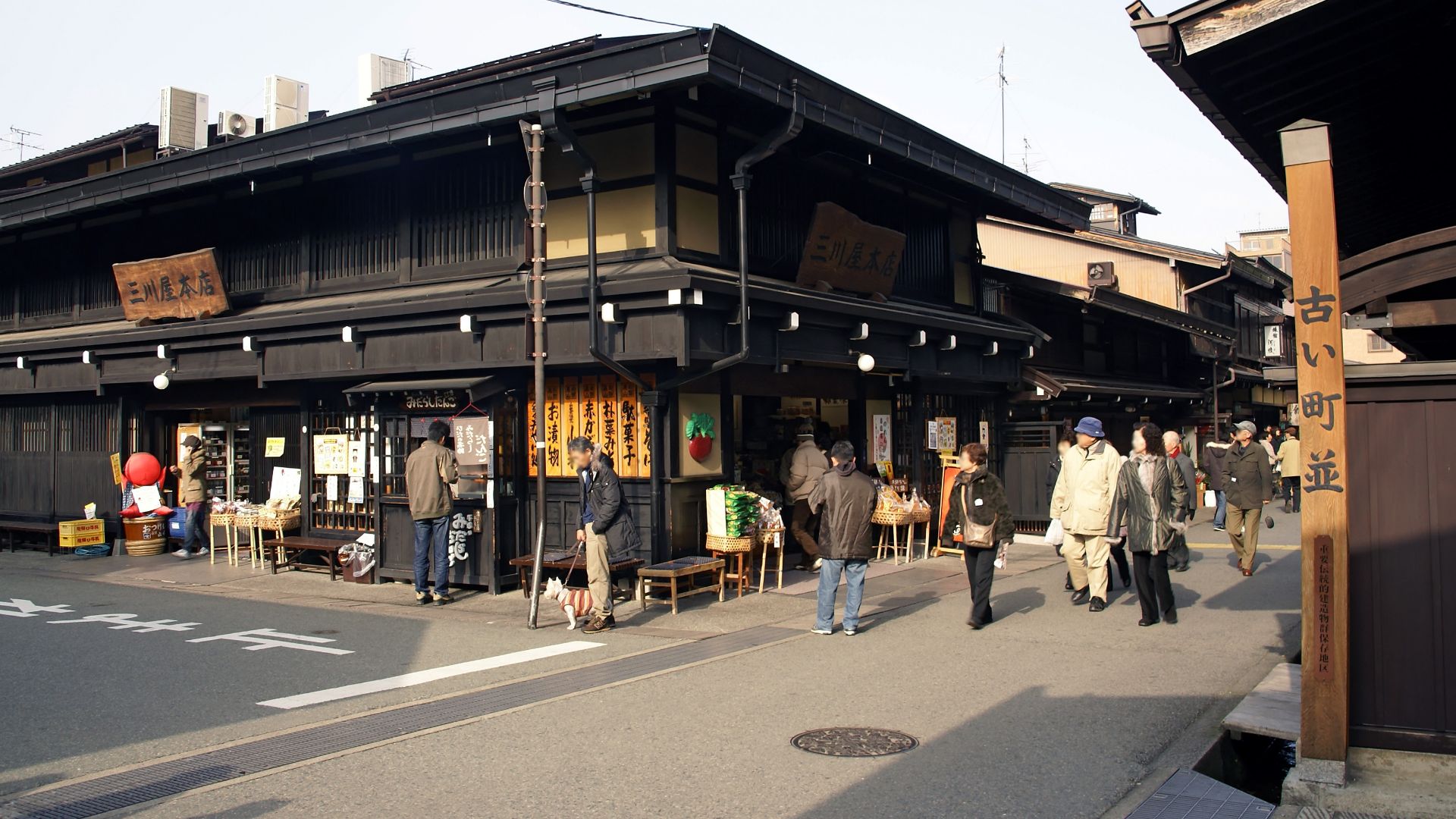
17. Japan
In this country, mothers start with up to 14 weeks of maternity leave, then parental leave can extend to 12 months. Payments are partly income-based, maintaining some connection to previous earnings. Government incentives now encourage fathers to take paternity leave.
18. South Korea
Ninety days of maternity leave with pay gets mothers started, followed by parental leave going up to one year for both parents. Fathers receive part of the leave quota specifically reserved for them. South Korea is actively working to change deeply rooted cultural patterns.

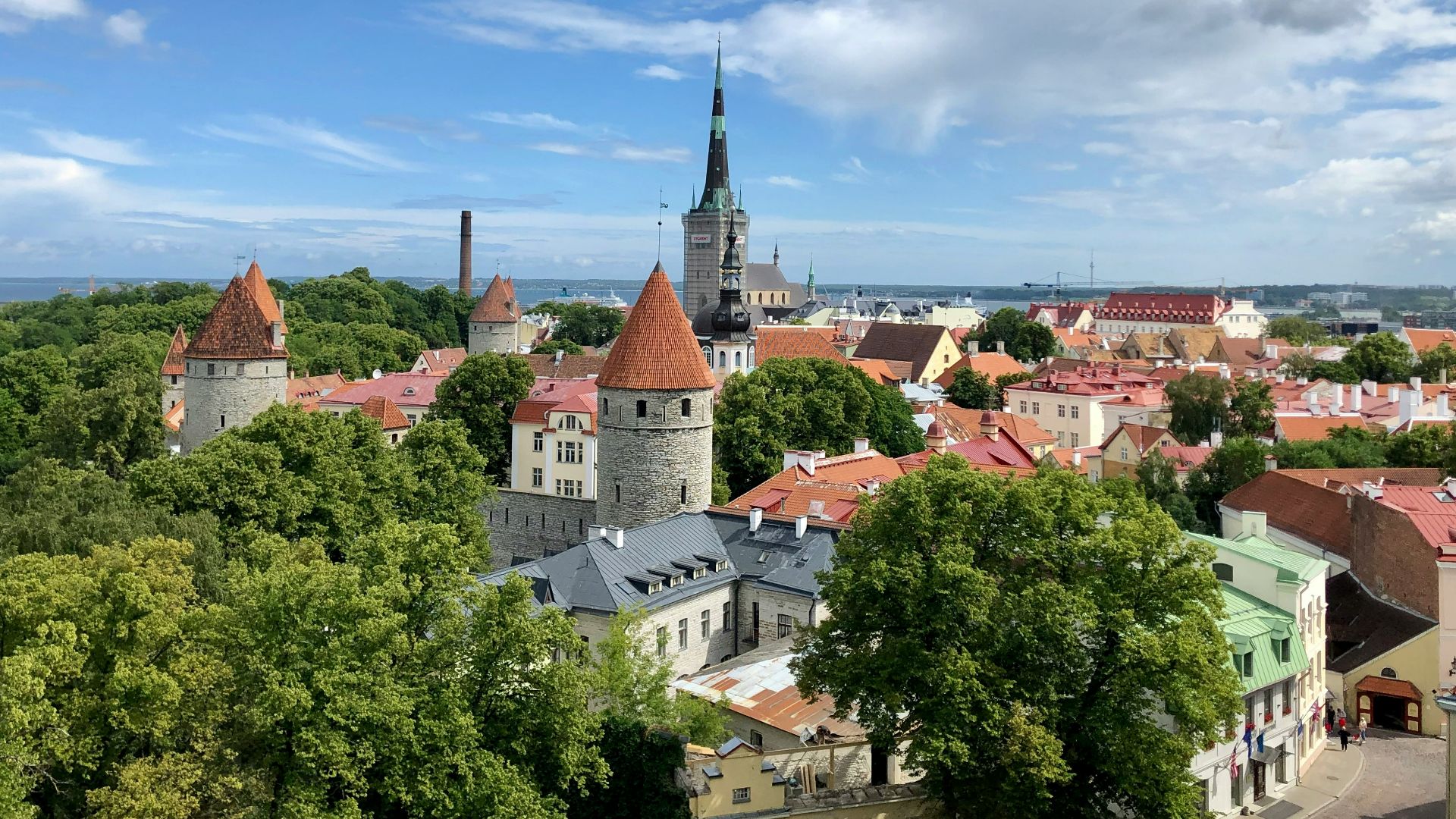
19. Estonia
It is said that Estonian fathers are increasingly taking their reserved leave quota as social attitudes evolve. The generous duration and full payment during maternity leave provide serious financial security during those critical early months.
20. Latvia
Full pay for 112 days of maternity leave ensures mothers aren't financially stressed during the initial recovery and bonding time. Parental leave can grow for several years and be shared between parents, with income-based payments throughout. Both parents can work part-time.