10 Ways Modern Life Wrecks Your Sleep & How To Combat It
Your Bedtime Is Competing With the Entire Internet
Modern life is great at many things, but protecting your sleep is not one of them. Between screens, stress, schedules, and the crazy expectation that you should be reachable at all times, it’s easy for bedtime to get pushed around like it’s optional. The good news is you don’t need a perfect routine to sleep better; you just need a few smart changes that make rest easier to choose. Here are 10 ways modern life is sabotaging your sleep and 10 ways to combat it.

1. Late-Night Scrolling
Your brain treats endless content like a buffet, so it keeps grabbing bites instead of winding down. Try setting a hard “phone parked” time and charging it across the room so you’re not doomscrolling in bed. If you want a softer approach, switch to an audiobook or a low-stimulation playlist as your off-ramp.

2. Blue Light
Bright screens at night can make your body feel like it’s not time to sleep yet. Use night mode, lower brightness, and consider blue-light-blocking settings a couple of hours before bed. Better still, swap screens for something analog when you can, like reading on paper.

3. Caffeine Sneaking Into the Afternoon
That 3 p.m. coffee can quietly sabotage your bedtime even if you feel fine at dinner. Try cutting off caffeine earlier and notice whether you fall asleep faster or wake less overnight. If you still crave a warm drink, switch to herbal tea so you get the ritual without the jolt.

4. Stress
When your day is busy, your brain often saves processing for the moment you finally stop moving. Keep a small notebook nearby and do a quick “brain dump” so worries don’t spin in circles. Pair it with slow breathing or a short wind-down routine that tells your body it’s safe to relax.

5. Work Bleeding Into Your Evening
Answering “one last email” can spike your alertness right when you’re trying to settle. Set a clear work cutoff time and treat it like a boundary, not a suggestion. If you can’t fully unplug, at least shift to low-stakes tasks that don’t ramp you up.

6. Irregular Bedtimes
Your body likes consistency, but modern schedules can make sleep times bounce around. Aim for a steady wake-up time first, since that anchors your rhythm more reliably. If bedtime varies, try to keep it within a reasonable window so your body isn’t guessing every night.
7. Alcohol at Night
A drink might make you drowsy, but it can fragment sleep and leave you waking up earlier or more often. Try moving alcohol earlier in the evening or taking a few nights off and compare how you feel in the morning. If you still want the “treat” vibe, a fancy non-alcoholic drink can scratch the itch.

8. Late Heavy Meals
Big, rich dinners close to bedtime can keep digestion active when you want to be resting. If you tend to eat late, keep the meal lighter and save heavier foods for earlier. A small snack is fine if you’re hungry, but make it something that won’t sit like a rock.

9. Noise & Light
City sounds, bright streetlights, and small interruptions can chip away at sleep quality even if you technically “sleep.” Try blackout curtains, a fan, or white noise, and keep the room cool and dark. If you share space, simple agreements about lights and noise can help more than you’d expect.

10. Not Enough Morning Light & Movement
Modern life keeps you indoors, which weakens the signals that tell your body when it’s daytime. Get outside in the morning, even briefly, because natural light helps set your sleep-wake rhythm. A short walk also reduces stress and makes nighttime sleep come more easily.
 Ashleigh Joy Photography on Unsplash
Now that we've talked about the factors that are quietly wrecking your sleep, let's talk about strategies to combat them and return to restful nights.
1. Set a Phone Curfew & Park It Outside the Bed
Pick a specific time, like 30 to 60 minutes before bed, when your phone stops being part of the evening. Charge it across the room or in another space so you’re not tempted to “just check” something. If you need something soothing, use an audiobook or music on a separate device.

2. Switch to Warm, Low Lighting After Dinner
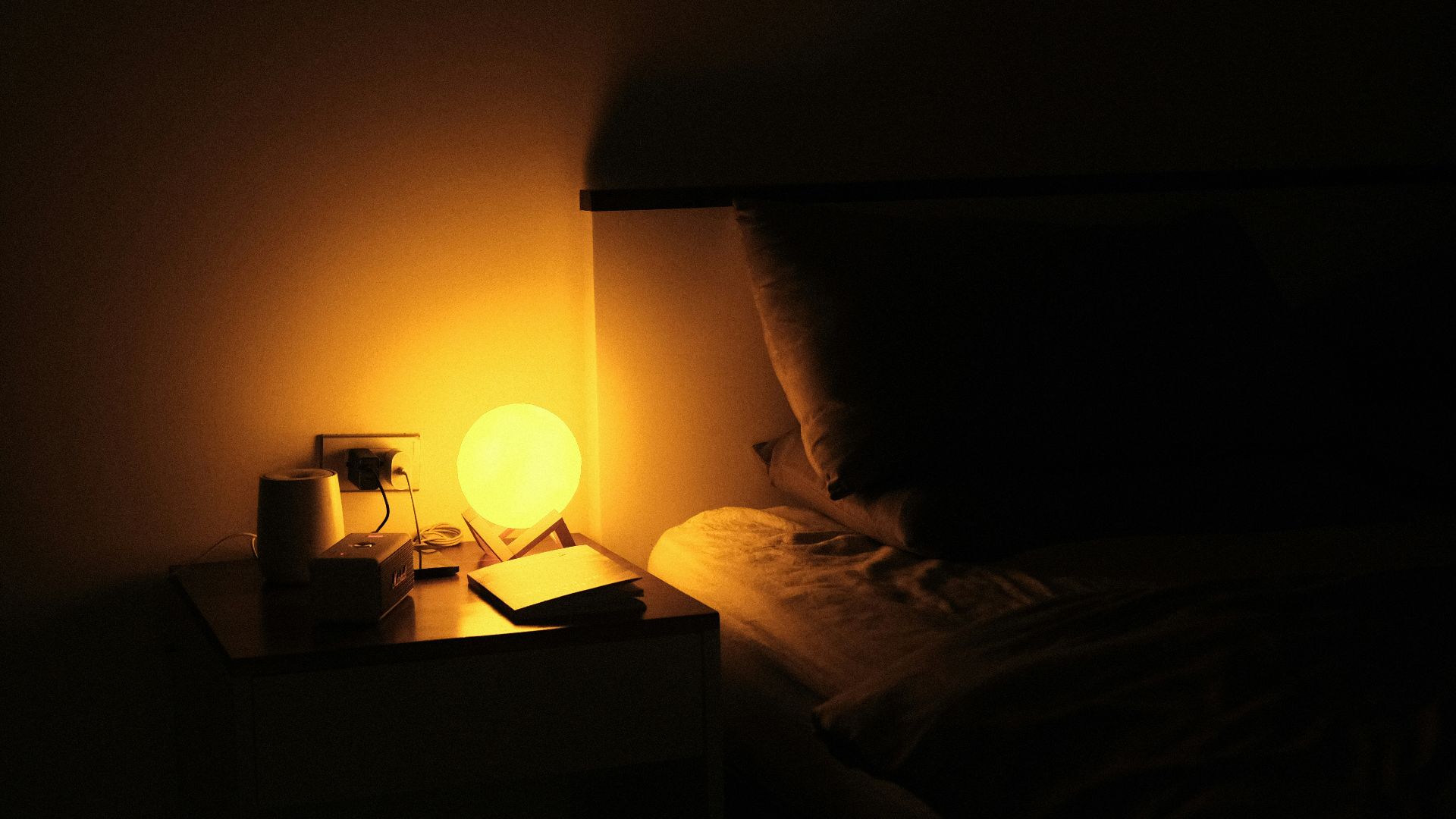
Dim lights in the evening and use lamps instead of bright overhead lighting when you can. If screens are unavoidable, lower brightness and turn on night mode well before you’re actually tired. This creates a consistent signal that the day is winding down.
3. Move Caffeine Earlier & Replace the Ritual
We forget that caffeine is actually a pretty strong drug because it's so normalized, but it can completely sabotage your sleep schedule if you're not careful with it. Set a cutoff time, such as noon or early afternoon, and stick to it for a week as an experiment. If you miss the routine, swap in decaf coffee or herbal tea so you keep the comfort without the stimulation.

4. Create a Work Shutdown Routine
End your workday with a short “closing shift,” like writing tomorrow’s top three tasks and then closing your laptop. Turn off nonessential notifications, so you’re not getting pulled back into work mode at random. This gives your brain a clear boundary between effort and rest.

5. Do a Two-Minute Brain Dump Before Bed
Write down worries, reminders, and loose thoughts in a notebook so they’re not bouncing around in your head. Add one small action step if something is truly urgent, because clarity is calming. This simple habit often reduces the feeling that you have to think your way to sleep.
 Marcos Paulo Prado on Unsplash
6. Follow a Consistent Wake-Up Time
Choose a wake-up time you can keep most days, including weekends, and aim to stay within about an hour. Your bedtime will gradually follow as your body clock stabilizes. If you’re short on sleep, use an earlier bedtime rather than sleeping in dramatically.

7. Drink Less Alcohol
Try stopping alcohol at least a few hours before bed and see how your sleep feels. On nights you do drink, keep it moderate and hydrate, because dehydration can worsen overnight waking. You don’t have to quit forever to notice that timing makes a difference.

8. Shift Dinner Earlier & Limit Late Night Snacks
Aim for your heaviest meal earlier in the evening so your body isn’t working hard in the middle of the night. If you need a snack, choose something light and familiar rather than greasy or spicy. This reduces reflux and helps your stomach settle before sleep.

9. Make Your Room Cooler, Darker, & Quieter
Set up your bedroom for optimal coziness. Use blackout curtains or a sleep mask, and try white noise or a fan if sound wakes you easily. Keep the room comfortably cool and adjust bedding so you’re not overheating.

10. Get Morning Light & a Short Walk to Set Your Rhythm
Step outside within the first hour of waking, even for five to ten minutes, and even if it's not that sunny out, so your body gets a clear daytime signal. Add a brief walk if you can, since movement helps build sleep pressure for later. This combo often makes it easier to fall asleep at night without forcing it.

KEEP ON READING



20 Ways to Deal With Your Sweet Tooth

20 Low-Impact Exercise Ideas For People Over 50