Protein Sources Exist Beyond Chicken Breast—Here Are 20 You Might Be Surprised By
Rethinking Everyday Protein
Chicken breast has become the default answer whenever protein is mentioned, yet relying on it alone limits variety on your table. Protein exists across multiple food groups in places most people overlook. Some options surprise with density, others with digestibility. Together, they challenge narrow ideas of where strength-building nutrition comes from. Explore the selections ahead to rethink which ones deserve a place on your plate.

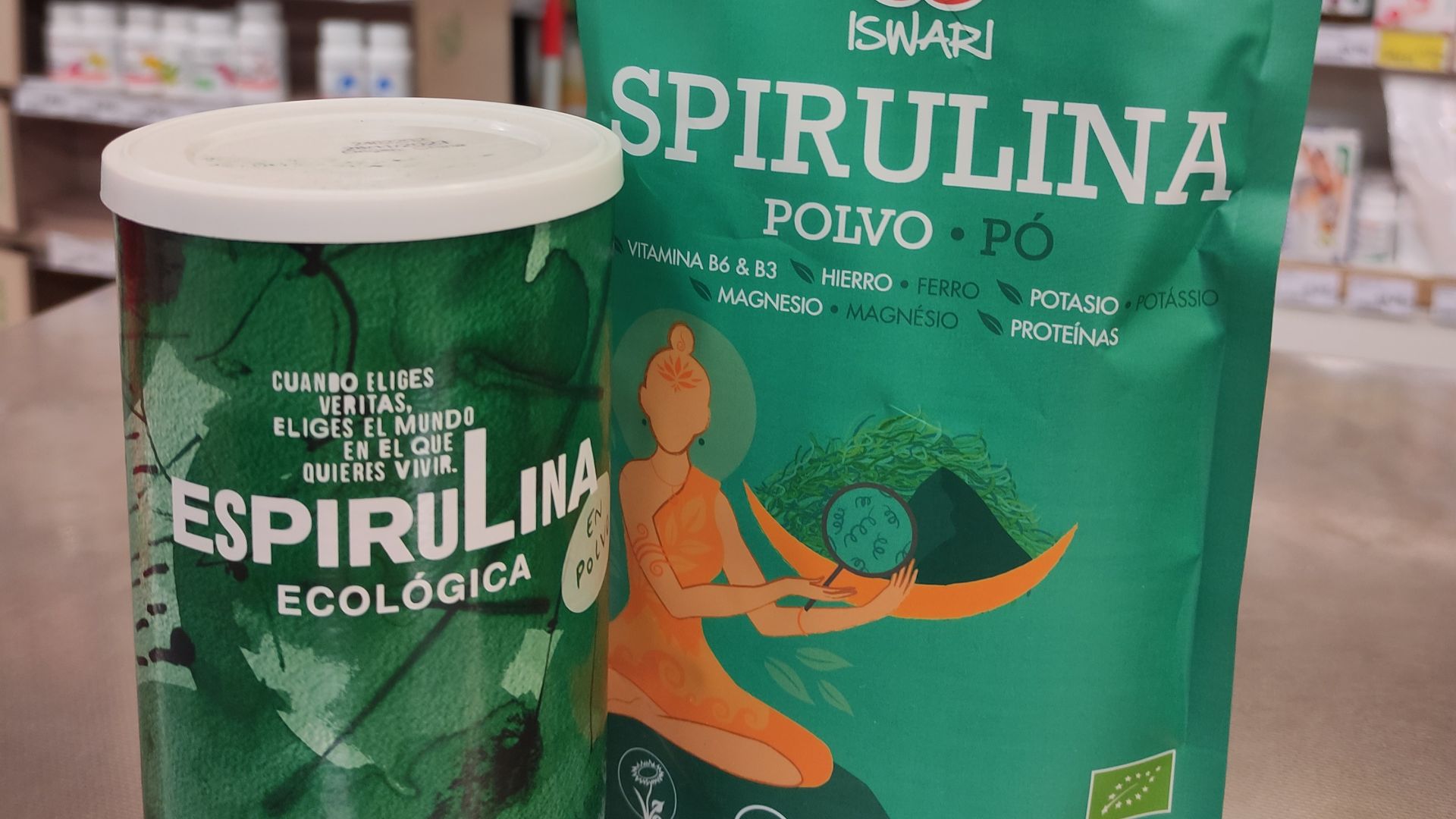
1. Spirulina
Spirulina delivers roughly 4 grams of protein per tablespoon, or nearly 60% protein by dry weight. Unlike chicken breast, this blue-green algae provides complete amino acids plus iron, antioxidants, and B vitamins, with roots in the ancient Aztecs' nutrition.
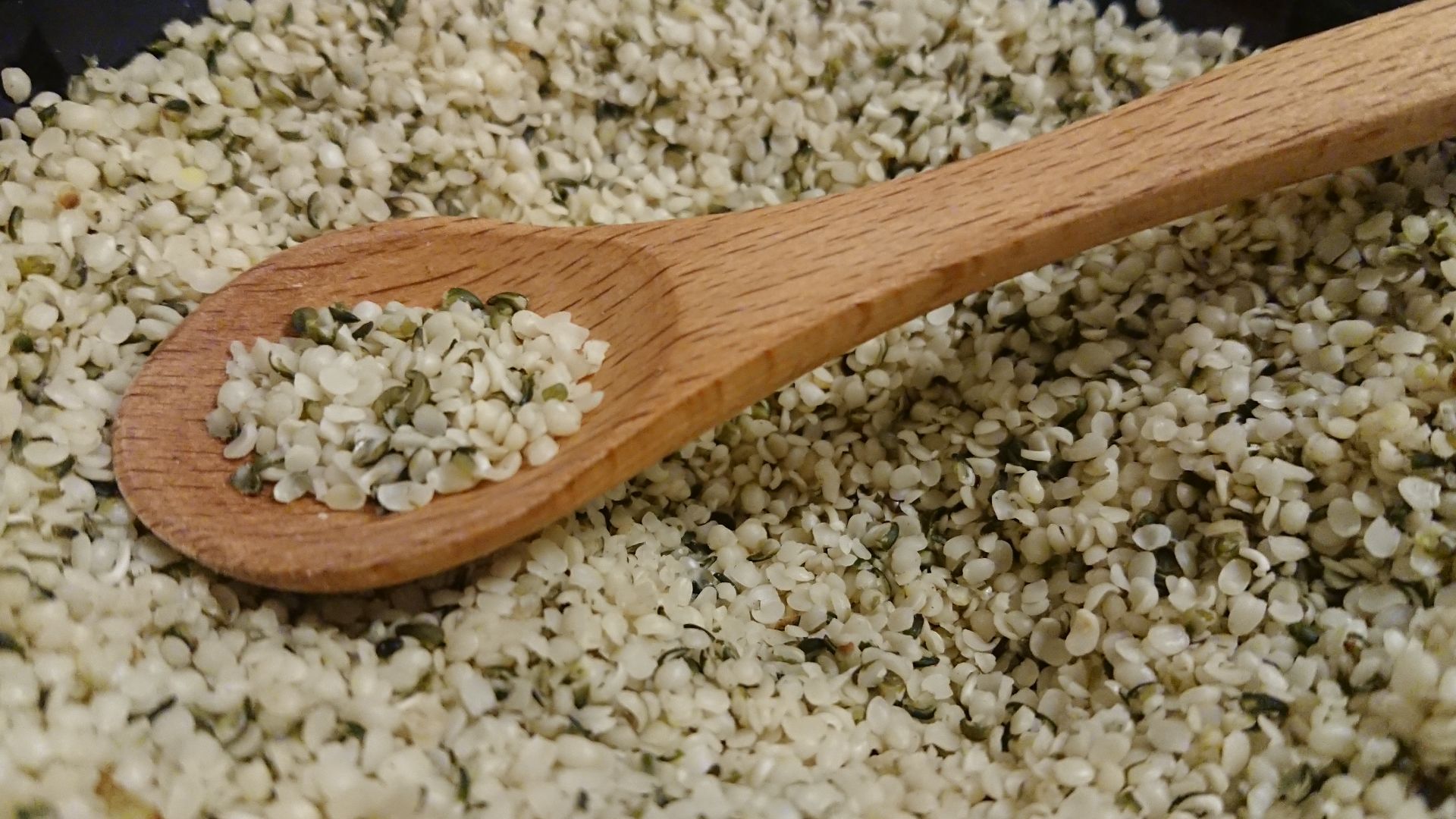
2. Hemp Seeds (Hemp Hearts)
These seeds supply about 10 grams of complete protein per ounce, which clearly exceeds any source of animal protein. They also deliver omega-3 and omega-6 fats in a balanced ratio. Plus, they have been used in Chinese medicine for millennia.
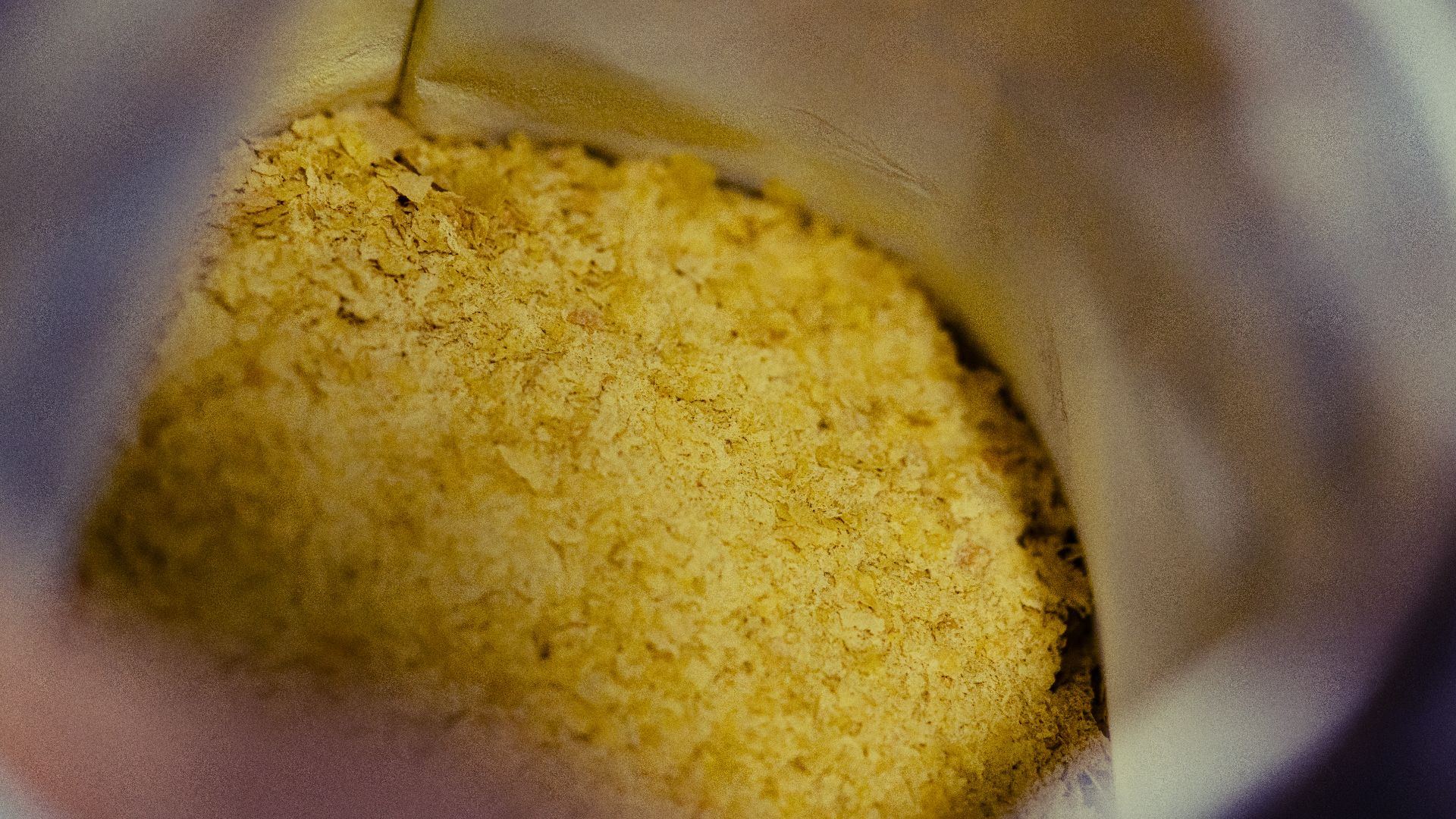
3. Nutritional Yeast (Deactivated Yeast Flakes)
Originally popularized as a wartime pantry staple, nutritional yeast hides serious protein power. A quarter cup provides about 8 grams, along with a full amino acid profile. Fortified varieties add B vitamins to turn a savory seasoning into a functional protein source.
 Tony Webster from Minneapolis, Minnesota, United States on Wikimedia
4. Pumpkin Seeds (Pepitas, Roasted)
Pumpkin seeds were deliberately harvested and toasted in Mesoamerican cuisine long before nutrition labels existed. One ounce supplies 7 to 9 grams of protein, along with magnesium that supports muscle function and immune health beyond basic protein intake.
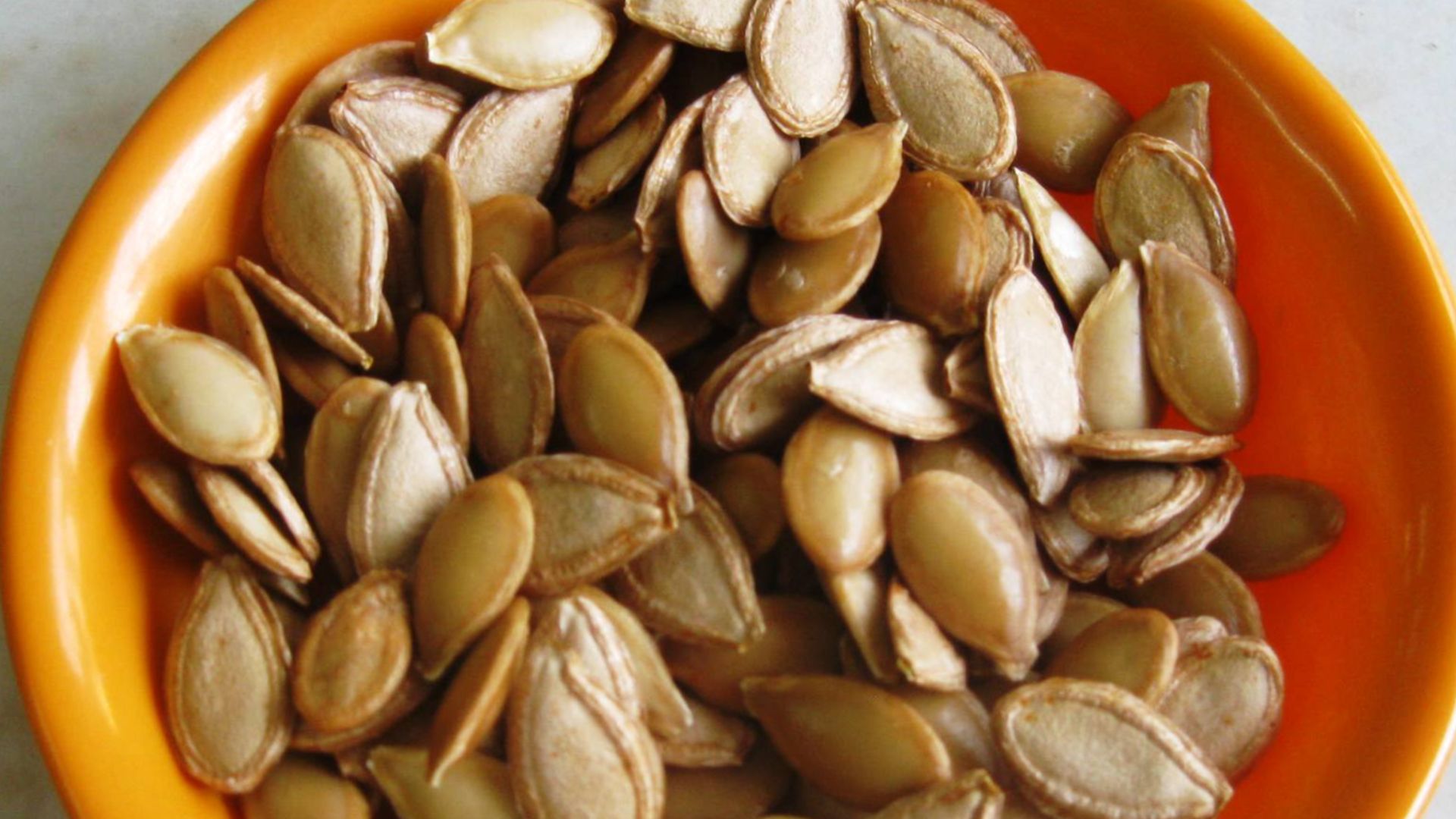 Salil Kumar Mukherjee on Wikimedia
5. Chia Seeds
Chia seeds deliver nearly 5 grams of complete protein per 2 tablespoons. Their omega-3 fats, fiber, and antioxidants aid digestion and steady energy release, explaining why Aztecs and Mayans valued them as endurance food.
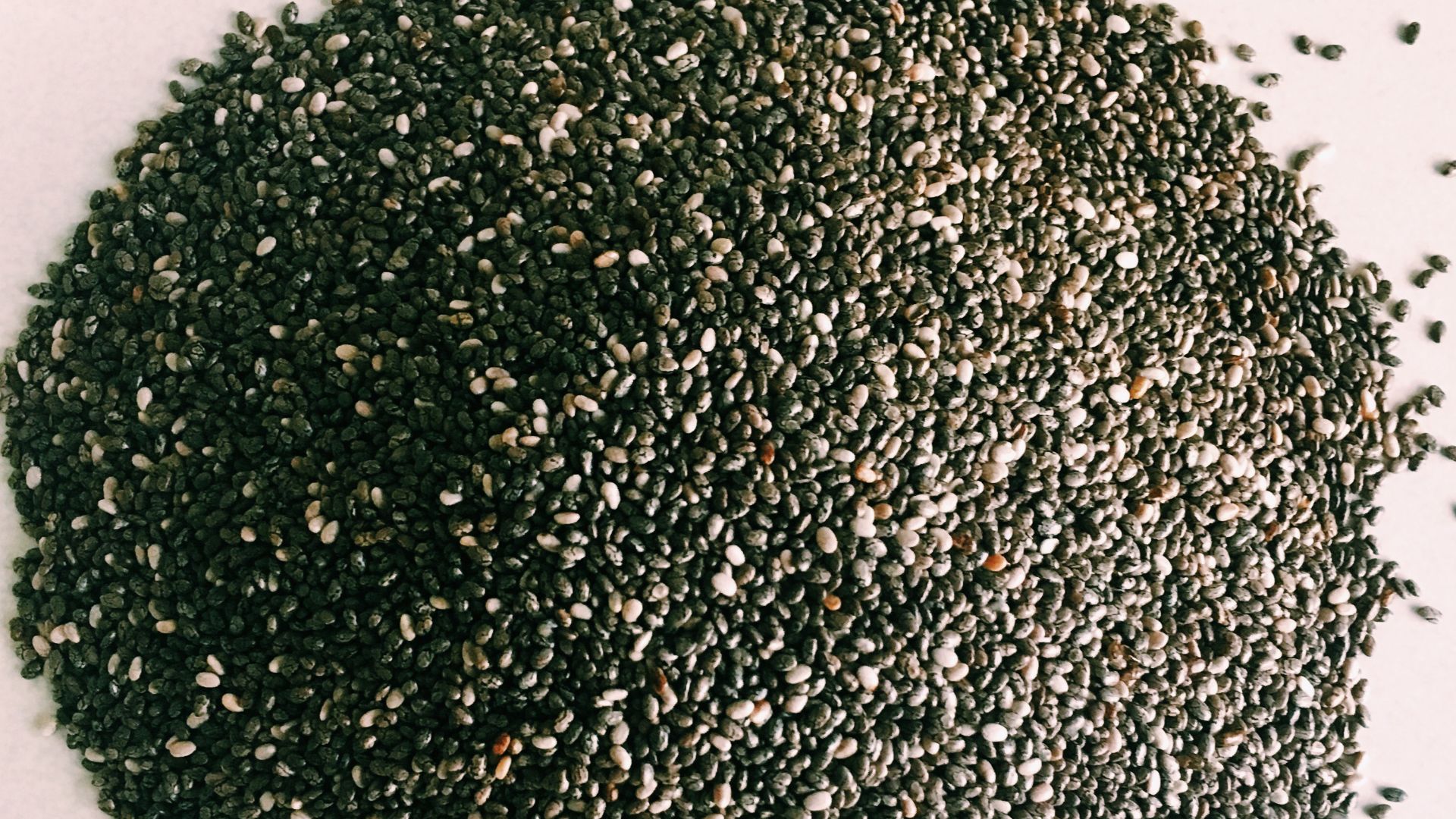 Oliwier Brzezinski on Wikimedia
6. Edible Crickets (Whole Or Flour Form)
Centuries before sustainability became a buzzword, crickets were farmed across Asia and Africa as everyday food. Nutritionally, they offer calcium combined with B12. They also deliver up to 20 grams per 100 grams of protein with far lower environmental costs than poultry.
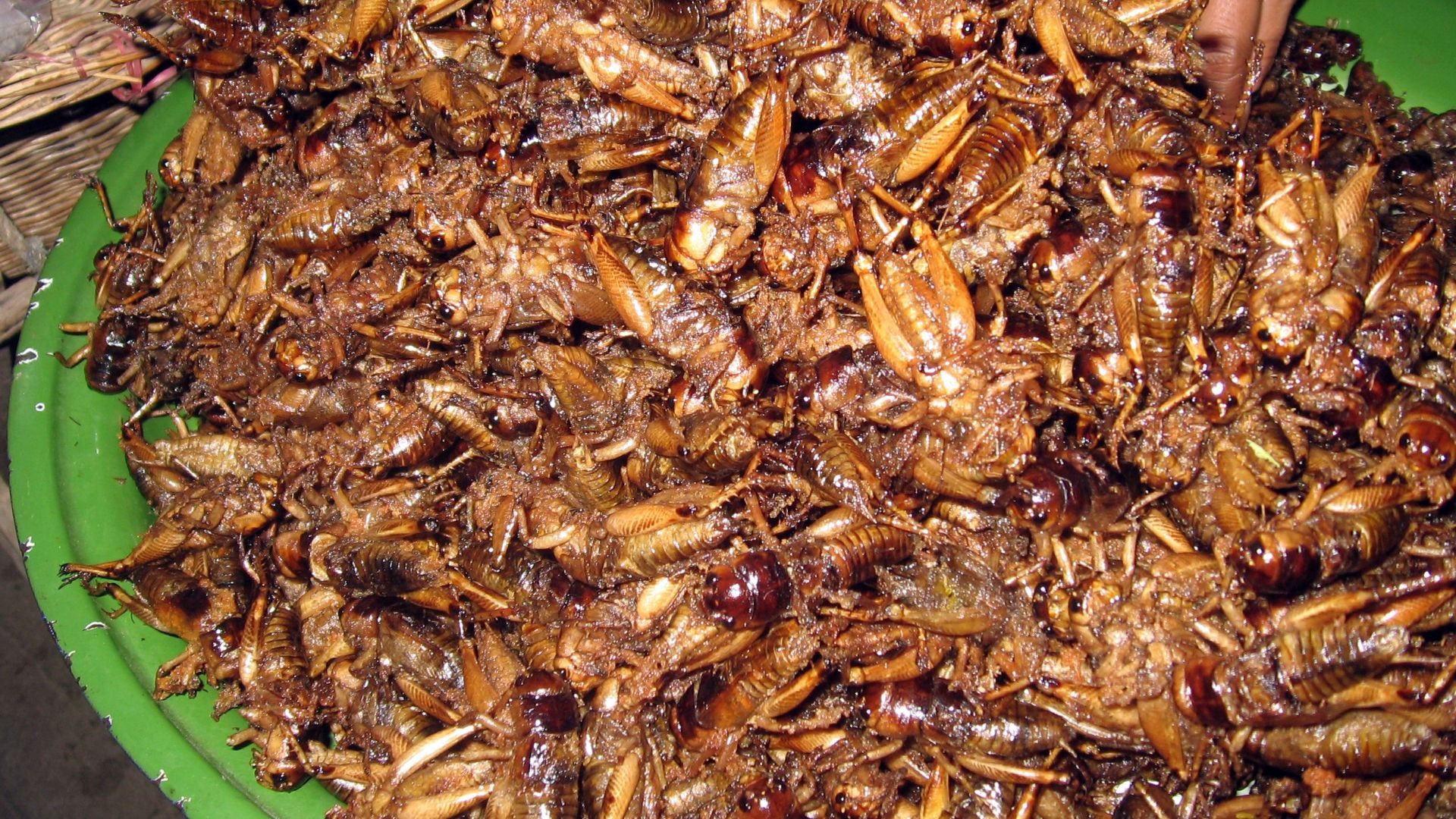
7. Bone Broth (Beef Or Chicken, Quality)
Traditional kitchens valued bone broth for recovery long before macros were counted. Collagen with trace minerals explains its restorative reputation. From a nutritional standpoint, each cup delivers approximately 9 grams of protein in liquid form.
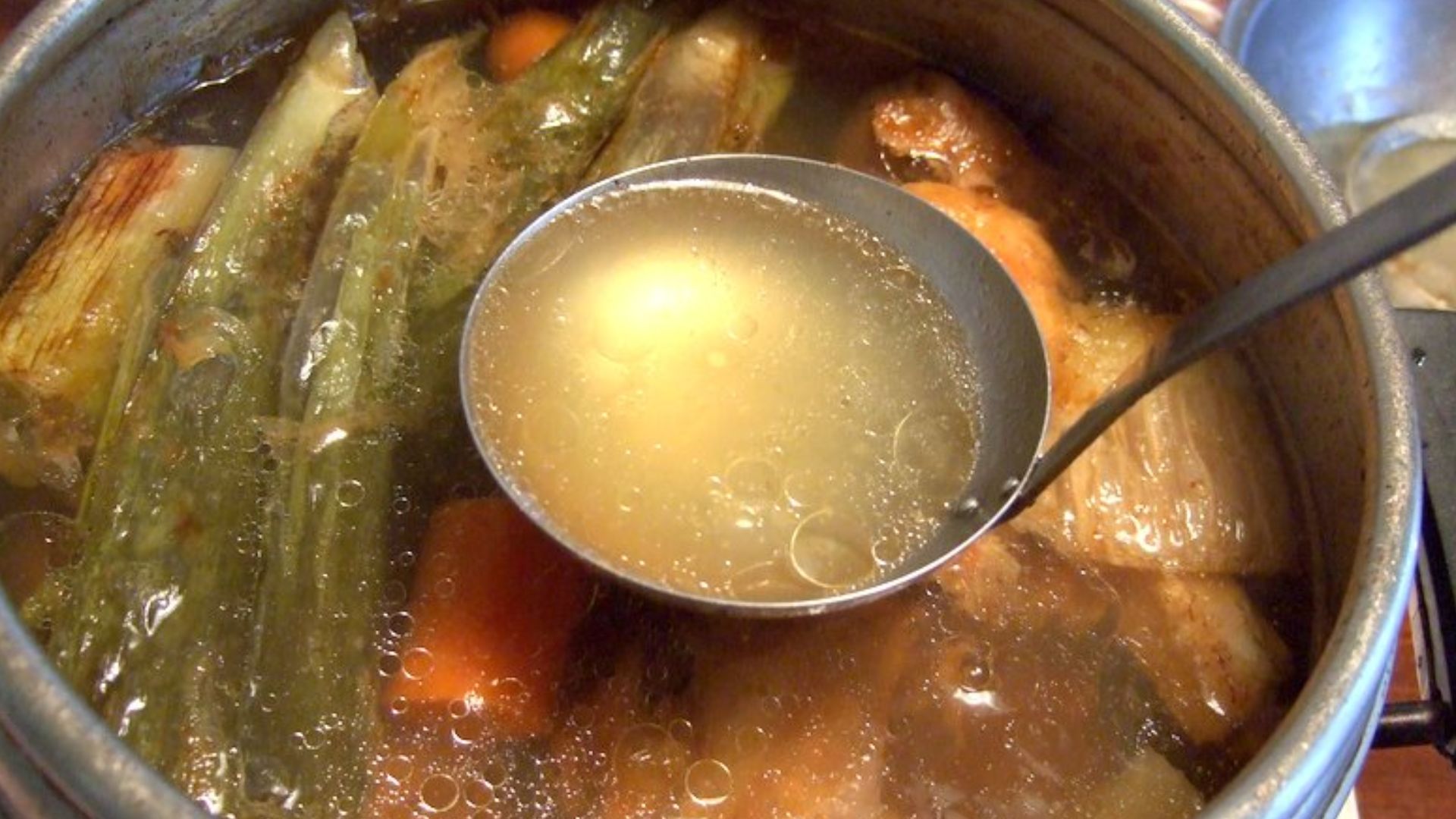
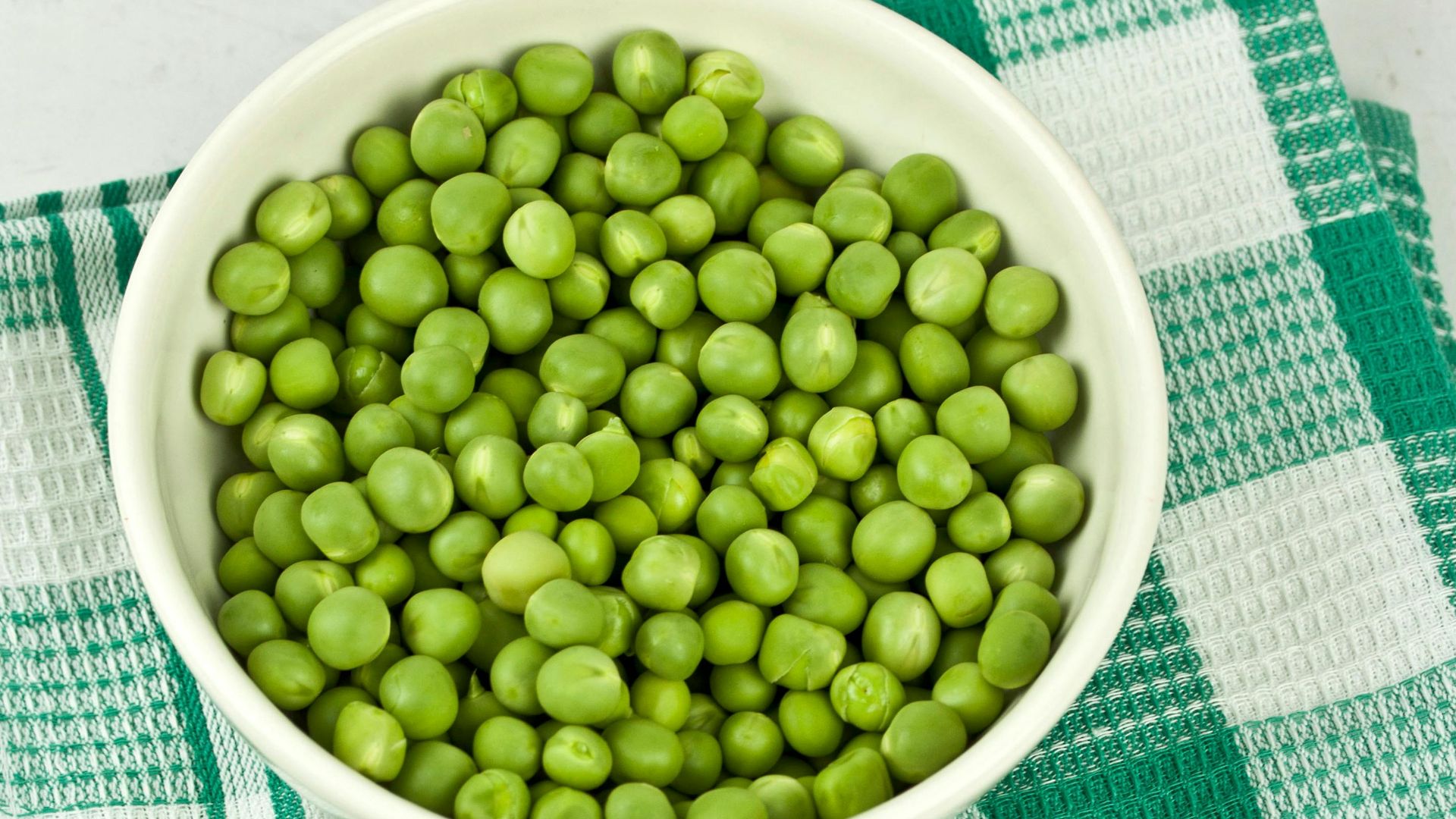
8. Green Peas (Cooked Or Frozen)
A cooked cup of green peas delivers about 8.6 grams of protein, along with fiber and vitamins K and C. Hence, any simple side dish with protein is changed to a meaningful plant protein source.
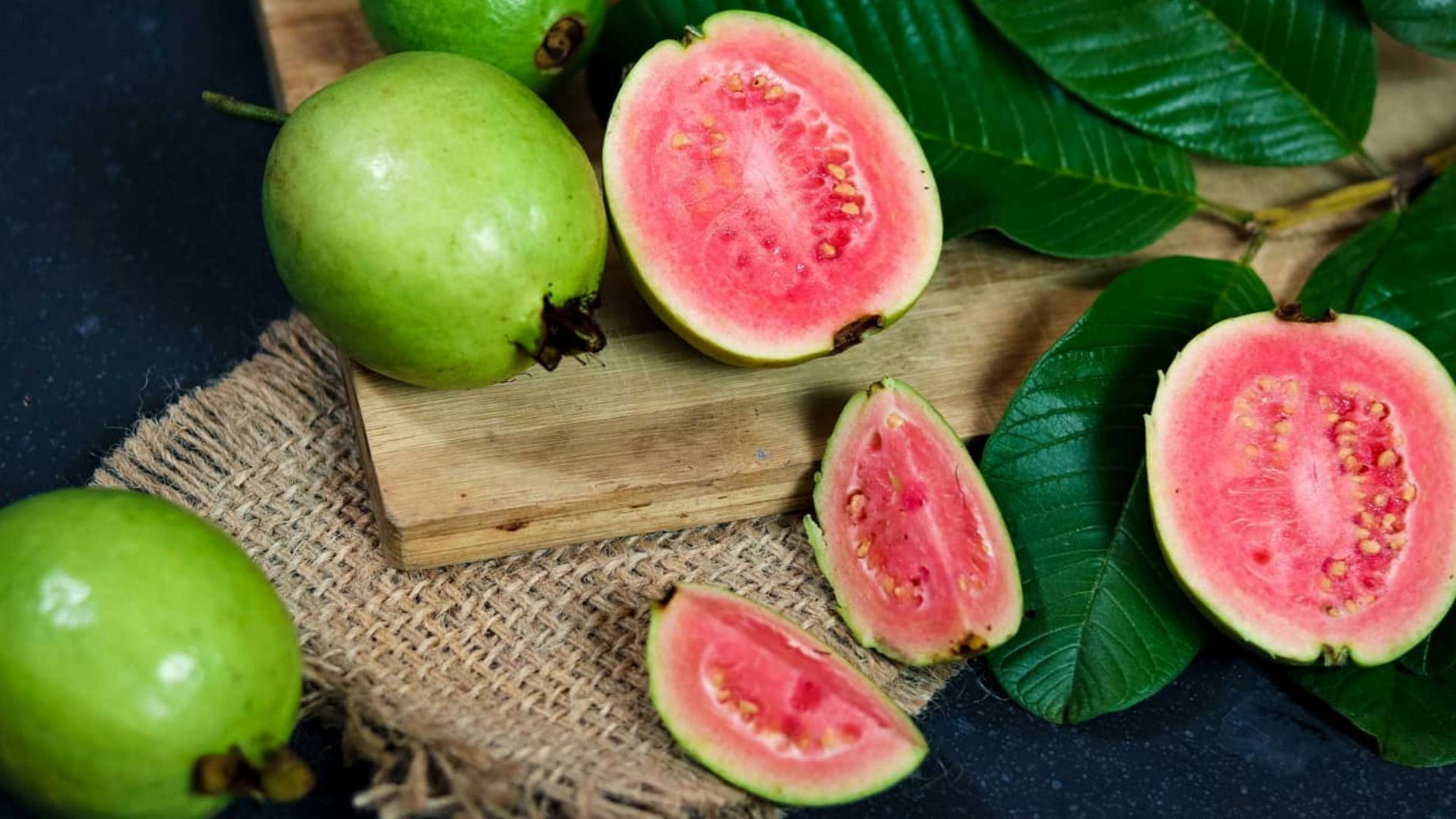
9. Guava (Fresh Fruit)
One cup supplies roughly 4.2 grams of protein, and places guava among the highest-protein fruits. It also delivers over 200 percent of daily vitamin C needs to support collagen production with the help of antioxidant defense.
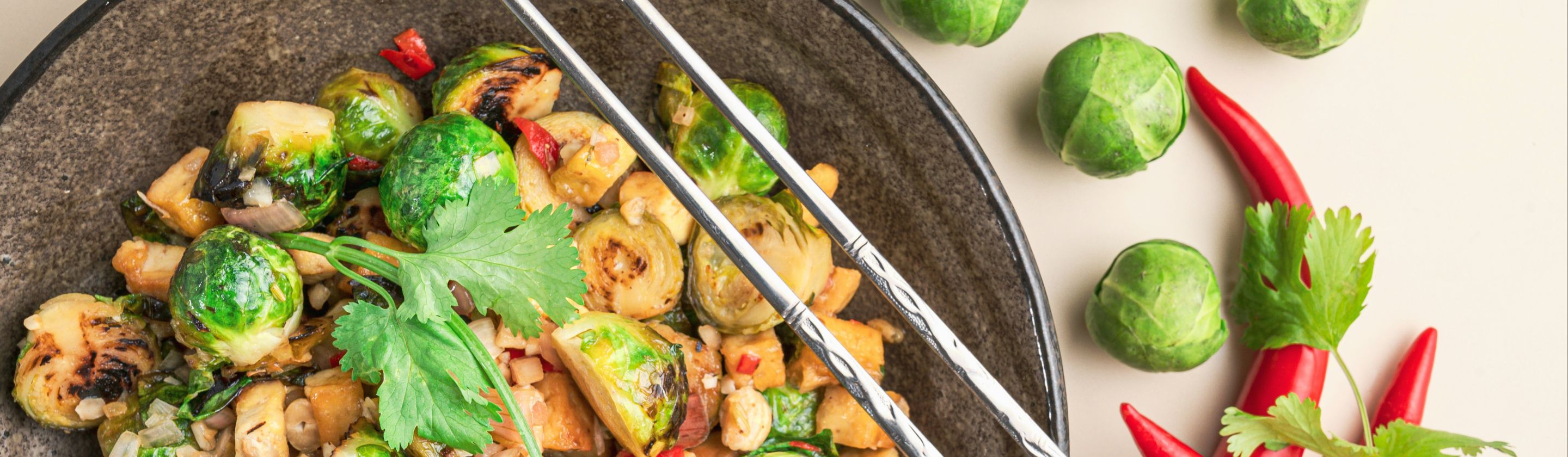
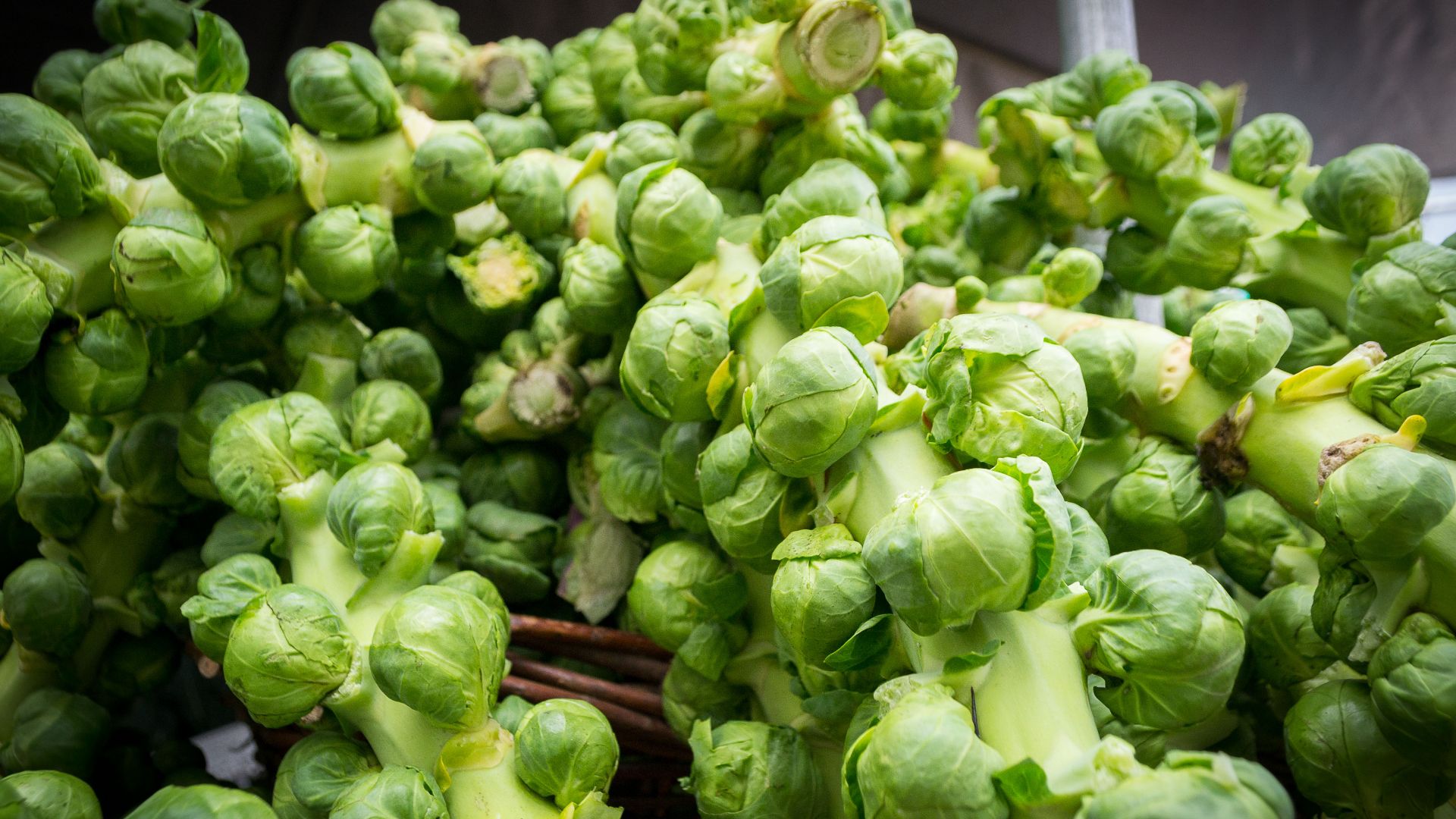
10. Brussels Sprouts
Brussels sprouts trace their agricultural roots to medieval Belgium, where farmers refined them for compact growth. Nutritionally, a cooked cup offers roughly 4 grams of protein plus vitamin K and protective plant compounds linked to detox support.
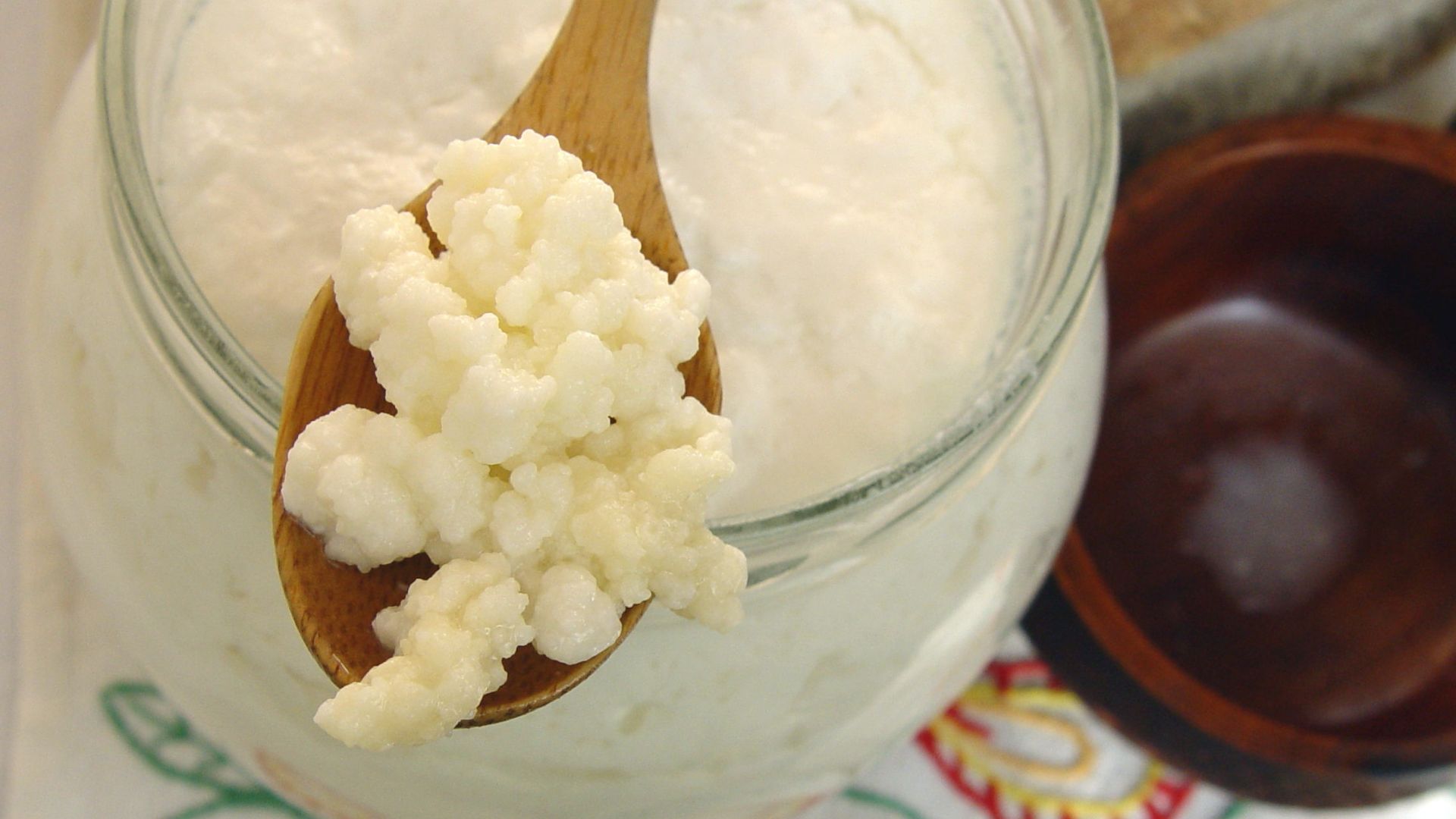
11. Kefir (Fermented Milk Drink)
This one traces its origins to shepherd communities in the Caucasus Mountains, where fermentation occurred naturally. Each cup contains 8 to 9 grams of protein, while its diverse probiotics with vitamin D help in making your gut health better.
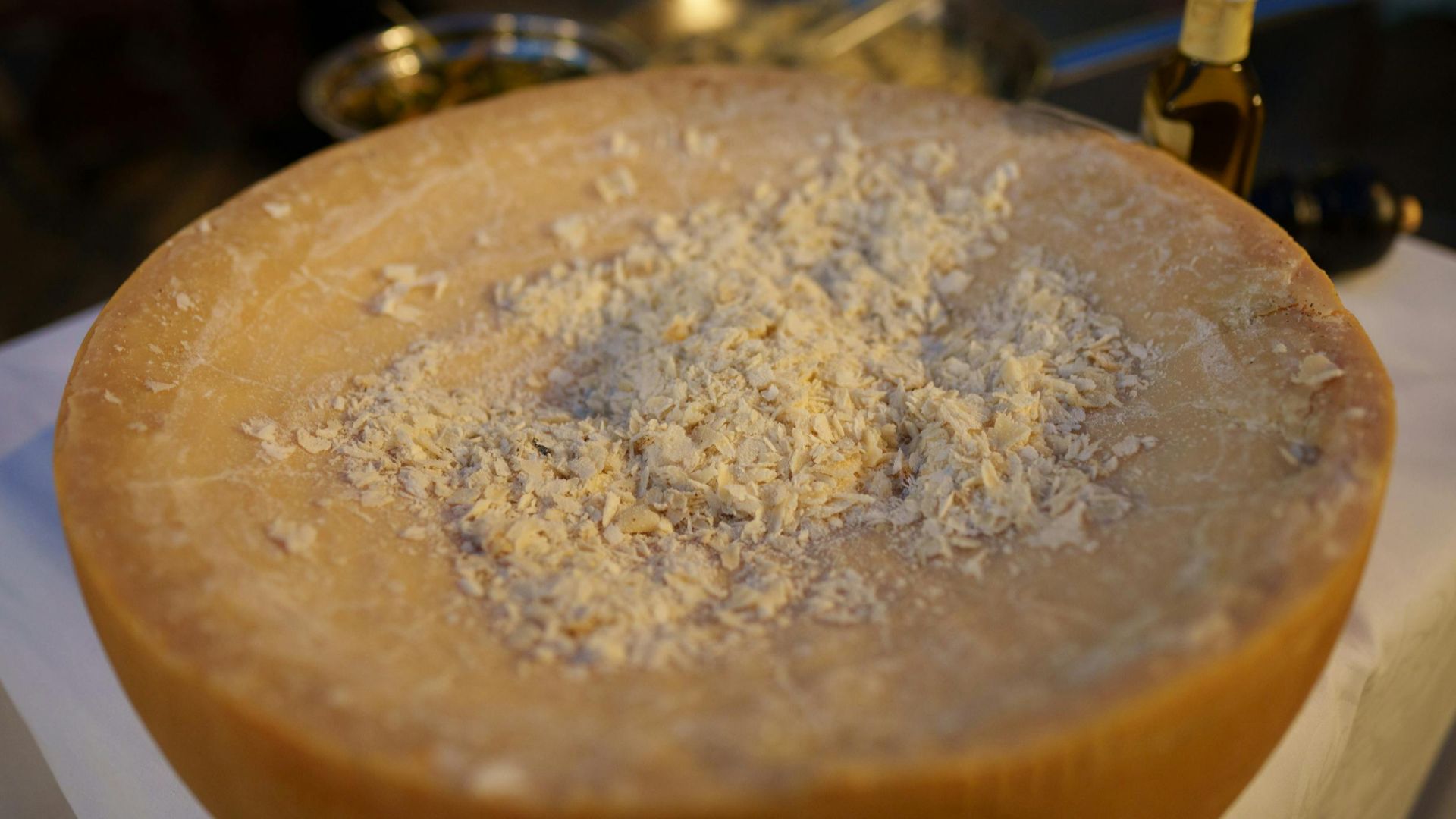
12. Parmesan Cheese (Grated)
Traditionally crafted in Italy, authentic Parmigiano‑Reggiano is aged for at least 12 months, a process that deepens both flavor and nutrition. One ounce delivers about 10.9 grams of protein. Its low moisture, combined with high salt content from long aging, makes it naturally shelf-stable.
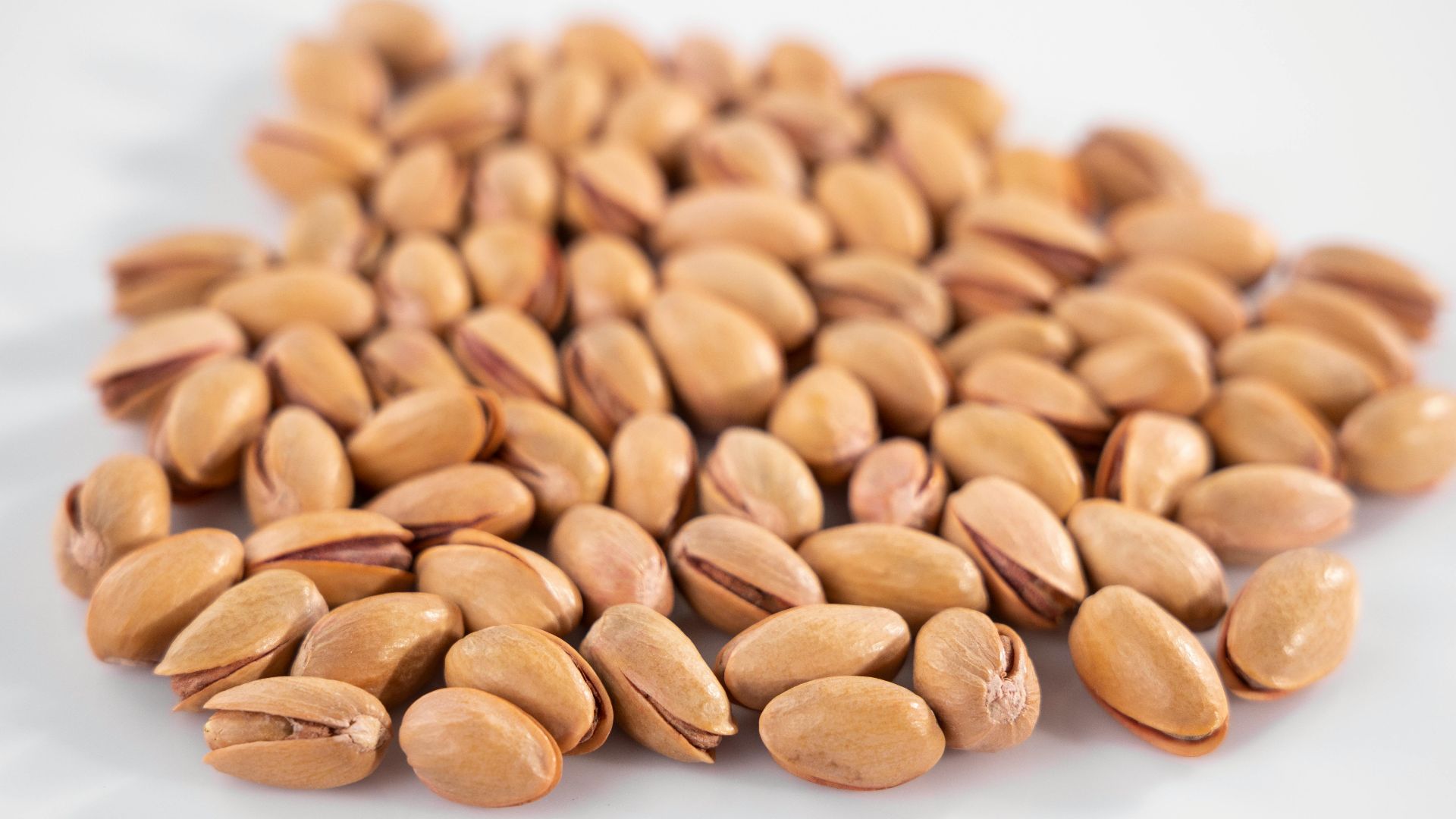
13. Pistachios (Shelled)
These green yummies carry a cultural legacy tied to the Queen of Sheba, where they were once restricted to royalty. Nutritionally, their value lies in combining moderate protein with potassium and carotenoid antioxidants, qualities rarely emphasized in snack foods.
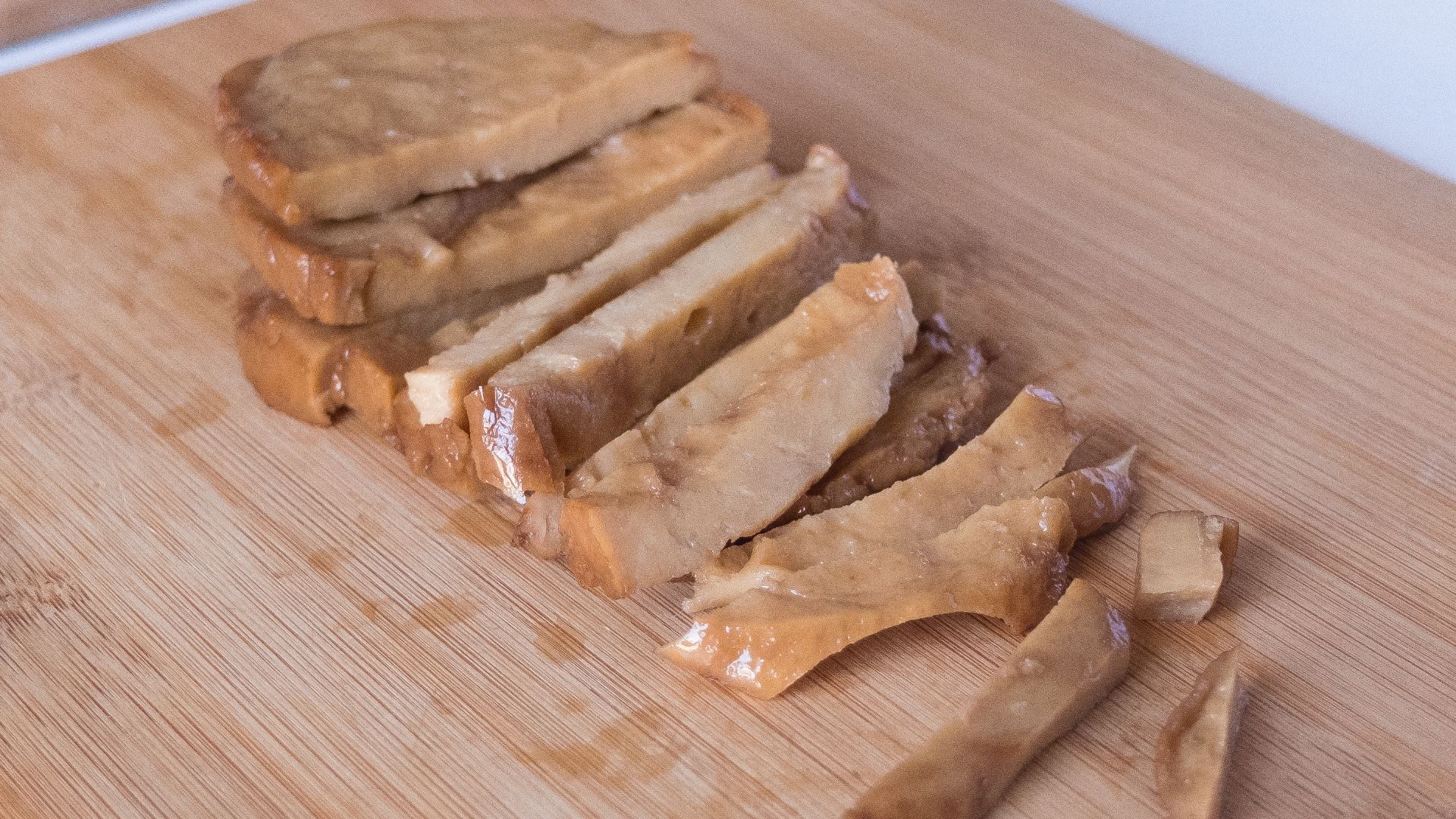
14. Seitan (Vital Wheat Gluten, Prepared)
It was created in ancient China by Buddhist monks to mimic meat without animals. The appeal lies in texture and versatility, while a 100-gram serving ultimately delivers around 25 grams of protein with minimal fat or carbs.
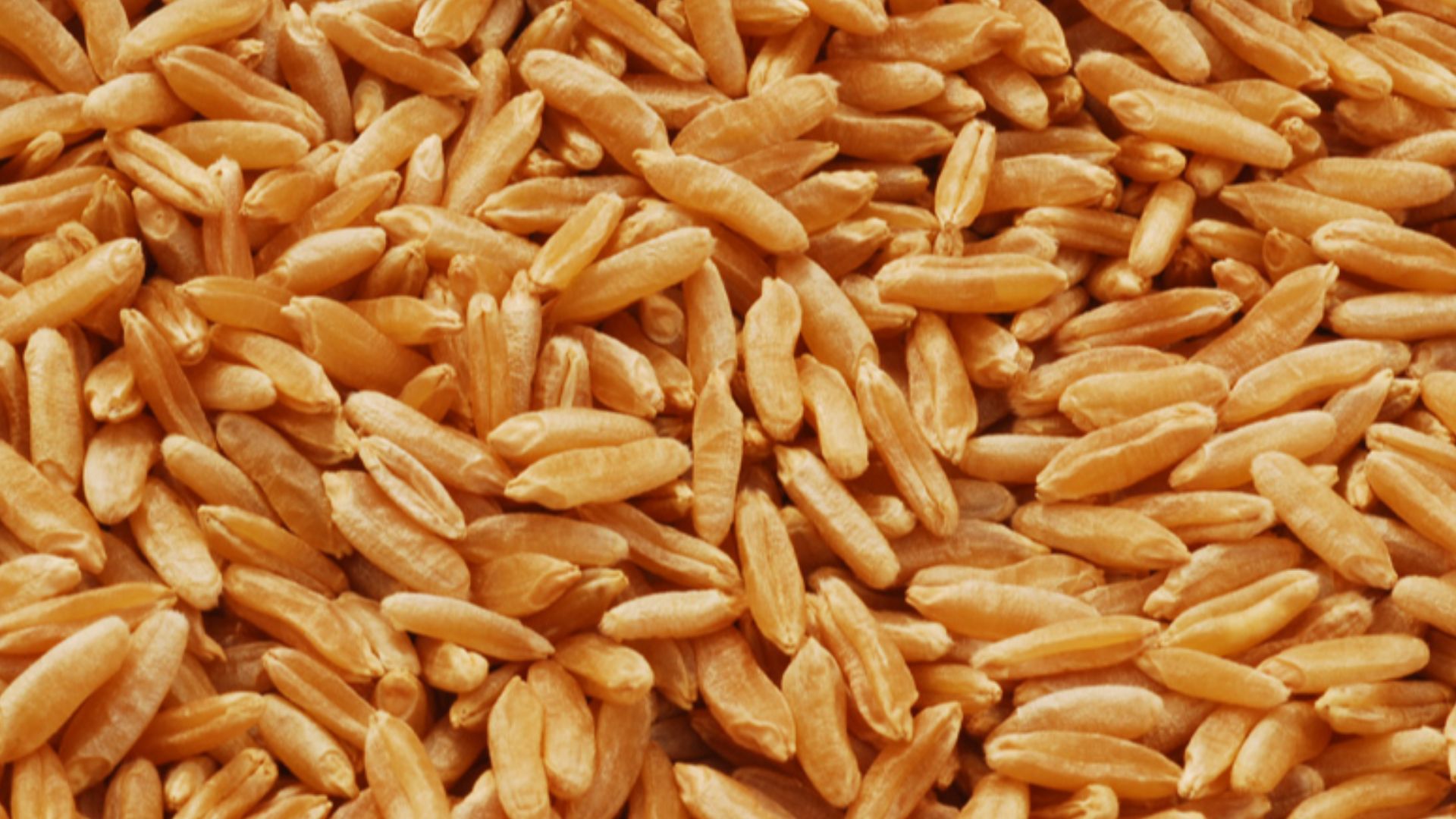
15. Kamut (Khorasan Wheat, Cooked)
Modern wheat breeding lowered protein in favor of yield, but Kamut escaped that shift. A cooked cup of beans gives 10 grams of protein, along with magnesium and selenium. Its reintroduction followed the rediscovery of ancient grains linked to Egypt.
 Kamutinternational on Wikimedia
16. Teff (Cooked Grain)
Teff has anchored Ethiopian diets for millennia through its use in injera. Exceptionally high in iron and calcium, it supports bone density. Plus, a cup of cooked teff also delivers about 10 grams of protein.
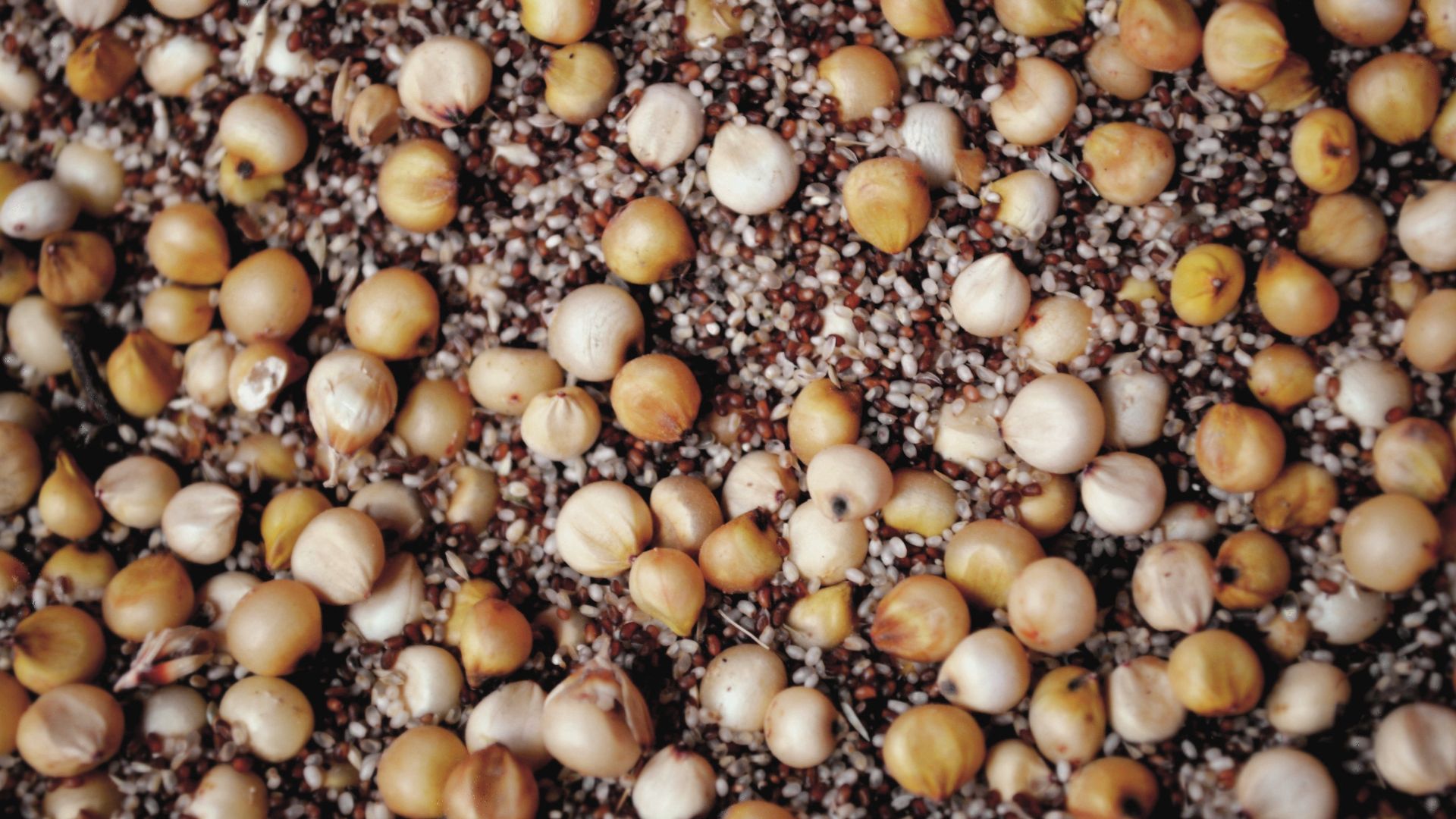
17. Oats (Dry Rolled Or Steel-Cut)
About 5 grams of protein come from a half-cup serving of dry oats, a figure many overlook at breakfast. Once dismissed as a weed before becoming a Scottish staple, oats also supply beta-glucan fiber that supports cholesterol control.
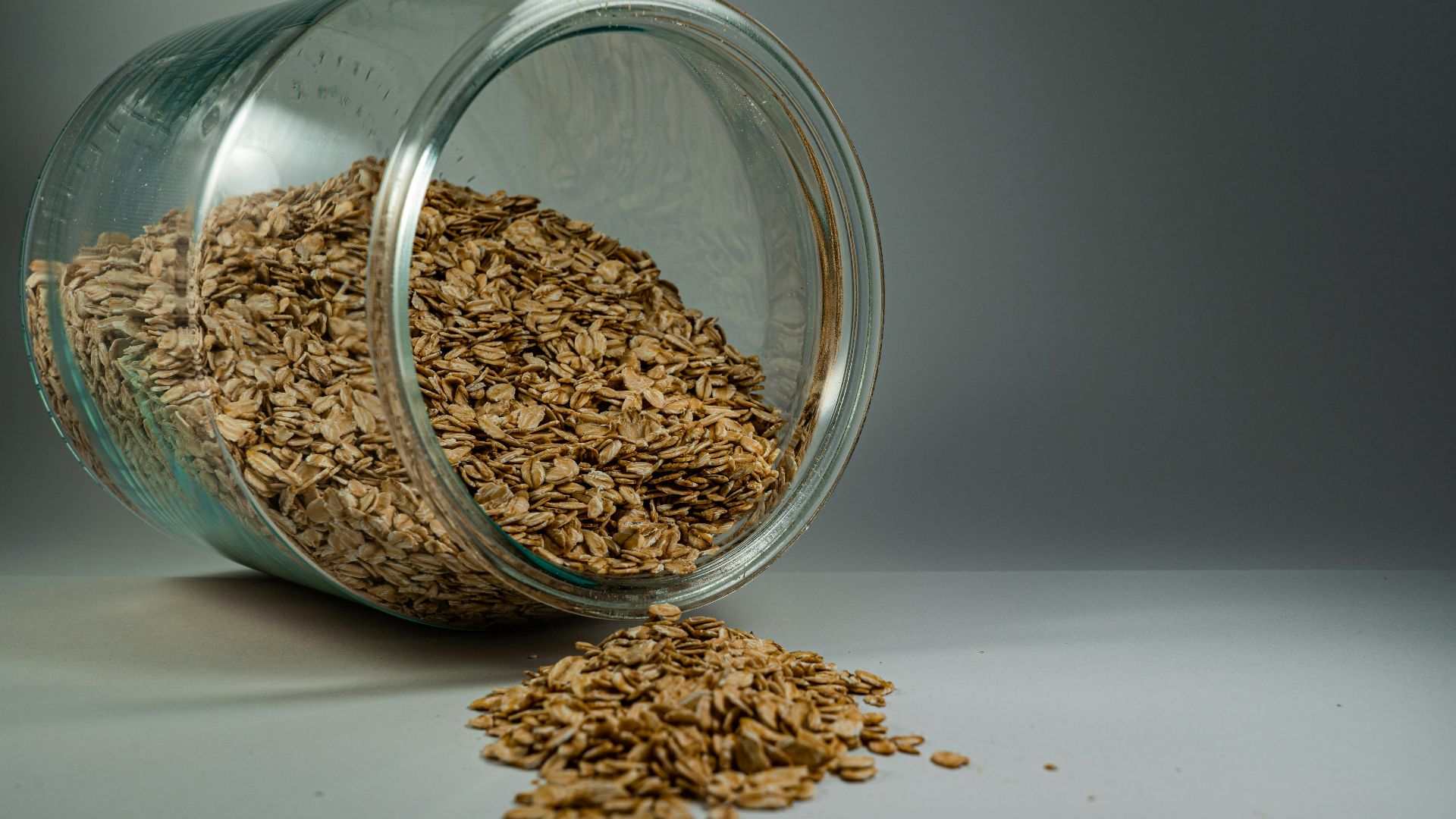
18. Mung Beans (Cooked)
A cooked cup of mung beans supplies roughly 14 grams of protein. It has been cultivated in India for over 4,000 years and provides folate and antioxidants while remaining easy to digest.
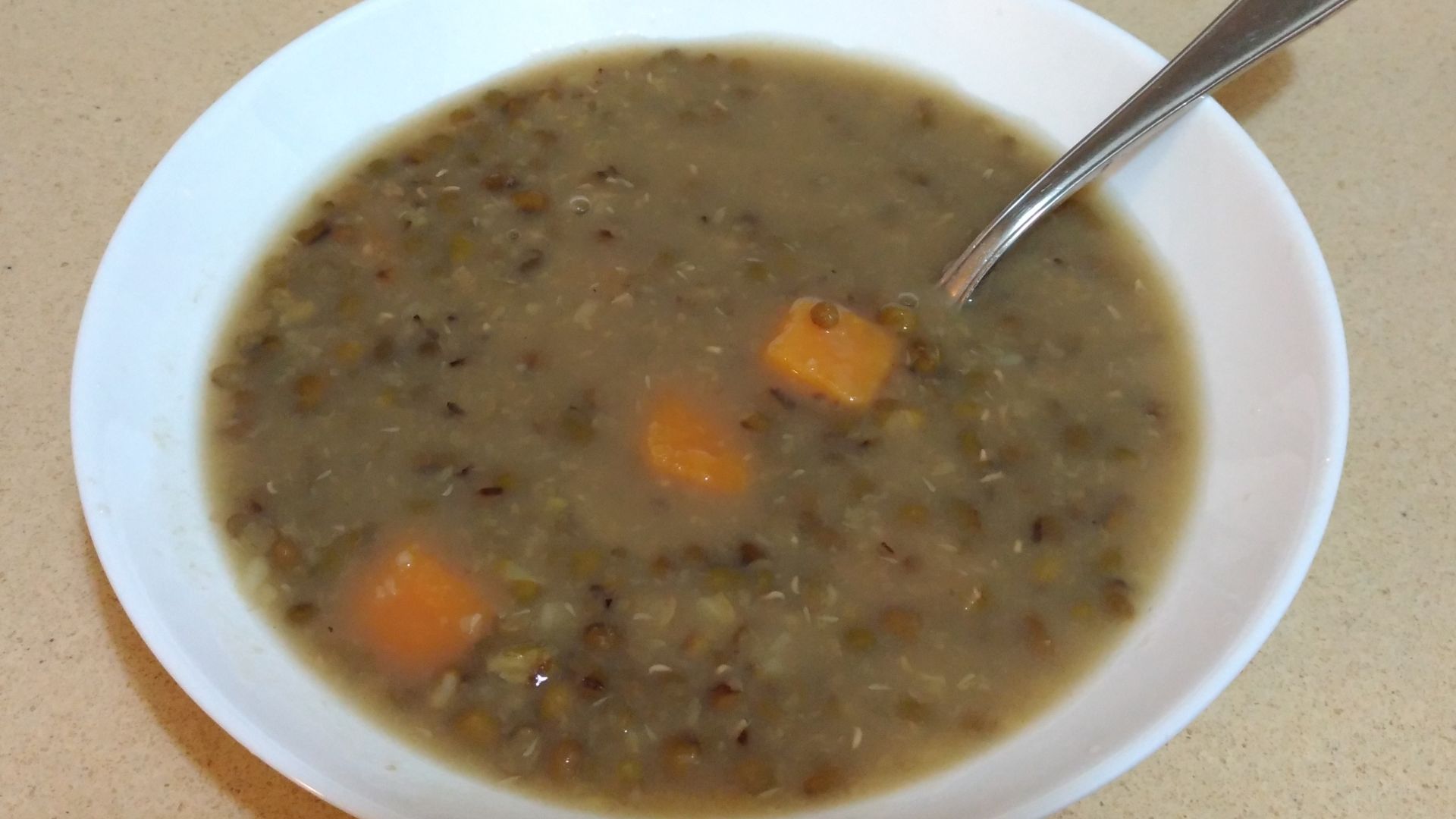
19. Mycoprotein
Mycoprotein emerged in the 1960s during efforts to find sustainable food sources. Its fungal structure provides fiber that aids digestion with a low environmental footprint. Nutritionally, most servings supply 11–15 grams of complete protein per 100 grams, as seen in Quorn products.
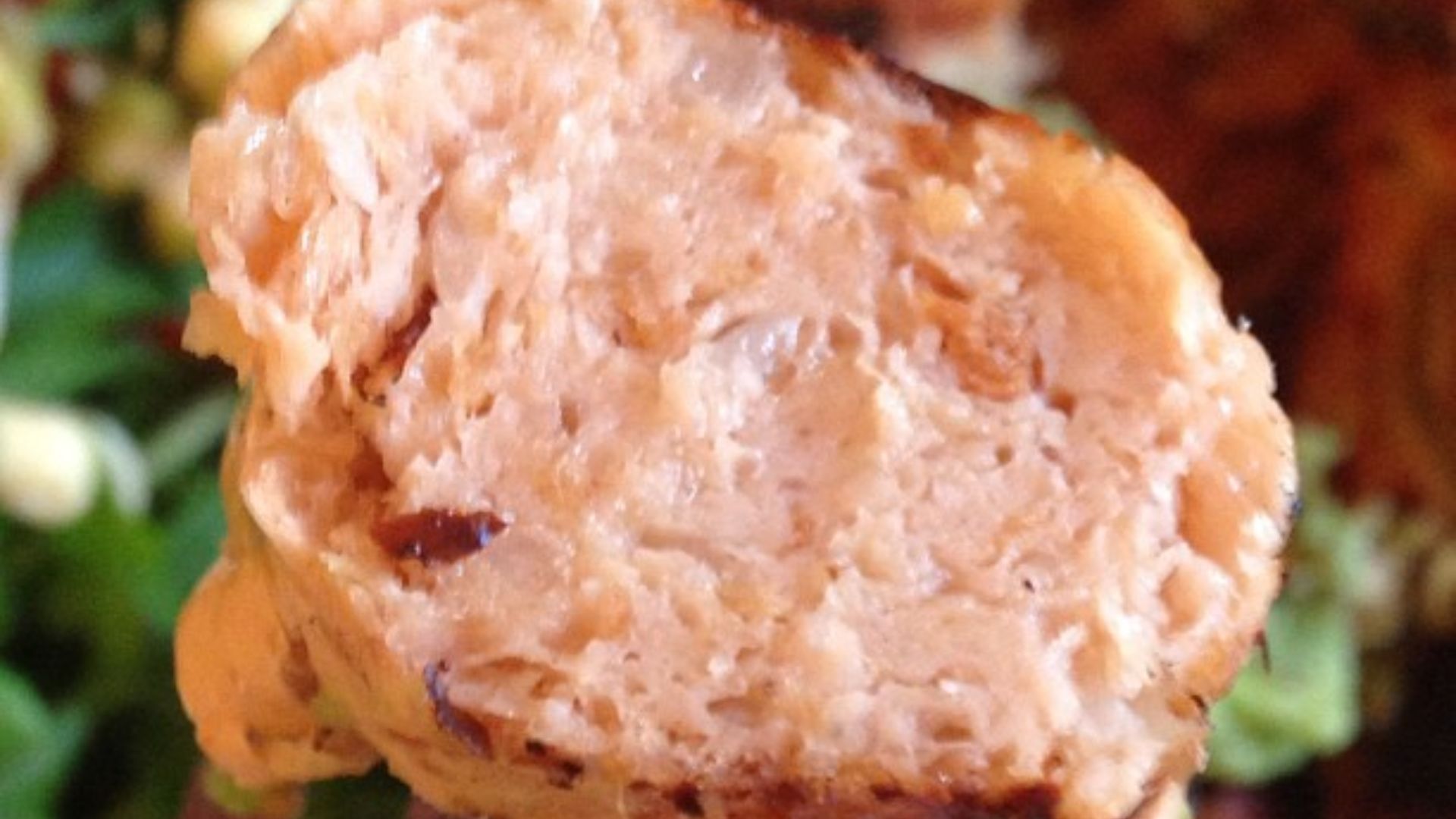 Daniel Neville from Melbourne, Australia on Wikimedia
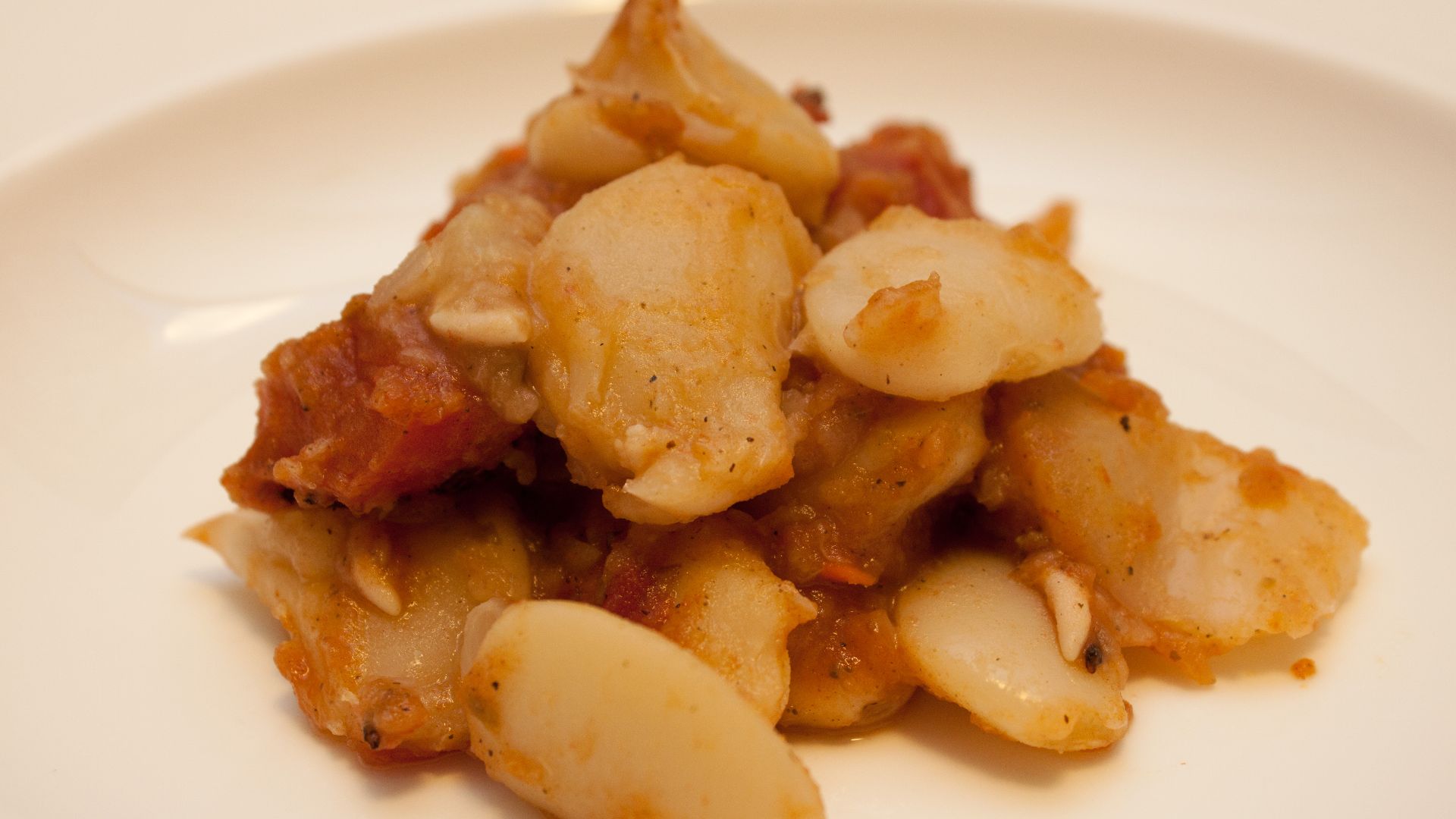
20. Lima Beans (Cooked, Butter Beans)
Domesticated near Lima, these beans gained popularity for their creamy texture. However, a cooked cup ultimately contributes around 12 grams of protein, which is an added advantage. Soluble fiber and manganese drive their metabolic benefits, too.
KEEP ON READING