
Greek Yogurt Is More Than Just A Snack—Try Using It These 20 Creative Ways For Healthier Eating
Greek Yogurt Is More Than Just A Snack—Try Using It These 20 Creative Ways For Healthier Eating
One Tub, Many Personalities
Greek yogurt has a habit of sneaking past the snack bowl and into places it was never meant to stay. One spoonful changes texture, another shifts balance, and suddenly, everyday meals behave differently. If you’ve been using it the same old way, this list is your nudge. Read on for these 20 creative ways to use Greek yogurt.

1. Protein-Packed Marinade For Grilled Chicken
Before refrigeration existed, yogurt was already doing quiet work in Middle Eastern kitchens. That same thickness still helps spices cling to chicken today, while lactic acid tenderizes without turning meat rubbery. Swapping oil for Greek yogurt adds roughly ten grams of protein per serving and trims calories and sodium without sacrificing flavor.

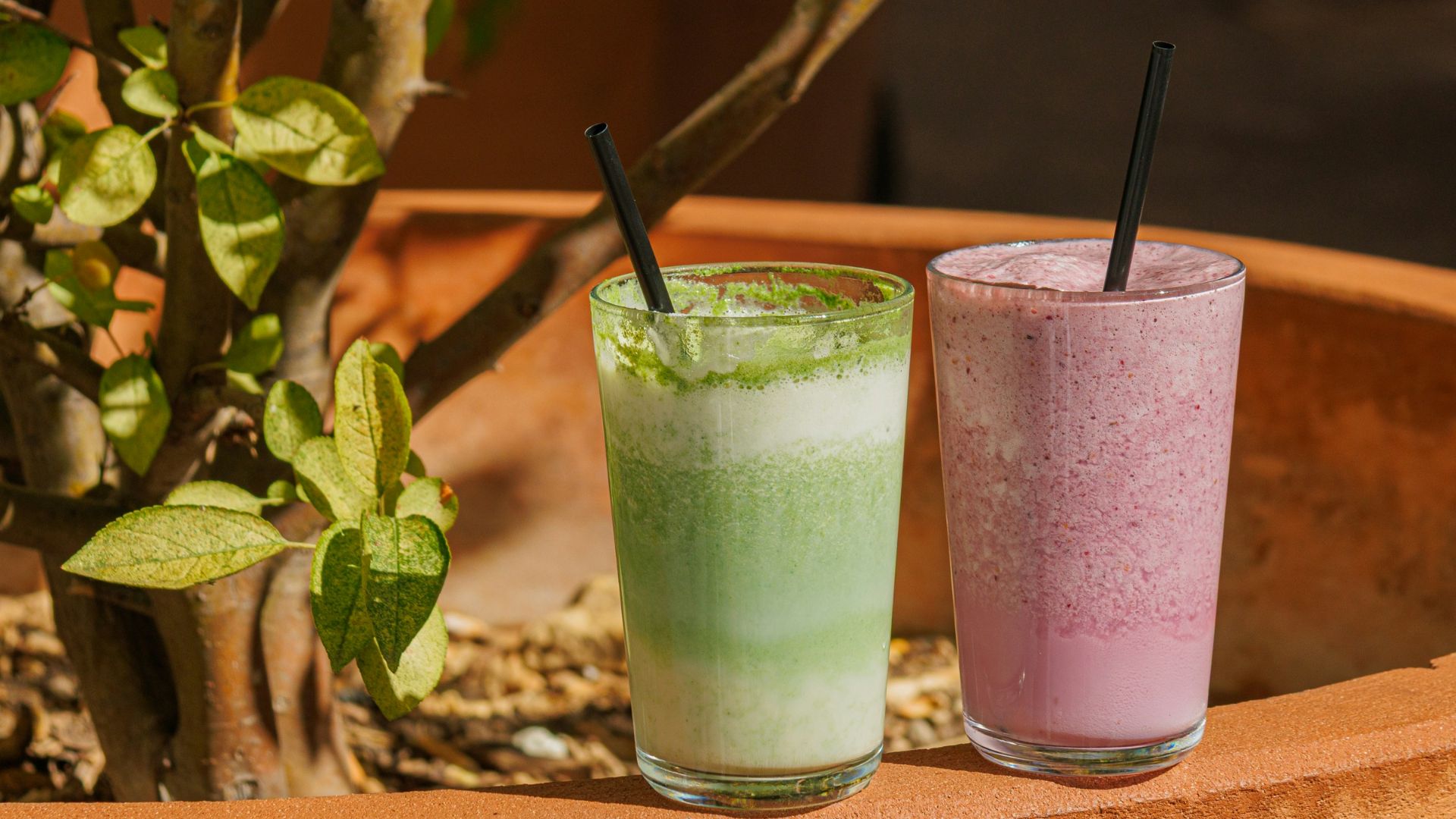
2. Creamy Base For Veggie Smoothies
Cream isn’t necessary for thickness in veggie smoothies, since Greek yogurt delivers structure while raising protein. Its straining process also concentrates nutrients, explaining the higher protein content and steady energy payoff. Calcium and B vitamins further support bones, probiotics help digestion, and the result feels filling instead of watery or purely green.
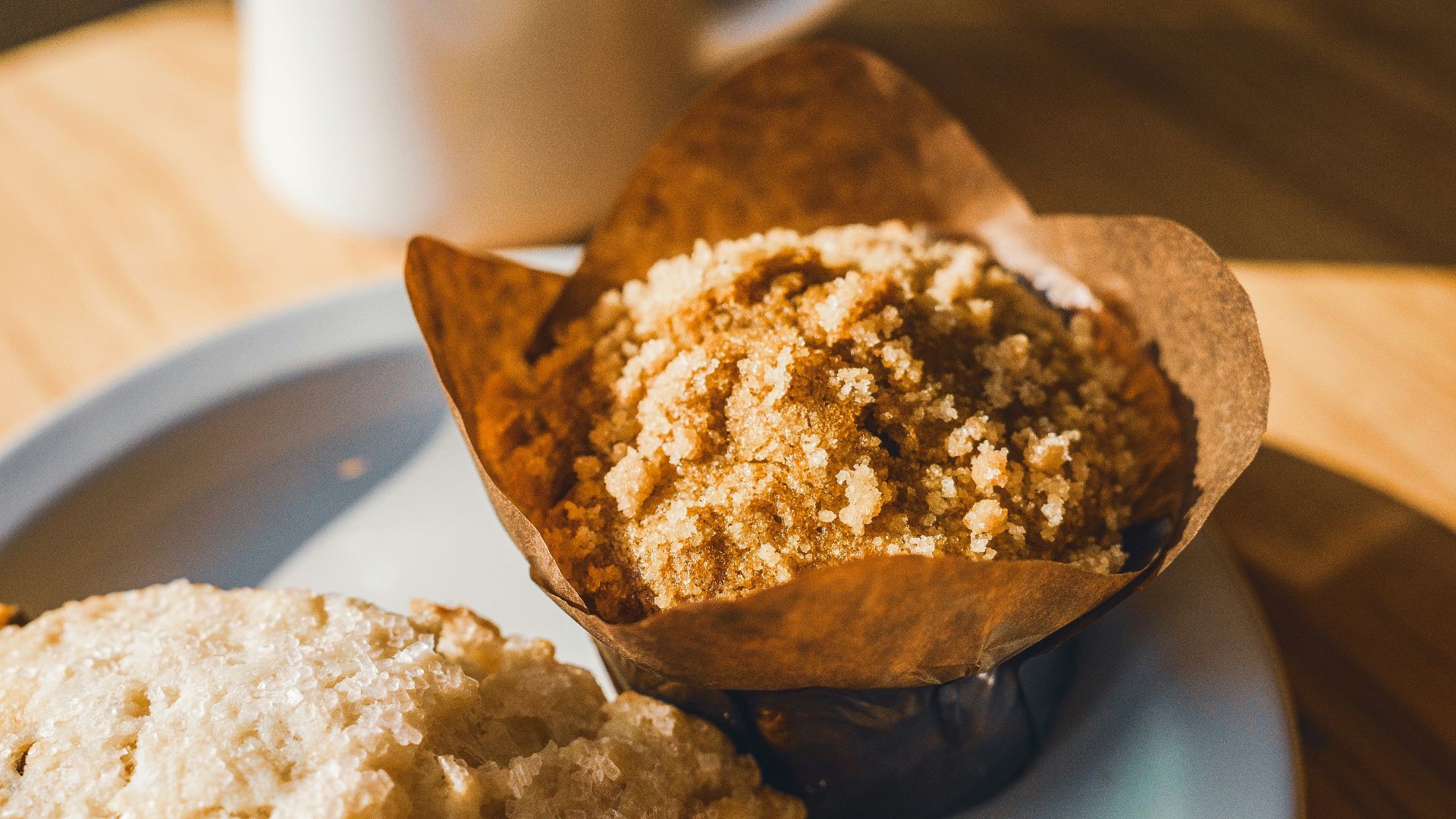
3. Substitute In Baked Goods For Moist Muffins
Modern healthy baking borrowed a trick that ancient fermentation already solved. Greek yogurt’s tang behaves like buttermilk by activating baking soda for a better rise while keeping muffins soft. Replacing butter or oil cuts fat and calories by up to twenty percent and quietly adds protein and probiotics to a familiar treat.
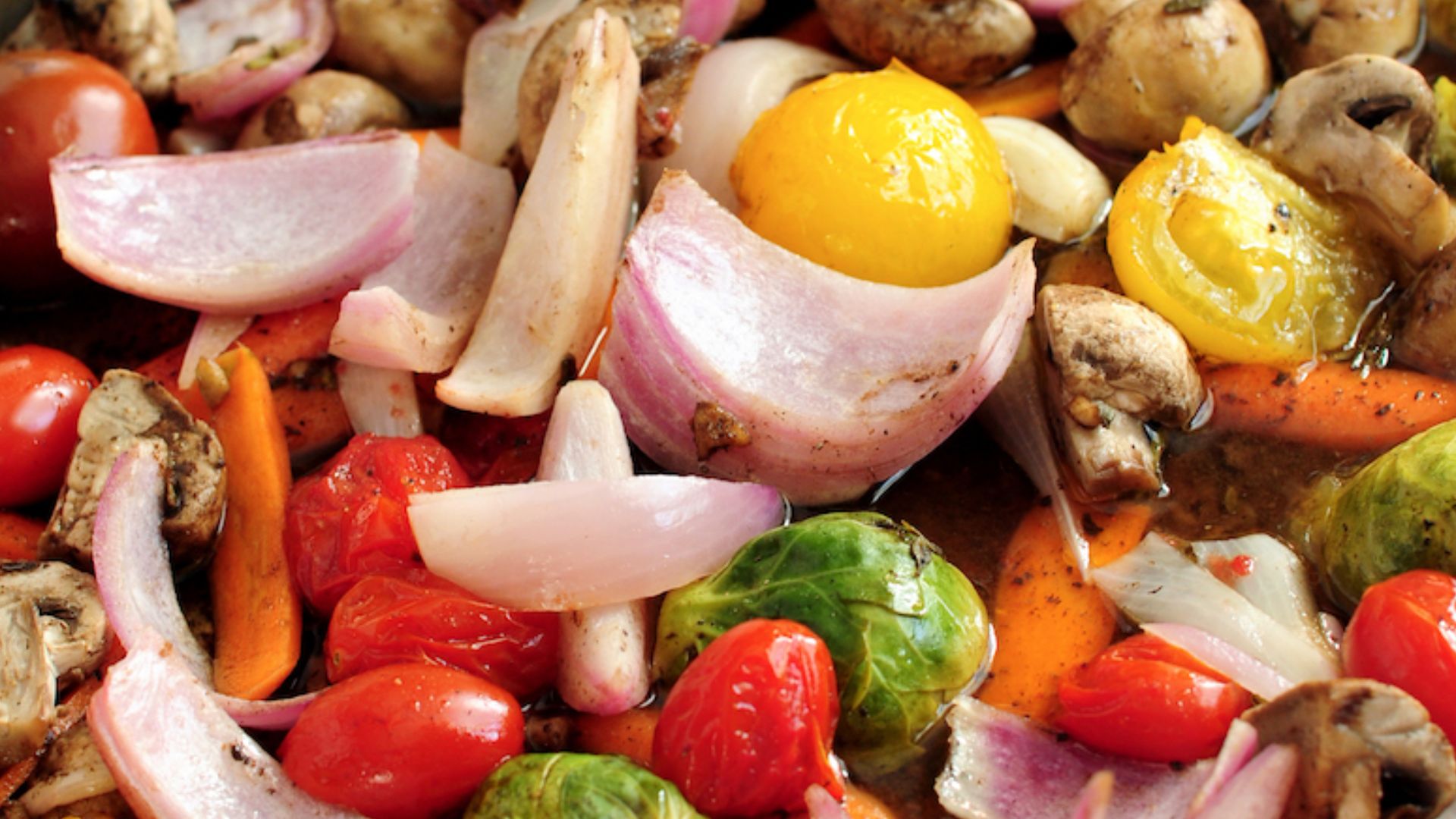
4. Dipping Sauce For Roasted Vegetables
Mediterranean tables figured this out centuries ago. Yogurt dips make vegetables more appealing and still deliver protein, calcium, and probiotics. Therefore, using it instead of mayonnaise reduces fat and calories, and spices bring flavor without sodium overload. The result even encourages eating more vegetables without turning them into an obligation.
 Sharon Chen from Austin, United States on Wikimedia
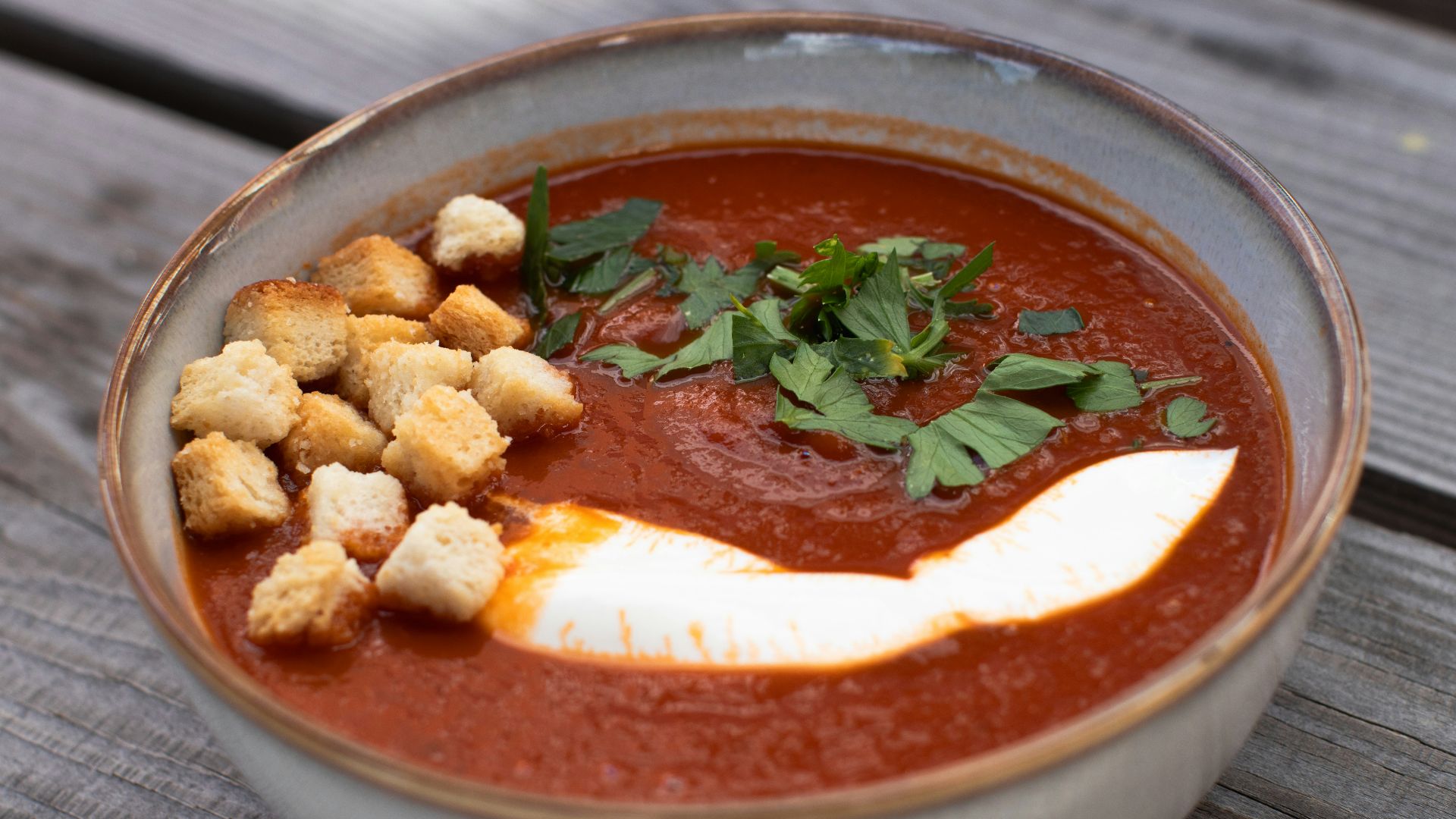
5. Thickener In Soups For Creamy Texture
Creamy soups once relied on dairy to feel finished. Greek yogurt shifts that through density alone, using more milk at the start. Added gently, it replaces cream and lowers fat. Vegetable soups also maintain a smooth texture without feeling heavy.
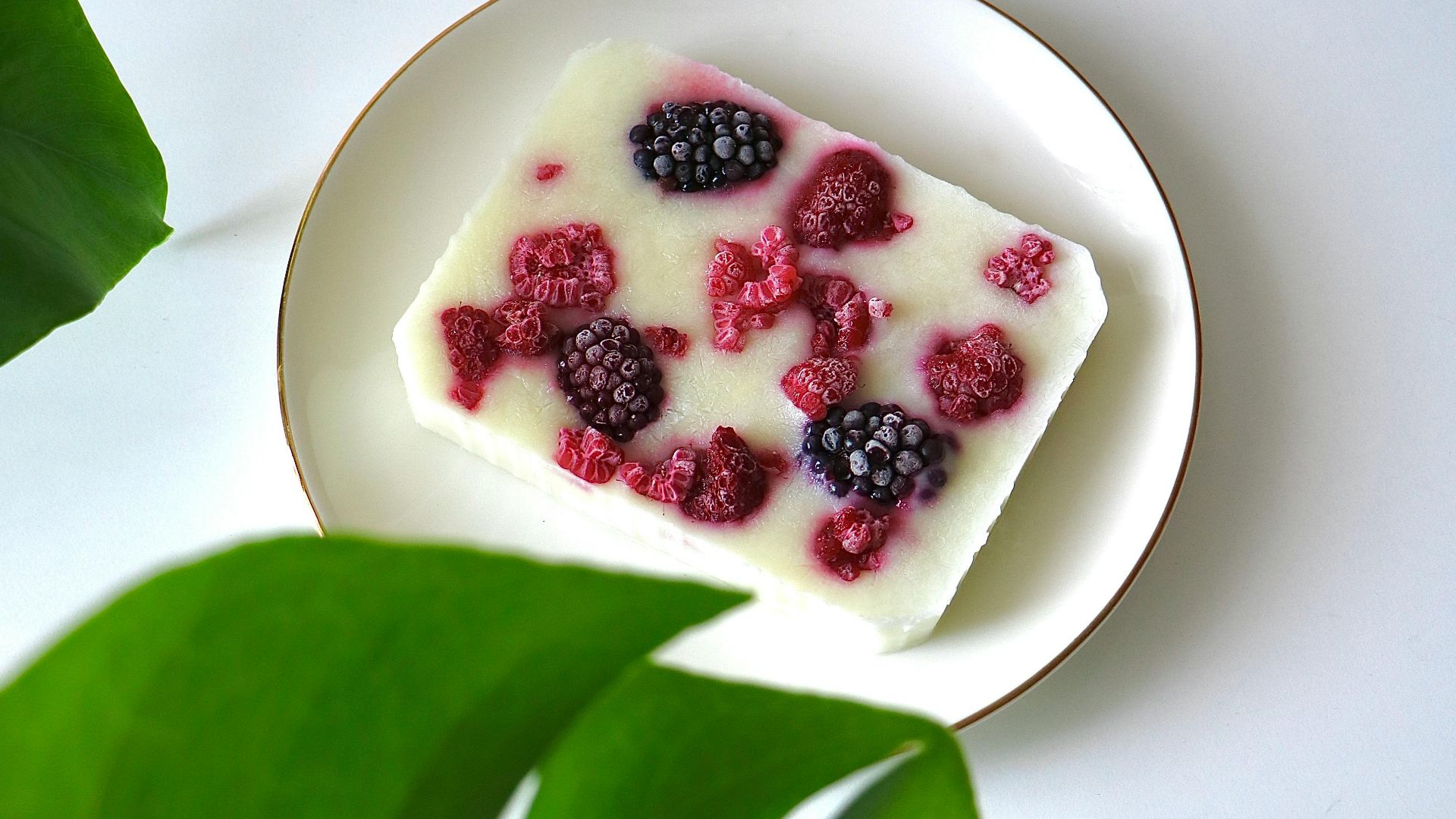
6. Base For Homemade Frozen Yogurt Bars
Frozen yogurt once rode an eighties health wave, though Greek yogurt changed the outcome later. Protein climbs toward eight grams per bar, fruit adds antioxidants, and calories stay restrained. Calcium and probiotics remain present, which shifts these bars closer to nourishment than novelty.
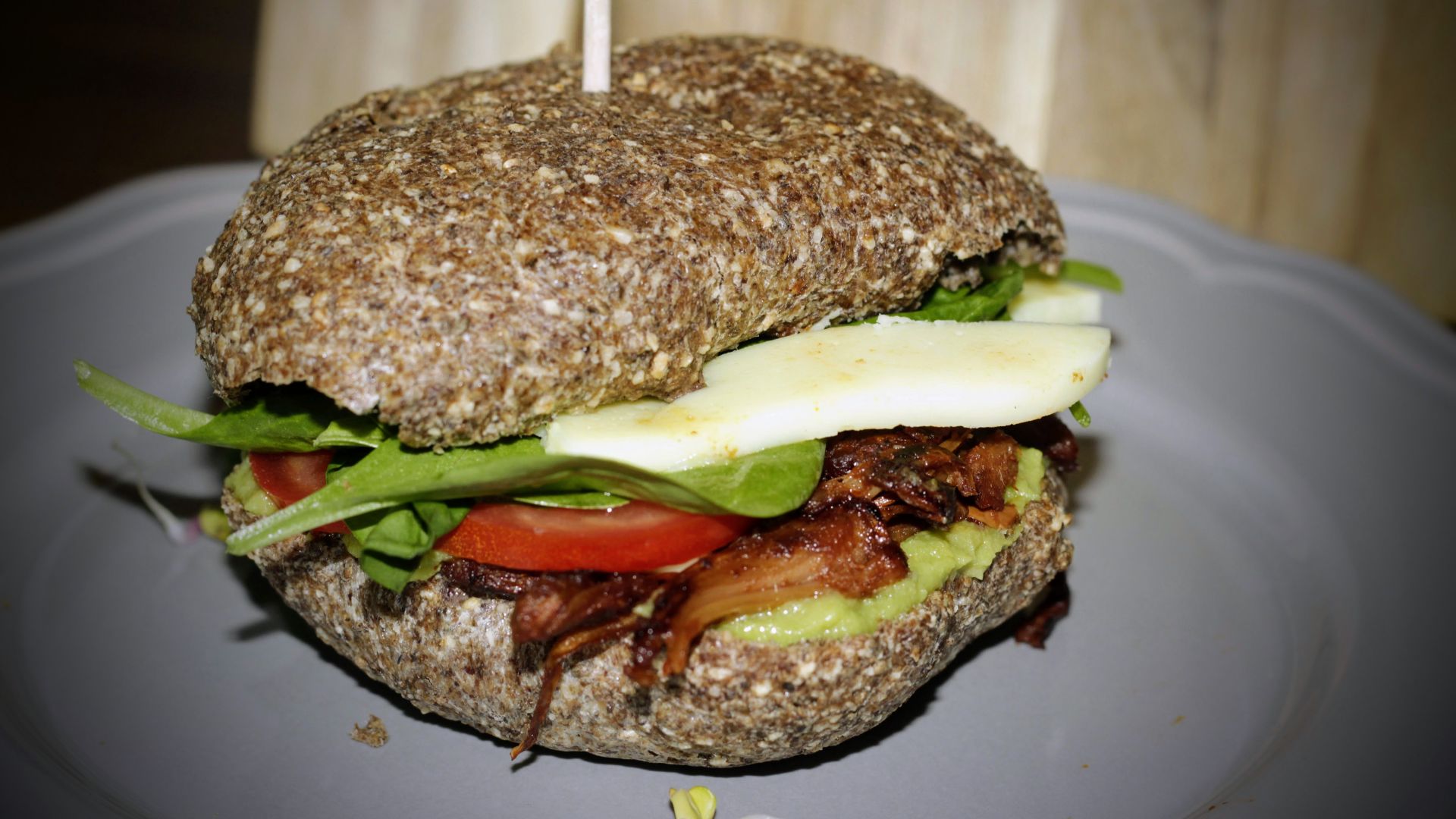
7. Binder In Veggie Burgers
Long before plant-based labels existed, yogurt held mixtures together in Indian cooking. That same binding quality adds moisture and protein without eggs. Beans and grains also benefit from the structure, and probiotics quietly support digestion in burgers that avoid heaviness.
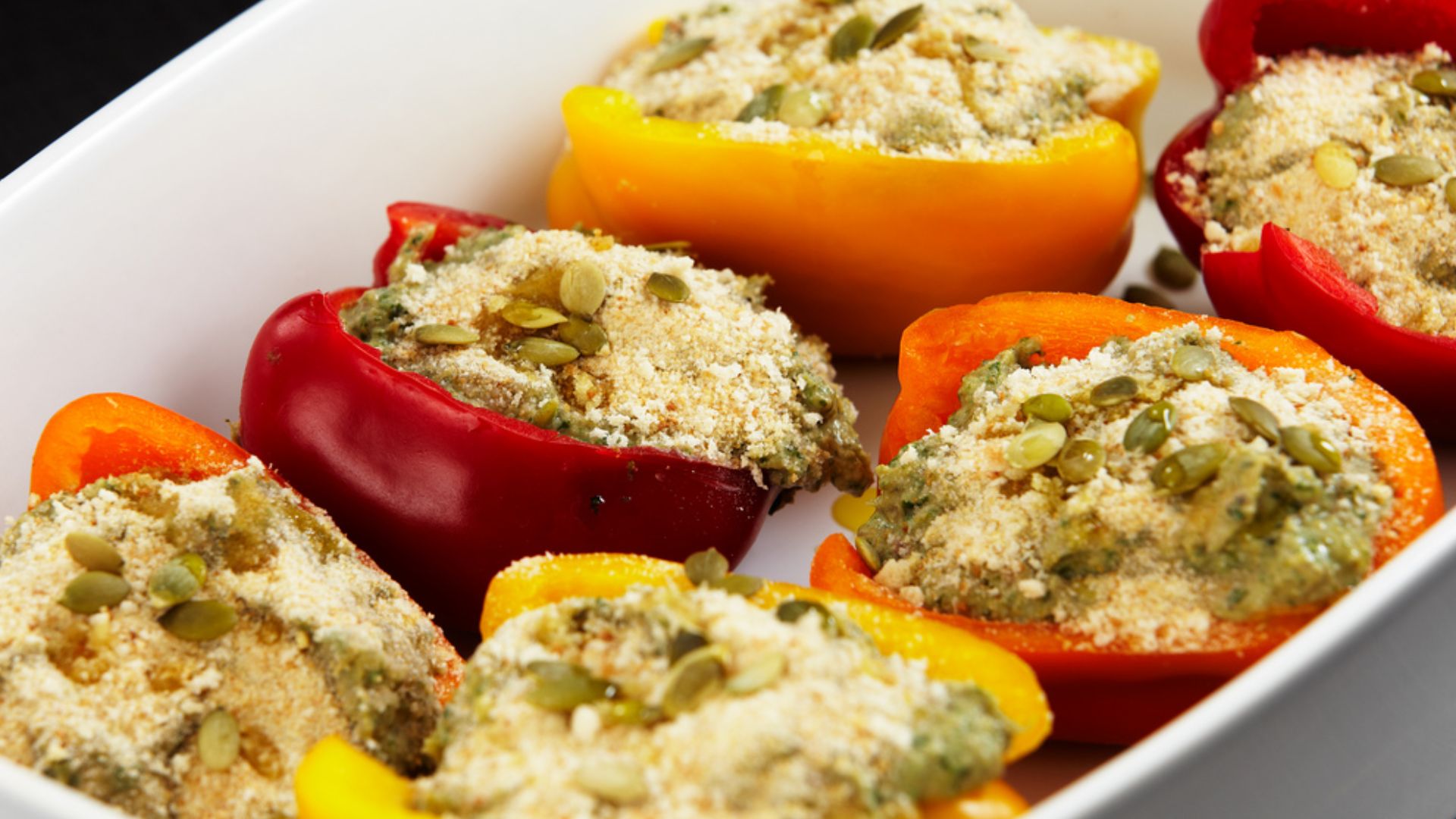
8. Topping For Stuffed Peppers
Spice-heavy dishes have long relied on cooling counterpoints. This is where a yogurt topping replaces cheese, easing saturated fat while adding protein. Probiotics further soften digestion, calcium strengthens balance, and peppers retain their fiber-forward role without feeling stripped of richness.
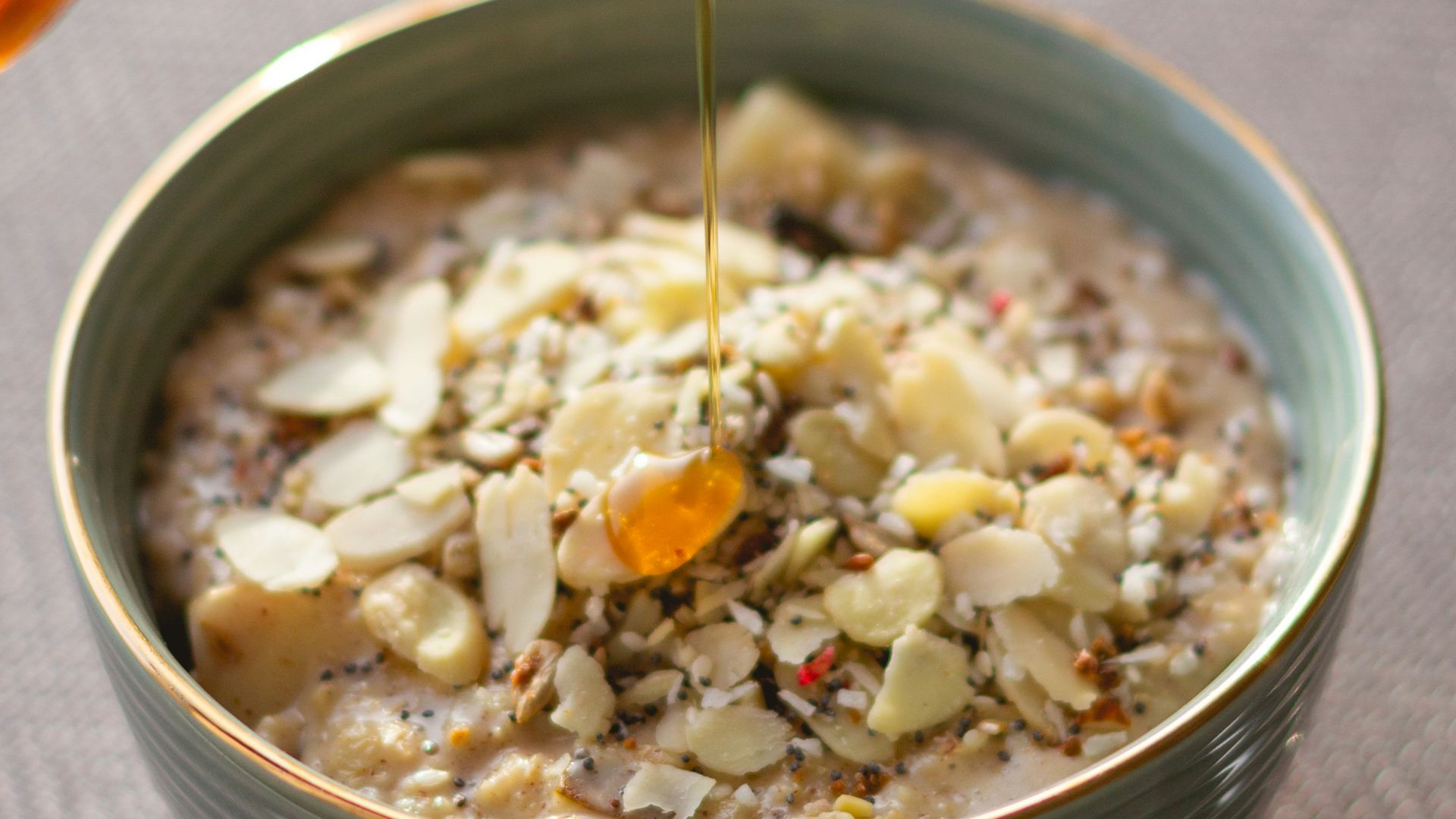
9. Ingredient In Overnight Oats Variations
Overnight oats often prioritize speed over substance at first glance. Adding yogurt changes the equation by raising protein to fifteen grams per serving. The texture also settles, and the meal lasts longer than a convenience breakfast usually does for most people.
10. Sauce For Fish Tacos
Tangy yogurt sauces trace back to Persian traditions built on balance. Replacing sour cream lowers fat intake, protein comes into play, and probiotics support digestion. Omega-3-rich fish gains contrast, while calcium quietly reinforces the meal’s anti-inflammatory profile.

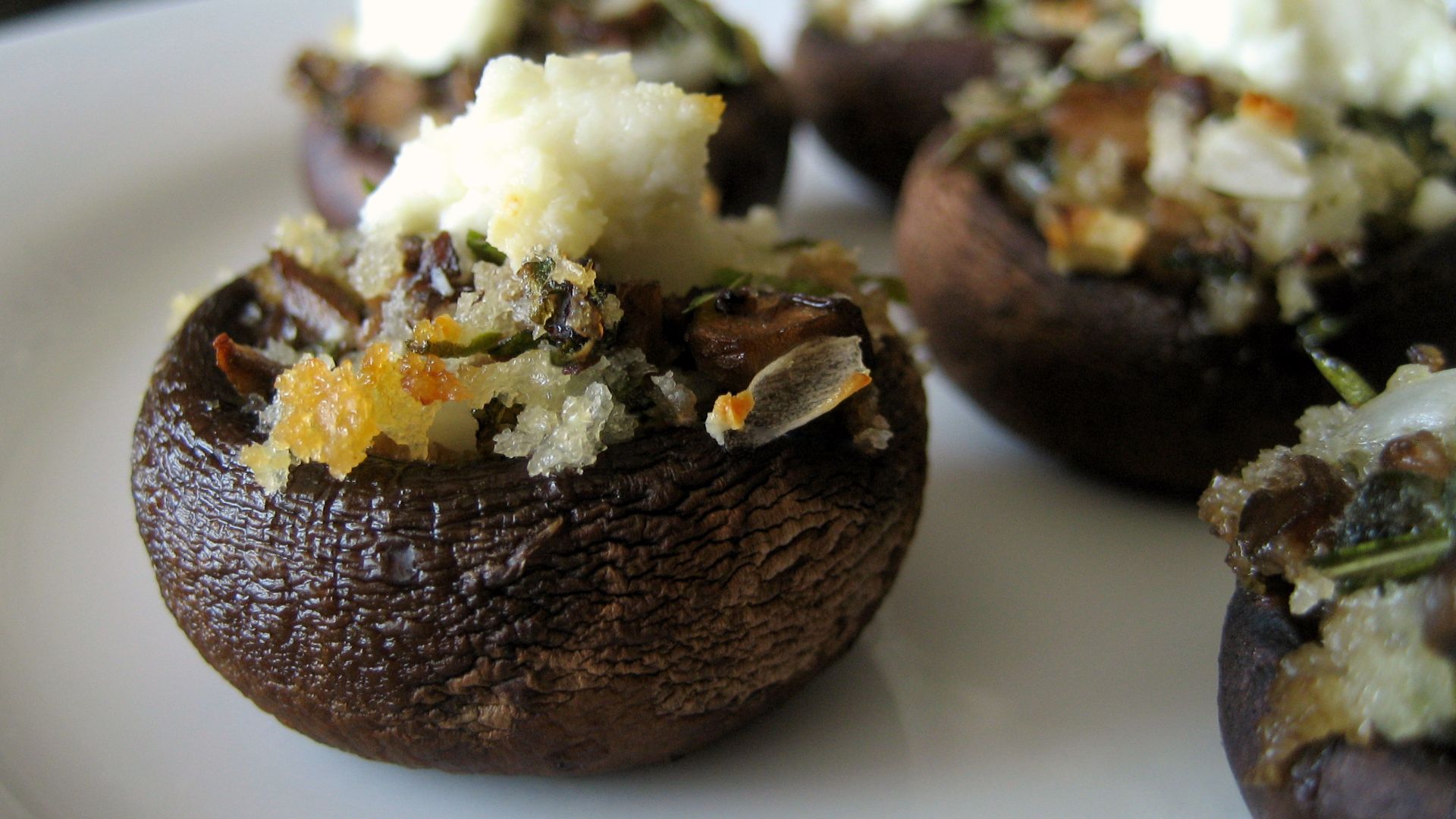
11. Filling For Stuffed Mushrooms
Creamy fillings tend to dominate mushrooms quickly. Using yogurt shifts that balance, raising protein while lowering calories. Mixed with vegetables, the texture stays soft. Digestion also feels easier thanks to probiotics, which suits an appetizer meant to satisfy without lingering heaviness.
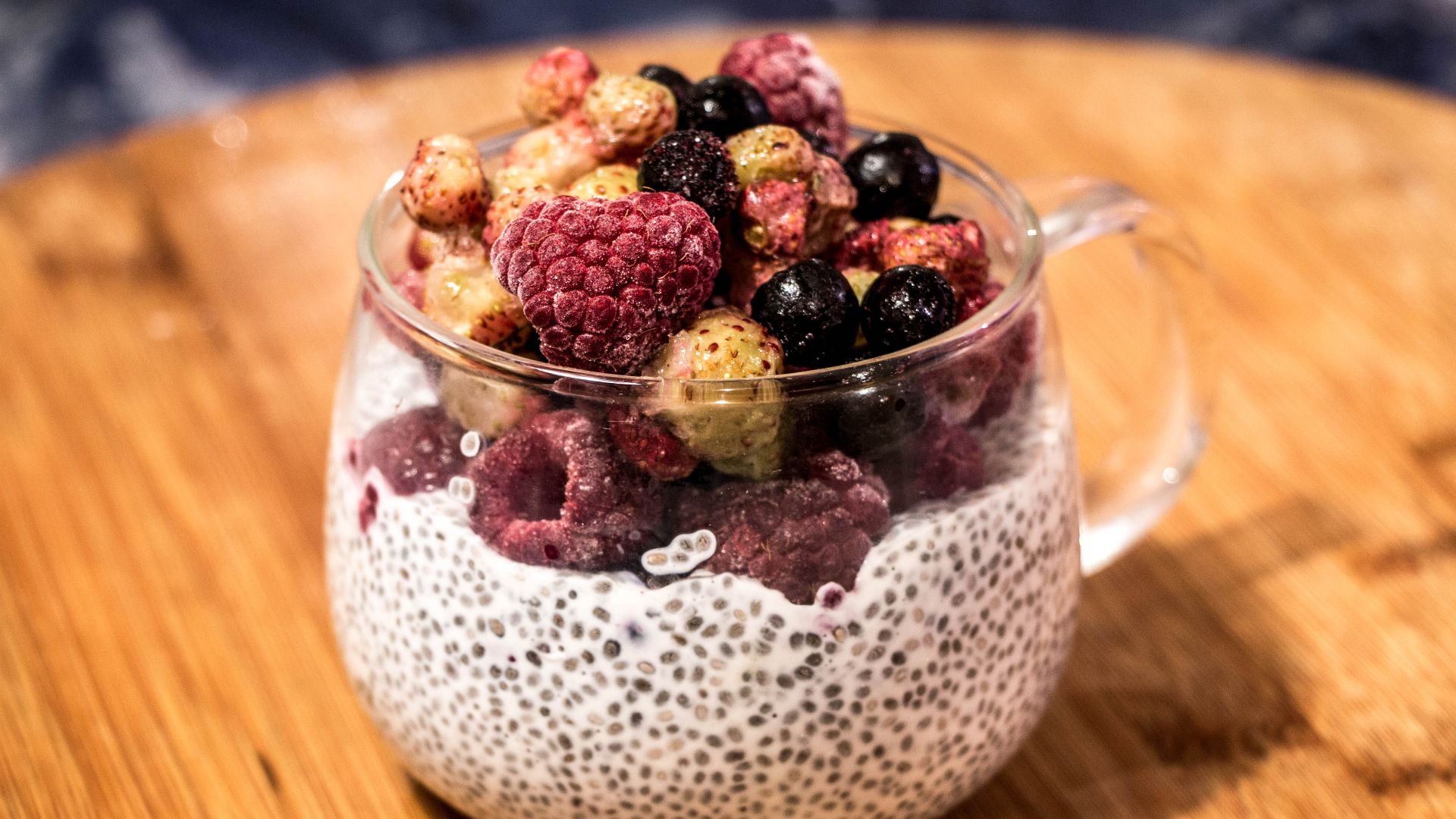
12. Enhancer In Chia Pudding
Density already defines chia pudding, yet yogurt changes how it lands. Plus, protein moves into the mid-teens per serving by slowing hunger. Seeds and probiotics work together, and calcium stays present. The result feels controlled instead of dessert-like during long afternoons.
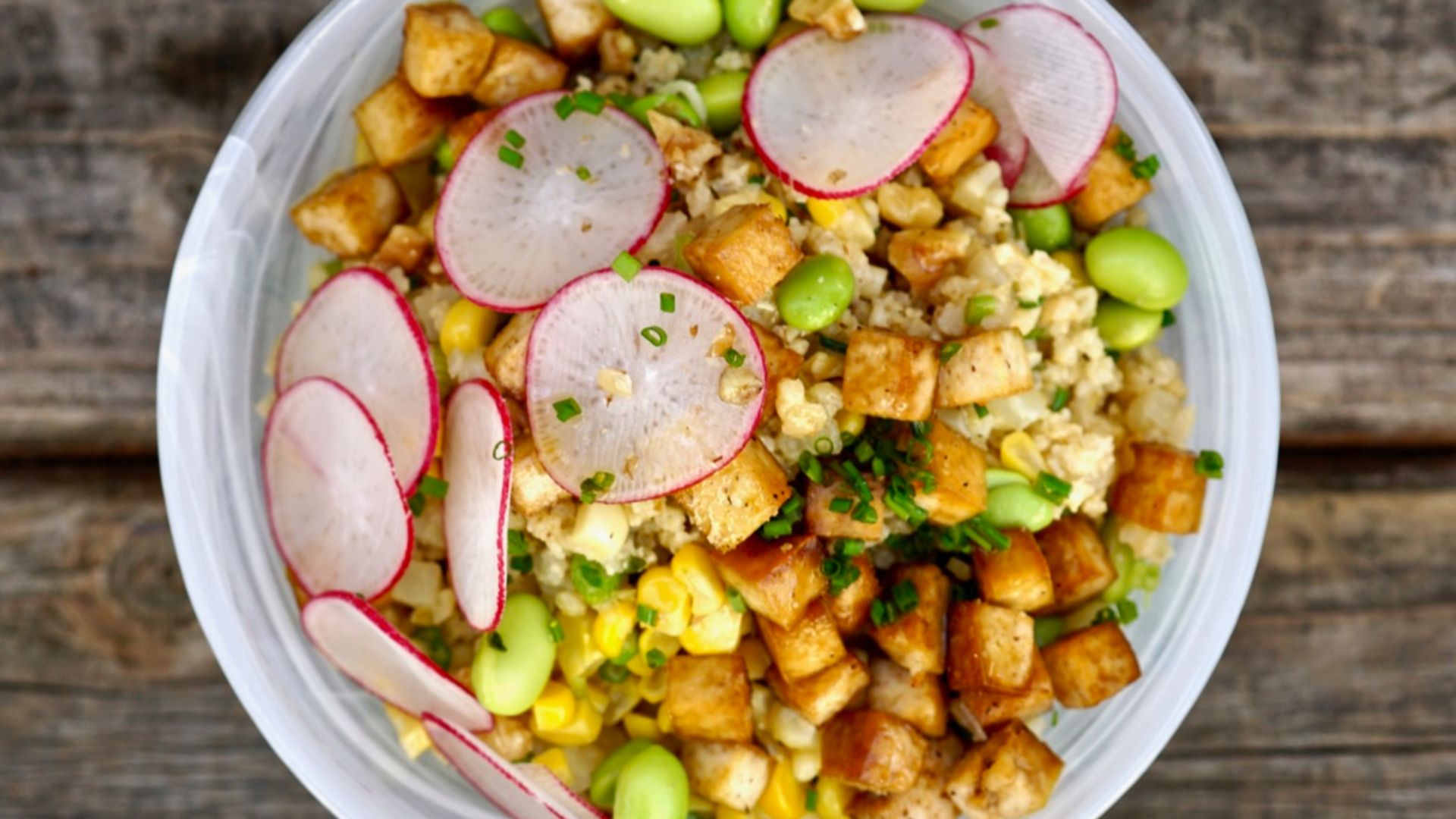
13. Dressing For Grain Bowls
Once everything hits the bowl, cohesion matters most. Yogurt-based dressing binds grains and vegetables without excess oil. Fiber works more steadily here, improving satiety. Calcium supports structure, and the meal holds together without feeling weighed down by lunchtime routines.
14. Component In Energy Balls
Sugar-heavy snacks tend to burn out fast. A protein-rich base slows absorption and steadies energy. Moisture keeps the texture from turning dense or dry. Probiotics add digestive ease, which makes these bites easier to rely on during long, movement-heavy days.
 Toa Heftiba heftiba on Wikimedia
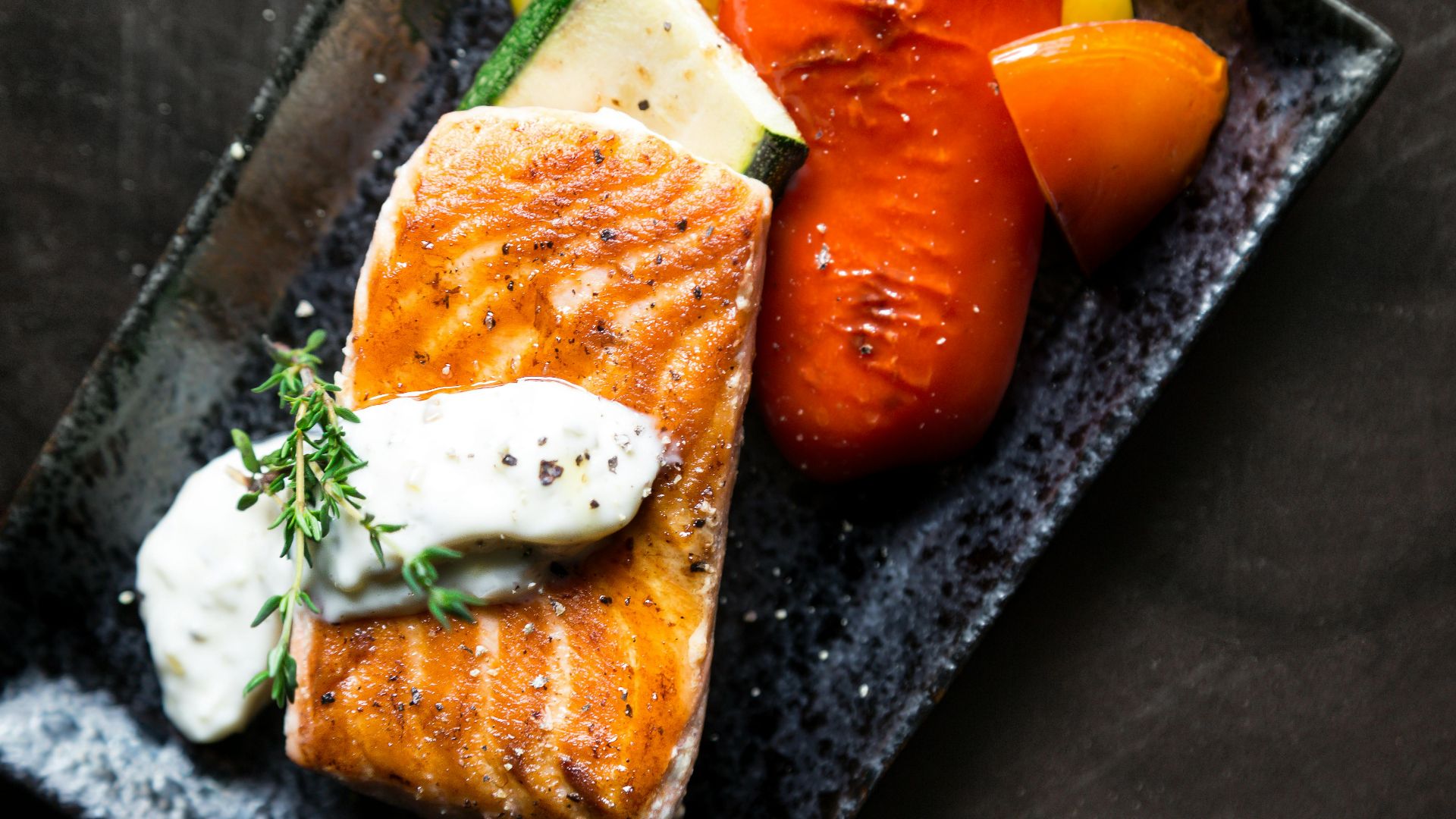
15. Glaze For Roasted Salmon
Flavor shifts once yogurt enters the glaze. Sweetness pulls back, texture softens, and protein rises without masking the fish. Omega-3s remain central. Calcium also fits naturally, leaving the meal lighter and easier to digest without losing its nutritional value.
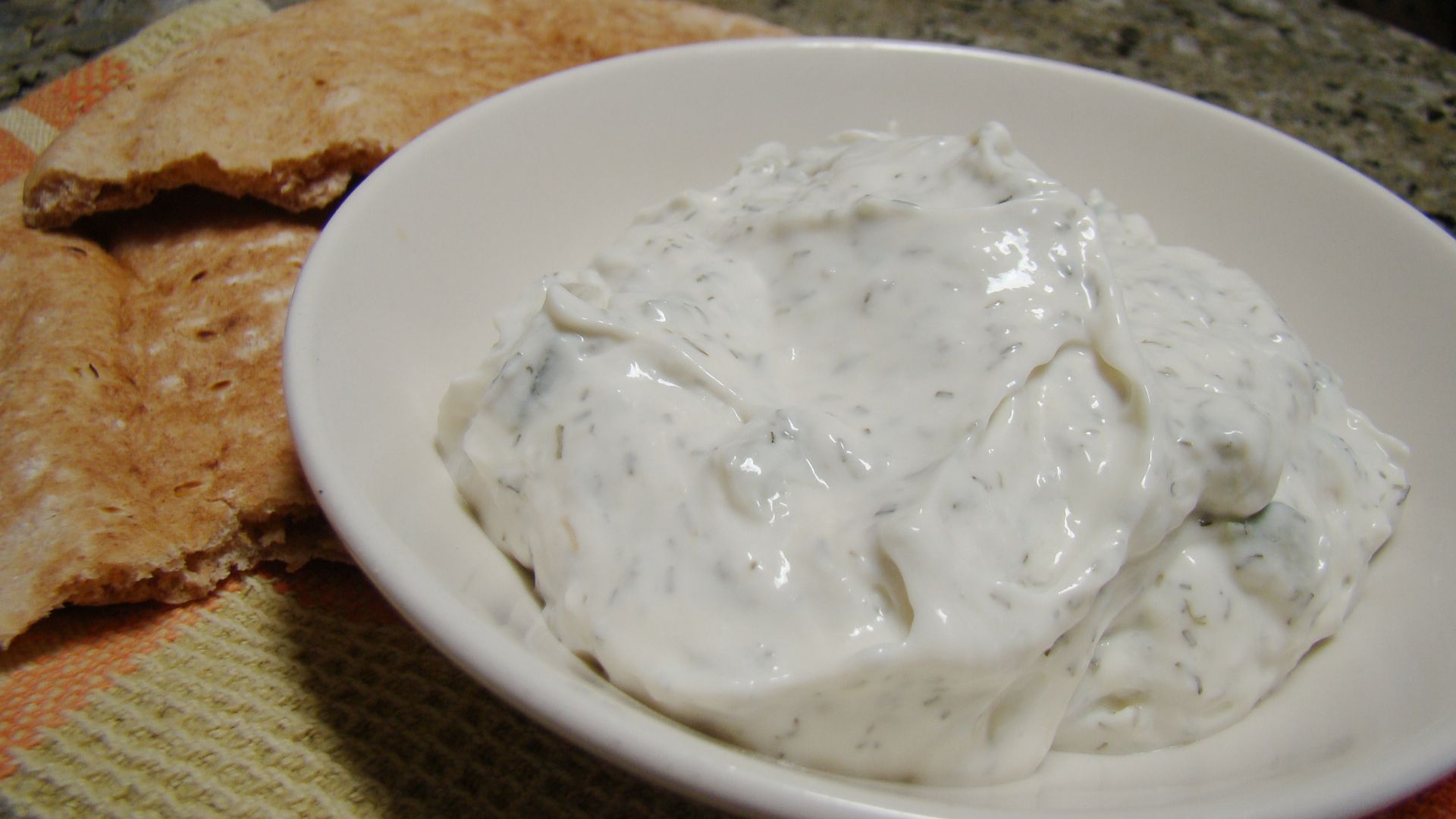
16. Base For Herb-Infused Spreads
Spreads fail when the base competes with the seasoning. Here, herbs stay forward while the texture stays light and workable. The result feels useful rather than rich, settling into everyday meals easily instead of demanding attention like heavier dairy spreads often do.
 Vegan Feast Catering on Wikimedia
17. Addition To Pancake Batter
Pancakes usually rely on fat for softness. This swap shifts the texture another way, which keeps the crumb tender without weighing it down. Protein also stretches fullness past breakfast, and the slight tang reins in sweetness before it drifts toward dessert.

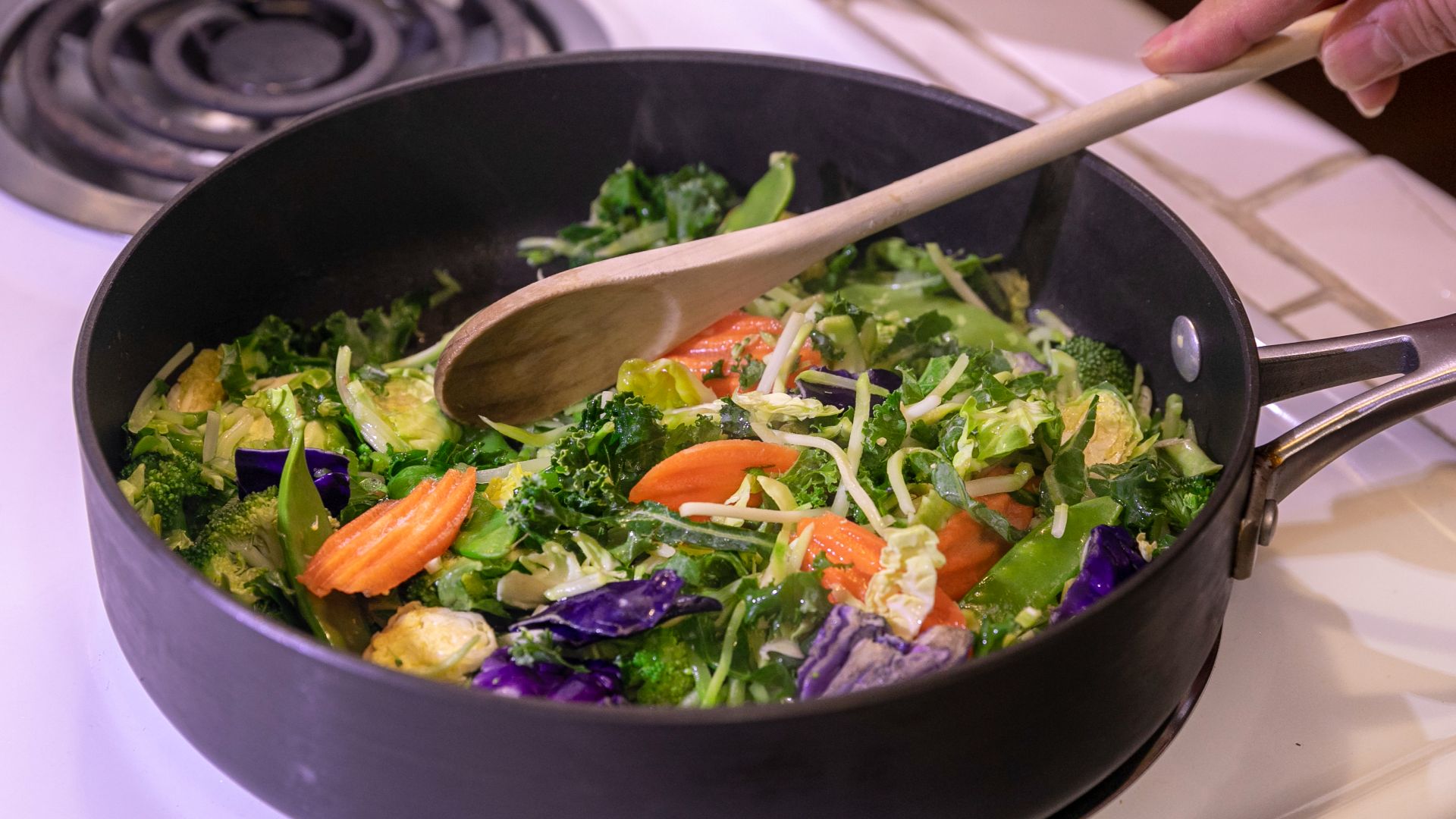
18. Sauce For Stir-Fried Veggies
Heat dominates stir-fries, yet balance keeps them edible. A yogurt-based sauce cools spice without muting flavor, letting vegetables stay central. Calories stay restrained, digestion feels calmer, and the dish lands clean rather than coated.
 Alabama Extension on Wikimedia
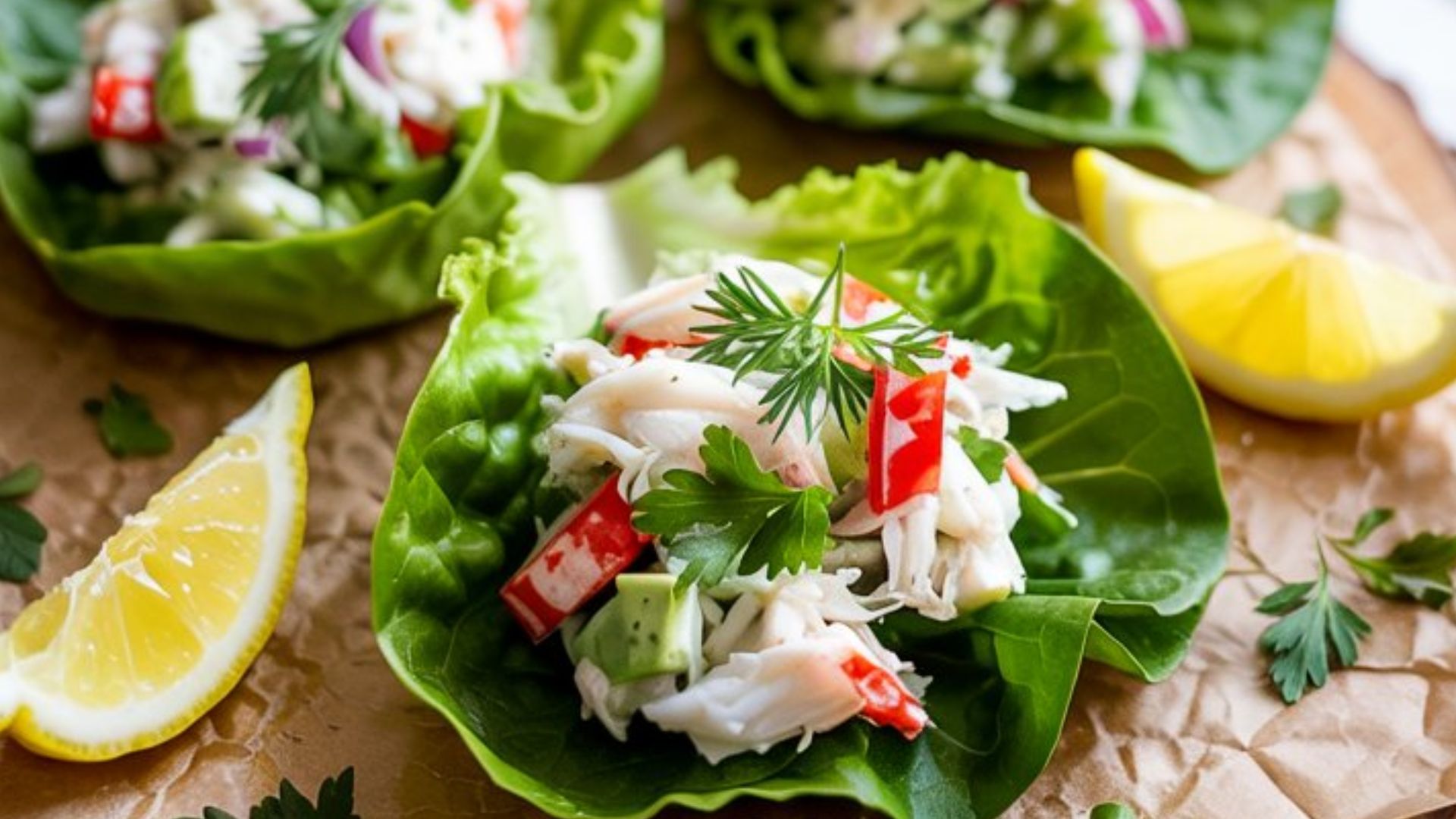
19. Filling For Lettuce Wraps
Lettuce wraps fall apart without structure. Extra body comes through a lighter filling that keeps leaves crisp. The bite even stays contained and easy to manage, helping the wrap feel deliberate rather than rushed during quick meals at home.
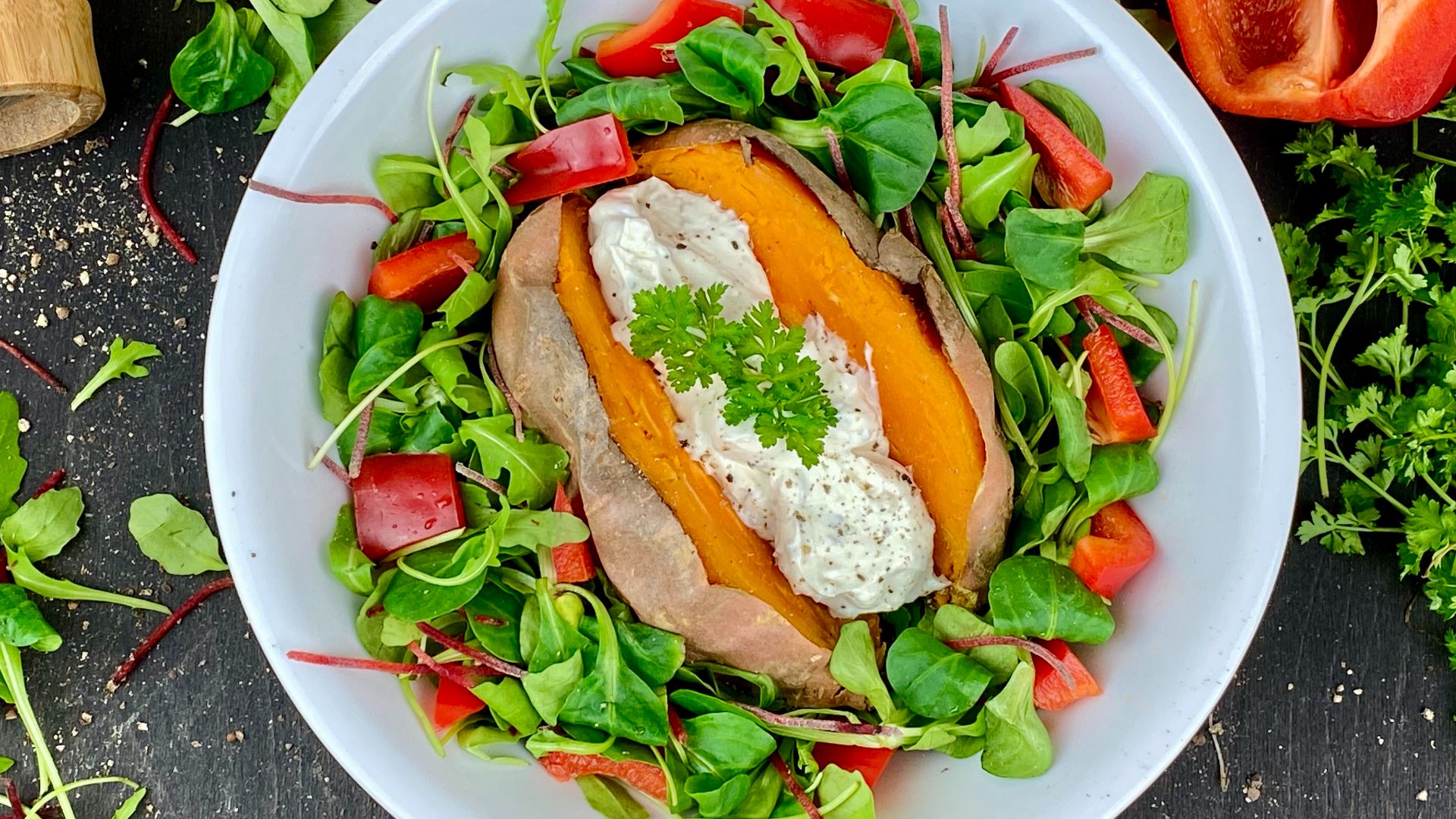
20. Topping For Baked Sweet Potatoes
Sweet potatoes already carry weight and sweetness. A yogurt topping pulls the dish back toward savory, easing richness without butter. Protein steadies the bite, texture cools naturally, and the plate feels balanced instead of drifting into comfort overload.
KEEP ON READING



20 Ways To Get Your Vitamins And Minerals

20 Ways Doing Less Can Actually Improve Your Health